Skatepark Scooters
Get ready to shred the skatepark like a pro with our selection of high-quality skatepark scooters. Whether you're an experienced rider or just starting out, these scooters are built to handle the demands of the skatepark. With their durable construction, smooth ride, and stylish designs, these scooters will take your tricks to the next level. From lightweight models for easy maneuverability to sturdy options for big air jumps, we have the perfect scooter to match your skill level and style. So gear up and get ready to show off your skills at the skatepark with our top-notch selection of scooters.
Sort
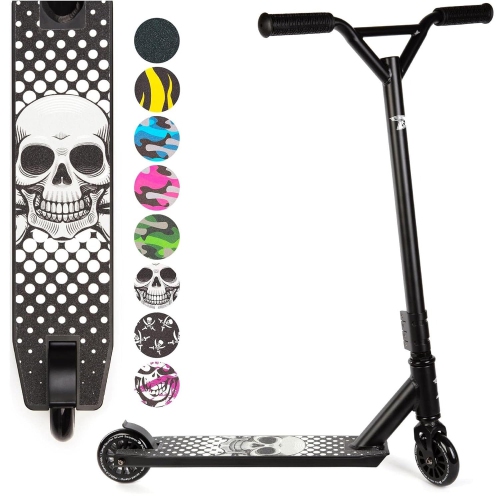
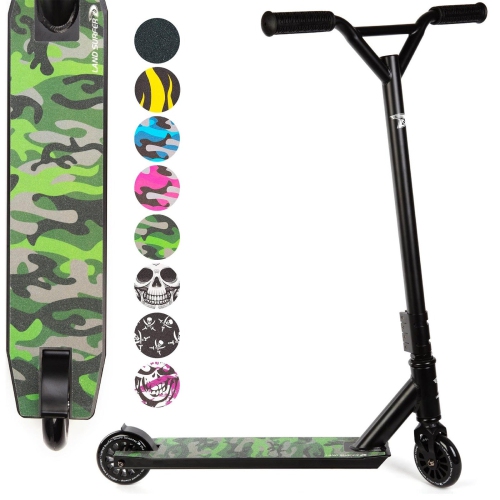
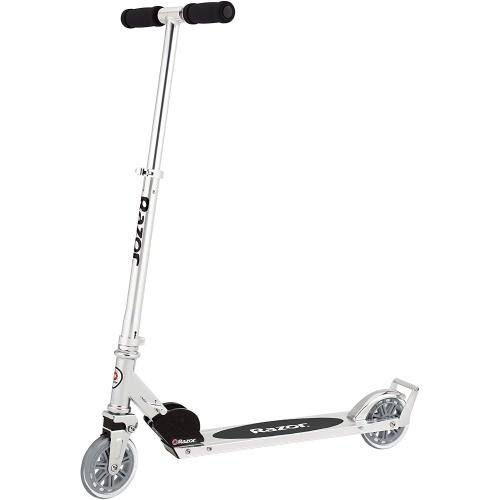
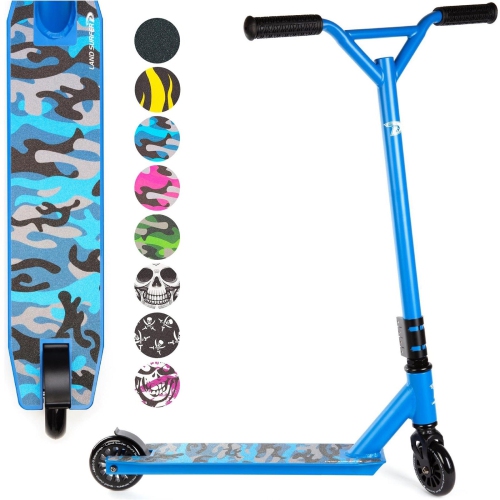
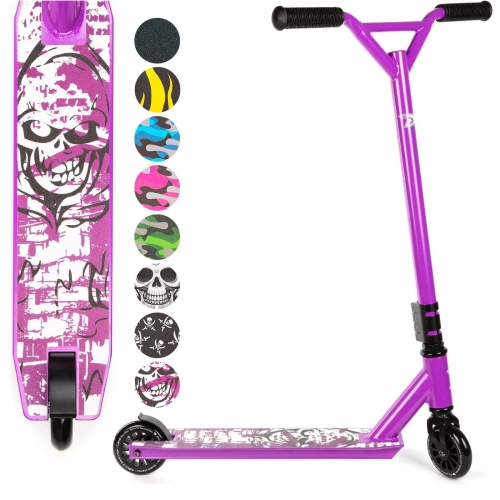
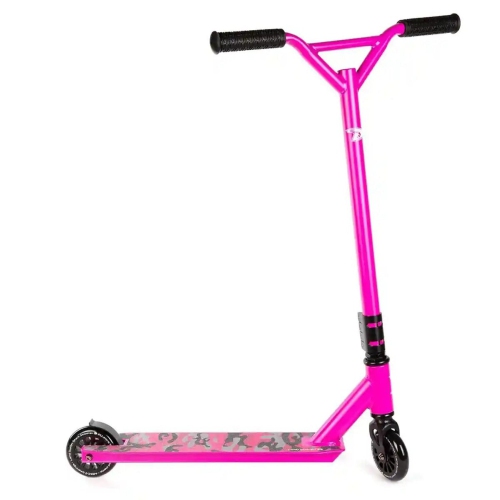
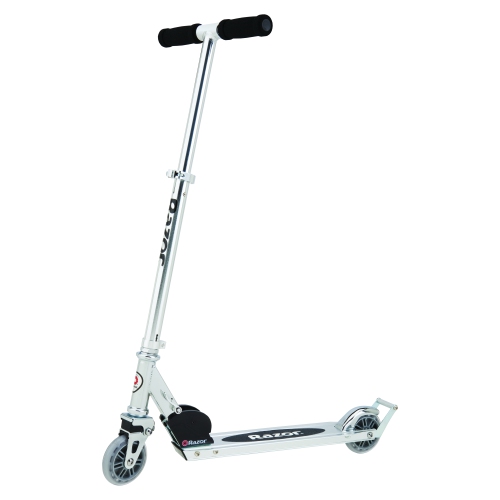
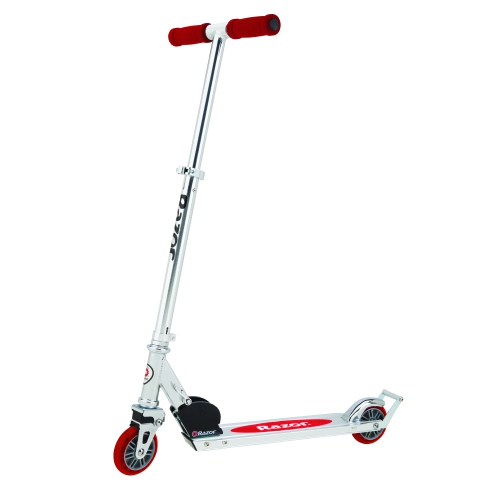
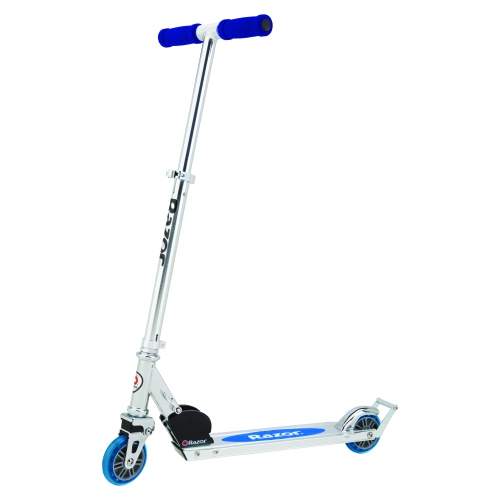
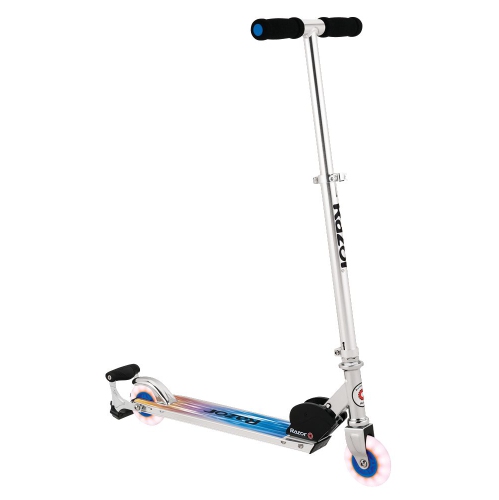
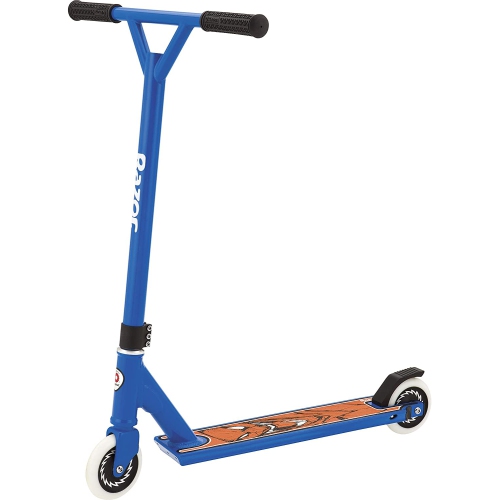
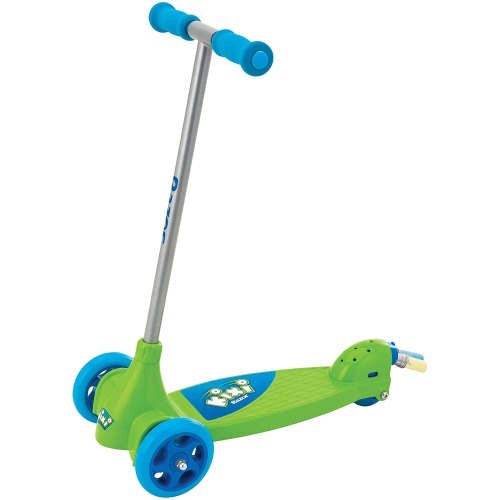
Built for controlled tricks ramps and confident landings
Skatepark scooters are built for ramps, bowls, quarter pipes and smooth park surfaces, where quick movement and controlled landings matter more than folding convenience or long-distance cruising. Unlike everyday kick scooters, these stunt scooters are generally designed as one-piece setups with reinforced components that can handle repeated jumps, drops and tricks. A lightweight aluminium deck helps make spins, tailwhips and aerial grabs easier to initiate, while high-strength steel may be used in the bar or other areas where added toughness is important. Smaller wheels, commonly around 100 mm to 110 mm, can accelerate quickly and respond sharply when a rider shifts their weight through a turn. Narrower decks also help with agility, giving riders room to reposition their feet during tricks without adding unnecessary bulk. Features such as a threadless headset, a secure compression system and a dependable rear brake can contribute to smoother steering and more confident landings. Some park-focused setups include peg-cut dropouts or space for compatible pegs, allowing riders to explore grinds as their skills develop. When browsing skatepark scooters, it helps to look at the complete construction rather than focusing on a single feature. A durable fork, firm handlebar, responsive wheels and a deck that feels proportionate to the rider all work together to create a balanced ride. The best setup should feel steady when rolling into a ramp, light enough to lift from the ground and predictable when the rider comes back down.
Choosing the right skatepark scooter starts with the rider’s age, height, experience and preferred riding style. Children around 8 years of age and older may enjoy a beginner-friendly model that offers a manageable bar height, stable steering and durable construction for learning fundamental skills. A younger or smaller rider may find a lower, lighter setup easier to control, while a taller rider may need a higher handlebar and a deck that provides enough room for comfortable foot placement. Riders new to the skatepark often benefit from a straightforward design that supports balance, pushing, braking and small hops before moving on to more advanced tricks. Intermediate riders may look for a lighter aluminium deck, more responsive handling, upgraded compression and a geometry that makes tailwhips, manuals and transitions feel natural. More experienced riders tend to pay close attention to weight, deck length and width, bar shape, wheel hardness and the strength of each component because small differences can affect timing and control. It is also worth checking the scooter’s maximum rider weight and recommended age range, as these details provide useful guidance for safe everyday use. A skatepark scooter can make a memorable gift for a child, tween or teen who enjoys active hobbies, spends time at a local park or has started watching friends practise tricks. It can also be a practical choice for a rider who has outgrown a basic scooter and wants equipment made specifically for ramps and stunt riding. For a gift, consider the recipient’s current ability rather than choosing only by appearance; a comfortable, properly sized scooter is more likely to become part of their regular routine. Protective equipment, including a properly fitted helmet, knee pads, elbow pads and wrist guards, should be used alongside the scooter, particularly during the early stages of learning.
Skatepark scooters are intended for controlled riding in suitable areas, such as designated skateparks, smooth concrete courts and other surfaces where scooters are permitted. Before riding, check that the wheels turn freely, the handlebar is firmly secured, the headset feels smooth and the brake responds without excessive movement. Riders should begin with a warm-up and practise on flat ground before progressing to ramps, bowls or larger drops. Learning to bend the knees on landing, keep both hands on the bar and look toward the intended line can make each session feel more controlled. Falls are a normal part of learning, which is why protective gear, clear riding space and awareness of other park users are essential. During warmer weather, riders may spend longer sessions building confidence outdoors, while cooler conditions can make it especially important to check that surfaces are dry and free of leaves, grit or standing water. After riding, wiping down the deck and wheels and checking bolts can help identify loose or worn parts before the next session. Replacement wheels, grips, bearings and other compatible components may be useful as riding time increases, particularly for riders who practise frequently. Those comparing styles and features can explore Stunt Scooters to find skatepark-focused options suited to different ages, heights, skill levels and budgets. Whether it is used for learning a first hop, practising a smooth turn through a bowl or working towards a clean tailwhip, a well-chosen scooter gives riders a compact way to build coordination, balance and confidence while enjoying time at the park.
Choosing the right skatepark scooter starts with the rider’s age, height, experience and preferred riding style. Children around 8 years of age and older may enjoy a beginner-friendly model that offers a manageable bar height, stable steering and durable construction for learning fundamental skills. A younger or smaller rider may find a lower, lighter setup easier to control, while a taller rider may need a higher handlebar and a deck that provides enough room for comfortable foot placement. Riders new to the skatepark often benefit from a straightforward design that supports balance, pushing, braking and small hops before moving on to more advanced tricks. Intermediate riders may look for a lighter aluminium deck, more responsive handling, upgraded compression and a geometry that makes tailwhips, manuals and transitions feel natural. More experienced riders tend to pay close attention to weight, deck length and width, bar shape, wheel hardness and the strength of each component because small differences can affect timing and control. It is also worth checking the scooter’s maximum rider weight and recommended age range, as these details provide useful guidance for safe everyday use. A skatepark scooter can make a memorable gift for a child, tween or teen who enjoys active hobbies, spends time at a local park or has started watching friends practise tricks. It can also be a practical choice for a rider who has outgrown a basic scooter and wants equipment made specifically for ramps and stunt riding. For a gift, consider the recipient’s current ability rather than choosing only by appearance; a comfortable, properly sized scooter is more likely to become part of their regular routine. Protective equipment, including a properly fitted helmet, knee pads, elbow pads and wrist guards, should be used alongside the scooter, particularly during the early stages of learning.
Skatepark scooters are intended for controlled riding in suitable areas, such as designated skateparks, smooth concrete courts and other surfaces where scooters are permitted. Before riding, check that the wheels turn freely, the handlebar is firmly secured, the headset feels smooth and the brake responds without excessive movement. Riders should begin with a warm-up and practise on flat ground before progressing to ramps, bowls or larger drops. Learning to bend the knees on landing, keep both hands on the bar and look toward the intended line can make each session feel more controlled. Falls are a normal part of learning, which is why protective gear, clear riding space and awareness of other park users are essential. During warmer weather, riders may spend longer sessions building confidence outdoors, while cooler conditions can make it especially important to check that surfaces are dry and free of leaves, grit or standing water. After riding, wiping down the deck and wheels and checking bolts can help identify loose or worn parts before the next session. Replacement wheels, grips, bearings and other compatible components may be useful as riding time increases, particularly for riders who practise frequently. Those comparing styles and features can explore Stunt Scooters to find skatepark-focused options suited to different ages, heights, skill levels and budgets. Whether it is used for learning a first hop, practising a smooth turn through a bowl or working towards a clean tailwhip, a well-chosen scooter gives riders a compact way to build coordination, balance and confidence while enjoying time at the park.
Top selling and popular products
-
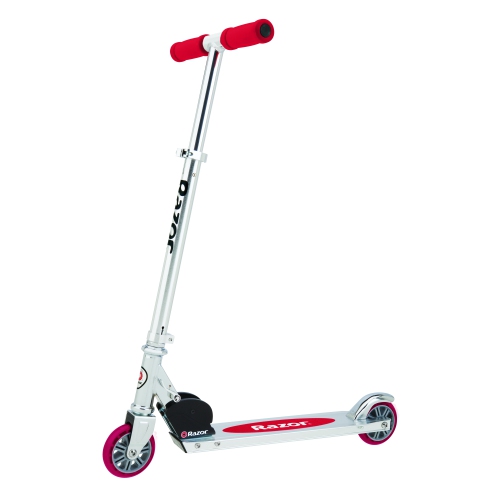 Your price for this item is $49.99
 -
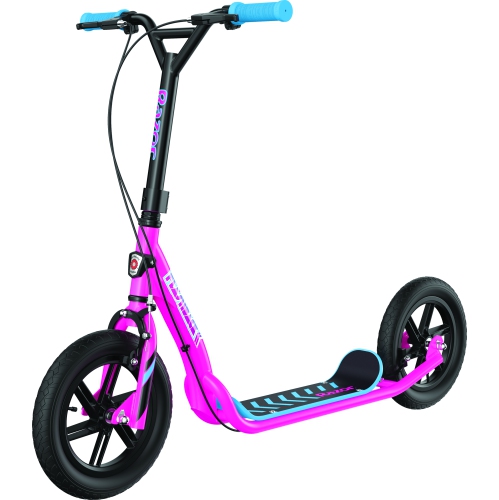 Your price for this item is $229.99
 -
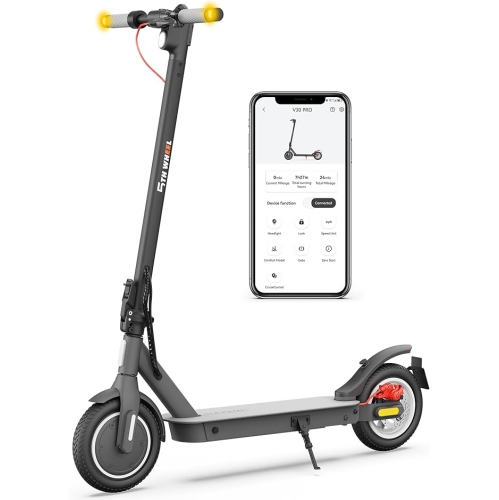 Your price for this item is $417.32
 -
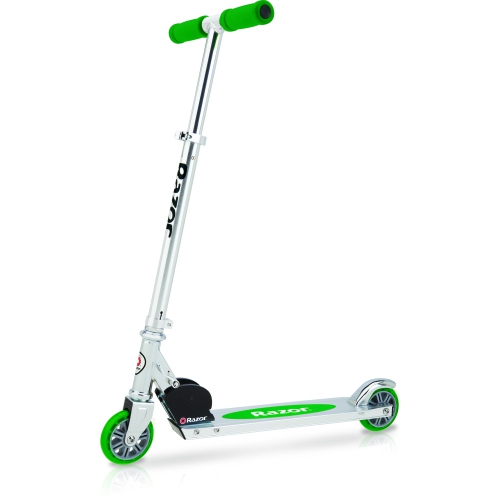 Your price for this item is $49.99
 -
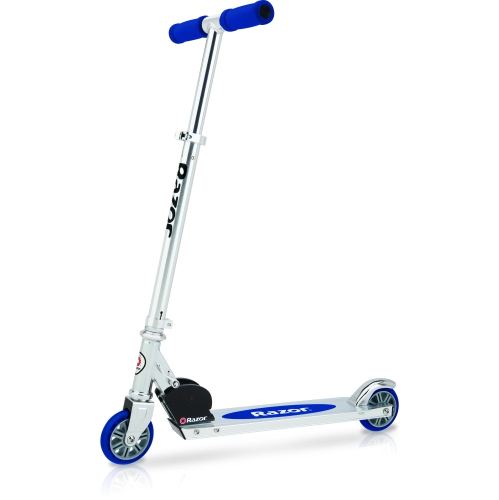 Your price for this item is $49.99
 -
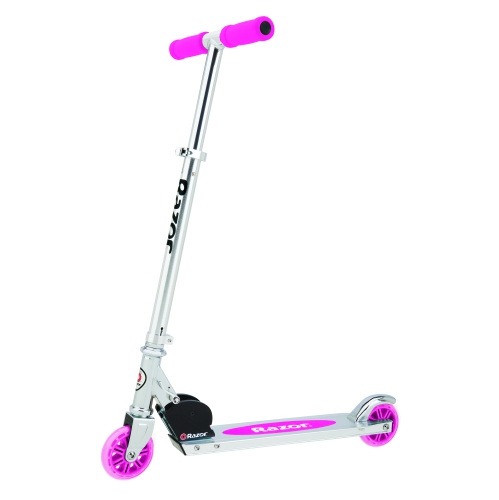 Your price for this item is $49.99
 -
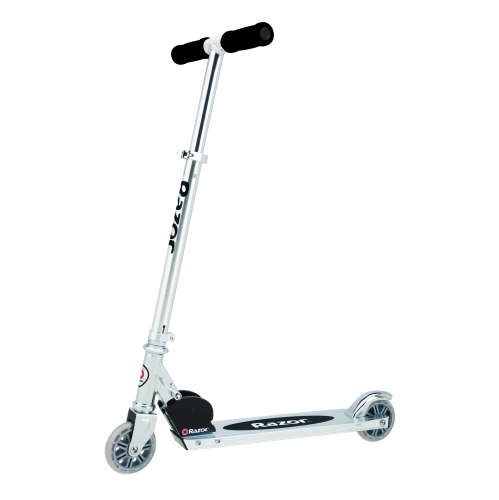 Your price for this item is $49.99
 -
 Your price for this item is $153.99
Discover more categories related to Skatepark Scooters

Top Collections:
Pokemon Centers, Kindle Devices, Best Budget Office Chairs, Apple iPhones 16, Best Laptops for Writers, iPhone 15 Apple, Canon G7X Cameras, Refurbished Apple Laptops, Alarm Clock, Motorola Razr Phones
Some products may be subject to Environmental Handling Fees
(EHF) depending on your province.
Learn more about EHFs.