Pickleball Sets
Discover the excitement and energy of pickleball with a comprehensive pickleball set that's perfect for players of all skill levels. Whether you're a seasoned pro or just starting out, having the right equipment can make all the difference in your game. A complete set typically includes paddles, balls, and a net system, ensuring you have everything needed to get started on any court. Pickleball is known for its fast-paced action and is a fantastic way to stay active while having fun with friends and family. Explore our selection to find the ideal set that matches your style and enhances your playing experience.
Sort


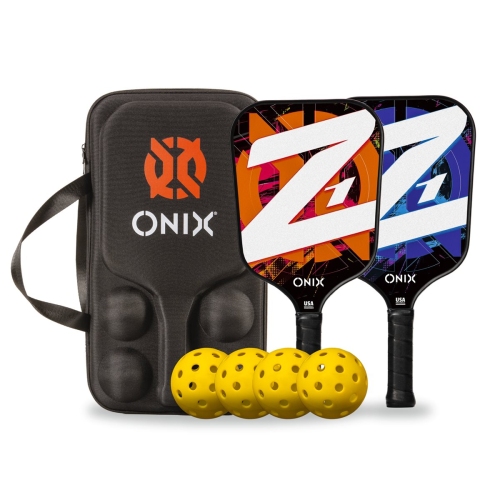

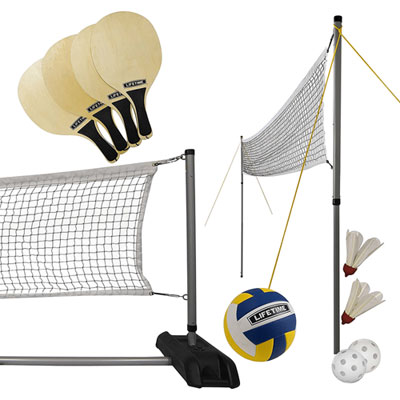
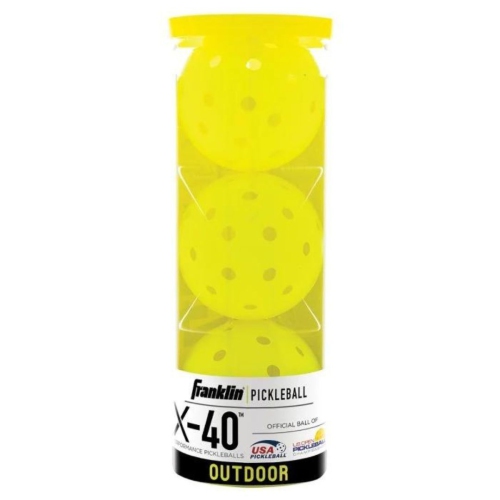
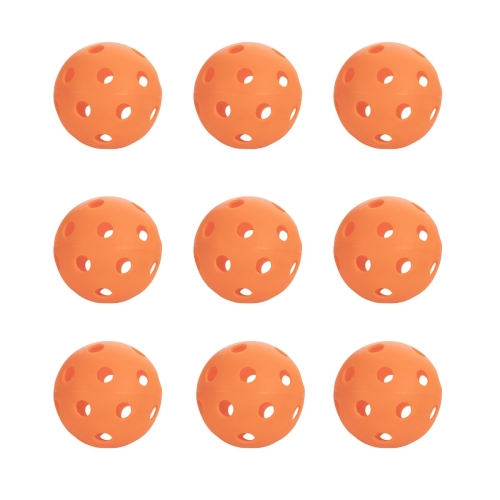






Your court and playing group shape the right setup
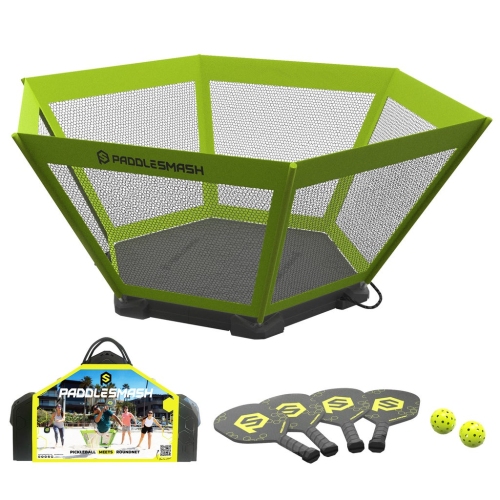
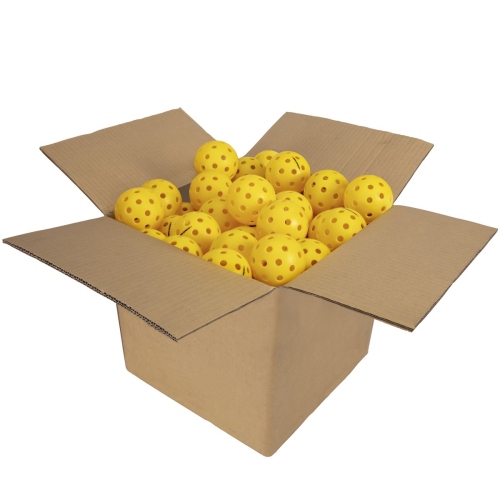
Pickleball sets bring together the equipment needed to share a game, usually with two or four paddles, several pickleballs, and a carrying bag or case. Some sets also include a portable net, while others are intended for courts with a net already in place. The distinction matters: a paddle-and-ball set suits someone heading to a recreation centre or an established pickleball court, whereas a set with a net offers more flexibility for suitable spaces where court lines and a safe playing area can be arranged. A two-paddle set equips two people for singles or practice, while a four-paddle set equips a full doubles group without requiring everyone to bring a paddle. Extra balls are useful when one rolls beyond the court or develops a crack, and a bag keeps the small essentials together between games. Pickleball combines paddle strokes, a perforated plastic ball, and a court smaller than a tennis court, making it approachable for newcomers while leaving plenty of room to develop control, placement, and tactical play. A well-matched set supports that progression without making the first few sessions unnecessarily complicated. For a couple learning together, similar paddles can give both players a consistent starting point. For a family or a group of friends, comfortable grips and manageable paddle weights matter more than matching colours alone. Sets can also suit shared recreation spaces, where equipment needs to be straightforward to carry, distribute, and pack away. Contents vary, so the number of paddles, type of balls, and inclusion of a net or storage bag are more useful comparisons than the word “complete” on its own. Court access is another practical consideration: a set does not necessarily include boundary markers, and a portable net does not turn every open area into a suitable court. A level surface, clear boundaries, and enough unobstructed space around the playing area help make casual games more comfortable and organized.
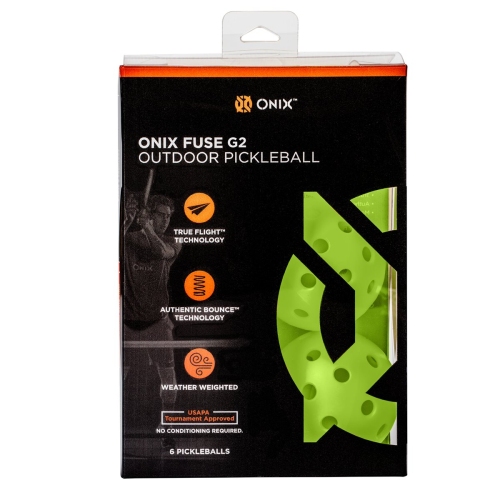
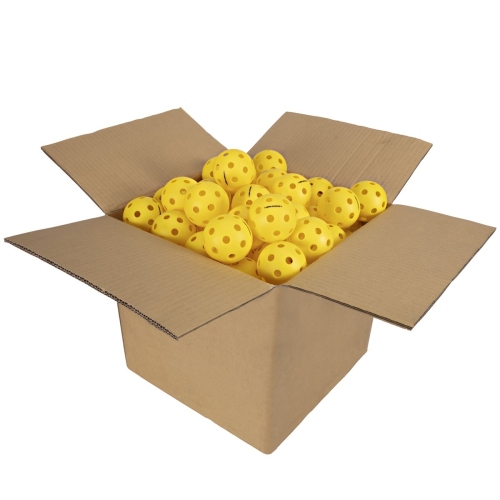
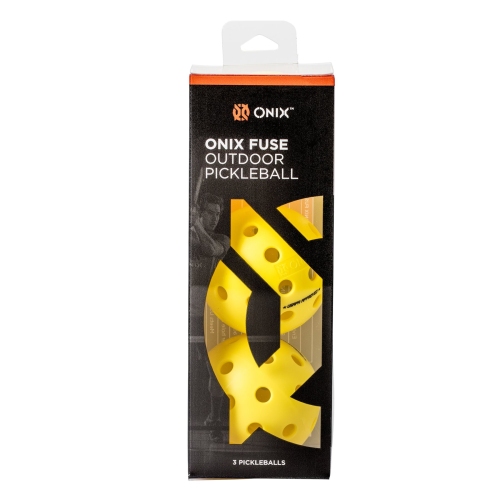
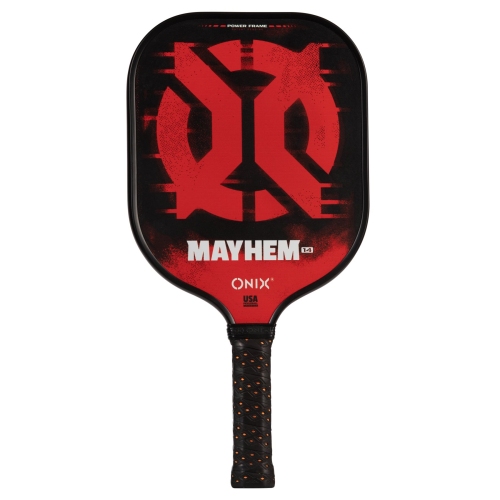
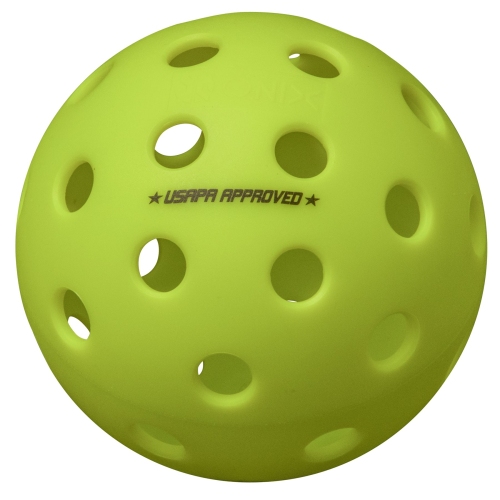
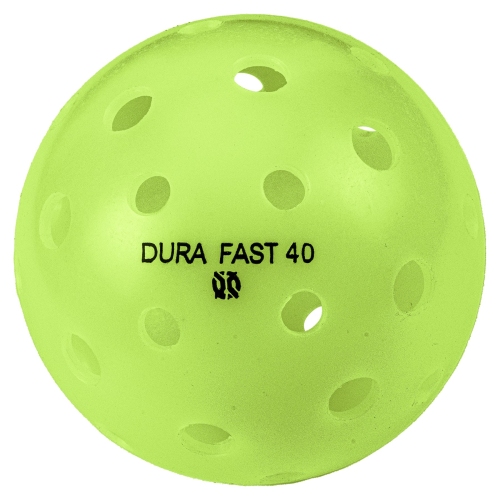
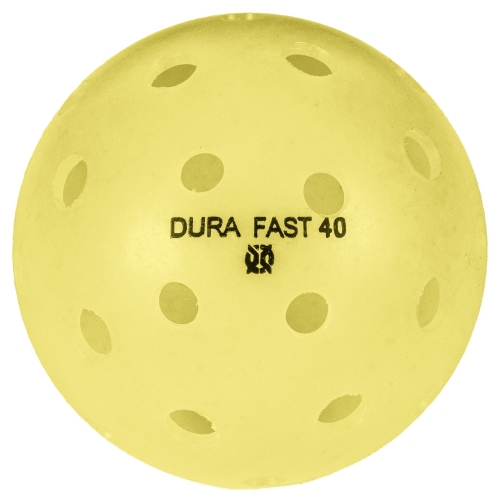
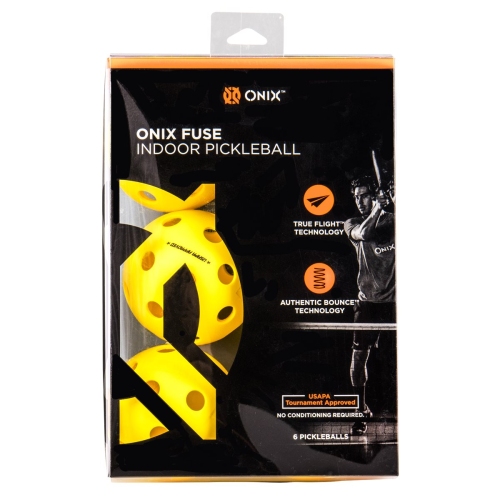
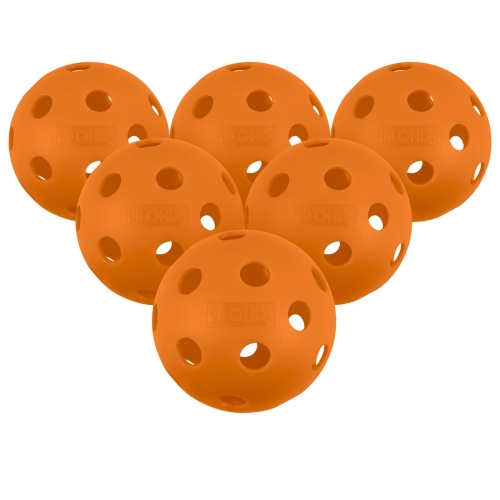
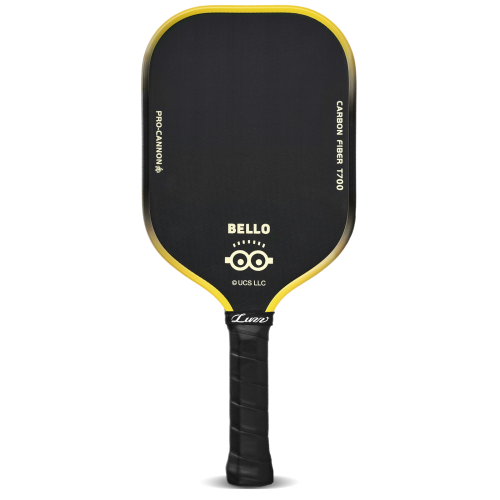
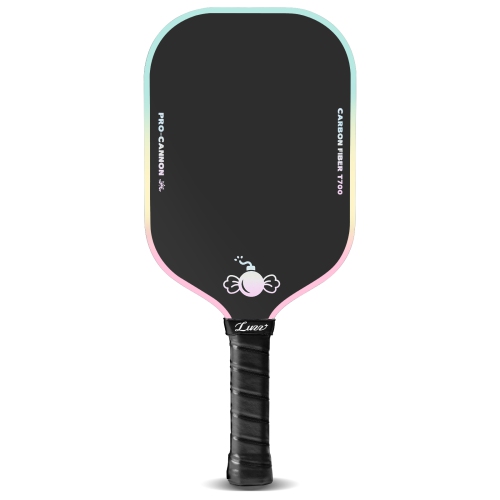
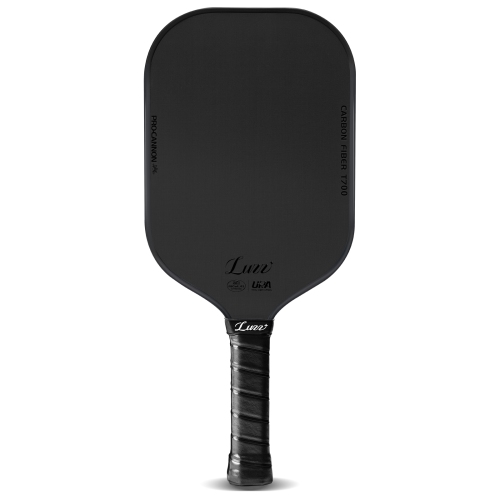
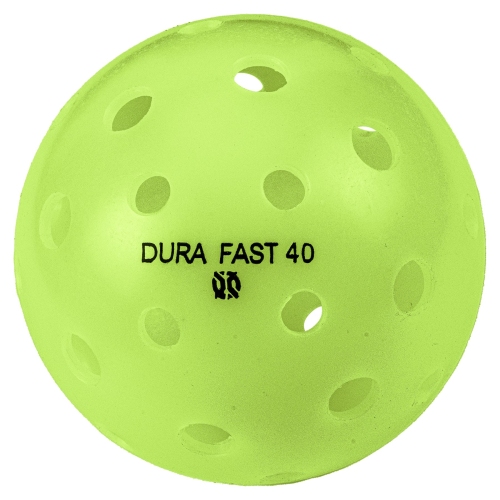
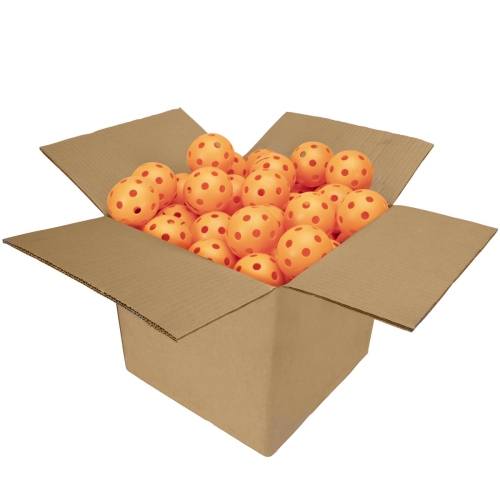
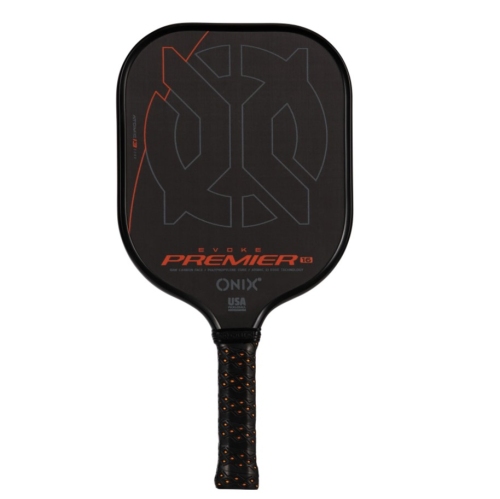
Paddle construction has a noticeable influence on how a pickleball set feels in use. Wood paddles are often sturdy and straightforward, though they tend to be heavier than many paddles built with composite materials. Fibreglass faces, carbon fibre faces, and polymer honeycomb cores appear in a range of constructions, each affecting weight, stiffness, feedback, and the balance between power and control. The material name alone does not describe the whole experience; core thickness, paddle shape, surface texture, and weight distribution also matter. A lighter paddle may feel easier to manoeuvre during quick exchanges near the net, while a heavier paddle can feel steadier through contact but demand more effort over a long session. Players learning soft shots often appreciate predictable contact and a comfortable grip rather than a paddle chosen only for powerful drives. A closer look at Pickleball Paddles can help clarify these differences when comparing the paddles included in a set. Grip circumference deserves particular attention when equipment will be shared by people with different hand sizes. A grip that is too large can make it harder to hold the paddle comfortably, while a very small grip may encourage unnecessary squeezing. Handle length also affects fit, especially for someone who prefers a two-handed backhand. Cushioned grips can improve comfort, and replaceable overgrips offer a practical way to refresh a worn handle or adjust its feel. Ball selection is equally important. Indoor pickleballs typically have fewer, larger holes, while outdoor pickleballs generally have more, smaller holes and a firmer construction. The right choice depends on the court surface and the requirements of the facility, not simply on whether a roof is overhead. Bright ball colours can make tracking easier, particularly when they contrast with the floor and background. For organized play, stated dimensions and equipment approval may also matter; a recreational set should not automatically be assumed to meet every league or tournament requirement. Beginners benefit most from equipment that feels comfortable and behaves consistently, allowing attention to stay on timing, footwork, and keeping a rally going.
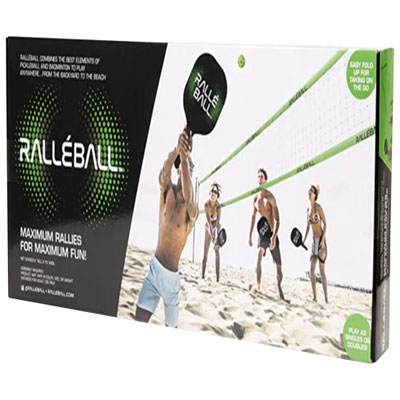
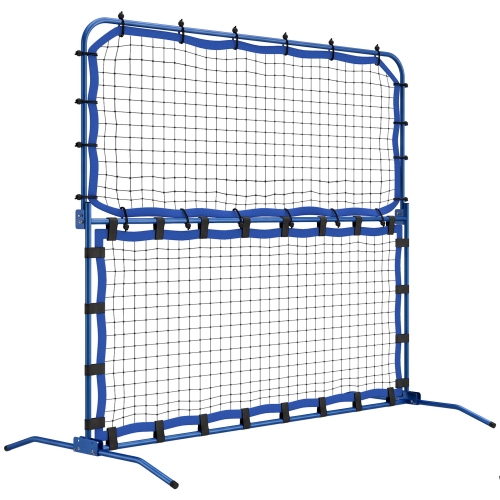
For sets that include a portable net, the frame, base design, assembly method, and packed size deserve as much attention as the paddles. A regulation pickleball net is 22 feet wide and measures 36 inches high at the sidelines and 34 inches at the centre. Compact practice nets serve a different purpose and may not span a full court, so dimensions help distinguish a practice setup from one intended for regular games. A stable frame and a centre support help maintain the net’s shape, while clearly fitting sections make repeated setup less fiddly. The carrying bag should accommodate the frame pieces without forcing them against the paddles, and separate compartments can keep balls and small accessories from collecting at the bottom. For someone walking from a parking area to a court, comfortable handles and a manageable packed weight can make a meaningful difference. Durability also depends on how the equipment is treated between sessions. Paddle faces generally benefit from gentle cleaning suited to their materials, rather than abrasive scrubbing or harsh chemicals. Damp grips and nets should be allowed to dry before storage, and paddles are best protected from being crushed beneath a folded frame or heavy belongings. Balls deserve an occasional check for cracks, dents, or uneven shape, since damaged balls can interrupt otherwise consistent play. Loose grip tape, lifted edge guards, and damaged net components are also worth noticing before the next game. A pickleball set can make a thoughtful gift for a couple starting a shared activity, a family that enjoys court sports, or a friend who has been borrowing equipment. The most useful gift reflects how it will actually be used: enough paddles for the usual group, balls suited to the court, and storage that makes taking everything along uncomplicated. For frequent players, paddle comfort and construction may take priority; for occasional group games, an easy-to-manage shared setup may be the better fit. Matching the set to those everyday details helps it remain useful beyond the first outing.
Top selling and popular products
-
 Your price for this item is $266.99
-
 Your price for this item is $139.99
-
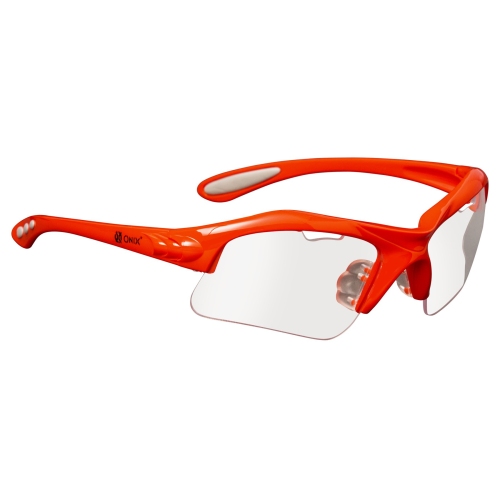 Your price for this item is $44.99
-
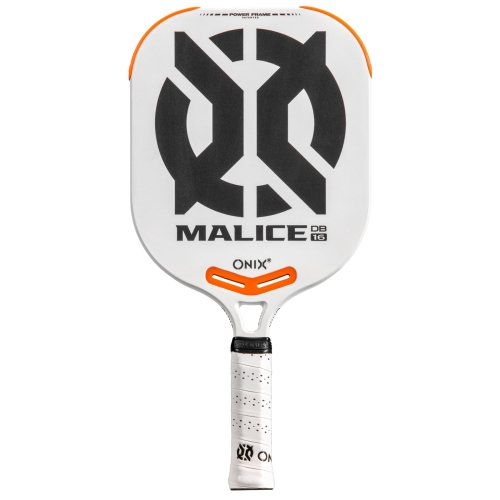 Your price for this item is $359.99
-
 Your price for this item is $34.99
-
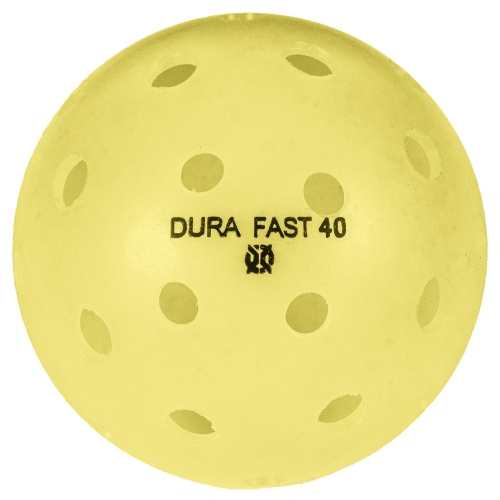 Your price for this item is $429.99
-
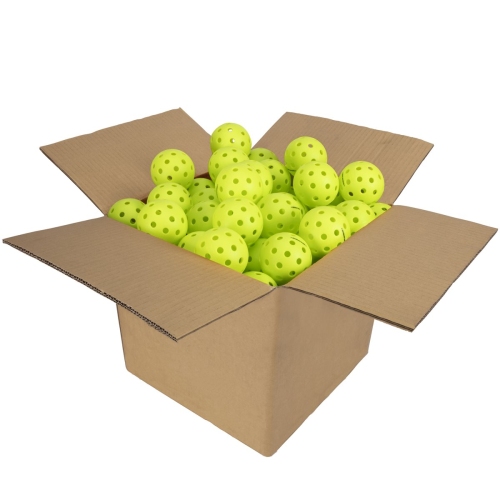 Your price for this item is $349.99
-
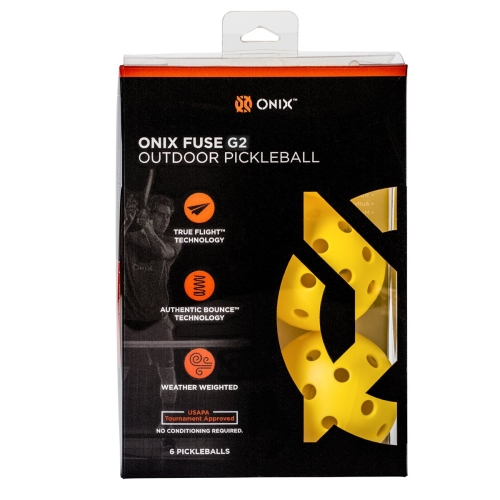 Your price for this item is $28.99
Discover more categories related to Pickleball Sets
Top Collections:
Pokemon Centers, Kindle Devices, Best Budget Office Chairs, Canon G7X Cameras, Apple iPhones 16, Samsung Galaxy Phones, Refurbished Apple Laptops, Laptops for Students, iPhone 15 Apple, Budget Smartphones
Some products may be subject to Environmental Handling Fees
(EHF) depending on your province.
Learn more about EHFs.