Pickleball Paddles Sets
Elevate your game with a Pickleball Paddles Set designed for players of all skill levels. Whether you’re gearing up for friendly matches or competitive play, finding the right equipment is key to enjoying every moment on the court. Explore a wide selection of Pickleball Paddles Sets that offer everything you need to get started or upgrade your gear, making it easy to focus on fun and performance with friends and family.
Sort


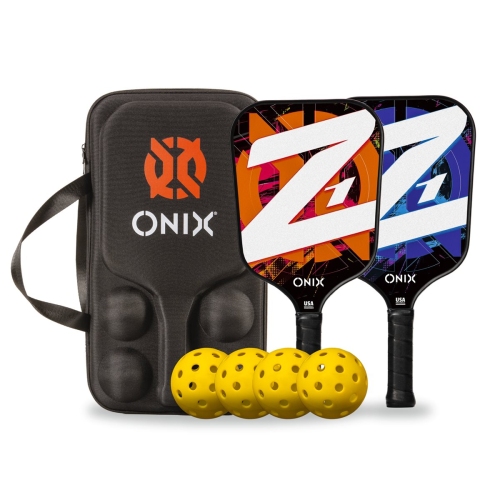


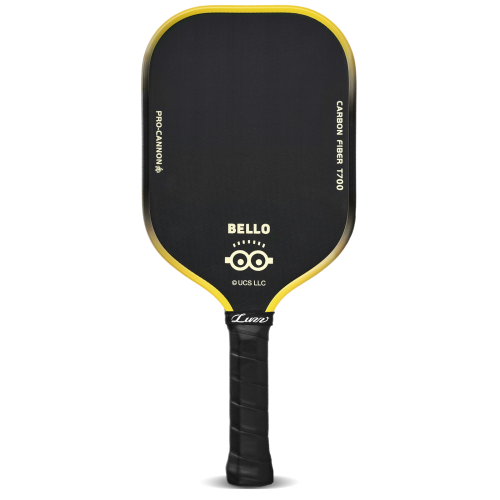

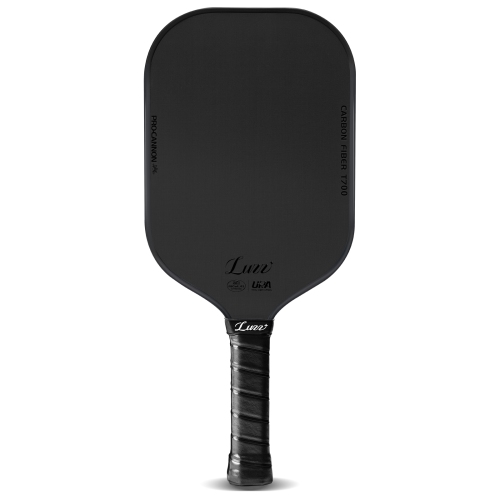

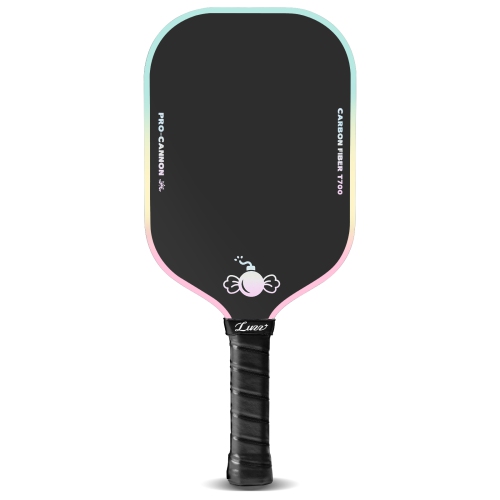
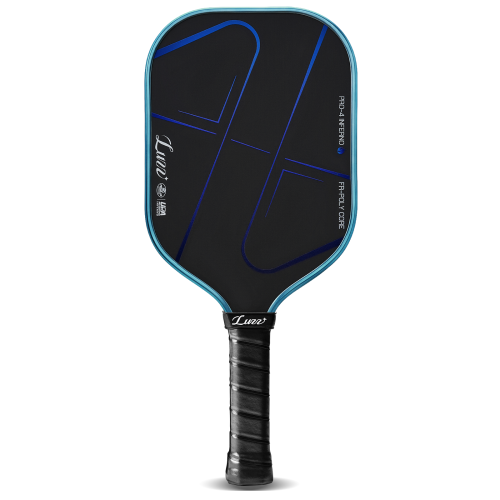
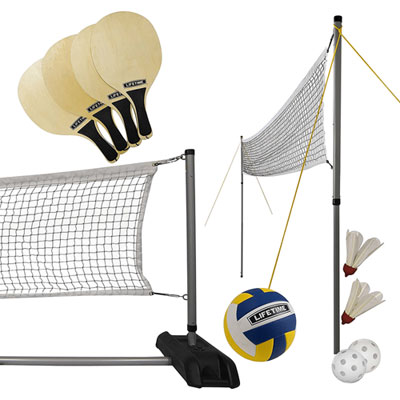
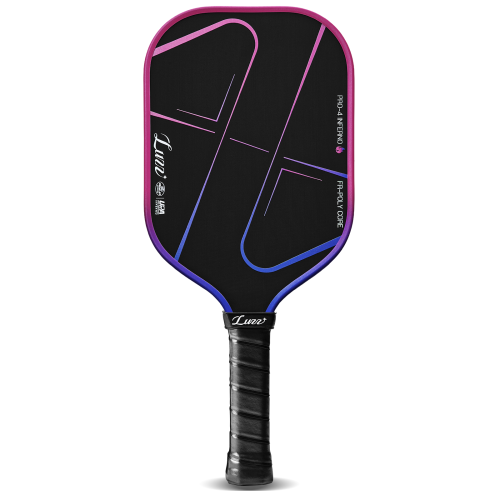
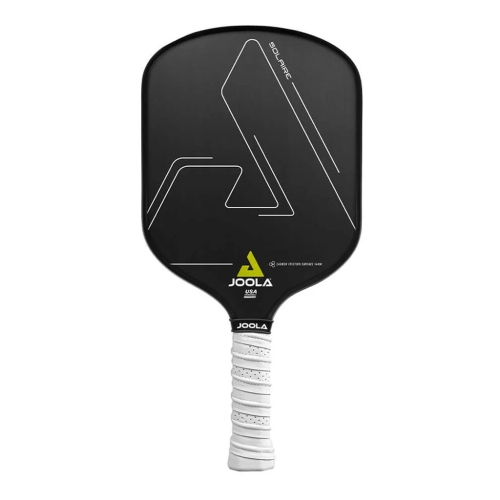
What’s inside a paddle bundle shapes your game
Pickleball paddle sets typically bring two or more paddles together in one package, often with balls and a carrying bag. They give partners, families, and small groups a practical starting point for playing without having to assemble every piece of equipment separately. A two-paddle set suits a pair practising serves, playing singles, or joining a doubles game with another pair who already have their own equipment. Four-paddle sets can equip everyone for a doubles match and make it easier to include guests in a casual game. Set contents vary, so the number of paddles and balls, the type of carrying case, and any included accessories help define what a bundle is intended to provide. A paddle set does not necessarily include a net; some bundles focus on handheld equipment, while others contain additional court essentials. For a wider range of bundle configurations, Pickleball Sets provides a related category to explore. For beginners, a set creates an opportunity to practise the basics with a regular partner, from making consistent contact to placing a serve beyond the non-volley zone. For households that already play, extra paddles can make it easier to introduce a friend without asking them to bring equipment. Shared sets are particularly useful when players have similar preferences, although matching paddle designs do not automatically suit every hand size or playing style. A parent and child, for example, may need different grip dimensions even when they are learning together. Paddle sets also make thoughtful gifts for couples who enjoy active outings, friends who meet for recreational sports, or someone taking up pickleball through a community centre. The most useful gift is one that suits how the recipient will play, whether that means relaxed rallies, regular lessons, or more structured club sessions.
Paddle construction affects how a set feels from the first rally. Wood paddles are often associated with straightforward recreational play, but their weight and solid construction can feel quite different from composite designs. Fibreglass and carbon fibre are common face materials in composite paddles, usually paired with an internal core rather than a solid wooden body. Fibreglass faces often have a lively response, while carbon fibre designs can offer a firmer, more controlled feel, depending on the complete construction. Neither material alone determines performance: core thickness, paddle shape, surface treatment, and weight distribution all contribute. Polymer honeycomb cores are common, with their structure helping balance weight, impact response, and feel. Thicker designs often emphasize cushioning and control, while thinner designs may feel more direct, although individual paddle specifications matter more than a single feature in isolation. These differences become noticeable when a player moves from a gentle dink near the kitchen line to a firmer drive from the back of the court. A lighter paddle can feel easier to reposition during quick exchanges, whereas a heavier paddle may feel steadier at contact but place greater demands on the arm over a long session. Balance matters too, since two paddles with the same listed weight can feel different when one carries more of that weight towards the head. Wider faces generally provide a more forgiving hitting area, while elongated shapes trade some width for additional reach. Grip circumference and handle length deserve equal attention. A handle that sits securely in the fingers allows a relaxed hold, rather than a constant squeeze to keep the paddle from twisting. Longer handles may accommodate two-handed backhands, while shorter handles can suit players who prefer their hand closer to the paddle face. Cushioned grips help manage feel and moisture, and edge guards can protect the perimeter from incidental contact, though neither feature makes a paddle immune to wear.
The balls included in a pickleball paddle set are an important part of its intended use. Indoor and outdoor pickleballs differ in their hole patterns, construction, and playing characteristics, so they are not always interchangeable for the experience a player expects. Indoor balls generally have fewer, larger holes and a softer feel, while outdoor balls commonly use more, smaller holes and a firmer construction. The playing surface and venue requirements help determine which type is appropriate, even when a court is covered or enclosed. A ball that works well on a gym floor may respond differently on a textured hard court. High-visibility colours can make the ball easier to follow, although contrast with the court and its background also matters. For organized play, paddle approval and ball requirements are separate considerations; an approval claim should apply to the exact equipment rather than being assumed from the appearance of the set. Recreational players may place more emphasis on comfortable handling, consistent bounce, and having enough equipment for everyone to join in. Durability depends partly on construction and partly on everyday treatment. Paddle faces benefit from gentle cleaning with a soft cloth and the cleaning method recommended for their material. Abrasive cleaners, soaking, and unnecessary scraping can damage finishes or affect the playing surface. Grips should be allowed to dry before the paddles are packed away, and worn grip material can be replaced when it becomes slippery or loses its cushioning. A carrying bag keeps paddles and balls together, while individual covers offer additional protection against scratches during transport. Equipment is best stored dry and away from direct heat, without heavy objects pressing against the paddle faces. Balls with cracks, dents, or an uneven shape can produce unpredictable bounces and should be taken out of play. With suitable fit, appropriate balls, and routine care, a paddle set can serve as familiar equipment for everything from the first successful rally to a regular doubles match.
Top selling and popular products
-
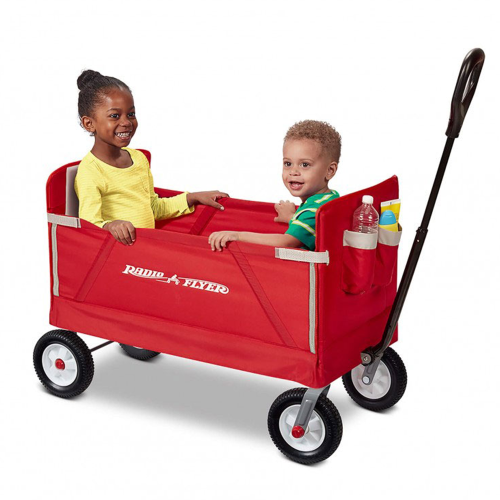 Your price for this item is $266.99
-
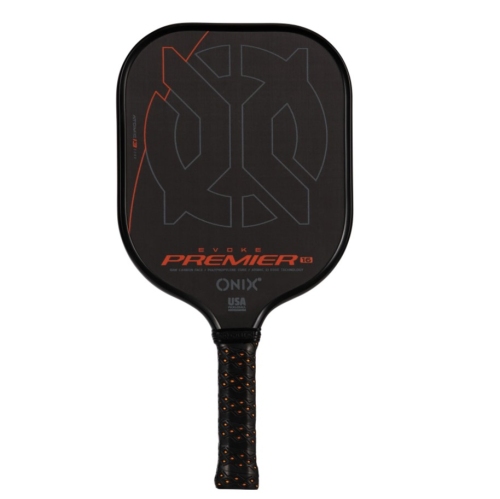 Your price for this item is $139.99
-
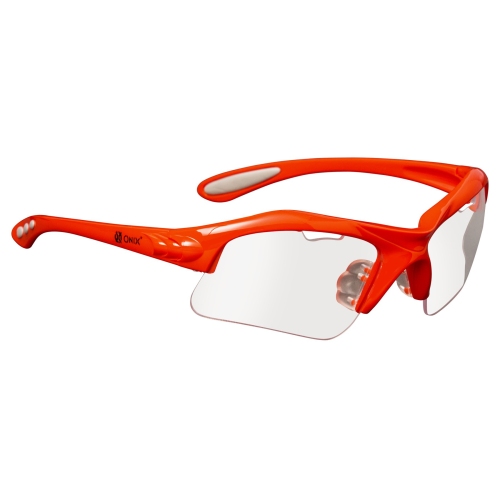 Your price for this item is $44.99
-
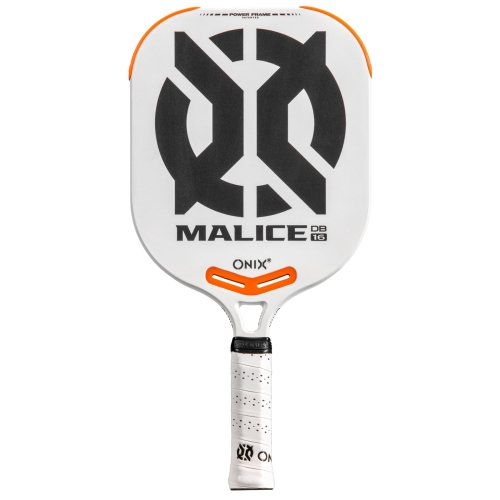 Your price for this item is $359.99
-
 Your price for this item is $34.99
-
 Your price for this item is $429.99
-
 Your price for this item is $28.99
-
 Your price for this item is $14.99
Discover more categories related to Pickleball Paddles Sets


Top Collections:
Pokemon Centers, Best Cameras for Sports Photography, Kindle Devices, Samsung Galaxy Phones, Canon G7X Cameras, Pokémon 30th Celebration Cards, Refurbished Apple Laptops, iPhone 15 Apple, Laptops for Students, Budget Smartphones
Some products may be subject to Environmental Handling Fees
(EHF) depending on your province.
Learn more about EHFs.