Portable Shower Camping
Portable shower camping solutions make it easy to stay refreshed and comfortable during your outdoor adventures. Whether you’re heading out for a weekend in the wilderness or setting up camp at a festival, these convenient options help you enjoy a clean and invigorating experience wherever you go. Explore a wide selection designed to fit different needs and preferences, ensuring that your time outdoors remains enjoyable and hassle-free. Find the ideal portable shower camping setup to enhance your next trip and keep you feeling your best on the go.
Sort
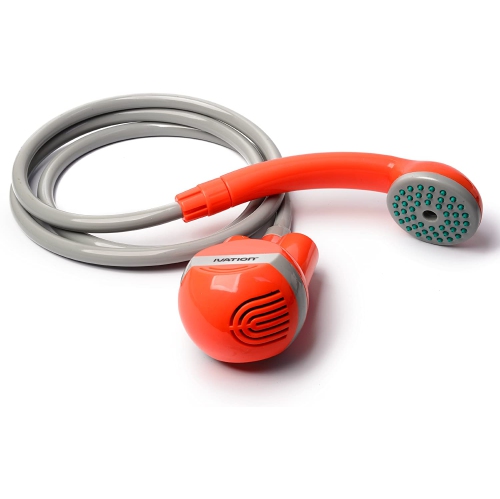
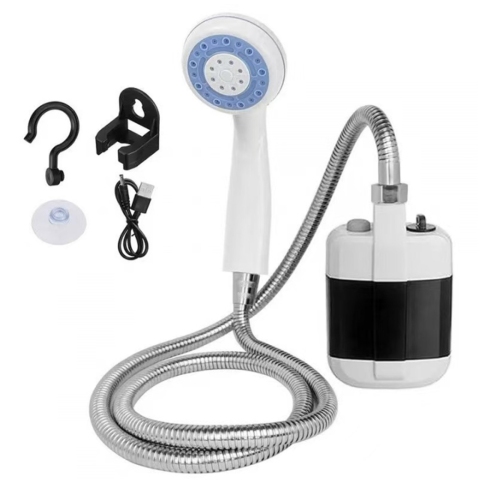
A comfortable rinse after a dusty day at camp
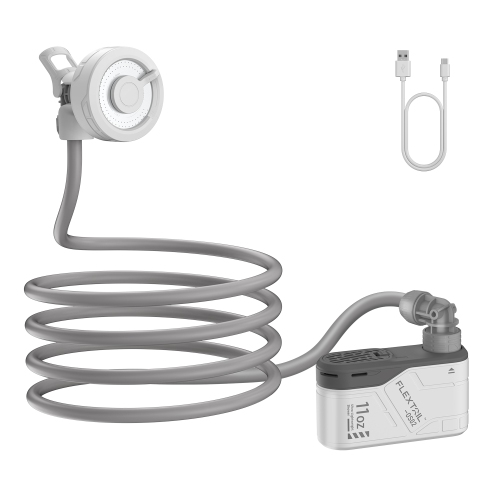
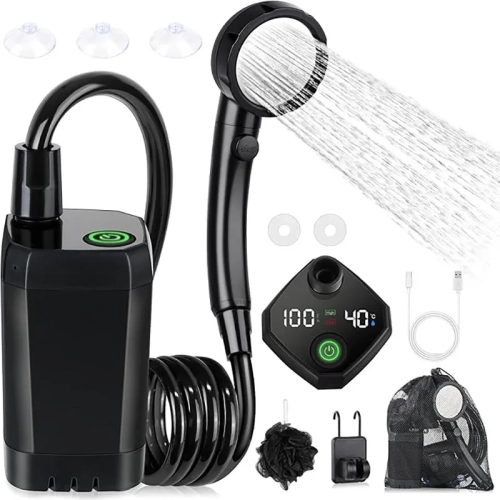
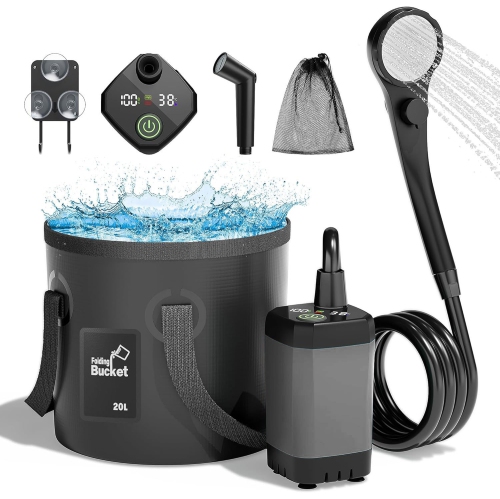
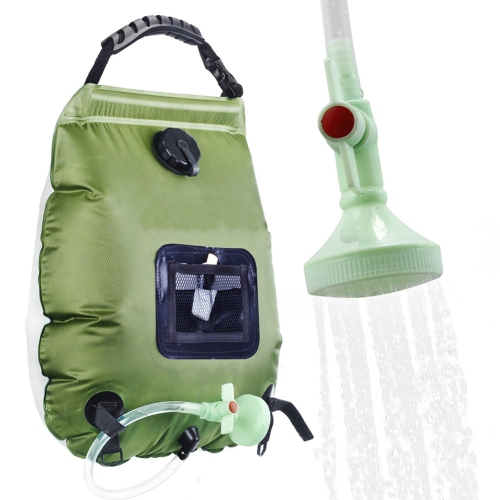
Portable camping showers bring a familiar comfort to places where a washroom may be a long walk away or a shower block is not part of the setup. After a trail walk, a day of paddling, or an afternoon around a dusty campsite, having a way to rinse off can make the return to a sleeping bag feel much more comfortable. These showers range from flexible hanging reservoirs to pump-operated systems that draw water from a separate container, with different designs suited to different ways of travelling. A compact, collapsible reservoir makes sense when storage space matters, while a larger freestanding setup may suit a vehicle-based campsite where carrying weight is less of a concern. Gravity-fed designs rely on a raised water supply, so their performance depends partly on the height and position of the reservoir. Foot pumps and hand-pressurized tanks offer another way to move water without a powered pump, while rechargeable pumps introduce considerations such as battery runtime, charging connections, and protection for electrical components. Capacity affects more than shower length: a litre of water adds approximately one kilogram to the load, which makes a full reservoir noticeably heavier than its packed form suggests. A generous fill opening can make refilling easier, especially when working from a campsite tap or pouring from a jug. A hose that reaches comfortably from the water source to the showerhead also helps keep the setup practical rather than awkward. Flow controls close to the showerhead are useful when pausing to wash hair or adjust the spray, and a secure showerhead holder can leave both hands free. For a closer look at bundled formats, Portable Shower Kits can help bring the main components into focus, although included parts vary by design. The most useful setup is one that fits the way camp is arranged, from where clean water is collected to where the shower can be safely positioned.
Materials and construction make a meaningful difference when a camping shower is repeatedly filled, emptied, folded, and packed beside other gear. Flexible reservoirs may use coated fabrics or plastic films, while rigid tanks typically use moulded plastic; each format balances packed size, weight, and resistance to everyday handling differently. Reinforced hanging points, well-finished seams, secure caps, and firmly attached hose fittings are worth attention because these areas carry weight or experience repeated movement. A broad handle can feel more comfortable when carrying a filled container, and a stable base helps a freestanding tank stay upright on suitable ground. Flexible hoses should bend without readily kinking, particularly where they connect to the reservoir or pump. Showerhead shape matters, too: a narrow spray can be useful for rinsing feet and muddy footwear, while a broader pattern may feel more comfortable for a full rinse. Fit, in this category, is largely about how the shower works with the rest of the camping equipment. Reservoir dimensions need to suit the storage compartment, hose length needs to match the intended layout, and any hanging arrangement needs a support rated for the filled weight. Not every shower shelter is designed to hold a water reservoir overhead. A privacy shelter can provide room to change and keep a towel close by, but its frame, attachment points, and floor design should suit the intended use. Enough interior space to turn around without pulling on the hose is particularly helpful for taller users or anyone assisting a child. Underfoot, stable footing and suitable drainage matter more than a picturesque location. Keep the washing area clear of tent entrances, cooking equipment, and pathways where pooled water could become a nuisance. Campground rules may specify where washing is permitted and how used water must be collected or disposed of, so a portable shower does not automatically make every campsite a suitable shower spot.
Intended use often determines which details become important over time. A solo camper taking a brief rinse has different needs from a family arranging several washes before bedtime, and someone travelling by canoe may place more emphasis on packed size than someone camping beside a vehicle. For festival camping or trips with shared facilities, a portable setup can offer another washing option where permitted, especially when a private changing space is part of the arrangement. It can also be a thoughtful gift for a frequent camper who already has the essentials, provided the setup matches their transport, storage space, and access to water or charging. Ease of operation deserves particular attention when the shower will be used by people with limited grip strength or mobility: small valves, stiff pump actions, and heavy reservoirs can make an otherwise simple task difficult. Children need adult supervision, and water should always be checked before use. Many portable showers move water without heating it; any water-warming feature, permissible fill temperature, or connection to a separate heater should be confirmed in the manufacturer's instructions. A rechargeable pump should only be submerged if it is designed for that purpose, and charging connections need to be handled as directed. Clean source water helps keep the reservoir and pump free of grit, while an intake filter, where fitted, needs regular checking to maintain flow. After a trip, emptying the reservoir, draining the hose, and allowing the parts to dry thoroughly can help prevent odours and residue from developing in storage. Cleaning methods should match the materials, since harsh cleaners or abrasive scrubbing may damage coatings and seals. Before packing for another outing, inspect seams, caps, washers, and hose connections, then test the assembled shower somewhere a small leak will not cause trouble. A separate storage pouch can keep fittings together and prevent damp components from being tucked against bedding. With sensible handling and a layout that suits the campsite, a portable shower can make washing up a straightforward part of the camping routine.
Materials and construction make a meaningful difference when a camping shower is repeatedly filled, emptied, folded, and packed beside other gear. Flexible reservoirs may use coated fabrics or plastic films, while rigid tanks typically use moulded plastic; each format balances packed size, weight, and resistance to everyday handling differently. Reinforced hanging points, well-finished seams, secure caps, and firmly attached hose fittings are worth attention because these areas carry weight or experience repeated movement. A broad handle can feel more comfortable when carrying a filled container, and a stable base helps a freestanding tank stay upright on suitable ground. Flexible hoses should bend without readily kinking, particularly where they connect to the reservoir or pump. Showerhead shape matters, too: a narrow spray can be useful for rinsing feet and muddy footwear, while a broader pattern may feel more comfortable for a full rinse. Fit, in this category, is largely about how the shower works with the rest of the camping equipment. Reservoir dimensions need to suit the storage compartment, hose length needs to match the intended layout, and any hanging arrangement needs a support rated for the filled weight. Not every shower shelter is designed to hold a water reservoir overhead. A privacy shelter can provide room to change and keep a towel close by, but its frame, attachment points, and floor design should suit the intended use. Enough interior space to turn around without pulling on the hose is particularly helpful for taller users or anyone assisting a child. Underfoot, stable footing and suitable drainage matter more than a picturesque location. Keep the washing area clear of tent entrances, cooking equipment, and pathways where pooled water could become a nuisance. Campground rules may specify where washing is permitted and how used water must be collected or disposed of, so a portable shower does not automatically make every campsite a suitable shower spot.
Intended use often determines which details become important over time. A solo camper taking a brief rinse has different needs from a family arranging several washes before bedtime, and someone travelling by canoe may place more emphasis on packed size than someone camping beside a vehicle. For festival camping or trips with shared facilities, a portable setup can offer another washing option where permitted, especially when a private changing space is part of the arrangement. It can also be a thoughtful gift for a frequent camper who already has the essentials, provided the setup matches their transport, storage space, and access to water or charging. Ease of operation deserves particular attention when the shower will be used by people with limited grip strength or mobility: small valves, stiff pump actions, and heavy reservoirs can make an otherwise simple task difficult. Children need adult supervision, and water should always be checked before use. Many portable showers move water without heating it; any water-warming feature, permissible fill temperature, or connection to a separate heater should be confirmed in the manufacturer's instructions. A rechargeable pump should only be submerged if it is designed for that purpose, and charging connections need to be handled as directed. Clean source water helps keep the reservoir and pump free of grit, while an intake filter, where fitted, needs regular checking to maintain flow. After a trip, emptying the reservoir, draining the hose, and allowing the parts to dry thoroughly can help prevent odours and residue from developing in storage. Cleaning methods should match the materials, since harsh cleaners or abrasive scrubbing may damage coatings and seals. Before packing for another outing, inspect seams, caps, washers, and hose connections, then test the assembled shower somewhere a small leak will not cause trouble. A separate storage pouch can keep fittings together and prevent damp components from being tucked against bedding. With sensible handling and a layout that suits the campsite, a portable shower can make washing up a straightforward part of the camping routine.
Top selling and popular products
-
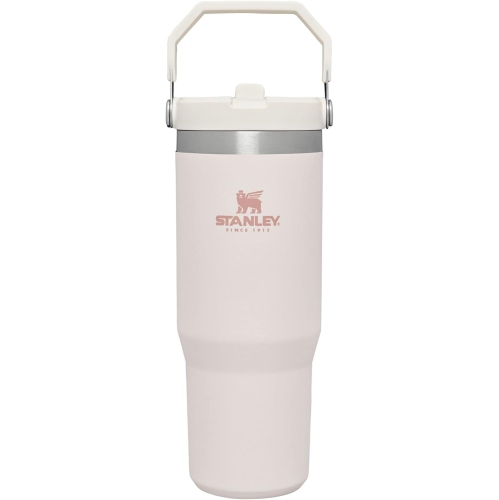 Your price for this item is $49.89
 -
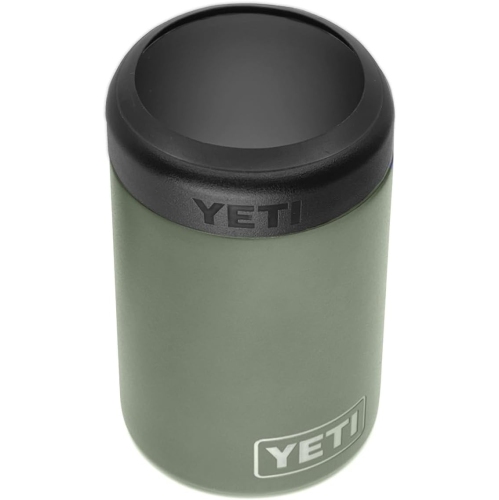 Your price for this item is $64.99
 -
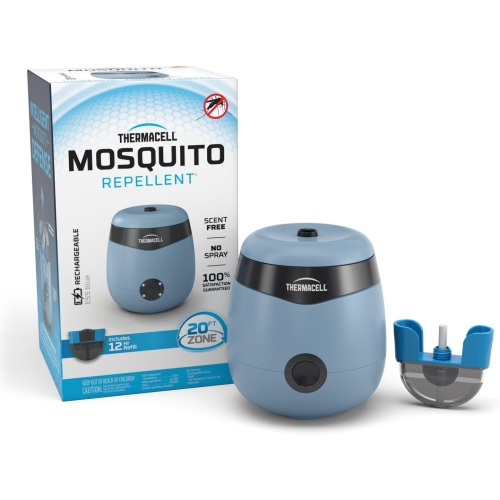 Your price for this item is $119.89
 -
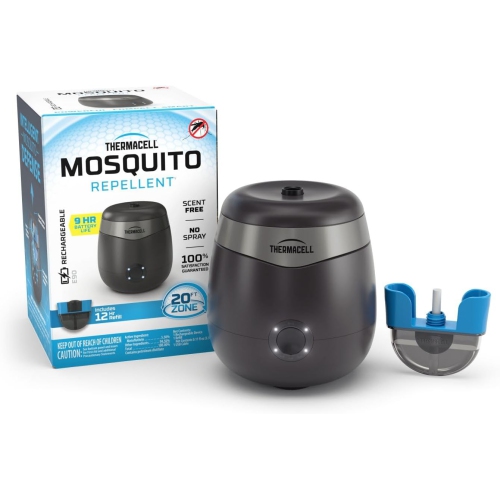 Your price for this item is $95.91
 -
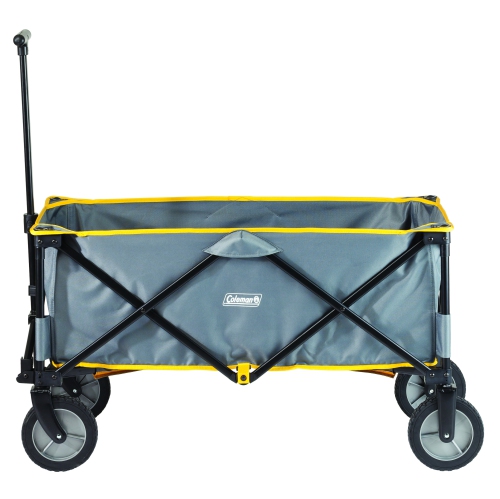 Your price for this item is $199
 -
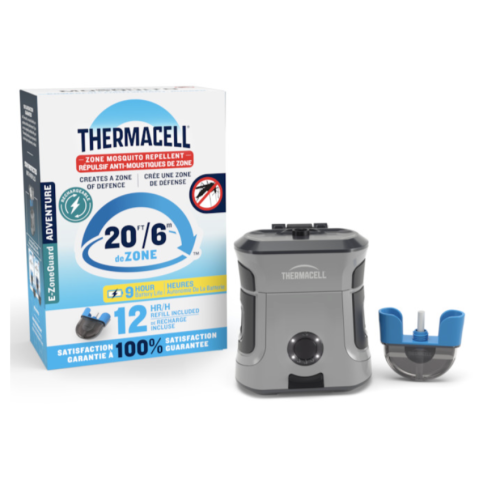 Your price for this item is $64.99
 -
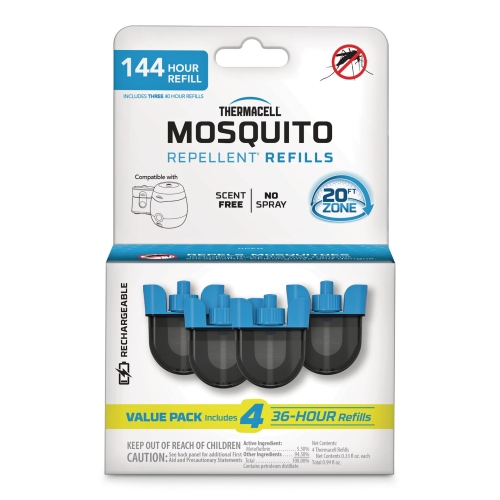 Your price for this item is $67
 -
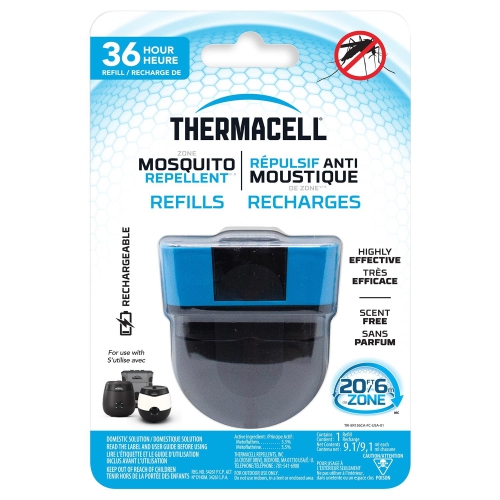 Your price for this item is $34.99
Discover more categories related to Portable Shower Camping
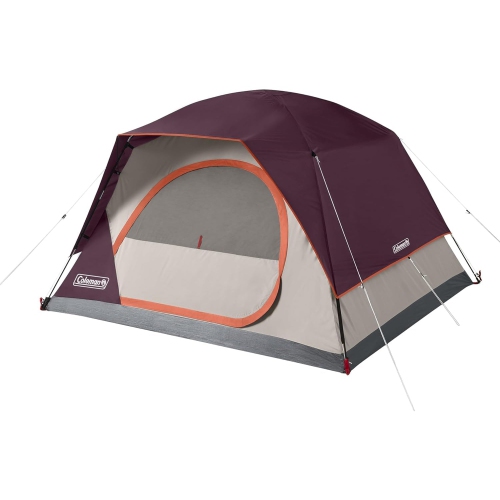
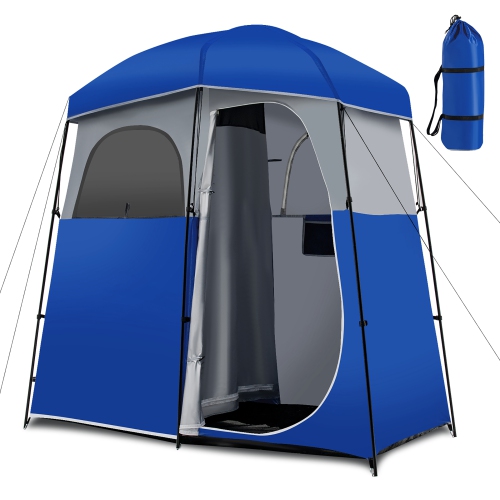
Top Collections:
Pokemon Centers, Kindle Devices, Best Budget Office Chairs, Apple iPhones 16, Canon G7X Cameras, iPhone 15 Apple, Alarm Clock, Refurbished Apple Laptops, Flip Phones, Best Laptops for Writers
Some products may be subject to Environmental Handling Fees
(EHF) depending on your province.
Learn more about EHFs.