Portable Camping Stoves
Whether you're a seasoned outdoor enthusiast or a casual camper, having a reliable portable camping stove is essential for preparing hot meals and beverages while enjoying the great outdoors. A portable camping stove offers convenience and versatility, allowing you to cook delicious meals wherever your adventures take you. With various options available, including compact stoves that are easy to transport and set up, finding the perfect portable camping stove to suit your needs has never been easier. Explore our selection of portable camping stoves to enhance your outdoor cooking experience and make your next camping trip even more enjoyable.
Sort
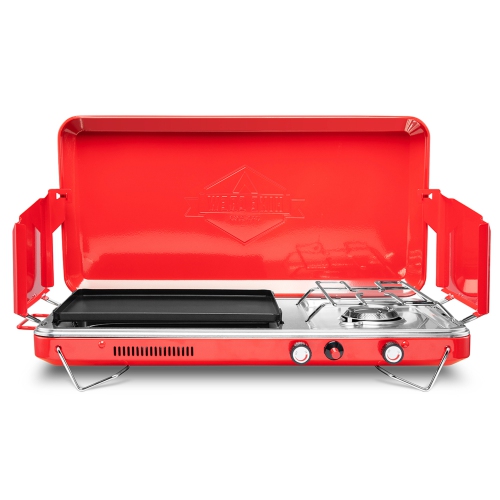
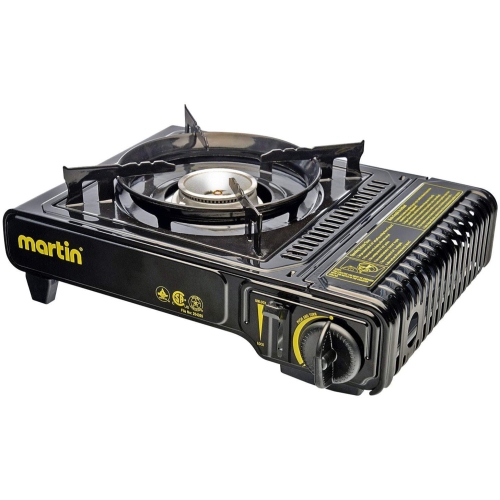

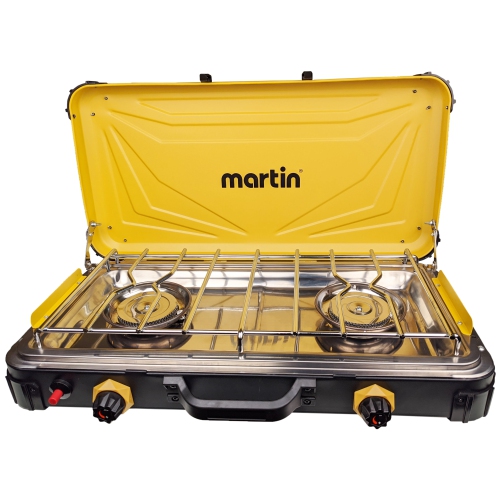
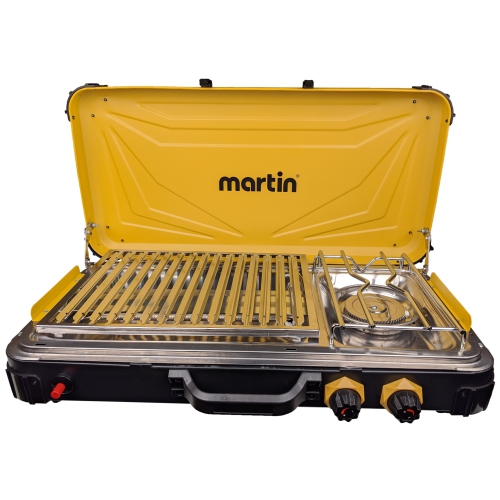
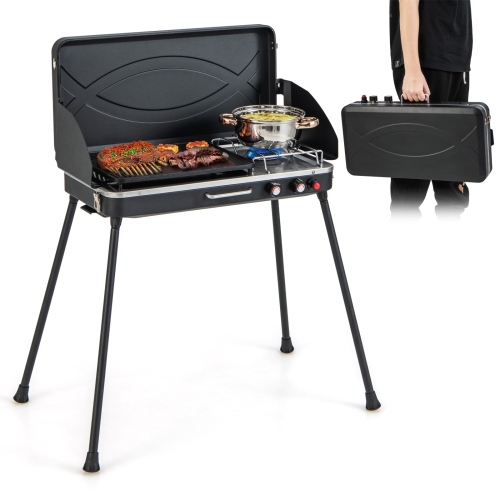
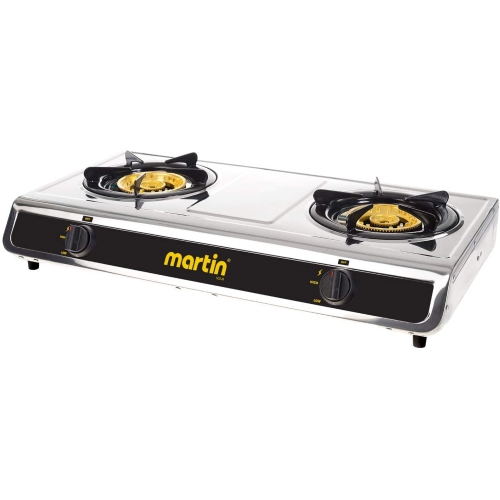
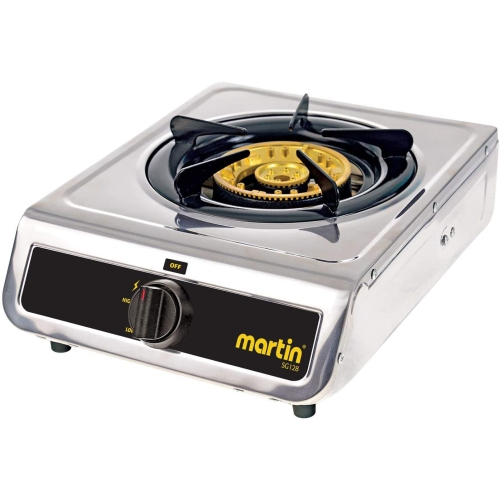
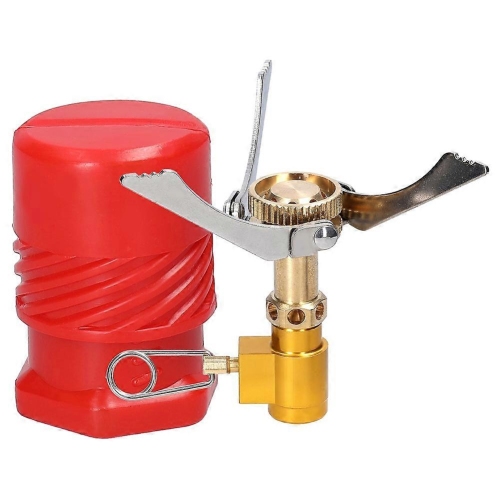
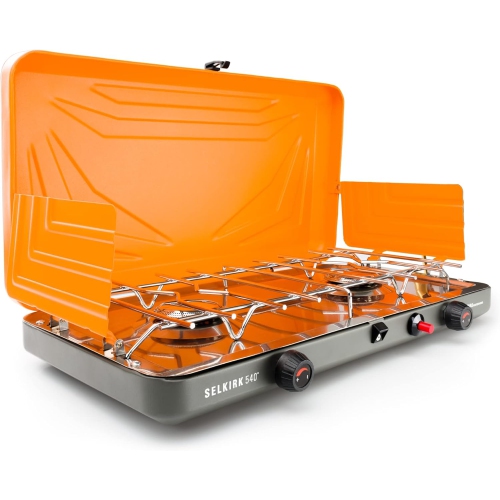
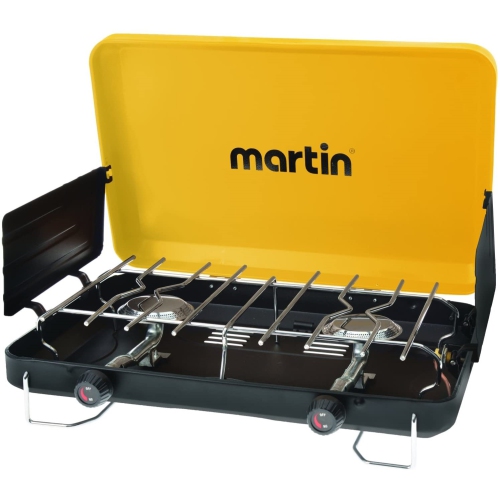
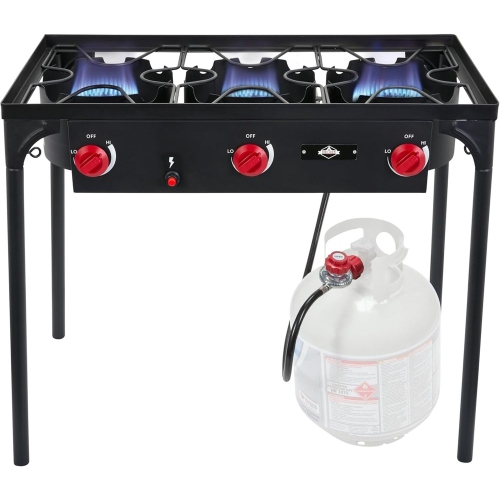


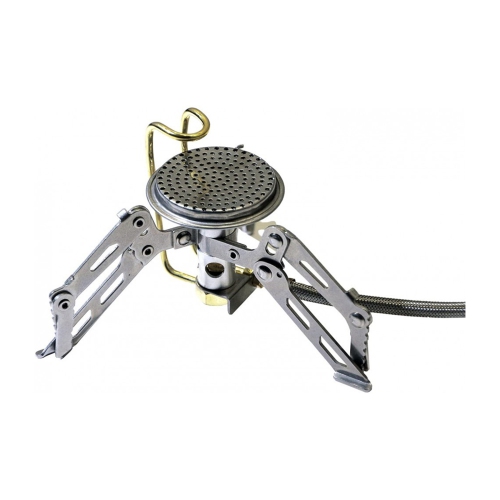
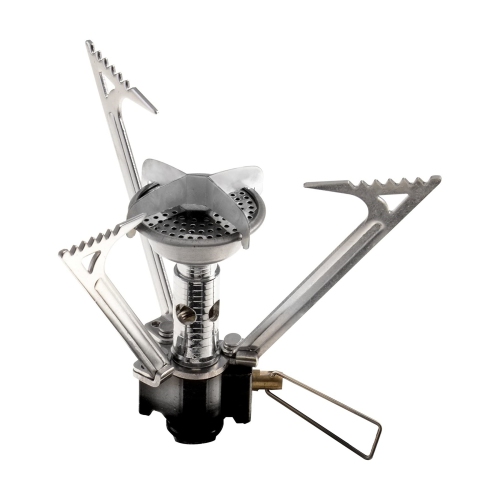

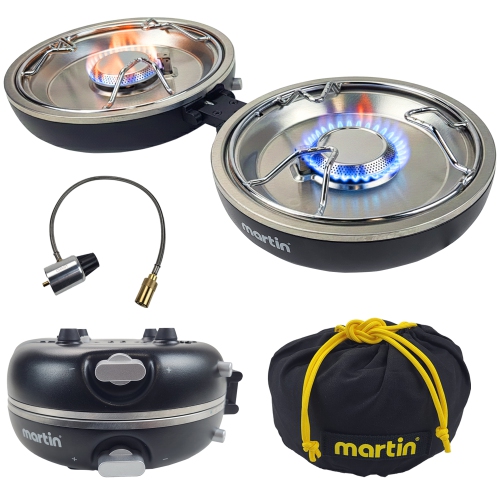

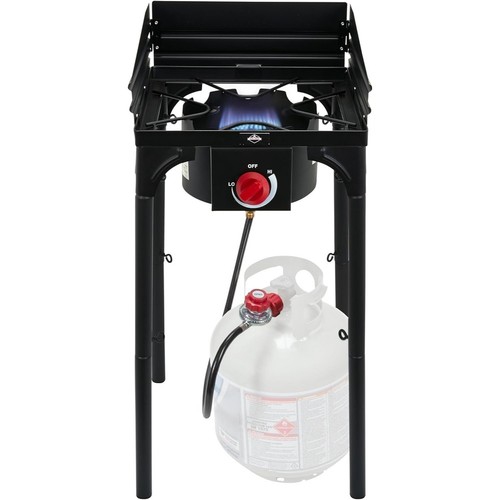
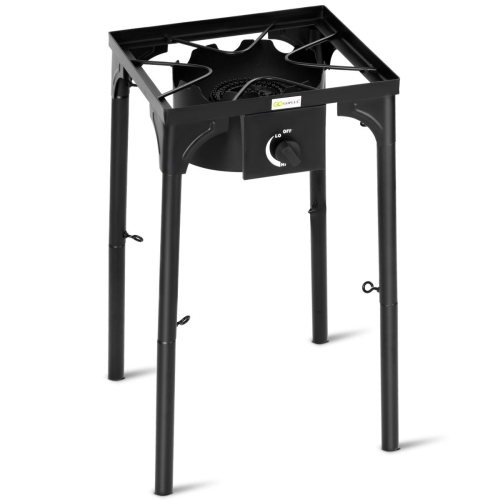
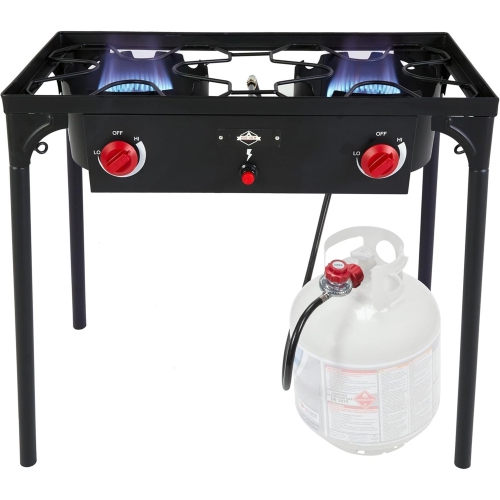
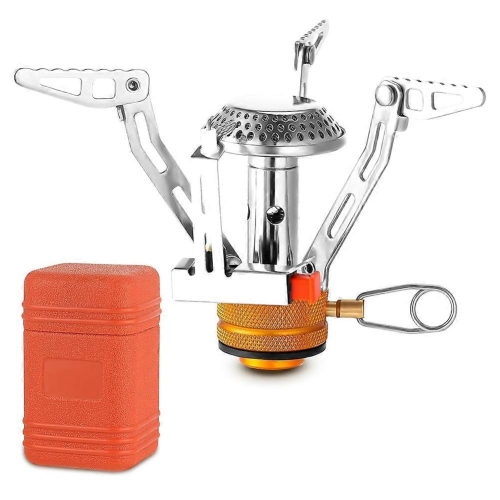
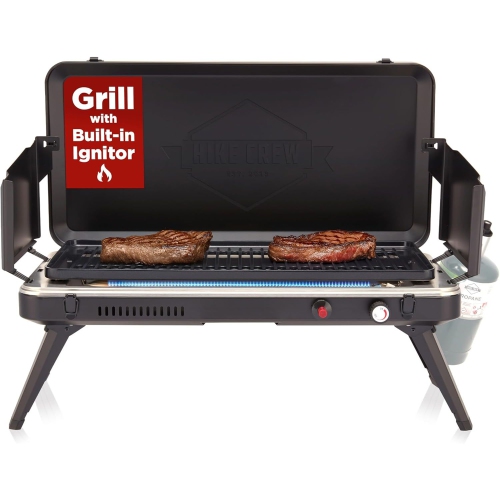

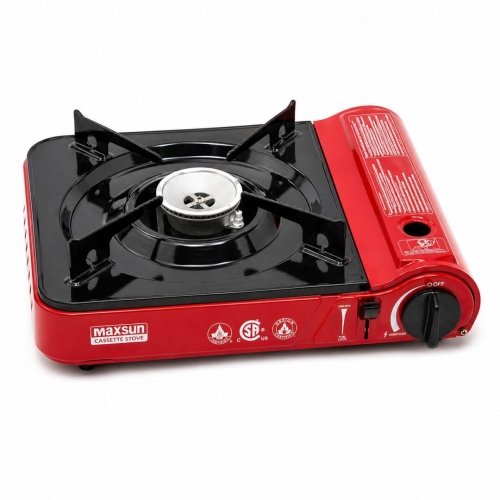
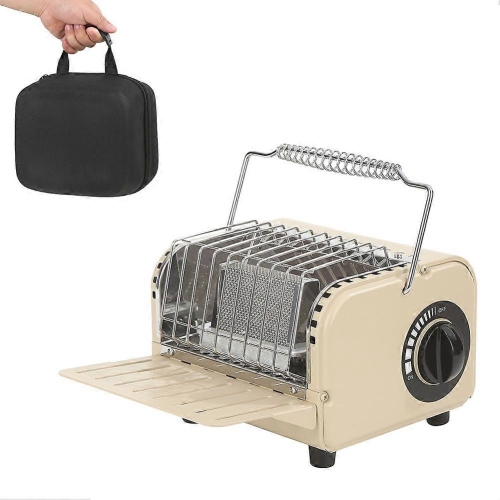
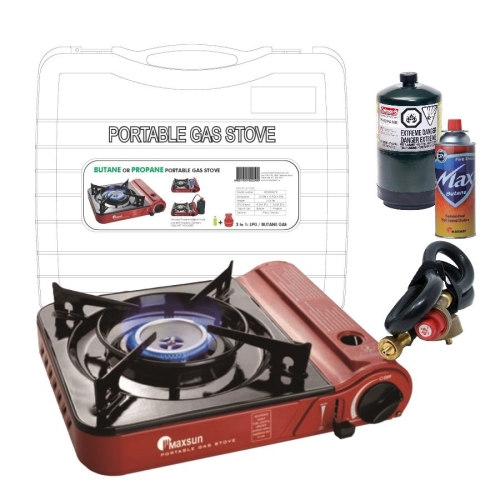
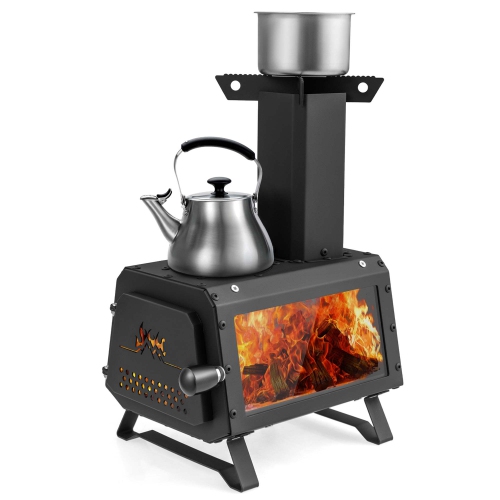

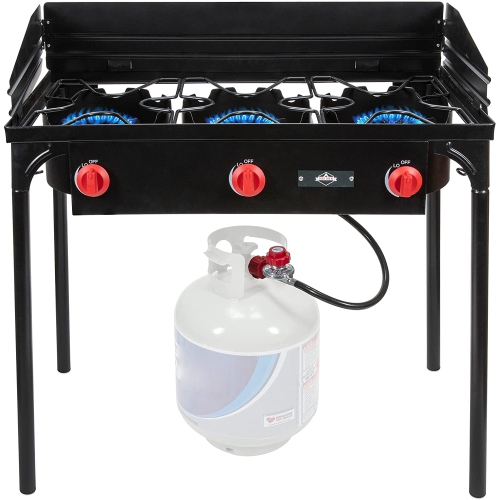
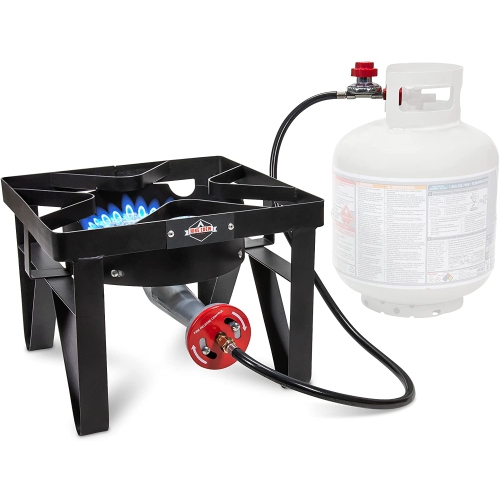
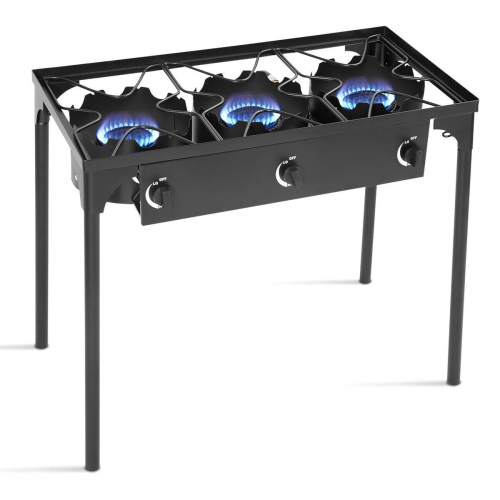


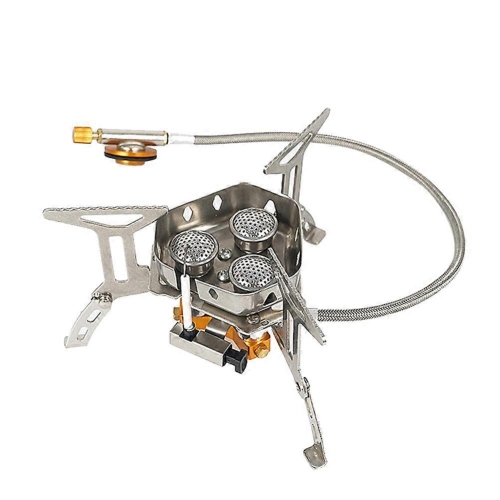
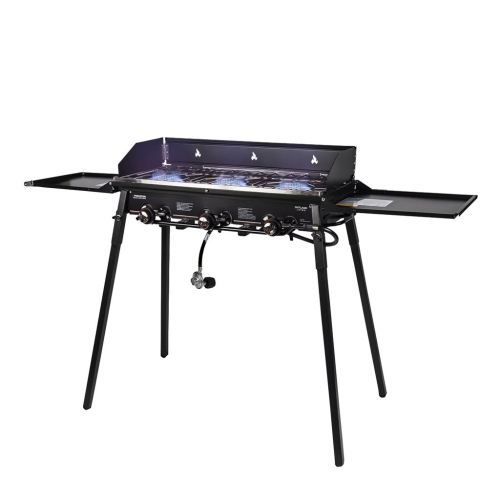
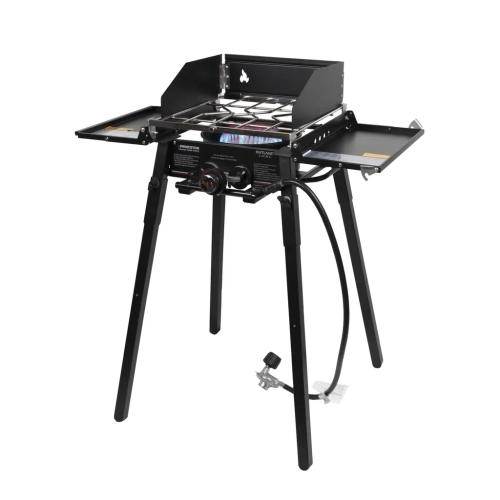
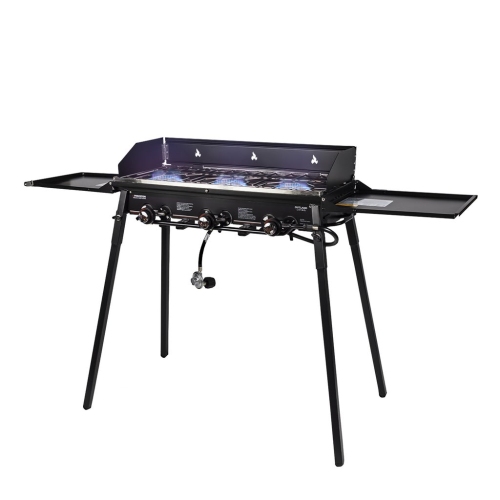
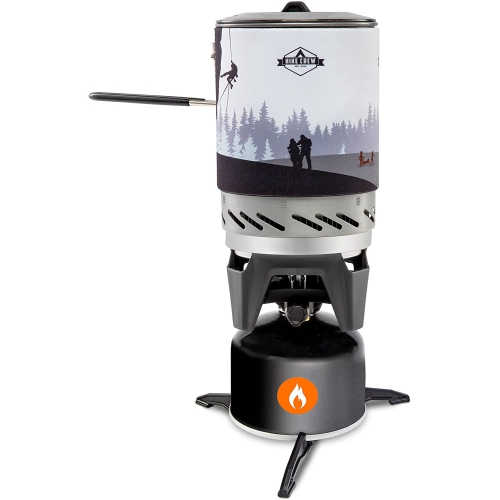
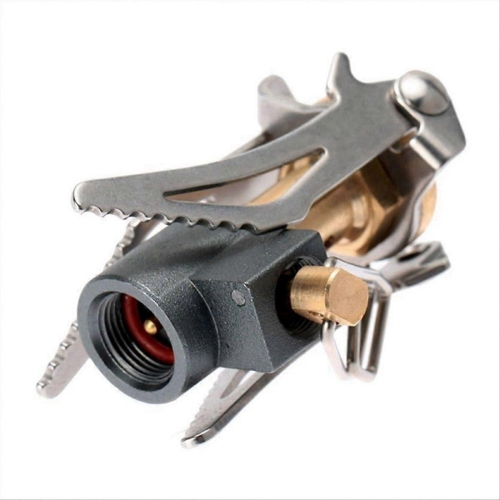
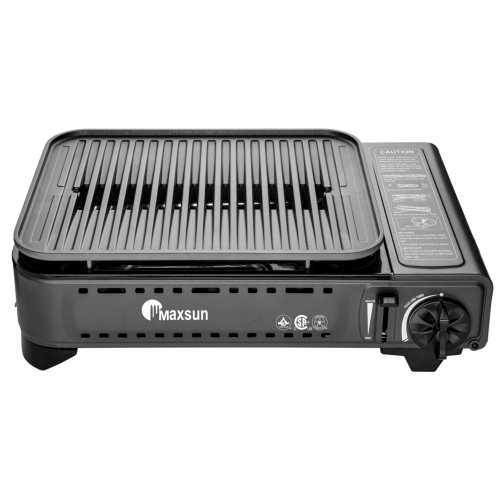
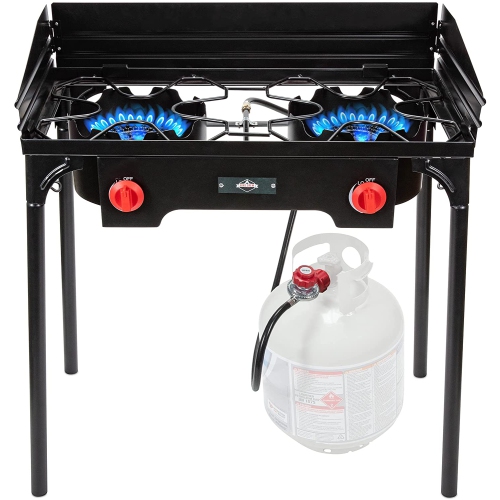


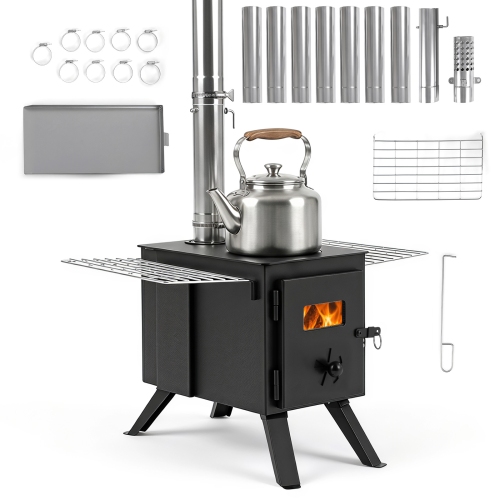
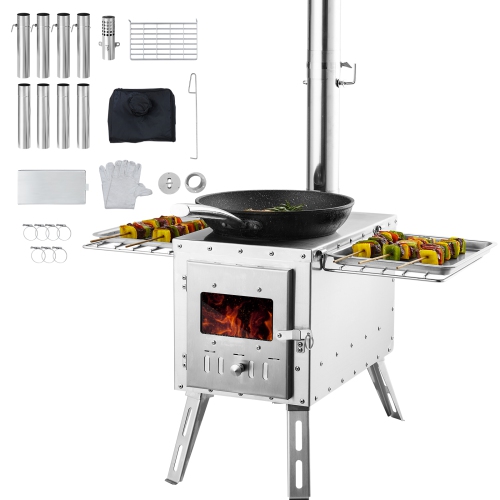

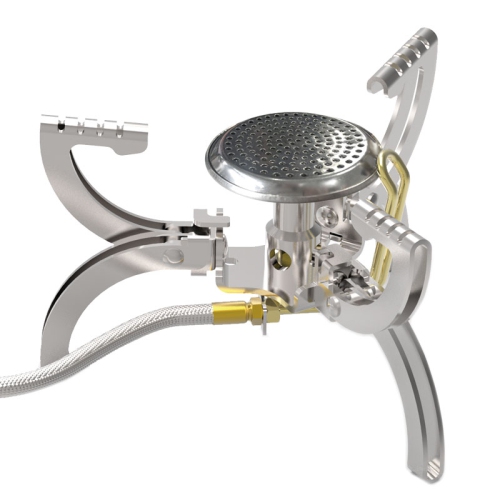
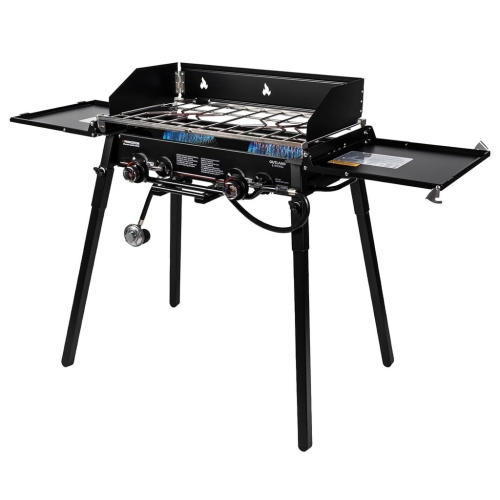
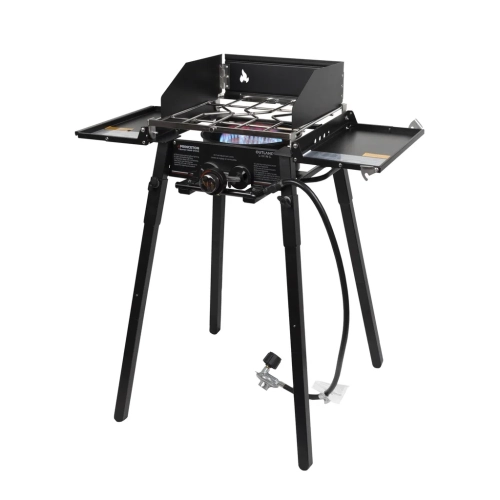
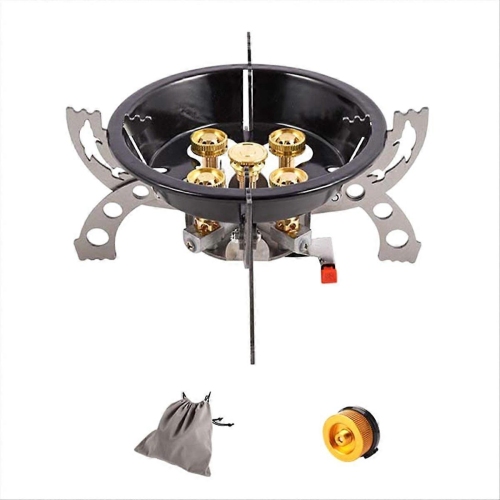
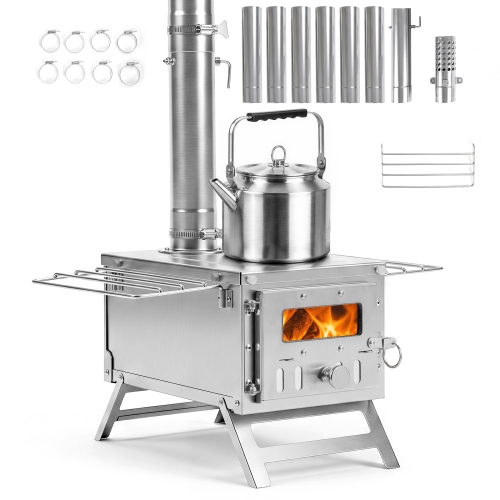
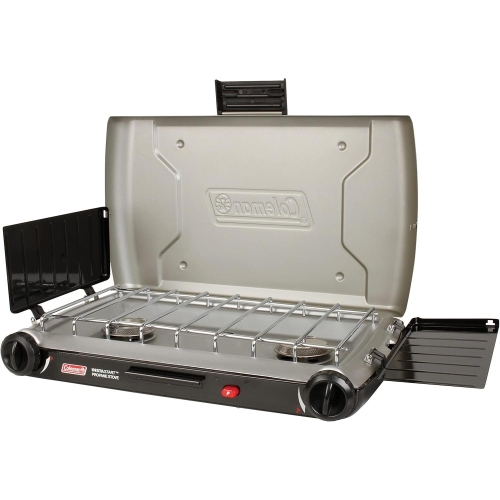
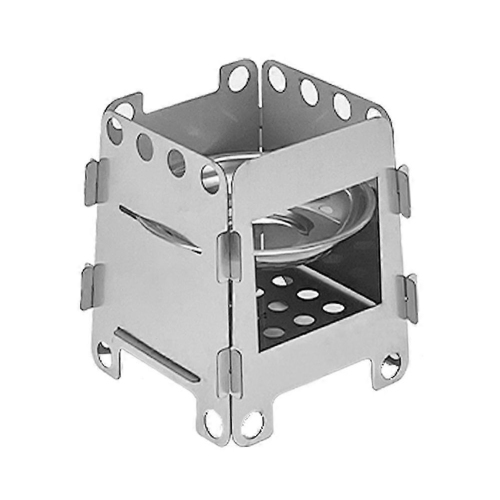
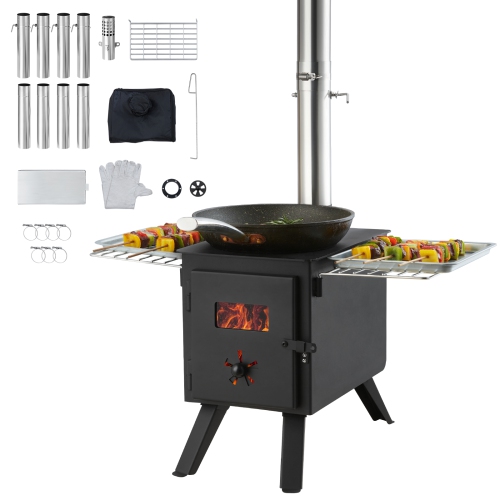

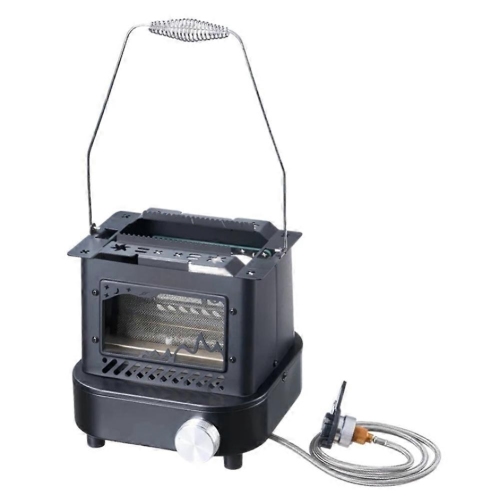
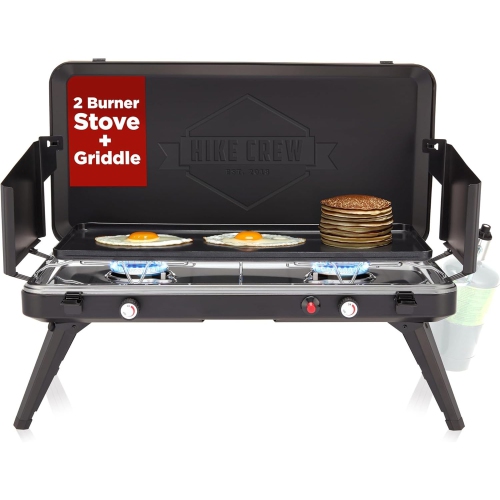
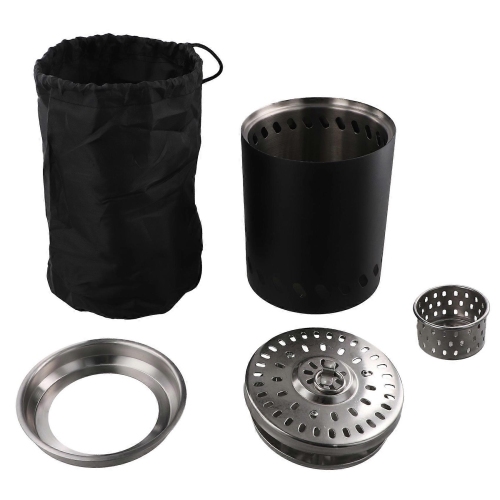
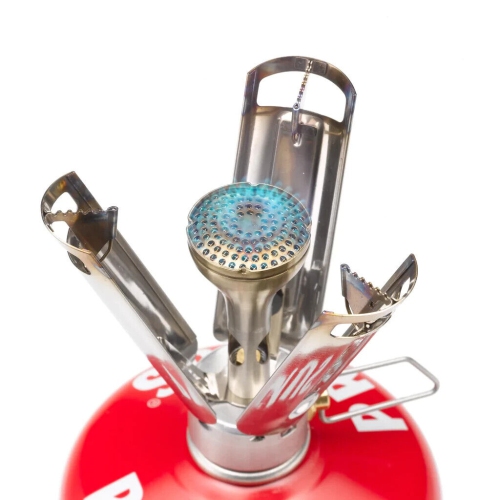
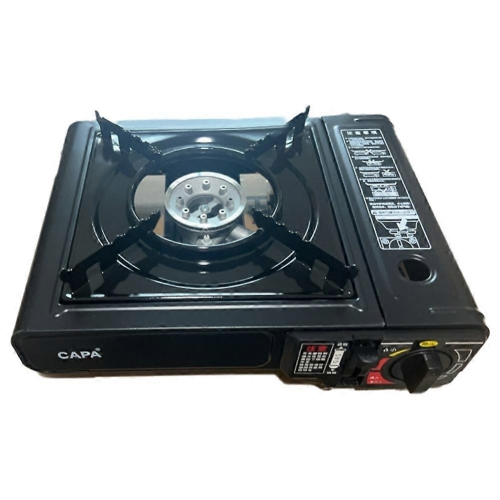
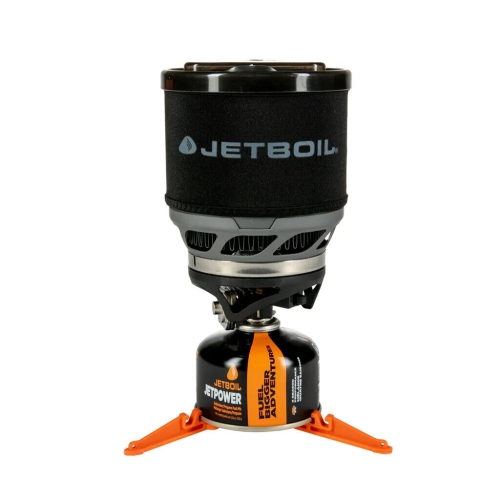
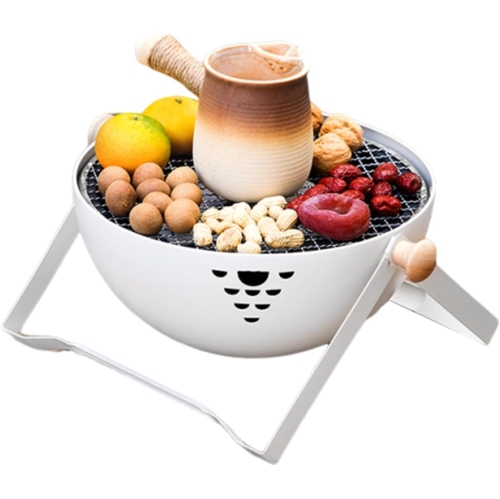
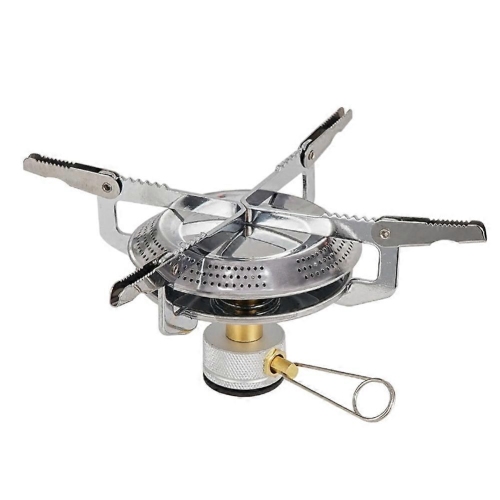
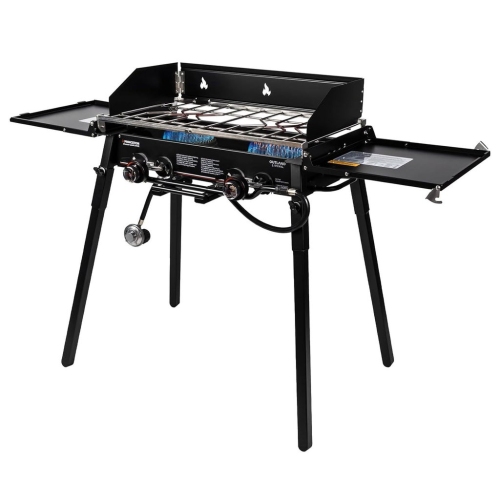
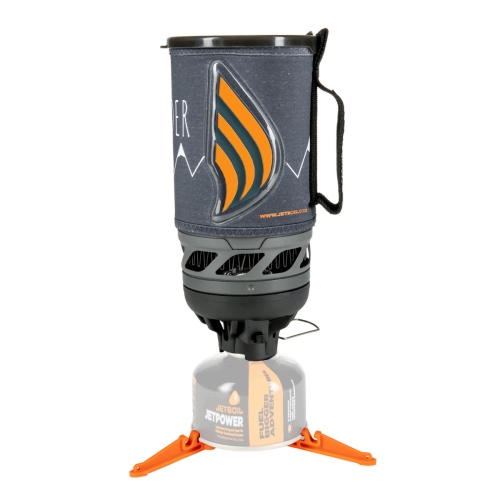
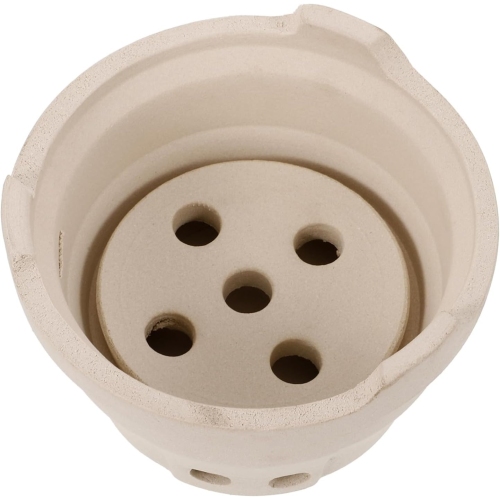
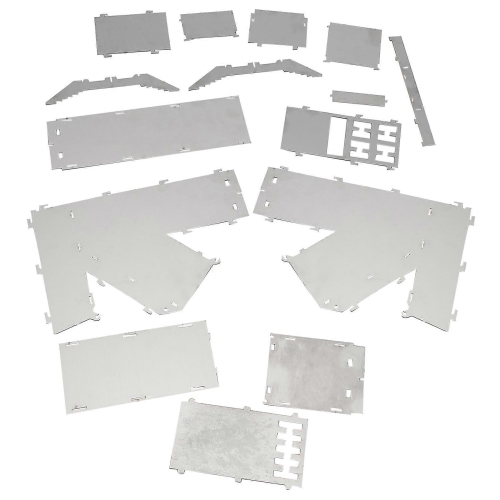

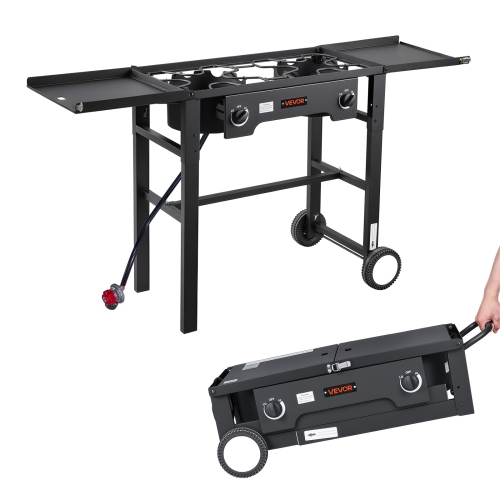

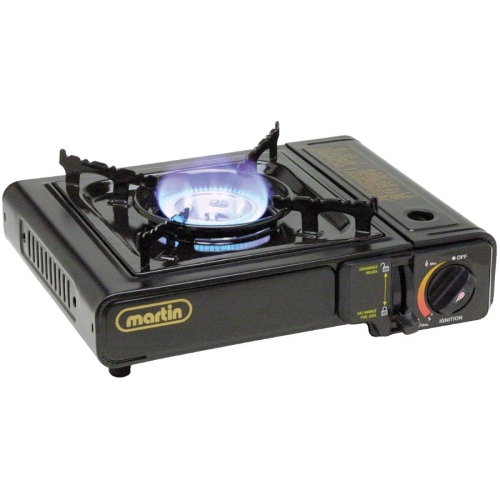
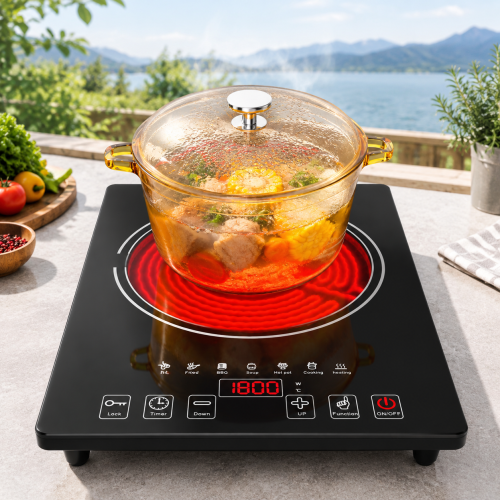
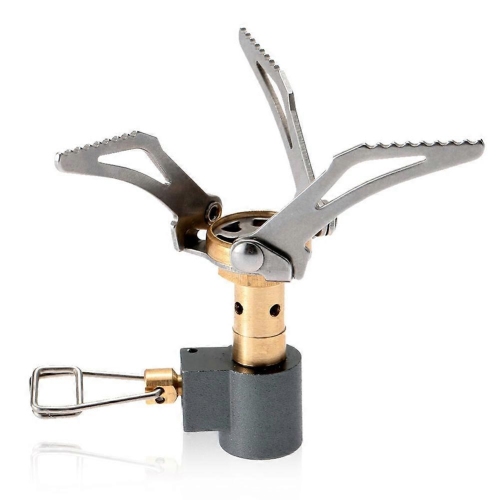
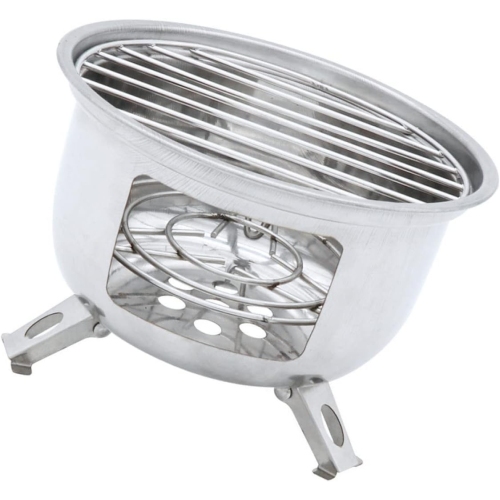
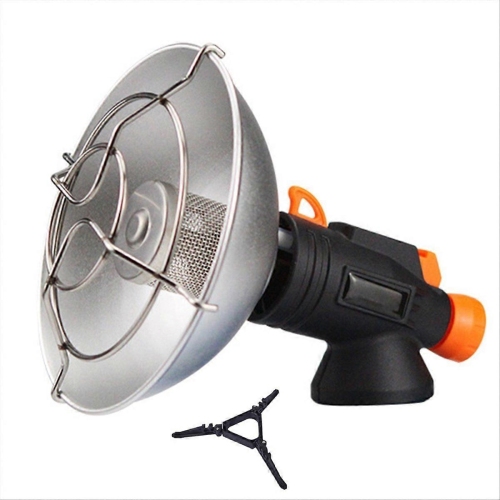
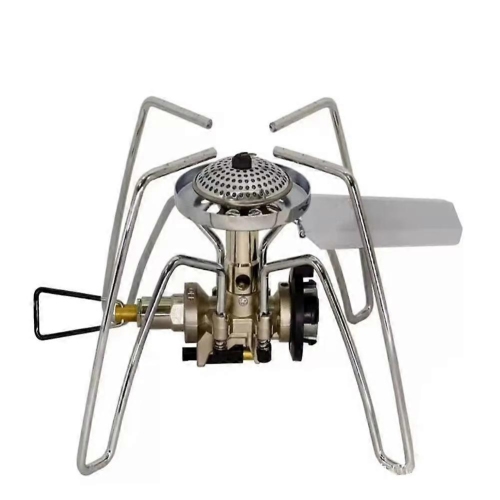
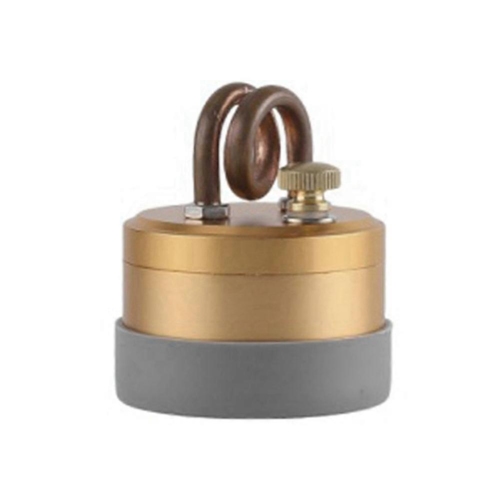
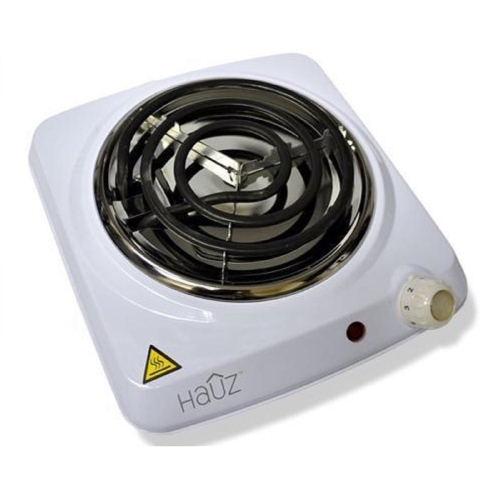
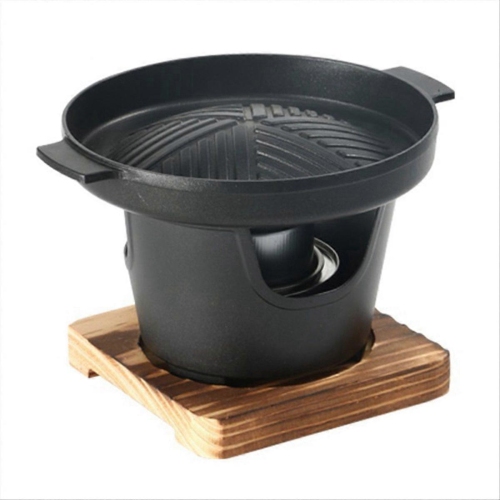
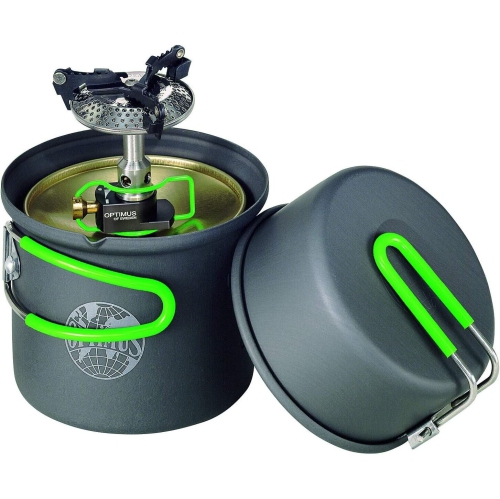
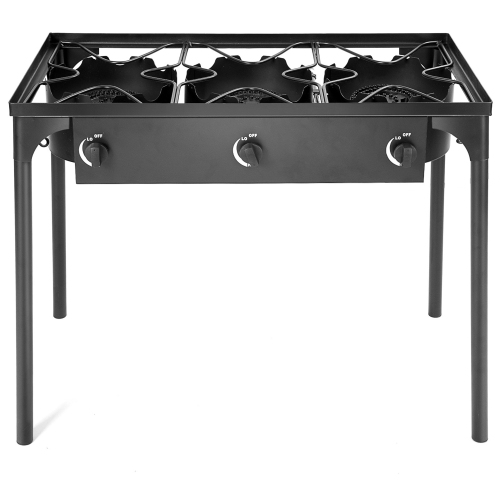
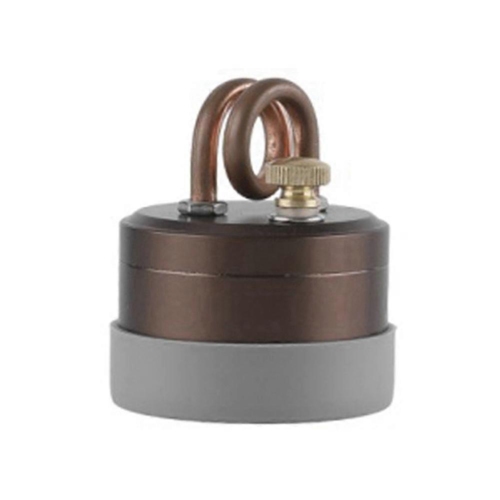
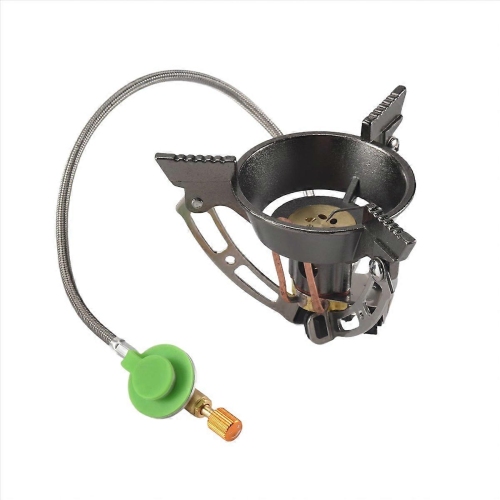
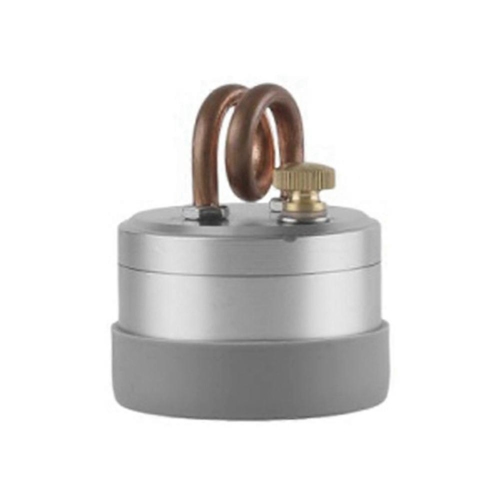

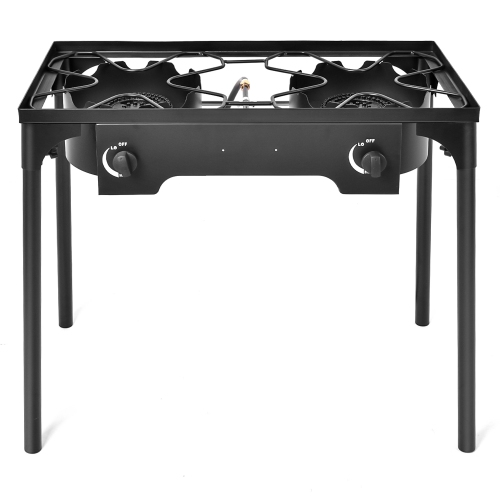

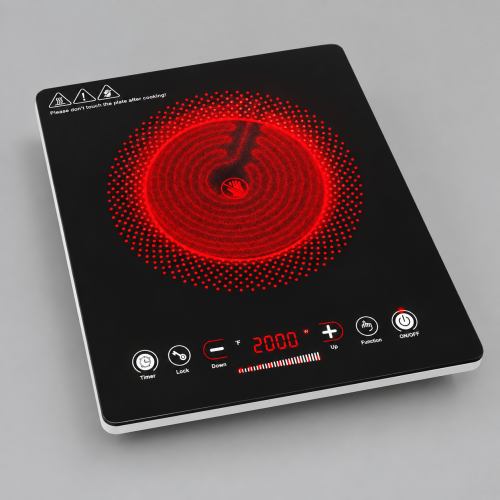
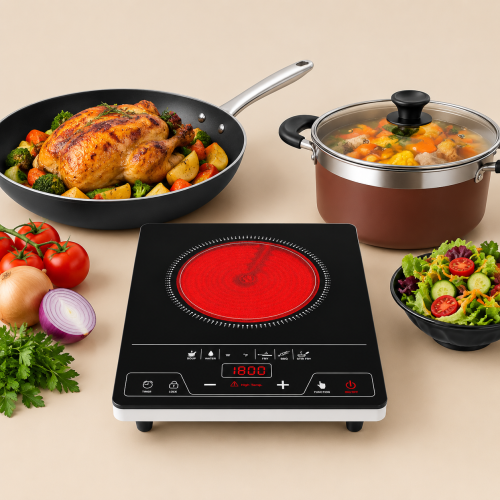

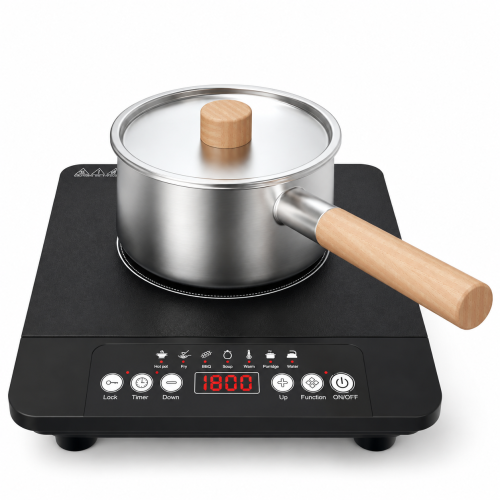
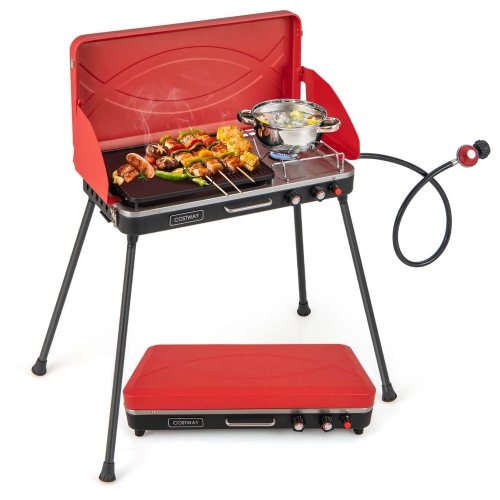
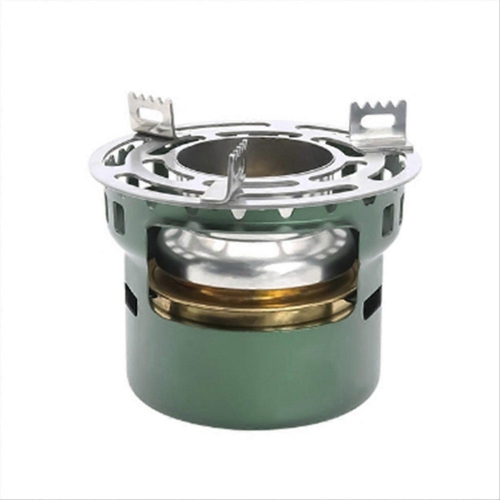

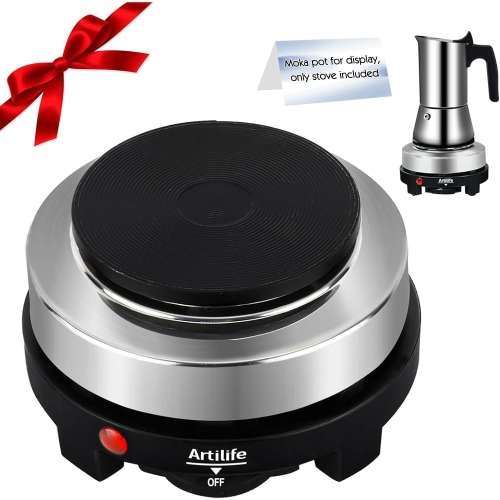

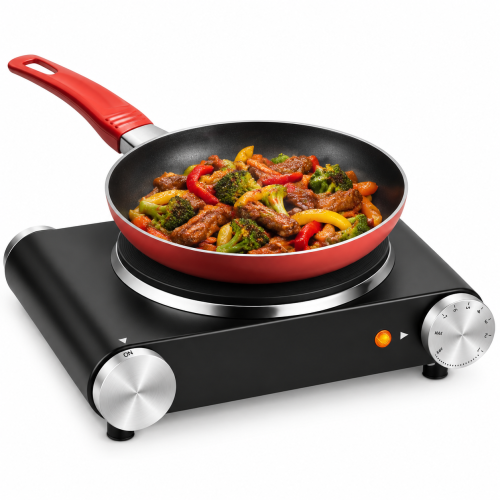
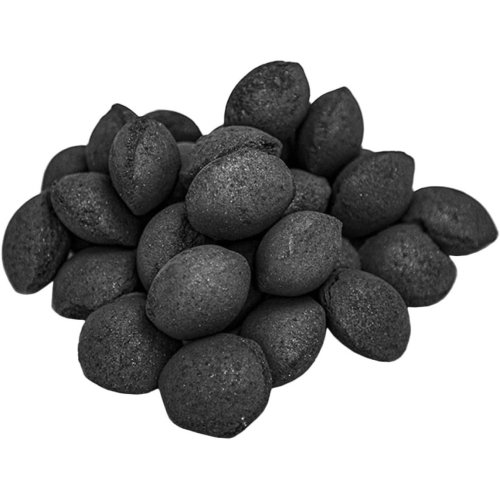

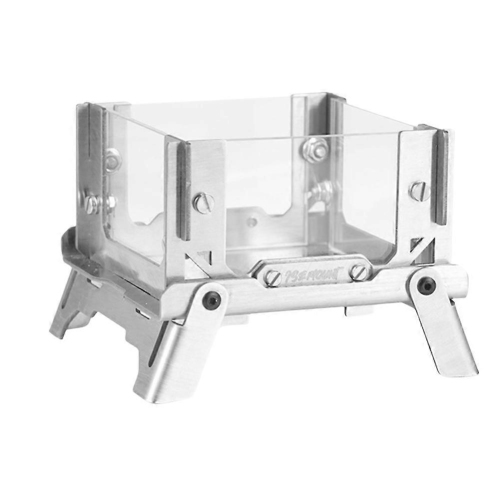

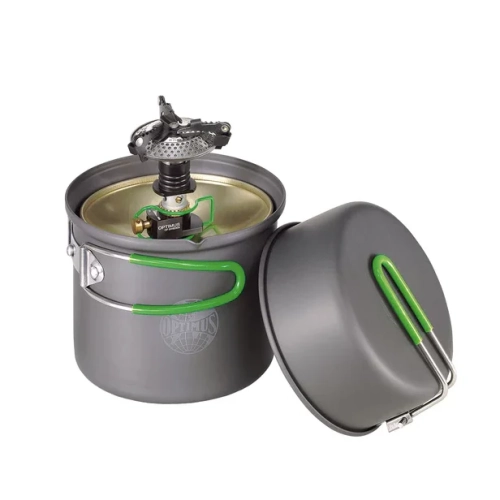

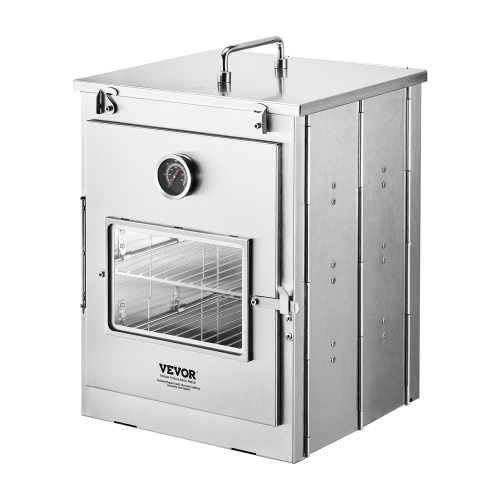
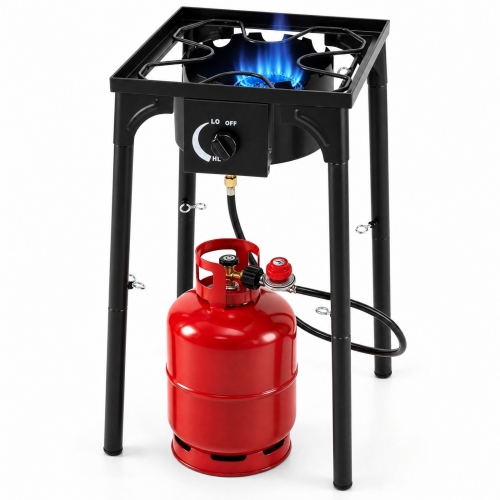
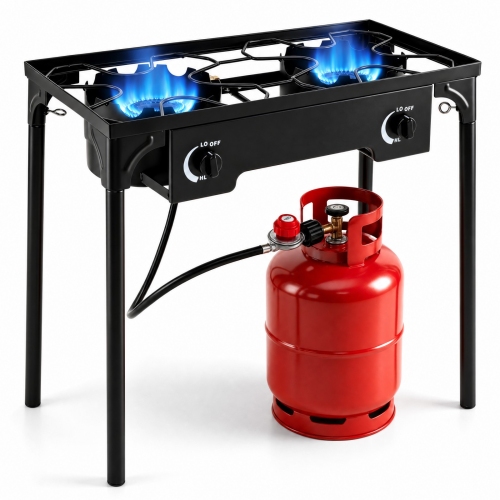
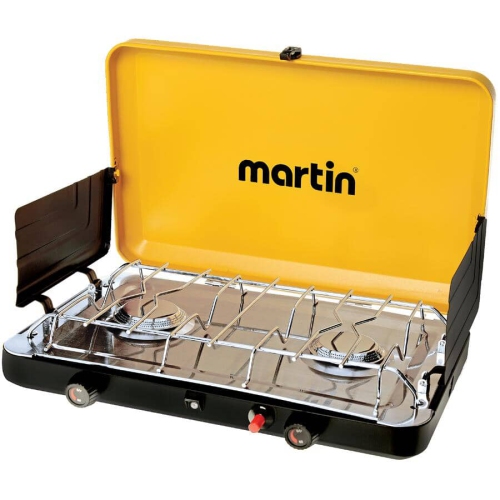
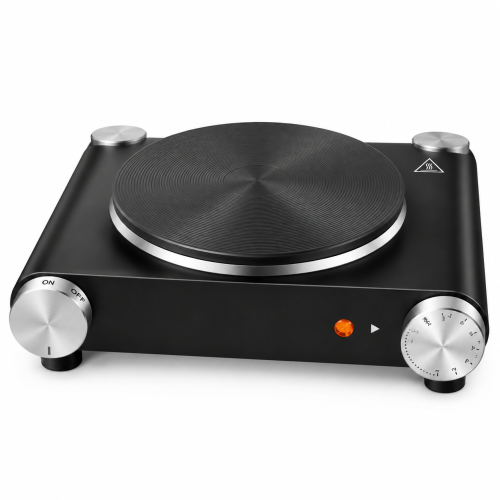
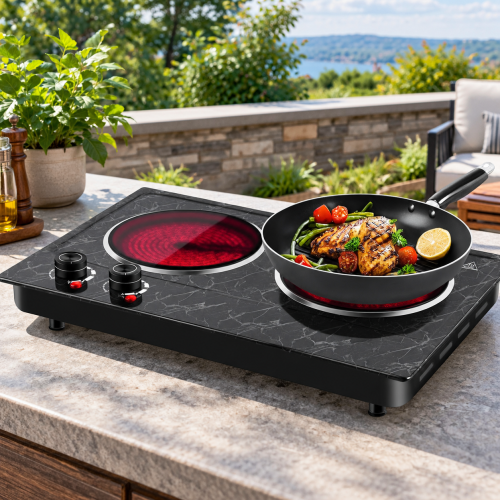
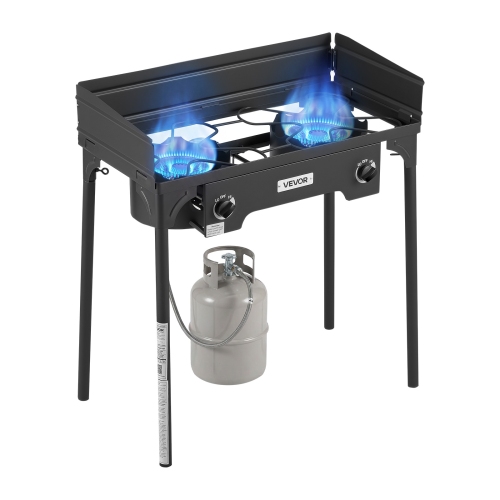
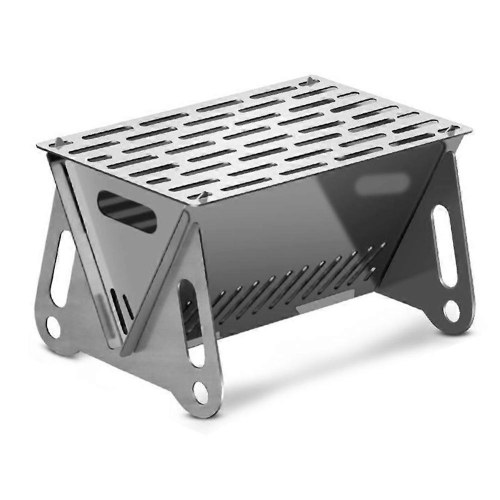
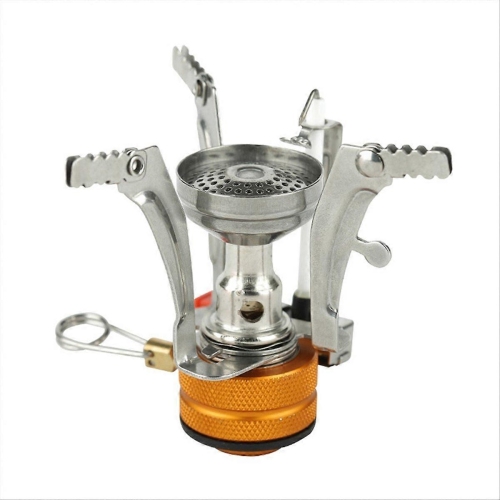
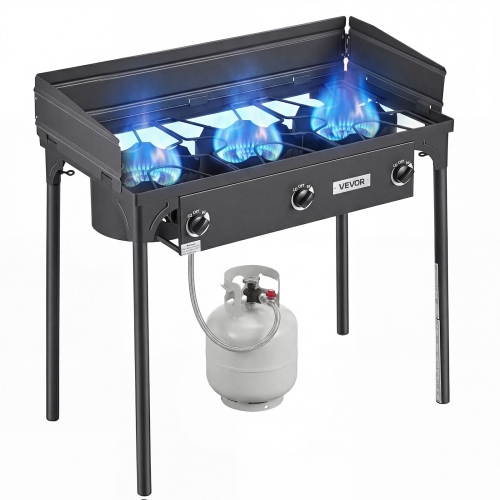
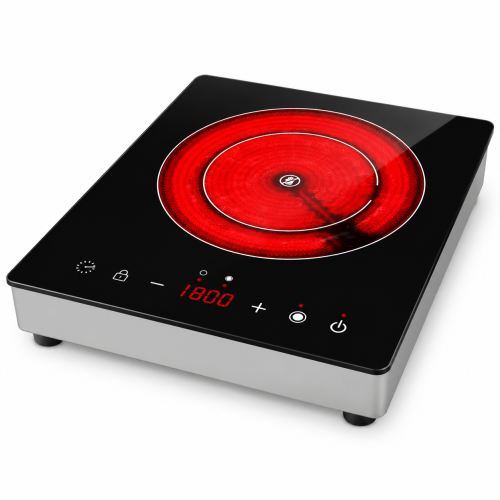

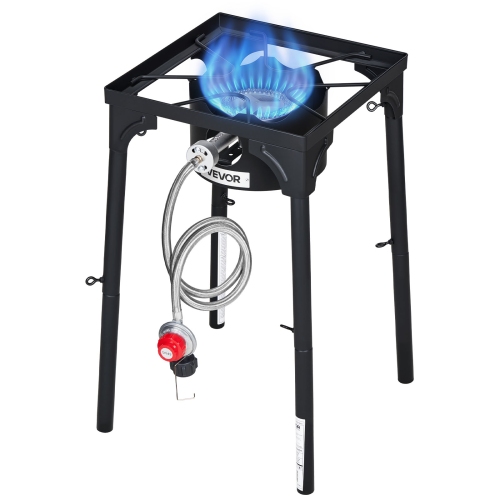
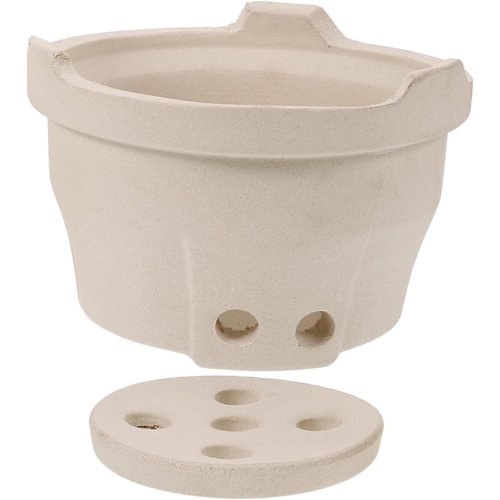
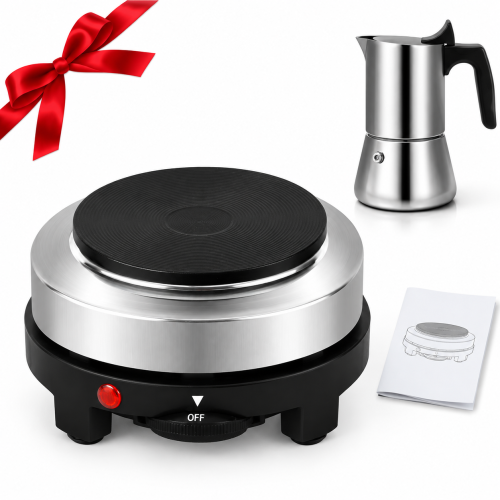

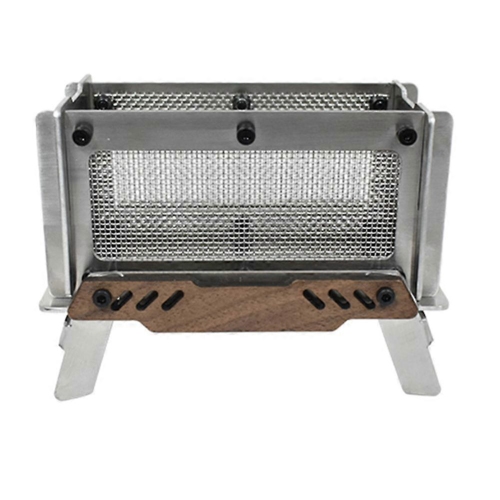
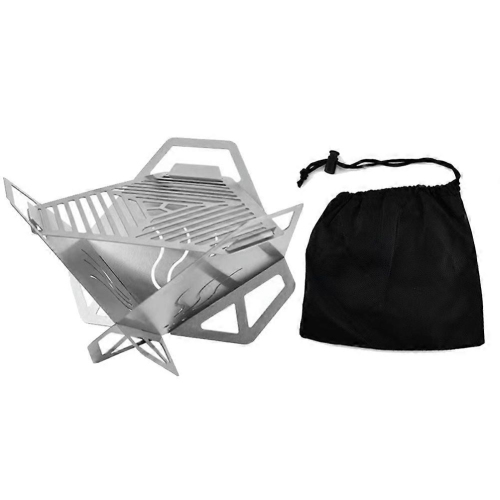
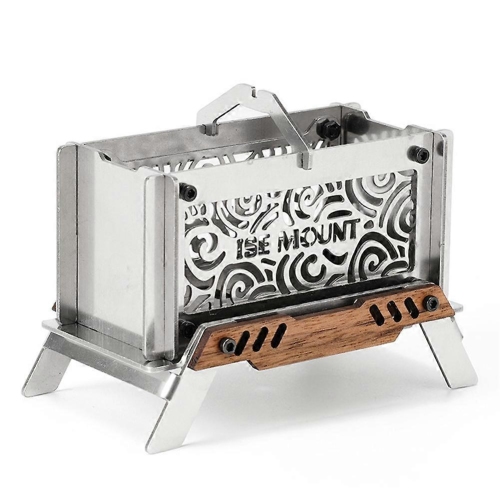
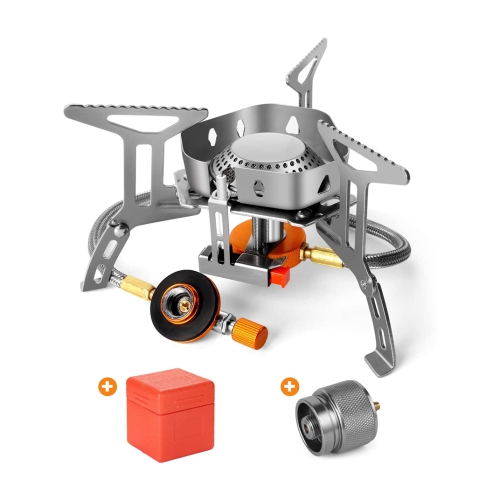
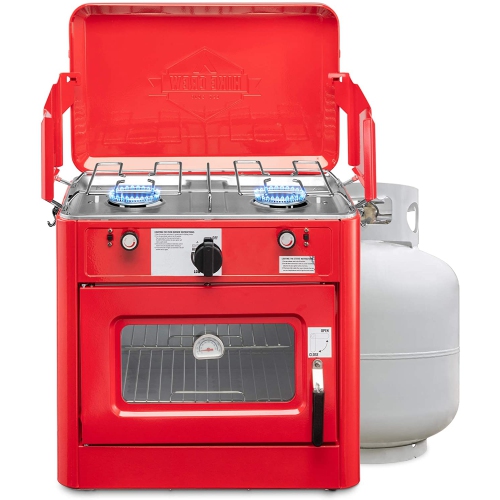
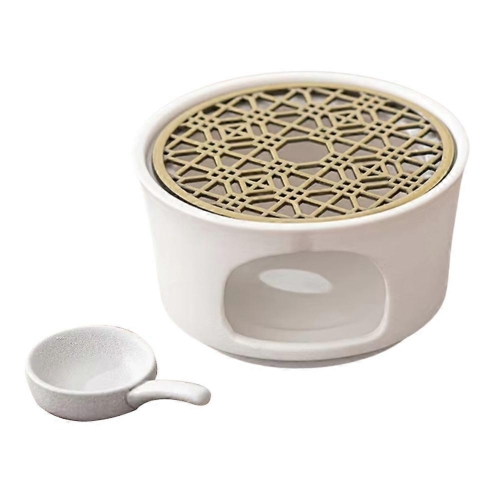
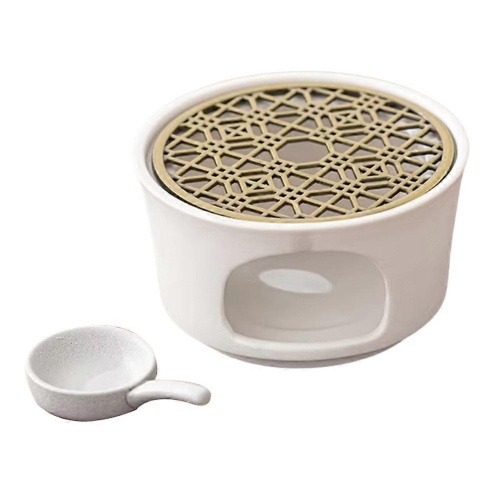
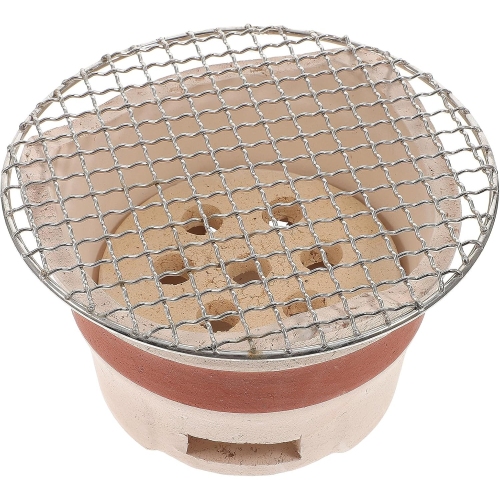

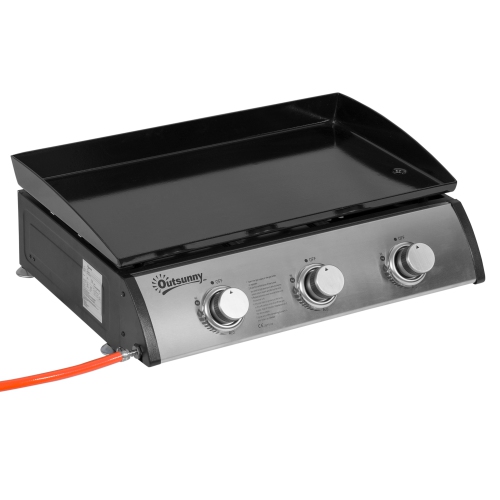

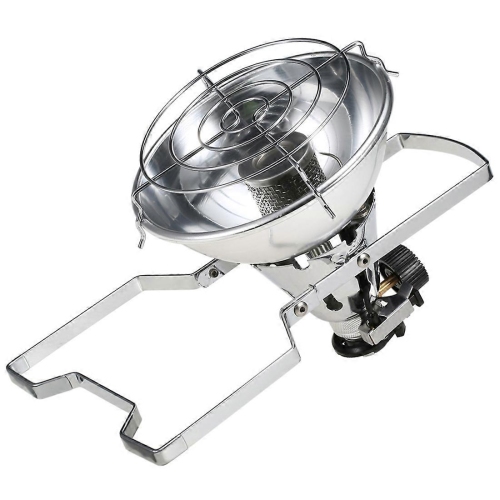
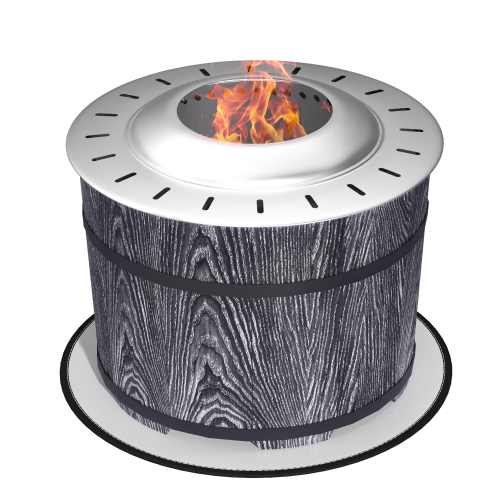
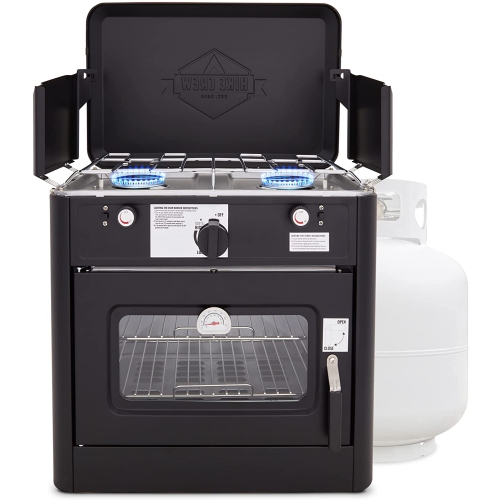
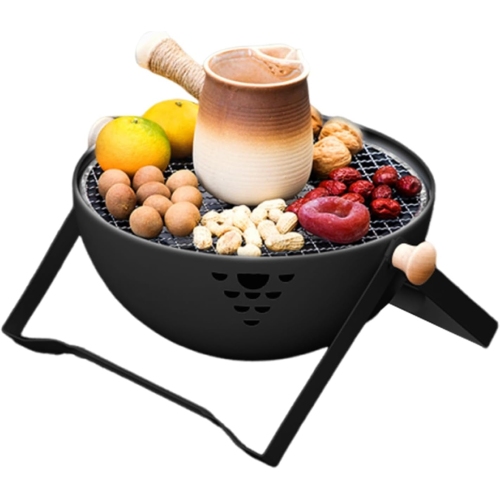
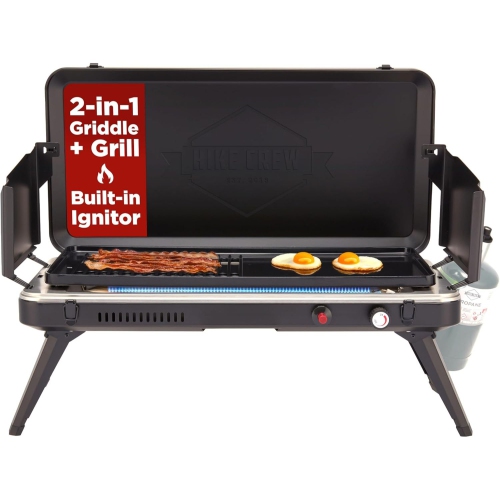
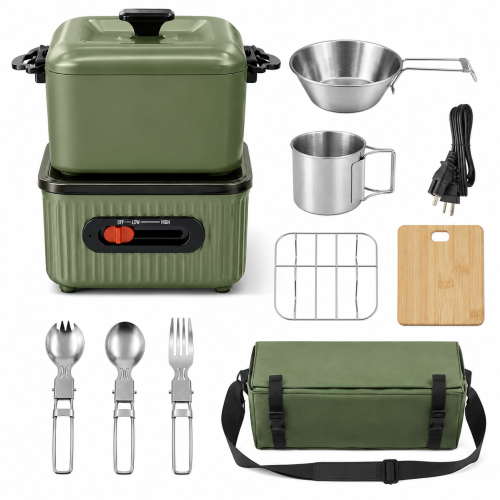
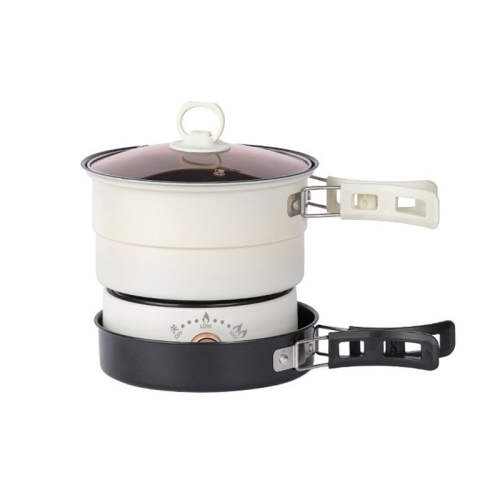
Cooking options for campsites, tailgates and backcountry trips
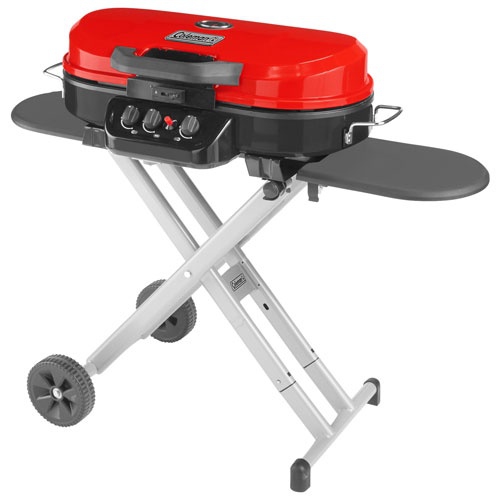
Portable camping stoves make it easier to prepare hot meals and drinks wherever the day takes you, from a lakeside campsite and a quiet backcountry clearing to a tailgate area, hunting cabin or backyard gathering. Unlike a full outdoor kitchen, a portable stove is designed to give you dependable cooking power without taking up much space in a vehicle or gear bin. Depending on the style, you can use one burner for boiling water, warming soup or making coffee, or choose a two-burner configuration for cooking several foods at once. Single-burner gas stoves are often a practical choice for hikers, paddlers and solo campers because they are compact, light and easy to pack. Two-burner camping stoves are well suited to car camping and family trips, where a pot of pasta can simmer on one side while vegetables, eggs or pancakes cook on the other. For more information about propane-fuelled options, browse Portable Propane Stoves. Portable camping stoves can also be useful at a seasonal property, during a power outage or while travelling in a recreational vehicle, making them a thoughtful gift for new campers, cottage owners and anyone who enjoys spending time outdoors. A compact stove tucked into a pack can turn a cool morning into a comfortable breakfast around the picnic table, while a larger model can help a group serve warm food after a long day on the trail. As the weather moves through cooler conditions, having a reliable way to boil water and prepare a hot meal can add comfort to outdoor plans without requiring a permanent cooking setup.
When choosing a portable camping stove, start with the way you expect to travel and cook. Backpackers and minimalist campers generally benefit from lightweight, collapsible designs that fit easily beside a sleeping bag, cookware and water supplies. These stoves typically use a single burner and are intended for straightforward tasks such as boiling water or heating a compact pot. Car campers have more flexibility and may prefer a wider base, a larger cooking surface and two independent burners for preparing meals for several people. Look at the stove’s packed size and weight, but also consider the size of the cooking vessels you already own; a narrow burner may work well with a small pot, while larger pans need a stable support area. Heat output, commonly described in BTUs, can affect how quickly water boils and how readily a stove handles heavier cookware, although higher output is not the only measure of performance. Separate control knobs make it easier to simmer sauce on one side while bringing water to a boil on the other. Wind guards are particularly valuable at exposed campsites, where gusts can disturb a flame, slow cooking and use more fuel. A sturdy grate, stable legs and a lid or carrying case can also make setup and storage simpler. Propane is a popular choice for general camping and can perform reliably during cooler conditions, while butane canisters are often valued for their compact size and lighter weight. Some portable stoves accept alternative fuel types, which may appeal to campers travelling through areas where fuel availability varies. Always confirm the compatible fuel, connection type and operating instructions before heading out, and carry only the amount of fuel appropriate for the trip in accordance with local storage and transport requirements.
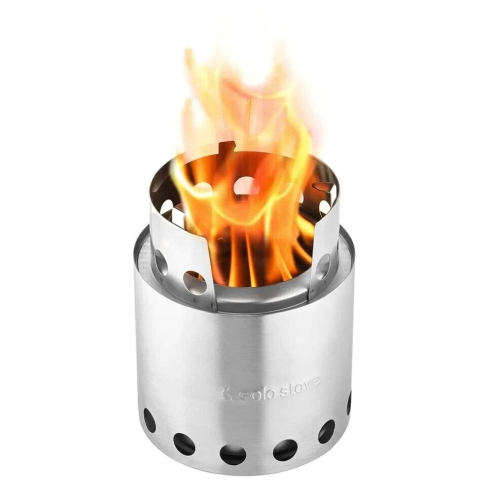
The right portable camping stove depends on the meals you enjoy, the number of people you usually feed and the conditions where you plan to use it. A solo camper who starts the day with coffee and oatmeal may appreciate a small burner that packs away quickly, while a family may need enough surface area to handle a large pot, frying pan or kettle. Anglers and hunters can use a stove to warm breakfast before an early departure, and travellers may find one helpful for simple meals when a campsite has no built-in cooking facilities. Some campers prefer the familiar convenience of a gas burner, while others look for a wood-burning design that can provide cooking heat and, in suitable settings, warmth inside an appropriately designed shelter. Wood-burning models can be heavier and require more attention to ventilation, fire safety and local regulations, so they are best matched with the right camping environment and experience level. Regardless of the style, place the stove on a firm, level, non-combustible surface away from tent walls, dry grass, overhanging branches and other flammable materials. Keep the cooking area clear, monitor the flame while the stove is operating and allow all components to cool before packing them away. Check seals, hoses, burner openings and fuel connections regularly, and protect the stove from moisture and grit between outings. During the cooler months, a well-chosen portable camping stove can make outdoor meals feel more inviting, whether you are eating beside a misty lake, warming soup after a brisk hike or sharing a hot drink around a campsite table. From lightweight single-burner cookers to spacious multi-burner setups, these products offer a practical way to bring everyday cooking outdoors.
Top selling and popular products
-
 Your price for this item is $99.99
-
 Your price for this item is $513.99
-
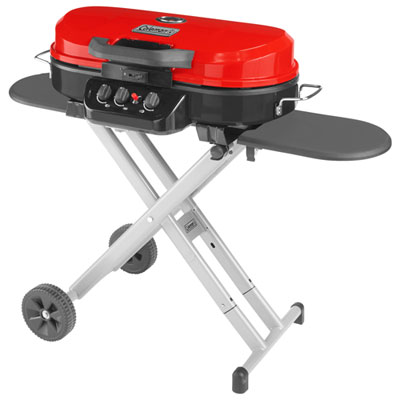 Your price for this item is $349.98
-
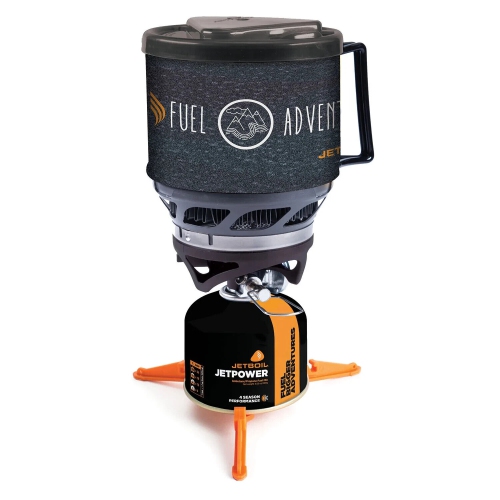 Your price for this item is $209.95
-
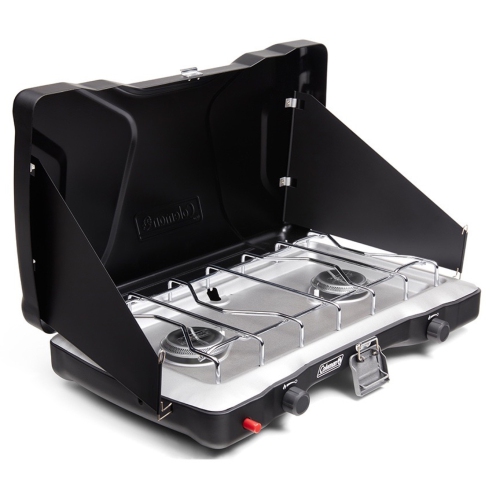 Your price for this item is $143.99
-
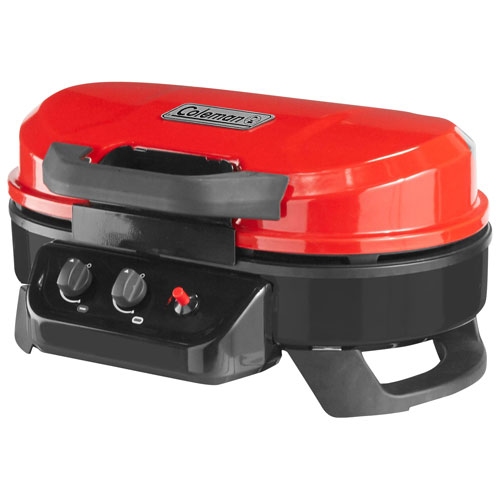 Your price for this item is $299
-
 Your price for this item is $209.95
-
 Your price for this item is $111.99
Discover more categories related to Portable Camping Stoves
Top Collections:
Pokemon Centers, Best Cameras for Sports Photography, Kindle Devices, Samsung Galaxy Phones, Canon G7X Cameras, Pokémon 30th Celebration Cards, Refurbished Apple Laptops, iPhone 15 Apple, Laptops for Students, Budget Smartphones
Some products may be subject to Environmental Handling Fees
(EHF) depending on your province.
Learn more about EHFs.