Professional Foosball Tables
Looking to bring the excitement and competition of a foosball game right into your own home or office? Look no further than our collection of professional foosball tables. These high-quality gaming tables are designed to provide hours of fun for players of all skill levels, from beginners to seasoned pros. With their sturdy construction, smooth gameplay, and sleek designs, our professional foosball tables are the perfect addition to any game room or recreational space. So gather your friends, sharpen your skills, and get ready to experience the thrill of foosball like never before with our selection of top-notch gaming tables.
Sort


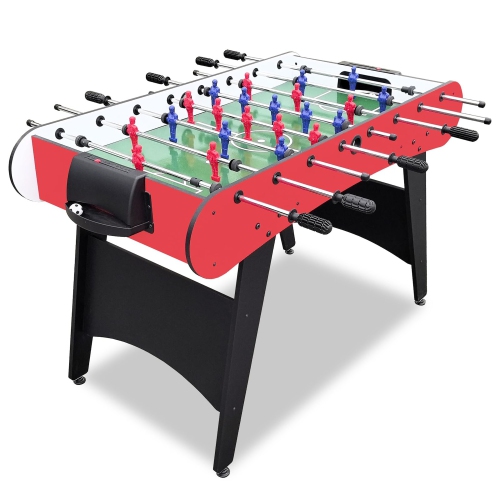

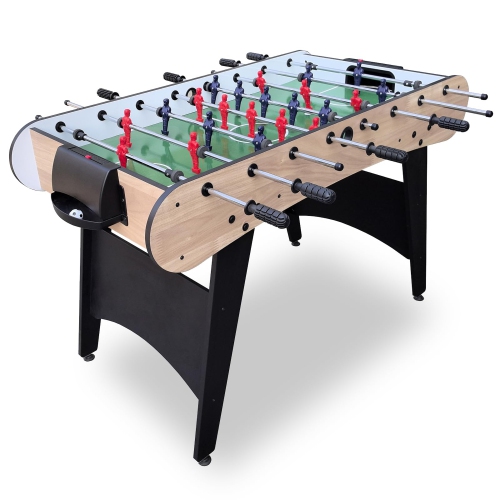


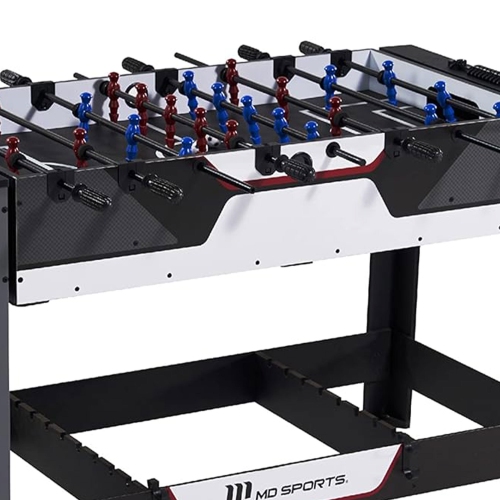

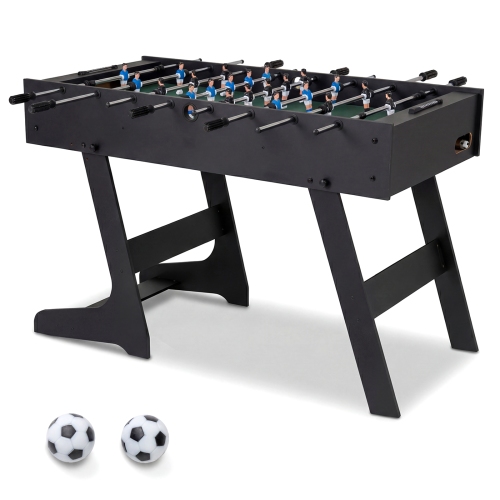

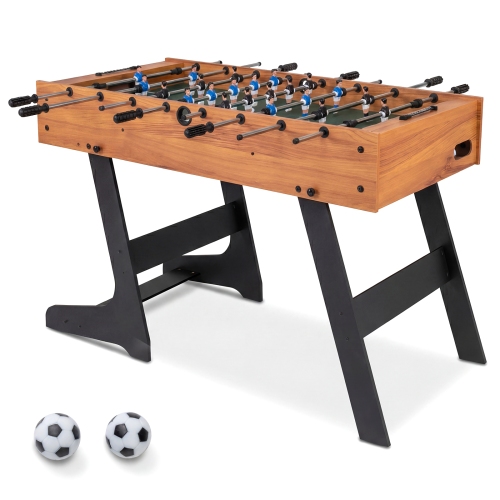
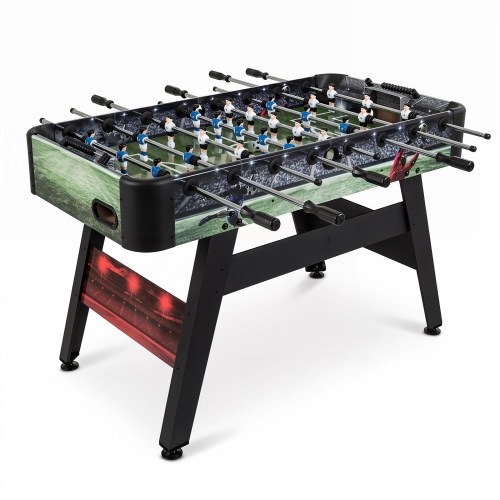
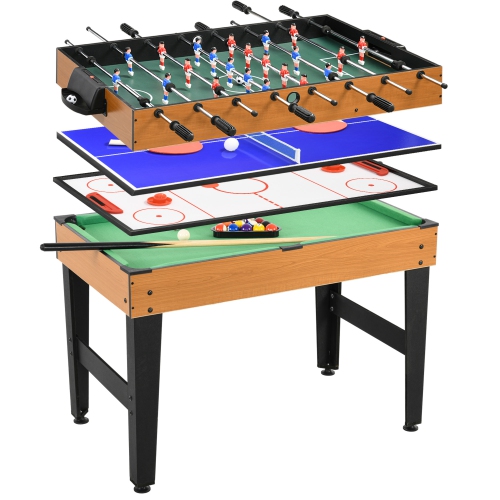


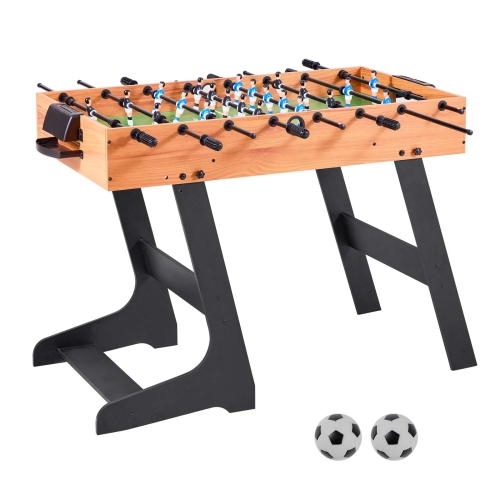
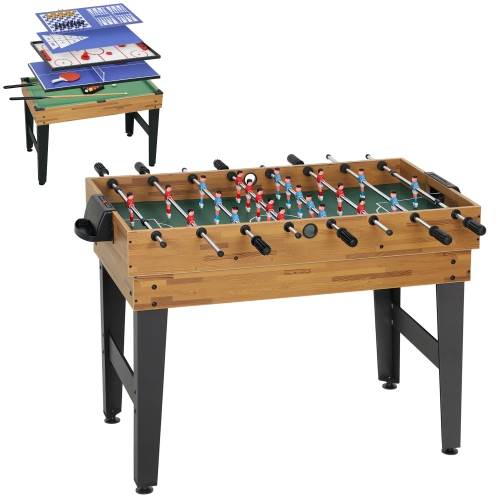

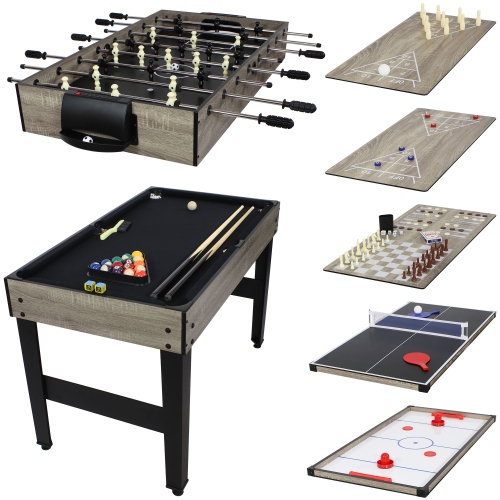

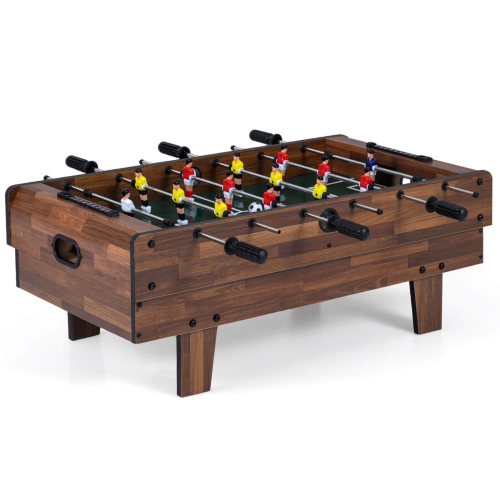
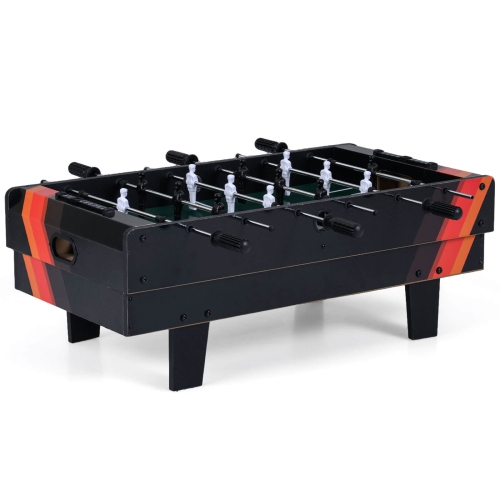
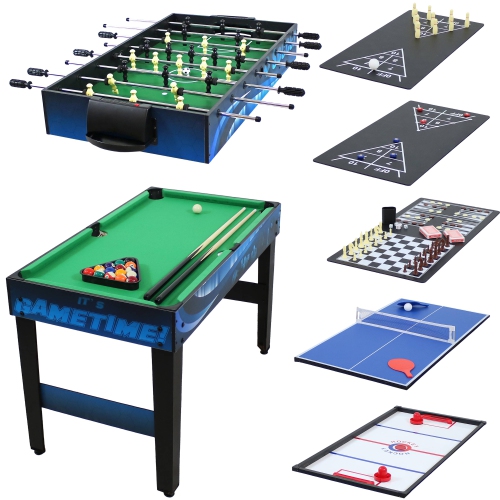
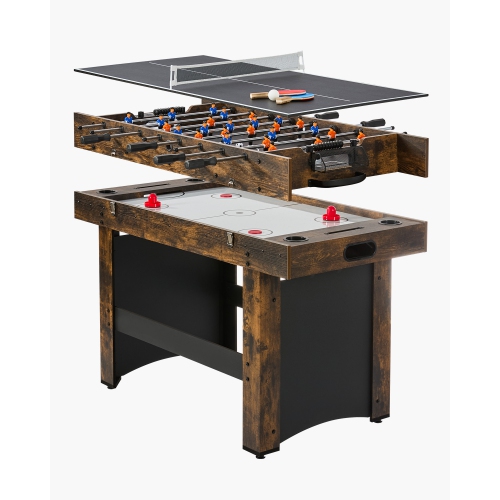


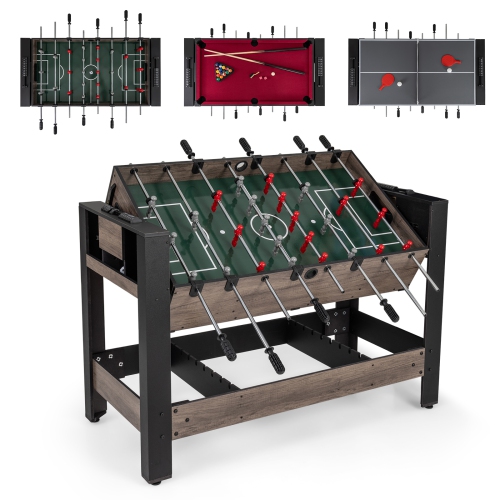
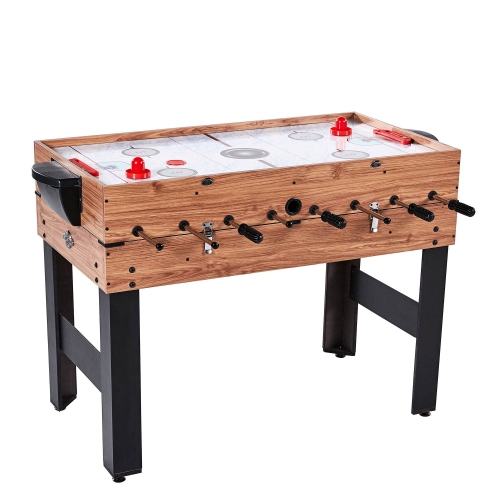

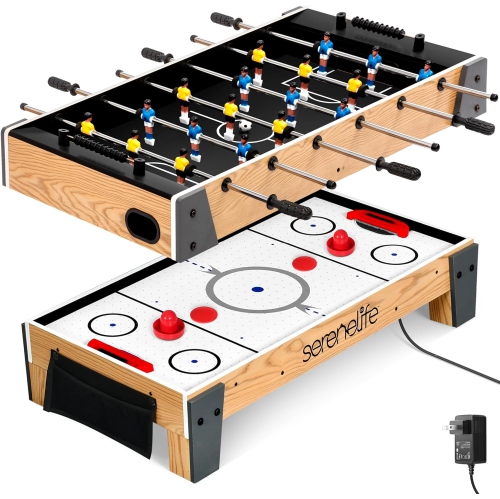


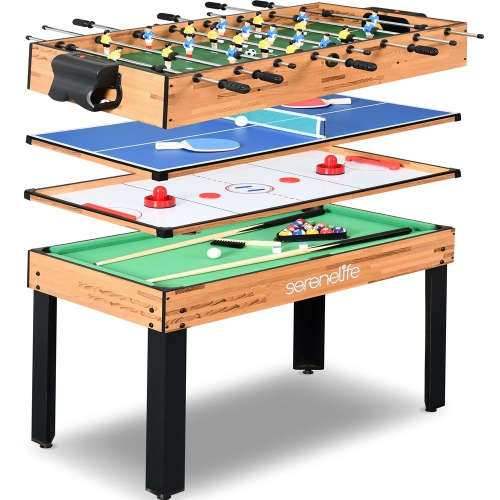
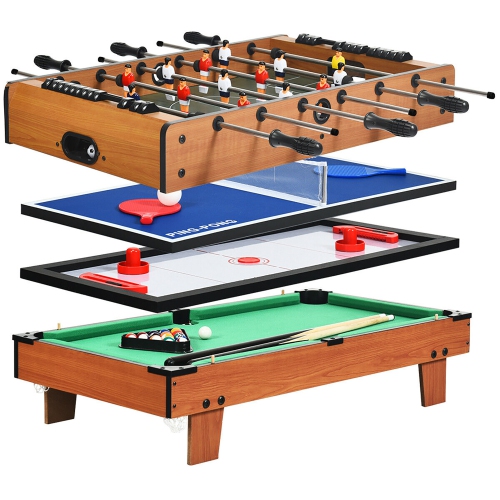
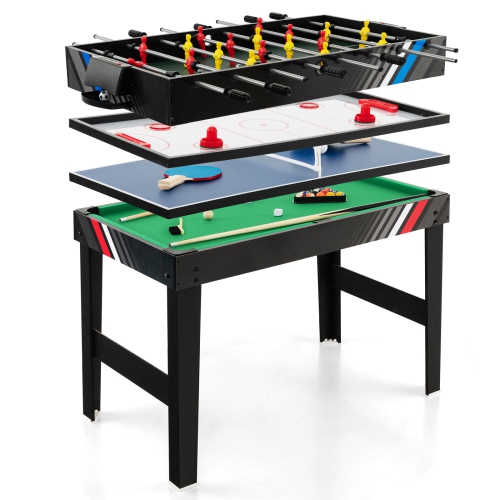
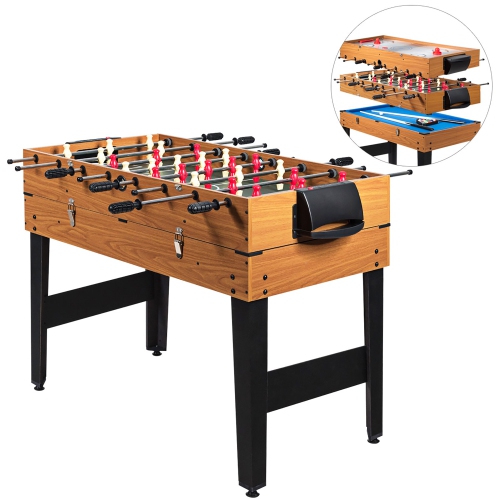
Stable construction sets the stage for precise foosball play
Professional foosball tables bring a more controlled, consistent feel to a game built on quick reactions, accurate passing, and well-timed shots. Their appeal goes beyond a substantial cabinet: a rigid frame, level playing surface, smooth rod movement, and securely mounted player figures all contribute to predictable ball handling. For experienced players, that consistency makes it easier to practise a controlled pass from the five-player rod to the attacking row, hold the ball under a player’s foot, or repeat a pull shot without the table shifting. For friends playing doubles in a home games room, it means fewer interruptions from wobbling legs, binding rods, or a ball that repeatedly drifts towards one side. Professional-grade construction generally emphasizes stability and serviceable components, although the word “professional” alone does not establish tournament approval or a particular standard of performance. Tables intended for formal competition may have approval from a governing organization, while other heavy-duty designs are built for serious home play or shared recreation spaces. Cabinet construction can include engineered wood with a durable laminate finish, plywood, solid wood components, or metal reinforcement. The quality of the joints, sidewalls, leg supports, and fasteners matters as much as the visible finish. A heavier cabinet can resist movement during energetic rallies, but weight works best alongside a well-braced base and properly adjusted feet. Leg levellers help compensate for small variations in the floor so the ball rolls as intended rather than favouring one goal. These qualities suit dedicated players, families with older children, and adults who want a permanent centrepiece for regular games. A professional foosball table can also make a memorable shared gift for a household with the space and interest to use it often. In offices, club lounges, and recreation rooms, a robust table offers a face-to-face activity that welcomes short casual matches as well as organized competitions, provided its construction and warranty support the intended level of use.
The playing components give each professional foosball table its character. Rod material, diameter, straightness, and bearing fit affect how smoothly a handle turns and how precisely a player figure responds. Hollow steel rods can offer a lighter feel than comparable solid rods, helping with quick changes of direction, while the overall quality of the rod and bearing assembly determines whether movement stays smooth under repeated use. Telescopic rods retract within an outer section rather than extending beyond the opposite side of the cabinet, reducing exposed rod movement around nearby people. They remain moving components, so clear space and appropriate supervision still matter wherever children are present. Handles should provide a comfortable grip without requiring excessive pressure, particularly during longer practice sessions. Counterbalanced player figures can remain raised when released, keeping unused rows out of the path of a shot during singles play. The shape and texture of each player’s foot influence catching, pinning, and striking the ball, making these details especially noticeable to players developing deliberate passing patterns. Playfield materials also affect the pace and feel of a match. Laminated surfaces and tempered glass surfaces are both used in higher-grade tables, but their finish, texture, and pairing with the ball matter more than the material name alone. A textured surface may help with ball control, while a smoother combination can produce a faster-moving game. Ball composition adds another variable: different materials and surface textures change grip, sound, and rebound behaviour. Single-goalie and three-goalie layouts create different defensive experiences, and some single-goalie designs use raised corners to help keep the ball within reach. Neither layout automatically makes a table more professional; familiarity with a particular playing style is often the more useful distinction. Players preparing for organized events benefit from a table whose layout and handling resemble the competition format they expect to encounter. In a games room shared by several sports, Professional Table Tennis Rubbers offer another way for table tennis players to tailor the contact surface that shapes their game.
A good fit involves the whole playing area, not just the cabinet’s footprint. The width with rods fully extended, room for players to move on both sides, and access to the ball return all affect how comfortably a foosball table works in a room. Doubles play needs enough space for teammates to stand beside one another without backing into furniture or blocking a doorway. In a multipurpose basement or lounge, keeping the playing area clear of seating and walkways helps matches feel less cramped. Cabinet height and handle position also matter for comfort, especially when players of different heights share the table. For a heavy-duty design, the route into the room deserves attention as well: stairs, tight turns, door openings, and assembly space can be just as important as the final location. Many substantial tables require more than one adult for safe assembly and positioning, with the supplied instructions determining the appropriate handling method. Once installed, regular care protects the feel of the game as much as its appearance. Dust and debris on the playfield or balls can change how the ball rolls and grips, while dirty rods and bearings can make movement feel uneven. Cleaning should follow the care instructions for the specific surface, using suitable cloths and avoiding abrasive products that could mark the finish. Any rod lubricant should be explicitly suitable for the table’s bearings; household oils and unsuitable sprays may leave residue or affect components. Periodic checks of leg bolts, player attachments, handles, and levellers help catch looseness before it interrupts play. Keeping drinks off the cabinet reduces the risk of spills reaching seams or moving parts. For tables used frequently, replaceable bearings, bumpers, player figures, and other wear components make long-term upkeep more practical. Ball-return access and easy-to-read scoring are small details that become valuable over hundreds of matches. Together, thoughtful placement, durable construction, and straightforward maintenance help a professional foosball table remain a reliable setting for focused practice, friendly rivalries, and the satisfying rhythm of a well-played rally.
Top selling and popular products
-
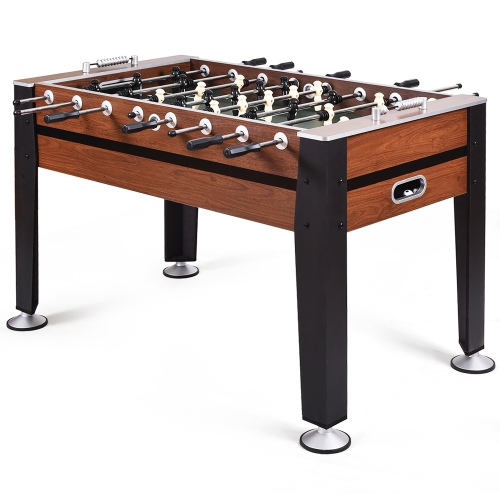 Your price for this item is $305.99
-
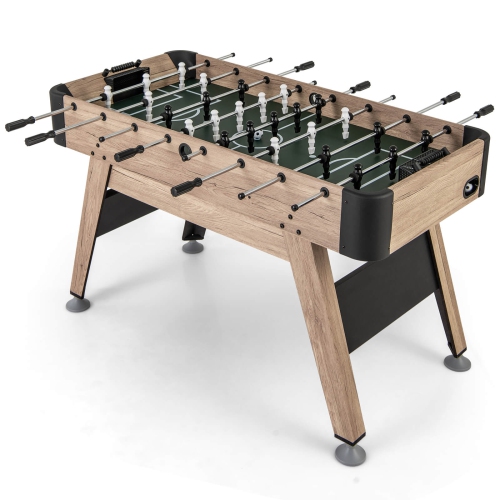 Your price for this item is $236.99
-
 Your price for this item is $352.98
-
 Your price for this item is $65.99
-
 Your price for this item is $118.99
-
 Your price for this item is $693.05
-
 Your price for this item is $488.9
-
 Your price for this item is $342.9
Discover more categories related to Professional Foosball Tables


Top Collections:
Pokemon Centers, Best Cameras for Sports Photography, Kindle Devices, Samsung Galaxy Phones, Canon G7X Cameras, Pokémon 30th Celebration Cards, Refurbished Apple Laptops, iPhone 15 Apple, Laptops for Students, Budget Smartphones
Some products may be subject to Environmental Handling Fees
(EHF) depending on your province.
Learn more about EHFs.