Rechargeable Lamps for Camping
Rechargeable Lamps for Camping provide a convenient lighting solution for outdoor adventures, making it easy to illuminate your campsite, tent, or trail. With a variety of styles and designs available, these lamps are designed to meet the needs of campers seeking reliable light sources without the hassle of disposable batteries. Whether you're planning a weekend getaway or an extended stay in the great outdoors, Rechargeable Lamps for Camping offer a practical way to keep your space bright and comfortable throughout your trip.
Sort

Why brighter isn’t always better for campsite lighting
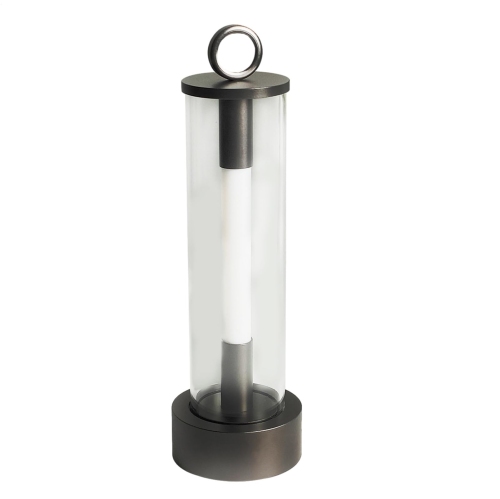
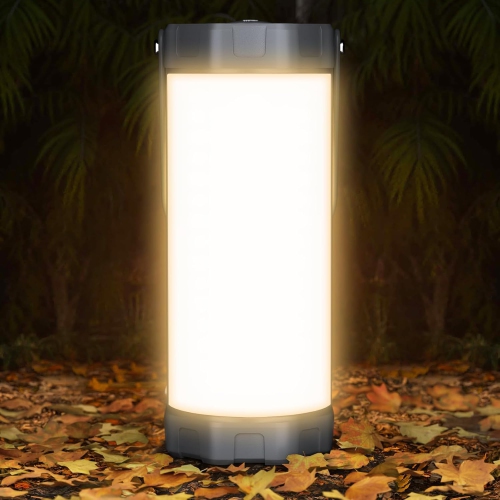
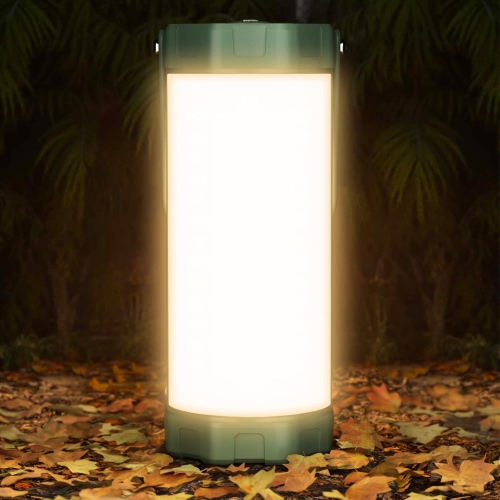
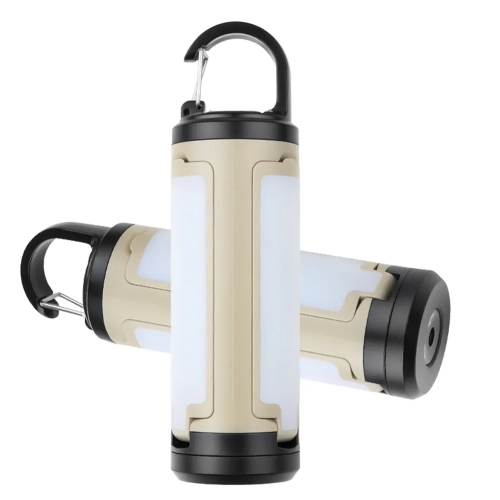
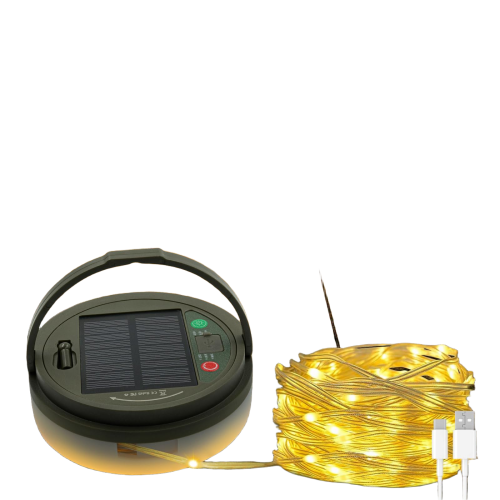
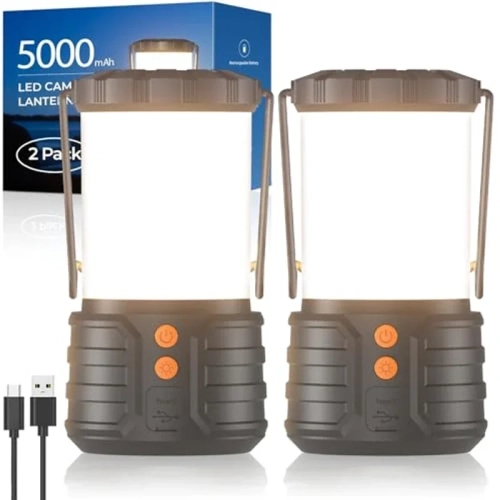
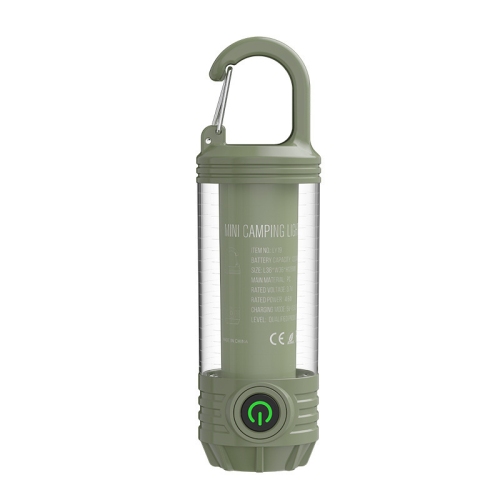
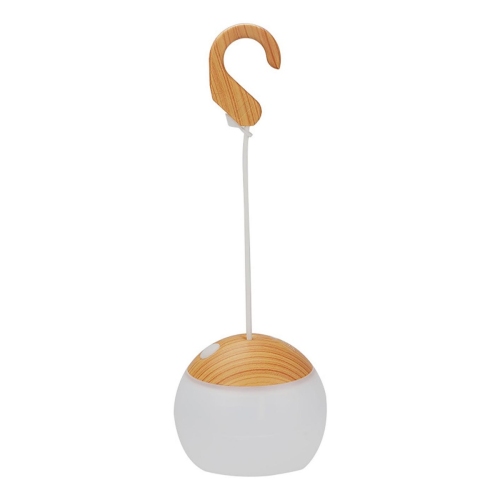
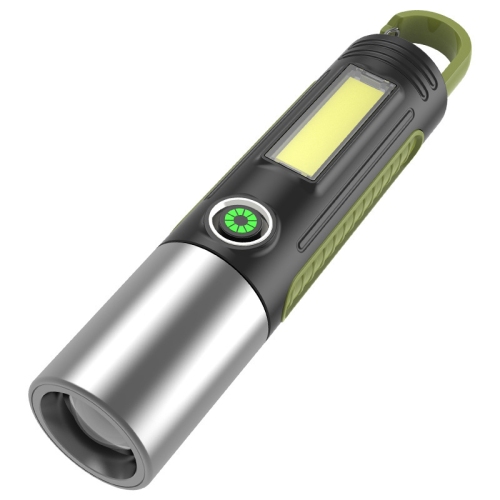
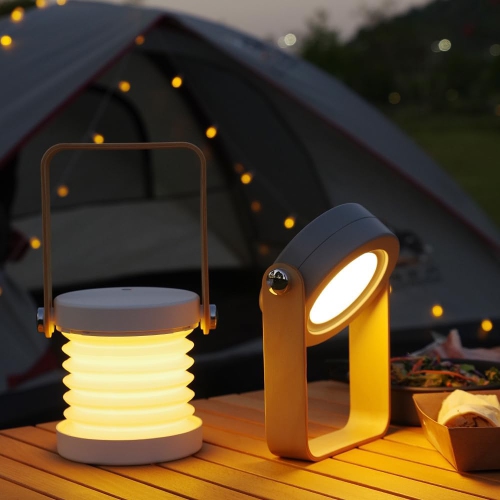
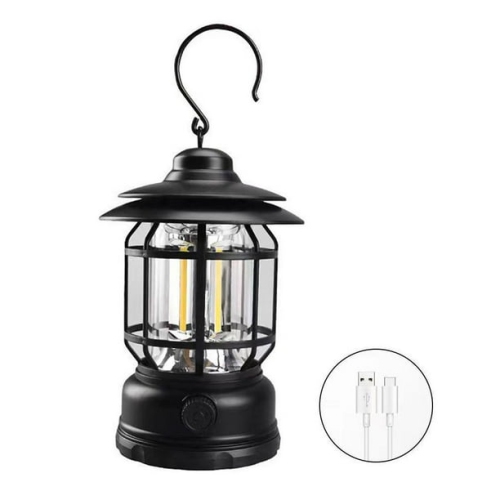
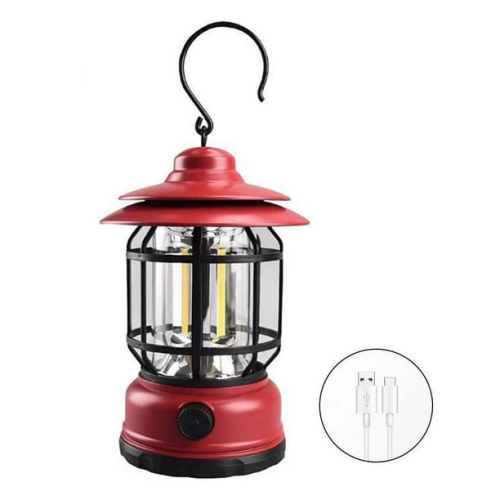
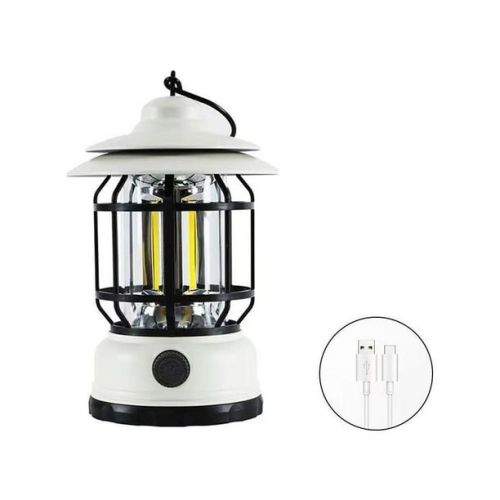
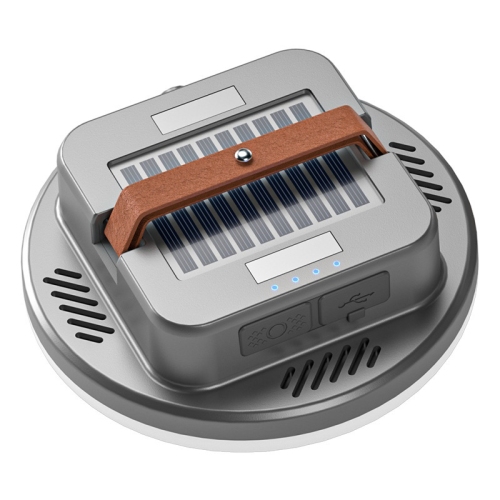
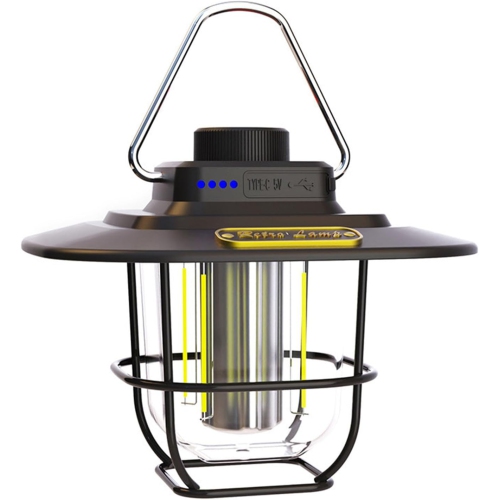
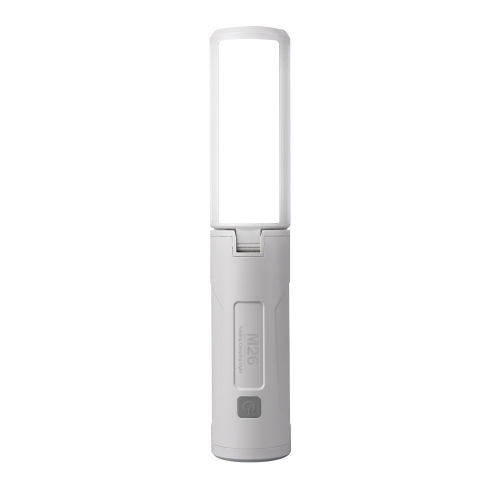
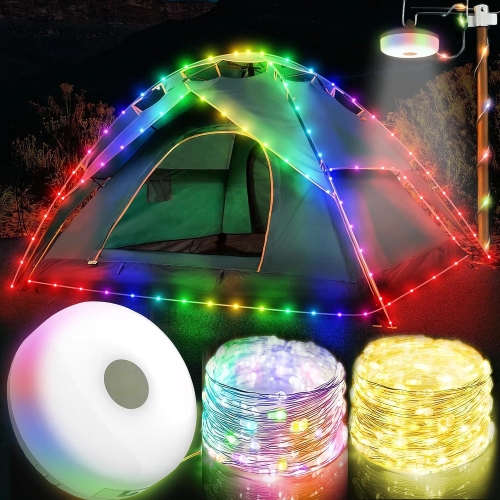
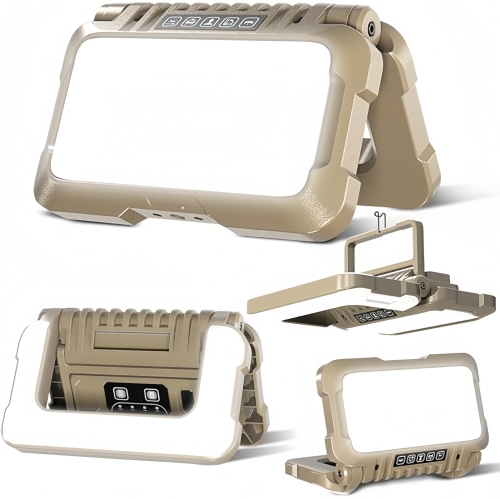
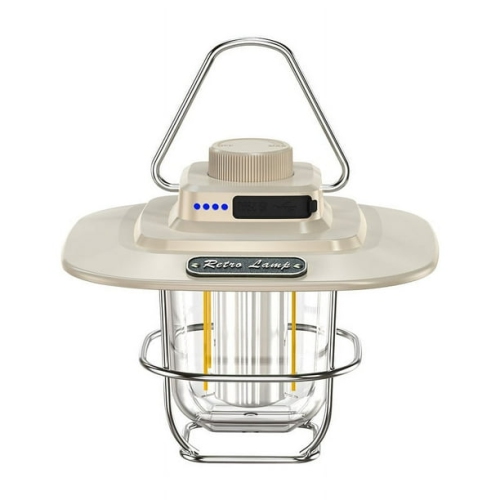
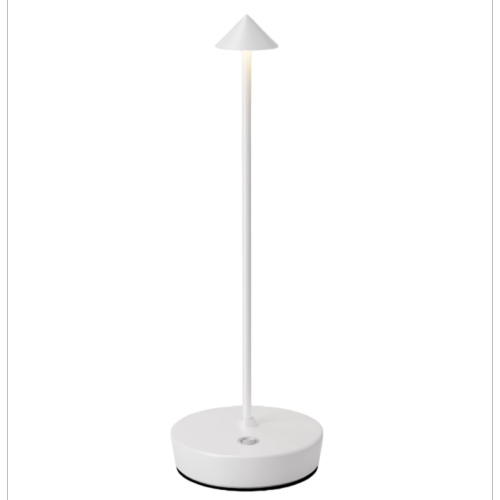
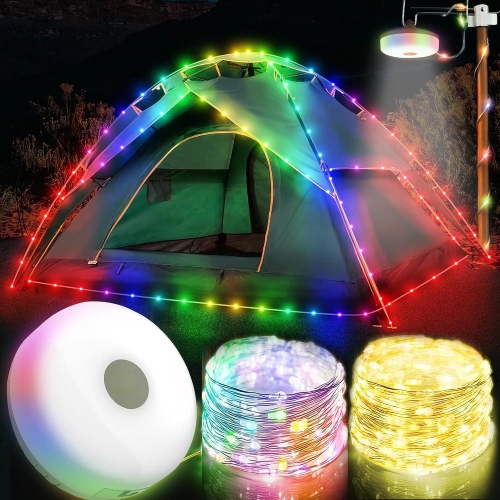
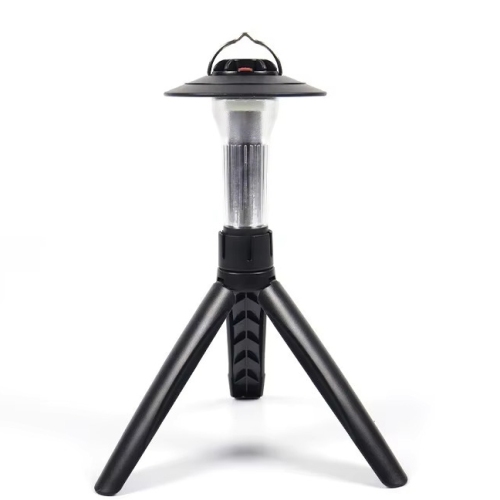
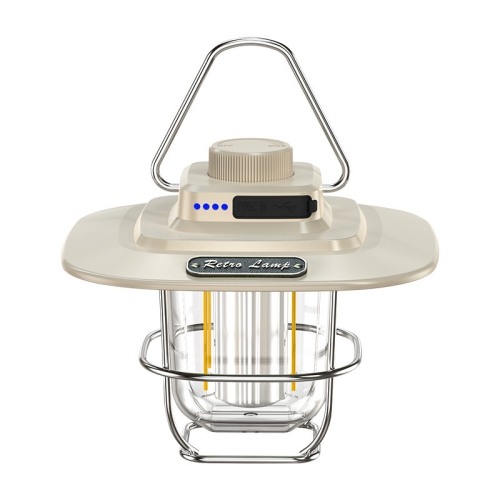
Rechargeable lamps for camping provide portable illumination for tents, picnic tables, and shared campsite spaces, with built-in batteries that can be charged between uses. The most useful designs balance light output, battery life, portability, and a sturdy build suited to being packed, carried, and set down on uneven surfaces. Unlike a narrow flashlight beam, a camping lamp typically spreads light across a wider area, making it easier to prepare a meal, play cards, or find a missing tent peg without holding a light in one hand. Lantern-style lamps with broad diffusers work well near the centre of a table, while compact hanging lamps can illuminate a tent interior without taking up floor space. Brightness is usually expressed in lumens, but the way that light is distributed matters as much as the maximum output. A bright, exposed light source can feel harsh at eye level; a frosted cover or shaded design helps soften the glow for conversation and reading. Adjustable brightness makes the same lamp useful for different tasks, from sorting equipment to keeping a small pool of light beside a sleeping bag. Warm-white light can create a relaxed setting around the campsite, while a more neutral white may make labels, maps, and cooking equipment easier to distinguish. Separate lighting modes, simple controls, and a low setting that is genuinely dim all contribute to everyday comfort. A raised button or tactile dial is easier to locate by touch than a control that blends into the housing. Placement also shapes how useful the light feels: a carry handle, hanging hook, or stable tabletop base supports different campsite layouts. Any suspended lamp should be within the load limit of the attachment point, particularly inside a lightweight tent. For a focused beam along a path or into the bottom of a gear bag, Rechargeable Flashlights for Camping complement the broader illumination of a lamp.
Battery performance is especially important when a campsite has no convenient electrical connection. A stated maximum runtime needs to be read alongside the brightness setting used to achieve it, since a lamp may operate much longer on its lowest setting than at full output. For a trip involving several evenings of cooking, reading, and moving around camp, runtime at a comfortable working brightness is more informative than the longest figure alone. Battery capacity provides useful context, although capacity numbers do not tell the whole story: light output, circuitry, and operating modes also influence how long a charge lasts. When comparing capacity, figures expressed in milliamp hours are only directly comparable at the same battery voltage. A battery-level indicator takes some uncertainty out of planning by showing when charging is needed before the lamp is packed. USB charging can simplify a camping kit, particularly when the lamp uses the same cable connection as other equipment. USB-C describes the connector, however, and does not by itself guarantee fast charging or compatibility with every charger. The required input, recommended power source, and charging time remain important details. A compatible power bank can provide a top-up away from an outlet, provided its capacity is sufficient for the equipment it needs to support. Vehicle charging may also be an option with an appropriate adapter and the vehicle manufacturer’s guidance. Some camping lamps can supply power to a phone, but that function draws from the same battery used for lighting, leaving less energy for the evening. Separate reserves for communication and campsite lighting can make longer outings easier to manage. Charging should take place with dry connections and the correct equipment, following the lamp manufacturer’s directions. A lamp should not be assumed safe to charge while operating unless that use is expressly supported. Before departure, a full charge, a quick function check, and the correct cable help prevent an otherwise useful lamp from becoming dead weight in a packed bag.
Construction and proportions determine how comfortably a rechargeable camping lamp fits into a particular trip. A compact plastic housing can keep pack weight down, while metal housings and reinforced frames may offer a more substantial feel for frequent transport. Material alone does not establish toughness; protected lenses, secure handles, well-fitted charging-port covers, and a base that resists tipping are equally relevant. Rubberized contact points can help a lamp stay put on a camp table, although no base makes an unstable surface safe. Dust and water-resistance ratings describe protection under specified test conditions, so a splash-resistant lamp should not be treated as suitable for immersion. Port covers need to be properly closed for the protection described by the manufacturer. For walk-in campsites, packed dimensions and weight matter alongside brightness, especially when the lamp must share a bag with food, cookware, and sleeping equipment. A collapsible or folding design can reduce bulk, while a larger lantern may suit a vehicle-accessible campsite where broad coverage takes priority. Families may appreciate straightforward controls and a stable base; backpackers often place greater value on compact proportions and efficient low-light settings. A small lamp beside a sleeping area can make it easier to locate footwear without lighting the entire tent, while a separate table lamp keeps meal preparation away from bedding. After a trip, wiping the housing with a soft cloth and allowing all surfaces to dry before storage helps keep dirt and moisture out of packed equipment. Abrasive cleaners can damage lenses or finishes, and damaged cables or swollen battery housings warrant stopping use and following the manufacturer’s service guidance. Stored lamps benefit from periodic battery checks and charging according to their instructions rather than being forgotten until departure. As a gift for a camper, paddler, or frequent cabin guest, a rechargeable lamp is most useful when its size, controls, and charging connection suit the recipient’s existing kit and usual style of trip.
Top selling and popular products
-
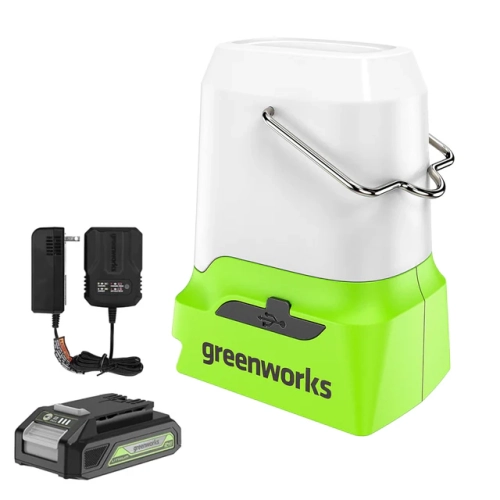 Your price for this item is $99.99
-
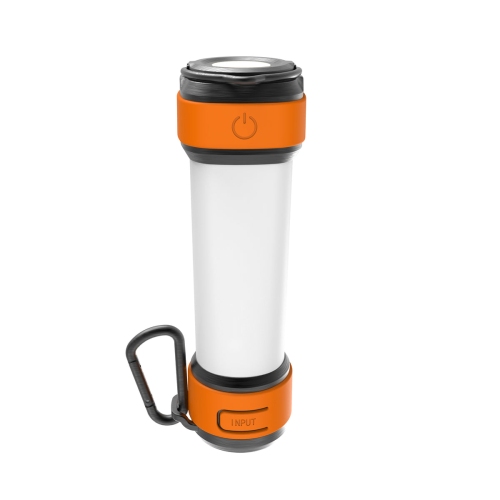 Your price for this item is $79.99
-
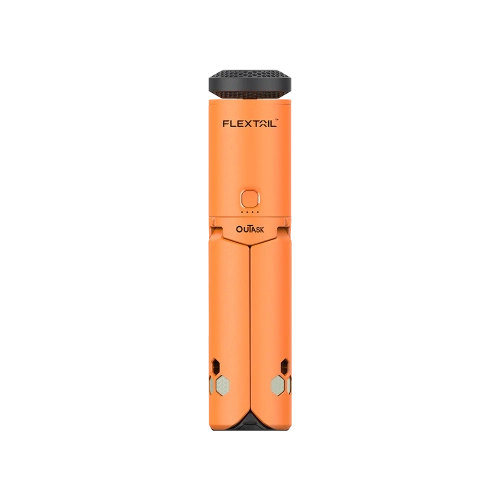 Your price for this item is $100
-
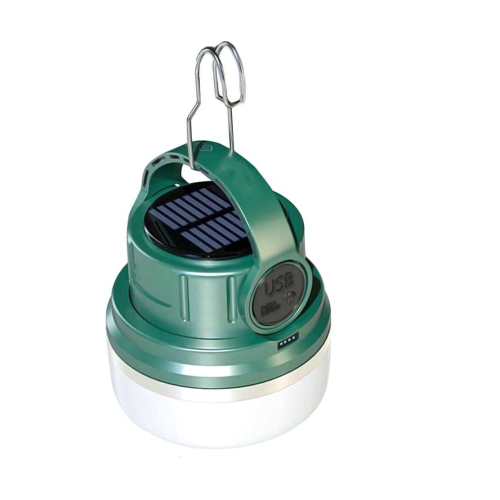 Your price for this item is $19.99
-
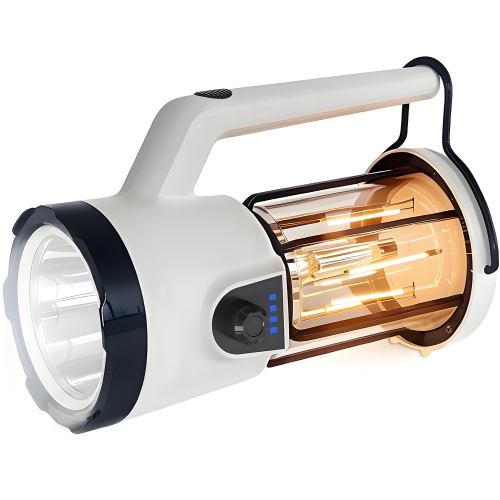 Your price for this item is $74.99
-
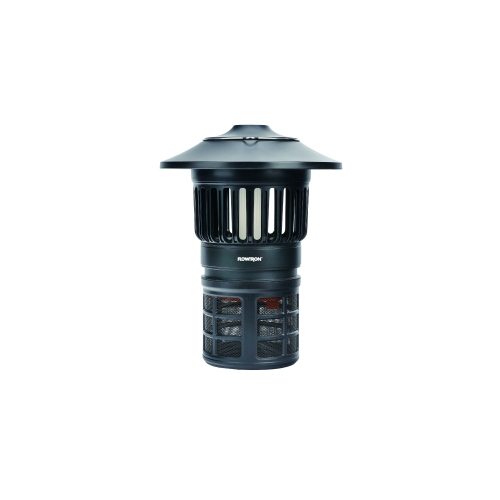 Your price for this item is $129.99
-
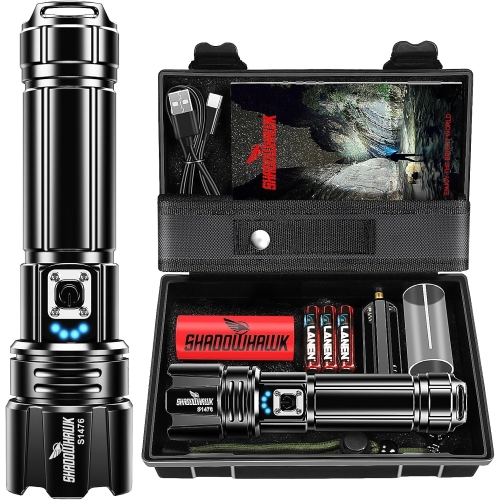 Your price for this item is $44.78
-
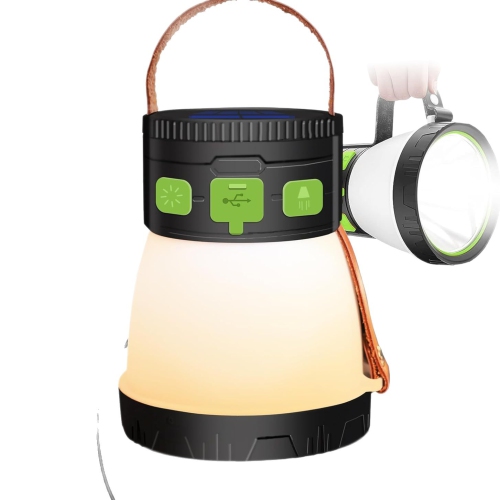 Your price for this item is $71.99
Discover more categories related to Rechargeable Lamps for Camping
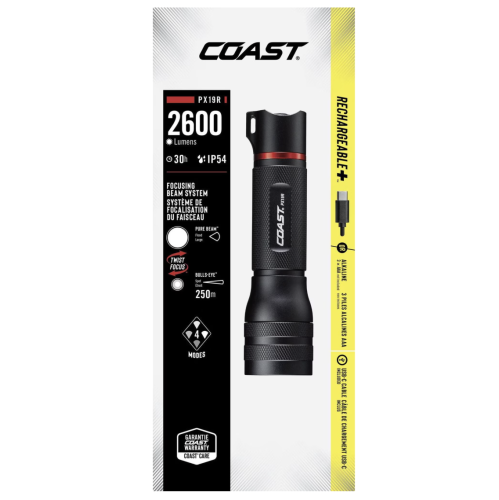
Top Collections:
Best Black Friday Deals This Year, Best Black Friday Deals On Electronics, Kindle Devices, Pokemon Centers, Best Black Friday Deals On Apple Products, Best Cameras for Sports Photography, Dyson Airwrap, Pokémon 30th Celebration Cards, Apple iPhone 17 Pro, Canon G7X Cameras
Some products may be subject to Environmental Handling Fees
(EHF) depending on your province.
Learn more about EHFs.