Safety Sunglasses
Protect your eyes from harmful UV rays and potential hazards with this wide selection of safety sunglasses. Whether you're working on a construction site, enjoying outdoor activities, or simply looking for stylish eye protection, our range of safety sunglasses offers the perfect blend of functionality and fashion. With various lens options, frame styles, and features to choose from, you can find the ideal pair that not only shields your eyes but also complements your personal style.
Sort


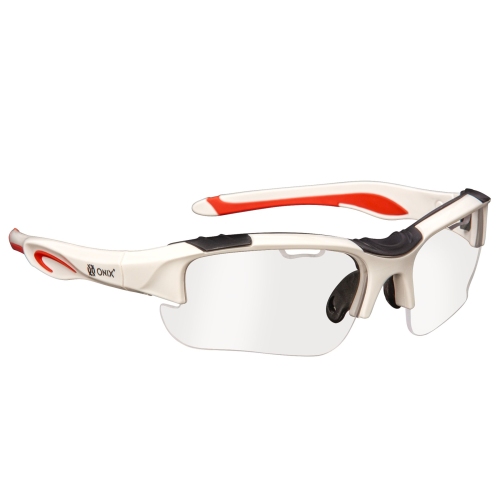


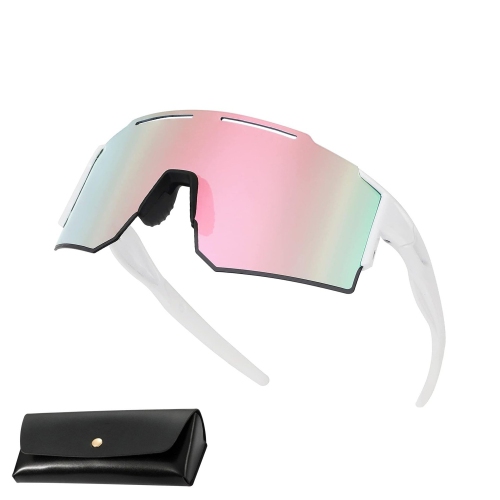

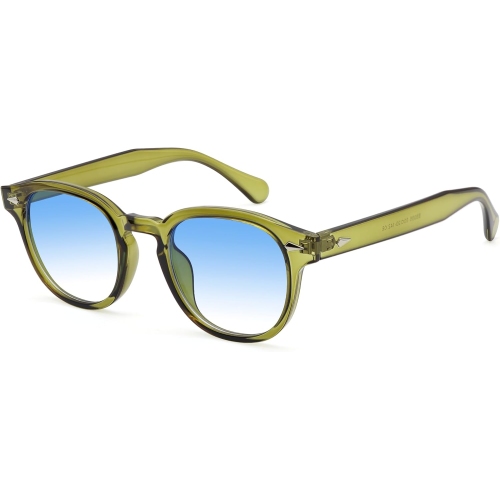


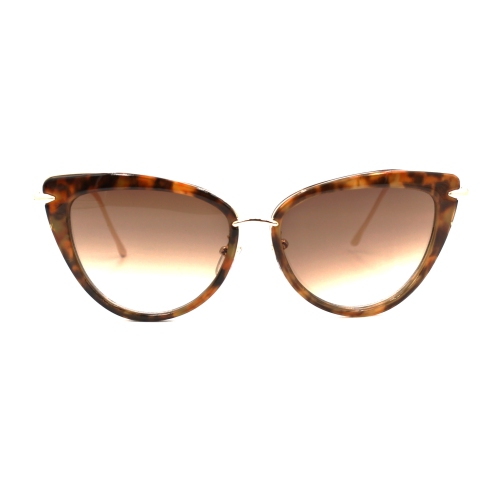


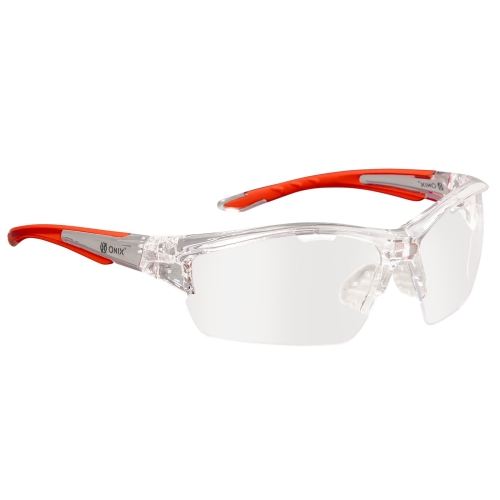


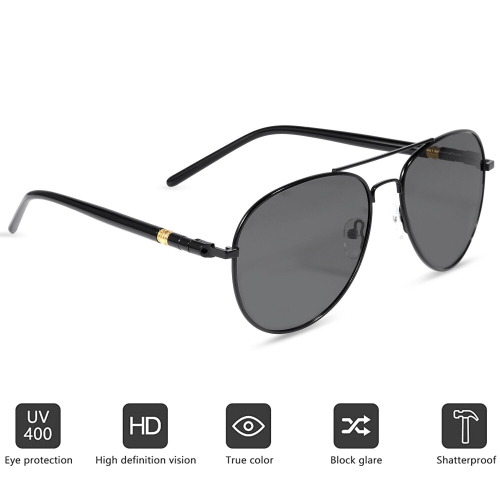
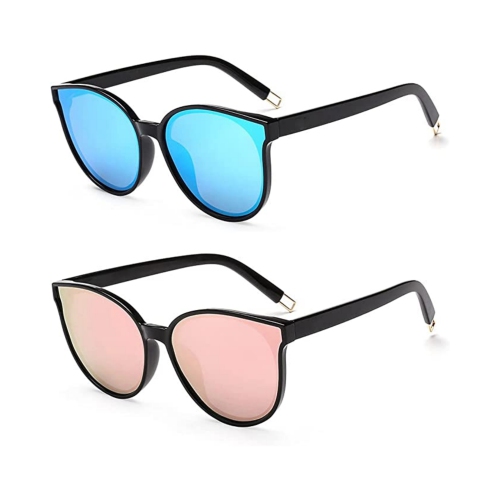
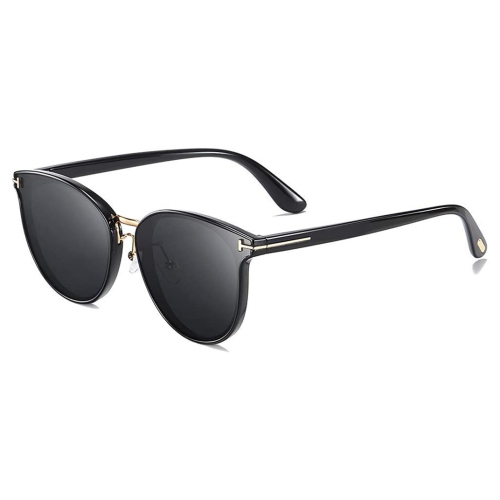


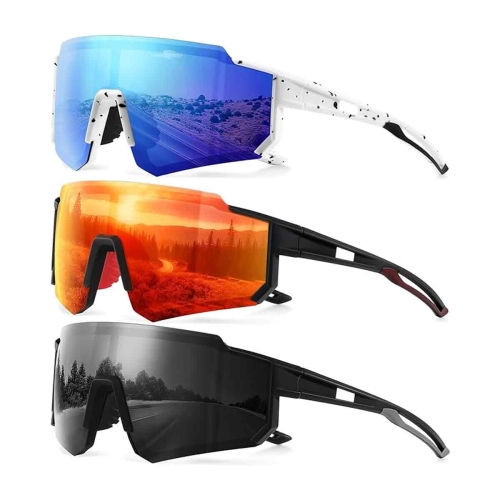


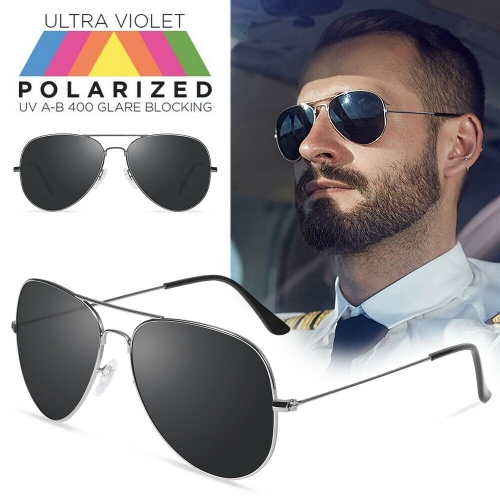
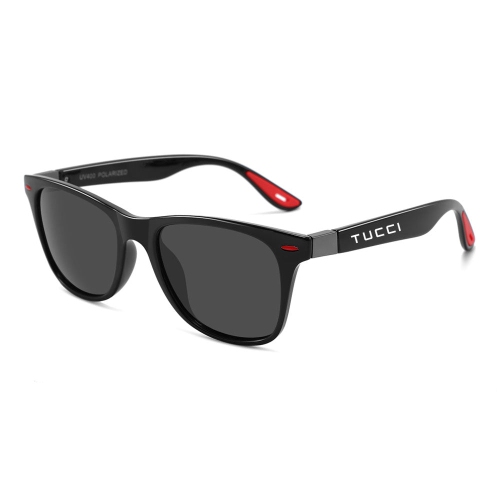
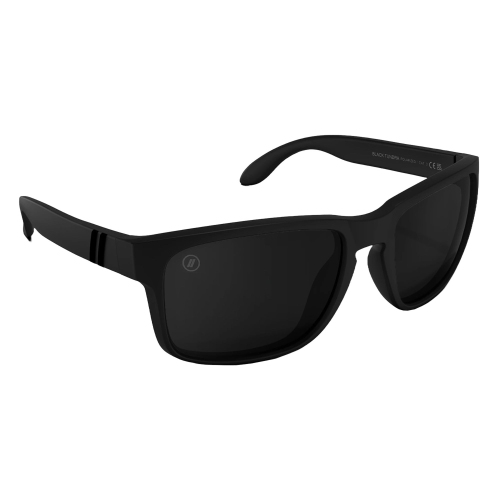


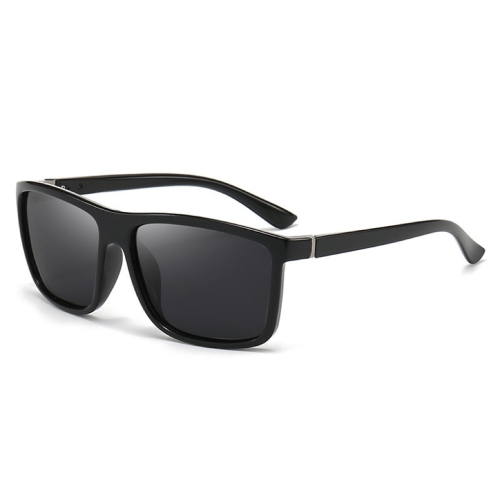

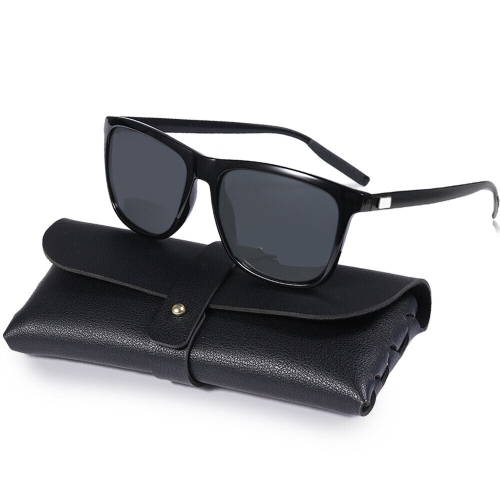


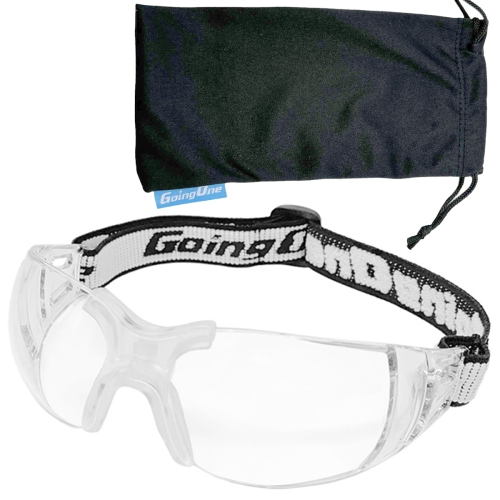
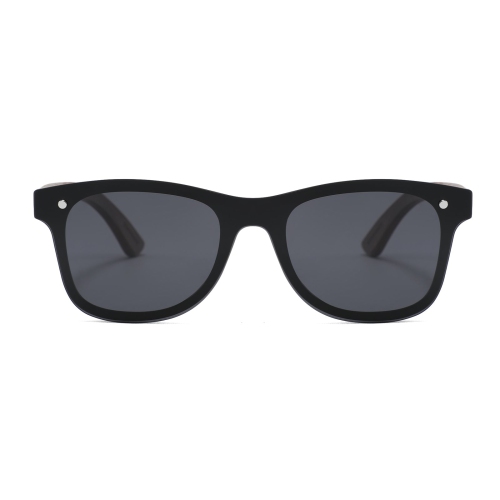
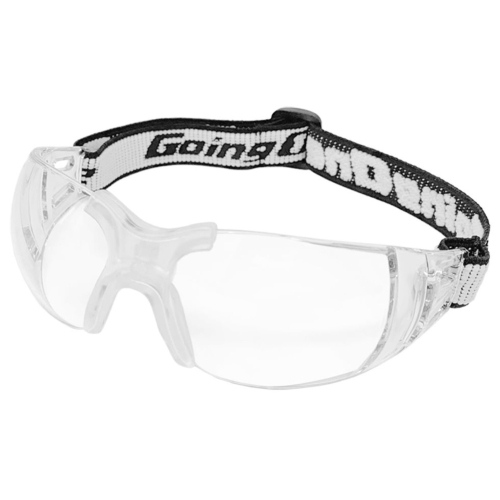
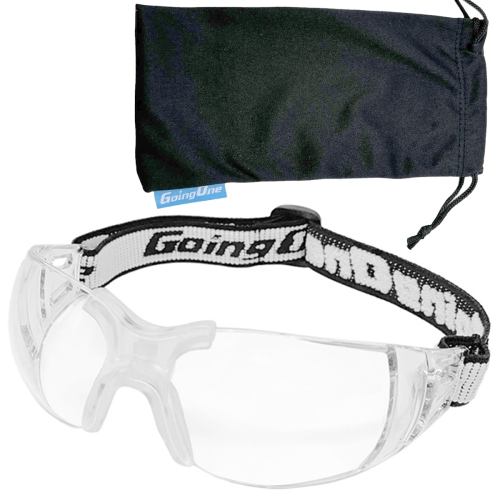
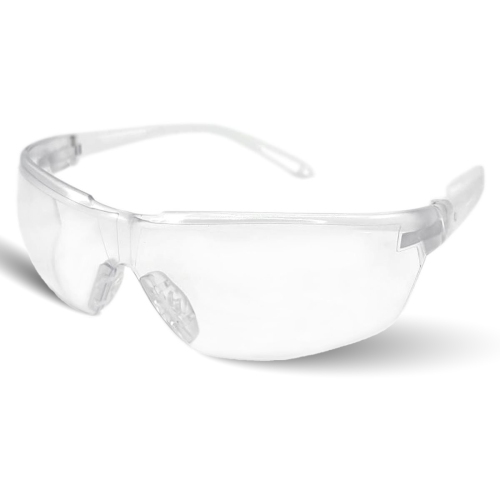

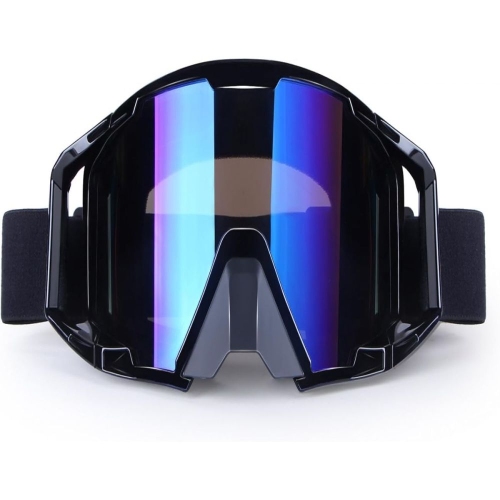
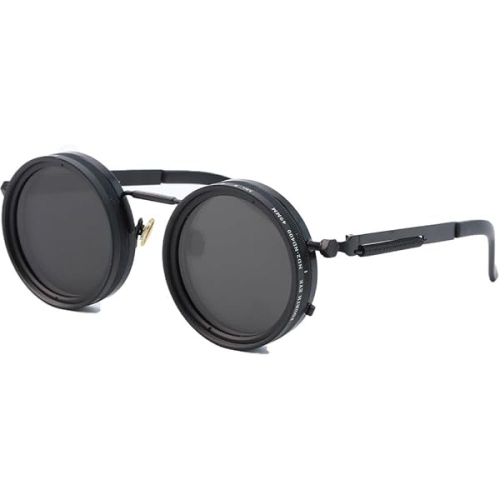
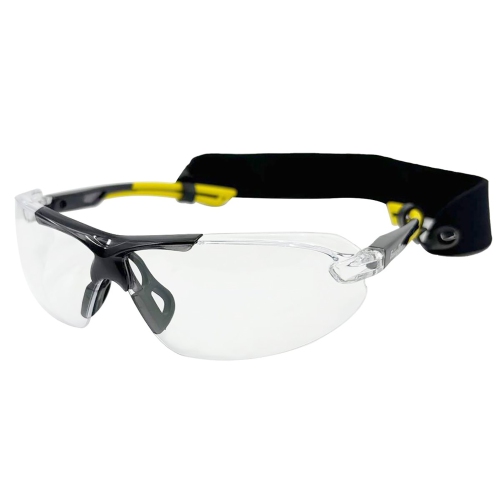

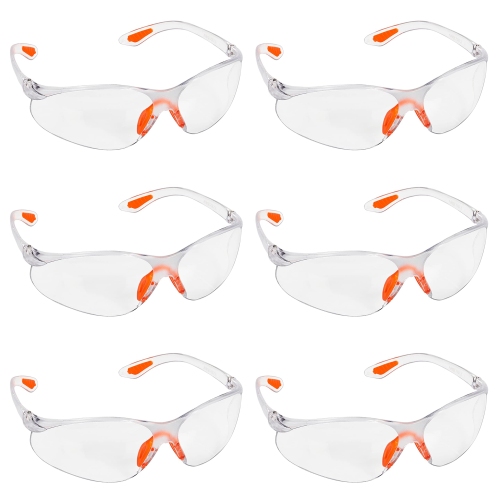

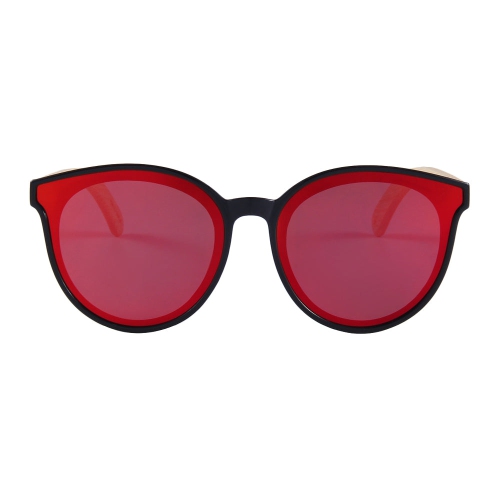


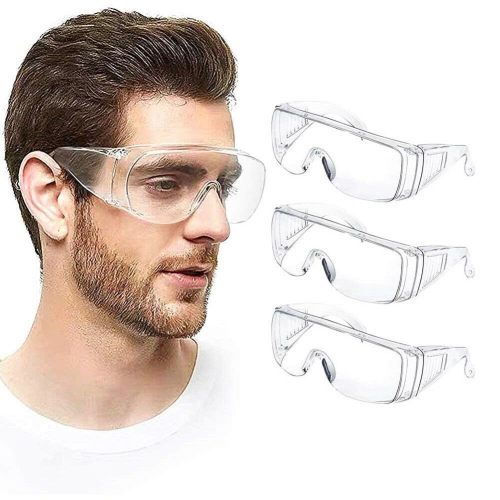
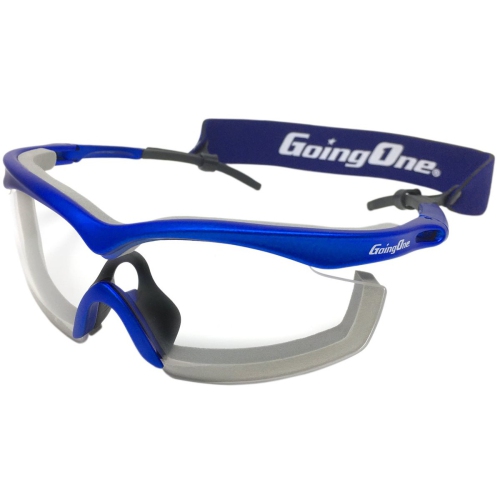
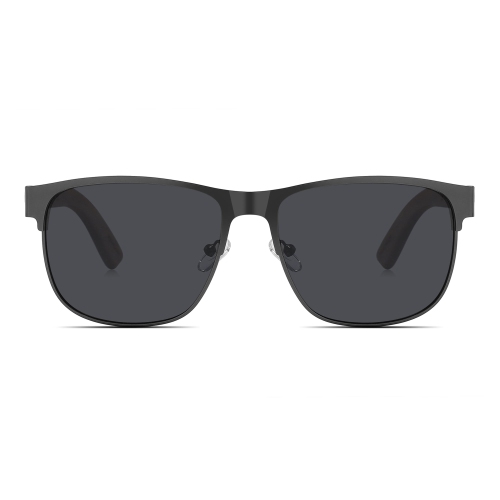
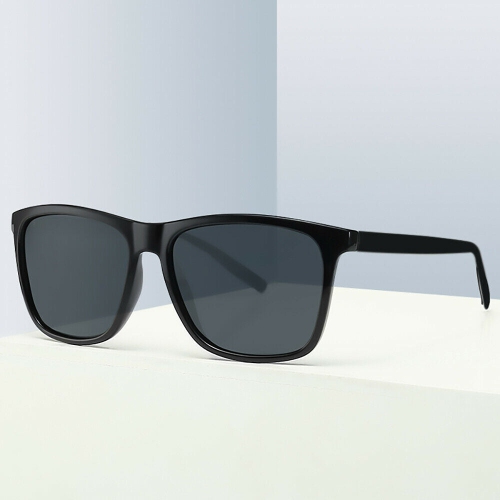


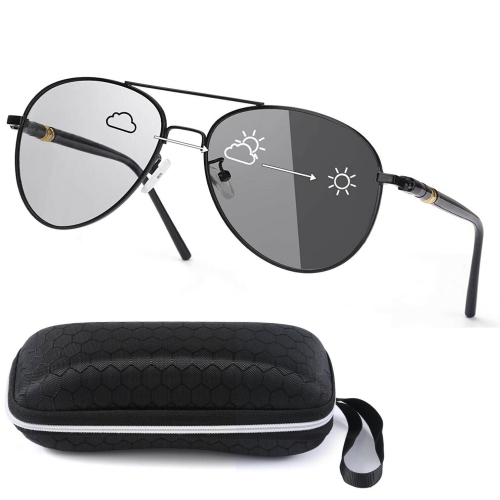
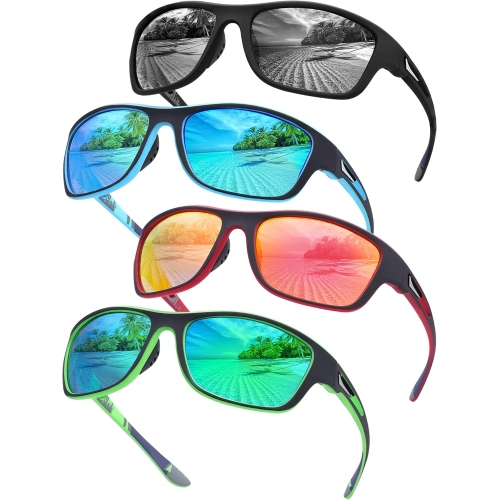
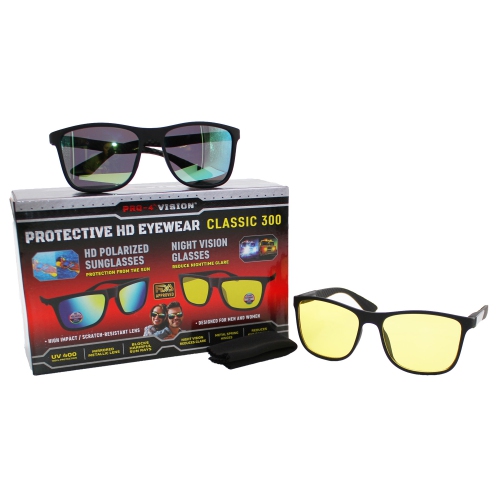
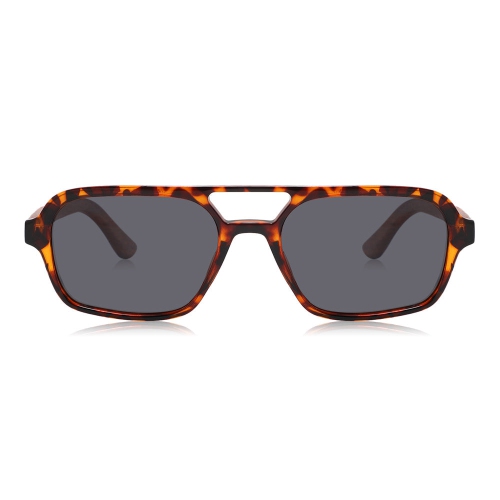


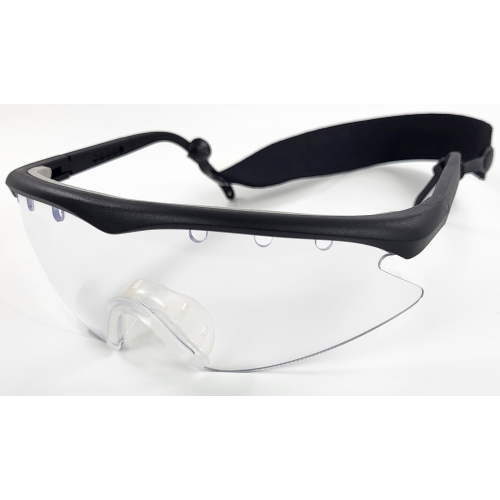

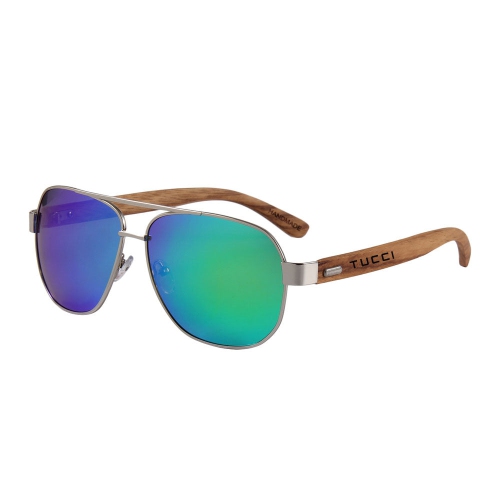
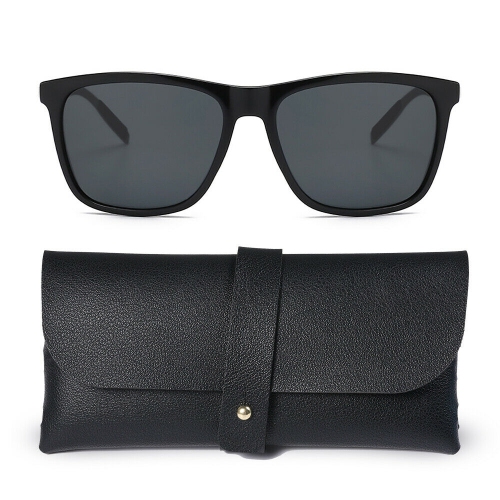
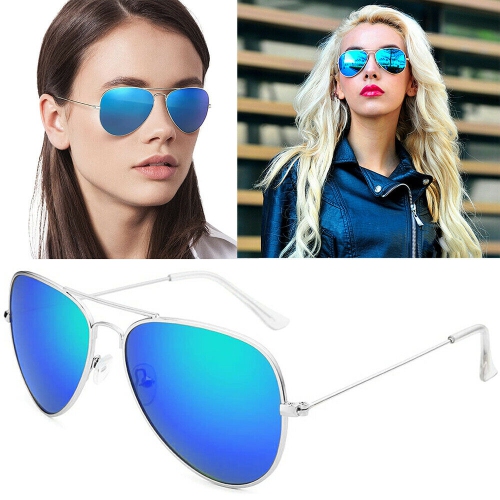
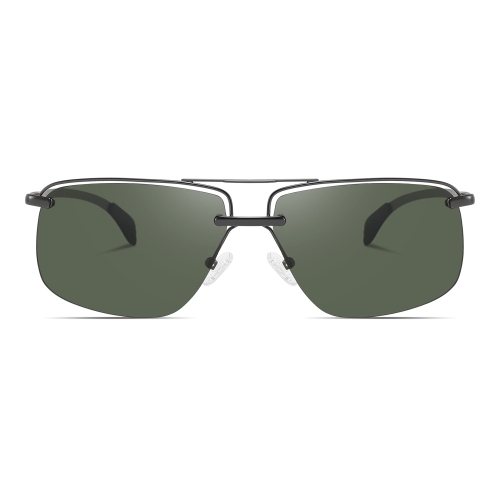


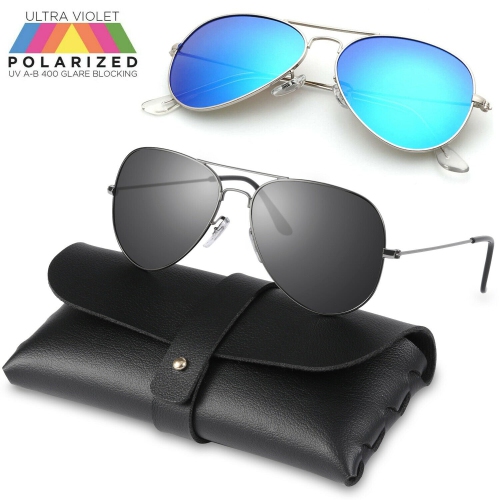


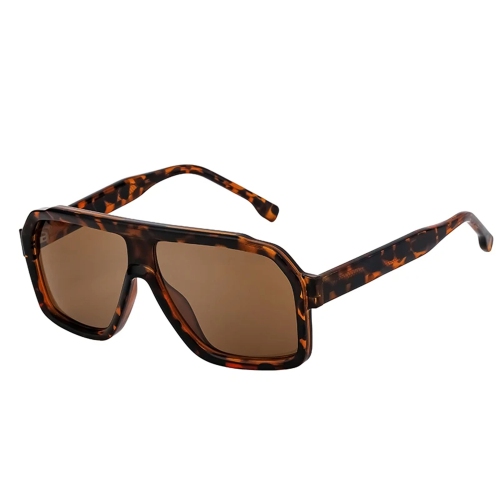


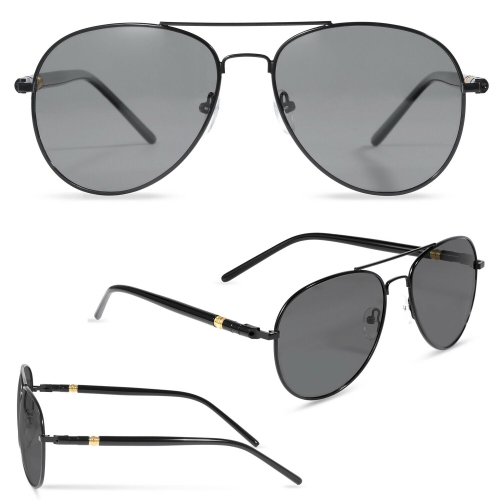

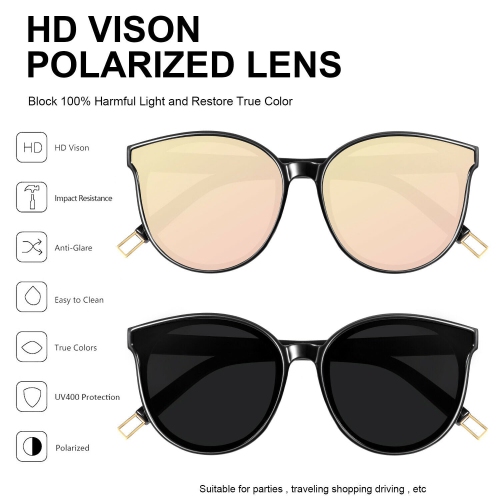


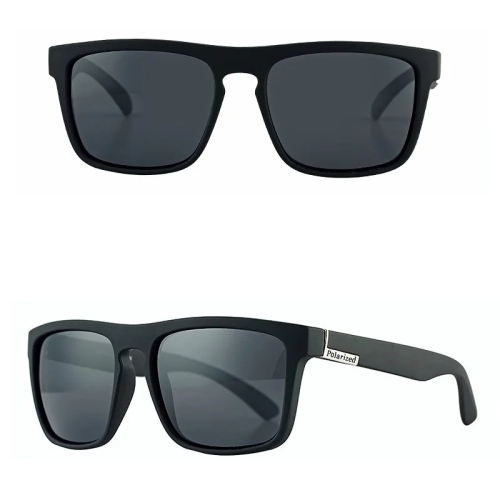

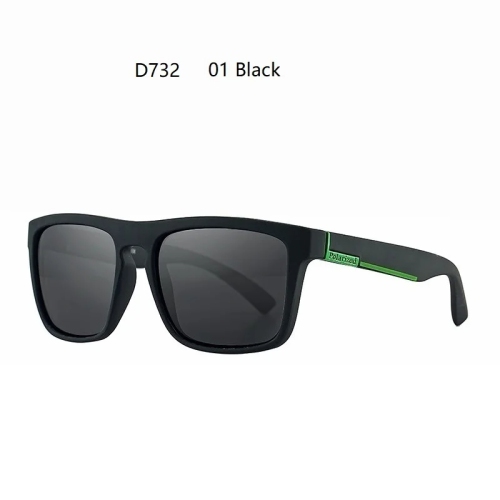


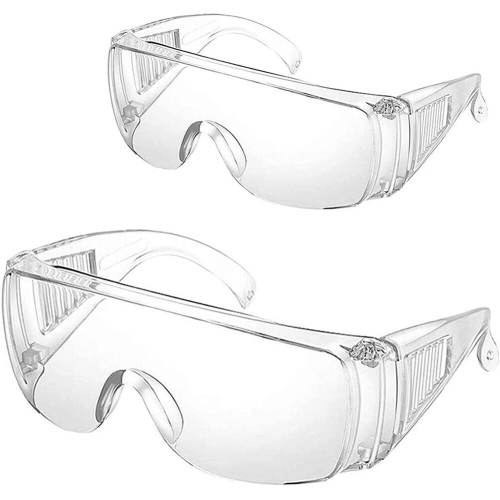
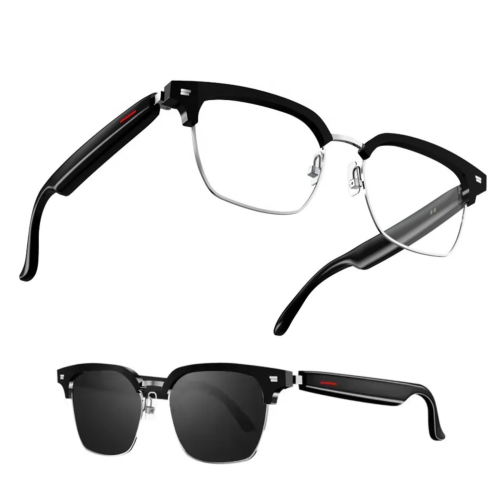
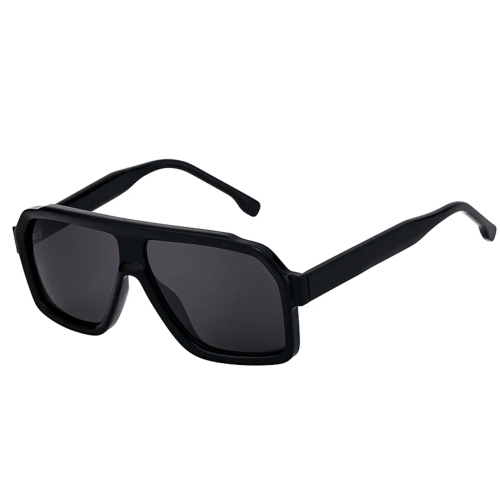
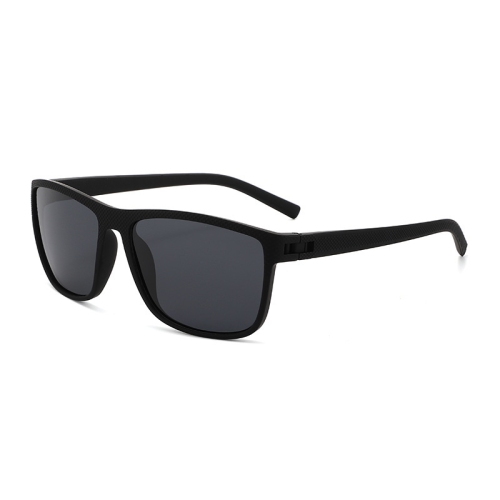
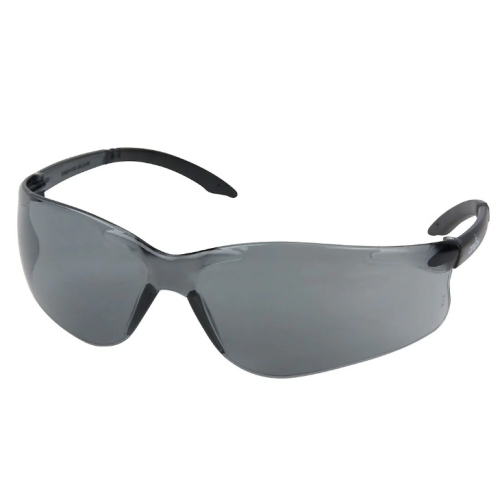

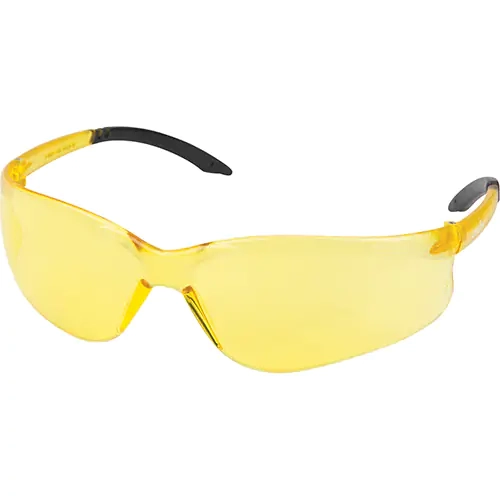


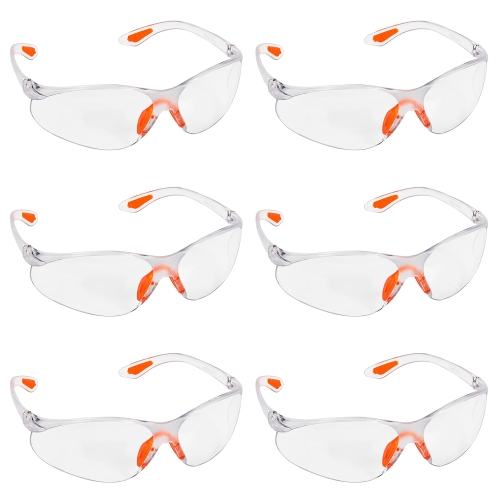
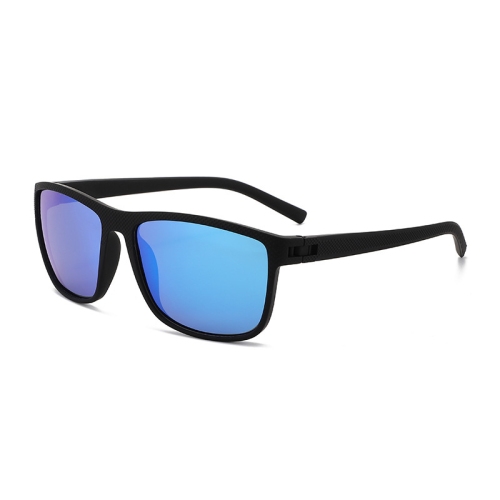
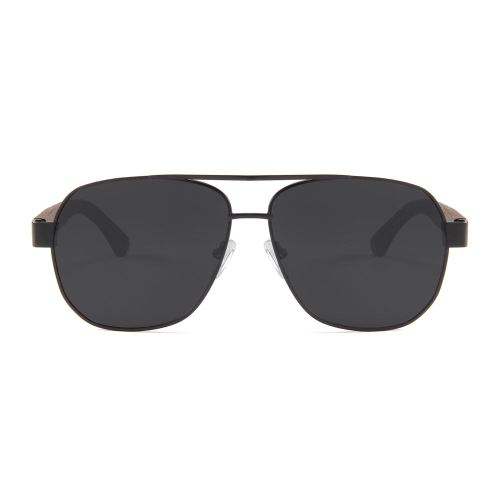

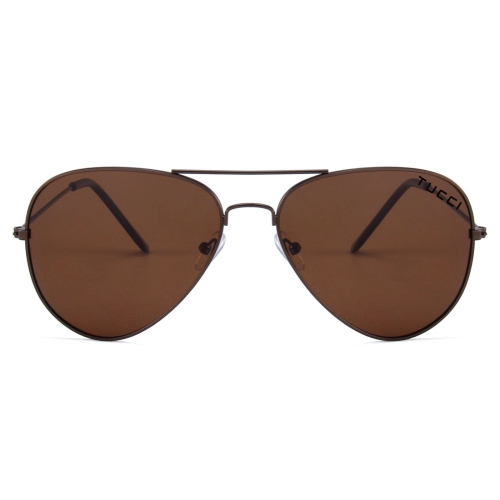
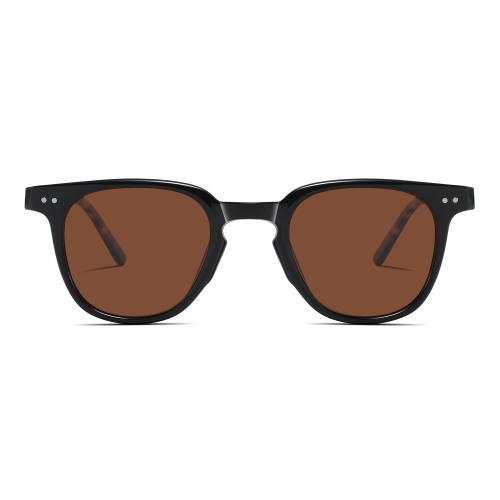
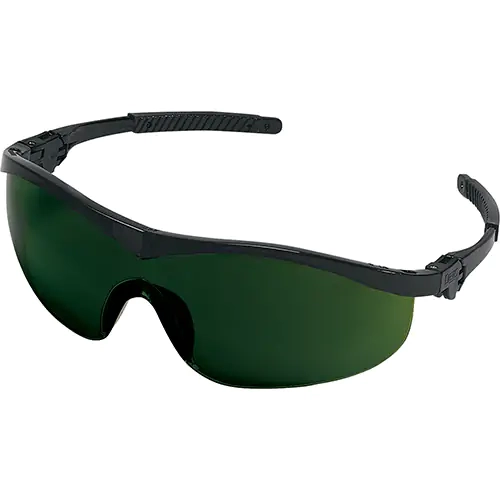

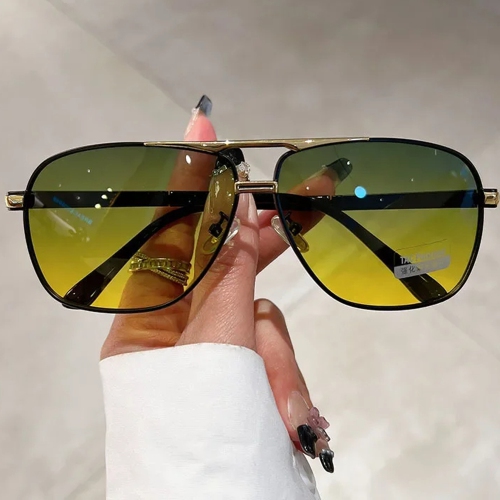
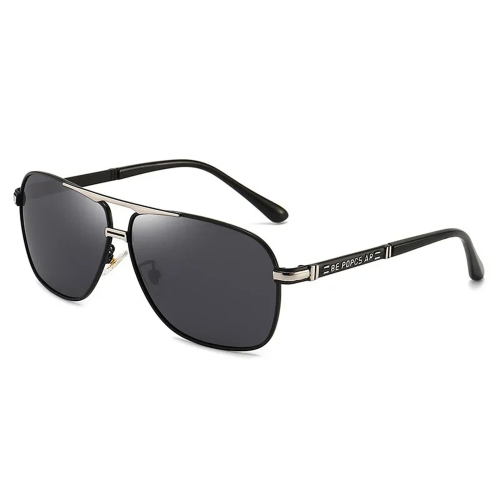


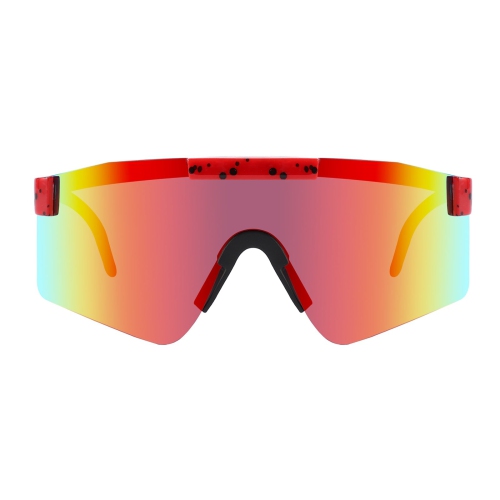
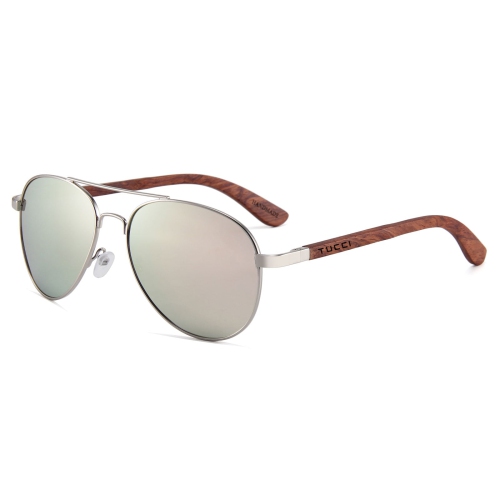
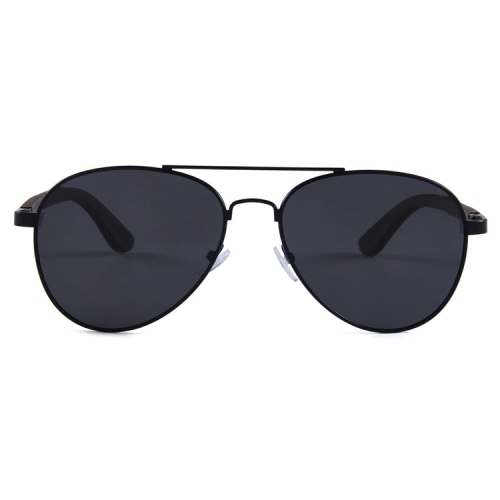
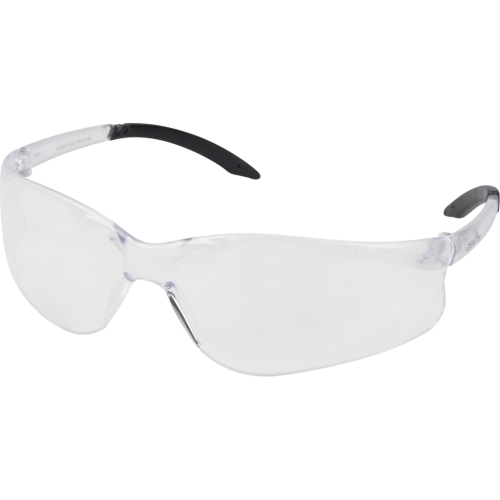
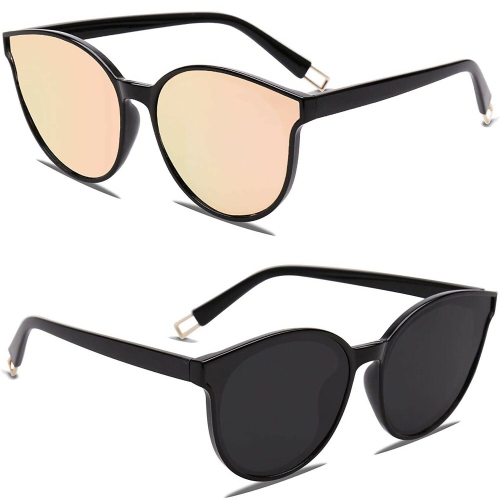
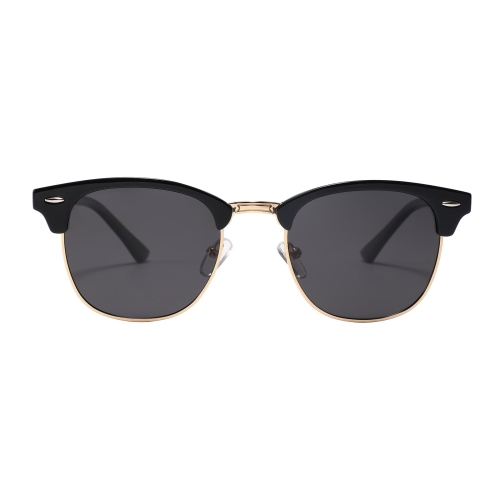
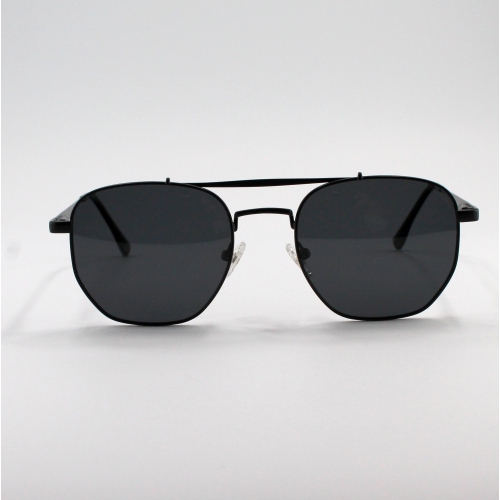
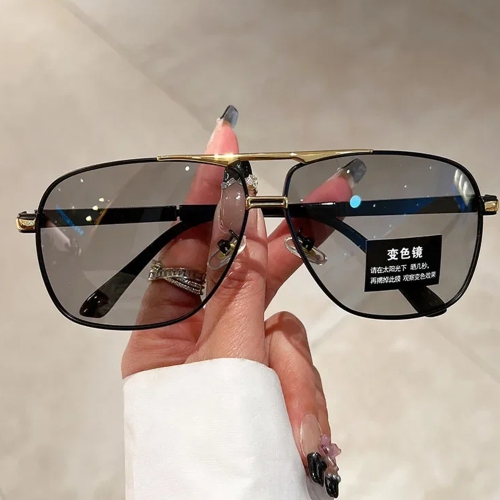
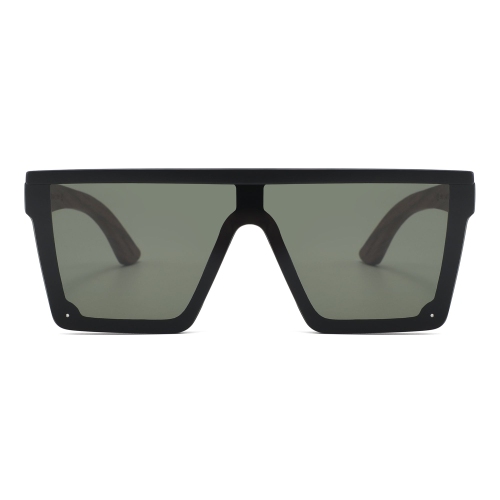

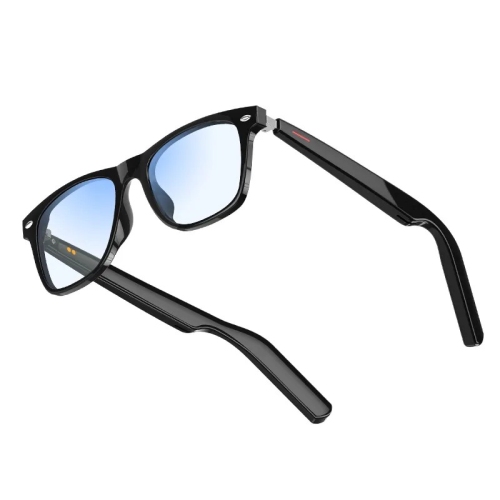
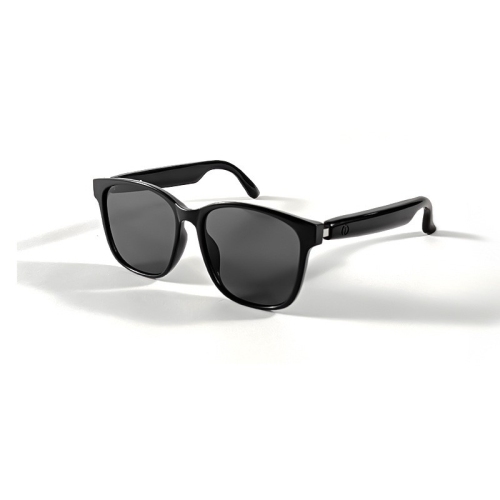


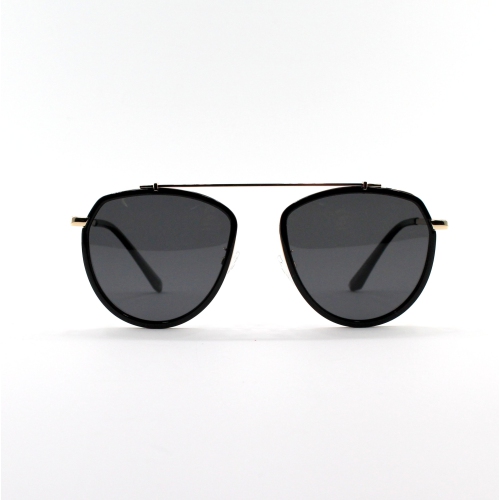
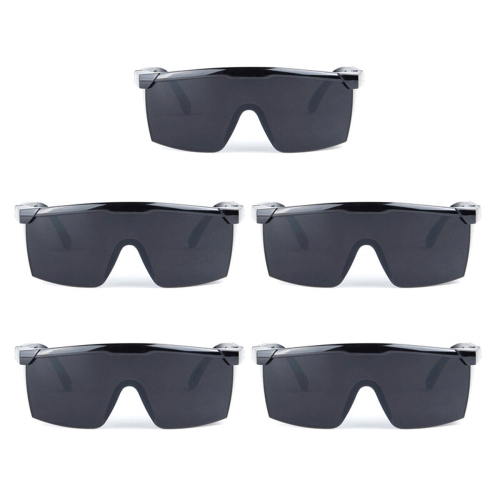
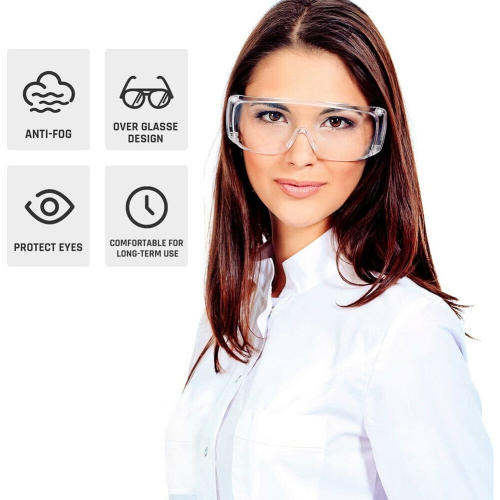
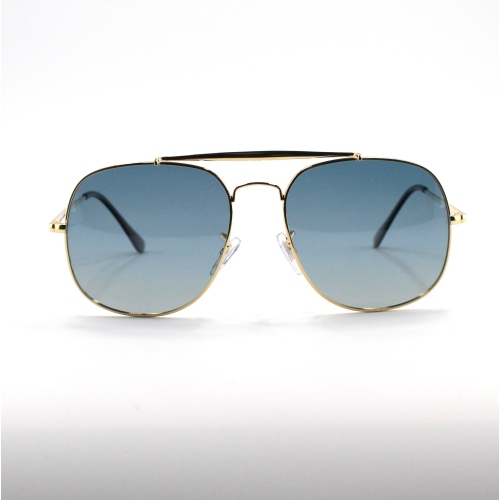
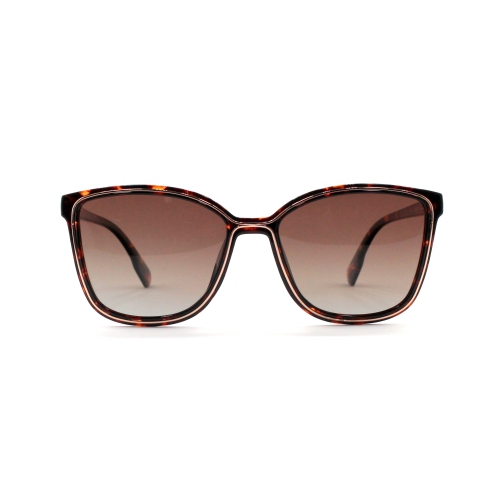
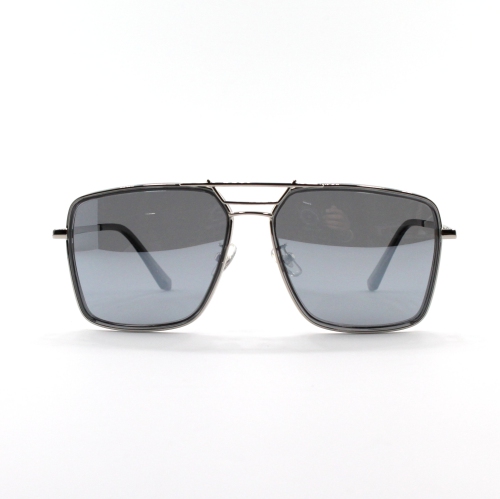
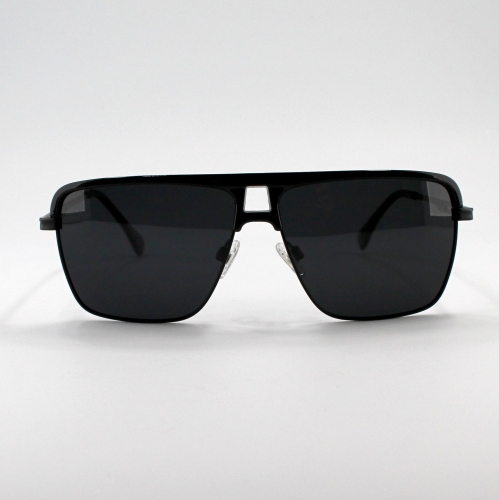
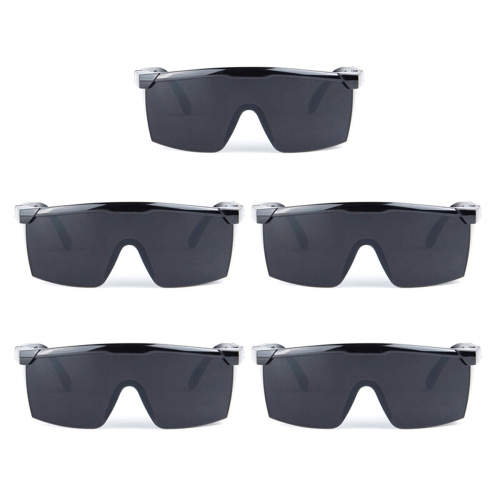

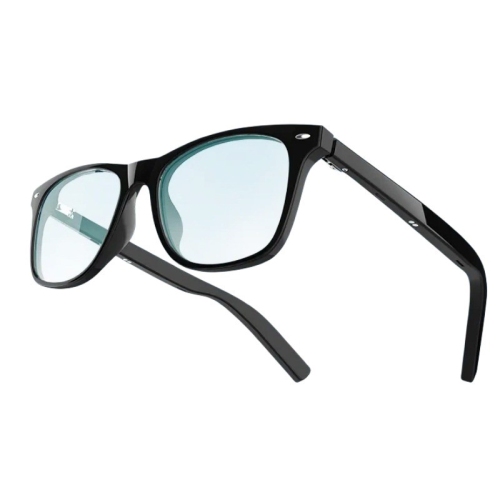


Eye protection takes more than a dark tint
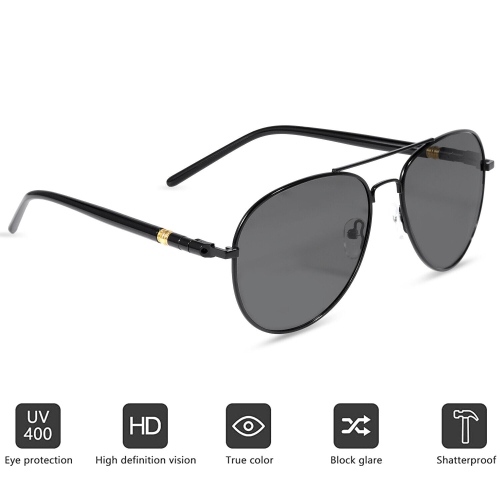
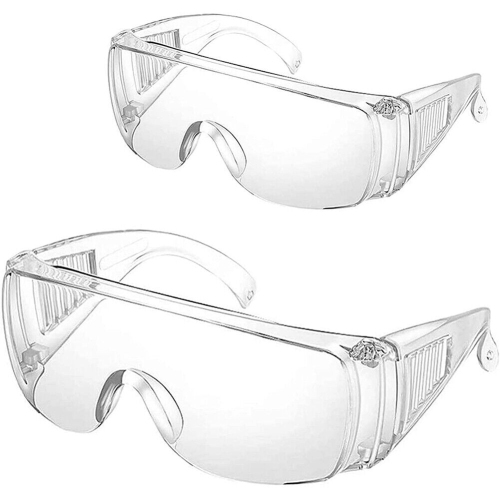
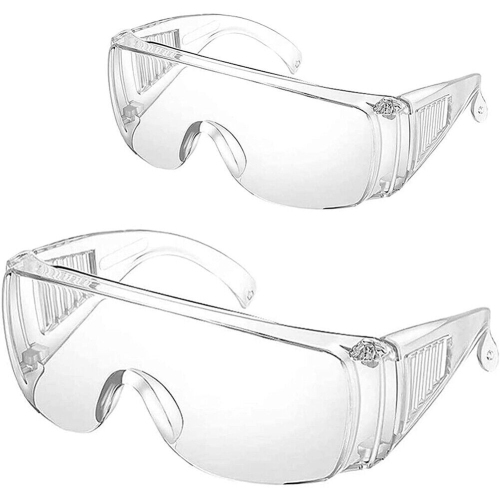
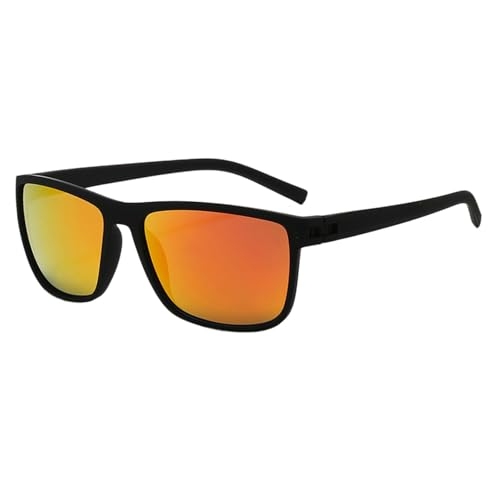
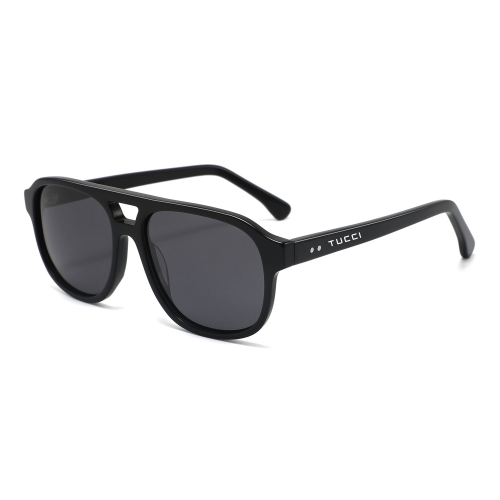
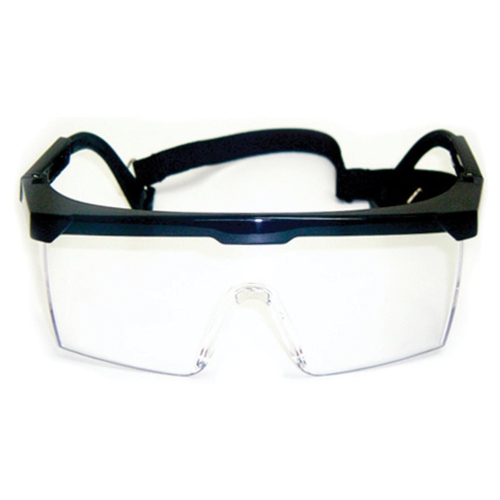
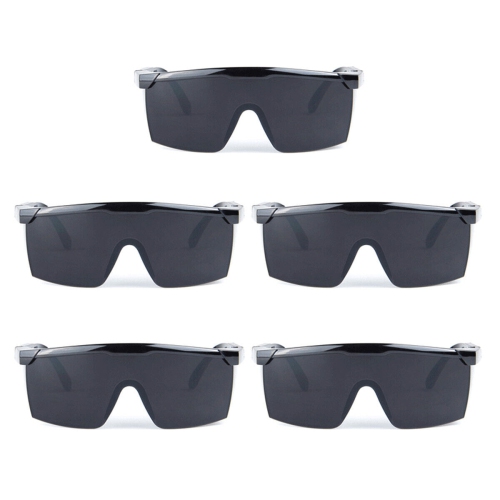
Safety sunglasses combine tinted lenses for bright light with protective construction designed for specified impact hazards. They are suited to tasks such as outdoor assembly, landscaping, and general maintenance when the eyewear’s rating matches the work being done. Unlike ordinary fashion sunglasses, safety-rated eyewear is tested as a complete assembly, including the lenses and frame, against a defined standard. Two important details to check are ultraviolet protection and the safety rating: look for a stated 100% UVA and UVB protection claim or UV400 designation, along with markings and documentation for an applicable standard such as CSA Z94.3 or ANSI Z87.1. UV400 indicates protection against ultraviolet wavelengths up to 400 nanometres. A dark tint alone does not establish UV protection, and polarized lenses do not automatically provide either UV protection or impact resistance. For workplace use, the required standard and level of protection depend on the task and the employer’s safety requirements; different markings within a standard can indicate different capabilities. Under ANSI Z87.1, for example, the “+” marking identifies impact-rated protection, rather than simply indicating a darker or thicker lens. These distinctions matter when a loose chip, flying fragment, or airborne particle is a possibility. Someone carrying lumber across a bright worksite may need glare reduction and side coverage, while someone operating cutting equipment may require additional protection specified for that equipment and task. Safety sunglasses are not a substitute for sealed goggles where fine dust or chemical splashes are a concern, and ordinary tinted safety lenses are not suitable for welding or viewing the sun directly. A face shield may also be necessary for some jobs, worn with the required protective eyewear underneath. The most useful starting point is therefore the hazard being addressed, followed by the documented lens protection, coverage, and fit—not the appearance of the tint.
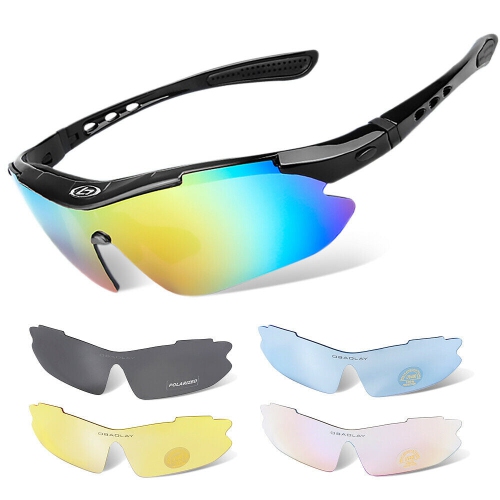
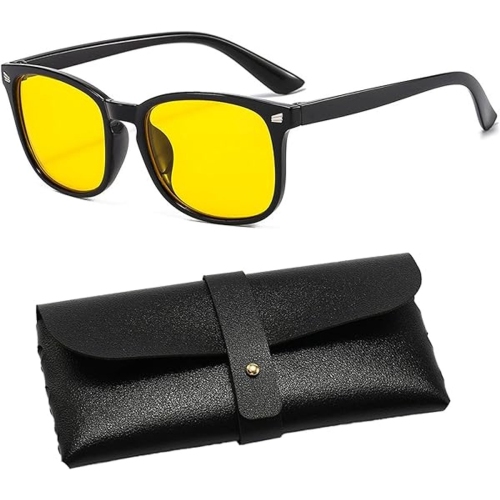
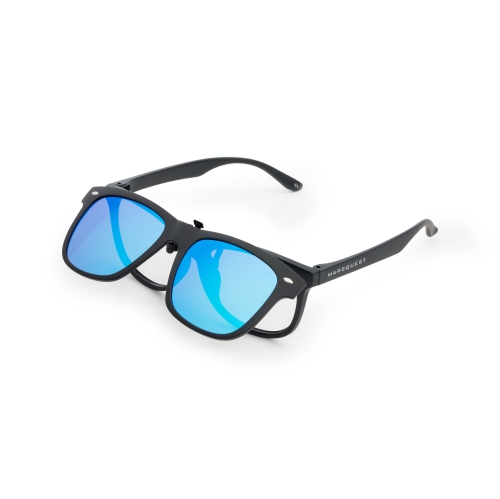
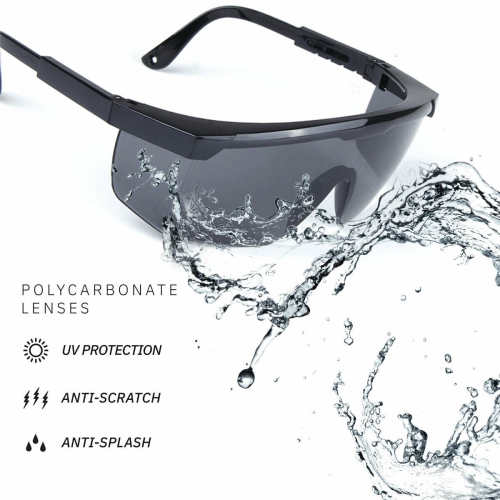
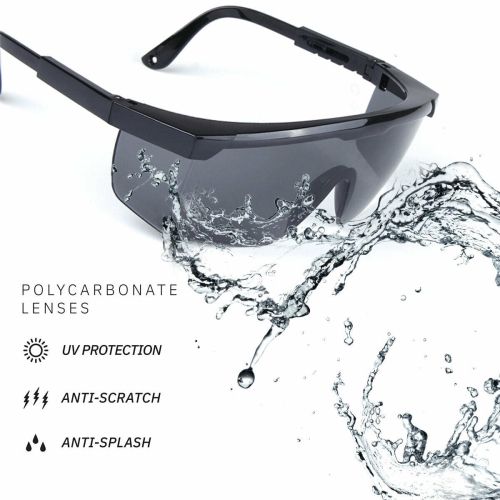
Lens materials and treatments influence how safety sunglasses feel and perform through repeated use. Polycarbonate is common in protective lenses because it is lightweight and impact resistant, although no lens should be treated as unbreakable. The material alone does not establish the safety rating of a finished pair, so the frame, lens retention, and test markings still matter. A scratch-resistant coating helps limit everyday surface wear, but it does not make a lens scratch-proof; grit trapped in a shirt hem can still leave marks across the viewing area. Anti-fog treatments can help maintain visibility when moisture builds up around the face, particularly during active work or when other protective equipment directs exhaled air towards the lenses. Their performance and care requirements vary, and they do not replace suitable ventilation or a proper fit. Tint is another practical consideration. Grey lenses generally reduce brightness while keeping colour perception relatively neutral, while brown or amber tints can change contrast and colour appearance. Where recognizing warning lights, wiring colours, or signal indicators is essential, lens suitability deserves particular attention. Polarized safety sunglasses reduce reflected glare from surfaces such as water and pavement, which can make some outdoor tasks more comfortable, but polarization can also make certain digital displays harder to read at particular angles. Photochromic lenses adjust their tint in response to light conditions, though the speed and extent of that change vary, and many respond less strongly behind vehicle glass. Dark lenses should not be worn for night driving or tasks where they reduce visibility. Optical clarity is just as important as lens features: straight edges should appear straight, and the view should remain comfortable when looking ahead or to either side. For someone moving between shaded loading areas and open daylight, balancing brightness reduction with enough visible light is more useful than simply choosing the darkest available tint. Any lens option still needs to meet the protective requirements of the intended task.
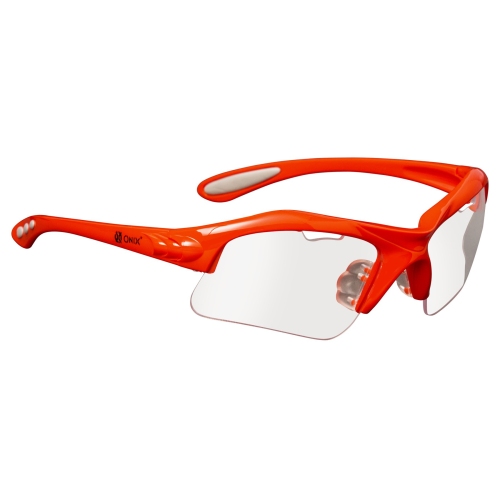
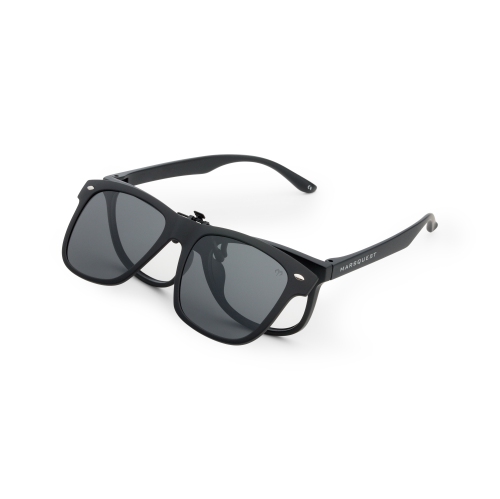
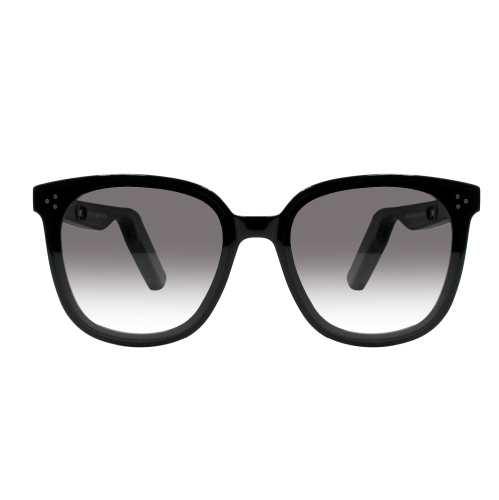
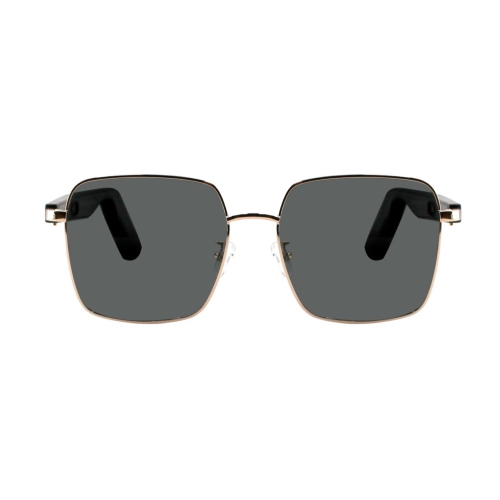
A secure, comfortable fit helps safety sunglasses stay in place when the wearer bends, reaches, or looks down at a work surface. The bridge should sit without pinching, the temples should hold without pressing painfully behind the ears, and the lenses should provide coverage without touching the eyelashes or cheeks. Wraparound frames and suitable side protection can reduce openings at the sides, but a close-fitting shape is not the same as a sealed barrier. Adjustable nose pads, flexible temples, and grip surfaces may help accommodate different face shapes, especially during active tasks. Larger lenses can provide a broader field of coverage, although size alone says nothing about impact performance. For a broader look at larger frame shapes, Large Sunglasses offers a related style category; protective use still requires the appropriate safety markings and task suitability. Fit should also be checked alongside a hard hat, hearing protection, or a respirator, since crowded contact points can cause discomfort or interfere with how equipment sits. Prescription wearers may need certified prescription safety sunglasses or safety-rated over-the-glasses designs with enough clearance to avoid rubbing against their everyday lenses. Adding tinted clip-ons to ordinary prescription glasses does not turn them into protective eyewear. For adults who regularly tackle yard maintenance, outdoor repairs, or hands-on hobbies, protective sunglasses can be a practical gift when the recipient’s fit and safety requirements are known. Keeping them useful takes a little routine care: follow the manufacturer’s cleaning directions, remove loose grit before wiping, and use an approved cleaning solution with a clean, soft lens cloth. Store the glasses in a protective case rather than loose beside tools, keys, or fasteners, and avoid leaving them where excessive heat could damage the frame or coatings. Before use, check for loose hinges, distorted frames, deep scratches, cracks, or lenses that no longer sit securely. Replace damaged eyewear as directed by the manufacturer, including after a significant impact even if the damage is not obvious. Clear vision, dependable fit, and intact protective components all contribute to eyewear that remains appropriate for the work at hand.
Top selling and popular products
-
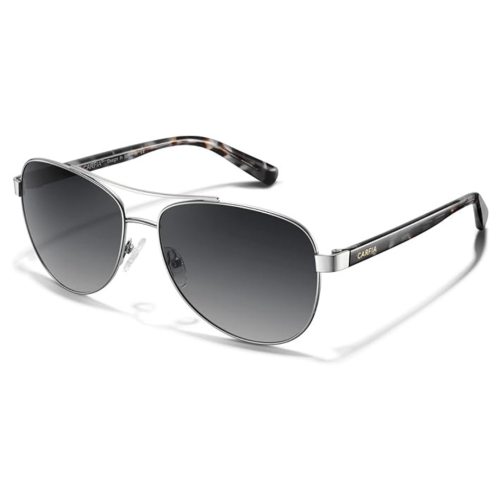 Your price for this item is $120
-
 Your price for this item is $120
-
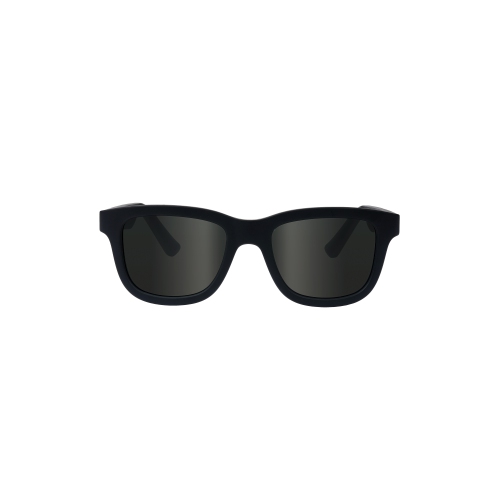 Your price for this item is $299
-
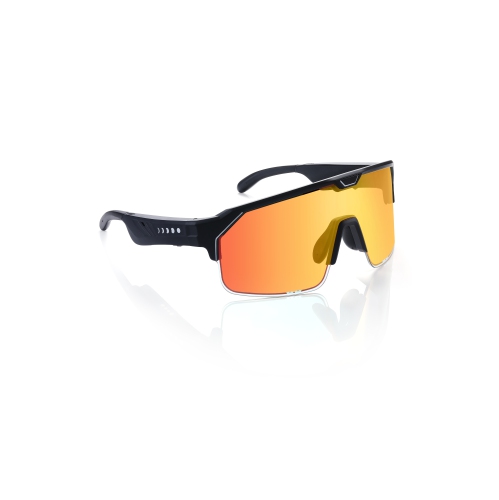 Your price for this item is $305
-
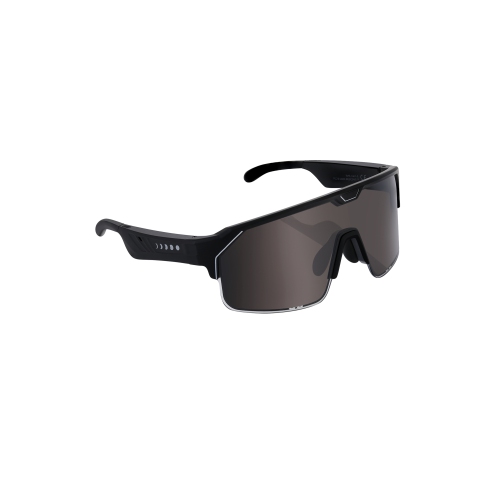 Your price for this item is $305
-
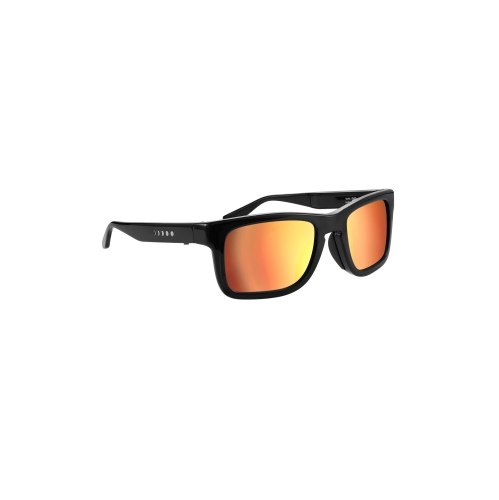 Your price for this item is $242
-
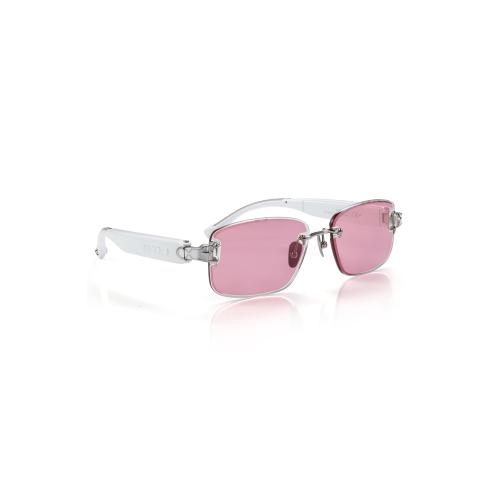 Your price for this item is $449.1
-
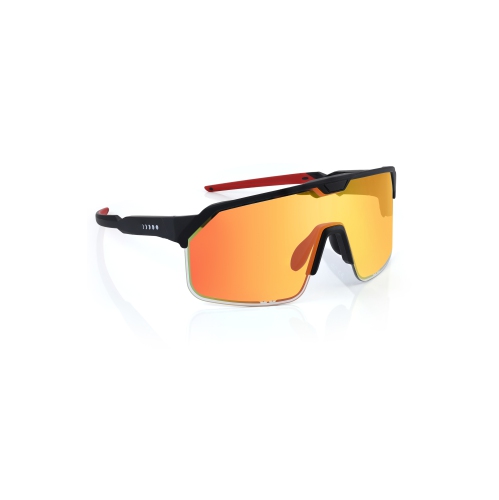 Your price for this item is $242.1
Discover more categories related to Safety Sunglasses

Top Collections:
Pokemon Centers, Best Cameras for Sports Photography, Kindle Devices, Samsung Galaxy Phones, Canon G7X Cameras, Pokémon 30th Celebration Cards, Refurbished Apple Laptops, iPhone 15 Apple, Laptops for Students, Budget Smartphones
Some products may be subject to Environmental Handling Fees
(EHF) depending on your province.
Learn more about EHFs.