Bicycle Lock
Protect your bike from theft with this selection of durable and reliable bicycle locks. Whether you're a daily commuter or an occasional rider, keeping your bicycle secure is essential for peace of mind. Choose from a variety of styles and security levels to find the perfect lock to fit your needs. From sturdy U-locks to flexible cable locks, we have options to keep your bike safe wherever you go. Browse this collection now and safeguard your two-wheeled investment with confidence.
Sort

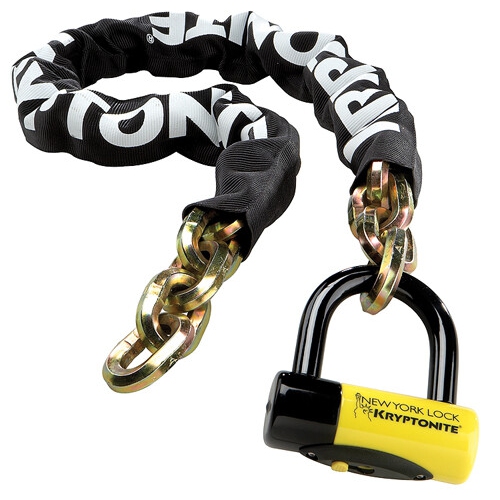
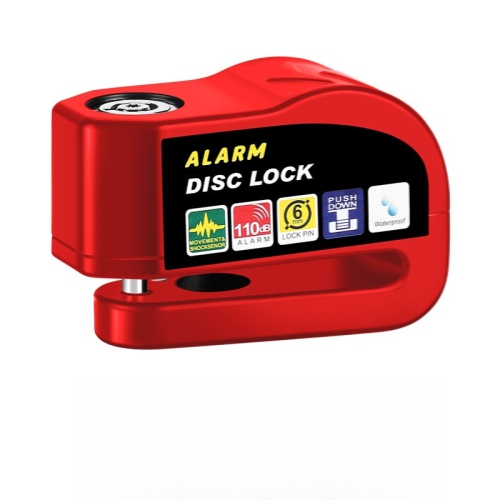
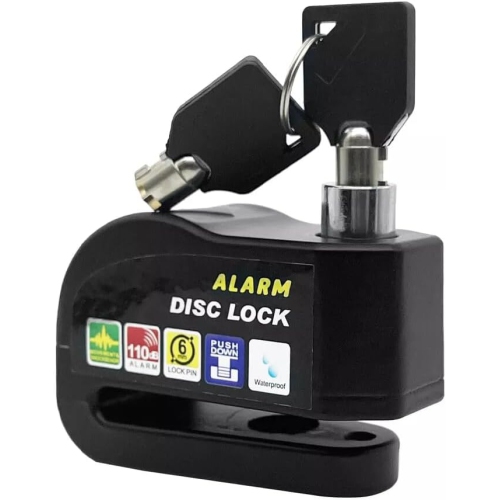

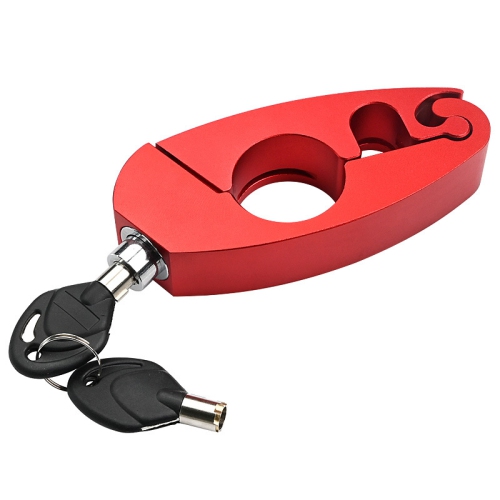

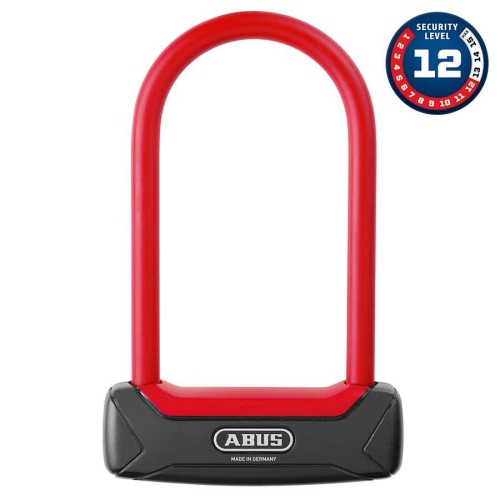
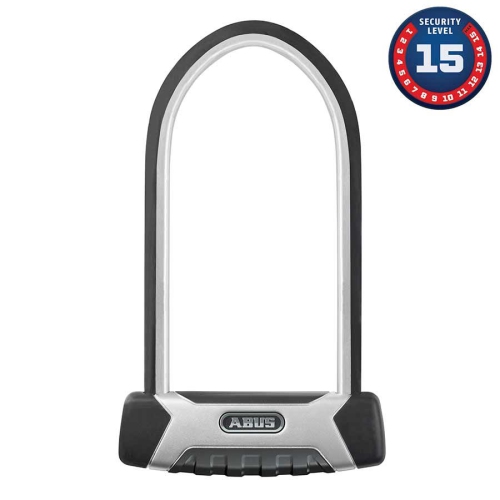
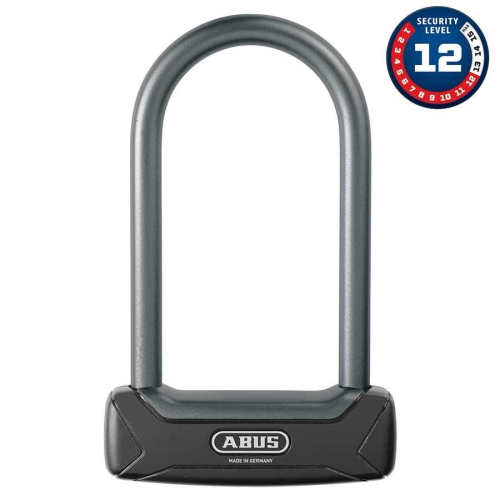
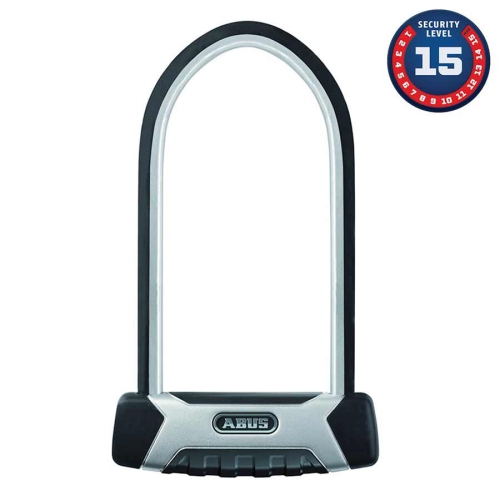
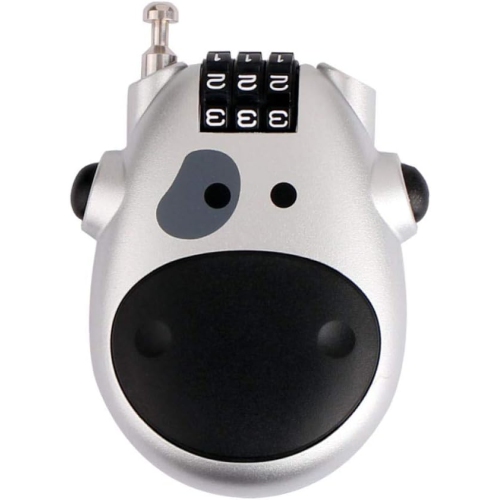
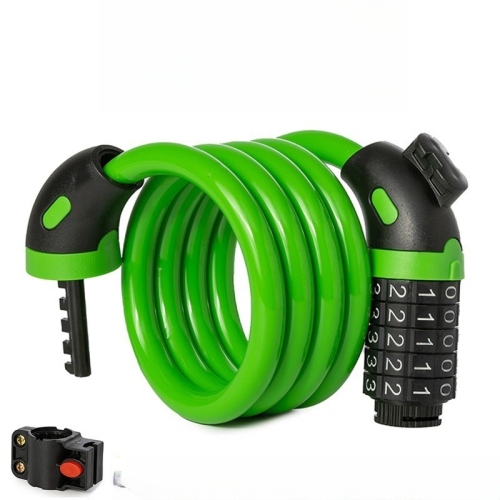
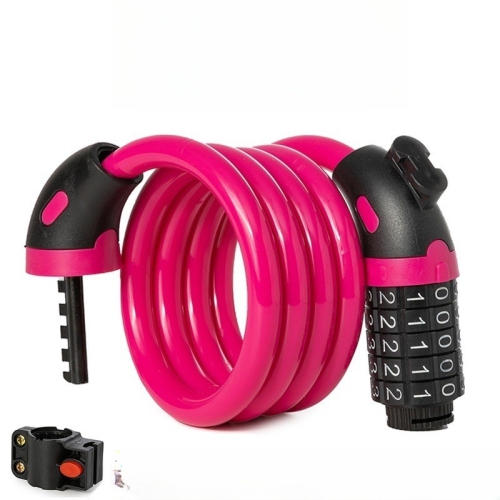
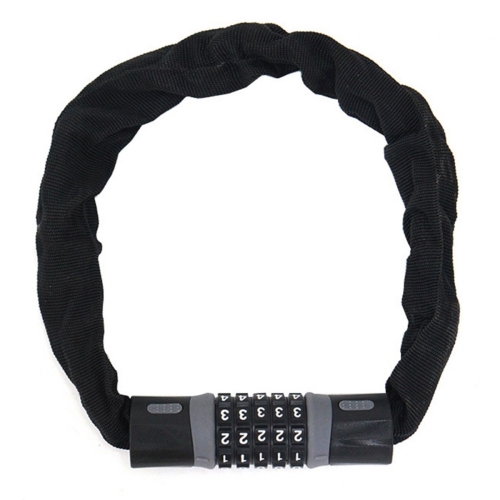
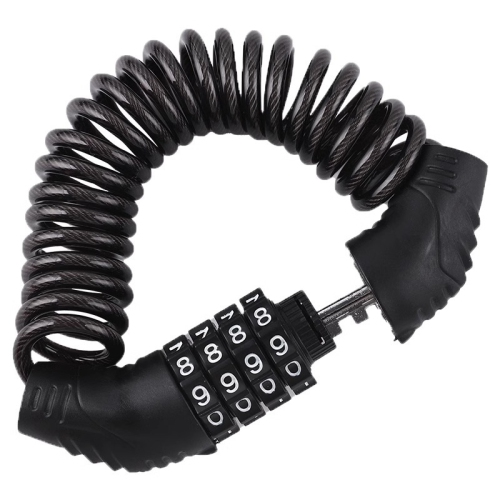
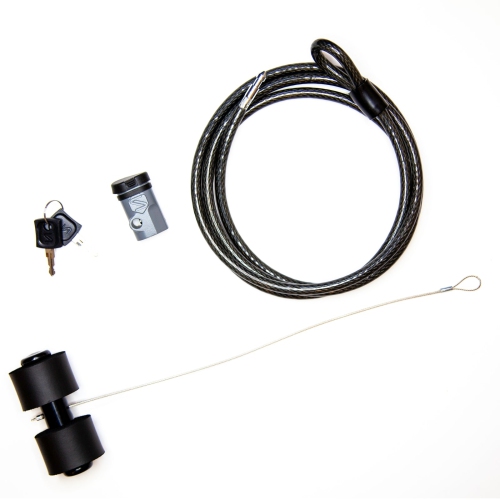
Security and smart locking habits support worry-free everyday rides
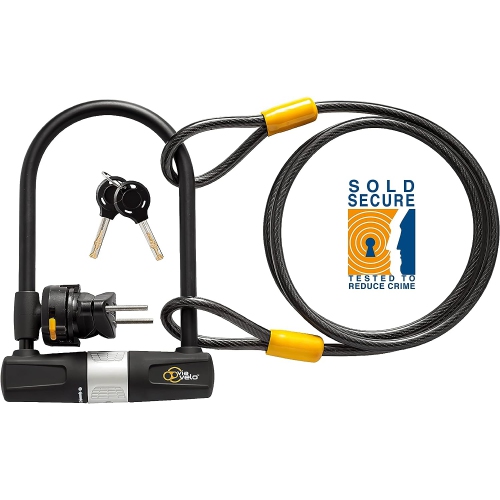
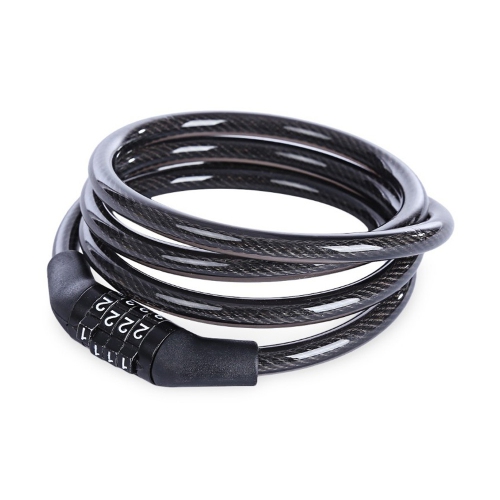
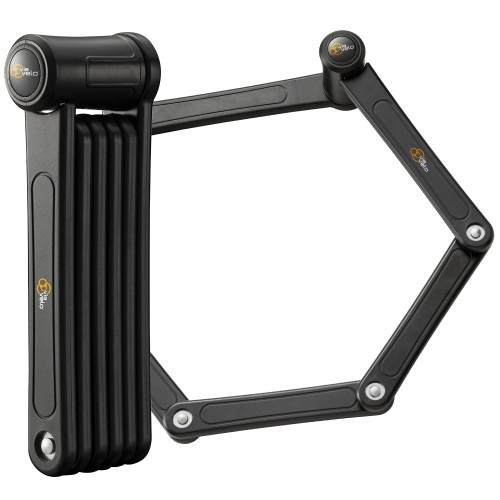
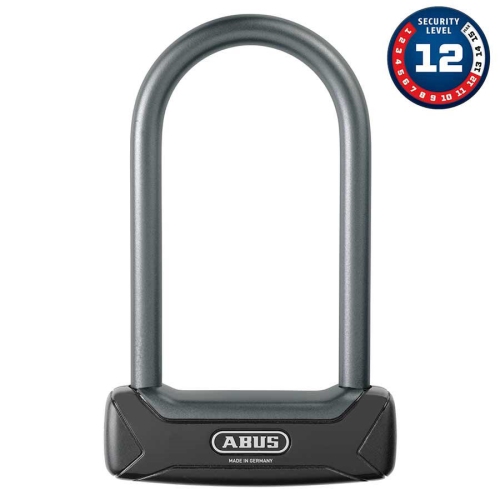
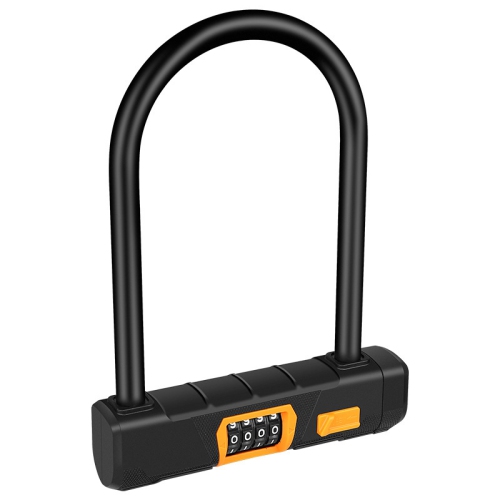
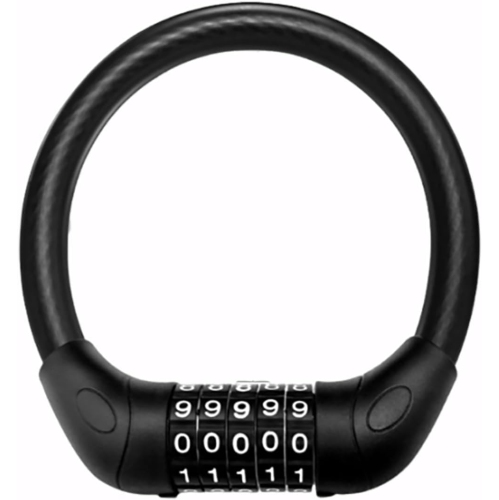
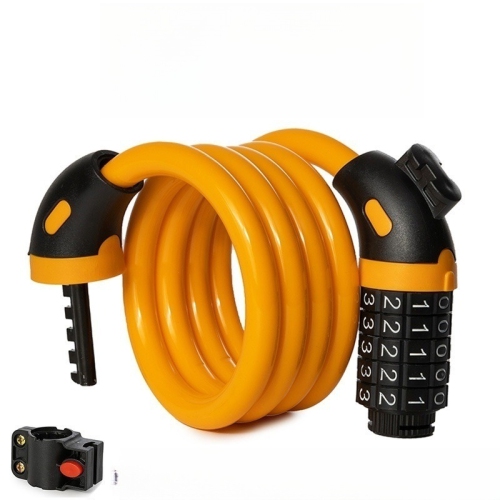
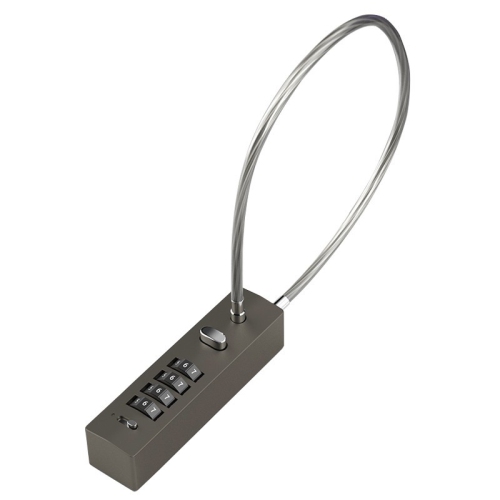
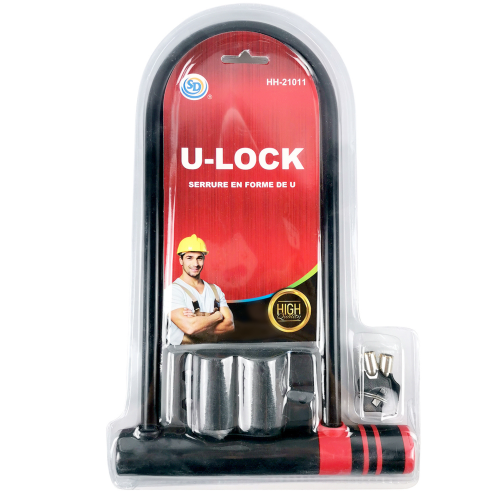
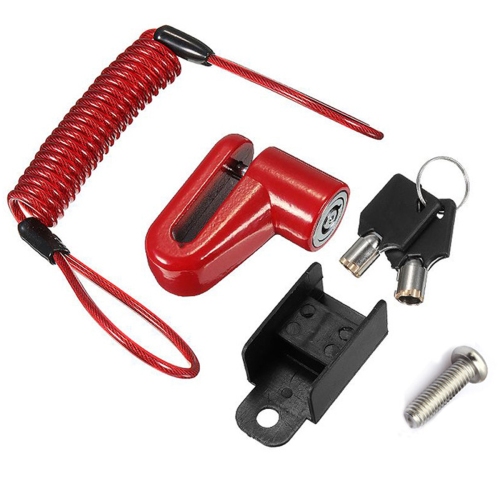
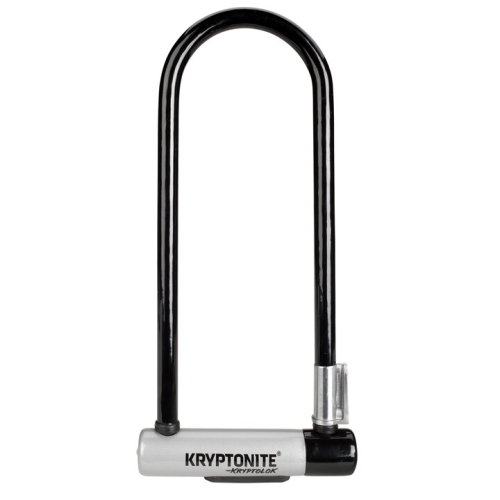
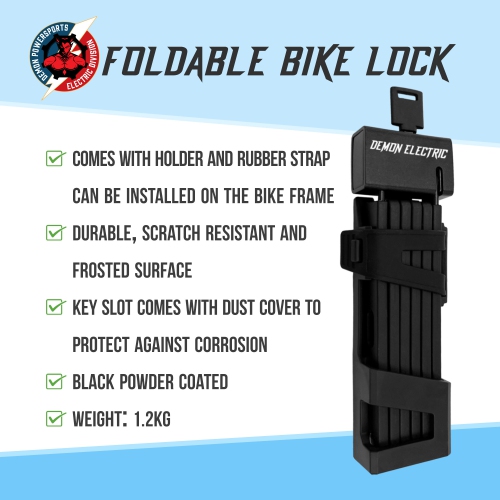
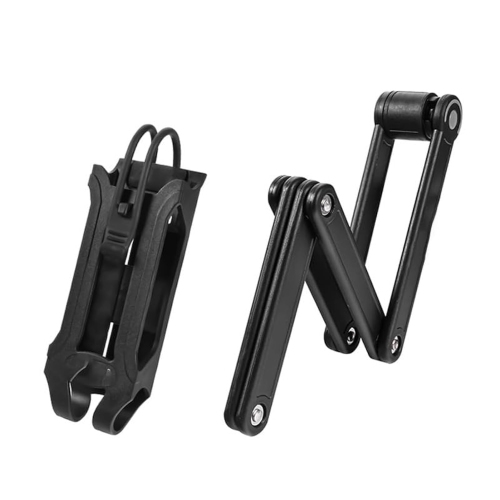
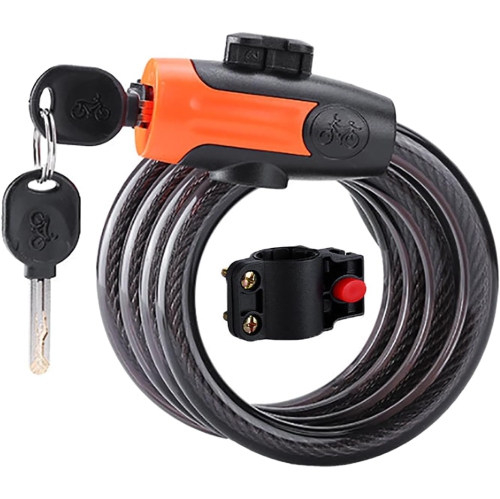
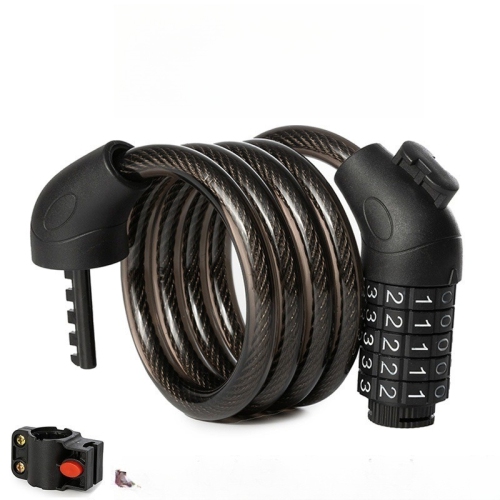
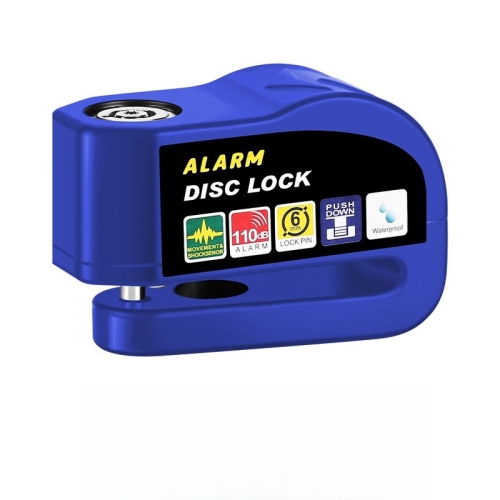
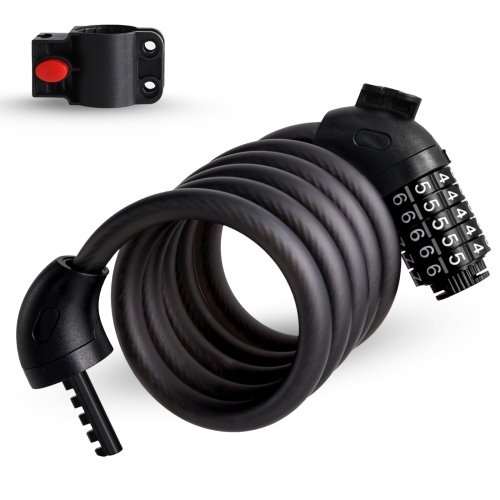
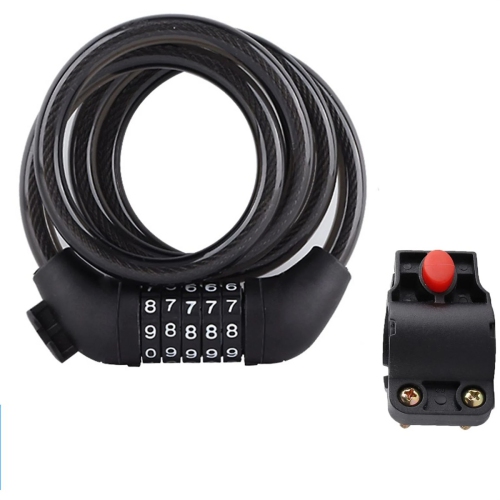
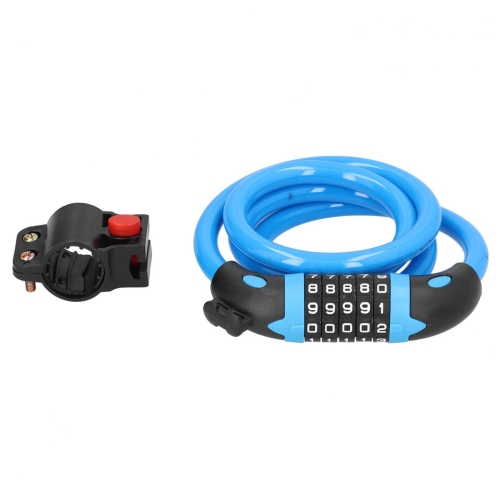
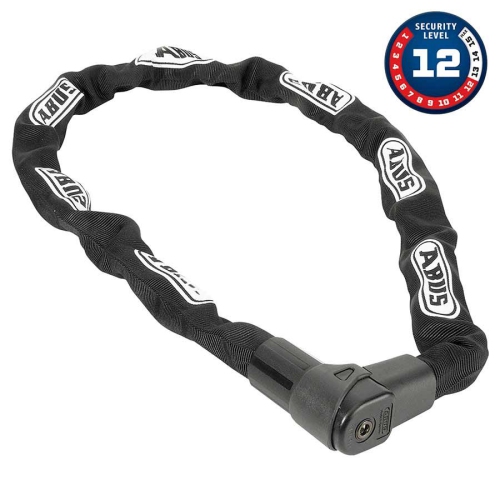
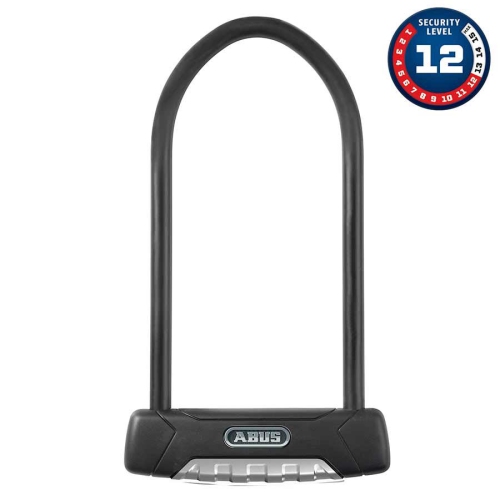
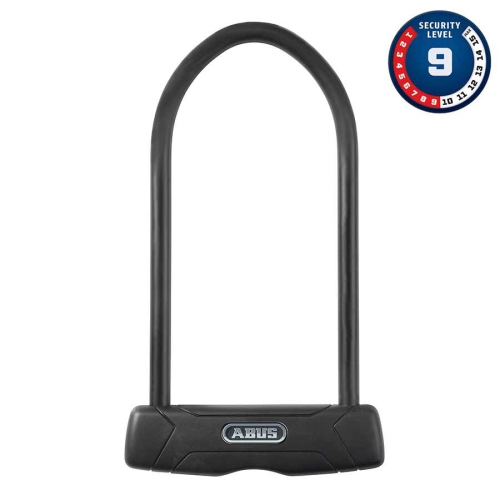
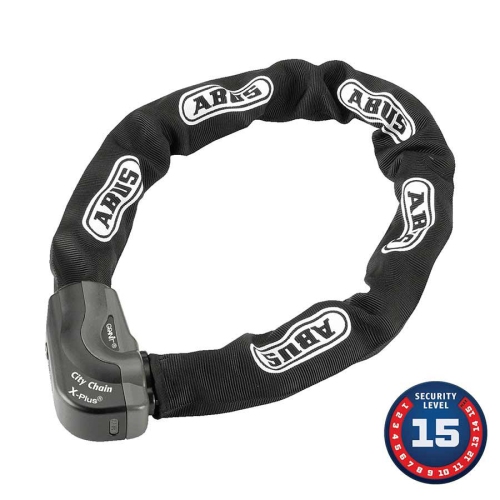
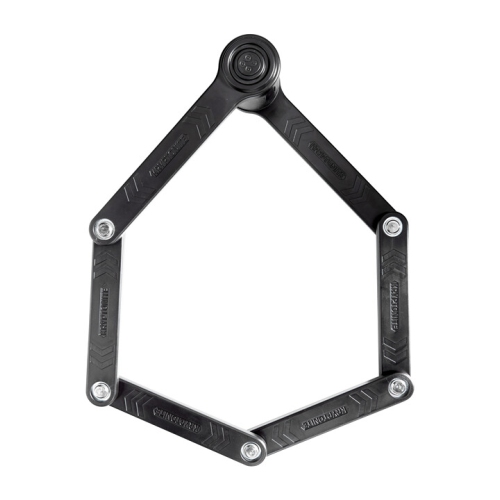
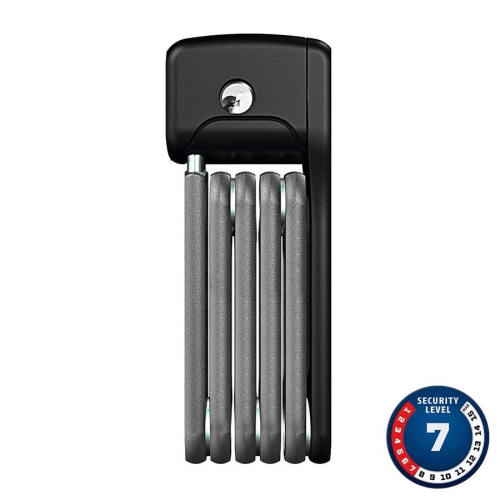
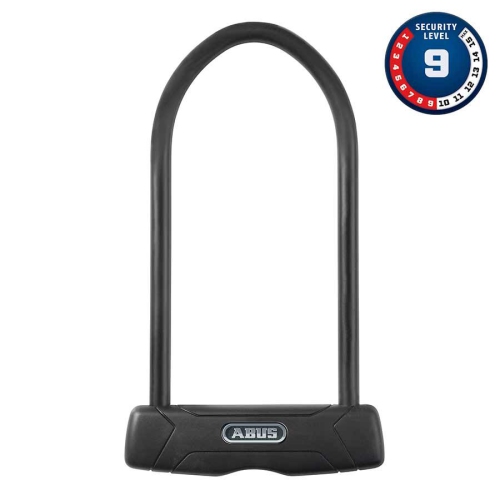
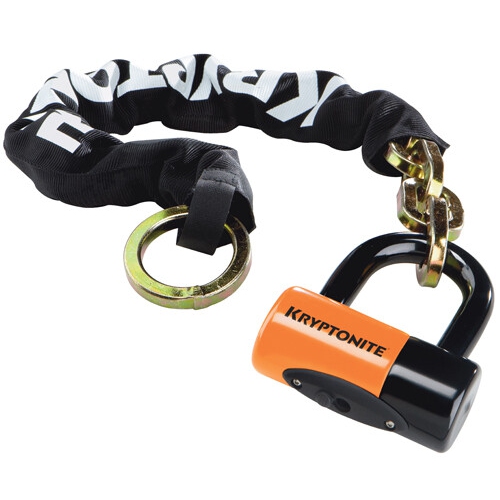
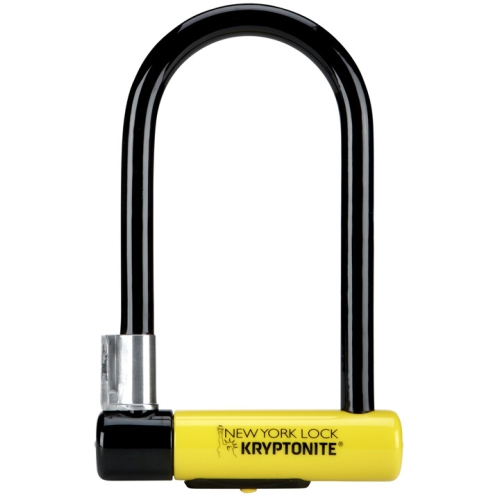
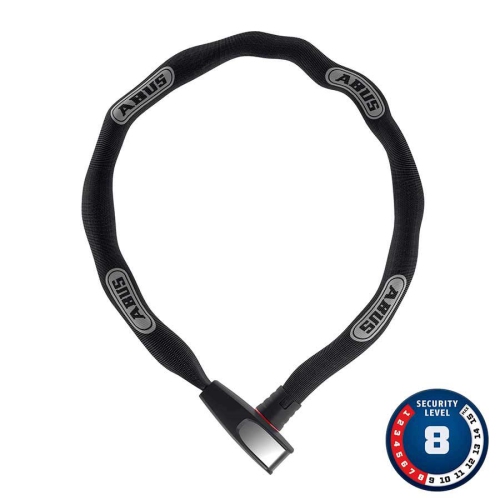
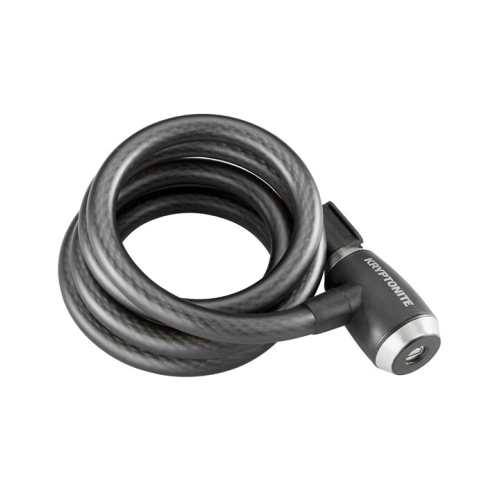
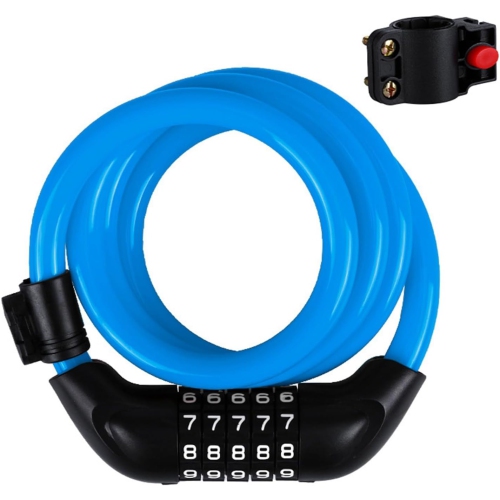
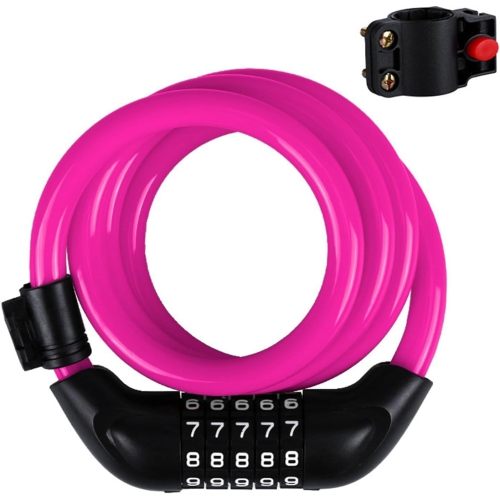
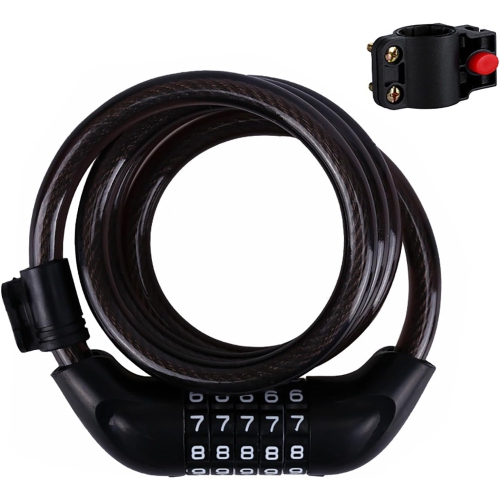
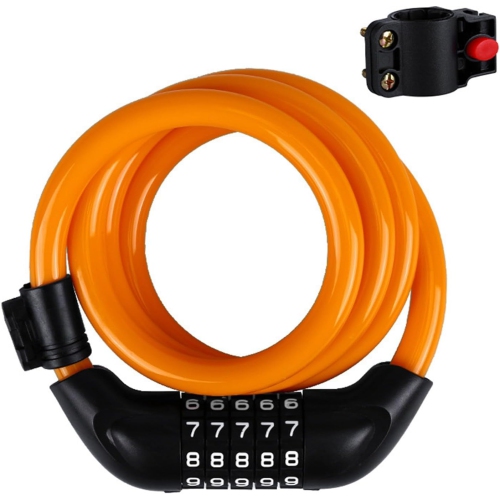
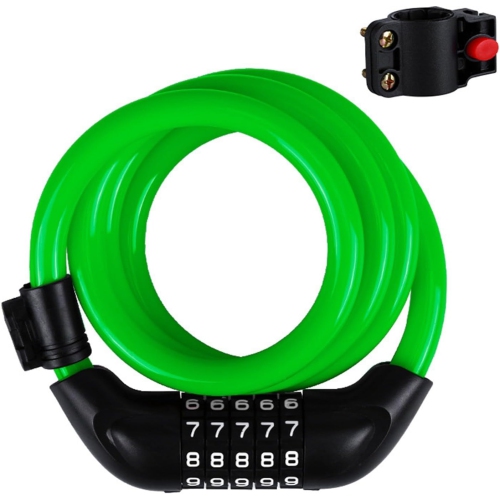
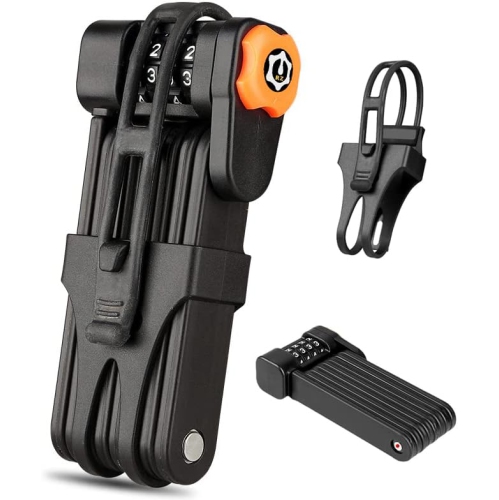
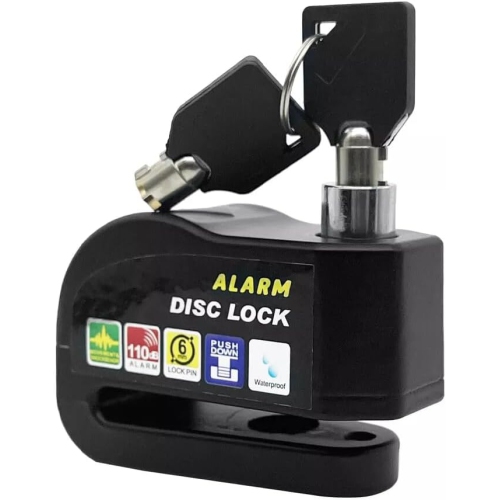
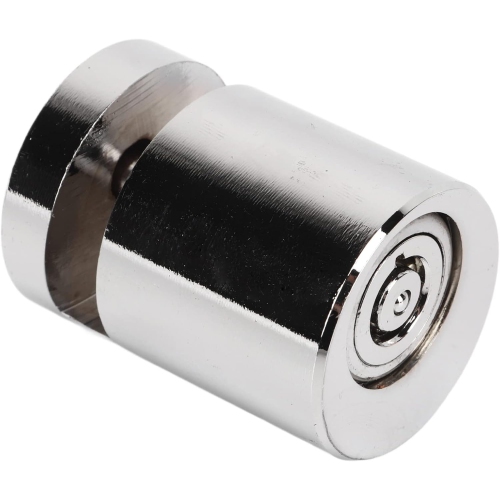
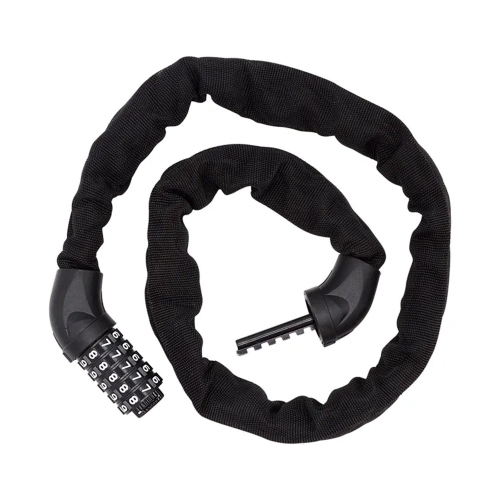
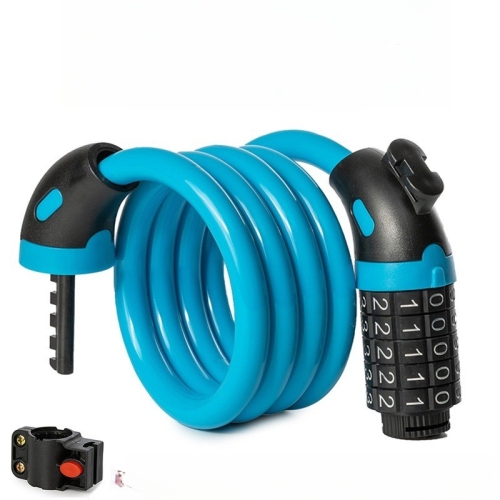
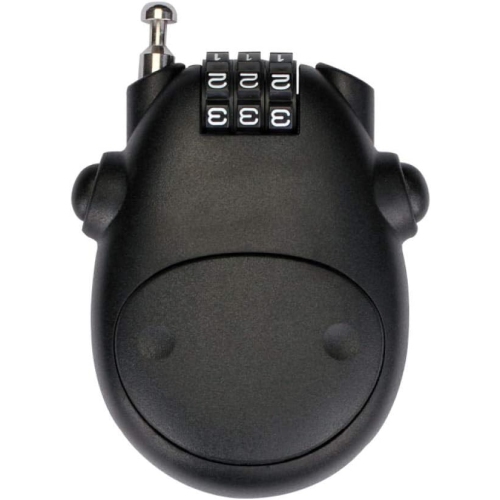
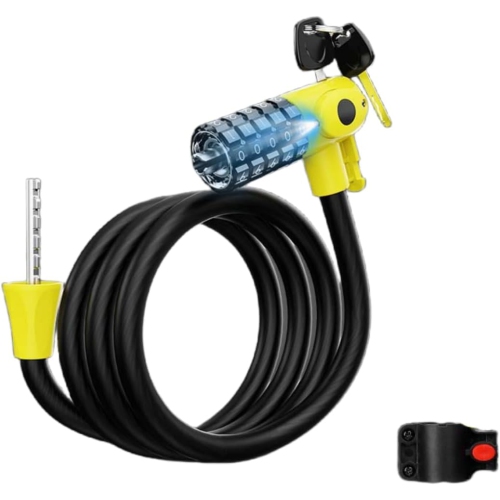
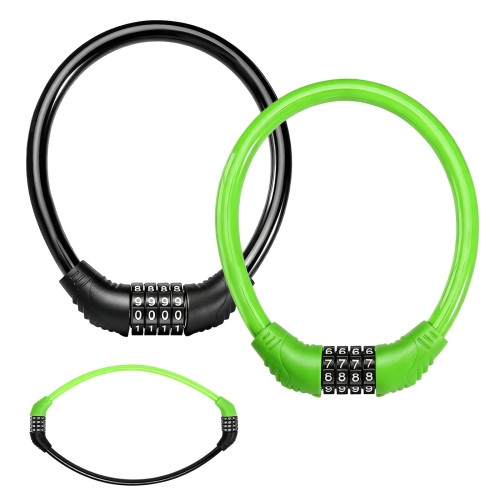
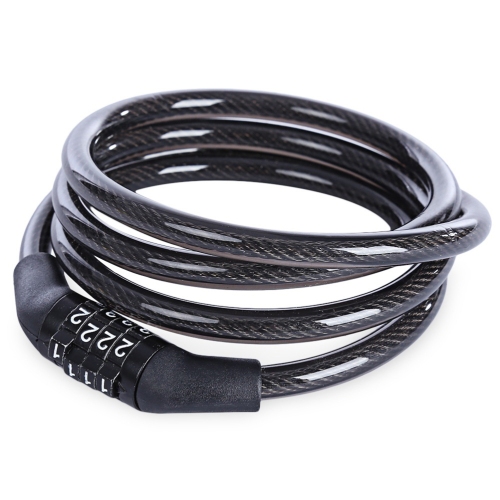
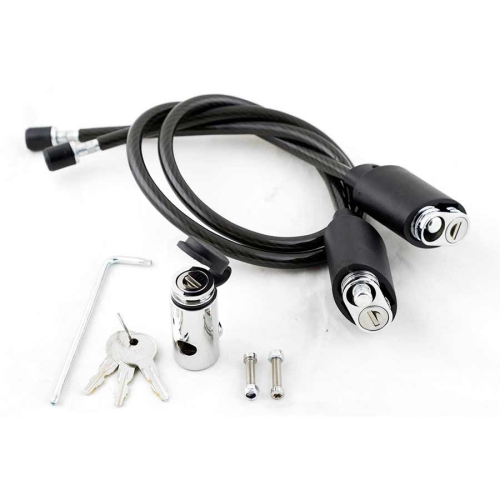
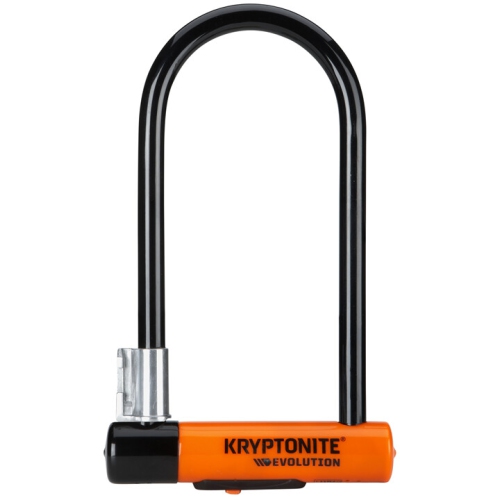
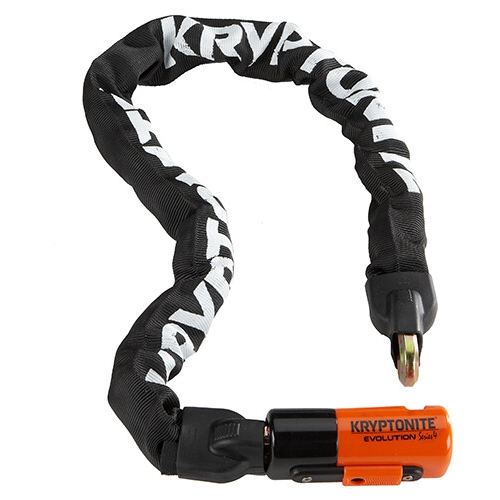
A bicycle lock is an essential part of any cyclist’s everyday setup, whether the bike is used for commuting, errands, school, weekend rides, or exploring local paths. The right lock helps protect a bicycle when it needs to be left outside a café, at a transit station, near a workplace, or in a shared storage area. When choosing among bicycle locks, consider the bike’s value, where it is usually parked, how long it will be unattended, and how much weight you are comfortable carrying. A U-lock, also called a D-lock, uses a rigid hardened-steel shackle that offers strong resistance against cutting and leverage attacks. Its compact shape can make it difficult to fit around unusually wide posts or racks, but that same close-fitting design can help limit the room available for tools. Chain locks use linked steel sections and are often easier to wrap around large poles, railings, and several bicycles at once. They can be a practical choice for families, shared bike storage, or riders who need more flexibility when securing a frame and wheels. Folding locks use connected metal bars that collapse into a compact bundle, making them convenient to carry in a frame-mounted holder, backpack, or pannier. Cable locks are lightweight and easy to handle, and they may be useful for securing helmets, baskets, or accessories alongside a stronger primary lock. Because standard cable designs generally offer less cut resistance, they are best matched to lower-risk stops or used as a secondary layer rather than the only protection for a valuable bicycle.
The way a lock is used matters just as much as the lock style. Whenever possible, pass the lock through the bicycle frame and the rear wheel, then attach it to a solid, immovable object such as a properly installed bicycle rack. Locking only the front wheel can leave the rest of the bicycle vulnerable, while securing only the frame may allow a wheel to be removed separately. Position a U-lock or folding lock so that it fills as much of the interior space as possible, leaving little room for a bar or other tool to be used for leverage. Keep the lock raised from the ground and orient the keyway downward or toward the bicycle when practical; this can make tampering more difficult and helps prevent the lock from being used as a convenient point of impact. Avoid attaching a bicycle to trees, temporary signs, loose railings, or objects that can be lifted or dismantled. A well-lit, busy location near regular foot traffic, building entrances, or visible camera coverage is generally preferable to a secluded corner. Before leaving, give the bicycle a firm tug to check that the frame is truly secured and confirm that the lock is closed completely. During the cooler months, a lock that is simple to operate with gloves can make a noticeable difference. Look for a smooth locking mechanism, a protective cover for the keyway, and a size that suits the frame and common parking locations. Riders who use electric bicycles may also want to explore E-Bike Locks designed with the extra weight and higher replacement cost of these bikes in mind.
Bicycle locks can be selected for many kinds of riders and can make a thoughtful gift for a student, commuter, new cyclist, or anyone preparing a bicycle for regular use. A lightweight folding design may suit someone who rides through town and wants to keep equipment compact, while a substantial chain lock may be better for a household with multiple bicycles stored in a shared area. For children and younger riders, straightforward operation and manageable weight are often more important than choosing the largest or heaviest option. A parent might pair a lock with a new helmet, lights, or a handlebar bag to help a young cyclist build safe riding habits from the beginning. Commuters may appreciate a lock that fits neatly on the frame and can be reached quickly at the end of a workday, when a cold wind is moving through the rack and there is little patience for a complicated setup. Recreational riders who stop for lunch or browse shops along a route may prefer a flexible lock that can accommodate different racks and posts. For longer stops, combine a strong primary lock with good parking habits and, where appropriate, a secondary cable for the front wheel or accessories. Inspect the lock periodically for dirt, rust, bent components, or a stiff keyway, and follow the care instructions supplied with it. Keeping the mechanism clean and storing the lock where it will not be repeatedly soaked can help it remain dependable as riding conditions change. With the right balance of security, portability, ease of use, and fit, a bicycle lock becomes a small everyday tool that helps keep a valued bicycle ready for the next ride.
The way a lock is used matters just as much as the lock style. Whenever possible, pass the lock through the bicycle frame and the rear wheel, then attach it to a solid, immovable object such as a properly installed bicycle rack. Locking only the front wheel can leave the rest of the bicycle vulnerable, while securing only the frame may allow a wheel to be removed separately. Position a U-lock or folding lock so that it fills as much of the interior space as possible, leaving little room for a bar or other tool to be used for leverage. Keep the lock raised from the ground and orient the keyway downward or toward the bicycle when practical; this can make tampering more difficult and helps prevent the lock from being used as a convenient point of impact. Avoid attaching a bicycle to trees, temporary signs, loose railings, or objects that can be lifted or dismantled. A well-lit, busy location near regular foot traffic, building entrances, or visible camera coverage is generally preferable to a secluded corner. Before leaving, give the bicycle a firm tug to check that the frame is truly secured and confirm that the lock is closed completely. During the cooler months, a lock that is simple to operate with gloves can make a noticeable difference. Look for a smooth locking mechanism, a protective cover for the keyway, and a size that suits the frame and common parking locations. Riders who use electric bicycles may also want to explore E-Bike Locks designed with the extra weight and higher replacement cost of these bikes in mind.
Bicycle locks can be selected for many kinds of riders and can make a thoughtful gift for a student, commuter, new cyclist, or anyone preparing a bicycle for regular use. A lightweight folding design may suit someone who rides through town and wants to keep equipment compact, while a substantial chain lock may be better for a household with multiple bicycles stored in a shared area. For children and younger riders, straightforward operation and manageable weight are often more important than choosing the largest or heaviest option. A parent might pair a lock with a new helmet, lights, or a handlebar bag to help a young cyclist build safe riding habits from the beginning. Commuters may appreciate a lock that fits neatly on the frame and can be reached quickly at the end of a workday, when a cold wind is moving through the rack and there is little patience for a complicated setup. Recreational riders who stop for lunch or browse shops along a route may prefer a flexible lock that can accommodate different racks and posts. For longer stops, combine a strong primary lock with good parking habits and, where appropriate, a secondary cable for the front wheel or accessories. Inspect the lock periodically for dirt, rust, bent components, or a stiff keyway, and follow the care instructions supplied with it. Keeping the mechanism clean and storing the lock where it will not be repeatedly soaked can help it remain dependable as riding conditions change. With the right balance of security, portability, ease of use, and fit, a bicycle lock becomes a small everyday tool that helps keep a valued bicycle ready for the next ride.
Top selling and popular products
-
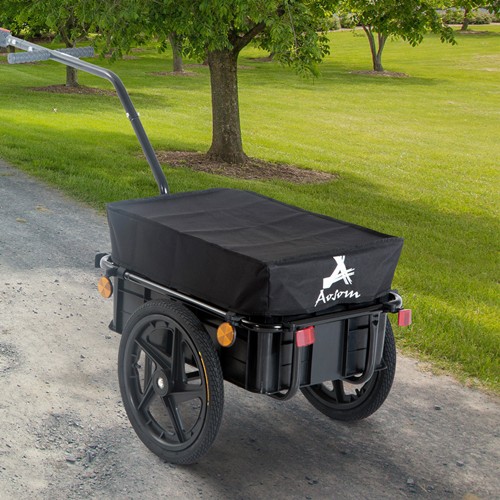 Your price for this item is $155.44
 -
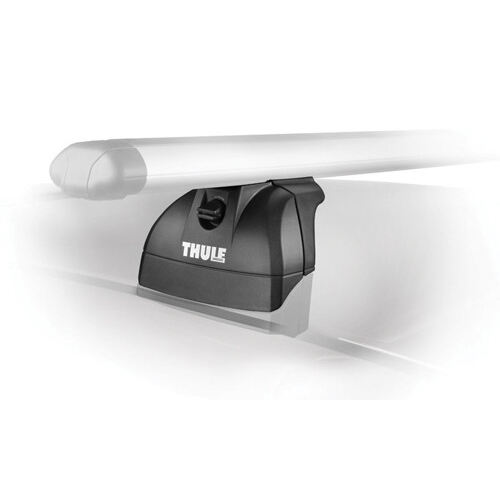 Your price for this item is $285
 -
 Your price for this item is $499
 -
 Your price for this item is $209.99
 -
 Your price for this item is $199.99
 -
 Your price for this item is $134.99
 -
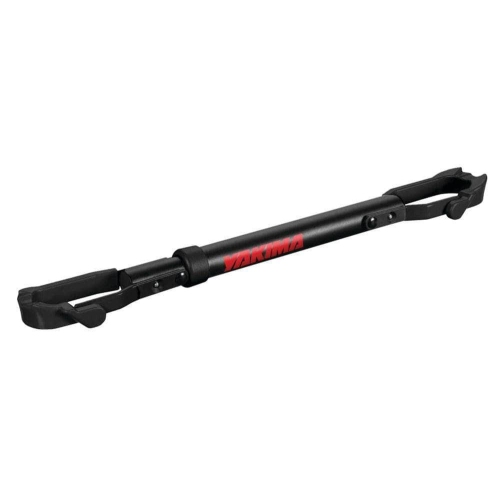 Your price for this item is $96.99
 -
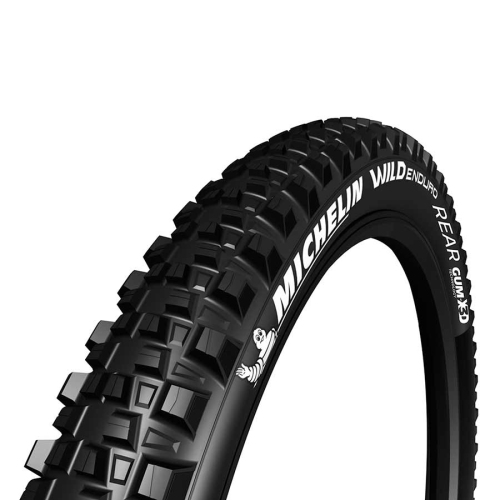 Your price for this item is $120.99
Discover more categories related to Bicycle Lock
Top Collections:
Pokemon Centers, Budget 4K TVs, Kindle Devices, Canon G7X Cameras, Apple iPhones 16, iPhone 15 Apple, Laptops for Business Work, Flip Phones, Xiaomi Phones, Refurbished Apple Laptops
Some products may be subject to Environmental Handling Fees
(EHF) depending on your province.
Learn more about EHFs.