Self Inflating Sleeping Pads
Discover the perfect blend of comfort and convenience with self-inflating sleeping pads, your ideal companion for outdoor adventures or unexpected overnight guests. Designed to offer superior support and insulation, these sleeping pads effortlessly enhance your camping experience by ensuring a restful night's sleep under the stars. With their innovative self-inflating technology, they eliminate the hassle of manual inflation, allowing you to focus on enjoying your journey. Lightweight and compact, they are easy to pack and transport, making them a must-have addition to any travel gear collection. Whether you're exploring rugged trails or setting up camp in your backyard, a self-inflating sleeping pad promises comfort wherever you lay your head.

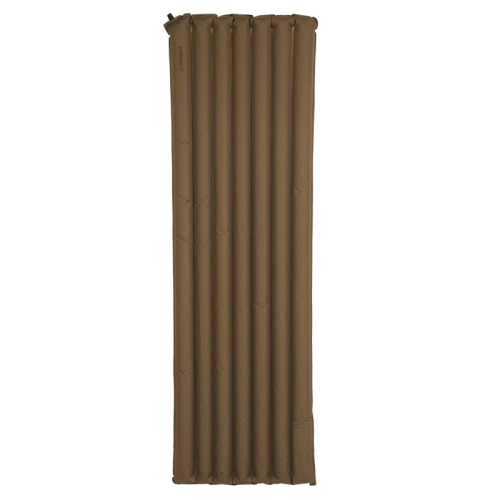
How foam and air support a warmer night outdoors
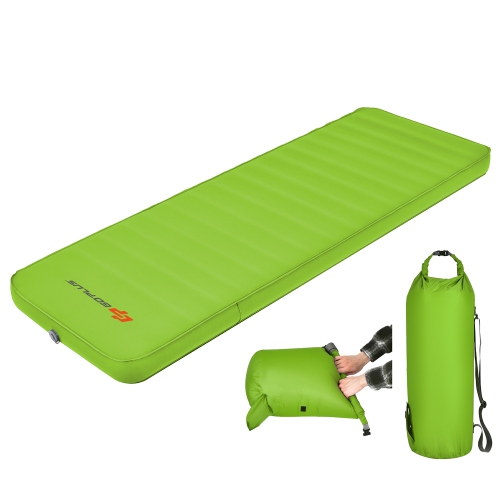
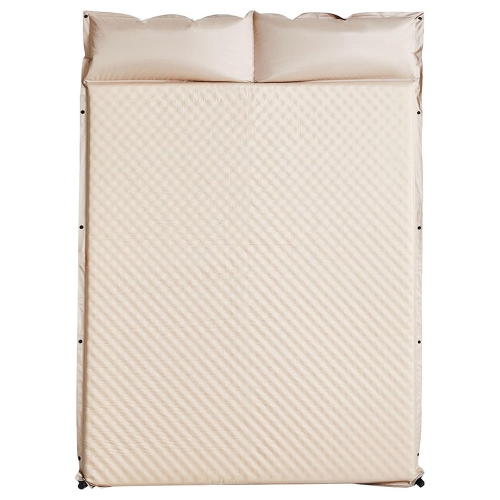
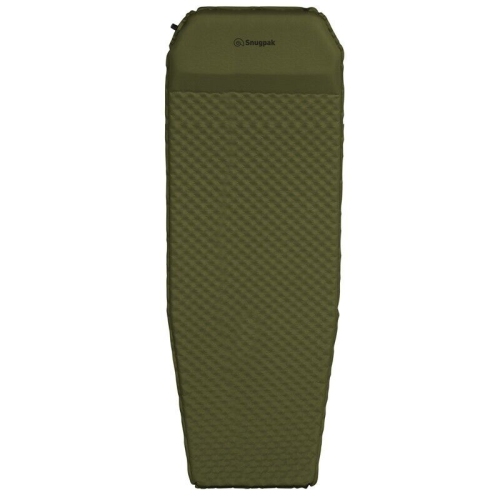
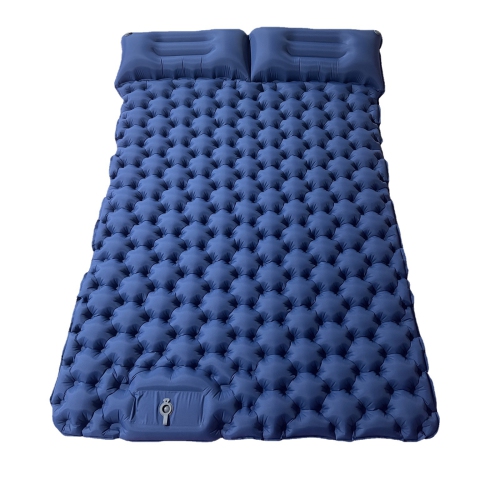
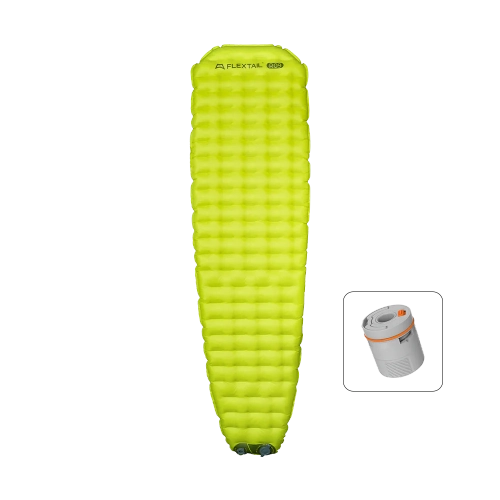
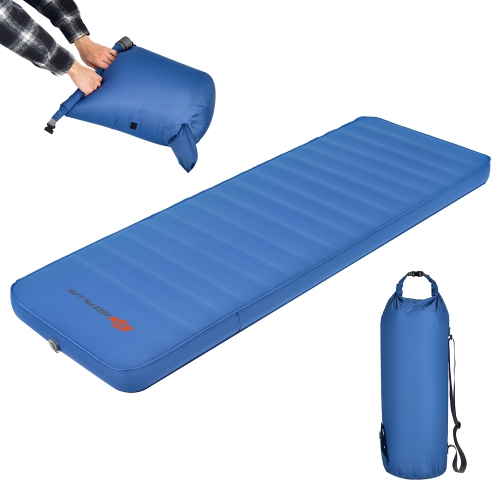
The most useful dimensions are the pad’s inflated length, width, and thickness, considered alongside its packed size. Full-length designs support the body from head to heel, while shorter designs reduce the space and weight carried in a backpack but leave part of the body without the same cushioning or insulation. Width matters just as much as length for someone who sleeps with their arms beside them or turns frequently during the night. A narrow mat can fit neatly into a compact tent, but a wider rectangular shape provides more room for elbows and knees. Tapered shapes reduce bulk around the feet, making them useful where pack space is limited. Side sleepers often appreciate additional thickness because their weight concentrates at the hips and shoulders; back sleepers may be comfortable on a thinner pad with an appropriate level of firmness. Thickness alone, however, does not determine support. Foam density, internal shaping, air pressure, and the sleeper’s weight all influence whether the body remains comfortably suspended above the ground. A pad that feels pleasantly soft while sitting on it may need a little more air to prevent a hip from pressing through when lying on one side. For car camping, a larger packed size may be a reasonable trade-off for a wider, more cushioned surface. Backpackers generally pay closer attention to total weight and how much room the rolled pad occupies alongside a sleeping bag, shelter, and food. Couples sharing a tent need to consider the combined width of two pads, since tent floors can narrow towards the foot end. Insulation deserves separate attention from comfort: R-value expresses resistance to heat flow, and a higher value indicates greater insulation under comparable testing conditions. Thickness is not a reliable substitute for that rating. For nights on cold ground, the pad and sleeping bag work together, since insulation beneath the body is compressed and provides less loft. Where supplied, standardized R-values make comparisons more meaningful than descriptions such as “extra thick” or “all-season.”
Day-to-day usability often comes down to details that are easy to overlook until camp is being packed away. Valve placement and design affect how easily air can be added, released, or adjusted while lying down. Some constructions use separate inflation and deflation functions, while others manage both through a single valve. A broad opening can make air release easier, but the foam still needs compression to return the pad to its travelling size. Self-inflating pads generally deflate by opening the appropriate valve and rolling or folding them as directed to push air out, then securing the closure so the foam cannot immediately draw air back in. They do not normally flatten themselves. A roomy storage sack and suitable compression straps can make packing less awkward, especially when the pad must fit into a specific space in a backpack or vehicle. Durability depends on both construction and treatment. Tougher face fabrics can better tolerate regular handling, but no inflatable shell should be treated as puncture-proof. Sharp stones, thorny ground, pet claws, and sparks can damage the surface, so a clean tent floor or suitable protective layer helps preserve it. Routine care usually involves a soft cloth, mild soap where permitted, and thorough drying before storage; the manufacturer’s care directions take priority over general advice. Grit around a valve can interfere with its seal, while trapped moisture can lead to odours during storage. Many manufacturers advise keeping self-inflating pads unrolled with the valve open in a dry location between trips to help the foam retain its ability to expand. A compatible repair kit can be useful for small punctures, provided the patch or adhesive is intended for the pad’s material. These practical considerations also make sleeping pads thoughtful gifts for campers, canoe trippers, or friends building an overnight kit. Matching the recipient’s sleeping habits, tent space, and carrying needs is more useful than choosing by thickness alone, whether the pad will spend most trips beside a parked vehicle or tucked inside a backpack.
Top selling and popular products
-
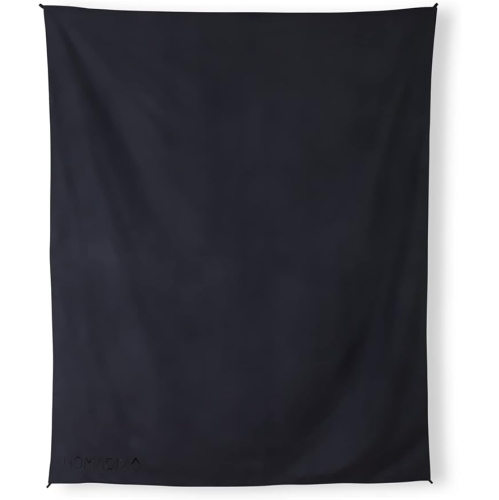 Your price for this item is $109.95
 -
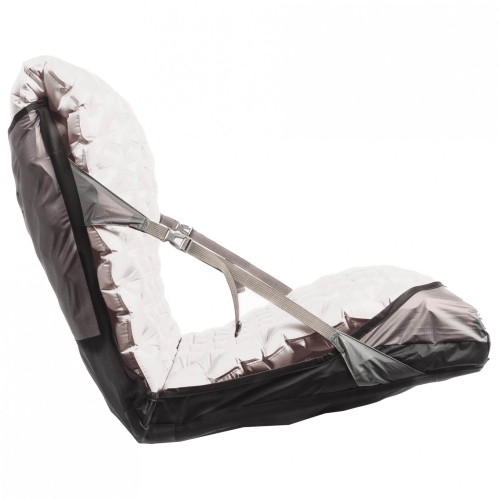 Your price for this item is $89.95
 -
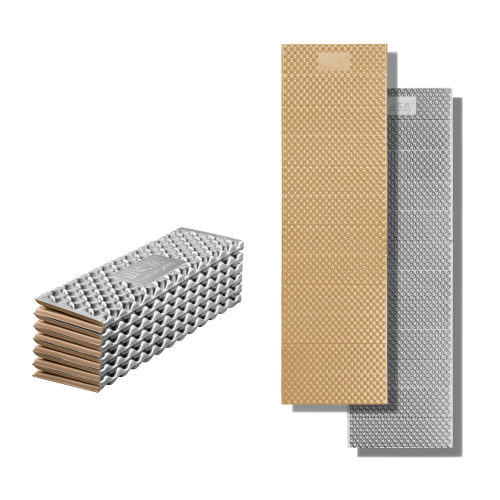 Your price for this item is $75.95
 -
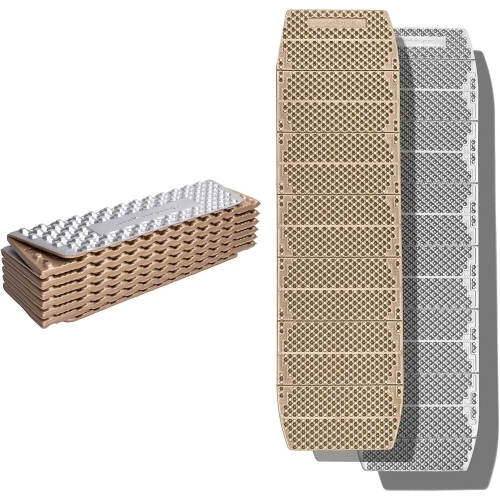 Your price for this item is $59.95
 -
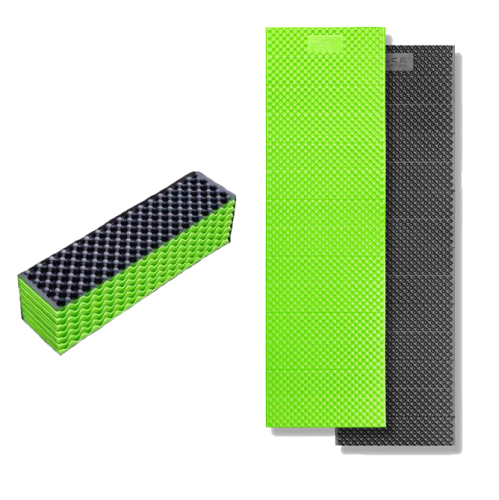 Your price for this item is $39.95
 -
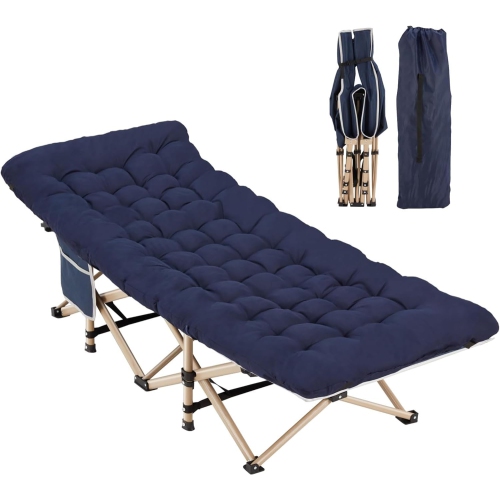 Your price for this item is $106.99
 -
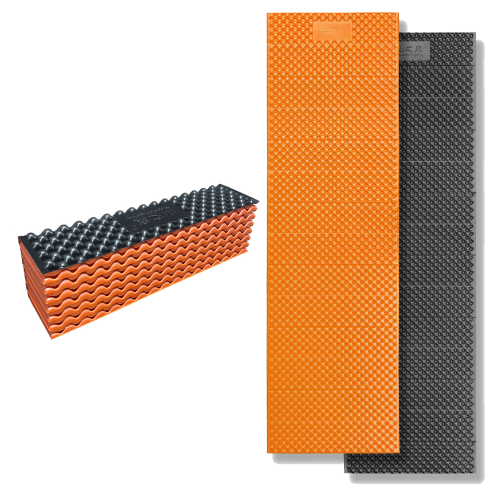 Your price for this item is $39.95
 -
 Your price for this item is $108.99