Sleeping Pads for Camping
Whether you're a seasoned outdoor enthusiast or a beginner camper, having a comfortable and reliable sleeping pad is essential for a good night's rest under the stars. Our selection of camping sleeping pads offers a variety of options to suit your individual needs and preferences. From lightweight and compact designs for backpackers to plush and luxurious pads for car campers, we have everything you need to elevate your camping experience. Explore our range of sleeping pads designed to provide optimal comfort, support, and insulation for a restful night in the great outdoors.
Sort
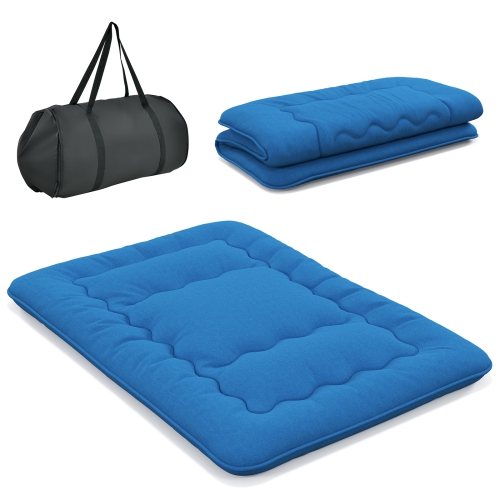
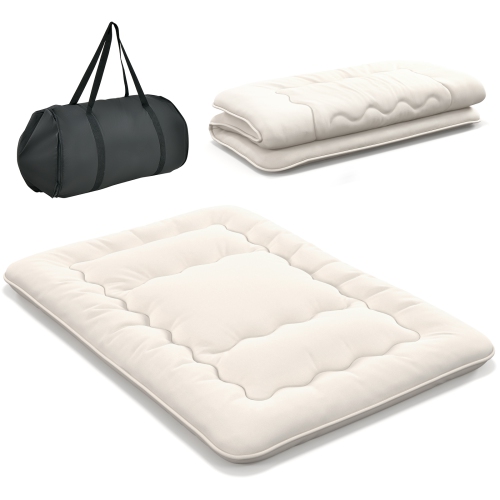
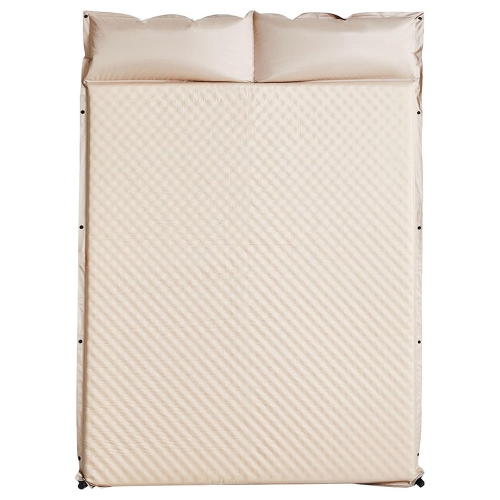
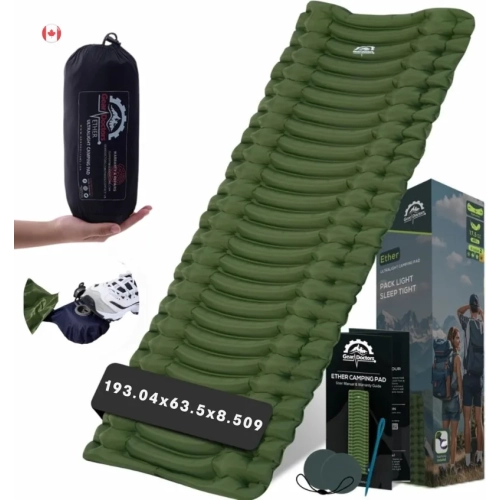
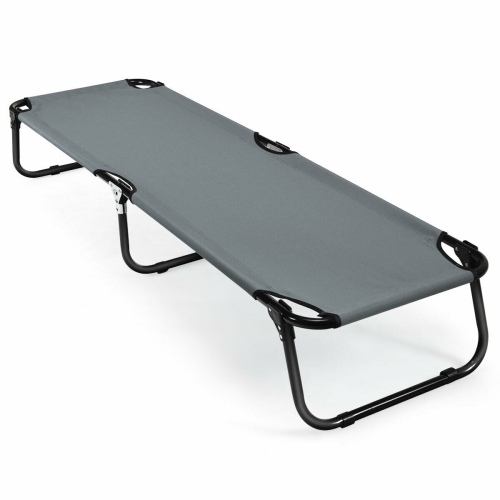
Why sleeping pad comfort goes beyond thickness
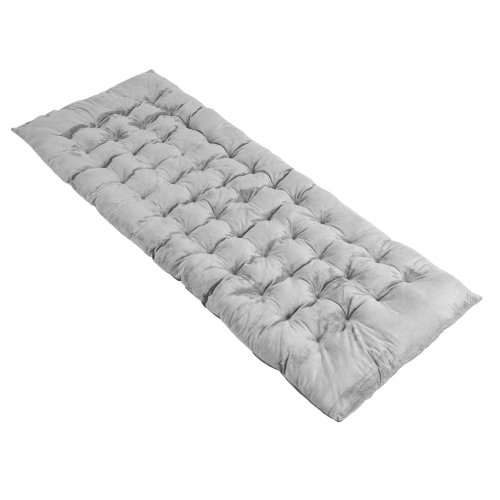
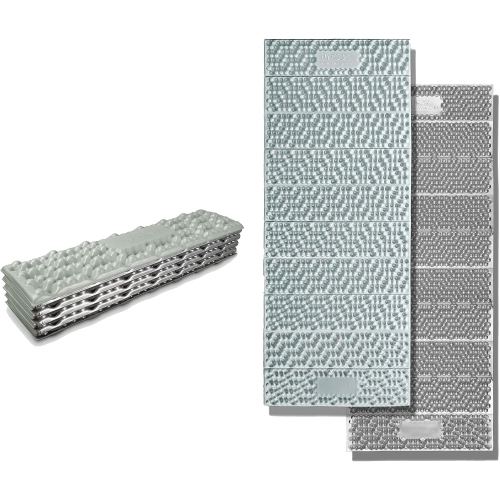
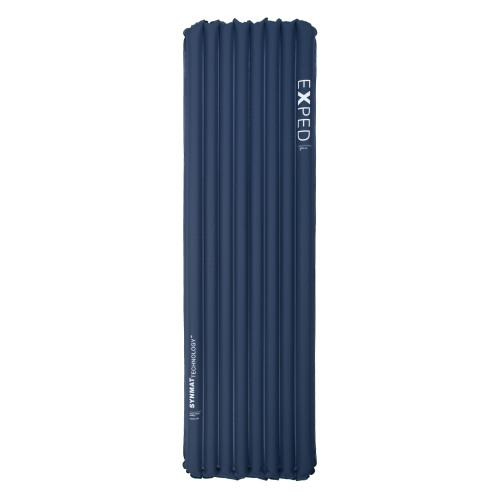
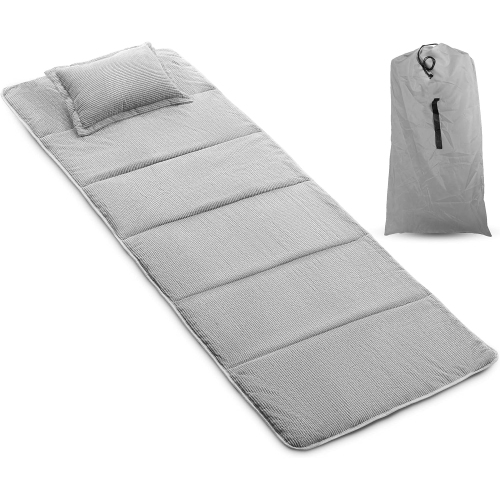
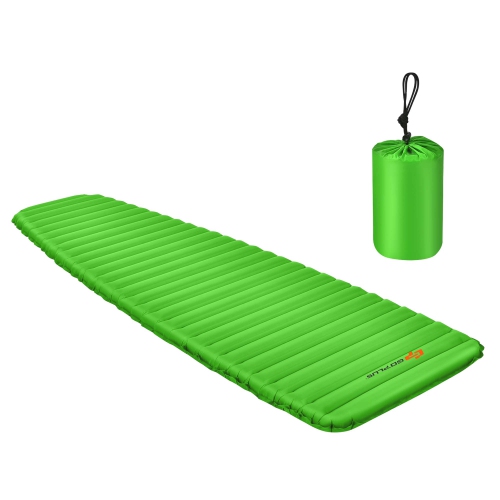
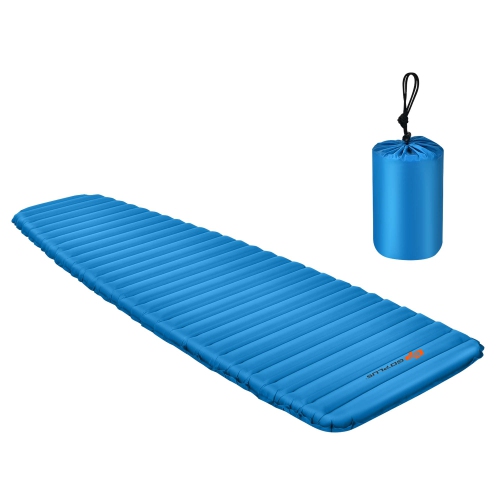
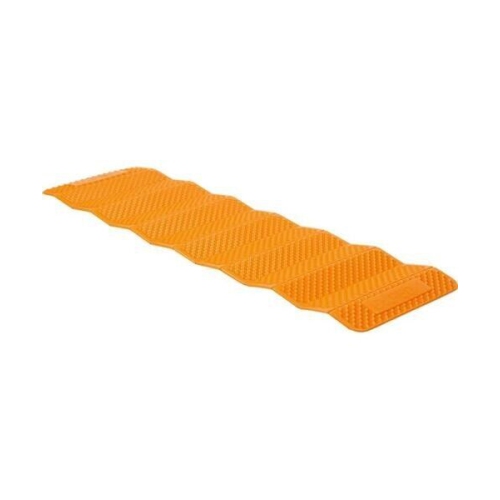
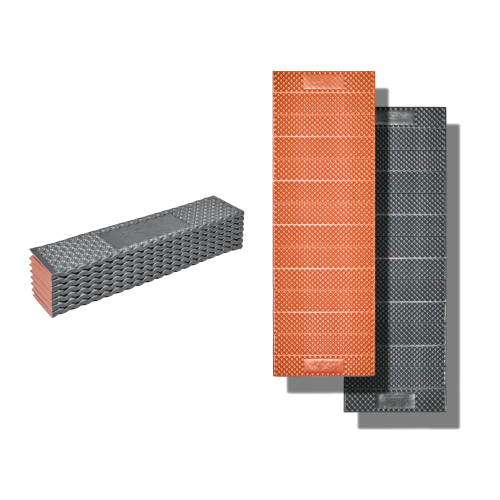
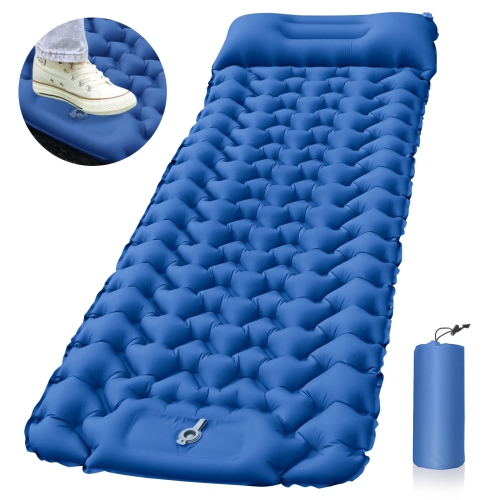
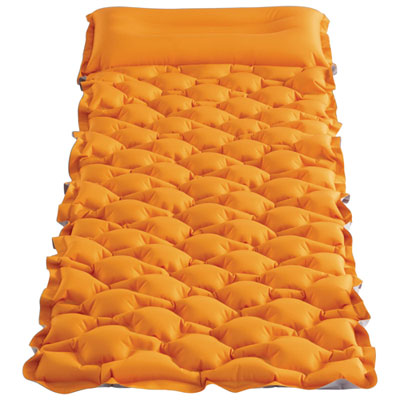
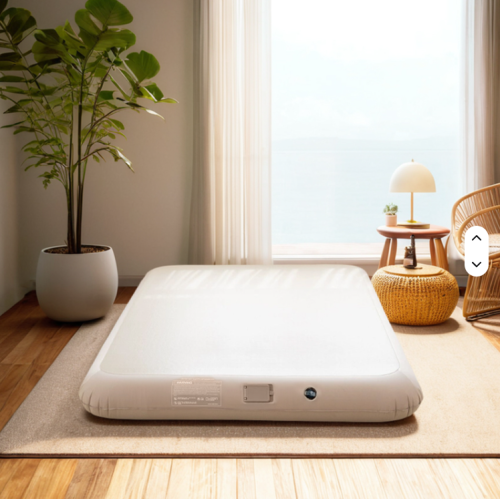
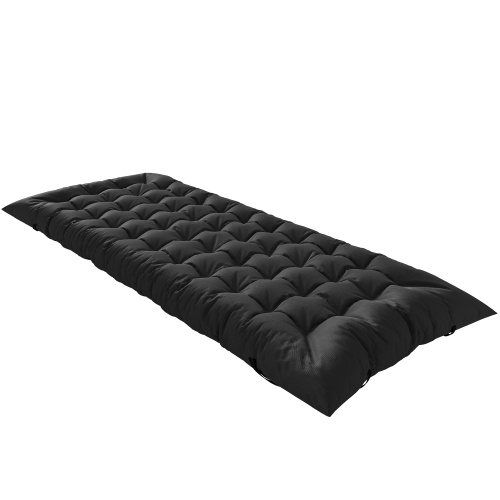
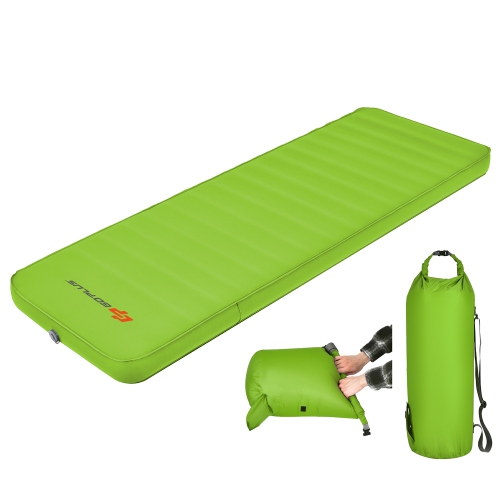
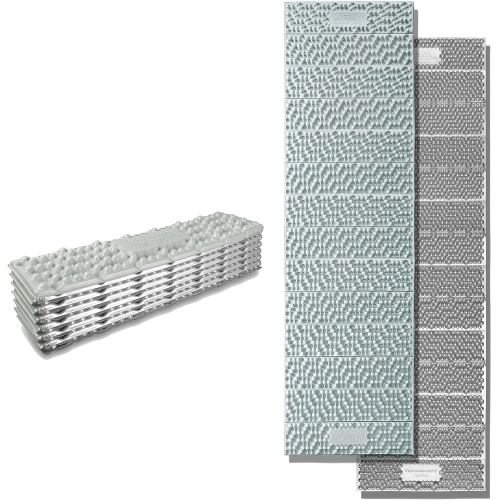
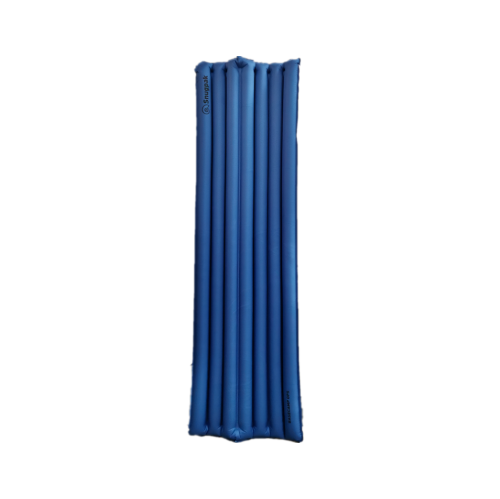
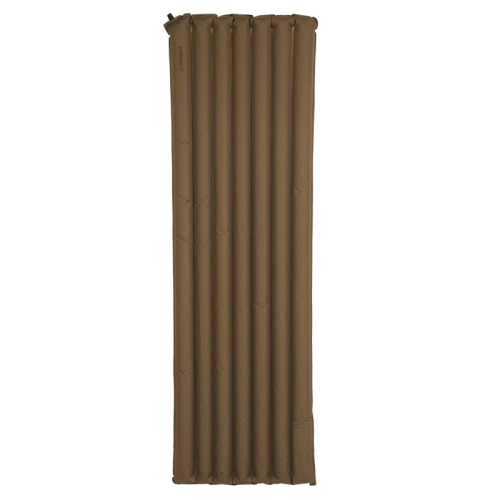
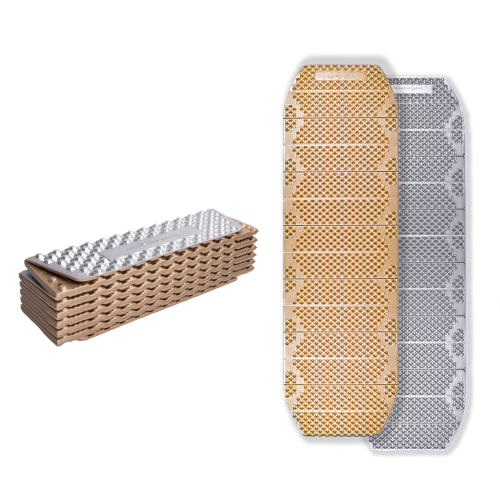
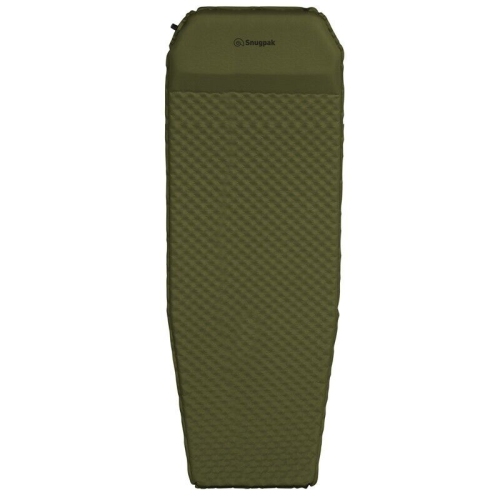
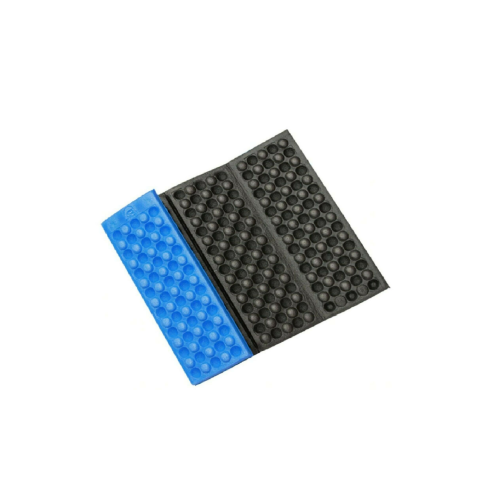
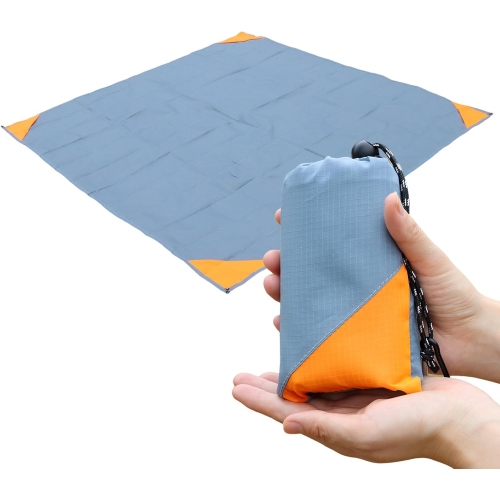
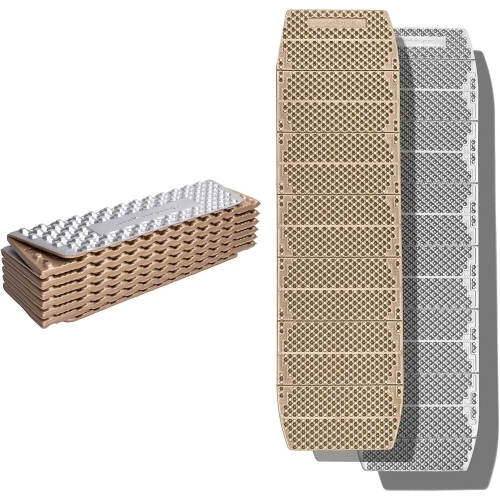
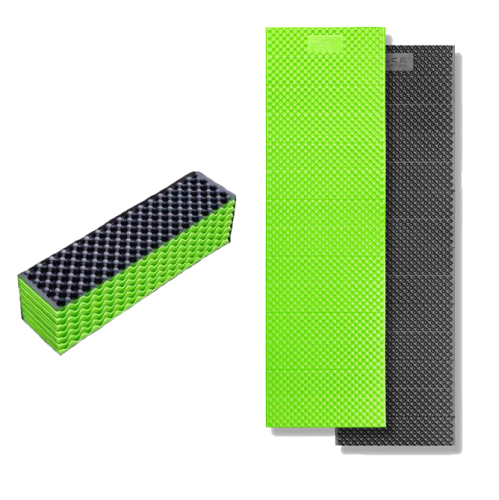
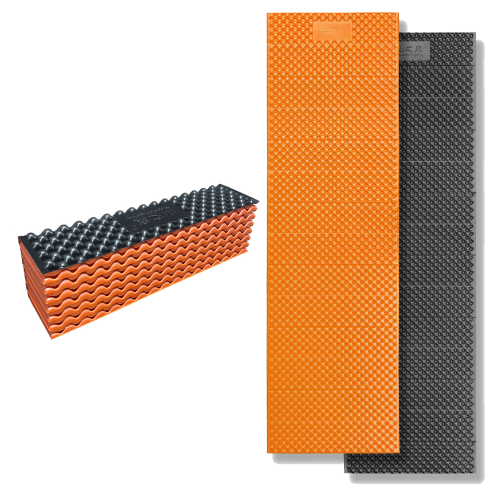
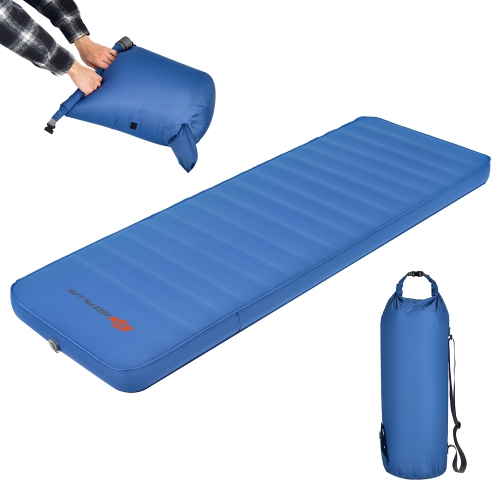
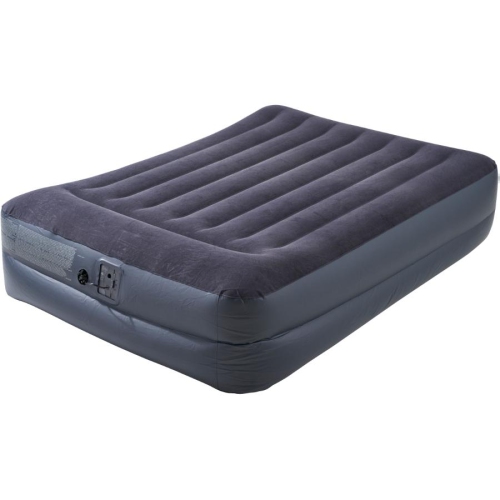
Sleeping pads for camping add cushioning beneath a sleeping bag and help reduce heat loss to the ground, making them an important part of a comfortable sleep setup. The main types are inflatable air pads, self-inflating pads, and closed-cell foam mats, each suited to different ways of travelling and sleeping outdoors. Inflatable pads use air-filled chambers to support the body and usually pack down compactly, which makes them practical for backpacking and canoe trips where space matters. Insulated versions add materials or internal structures that slow heat transfer; an air pad without insulation may offer cushioning without much protection from cold ground. Self-inflating pads combine an open-cell foam core with an airtight outer shell. Opening the valve allows the foam to expand and draw in air, although a few extra breaths or a compatible pump may be needed to reach the preferred firmness. They tend to be bulkier than lightweight air pads but provide a supportive feel that suits many campsite stays. Closed-cell foam mats do not need inflation and cannot lose support through a puncture. Their simple construction is useful for rugged trips, quick overnight stops, and campers who prefer fewer moving parts, though they generally offer less cushioning and take up more space outside a pack. For backpackers carrying everything along a trail, packed size and weight can matter as much as thickness. For car camping, where bedding only needs to travel a short distance from the vehicle to the tent, a wider, thicker pad may be worth the extra bulk. Campers comparing different ground-sleeping options can also explore Camping Mats as part of a complete tent setup. The most useful choice depends on the trip, the space inside the shelter, and the sleeper’s habits rather than thickness alone. A compact pad that fits neatly into a backpack serves a different purpose from a roomy double pad shared by two people at a drive-in campsite.
Fit and insulation have a noticeable effect on how a camping sleeping pad feels through the night. A pad should support the sleeper’s full body unless a shorter design is an intentional choice to reduce pack weight. Check both length and width: a tall camper needs enough room for their heels, while someone who turns frequently may appreciate extra space at the shoulders and hips. Rectangular pads provide a consistent sleeping surface from end to end, whereas tapered or mummy-shaped pads trim material around the legs to reduce bulk. Side sleepers often benefit from deeper cushioning that keeps their hips and shoulders from pressing through to the ground. Back sleepers may find a thinner pad comfortable, provided it maintains support under their torso. Air pressure matters, too. A fully inflated pad can feel firm and rounded, while releasing a little air can help it contour to the body without bottoming out. Chamber layouts, raised edges, and textured surfaces can influence stability, but their feel varies by design and personal preference. For insulation, R-value describes resistance to heat flow: a higher number indicates greater insulating performance. Ratings tested to the ASTM F3340 standard offer a useful basis for comparing pads. As a general starting point, R-values below 3 are commonly used for warm-weather outings, roughly 3 to 5 can suit many three-season trips, and 5 or higher is often considered for winter camping. These ranges are not guarantees of comfort; ground conditions, individual sleep preferences, shelter, and the rest of the bedding system all matter, and severe cold may call for substantially more insulation. Thickness does not reliably indicate warmth, so a deep uninsulated air pad should not be treated as equivalent to an insulated pad. Sleeping bags also lose much of their loft beneath the body, which is why their temperature ratings cannot replace adequate insulation underneath. When two pads are layered, their R-values are approximately additive, making a foam mat beneath an insulated air pad a practical way to increase ground insulation while adding puncture protection.
Materials, construction, and everyday handling help determine how well a sleeping pad stands up to repeated use. Inflatable and self-inflating pads commonly have nylon or polyester shells, often with coatings or laminates that retain air. Ripstop fabrics can help limit the spread of a small tear, but no lightweight shell is immune to sharp stones, thorns, or rough handling. Fabric denier describes yarn thickness rather than overall durability, so it is best considered alongside construction, underside reinforcement, and intended use. A heavier shell may suit frequent family camping or use with a dog in the tent, while a lighter fabric can make sense when every part of a backpacking load needs to be manageable. Before laying out bedding, clear away sharp debris and check the tent floor; a protective layer does not make an uneven or hazardous sleeping spot suitable. Practical details become especially noticeable at bedtime. A valve that allows controlled air release makes firmness adjustments easier, and a compatible pump sack can reduce the effort of inflation and limit moisture introduced by breath. Double pads offer a shared sleeping surface, while separate pads let each camper choose a different firmness and can be easier to position in a narrow tent. Compare the pads’ inflated dimensions with the tent’s usable floor space, allowing room for sloping walls and essential belongings. After a trip, remove loose dirt and clean the surface according to the manufacturer’s directions, generally using mild soap rather than harsh cleaners. Let the pad dry fully before storage, and keep it away from prolonged direct sunlight and excessive heat. Self-inflating pads are often best stored unrolled with the valve open when space permits, subject to the care instructions. For air pads, a compatible repair kit and familiarity with finding a small leak can prevent a minor puncture from ending a useful piece of gear’s service life. Sleeping pads can also make thoughtful gifts for hikers, canoe campers, and families building their camping kit, particularly when the recipient’s height, sleeping position, and preferred type of trip are known.
Fit and insulation have a noticeable effect on how a camping sleeping pad feels through the night. A pad should support the sleeper’s full body unless a shorter design is an intentional choice to reduce pack weight. Check both length and width: a tall camper needs enough room for their heels, while someone who turns frequently may appreciate extra space at the shoulders and hips. Rectangular pads provide a consistent sleeping surface from end to end, whereas tapered or mummy-shaped pads trim material around the legs to reduce bulk. Side sleepers often benefit from deeper cushioning that keeps their hips and shoulders from pressing through to the ground. Back sleepers may find a thinner pad comfortable, provided it maintains support under their torso. Air pressure matters, too. A fully inflated pad can feel firm and rounded, while releasing a little air can help it contour to the body without bottoming out. Chamber layouts, raised edges, and textured surfaces can influence stability, but their feel varies by design and personal preference. For insulation, R-value describes resistance to heat flow: a higher number indicates greater insulating performance. Ratings tested to the ASTM F3340 standard offer a useful basis for comparing pads. As a general starting point, R-values below 3 are commonly used for warm-weather outings, roughly 3 to 5 can suit many three-season trips, and 5 or higher is often considered for winter camping. These ranges are not guarantees of comfort; ground conditions, individual sleep preferences, shelter, and the rest of the bedding system all matter, and severe cold may call for substantially more insulation. Thickness does not reliably indicate warmth, so a deep uninsulated air pad should not be treated as equivalent to an insulated pad. Sleeping bags also lose much of their loft beneath the body, which is why their temperature ratings cannot replace adequate insulation underneath. When two pads are layered, their R-values are approximately additive, making a foam mat beneath an insulated air pad a practical way to increase ground insulation while adding puncture protection.
Materials, construction, and everyday handling help determine how well a sleeping pad stands up to repeated use. Inflatable and self-inflating pads commonly have nylon or polyester shells, often with coatings or laminates that retain air. Ripstop fabrics can help limit the spread of a small tear, but no lightweight shell is immune to sharp stones, thorns, or rough handling. Fabric denier describes yarn thickness rather than overall durability, so it is best considered alongside construction, underside reinforcement, and intended use. A heavier shell may suit frequent family camping or use with a dog in the tent, while a lighter fabric can make sense when every part of a backpacking load needs to be manageable. Before laying out bedding, clear away sharp debris and check the tent floor; a protective layer does not make an uneven or hazardous sleeping spot suitable. Practical details become especially noticeable at bedtime. A valve that allows controlled air release makes firmness adjustments easier, and a compatible pump sack can reduce the effort of inflation and limit moisture introduced by breath. Double pads offer a shared sleeping surface, while separate pads let each camper choose a different firmness and can be easier to position in a narrow tent. Compare the pads’ inflated dimensions with the tent’s usable floor space, allowing room for sloping walls and essential belongings. After a trip, remove loose dirt and clean the surface according to the manufacturer’s directions, generally using mild soap rather than harsh cleaners. Let the pad dry fully before storage, and keep it away from prolonged direct sunlight and excessive heat. Self-inflating pads are often best stored unrolled with the valve open when space permits, subject to the care instructions. For air pads, a compatible repair kit and familiarity with finding a small leak can prevent a minor puncture from ending a useful piece of gear’s service life. Sleeping pads can also make thoughtful gifts for hikers, canoe campers, and families building their camping kit, particularly when the recipient’s height, sleeping position, and preferred type of trip are known.
Top selling and popular products
-
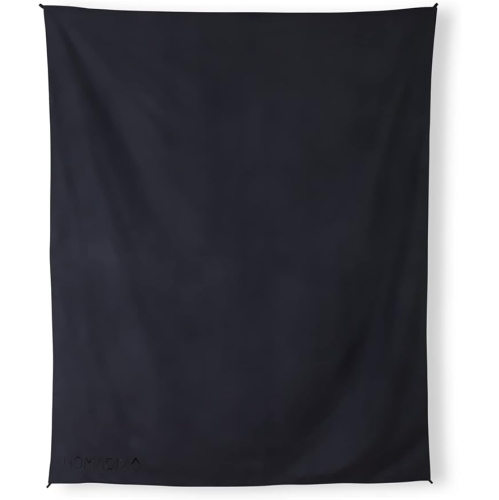 Your price for this item is $109.95
 -
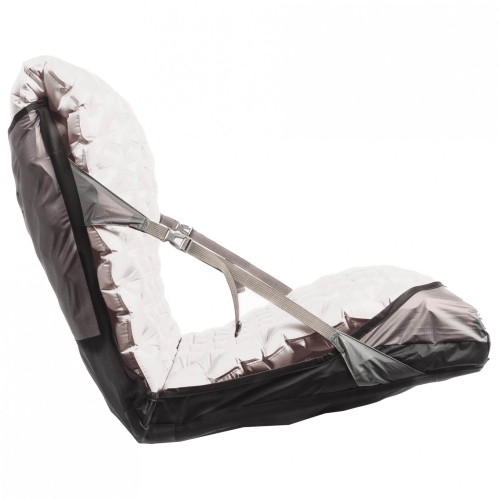 Your price for this item is $89.95
 -
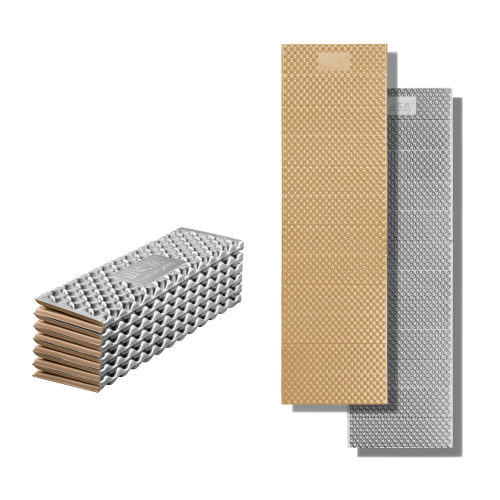 Your price for this item is $75.95
 -
 Your price for this item is $59.95
 -
 Your price for this item is $39.95
 -
 Your price for this item is $106.99
 -
 Your price for this item is $39.95
 -
 Your price for this item is $108.99
Discover more categories related to Sleeping Pads for Camping
Top Collections:
Pokemon Centers, Kindle Devices, Best Budget Office Chairs, Apple iPhones 16, Best Laptops for Writers, iPhone 15 Apple, Canon G7X Cameras, Refurbished Apple Laptops, Alarm Clock, Motorola Razr Phones
Some products may be subject to Environmental Handling Fees
(EHF) depending on your province.
Learn more about EHFs.