Ski Goggles Canada
Hit the slopes with confidence and style by choosing the perfect ski goggles for your winter adventures. Whether you're carving through fresh powder or navigating icy trails, the right pair of goggles can make all the difference in your skiing experience. Offering a range of advanced features designed to enhance visibility, comfort, and protection against harsh weather conditions, ski goggles are an essential piece of gear for any snow enthusiast. Explore options that cater to various preferences and needs, ensuring you find a pair that fits seamlessly with your helmet and provides optimal performance in diverse terrains. Embrace the thrill of skiing while keeping your eyes shielded from snow glare and UV rays, so you can focus on enjoying every exhilarating moment on the mountain.
![YELLOW-PRICE Professional Otg Ski / Snowboard Goggles [Anti-Fog, Anti-Glare, Uv400 Protection]](https://multimedia.bbycastatic.ca/multimedia/products/500x500/164/16499/16499908.jpeg)
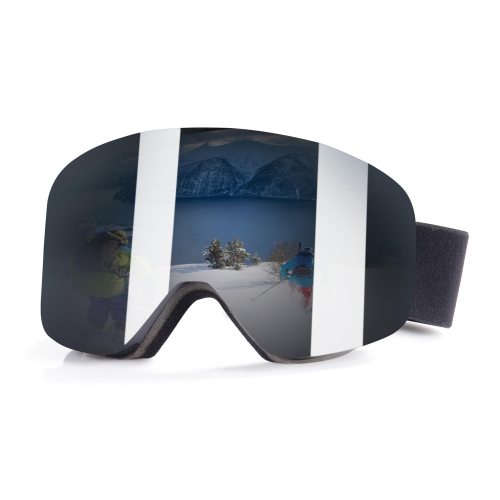
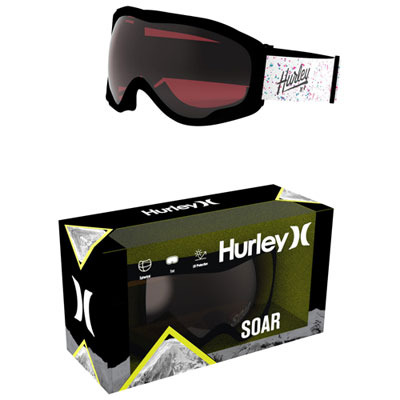
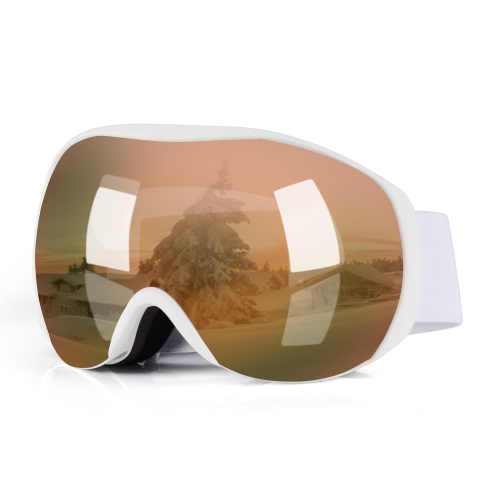
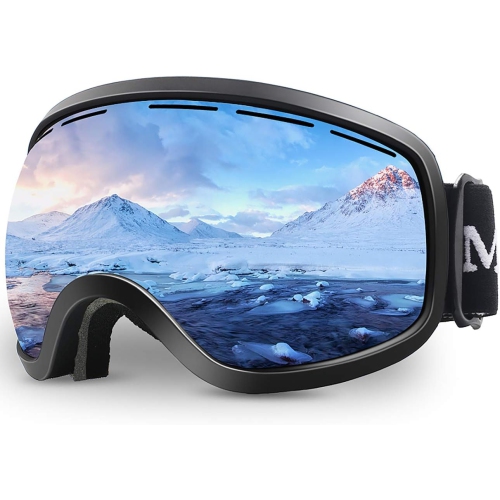
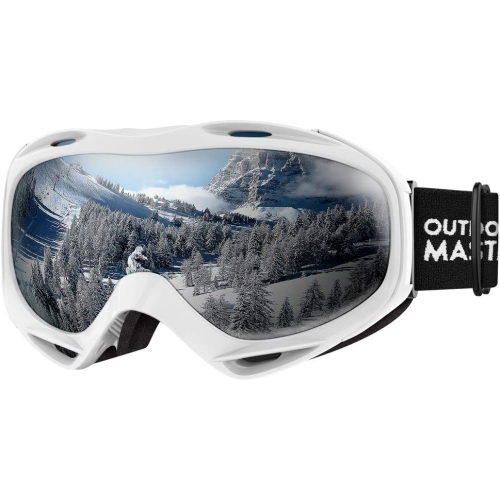
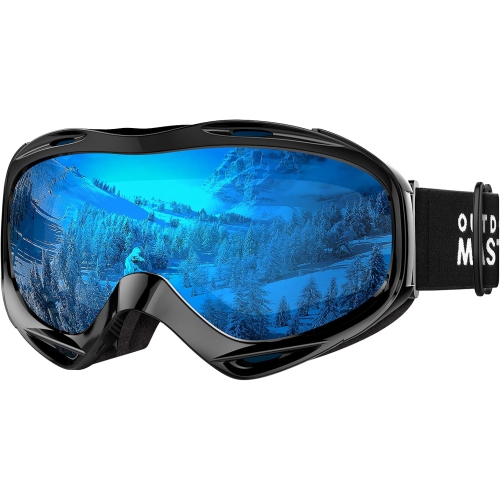
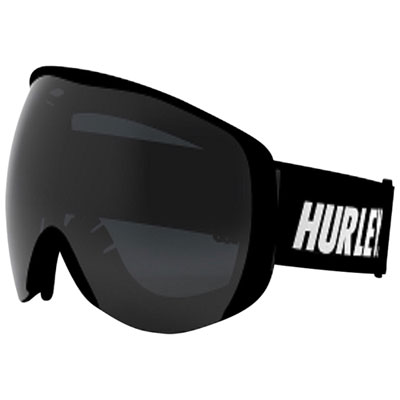
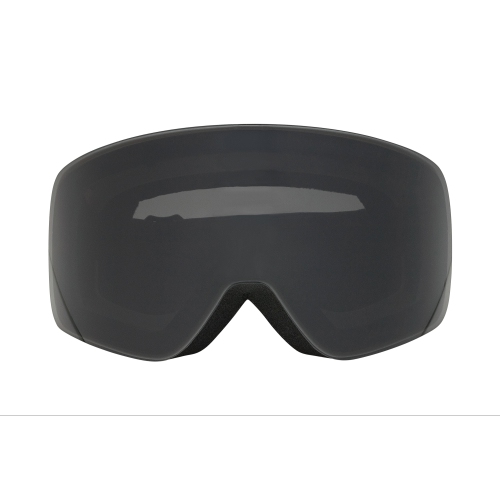
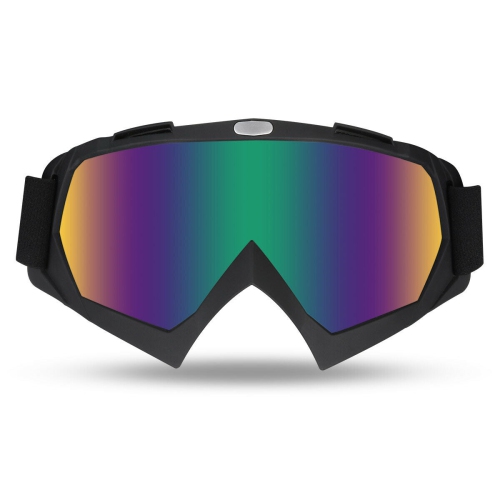
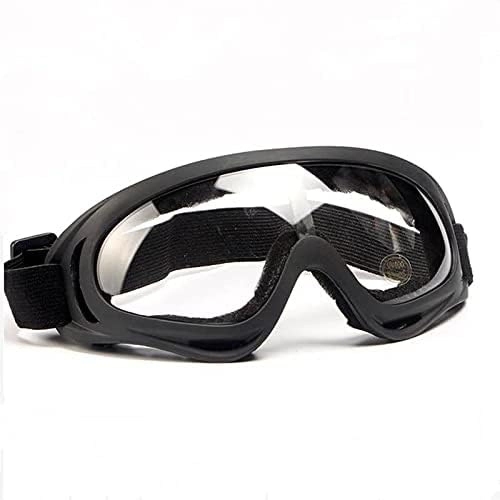
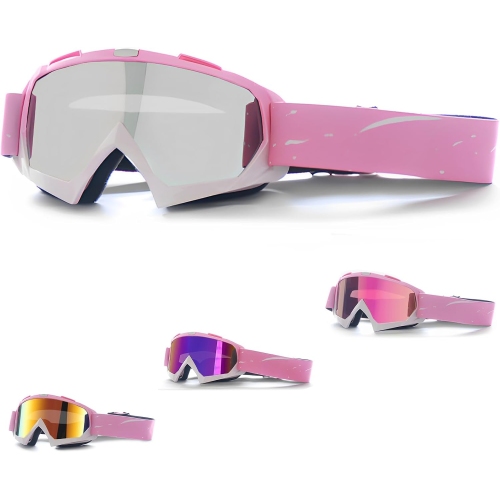
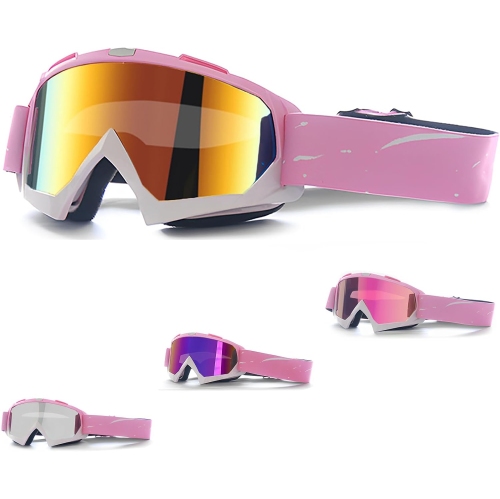
How lens tint shapes your view on the slopes
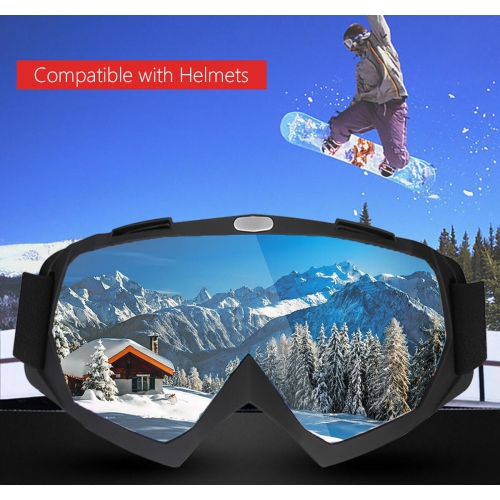
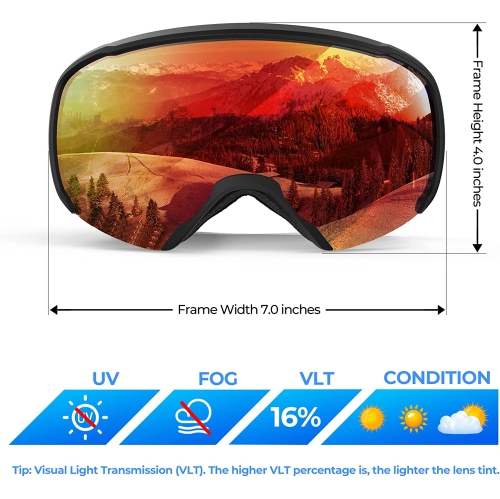
Comfort becomes especially noticeable after several chairlift rides, when pressure at the bridge of the nose or an awkward gap beneath the helmet can distract from the day. Ski goggles should sit securely against the face without pinching the nose, pressing heavily on the cheekbones or leaving open spaces around the foam seal. Frame dimensions and facial shape are more useful indicators of fit than men’s or women’s labels alone. Youth goggles are sized for smaller faces, while low-bridge-fit designs can provide a closer seal for certain nose and cheek contours. An oversized lens may offer a broad view, but a large frame that does not seal properly can let in cold air and snow. Helmet compatibility is equally important: the goggle frame should follow the helmet opening without being pushed down onto the nose, and the strap should remain secure around the helmet. Adjustable elastic straps help accommodate that fit, while silicone grip strips can help limit slipping. For skiers who wear prescription glasses, over-the-glasses goggles, often labelled OTG, provide additional interior space and may include channels around the temples. The glasses still need enough clearance to avoid touching the goggle lens or being pressed against the face, and both sets of lenses can be affected by fogging. Some designs accommodate prescription inserts instead, subject to compatibility. Frame and lens construction also influence the feel on the face. Flexible frames can adapt to facial contours, while layered face foam combines cushioning with a soft contact surface. Polycarbonate lenses are common because they are lightweight and impact resistant, although they are not scratchproof. Cylindrical lenses curve horizontally across the face; spherical lenses curve horizontally and vertically; toric lenses use different curves in those two directions. Lens shape affects the profile and interior space, but optical quality and peripheral visibility depend on the complete design rather than shape alone. For a beginner watching the next turn or an experienced skier keeping track of nearby riders, a comfortable, unobstructed view matters more than appearance.
Durability and clear vision depend as much on everyday handling as on construction. Many ski goggles use a dual-lens arrangement, with an insulating air space that helps reduce condensation caused by temperature differences. Anti-fog treatments and ventilation work alongside that construction, allowing warm, moist air to escape rather than collect against the inside of the lens. Fogging can still develop when vents are blocked by snow, a hat or a poorly positioned face covering. It can also happen when goggles are pushed onto a warm forehead during a pause, then pulled back down before the next run. Keeping ventilation paths clear and directing breath away from the lower frame helps the system work as intended. During high-effort skiing or uphill travel, extra body heat can make moisture management particularly important. Care is gentler than simply wiping away whatever lands on the lens: a wet inner surface may have a delicate anti-fog coating, so rubbing it with a glove, sleeve or paper tissue can cause damage. Following the manufacturer’s cleaning directions, shaking off loose snow and letting moisture dry naturally are safer habits. A clean lens cloth or goggle pouch intended for lens care can be used as directed, while household cleaners and abrasive materials should be avoided. After a day outside, goggles benefit from drying at room temperature before being stored, away from radiators or other direct heat sources that could affect the frame, foam or coatings. A protective case helps prevent scratches and crushing when goggles share a bag with a helmet, gloves and other gear. Interchangeable systems also need clean attachment points and a fully secured lens before use, whether they rely on magnets, clips or another locking mechanism. Ski goggles can make a thoughtful gift for a new skier, a growing young snowboarder or someone spending more time on the slopes, but face size, helmet shape and prescription eyewear needs make fit personal. A well-matched pair brings together suitable light transmission, dependable eye coverage and lasting comfort, helping keep attention on the snow rather than on slipping straps, pressure points or a misted lens.
Top selling and popular products
-
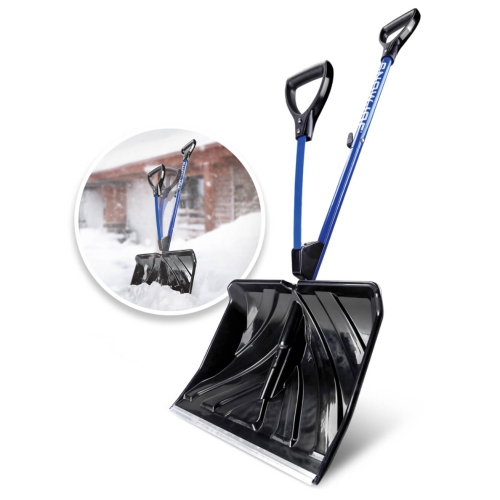 Your price for this item is $42.99
 -
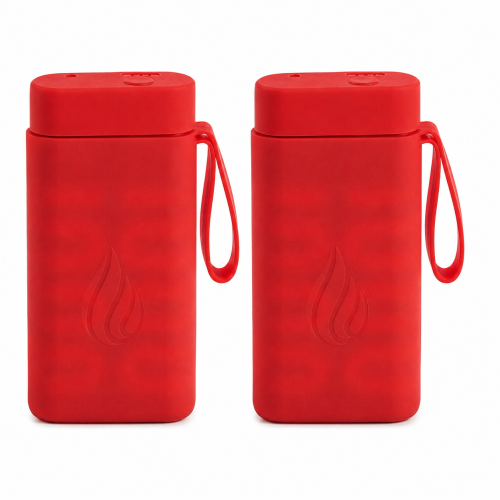 Your price for this item is $49.99
 -
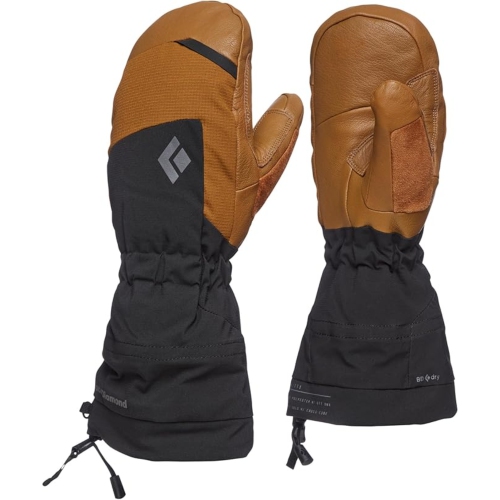 Your price for this item is $189.05
 -
 Your price for this item is $250
 -
 Your price for this item is $59.99
 -
 Your price for this item is $280
 -
 Your price for this item is $280
 -
 Your price for this item is $310