Snowmobile Goggles
When hitting the snowy trails on your snowmobile, having the right gear is essential for both safety and enjoyment. Snowmobile goggles are a crucial piece of equipment to protect your eyes from harsh winds, snow, and debris while providing clear visibility in varying light conditions. Whether you're a seasoned rider or a beginner looking to gear up for some winter fun, finding the perfect pair of snowmobile goggles can make all the difference in your outdoor adventures. Explore our selection of high-quality snowmobile goggles designed to keep you safe and focused on the ride ahead.
Sort
![YELLOW-PRICE Professional Otg Ski / Snowboard Goggles [Anti-Fog, Anti-Glare, Uv400 Protection]](https://multimedia.bbycastatic.ca/multimedia/products/500x500/164/16499/16499908.jpeg)
Fit and lens performance for changing trail conditions
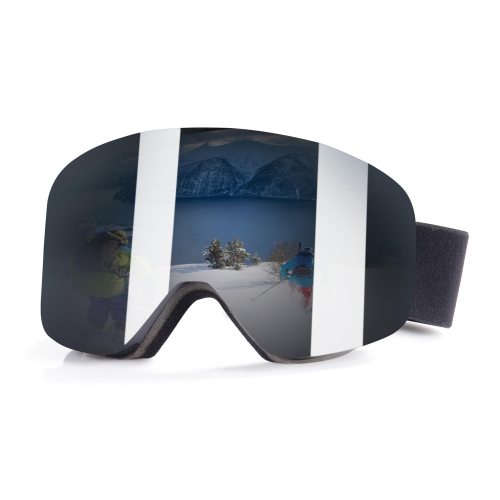
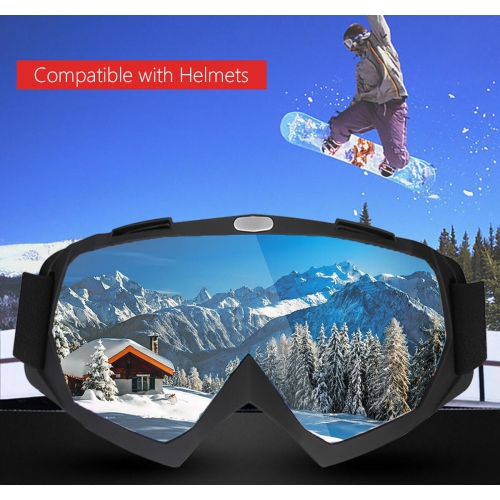
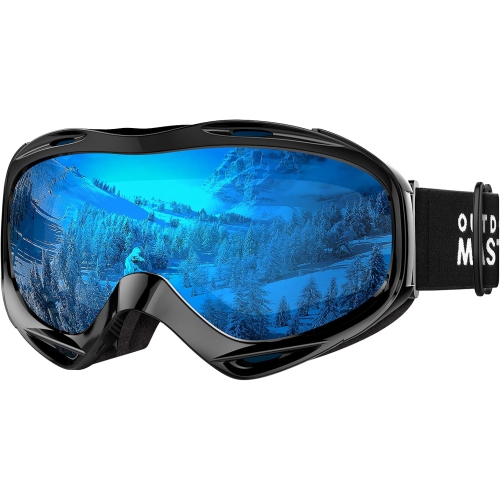
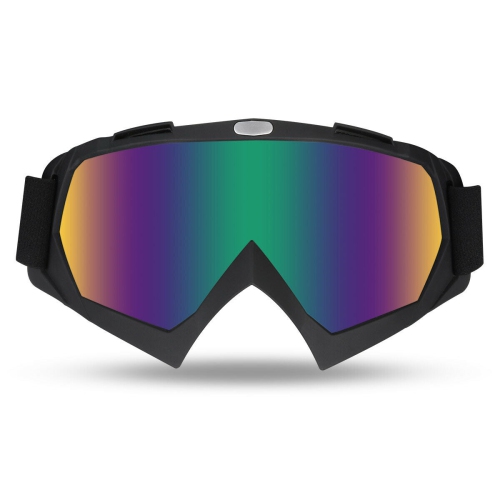
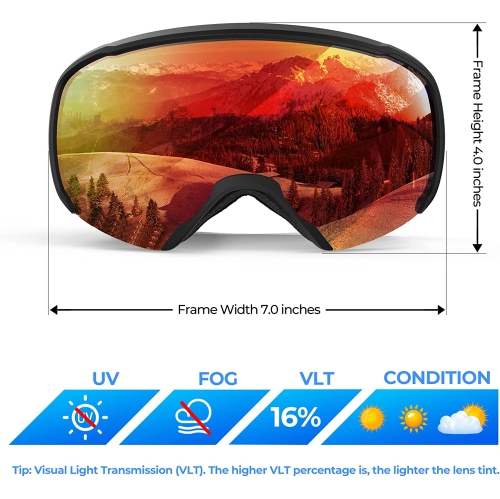
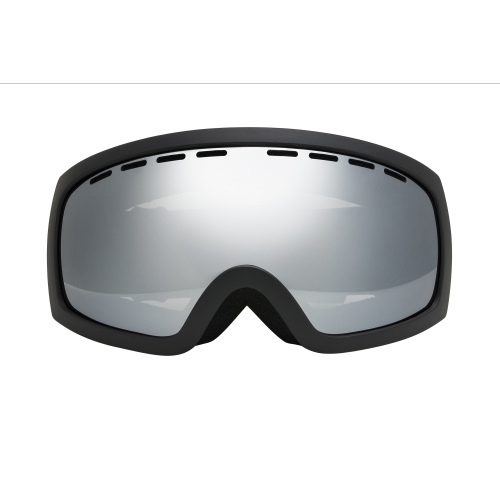
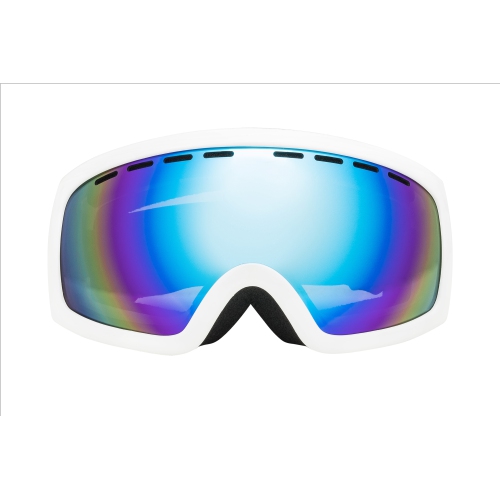
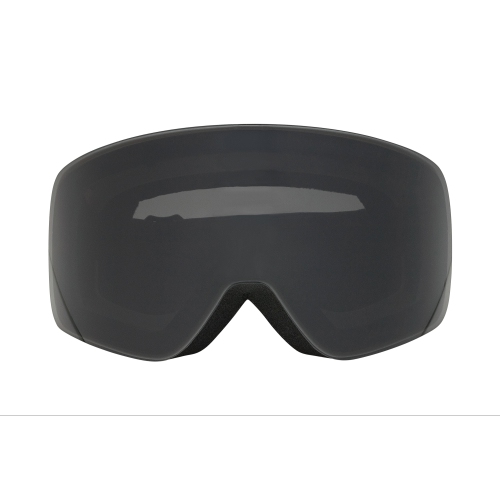
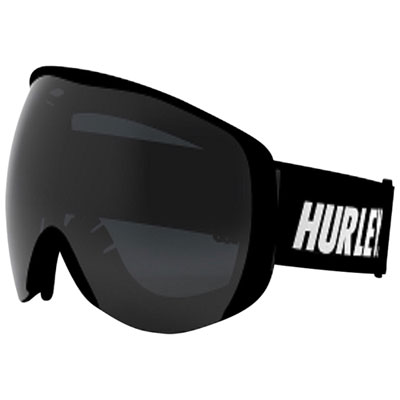
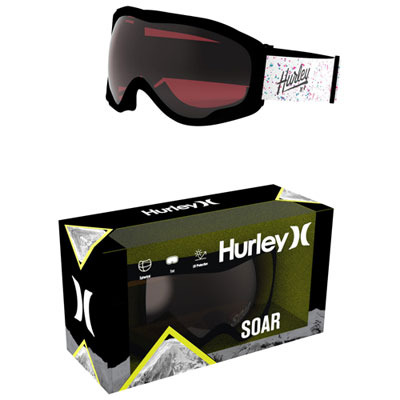
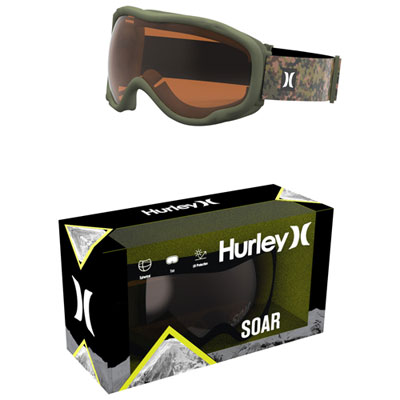
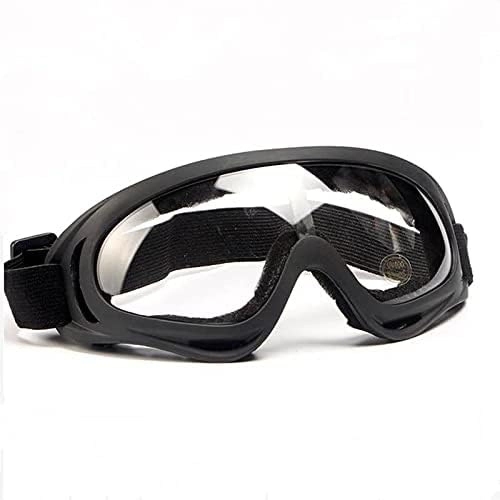
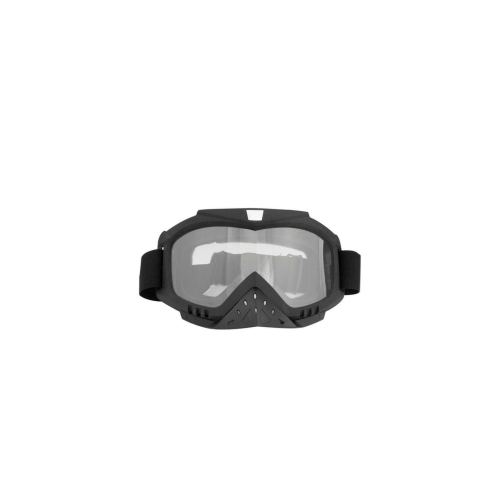
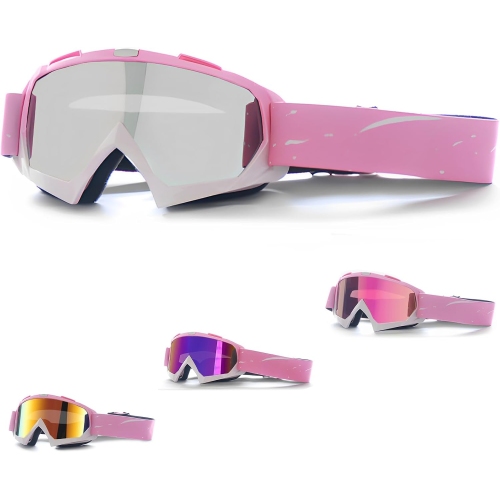
Snowmobile goggles are an important part of a comfortable, focused ride, helping shield your eyes from wind, blowing snow, ice crystals, trail debris, and the glare that can build across a white landscape. They are designed for the conditions that make winter riding so demanding: cold air moving quickly across the face, changing visibility between open fields and wooded trails, and sudden shifts from bright daylight to shaded terrain. When browsing snowmobile goggles, start with fit. The frame should sit comfortably against your face without creating pressure around the bridge of your nose or temples, while the foam should form a close seal that limits drafts without feeling restrictive. A secure fit is especially important when wearing a snowmobile helmet, as the goggles need to work with the helmet opening rather than leaving gaps at the sides or forehead. Adjustable straps can make it easier to find a stable fit over different helmet styles and layers, and a wide strap with a reliable grip can help keep the goggles in place when the trail gets rough. Look for a broad field of view that allows you to see trail markers, branches, other riders, and changes in the terrain without repeatedly turning your head. This wider perspective can be useful when navigating a narrow trail or scanning an open stretch for uneven snow. Many riders also appreciate flexible frames that remain comfortable in cold conditions and lenses made to handle the everyday knocks that can happen when equipment is packed, removed, or set down during a stop. Snowmobile goggles can be a practical choice for experienced riders, occasional trail users, families sharing equipment, and anyone preparing for a winter powersports adventure. They can also make a thoughtful gift for a rider who is updating their gear before the cooler months, especially when paired with an understanding of the recipient’s helmet style, preferred riding conditions, and usual fit.
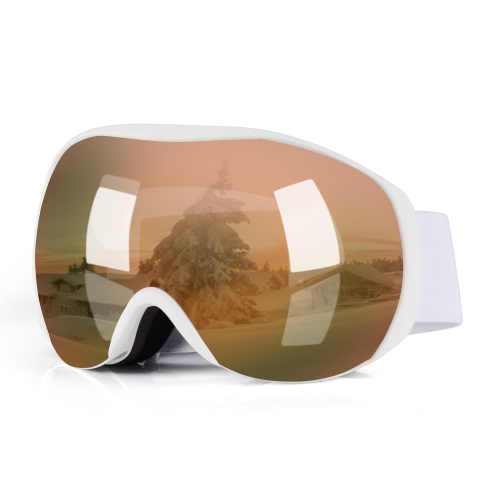
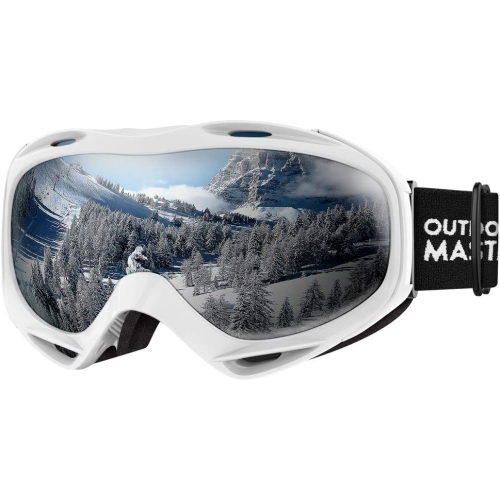
Lens performance is another major consideration. Bright, open conditions can create intense glare, while overcast skies, snowfall, and shaded trails may reduce contrast and make bumps or ruts harder to see. Snowmobile goggles are available with different lens colours and light-transmission levels to suit various conditions, so think about when and where the rider typically travels before choosing a style. Darker lenses may be comfortable in strong daylight, while lighter or contrast-enhancing options can be useful when the sky is cloudy or visibility is changing. A clear lens can also be helpful in low-light conditions, during snowfall, or when a rider wants a straightforward view without adding tint. Anti-fog features are particularly valuable because warm air from the face can meet the cold lens surface, causing moisture to collect at exactly the wrong moment. Ventilation helps move air through the frame and can reduce fogging, but it should be balanced with protection from blowing snow. A well-designed vent system allows airflow without leaving the eyes exposed to a direct blast of cold air. It is also worth considering UV protection, since snow can reflect a significant amount of light even when the day feels dim, and impact-resistant lenses for added confidence on active trails. Riders who wear prescription glasses should check whether the frame has enough interior space for eyewear or whether a compatible prescription solution is available. Comfort details matter over several hours on the trail: soft face foam, a smooth edge around the frame, low-pressure contact points, and enough room for natural blinking can all make the difference between goggles that disappear into the ride and goggles that become a distraction. Before heading out, keep the lens clean with an appropriate cloth, avoid rubbing away frost or snow with rough fabric, and allow moisture to dry properly after use so the goggles are ready for the next trip.
The best choice will reflect the rider’s habits as much as the appearance of the goggles. Someone who spends long days travelling between destinations may prioritize a secure seal, reliable ventilation, and a comfortable frame that can be worn with a helmet for extended periods. A rider who enjoys quick outings on familiar trails may focus on clear vision, easy adjustments, and a lens suited to the typical light around their area. For families, fit and simplicity are often especially important, since goggles that are easy to put on and adjust can help younger riders stay protected without constant assistance. Riders who alternate between bright open areas and forested routes may prefer a lens designed for changing conditions or keep an additional lens available for different light levels. Snowmobile goggles can also be useful beyond one specific outing, serving as part of a broader collection of winter riding gear used for trail rides, property travel, ice-fishing access, or other cold-weather recreation where wind protection and clear vision are needed. If you are shopping for a younger winter sports enthusiast, you may also want to explore Youth Ski Goggles for options intended for smaller faces and other snow activities. As the weather changes from late-season warmth into cooler riding conditions, choosing goggles that match the helmet, face shape, lens needs, and expected terrain can help make every trip more comfortable. A well-fitting pair keeps attention where it belongs—on the trail ahead, the movement of the landscape, and the shared experience of riding through crisp winter air.
Lens performance is another major consideration. Bright, open conditions can create intense glare, while overcast skies, snowfall, and shaded trails may reduce contrast and make bumps or ruts harder to see. Snowmobile goggles are available with different lens colours and light-transmission levels to suit various conditions, so think about when and where the rider typically travels before choosing a style. Darker lenses may be comfortable in strong daylight, while lighter or contrast-enhancing options can be useful when the sky is cloudy or visibility is changing. A clear lens can also be helpful in low-light conditions, during snowfall, or when a rider wants a straightforward view without adding tint. Anti-fog features are particularly valuable because warm air from the face can meet the cold lens surface, causing moisture to collect at exactly the wrong moment. Ventilation helps move air through the frame and can reduce fogging, but it should be balanced with protection from blowing snow. A well-designed vent system allows airflow without leaving the eyes exposed to a direct blast of cold air. It is also worth considering UV protection, since snow can reflect a significant amount of light even when the day feels dim, and impact-resistant lenses for added confidence on active trails. Riders who wear prescription glasses should check whether the frame has enough interior space for eyewear or whether a compatible prescription solution is available. Comfort details matter over several hours on the trail: soft face foam, a smooth edge around the frame, low-pressure contact points, and enough room for natural blinking can all make the difference between goggles that disappear into the ride and goggles that become a distraction. Before heading out, keep the lens clean with an appropriate cloth, avoid rubbing away frost or snow with rough fabric, and allow moisture to dry properly after use so the goggles are ready for the next trip.
The best choice will reflect the rider’s habits as much as the appearance of the goggles. Someone who spends long days travelling between destinations may prioritize a secure seal, reliable ventilation, and a comfortable frame that can be worn with a helmet for extended periods. A rider who enjoys quick outings on familiar trails may focus on clear vision, easy adjustments, and a lens suited to the typical light around their area. For families, fit and simplicity are often especially important, since goggles that are easy to put on and adjust can help younger riders stay protected without constant assistance. Riders who alternate between bright open areas and forested routes may prefer a lens designed for changing conditions or keep an additional lens available for different light levels. Snowmobile goggles can also be useful beyond one specific outing, serving as part of a broader collection of winter riding gear used for trail rides, property travel, ice-fishing access, or other cold-weather recreation where wind protection and clear vision are needed. If you are shopping for a younger winter sports enthusiast, you may also want to explore Youth Ski Goggles for options intended for smaller faces and other snow activities. As the weather changes from late-season warmth into cooler riding conditions, choosing goggles that match the helmet, face shape, lens needs, and expected terrain can help make every trip more comfortable. A well-fitting pair keeps attention where it belongs—on the trail ahead, the movement of the landscape, and the shared experience of riding through crisp winter air.
Top selling and popular products
-
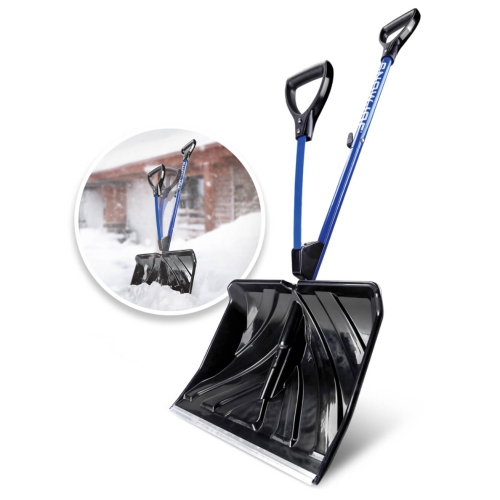 Your price for this item is $42.99
 -
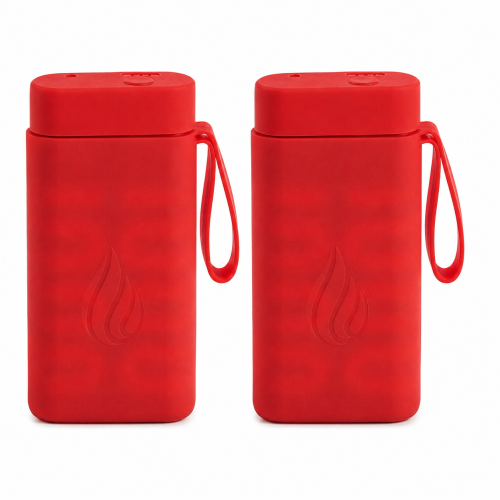 Your price for this item is $49.99
 -
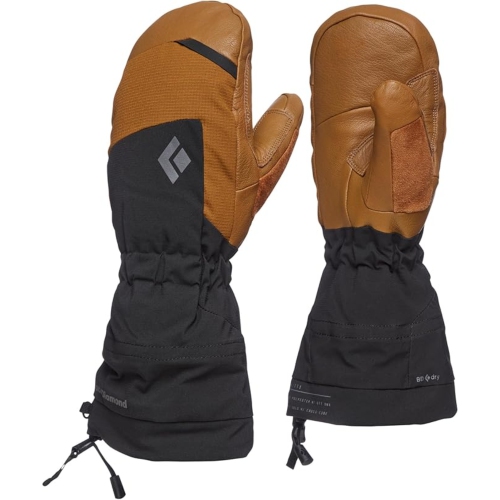 Your price for this item is $189.05
 -
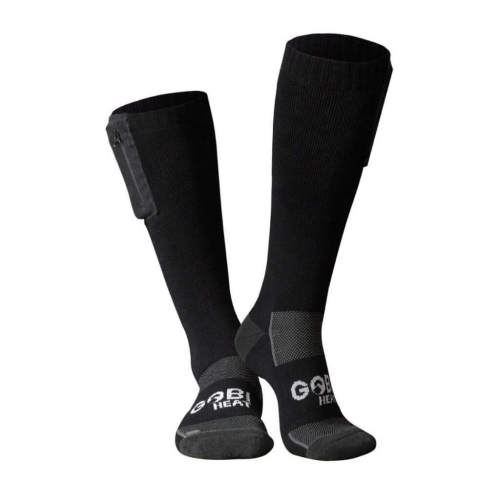 Your price for this item is $250
 -
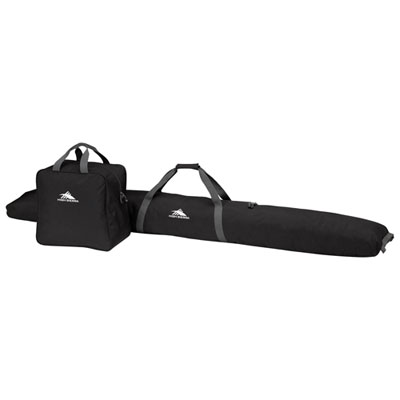 Your price for this item is $59.99
 -
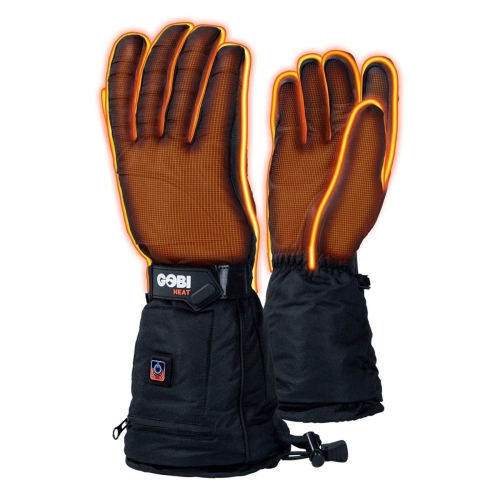 Your price for this item is $280
 -
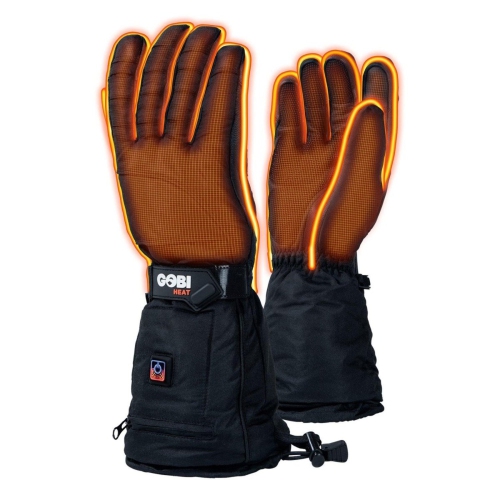 Your price for this item is $280
 -
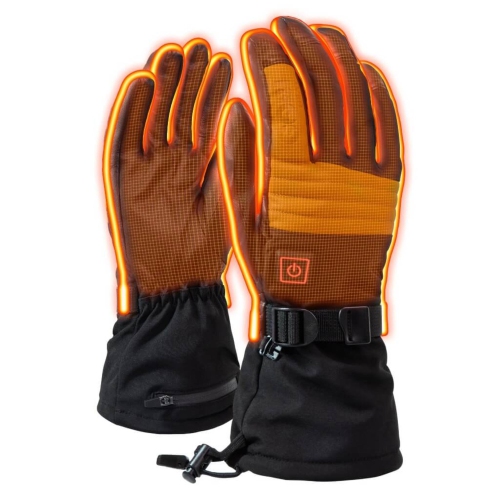 Your price for this item is $310
Discover more categories related to Snowmobile Goggles
Top Collections:
Pokemon Centers, Kindle Devices, Best Budget Office Chairs, Apple iPhones 16, Canon G7X Cameras, iPhone 15 Apple, Alarm Clock, Refurbished Apple Laptops, Flip Phones, Best Laptops for Writers
Some products may be subject to Environmental Handling Fees
(EHF) depending on your province.
Learn more about EHFs.