Skiing Gear
Whether you're a seasoned pro or hitting the slopes for the first time, having the right skiing gear is essential for a thrilling and safe winter adventure. From high-performance skis and boots to cozy outerwear and protective accessories, our collection of skiing gear has everything you need to make the most out of your snowy escapades. With a wide range of options designed to cater to different skill levels, styles, and budgets, finding the perfect equipment to suit your needs has never been easier. So get ready to carve through fresh powder with confidence and style—explore our selection of top-notch skiing gear today!
Sort
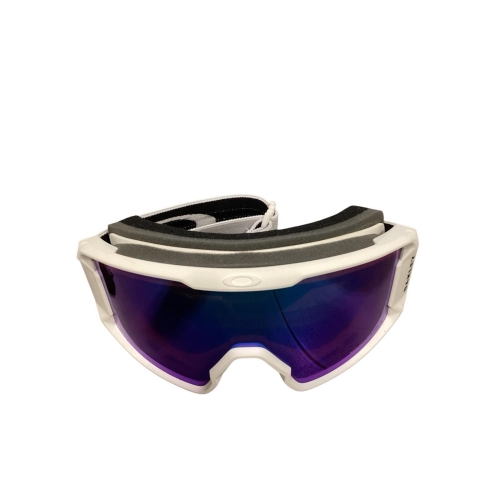
![YELLOW-PRICE Professional Otg Ski / Snowboard Goggles [Anti-Fog, Anti-Glare, Uv400 Protection]](https://multimedia.bbycastatic.ca/multimedia/products/500x500/164/16499/16499908.jpeg)
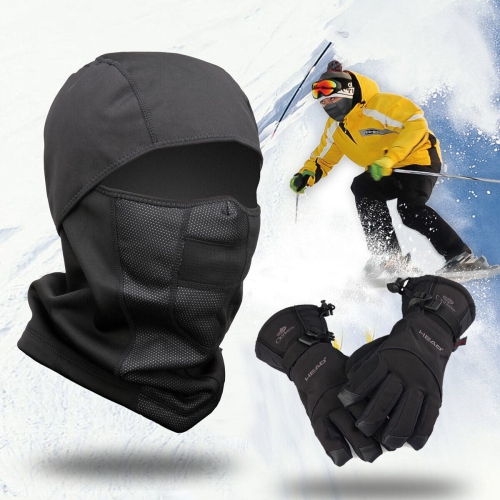
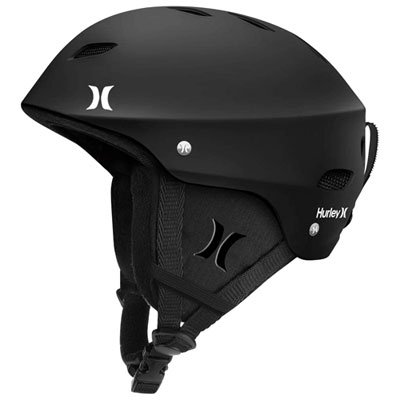
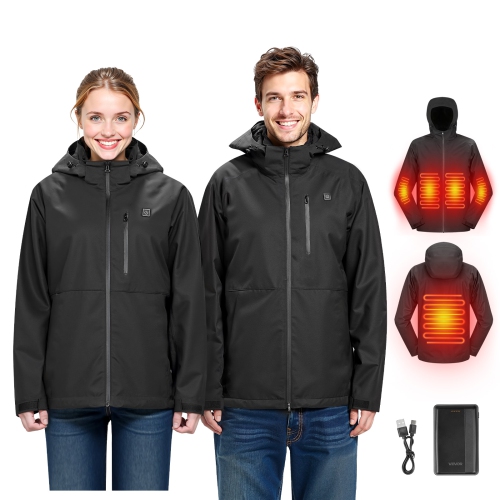
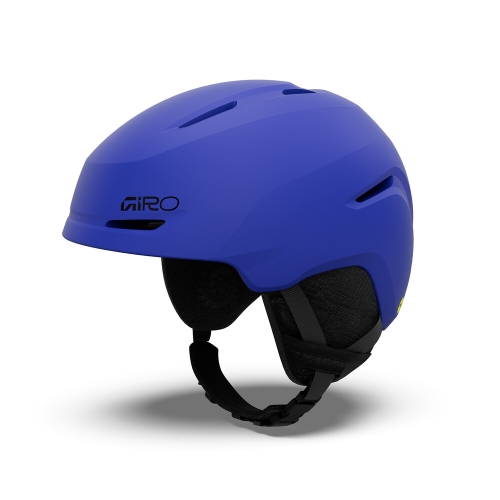
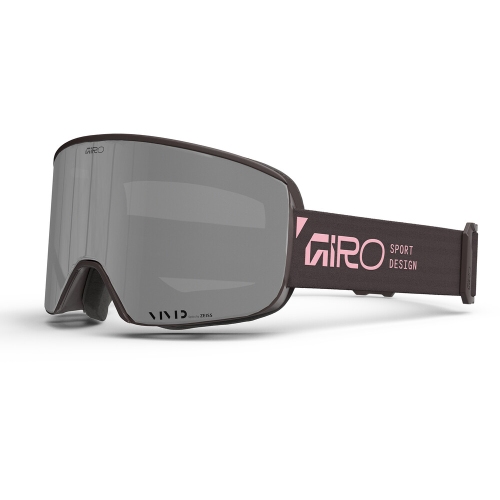
Gear choices that support comfort across changing mountain conditions
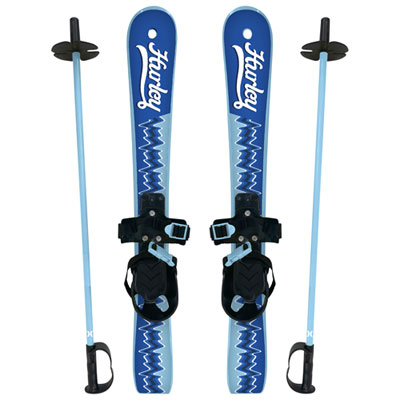
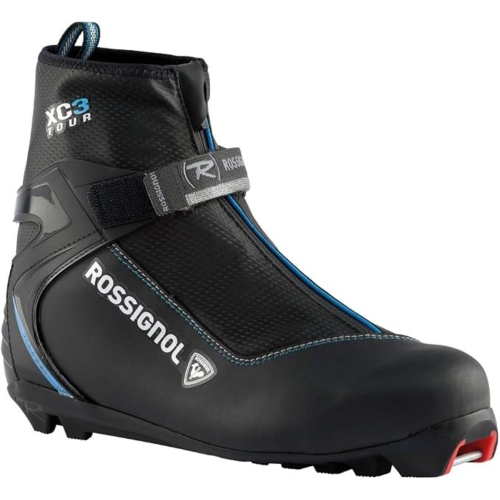
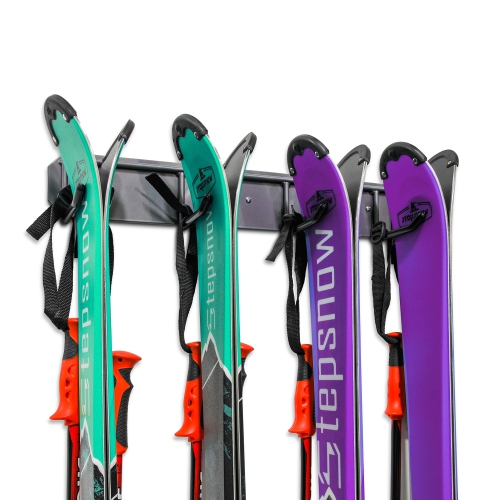
Skiing gear brings together the equipment, clothing and accessories that help skiers feel comfortable, balanced and prepared on the mountain. The right setup can vary considerably depending on experience, terrain and weather, so it helps to consider how and where the gear will be used before making a purchase. Skis are a good starting point: narrower designs generally feel quick and predictable on groomed runs and packed snow, while wider skis provide more support when conditions are soft, deep or variable. All-mountain skis offer a practical middle ground for people who spend their time exploring different parts of a resort. Length, waist width, turning radius and flex all affect how skis feel underfoot, and a skier’s height, weight, ability and preferred terrain should be considered together rather than in isolation. Beginners often appreciate skis that are forgiving and easy to turn, while experienced skiers may look for a more responsive design suited to speed, carving, bumps or powder. Ski boots deserve equally careful attention because they transfer movement directly to the skis. A boot should hold the heel securely, provide even support around the foot and feel snug without creating painful pressure points. Liners settle slightly with use, but excessive room can make control more difficult, while numbness or sharp discomfort may signal a poor fit. When choosing bindings, check that they are compatible with the ski boots and that the release settings are adjusted by a qualified technician. Bindings are an important part of the ski system, and professional mounting and adjustment help ensure that the setup is appropriate for the skier. Poles complete the basic equipment for many downhill skiers by supporting balance, rhythm and timing through turns. Lightweight poles with comfortable grips and properly sized straps can make a noticeable difference during long runs, especially when navigating uneven snow or maintaining a steady cadence through linked turns.
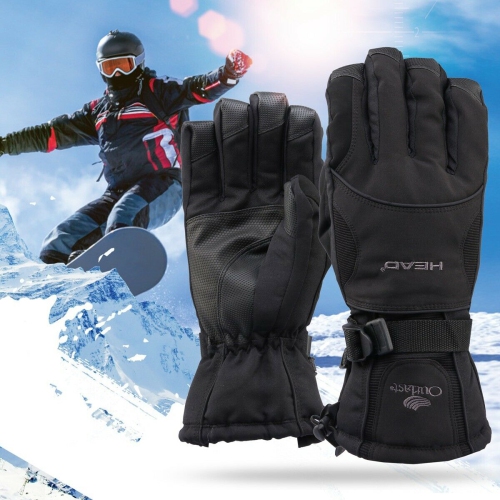
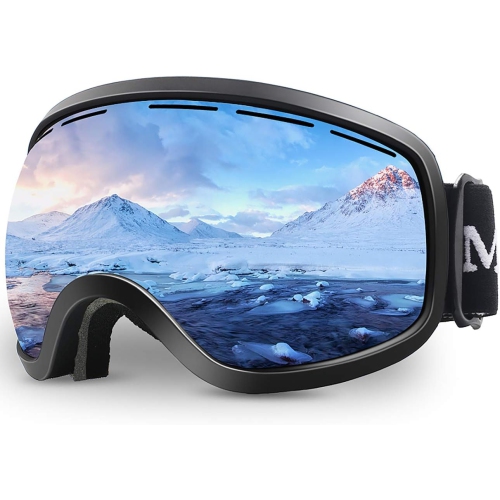
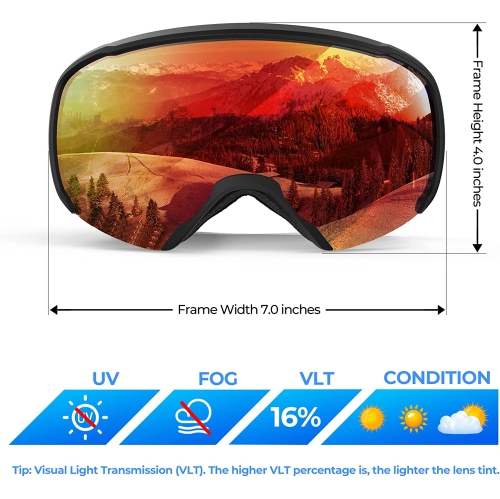
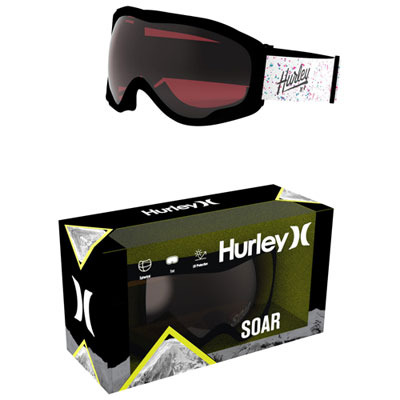
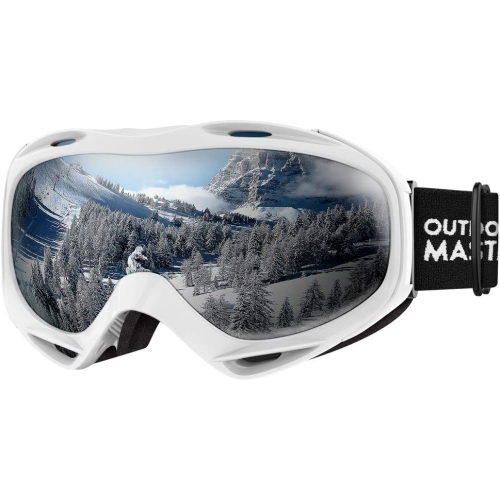
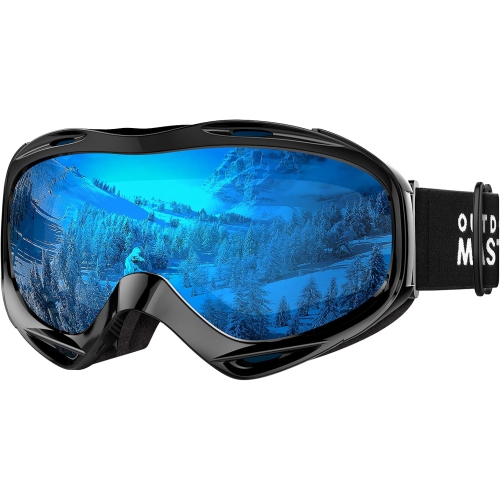
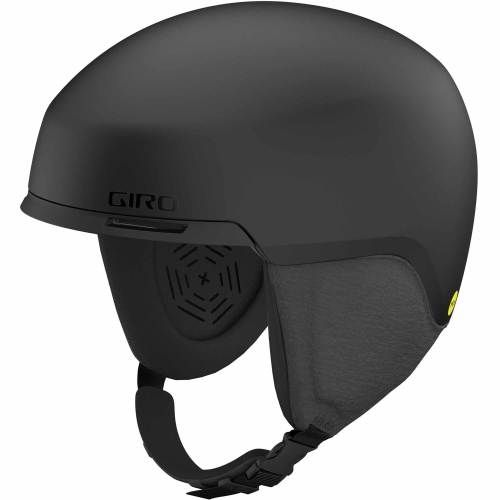
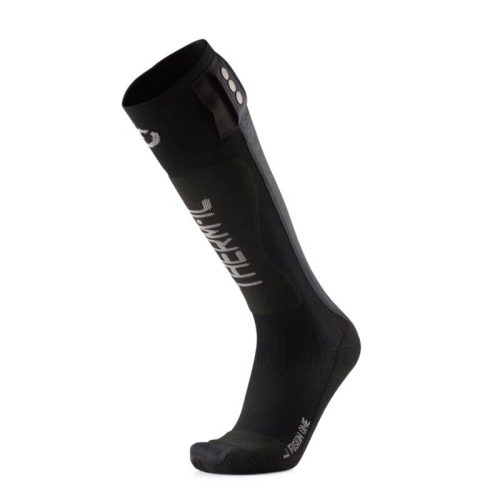
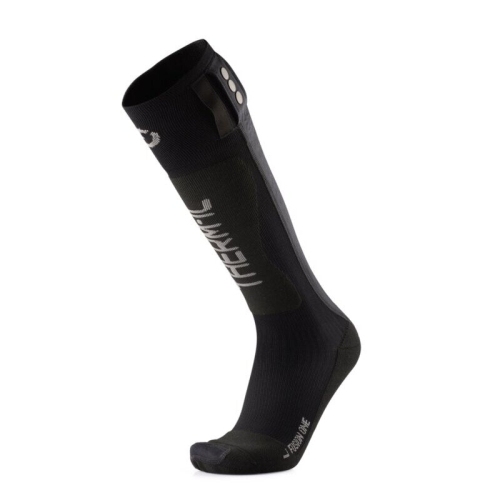
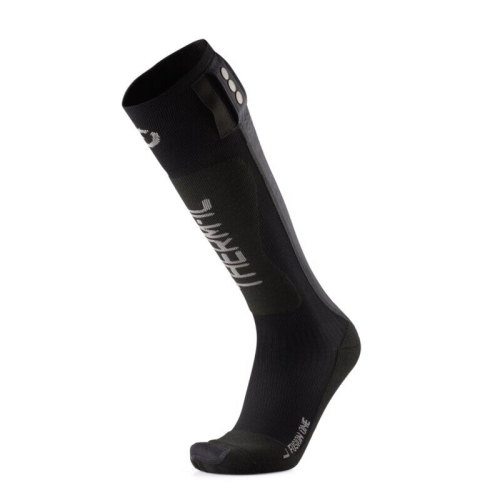
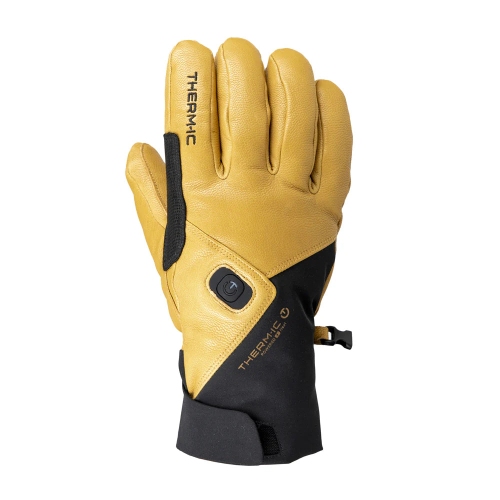
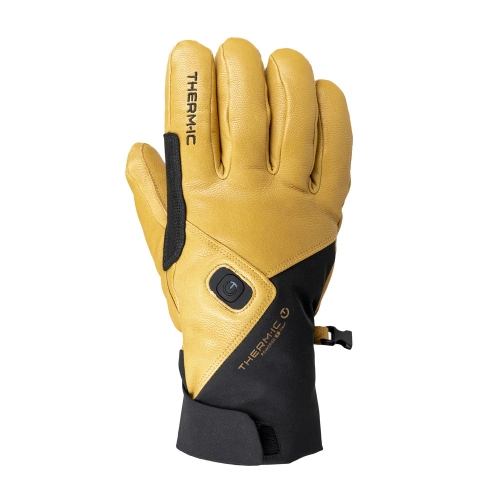
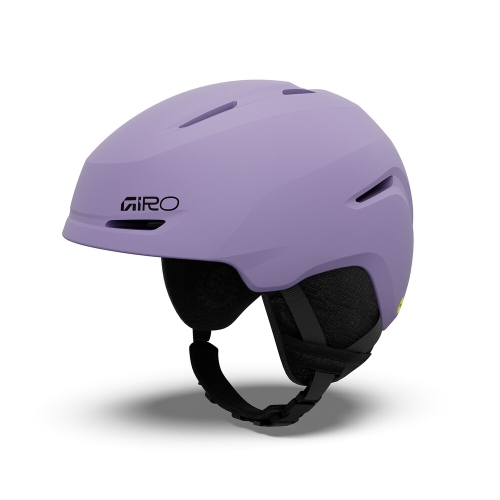
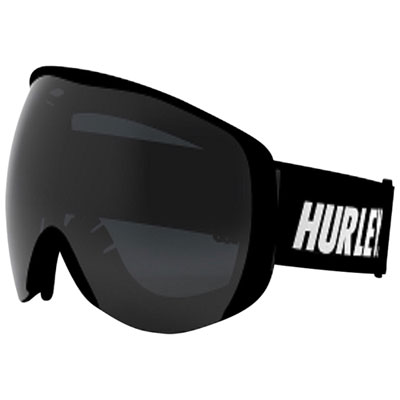
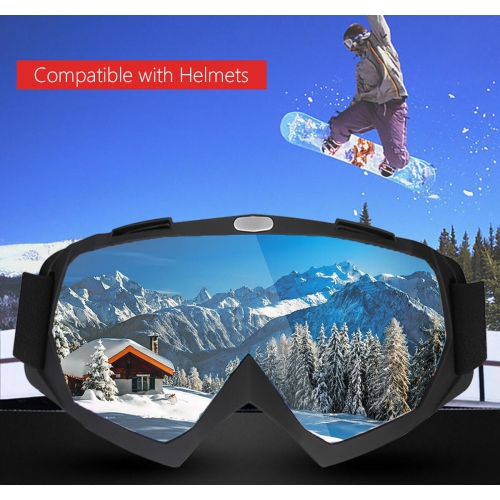
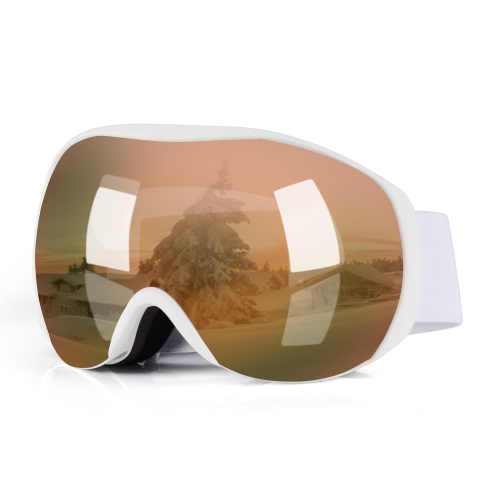
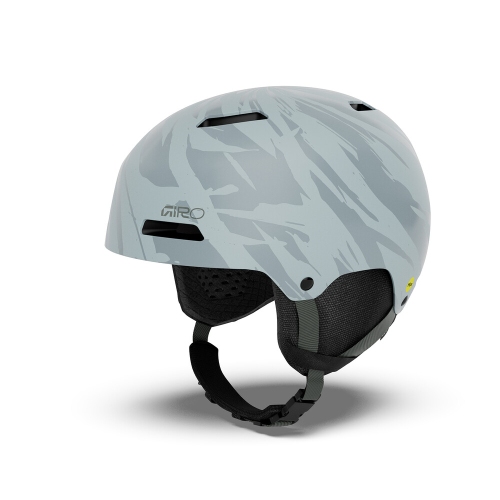
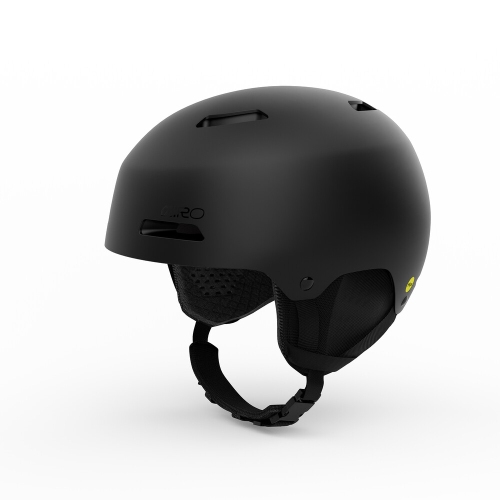
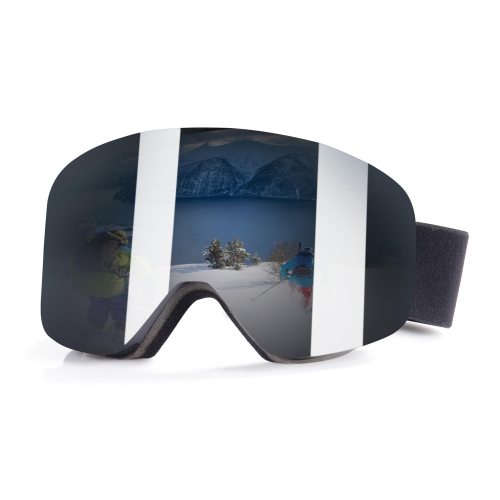
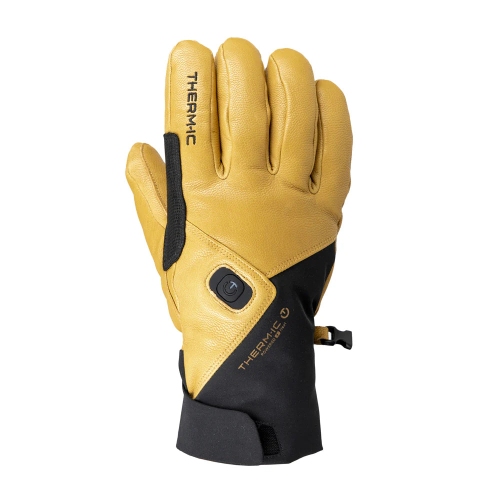
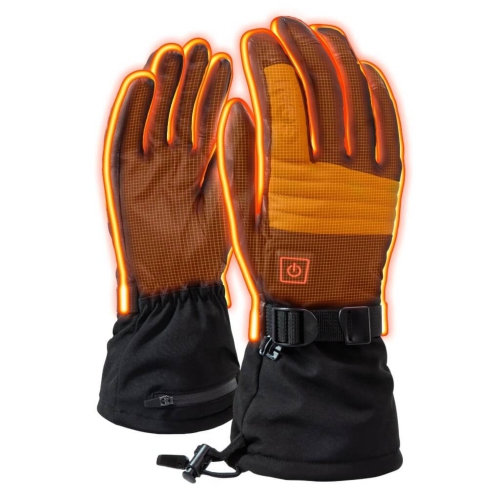
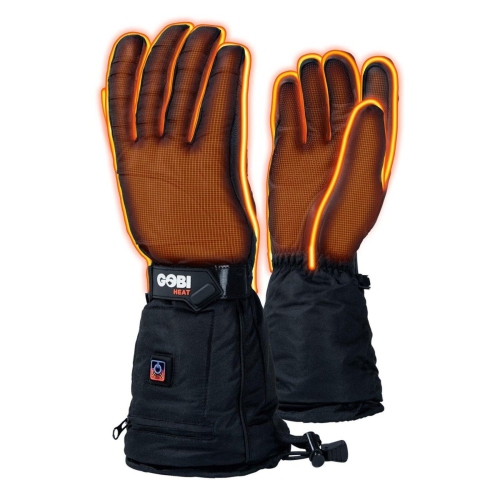
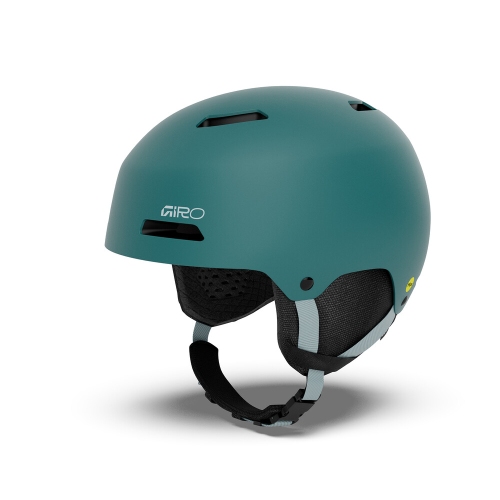
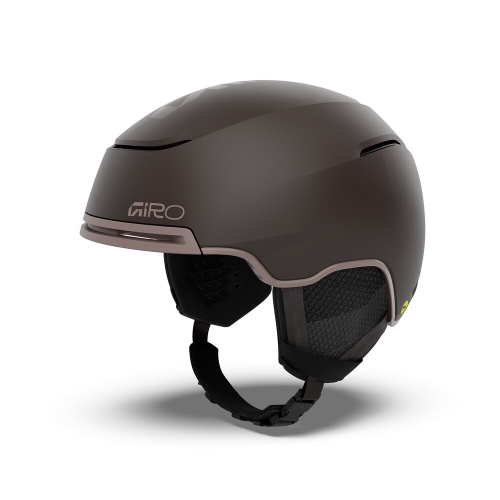
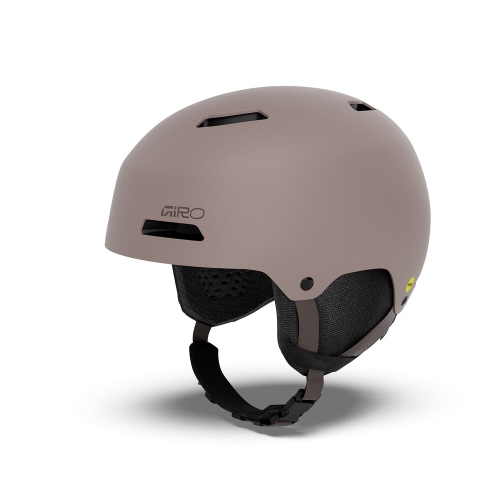
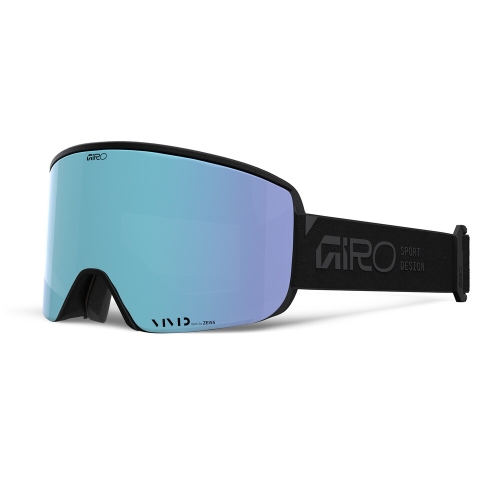
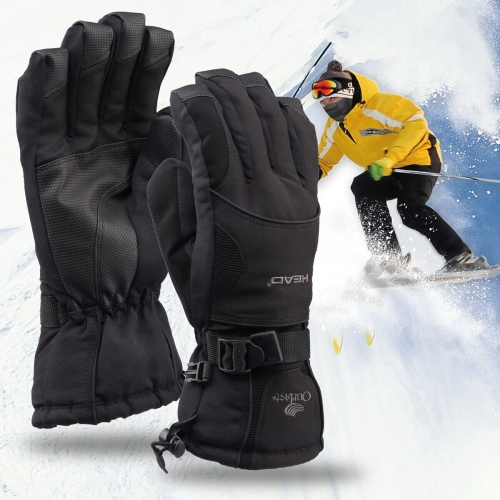
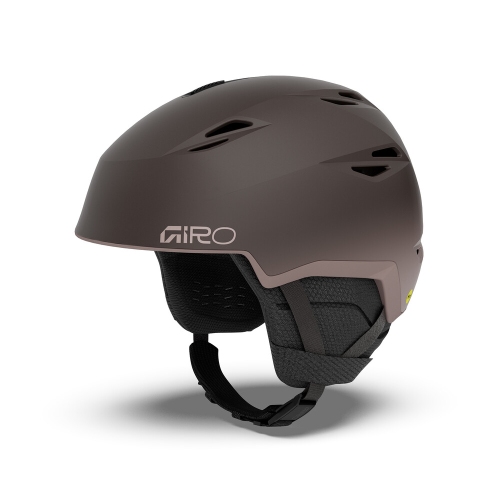
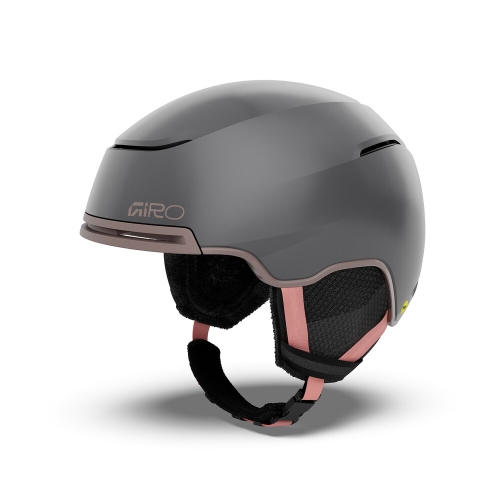
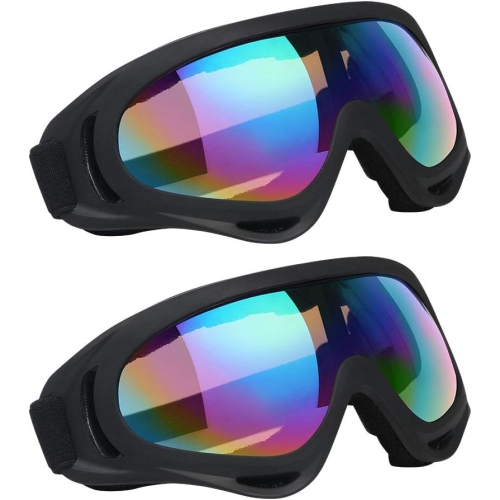
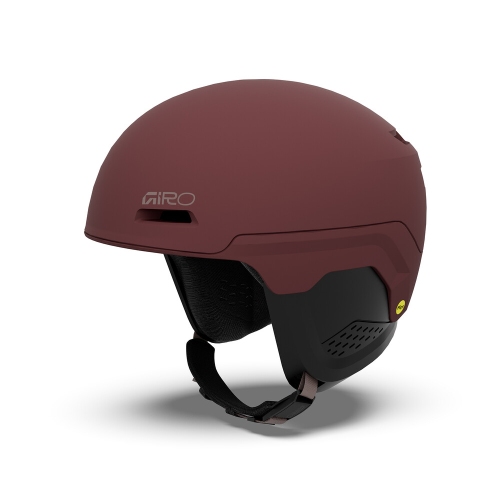
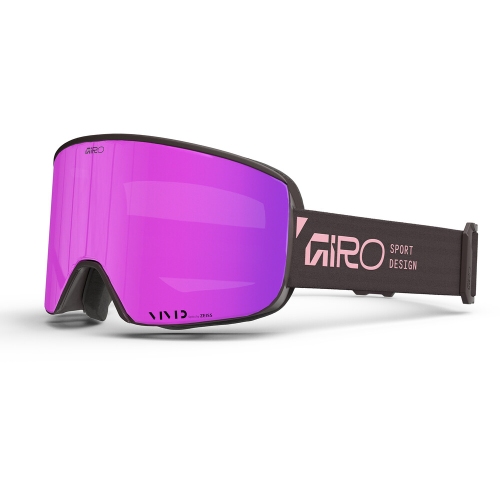
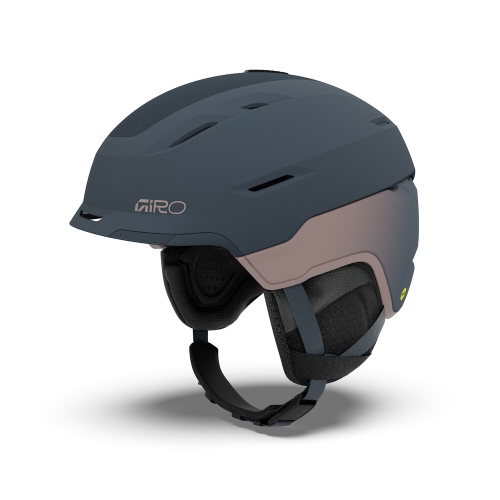
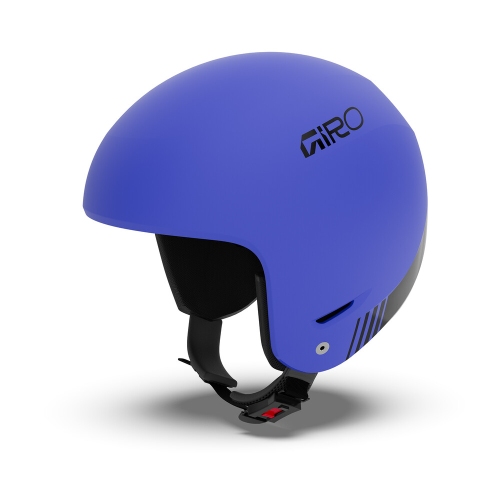
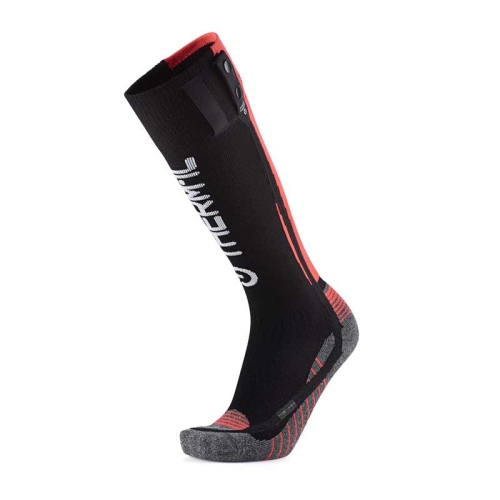
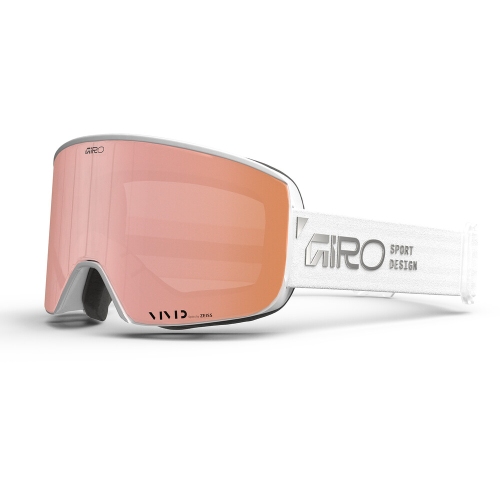
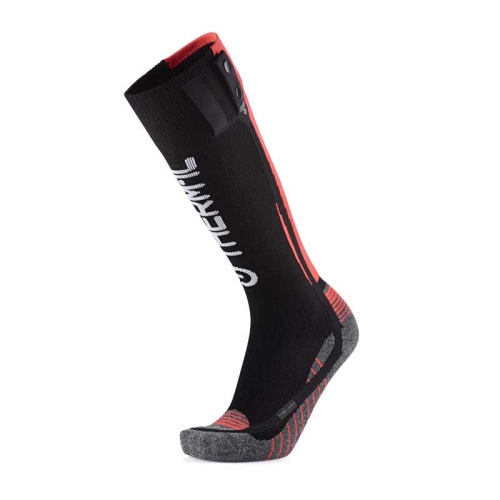
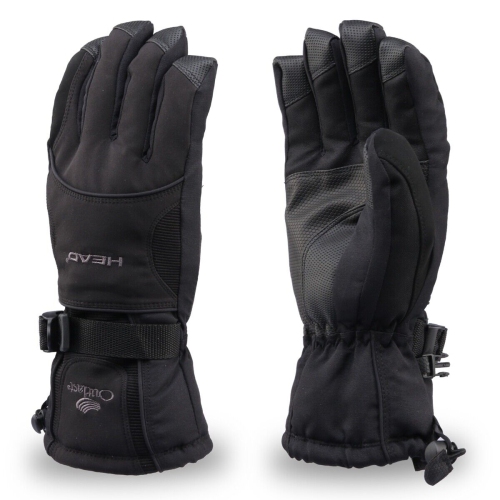
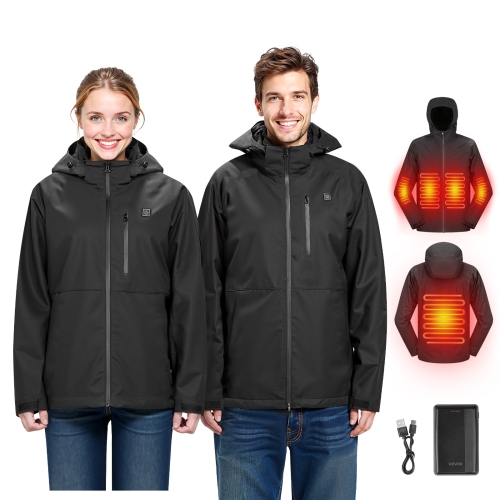
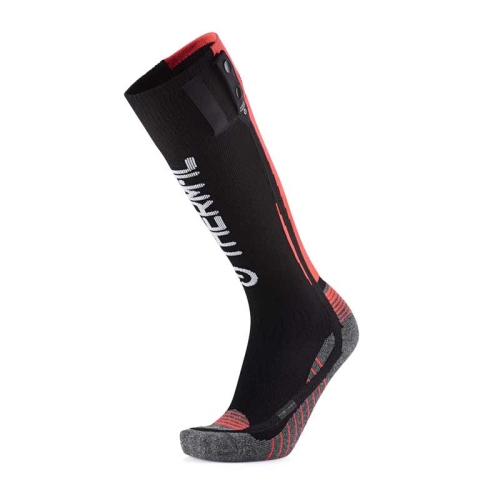
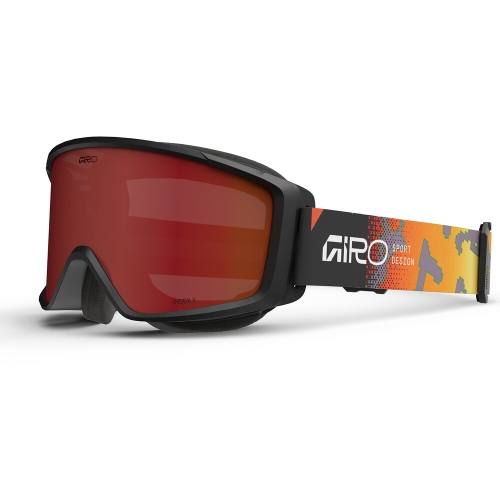
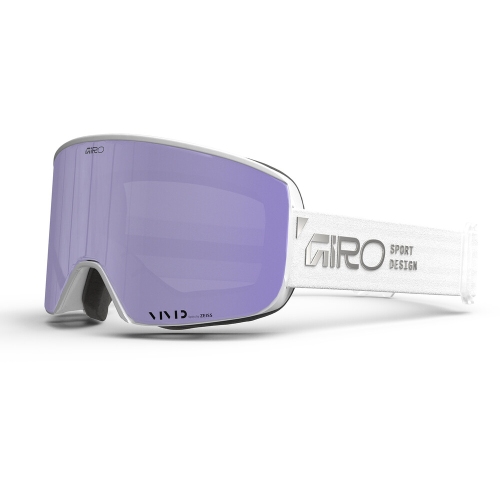
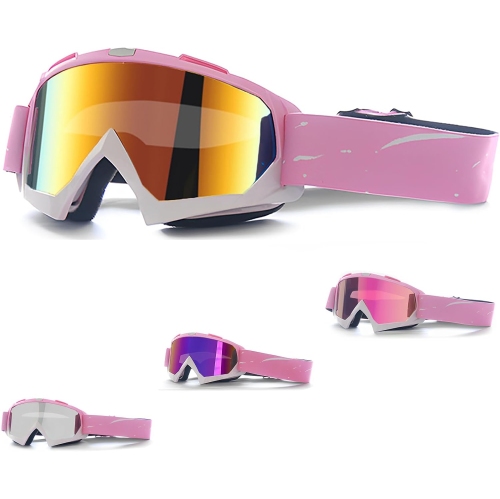
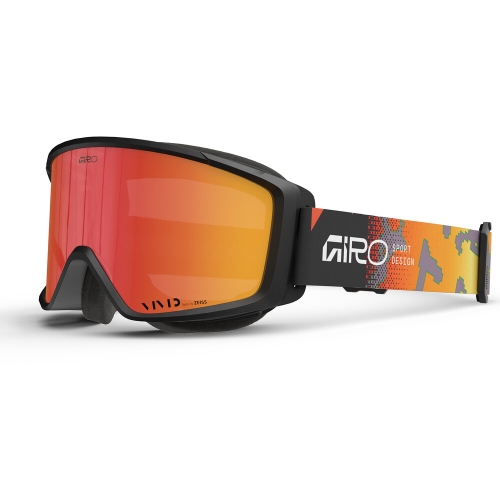
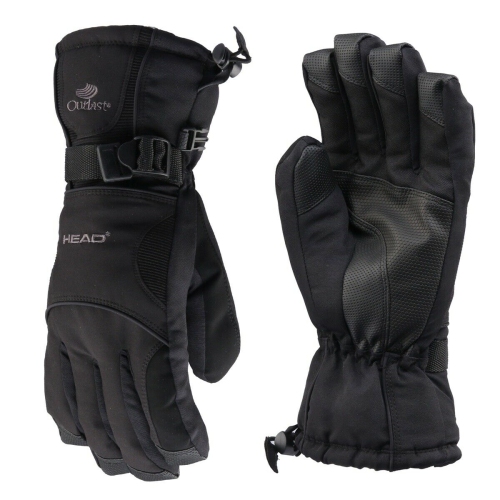
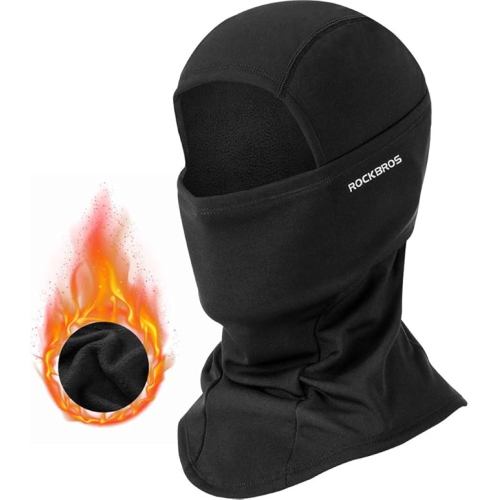
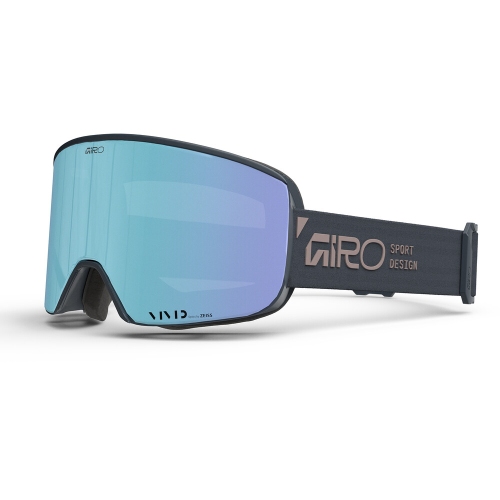
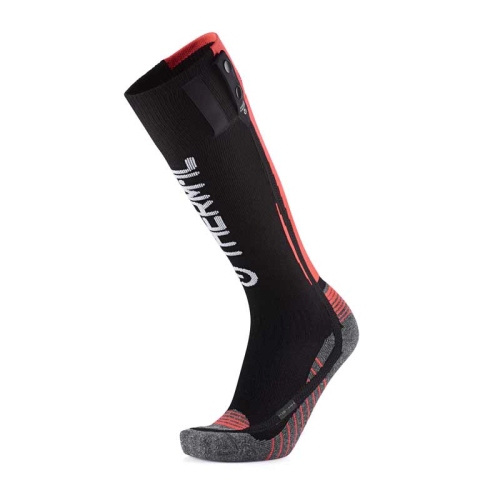
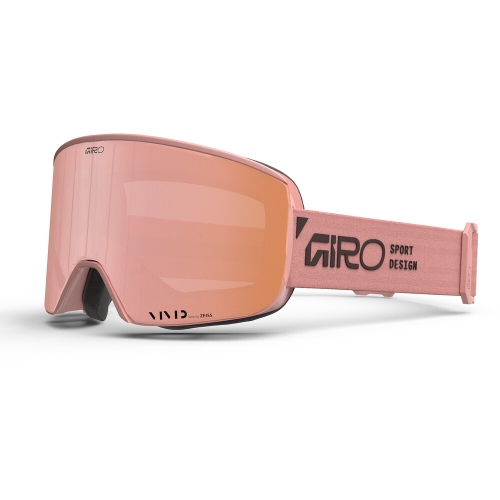
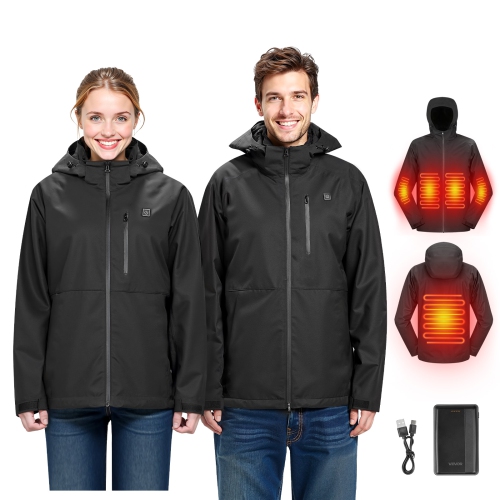
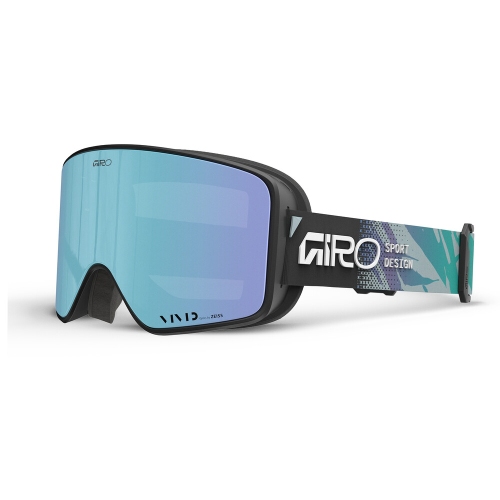
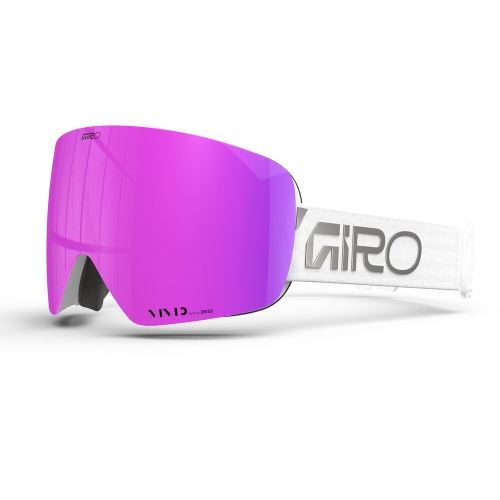
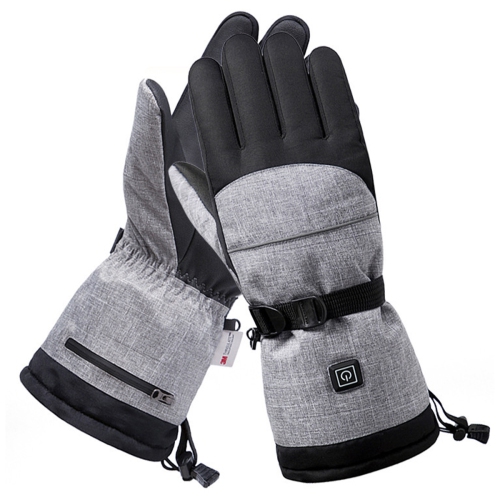
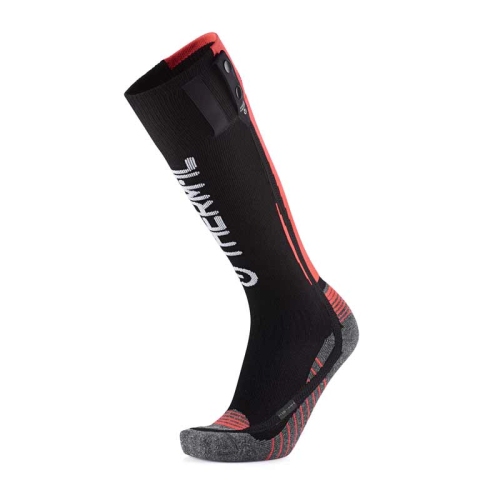
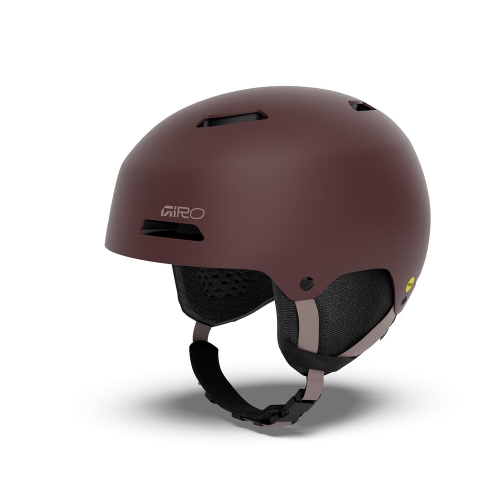
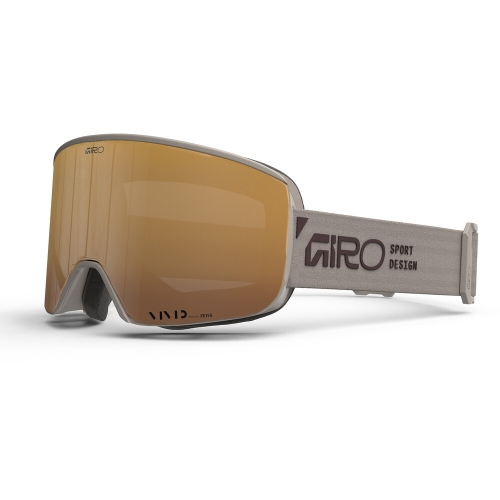
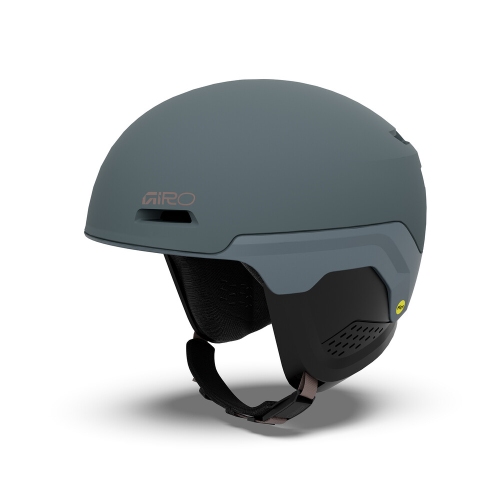
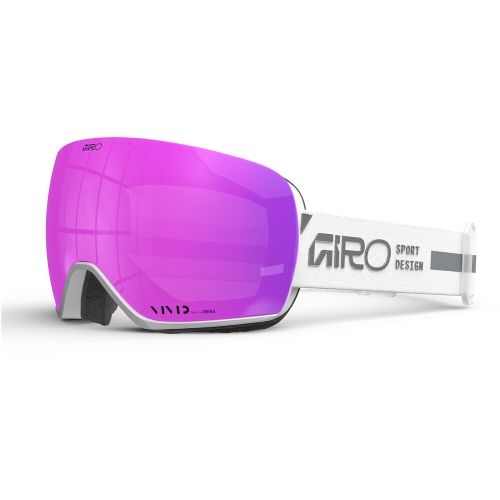
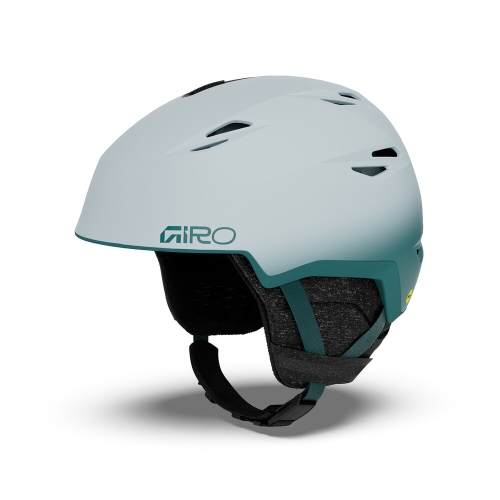
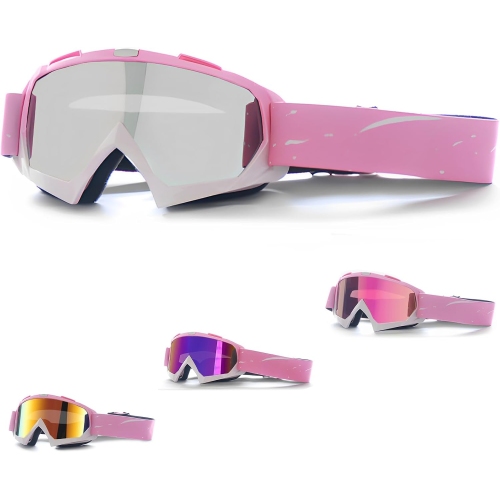
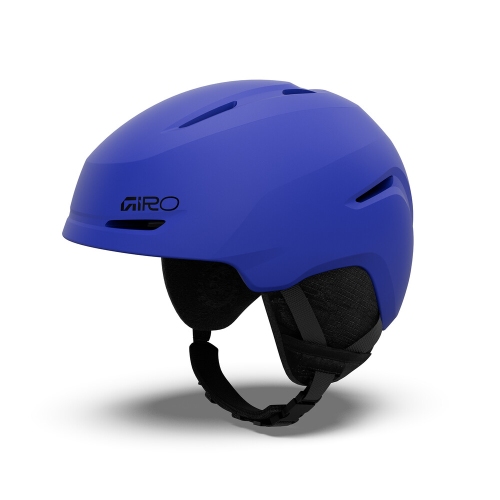
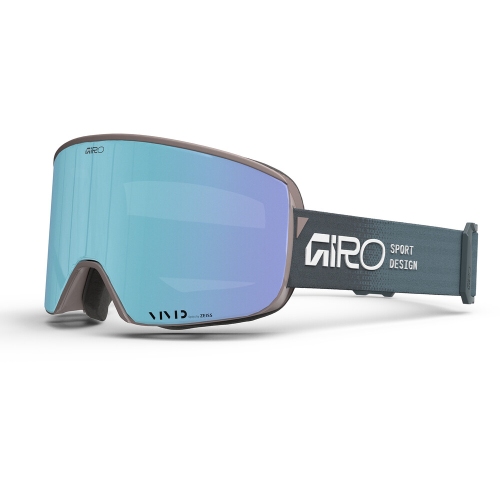
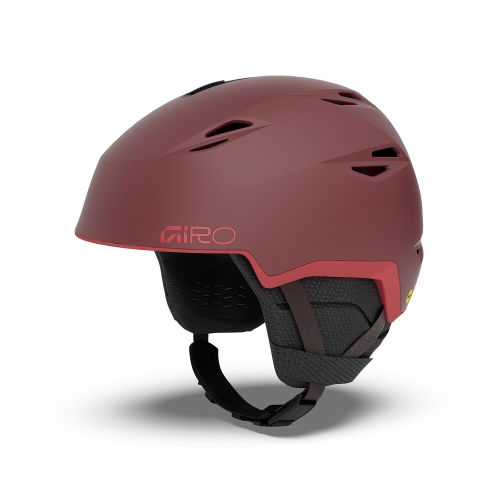
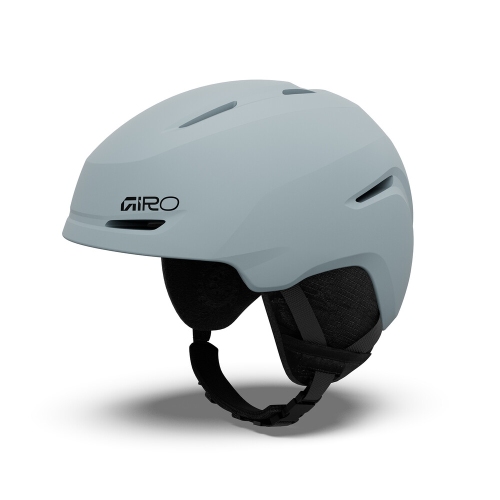
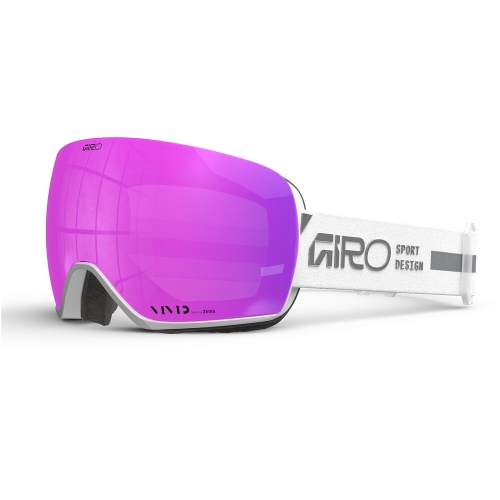
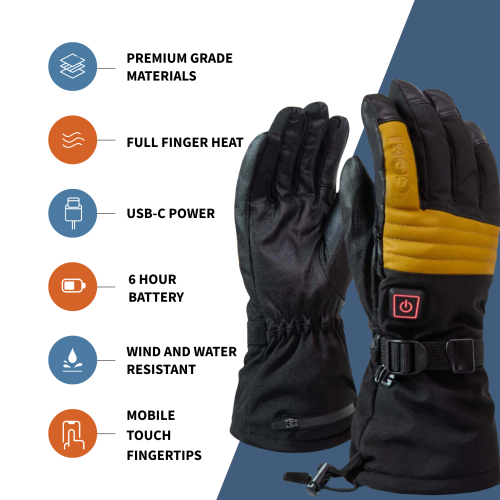
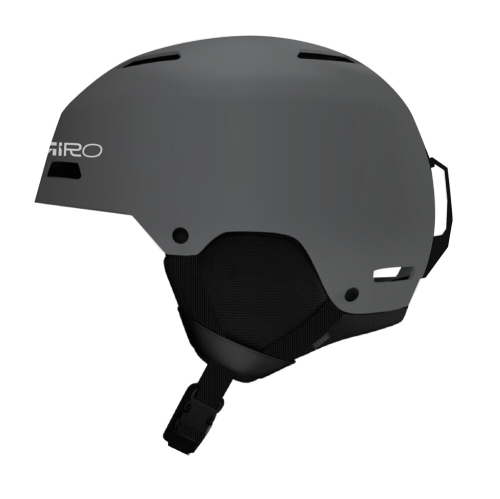
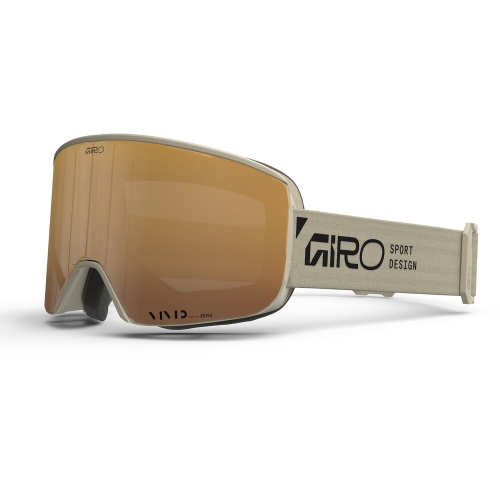
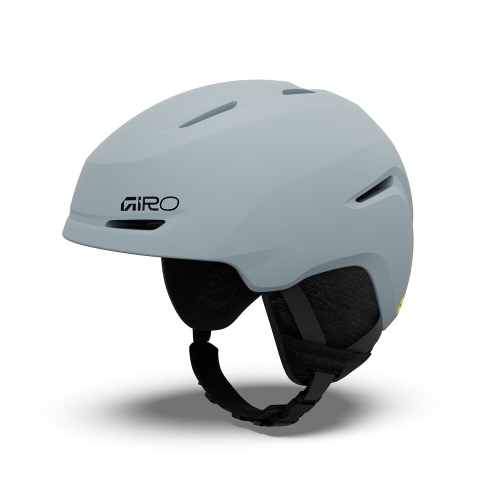
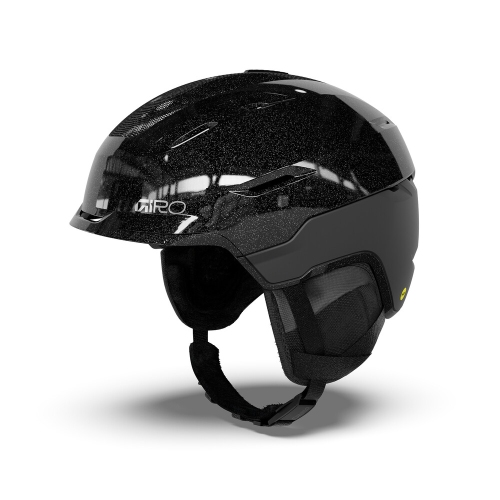
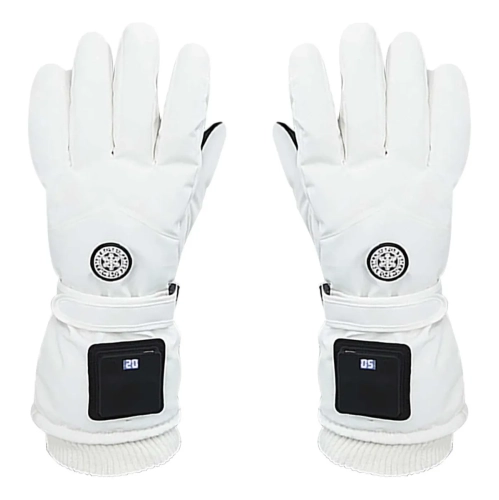
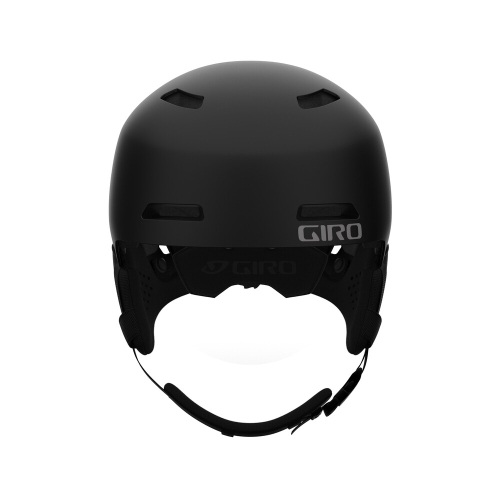
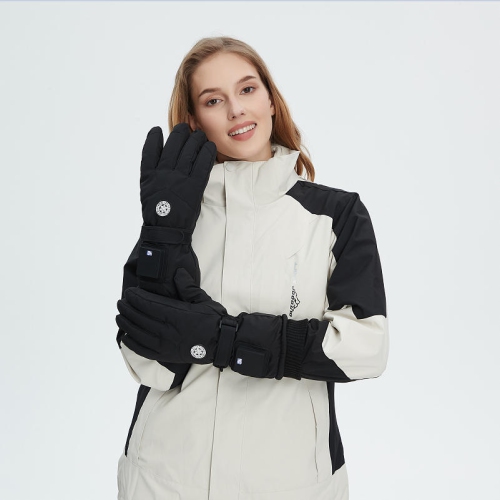
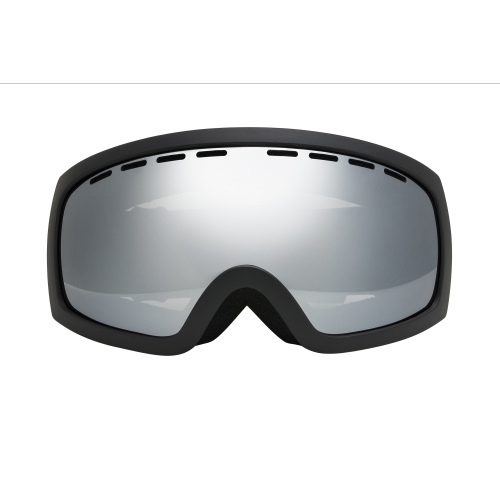
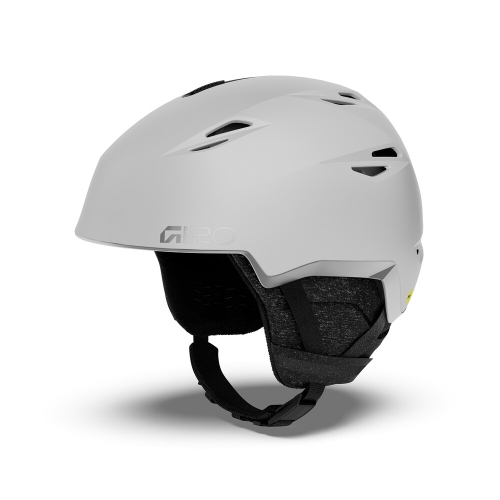
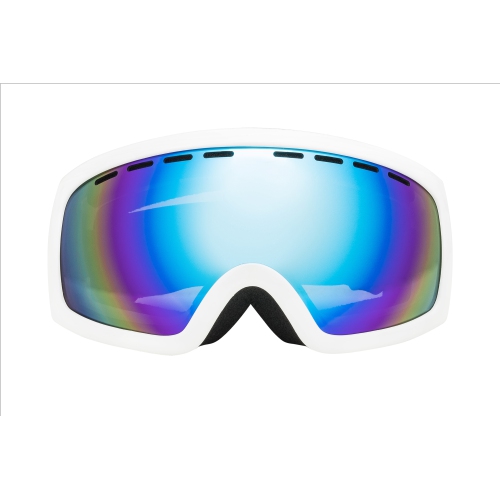
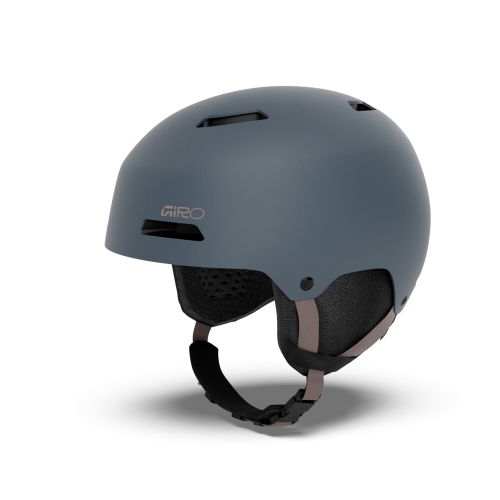
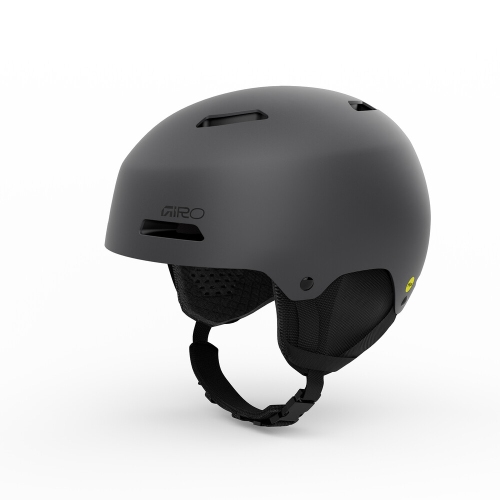
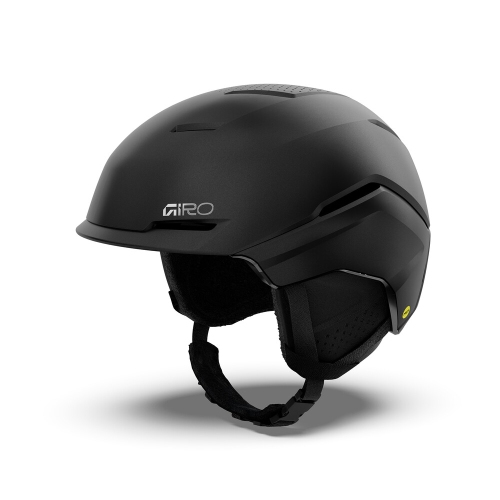
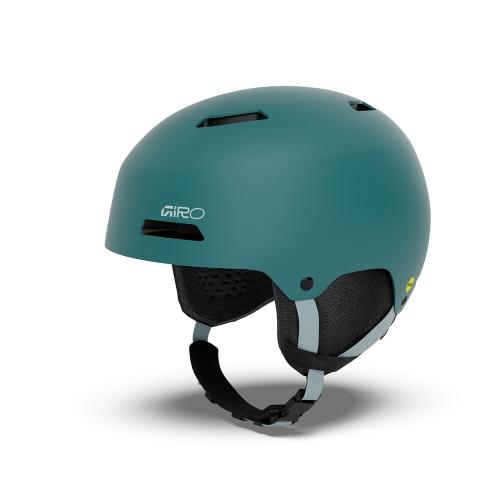
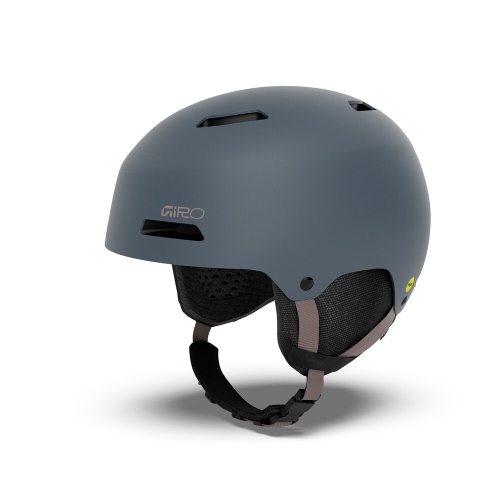
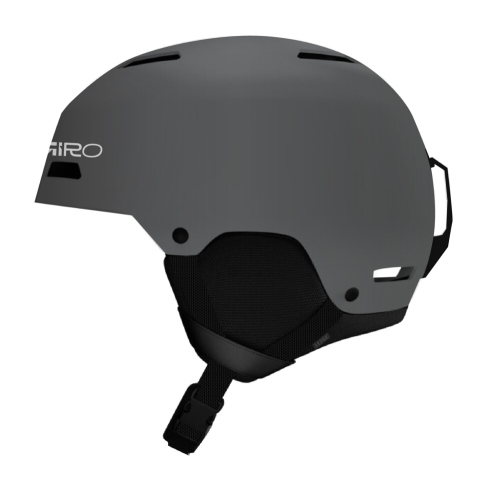
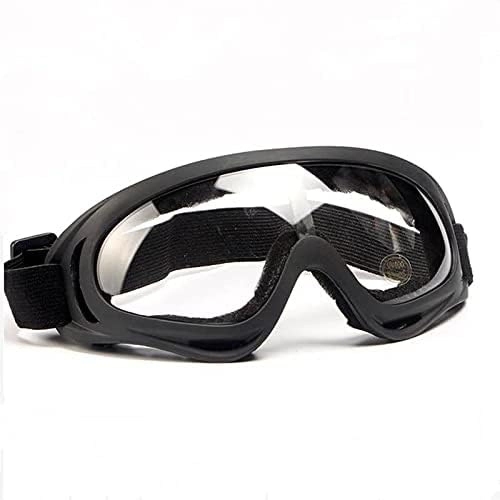
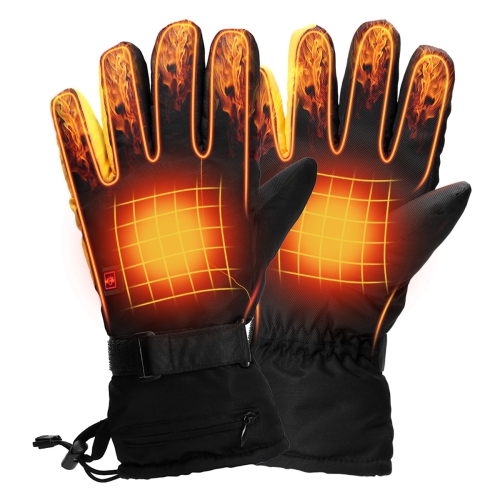
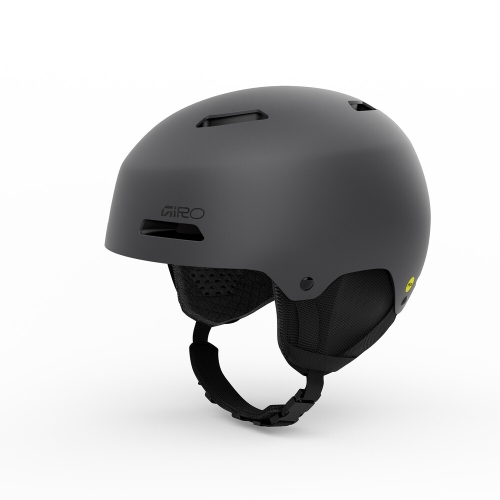
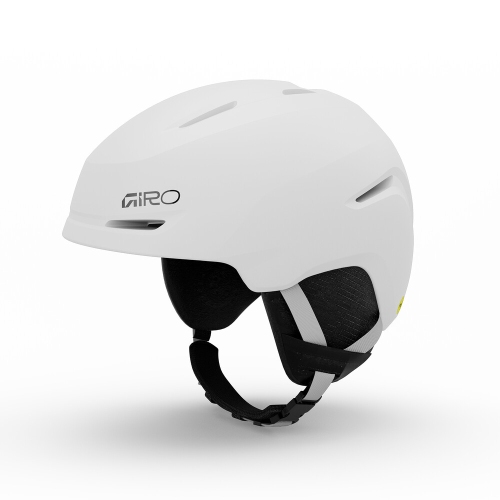
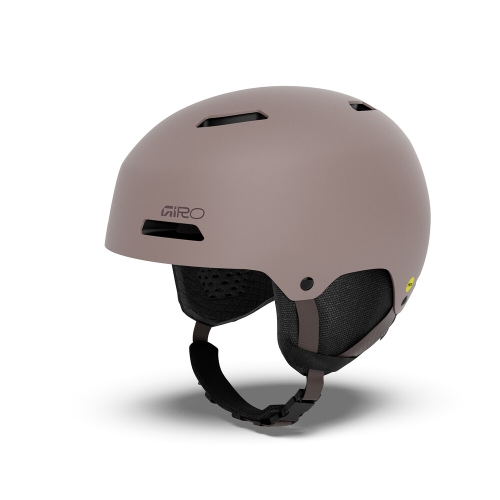
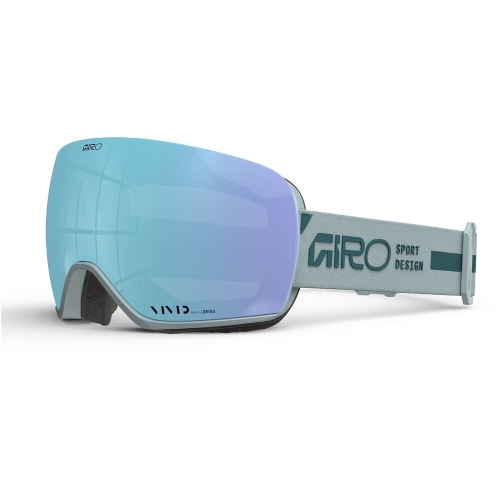
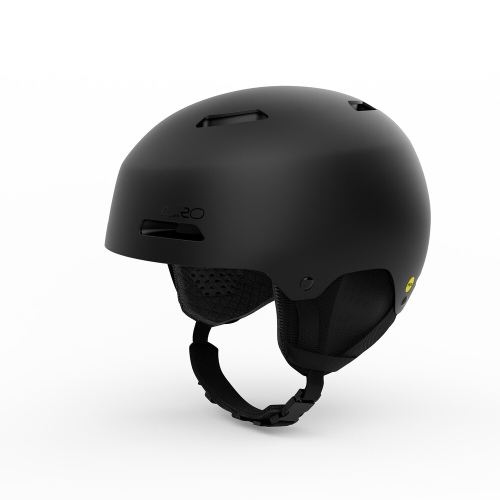
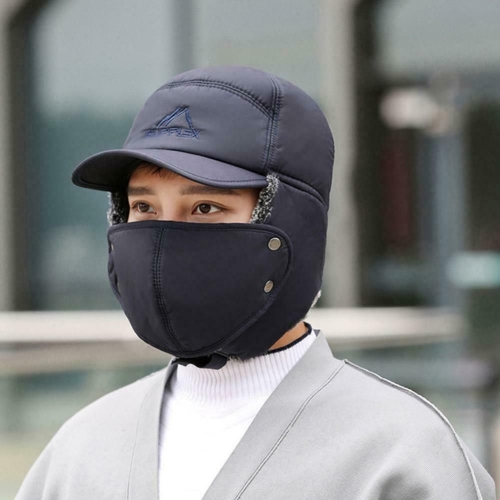
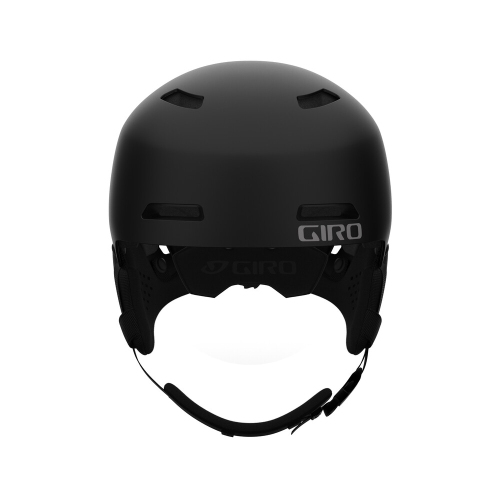
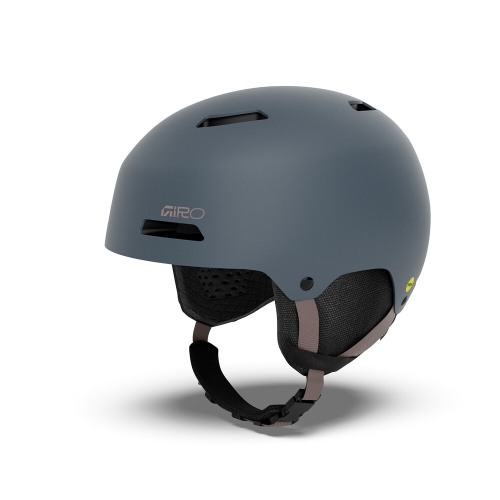
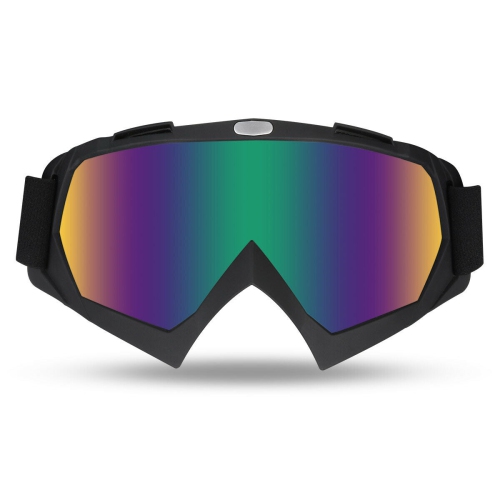
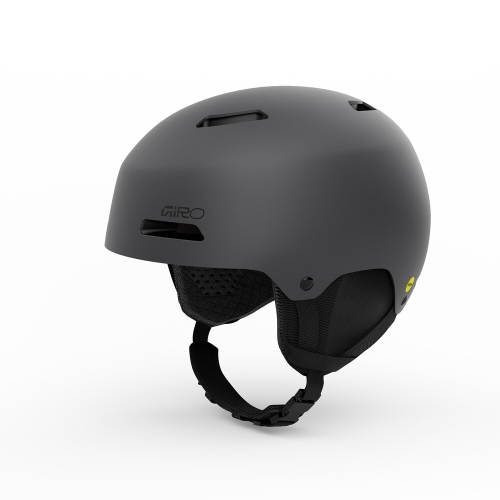
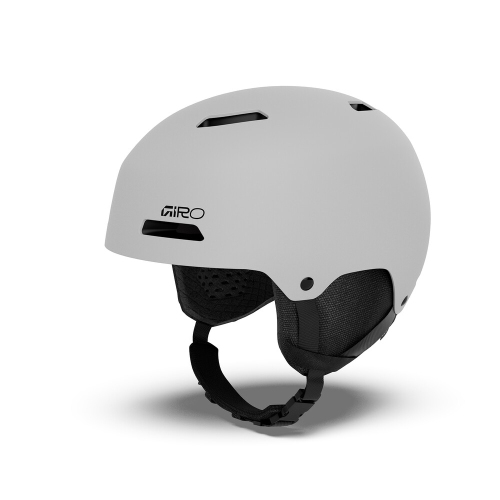
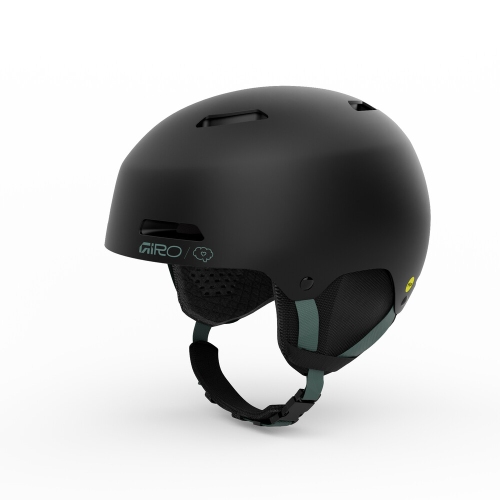
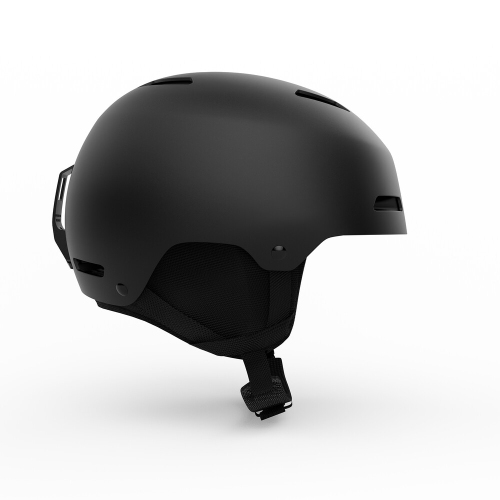
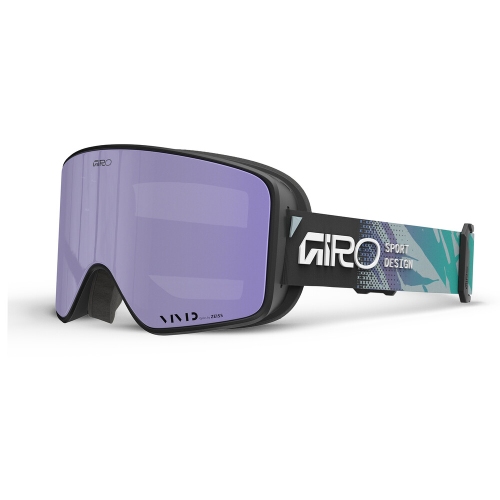
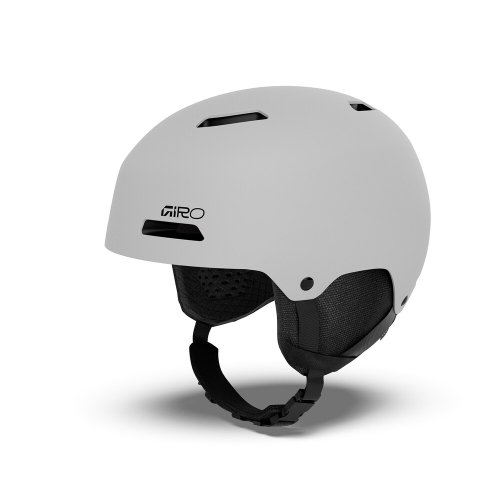
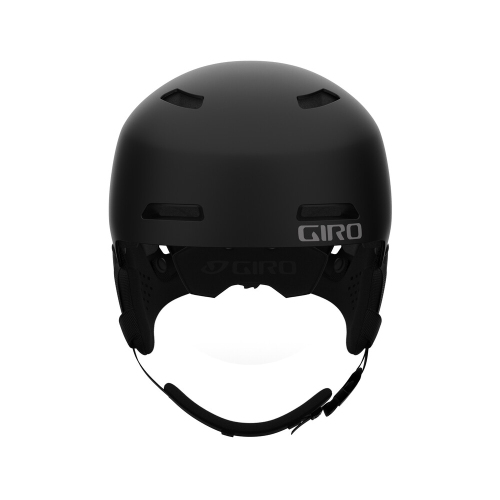
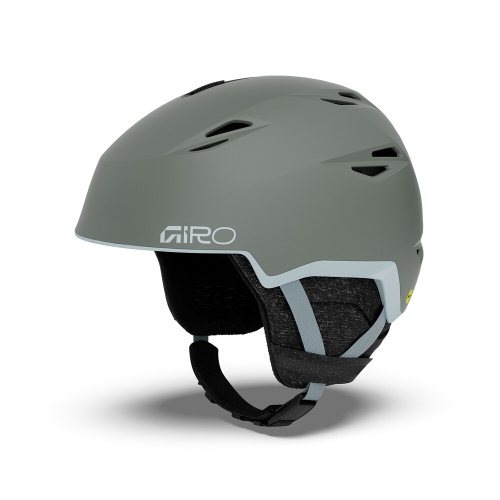
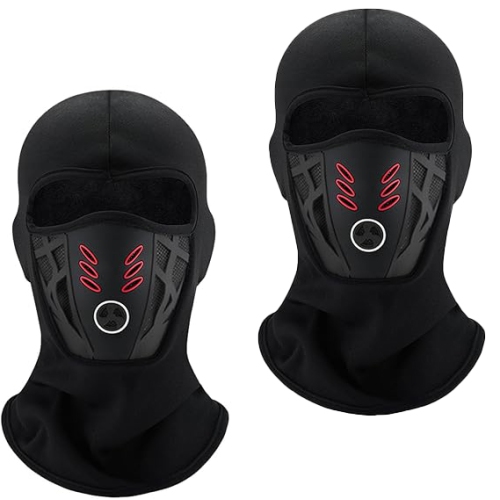
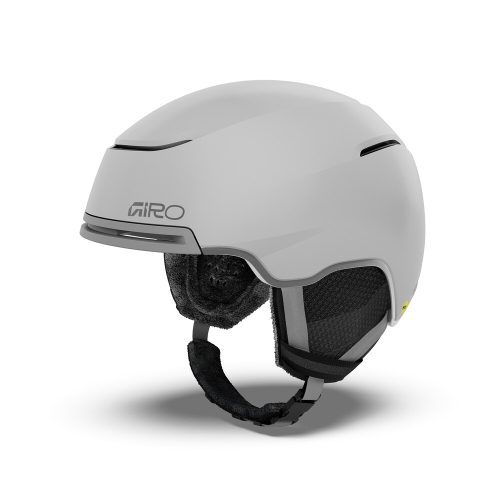
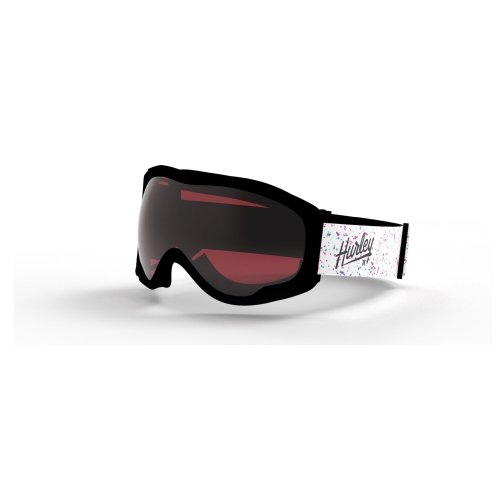
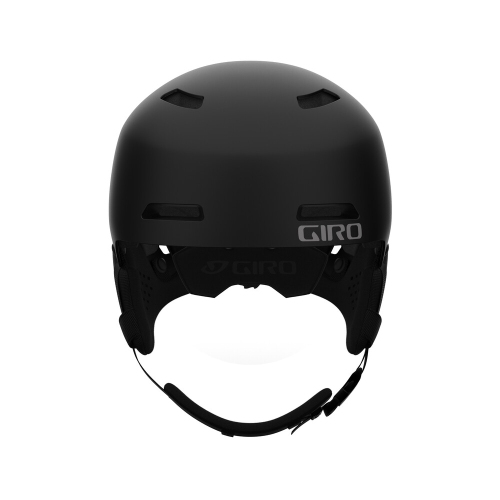
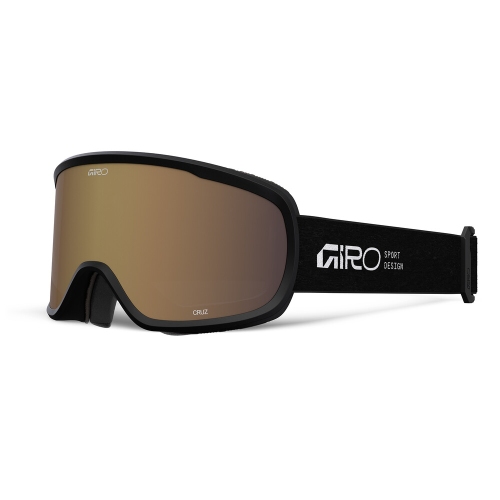
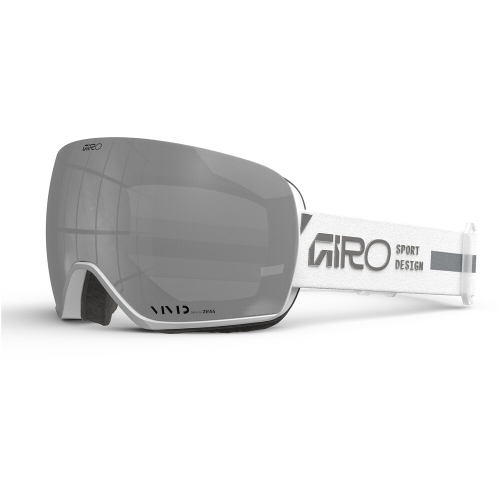
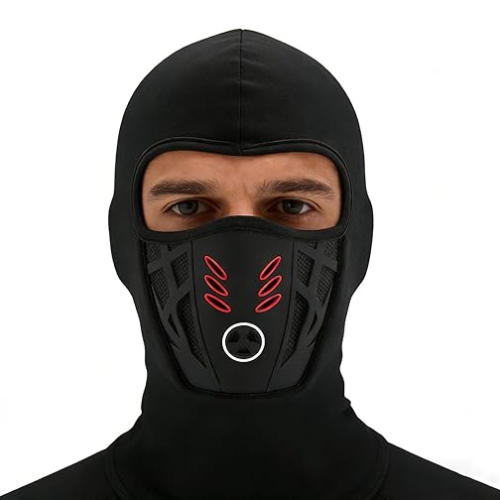
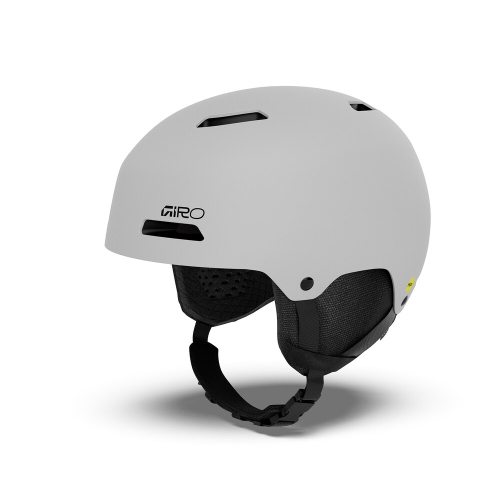
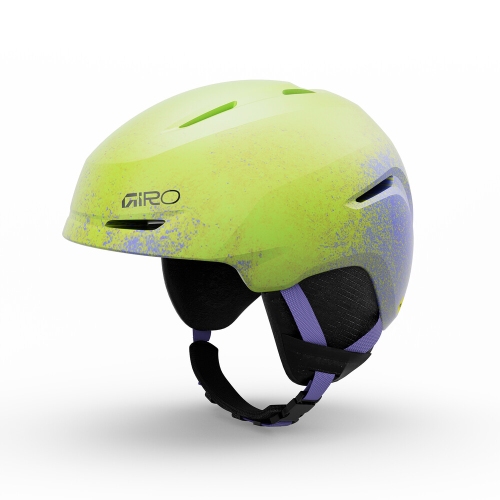
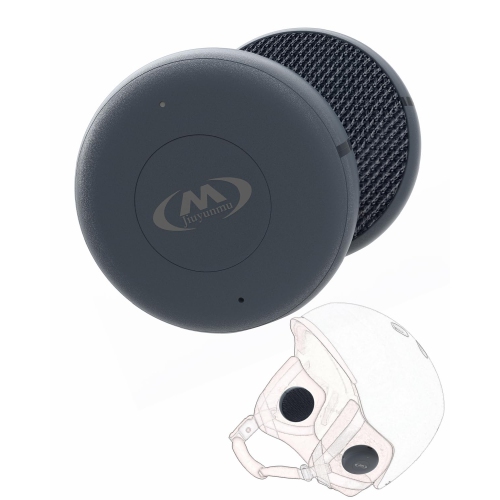
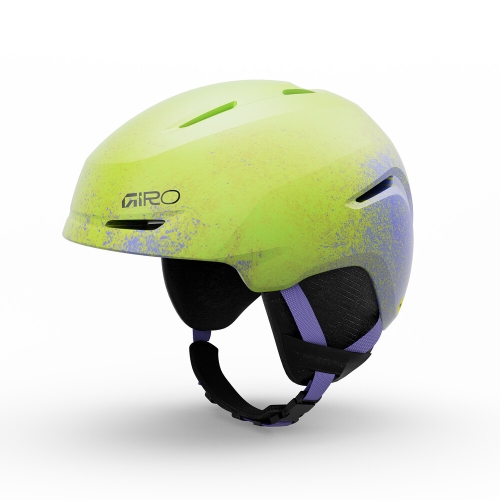
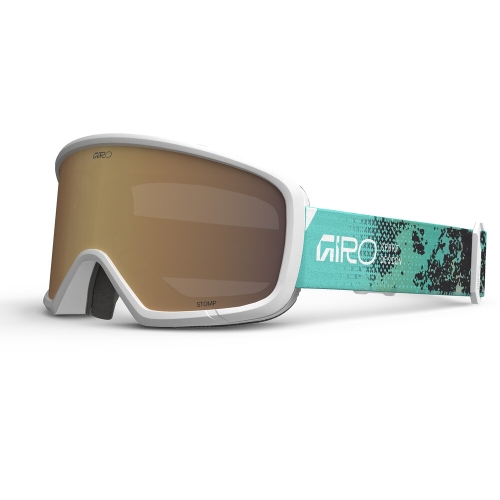
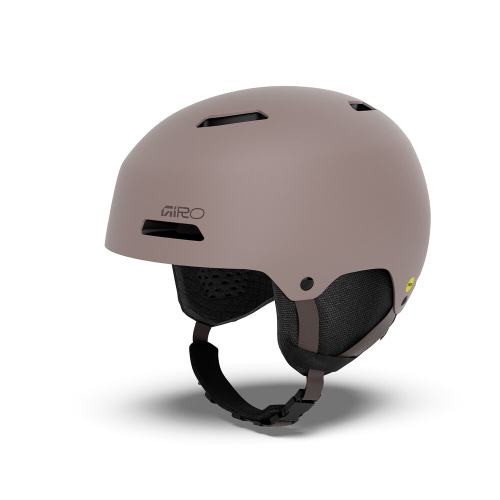
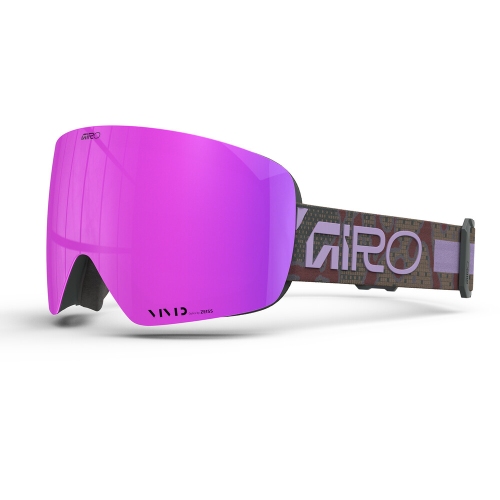
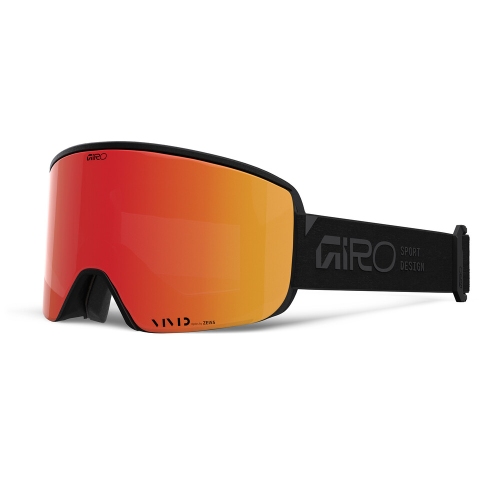
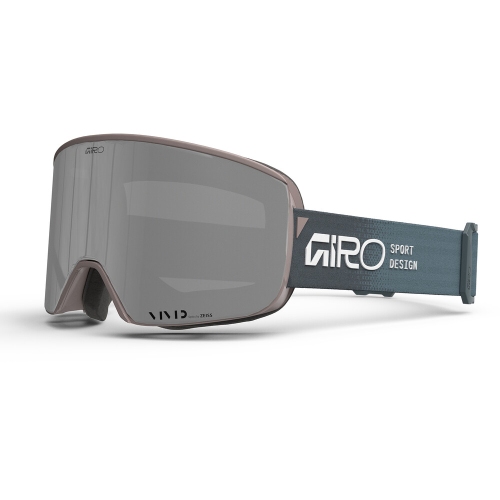
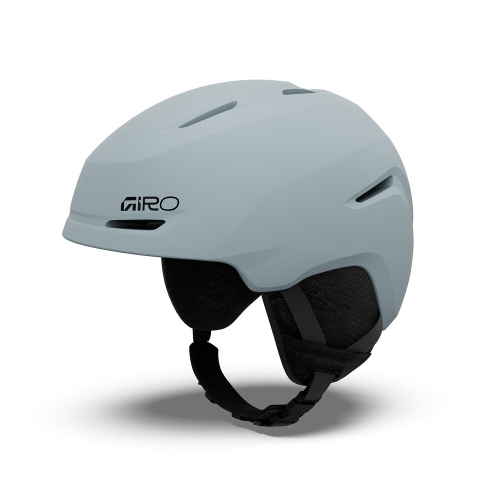
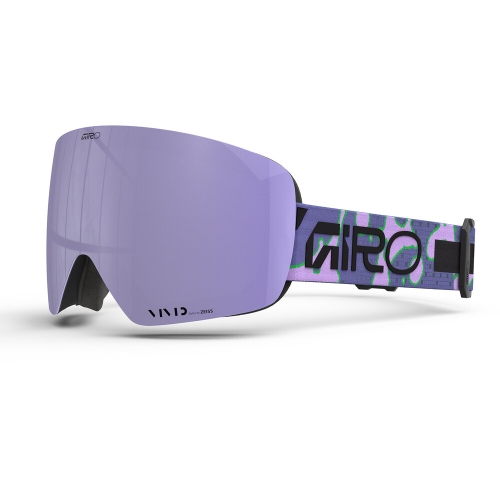
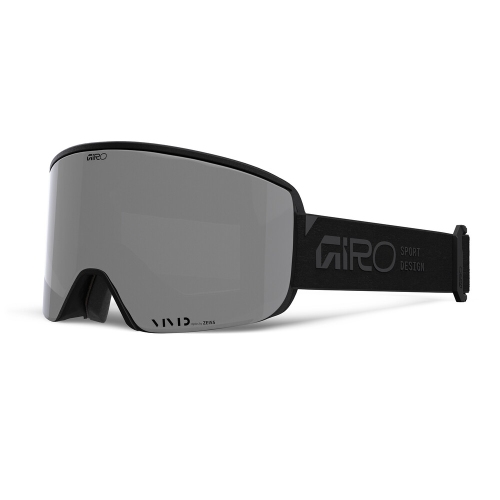
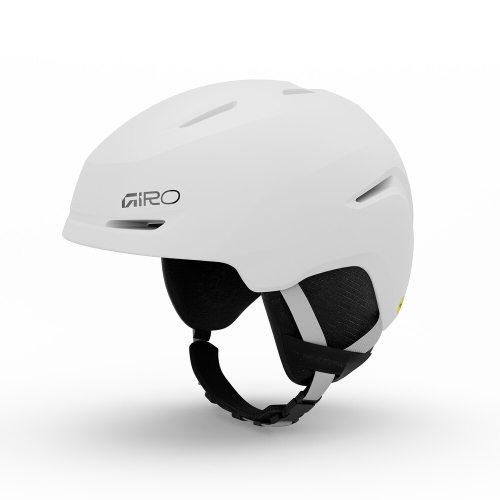
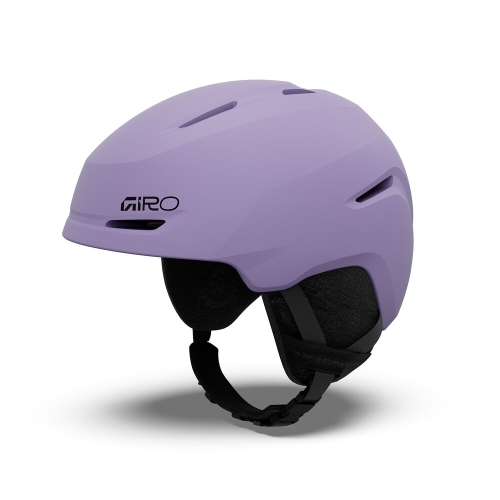
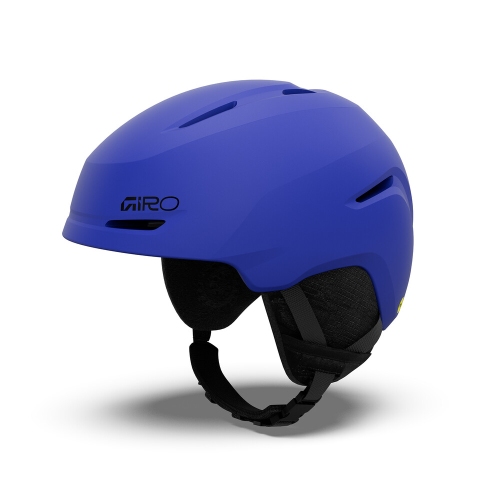
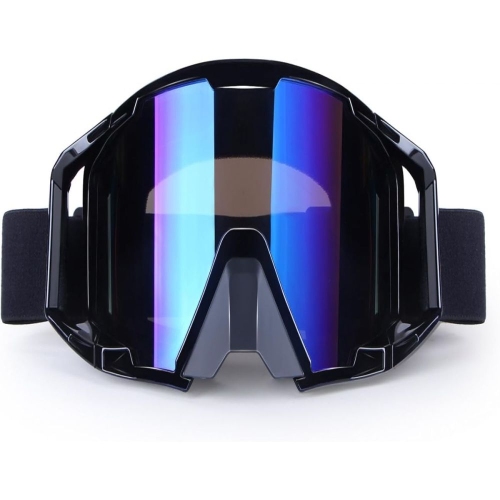
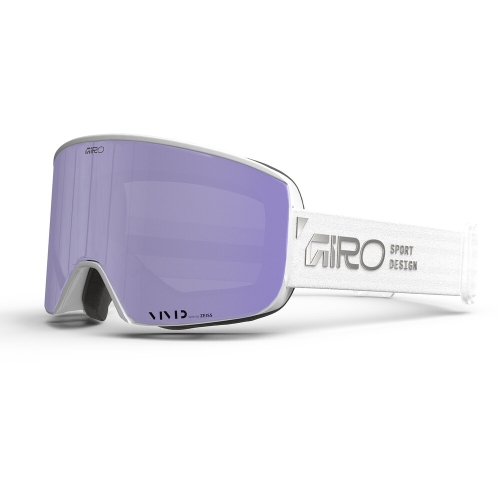
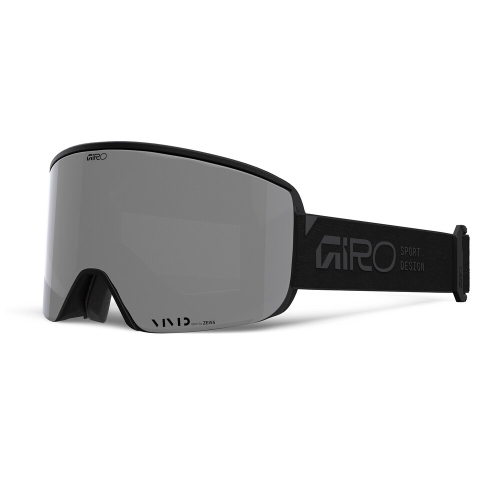
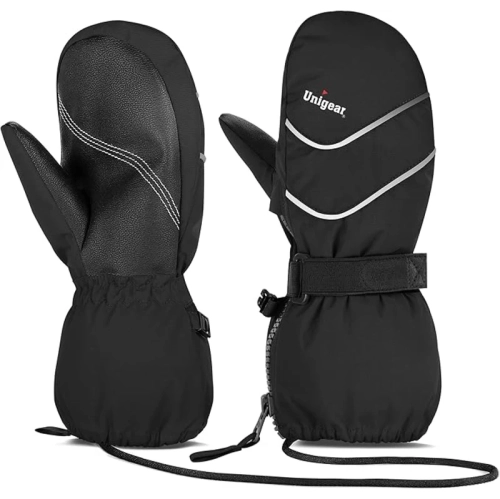
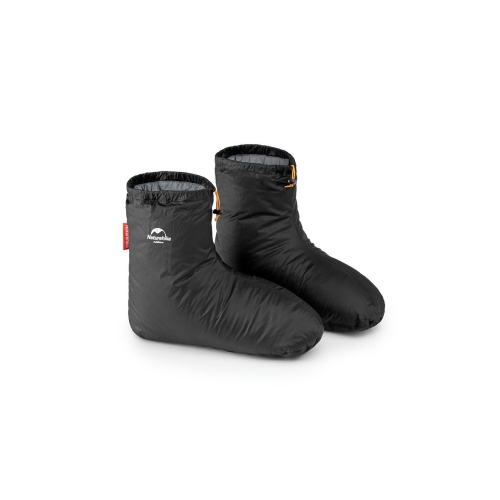
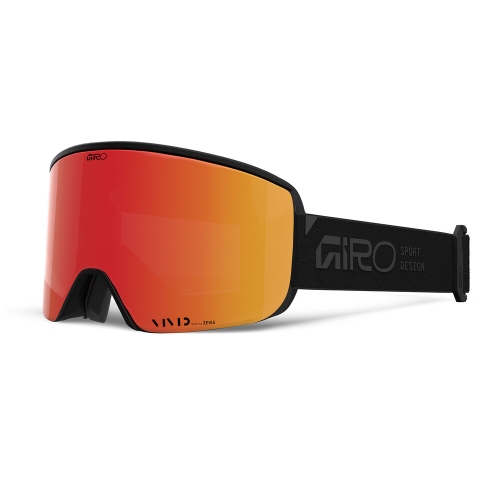
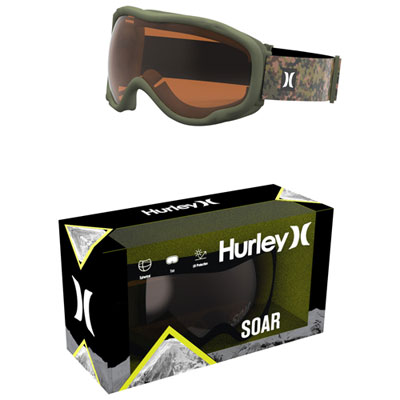
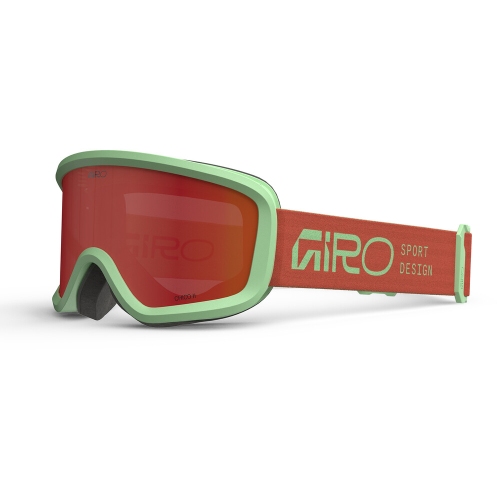
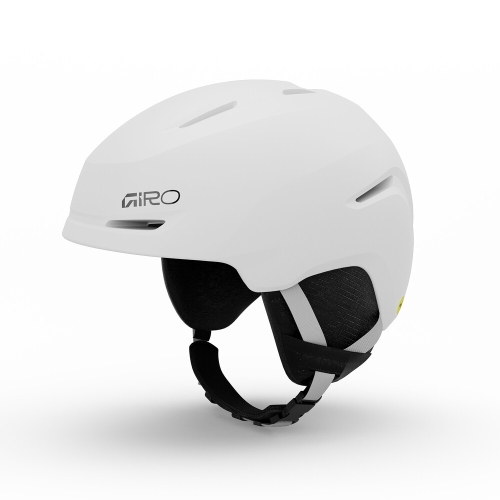
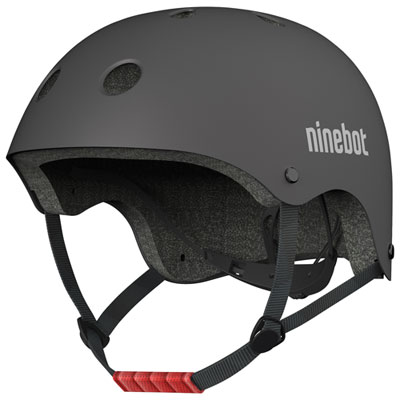
A comfortable day on the hill also depends on dressing for changing conditions. A moisture-wicking base layer worn next to the skin helps move perspiration away from the body, with synthetic fabrics or merino wool commonly chosen for their warmth and drying performance. Cotton tends to hold moisture, which can leave a skier feeling chilled during chairlift rides or long periods outside. Over that first layer, an insulating mid-layer can add warmth without restricting movement; fleece, wool and lightweight insulated garments are useful choices depending on the temperature and activity level. A waterproof, breathable ski jacket helps keep out wind, falling snow and wet chairlift seats, while insulated snow pants provide warmth and protection during falls, kneeling to adjust equipment or sitting in the snow between runs. Some skiers prefer a shell jacket and pants so they can fine-tune warmth with additional layers, while others choose built-in insulation for a simpler setup during colder days. Look for features that suit mountain use, such as a powder skirt, adjustable cuffs, sealed seams, ventilation zippers, a helmet-compatible hood and pockets that remain accessible while wearing gloves. Waterproof insulated gloves or mitts protect fingers from wind and snow, and a pair of dedicated ski socks should fit smoothly without bunching inside the boots. A neck warmer or balaclava can shield exposed skin on windy slopes, while hand warmers are convenient for particularly cold conditions. A ski helmet is an essential part of a complete setup and should fit securely, sit level on the head and work comfortably with goggles. Helmets featuring MIPS or a similar rotational impact management system may appeal to skiers looking for additional protective technology. Goggles protect the eyes from ultraviolet rays, snow glare, wind and blowing flakes that can make it difficult to judge terrain. Lens tint and visibility vary by light conditions, so some skiers choose a versatile all-purpose lens, while others prefer interchangeable or specialized lenses for bright, overcast and low-light days. A secure goggle fit without gaps between the helmet and frame helps limit cold air and snow entering around the face.
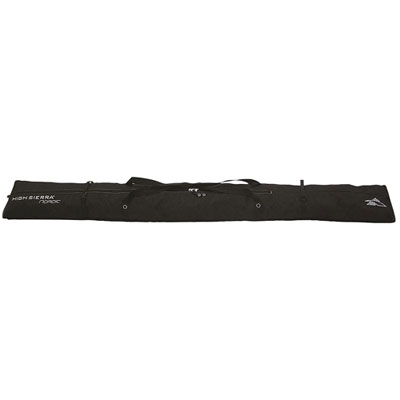
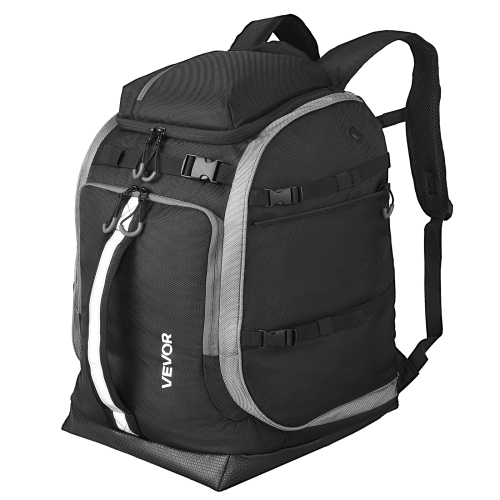
Skiing gear can be selected as a complete system or built gradually as skills and preferences develop. Someone learning at a local resort may begin with clothing, a helmet, goggles, gloves and poles, then rent or purchase skis and boots after gaining a better sense of preferred terrain. More frequent skiers may prioritize a carefully fitted boot and a ski-and-binding combination that matches their usual runs, followed by technical layers that make full days outdoors more enjoyable. For families, adjustable layers, durable outerwear and easy-to-use accessories can make changing conditions less stressful, especially when children are still learning how to manage zippers, buckles and gloves independently. Ski gear can also be a thoughtful gift for a new skier, a university student heading to a mountain destination or an experienced enthusiast preparing for colder conditions. Smaller items such as ski socks, neck warmers, goggles, gloves and base layers are practical gifts that can complement equipment already in use, while sizing-sensitive items such as boots, skis and helmets are best selected with the recipient’s measurements, preferences and professional fitting needs in mind. It is also worth checking care and storage requirements: allow wet clothing and gloves to dry fully between outings, keep goggles protected from scratches and have skis, edges and bindings inspected when needed. Travelling skiers may value compact accessories, protective equipment bags and clothing with secure pockets for lift passes or personal items. Those comparing skiing gear with equipment for a similar winter sport may also want to browse Snowboarding Gear. With the right combination of control-focused equipment, protective accessories and adaptable layers, skiers can spend more time enjoying crisp air, sweeping runs and the changing texture of snow throughout the cooler months.
A comfortable day on the hill also depends on dressing for changing conditions. A moisture-wicking base layer worn next to the skin helps move perspiration away from the body, with synthetic fabrics or merino wool commonly chosen for their warmth and drying performance. Cotton tends to hold moisture, which can leave a skier feeling chilled during chairlift rides or long periods outside. Over that first layer, an insulating mid-layer can add warmth without restricting movement; fleece, wool and lightweight insulated garments are useful choices depending on the temperature and activity level. A waterproof, breathable ski jacket helps keep out wind, falling snow and wet chairlift seats, while insulated snow pants provide warmth and protection during falls, kneeling to adjust equipment or sitting in the snow between runs. Some skiers prefer a shell jacket and pants so they can fine-tune warmth with additional layers, while others choose built-in insulation for a simpler setup during colder days. Look for features that suit mountain use, such as a powder skirt, adjustable cuffs, sealed seams, ventilation zippers, a helmet-compatible hood and pockets that remain accessible while wearing gloves. Waterproof insulated gloves or mitts protect fingers from wind and snow, and a pair of dedicated ski socks should fit smoothly without bunching inside the boots. A neck warmer or balaclava can shield exposed skin on windy slopes, while hand warmers are convenient for particularly cold conditions. A ski helmet is an essential part of a complete setup and should fit securely, sit level on the head and work comfortably with goggles. Helmets featuring MIPS or a similar rotational impact management system may appeal to skiers looking for additional protective technology. Goggles protect the eyes from ultraviolet rays, snow glare, wind and blowing flakes that can make it difficult to judge terrain. Lens tint and visibility vary by light conditions, so some skiers choose a versatile all-purpose lens, while others prefer interchangeable or specialized lenses for bright, overcast and low-light days. A secure goggle fit without gaps between the helmet and frame helps limit cold air and snow entering around the face.
Skiing gear can be selected as a complete system or built gradually as skills and preferences develop. Someone learning at a local resort may begin with clothing, a helmet, goggles, gloves and poles, then rent or purchase skis and boots after gaining a better sense of preferred terrain. More frequent skiers may prioritize a carefully fitted boot and a ski-and-binding combination that matches their usual runs, followed by technical layers that make full days outdoors more enjoyable. For families, adjustable layers, durable outerwear and easy-to-use accessories can make changing conditions less stressful, especially when children are still learning how to manage zippers, buckles and gloves independently. Ski gear can also be a thoughtful gift for a new skier, a university student heading to a mountain destination or an experienced enthusiast preparing for colder conditions. Smaller items such as ski socks, neck warmers, goggles, gloves and base layers are practical gifts that can complement equipment already in use, while sizing-sensitive items such as boots, skis and helmets are best selected with the recipient’s measurements, preferences and professional fitting needs in mind. It is also worth checking care and storage requirements: allow wet clothing and gloves to dry fully between outings, keep goggles protected from scratches and have skis, edges and bindings inspected when needed. Travelling skiers may value compact accessories, protective equipment bags and clothing with secure pockets for lift passes or personal items. Those comparing skiing gear with equipment for a similar winter sport may also want to browse Snowboarding Gear. With the right combination of control-focused equipment, protective accessories and adaptable layers, skiers can spend more time enjoying crisp air, sweeping runs and the changing texture of snow throughout the cooler months.
Top selling and popular products
-
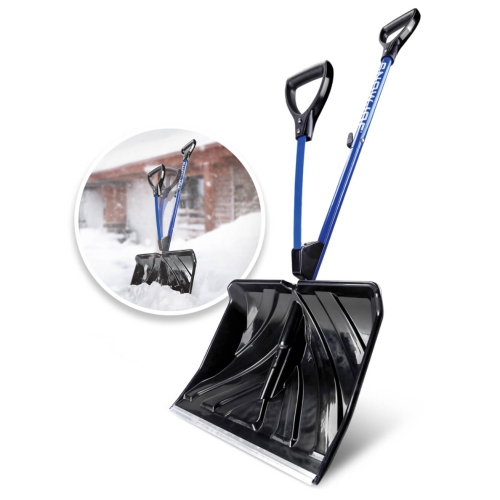 Your price for this item is $49.99
 -
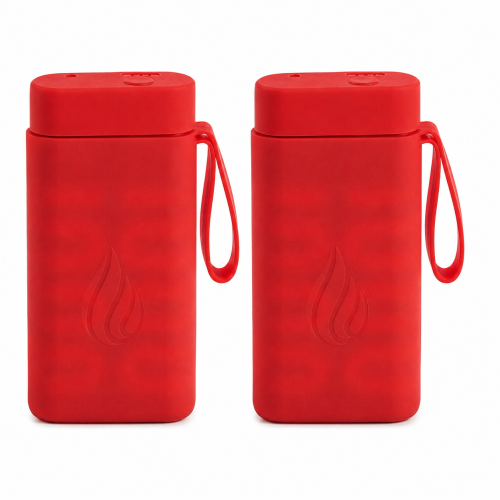 Your price for this item is $49.99
 -
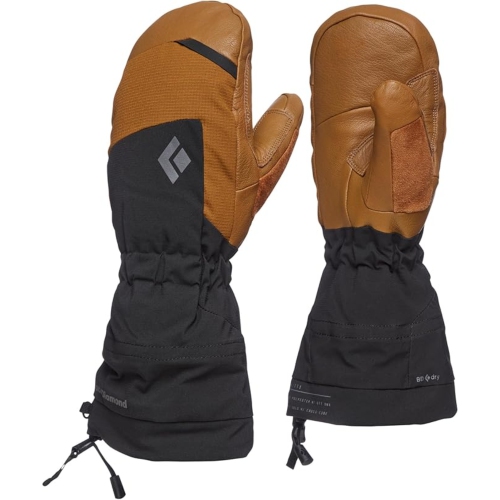 Your price for this item is $189.05
 -
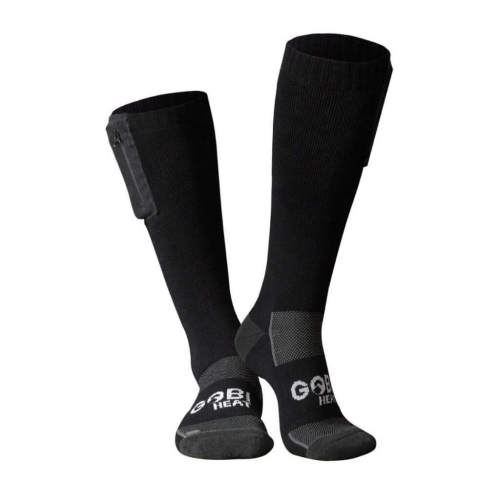 Your price for this item is $165
 -
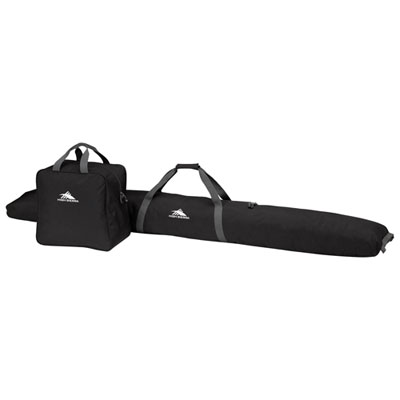 Your price for this item is $59.99
 -
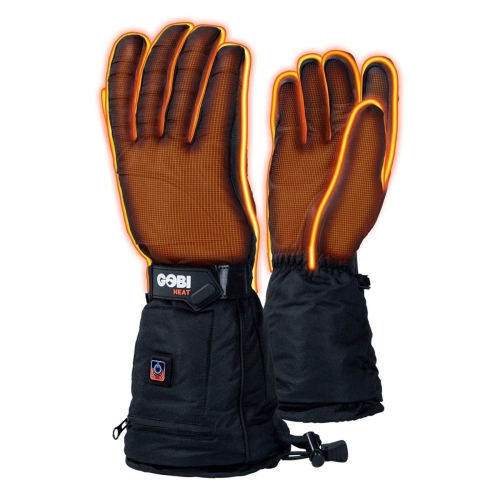 Your price for this item is $280
 -
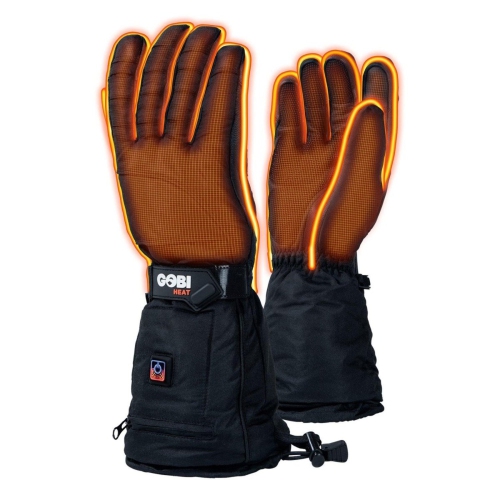 Your price for this item is $280
 -
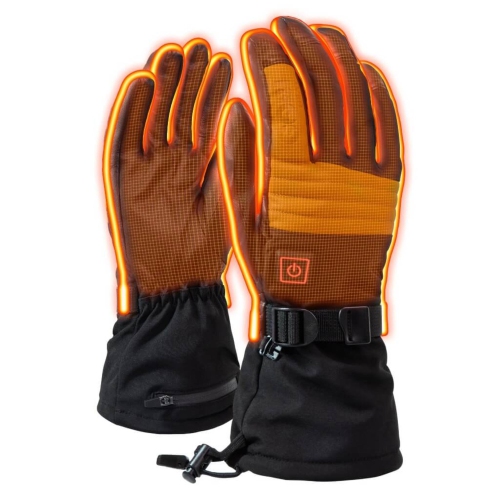 Your price for this item is $310
Discover more categories related to Skiing Gear
Top Collections:
Pokemon Centers, Kindle Devices, Best Budget Office Chairs, Canon G7X Cameras, Apple iPhones 16, Samsung Galaxy Phones, Refurbished Apple Laptops, Laptops for Students, iPhone 15 Apple, Budget Smartphones
Some products may be subject to Environmental Handling Fees
(EHF) depending on your province.
Learn more about EHFs.