Protective Gear for Skiing
Gear up for your next adventure on the slopes with protective gear for skiing designed to help you stay safe and comfortable all season long. Whether you're a beginner hitting the bunny hill or an experienced skier tackling challenging runs, choosing the right protection is essential for enjoying every moment on the mountain. Explore a wide selection of options tailored to meet your needs and keep you focused on fun, performance, and peace of mind during your winter sports activities.
Sort
Protection that supports comfort and visibility on every run
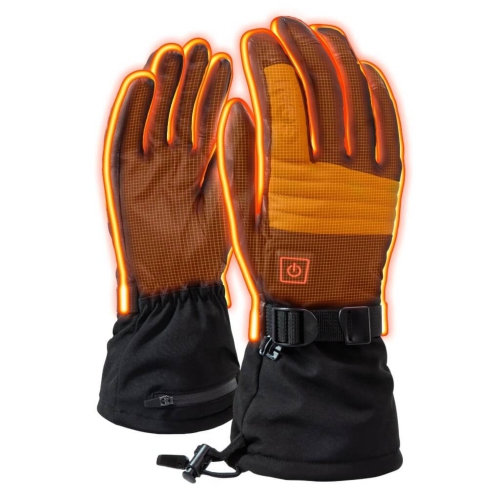
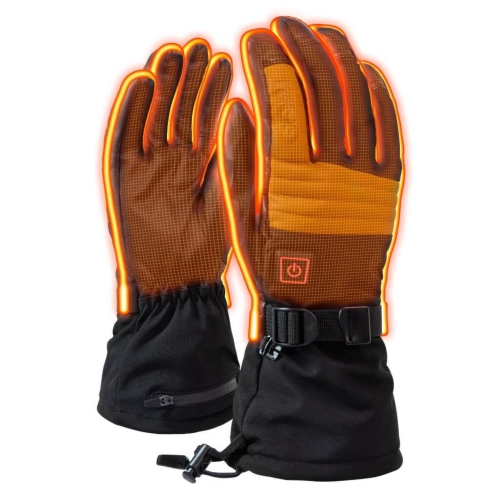
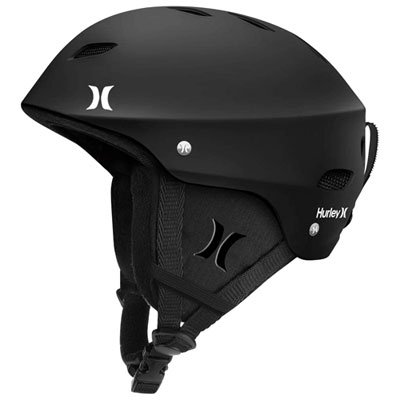
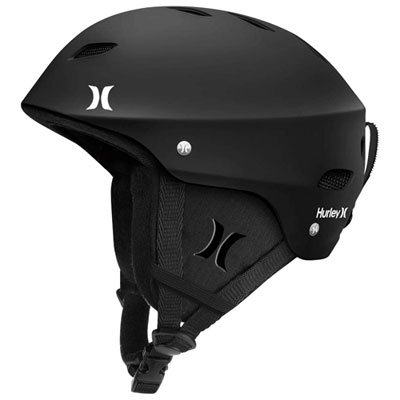
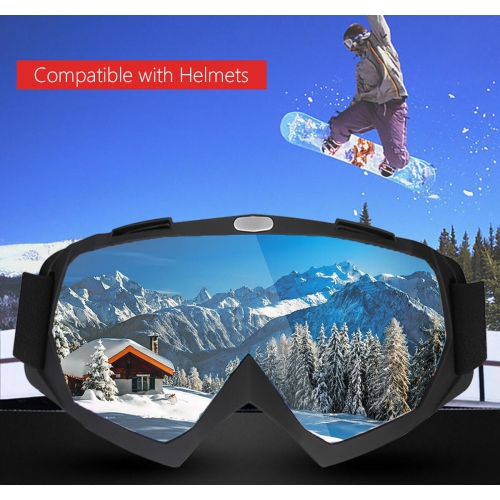
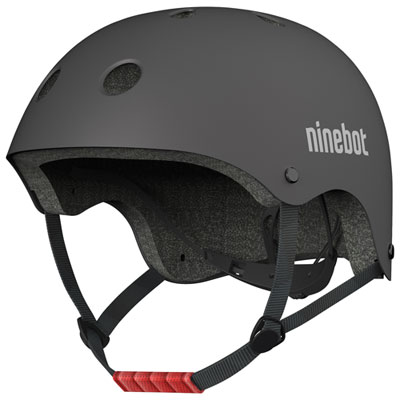
Protective gear for skiing helps add comfort, confidence, and coverage for the falls, collisions, wind, snow, and changing visibility that can come with a day on the slopes. A properly fitted snow-sport helmet is a starting point for most skiers, whether they are learning to link their first turns or spending long days on advanced terrain. Look for a helmet designed and certified for snow sports, with a snug fit that stays securely in place without pressure points. It should sit level on the head, cover the forehead without blocking vision, and work comfortably with the skier’s goggles and other layers. Adjustable vents can help release heat during an energetic climb or a warm afternoon, while insulation and ear coverage may be appreciated during colder chairlift rides. Goggles are another important part of a skier’s setup. They help shield the eyes from wind, blowing snow, ice particles, and bright glare, while lenses suited to the expected light can make bumps, ridges, and changes in the surface easier to see. When comparing goggles, consider lens tint, peripheral vision, anti-fog features, ventilation, and compatibility with the helmet. A clear fit between the goggles and helmet is useful because gaps can expose the skin to cold air and allow snow to enter. For anyone building a complete setup, the broader selection of Skiing Gear can help bring protective accessories together with clothing and equipment for a day outside.
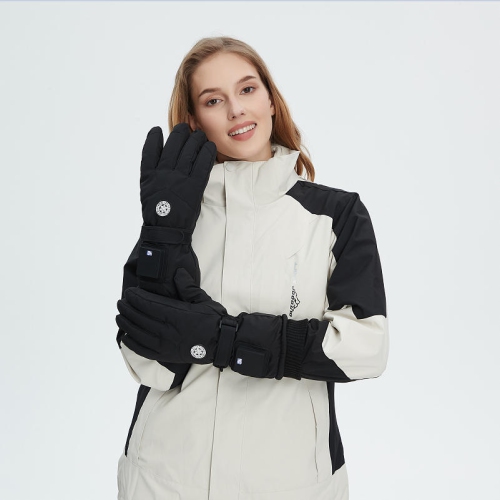
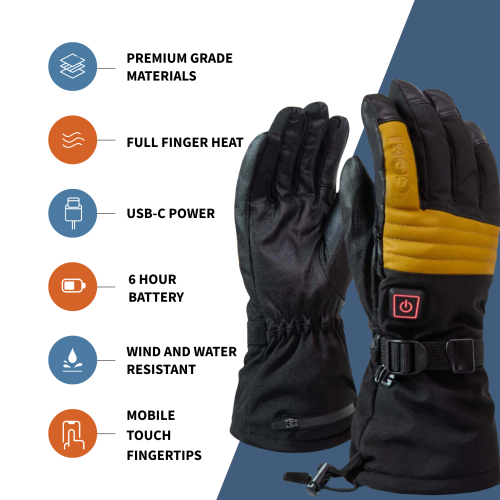
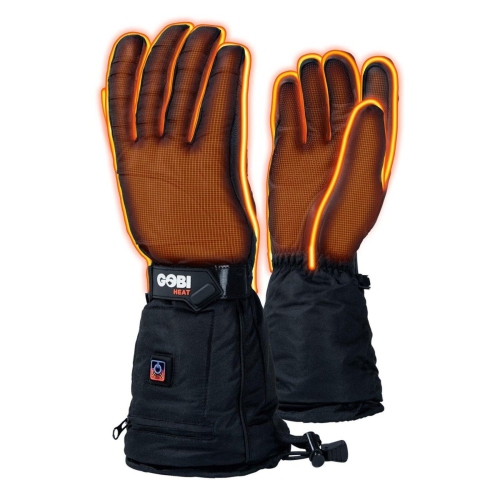
Different skiing styles and experience levels can call for different types of protection. Back protectors and protective vests are designed to add a layer over the spine and lower back, which may be especially appealing to skiers who spend time in terrain parks, on steeper runs, or in areas where a fall could involve uneven snow. Look for a close, comfortable fit that allows a full range of motion and sits correctly beneath or over the skier’s outer layer, depending on the design. Impact shorts can provide cushioning around the hips, tailbone, and upper thighs without adding excessive bulk beneath ski pants. They can be useful for beginners who are still finding their balance, children who may spend more time sitting or falling in the snow, and experienced skiers practising jumps, turns, or new terrain. Wrist guards and padded gloves can offer additional support for people who instinctively reach out during a fall, while shin protection can be useful for skiers who spend time in terrain parks or encounter hard edges and packed snow. Each item should be checked for secure closures, comfortable padding, unrestricted movement, and easy layering. Protective gear is more likely to be worn consistently when it feels natural during walking, climbing, loading a chairlift, and skiing. Pay attention to sizing charts, body measurements, adjustment points, and care instructions, since protective materials can lose comfort or shape when stored damp or compressed for long periods.
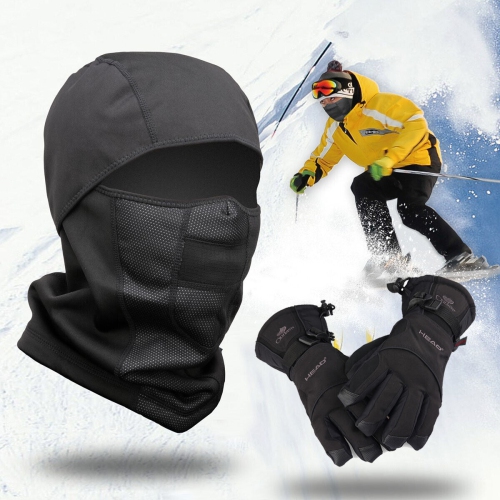
These products may be selected for a new skier preparing for lessons, a child growing into a regular winter activity, or an experienced friend who enjoys exploring varied terrain. Protective gear can also make a thoughtful gift for someone planning a ski trip, especially when the purchaser knows the recipient’s size, preferred fit, and usual skiing style. If those details are uncertain, accessories with adjustable sizing or widely compatible features may be easier to choose than close-fitting apparel. Skiers who stay on groomed resort runs may prioritize a helmet, goggles, and comfortable impact coverage, while freestyle skiers may look for additional padding around the back, hips, wrists, and shins. People travelling beyond marked runs may need specialized equipment, such as an avalanche safety backpack, along with proper training and the knowledge required to use it. An avalanche backpack is not a substitute for preparation, route planning, local advisories, or companion-based safety practices, but it can form part of a more advanced setup when used appropriately. Before heading out, inspect straps, buckles, lenses, padding, and shell surfaces for cracks, looseness, or damage, and replace equipment according to the manufacturer’s guidance after a serious impact. Store gear clean and dry, keep goggles protected from scratches, and avoid placing heavy items on helmets. With the right fit and a thoughtful combination of coverage, visibility, and comfort, protective gear can help skiers focus on smooth turns, fresh snowfall, and the simple pleasure of a full day in the mountains.
Different skiing styles and experience levels can call for different types of protection. Back protectors and protective vests are designed to add a layer over the spine and lower back, which may be especially appealing to skiers who spend time in terrain parks, on steeper runs, or in areas where a fall could involve uneven snow. Look for a close, comfortable fit that allows a full range of motion and sits correctly beneath or over the skier’s outer layer, depending on the design. Impact shorts can provide cushioning around the hips, tailbone, and upper thighs without adding excessive bulk beneath ski pants. They can be useful for beginners who are still finding their balance, children who may spend more time sitting or falling in the snow, and experienced skiers practising jumps, turns, or new terrain. Wrist guards and padded gloves can offer additional support for people who instinctively reach out during a fall, while shin protection can be useful for skiers who spend time in terrain parks or encounter hard edges and packed snow. Each item should be checked for secure closures, comfortable padding, unrestricted movement, and easy layering. Protective gear is more likely to be worn consistently when it feels natural during walking, climbing, loading a chairlift, and skiing. Pay attention to sizing charts, body measurements, adjustment points, and care instructions, since protective materials can lose comfort or shape when stored damp or compressed for long periods.
These products may be selected for a new skier preparing for lessons, a child growing into a regular winter activity, or an experienced friend who enjoys exploring varied terrain. Protective gear can also make a thoughtful gift for someone planning a ski trip, especially when the purchaser knows the recipient’s size, preferred fit, and usual skiing style. If those details are uncertain, accessories with adjustable sizing or widely compatible features may be easier to choose than close-fitting apparel. Skiers who stay on groomed resort runs may prioritize a helmet, goggles, and comfortable impact coverage, while freestyle skiers may look for additional padding around the back, hips, wrists, and shins. People travelling beyond marked runs may need specialized equipment, such as an avalanche safety backpack, along with proper training and the knowledge required to use it. An avalanche backpack is not a substitute for preparation, route planning, local advisories, or companion-based safety practices, but it can form part of a more advanced setup when used appropriately. Before heading out, inspect straps, buckles, lenses, padding, and shell surfaces for cracks, looseness, or damage, and replace equipment according to the manufacturer’s guidance after a serious impact. Store gear clean and dry, keep goggles protected from scratches, and avoid placing heavy items on helmets. With the right fit and a thoughtful combination of coverage, visibility, and comfort, protective gear can help skiers focus on smooth turns, fresh snowfall, and the simple pleasure of a full day in the mountains.
Top selling and popular products
-
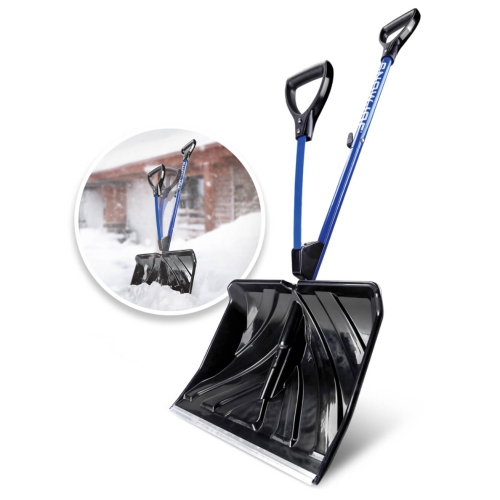 Your price for this item is $42.99
 -
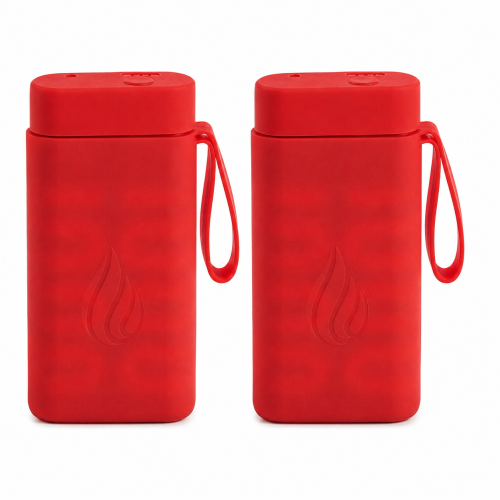 Your price for this item is $49.99
 -
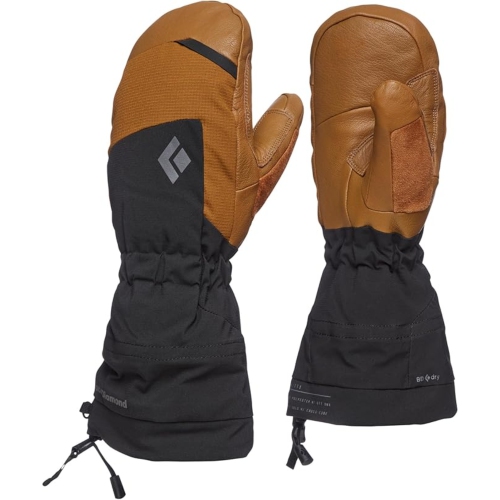 Your price for this item is $189.05
 -
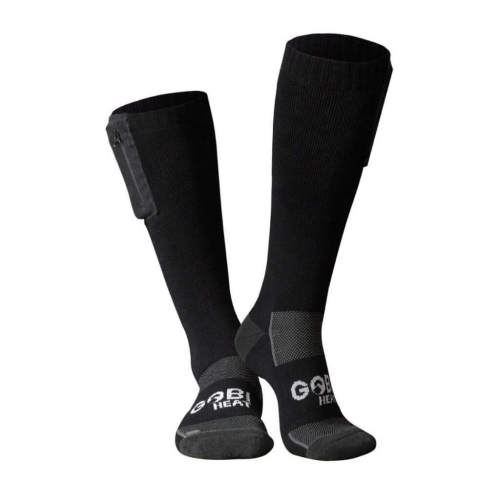 Your price for this item is $250
 -
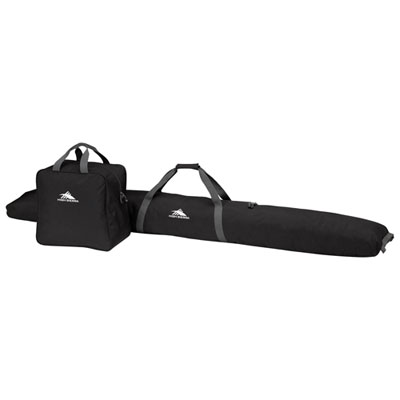 Your price for this item is $59.99
 -
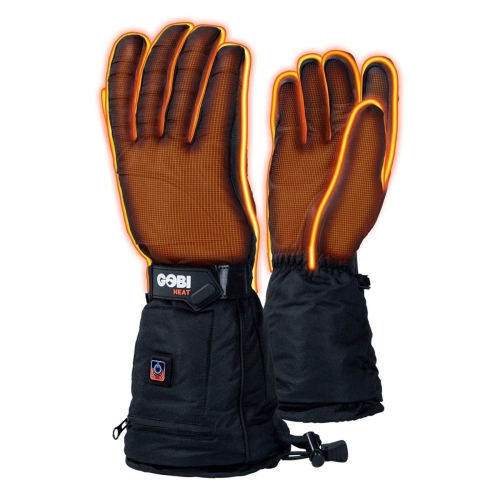 Your price for this item is $280
 -
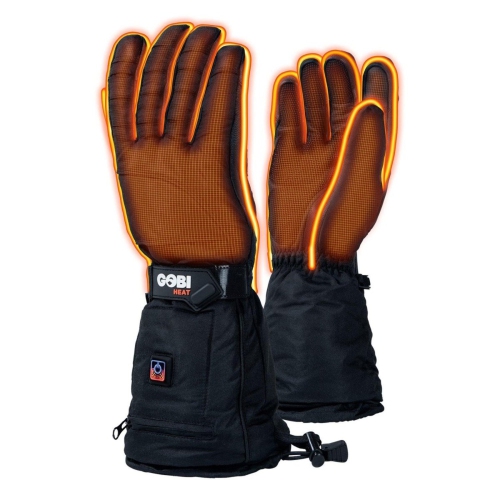 Your price for this item is $280
 -
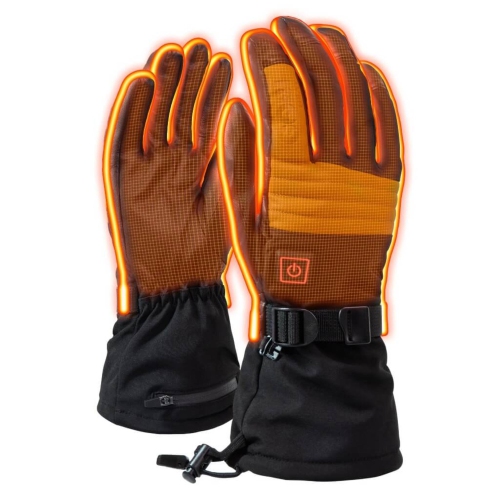 Your price for this item is $310
Discover more categories related to Protective Gear for Skiing
Top Collections:
Pokemon Centers, Kindle Devices, Best Budget Office Chairs, Apple iPhones 16, Best Laptops for Writers, iPhone 15 Apple, Canon G7X Cameras, Refurbished Apple Laptops, Alarm Clock, Motorola Razr Phones
Some products may be subject to Environmental Handling Fees
(EHF) depending on your province.
Learn more about EHFs.