Sledding Gear
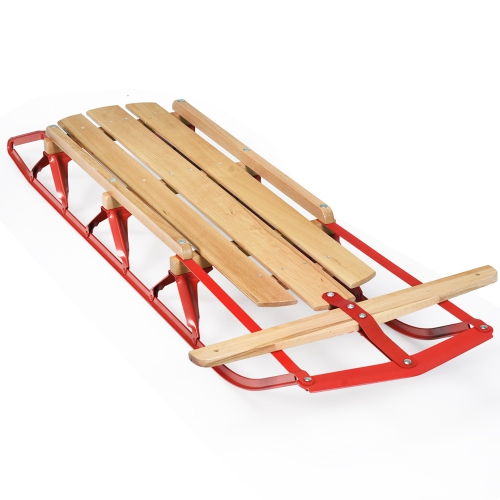
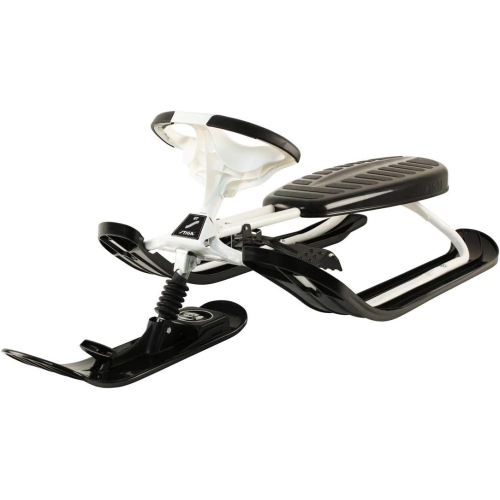
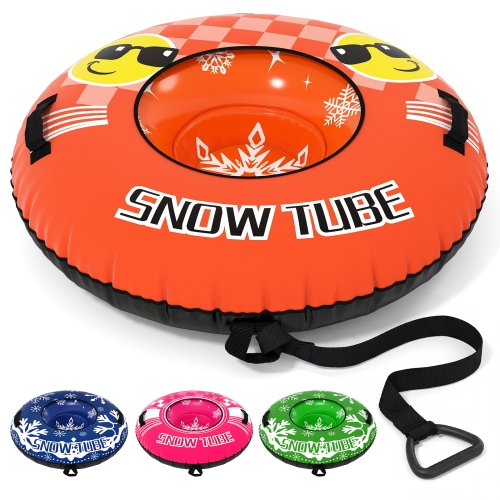
Get ready to hit the slopes with this wide selection of sledding gear. Whether you're a thrill-seeking daredevil or simply looking for some family fun, we have everything you need to make your winter adventures unforgettable. From sleds and toboggans to snow tubes and saucers, this collection features a variety of options to suit all ages and preferences. With durable materials, innovative designs, and superior performance, this sledding gear is built to withstand the toughest winter conditions.
Sort


















The essentials for warmth, protection and winter safety
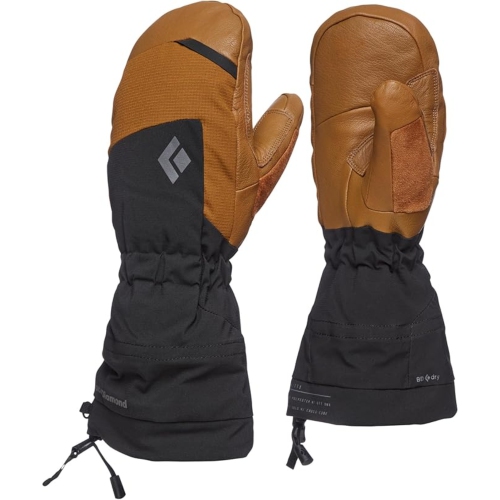
Sledding gear helps make winter outings more comfortable, controlled and enjoyable, whether the plan is a quick trip to a neighbourhood hill or a longer ride on a snowmobile trail. For casual hill sledding, start with warm layers that allow easy movement and protect against wind, snow and damp conditions. A moisture-wicking base layer helps move perspiration away from the skin, while an insulating middle layer adds warmth without making it difficult to climb or steer. A waterproof winter jacket and snow pants help keep clothing dry when rolling through fresh snow or sitting on a wet sled. Look for cuffs and hems that fit securely over boots and gloves, since loose openings can let snow in during a fast run downhill. Insulated winter boots with waterproof construction and sturdy traction are especially useful for walking up packed or slippery slopes. Warm socks, preferably made from wool or a technical fabric rather than cotton, can help keep feet comfortable during long stretches outdoors. Hands and ears lose heat quickly, so insulated gloves or mitts and a close-fitting winter hat are essential parts of a complete setup. Children may also benefit from a properly fitted winter helmet designed for the activity, particularly when using a steered sled, visiting a busy hill or travelling over firm, uneven snow. Adults should check that clothing does not have loose cords, dangling straps or accessories that could catch while riding, and everyone should choose a hill that is free of trees, fences, roads, ice patches and other obstacles. Clear visibility, a safe stopping area and enough space between riders are just as important as the sled itself.
For snowmobiling, sledding gear needs to provide more coverage, impact protection and weather resistance than clothing intended for a short hill ride. A properly fitted helmet is a key part of the setup; look for certification appropriate to the riding area, such as DOT or ECE approval, and consider features that help manage fogging in changing temperatures. Goggles with anti-fog treatment can shield the eyes from wind, blowing snow and glare, while a balaclava or cold-weather face covering helps close the gap between the helmet and jacket. A waterproof, windproof jacket and insulated snowmobile bibs or a one-piece suit can reduce exposure to cold air and snow spray, especially when riding at higher speeds. Base layers should fit comfortably beneath the outerwear and help regulate moisture without restricting movement. Hands need both insulation and dexterity, so riders may prefer durable gloves or mitts with reinforced palms, adjustable cuffs and enough flexibility to operate controls. Insulated riding boots with waterproof protection, reliable traction and firm ankle support can help with comfort on and off the machine. Reflective details, high-visibility accents and secure closures can also be useful when riding in low light or around other vehicles. Riders heading into remote or backcountry areas should prepare beyond clothing by carrying appropriate navigation and communication equipment, as well as safety tools suited to the terrain and local conditions. In avalanche-prone areas, that may include a beacon, probe and shovel, along with the knowledge and training to use them. A basic tool kit and essential spare parts can be helpful for minor adjustments or roadside repairs, while extra gloves, socks and a dry base layer can make a significant difference if clothing becomes wet. Before setting out, inspect the machine, check fuel and fluid levels, confirm that the route is suitable for current conditions and let someone know the planned destination and return time.
When choosing sledding gear, think about the person using it, the type of snow activity, the length of each outing and the conditions they are likely to encounter. A young child who spends an hour at a local hill may need a durable sled, warm waterproof clothing, a helmet and easy-on winter boots, while an experienced snowmobile rider may require technical outerwear, protective head and eye gear, insulated riding boots and equipment for longer journeys. Fit matters at every age: clothing that is too loose can feel cumbersome, while gear that is too tight may limit layering and movement. Check size charts carefully, allow enough room for a base layer and test closures such as zippers, cuffs and boot fasteners before heading outside. Sledding gear can also be a thoughtful gift for families who enjoy making the most of the cooler months, especially when practical accessories are paired with an invitation to spend time outdoors. A warm pair of mitts, comfortable winter socks, protective eyewear or a well-fitted helmet can complement equipment the recipient already owns, while a new sled can add excitement to a first winter outing. For people who enjoy several snow sports, versatile layers and weather-resistant accessories may work across different activities; those comparing options for another snow-based pastime can also browse Skiing Gear. No matter the activity, the best choices balance warmth, protection, comfort and ease of use. Store wet gear so it can dry fully between outings, follow care instructions for insulated fabrics and inspect helmets, straps, buckles and sled surfaces regularly. With the right preparation, a crisp day on the hill or a snowy trail can feel inviting from the first run to the final trip home.
Top selling and popular products
-
 Your price for this item is $92.99
-
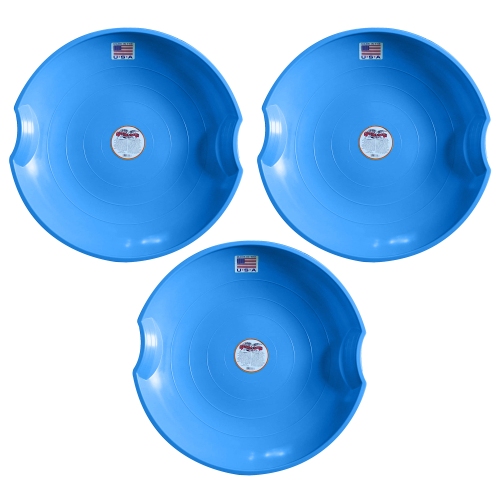 Your price for this item is $269.99
-
 Your price for this item is $183.99
-
 Your price for this item is $49.49
-
 Your price for this item is $124.99
-
 Your price for this item is $59
-
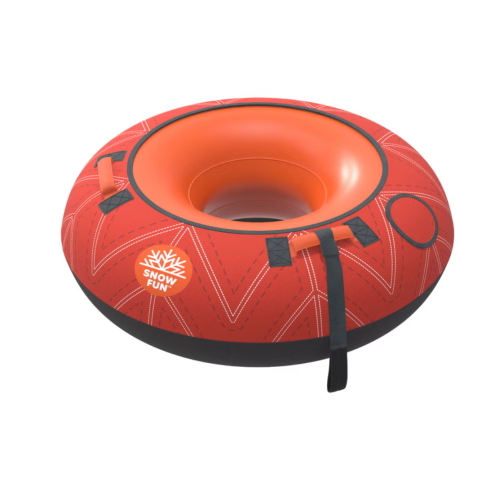 Your price for this item is $79.97
-
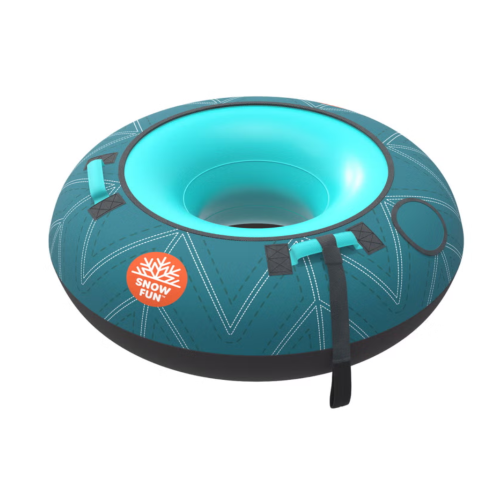 Your price for this item is $79.97
Discover more categories related to Sledding Gear
Top Collections:
Pokemon Centers, Kindle Devices, Best Budget Office Chairs, Canon G7X Cameras, Apple iPhones 16, Samsung Galaxy Phones, Refurbished Apple Laptops, Laptops for Students, iPhone 15 Apple, Budget Smartphones
Some products may be subject to Environmental Handling Fees
(EHF) depending on your province.
Learn more about EHFs.