Camping Beds
Whether you're planning a weekend getaway in the great outdoors or embarking on a full-blown camping adventure, having a comfortable and supportive bed to rest on is essential. At Best Buy, we understand the importance of a good night's sleep while camping, which is why we offer a wide selection of camping beds to suit every camper's needs. From compact and lightweight options for backpackers to spacious and luxurious air mattresses for family camping trips, our range of camping beds ensures that you can sleep soundly no matter where your outdoor adventures take you. Discover the perfect camping bed for your next excursion and wake up refreshed and ready to take on the day.
Sort



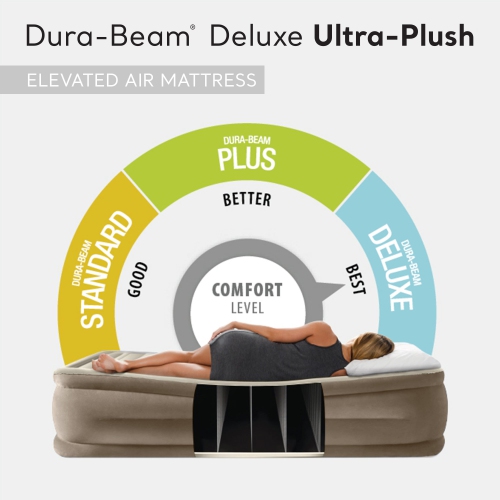


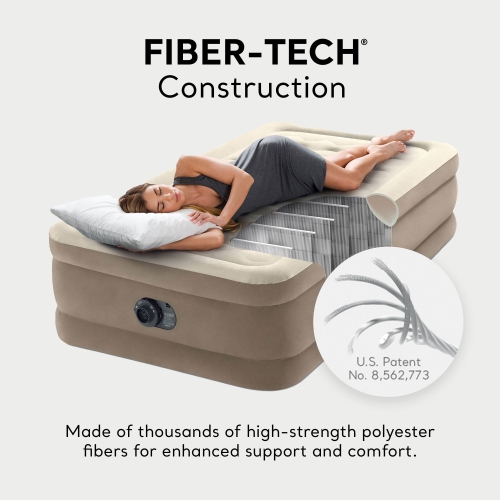
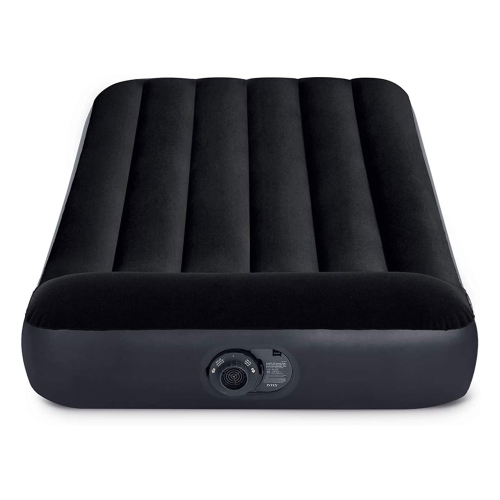

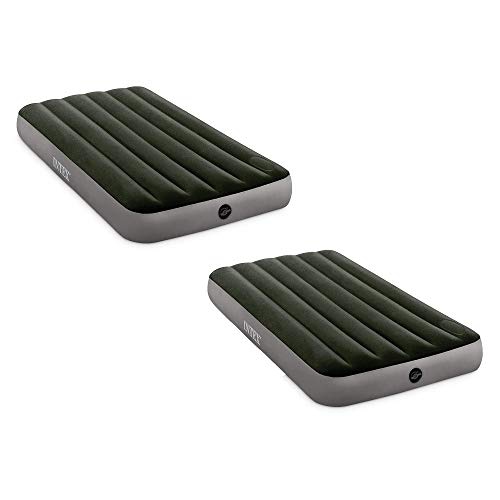


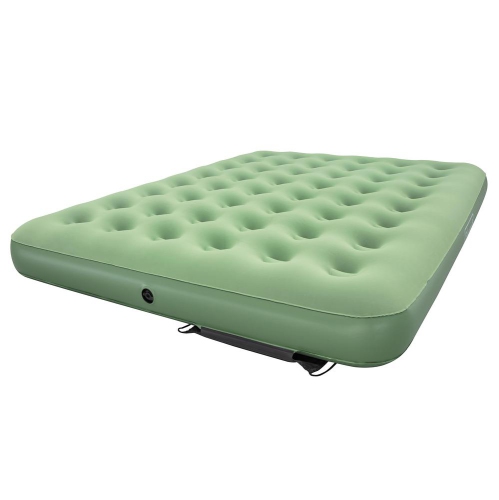
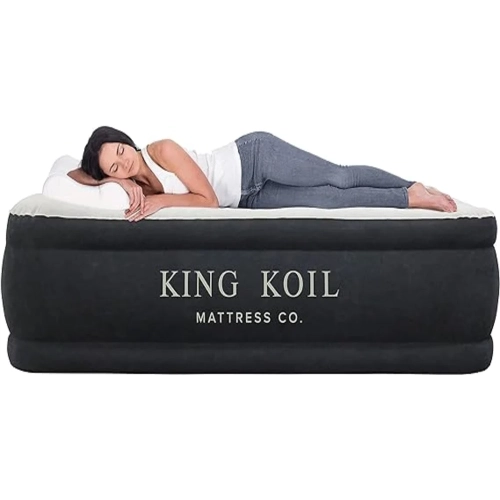


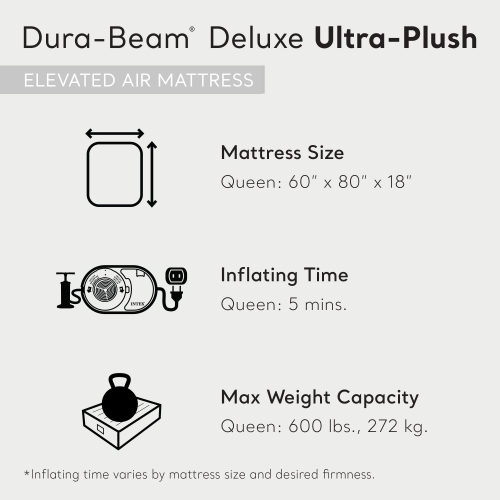

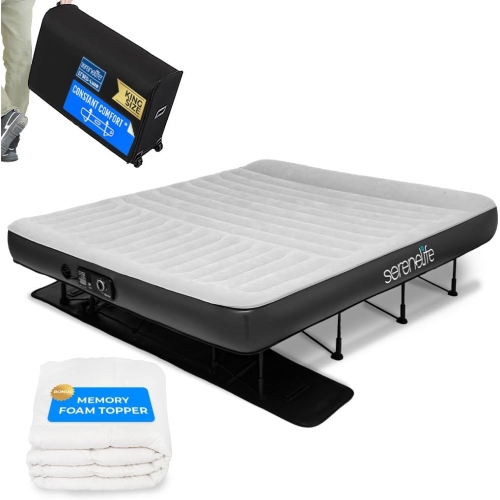







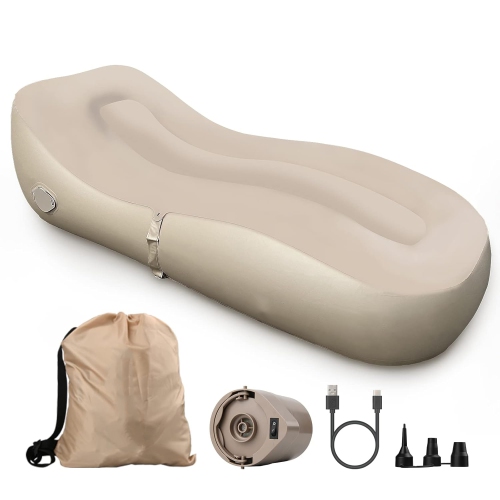


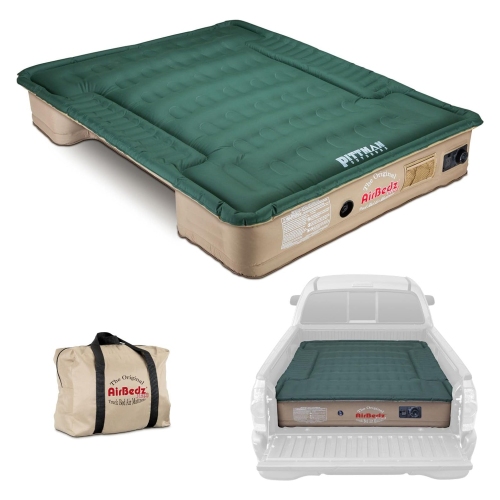



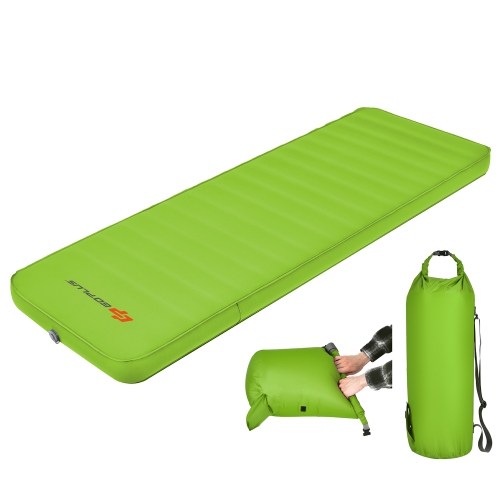

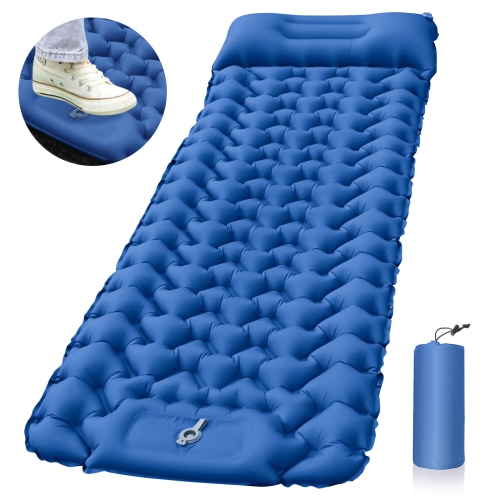
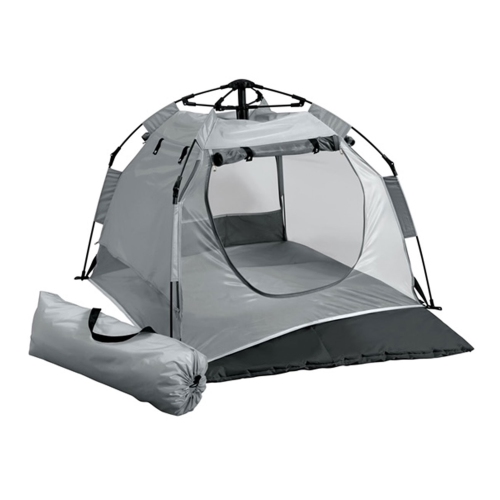
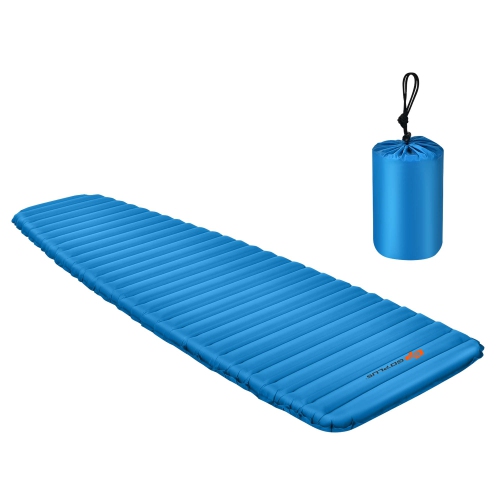





















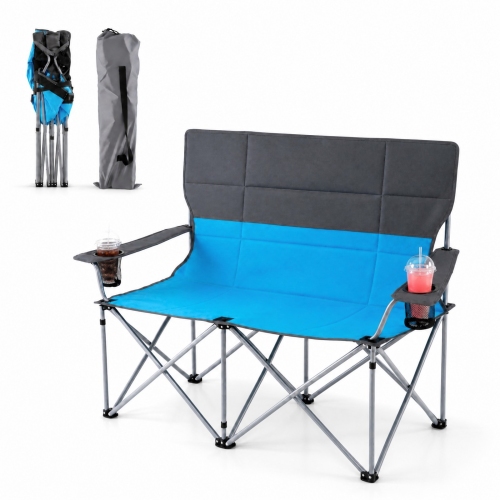
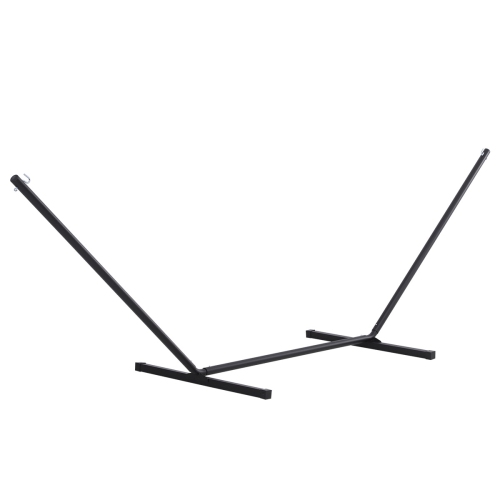
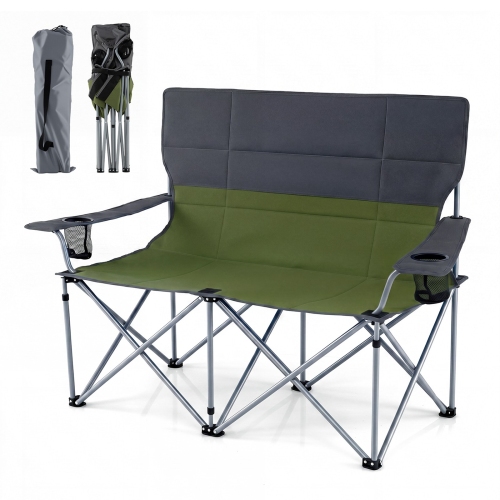

Sleeping comfort takes more than a soft surface
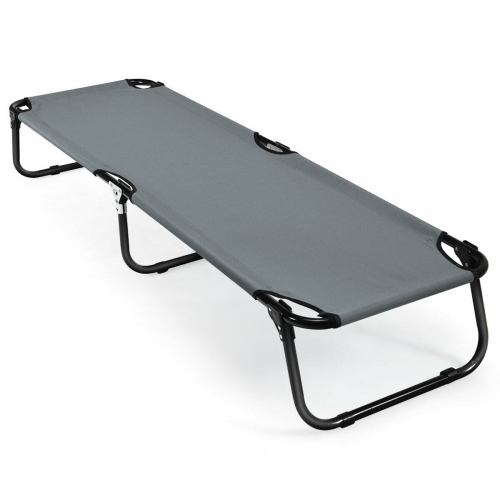
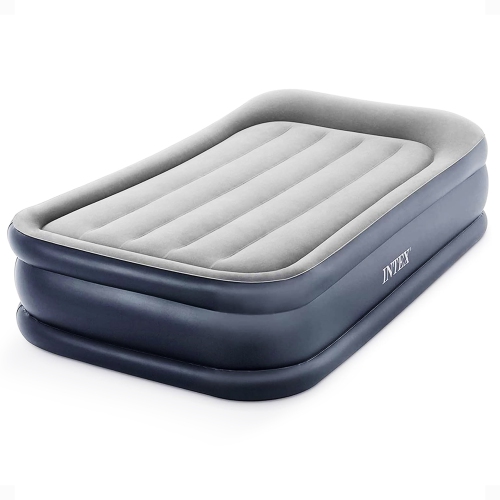
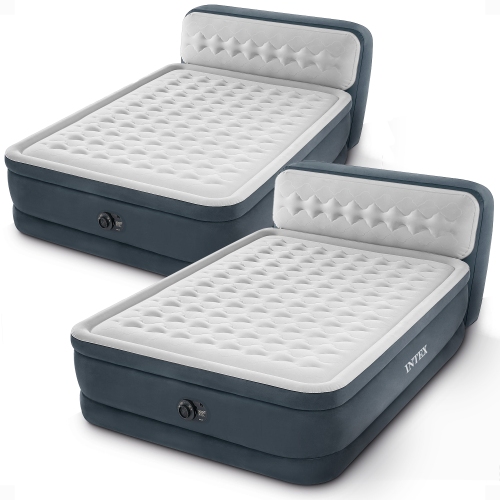
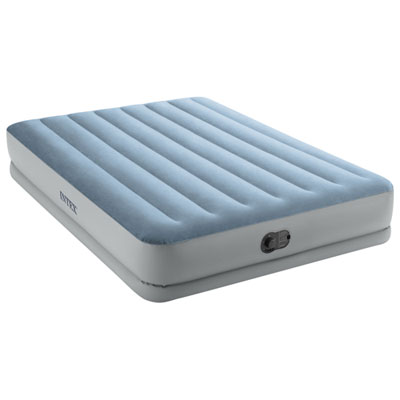
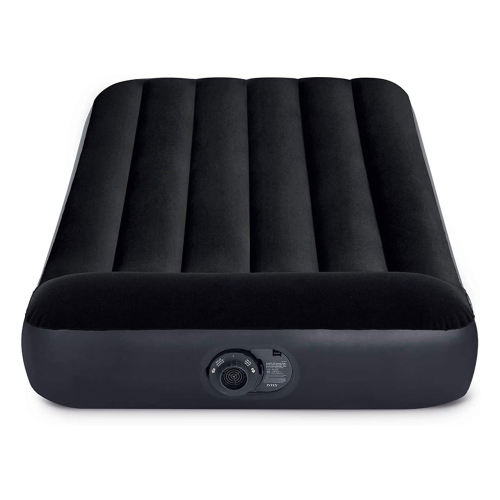
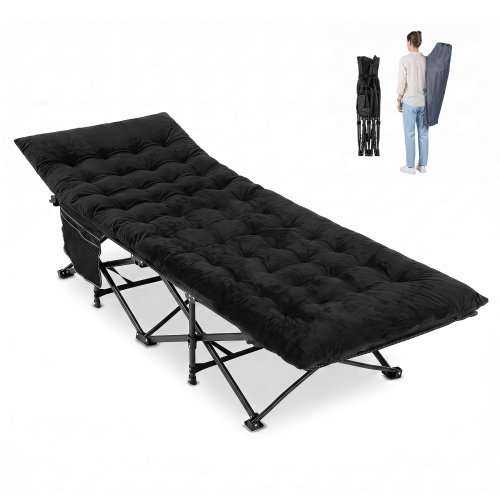
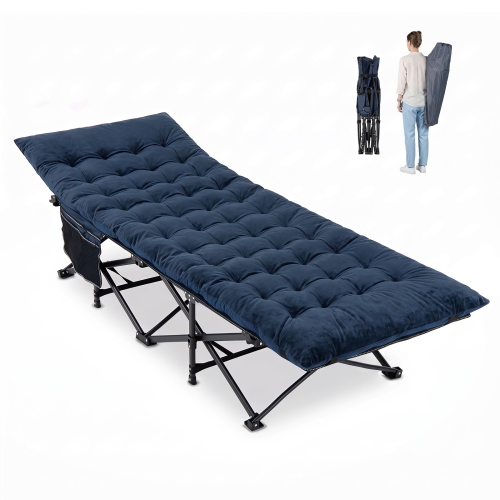
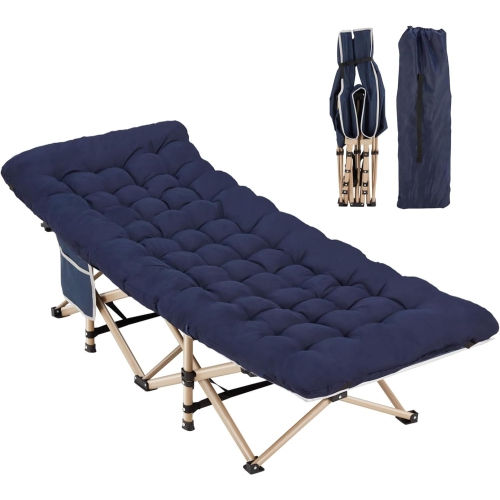
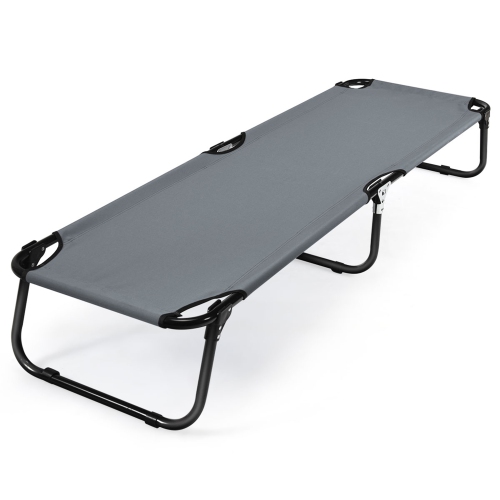
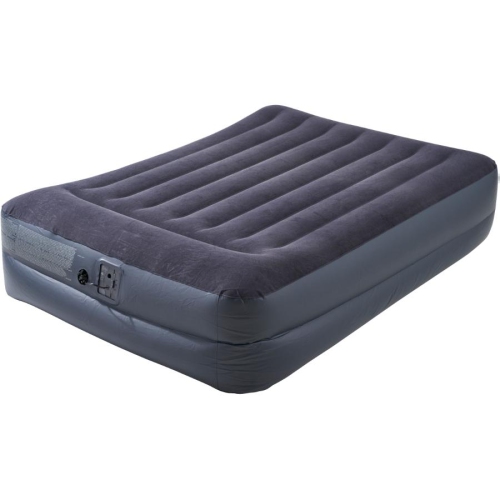
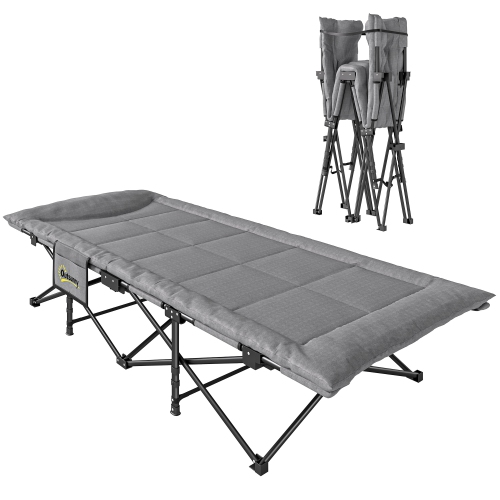
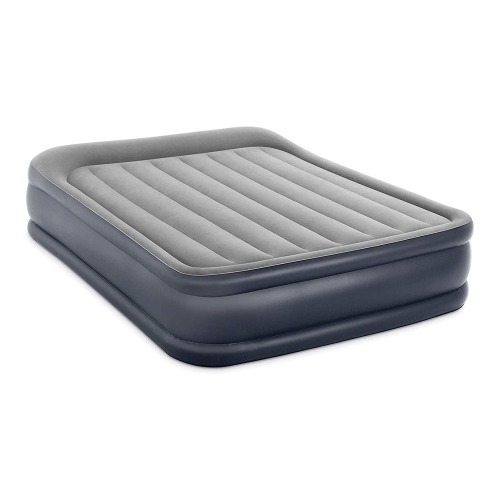
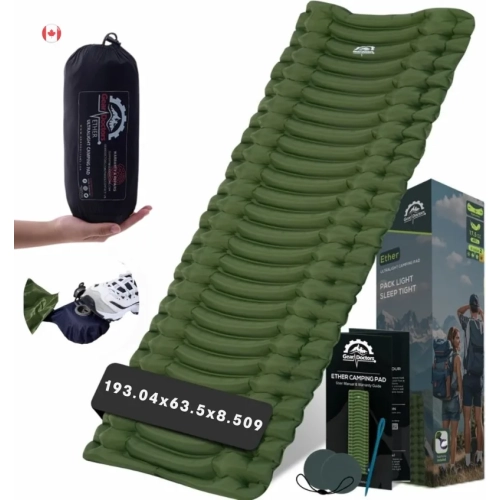
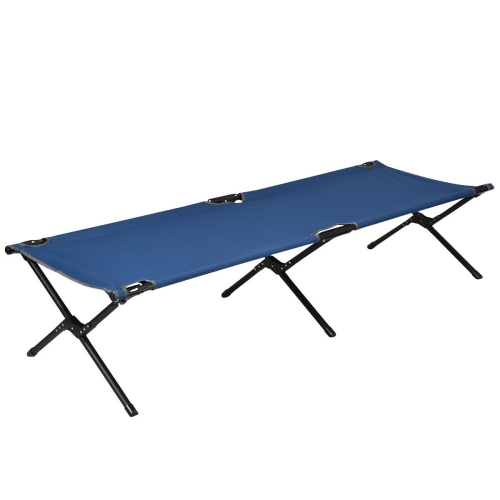
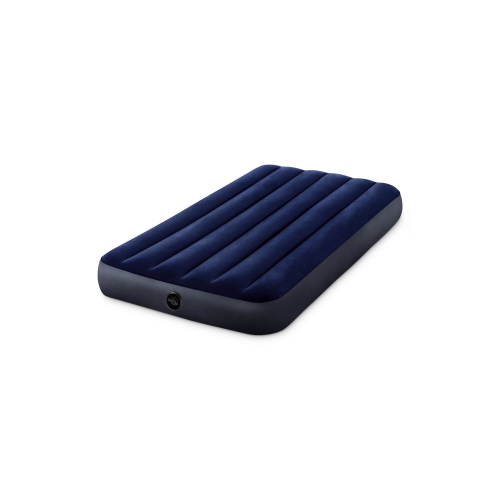
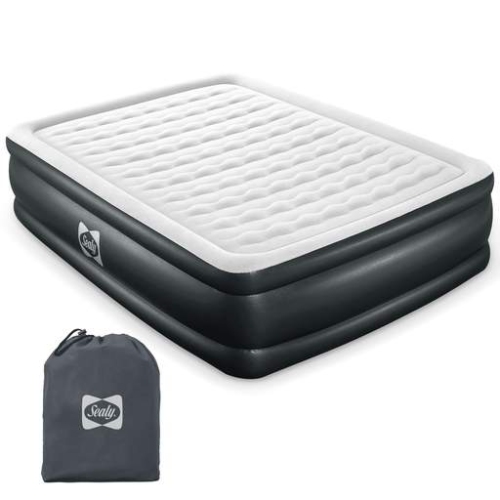
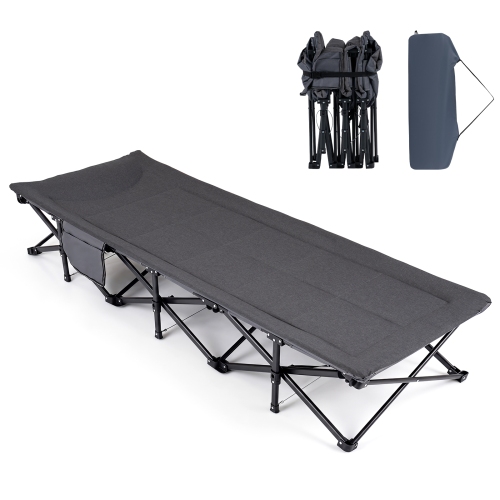
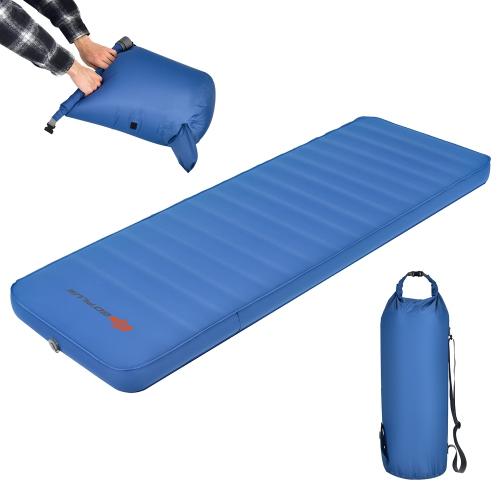
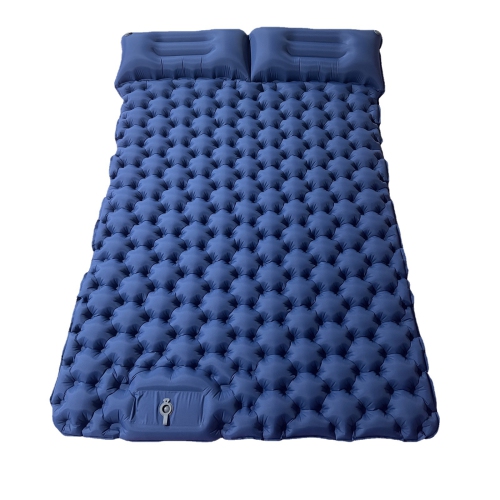
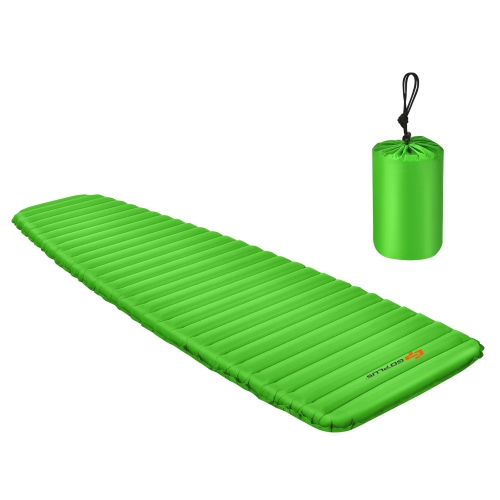
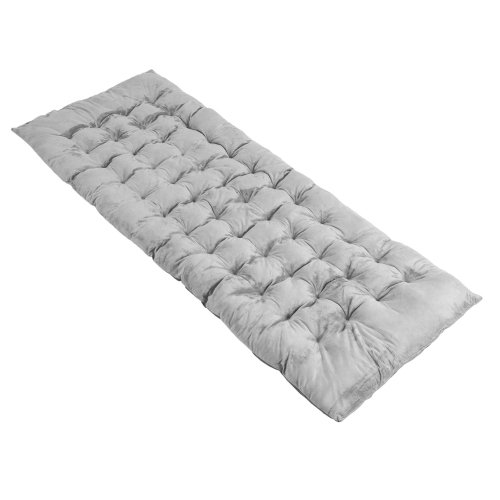
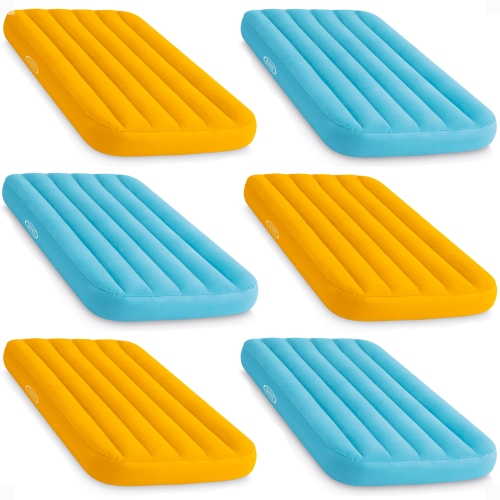
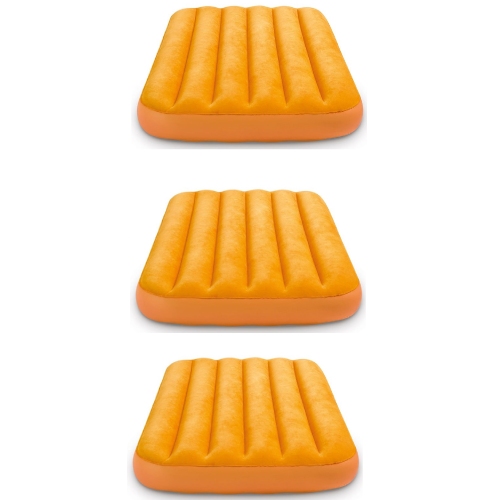
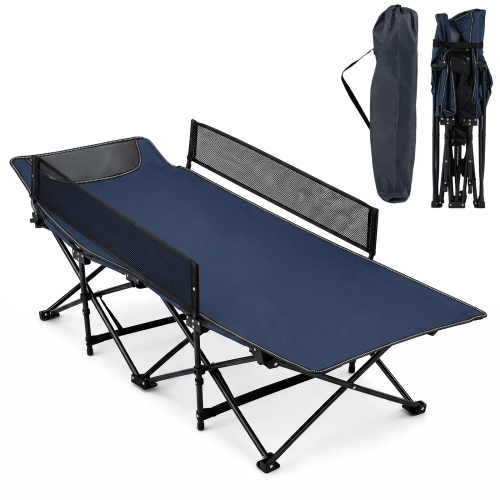
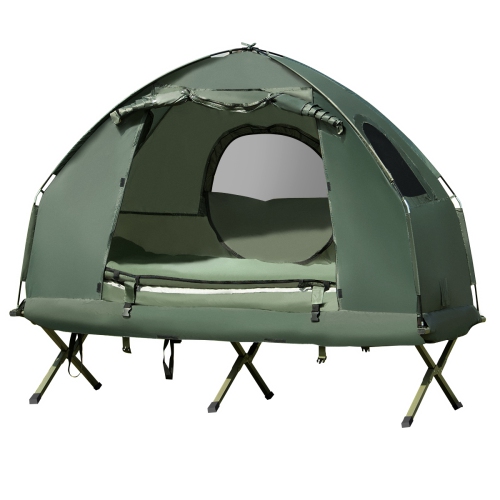
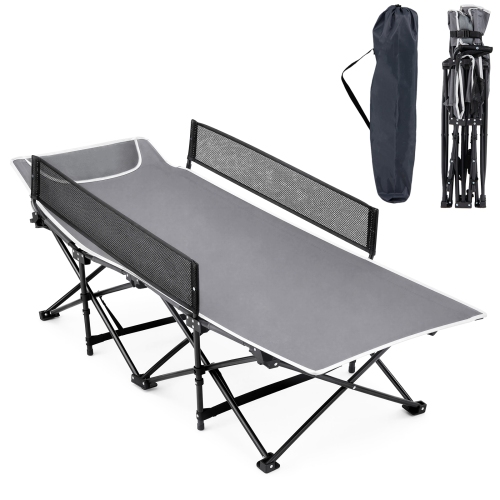
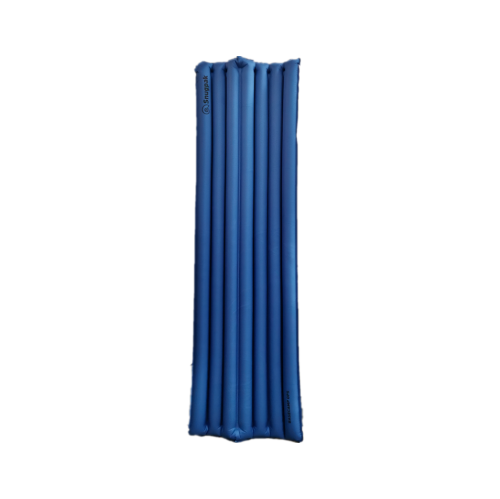
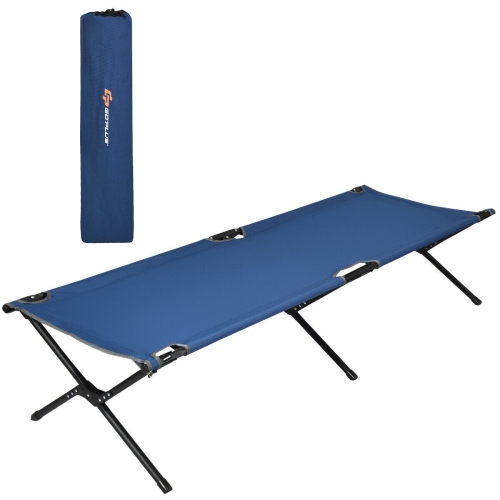
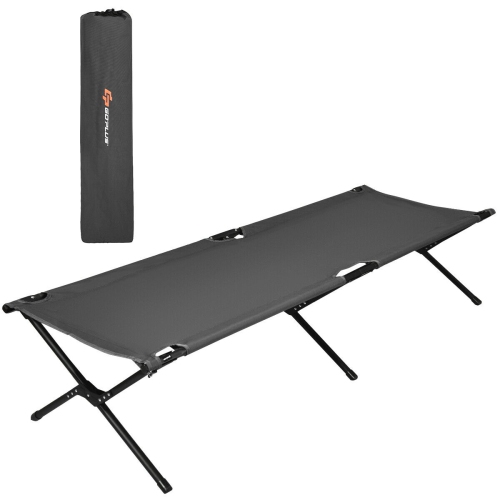
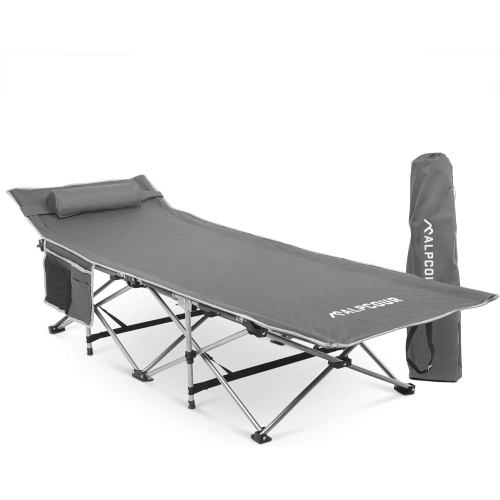
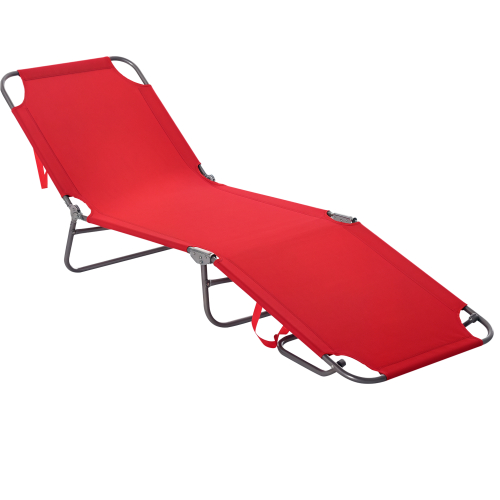
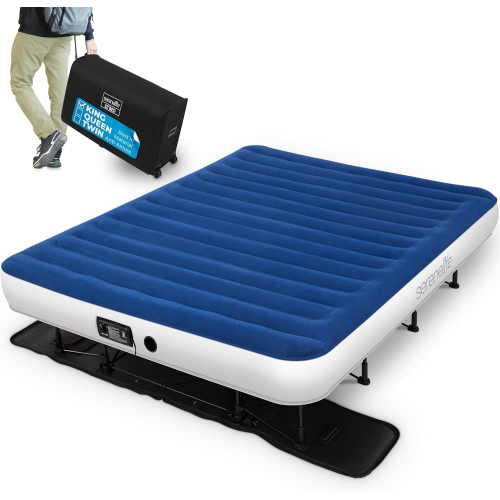
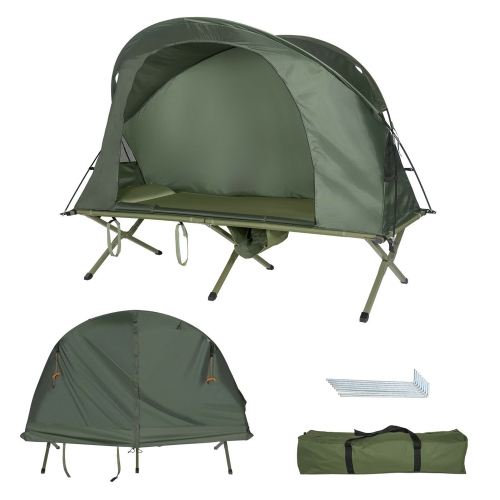
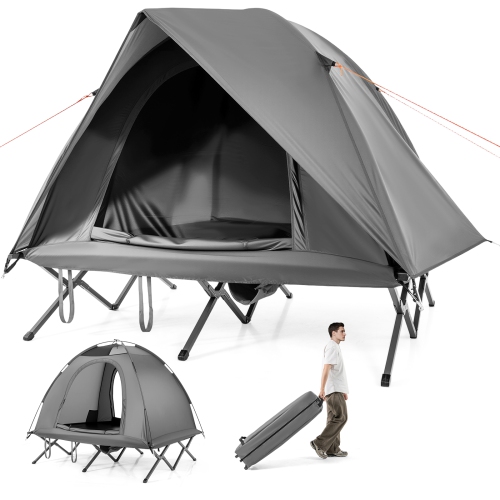
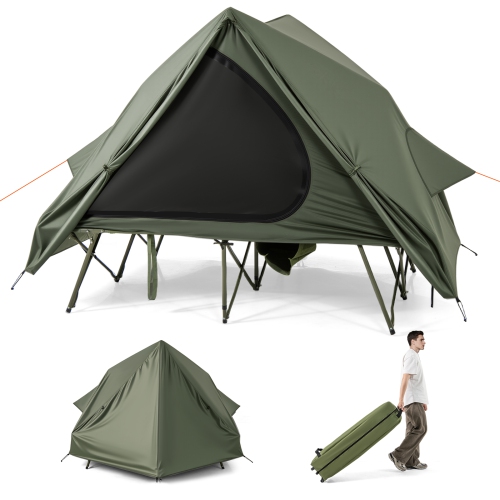
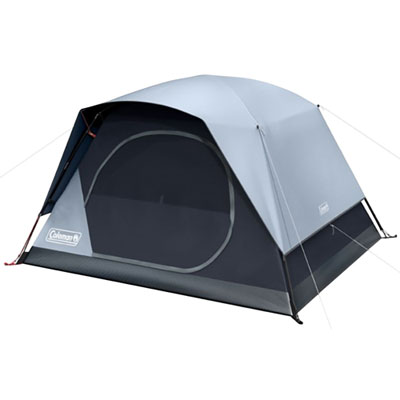
Camping beds are portable sleeping surfaces designed to make overnight stays in tents, cabins, and other temporary sleeping spaces more comfortable. The term covers folding cots, inflatable mattresses, self-inflating beds, and foam sleeping pads, each with a different balance of support, cushioning, and packability. A cot holds the sleeper above the ground on a fabric platform, while an air mattress or pad adds cushioning between the body and the tent floor. Not every camping bed provides meaningful insulation, so comfort and protection from ground chill need separate consideration. For drive-in camping, a folding cot or generously cushioned inflatable bed can make sense when a vehicle carries most of the load. A compact pad is generally easier to manage when equipment must fit inside a backpack or be carried along a portage. The best match depends on how the bed will travel, where it will be used, and how much space is available for sleeping. A tall cot may offer convenient room for a duffel underneath, but its height can bring the sleeper closer to sloping tent walls. A broad inflatable mattress can feel inviting after a long day outdoors, yet leave little floor space for footwear and bags in a small tent. Folded dimensions matter just as much as the sleeping footprint: a long cot bag can be awkward beside a loaded cooler, while a rolled foam pad may need to ride outside a pack. Setup is another practical difference. Some cots unfold into place, while others require fabric to be stretched over a frame. Inflatable beds need a compatible pump or inflation method, and self-inflating designs may still need additional air to reach the preferred firmness. For short stays with frequent moves between campsites, a straightforward setup can be more useful than extra height or thickness.
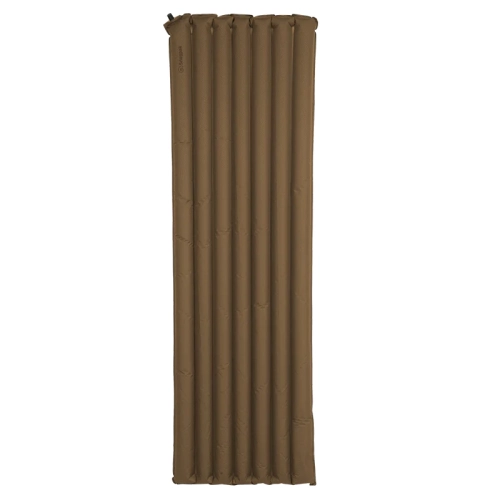
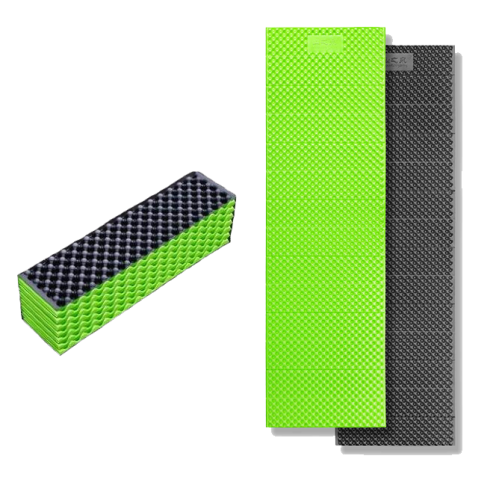
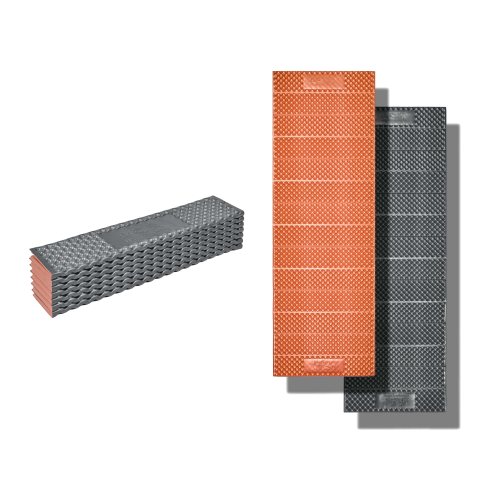
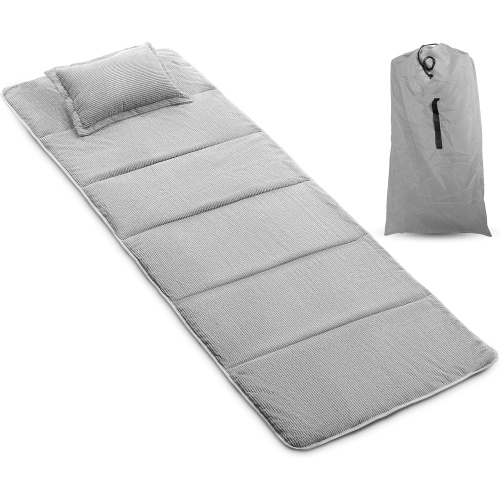
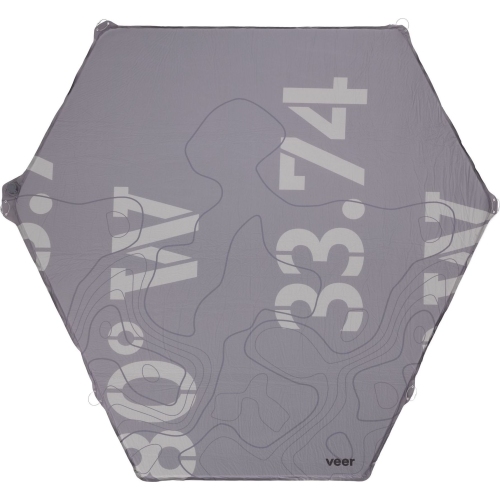
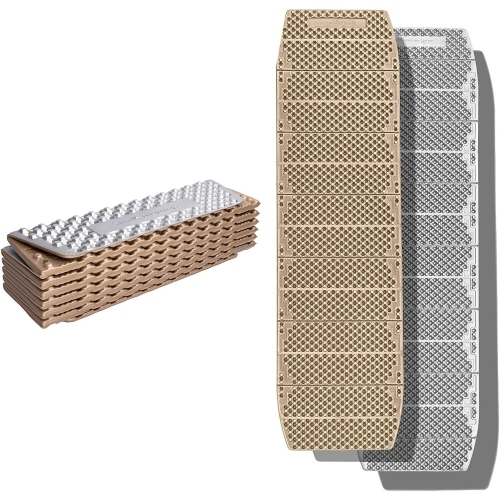
Camping Mats offer a low-profile sleeping option and can also add cushioning or insulation to a compatible cot. Across camping bed styles, usable sleeping dimensions are more informative than labels such as single or double. Length should accommodate the sleeper without feet pressing against a tent wall, and width should allow a natural sleeping position without shoulders resting on an edge or frame rail. Side sleepers often appreciate enough cushioning to keep hips and shoulders from pressing through to the surface below. Back sleepers may prefer a firmer, more even feel, although individual comfort varies. On a cot, fabric tension and the position of crossbars influence support; on an inflatable bed, air pressure affects firmness and how much movement transfers between sleepers. A shared bed should suit both occupants and stay within its stated total weight capacity. For cots, that rating includes the load supported by the frame and fabric, not simply the strength of the legs. Materials also shape the experience. Aluminium frames can help limit carrying weight, while steel frames may add bulk; overall construction, joints, and bracing remain important with either material. Woven polyester or nylon sleeping surfaces are common on cots, and inflatable designs often use coated fabrics to help retain air. A textured or brushed top can feel less slippery against a sleeping bag, though it may take longer to dry than a smooth surface. Closed-cell foam pads need no inflation and provide a simple cushioning layer, while self-inflating designs combine foam with an air chamber. Where cold ground is a concern, look for a stated insulation rating rather than assuming that a thicker bed is warmer. An R-value indicates resistance to heat transfer, with higher values generally providing more insulation under comparable testing. Air circulating beneath a cot can also draw warmth away, making a suitable insulating layer useful even when the sleeper is well above the ground.
Durability depends on both construction and everyday handling. Reinforced seams, secure valves, stable frame joints, and well-finished contact points are useful details to examine, especially for repeated trips. Before setting up a camping bed, clear away sharp stones, sticks, and other debris beneath the tent, and check the sleeping area for anything that could puncture fabric or concentrate pressure. Cot feet should rest securely without digging into or stretching the tent floor; any protective layer should be compatible with the tent and bed. Keep the bed level and follow its assembly directions so that braces, hinges, and locking points sit correctly before anyone lies down. An inflatable bed benefits from a trial setup at home, where a slow leak, unfamiliar valve, or missing pump connection is easier to address than at a campsite. Air pressure can change with temperature, so a softer feel does not always mean a puncture. Avoid overinflating to compensate, and follow the stated inflation limits. Carrying a compatible repair kit can help with minor damage, provided the patch and adhesive suit the bed’s material. After a trip, brush away grit and clean surfaces according to the care label, using mild soap where permitted rather than harsh cleaners that may damage coatings. Let fabric, foam, and valve areas dry thoroughly before packing to reduce odours and mould. Storage instructions vary: some self-inflating pads benefit from being stored unrolled with the valve open, while folding cots should be clean, dry, and protected from unnecessary strain on their hinges. Keep pumps, repair supplies, and removable parts together so the next setup does not begin with a search through several bags. For someone who camps regularly, a camping bed can be a thoughtful gift when their tent dimensions, carrying space, and sleeping preferences are known. A comfortable sleep setup is ultimately one that fits the person as well as the trip, with manageable packing, dependable support, and care requirements that suit how often it will be used.
Top selling and popular products
-
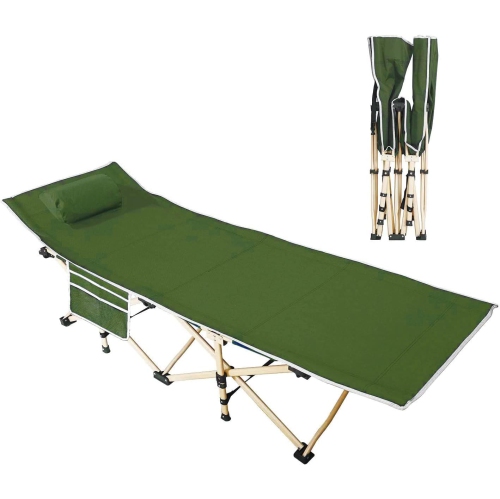 Your price for this item is $59.99
-
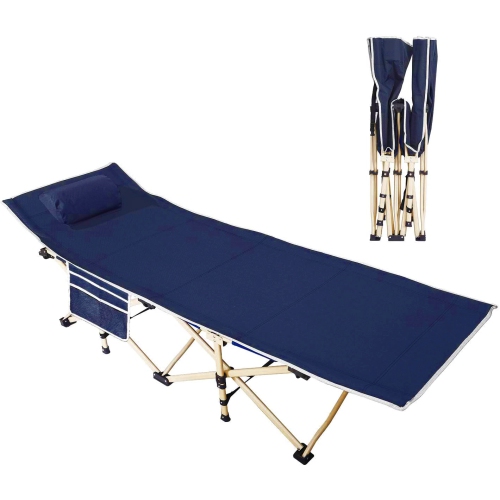 Your price for this item is $64.99
-
 Your price for this item is $359.99
-
 Your price for this item is $236.99
-
 Your price for this item is $93.99
-
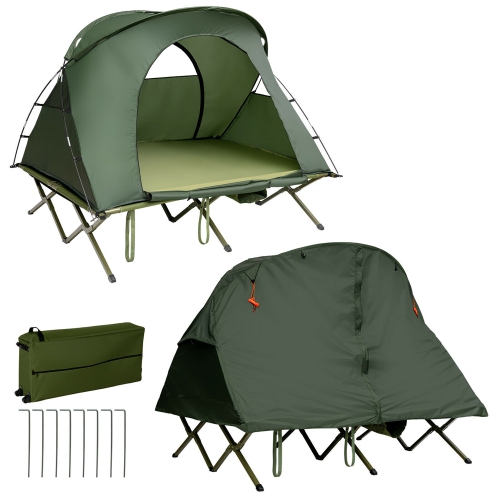 Your price for this item is $369.99
-
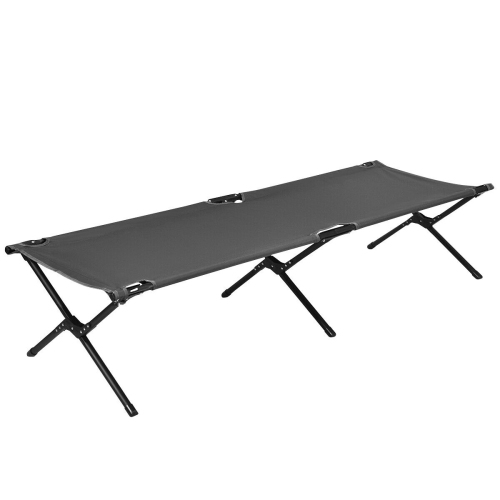 Your price for this item is $89.99
-
 Your price for this item is $159.99
Discover more categories related to Camping Beds
Top Collections:
Pokemon Centers, Best Cameras for Sports Photography, Kindle Devices, Samsung Galaxy Phones, Canon G7X Cameras, Pokémon 30th Celebration Cards, Refurbished Apple Laptops, iPhone 15 Apple, Laptops for Students, Budget Smartphones
Some products may be subject to Environmental Handling Fees
(EHF) depending on your province.
Learn more about EHFs.