Small Hoverboards
Small Hoverboards are a popular choice for those seeking compact, easy-to-carry personal transportation. Perfect for quick trips around the neighborhood or navigating busy indoor spaces, these hoverboards offer a fun and efficient way to get around. Their smaller size makes them ideal for younger riders or anyone looking for a lightweight option that fits neatly into your daily routine. Explore the selection of Small Hoverboards to find the right fit for your active lifestyle.
Sort

Why hoverboard fit goes beyond wheel size
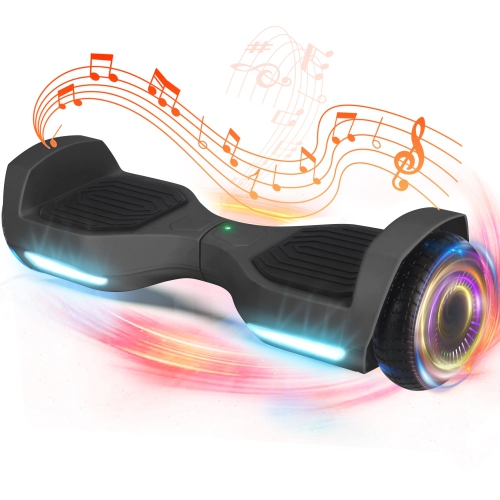
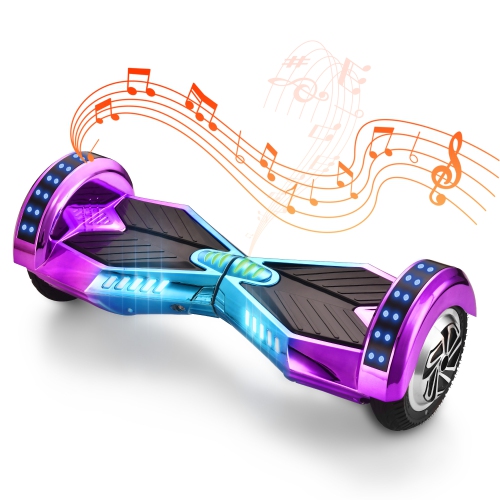
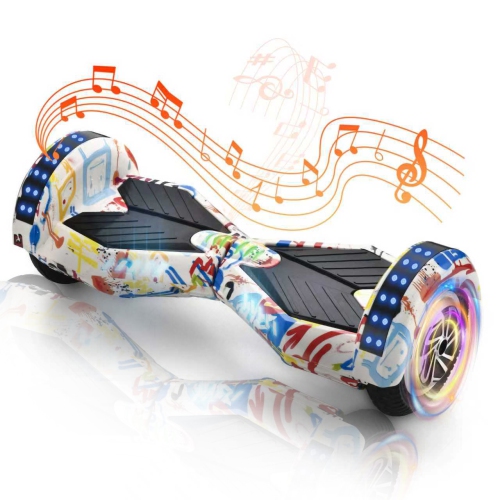
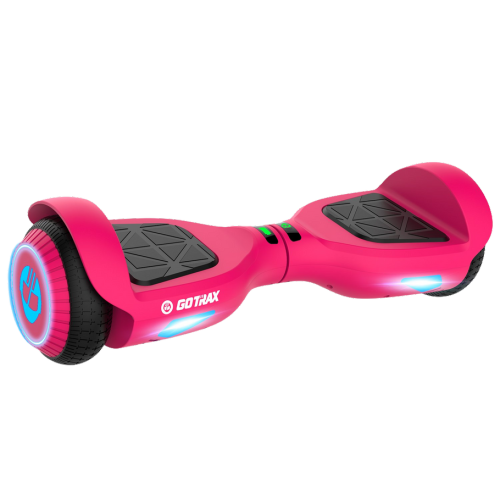
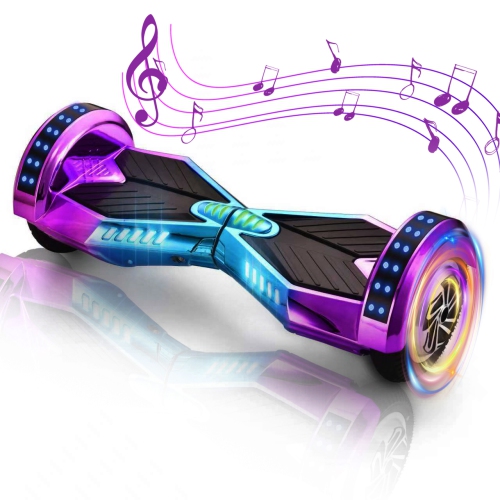
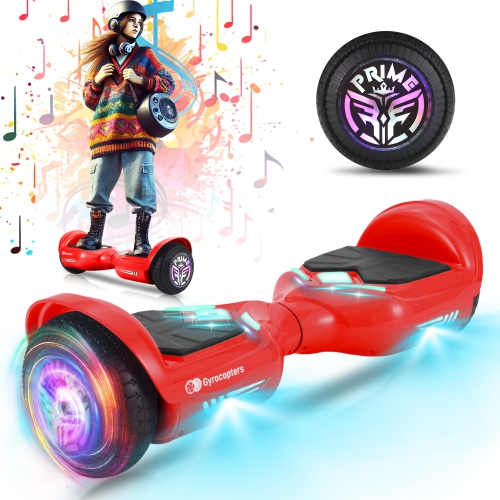
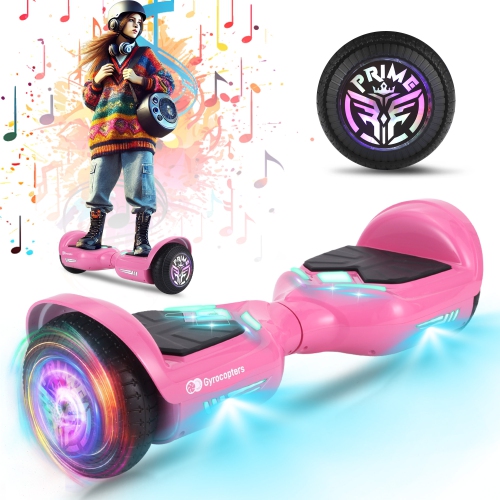
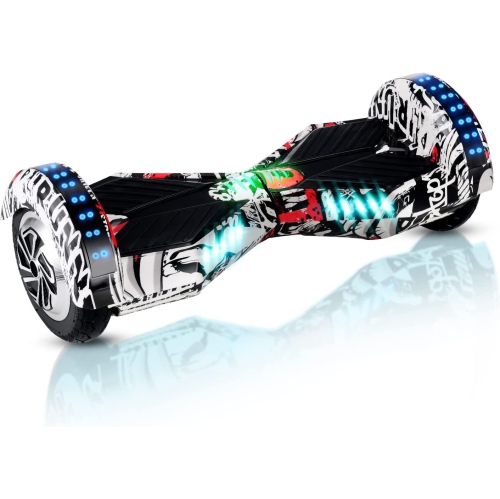
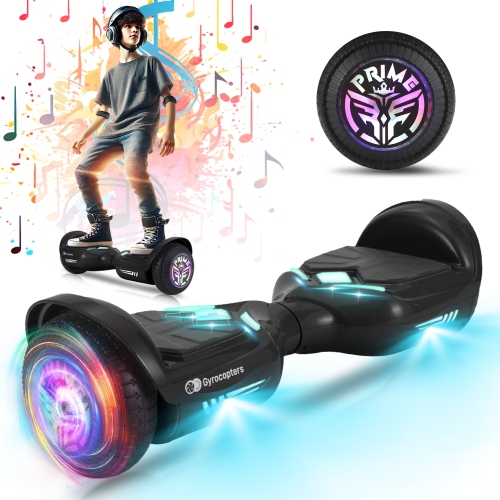
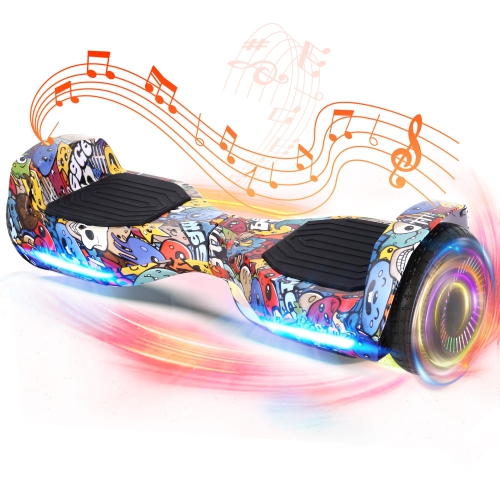
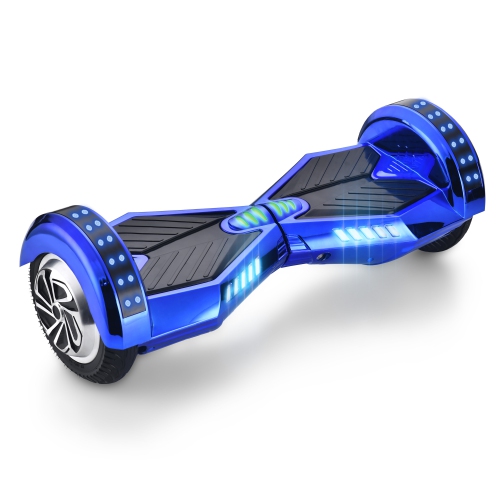
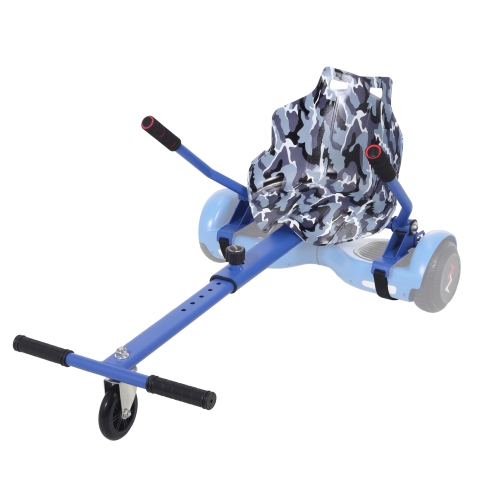
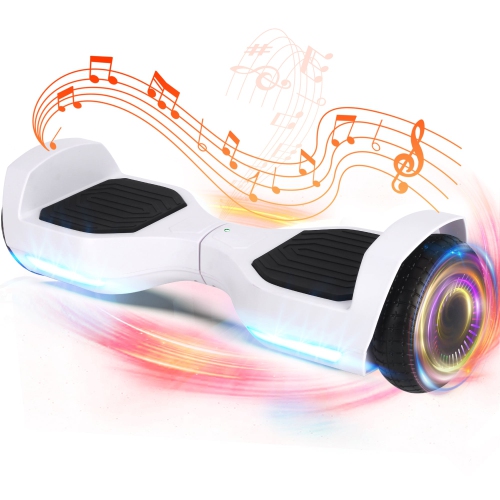
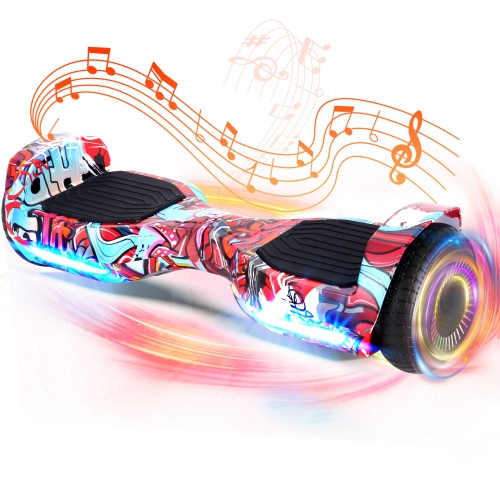
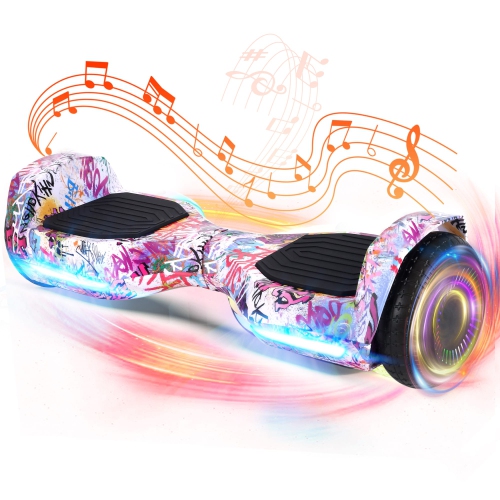
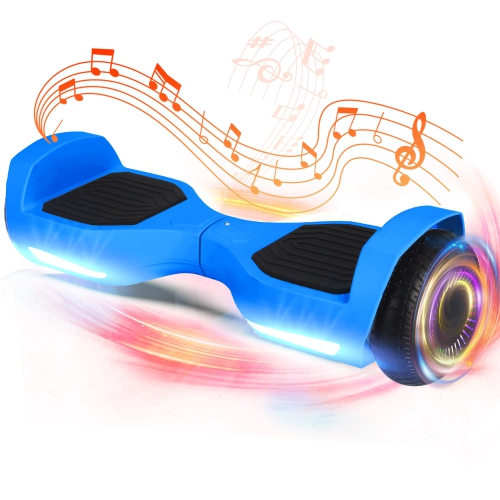
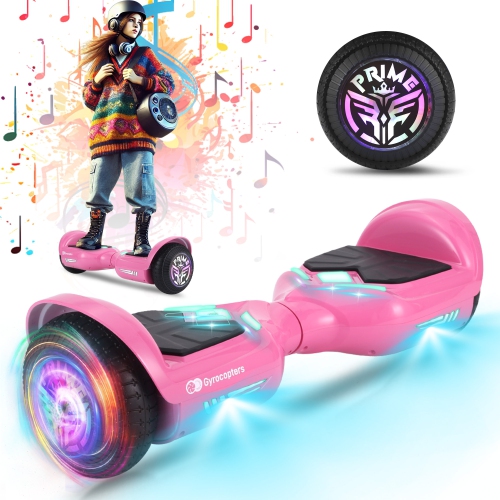
Small hoverboards are compact, two-wheeled electric ride-ons that use balancing sensors and motor assistance to respond to a rider’s movements. Many have 6.5-inch wheels, while some designs use 8-inch wheels; wheel diameter is only one part of their overall size. Foot platform dimensions, body width, carrying weight and rider limits all affect how manageable a board feels. Their compact proportions can appeal to beginners, younger riders who meet the manufacturer’s requirements, and adults looking for recreational riding in permitted spaces. A smaller hoverboard is not automatically suitable for a smaller child, however. Minimum rider weight matters because the controls need to respond correctly, and maximum weight, minimum age and any supervision requirements must also be followed. A rider’s feet should sit securely on the designated pads without an awkward stance or excessive overhang. For a family choosing a shared hoverboard, every intended rider needs to fall within the stated limits; a board that fits one sibling may not fit another. Smooth, level surfaces provide a more predictable place to learn than loose gravel, uneven paving or routes interrupted by curbs. Smaller wheels generally have less ability to roll over cracks and changes in surface height, so a compact frame should not be mistaken for all-terrain capability. Beginner modes, where provided, can make speed delivery more manageable, but they do not replace protective equipment or supervision. Practising gentle starts, controlled stops and getting on and off according to the manufacturer’s directions helps build familiarity before longer sessions. Small hoverboards are best understood as recreational ride-ons rather than an automatic substitute for walking or commuting. Local rules and property restrictions determine where they may be ridden, and public roads, sidewalks, trails and shared spaces can have different requirements. A clear, permitted practice area with room to stop is more useful than a route chosen simply because it is nearby. Busy entrances, stairs and places where pedestrians may step into the riding path are unsuitable for learning.
Construction and fit make a noticeable difference to how a small hoverboard feels in regular use. Many designs combine a moulded outer shell with a metal chassis or internal structural components, while textured foot pads help provide grip underfoot. Shell materials, wheel coverings and trim vary, so durability depends on more than a glossy finish or a rugged appearance. For a board that will be carried between a storage area and a riding space, total weight can matter as much as its dimensions. A compact hoverboard may still be too heavy for a young rider to lift comfortably, and a carrying handle or compatible bag is useful only when it can support the board properly. Storage should keep the board clear of walkways, where a low platform can become a trip hazard. Solid tires require no inflation, though their firmer feel can make surface imperfections more noticeable. Pneumatic tires, where fitted, may offer a more cushioned ride but introduce tire-pressure checks and the possibility of punctures. Neither tire style removes the need to stay within the board’s intended terrain and load limits. Motor output, battery capacity and control settings also influence the riding experience, but a higher power figure alone does not establish suitability for a beginner. Published speed and distance figures reflect particular test conditions; rider weight, surface, gradients, riding style and battery condition can all affect actual results. For casual practice close to home, predictable handling and an appropriate rider fit may be more useful than a headline range figure. Lights, colour choices and built-in audio can add personality, particularly when a hoverboard is a gift, but these extras should remain secondary to fit and control. Decorative lighting does not guarantee that other people can see the rider, and audio should never distract from nearby activity or instructions. A design that looks appealing also needs to suit the space where it will actually be used.
Electrical safety deserves the same attention as dimensions and handling when comparing small hoverboards or browsing Safe Hoverboards. Look for verifiable certification to UL 2272 from a recognized testing organization, rather than relying on a general safety claim or an unexplained logo. UL 2272 addresses the electrical system of personal e-mobility devices; it does not certify that a rider cannot fall, that every riding surface is suitable, or that a board is appropriate for a particular child. Certification details should correspond to the actual model, and any recall notices or manufacturer safety updates deserve attention. Charging and storage habits remain important even with certified equipment. Use only the charger supplied or explicitly approved by the manufacturer, inspect the charging connection for damage, and follow the stated charging time and storage directions. Charge in a dry, clear location away from combustible materials, exits and escape routes, while an adult is awake and able to monitor it. A battery or charger that becomes unusually hot, swells, leaks, smells unusual or shows damage should not remain in use; follow the manufacturer’s instructions for service and local battery disposal requirements. Routine care also includes checking the tires, foot pads, shell and fasteners for wear or looseness before riding. Remove dust and grit with the cleaning method specified in the manual, and avoid soaking the board or allowing liquid into charging ports and electrical components. A suitable, properly fitted helmet and protective pads belong alongside the hoverboard, not as an afterthought. For a gift recipient, confirming age, weight, riding space and parental approval helps prevent a mismatch that attractive colours alone cannot solve. A first session with attentive adult supervision, clear boundaries and enough time to practise stopping can make the experience more manageable. With appropriate sizing, careful maintenance and realistic expectations about where it can be ridden, a small hoverboard can offer engaging recreational practice without requiring a large riding platform.
Top selling and popular products
-
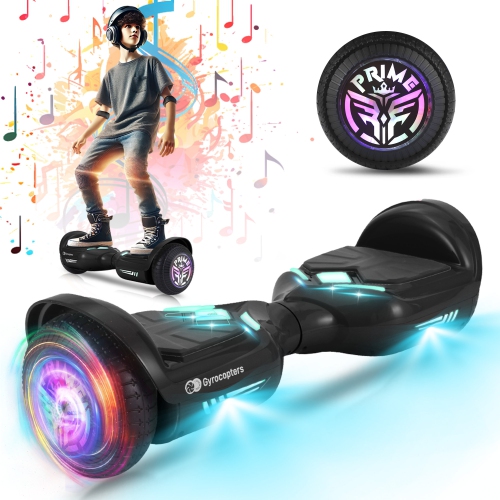 Your price for this item is $219.97
-
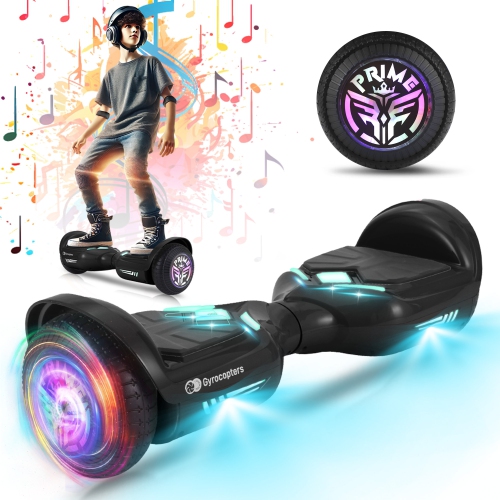 Your price for this item is $159.87
-
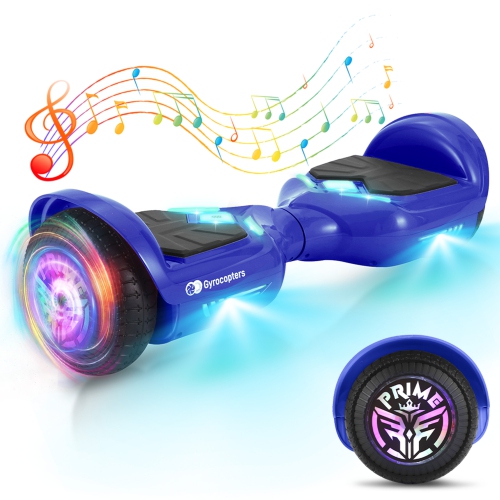 Your price for this item is $219.97
-
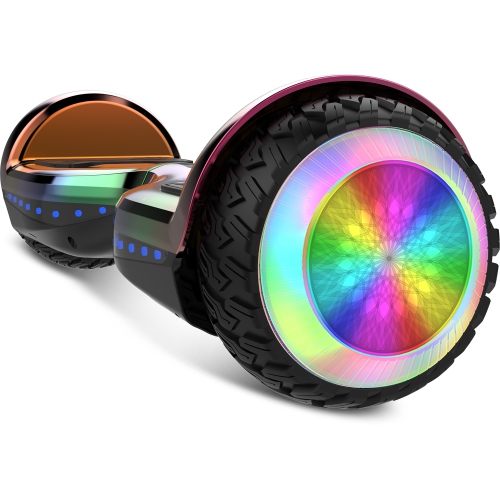 Your price for this item is $229.97
-
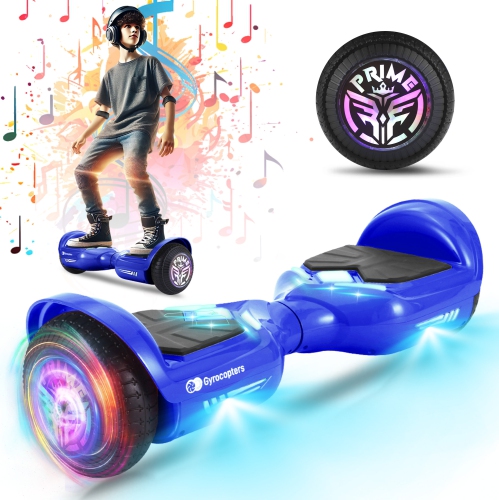 Your price for this item is $129.97
-
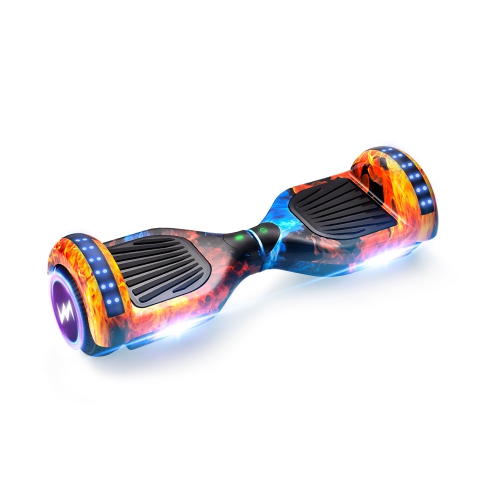 Your price for this item is $139.99
-
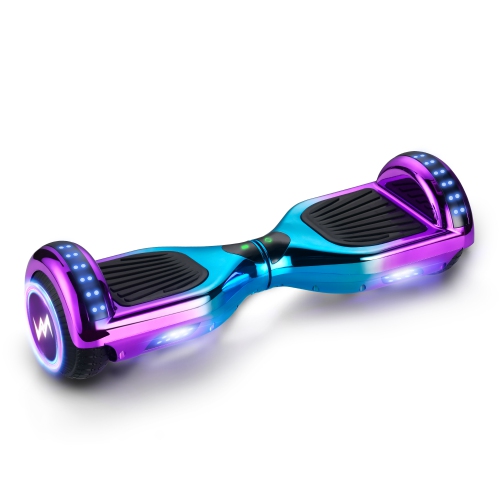 Your price for this item is $169.99
-
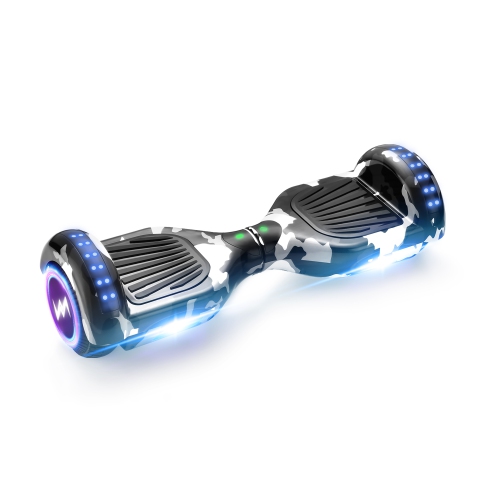 Your price for this item is $299.99
Discover more categories related to Small Hoverboards
Top Collections:
Best Black Friday Deals This Year, Best Black Friday Deals On Electronics, Kindle Devices, Pokemon Centers, Best Black Friday Deals On Apple Products, Best Cameras for Sports Photography, Dyson Airwrap, Pokémon 30th Celebration Cards, Apple iPhone 17 Pro, Canon G7X Cameras
Some products may be subject to Environmental Handling Fees
(EHF) depending on your province.
Learn more about EHFs.