Solar Battery Chargers
Harness the power of the sun with our selection of solar battery chargers. Whether you're an outdoor enthusiast, a frequent traveler, or simply looking for an eco-friendly way to keep your devices charged on the go, these solar battery chargers are a game-changer. With their innovative technology and efficient design, you can easily charge your smartphones, tablets, cameras, and more using the sun's abundant energy. Say goodbye to searching for power outlets and embrace the convenience of portable solar charging. Explore our range of solar battery chargers and discover a sustainable solution for all your charging needs.
Sort

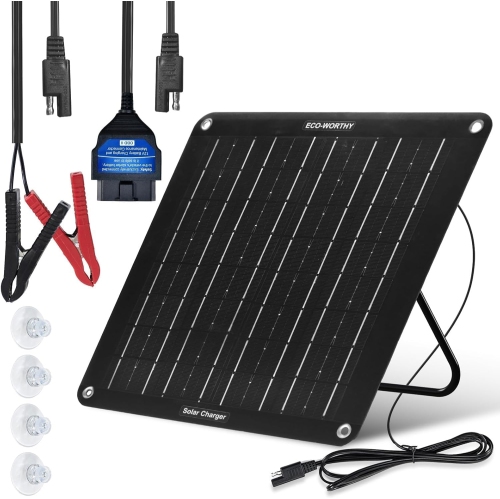
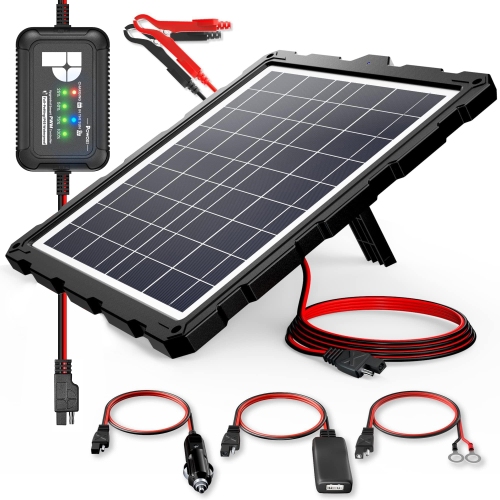
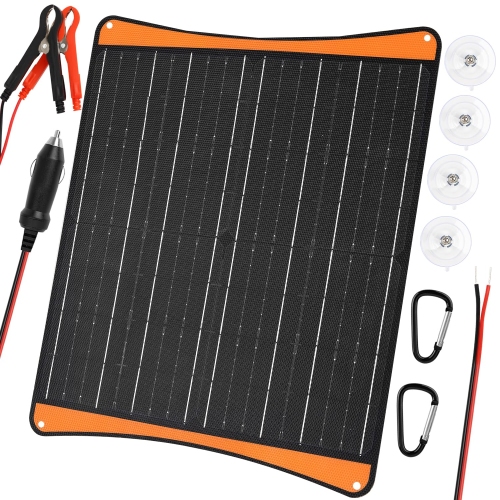
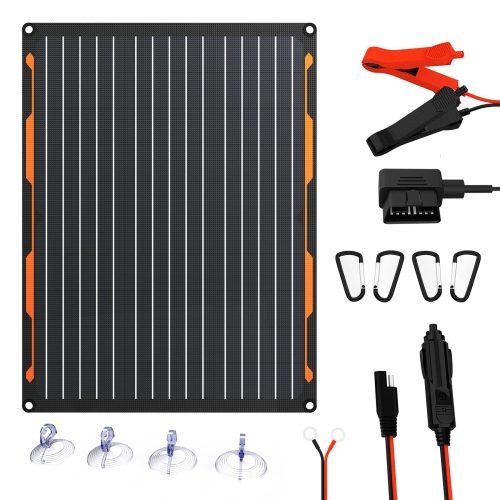




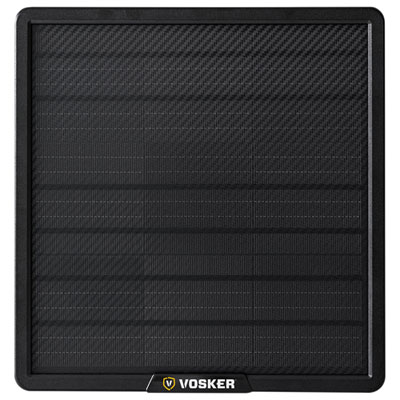
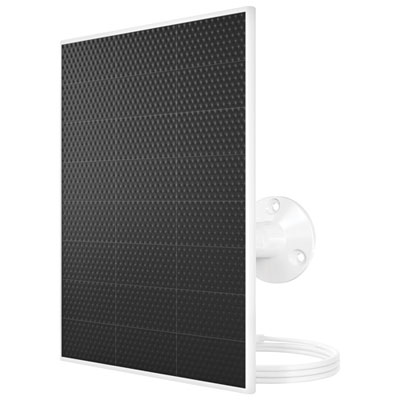
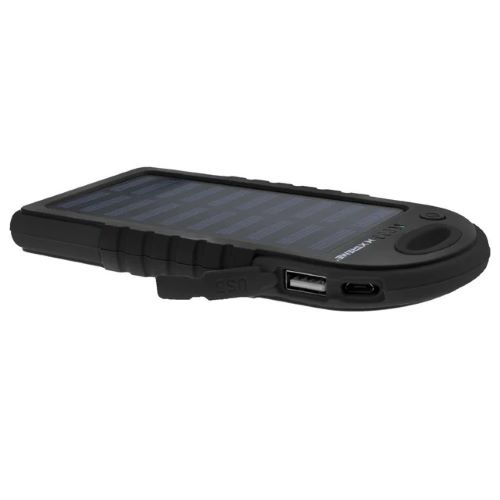
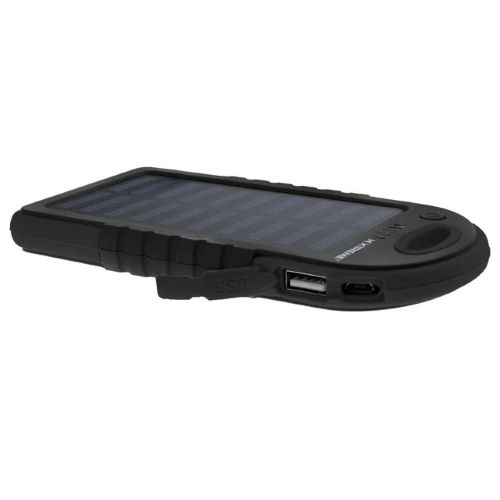



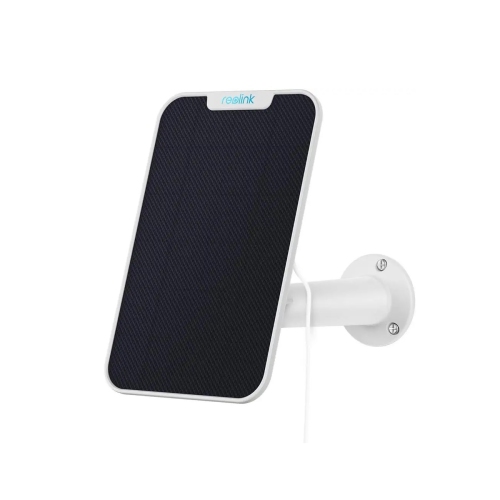
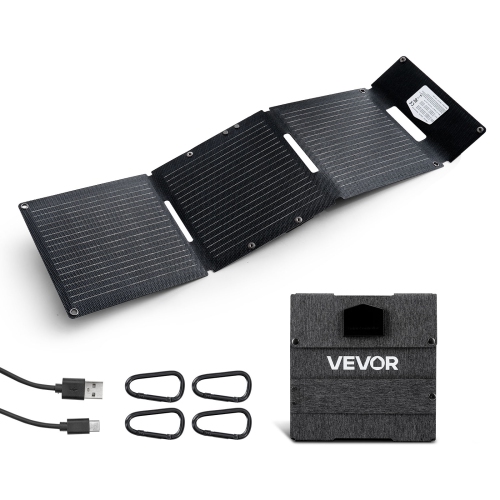
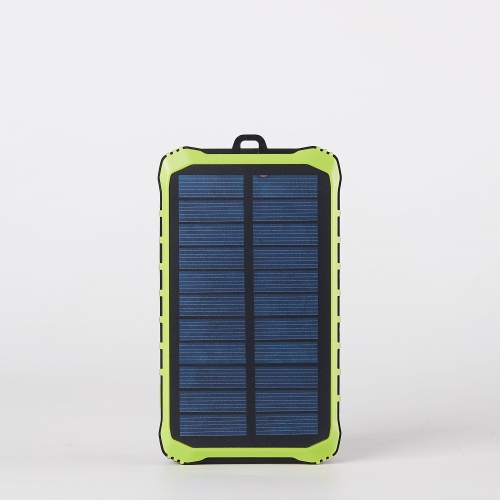
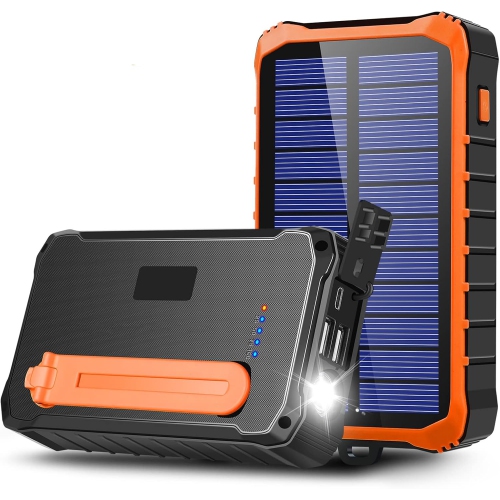

How solar charging fits vehicles and off-grid power needs
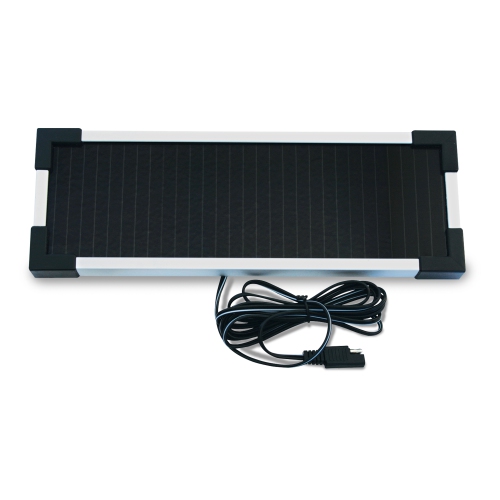
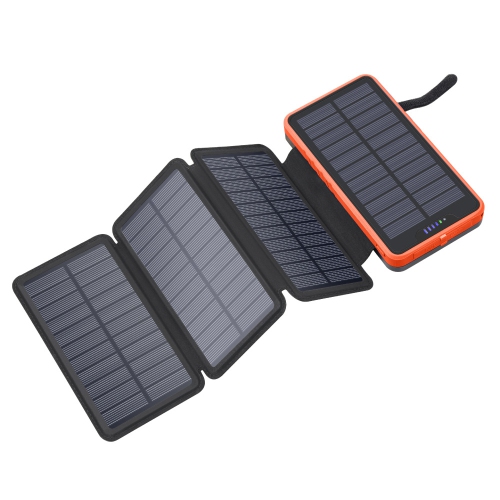
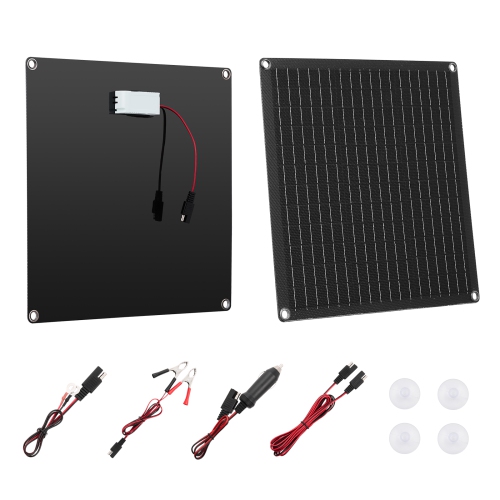
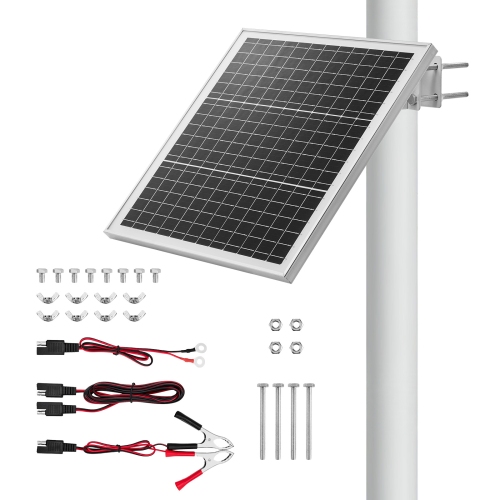
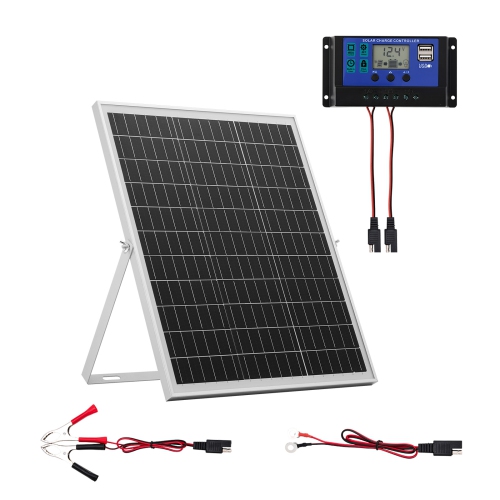
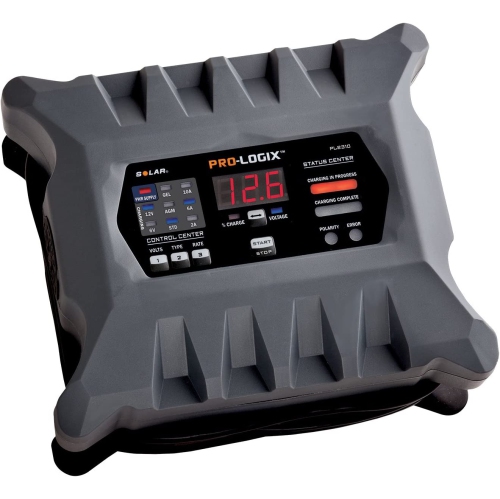
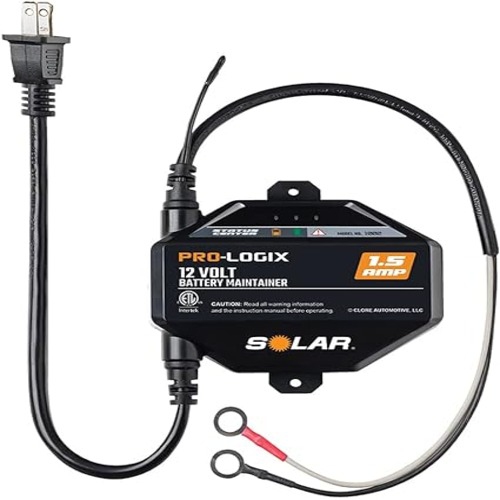
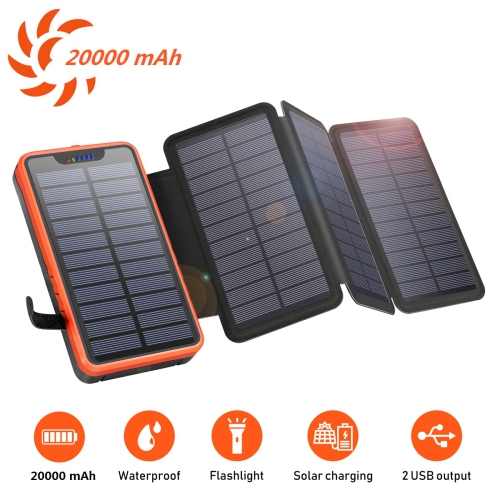
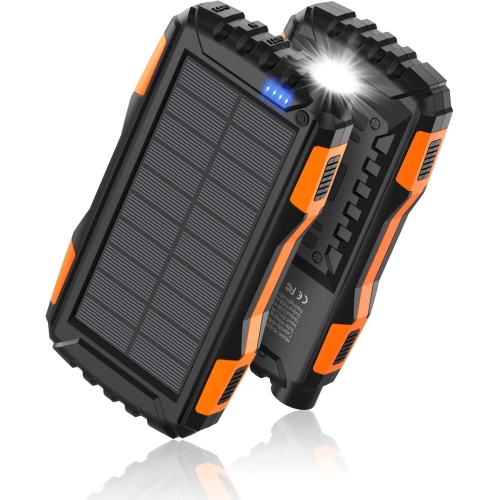
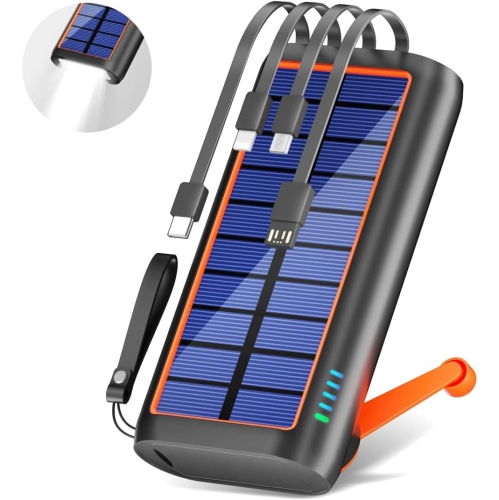
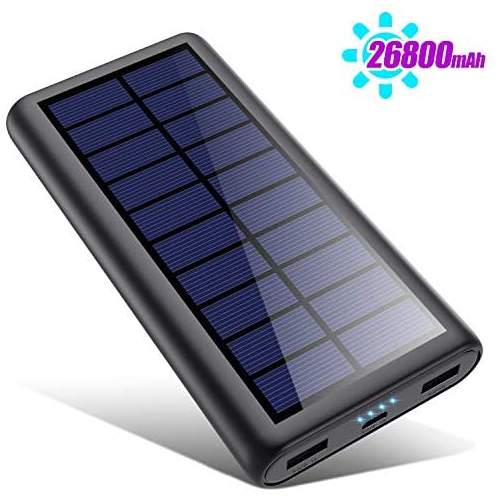
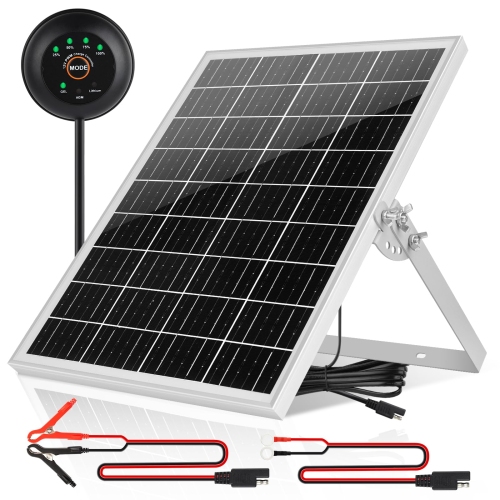
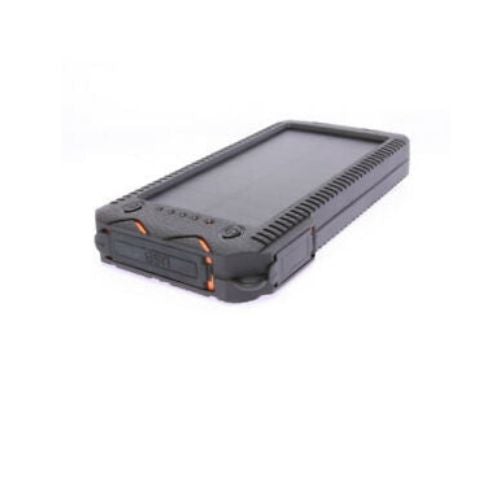
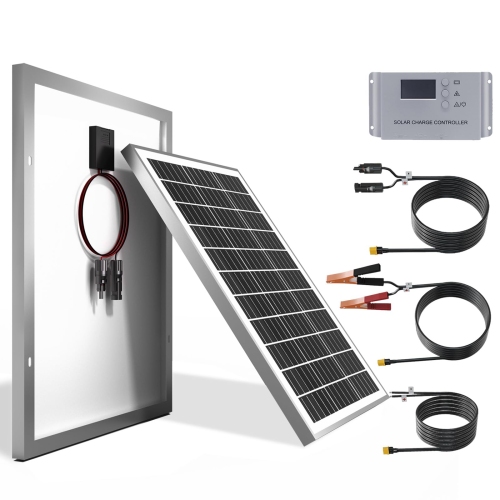
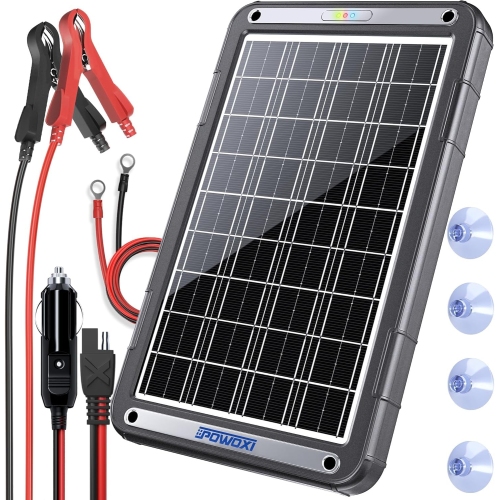
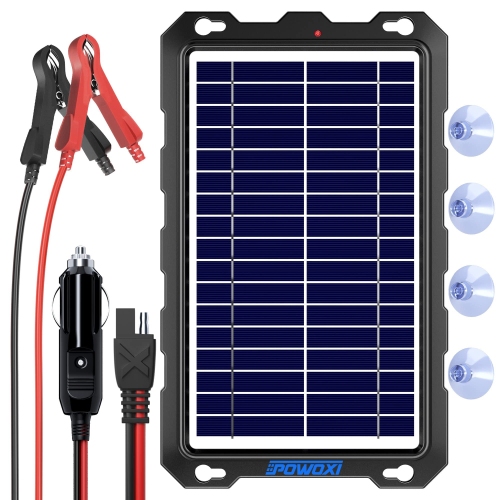
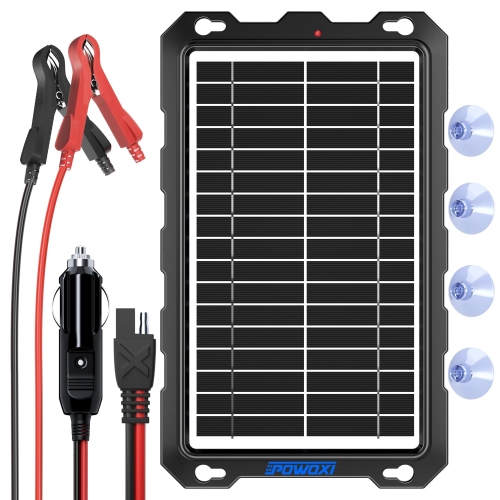
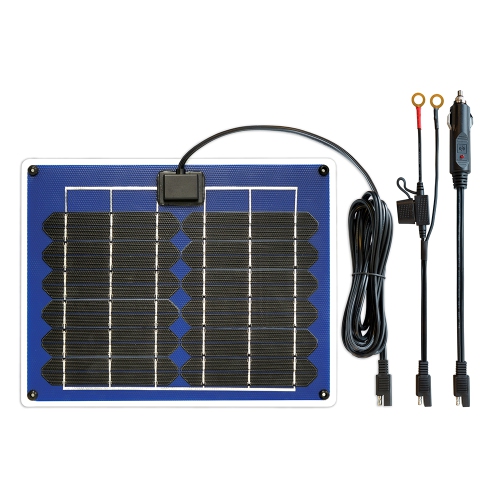
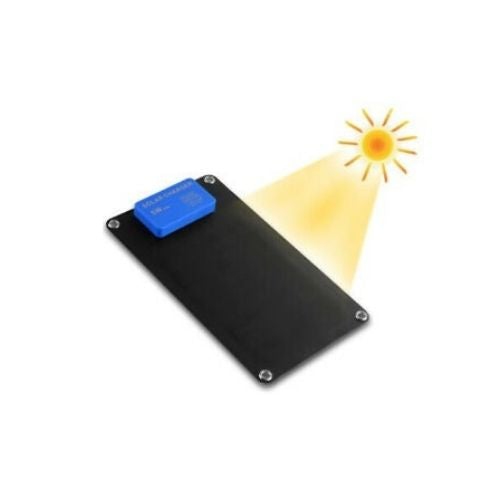
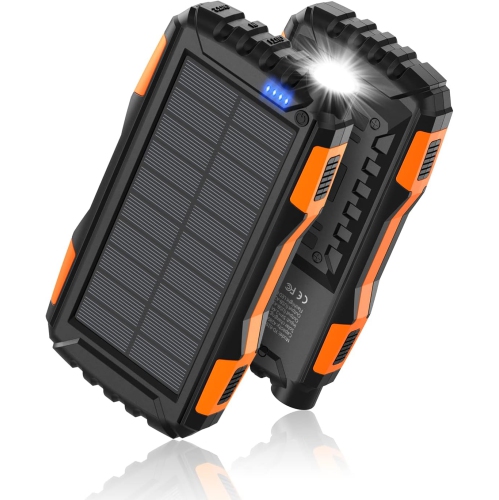
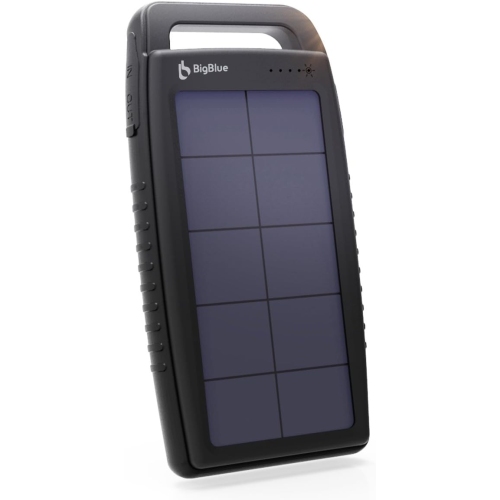
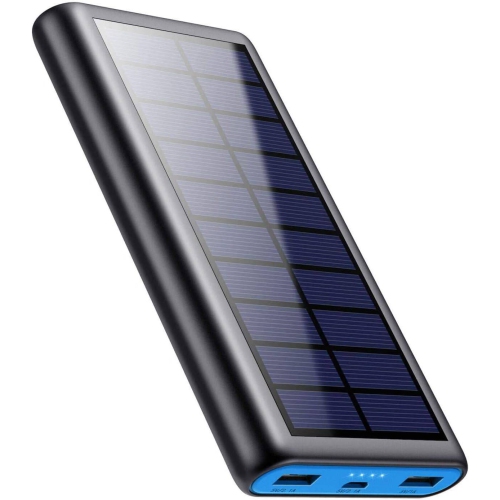
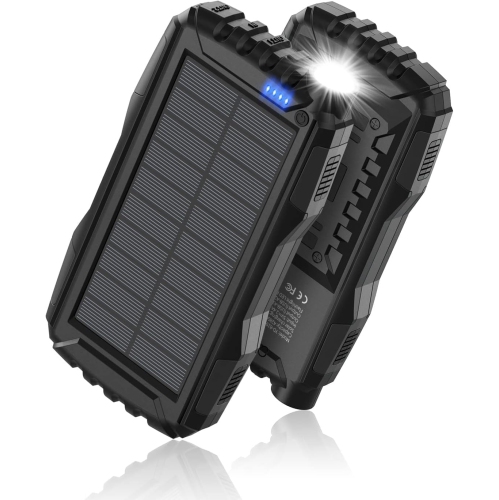
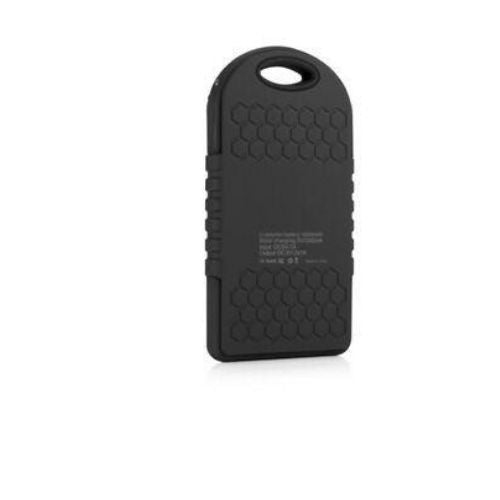
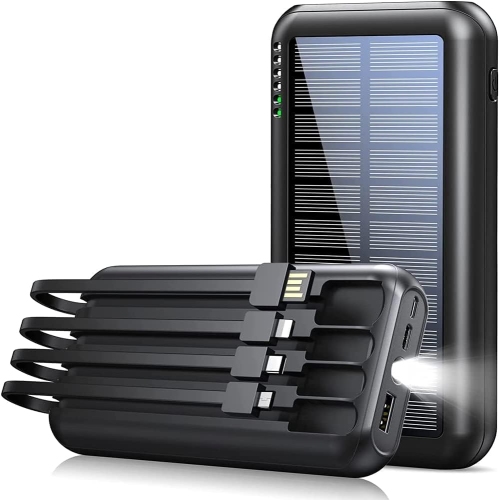
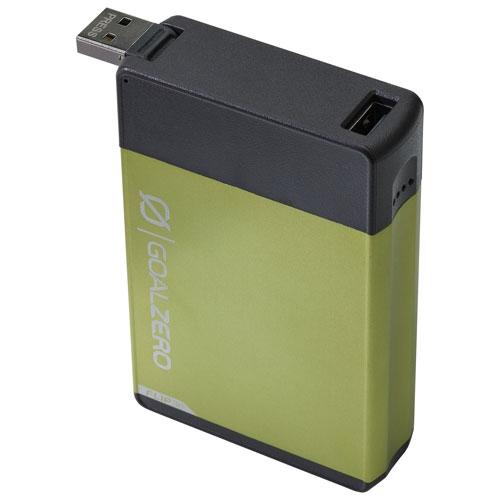
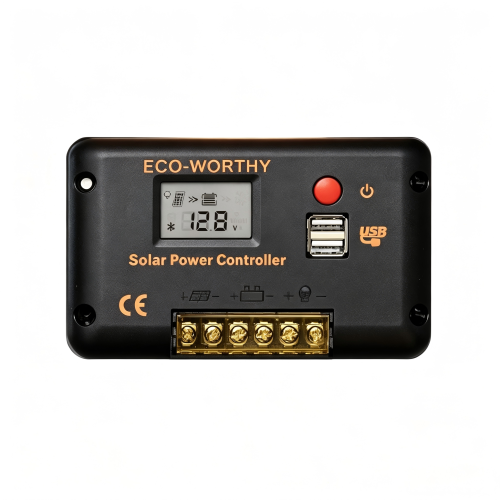
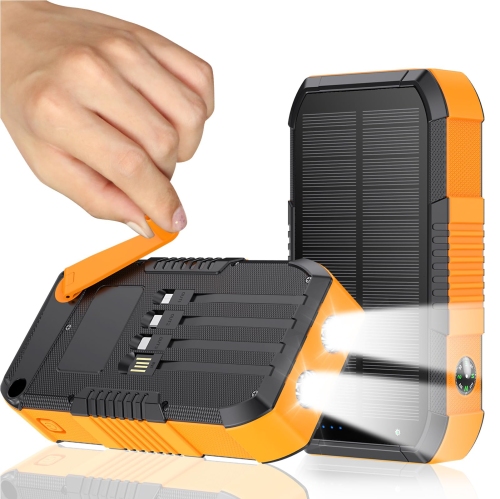
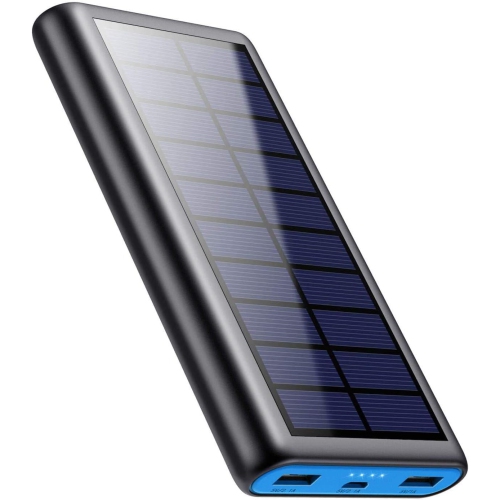
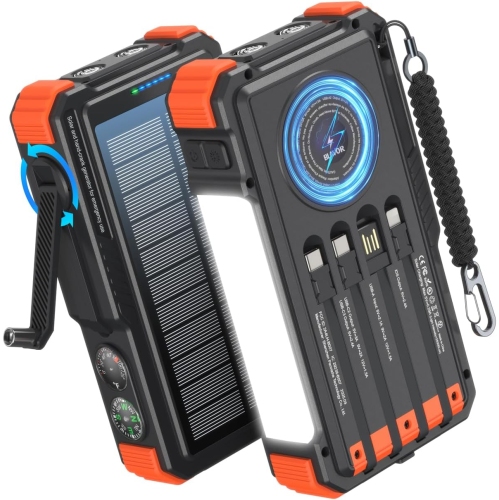
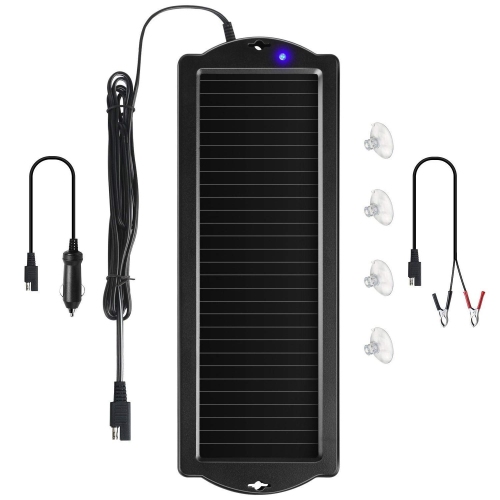
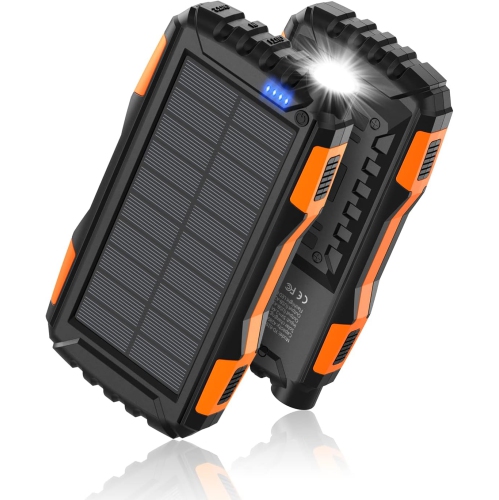
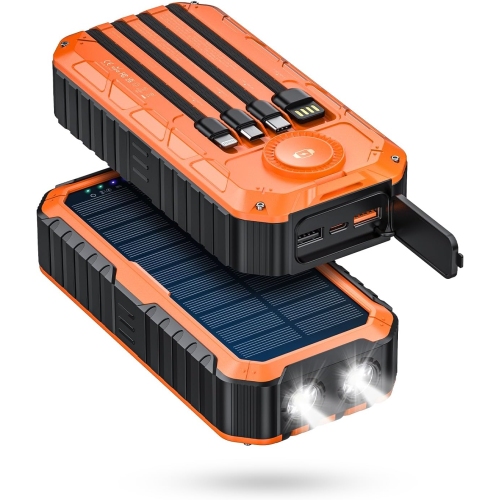
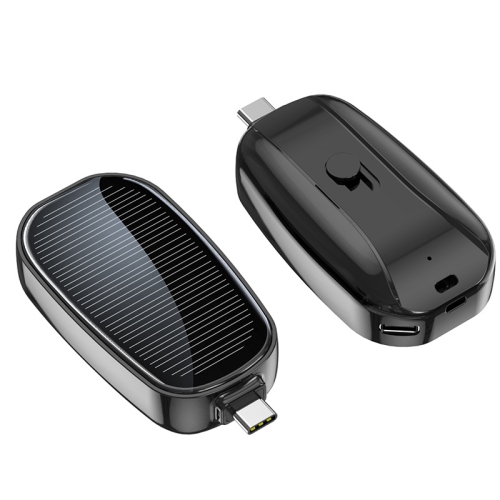
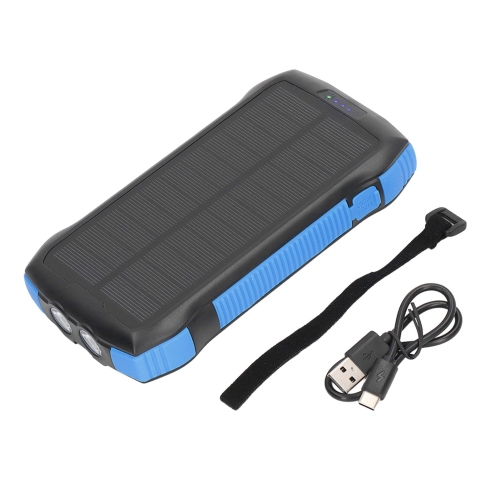
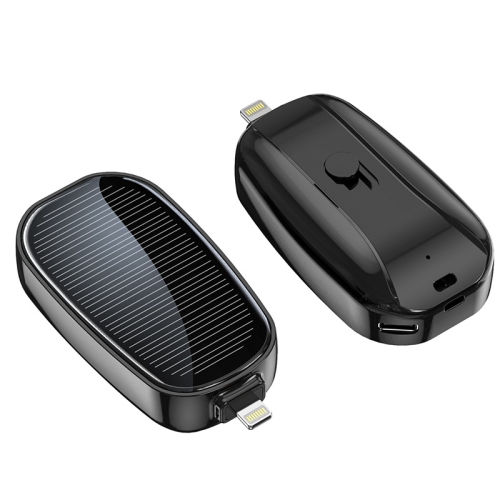
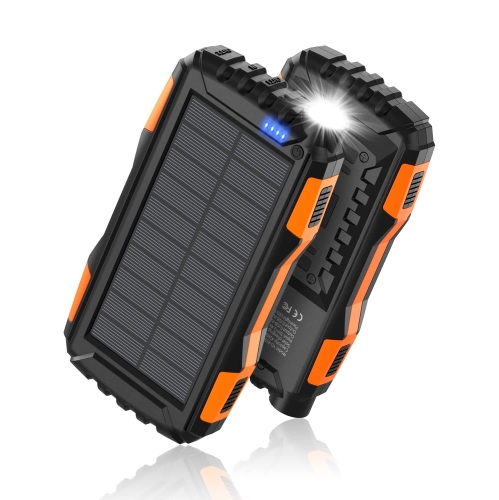
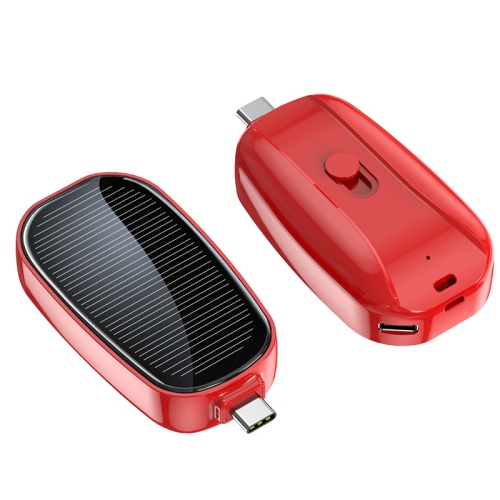
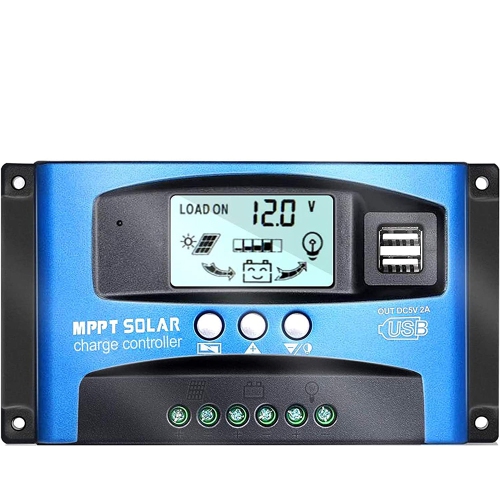
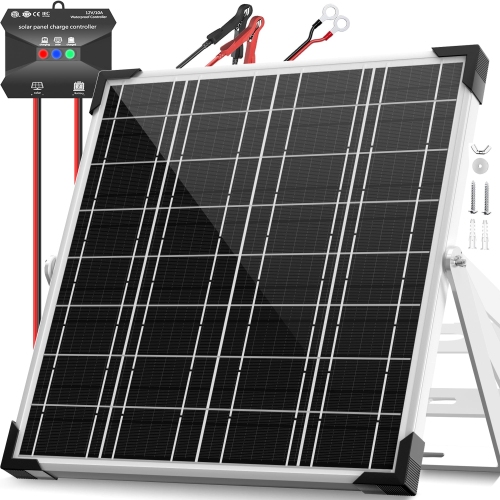
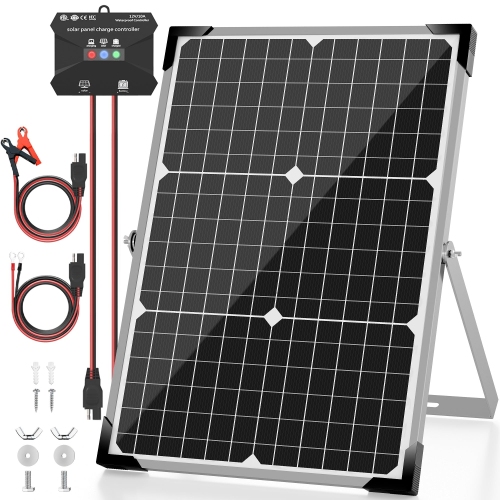
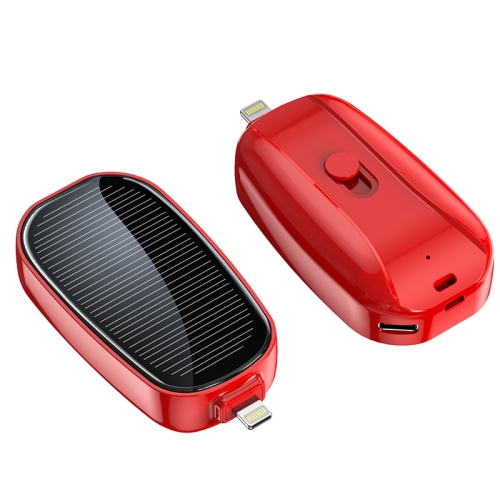
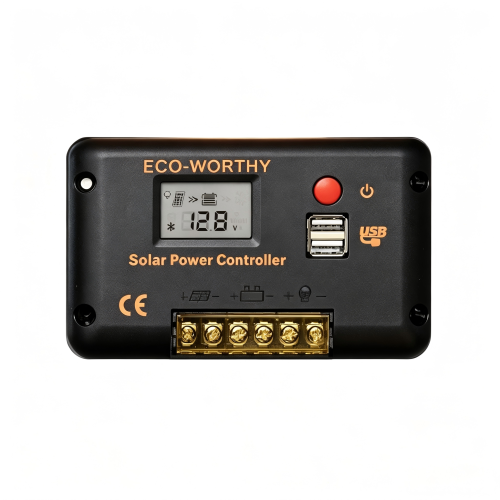
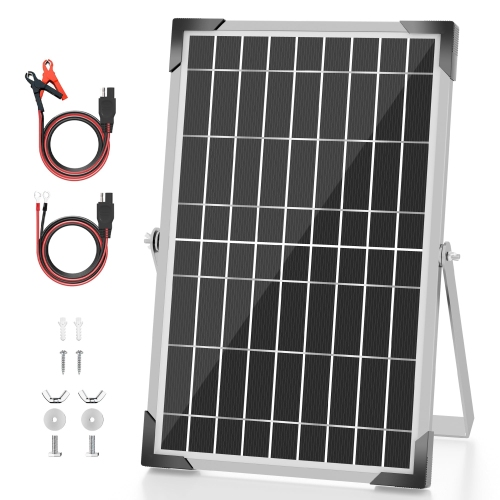
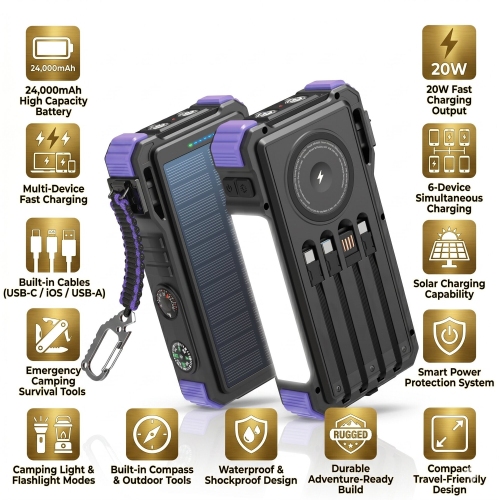
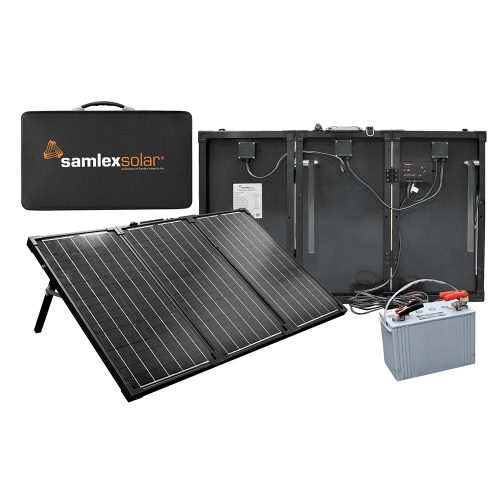
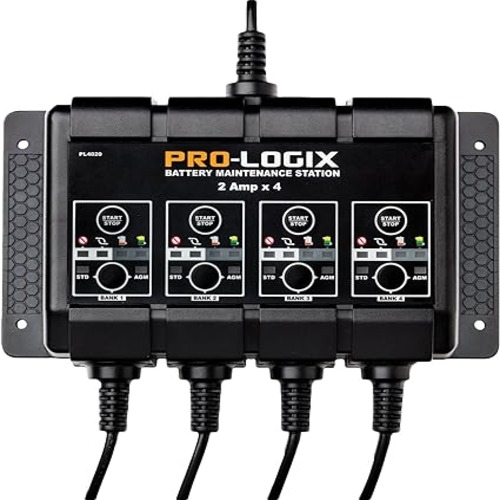
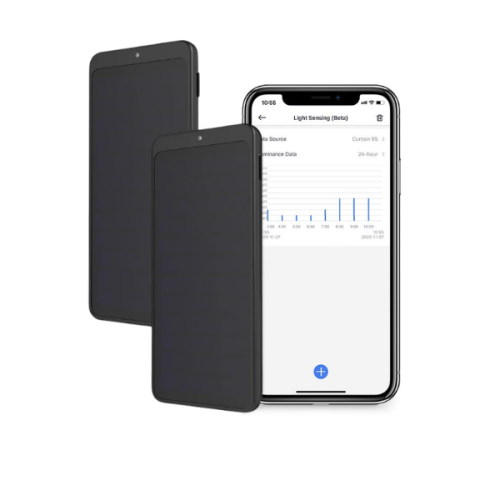
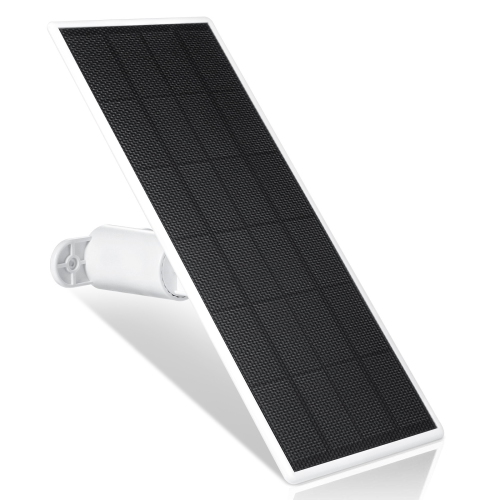
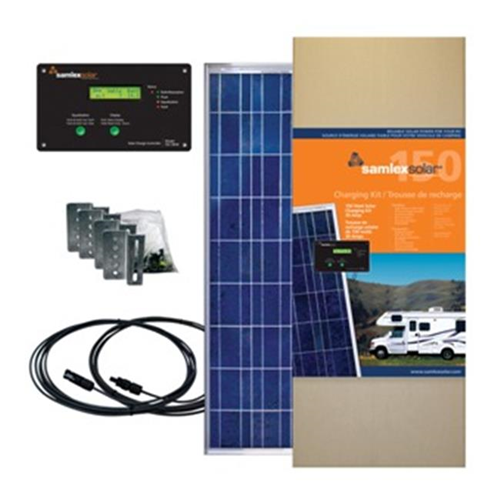
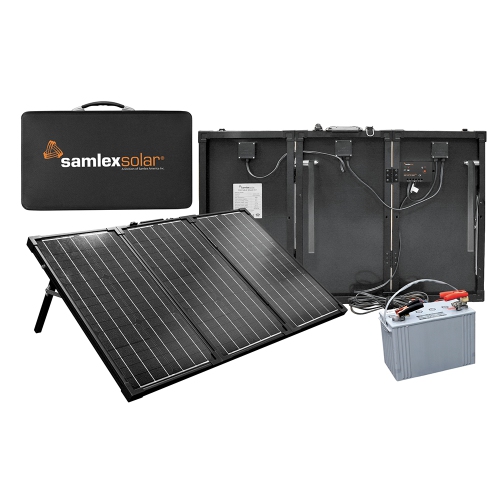
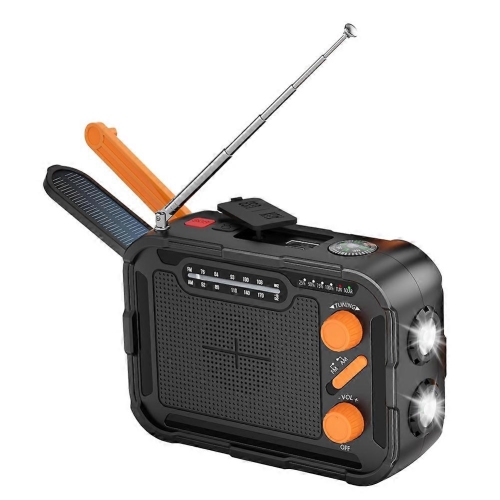
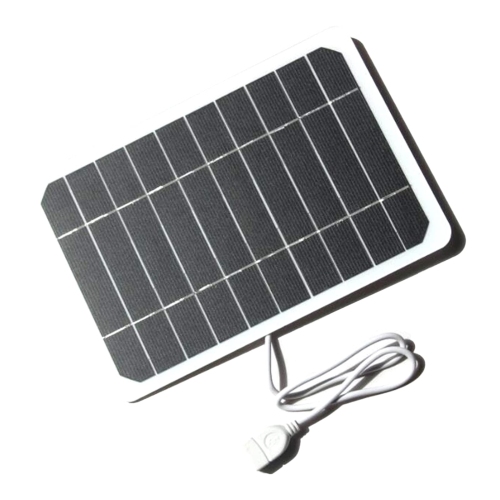
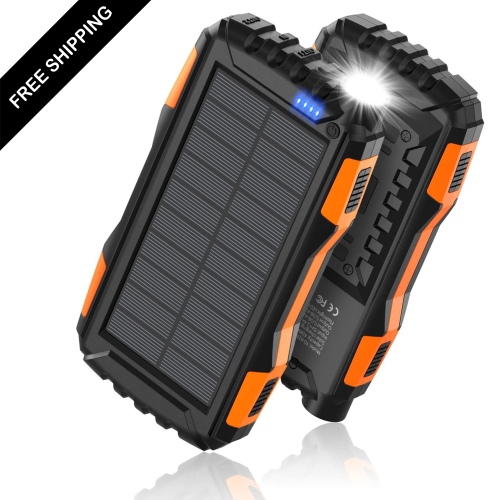
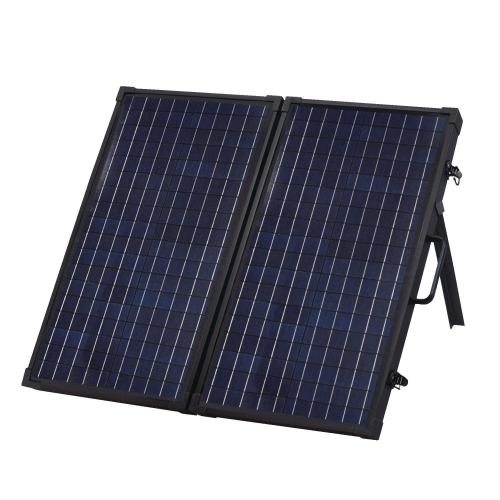
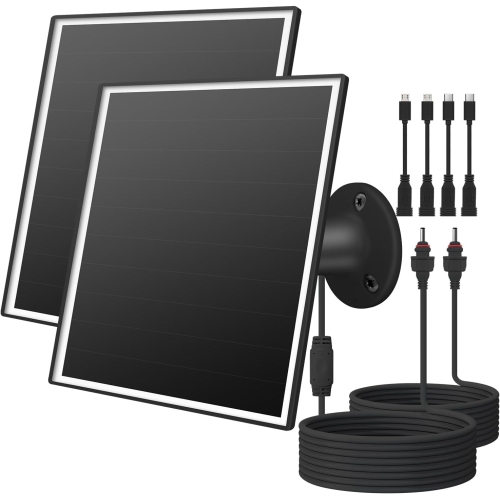
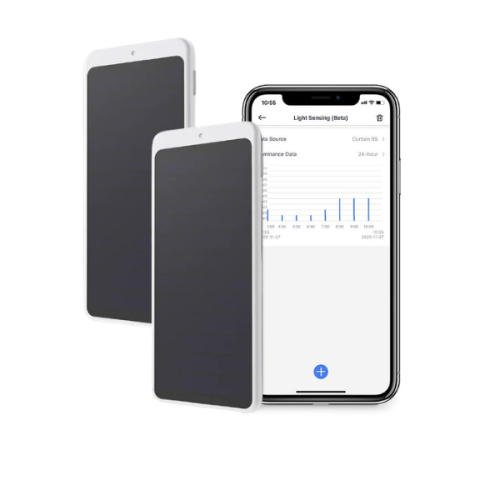
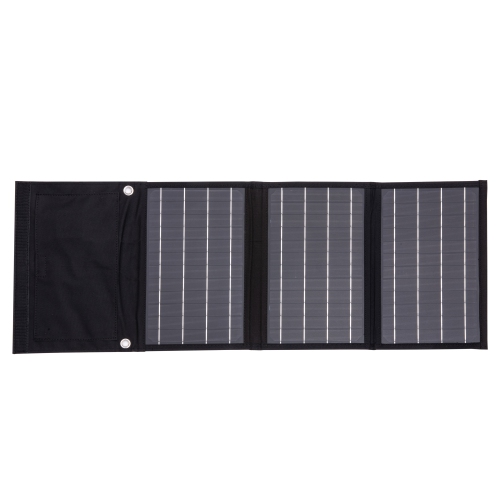
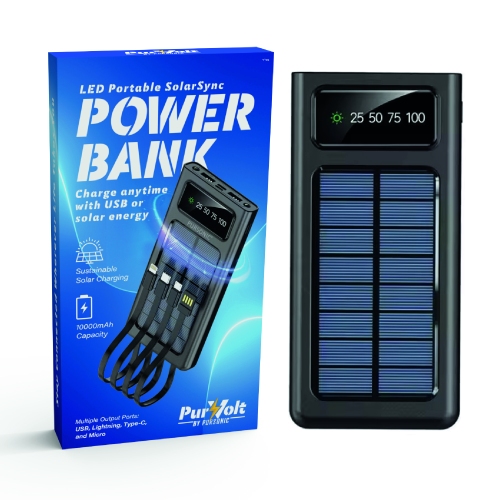
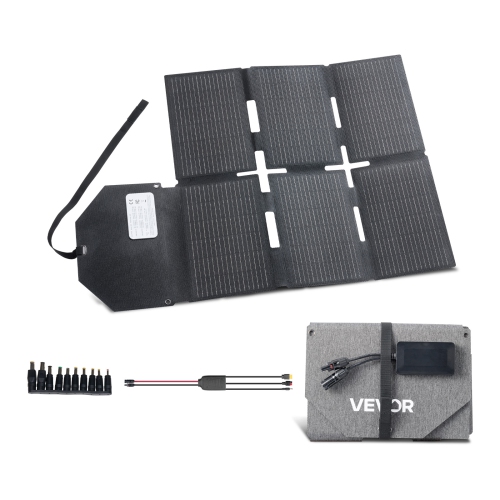
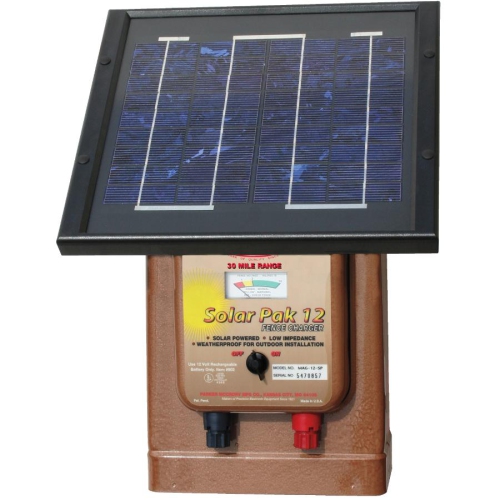
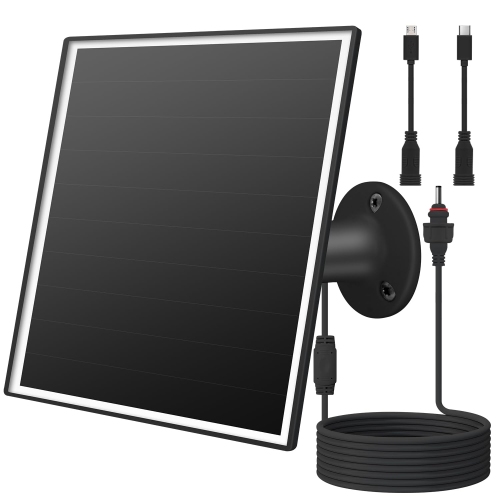
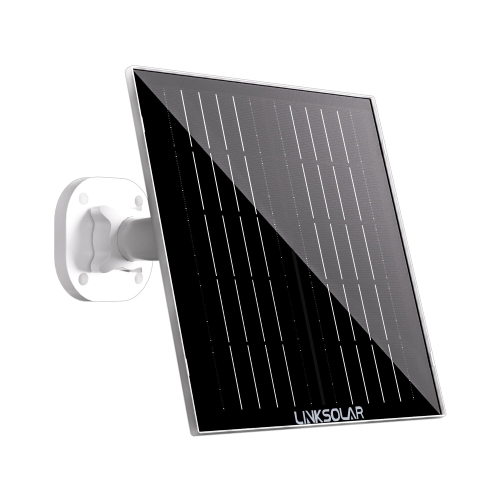
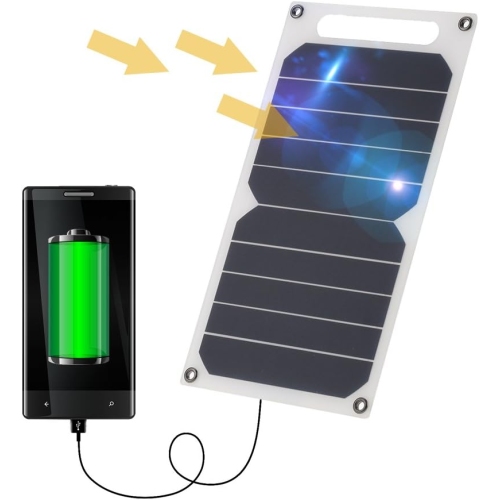
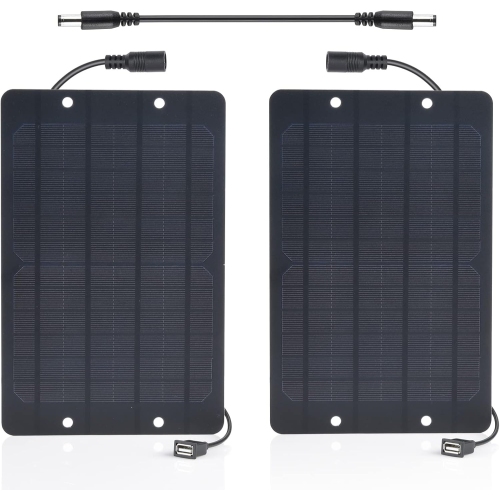
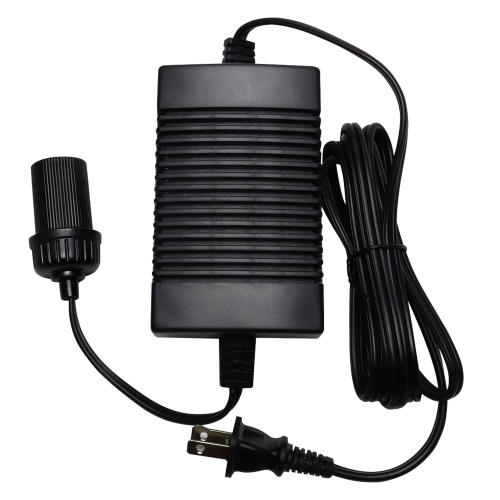
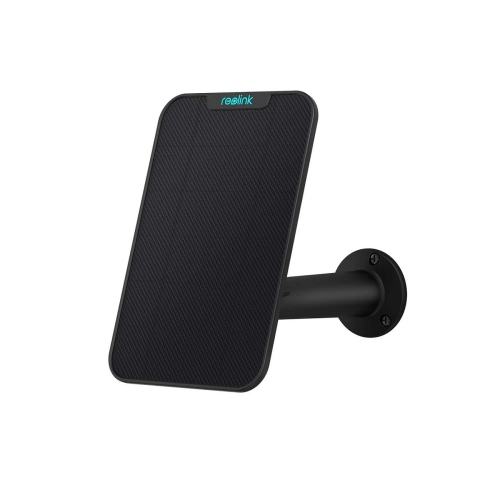
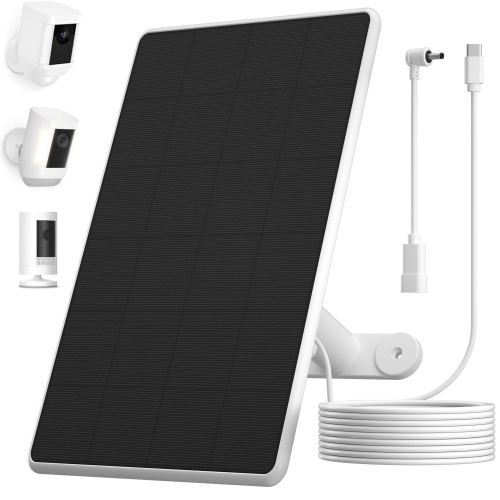
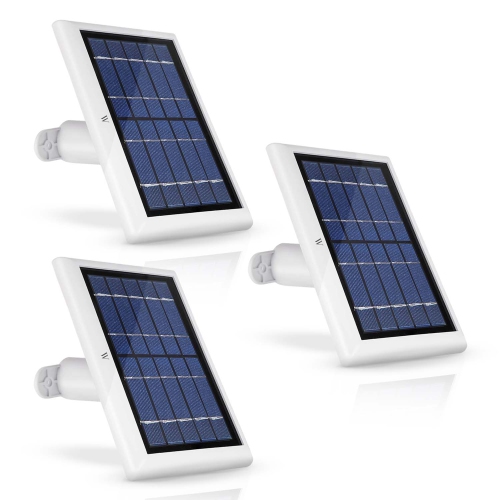
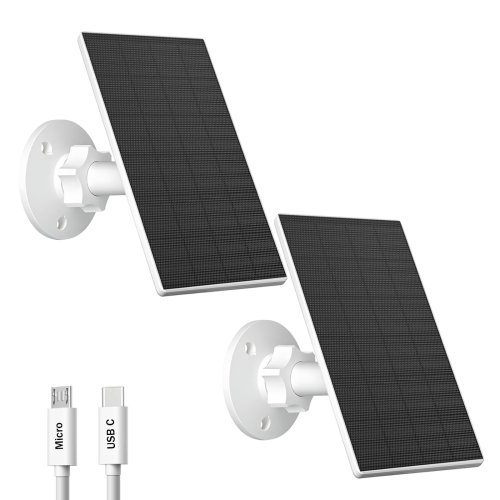
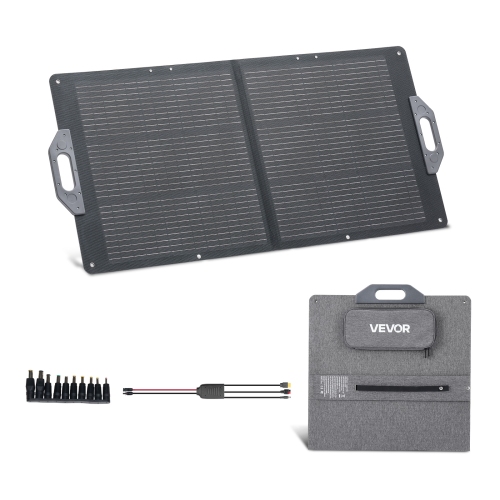
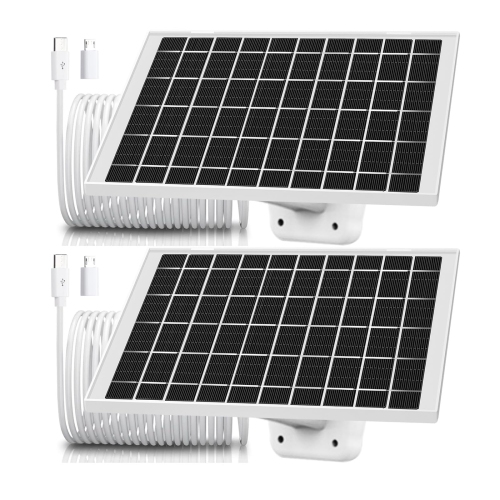
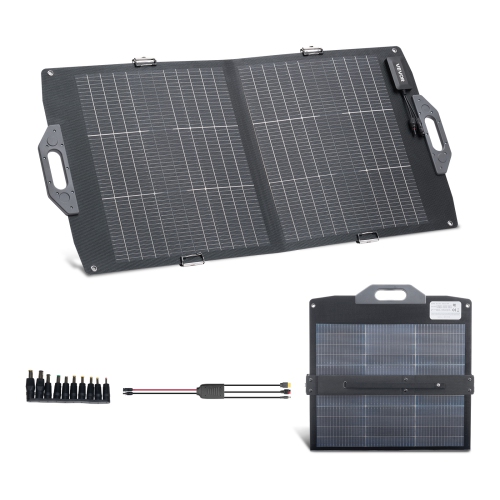
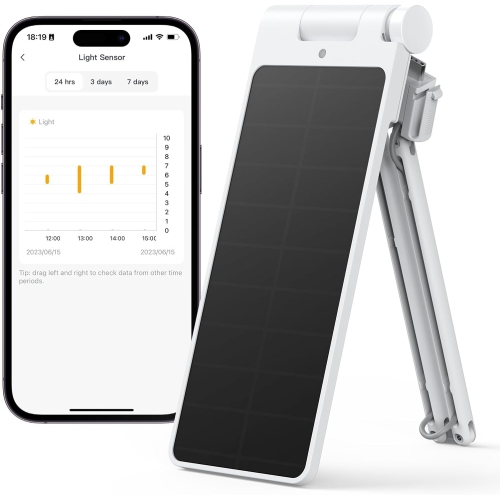
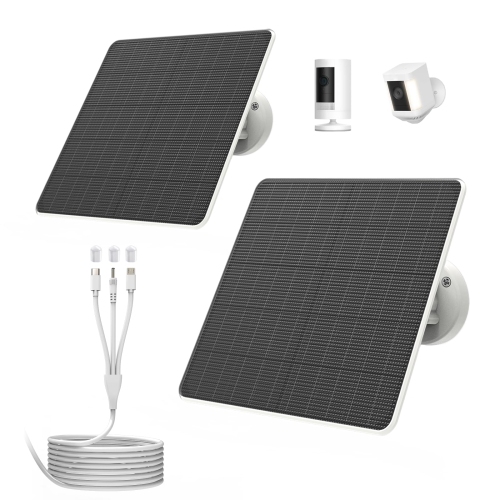
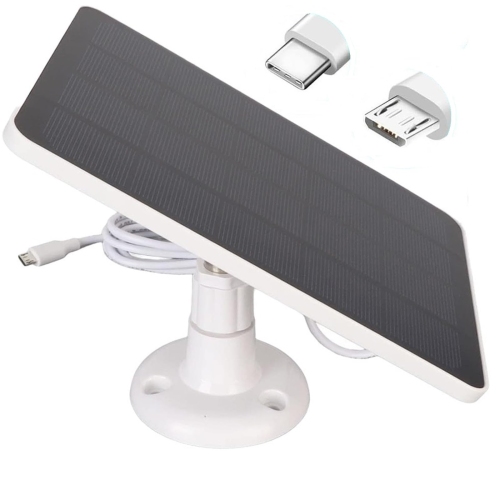
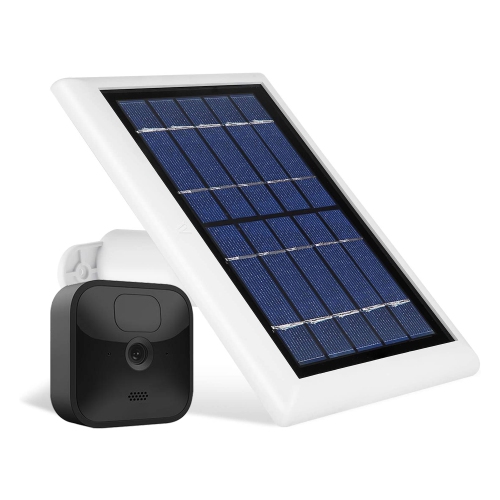
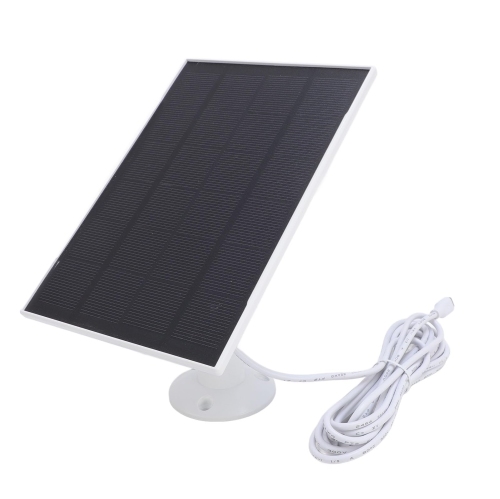
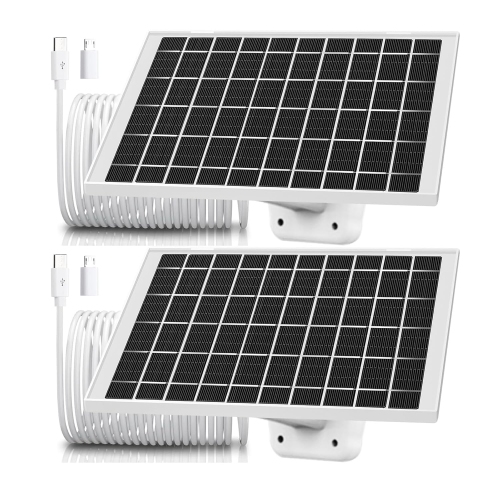
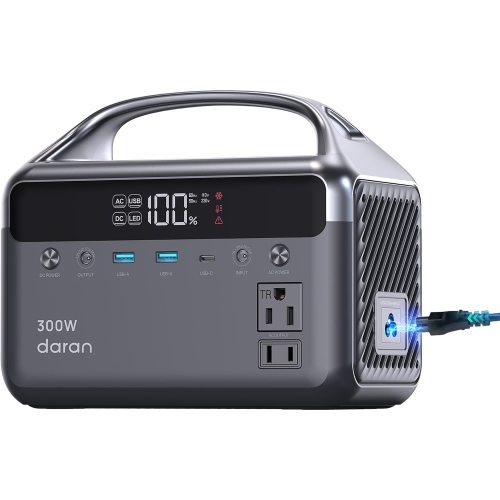
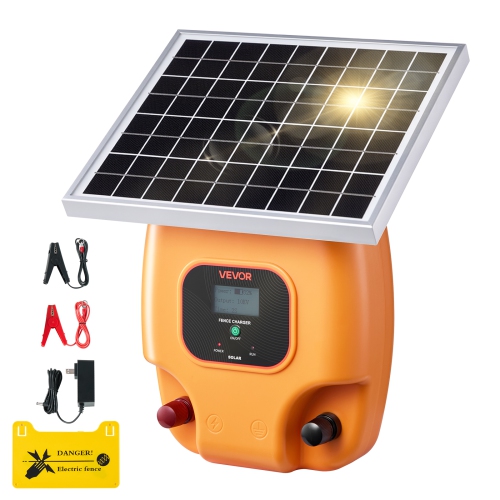
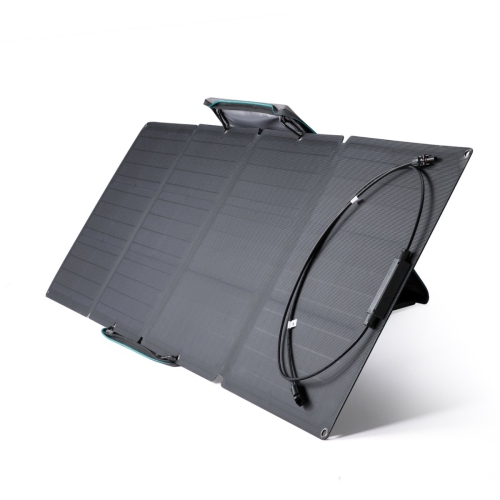
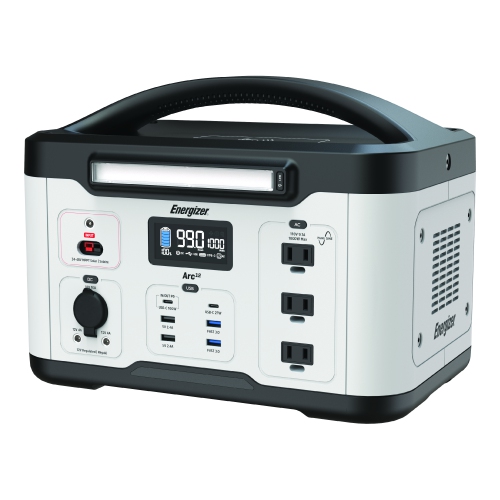
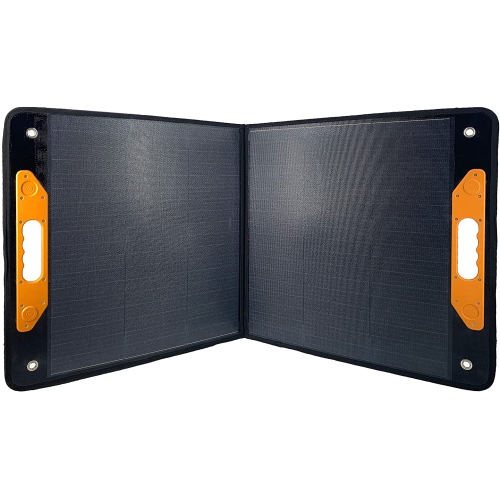
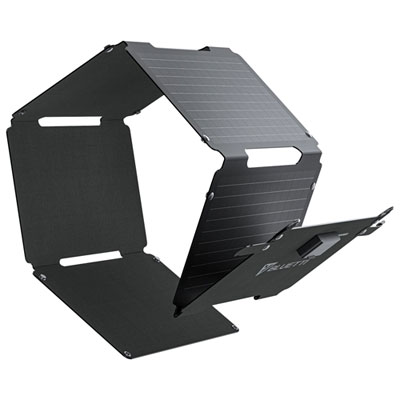
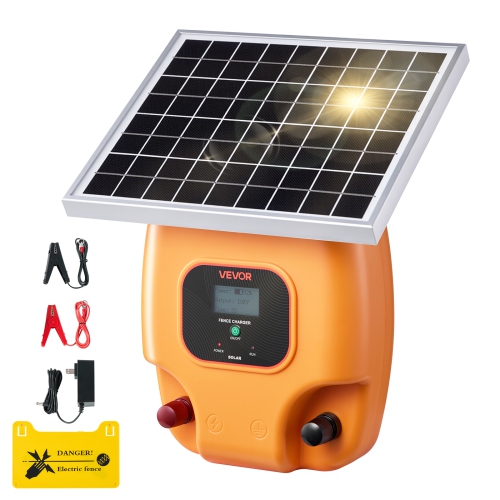
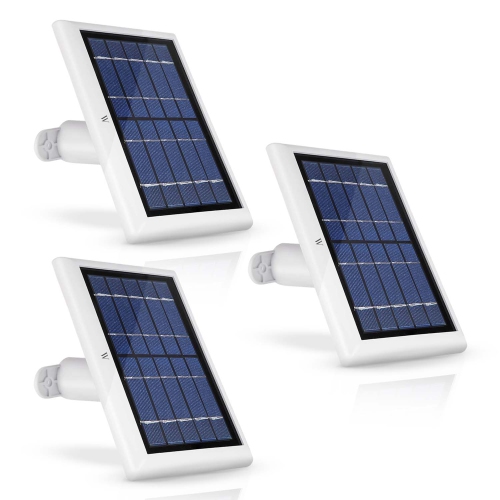
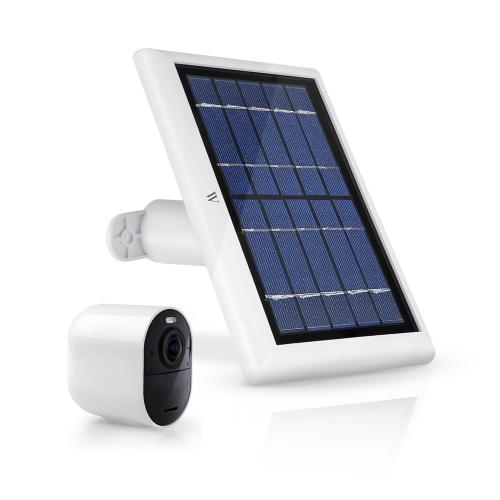
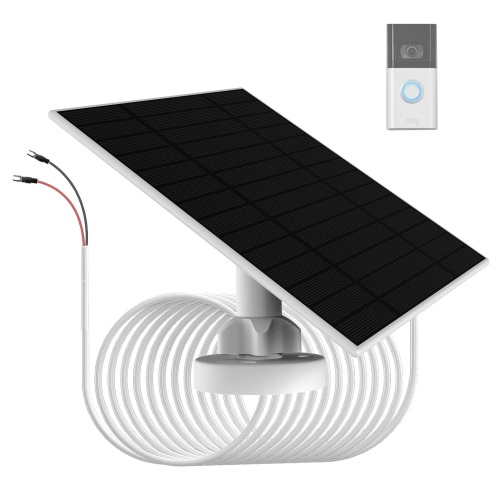
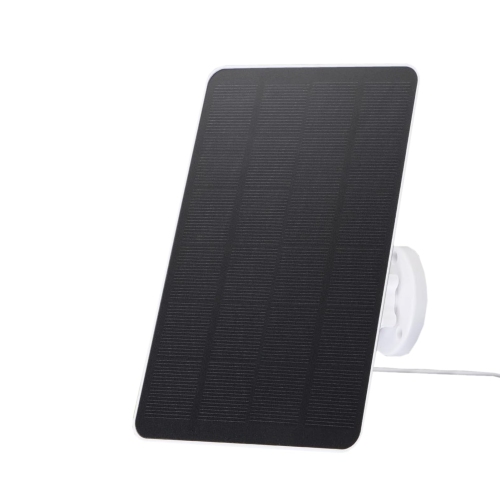
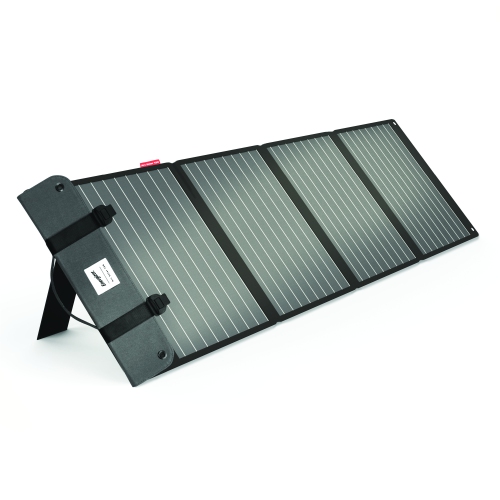
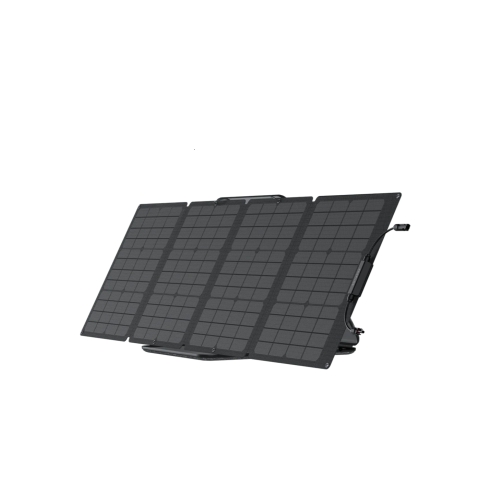
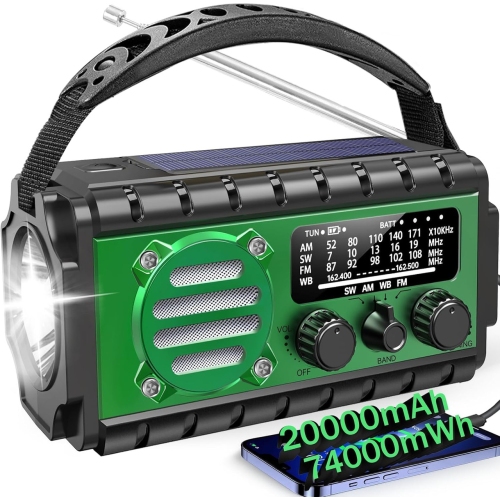
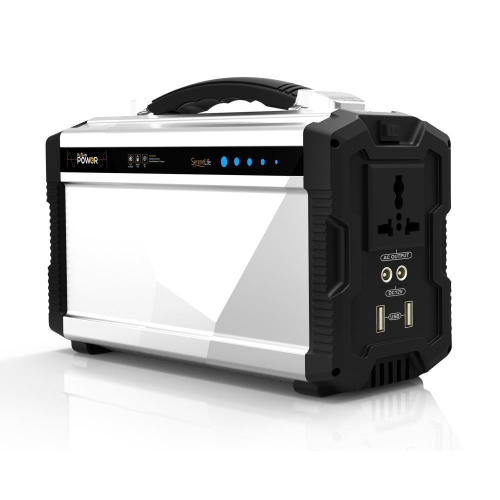
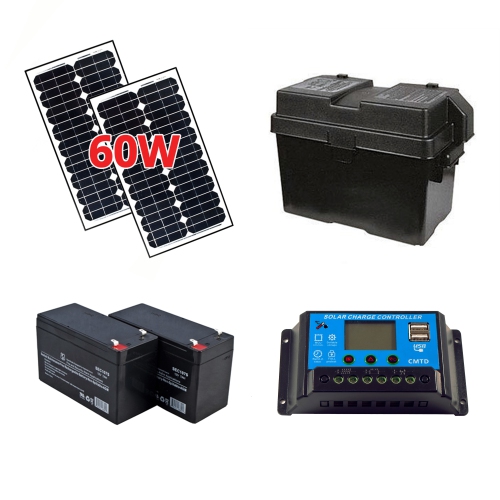
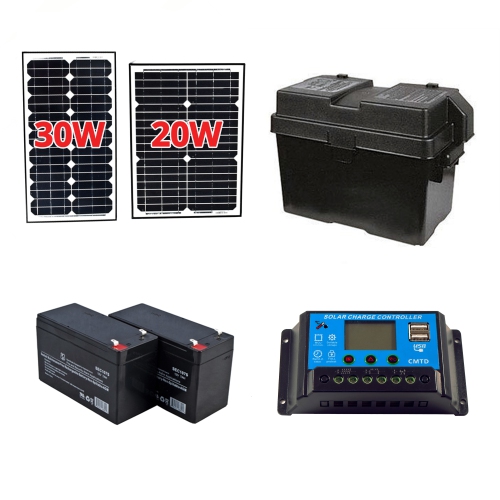
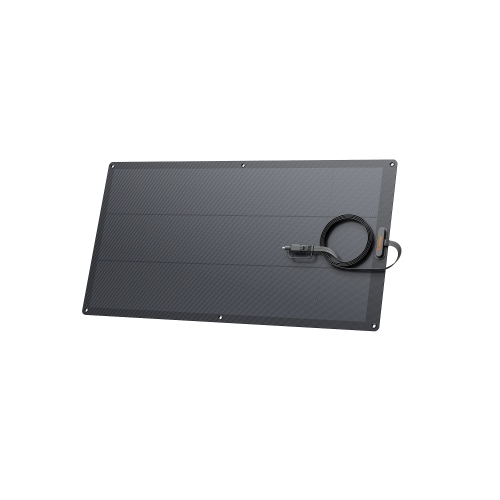
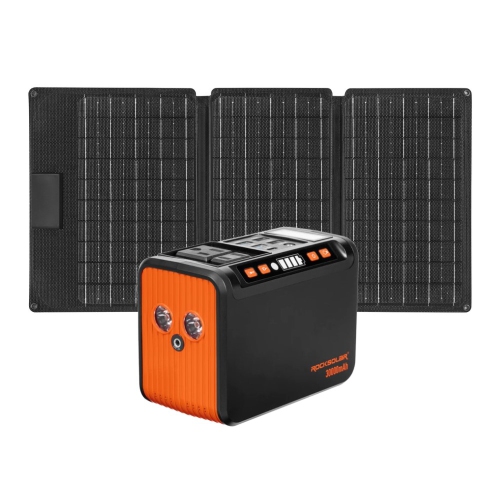
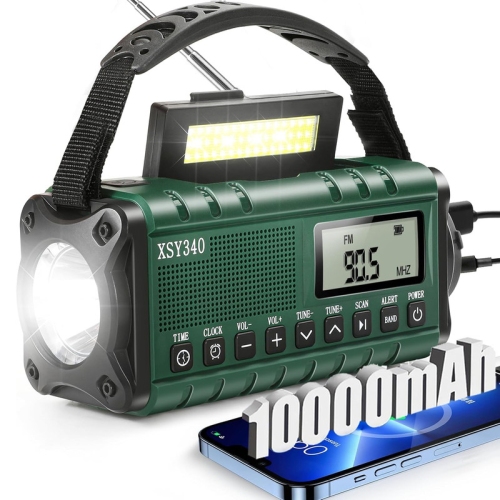
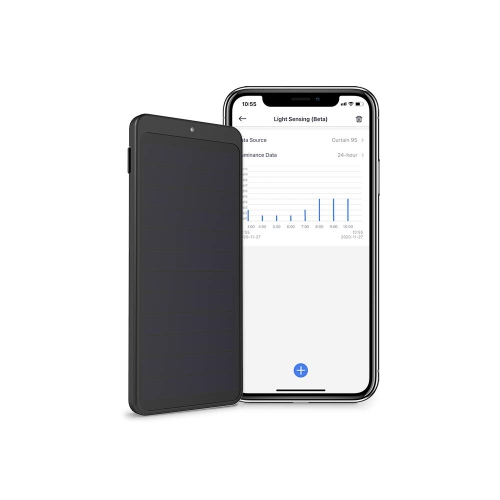
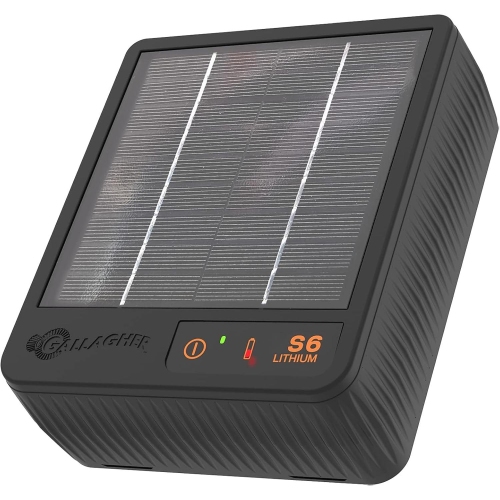
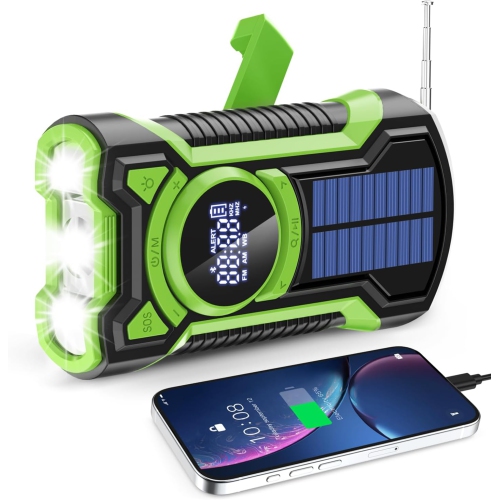
Solar battery chargers provide a practical way to replenish or maintain batteries using available sunlight, whether you are preparing a vehicle for storage, keeping equipment ready at a campsite, or adding portable power to an off-grid setup. These chargers generally fall into three main categories. Solar trickle chargers use lower-wattage panels, often around 5W to 50W, to maintain 12V batteries in cars, recreational vehicles, boats, tractors, motorcycles, and other equipment that may sit unused for extended periods. Portable USB solar chargers and solar power banks are designed for smaller devices such as phones, tablets, cameras, GPS units, and compact battery packs. Larger solar charging kits, commonly rated at 100W or more, can support RVs, cabins, marine applications, and other setups that use a deep-cycle battery bank. Choosing between them starts with identifying the battery or device you need to charge, along with how often it will be used and where the charger will be placed. A small maintainer may be ideal for a vehicle parked in a driveway, while a folding panel with USB outputs is easier to carry along a hiking trail or set up beside a tent. For long-term installations, a more powerful panel paired with a dedicated charge controller and compatible battery storage may provide the dependable arrangement needed for lights, communication equipment, or small appliances. During the warmer part of the year, a portable charger can be useful on road trips, camping weekends, boating excursions, and outdoor workdays. As the weather becomes cooler, a trickle charger can help keep a seldom-used vehicle or seasonal equipment ready between outings. For shoppers comparing options, solar trickle chargers are a useful category to explore when the primary goal is maintaining a 12V battery rather than rapidly charging a phone or powering a large collection of devices.
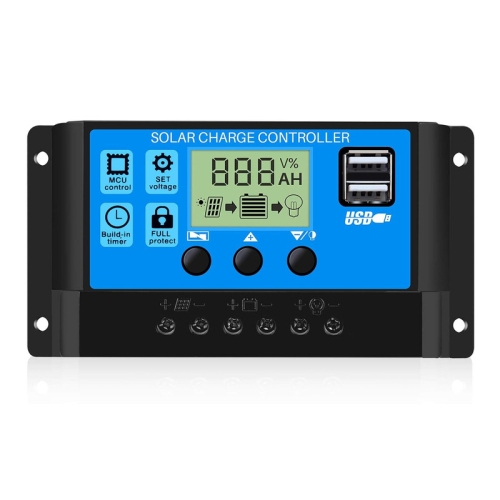
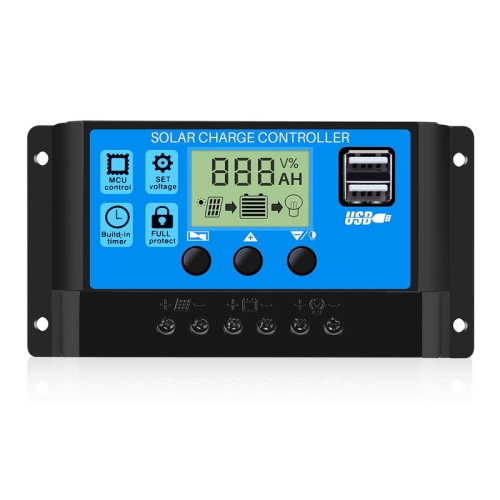
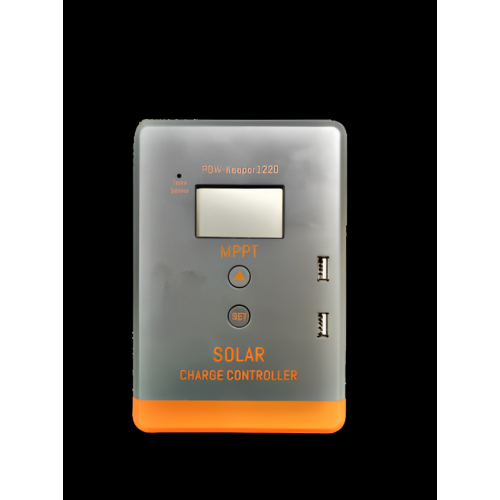
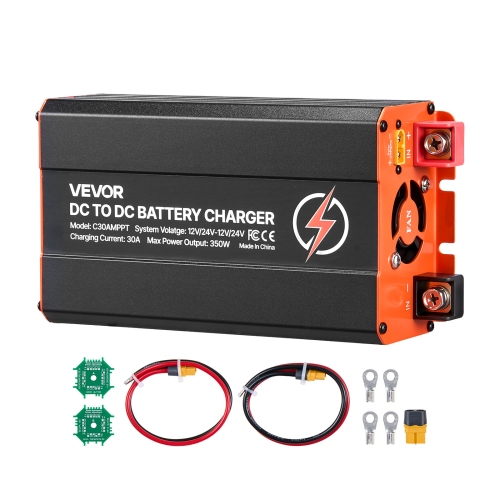
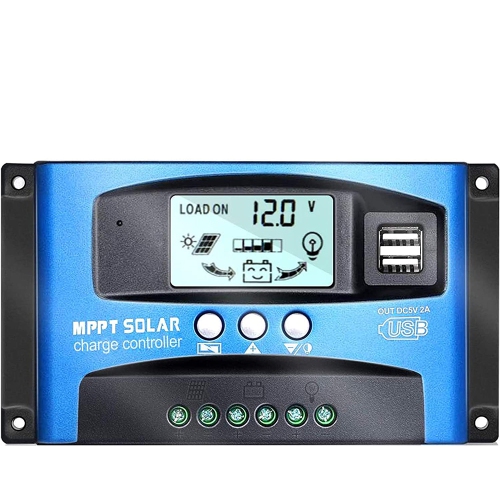
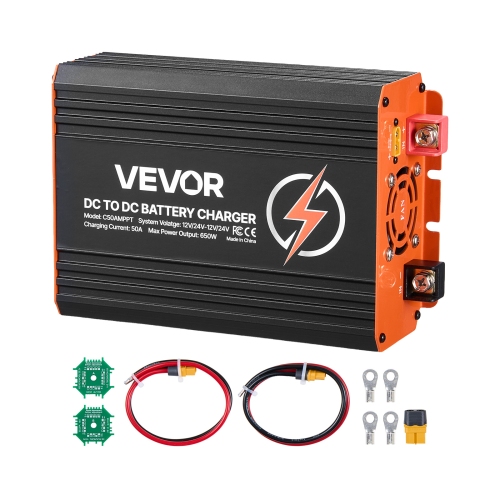
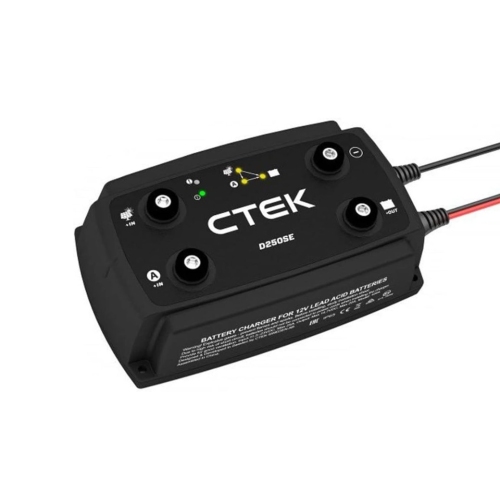
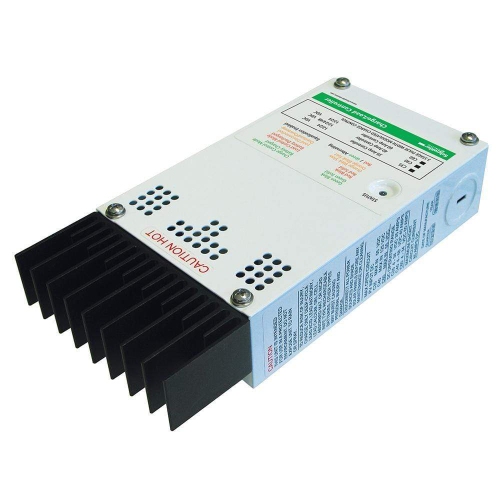
Output and battery compatibility are among the most important details to check before choosing a solar battery charger. Panel wattage indicates the potential rate of energy collection under suitable sunlight, but real-world performance varies with cloud cover, shade, panel angle, season, and the position of the sun. A 5W or 10W panel may be appropriate for maintaining a battery that is already in good condition, whereas a higher-wattage panel is better suited to larger batteries or more frequent charging demands. Portable USB models may list their panel output separately from the capacity of their built-in lithium battery, so it is helpful to consider both specifications. The panel collects energy, while the integrated battery stores it for later use when direct sunlight is unavailable. For a 12V setup, check whether the charger includes a charge controller and whether it supports the chemistry of your battery, such as lead-acid, AGM, gel, or LiFePO4. A controller helps regulate the flow of current and voltage, reducing the risk of overcharging and making the system more appropriate for longer-term connection. PWM controllers are common for straightforward installations, while MPPT controllers can offer more efficient energy harvesting in larger or more demanding systems. Connections also affect convenience. Alligator clips are useful when you need to attach directly to battery terminals, while a 12V socket plug can be easier for compatible vehicles and equipment. USB-A and USB-C ports provide flexibility for personal electronics, but output ratings should be checked to confirm that they meet the needs of your phone, tablet, camera, or other device. If the charger will be mounted outdoors, look for a durable, weather-resistant design and an IP65 rating or higher where appropriate. Weather resistance does not mean the unit should be submerged, and exposed connections should still be positioned carefully and protected according to the manufacturer’s instructions.
The best solar battery charger is one that matches the scale of the job and fits naturally into the way you use your equipment. A driver who parks a second car for long periods may appreciate a compact maintainer that can remain connected with minimal attention. Someone with a travel trailer may need a panel, controller, and deep-cycle battery arrangement that supports longer stays away from electrical hookups. Campers and hikers often benefit from folding panels that pack down for transport, built-in stands or loops for positioning, and a stored-power capacity that can provide energy after clouds roll in or daylight fades. Boaters should consider the battery type, installation location, cable length, and exposure to moisture and salt air, while cabin owners may need a larger system with suitable wiring and a clearly rated controller. These products can also make thoughtful gifts for someone who spends weekends outdoors, keeps a classic vehicle, maintains a seasonal boat, or enjoys being prepared with a reliable way to top up essential electronics. Before connecting anything, confirm the voltage, polarity, connector type, and recommended charging method for the battery or device. Do not assume that a panel with a matching plug is automatically compatible, and avoid connecting a solar charger directly to a battery when the setup requires a separate controller. Position the panel where it receives the clearest available light, adjust its angle as the sun moves, and keep leaves, snow, dirt, and other obstructions from covering the surface. A charger intended for maintenance is not necessarily designed to revive a deeply discharged or damaged battery, and charging times can be considerably longer under overcast skies or behind glass. Reading the specifications for rated output, controller type, battery chemistry, weather resistance, storage capacity, included cables, and mounting options makes it easier to choose a setup that performs as expected from late summer through the cooler months.
Output and battery compatibility are among the most important details to check before choosing a solar battery charger. Panel wattage indicates the potential rate of energy collection under suitable sunlight, but real-world performance varies with cloud cover, shade, panel angle, season, and the position of the sun. A 5W or 10W panel may be appropriate for maintaining a battery that is already in good condition, whereas a higher-wattage panel is better suited to larger batteries or more frequent charging demands. Portable USB models may list their panel output separately from the capacity of their built-in lithium battery, so it is helpful to consider both specifications. The panel collects energy, while the integrated battery stores it for later use when direct sunlight is unavailable. For a 12V setup, check whether the charger includes a charge controller and whether it supports the chemistry of your battery, such as lead-acid, AGM, gel, or LiFePO4. A controller helps regulate the flow of current and voltage, reducing the risk of overcharging and making the system more appropriate for longer-term connection. PWM controllers are common for straightforward installations, while MPPT controllers can offer more efficient energy harvesting in larger or more demanding systems. Connections also affect convenience. Alligator clips are useful when you need to attach directly to battery terminals, while a 12V socket plug can be easier for compatible vehicles and equipment. USB-A and USB-C ports provide flexibility for personal electronics, but output ratings should be checked to confirm that they meet the needs of your phone, tablet, camera, or other device. If the charger will be mounted outdoors, look for a durable, weather-resistant design and an IP65 rating or higher where appropriate. Weather resistance does not mean the unit should be submerged, and exposed connections should still be positioned carefully and protected according to the manufacturer’s instructions.
The best solar battery charger is one that matches the scale of the job and fits naturally into the way you use your equipment. A driver who parks a second car for long periods may appreciate a compact maintainer that can remain connected with minimal attention. Someone with a travel trailer may need a panel, controller, and deep-cycle battery arrangement that supports longer stays away from electrical hookups. Campers and hikers often benefit from folding panels that pack down for transport, built-in stands or loops for positioning, and a stored-power capacity that can provide energy after clouds roll in or daylight fades. Boaters should consider the battery type, installation location, cable length, and exposure to moisture and salt air, while cabin owners may need a larger system with suitable wiring and a clearly rated controller. These products can also make thoughtful gifts for someone who spends weekends outdoors, keeps a classic vehicle, maintains a seasonal boat, or enjoys being prepared with a reliable way to top up essential electronics. Before connecting anything, confirm the voltage, polarity, connector type, and recommended charging method for the battery or device. Do not assume that a panel with a matching plug is automatically compatible, and avoid connecting a solar charger directly to a battery when the setup requires a separate controller. Position the panel where it receives the clearest available light, adjust its angle as the sun moves, and keep leaves, snow, dirt, and other obstructions from covering the surface. A charger intended for maintenance is not necessarily designed to revive a deeply discharged or damaged battery, and charging times can be considerably longer under overcast skies or behind glass. Reading the specifications for rated output, controller type, battery chemistry, weather resistance, storage capacity, included cables, and mounting options makes it easier to choose a setup that performs as expected from late summer through the cooler months.
Top selling and popular products
-
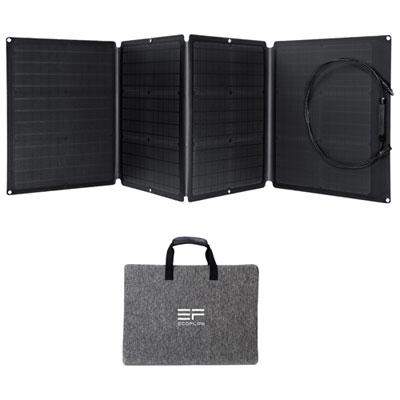 Your price for this item is $301.98
 -
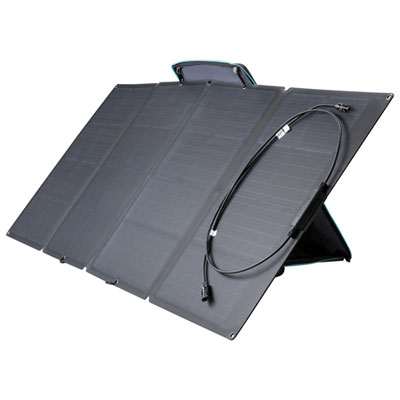 Your price for this item is $401.98
 -
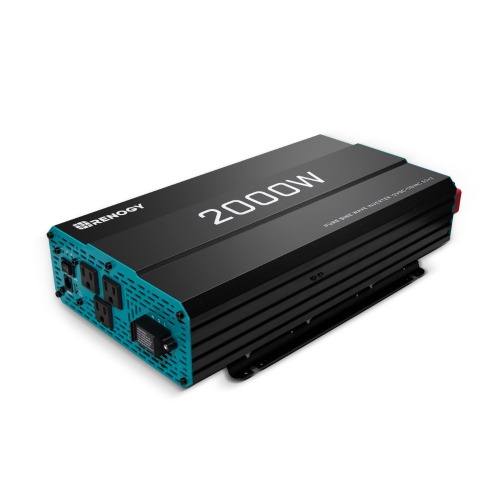 Your price for this item is $464.99
 -
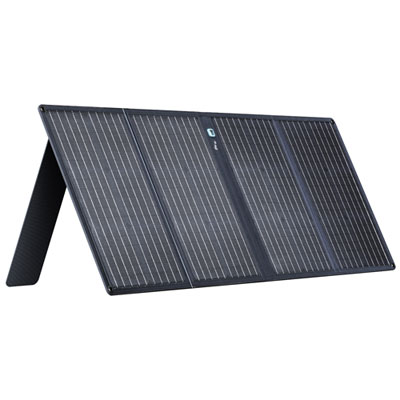 Your price for this item is $399.99
 -
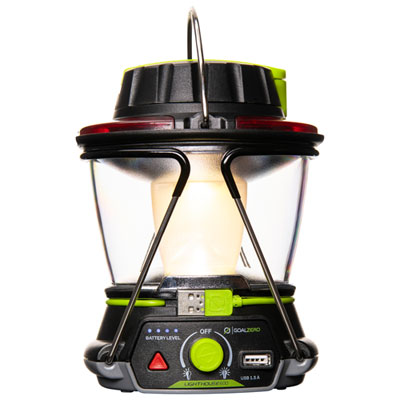 Your price for this item is $99.99
 -
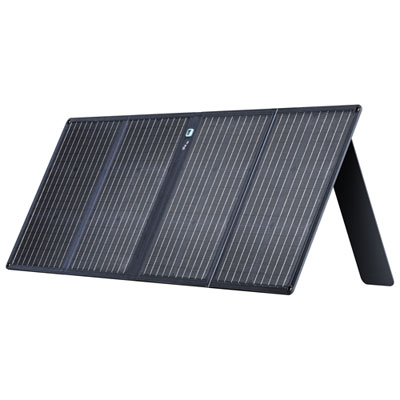 Your price for this item is $439.99
 -
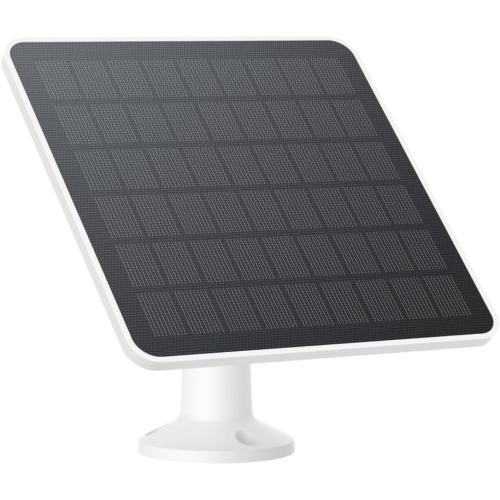 Your price for this item is $69.99
 -
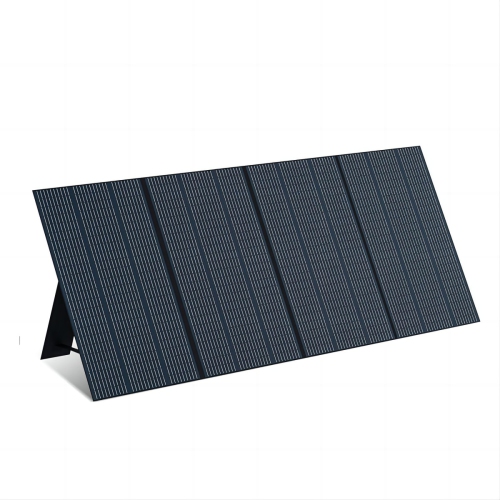 Your price for this item is $999
Discover more categories related to Solar Battery Chargers
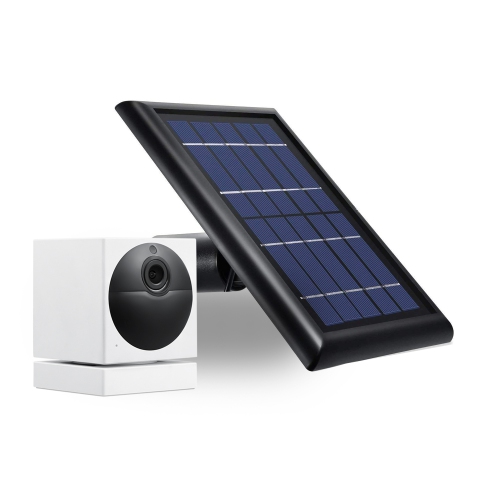
Top Collections:
Pokemon Centers, Best Cameras for Sports Photography, Kindle Devices, Samsung Galaxy Phones, Canon G7X Cameras, Pokémon 30th Celebration Cards, Refurbished Apple Laptops, iPhone 15 Apple, Laptops for Students, Budget Smartphones
Some products may be subject to Environmental Handling Fees
(EHF) depending on your province.
Learn more about EHFs.