Spot Bandages
Discover the perfect solution for life's little mishaps with an array of spot bandages designed to keep you moving forward. Whether it's a minor scrape or a small cut, these essential first-aid items provide reliable protection and comfort while helping to speed up the healing process. With various sizes and materials available, spot bandages are versatile enough to meet your everyday needs, offering discreet coverage that stays securely in place. Ideal for on-the-go lifestyles, they fit easily into any purse, backpack, or travel kit, ensuring you're always prepared for whatever life throws your way.
Sort
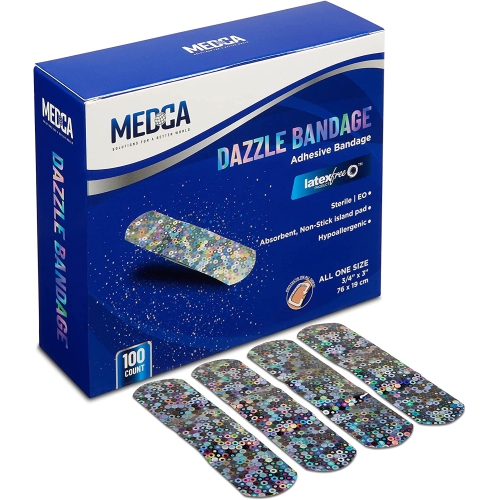
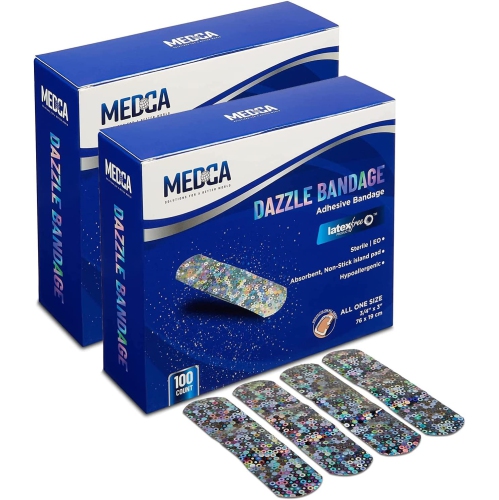

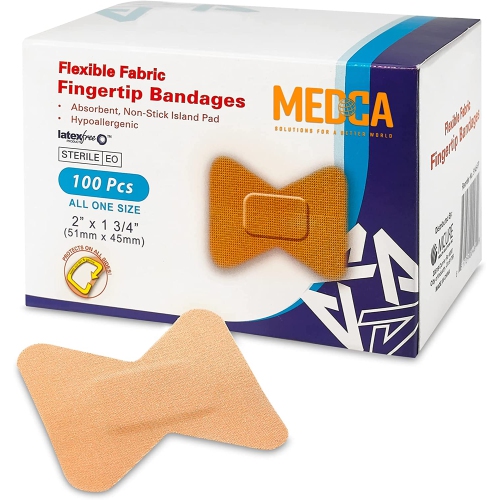
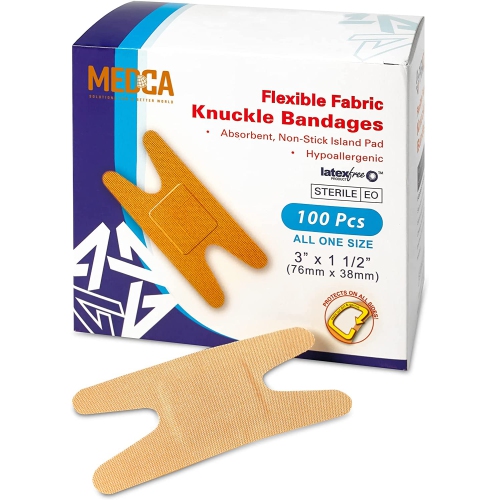
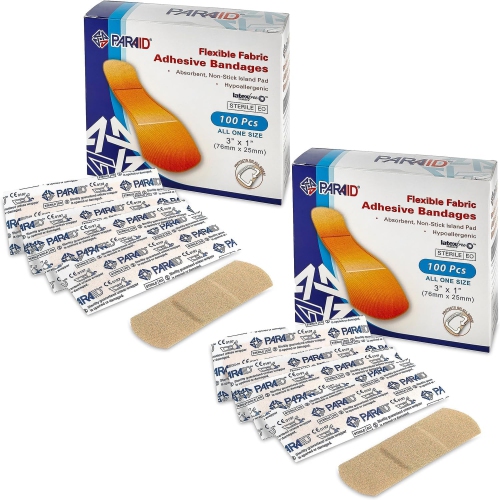
Compact coverage for small cuts and awkward spots
Spot bandages are small, round or square adhesive dressings designed to cover minor cuts, grazes, and other small areas of broken skin without the extra length of a standard strip bandage. Their compact shape makes them useful when a scrape is only a few millimetres across or when a longer dressing would overlap a crease, catch on clothing, or cover more skin than necessary. A typical spot bandage has an absorbent centre pad surrounded by an adhesive border, helping to cushion the affected area and keep everyday dirt away from a small wound. Some have a transparent backing for a less noticeable appearance, while others use fabric that bends with movement. These differences matter for ordinary situations: a small nick near a knuckle, a shallow scrape on an elbow, or a minor cut that rubs against a shirt cuff can each call for a different balance of flexibility, coverage, and hold. Many round spot bandages measure approximately 7/8 inch to 1 inch across, although dimensions vary, and the absorbent pad is smaller than the overall dressing. The pad needs to cover the entire wound, with enough intact skin around it for the adhesive border to attach securely. A compact dressing is not necessarily suitable just because a wound looks small; deep punctures, animal bites, persistent bleeding, and signs of infection need appropriate medical attention rather than simply a smaller covering. For everyday first aid, spot bandages can be a practical part of a household kit, a workplace first-aid supply, or a travel pouch. Adults, caregivers, and families may find the small format convenient for minor injuries that do not need a full-length strip. For children, suitability depends on the package directions, skin sensitivity, and placement, with adult supervision particularly important where a dressing could be pulled off and put in the mouth. Their role is straightforward: targeted coverage for a small area, with the material and pad size matched to the intended use.
Materials influence how a spot bandage feels, moves, and holds up during normal activity. Woven fabric dressings are often chosen for their soft texture and ability to flex over curved or moving areas. Their textured surface can feel comfortable against clothing, although resistance to water and fraying varies by construction. Thin plastic or film-backed dressings usually have a smoother finish, and clear versions let more of the surrounding skin show through. Clear does not mean completely invisible, since the centre pad and adhesive edges may still be visible, especially on textured skin. Waterproof spot bandages are designed to keep water from reaching the covered area when applied correctly and when the seal remains intact. Water-resistant and waterproof are not interchangeable descriptions, and neither guarantees that a dressing will stay secure through every shower, handwash, or activity. The package’s stated use and wear directions are more useful than appearance alone. On a finger, repeated bending and contact with soap can loosen an edge; beneath a sleeve, frequent rubbing may gradually lift the backing. A bandage that lies flat, without folds or gaps around the border, is better positioned to maintain its intended coverage. Adhesive comfort matters as much as staying power, particularly for people whose skin becomes irritated by repeated dressing changes. Labels such as latex-free or intended for sensitive skin can help narrow the choice, but they do not rule out a reaction to other components. Non-stick centre pads are designed to reduce sticking to the wound, which may make removal more comfortable, while absorbency varies between dressing types. Thickness is another consideration: a little cushioning can be helpful against light friction, but a bulky pad may feel awkward in a tight space. Colour, transparency, shape, and flexibility all affect how noticeable a dressing feels during wear, yet none replaces the need for a pad and adhesive border that fit the area properly.
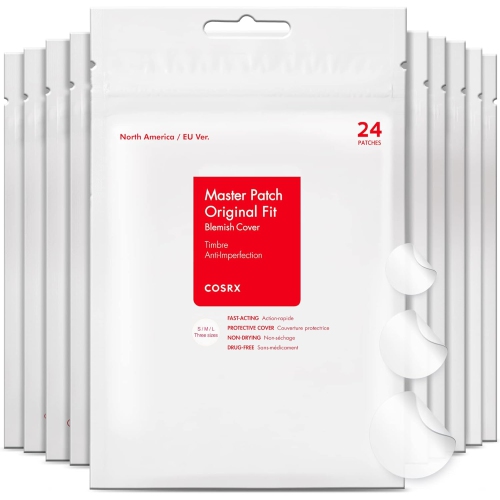
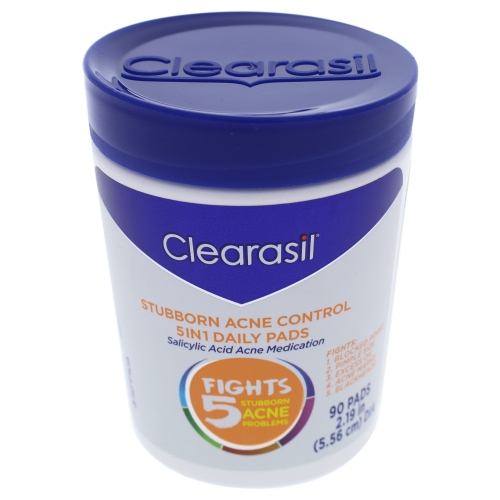
Hydrocolloid spot dressings differ from conventional padded bandages because they use a material that absorbs wound fluid and forms a gel, helping maintain a moist healing surface when used for an appropriate wound. Some small hydrocolloid patches are made specifically for blemishes, while other hydrocolloid dressings are labelled for minor wound care. The two should not be treated as automatically interchangeable: intended use, ingredients, adhesive design, and wear directions can differ. For shoppers whose main concern is a facial blemish rather than a small cut, Acne Patches are a related category with options designed for that purpose. Some blemish patches contain added active ingredients, so their suitability depends on both the skin concern and the label. A conventional spot bandage can provide a physical covering, but it is not an acne treatment, and no patch should be assumed suitable for the eye area or other especially delicate skin. For standard first-aid dressings, care centres on keeping the covering clean and maintaining the adhesive seal. Clean, dry surrounding skin helps the border adhere; lotion, oil, or moisture beneath that border can interfere with its hold. Replacement timing depends on the dressing type and manufacturer’s directions, with ordinary adhesive bandages generally needing replacement when wet, dirty, loose, or saturated. Hydrocolloid dressings may have different wear instructions and should be used accordingly. Most spot bandages are single-use rather than washable or reusable, so durability means holding together and protecting the intended area during the labelled wear period. Individually wrapped dressings are convenient for keeping a few in a bag or desk drawer, but their wrappers should remain intact until use, and expiry dates should be checked where provided. Storing them in their original packaging helps preserve access to application instructions and material details. The most useful spot bandage is ultimately one that suits the size and location of the minor injury, feels comfortable on the surrounding skin, and provides the coverage needed without unnecessary bulk.
Materials influence how a spot bandage feels, moves, and holds up during normal activity. Woven fabric dressings are often chosen for their soft texture and ability to flex over curved or moving areas. Their textured surface can feel comfortable against clothing, although resistance to water and fraying varies by construction. Thin plastic or film-backed dressings usually have a smoother finish, and clear versions let more of the surrounding skin show through. Clear does not mean completely invisible, since the centre pad and adhesive edges may still be visible, especially on textured skin. Waterproof spot bandages are designed to keep water from reaching the covered area when applied correctly and when the seal remains intact. Water-resistant and waterproof are not interchangeable descriptions, and neither guarantees that a dressing will stay secure through every shower, handwash, or activity. The package’s stated use and wear directions are more useful than appearance alone. On a finger, repeated bending and contact with soap can loosen an edge; beneath a sleeve, frequent rubbing may gradually lift the backing. A bandage that lies flat, without folds or gaps around the border, is better positioned to maintain its intended coverage. Adhesive comfort matters as much as staying power, particularly for people whose skin becomes irritated by repeated dressing changes. Labels such as latex-free or intended for sensitive skin can help narrow the choice, but they do not rule out a reaction to other components. Non-stick centre pads are designed to reduce sticking to the wound, which may make removal more comfortable, while absorbency varies between dressing types. Thickness is another consideration: a little cushioning can be helpful against light friction, but a bulky pad may feel awkward in a tight space. Colour, transparency, shape, and flexibility all affect how noticeable a dressing feels during wear, yet none replaces the need for a pad and adhesive border that fit the area properly.
Hydrocolloid spot dressings differ from conventional padded bandages because they use a material that absorbs wound fluid and forms a gel, helping maintain a moist healing surface when used for an appropriate wound. Some small hydrocolloid patches are made specifically for blemishes, while other hydrocolloid dressings are labelled for minor wound care. The two should not be treated as automatically interchangeable: intended use, ingredients, adhesive design, and wear directions can differ. For shoppers whose main concern is a facial blemish rather than a small cut, Acne Patches are a related category with options designed for that purpose. Some blemish patches contain added active ingredients, so their suitability depends on both the skin concern and the label. A conventional spot bandage can provide a physical covering, but it is not an acne treatment, and no patch should be assumed suitable for the eye area or other especially delicate skin. For standard first-aid dressings, care centres on keeping the covering clean and maintaining the adhesive seal. Clean, dry surrounding skin helps the border adhere; lotion, oil, or moisture beneath that border can interfere with its hold. Replacement timing depends on the dressing type and manufacturer’s directions, with ordinary adhesive bandages generally needing replacement when wet, dirty, loose, or saturated. Hydrocolloid dressings may have different wear instructions and should be used accordingly. Most spot bandages are single-use rather than washable or reusable, so durability means holding together and protecting the intended area during the labelled wear period. Individually wrapped dressings are convenient for keeping a few in a bag or desk drawer, but their wrappers should remain intact until use, and expiry dates should be checked where provided. Storing them in their original packaging helps preserve access to application instructions and material details. The most useful spot bandage is ultimately one that suits the size and location of the minor injury, feels comfortable on the surrounding skin, and provides the coverage needed without unnecessary bulk.
Top selling and popular products
-
 Your price for this item is $404.98
 -
 Your price for this item is $369.99
 -
 Your price for this item is $248.99
 -
 Your price for this item is $299.99
 -
 Your price for this item is $303.46
 -
 Your price for this item is $399.99
 -
 Your price for this item is $1396.99
 -
 Your price for this item is $89.95
Discover more categories related to Spot Bandages
Top Collections:
Pokemon Centers, Kindle Devices, Best Budget Office Chairs, Apple iPhones 16, Canon G7X Cameras, iPhone 15 Apple, Alarm Clock, Refurbished Apple Laptops, Flip Phones, Best Laptops for Writers
Some products may be subject to Environmental Handling Fees
(EHF) depending on your province.
Learn more about EHFs.