SUP Surfing Boards
If you're looking to catch some waves and take your surfing skills to the next level, look no further than these SUP surfing boards. Whether you're a seasoned pro or just starting out, these boards are designed to provide stability, control, and maximum fun on the water. With a range of sizes, shapes, and materials available, you'll find the perfect board to suit your style and skill level.
Sort
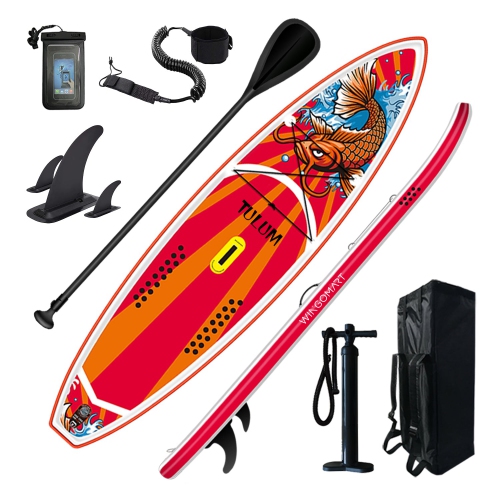
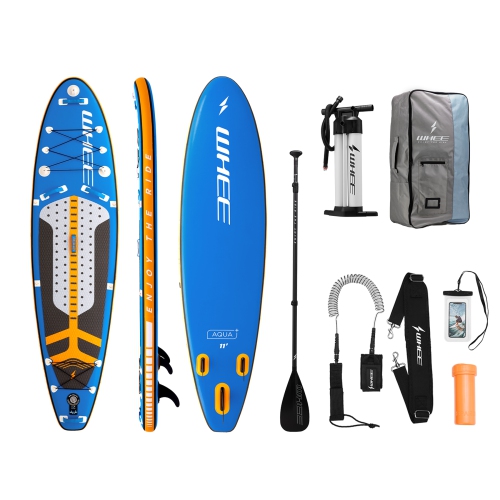
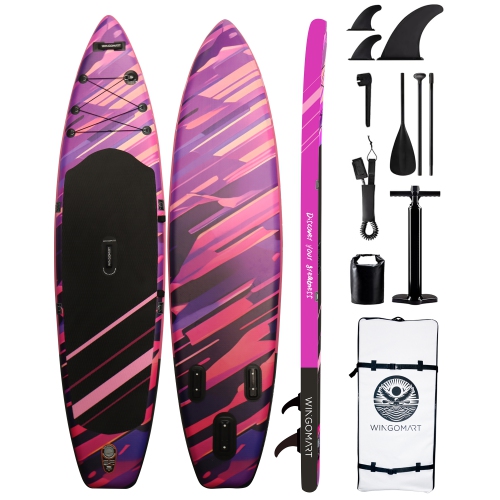
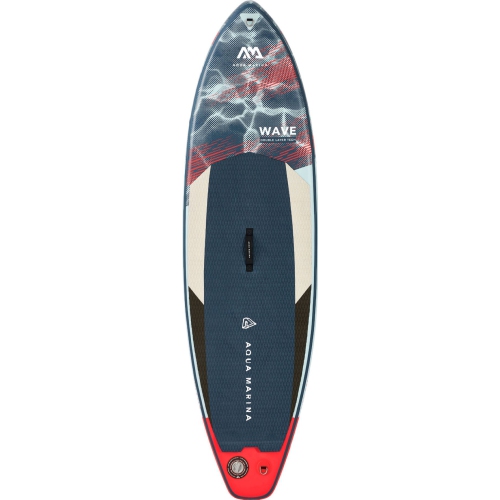
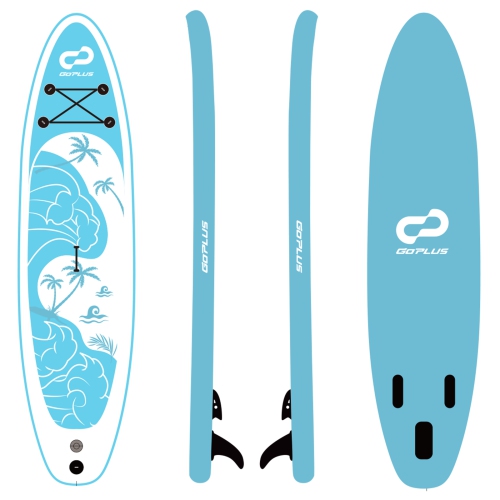
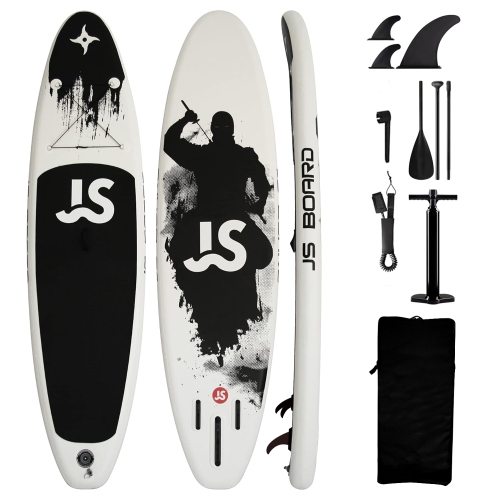
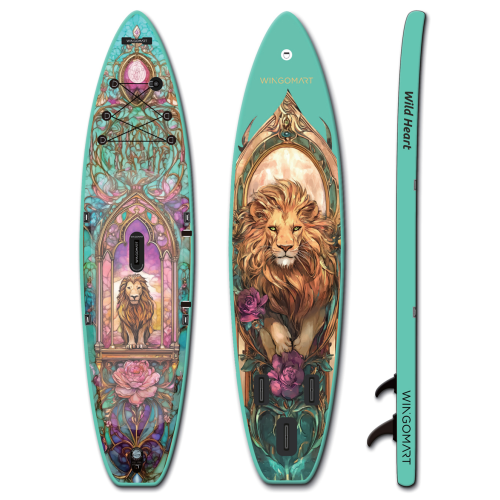
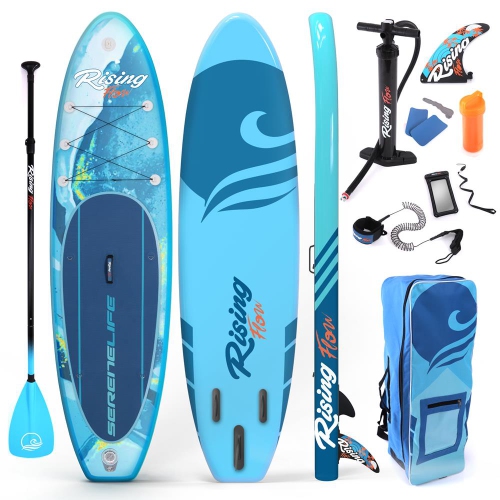
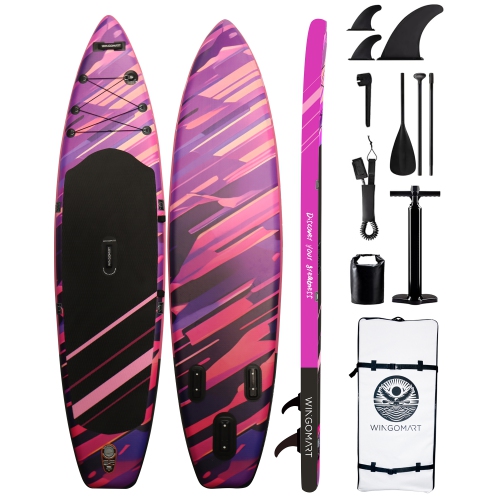
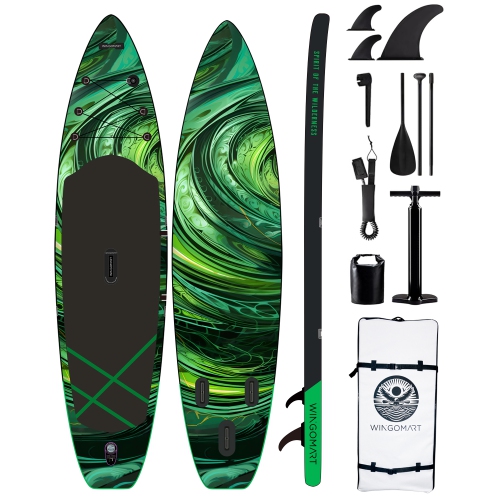
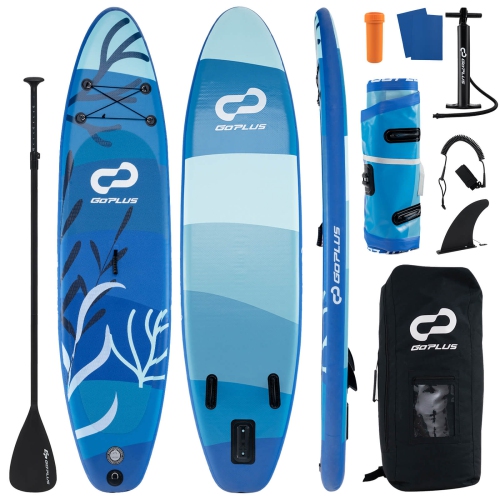
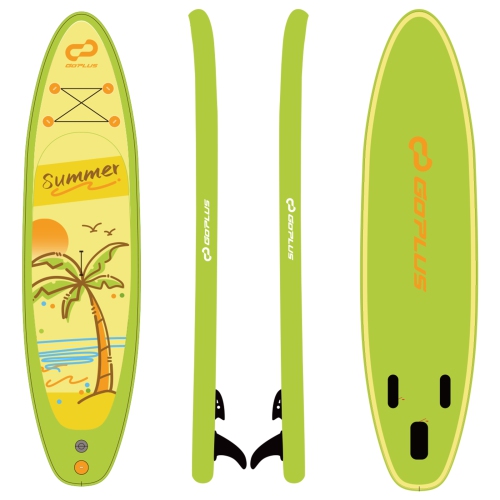
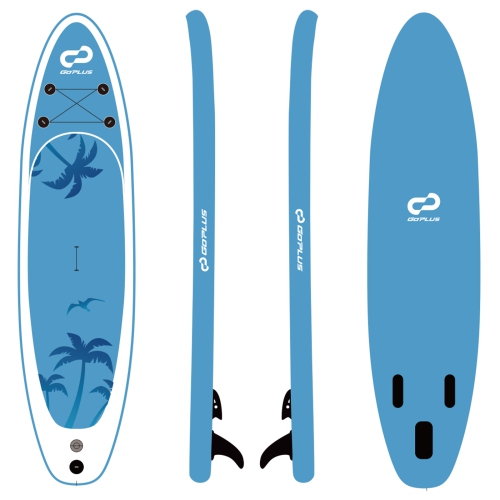
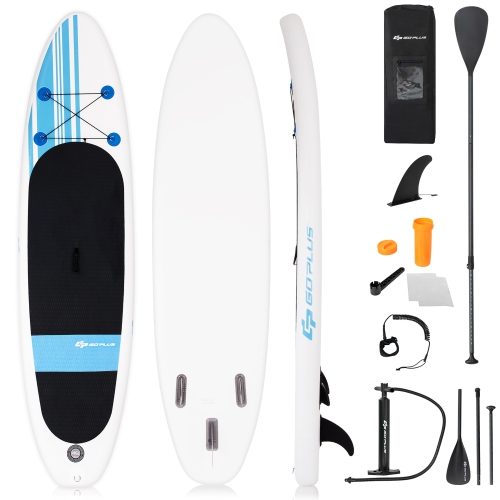
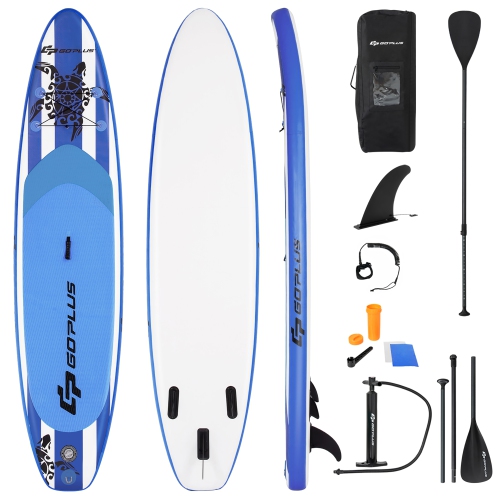
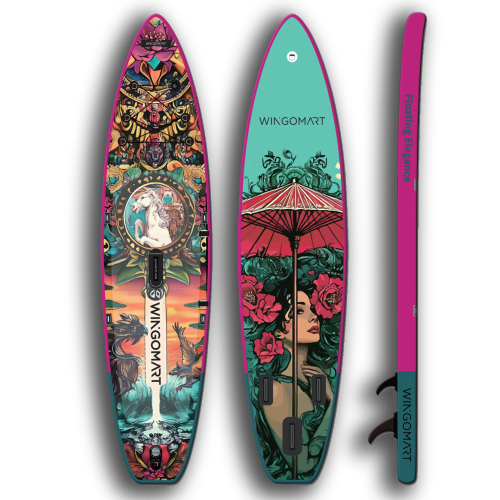
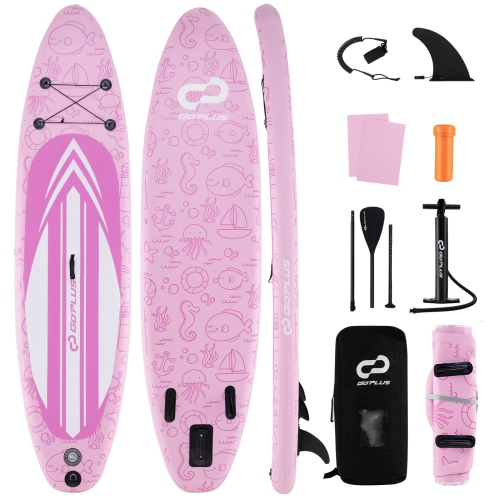
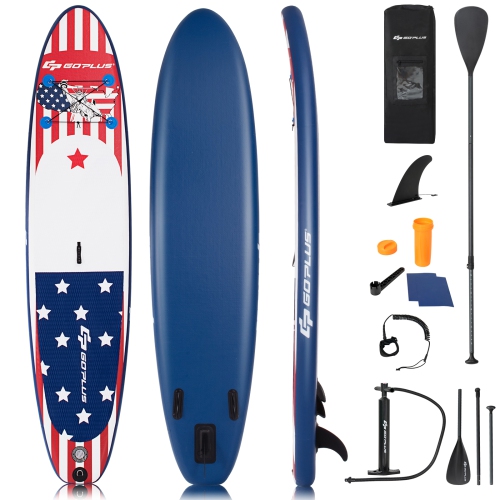
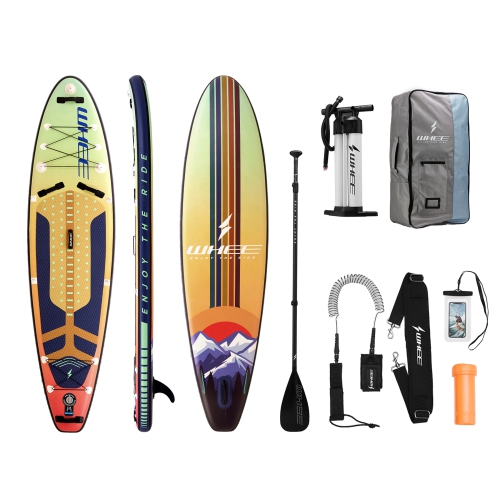
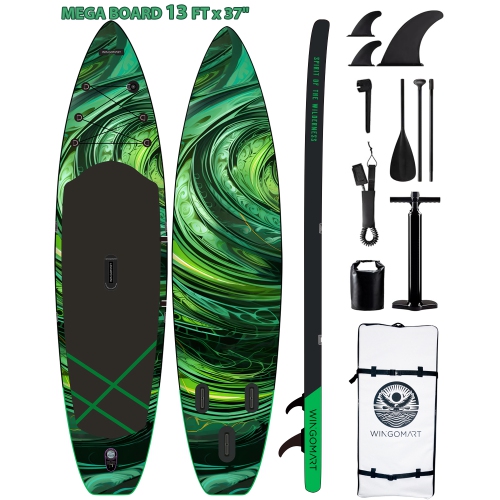
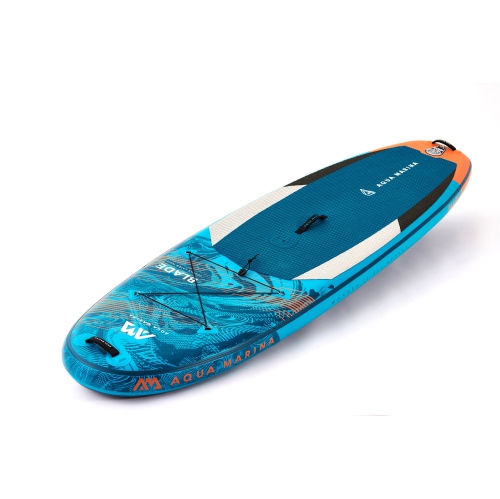
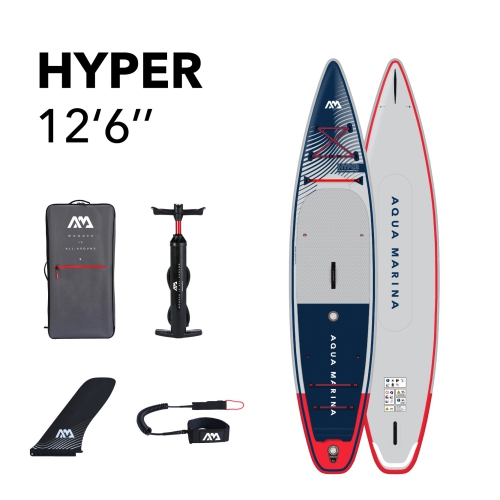
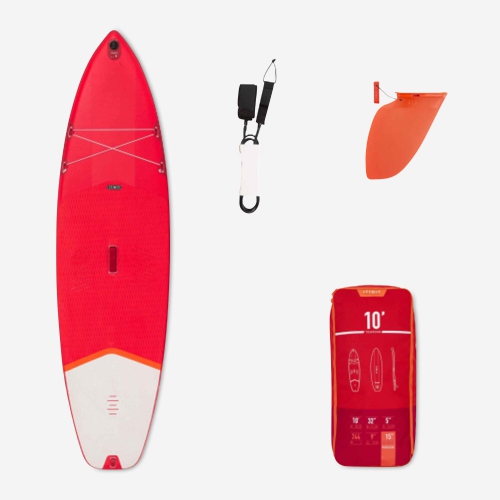
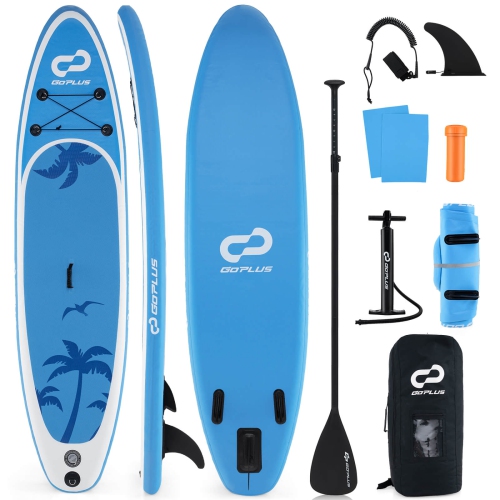
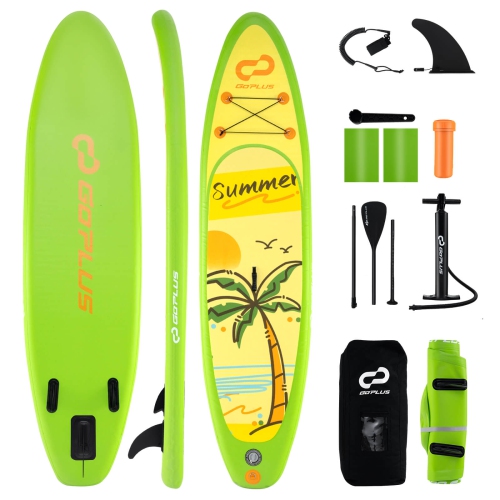
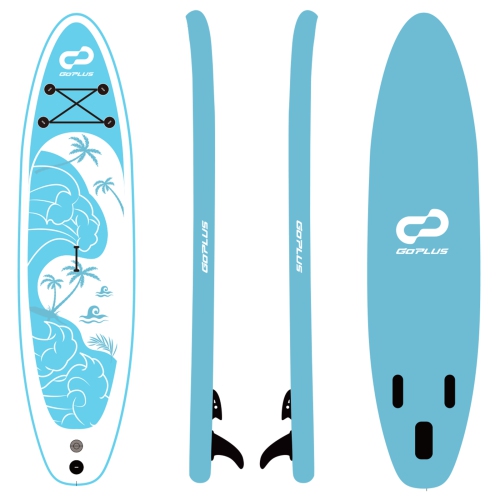
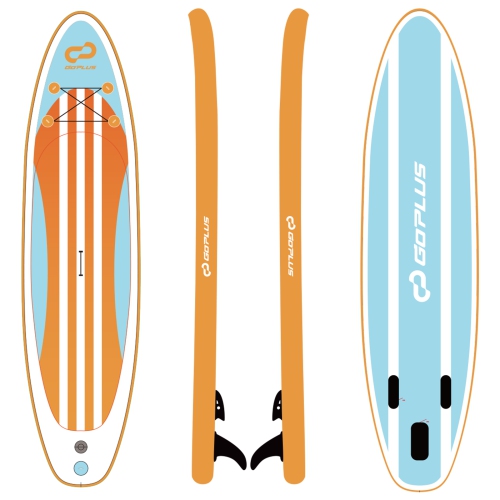
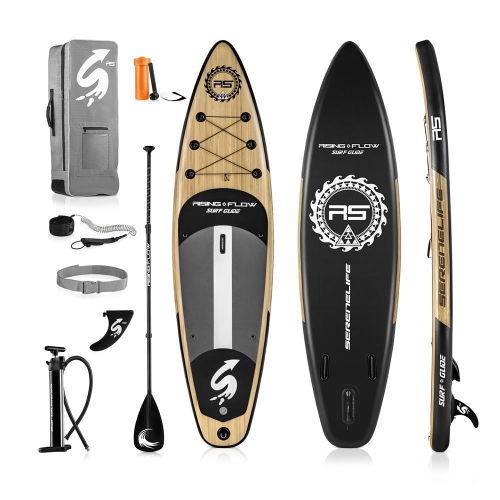
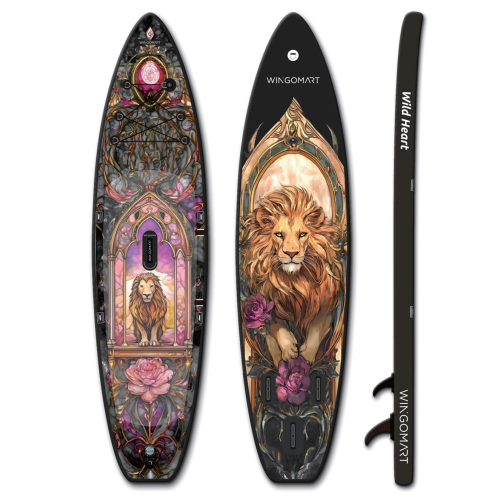
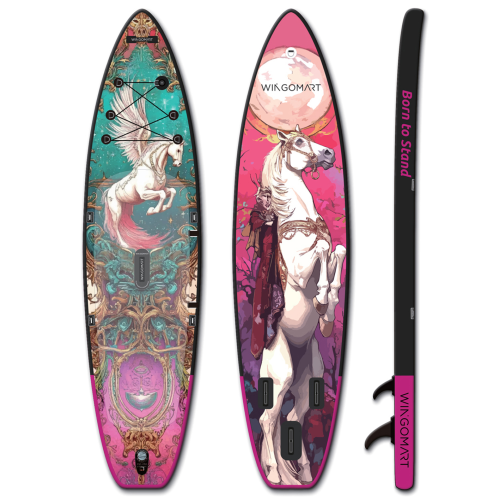
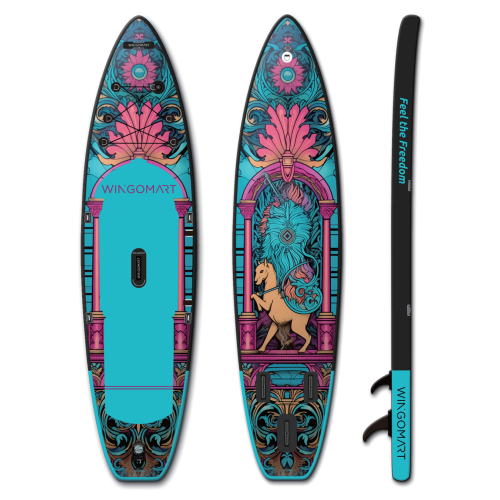
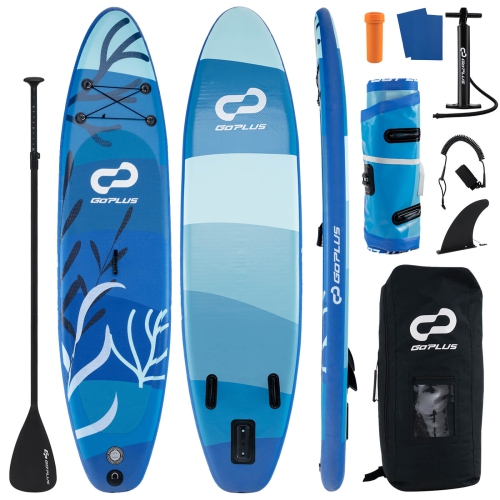
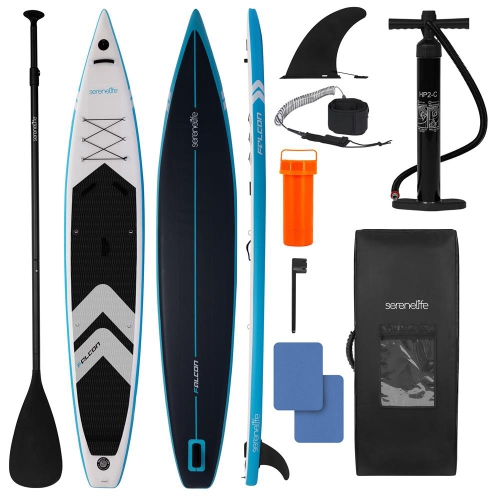
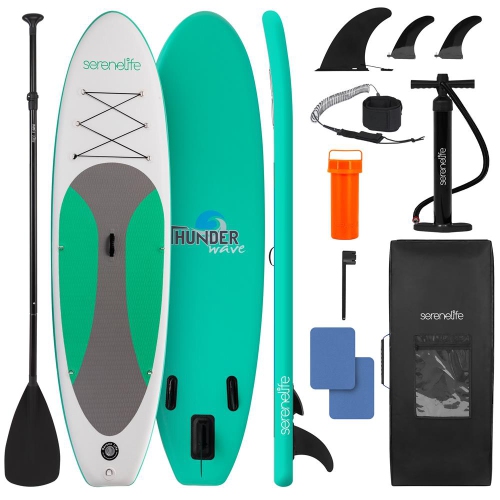
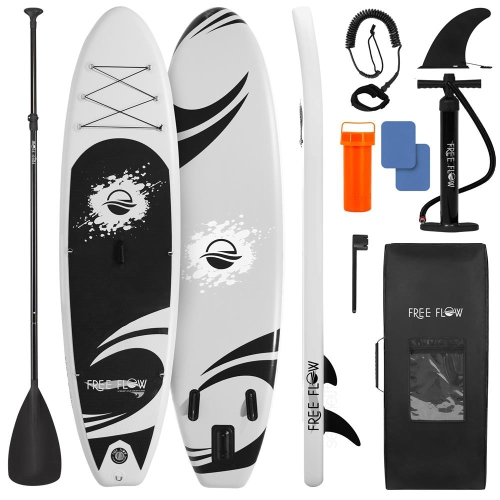
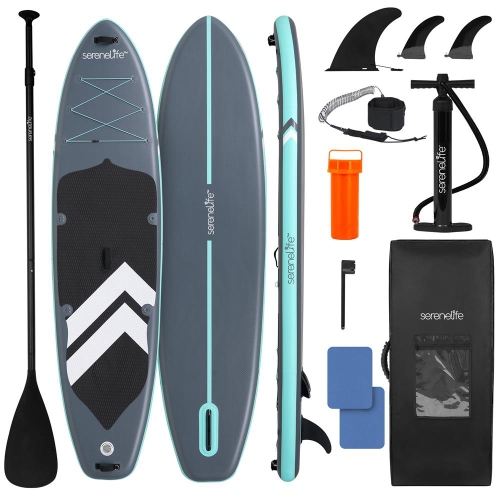
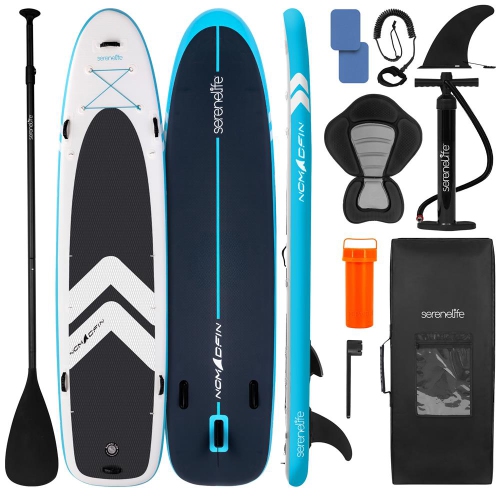
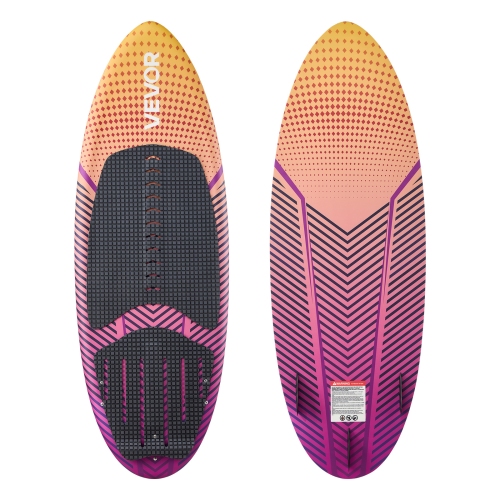

How board shape affects balance and wave handling
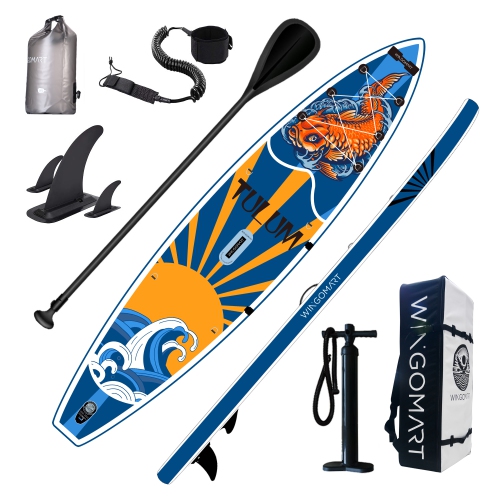
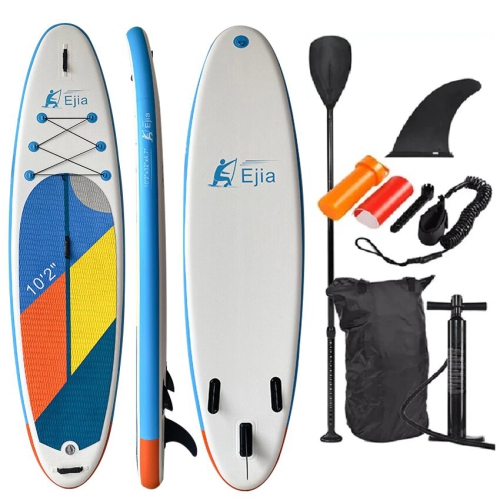
SUP surfing boards are stand-up paddleboards shaped for catching and riding waves, with a paddle used to build speed, steady the rider, and support turns. Compared with paddleboards made mainly for touring or flat-water cruising, surf-focused designs are generally shorter and easier to turn, with curved outlines and rails—the edges along the sides—that help control movement across a wave face. Many fall between roughly 7 and 12 feet in length, although dimensions vary with the rider and the style of surfing. Length alone does not determine how a board feels: width, thickness, volume, and the distribution of that volume all influence balance and handling. A wider outline can provide a steadier platform while waiting between waves, while a narrower shape may feel more responsive under an experienced rider. Extra volume helps support weight, but too much bulk can make it harder to sink a rail into a turn. For someone moving from calm-water paddling into small, rolling waves, a stable surf-oriented shape can make the transition less demanding than a compact performance board. More experienced riders may favour a shorter outline that changes direction readily once the wave supplies the speed. Rocker, the upward curve from the middle of the board towards the nose and tail, also affects performance. Nose rocker helps reduce the chance of the front digging into the water on a steeper drop, while tail rocker contributes to turning response. A flatter rocker generally glides more easily, though it may be less forgiving on steep waves. Boards with longer, rounded noses often suit flowing turns and gentler surf, whereas compact shapes with more pronounced curves can suit quicker direction changes. The right fit therefore depends on body weight, balance, paddling experience, and typical wave conditions rather than height alone. Manufacturer weight guidance is a useful starting point, but a maximum load rating is not a promise of easy handling in choppy water.
Construction gives a SUP surf board much of its character, both on the water and during the journey to the shoreline. Rigid boards commonly use a foam core with fibreglass and resin skins; some designs add carbon fibre or other reinforcement to adjust stiffness, weight, and strength. Their shaped rails and thinner profiles can offer precise contact with the wave, making them appealing to riders who value a direct feel through turns. That construction still needs thoughtful handling, since a knock against a rock, a hard landing on pavement, or an over-tightened roof strap can damage the outer shell. Inflatable SUP surfing boards typically use drop-stitch construction, with internal threads connecting the upper and lower surfaces so the board holds its shape when inflated to the specified pressure. They can be easier to carry in a vehicle without roof racks and simpler to store in a smaller home. Their thicker rails and different flex characteristics may feel less precise in demanding surf, although surf-specific outlines and stiffening features can improve handling. An inflatable is not automatically suited to waves simply because it is a paddleboard; its intended use, shape, fin system, and pressure requirements matter. Fin layouts influence grip and turning as well. A single fin often produces a smooth, drawn-out feel, while three-fin and four-fin arrangements can offer different combinations of hold, drive, and release, depending on fin size and placement. Compatibility matters when replacing fins, since fin boxes and attachment systems are not universal. Underfoot, a textured deck pad provides traction, and a raised tail pad can help locate the back foot during a turn. A comfortable carry handle makes a noticeable difference on a long walk across sand. Paddle fit deserves equal attention: an adjustable shaft allows changes in length, while a manageable blade size helps maintain controlled strokes without unnecessary strain. Surf paddlers often prefer a shorter paddle setting than they use for touring, provided it still supports a comfortable stance and effective strokes.
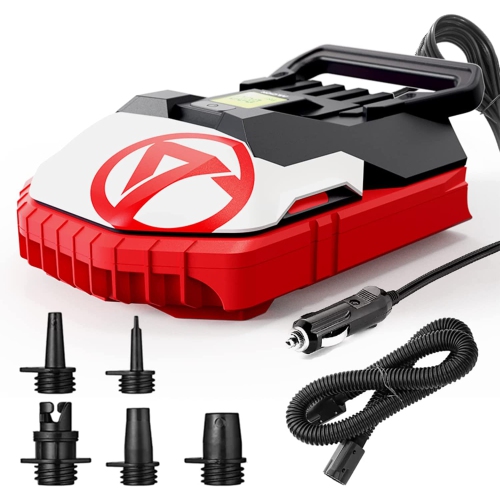
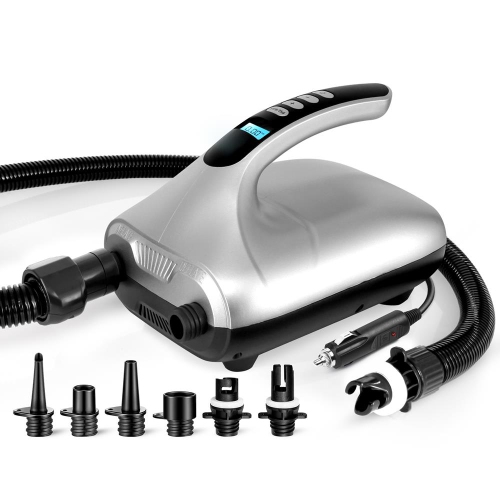
Everyday ownership involves more than the time spent riding a wave. A board that fits the rider but is awkward to move through a stairwell or load onto a vehicle may see less use than one that suits the whole routine. Rigid boards benefit from padded transport, secure straps used as directed, and protection from prolonged heat or direct sunlight when not in use. Inflatable boards need a compatible pump and pressure checks, especially when air and water temperatures differ; exceeding the stated pressure can stress the construction. After salt-water use, rinse the board, paddle, fins, and fittings with fresh water, then let everything dry before storage. Sand trapped in a fin box or valve area can interfere with a secure fit or seal, so these small details deserve attention. Inspect rigid boards for cracks or dents that may allow water into the core, and check inflatables for seam damage, leaks, and worn fittings. Repairs should match the construction and follow manufacturer directions. During the cooler months, dry indoor storage away from sharp objects and heat sources helps keep equipment ready for its next outing. On the water, surf suitability also depends on conditions and preparation. Smaller, uncrowded waves are a more manageable setting for developing footwork than a busy break with steep surf. Water temperature, wind, currents, and the distance back to shore all affect the outing; appropriate thermal protection and flotation should reflect the conditions and applicable local requirements. Leash selection must suit the setting, since moving water presents entanglement hazards that differ from open-water surf. River waves call for specialist knowledge and equipment, not simply the same setup used at the beach. SUP surfing can appeal to established paddleboarders seeking a new challenge, surfers who enjoy paddle-assisted wave catching, and active adults who value time on the water. As a gift, a board is best matched to known rider measurements, experience, storage space, and preferred conditions rather than chosen on appearance alone. For a different wave-riding style, Body Boards for Surfing are designed primarily for riding prone rather than standing with a paddle. That distinction helps separate two activities that share the surf but call for different equipment and skills.
Construction gives a SUP surf board much of its character, both on the water and during the journey to the shoreline. Rigid boards commonly use a foam core with fibreglass and resin skins; some designs add carbon fibre or other reinforcement to adjust stiffness, weight, and strength. Their shaped rails and thinner profiles can offer precise contact with the wave, making them appealing to riders who value a direct feel through turns. That construction still needs thoughtful handling, since a knock against a rock, a hard landing on pavement, or an over-tightened roof strap can damage the outer shell. Inflatable SUP surfing boards typically use drop-stitch construction, with internal threads connecting the upper and lower surfaces so the board holds its shape when inflated to the specified pressure. They can be easier to carry in a vehicle without roof racks and simpler to store in a smaller home. Their thicker rails and different flex characteristics may feel less precise in demanding surf, although surf-specific outlines and stiffening features can improve handling. An inflatable is not automatically suited to waves simply because it is a paddleboard; its intended use, shape, fin system, and pressure requirements matter. Fin layouts influence grip and turning as well. A single fin often produces a smooth, drawn-out feel, while three-fin and four-fin arrangements can offer different combinations of hold, drive, and release, depending on fin size and placement. Compatibility matters when replacing fins, since fin boxes and attachment systems are not universal. Underfoot, a textured deck pad provides traction, and a raised tail pad can help locate the back foot during a turn. A comfortable carry handle makes a noticeable difference on a long walk across sand. Paddle fit deserves equal attention: an adjustable shaft allows changes in length, while a manageable blade size helps maintain controlled strokes without unnecessary strain. Surf paddlers often prefer a shorter paddle setting than they use for touring, provided it still supports a comfortable stance and effective strokes.
Everyday ownership involves more than the time spent riding a wave. A board that fits the rider but is awkward to move through a stairwell or load onto a vehicle may see less use than one that suits the whole routine. Rigid boards benefit from padded transport, secure straps used as directed, and protection from prolonged heat or direct sunlight when not in use. Inflatable boards need a compatible pump and pressure checks, especially when air and water temperatures differ; exceeding the stated pressure can stress the construction. After salt-water use, rinse the board, paddle, fins, and fittings with fresh water, then let everything dry before storage. Sand trapped in a fin box or valve area can interfere with a secure fit or seal, so these small details deserve attention. Inspect rigid boards for cracks or dents that may allow water into the core, and check inflatables for seam damage, leaks, and worn fittings. Repairs should match the construction and follow manufacturer directions. During the cooler months, dry indoor storage away from sharp objects and heat sources helps keep equipment ready for its next outing. On the water, surf suitability also depends on conditions and preparation. Smaller, uncrowded waves are a more manageable setting for developing footwork than a busy break with steep surf. Water temperature, wind, currents, and the distance back to shore all affect the outing; appropriate thermal protection and flotation should reflect the conditions and applicable local requirements. Leash selection must suit the setting, since moving water presents entanglement hazards that differ from open-water surf. River waves call for specialist knowledge and equipment, not simply the same setup used at the beach. SUP surfing can appeal to established paddleboarders seeking a new challenge, surfers who enjoy paddle-assisted wave catching, and active adults who value time on the water. As a gift, a board is best matched to known rider measurements, experience, storage space, and preferred conditions rather than chosen on appearance alone. For a different wave-riding style, Body Boards for Surfing are designed primarily for riding prone rather than standing with a paddle. That distinction helps separate two activities that share the surf but call for different equipment and skills.
Top selling and popular products
-
 Your price for this item is $299.9
 -
 Your price for this item is $599
 -
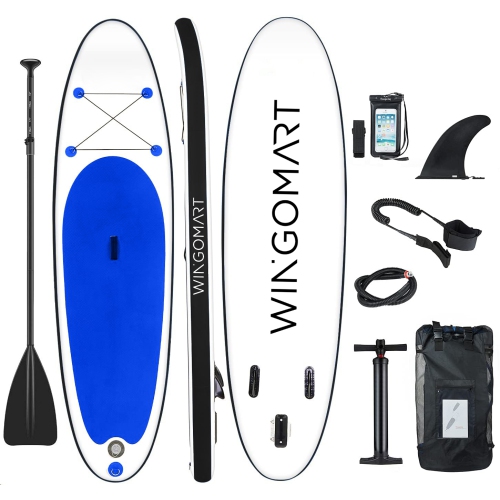 Your price for this item is $179.99
 -
 Your price for this item is $249.99
 -
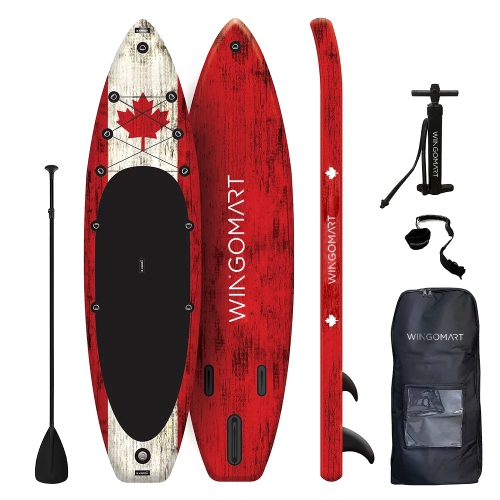 Your price for this item is $329.99
 -
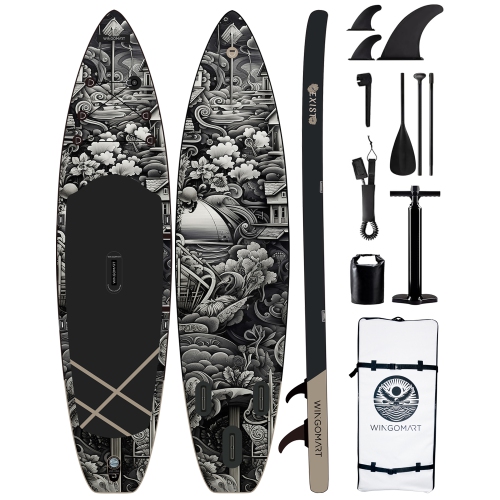 Your price for this item is $259.99
 -
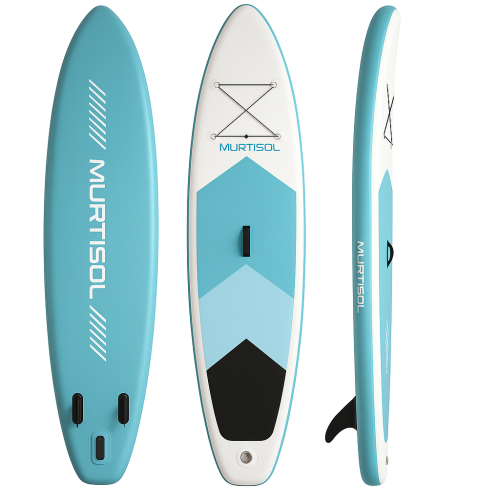 Your price for this item is $179.7
 -
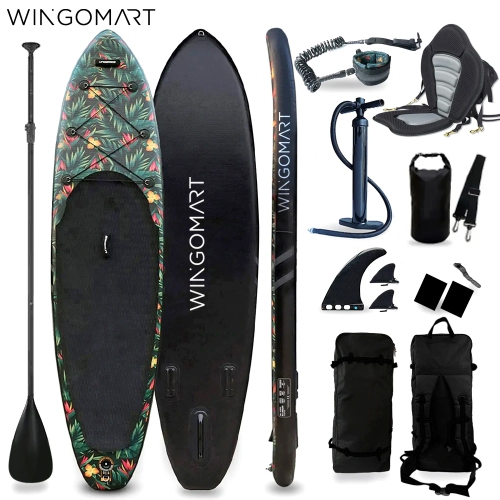 Your price for this item is $279.7
Discover more categories related to SUP Surfing Boards
Top Collections:
Pokemon Centers, Kindle Devices, Apple iPhones 16, Samsung Galaxy Phones, Canon G7X Cameras, iPhone 15 Apple, Flip Phones, Apple Wired Earphones, Best Budget Office Chairs, Refurbished Apple Laptops
Some products may be subject to Environmental Handling Fees
(EHF) depending on your province.
Learn more about EHFs.