Survival Gadgets
Prepare for any adventure with our selection of survival gadgets designed to keep you safe and prepared in any situation. From multi-tools to portable water purifiers, these innovative devices are essential for outdoor enthusiasts, campers, hikers, and emergency preparedness kits. Stay one step ahead and equip yourself with the latest in survival technology to tackle the great outdoors with confidence.
Sort

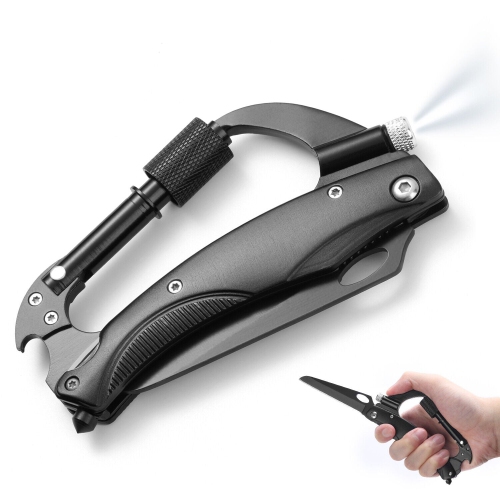
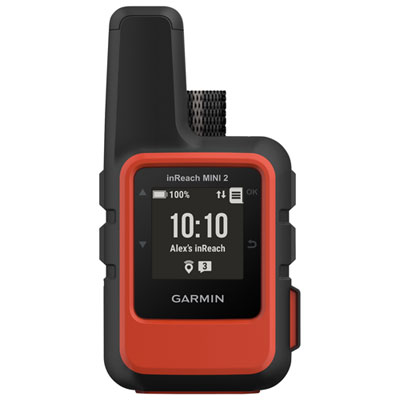
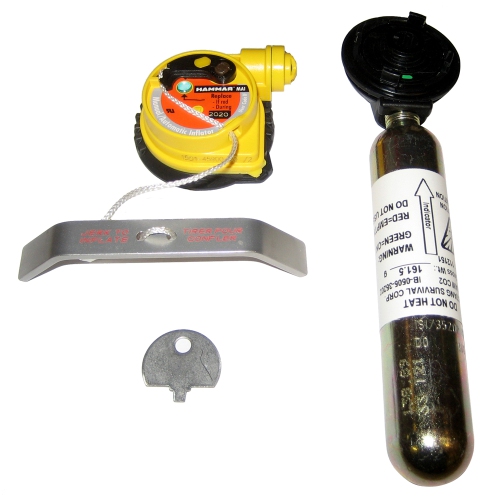
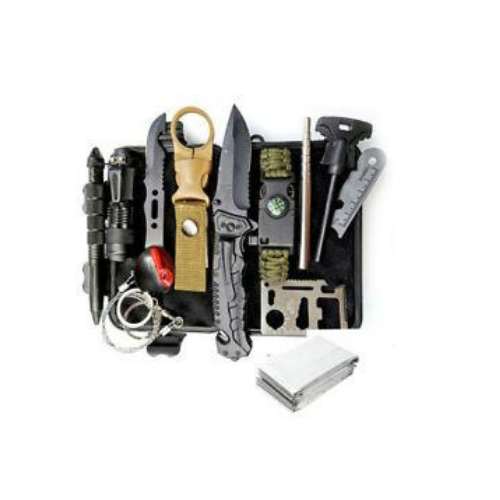
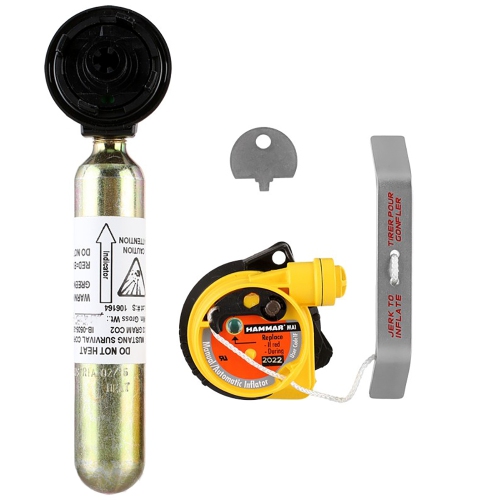
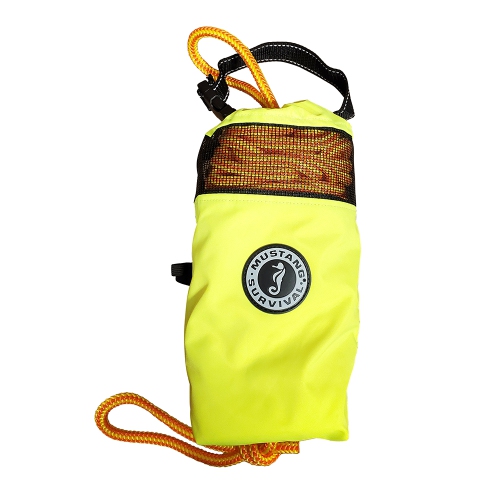
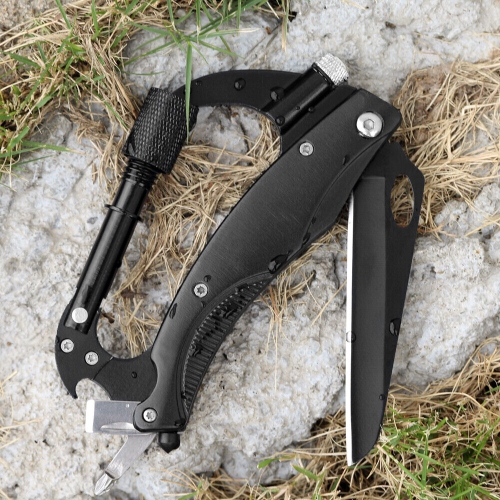
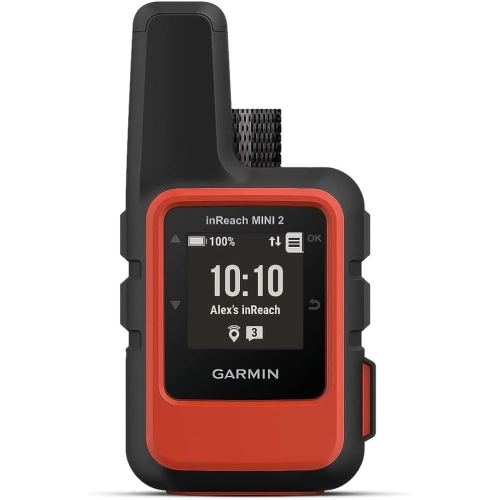

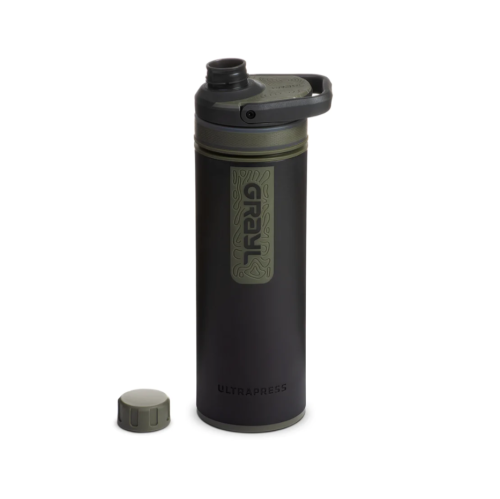
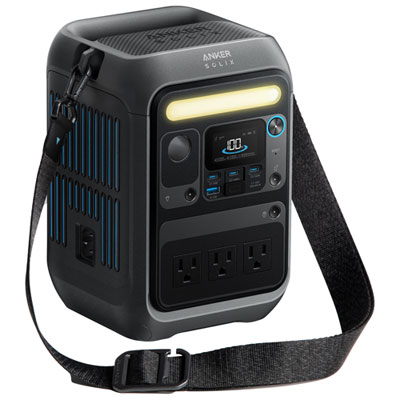
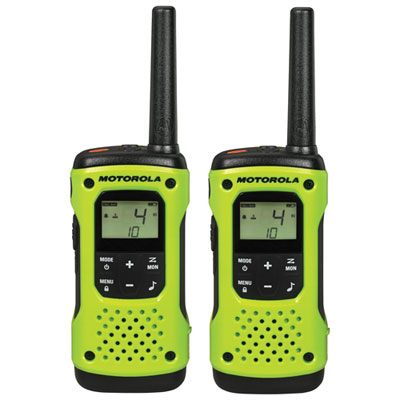
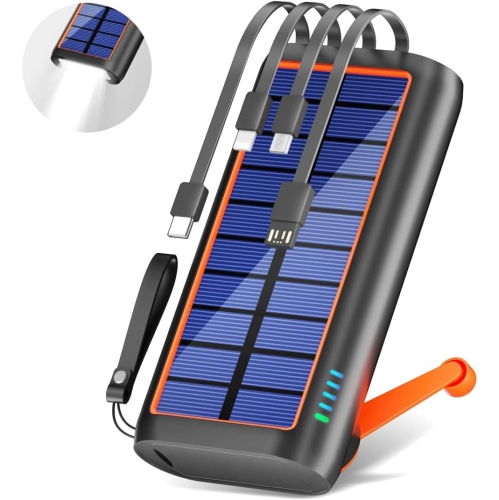

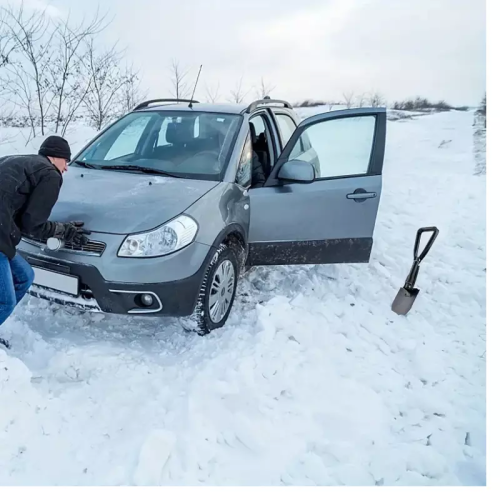
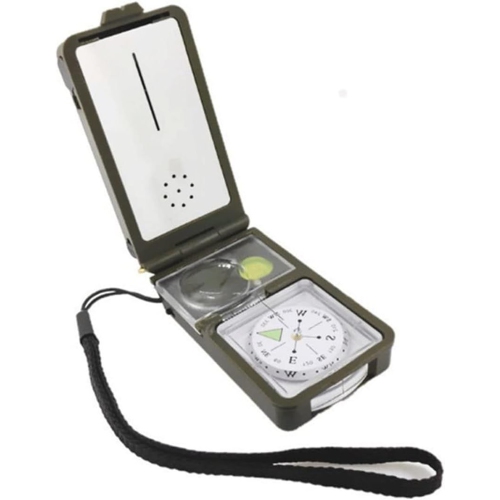
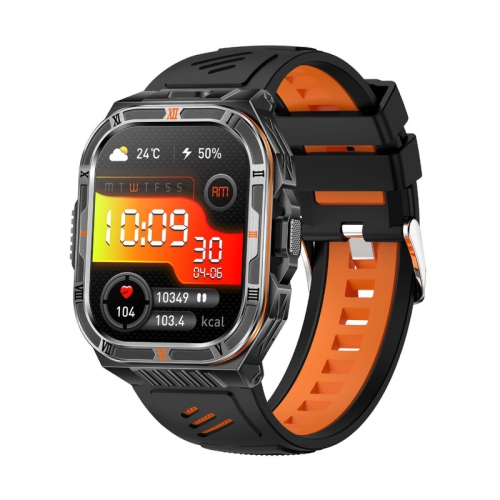
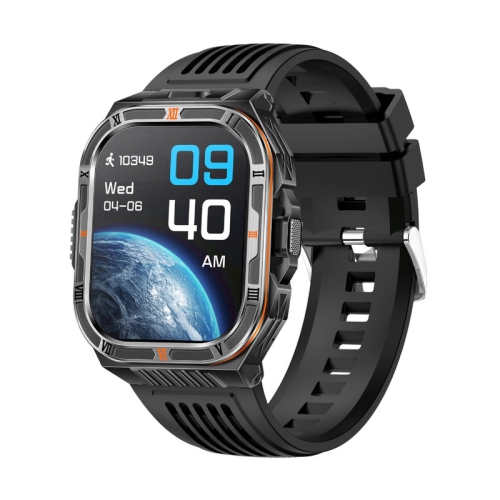
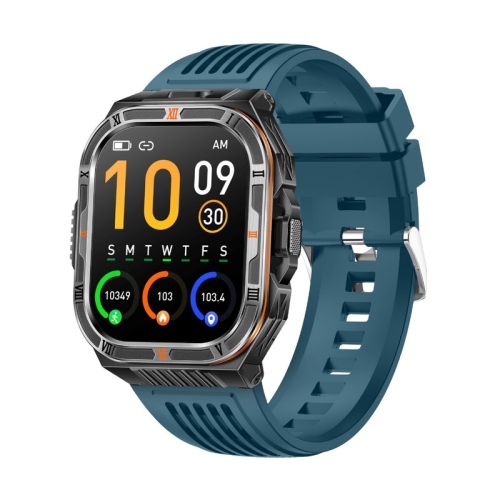
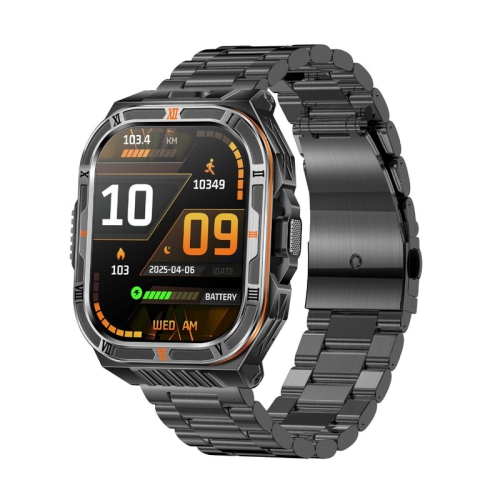

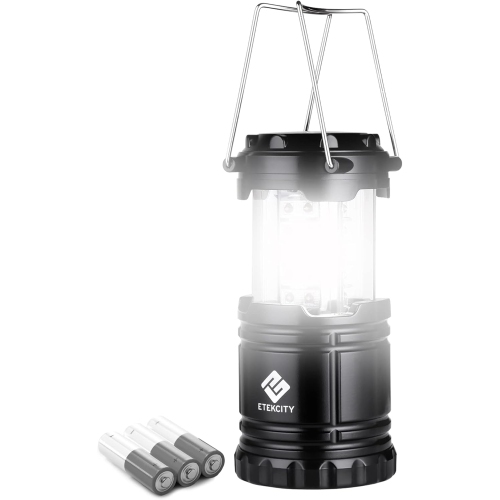
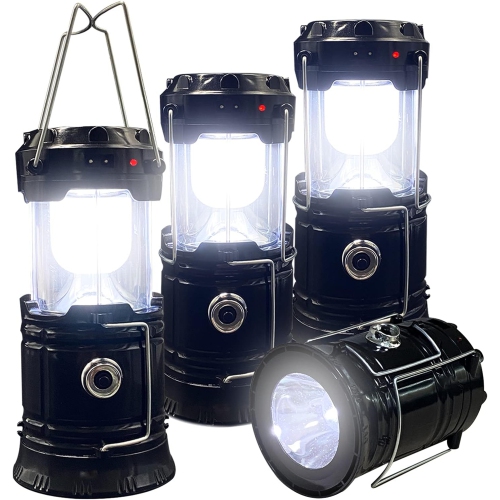
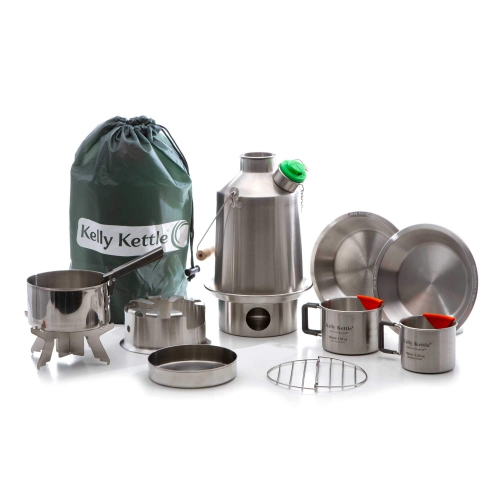
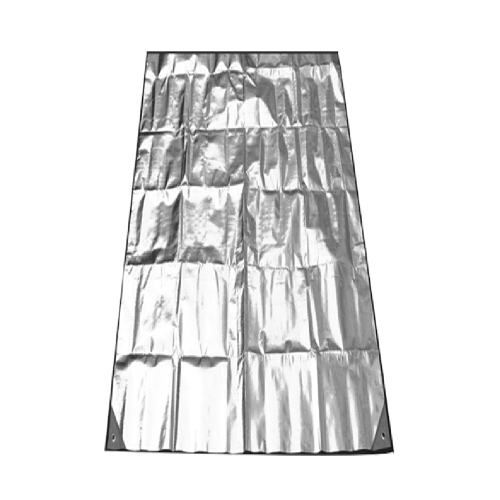
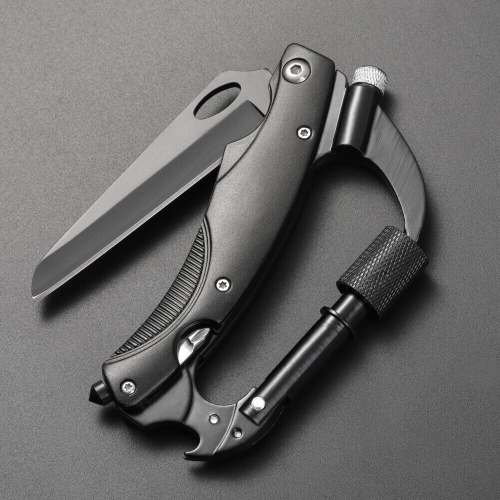
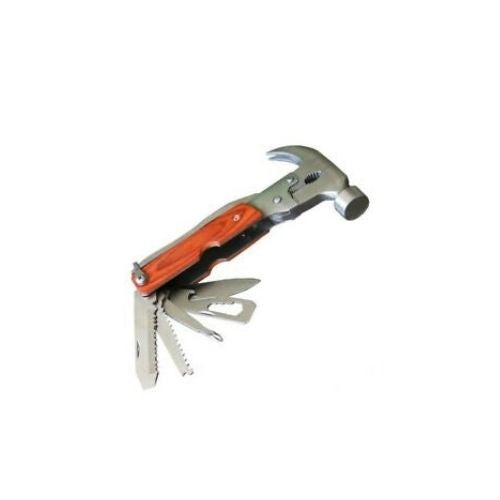
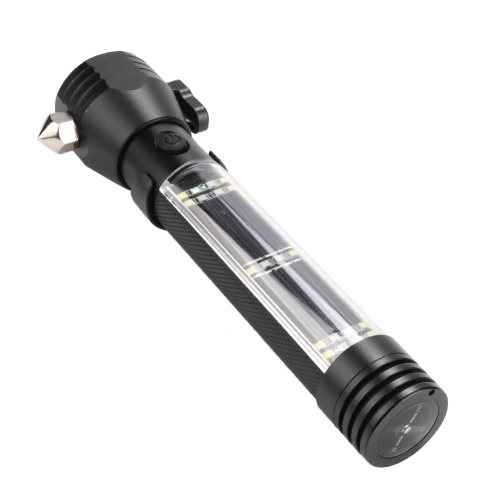
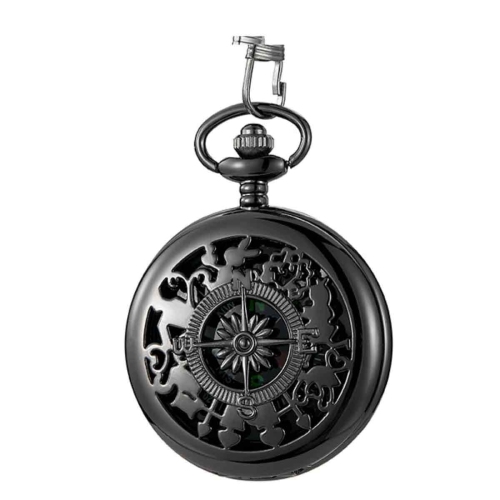
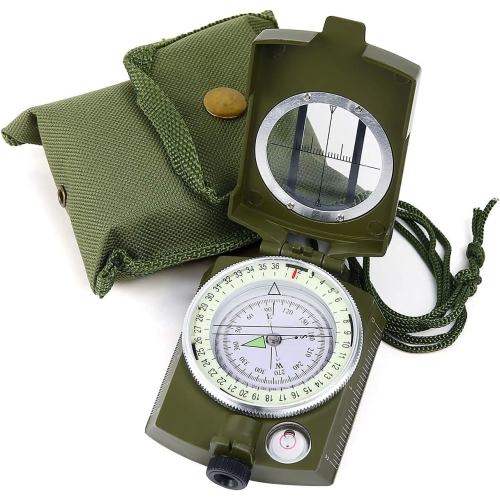
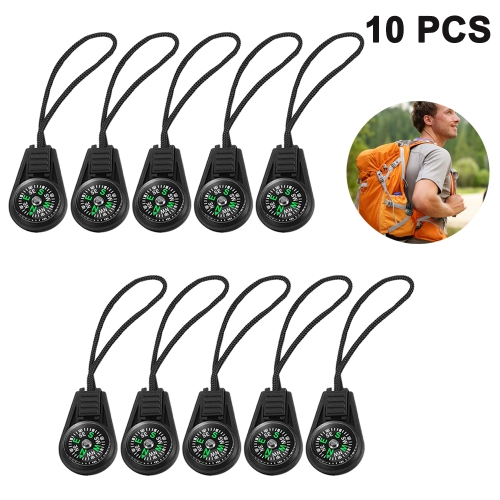
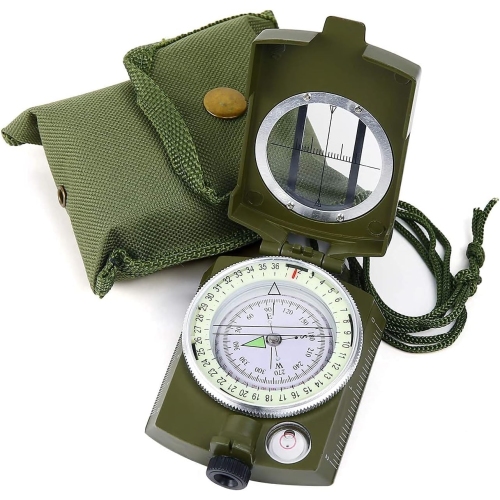
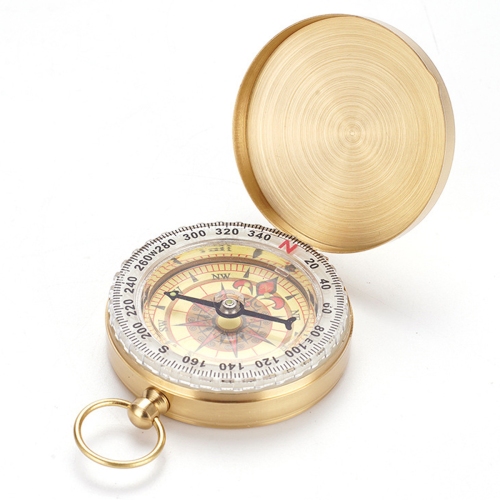
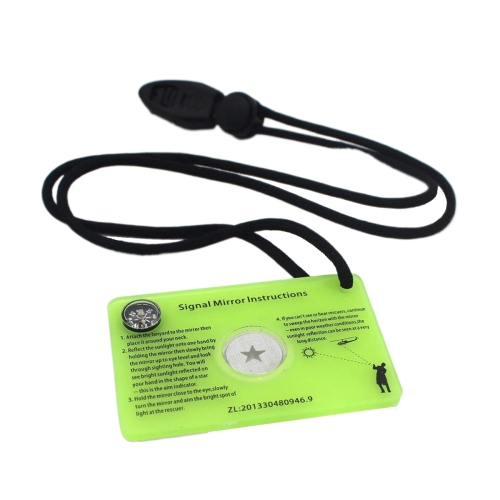
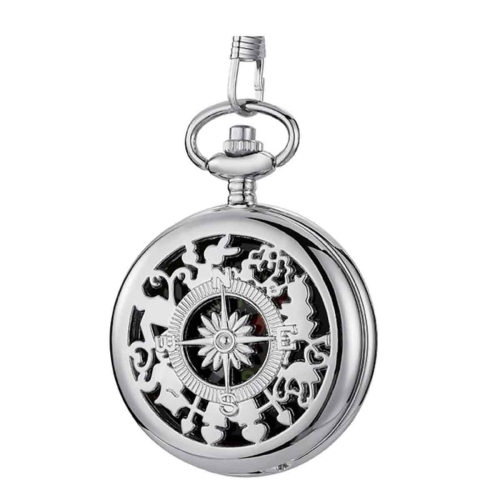

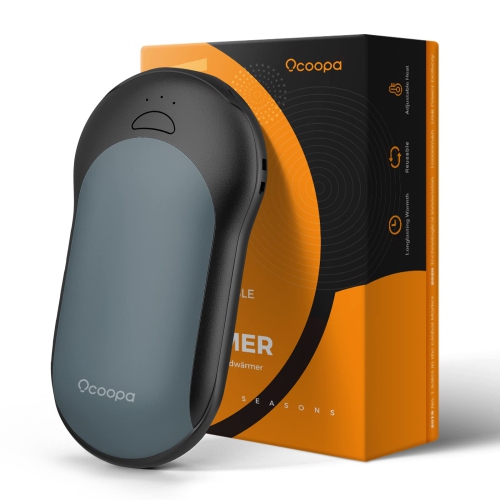
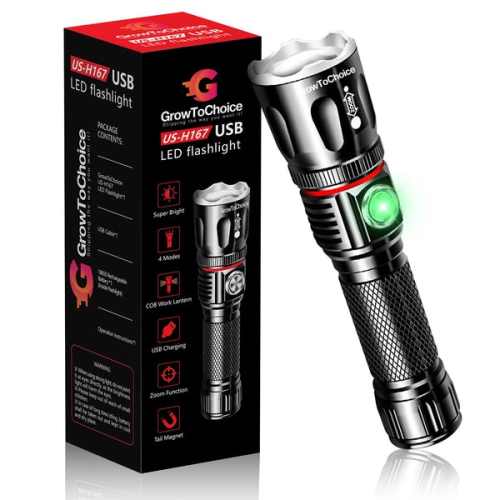
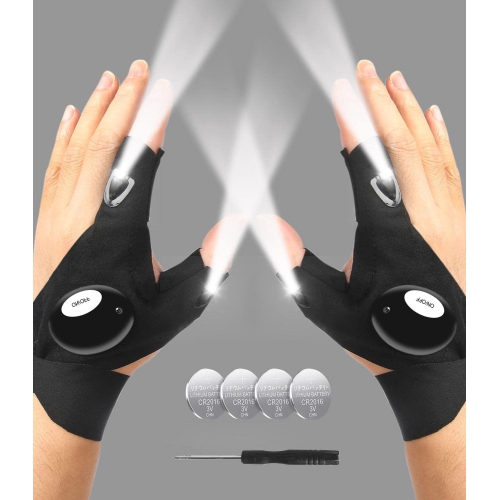
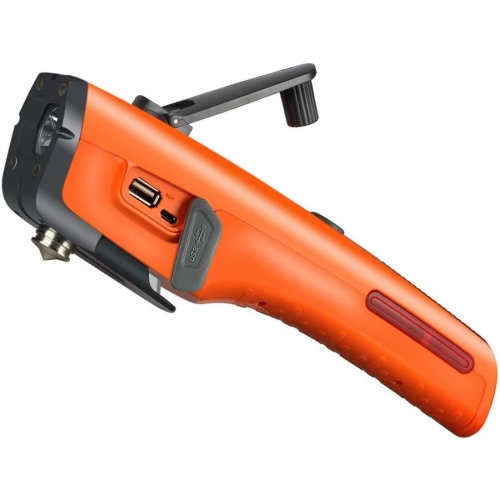
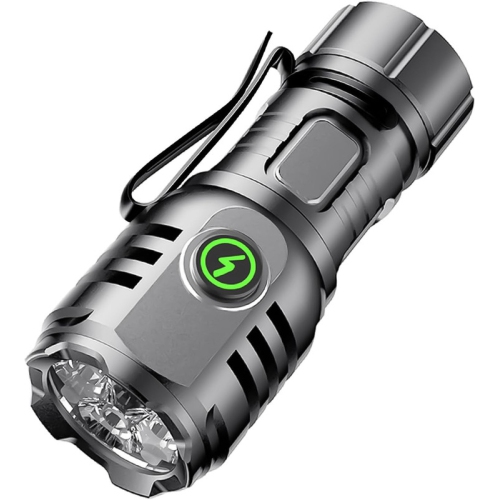
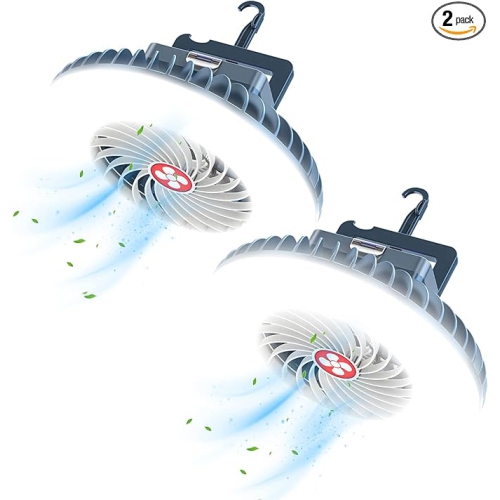
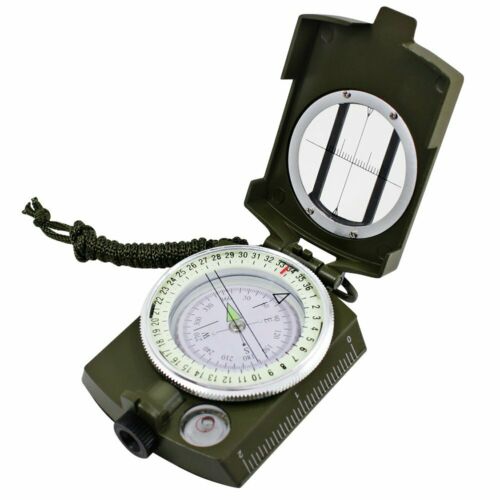
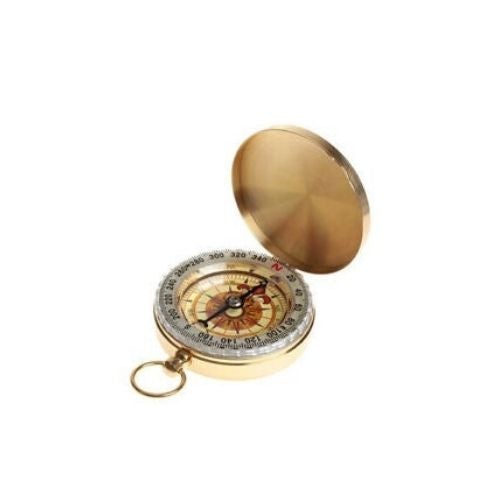



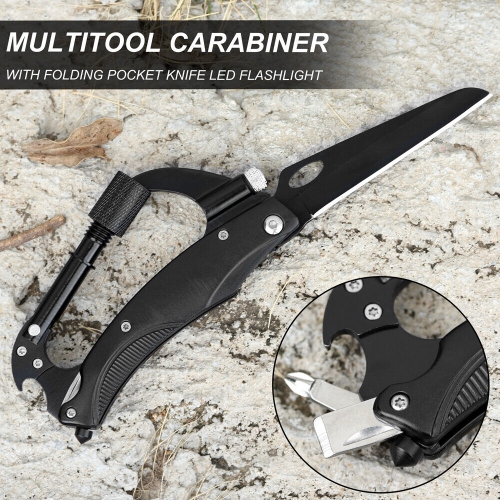
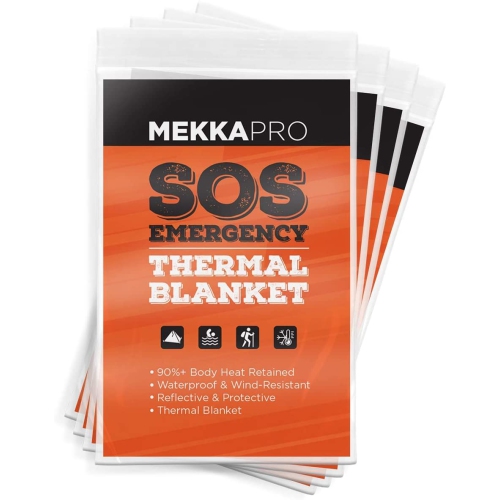
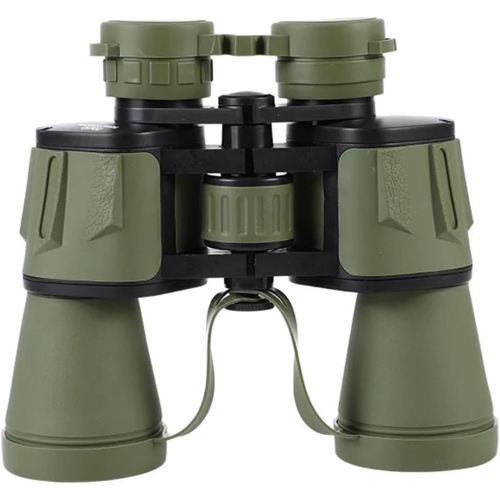
Practical tools for outages, road emergencies, and outdoor trips
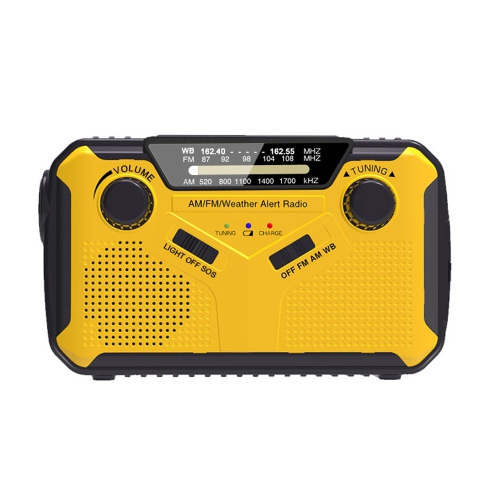
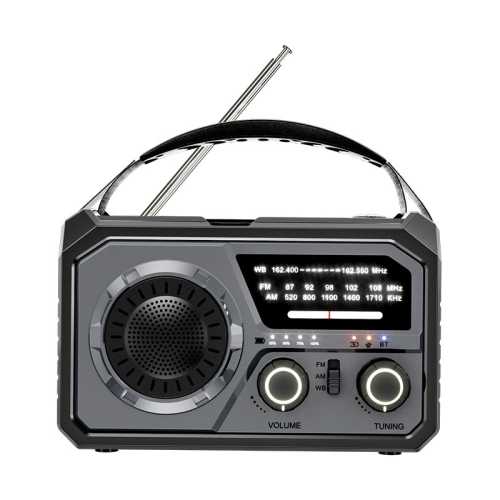
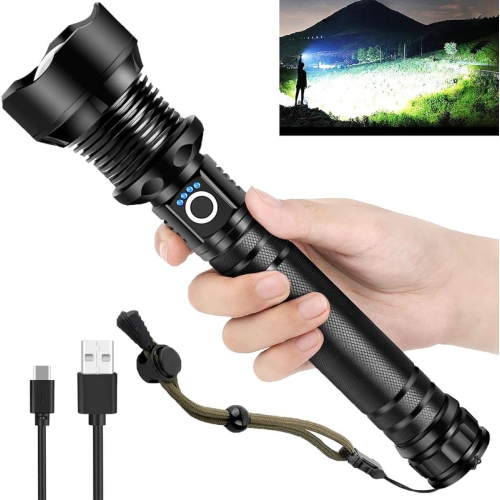
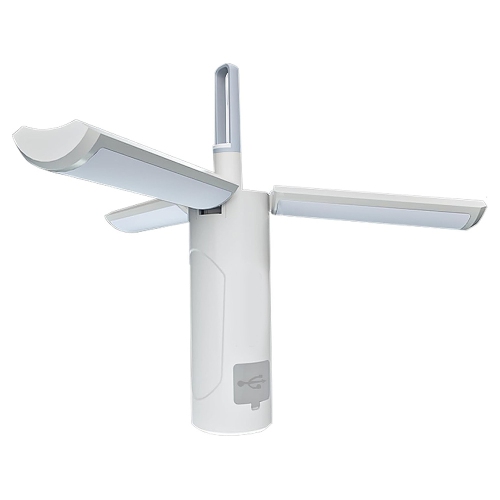
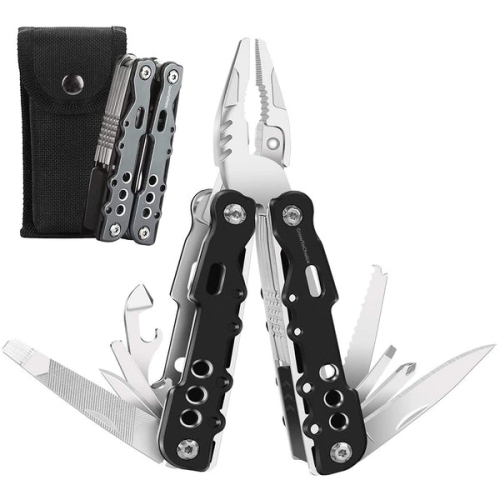
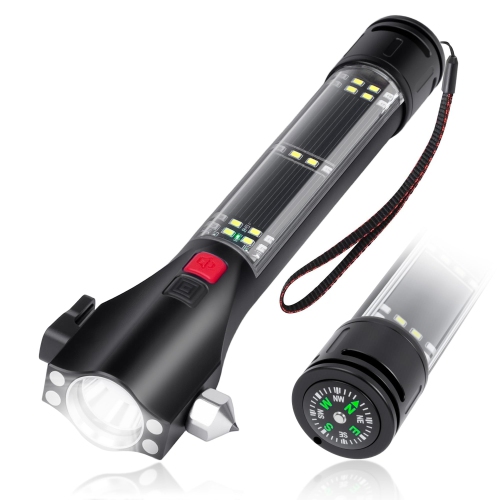
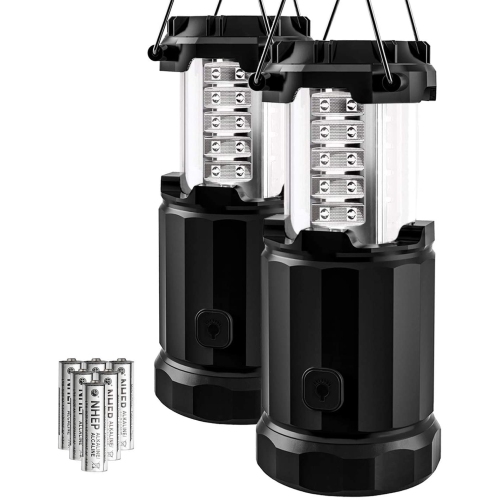
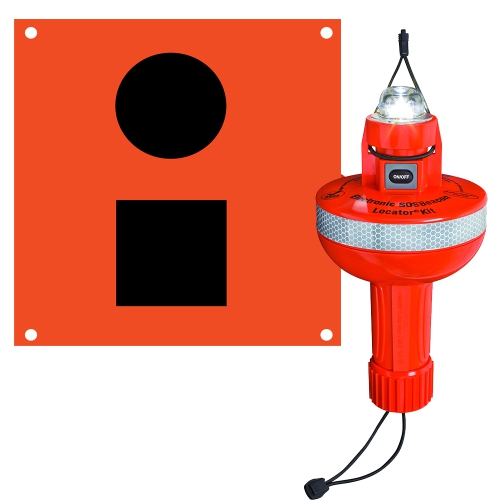
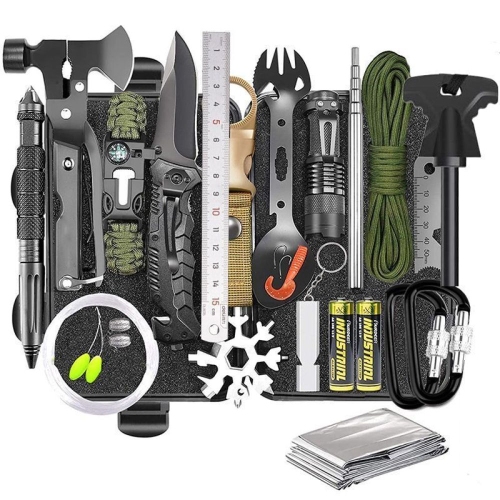
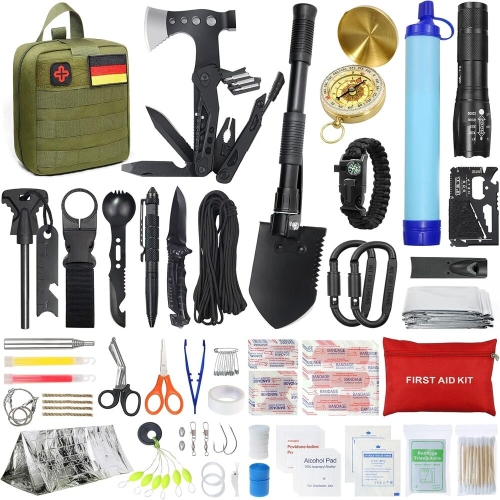
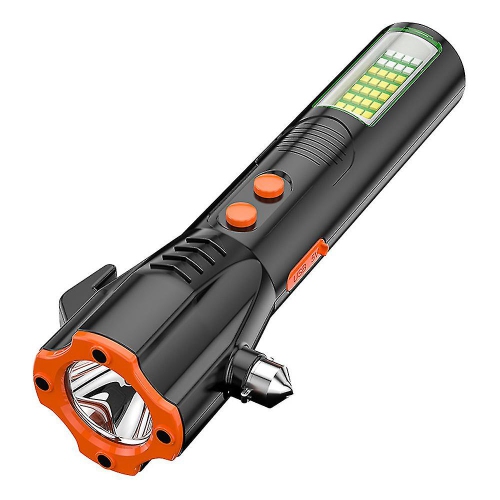
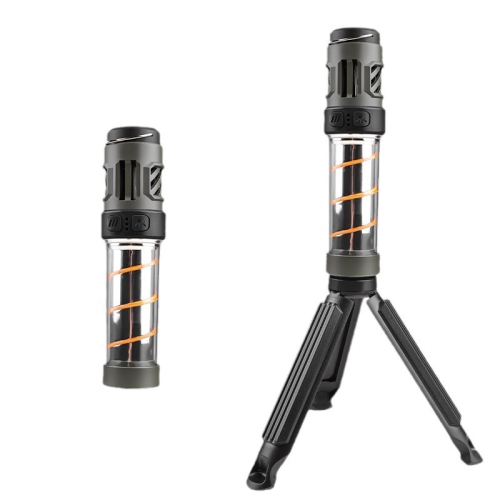
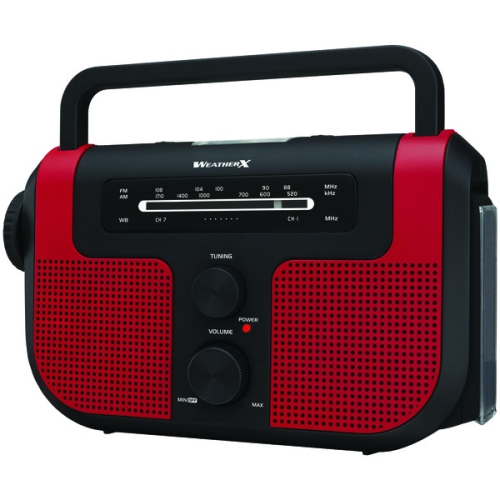
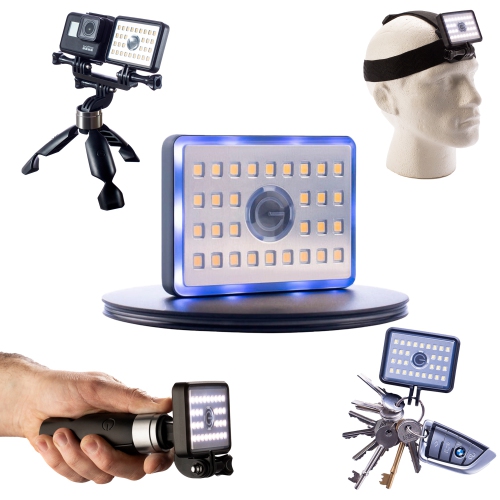
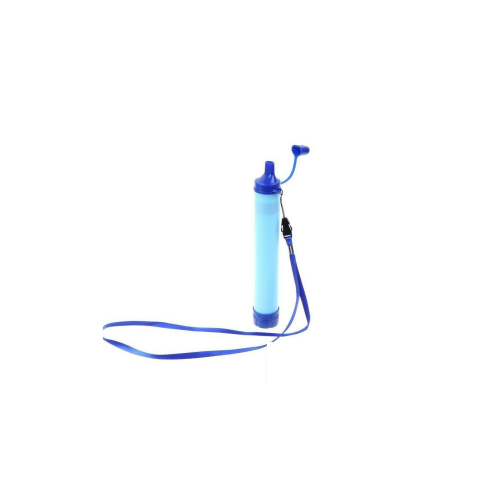
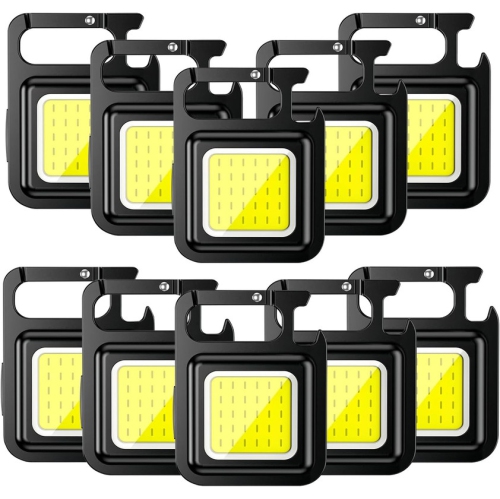
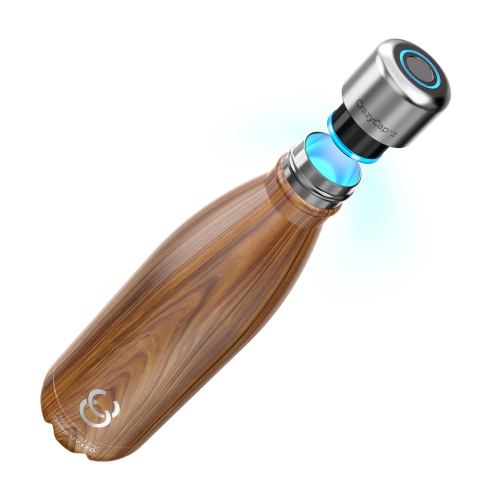
Survival gadgets are practical tools designed to help people stay informed, supplied, visible, and prepared when everyday conveniences are unavailable. They can be useful during power outages, severe weather, travel delays, road emergencies, camping trips, hiking excursions, and unexpected situations at home or in a vehicle. A well-chosen collection usually focuses on a few basic needs: safe water, communication, light, first aid, warmth, navigation, food preparation, and simple repairs. Portable water filtration devices and purification tools can provide an extra layer of support when tap water is unavailable or when a dependable source is needed outdoors. Look for options that are easy to operate, simple to pack, and suited to the setting in which they will be used. A durable water container is also worth considering, since filtration is only useful when there is a clean way to collect and store water. Emergency radios with hand-crank or solar charging can help users receive weather alerts and public safety information when the power is out, while USB charging features may provide a convenient way to keep a phone ready for essential calls or messages. Compact flashlights, headlamps, and lanterns are equally valuable: a hands-free light can make it easier to check a breaker panel, walk along a dark trail, prepare supplies, or attend to a family member after sunset. When comparing lighting gadgets, pay attention to brightness settings, battery type, charging methods, run time, water resistance, and how easily the controls can be found in the dark. These small details matter when a gadget is stored for long periods and then needed without warning.
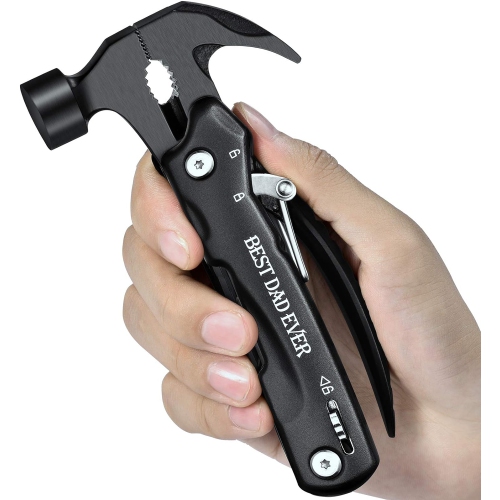
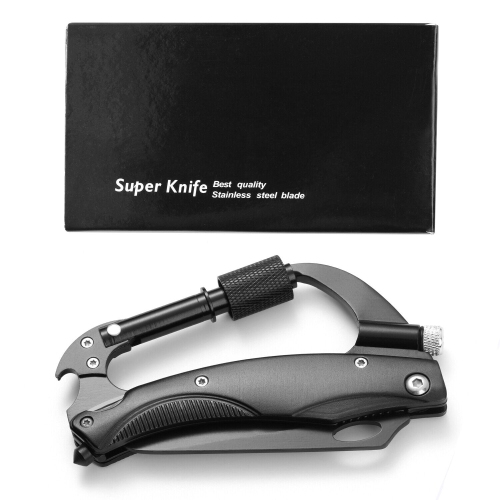
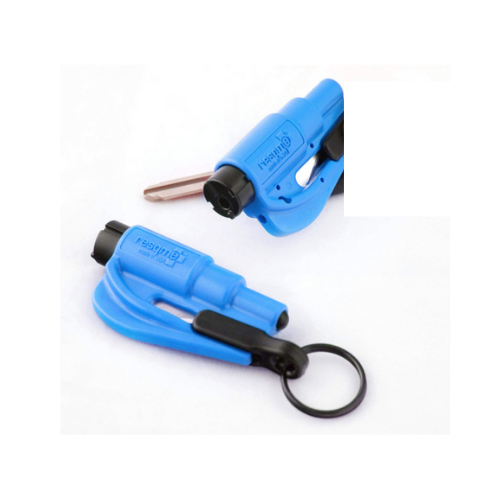
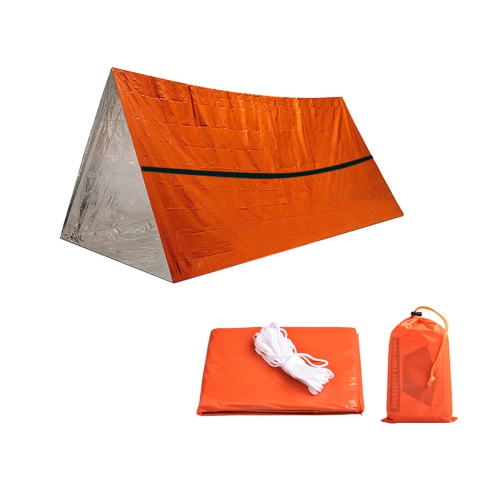
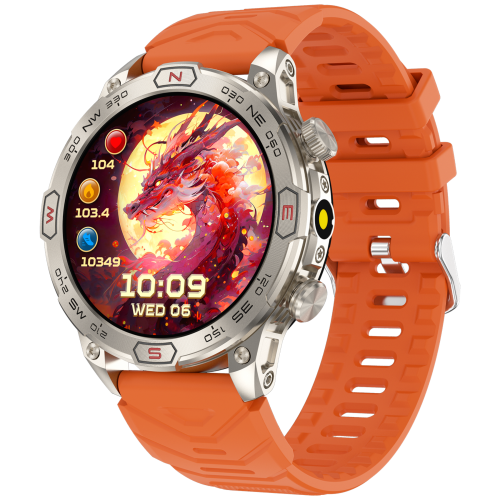
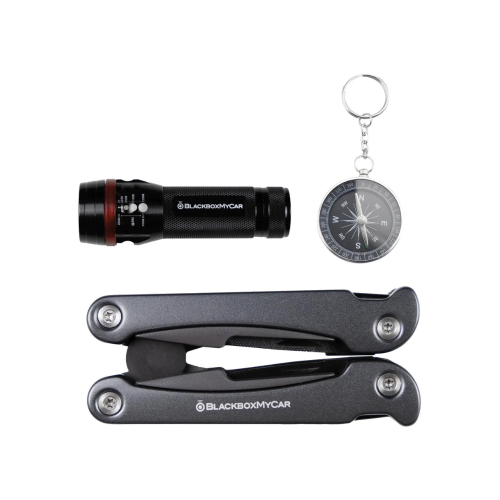
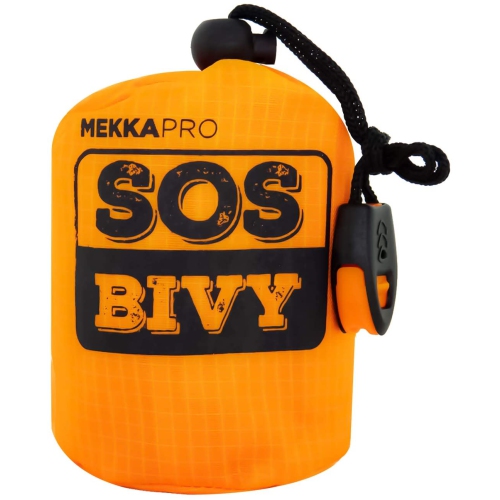
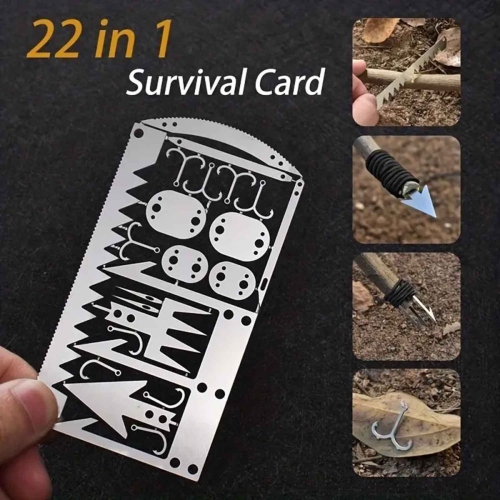
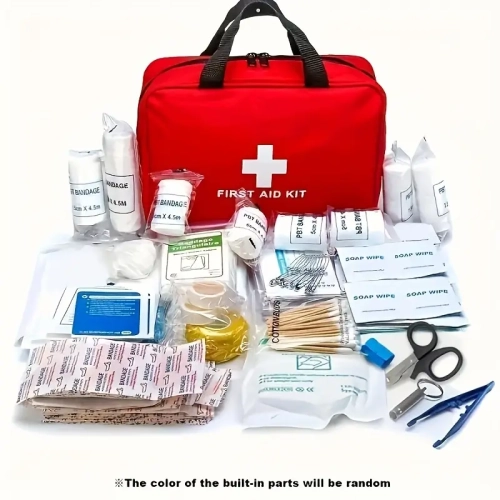
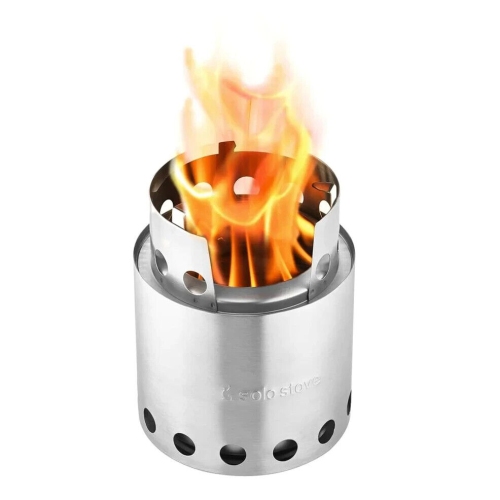
A useful survival kit should match the environment, the user’s experience, and the kind of situation being anticipated. For a car, compact tools such as a multi-purpose cutting tool, reflective markers, work gloves, a whistle, a thermal blanket, and a basic first aid kit can take up little room while supporting common roadside needs. Hikers and campers may place greater importance on navigation aids, fire-starting tools, waterproof storage, cordage, a whistle, and lightweight cooking or water equipment. For an apartment or house, emergency lighting, a radio, a power bank, first aid supplies, batteries, and a manual can opener may be more relevant than wilderness-focused equipment. Families can benefit from choosing supplies that are easy for each person to recognize and use, including lights with straightforward controls and communication tools that remain accessible during a stressful moment. A first aid kit should be checked for the types of supplies included, such as dressings, bandages, antiseptic materials, gloves, scissors, and items for managing minor cuts, blisters, or sprains. People with particular medical needs should also plan around their own requirements rather than relying on a general-purpose kit. For more coordinated collections of essential tools, browse Survival Gear Kits. These sets can be a convenient starting point for someone building a basic emergency setup, preparing a vehicle, or assembling a thoughtful gift for an outdoor enthusiast, new homeowner, student, frequent traveller, or family member who enjoys camping. They also make practical gifts because the recipient can use individual items for outdoor recreation as well as unexpected interruptions at home. A person who spends weekends on the trail may appreciate a compact light and navigation tool, while someone who travels long distances by car may get more value from emergency communication, charging, and visibility equipment.
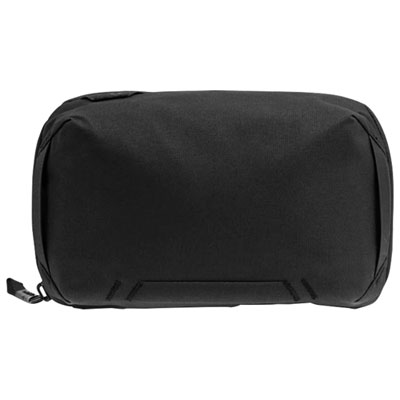
Before choosing survival gadgets, consider how they will be stored, maintained, and used under pressure. Compact designs are convenient, but a gadget should still be comfortable to hold and large enough to operate with cold or gloved hands. Check whether batteries are included, whether rechargeable devices can also accept standard batteries, and whether charging cables match the devices already in the household. Weather resistance can be important for equipment kept in a vehicle, backpack, garage, or cottage, although no device should be exposed to conditions beyond its stated rating. Organize supplies in clearly labelled pouches so that a light, first aid kit, water equipment, and communication tool can be found quickly instead of buried beneath unrelated gear. It helps to test each gadget when it arrives: turn on the light, charge the radio, inspect the filter, open the packaging, and make sure every adult who may use the equipment understands its basic operation. A short practice session can reveal details that are easy to overlook, such as a stiff latch, an unfamiliar charging port, or a control that is difficult to locate in low light. Store equipment in a cool, dry, accessible location and review it as routines change, especially before road trips, camping outings, or the cooler months. Survival gadgets are not a substitute for sound judgement or local emergency instructions, but they can provide useful support when communication, lighting, water access, or basic medical care becomes less convenient. Selecting versatile tools with dependable power options and straightforward controls makes it easier to build a setup that feels practical rather than excessive, whether it is kept in a backpack, vehicle, cottage, workplace, or home.
A useful survival kit should match the environment, the user’s experience, and the kind of situation being anticipated. For a car, compact tools such as a multi-purpose cutting tool, reflective markers, work gloves, a whistle, a thermal blanket, and a basic first aid kit can take up little room while supporting common roadside needs. Hikers and campers may place greater importance on navigation aids, fire-starting tools, waterproof storage, cordage, a whistle, and lightweight cooking or water equipment. For an apartment or house, emergency lighting, a radio, a power bank, first aid supplies, batteries, and a manual can opener may be more relevant than wilderness-focused equipment. Families can benefit from choosing supplies that are easy for each person to recognize and use, including lights with straightforward controls and communication tools that remain accessible during a stressful moment. A first aid kit should be checked for the types of supplies included, such as dressings, bandages, antiseptic materials, gloves, scissors, and items for managing minor cuts, blisters, or sprains. People with particular medical needs should also plan around their own requirements rather than relying on a general-purpose kit. For more coordinated collections of essential tools, browse Survival Gear Kits. These sets can be a convenient starting point for someone building a basic emergency setup, preparing a vehicle, or assembling a thoughtful gift for an outdoor enthusiast, new homeowner, student, frequent traveller, or family member who enjoys camping. They also make practical gifts because the recipient can use individual items for outdoor recreation as well as unexpected interruptions at home. A person who spends weekends on the trail may appreciate a compact light and navigation tool, while someone who travels long distances by car may get more value from emergency communication, charging, and visibility equipment.
Before choosing survival gadgets, consider how they will be stored, maintained, and used under pressure. Compact designs are convenient, but a gadget should still be comfortable to hold and large enough to operate with cold or gloved hands. Check whether batteries are included, whether rechargeable devices can also accept standard batteries, and whether charging cables match the devices already in the household. Weather resistance can be important for equipment kept in a vehicle, backpack, garage, or cottage, although no device should be exposed to conditions beyond its stated rating. Organize supplies in clearly labelled pouches so that a light, first aid kit, water equipment, and communication tool can be found quickly instead of buried beneath unrelated gear. It helps to test each gadget when it arrives: turn on the light, charge the radio, inspect the filter, open the packaging, and make sure every adult who may use the equipment understands its basic operation. A short practice session can reveal details that are easy to overlook, such as a stiff latch, an unfamiliar charging port, or a control that is difficult to locate in low light. Store equipment in a cool, dry, accessible location and review it as routines change, especially before road trips, camping outings, or the cooler months. Survival gadgets are not a substitute for sound judgement or local emergency instructions, but they can provide useful support when communication, lighting, water access, or basic medical care becomes less convenient. Selecting versatile tools with dependable power options and straightforward controls makes it easier to build a setup that feels practical rather than excessive, whether it is kept in a backpack, vehicle, cottage, workplace, or home.
Top selling and popular products
-
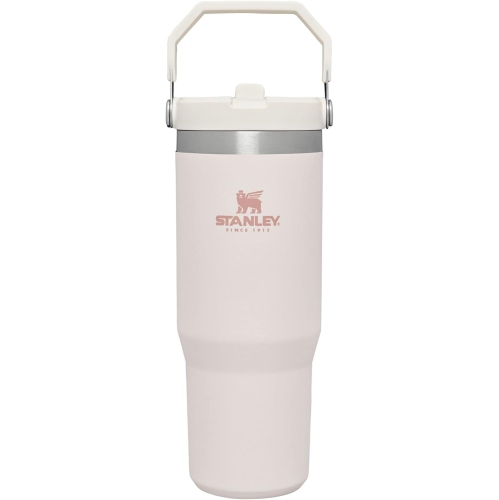 Your price for this item is $49.89
 -
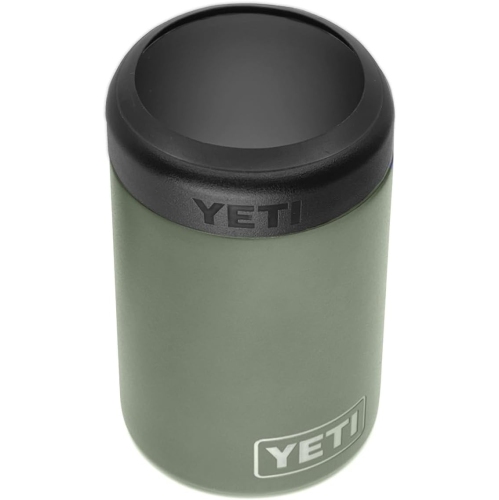 Your price for this item is $64.99
 -
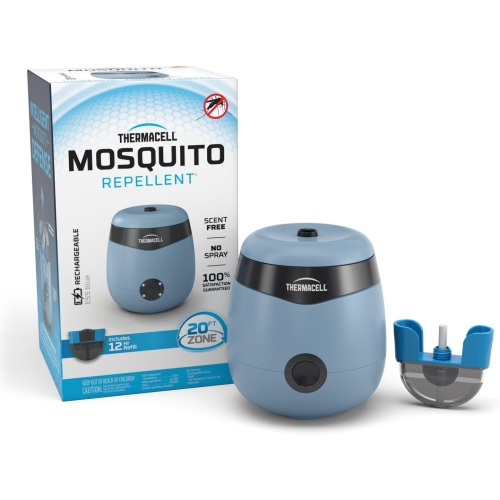 Your price for this item is $109.99
 -
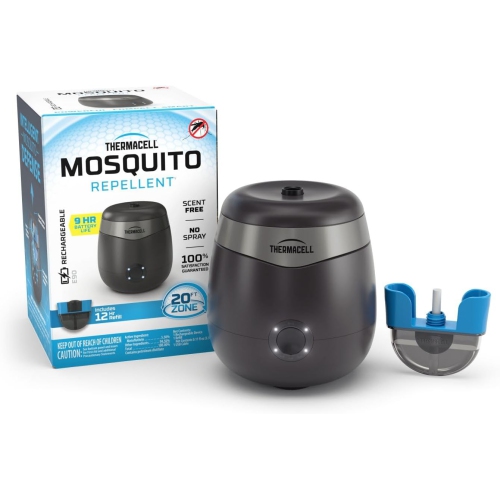 Your price for this item is $87.99
 -
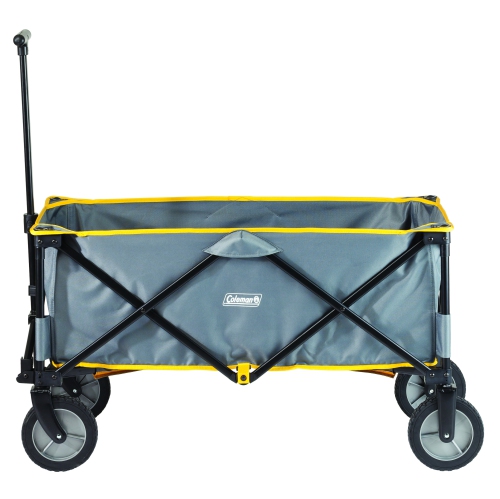 Your price for this item is $179.99
 -
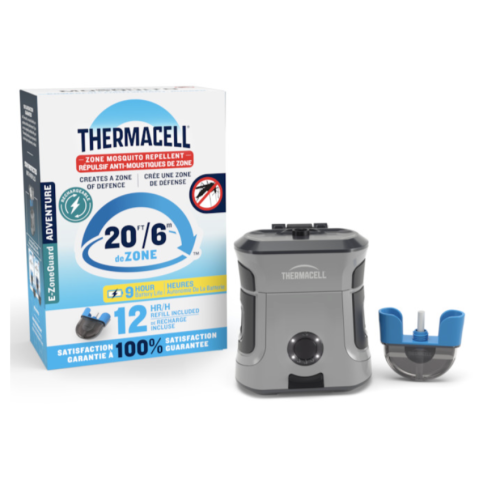 Your price for this item is $64.99
 -
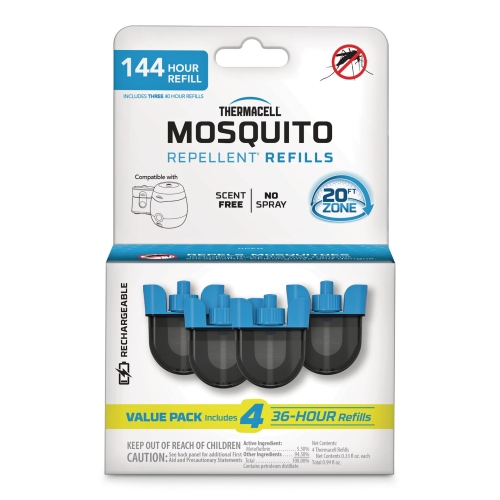 Your price for this item is $69
 -
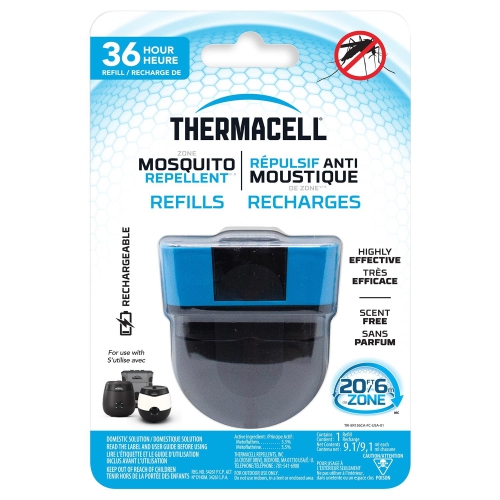 Your price for this item is $34.99
Discover more categories related to Survival Gadgets
Top Collections:
Best Laptops for Video Editing, Pokemon Centers, Samsung Z Fold, Kindle Devices, Best Cell Phones Under $300, Best Laptops for Writers, Best Budget Office Chairs, Best Cell Phones Under $500, Best Laptop Computers for Students, iPhone 15 Apple
Some products may be subject to Environmental Handling Fees
(EHF) depending on your province.
Learn more about EHFs.