Tire Pump
Keeping your vehicle's tires properly inflated is essential for safety and optimal performance, making a reliable tire pump an indispensable tool in any garage. Whether you're commuting to work, embarking on a road trip, or enjoying a leisurely bike ride, a tire pump ensures you're always ready for the journey ahead. Discover a range of versatile options designed to meet various needs, from compact portable models perfect for on-the-go convenience to heavy-duty pumps ideal for home use. Enhance your driving experience with the peace of mind that comes from maintaining your tires with ease and efficiency.
Sort



![GREEN SCENIC [Wireless And Portable] 80W Turbo Fast Charging Car Air Pump | 150Psi High Pressure/intelligent Dual Digital Tire Pressure](https://multimedia.bbycastatic.ca/multimedia/products/500x500/193/19336/19336000.jpeg)
Why pressure ratings tell only part of the story
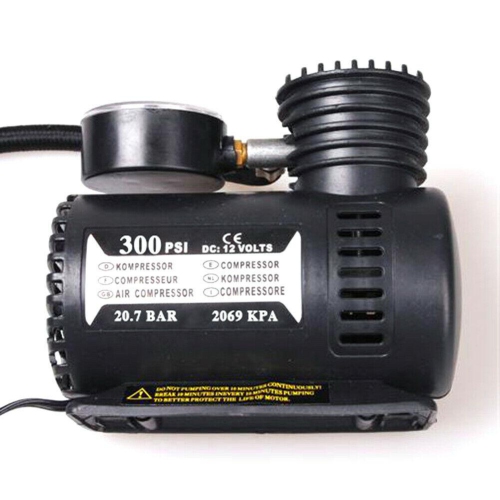
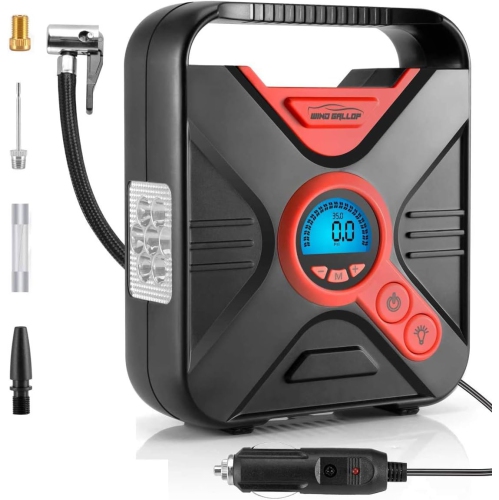
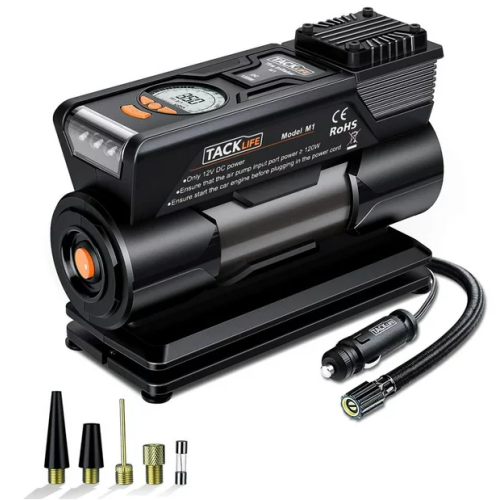
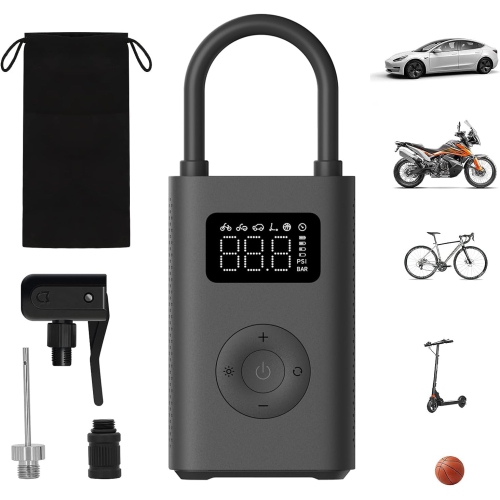
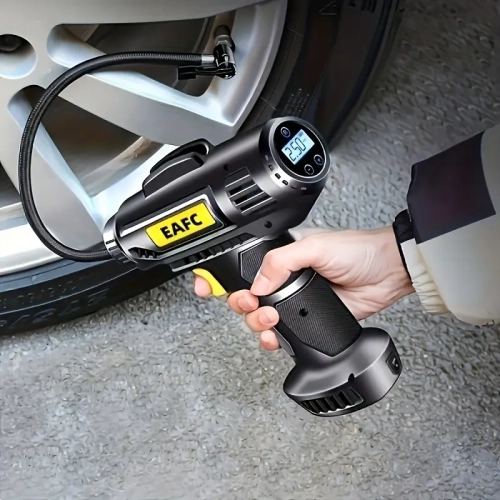
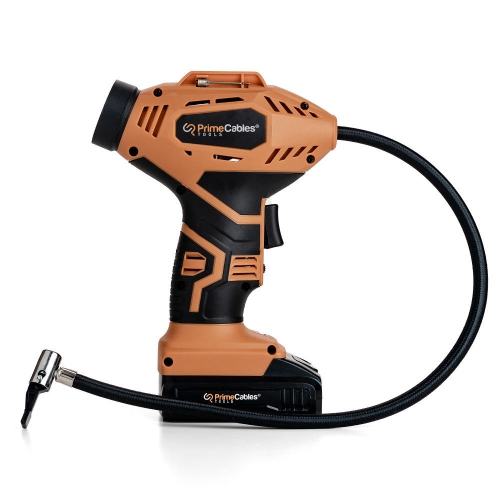
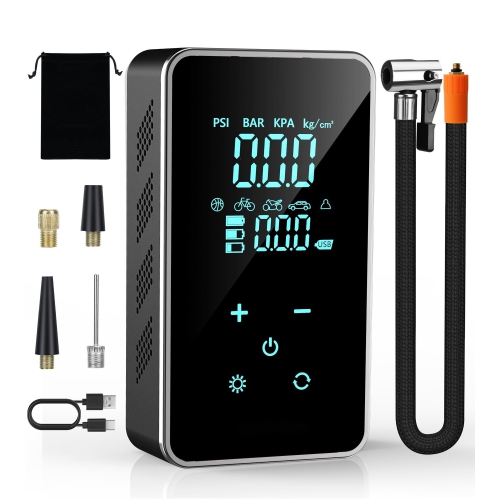
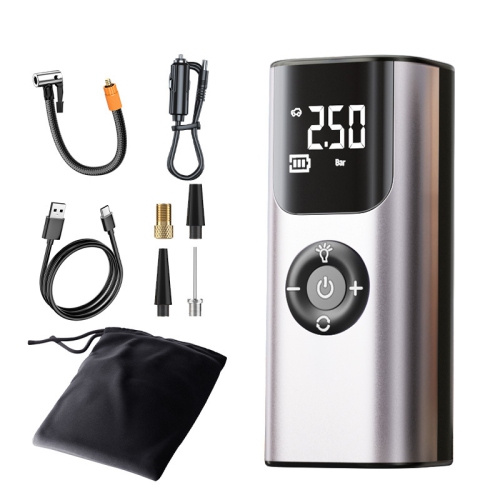
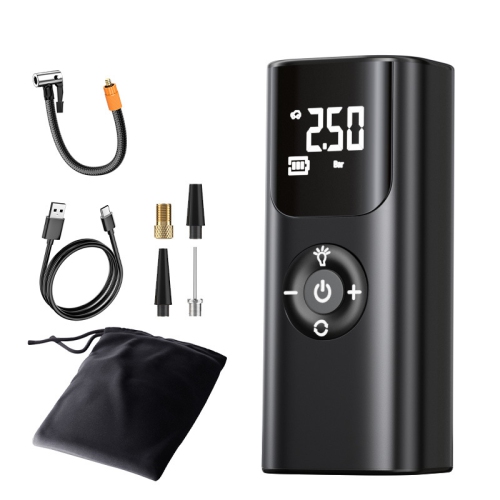
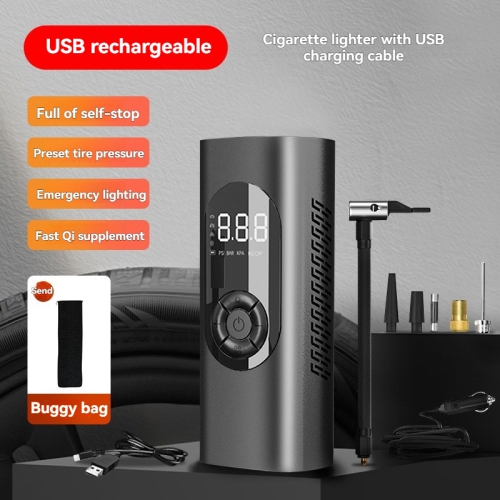
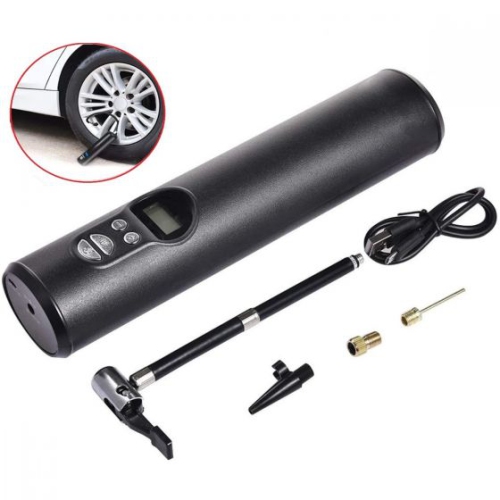
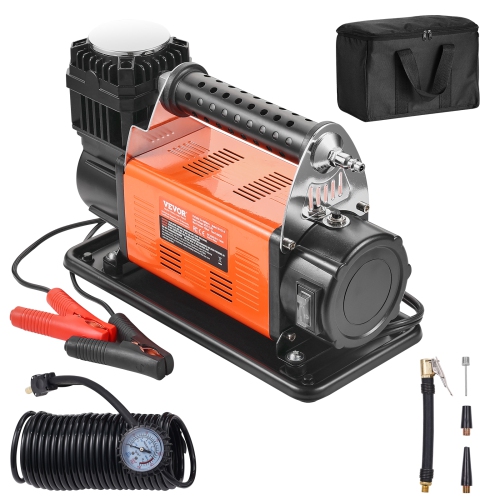
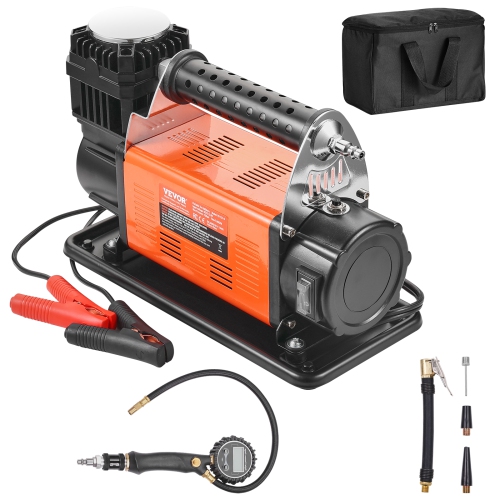
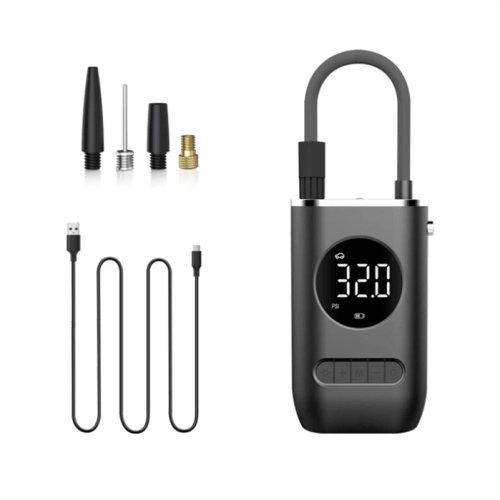
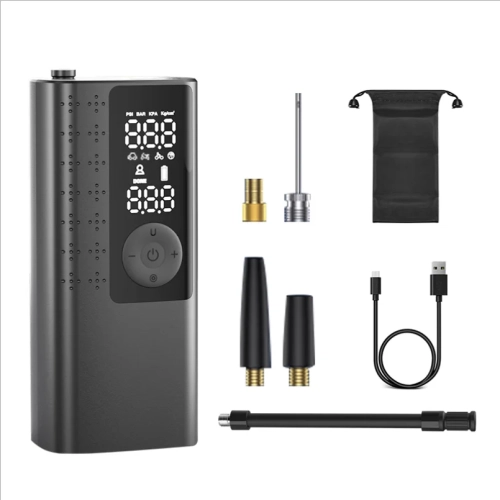
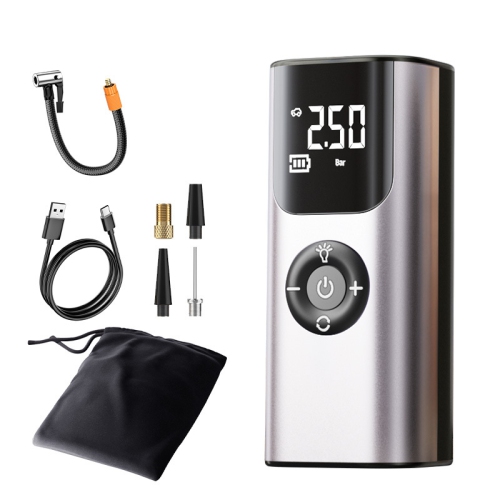
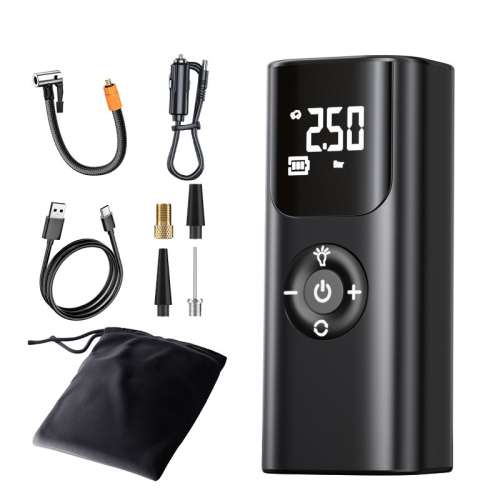
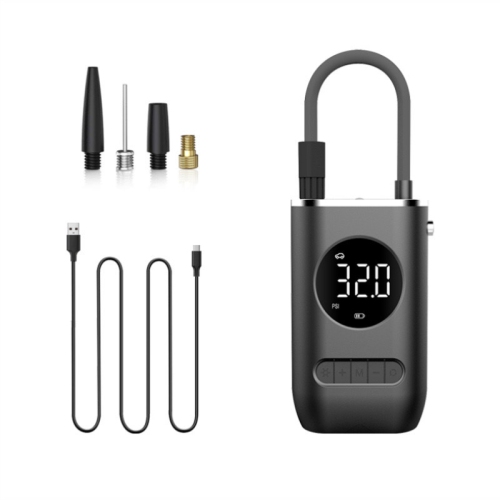
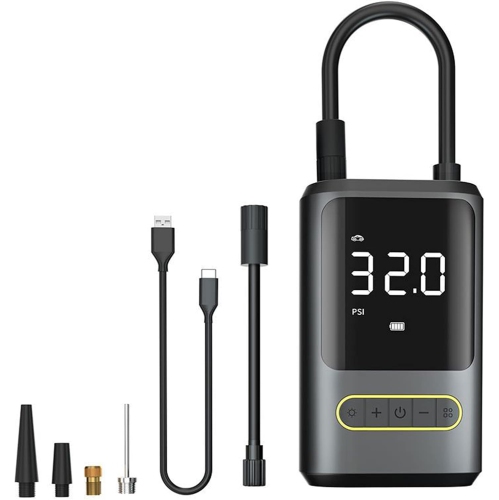
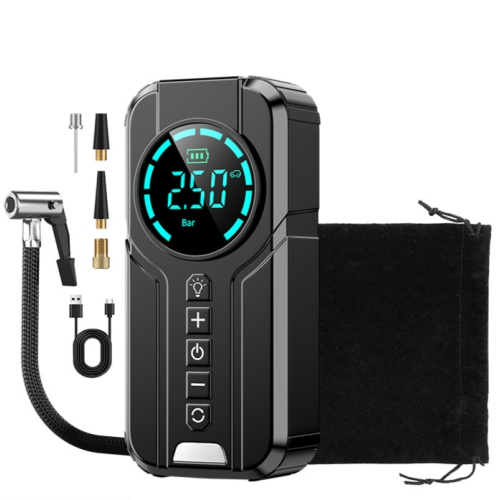
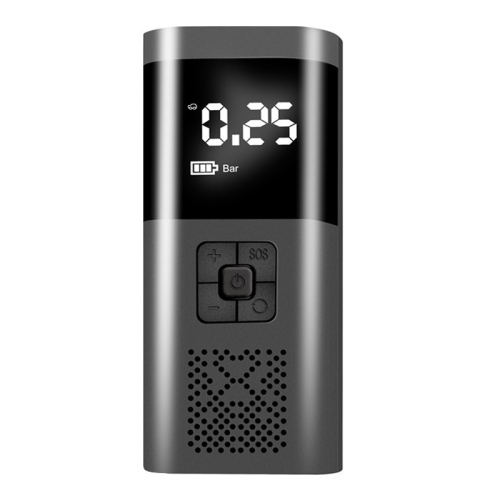
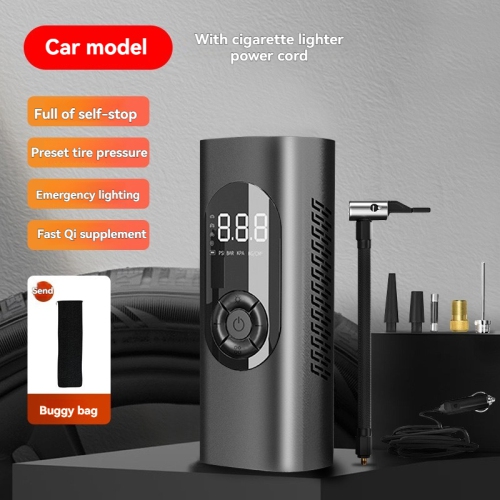
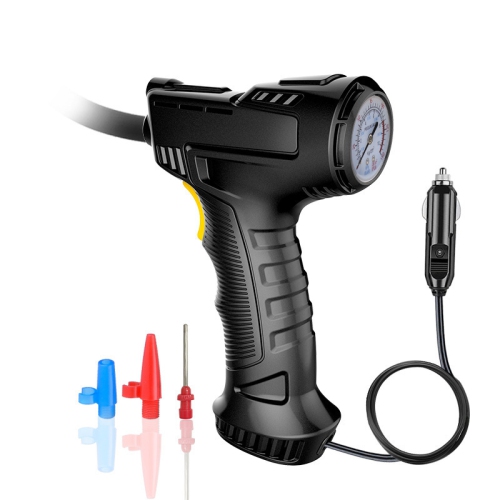
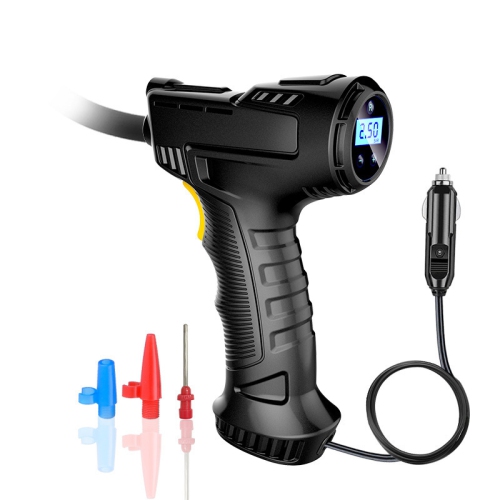
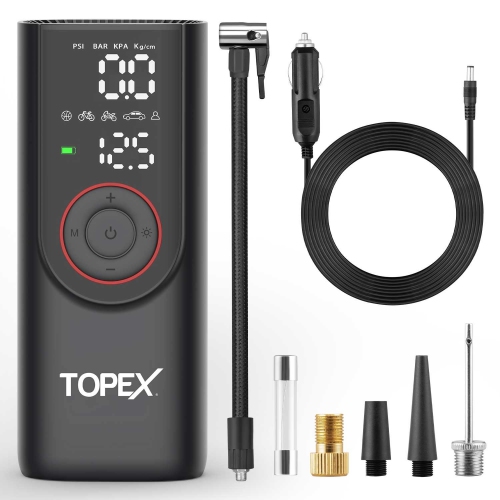
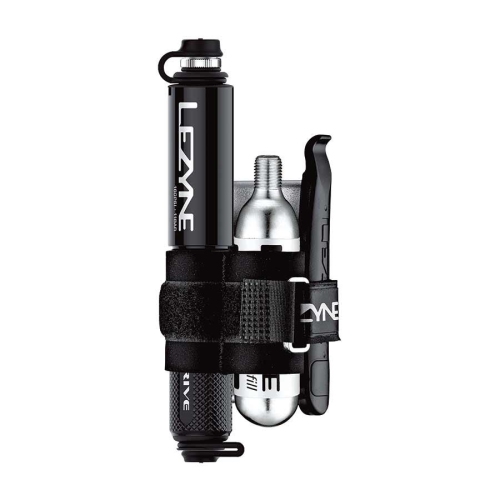
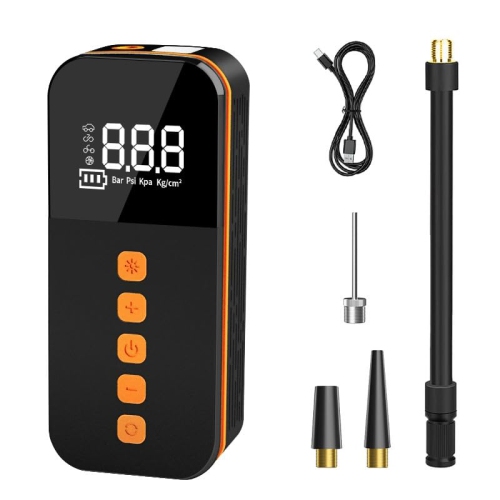
A tire pump provides a convenient way to maintain air pressure in vehicle and bicycle tires, whether it stays in the garage, travels in a trunk, or fits into a cycling bag. The main types include manual hand pumps, bicycle floor pumps, cordless tire inflators, and electric pumps powered through a vehicle’s 12V accessory outlet. Each suits a different routine: a floor pump offers steady leverage for a bike before a ride, while a portable electric inflator can make topping up car tires less physically demanding. The most useful features depend on what needs inflating, how often the pump will be used, and where power is accessible. Cordless designs offer freedom to move between wheels without routing a power cord through the vehicle, although their runtime depends on battery capacity, tire size, and the amount of air required. A 12V plug-in design draws power from a compatible vehicle outlet, making cord length and outlet requirements important considerations. For shoppers focused on vehicle tires, Car Air Pumps brings that intended use into focus. Digital pressure displays, preset pressure settings, and automatic shutoff can simplify routine top-ups, while an easy-to-read analogue gauge offers a straightforward alternative. Automatic shutoff stops inflation at a selected pressure, but it does not determine the correct setting for the tire or replace a pressure check. For a car, the appropriate cold tire pressure is generally listed on the driver’s door placard or in the owner’s manual, rather than being the maximum pressure moulded into the tire sidewall. A pump’s maximum pressure rating also says little about how quickly it can fill a tire. Airflow, the tire’s volume, and the starting pressure all affect inflation time. A compact inflator that handles occasional pressure adjustments may take much longer to inflate a substantially low tire, especially on a larger vehicle. Matching the pump to its everyday job matters more than choosing the highest pressure rating alone.
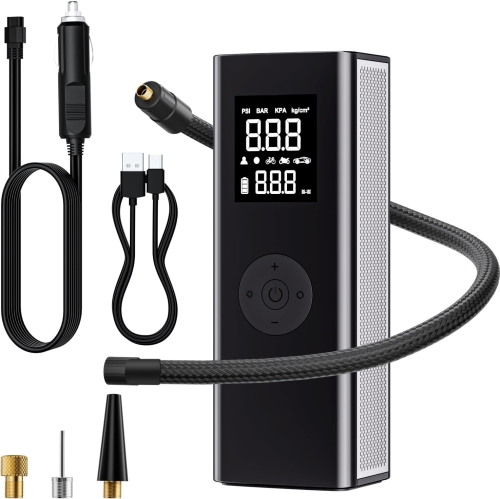
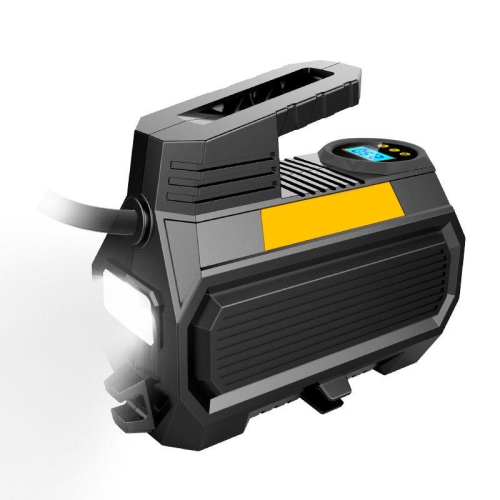
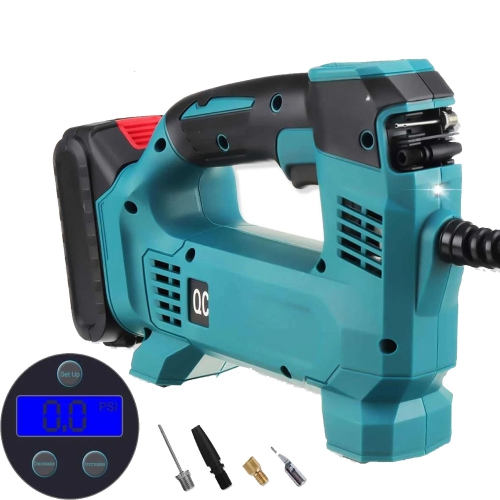
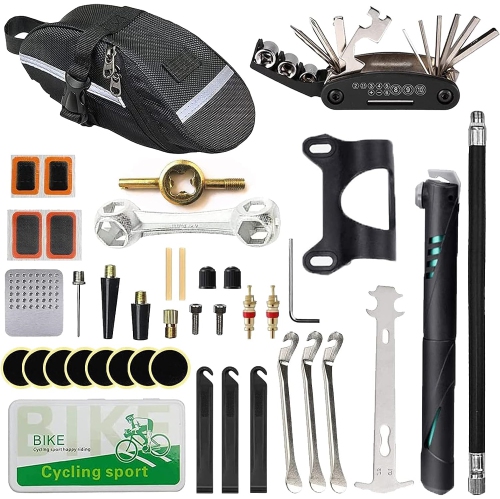
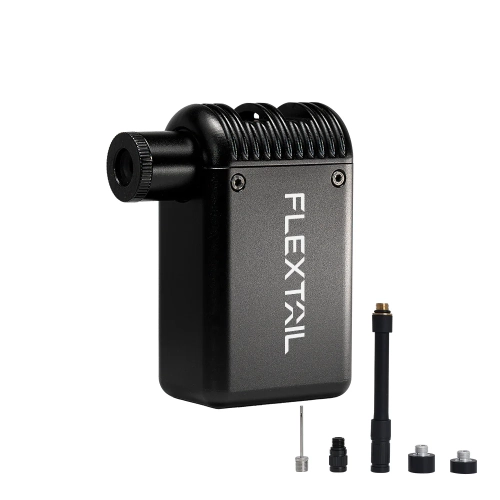
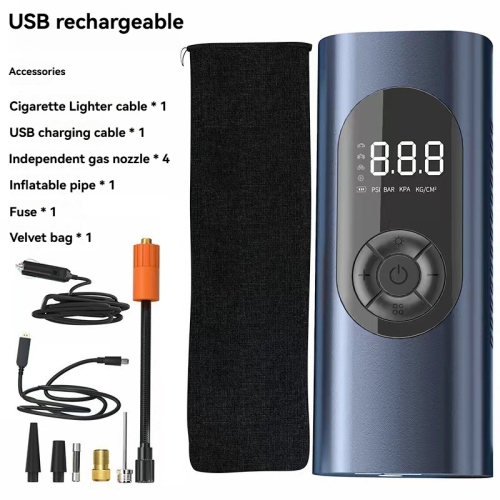
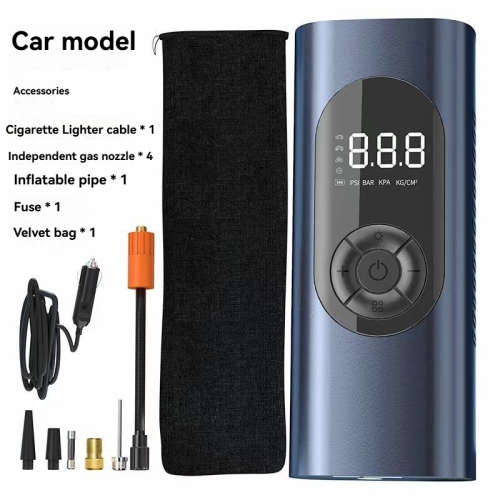
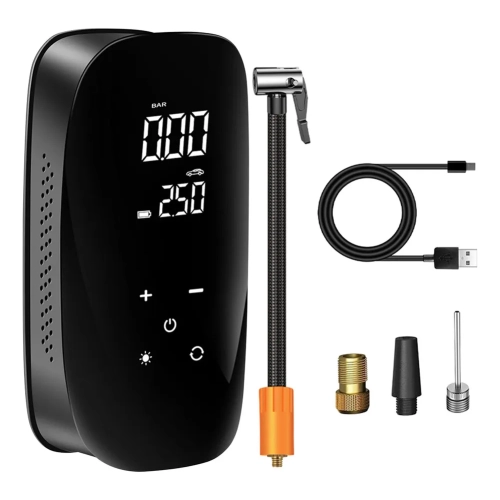
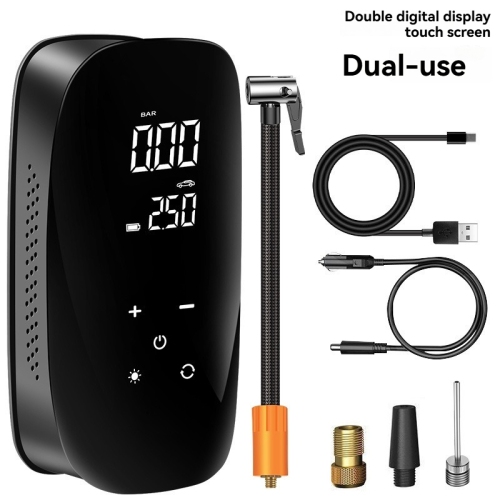
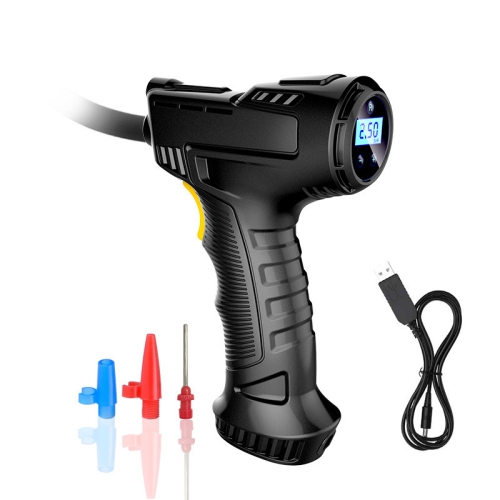
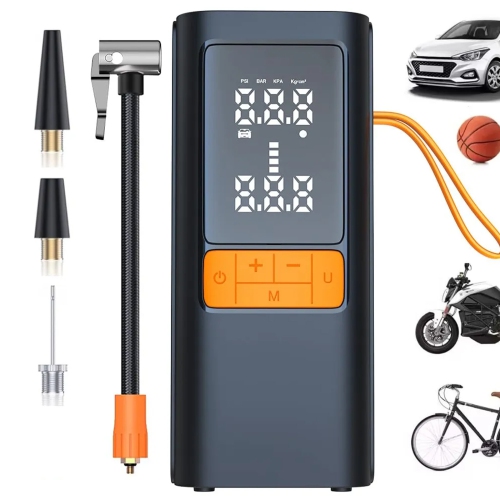
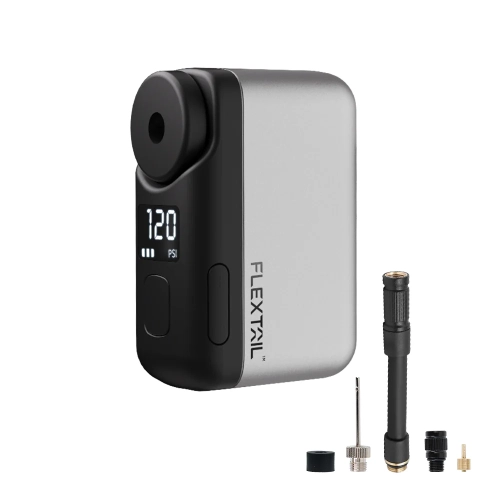
Compatibility starts with the valve connection and extends to the pump’s pressure range, hose reach, and power supply. Most passenger vehicles use Schrader valves, while bicycles may use Schrader or the narrower Presta valves. A compatible pump head or suitable adaptor helps create a secure seal without unnecessary air loss during attachment and removal. Threaded connectors can provide a firm connection, while lever-lock heads offer quick attachment when there is enough room around the valve stem. On a bicycle with closely spaced spokes or small wheels, a bulky connector may be awkward to position; a flexible hose can make that space easier to work within. Road bike tires often require higher pressure and less air volume than wider mountain bike tires, so a pump suited to one is not automatically the most comfortable choice for the other. Bicycle pressure should remain within the applicable tire and rim limits, with the rider’s load and riding conditions also affecting the appropriate setting. Sports-ball needles and other inflation adaptors can extend a pump’s usefulness, but accessory compatibility does not mean every tire inflator is suitable for large inflatable mattresses or water toys. Those often need much higher airflow at low pressure. For electric tire pumps, practical details include whether a battery and charger are supplied, whether the battery is removable, and which charging source is required. USB charging is convenient on designs that support it, though charging connections and power requirements vary. Pumps that use interchangeable tool batteries require the specified compatible battery system; a similar-looking connection is not enough. With a vehicle-powered inflator, the cord and hose need to reach every tire from the intended outlet without pulling tightly across door openings or body panels. A readable display, clearly marked controls, and selectable pressure units such as PSI, kPa, or bar can make checking settings easier. During the cooler months, an illuminated gauge or built-in light can be particularly useful beside a parked vehicle in a dim driveway, provided the pump remains within its stated operating temperature range.
Materials and construction influence how a tire pump feels in use and how well it stands up to repeated handling. Metal barrels on manual pumps can provide rigidity, while moulded housings on portable electric inflators help keep weight manageable. Neither material alone establishes durability: hose quality, connector fit, stable feet, and protection around controls also matter. A bicycle floor pump benefits from a broad base and a comfortable handle, particularly when bringing several family bikes up to pressure before a weekend ride. For a compact inflator, a flexible hose and a dedicated storage space for the power cord help prevent tight bends and tangled packing. A carrying case can keep adaptors together and protect the pump from loose objects in a trunk or garage drawer. Electric inflators generate heat, and their duty cycle—the permitted running time before a cooling break—is especially relevant when working on several tires. Longer inflation tasks may require pauses, and hot hoses or fittings need time to cool before being packed away. Routine care usually involves keeping vents clear, wiping the exterior as directed, checking the hose for cracking, and protecting electrical connections from moisture. Battery storage and charging should follow the manufacturer’s temperature limits, particularly when a vehicle is parked outside through colder weather. Changes in outdoor temperature can affect tire pressure, making a portable pump useful for drivers who notice their readings shift as the weather cools. It remains a maintenance tool rather than a repair: a tire that repeatedly loses air, has visible damage, or has been driven while flat needs assessment before further travel. For commuters, recreational cyclists, households with several vehicles, and people who prefer to handle simple upkeep at home, a well-matched tire pump can earn a regular place among everyday tools. It can also be a thoughtful practical gift when the recipient’s valve types, vehicle requirements, and preferred power source are known. The strongest fit is a pump that is straightforward to connect, capable of the required pressure and volume, and easy enough to store that it stays close at hand.
Compatibility starts with the valve connection and extends to the pump’s pressure range, hose reach, and power supply. Most passenger vehicles use Schrader valves, while bicycles may use Schrader or the narrower Presta valves. A compatible pump head or suitable adaptor helps create a secure seal without unnecessary air loss during attachment and removal. Threaded connectors can provide a firm connection, while lever-lock heads offer quick attachment when there is enough room around the valve stem. On a bicycle with closely spaced spokes or small wheels, a bulky connector may be awkward to position; a flexible hose can make that space easier to work within. Road bike tires often require higher pressure and less air volume than wider mountain bike tires, so a pump suited to one is not automatically the most comfortable choice for the other. Bicycle pressure should remain within the applicable tire and rim limits, with the rider’s load and riding conditions also affecting the appropriate setting. Sports-ball needles and other inflation adaptors can extend a pump’s usefulness, but accessory compatibility does not mean every tire inflator is suitable for large inflatable mattresses or water toys. Those often need much higher airflow at low pressure. For electric tire pumps, practical details include whether a battery and charger are supplied, whether the battery is removable, and which charging source is required. USB charging is convenient on designs that support it, though charging connections and power requirements vary. Pumps that use interchangeable tool batteries require the specified compatible battery system; a similar-looking connection is not enough. With a vehicle-powered inflator, the cord and hose need to reach every tire from the intended outlet without pulling tightly across door openings or body panels. A readable display, clearly marked controls, and selectable pressure units such as PSI, kPa, or bar can make checking settings easier. During the cooler months, an illuminated gauge or built-in light can be particularly useful beside a parked vehicle in a dim driveway, provided the pump remains within its stated operating temperature range.
Materials and construction influence how a tire pump feels in use and how well it stands up to repeated handling. Metal barrels on manual pumps can provide rigidity, while moulded housings on portable electric inflators help keep weight manageable. Neither material alone establishes durability: hose quality, connector fit, stable feet, and protection around controls also matter. A bicycle floor pump benefits from a broad base and a comfortable handle, particularly when bringing several family bikes up to pressure before a weekend ride. For a compact inflator, a flexible hose and a dedicated storage space for the power cord help prevent tight bends and tangled packing. A carrying case can keep adaptors together and protect the pump from loose objects in a trunk or garage drawer. Electric inflators generate heat, and their duty cycle—the permitted running time before a cooling break—is especially relevant when working on several tires. Longer inflation tasks may require pauses, and hot hoses or fittings need time to cool before being packed away. Routine care usually involves keeping vents clear, wiping the exterior as directed, checking the hose for cracking, and protecting electrical connections from moisture. Battery storage and charging should follow the manufacturer’s temperature limits, particularly when a vehicle is parked outside through colder weather. Changes in outdoor temperature can affect tire pressure, making a portable pump useful for drivers who notice their readings shift as the weather cools. It remains a maintenance tool rather than a repair: a tire that repeatedly loses air, has visible damage, or has been driven while flat needs assessment before further travel. For commuters, recreational cyclists, households with several vehicles, and people who prefer to handle simple upkeep at home, a well-matched tire pump can earn a regular place among everyday tools. It can also be a thoughtful practical gift when the recipient’s valve types, vehicle requirements, and preferred power source are known. The strongest fit is a pump that is straightforward to connect, capable of the required pressure and volume, and easy enough to store that it stays close at hand.
Top selling and popular products
-
 Your price for this item is $139.99
 -
 Your price for this item is $49.97
 -
 Your price for this item is $24.99
 -
 Your price for this item is $50
 -
 Your price for this item is $94.9
 -
 Your price for this item is $24.99
 -
 Your price for this item is $69.99
 -
 Your price for this item is $16.99
Discover more categories related to Tire Pump
Top Collections:
Pokemon Centers, Kindle Devices, Best Budget Office Chairs, Apple iPhones 16, Best Laptops for Writers, iPhone 15 Apple, Canon G7X Cameras, Refurbished Apple Laptops, Alarm Clock, Motorola Razr Phones
Some products may be subject to Environmental Handling Fees
(EHF) depending on your province.
Learn more about EHFs.