Tire Gauge
Looking to keep your tires in top shape? Look no further than our collection of tire gauges. Whether you're a seasoned car enthusiast or simply want to ensure your vehicle's safety, a reliable tire gauge is an essential tool for every driver. With accurate readings and user-friendly designs, our tire gauges are built to provide you with the information you need to maintain optimal tire pressure. So, why wait? Explore our range of tire gauges today and take control of your vehicle's performance and safety.
Sort

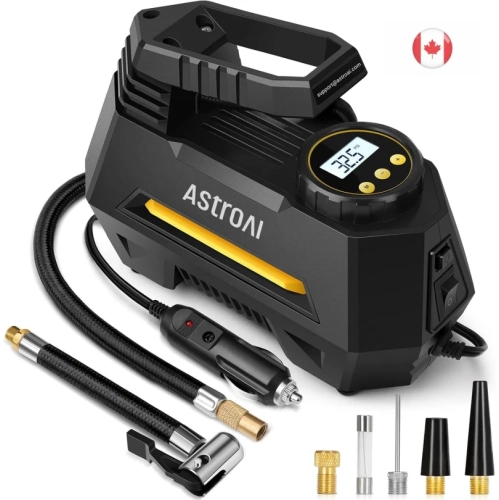
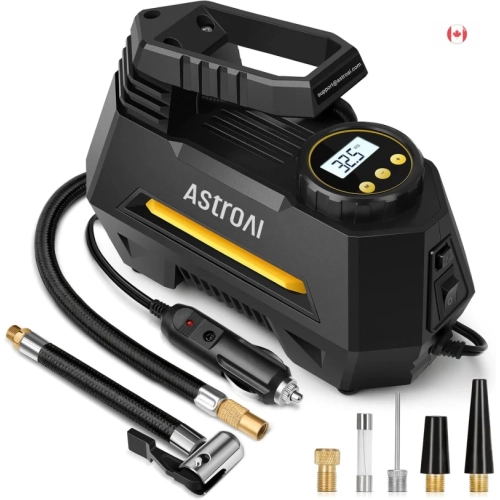
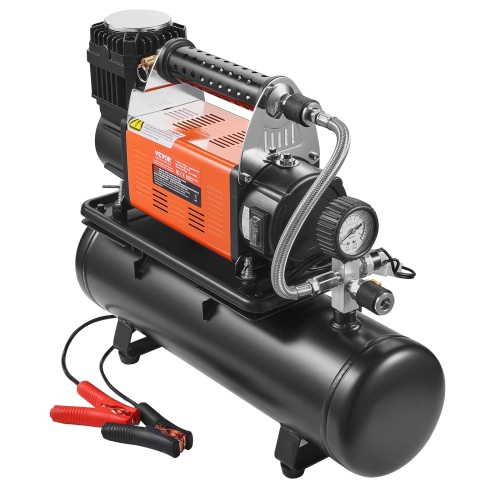
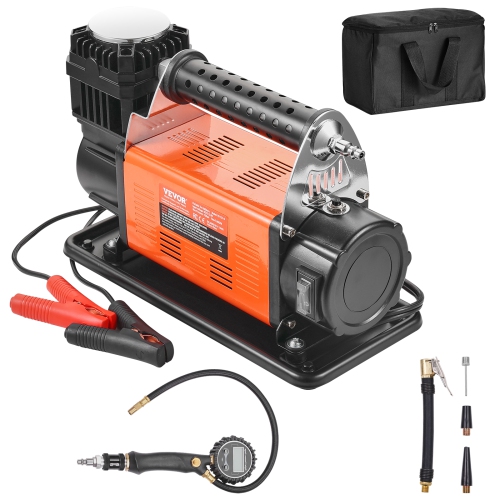
Why accurate pressure readings matter before every drive
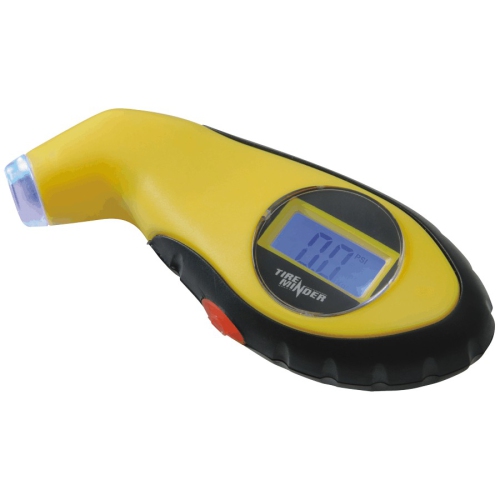
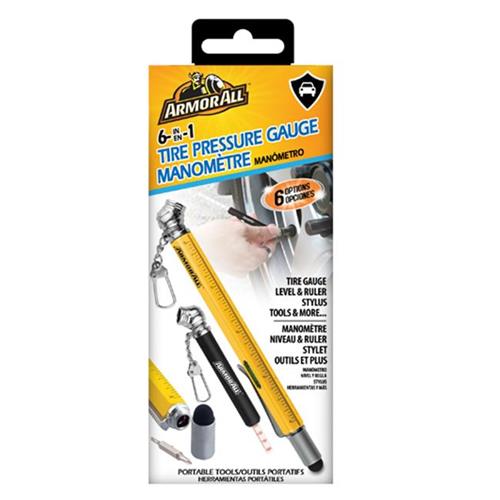
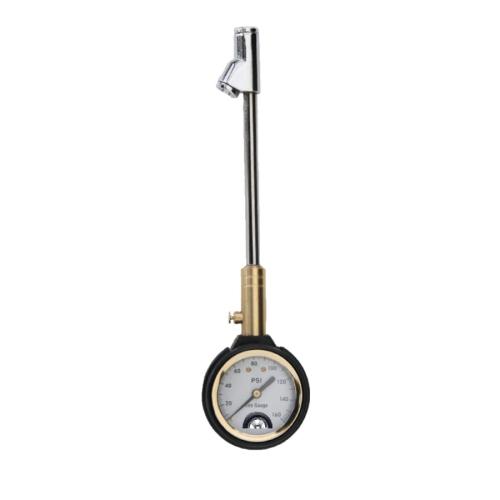
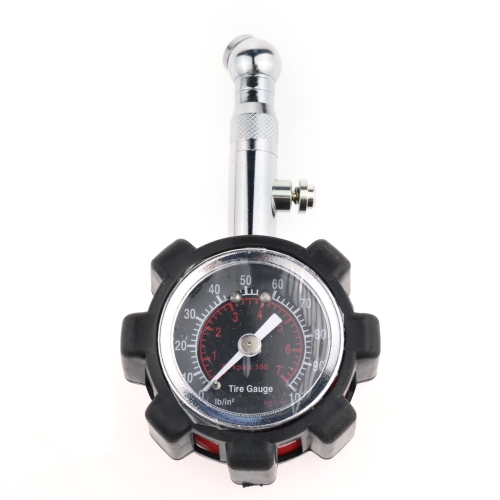
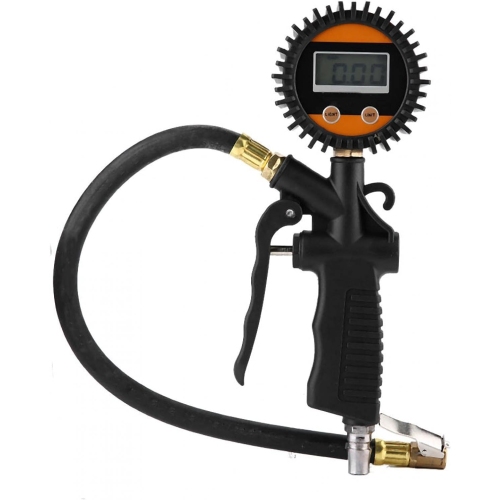
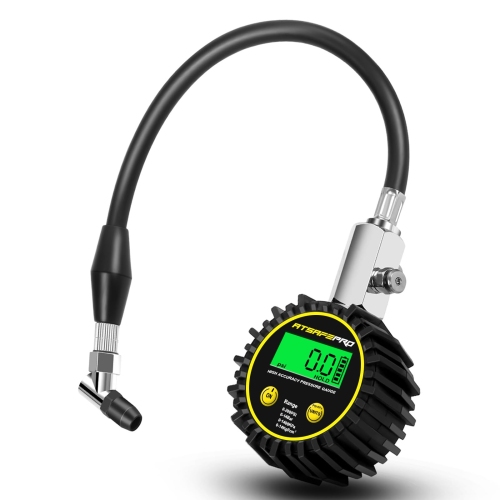
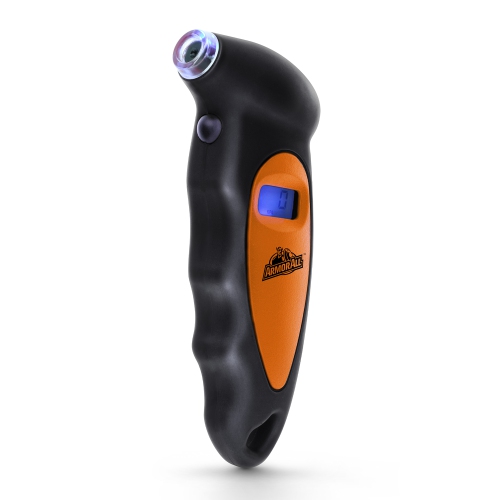
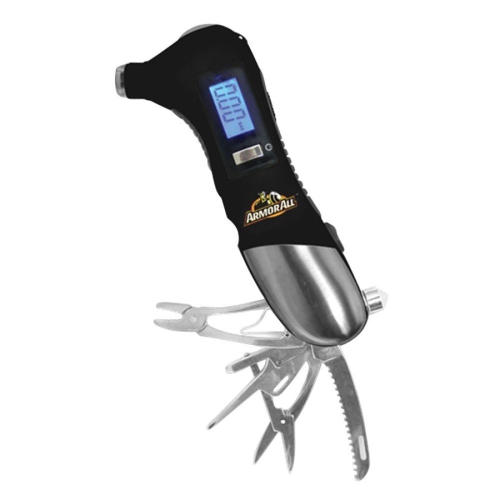
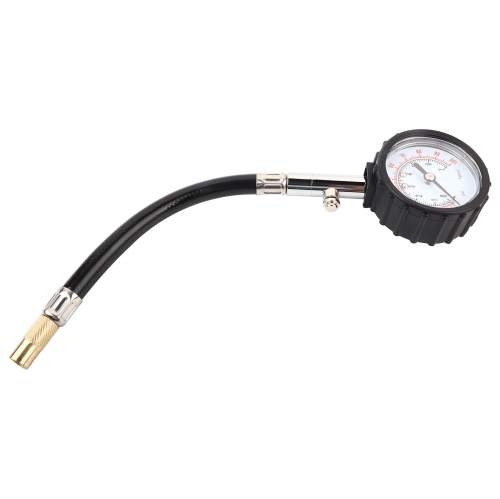
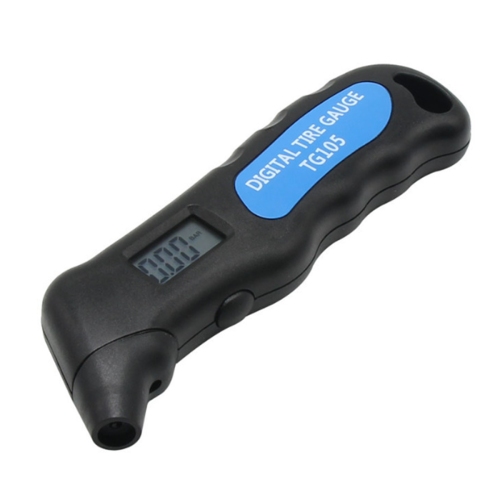
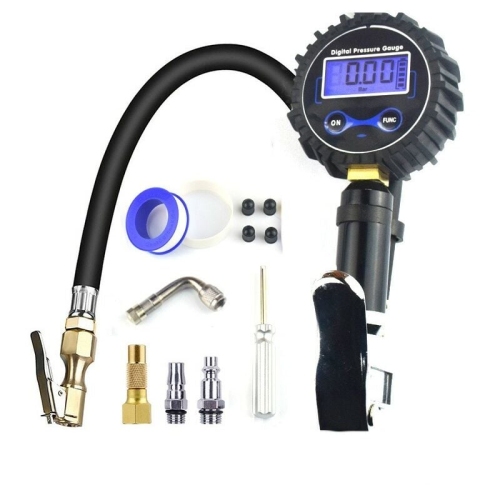
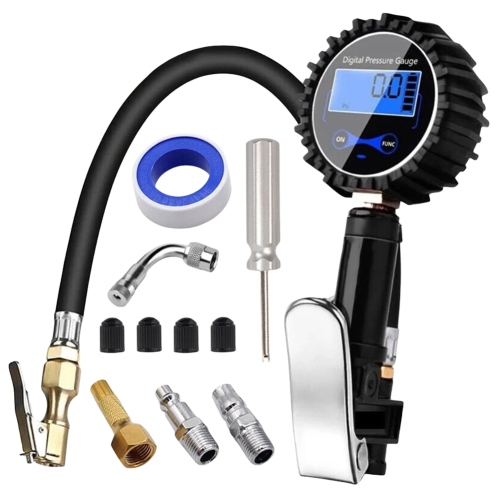
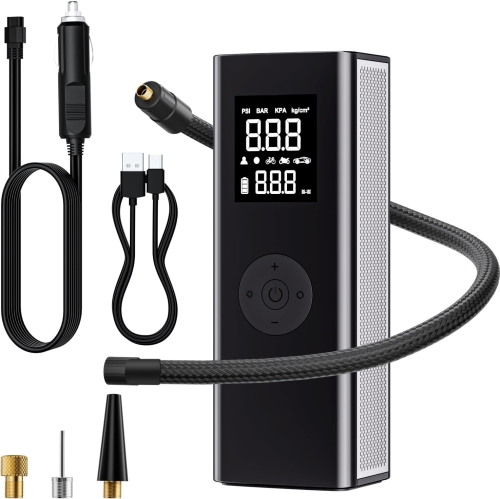
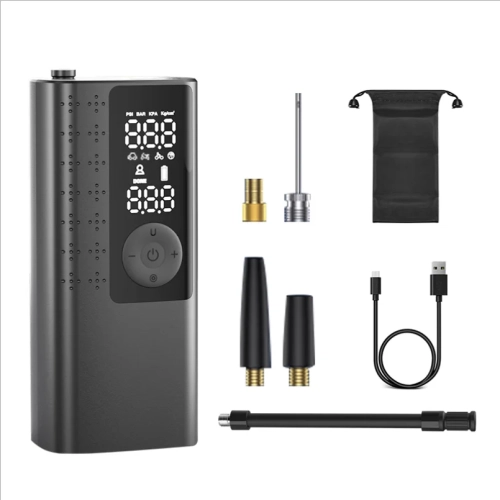
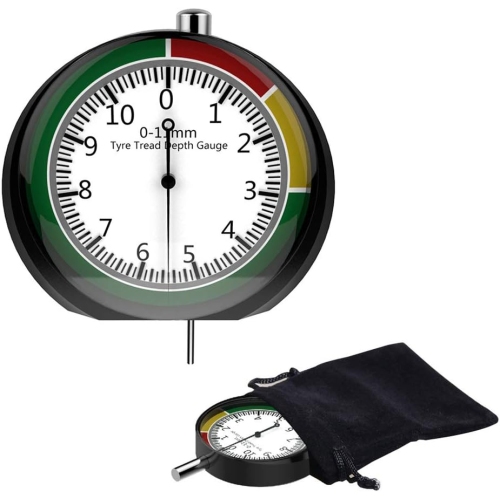
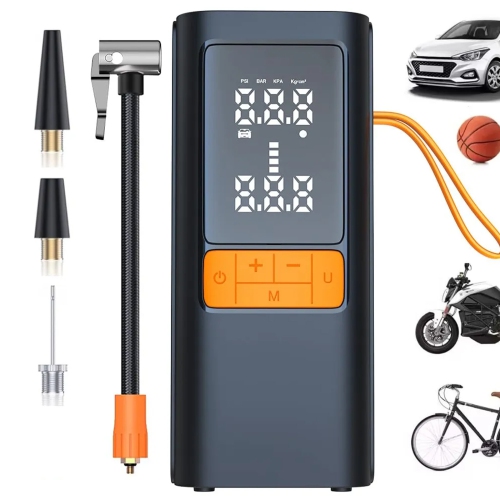
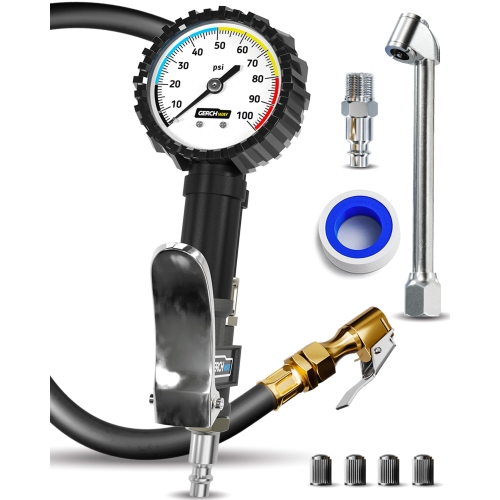
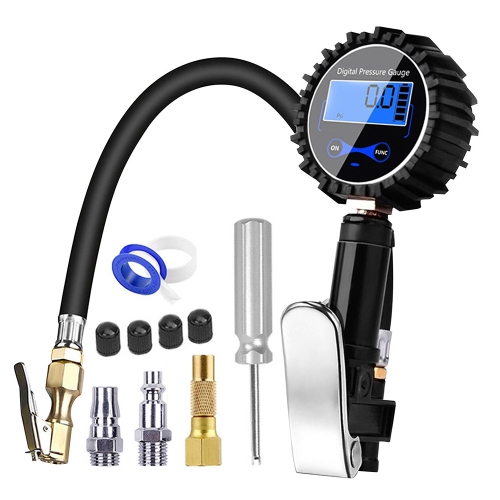
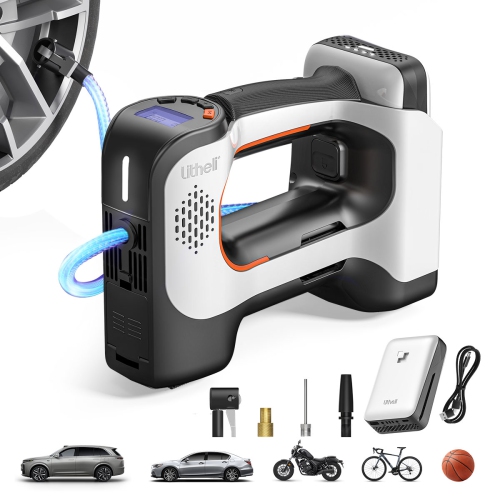
A tire gauge is a small, practical tool for checking the air pressure inside a vehicle’s tires before a drive, after a change in weather, or whenever a tire looks lower than usual. Correct tire pressure supports safe handling, predictable braking, even tread wear, and efficient use of fuel. It also helps drivers spot a slow leak before it becomes a more serious problem on the road. A gauge can be useful for almost anyone who drives, from a new driver learning basic vehicle care to an experienced motorist preparing a family car, truck, van, trailer, motorcycle, bicycle, or recreational vehicle for a longer trip. It is particularly handy to keep in a glove compartment, centre console, garage, or roadside emergency kit because a dashboard warning light may not appear until pressure has dropped significantly. When choosing a tire gauge, start by considering the type of vehicle and the pressure range you need to measure. Pencil-style gauges are compact, straightforward, and do not require batteries, making them convenient for quick checks and occasional use. Dial gauges have a round, easy-to-follow face with a moving needle and may be comfortable for drivers who prefer a traditional analogue display. Digital gauges show a numerical reading that can be simple to read at a glance, and some include a backlit display or built-in light for checking tires in a dim driveway or at the roadside. A sturdy, comfortable grip, a clear display, and a valve connection that sits securely on the stem can make the process easier, especially when checking several tires in succession. A flexible hose may help reach valve stems on larger vehicles or wheels with limited clearance, while a compact straight design can be convenient for everyday storage. Accuracy is important, but so is ease of use: a gauge that is simple to retrieve and read is more likely to become part of a regular vehicle-care routine.
For the most consistent reading, check tire pressure when the tires are cold, meaning the vehicle has been parked for several hours and has not recently travelled a significant distance. Heat from driving raises the air pressure temporarily, so measuring immediately after a trip may not reflect the vehicle manufacturer’s recommended setting. The correct PSI is usually printed on a sticker inside the driver’s door frame or doorjamb, and it may also be listed in the vehicle owner’s manual. This number is generally more reliable than the maximum pressure printed on the tire sidewall, which describes a limit for the tire rather than the recommended pressure for a particular vehicle. To use a tire gauge, first park on a level surface, engage the parking brake, and remove the small cap from the valve stem. Press the gauge straight and firmly onto the stem until the hissing sound stops; an incomplete seal can produce an inaccurate reading. Look at the pop-up bar, needle, or digital screen, then compare the result with the recommended PSI. If the pressure is low, add air in short bursts and measure again. If it is high, release a small amount of air and recheck. Replace the valve cap when finished, and repeat the process on all four tires, including the spare if the vehicle has one. The front and rear tires may have different recommended pressures, and a fully loaded vehicle may require following additional instructions in the owner’s manual. It is also worth checking the tire condition while taking a reading: look for visible punctures, cracks, bulges, objects lodged in the tread, or unusual wear. A gauge cannot diagnose every tire problem, so persistent pressure loss or visible damage should be assessed by a qualified tire professional. Drivers who maintain bicycles, trailers, lawn equipment, or other inflatables may also appreciate a gauge with a pressure range suited to those items, but the measurement should always be compared with the pressure recommendation for the specific tire or equipment.
A tire gauge can make a thoughtful and useful gift for a new driver, a commuter, a cottage owner, a road-trip enthusiast, or anyone who spends time maintaining a vehicle at home. It is small enough to include with an emergency kit, air compressor, tire inflator, or other travel essentials, and it can provide reassurance before heading out during the cooler months, when temperature changes can affect tire pressure. Air pressure typically decreases as temperatures fall and can rise as the weather warms, so seasonal transitions are a sensible reminder to take a reading rather than relying on appearance alone. A gauge is also useful before towing, carrying heavier cargo, driving on a long highway trip, or storing a vehicle for an extended period. Look for features that match the recipient’s habits: a basic battery-free design may suit someone who wants a dependable tool with minimal maintenance, while a digital model may appeal to a driver who values precise, quickly readable numbers. A locking chuck, extended hose, protective cover, or illuminated screen can be helpful for frequent use, although the most important qualities remain a secure valve connection, a readable measurement, and a pressure range appropriate for the intended tires. Keep the gauge away from excessive moisture and extreme heat, and follow any care instructions supplied with it to help maintain reliable readings. For households that handle several kinds of maintenance tasks, a tire gauge can sit alongside tools such as a Water Pressure Gauge, but the two tools serve different purposes and should not be substituted for one another. With a quick check before driving and careful comparison against the correct PSI, a tire gauge offers a simple way to stay informed about tire condition and make routine vehicle care feel manageable.
For the most consistent reading, check tire pressure when the tires are cold, meaning the vehicle has been parked for several hours and has not recently travelled a significant distance. Heat from driving raises the air pressure temporarily, so measuring immediately after a trip may not reflect the vehicle manufacturer’s recommended setting. The correct PSI is usually printed on a sticker inside the driver’s door frame or doorjamb, and it may also be listed in the vehicle owner’s manual. This number is generally more reliable than the maximum pressure printed on the tire sidewall, which describes a limit for the tire rather than the recommended pressure for a particular vehicle. To use a tire gauge, first park on a level surface, engage the parking brake, and remove the small cap from the valve stem. Press the gauge straight and firmly onto the stem until the hissing sound stops; an incomplete seal can produce an inaccurate reading. Look at the pop-up bar, needle, or digital screen, then compare the result with the recommended PSI. If the pressure is low, add air in short bursts and measure again. If it is high, release a small amount of air and recheck. Replace the valve cap when finished, and repeat the process on all four tires, including the spare if the vehicle has one. The front and rear tires may have different recommended pressures, and a fully loaded vehicle may require following additional instructions in the owner’s manual. It is also worth checking the tire condition while taking a reading: look for visible punctures, cracks, bulges, objects lodged in the tread, or unusual wear. A gauge cannot diagnose every tire problem, so persistent pressure loss or visible damage should be assessed by a qualified tire professional. Drivers who maintain bicycles, trailers, lawn equipment, or other inflatables may also appreciate a gauge with a pressure range suited to those items, but the measurement should always be compared with the pressure recommendation for the specific tire or equipment.
A tire gauge can make a thoughtful and useful gift for a new driver, a commuter, a cottage owner, a road-trip enthusiast, or anyone who spends time maintaining a vehicle at home. It is small enough to include with an emergency kit, air compressor, tire inflator, or other travel essentials, and it can provide reassurance before heading out during the cooler months, when temperature changes can affect tire pressure. Air pressure typically decreases as temperatures fall and can rise as the weather warms, so seasonal transitions are a sensible reminder to take a reading rather than relying on appearance alone. A gauge is also useful before towing, carrying heavier cargo, driving on a long highway trip, or storing a vehicle for an extended period. Look for features that match the recipient’s habits: a basic battery-free design may suit someone who wants a dependable tool with minimal maintenance, while a digital model may appeal to a driver who values precise, quickly readable numbers. A locking chuck, extended hose, protective cover, or illuminated screen can be helpful for frequent use, although the most important qualities remain a secure valve connection, a readable measurement, and a pressure range appropriate for the intended tires. Keep the gauge away from excessive moisture and extreme heat, and follow any care instructions supplied with it to help maintain reliable readings. For households that handle several kinds of maintenance tasks, a tire gauge can sit alongside tools such as a Water Pressure Gauge, but the two tools serve different purposes and should not be substituted for one another. With a quick check before driving and careful comparison against the correct PSI, a tire gauge offers a simple way to stay informed about tire condition and make routine vehicle care feel manageable.
Top selling and popular products
-
 Your price for this item is $15.97
 -
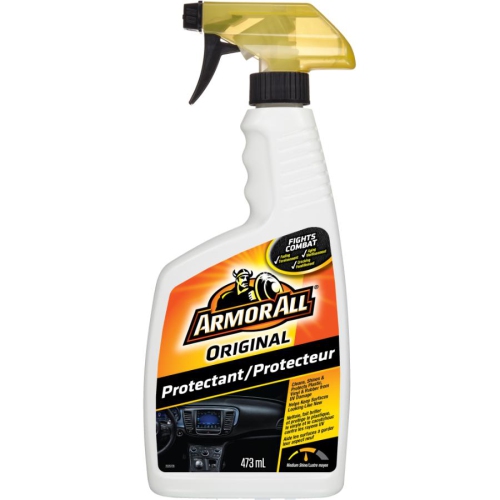 Your price for this item is $18.96
 -
 Your price for this item is $16.97
 -
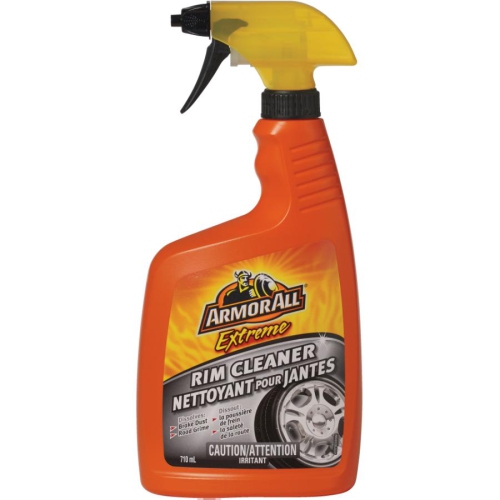 Your price for this item is $16.96
 -
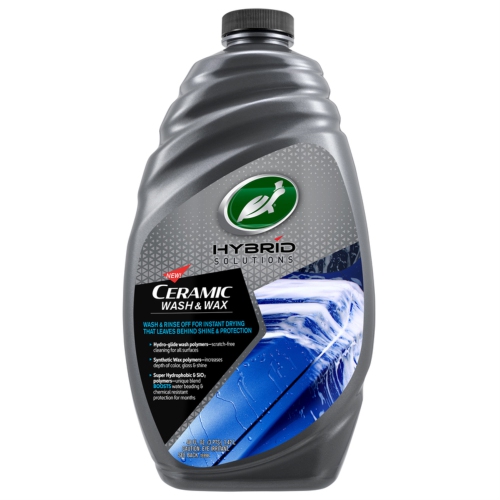 Your price for this item is $36.19
 -
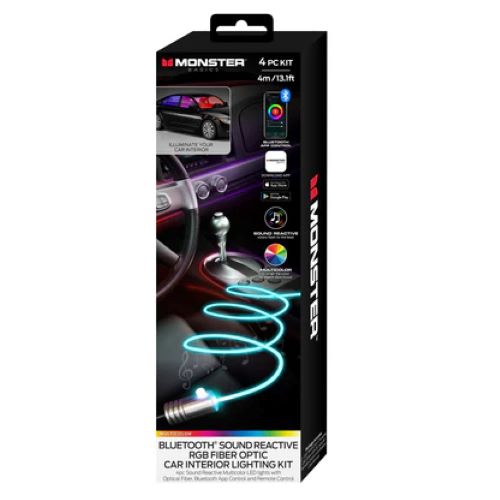 Your price for this item is $37.99
 -
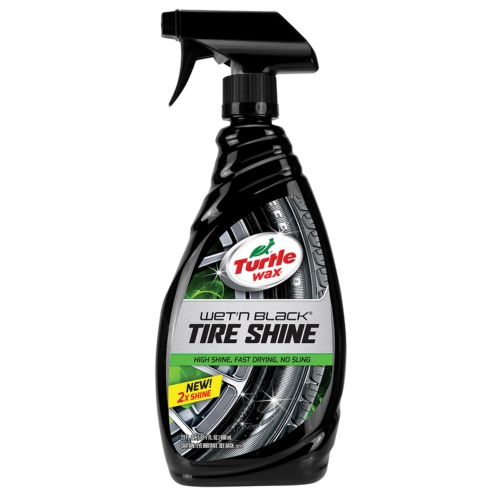 Your price for this item is $29.63
 -
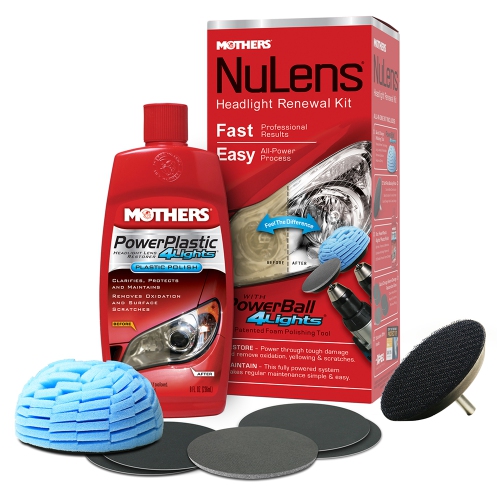 Your price for this item is $71.86
Discover more categories related to Tire Gauge
Top Collections:
Pokemon Centers, Kindle Devices, Best Budget Office Chairs, Apple iPhones 16, Best Laptops for Writers, iPhone 15 Apple, Canon G7X Cameras, Refurbished Apple Laptops, Alarm Clock, Motorola Razr Phones
Some products may be subject to Environmental Handling Fees
(EHF) depending on your province.
Learn more about EHFs.