Trailer Accessories
Enhance your trailer's functionality and make every journey a breeze with these wide range of trailer accessories. Whether you're a seasoned traveler or a weekend adventurer, these accessories have everything you need to optimize your towing experience. From hitch locks to cargo nets, bike racks to trailer jacks, we've got you covered. Discover the perfect accessories to keep your gear secure, protect your trailer from wear and tear, and make loading and unloading a cinch.
Sort
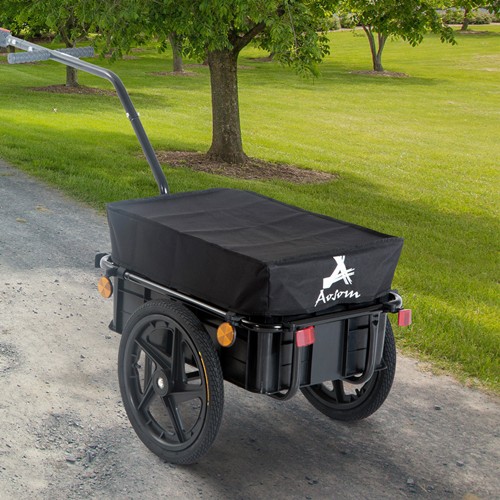
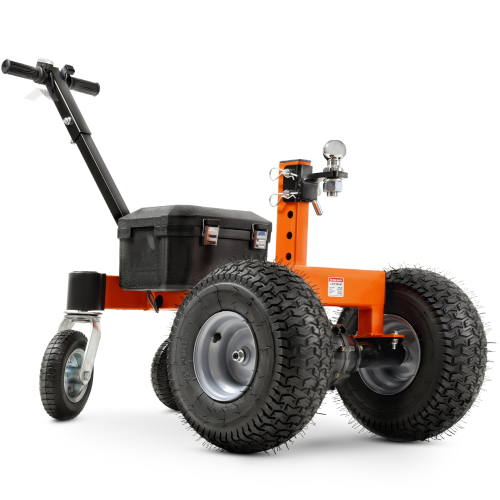
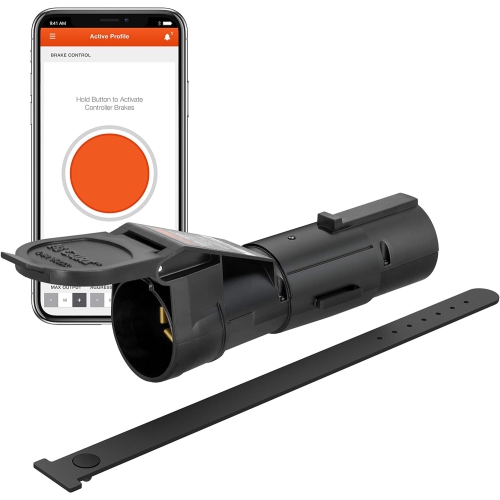
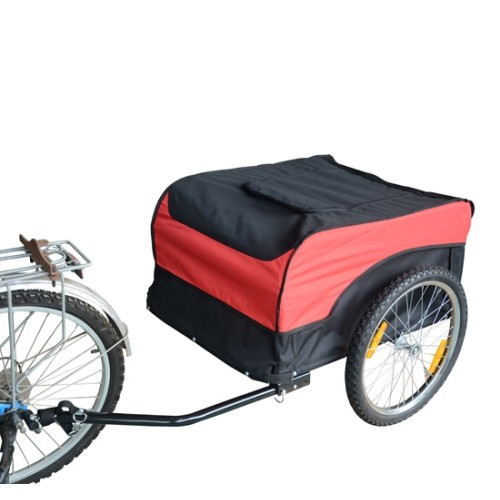
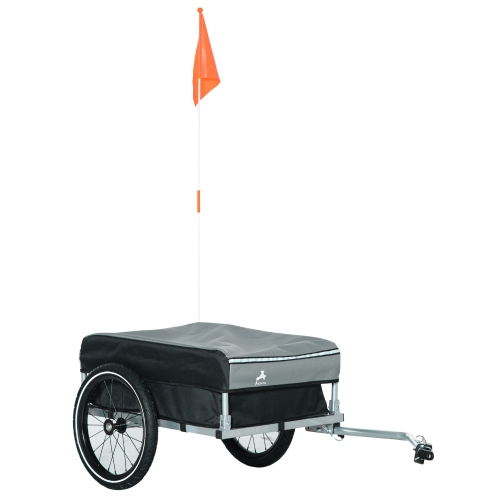
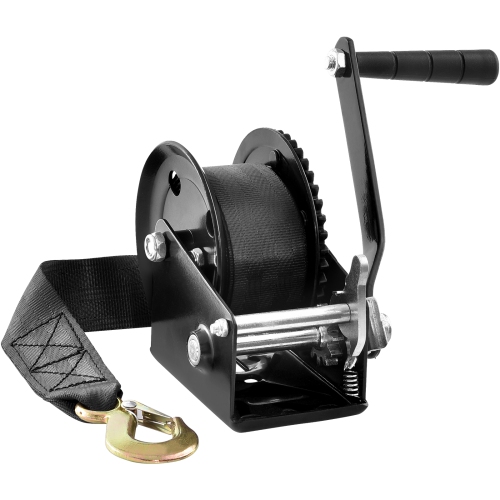
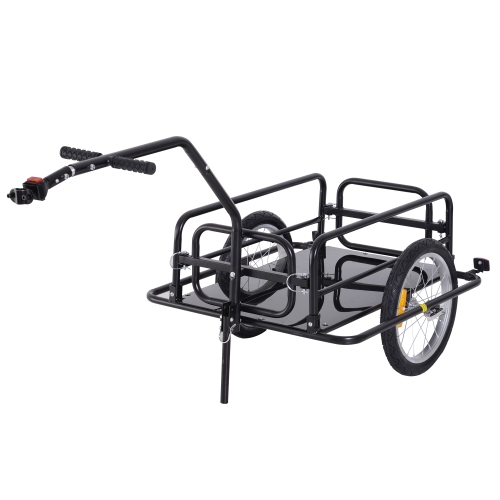
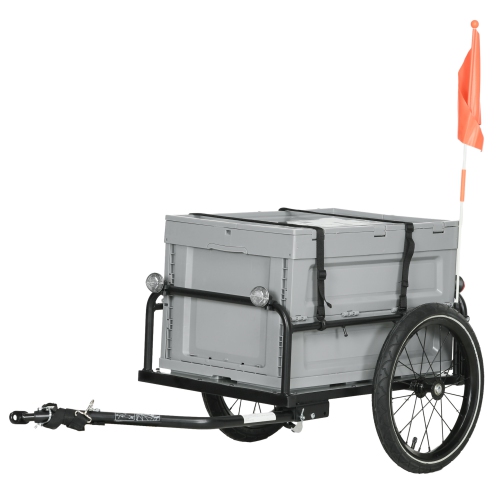
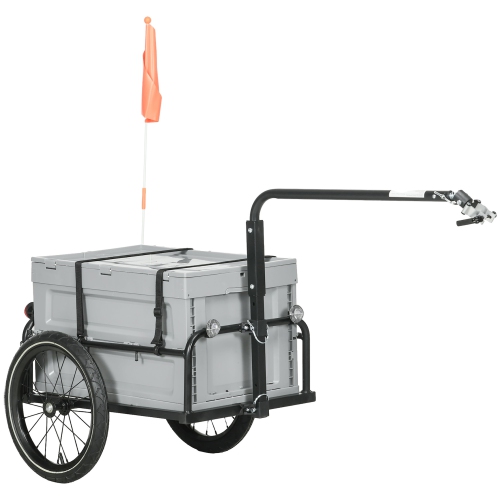
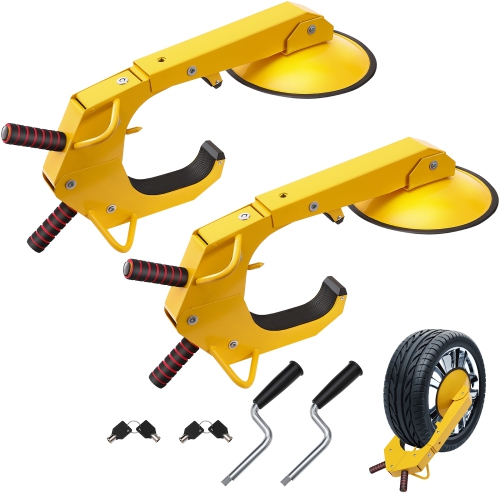
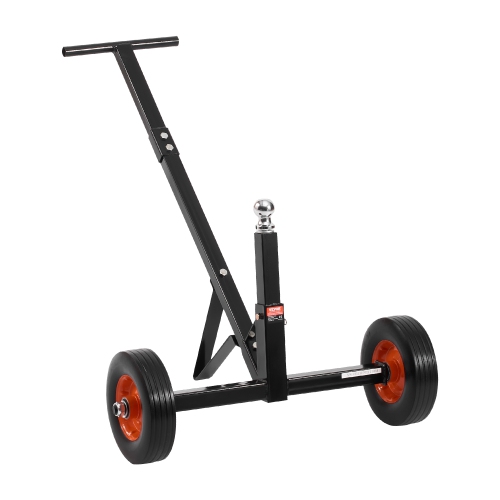
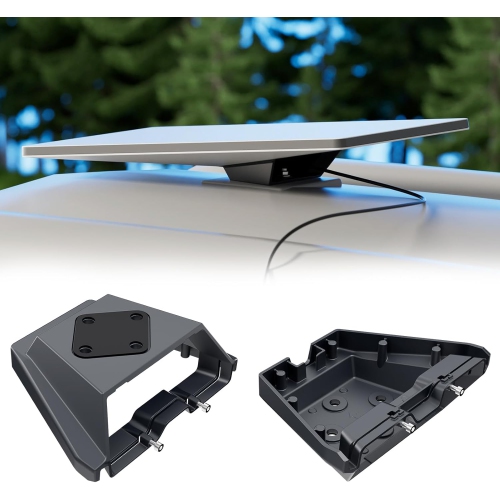
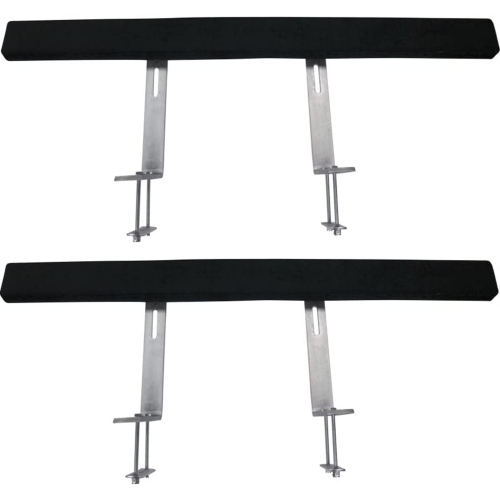
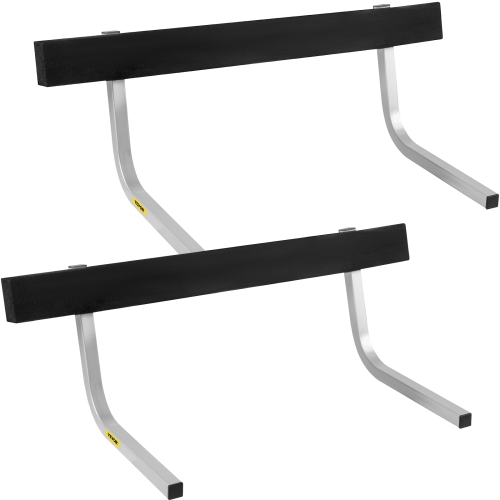
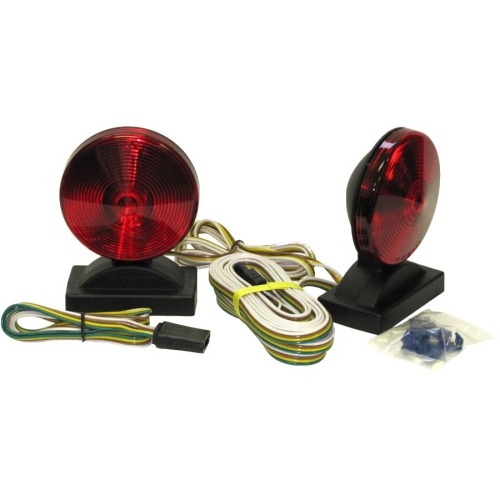
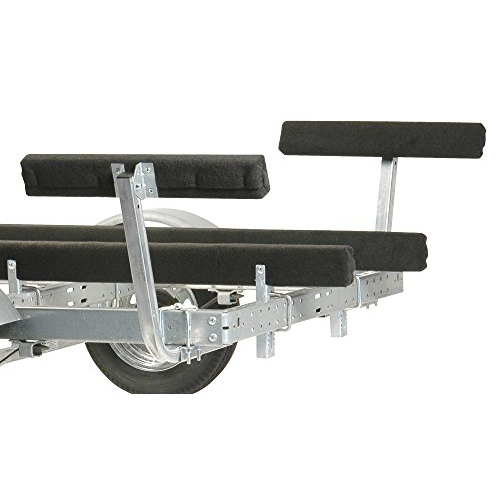
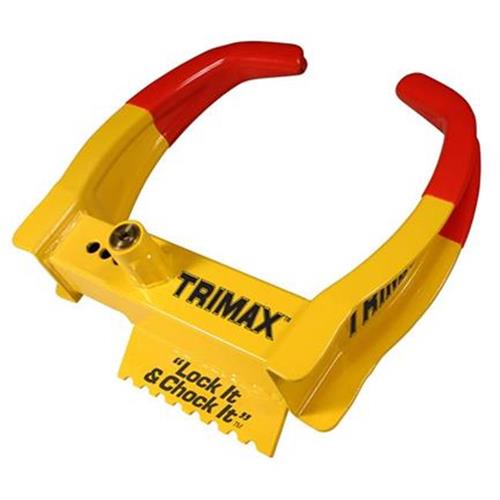
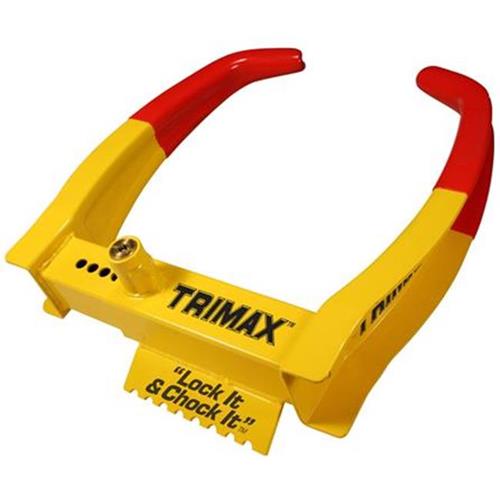
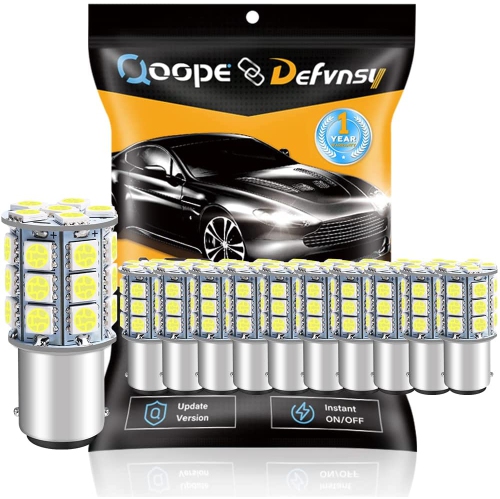
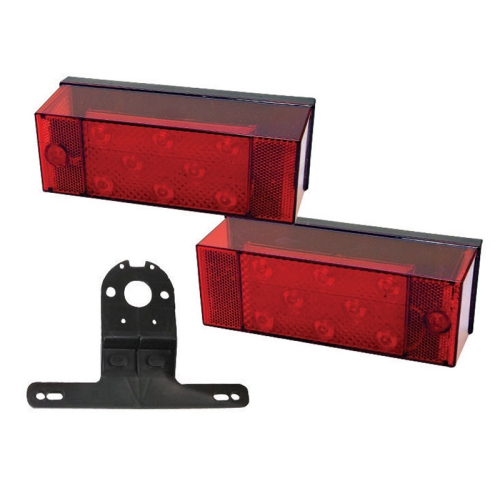
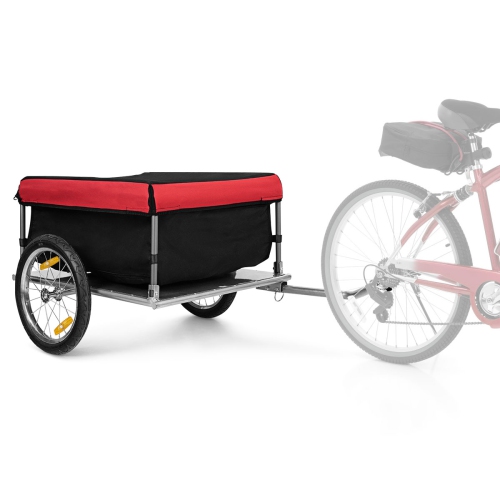
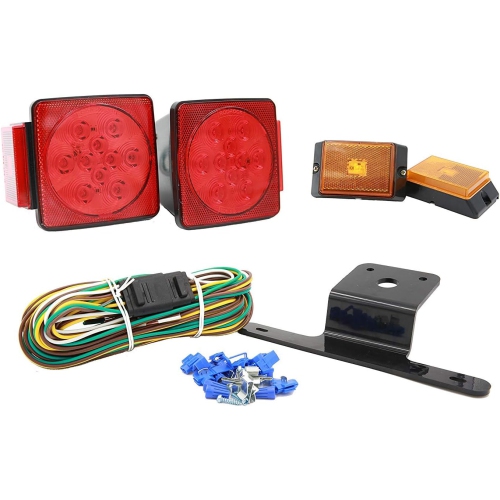
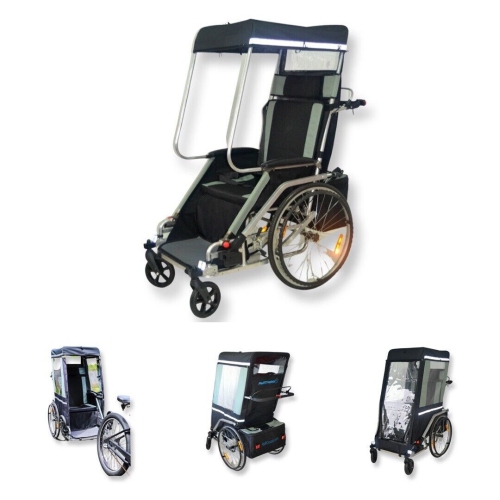
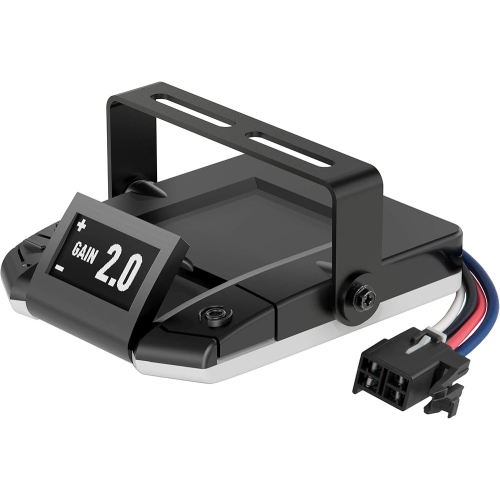
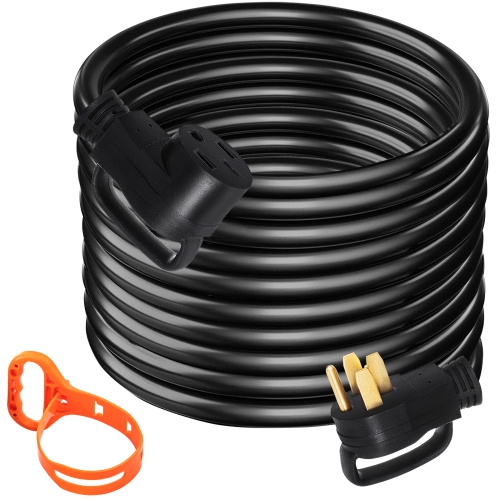
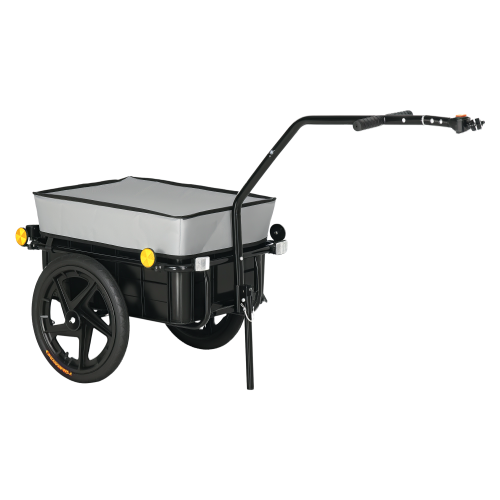
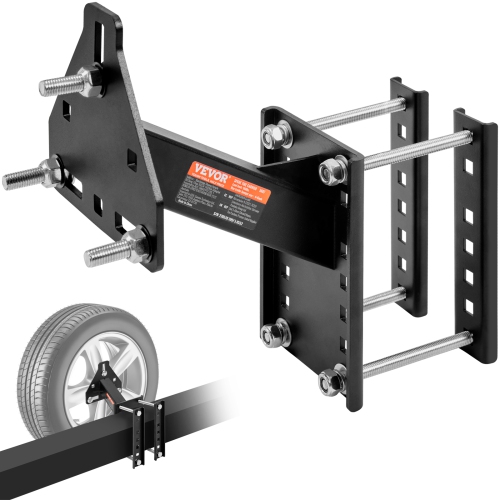
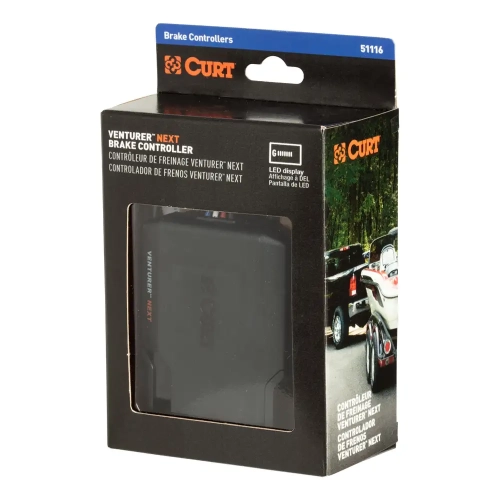
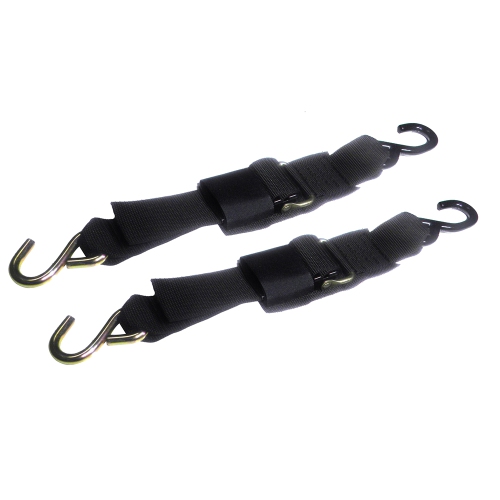
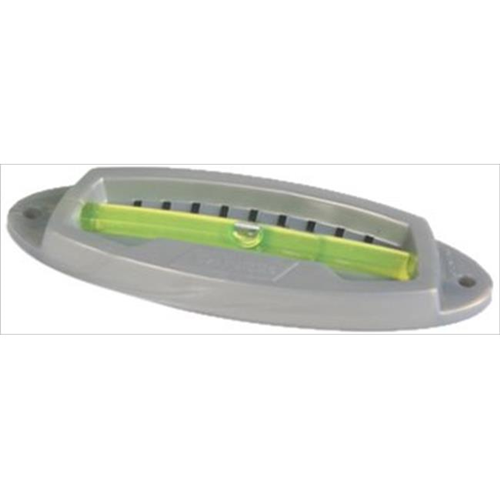

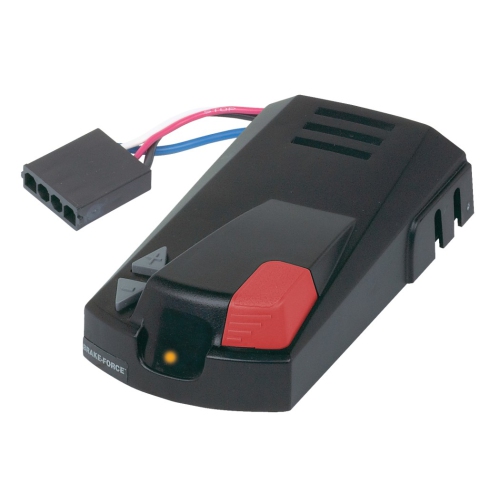
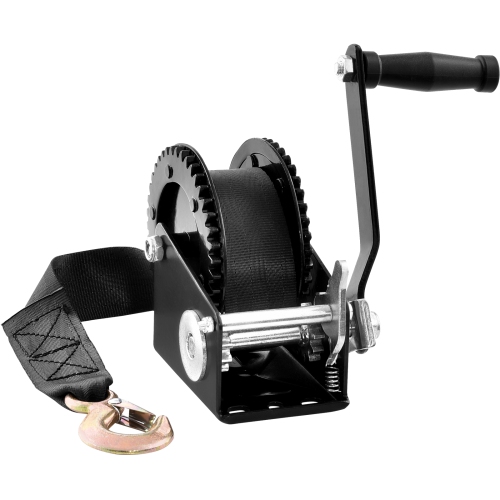
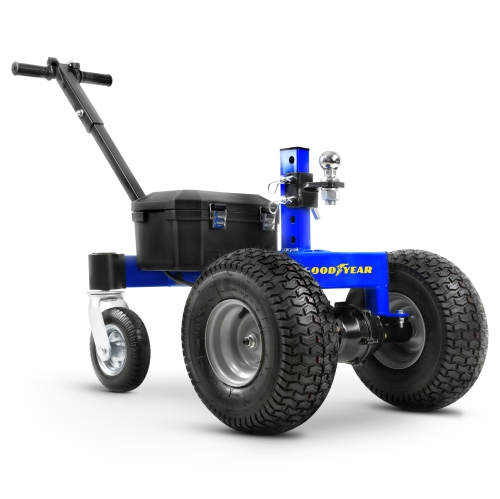
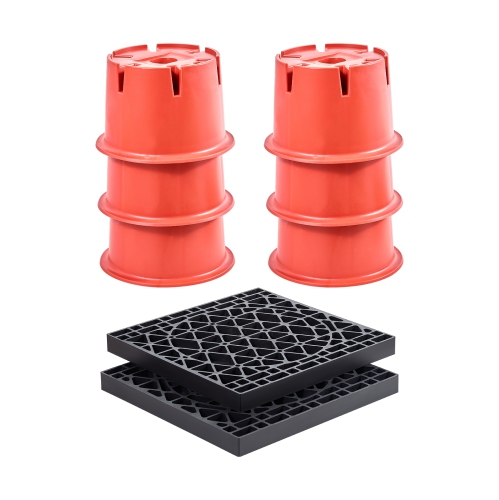
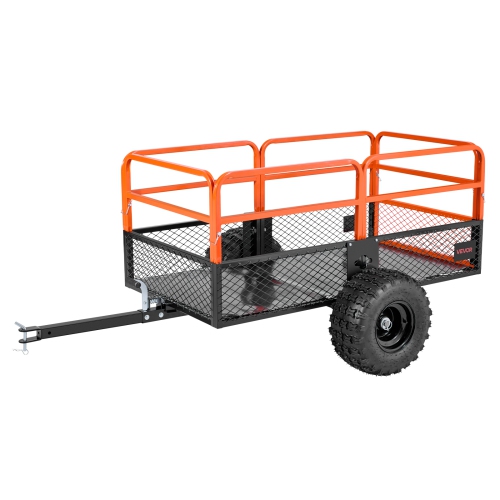
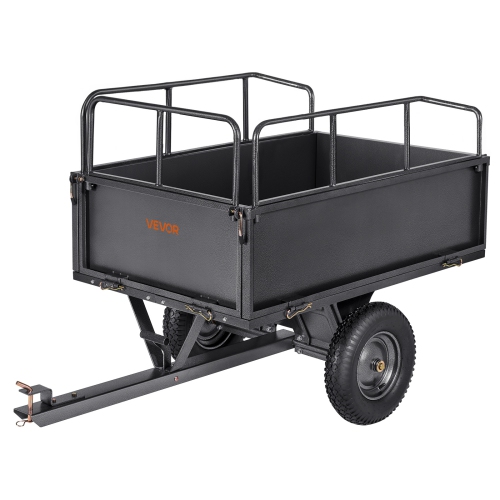

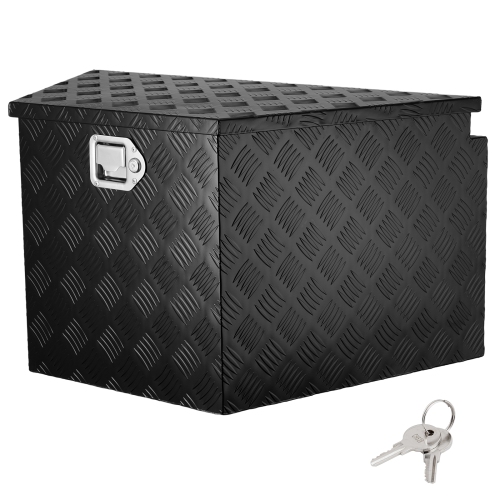
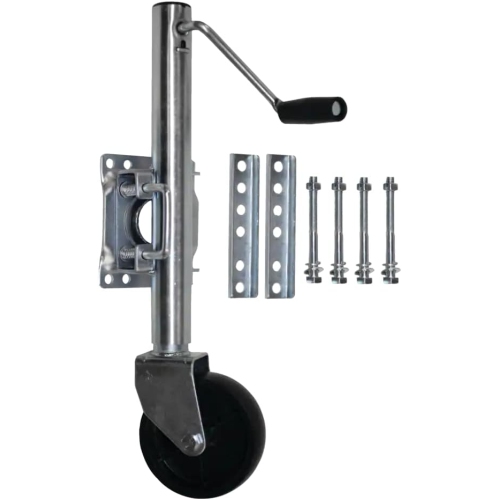
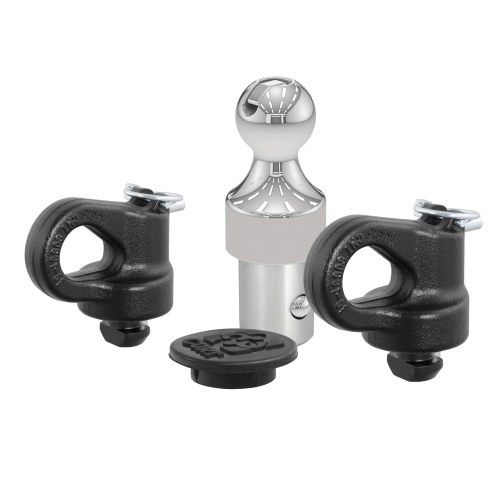
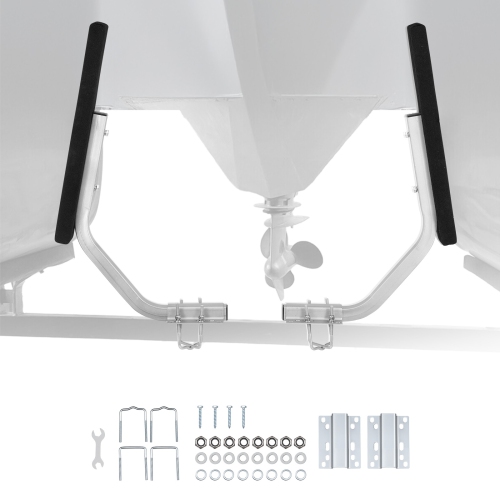
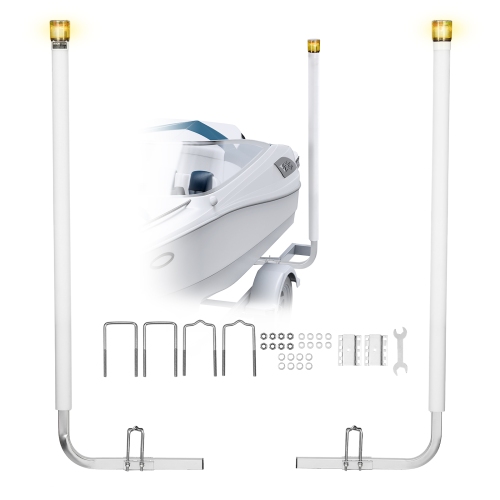
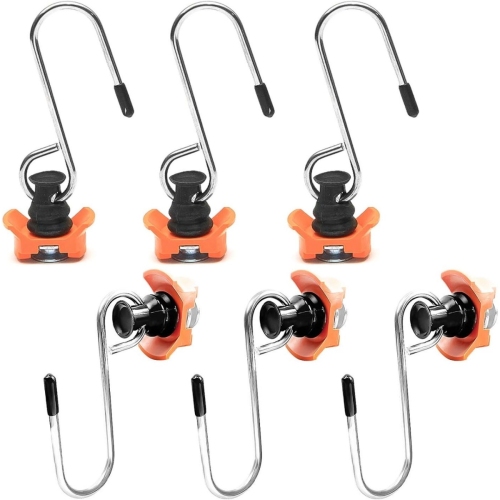
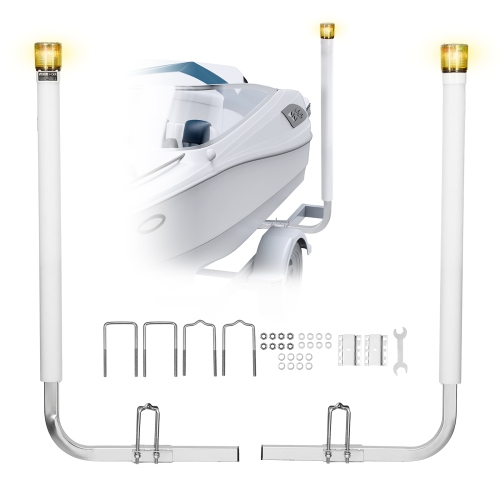
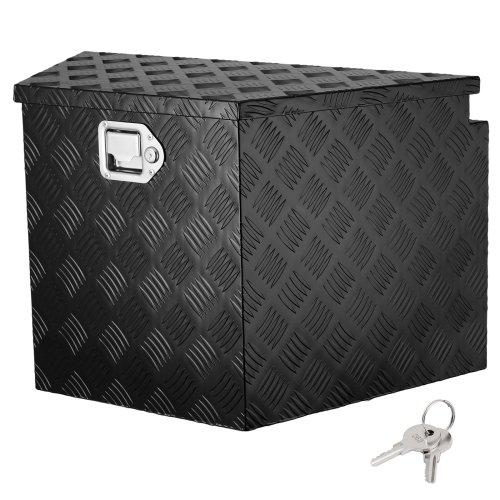
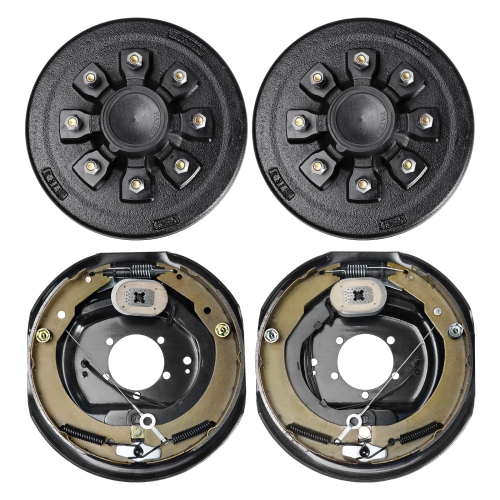
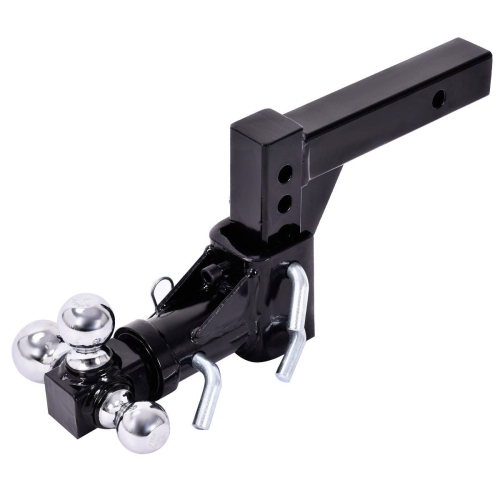
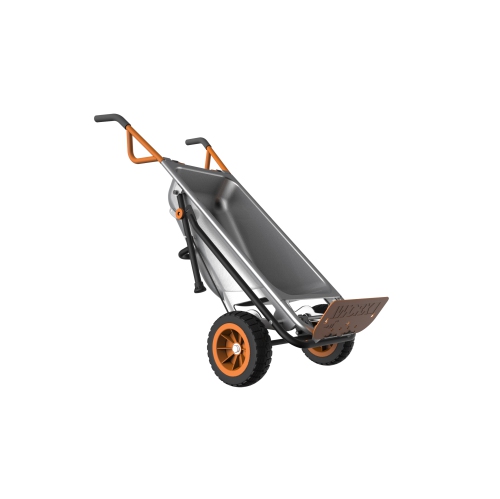
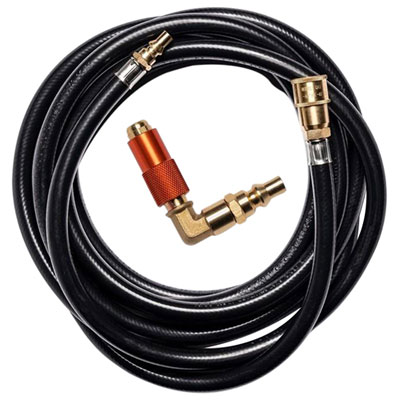
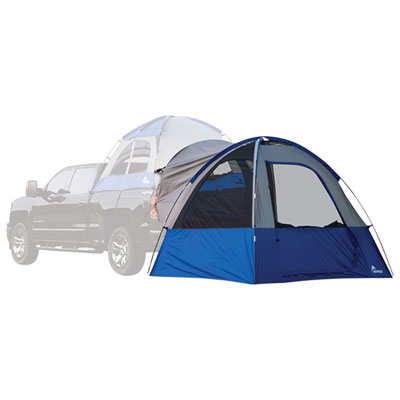
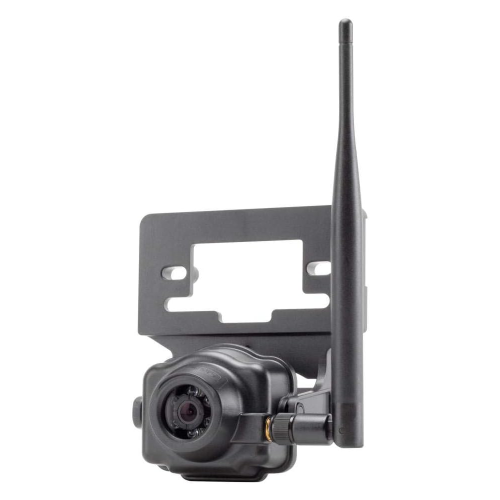
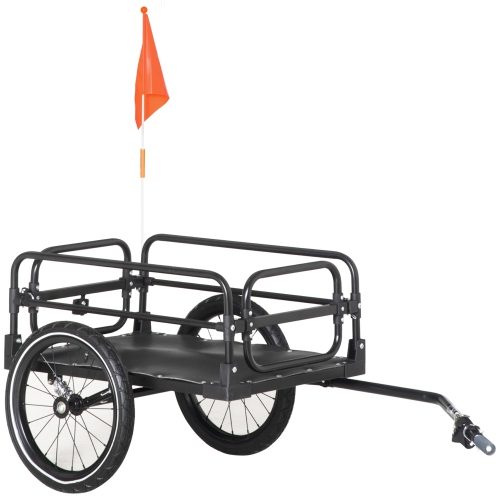

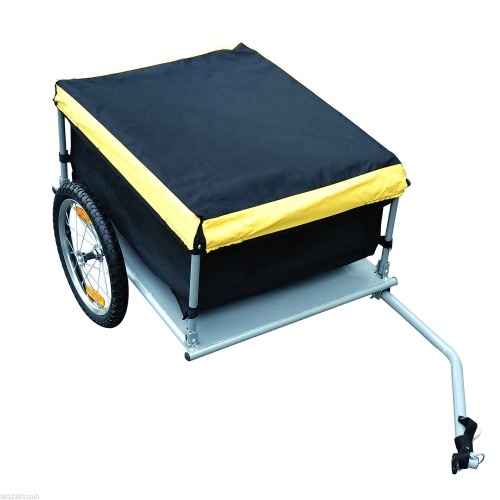
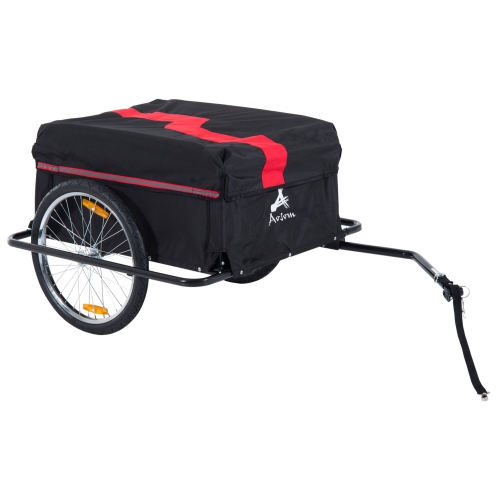
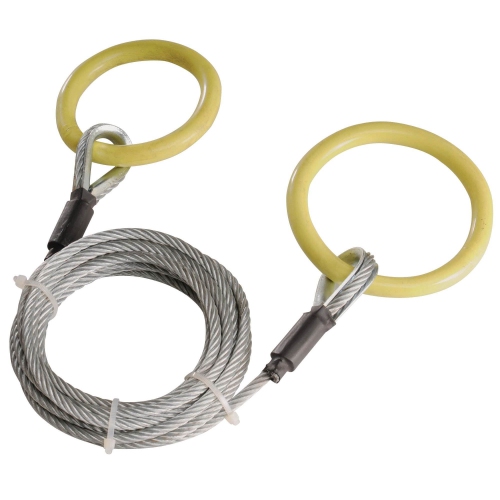
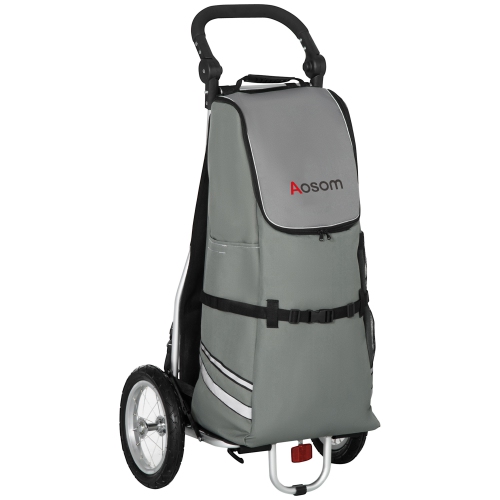
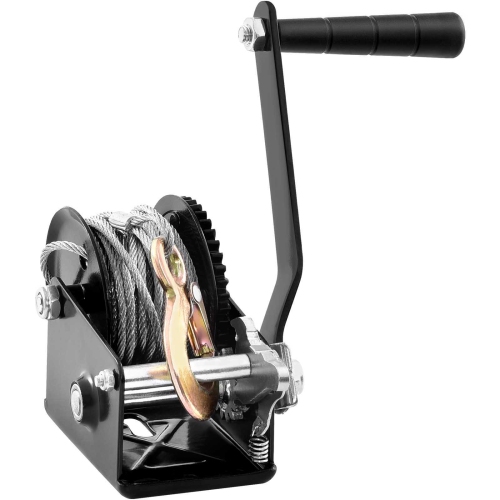
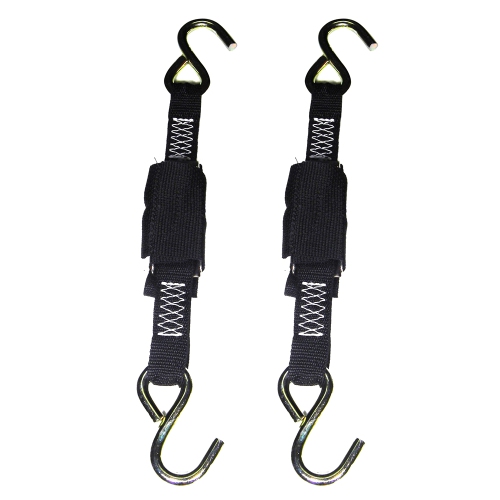
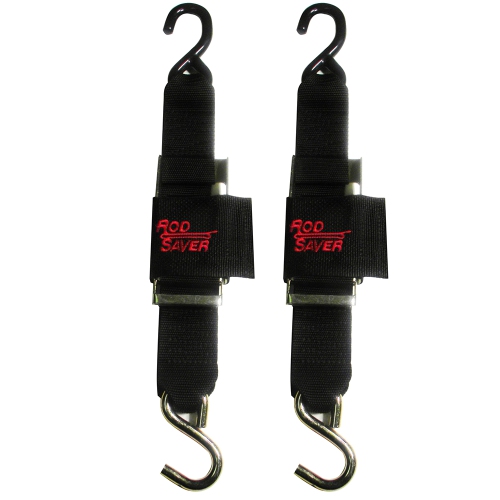
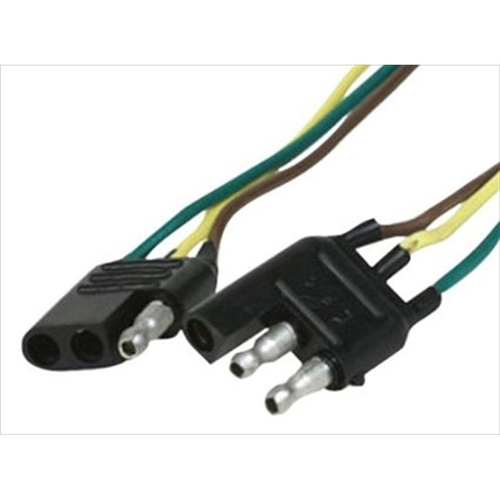
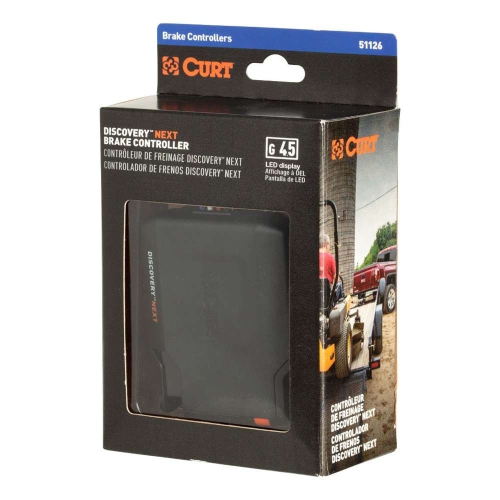
A practical trailer setup starts with the right fit
Trailer accessories support the practical details of hauling, travelling, setting up, and keeping a trailer organized between trips. The right choices depend on how the trailer is used: carrying tools to a job site calls for a different arrangement than transporting recreational equipment or creating a comfortable place to stay at a campground. Utility trailers benefit from accessories that help keep cargo contained and accessible, while enclosed trailers offer more opportunities to organize wall space, protect interior surfaces, and separate frequently used gear from larger loads. Travel trailers bring living space into the picture, with storage, comfort, privacy, and easy cleanup becoming part of the setup. Across these uses, fit matters more than appearance alone. Dimensions, mounting locations, weight limits, and access to doors or compartments all affect whether an accessory will work well in a particular space. A storage solution that looks compact may still block a hatch, while an attachment that fits one trailer frame may not suit another frame’s shape or construction. Measuring the usable space, including the clearance needed for moving parts, helps narrow the choices. For towing-related accessories, compatibility also extends to the tow vehicle, connection type, electrical requirements, and the ratings specified by the vehicle and trailer manufacturers. An accessory cannot increase the rated capacity of the vehicle, trailer, or hitch assembly, and every added component contributes to the overall load. That makes intended use an important starting point, whether the trailer carries work equipment several days a week or heads out for occasional family trips. A well-matched arrangement keeps routine tasks straightforward: reaching essential gear without unloading everything, opening compartments without shifting nearby belongings, and putting equipment back in a designated place at the end of the day. It also leaves room for the way people actually move through the trailer, rather than filling every available surface. Owners who share a trailer with family members or coworkers may especially appreciate clearly defined storage areas and fittings that are simple to operate.
Materials and construction influence how trailer accessories hold up to repeated handling, vibration, abrasion, and contact with cargo. Steel is often used where strength and rigidity are priorities, though its finish and maintenance requirements deserve attention. Aluminium offers a lighter alternative for many applications, but suitability still depends on the design, thickness, attachment method, and stated load rating. Moulded plastics can provide lightweight storage and surfaces that are easy to wipe clean; reinforced edges and secure closures are useful details when contents may shift during travel. Fabric-based accessories bring flexibility to tighter spaces, with stitching, binding, fasteners, and backing materials affecting how well they withstand regular use. For interior applications, smooth surfaces and removable, washable components can make cleanup less involved after a busy trip. Durability is not simply a matter of choosing the heaviest material. A properly supported accessory with suitable hardware may serve its purpose better than a heavier option attached to a surface that was never designed to carry it. Trailer walls, floors, and frames vary in construction, so drilling or mounting should follow the relevant manufacturer’s instructions, with qualified installation where required. Wiring, plumbing, and structural components may be concealed behind a seemingly clear mounting area. Cargo storage also needs a distinction between keeping things tidy and keeping them restrained: an organizer is not necessarily designed to secure a load in transit. Anything used for restraint should have an appropriate rating and be attached to suitable anchor points. Keeping heavier belongings low and distributing weight according to the trailer manufacturer’s guidance helps support a suitable loading arrangement. Before travel, closures, fasteners, connections, and accessible mounting points merit a check for looseness, damage, or wear. Ongoing care can be uncomplicated: remove accumulated grit, clean surfaces with compatible products, allow washable materials to dry fully, and follow the recommended maintenance schedule for moving components. Frayed fabric, cracked housings, distorted fittings, or damaged attachment points are signs that an accessory needs attention rather than another trip without inspection.
Comfort and convenience become particularly noticeable in a travel trailer, where the same small area may function as a kitchen, sitting room, sleeping space, and place to store belongings. Accessories that make good use of shallow compartments or awkward corners can help preserve open floor space without making everyday essentials difficult to reach. The most useful layout often follows familiar routines: somewhere accessible for belongings needed on arrival, a practical arrangement for meal preparation, and a clear separation between clean linens and equipment brought in from outside. Interior additions should allow doors, drawers, vents, and emergency exits to function as intended. Soft materials can make compact living quarters feel more inviting, while finishes that coordinate with existing cabinetry and upholstery help the space feel cohesive rather than crowded. For visual touches that complement these practical choices, Trailer Decor offers a related focus on personalizing the interior. Appearance still works best alongside fit and function: a pleasing texture is more useful when it is easy to care for, and a compact design earns its place when it remains convenient to use throughout a trip. Families may favour arrangements that give each traveller a defined place for personal belongings, while couples may prefer flexible spaces that move easily between dining and relaxing. Owners using an enclosed trailer for work have a different rhythm, often needing clear access to frequently handled equipment and a layout that makes missing gear easier to notice before leaving a site. For someone giving trailer accessories as a gift, knowing the recipient’s trailer type, measurements, and habits is more helpful than guessing based on appearance. Non-permanent interior additions can be simpler to match than towing or electrical components, which require precise compatibility. Whether the goal is a more orderly workday or a more comfortable overnight stay, useful accessories suit the trailer’s construction, respect its limits, and make the space easier to use without adding unnecessary bulk or complication.
Materials and construction influence how trailer accessories hold up to repeated handling, vibration, abrasion, and contact with cargo. Steel is often used where strength and rigidity are priorities, though its finish and maintenance requirements deserve attention. Aluminium offers a lighter alternative for many applications, but suitability still depends on the design, thickness, attachment method, and stated load rating. Moulded plastics can provide lightweight storage and surfaces that are easy to wipe clean; reinforced edges and secure closures are useful details when contents may shift during travel. Fabric-based accessories bring flexibility to tighter spaces, with stitching, binding, fasteners, and backing materials affecting how well they withstand regular use. For interior applications, smooth surfaces and removable, washable components can make cleanup less involved after a busy trip. Durability is not simply a matter of choosing the heaviest material. A properly supported accessory with suitable hardware may serve its purpose better than a heavier option attached to a surface that was never designed to carry it. Trailer walls, floors, and frames vary in construction, so drilling or mounting should follow the relevant manufacturer’s instructions, with qualified installation where required. Wiring, plumbing, and structural components may be concealed behind a seemingly clear mounting area. Cargo storage also needs a distinction between keeping things tidy and keeping them restrained: an organizer is not necessarily designed to secure a load in transit. Anything used for restraint should have an appropriate rating and be attached to suitable anchor points. Keeping heavier belongings low and distributing weight according to the trailer manufacturer’s guidance helps support a suitable loading arrangement. Before travel, closures, fasteners, connections, and accessible mounting points merit a check for looseness, damage, or wear. Ongoing care can be uncomplicated: remove accumulated grit, clean surfaces with compatible products, allow washable materials to dry fully, and follow the recommended maintenance schedule for moving components. Frayed fabric, cracked housings, distorted fittings, or damaged attachment points are signs that an accessory needs attention rather than another trip without inspection.
Comfort and convenience become particularly noticeable in a travel trailer, where the same small area may function as a kitchen, sitting room, sleeping space, and place to store belongings. Accessories that make good use of shallow compartments or awkward corners can help preserve open floor space without making everyday essentials difficult to reach. The most useful layout often follows familiar routines: somewhere accessible for belongings needed on arrival, a practical arrangement for meal preparation, and a clear separation between clean linens and equipment brought in from outside. Interior additions should allow doors, drawers, vents, and emergency exits to function as intended. Soft materials can make compact living quarters feel more inviting, while finishes that coordinate with existing cabinetry and upholstery help the space feel cohesive rather than crowded. For visual touches that complement these practical choices, Trailer Decor offers a related focus on personalizing the interior. Appearance still works best alongside fit and function: a pleasing texture is more useful when it is easy to care for, and a compact design earns its place when it remains convenient to use throughout a trip. Families may favour arrangements that give each traveller a defined place for personal belongings, while couples may prefer flexible spaces that move easily between dining and relaxing. Owners using an enclosed trailer for work have a different rhythm, often needing clear access to frequently handled equipment and a layout that makes missing gear easier to notice before leaving a site. For someone giving trailer accessories as a gift, knowing the recipient’s trailer type, measurements, and habits is more helpful than guessing based on appearance. Non-permanent interior additions can be simpler to match than towing or electrical components, which require precise compatibility. Whether the goal is a more orderly workday or a more comfortable overnight stay, useful accessories suit the trailer’s construction, respect its limits, and make the space easier to use without adding unnecessary bulk or complication.
Top selling and popular products
-
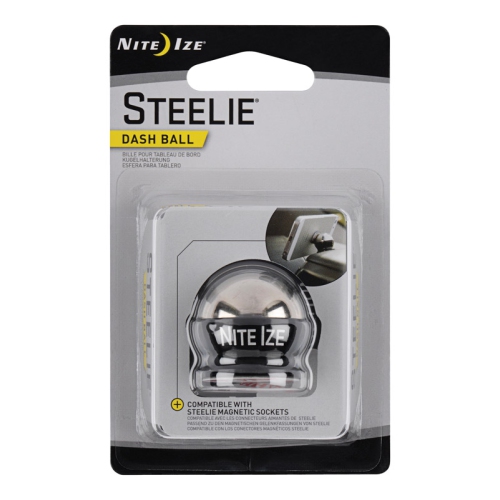 Your price for this item is $26.99
 -
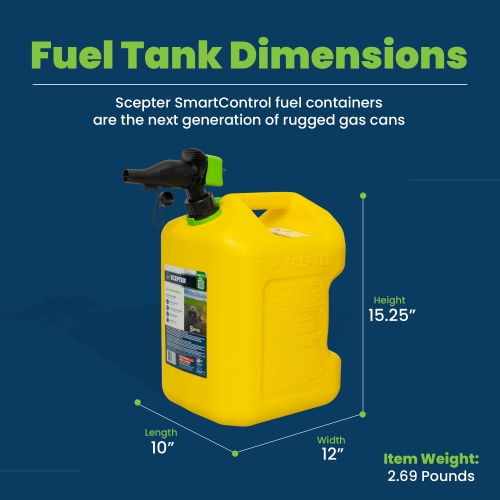 Your price for this item is $104.99
 -
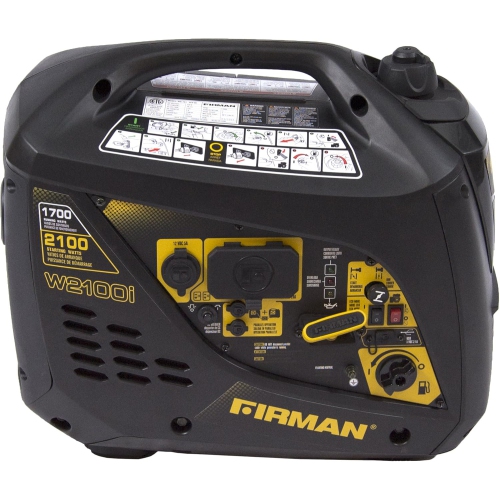 Your price for this item is $854.05
 -
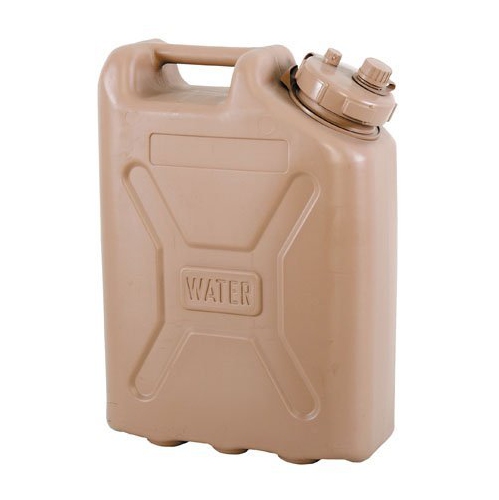 Your price for this item is $130.99
 -
 Your price for this item is $1505.99
 -
 Your price for this item is $232.99
 -
 Your price for this item is $46.71
 -
 Your price for this item is $161.99
Discover more categories related to Trailer Accessories
Top Collections:
Pokemon Centers, Kindle Devices, Best Budget Office Chairs, Apple iPhones 16, Best Laptops for Writers, iPhone 15 Apple, Canon G7X Cameras, Refurbished Apple Laptops, Alarm Clock, Motorola Razr Phones
Some products may be subject to Environmental Handling Fees
(EHF) depending on your province.
Learn more about EHFs.