Utility Trailer Accessories
Enhance the functionality and versatility of your utility trailer with a wide range of accessories designed to make your hauling tasks easier and more efficient. From trailer hitches and tie-down straps to trailer jacks and spare tire carriers, these accessories are essential for ensuring a smooth and secure towing experience. Whether you use your utility trailer for work or play, equipping it with the right accessories can help you get the most out of your hauling adventures. Browse our selection of utility trailer accessories to find the perfect additions for your trailer setup.
Sort

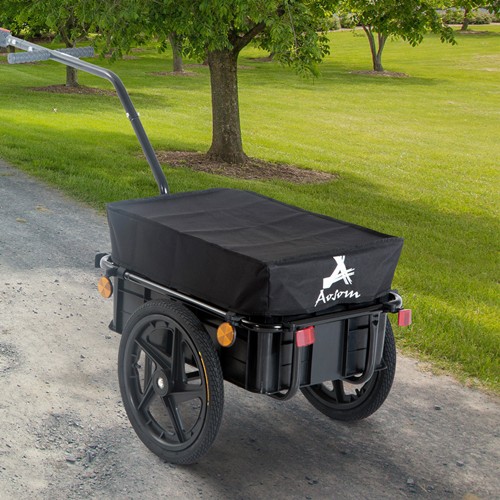
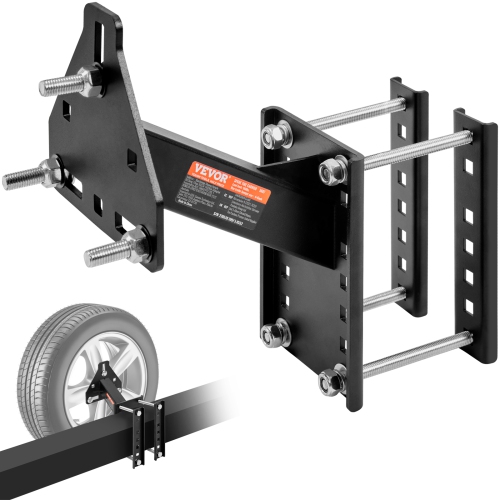
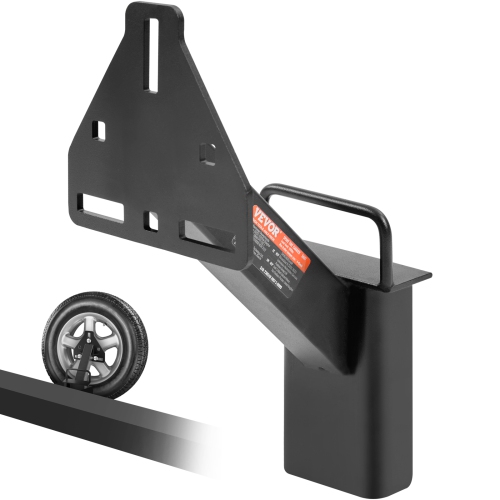
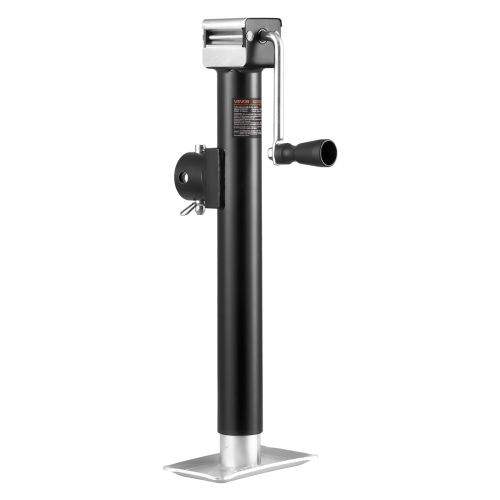


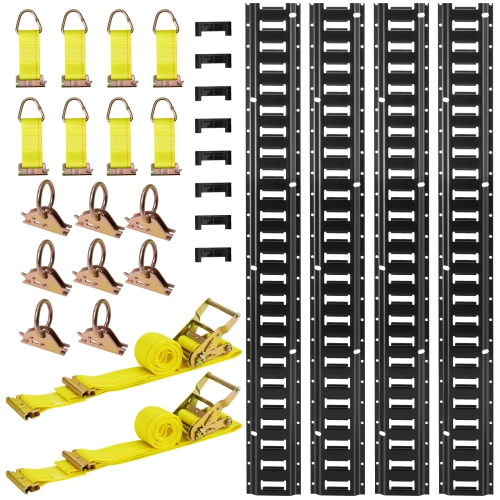
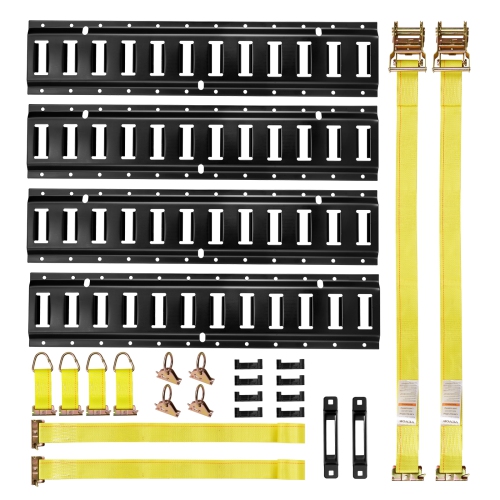
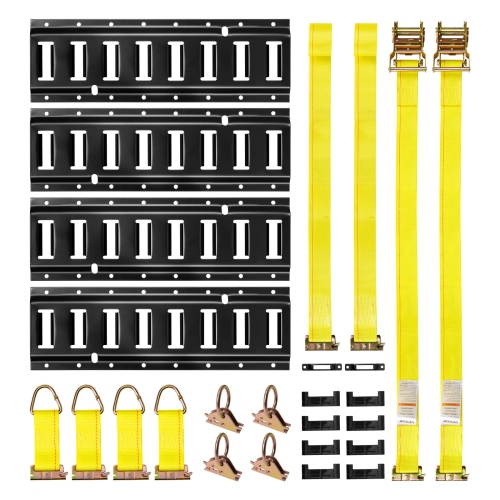
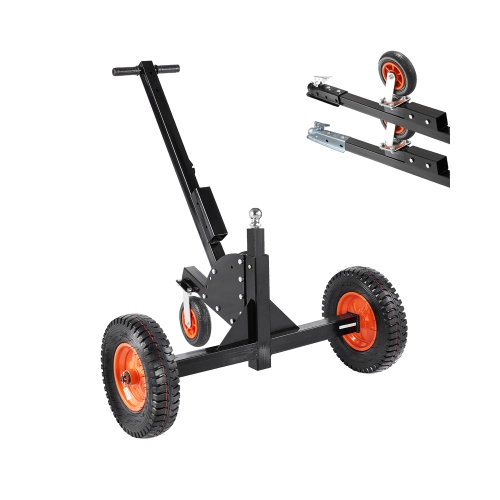
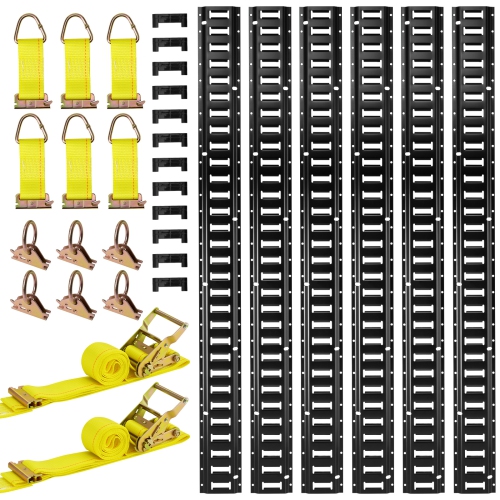
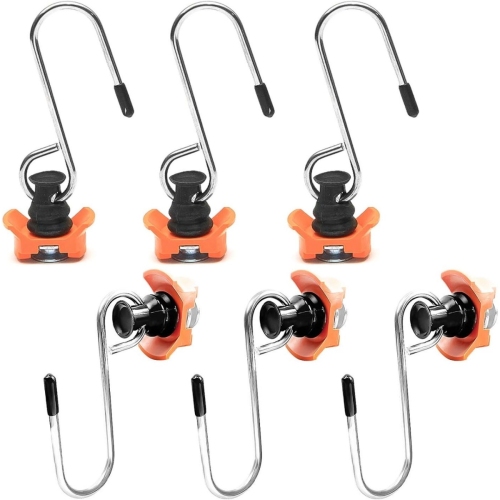

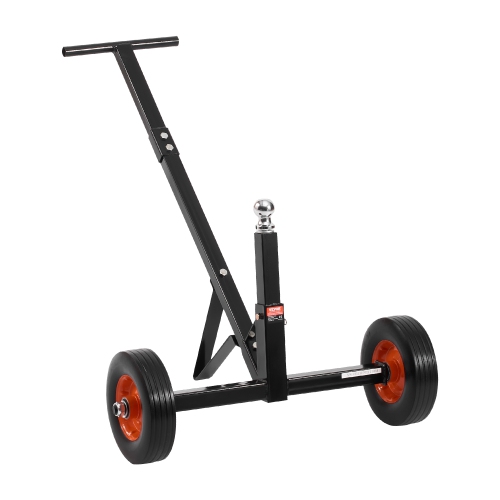
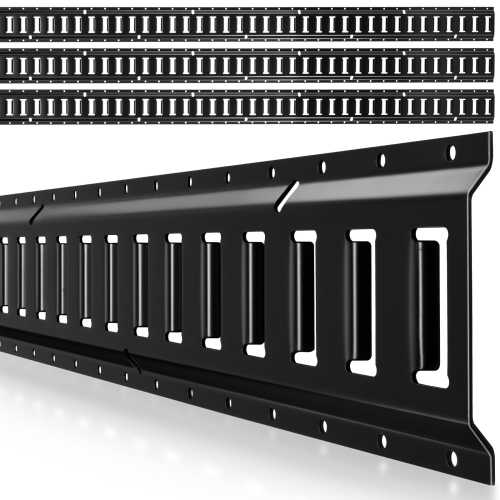

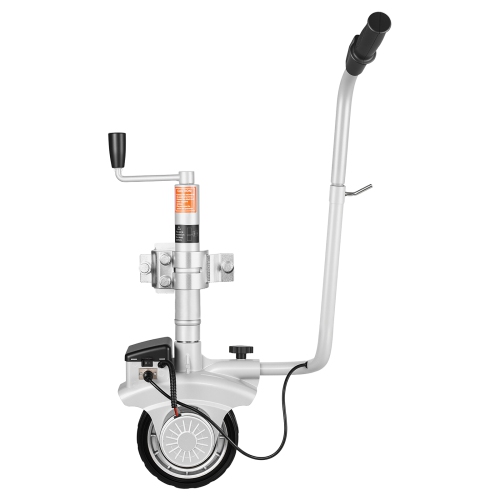


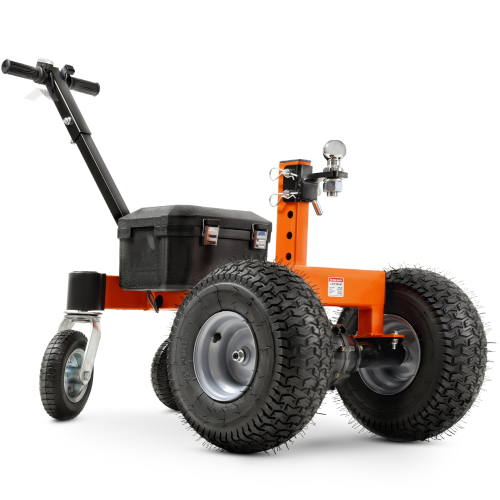

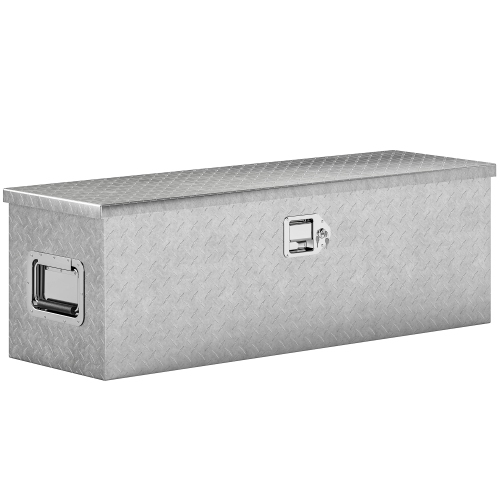
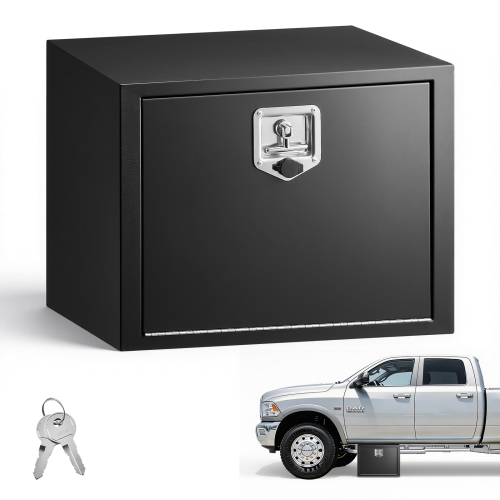

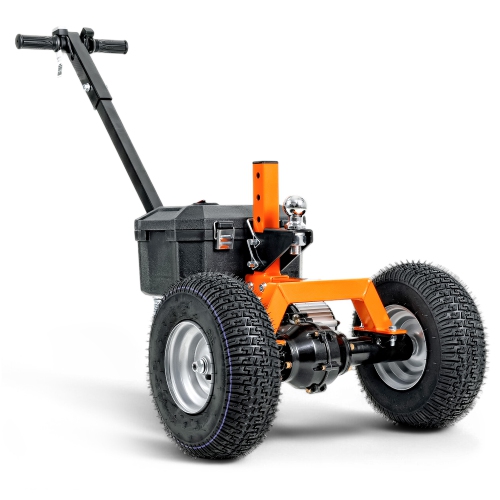
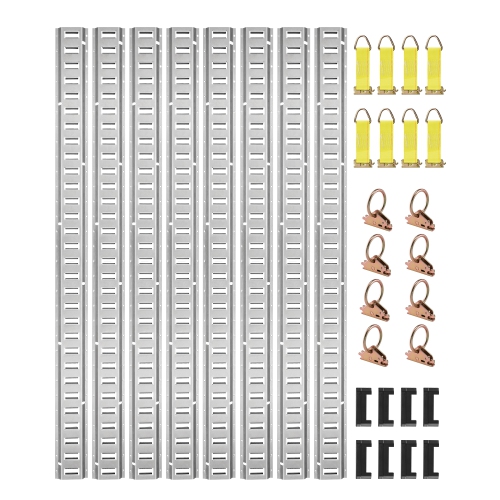
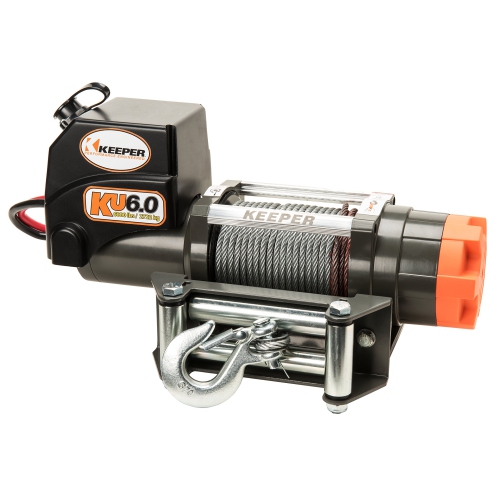
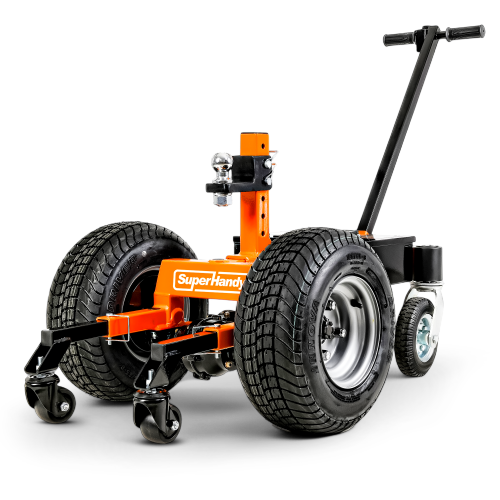
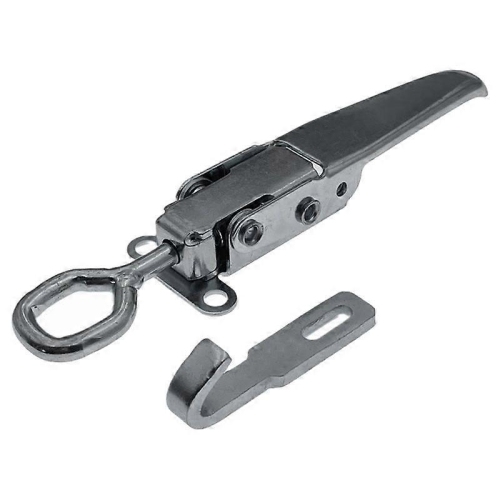
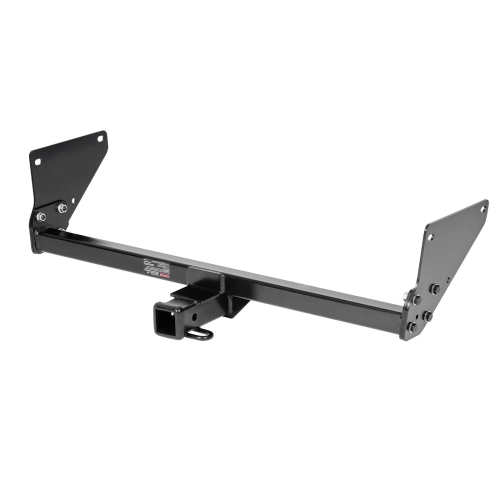
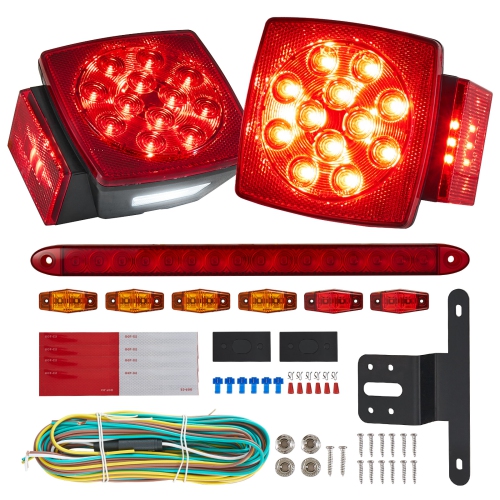
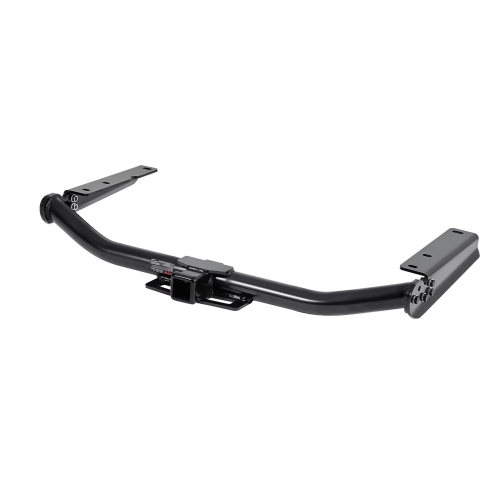
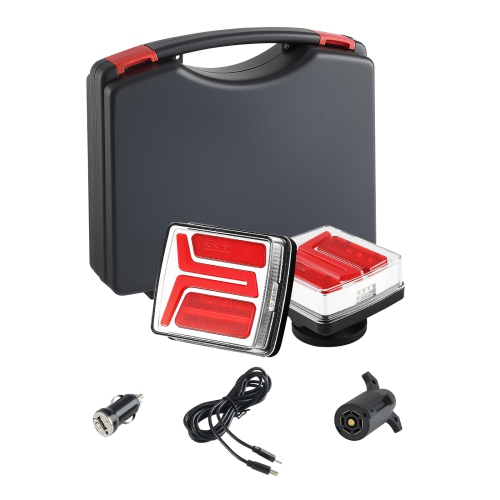
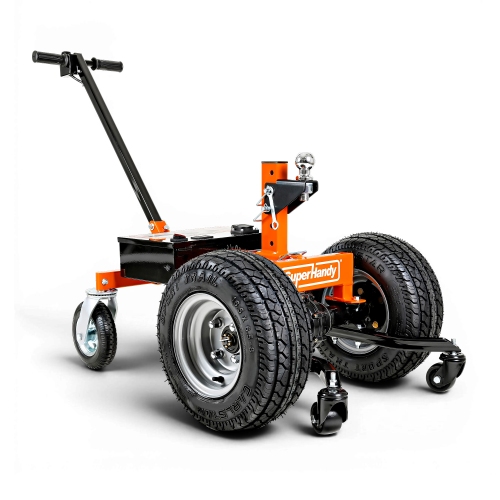
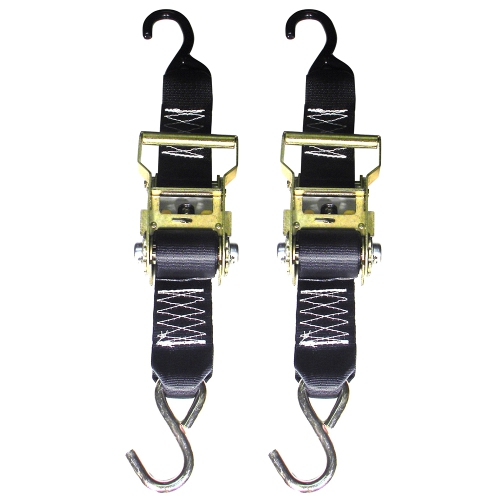
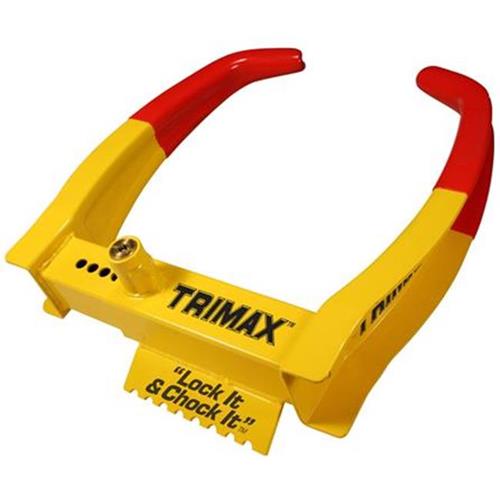
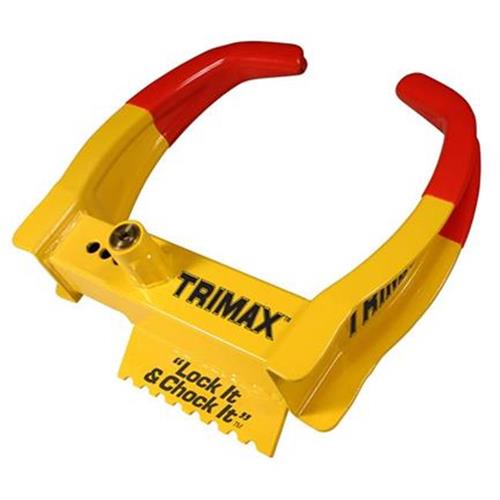
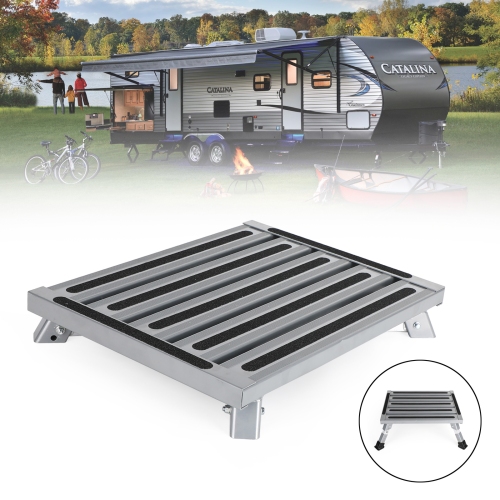
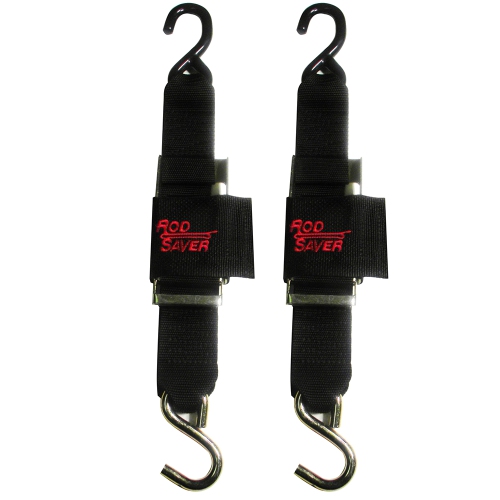
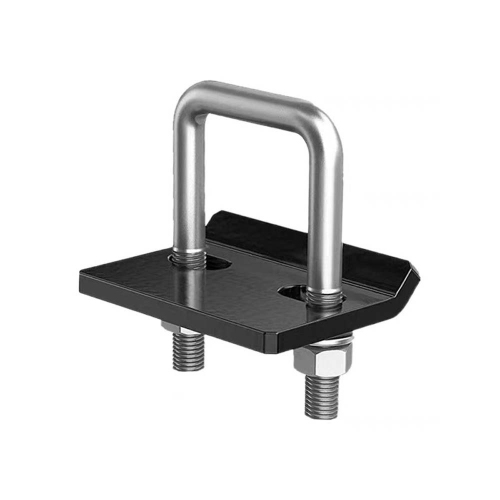
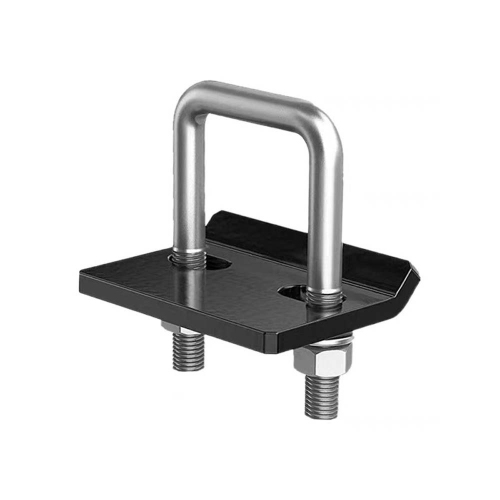
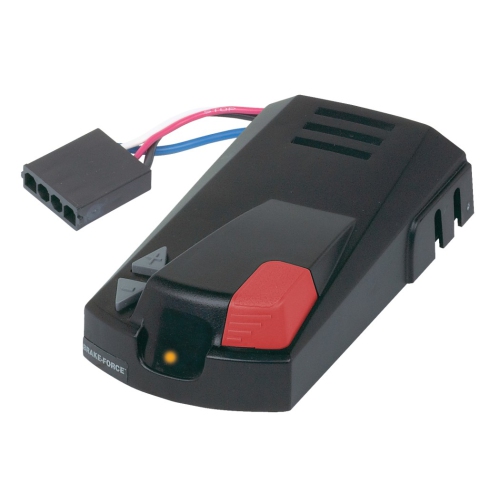
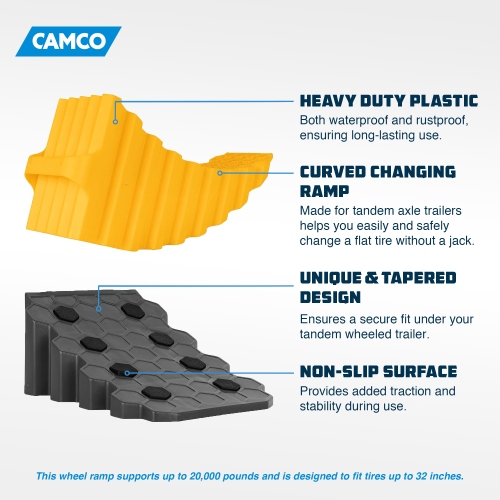
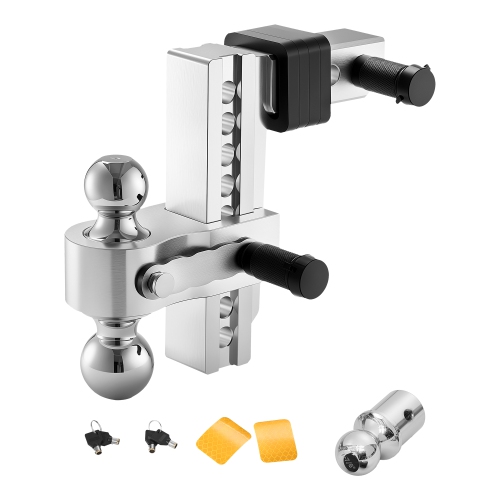
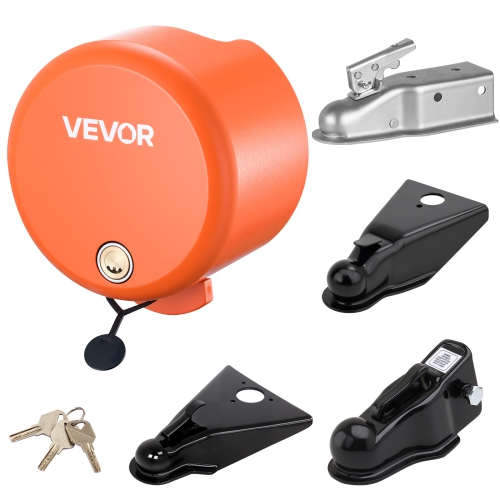
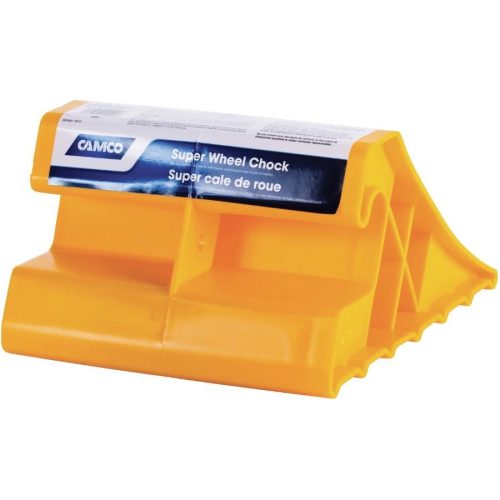
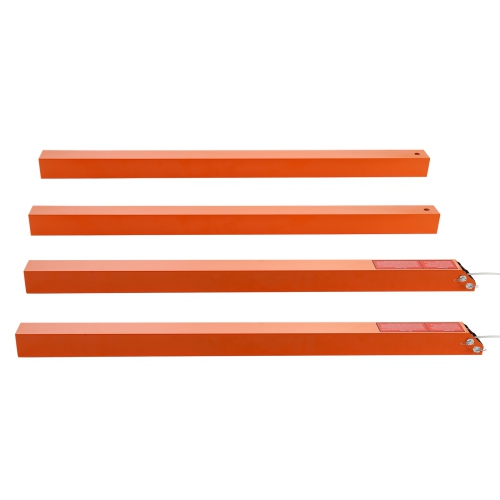
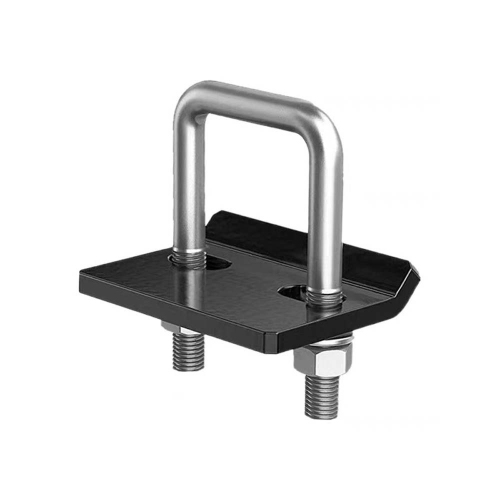
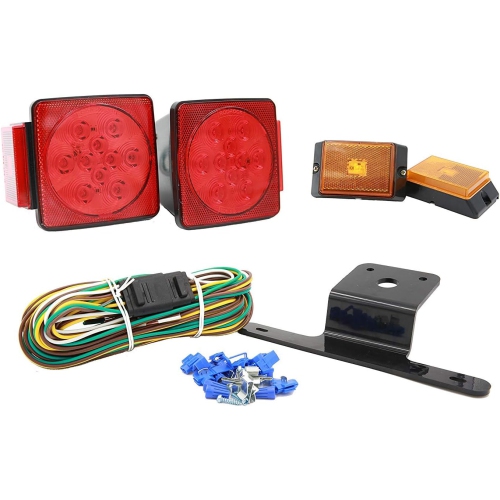

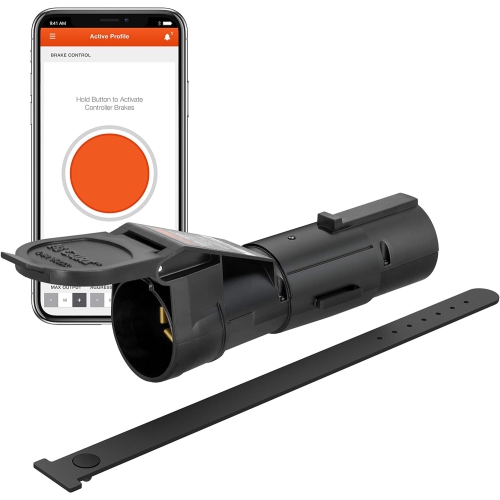
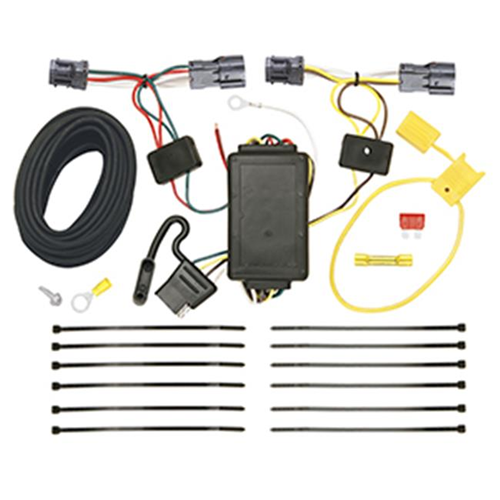
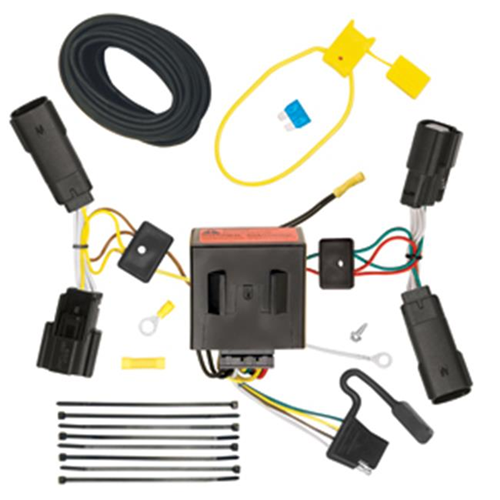
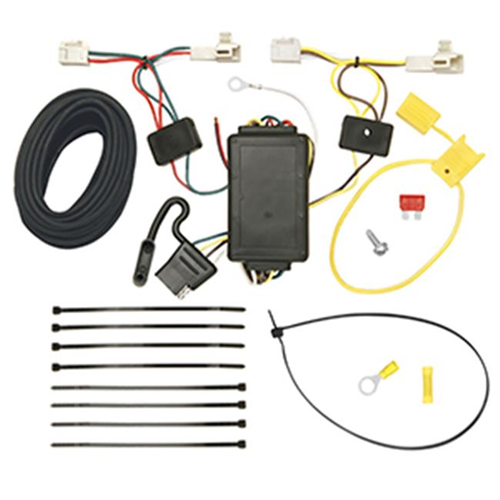
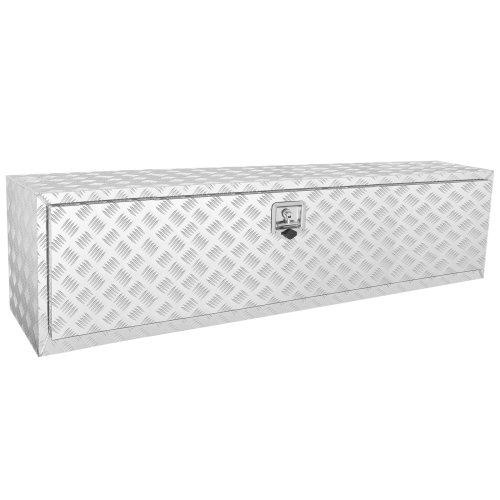
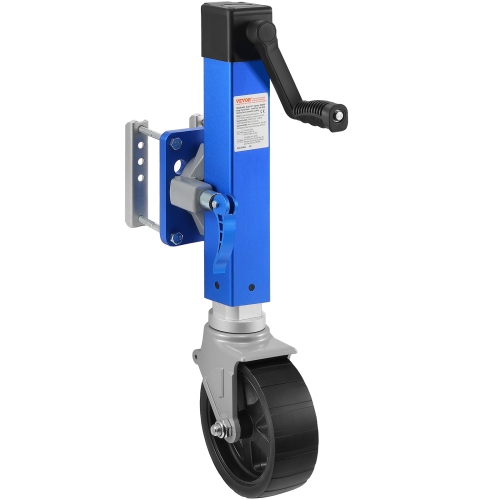
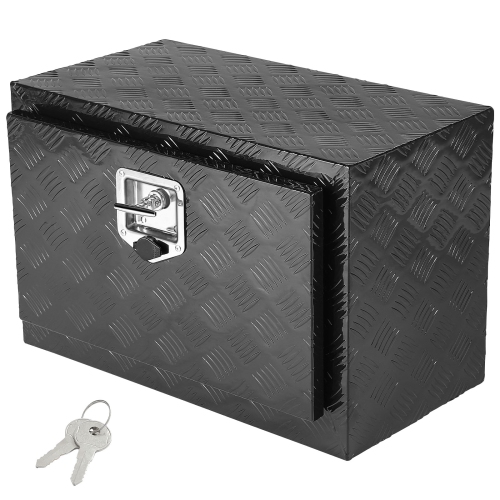
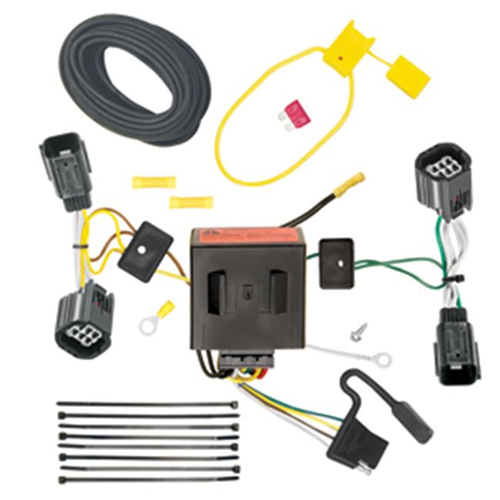
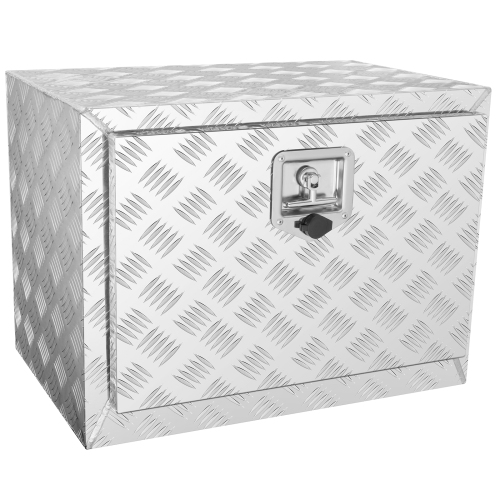
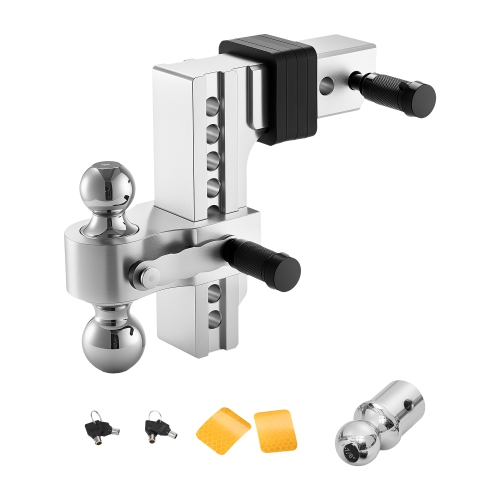
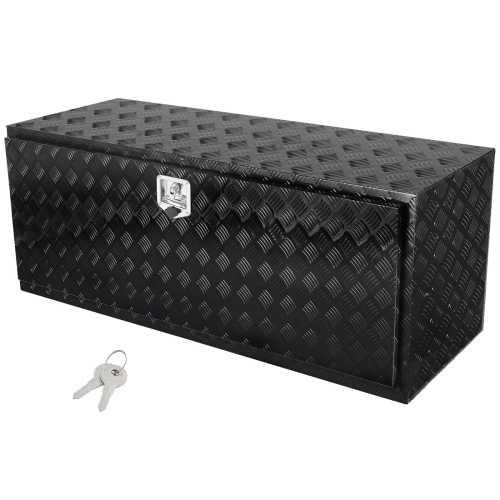
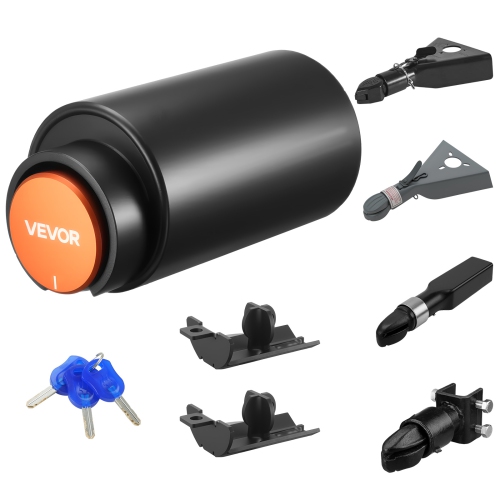
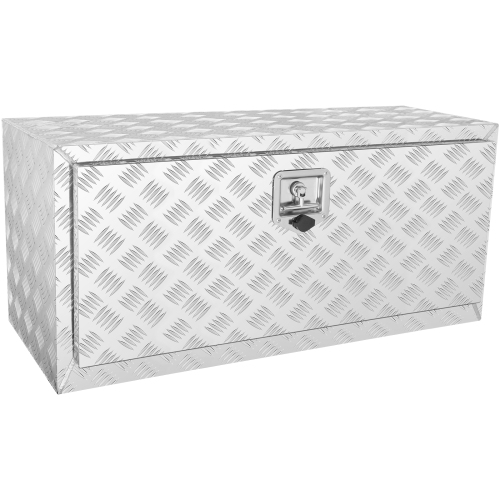
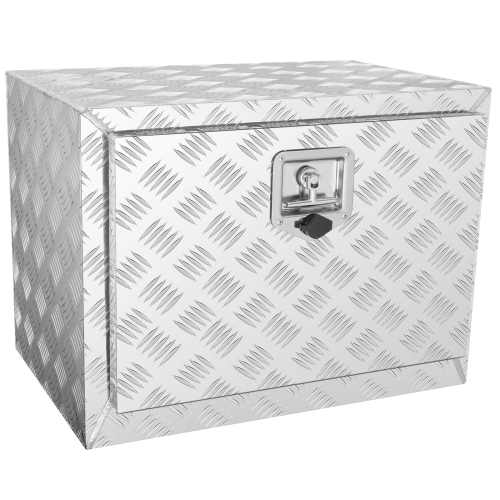
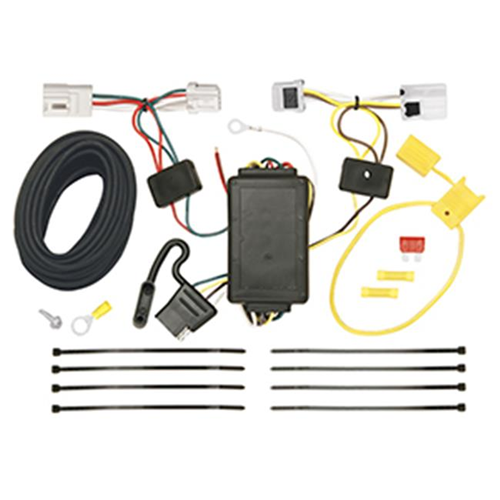
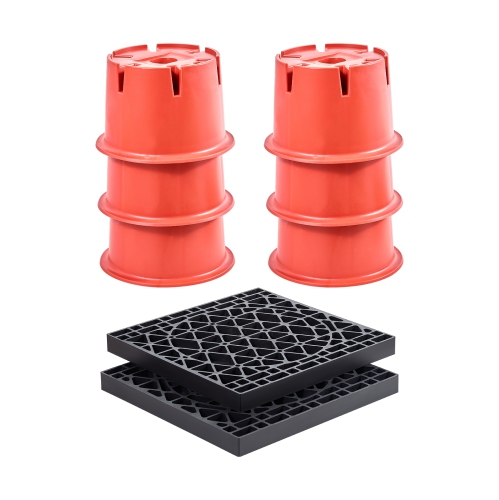
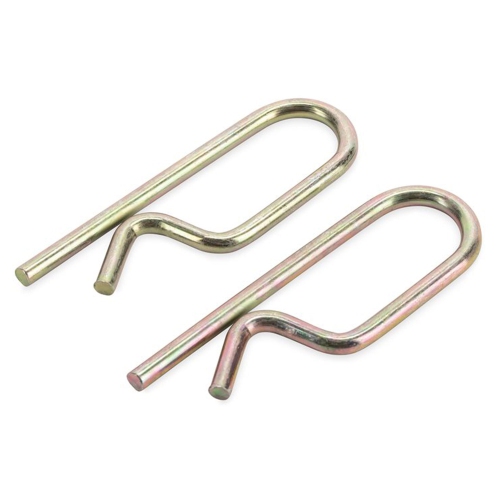
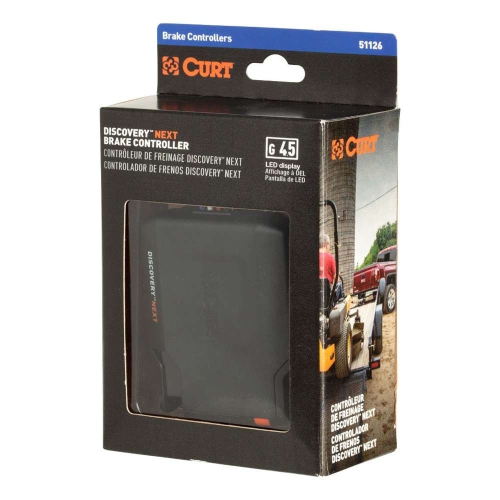
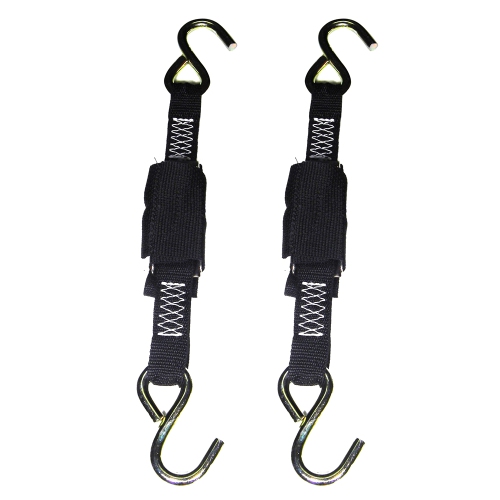

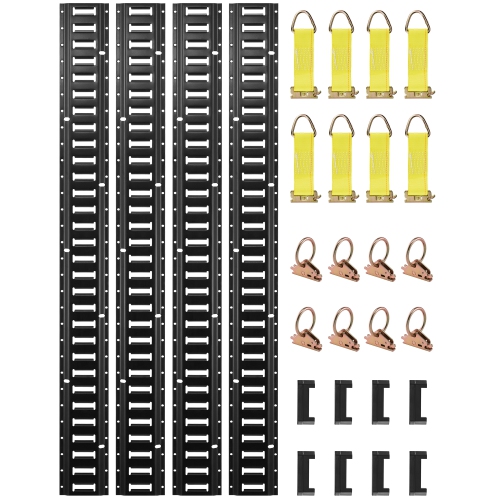
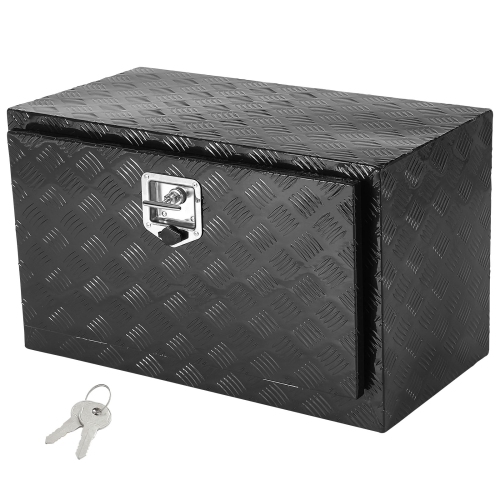
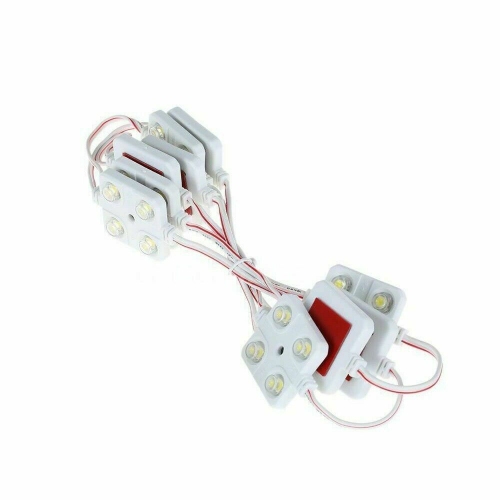
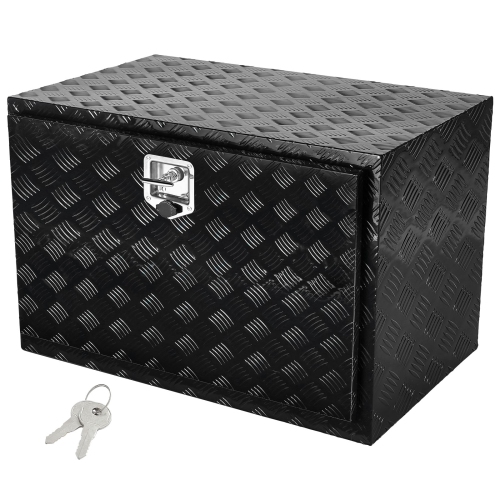

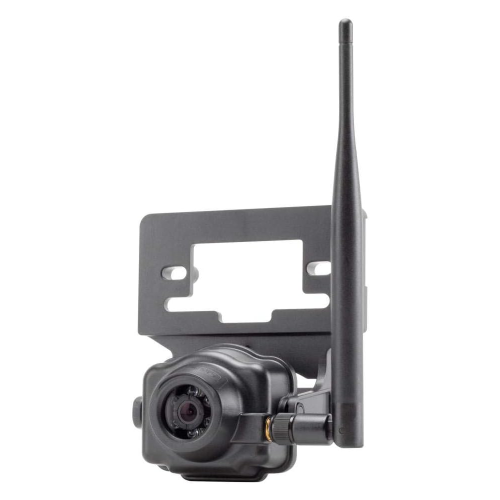
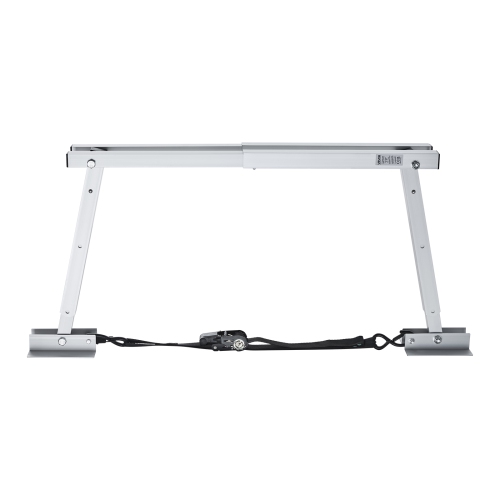
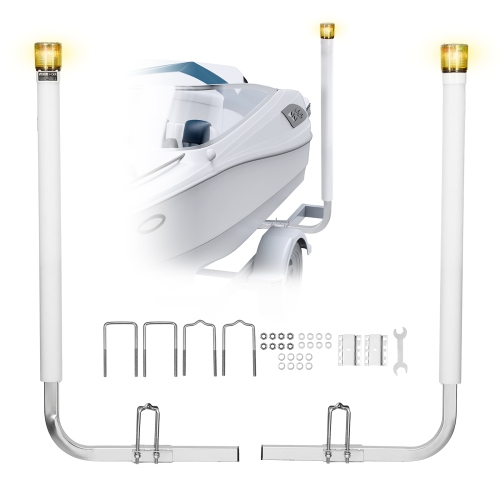
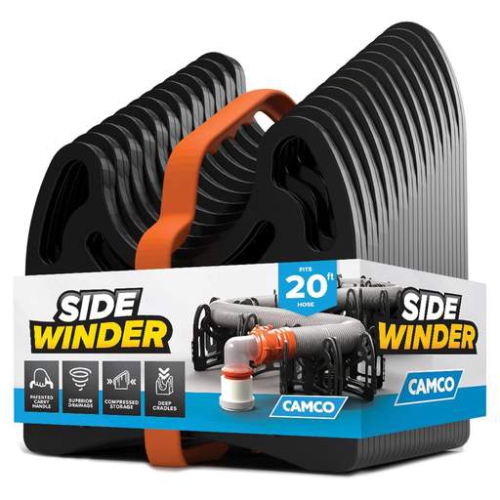
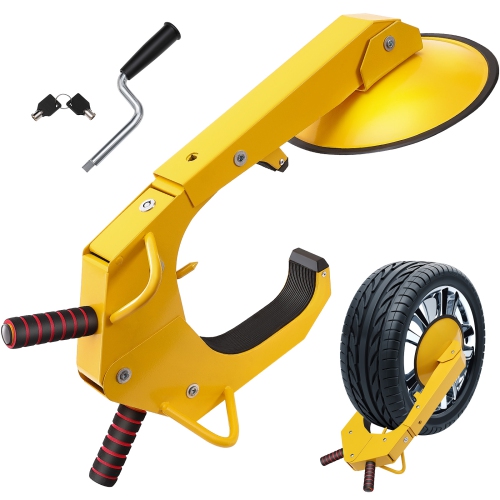
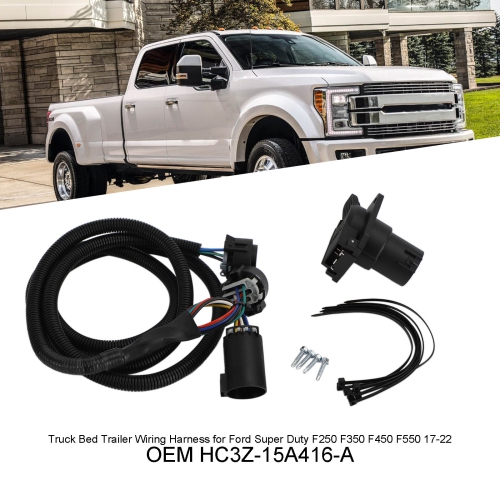
Accessories that simplify loading and secure every haul
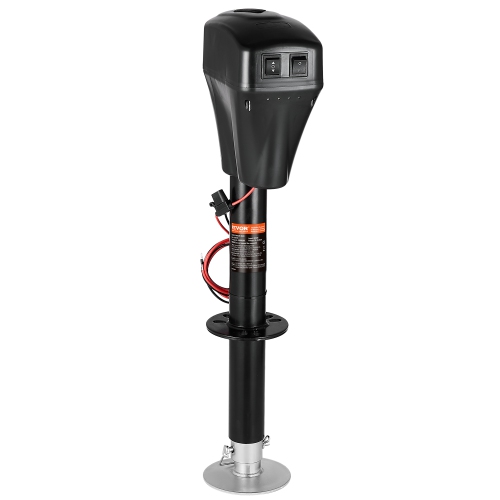
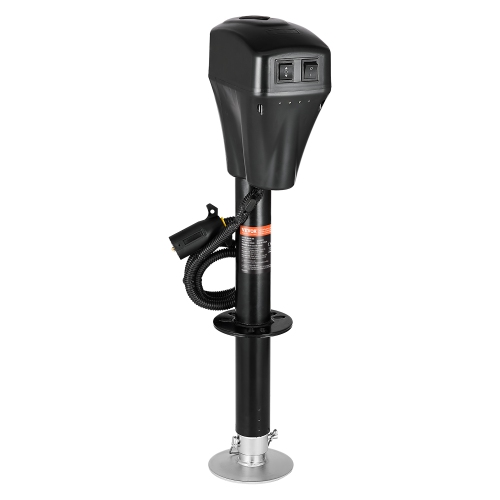
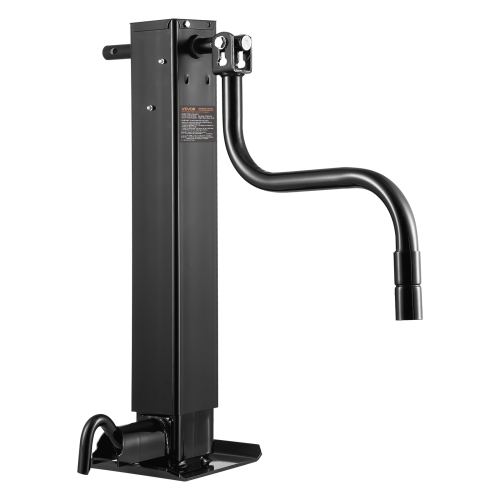
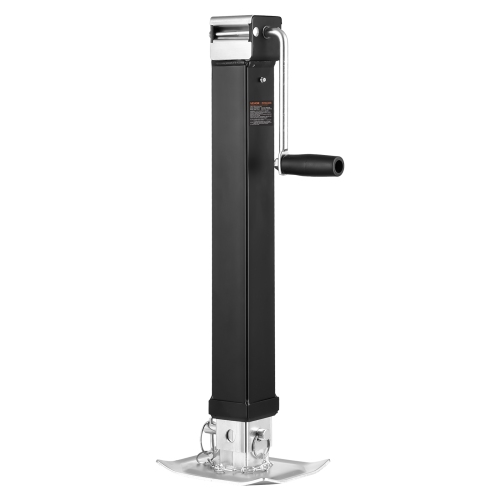
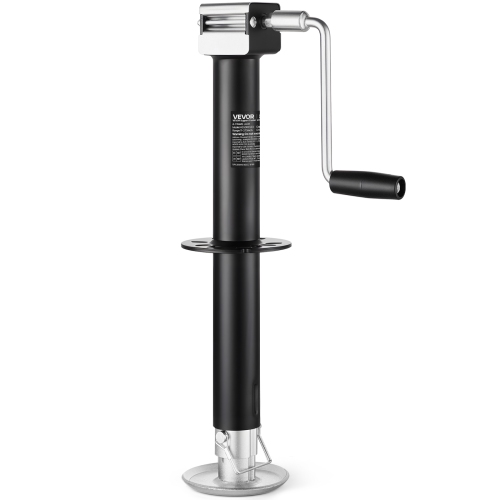
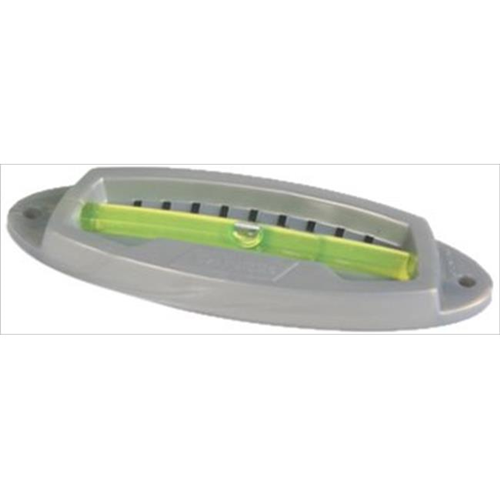
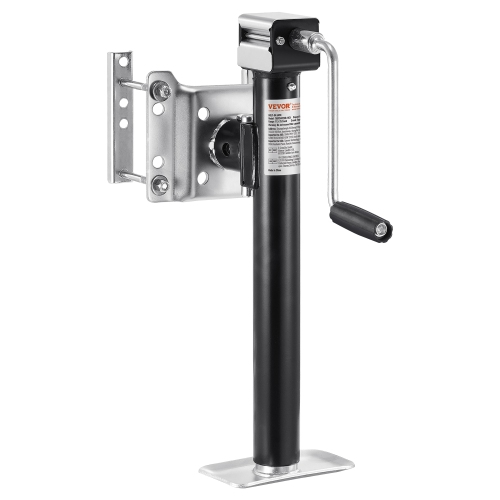
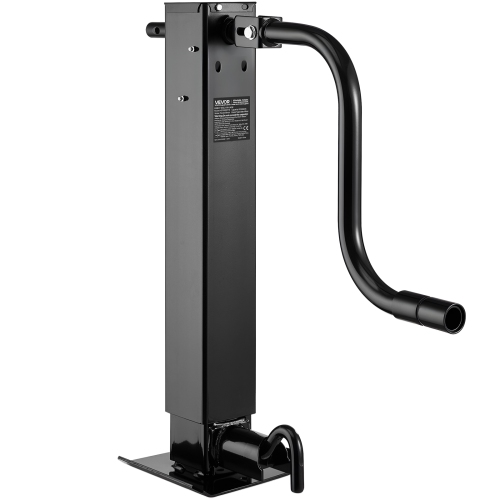
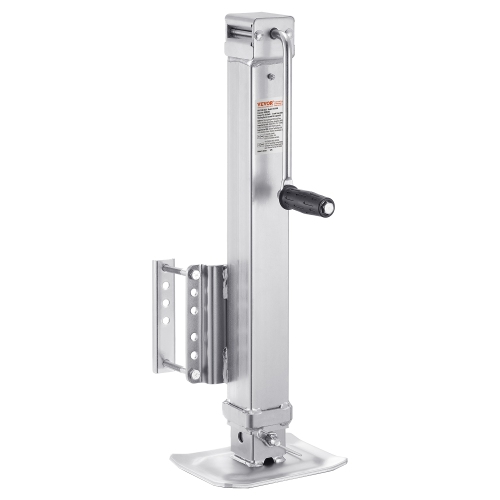
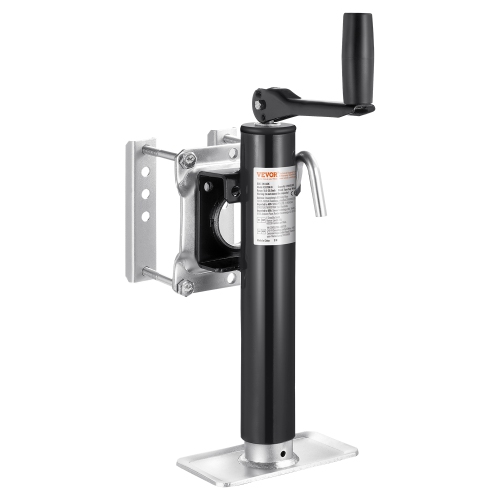
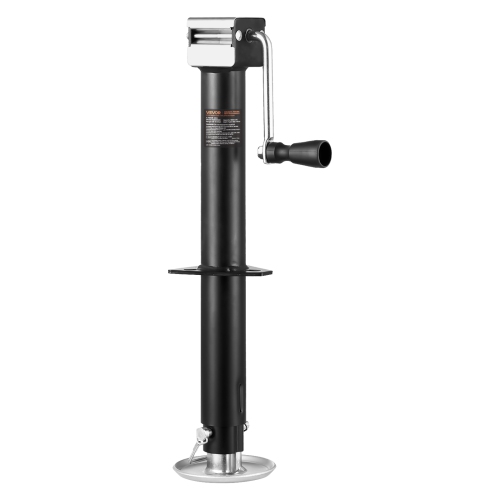
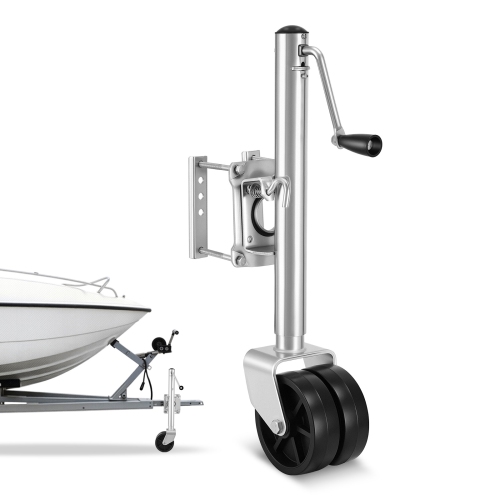
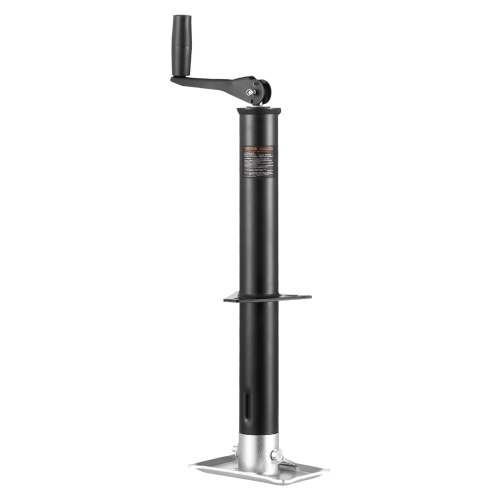
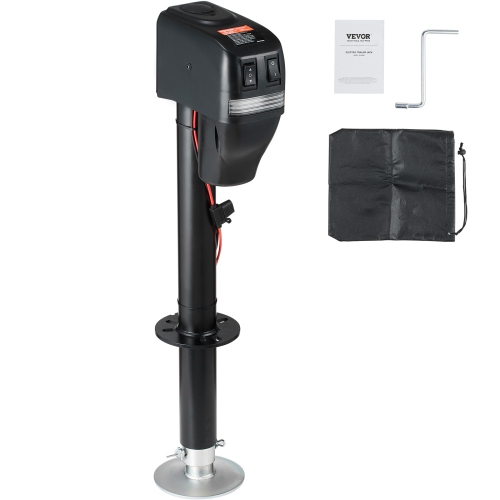
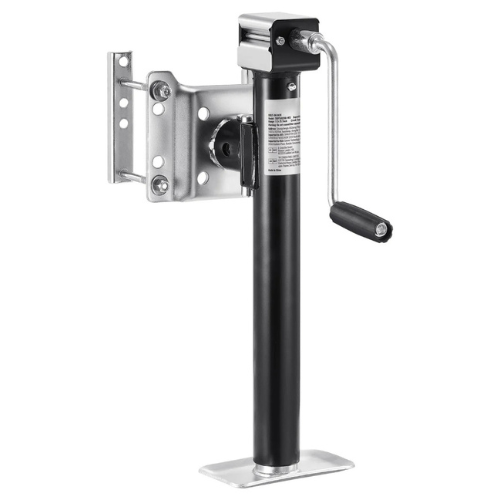
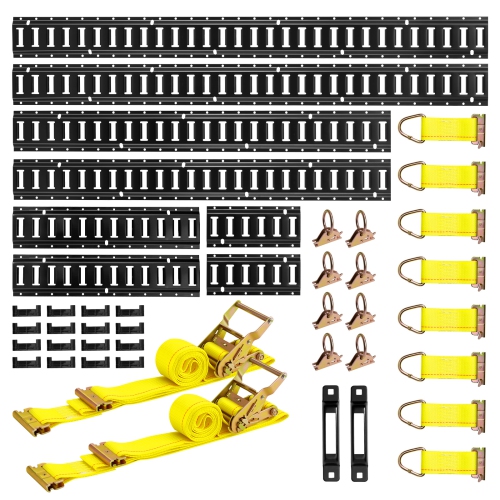
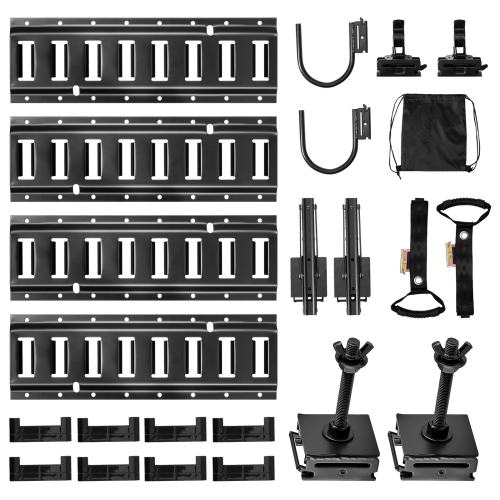
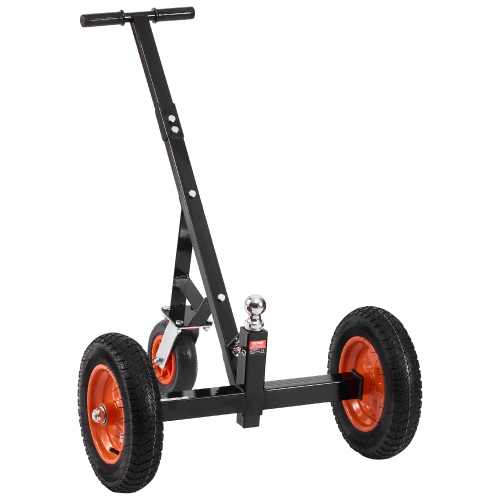
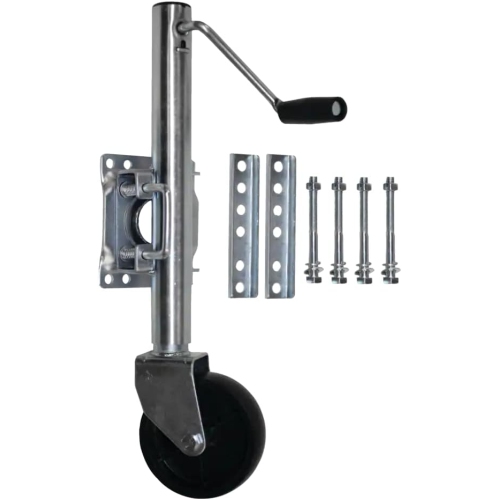
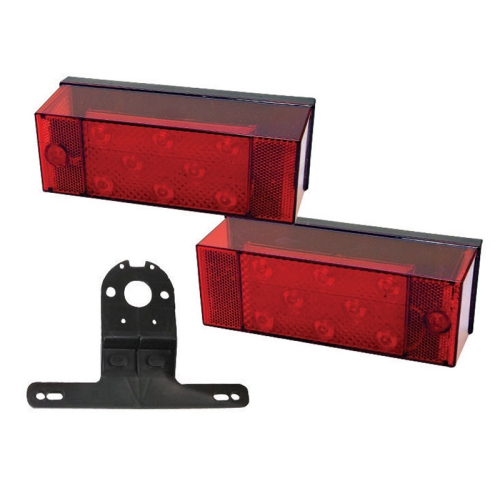
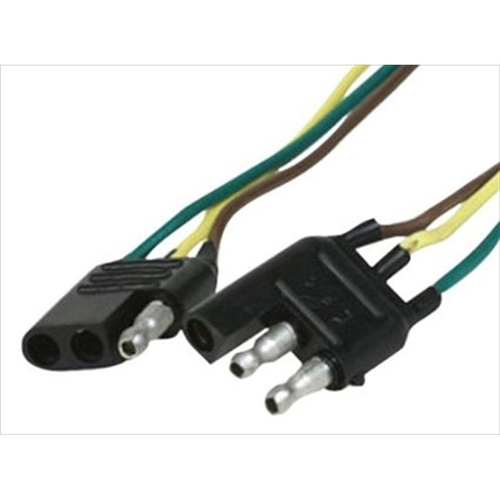
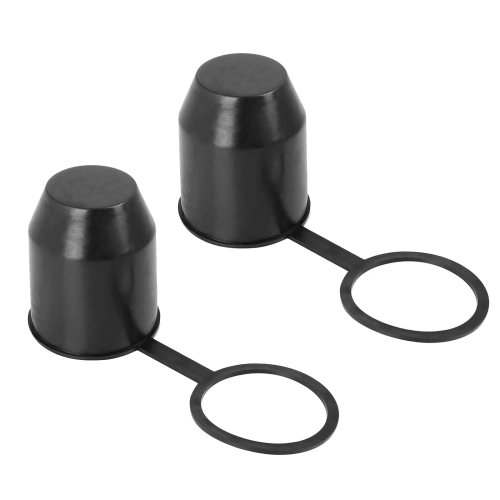
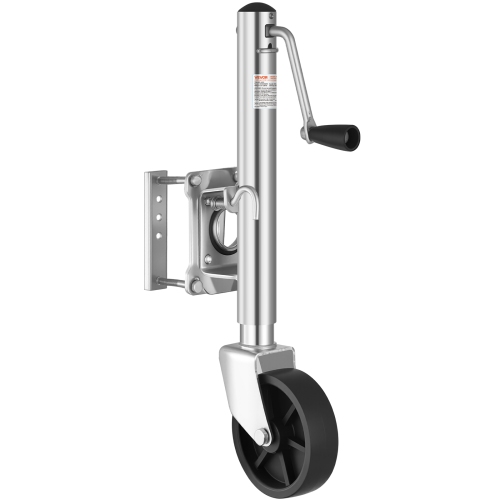
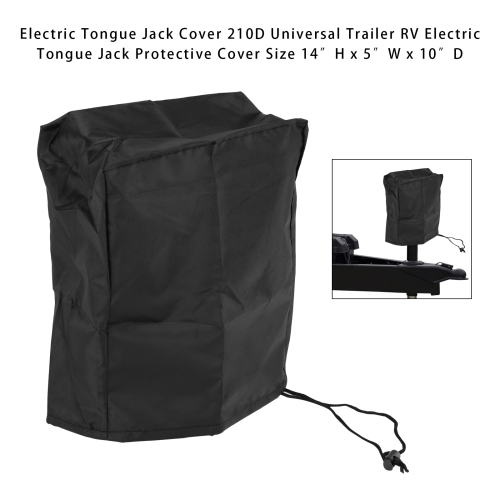
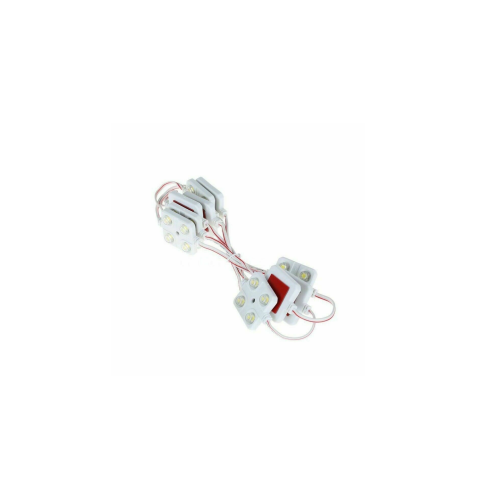
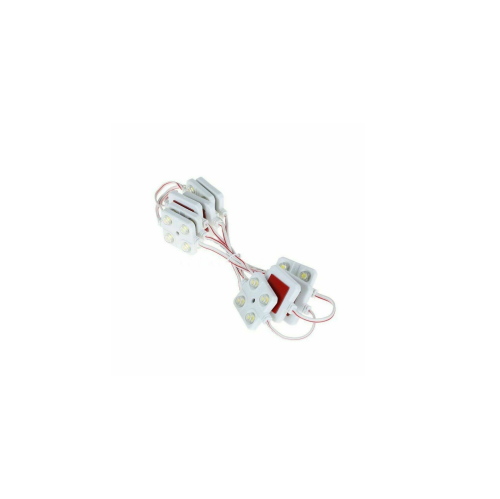
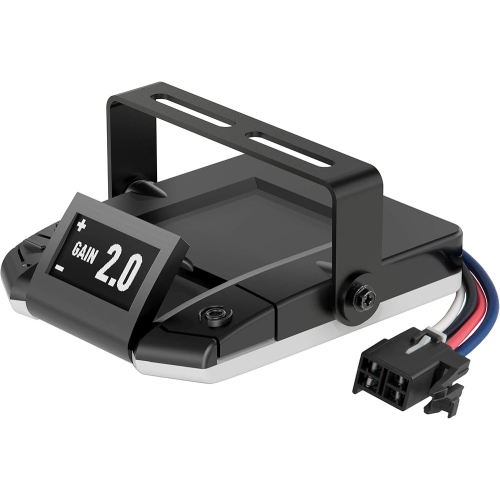
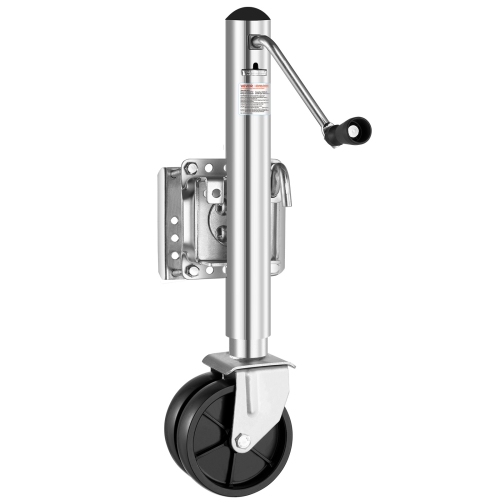
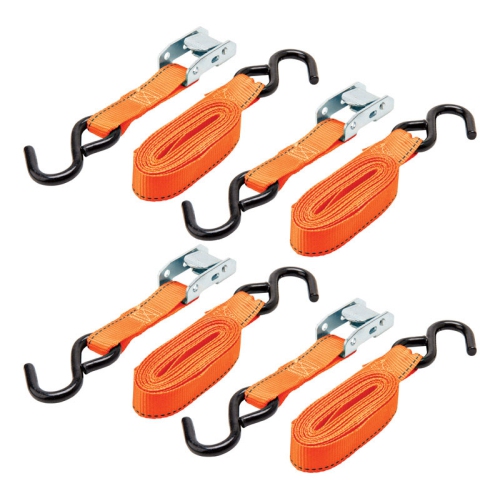
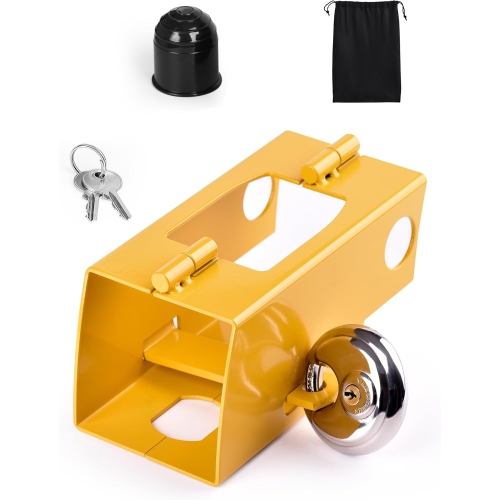
Utility trailer accessories can make an open trailer more secure, practical, and comfortable to use for everything from weekend projects to regular work duties. The right additions depend on the trailer’s deck size, side rails, ramp style, axle capacity, hitch setup, and the type of cargo being transported. Tie-down equipment is a sensible starting point for many owners. Ratchet straps provide firm tension for heavier loads, while cam buckle straps can be convenient for lighter items that need to stay in place without being over-tightened. Look for straps with suitable working load limits, durable webbing, weather-resistant construction, and hooks that fit the trailer’s anchor points. Additional welded or bolt-on D-rings can create secure attachment locations when the existing rails or stake pockets do not offer enough flexibility. Tarps and cargo covers help contain loose material and protect belongings from rain, road spray, dust, and wind, but they should be sized correctly and fastened with enough points to prevent flapping. Bungee cords, tarp straps, cargo nets, and edge protectors can help organize odd-shaped loads, cushion corners, and reduce pressure on delicate surfaces. When hauling furniture, landscaping supplies, building materials, recreational equipment, or household items, taking a few minutes to distribute the weight evenly and secure every loose section can make the journey smoother and more predictable. Accessories that improve visibility are also important, particularly when travelling during the cooler months, in fading daylight, or in changing weather. Reflective tape, conspicuity markings, replacement lamps, and bright LED trailer lights can help other drivers recognize the trailer’s width, position, and direction of travel. Choose lighting and wiring components that match the trailer’s existing connection and mounting points, and check that lenses, plugs, and cables are protected from moisture and road debris. A spare tire carrier keeps a replacement wheel supported on the trailer frame or tongue instead of taking up valuable deck space, while a properly inflated spare tire can be especially reassuring when travelling beyond familiar roads. Wheel chocks are useful whenever the trailer is parked, loaded, unloaded, or detached, and a tongue jack can make hitching, unhitching, levelling, and small alignment adjustments easier. Consider the jack’s lift capacity, mounting style, wheel or foot design, and clearance from the tow vehicle. For trailers with folding or ramp gates, gate assist springs or similar lifting supports can reduce the effort needed to raise and lower the gate, which is helpful when the ramp is used often or when a single person is handling equipment.
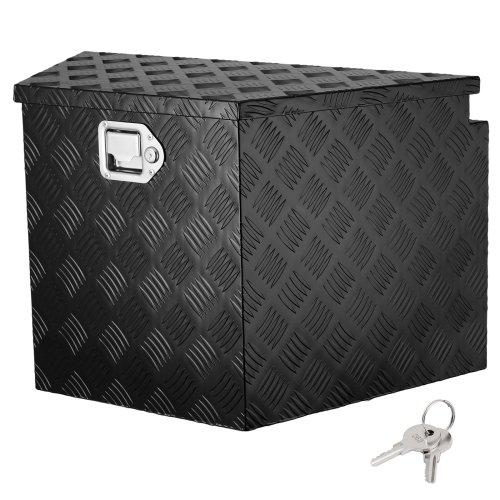
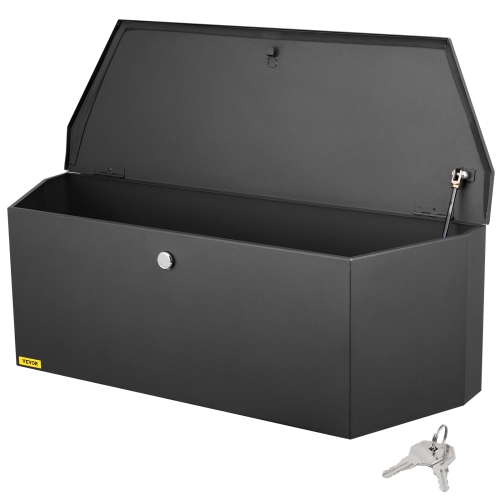
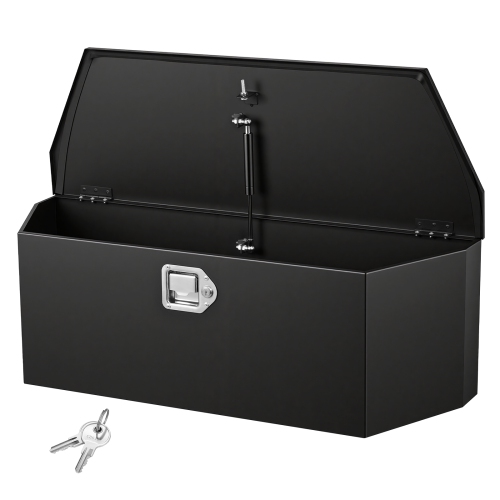
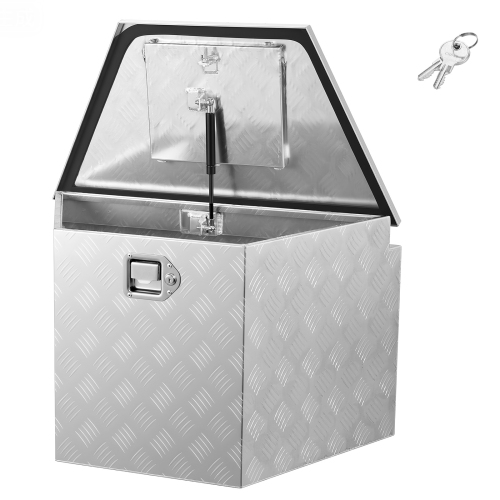
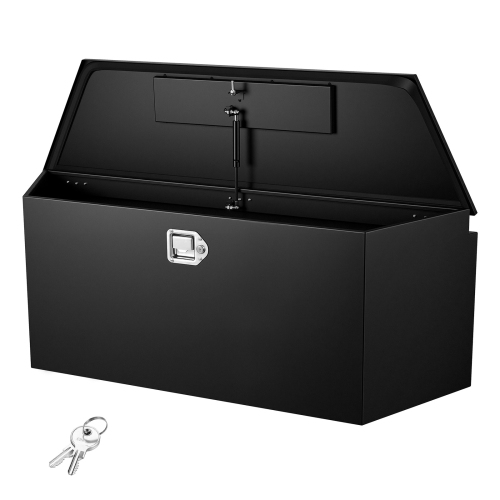
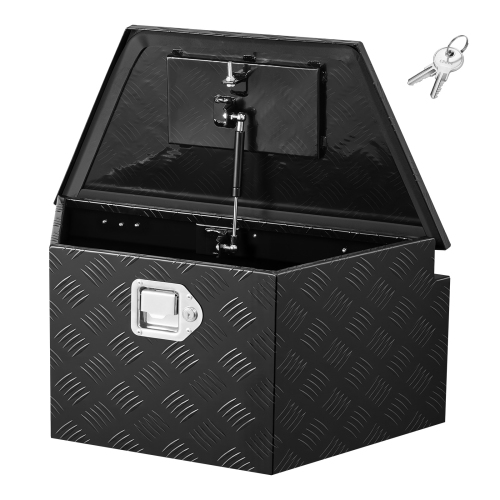
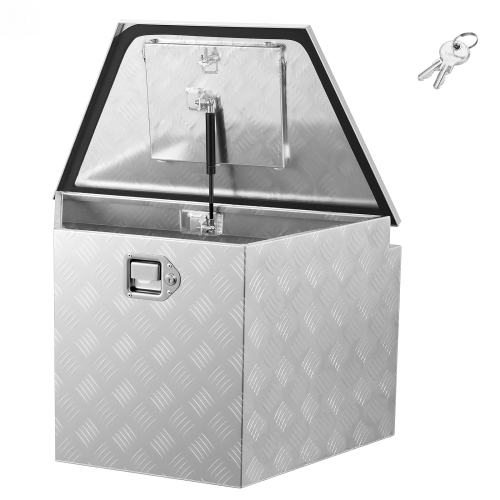
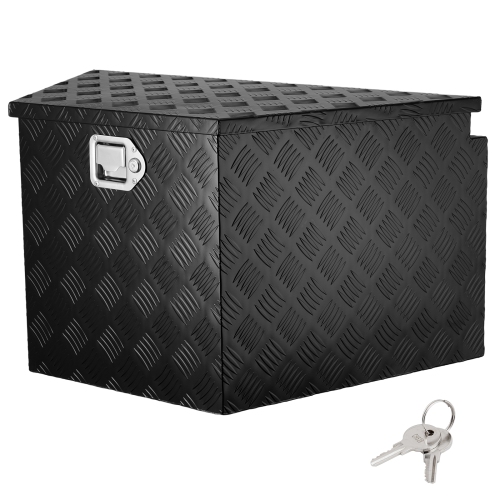
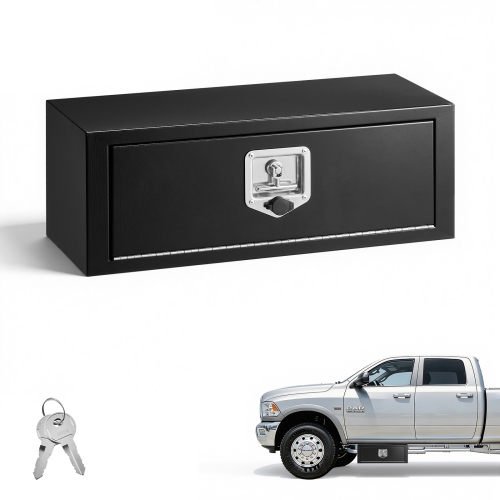
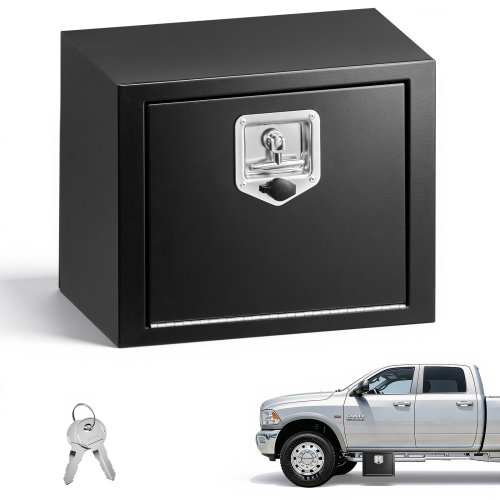
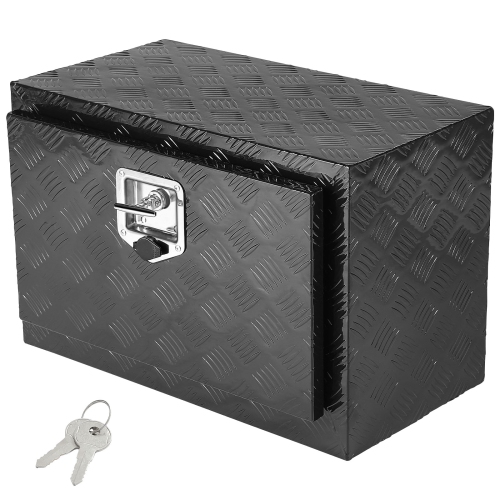
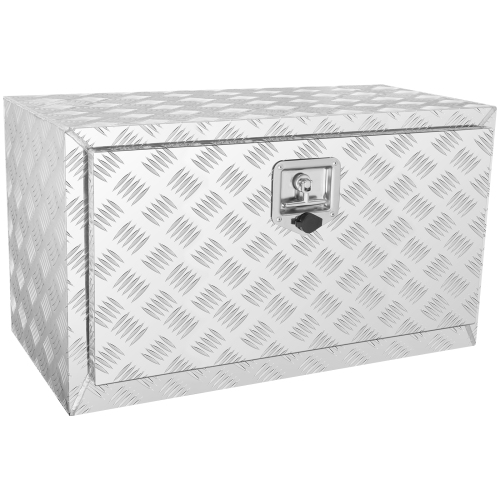
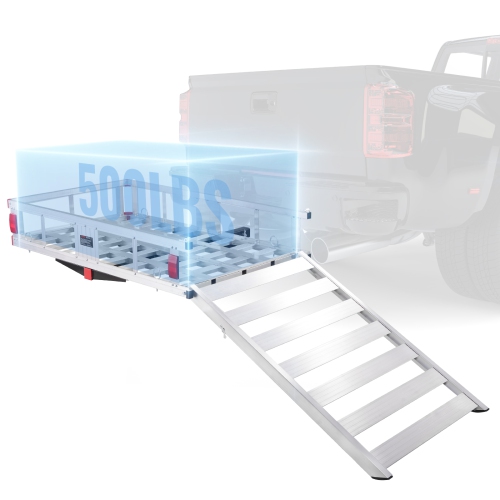
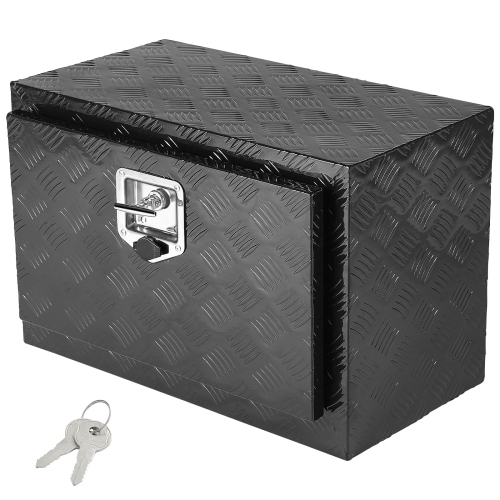
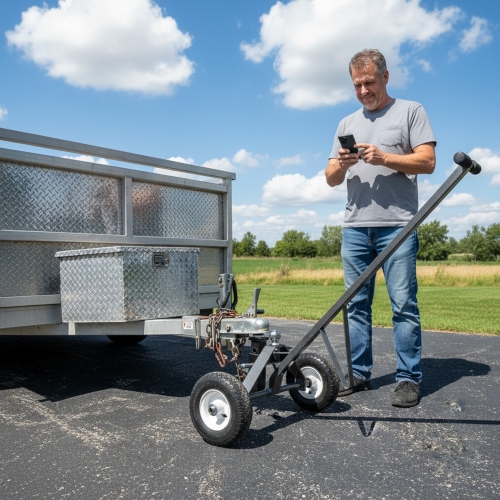
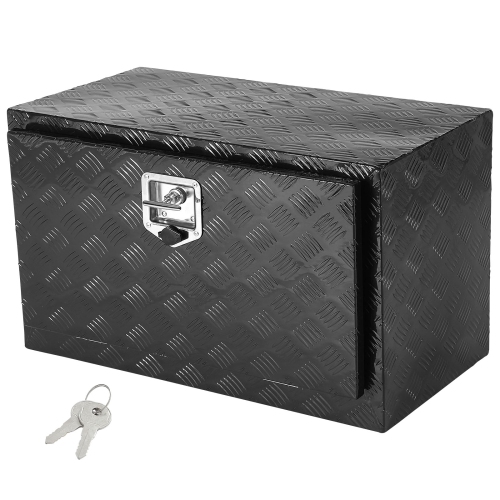
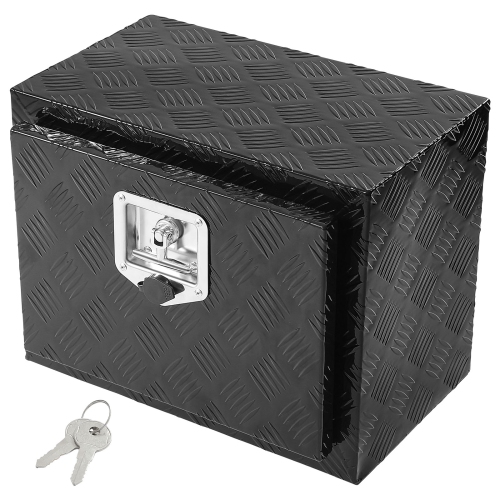
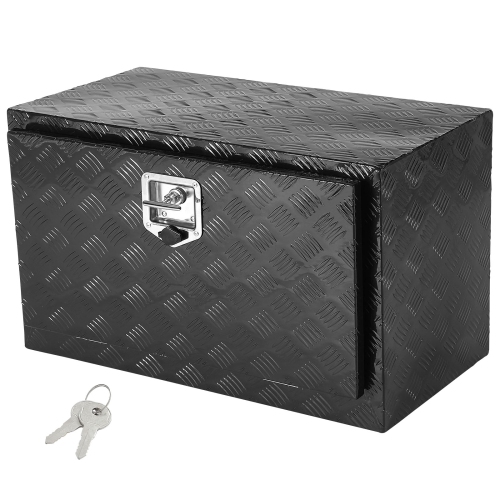
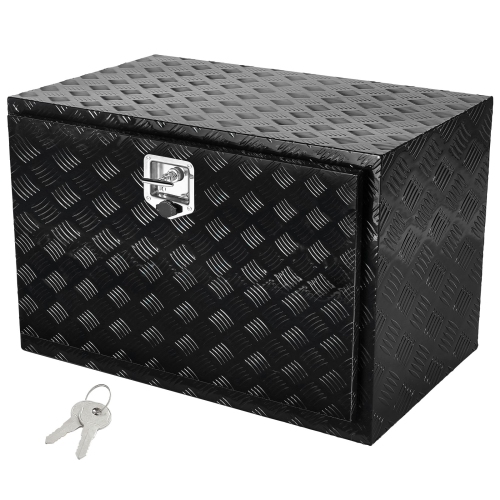
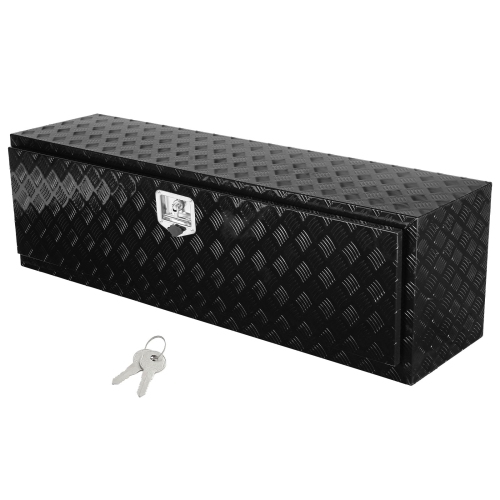
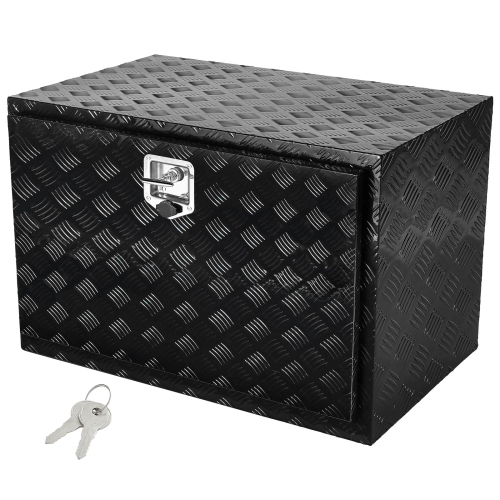
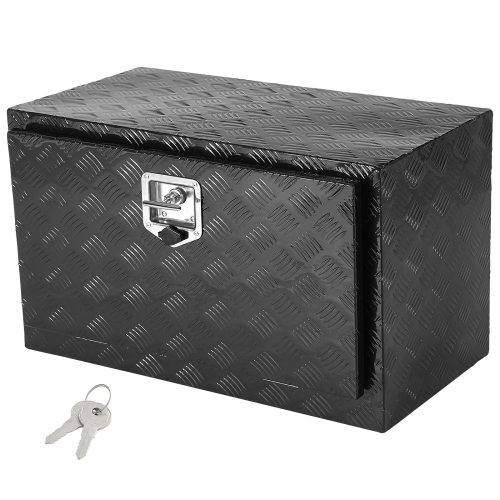
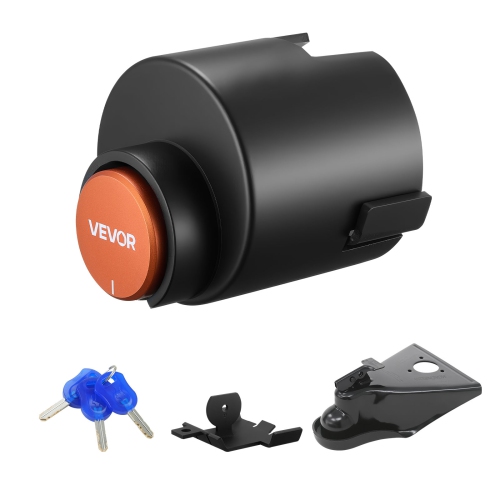
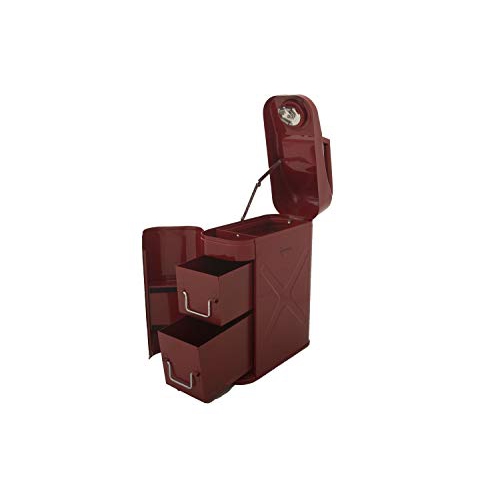
Storage and loading accessories can give a utility trailer a more orderly setup and help keep essential gear close at hand. A tongue-mounted storage box may provide a convenient place for straps, gloves, hitch accessories, wheel chocks, tie-down hardware, and basic tools, while a lockable design can add peace of mind when the trailer is parked between uses. Before choosing a box, measure the available tongue space and confirm that it will not interfere with the coupler, safety chains, jack handle, propane equipment, or the turning path of the tow vehicle. Loading ramps are useful for moving lawn equipment, mobility devices, motorcycles, carts, and other wheeled items onto a flat deck, with ramp length and weight rating affecting the loading angle and overall stability. Wider ramps may suit larger equipment, while folding or portable designs can be easier to store when the trailer is needed for other loads. Ramp surfaces with traction can help provide steadier footing, but the ramp must still be positioned on a firm, level surface and secured against shifting. Gate hinges, latches, pins, and support hardware should be compatible with the trailer’s construction and rated for the intended use. For owners who transport tall or irregular cargo, side extensions, mesh panels, stake pockets, and removable rails can help contain items without permanently changing the trailer’s layout. A trailer used for firewood, garden waste, renovation debris, camping equipment, or moving boxes may benefit from a different combination of accessories, so think about the loads that appear most often rather than choosing features based only on appearance. Someone who regularly helps family members move, maintains a rural property, works in construction, or enjoys recreational projects may appreciate a practical accessory as a gift, particularly when it solves a familiar frustration such as loose straps, difficult loading, poor storage, or a missing spare. For a different type of towing setup, browse Travel Trailer Accessories for equipment intended for travel trailers and their specific on-road needs.
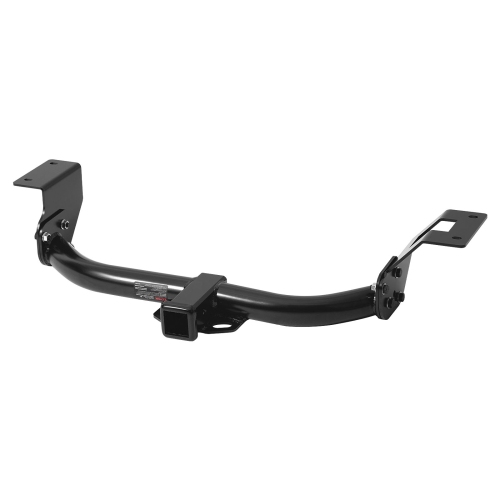
A dependable utility trailer setup is built around compatibility, safe capacity, and simple routines. Check the trailer’s manufacturer specifications before adding hardware, and confirm the frame, deck, rails, wiring, and attachment points can support the accessory and the load placed on it. Hardware should be tightened securely without damaging the frame, and drilled or bolted components should be installed in a way that does not weaken important structural areas. Pay attention to working load limits rather than relying only on breaking strength, since the working limit is the more useful figure for everyday tie-down planning. Cargo should be placed low and balanced from side to side, with heavier items positioned appropriately over the axle and secured against forward, rearward, and sideways movement. Straps should be checked for fraying, cuts, stretched stitching, damaged hooks, and worn webbing before use; lights, safety chains, couplers, tires, and hitch connections also deserve a quick inspection before departure. After travelling a short distance, it is wise to stop in a safe location and confirm that the load has not shifted and that the straps remain tight. Keep accessories clean and dry when possible, store straps away from sharp edges, and replace worn parts rather than relying on temporary repairs for demanding loads. During warmer weather, shade and ventilation can help protect stored straps and covers from unnecessary heat, while during cooler conditions it is useful to check for stiff hardware, reduced tire pressure, and moisture around electrical connections. Whether the trailer supports a small home project, a busy trade, property maintenance, or occasional hauling, well-chosen accessories can make loading more efficient and parking less stressful. The best selection is one that suits the trailer’s dimensions and towing vehicle, supports the cargo being carried, and remains straightforward to inspect and use each time the trailer leaves the driveway.
Storage and loading accessories can give a utility trailer a more orderly setup and help keep essential gear close at hand. A tongue-mounted storage box may provide a convenient place for straps, gloves, hitch accessories, wheel chocks, tie-down hardware, and basic tools, while a lockable design can add peace of mind when the trailer is parked between uses. Before choosing a box, measure the available tongue space and confirm that it will not interfere with the coupler, safety chains, jack handle, propane equipment, or the turning path of the tow vehicle. Loading ramps are useful for moving lawn equipment, mobility devices, motorcycles, carts, and other wheeled items onto a flat deck, with ramp length and weight rating affecting the loading angle and overall stability. Wider ramps may suit larger equipment, while folding or portable designs can be easier to store when the trailer is needed for other loads. Ramp surfaces with traction can help provide steadier footing, but the ramp must still be positioned on a firm, level surface and secured against shifting. Gate hinges, latches, pins, and support hardware should be compatible with the trailer’s construction and rated for the intended use. For owners who transport tall or irregular cargo, side extensions, mesh panels, stake pockets, and removable rails can help contain items without permanently changing the trailer’s layout. A trailer used for firewood, garden waste, renovation debris, camping equipment, or moving boxes may benefit from a different combination of accessories, so think about the loads that appear most often rather than choosing features based only on appearance. Someone who regularly helps family members move, maintains a rural property, works in construction, or enjoys recreational projects may appreciate a practical accessory as a gift, particularly when it solves a familiar frustration such as loose straps, difficult loading, poor storage, or a missing spare. For a different type of towing setup, browse Travel Trailer Accessories for equipment intended for travel trailers and their specific on-road needs.
A dependable utility trailer setup is built around compatibility, safe capacity, and simple routines. Check the trailer’s manufacturer specifications before adding hardware, and confirm the frame, deck, rails, wiring, and attachment points can support the accessory and the load placed on it. Hardware should be tightened securely without damaging the frame, and drilled or bolted components should be installed in a way that does not weaken important structural areas. Pay attention to working load limits rather than relying only on breaking strength, since the working limit is the more useful figure for everyday tie-down planning. Cargo should be placed low and balanced from side to side, with heavier items positioned appropriately over the axle and secured against forward, rearward, and sideways movement. Straps should be checked for fraying, cuts, stretched stitching, damaged hooks, and worn webbing before use; lights, safety chains, couplers, tires, and hitch connections also deserve a quick inspection before departure. After travelling a short distance, it is wise to stop in a safe location and confirm that the load has not shifted and that the straps remain tight. Keep accessories clean and dry when possible, store straps away from sharp edges, and replace worn parts rather than relying on temporary repairs for demanding loads. During warmer weather, shade and ventilation can help protect stored straps and covers from unnecessary heat, while during cooler conditions it is useful to check for stiff hardware, reduced tire pressure, and moisture around electrical connections. Whether the trailer supports a small home project, a busy trade, property maintenance, or occasional hauling, well-chosen accessories can make loading more efficient and parking less stressful. The best selection is one that suits the trailer’s dimensions and towing vehicle, supports the cargo being carried, and remains straightforward to inspect and use each time the trailer leaves the driveway.
Top selling and popular products
-
 Your price for this item is $674.99
 -
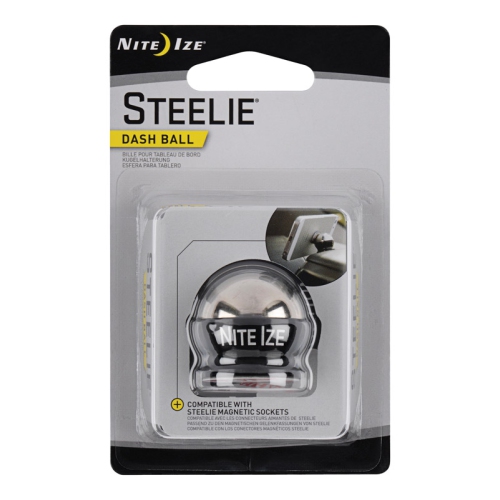 Your price for this item is $39.99
 -
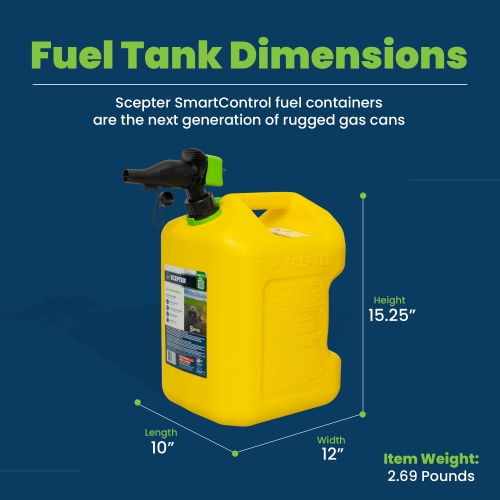 Your price for this item is $91.99
 -
 Your price for this item is $854.05
 -
 Your price for this item is $116.99
 -
 Your price for this item is $939.99
 -
 Your price for this item is $99.99
 -
 Your price for this item is $201.99
Discover more categories related to Utility Trailer Accessories
Top Collections:
Pokemon Centers, Best Cameras for Sports Photography, Kindle Devices, Samsung Galaxy Phones, Canon G7X Cameras, Pokémon 30th Celebration Cards, Refurbished Apple Laptops, iPhone 15 Apple, Laptops for Students, Budget Smartphones
Some products may be subject to Environmental Handling Fees
(EHF) depending on your province.
Learn more about EHFs.