Trampoline Pad Replacements
When it's time to give your trampoline a much-needed update, look no further than our selection of trampoline pad replacements. These essential accessories not only provide an extra layer of safety for bouncers of all ages but also add a pop of color and style to your backyard setup. With a variety of sizes and colors to choose from, finding the perfect trampoline pad replacement to match your existing setup is a breeze. Keep your trampoline looking fresh and ensure hours of safe and enjoyable bouncing with our top-quality replacements.
Sort


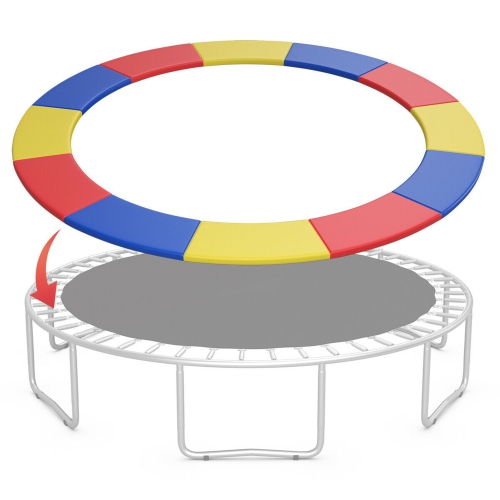
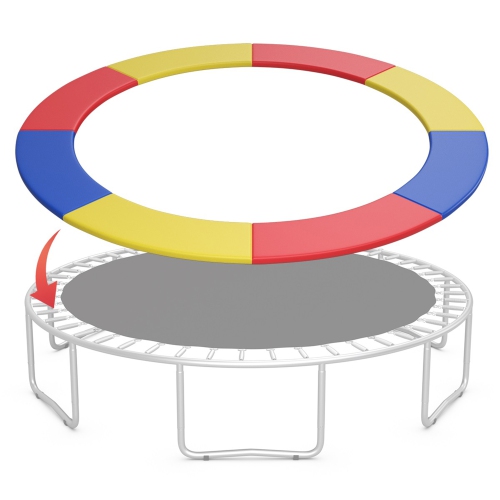
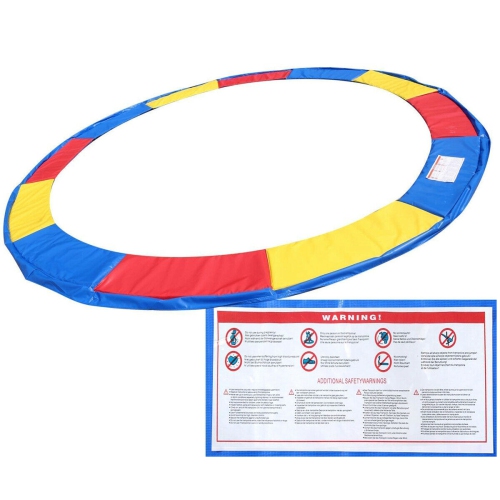
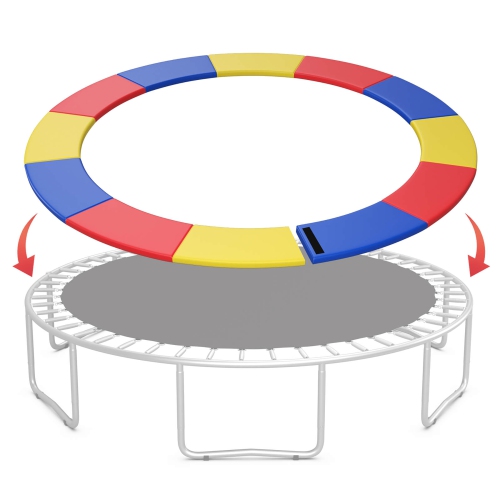

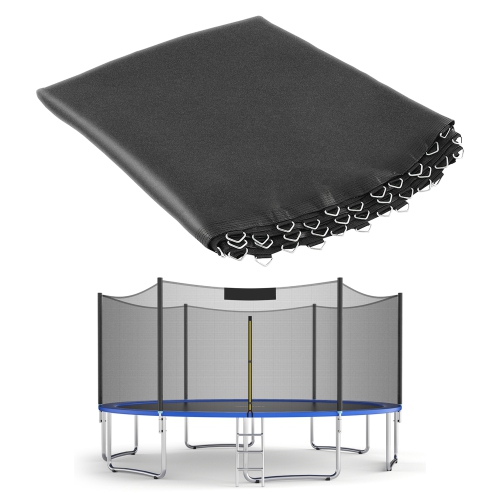
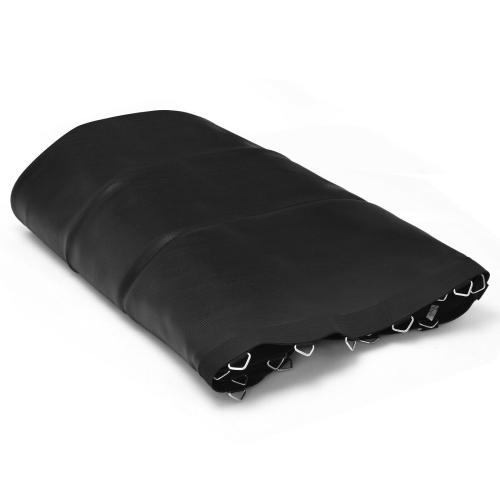
Why proper pad fit matters for spring coverage
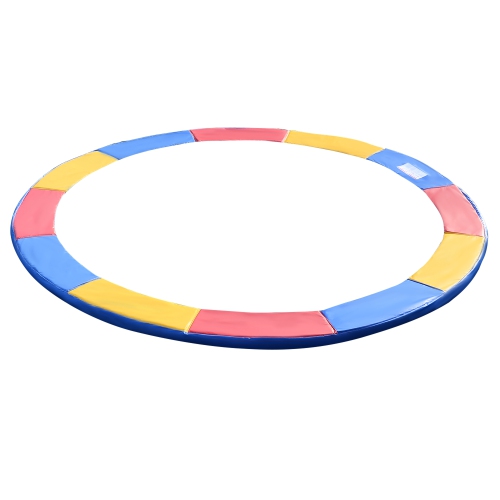
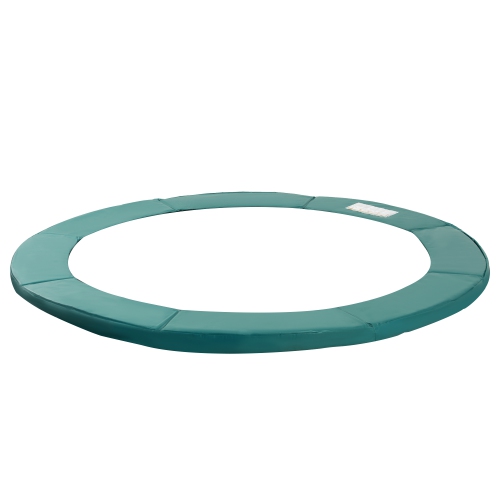
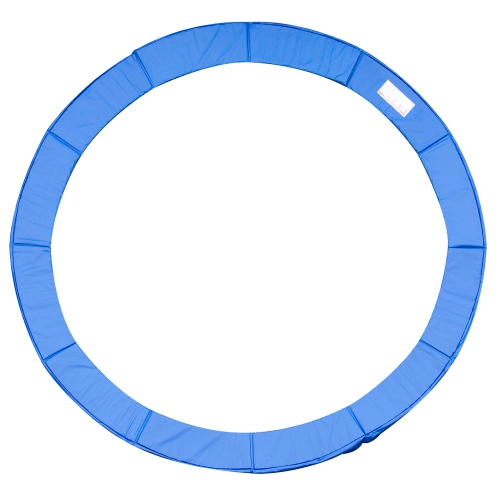
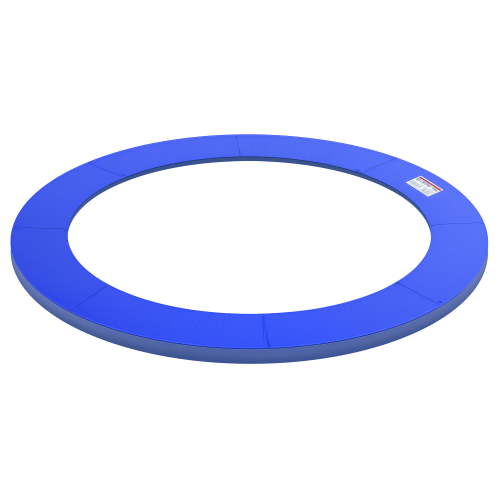
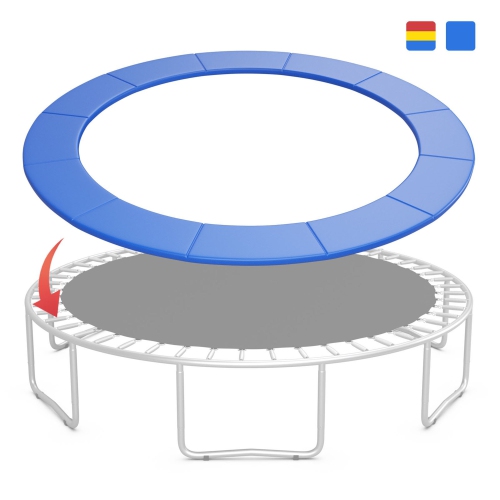
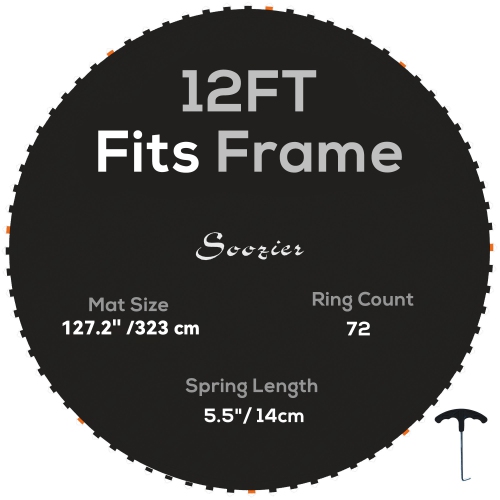
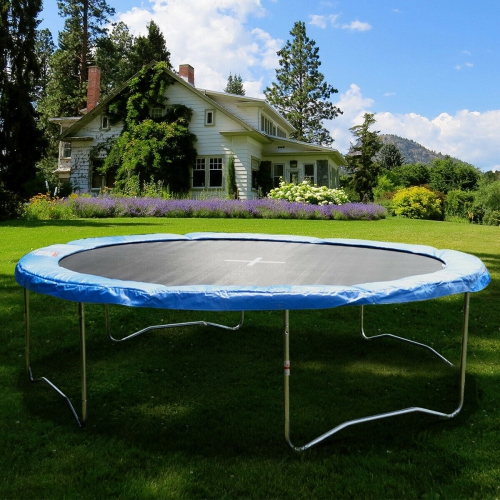
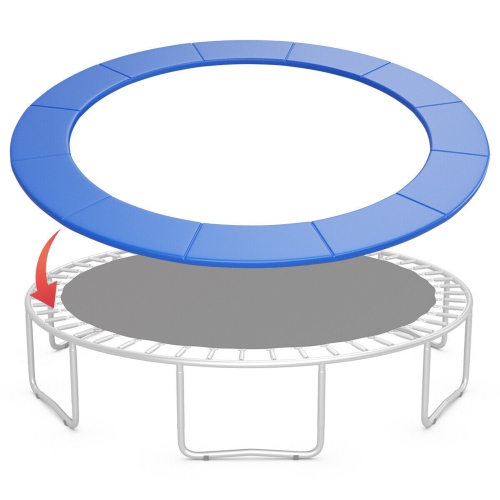
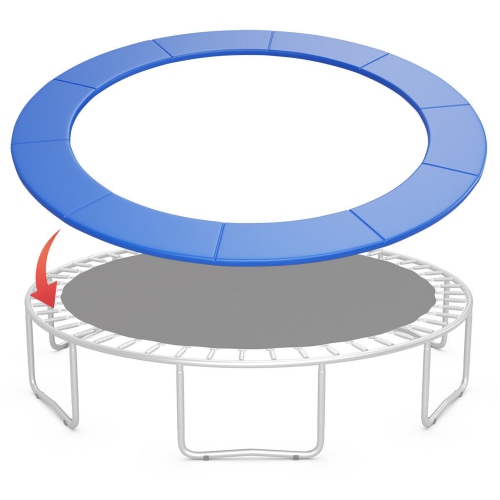
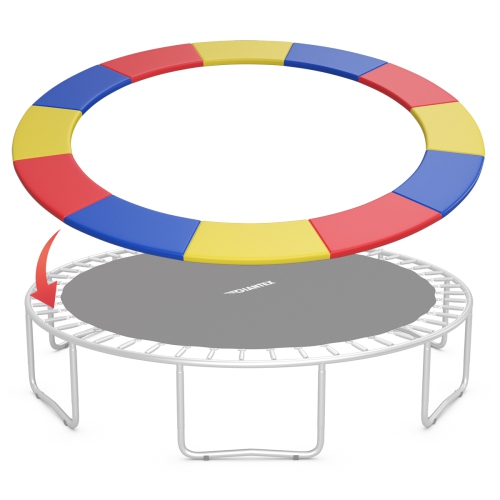
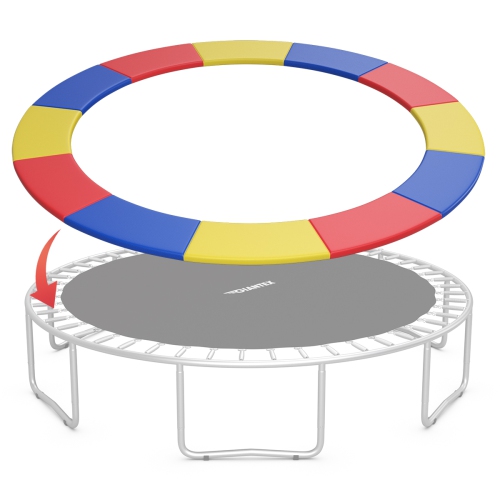
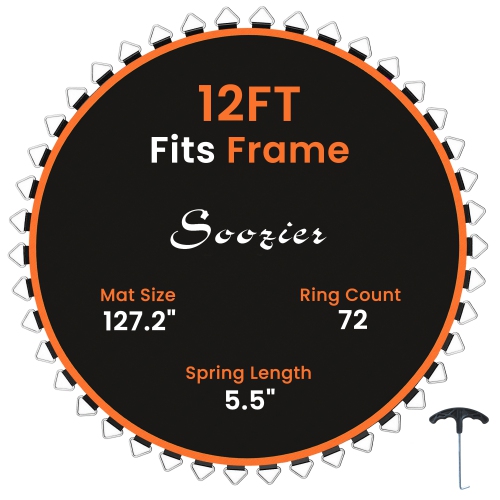
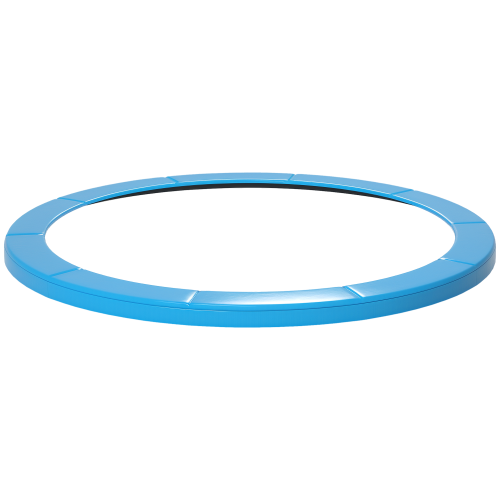
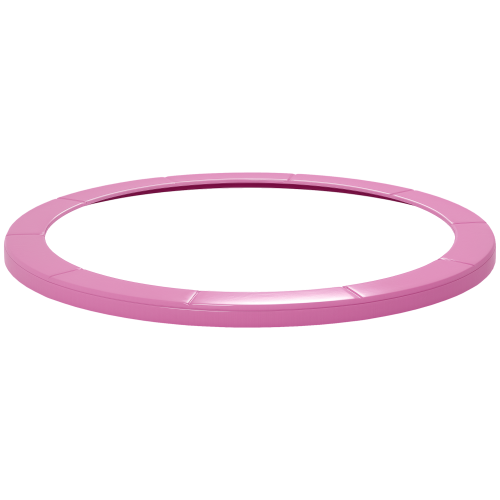
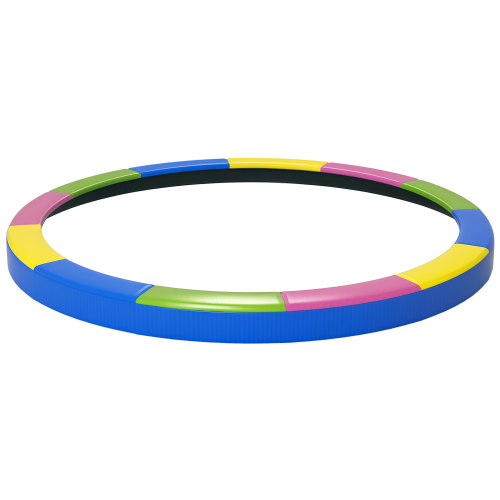
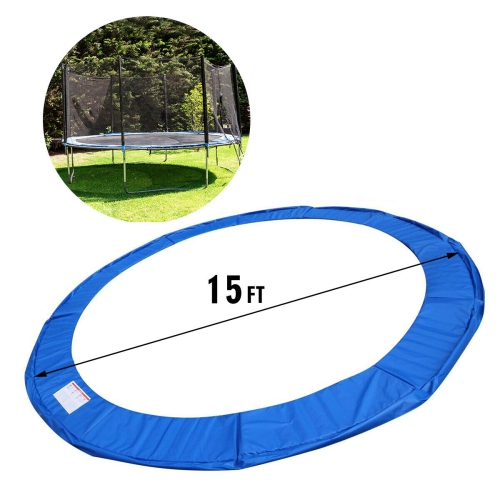
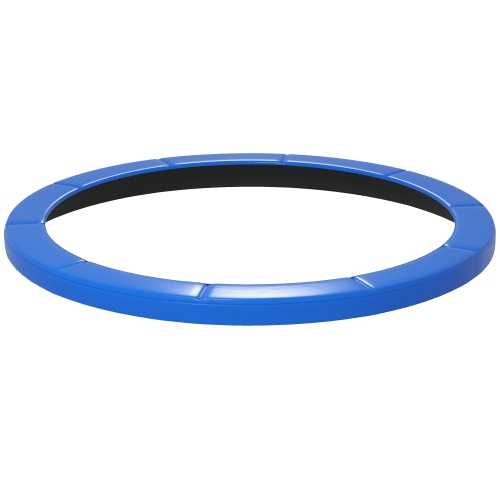
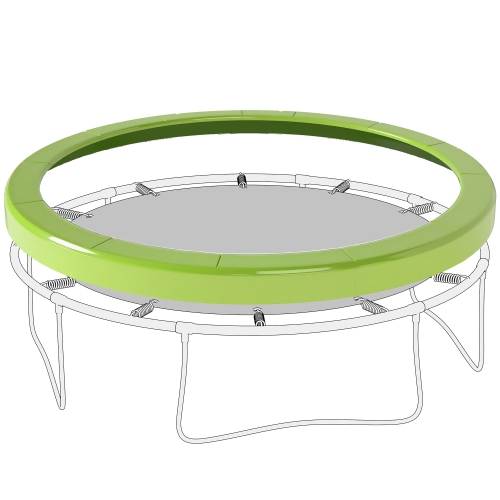
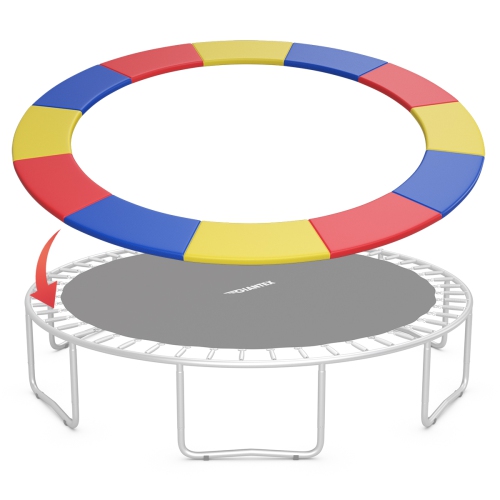
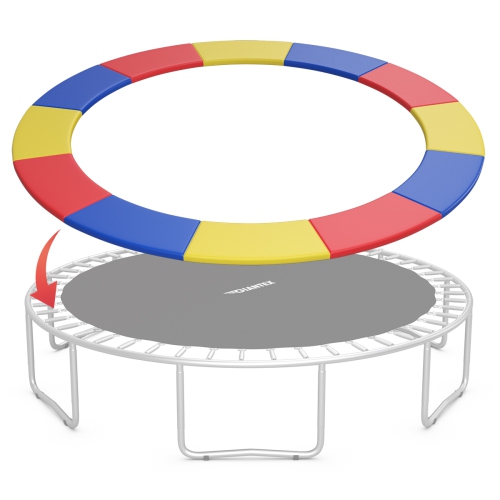
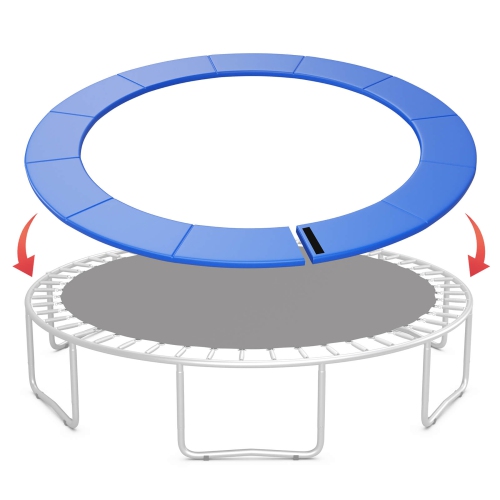
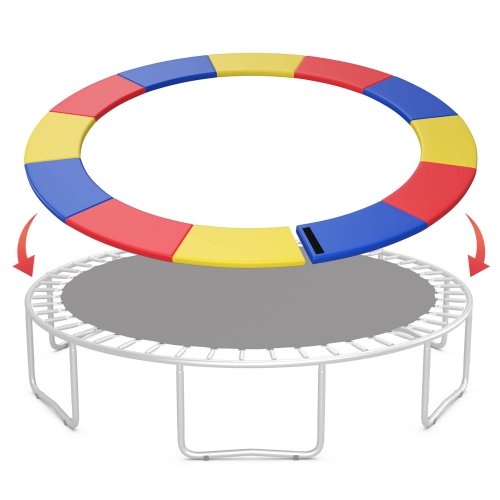
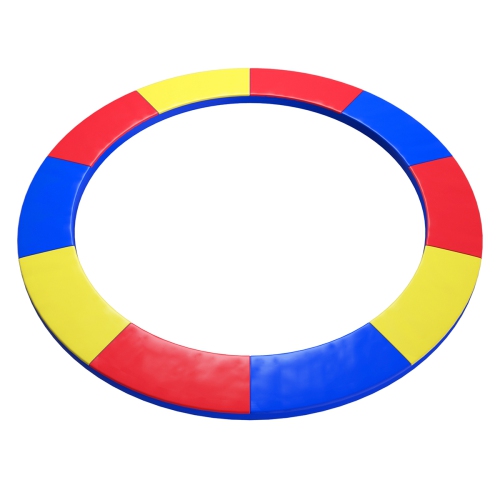
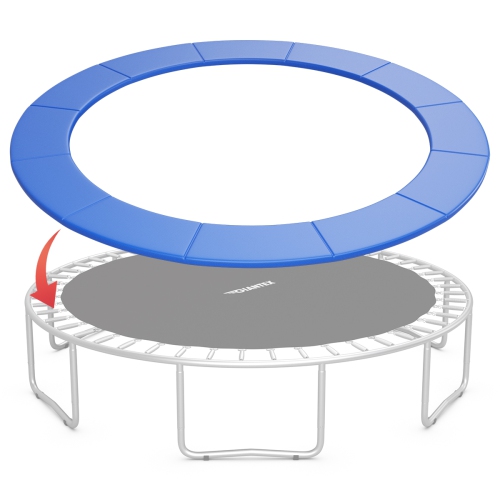
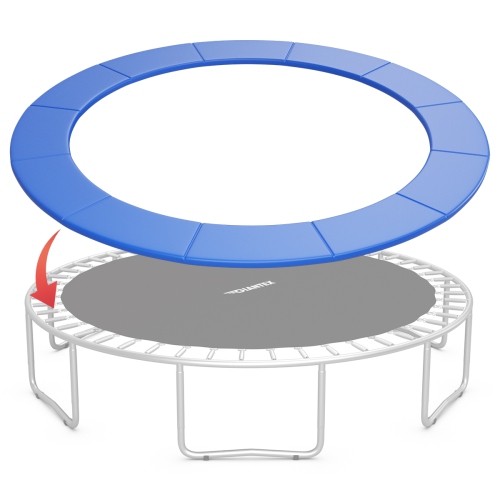
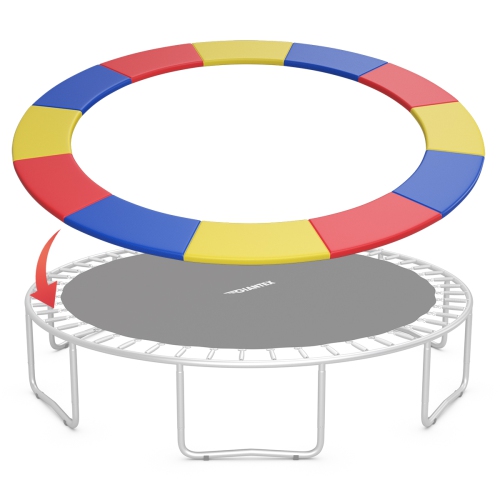
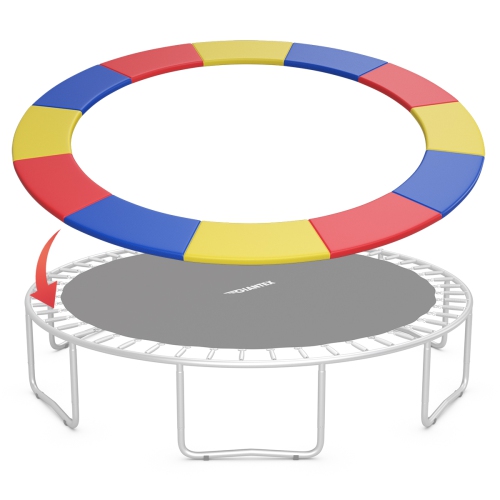
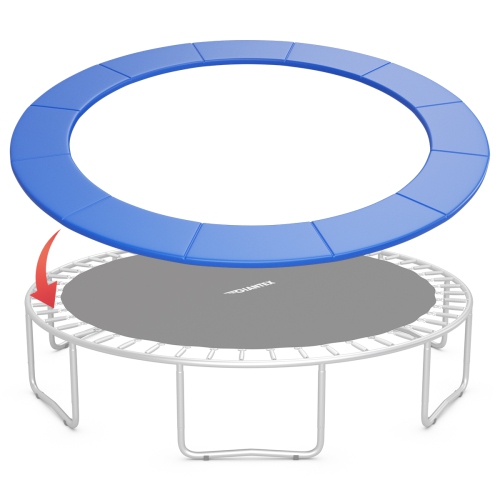
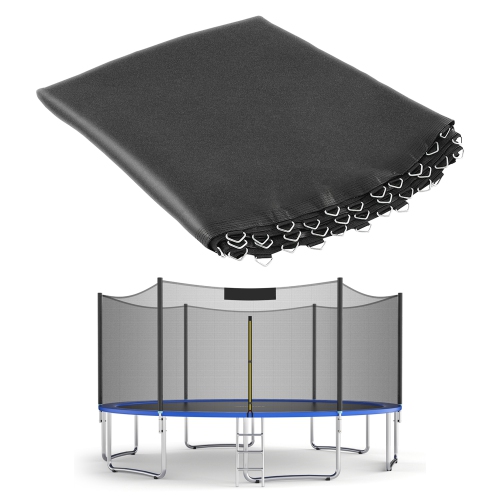
Trampoline pad replacements cover the springs and outer frame around a trampoline’s jumping surface. Often called spring covers or safety pads, they provide a cushioned barrier over these hard components and help reduce accidental contact during use. A replacement pad is different from a replacement jumping mat: the mat is the tensioned surface that supports the jumper, while the pad sits around its perimeter. That distinction matters when choosing parts, because a torn jumping surface cannot be repaired by replacing the surrounding padding. Pads are intended for trampolines designed to use them, including many round, rectangular, oval, and square models, as well as certain compact exercise trampolines. Their shape, dimensions, fastening system, and clearance around other components all affect compatibility. A pad that looks similar in a photo may still leave springs exposed or bunch up against an enclosure pole if its measurements are wrong. For a round trampoline, the frame size generally refers to the diameter measured from outside edge to outside edge through the centre, rather than the width of the jumping mat. Rectangular models require the appropriate length and width, while other shapes may need additional measurements specified by the manufacturer. Pad width is a separate measurement: it describes how far the padding extends inward from the outside of the frame towards the jumping surface. This coverage needs to suit the trampoline’s spring layout and frame design. The manufacturer’s model information and replacement-part specifications are useful starting points, especially where two trampolines share the same overall dimensions but use different frame tubing or enclosure arrangements. Spring count and jumping-mat attachment rings are usually more relevant to selecting a replacement mat than a perimeter pad. For padding, the central considerations are the specified frame fit, sufficient coverage, secure attachment, and compatibility with the complete trampoline assembly.
Materials and construction influence how trampoline replacement pads feel, hold their shape, and stand up to repeated use. Many designs combine a flexible outer cover with foam cushioning inside. Covers may use PVC-coated fabric, polyethylene, or another material specified for the application, with different constructions on the upper surface and underside. The cover helps contain the foam and provides a surface that can be wiped clean, while the internal cushioning separates users from the springs and frame beneath it. Closed-cell foam is used in some pads because it absorbs less water than open-cell foam, although the performance of the complete pad also depends on seams, openings, and cover condition. Thickness is worth considering alongside foam density and coverage; a thicker-looking pad is not automatically the correct or safer choice for a particular trampoline. Consistent cushioning across the spring area, intact edge binding, and well-secured fastening points are all useful construction details. Some pads use ties, straps, elastic loops, or hook-and-loop fasteners beneath the frame. These attachments help keep the pad positioned as the trampoline moves, but their number and placement need to match the intended installation. A loose tie hanging towards a moving spring or a strap stretched around the wrong frame section can interfere with the assembly. Enclosure compatibility deserves the same attention. Some trampolines have the net inside the spring area, while others place it farther out, and pads may include openings or shaped sections to accommodate supports. A pad should not require improvised cuts to fit around poles unless the manufacturer expressly specifies that adjustment. Colour can help a replacement blend with the existing trampoline, but dimensions and construction take priority over appearance. For a family trampoline, broad, even coverage around the edge is more important than matching every accessory. For a compact rebounder used for exercise, a purpose-made cover may be necessary because its attachment system and movement clearances can differ substantially from those of a larger recreational trampoline.
A replacement trampoline safety pad is a practical maintenance purchase when the original covering has split, the foam has shifted or compressed, or the fasteners no longer hold it securely. Visible springs, exposed frame sections, crumbling cushioning, and seams pulling apart are signs that the perimeter protection needs attention before further use. A new pad can restore this part of the trampoline assembly, but it does not correct damaged springs, bent frame tubing, torn netting, or a worn jumping mat. Those components need their own assessment, and related Trampoline Replacement Parts can address different maintenance needs. A well-fitting pad lies in its intended position without large gaps, twisted sections, or fasteners rubbing against moving parts. Following the trampoline and pad manufacturers’ installation instructions helps preserve those clearances and avoids placing attachments where they could catch. Routine care is generally straightforward: remove loose debris, use cleaning methods approved for the cover material, and allow the pad to dry before packing it away. Where permitted by the care instructions, a soft cloth and mild soap can remove ordinary surface marks without aggressive scrubbing. Harsh solvents, abrasive tools, and pressure washing may damage coatings or seams and should not be assumed suitable. Regular checks beneath the edge are useful because wear can develop around ties and contact points before it becomes obvious on top. Dragging a trampoline by its padding or using the pad as a step puts strain on parts not designed to carry that load. For households with children, replacement padding belongs alongside appropriate supervision and the trampoline manufacturer’s age, weight, and use limits. It is not a seat, an extra jumping area, or a guarantee against injury. Whether maintaining a recreational trampoline for family activity or a compatible rebounder for personal exercise, choosing a correctly matched pad keeps the focus on secure coverage, sound construction, and continued care of the whole assembly.
Materials and construction influence how trampoline replacement pads feel, hold their shape, and stand up to repeated use. Many designs combine a flexible outer cover with foam cushioning inside. Covers may use PVC-coated fabric, polyethylene, or another material specified for the application, with different constructions on the upper surface and underside. The cover helps contain the foam and provides a surface that can be wiped clean, while the internal cushioning separates users from the springs and frame beneath it. Closed-cell foam is used in some pads because it absorbs less water than open-cell foam, although the performance of the complete pad also depends on seams, openings, and cover condition. Thickness is worth considering alongside foam density and coverage; a thicker-looking pad is not automatically the correct or safer choice for a particular trampoline. Consistent cushioning across the spring area, intact edge binding, and well-secured fastening points are all useful construction details. Some pads use ties, straps, elastic loops, or hook-and-loop fasteners beneath the frame. These attachments help keep the pad positioned as the trampoline moves, but their number and placement need to match the intended installation. A loose tie hanging towards a moving spring or a strap stretched around the wrong frame section can interfere with the assembly. Enclosure compatibility deserves the same attention. Some trampolines have the net inside the spring area, while others place it farther out, and pads may include openings or shaped sections to accommodate supports. A pad should not require improvised cuts to fit around poles unless the manufacturer expressly specifies that adjustment. Colour can help a replacement blend with the existing trampoline, but dimensions and construction take priority over appearance. For a family trampoline, broad, even coverage around the edge is more important than matching every accessory. For a compact rebounder used for exercise, a purpose-made cover may be necessary because its attachment system and movement clearances can differ substantially from those of a larger recreational trampoline.
A replacement trampoline safety pad is a practical maintenance purchase when the original covering has split, the foam has shifted or compressed, or the fasteners no longer hold it securely. Visible springs, exposed frame sections, crumbling cushioning, and seams pulling apart are signs that the perimeter protection needs attention before further use. A new pad can restore this part of the trampoline assembly, but it does not correct damaged springs, bent frame tubing, torn netting, or a worn jumping mat. Those components need their own assessment, and related Trampoline Replacement Parts can address different maintenance needs. A well-fitting pad lies in its intended position without large gaps, twisted sections, or fasteners rubbing against moving parts. Following the trampoline and pad manufacturers’ installation instructions helps preserve those clearances and avoids placing attachments where they could catch. Routine care is generally straightforward: remove loose debris, use cleaning methods approved for the cover material, and allow the pad to dry before packing it away. Where permitted by the care instructions, a soft cloth and mild soap can remove ordinary surface marks without aggressive scrubbing. Harsh solvents, abrasive tools, and pressure washing may damage coatings or seams and should not be assumed suitable. Regular checks beneath the edge are useful because wear can develop around ties and contact points before it becomes obvious on top. Dragging a trampoline by its padding or using the pad as a step puts strain on parts not designed to carry that load. For households with children, replacement padding belongs alongside appropriate supervision and the trampoline manufacturer’s age, weight, and use limits. It is not a seat, an extra jumping area, or a guarantee against injury. Whether maintaining a recreational trampoline for family activity or a compatible rebounder for personal exercise, choosing a correctly matched pad keeps the focus on secure coverage, sound construction, and continued care of the whole assembly.
Top selling and popular products
-
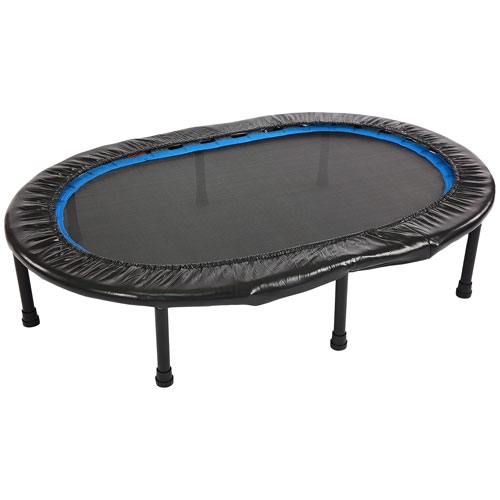 Your price for this item is $153.99
 -
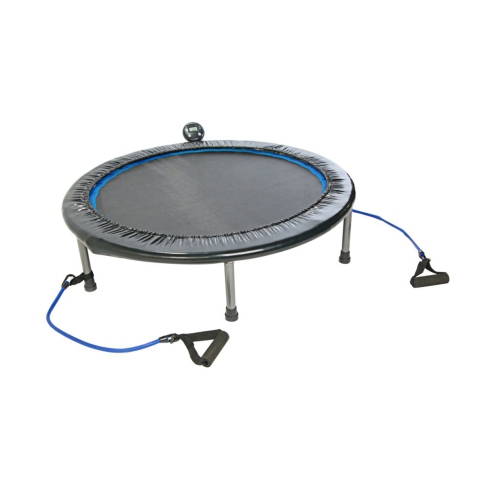 Your price for this item is $116.99
 -
 Your price for this item is $945.99
 -
 Your price for this item is $885.99
 -
 Your price for this item is $249.99
 -
 Your price for this item is $309.99
 -
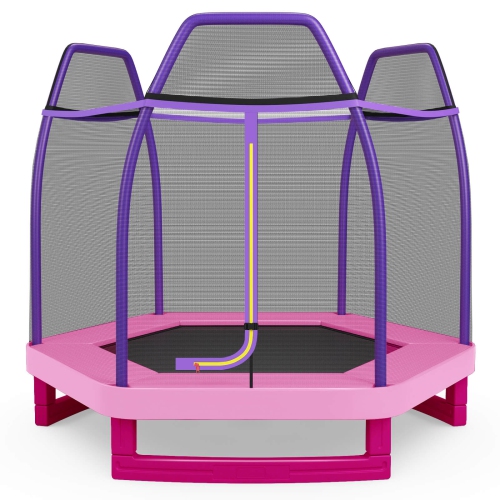 Your price for this item is $256.99
 -
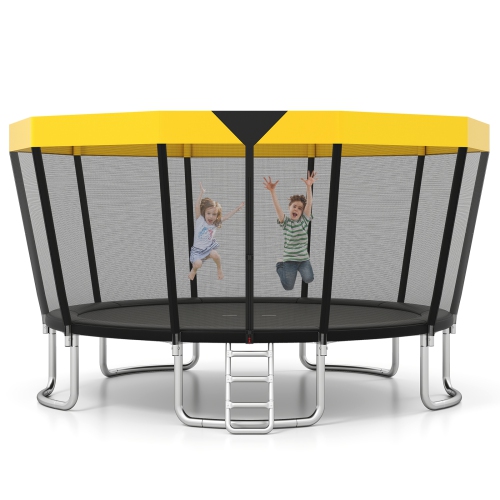 Your price for this item is $559.99
Discover more categories related to Trampoline Pad Replacements
Top Collections:
Pokemon Centers, Kindle Devices, Best Budget Office Chairs, Apple iPhones 16, Best Laptops for Writers, iPhone 15 Apple, Canon G7X Cameras, Refurbished Apple Laptops, Alarm Clock, Motorola Razr Phones
Some products may be subject to Environmental Handling Fees
(EHF) depending on your province.
Learn more about EHFs.