Trampoline Replacement Parts
If you're looking to spruce up your trampoline and keep the fun bouncing experience going, look no further than this wide selection of trampoline replacement parts. Whether you need new springs, a sturdy safety net, or a durable jumping mat, we have everything you need to give your trampoline a refresh. With high-quality materials and reliable construction, these trampoline replacement parts are designed to enhance safety and durability, ensuring endless hours of bouncing excitement for you and your family.
Sort






What to check before replacing worn trampoline components
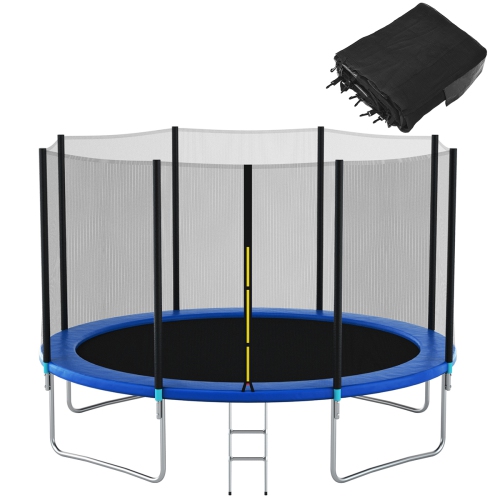
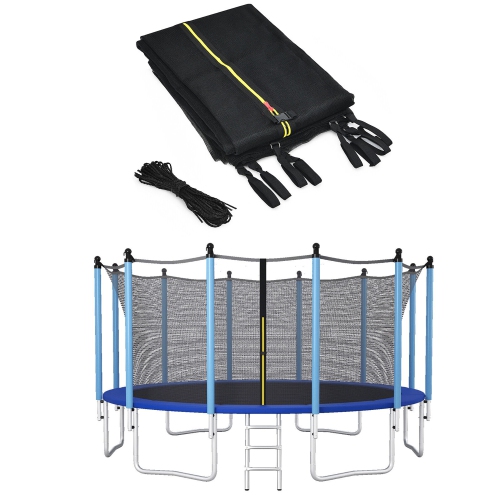
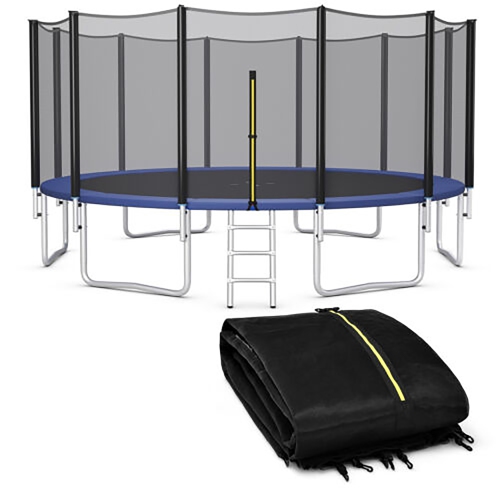
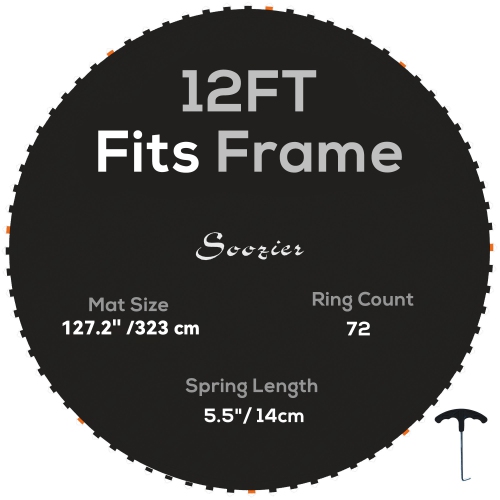
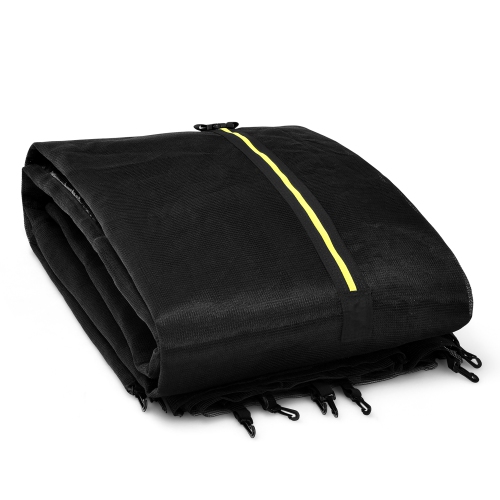
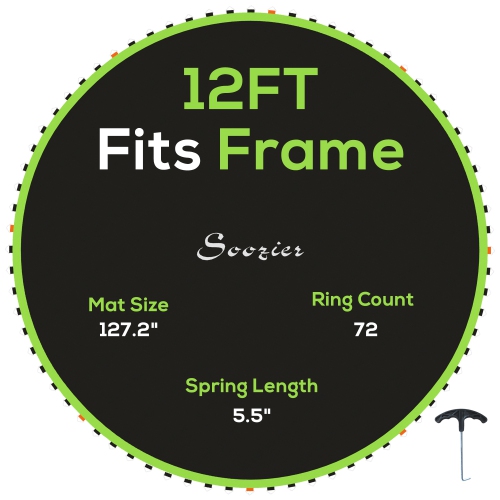
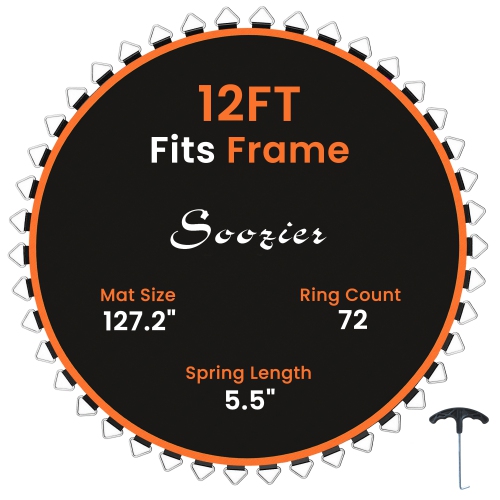
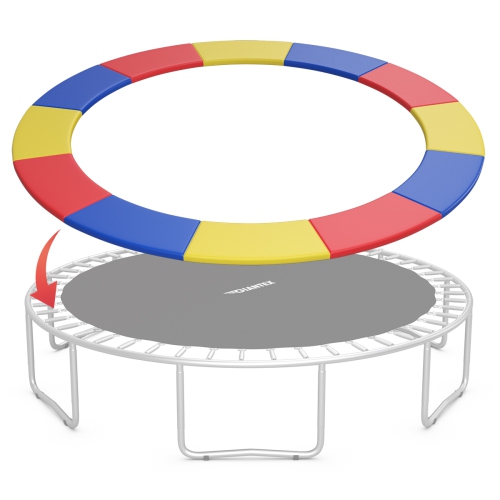
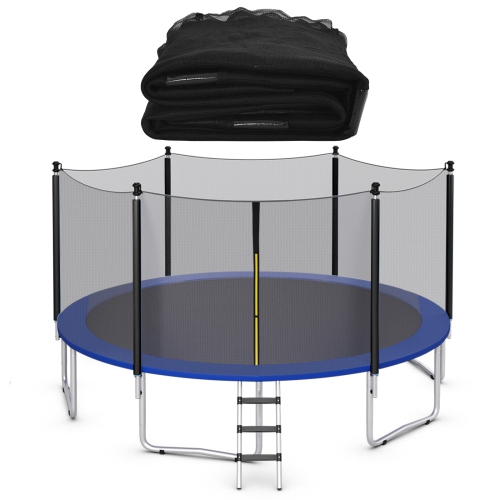
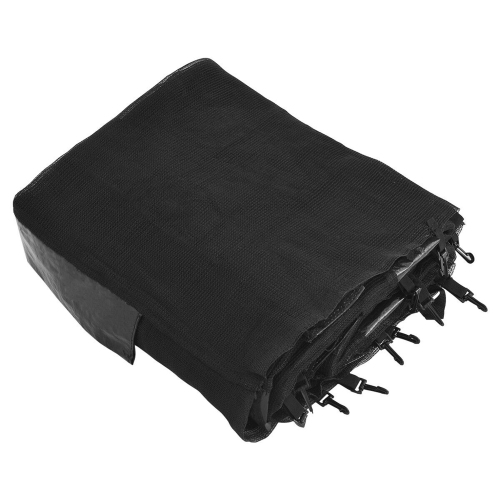
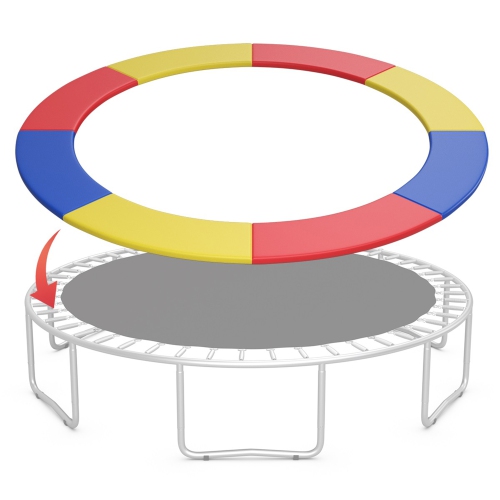
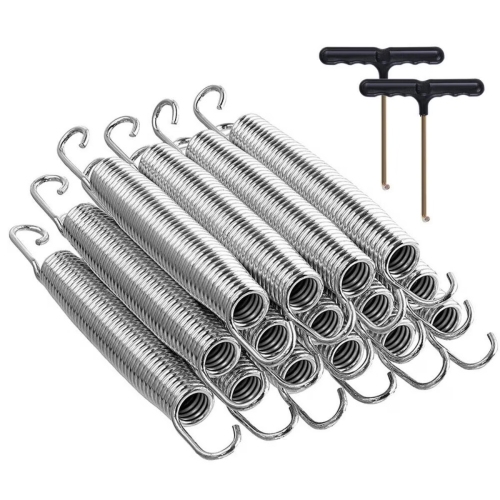
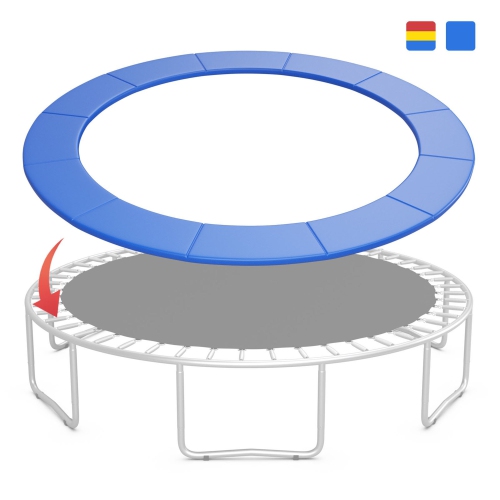
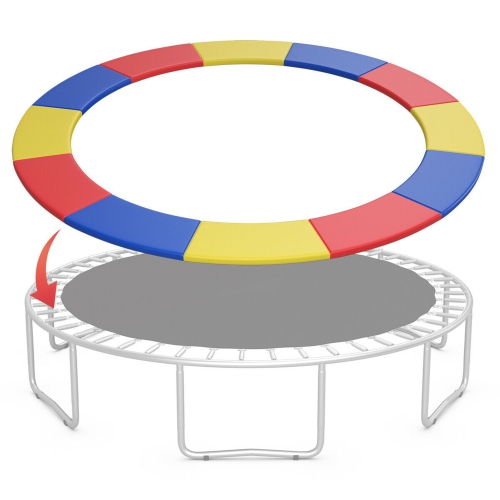
Trampoline replacement parts help keep an existing backyard trampoline ready for active play, family gatherings, and everyday outdoor fun. Over time, frequently used components can show signs of wear even when the main frame remains in good condition. Springs may lose tension, a jumping mat can become weathered, an enclosure net may need replacing, or protective padding may no longer fit securely around the frame. Replacing individual parts can make it easier to restore the trampoline’s intended setup without purchasing an entirely new unit. These products are useful for households with children who enjoy bouncing after school, families who host friends during the warmer seasons, and anyone preparing an outdoor play area for regular use. They can also be practical gifts for new homeowners, grandparents creating a backyard play space, or families looking for a thoughtful addition to an existing trampoline. When choosing a replacement part, start by checking the trampoline’s manufacturer, model, frame shape, frame size, and the number of attachment points. Even parts that appear similar may differ in length, diameter, hook style, colour, or connection method, so comparing the original component with the product specifications is an important step. Measuring carefully before ordering can help ensure that a new part fits the frame and works with the trampoline’s existing structure. It is also helpful to inspect the surrounding components at the same time, since a damaged spring, mat, pad, or net may place additional strain on other areas of the setup. A considered match can make installation more straightforward and help the finished trampoline look and feel more complete.
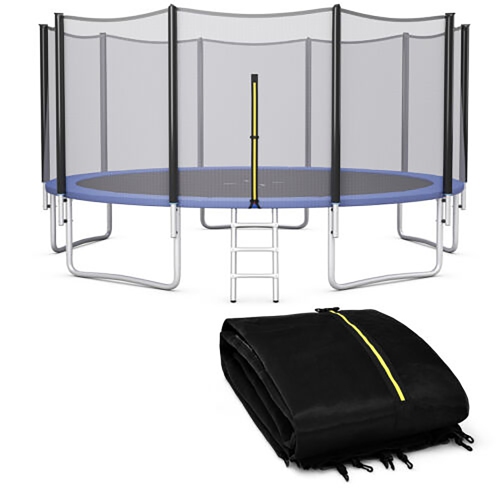
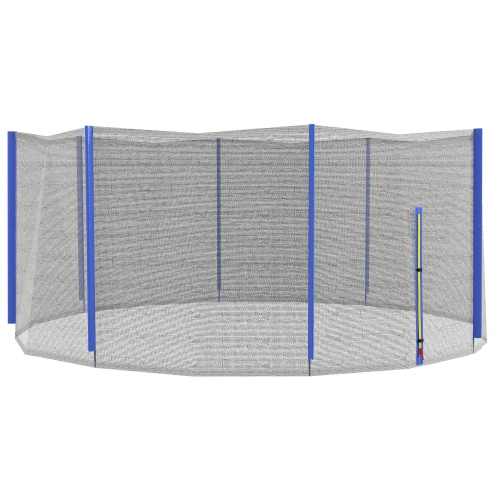
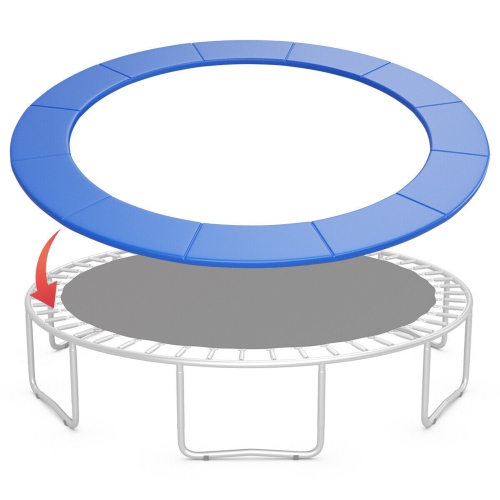
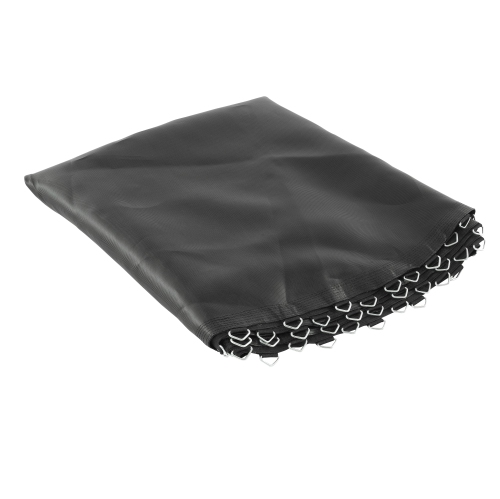
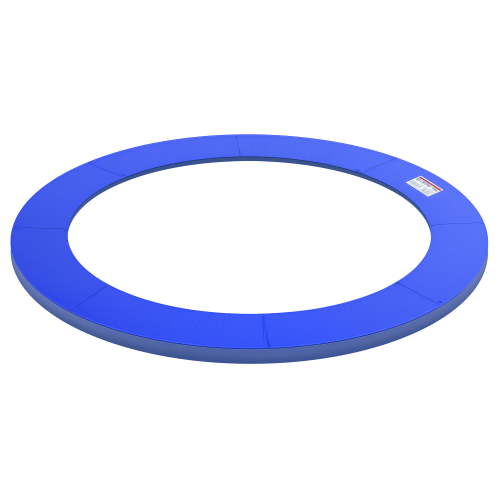
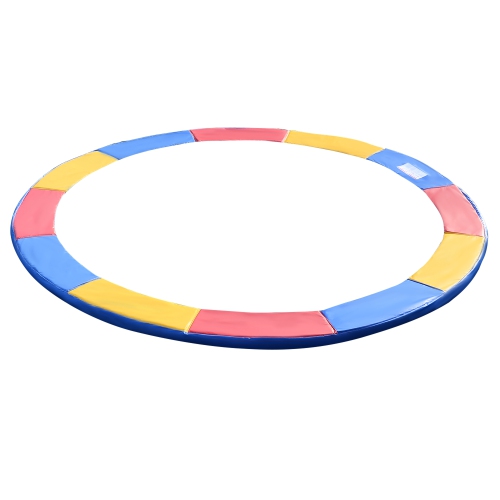
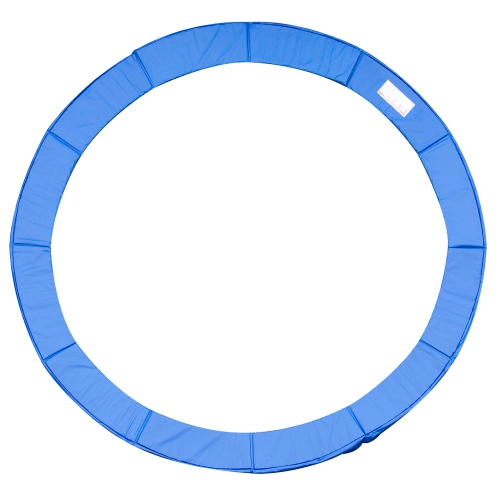
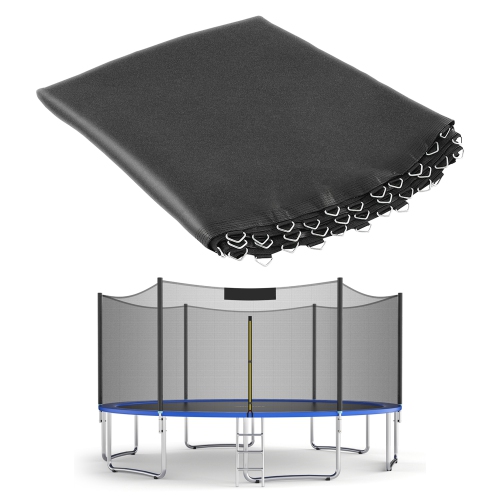
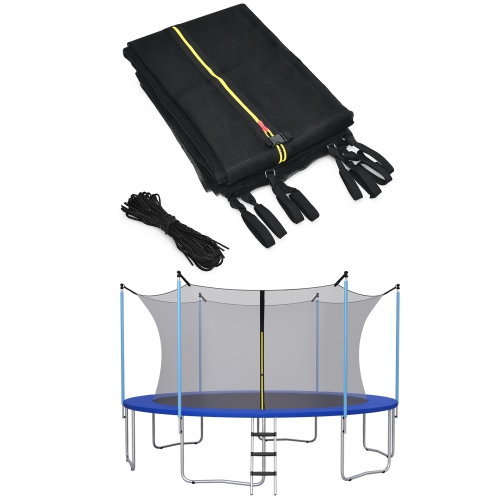
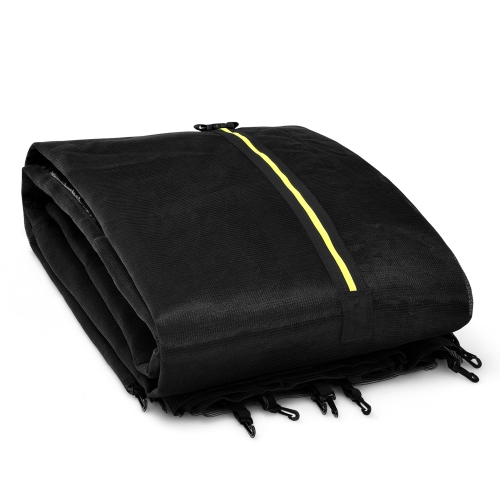
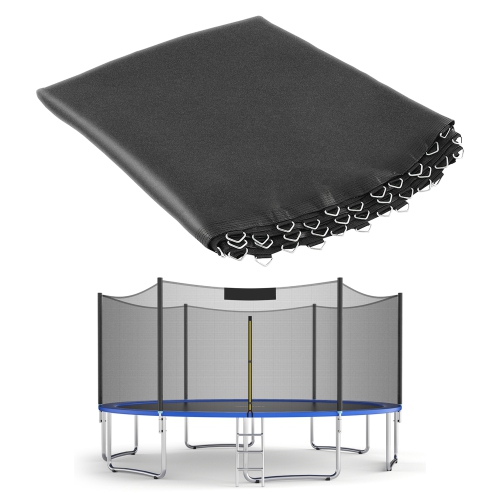
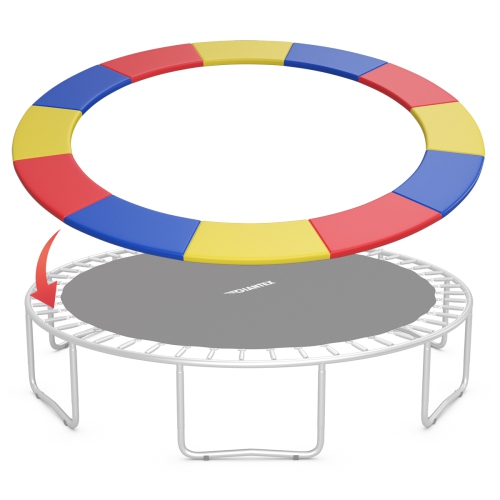
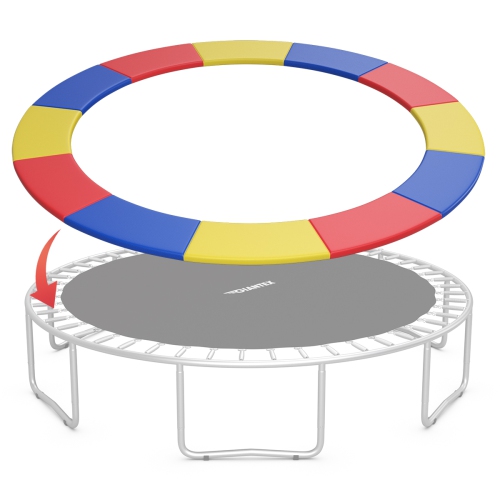
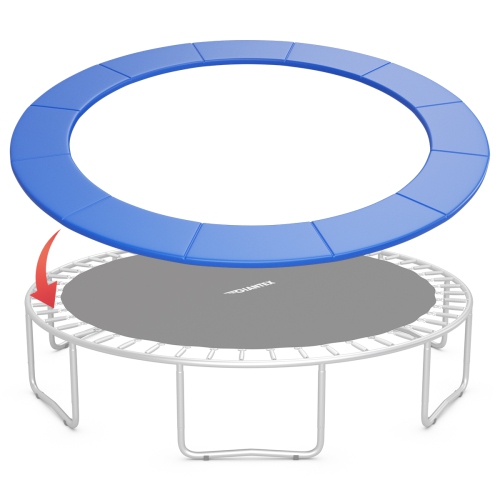
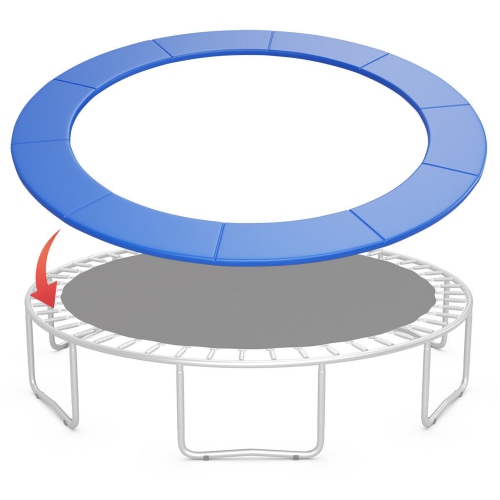
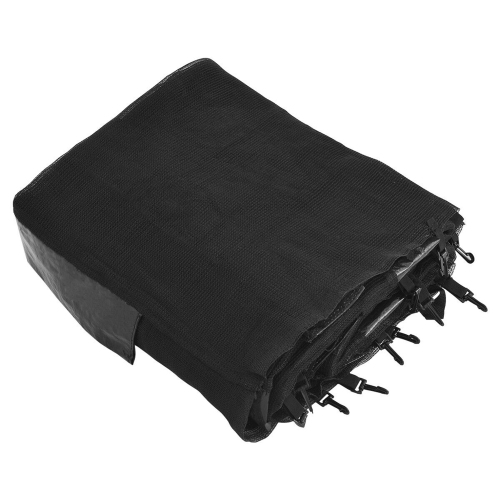
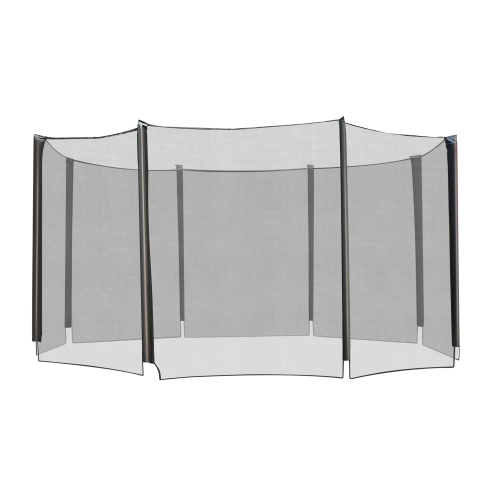
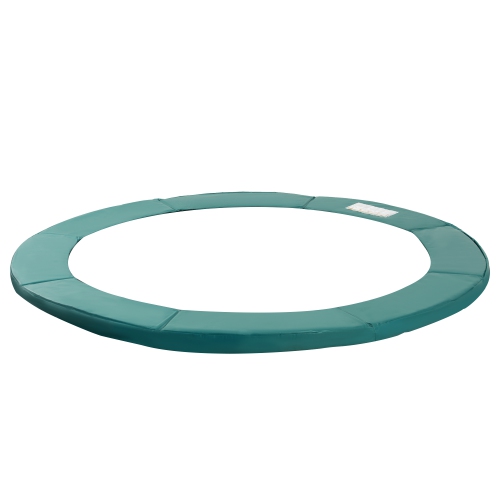
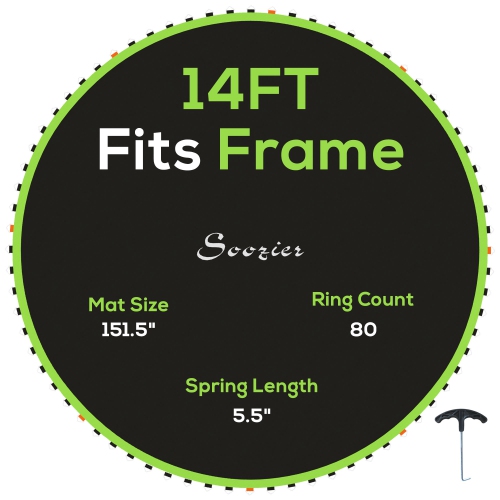
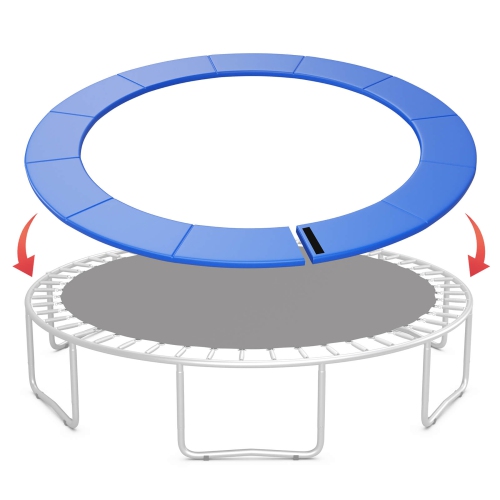
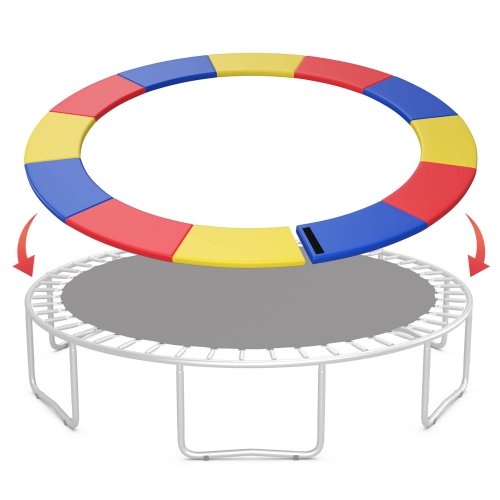
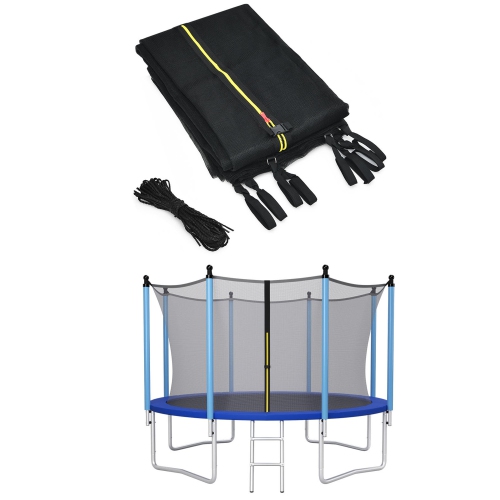
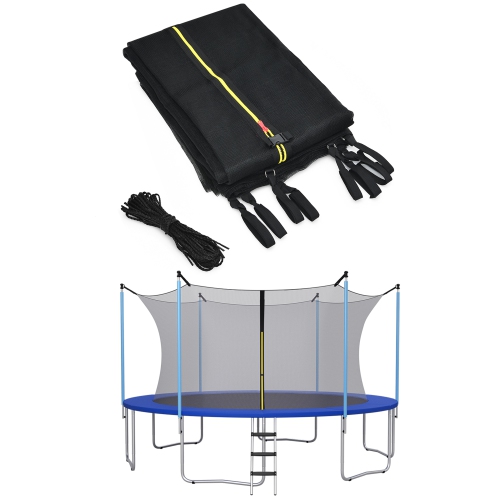
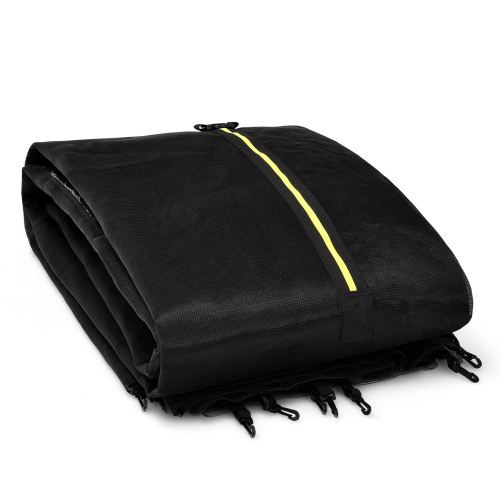
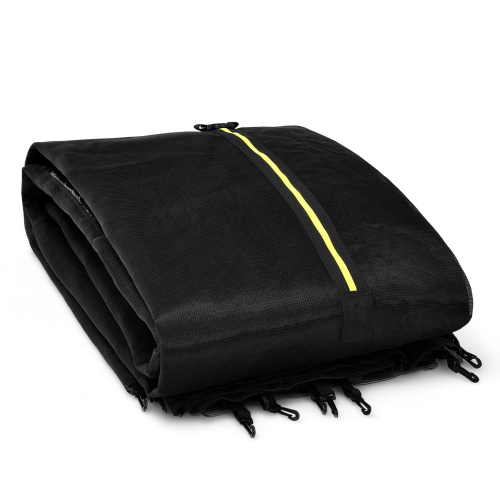
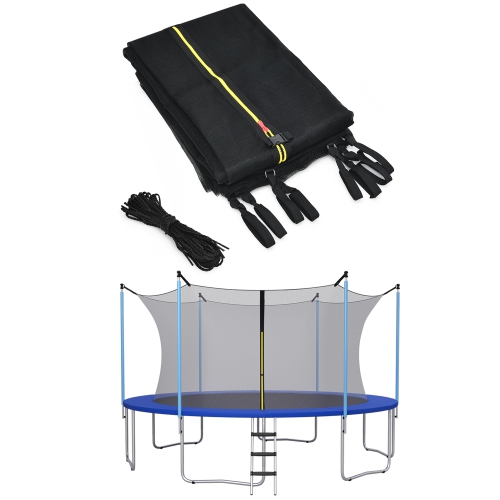
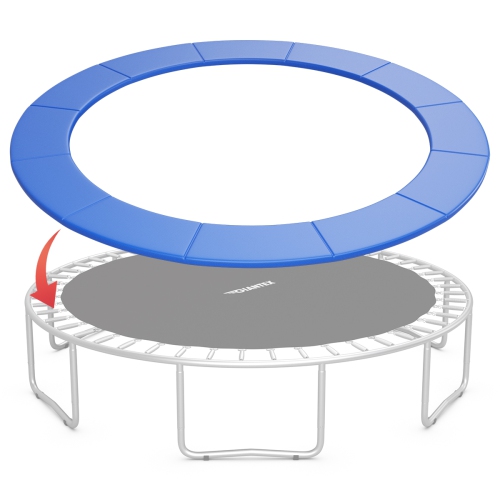
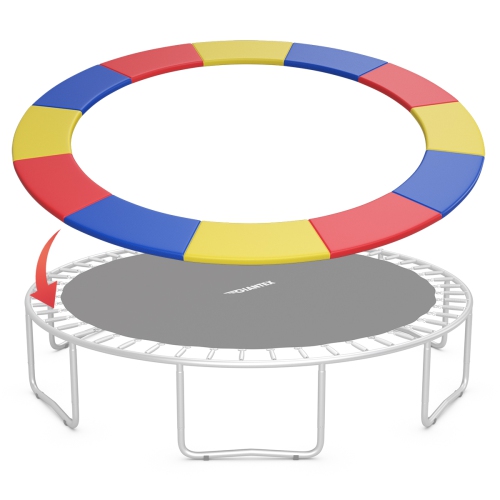
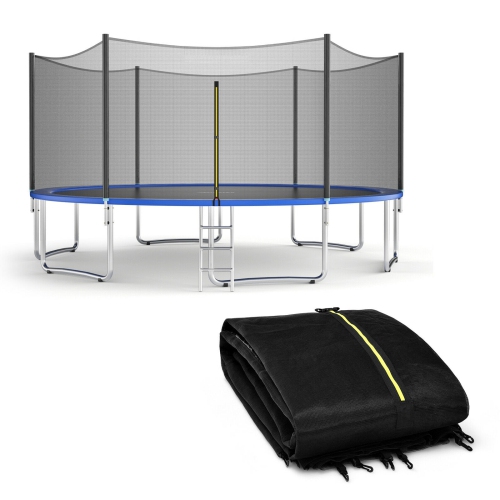
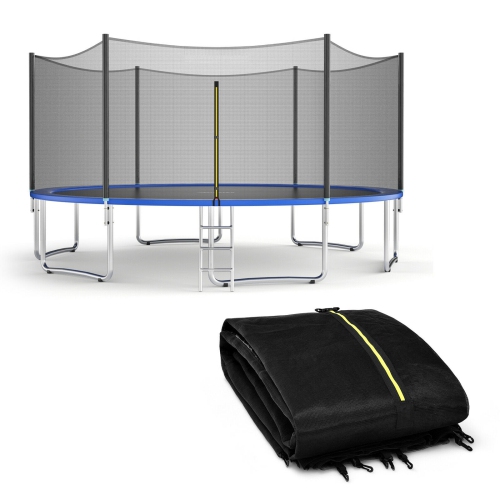
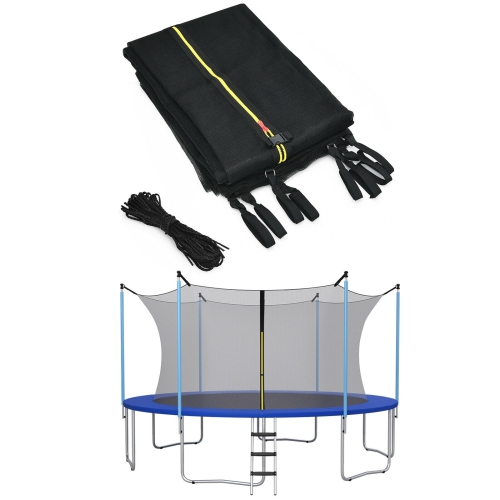
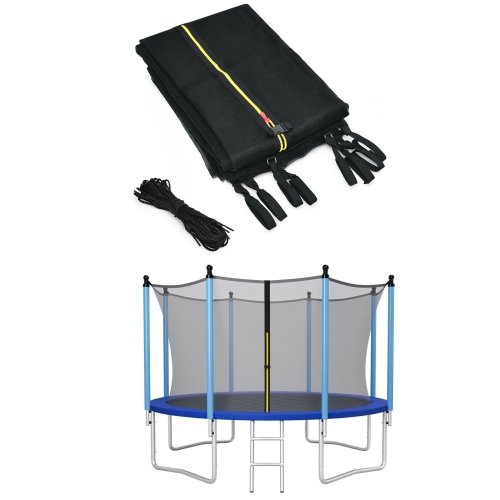
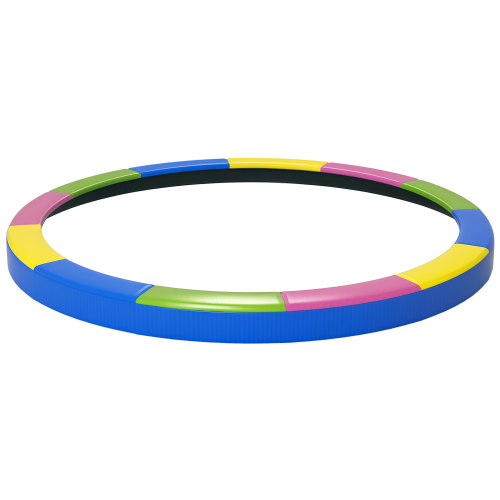
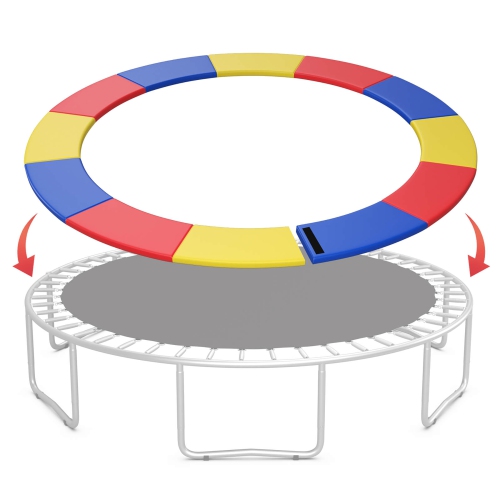
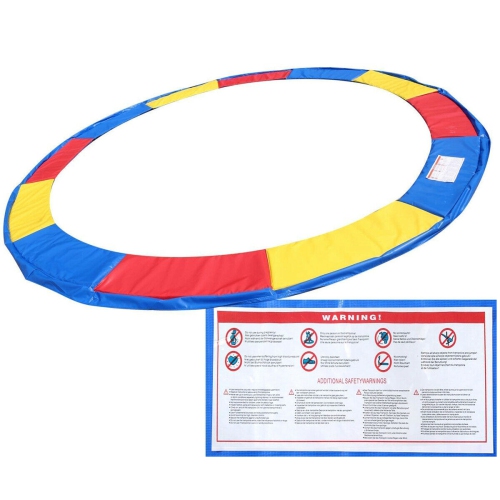
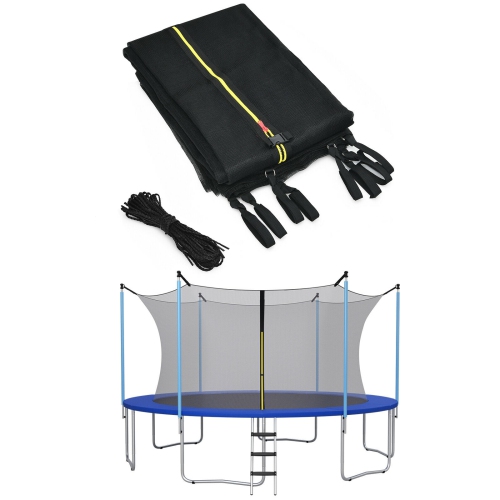
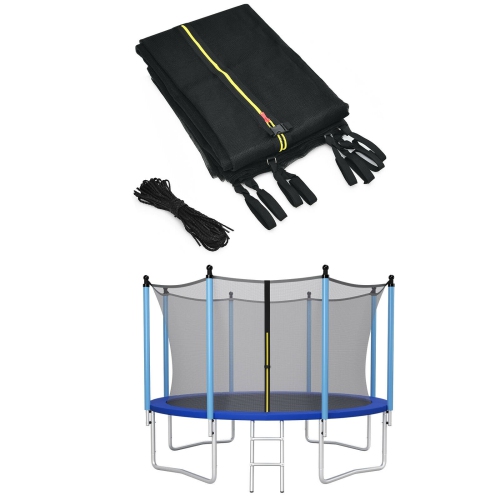
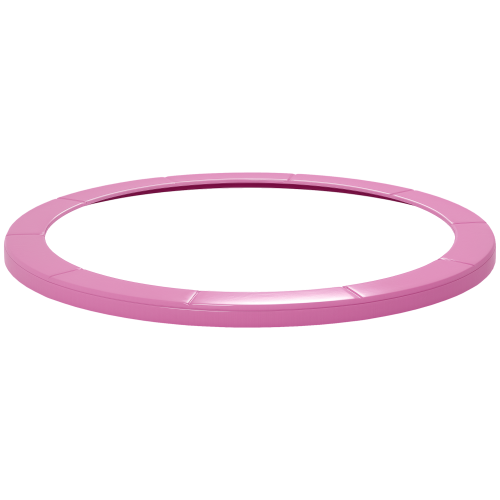
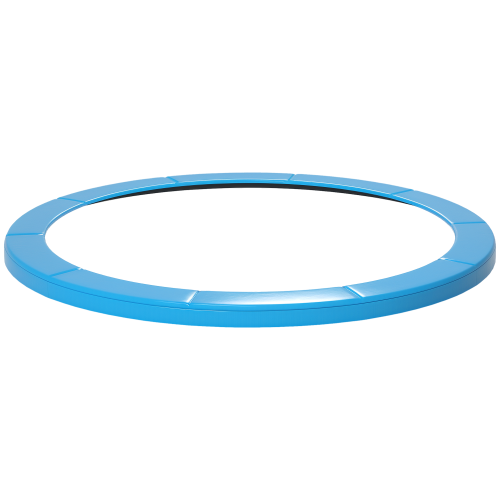
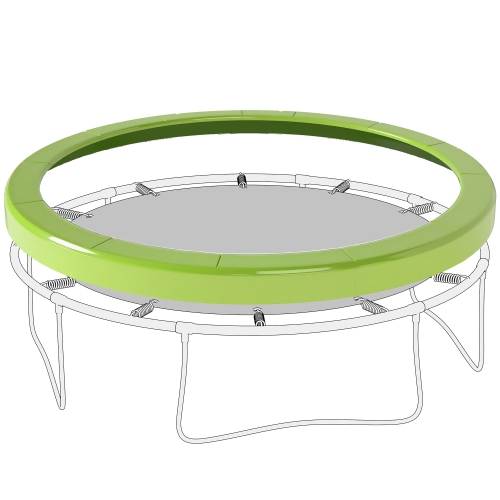
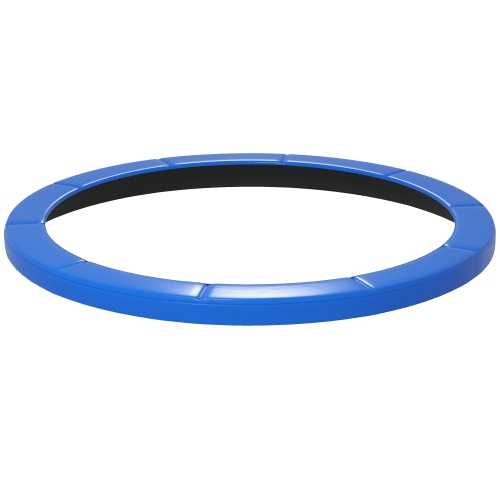
Different replacement parts serve different roles, and understanding those roles can make it easier to select what is needed. A replacement jumping mat provides the surface for bouncing and should be matched to the frame’s dimensions and spring layout. Springs connect the mat to the frame and help create the trampoline’s bounce, while a protective pad sits over the frame and springs to cushion the outer edge. Families searching for cushioning and coverage may wish to explore Trampoline Pad Replacements as part of their replacement planning. Enclosure nets and poles help define the bouncing area and may be especially important for households where younger children use the trampoline. Ladders can make climbing in and out more convenient, while replacement caps, brackets, clips, and other fastening pieces may help secure the assembly. Before making a purchase, consider who will use the trampoline, how often it is used, where it is positioned, and which part has become worn or damaged. A trampoline used daily by several children may need more frequent attention than one used occasionally by a single child. Exposure to rain, wind, direct sunlight, changing temperatures, and blowing debris can also affect the condition of fabric, padding, and metal components. During the cooler months, some families may take down removable accessories or store selected parts in a dry location, while others keep the trampoline assembled and inspect it more often. Following the original assembly instructions and the replacement part’s included directions can help support a proper fit. It is wise to work on a level surface, keep small hardware away from children during installation, and avoid combining parts that are not designed to work together. After fitting a replacement, check that connections are secure, the mat is evenly attached, the padding covers exposed edges, and the enclosure is properly supported before allowing anyone to use the trampoline.
A well-matched replacement part can bring a familiar backyard feature back into regular rotation, whether that means energetic afternoon play, a quiet bounce before dinner, or a gathering where children have a dedicated place to stay active. The right choice depends on the condition of the current trampoline as well as the specific component that needs attention. Some shoppers may be replacing one visibly worn item, while others may be refreshing several connected parts after a long period of use. Inspecting the trampoline in daylight can reveal fraying fabric, stretched springs, loose stitching, bent supports, cracked fittings, or padding that has shifted away from the frame. It is important not to use a trampoline when a safety-related component is missing, damaged, or unable to stay securely in place. Replacement parts should be compatible with the existing trampoline, and any uncertainty about fit, installation, or structural condition may be best addressed by consulting the original documentation or a qualified professional. Keep the user’s age, size, and experience in mind when preparing the setup, and establish household rules that support supervised use, one jumper at a time where appropriate, and clear space around the trampoline. Children often notice the fun first—the springy sound beneath their feet, the movement of the net, and the view over the fence—but adults can help make that experience more enjoyable by checking the equipment routinely. As the weather warms, a fresh inspection can prepare the trampoline for more frequent activity, while during cooler weather it can help identify parts that should be secured, covered, or stored. With careful matching and regular attention, trampoline replacement parts can help families maintain a familiar outdoor activity area and keep backyard play ready for the changing seasons.
Different replacement parts serve different roles, and understanding those roles can make it easier to select what is needed. A replacement jumping mat provides the surface for bouncing and should be matched to the frame’s dimensions and spring layout. Springs connect the mat to the frame and help create the trampoline’s bounce, while a protective pad sits over the frame and springs to cushion the outer edge. Families searching for cushioning and coverage may wish to explore Trampoline Pad Replacements as part of their replacement planning. Enclosure nets and poles help define the bouncing area and may be especially important for households where younger children use the trampoline. Ladders can make climbing in and out more convenient, while replacement caps, brackets, clips, and other fastening pieces may help secure the assembly. Before making a purchase, consider who will use the trampoline, how often it is used, where it is positioned, and which part has become worn or damaged. A trampoline used daily by several children may need more frequent attention than one used occasionally by a single child. Exposure to rain, wind, direct sunlight, changing temperatures, and blowing debris can also affect the condition of fabric, padding, and metal components. During the cooler months, some families may take down removable accessories or store selected parts in a dry location, while others keep the trampoline assembled and inspect it more often. Following the original assembly instructions and the replacement part’s included directions can help support a proper fit. It is wise to work on a level surface, keep small hardware away from children during installation, and avoid combining parts that are not designed to work together. After fitting a replacement, check that connections are secure, the mat is evenly attached, the padding covers exposed edges, and the enclosure is properly supported before allowing anyone to use the trampoline.
A well-matched replacement part can bring a familiar backyard feature back into regular rotation, whether that means energetic afternoon play, a quiet bounce before dinner, or a gathering where children have a dedicated place to stay active. The right choice depends on the condition of the current trampoline as well as the specific component that needs attention. Some shoppers may be replacing one visibly worn item, while others may be refreshing several connected parts after a long period of use. Inspecting the trampoline in daylight can reveal fraying fabric, stretched springs, loose stitching, bent supports, cracked fittings, or padding that has shifted away from the frame. It is important not to use a trampoline when a safety-related component is missing, damaged, or unable to stay securely in place. Replacement parts should be compatible with the existing trampoline, and any uncertainty about fit, installation, or structural condition may be best addressed by consulting the original documentation or a qualified professional. Keep the user’s age, size, and experience in mind when preparing the setup, and establish household rules that support supervised use, one jumper at a time where appropriate, and clear space around the trampoline. Children often notice the fun first—the springy sound beneath their feet, the movement of the net, and the view over the fence—but adults can help make that experience more enjoyable by checking the equipment routinely. As the weather warms, a fresh inspection can prepare the trampoline for more frequent activity, while during cooler weather it can help identify parts that should be secured, covered, or stored. With careful matching and regular attention, trampoline replacement parts can help families maintain a familiar outdoor activity area and keep backyard play ready for the changing seasons.
Top selling and popular products
-
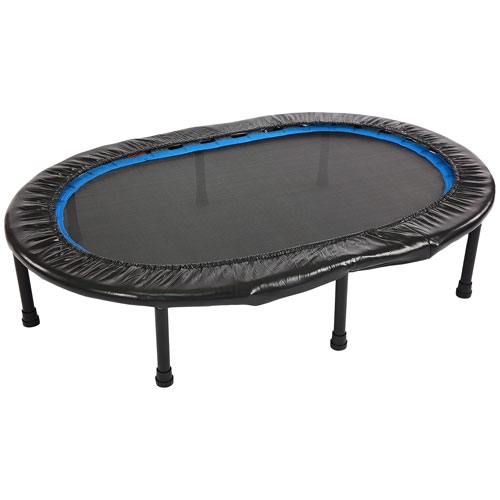 Your price for this item is $153.99
 -
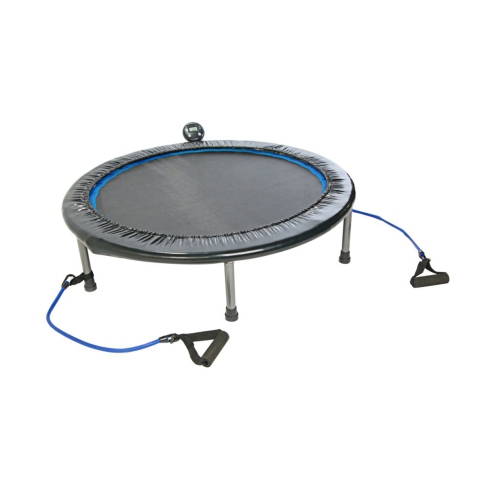 Your price for this item is $116.99
 -
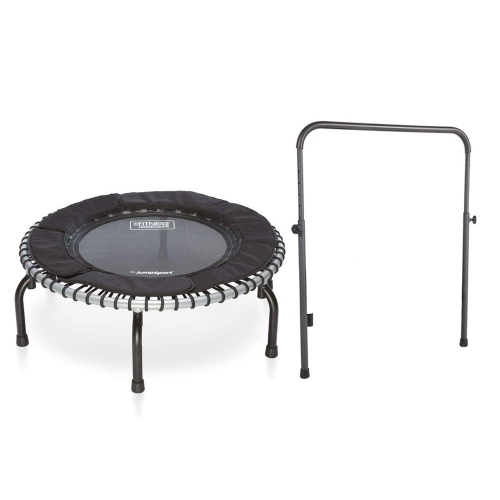 Your price for this item is $945.99
 -
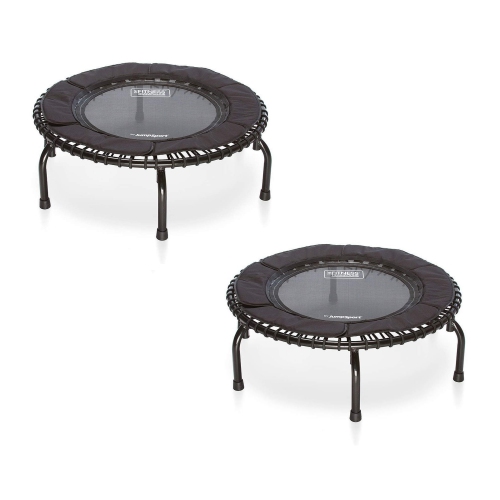 Your price for this item is $885.99
 -
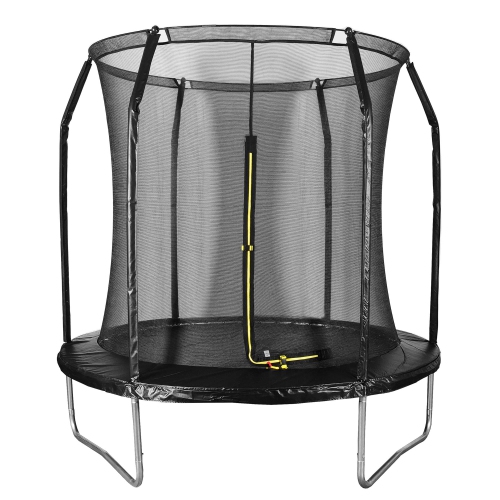 Your price for this item is $249.99
 -
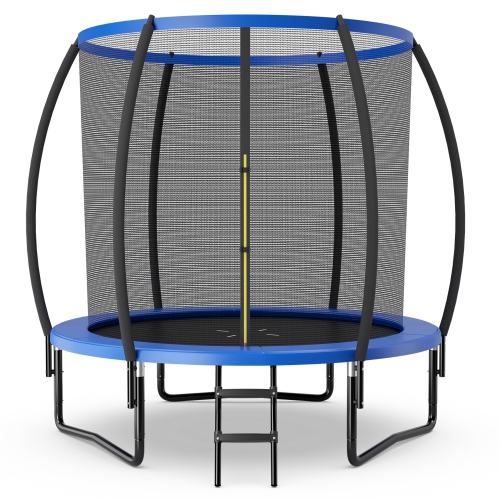 Your price for this item is $309.99
 -
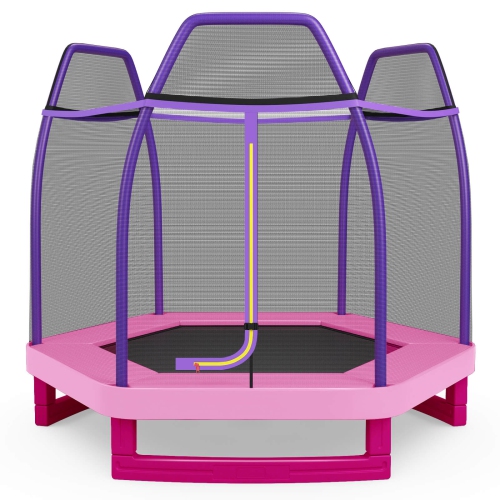 Your price for this item is $256.99
 -
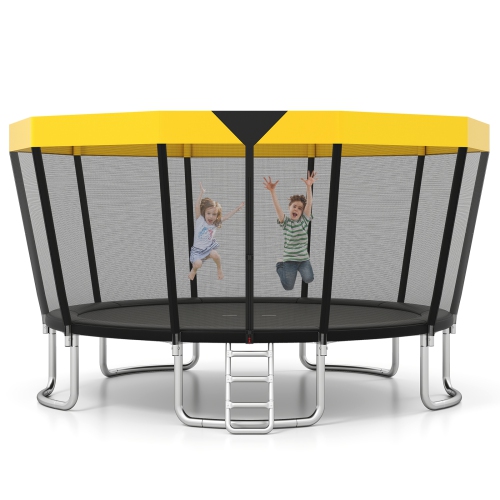 Your price for this item is $559.99
Discover more categories related to Trampoline Replacement Parts
Top Collections:
Pokemon Centers, Kindle Devices, Best Budget Office Chairs, Apple iPhones 16, Best Laptops for Writers, iPhone 15 Apple, Canon G7X Cameras, Refurbished Apple Laptops, Alarm Clock, Motorola Razr Phones
Some products may be subject to Environmental Handling Fees
(EHF) depending on your province.
Learn more about EHFs.