Trampoline Spring Covers
Ensure your trampoline stays safe and in top condition with our selection of high-quality trampoline spring covers. Designed to protect the springs from wear and tear, these covers provide an extra layer of safety for your family while bouncing and playing. Made from durable materials, these spring covers are easy to install and will help extend the lifespan of your trampoline. Browse our range of trampoline spring covers to find the perfect fit for your trampoline today!
Sort
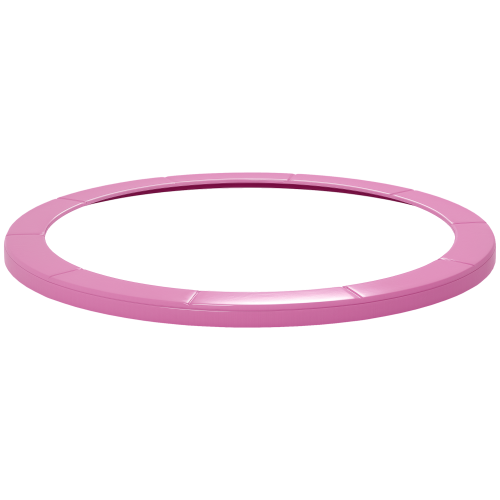
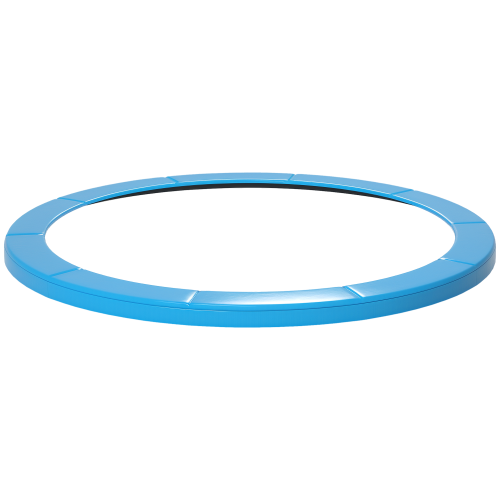
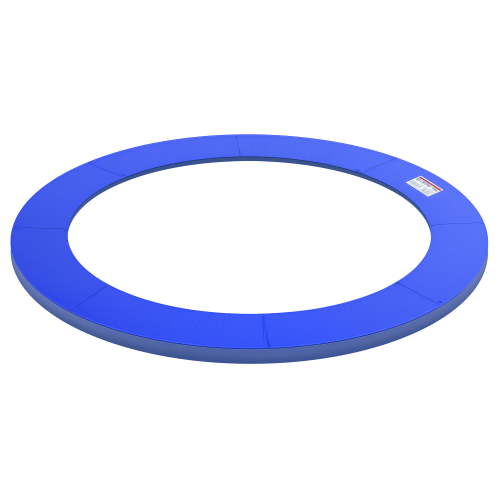
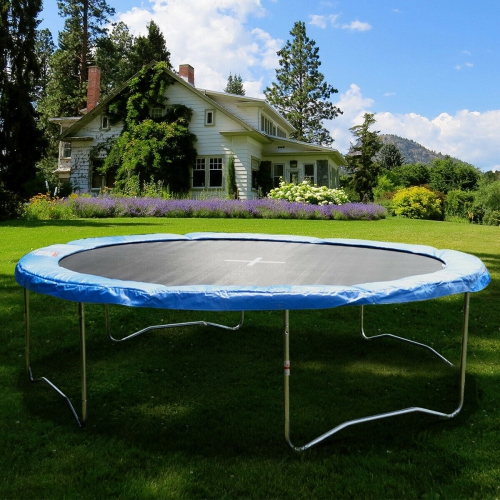
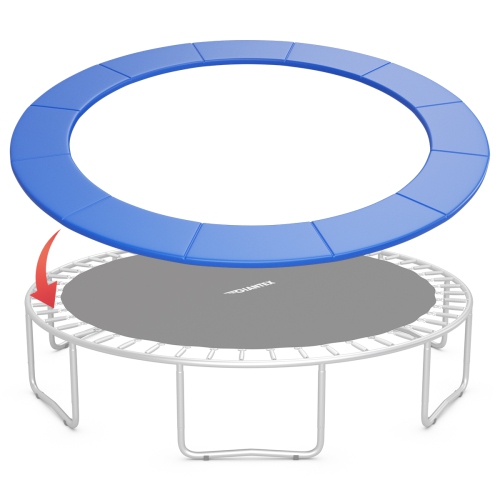
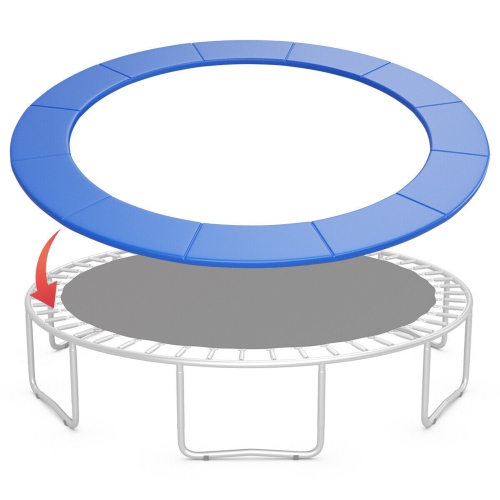
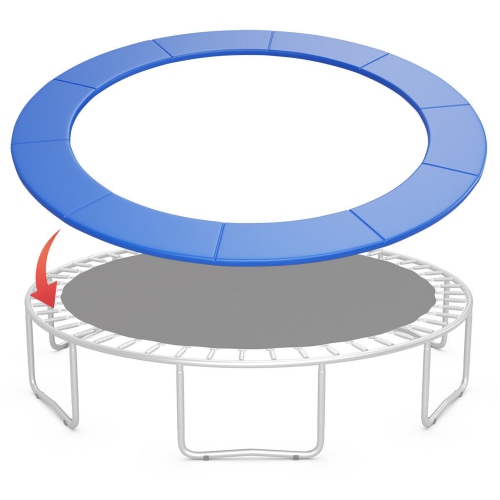

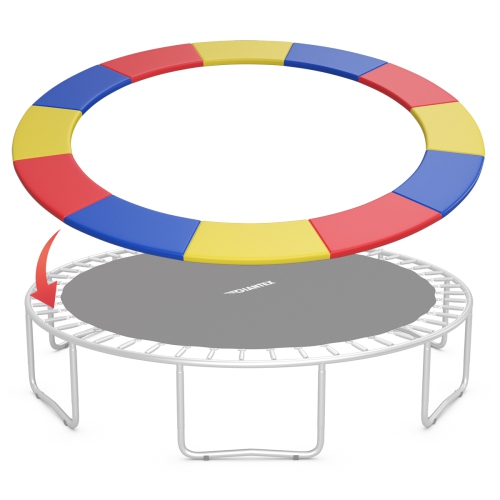
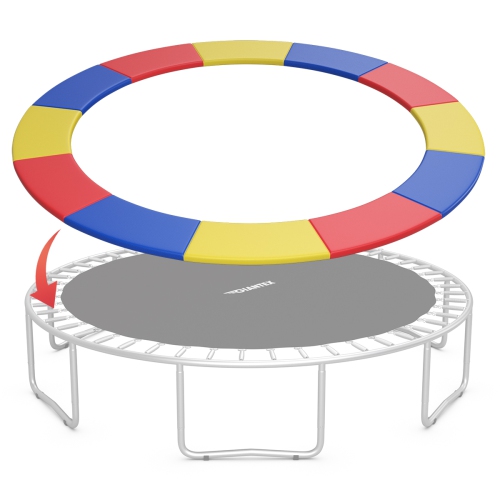
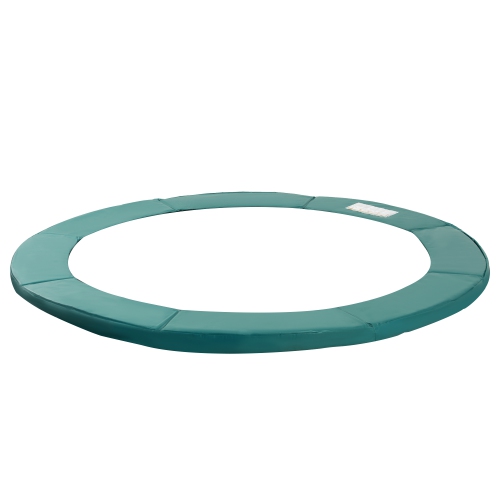
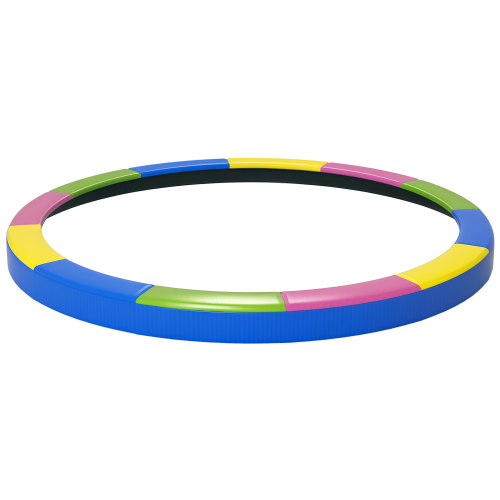
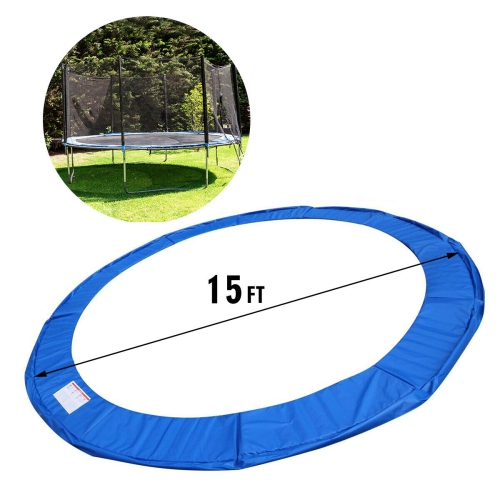
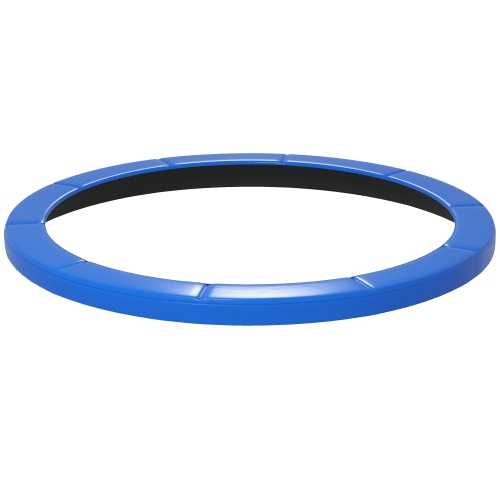
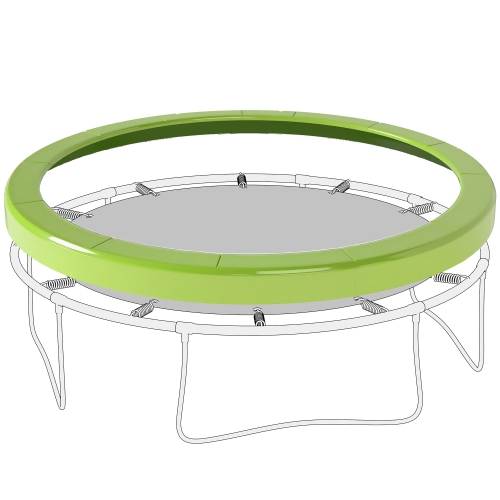
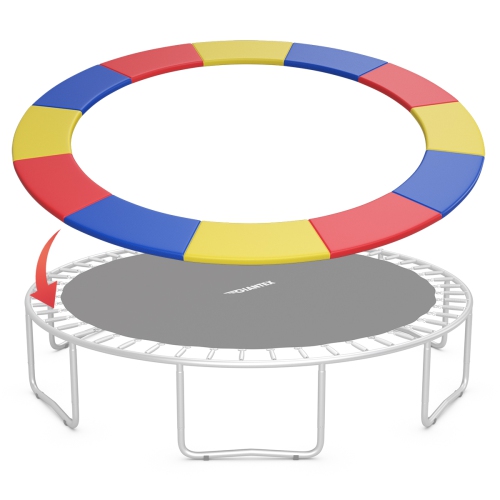
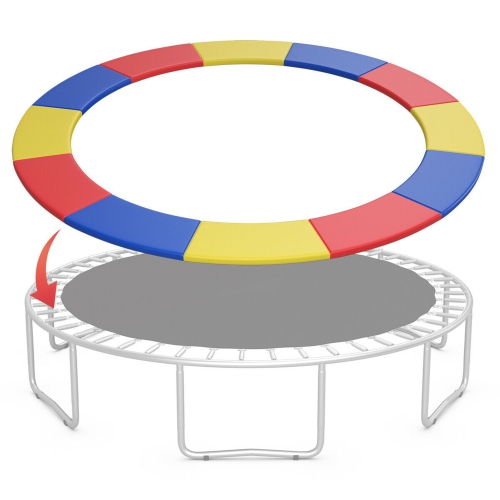
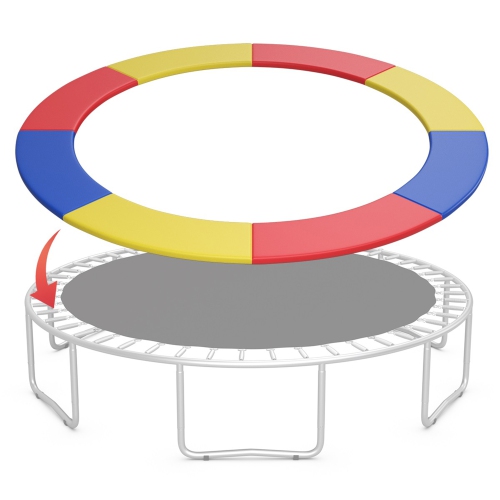
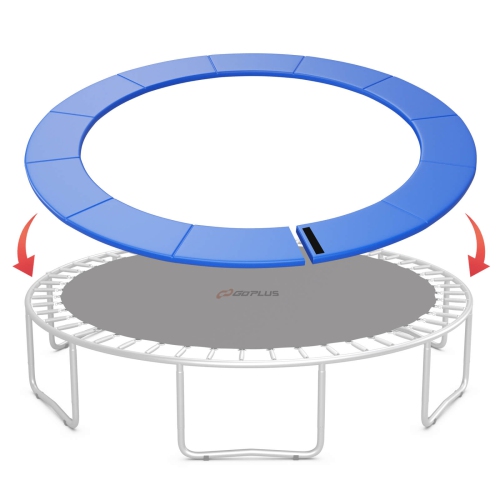
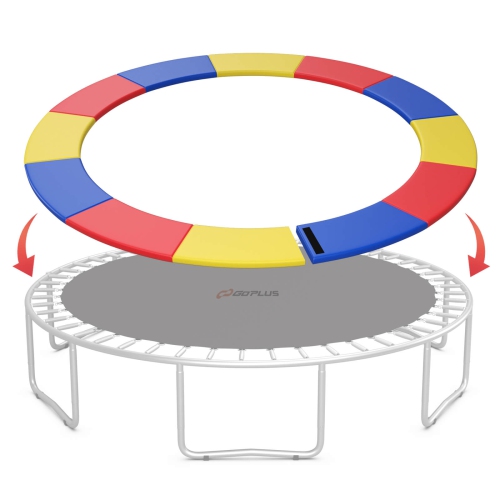
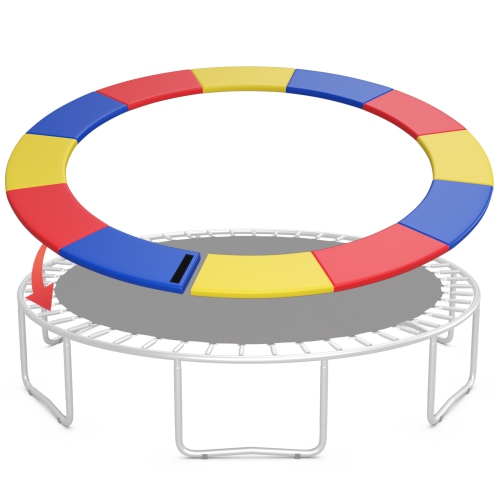
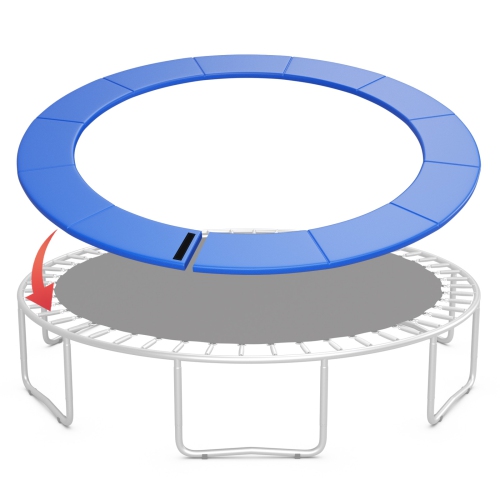
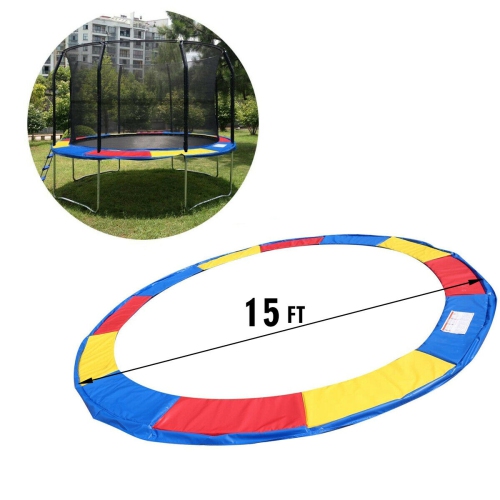
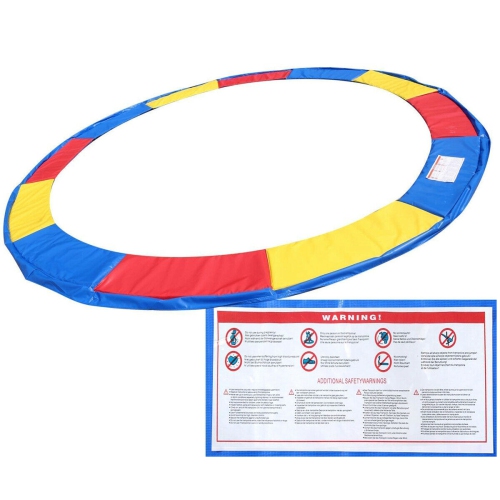
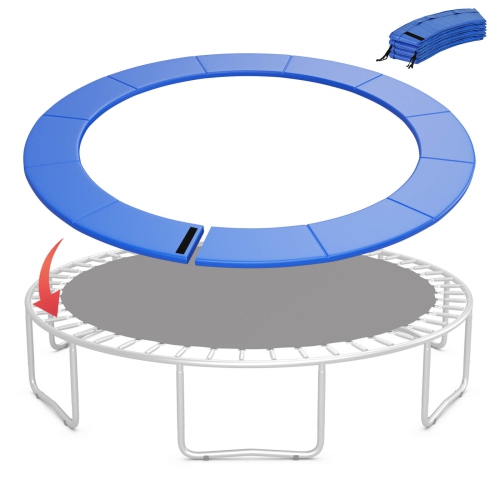
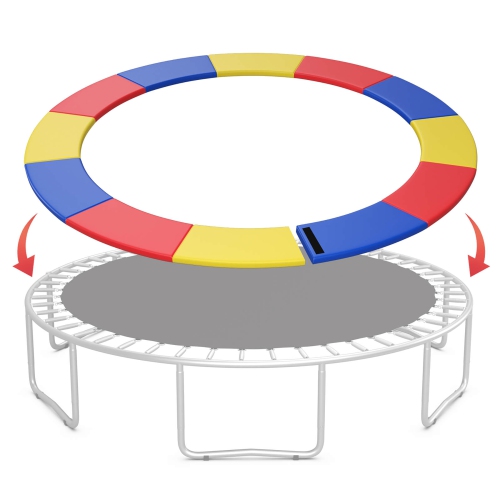
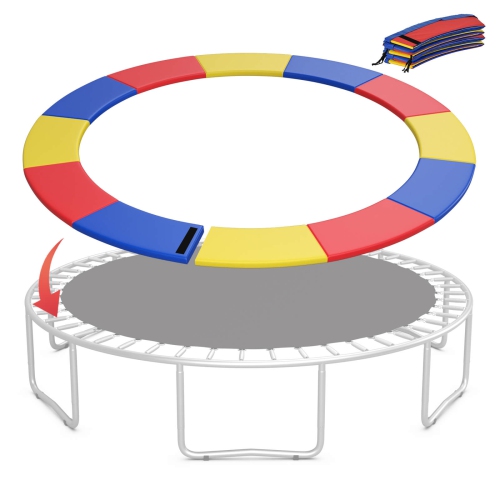
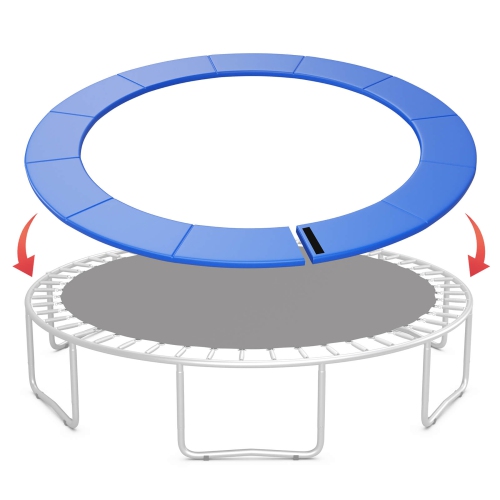
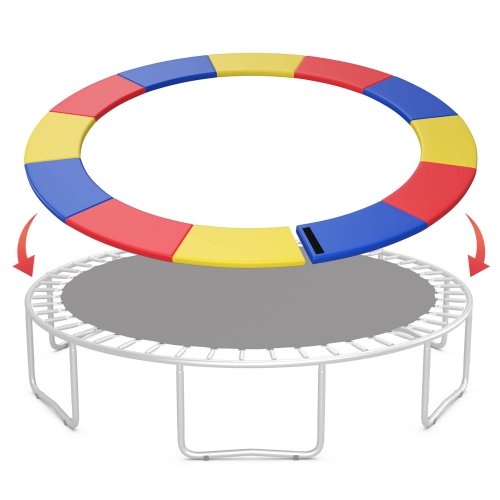
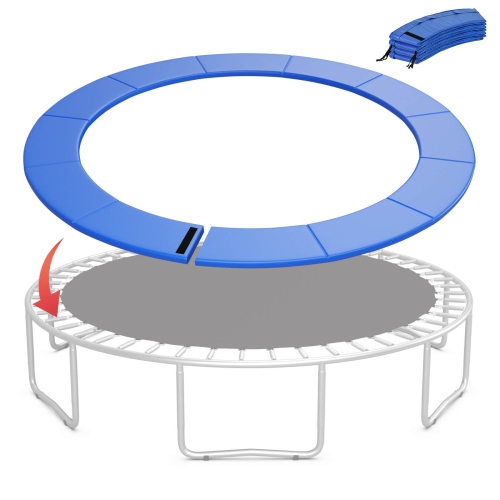

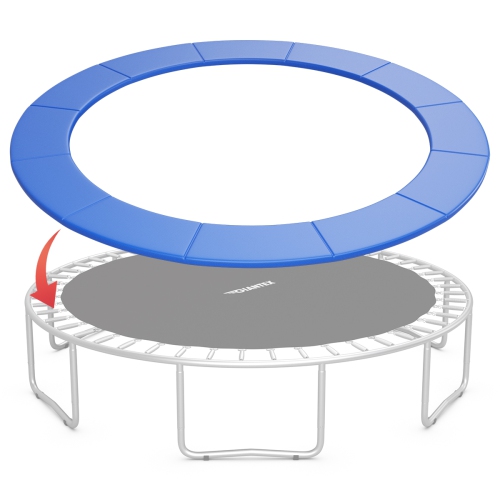
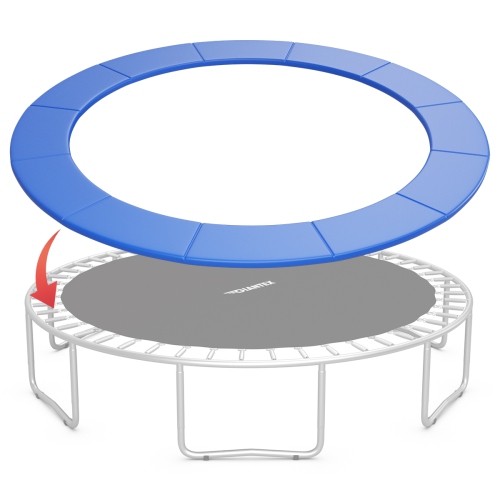
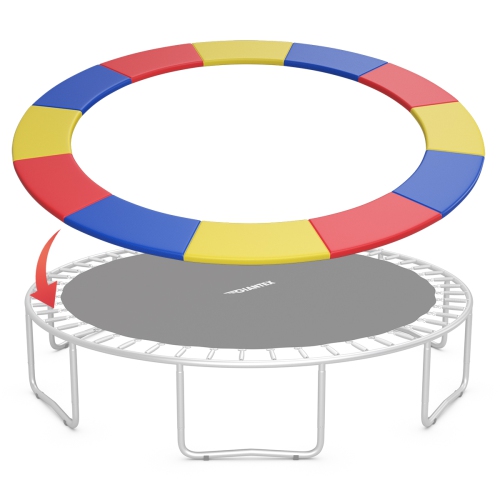
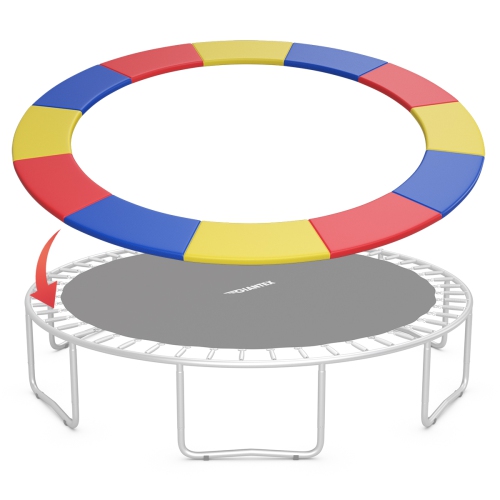
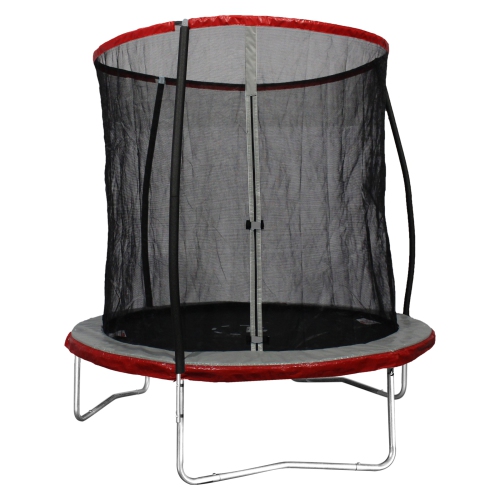
Proper fit helps protect springs through changing weather
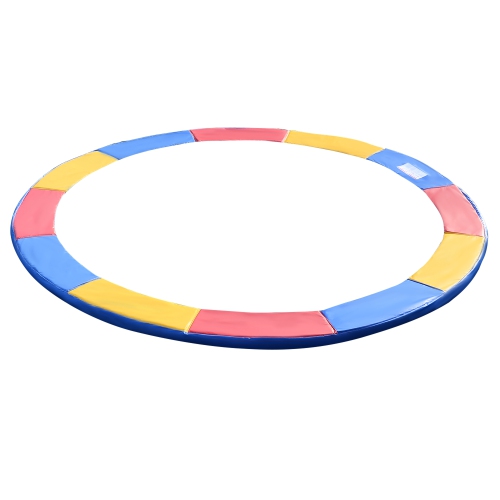
Trampoline spring covers, also known as trampoline safety pads, are designed to sit across the metal frame and springs around the jumping surface. Their main purpose is to create a cushioned barrier between jumpers and the hard components beneath the mat, helping reduce the chance of feet, hands or other body parts reaching the springs during ordinary use. They can also help shield the frame and springs from rain, falling leaves, frost, dust and prolonged sun exposure when the trampoline is set up outdoors. For families with young children, a well-fitted spring cover can make the area around the jumping mat feel more finished and reassuring, especially when children are learning to control their balance and land in the centre. A typical cover combines a thick foam core with a weather-resistant outer layer, often made from materials such as PVC or PE. Closed-cell foam is commonly preferred because it is less likely to absorb water, while a coated outer surface can help resist moisture and UV wear. The cover does not replace supervision, safe jumping habits, a properly assembled trampoline or an enclosure net, but it is an important part of a complete trampoline setup. It may also be useful as a replacement when an original pad has become cracked, flattened, torn or loose after years of exposure. As the weather changes from warm days to cooler conditions, inspecting the cover can reveal signs of wear that are easy to miss during busy outdoor play: faded material, exposed foam, split seams, stretched straps or sections that no longer stay over the springs. Replacing a worn pad before regular use resumes helps keep the frame area covered and gives the trampoline a cleaner, more comfortable appearance.
Fit is the most important purchase consideration. Begin by measuring the trampoline frame from outside edge to outside edge, rather than relying only on a familiar brand name or the diameter of the jumping mat. Common sizes include 8-foot, 12-foot, 14-foot and 15-foot round frames, but measurements can vary slightly between manufacturers and models. A cover that is too small may leave springs exposed, while one that is too large can bunch up, shift during use or interfere with the enclosure poles. Measure across the metal frame in more than one direction, particularly if the trampoline has been used for a long time or the frame is not perfectly circular. It is also useful to check the width of the frame and the distance from the outer edge to the jumping mat, since a pad must cover the spring area without extending so far inward that it reduces the usable jumping surface. Pay close attention to pole placement. Some trampoline enclosure poles pass through openings in the spring cover, while other designs place the poles outside the pad. The replacement cover should match this arrangement so it can lie flat and remain securely positioned. Attachment methods commonly include elastic straps, ties or loops underneath the frame. Straps should be long enough to reach their anchor points without excessive tension and should be checked for cracking or stretching. Tool-free installation is convenient, but careful positioning still matters: centre the pad evenly, align any pole openings, fasten each strap around the frame and walk around the perimeter to confirm that no spring sections are uncovered. Thick foam can provide more cushioning, but extra thickness may affect fit, so compare the pad dimensions with the trampoline’s frame measurements instead of choosing by appearance alone. Weather-resistant construction is another practical consideration for an outdoor trampoline. Look for an outer layer intended to handle rain and sun, sealed or reinforced edges and materials that can be wiped clean. Even a durable cover will last longer when leaves and standing water are cleared away and the trampoline is covered or stored according to the manufacturer’s instructions during extended periods of non-use. For additional replacement components, shoppers can browse Trampoline Parts to help find items that work together as part of a suitable setup.
Spring covers are generally chosen by parents, grandparents, caregivers and anyone maintaining an outdoor play area, and they can be a thoughtful practical gift for a family that has recently added a trampoline or is refreshing a well-used backyard setup. They are especially relevant for households where several children share the trampoline, since frequent jumping and climbing around the edge can put more strain on the pad and its fasteners. A replacement cover can also be useful for a cottage, community recreation area or family property where outdoor equipment is used by visitors throughout the warmer season. When selecting one as a gift, the recipient’s exact trampoline size and pole configuration are more valuable than a guess based on a photograph. A quick look at the frame label, an existing pad or the owner’s assembly instructions can prevent an otherwise well-intended purchase from being incompatible. Consider how the trampoline is used as well. A play area with younger children may benefit from a generously cushioned pad with secure attachment points, while a frequently used backyard trampoline may call for reinforced edges and an outer surface that is simple to clean. Before installation, inspect the springs, frame joints and mat for other damage; a new cover should not be used to conceal a bent frame, stretched springs or a worn jumping mat. Keep the pad centred and firmly attached, and check it regularly after windy weather or heavy rain. During cooler months, many families reduce trampoline use or prepare the equipment for storage. Follow the manufacturer’s care instructions, allow wet surfaces to dry, remove debris and avoid folding a damp cover for long periods, as trapped moisture can lead to odours or material deterioration. With the right dimensions, suitable pole openings, dependable fasteners and weather-resistant construction, a trampoline spring cover helps maintain a more protected edge around the jumping surface and supports comfortable, confident use season after season.
Fit is the most important purchase consideration. Begin by measuring the trampoline frame from outside edge to outside edge, rather than relying only on a familiar brand name or the diameter of the jumping mat. Common sizes include 8-foot, 12-foot, 14-foot and 15-foot round frames, but measurements can vary slightly between manufacturers and models. A cover that is too small may leave springs exposed, while one that is too large can bunch up, shift during use or interfere with the enclosure poles. Measure across the metal frame in more than one direction, particularly if the trampoline has been used for a long time or the frame is not perfectly circular. It is also useful to check the width of the frame and the distance from the outer edge to the jumping mat, since a pad must cover the spring area without extending so far inward that it reduces the usable jumping surface. Pay close attention to pole placement. Some trampoline enclosure poles pass through openings in the spring cover, while other designs place the poles outside the pad. The replacement cover should match this arrangement so it can lie flat and remain securely positioned. Attachment methods commonly include elastic straps, ties or loops underneath the frame. Straps should be long enough to reach their anchor points without excessive tension and should be checked for cracking or stretching. Tool-free installation is convenient, but careful positioning still matters: centre the pad evenly, align any pole openings, fasten each strap around the frame and walk around the perimeter to confirm that no spring sections are uncovered. Thick foam can provide more cushioning, but extra thickness may affect fit, so compare the pad dimensions with the trampoline’s frame measurements instead of choosing by appearance alone. Weather-resistant construction is another practical consideration for an outdoor trampoline. Look for an outer layer intended to handle rain and sun, sealed or reinforced edges and materials that can be wiped clean. Even a durable cover will last longer when leaves and standing water are cleared away and the trampoline is covered or stored according to the manufacturer’s instructions during extended periods of non-use. For additional replacement components, shoppers can browse Trampoline Parts to help find items that work together as part of a suitable setup.
Spring covers are generally chosen by parents, grandparents, caregivers and anyone maintaining an outdoor play area, and they can be a thoughtful practical gift for a family that has recently added a trampoline or is refreshing a well-used backyard setup. They are especially relevant for households where several children share the trampoline, since frequent jumping and climbing around the edge can put more strain on the pad and its fasteners. A replacement cover can also be useful for a cottage, community recreation area or family property where outdoor equipment is used by visitors throughout the warmer season. When selecting one as a gift, the recipient’s exact trampoline size and pole configuration are more valuable than a guess based on a photograph. A quick look at the frame label, an existing pad or the owner’s assembly instructions can prevent an otherwise well-intended purchase from being incompatible. Consider how the trampoline is used as well. A play area with younger children may benefit from a generously cushioned pad with secure attachment points, while a frequently used backyard trampoline may call for reinforced edges and an outer surface that is simple to clean. Before installation, inspect the springs, frame joints and mat for other damage; a new cover should not be used to conceal a bent frame, stretched springs or a worn jumping mat. Keep the pad centred and firmly attached, and check it regularly after windy weather or heavy rain. During cooler months, many families reduce trampoline use or prepare the equipment for storage. Follow the manufacturer’s care instructions, allow wet surfaces to dry, remove debris and avoid folding a damp cover for long periods, as trapped moisture can lead to odours or material deterioration. With the right dimensions, suitable pole openings, dependable fasteners and weather-resistant construction, a trampoline spring cover helps maintain a more protected edge around the jumping surface and supports comfortable, confident use season after season.
Top selling and popular products
-
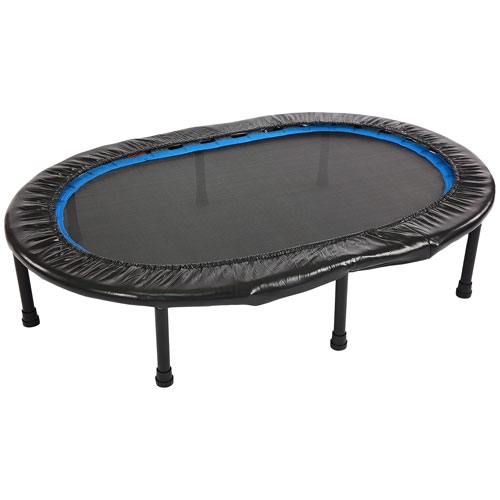 Your price for this item is $153.99
 -
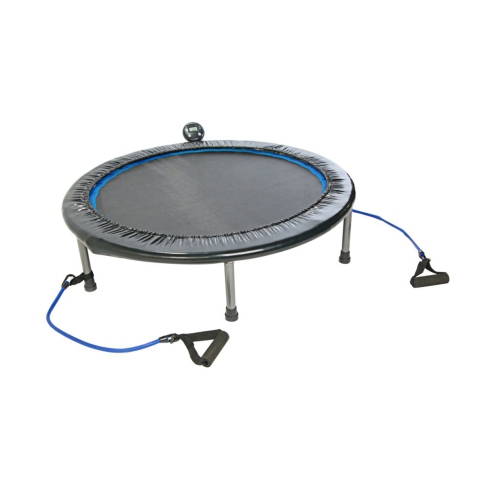 Your price for this item is $116.99
 -
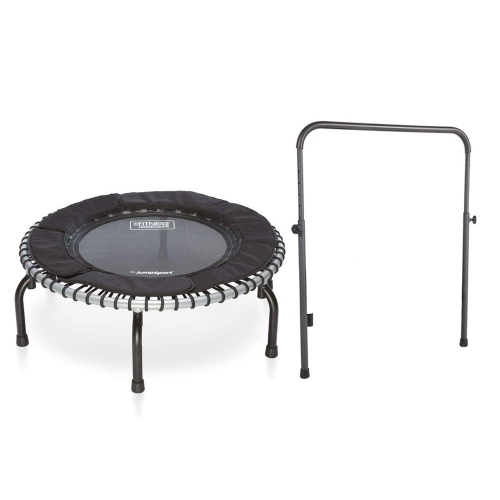 Your price for this item is $945.99
 -
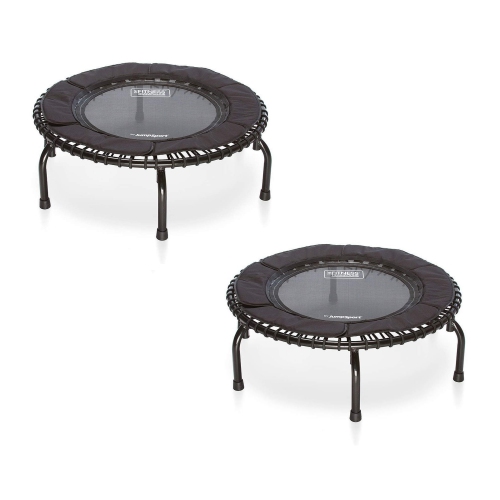 Your price for this item is $885.99
 -
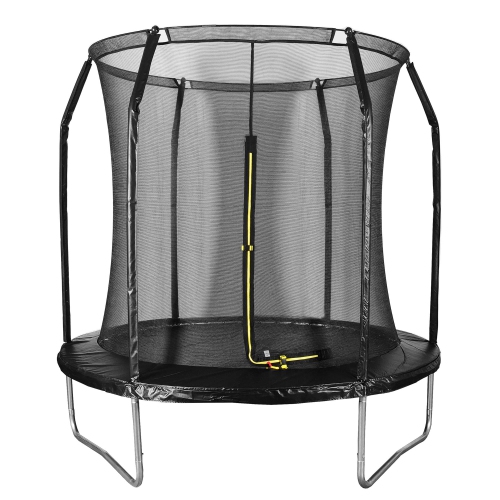 Your price for this item is $249.99
 -
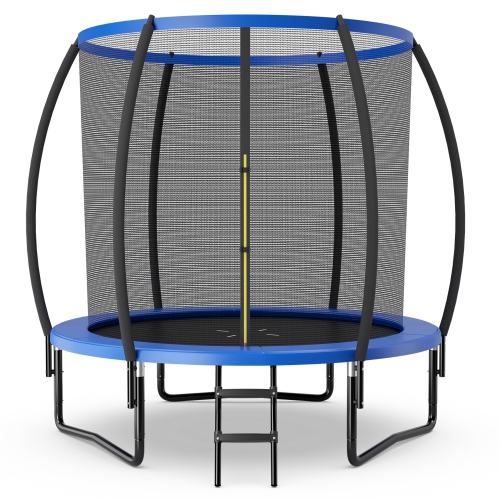 Your price for this item is $309.99
 -
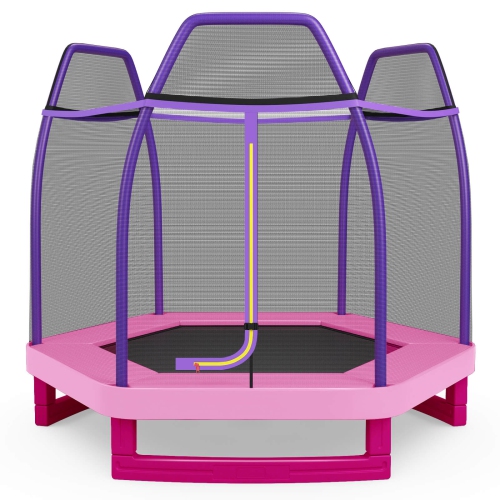 Your price for this item is $256.99
 -
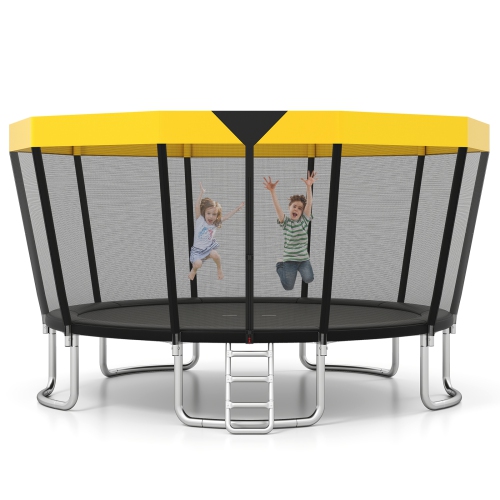 Your price for this item is $559.99
Discover more categories related to Trampoline Spring Covers
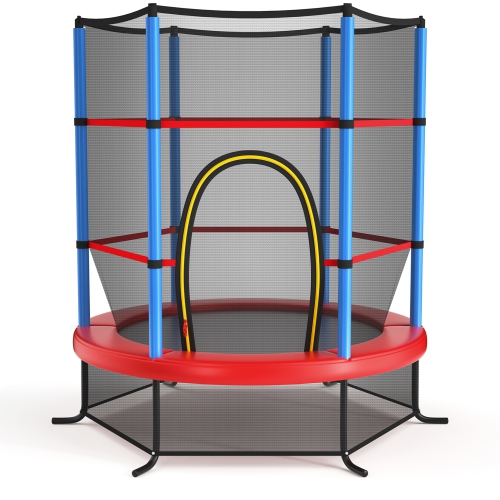
Top Collections:
Pokemon Centers, Kindle Devices, Best Budget Office Chairs, Apple iPhones 16, Best Laptops for Writers, iPhone 15 Apple, Canon G7X Cameras, Refurbished Apple Laptops, Alarm Clock, Motorola Razr Phones
Some products may be subject to Environmental Handling Fees
(EHF) depending on your province.
Learn more about EHFs.