Two Wheeled Scooters
Get ready to hit the streets in style with these two-wheeled scooters. Whether you're a seasoned rider or just starting out, these sleek and versatile scooters are perfect for zipping around town, commuting to work, or simply enjoying a fun ride with friends. With their compact design, smooth maneuverability, and impressive speed capabilities, this range of two-wheeled scooters offers an exciting way to navigate your surroundings.
Sort
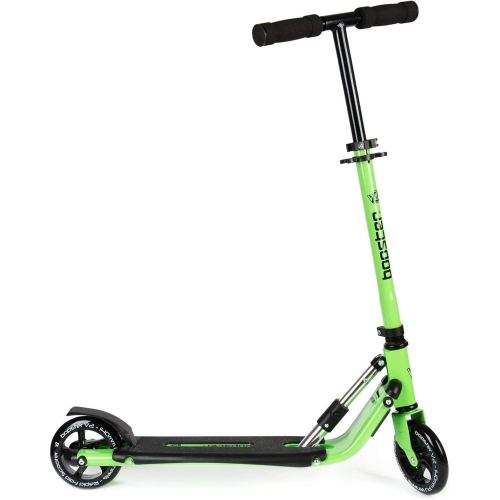
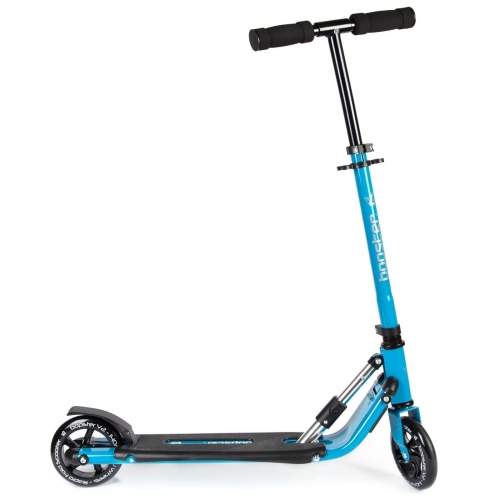
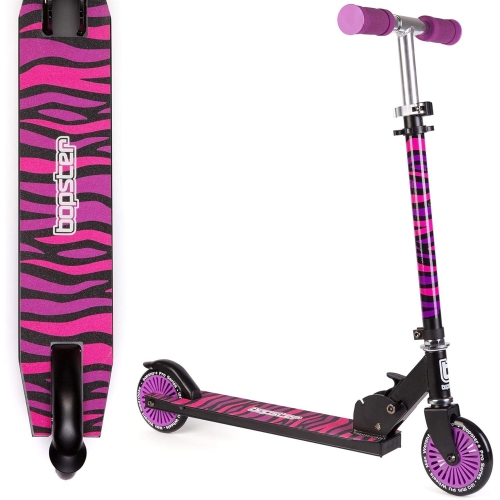
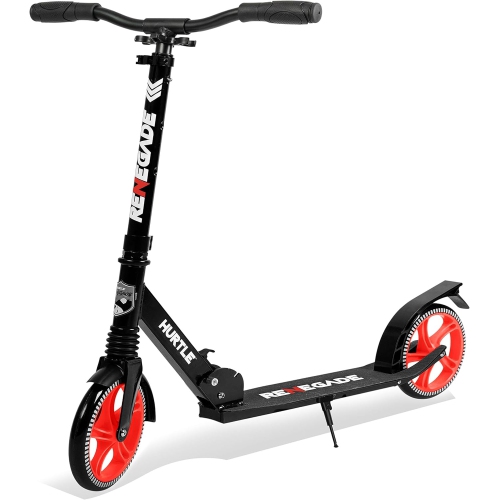
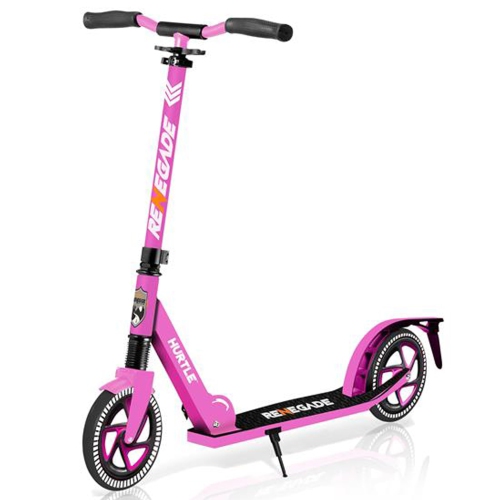
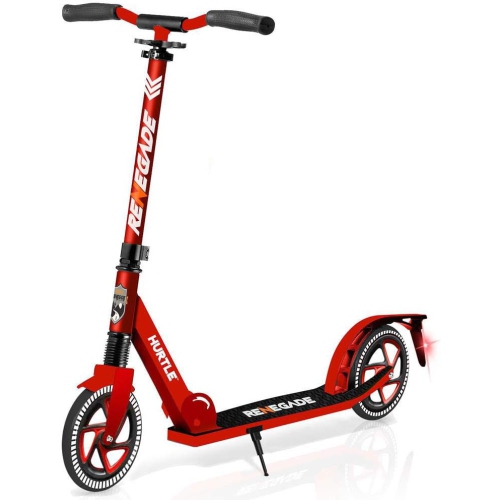
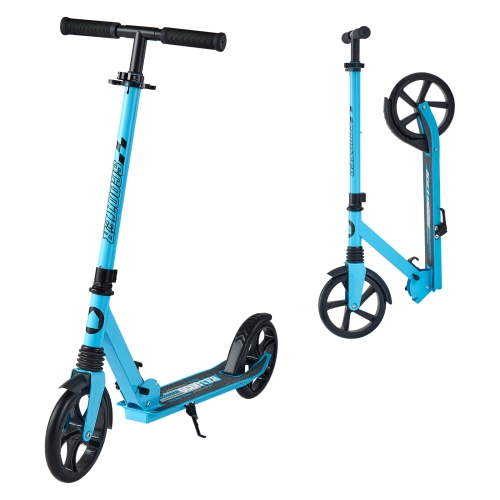
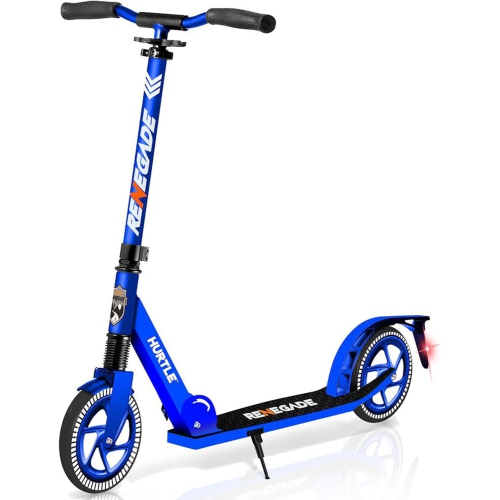
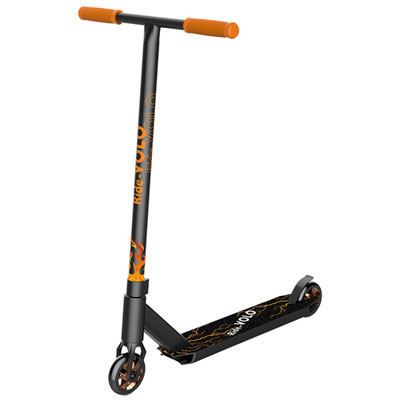
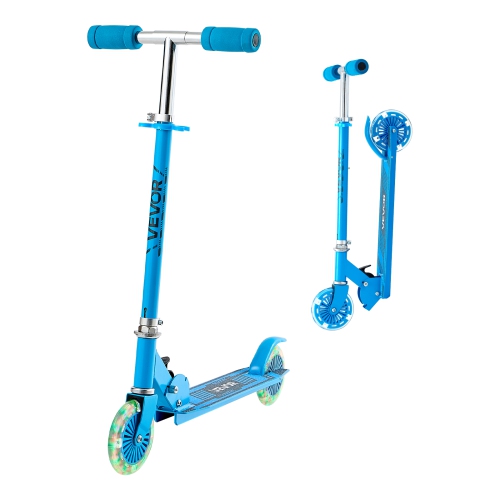
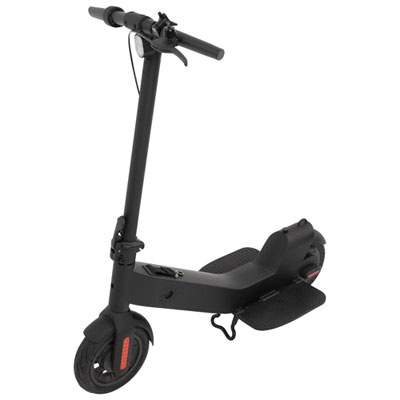
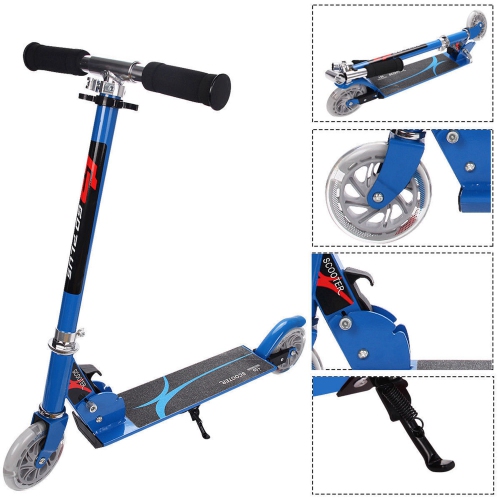
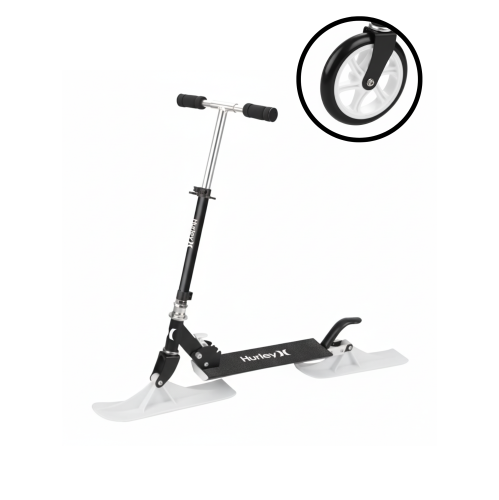
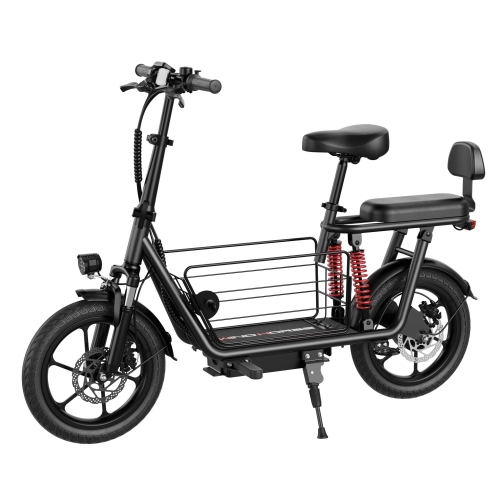
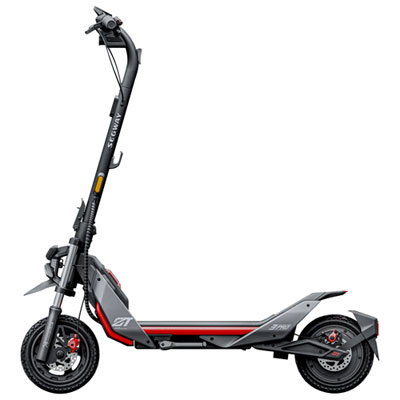
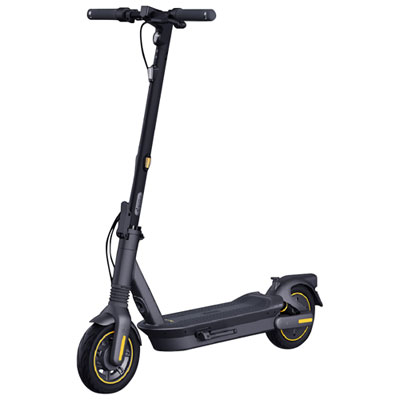
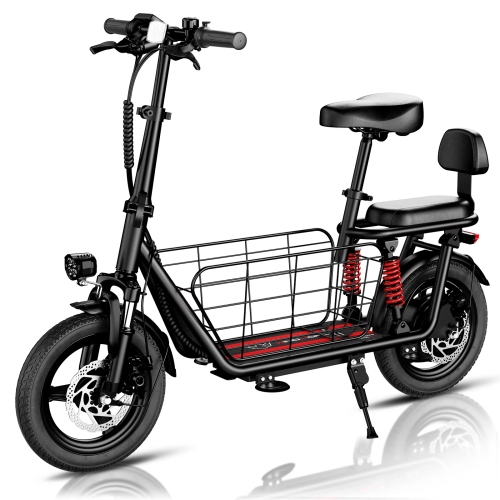
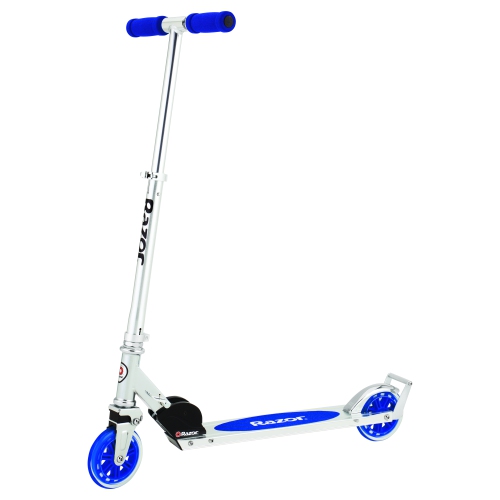
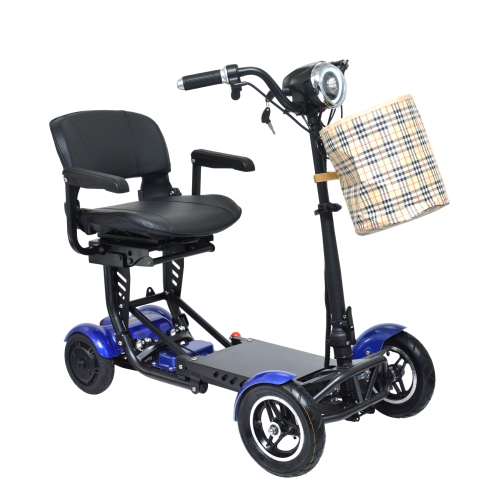
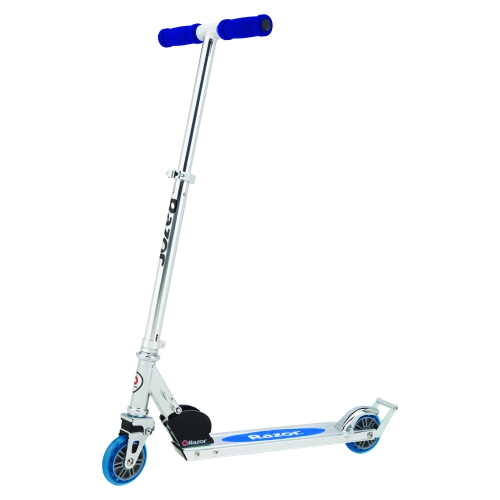
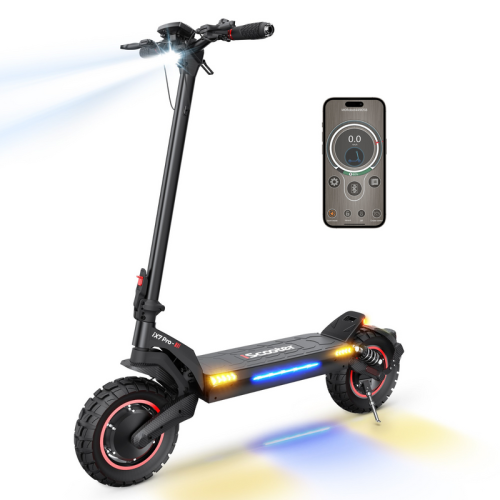
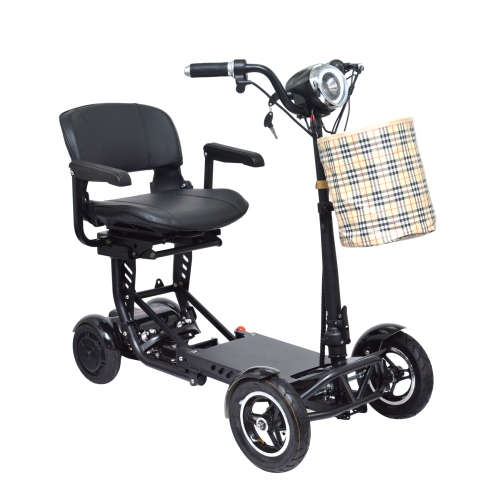
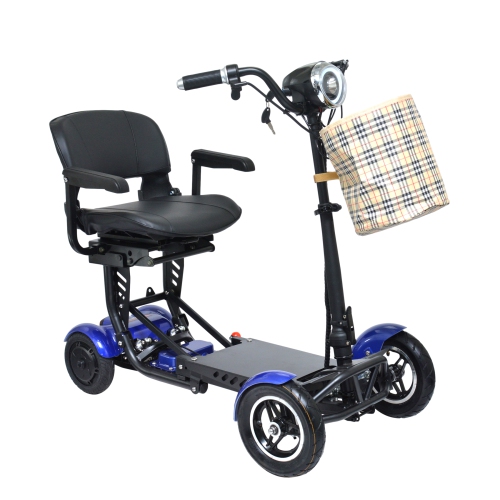
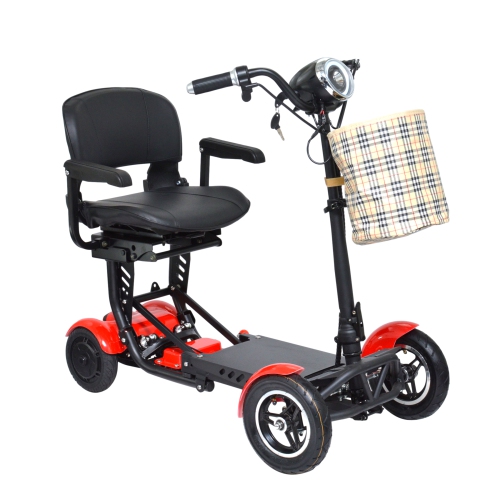
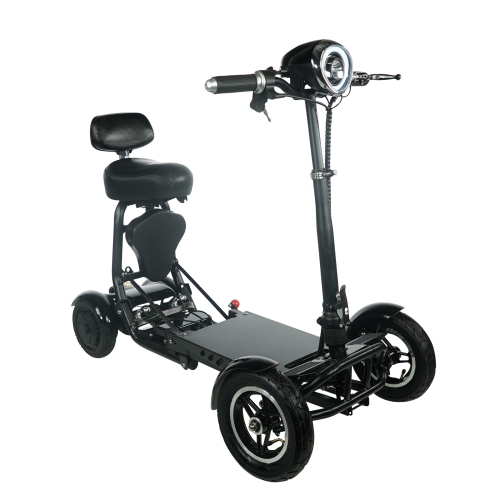
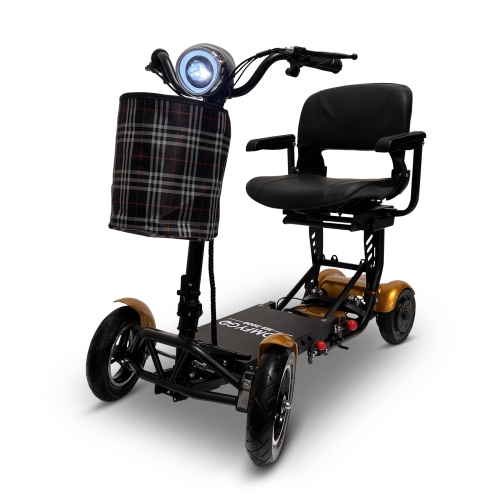
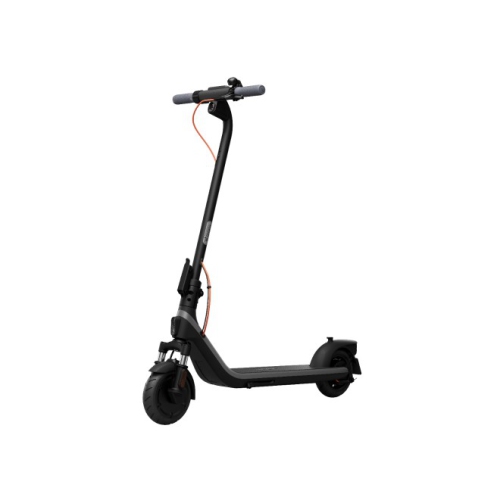
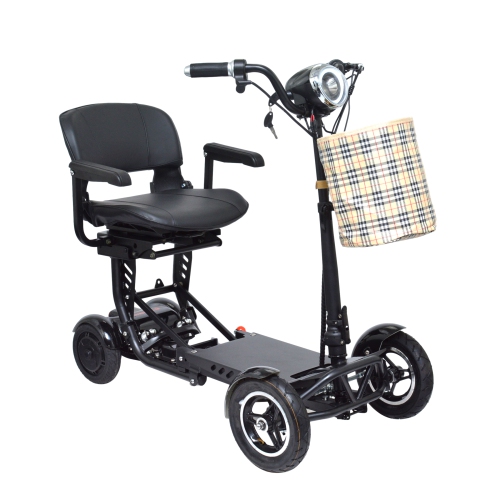
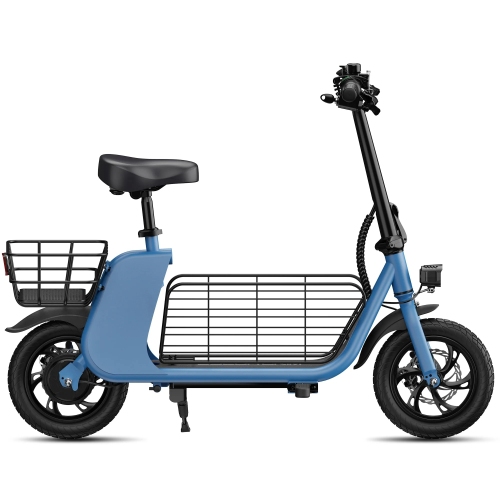
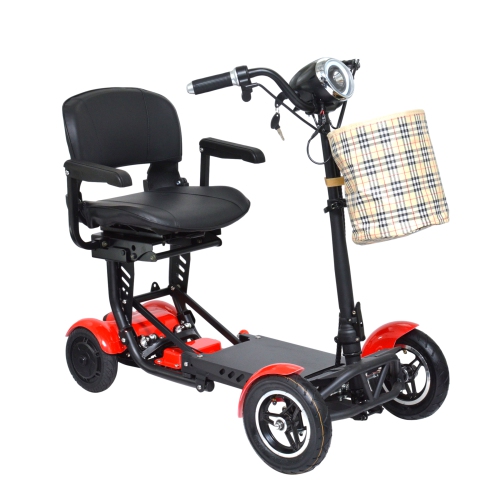
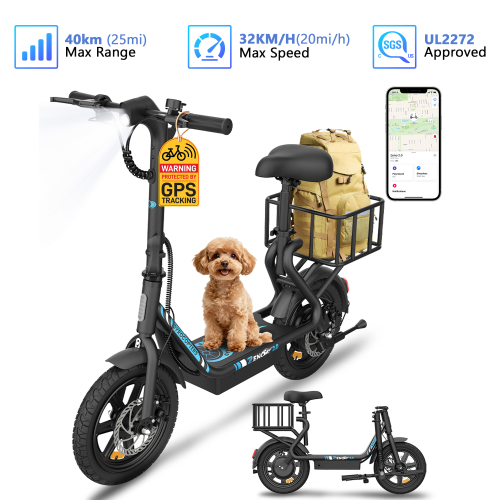
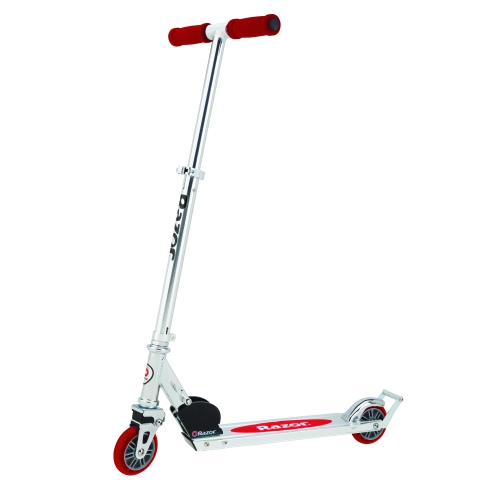
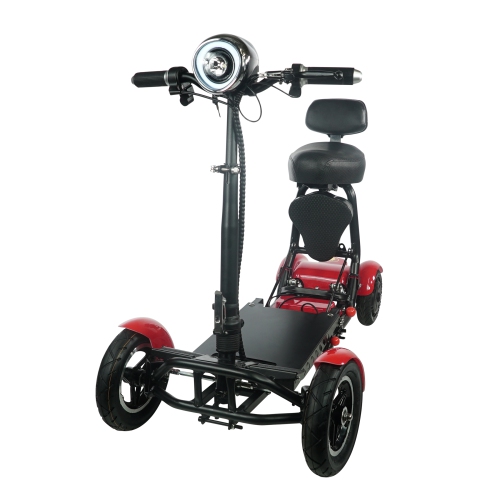
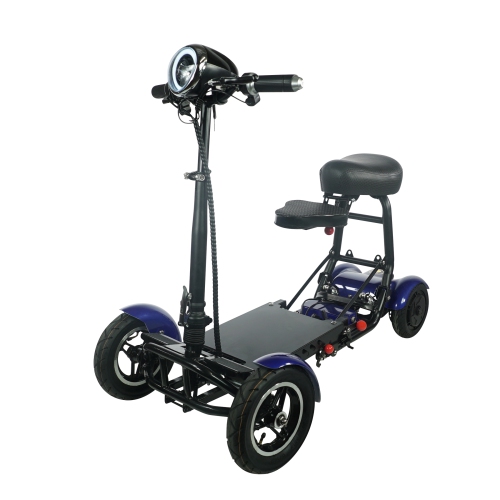
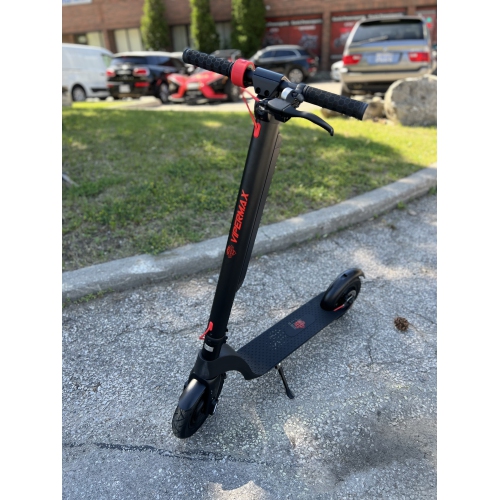
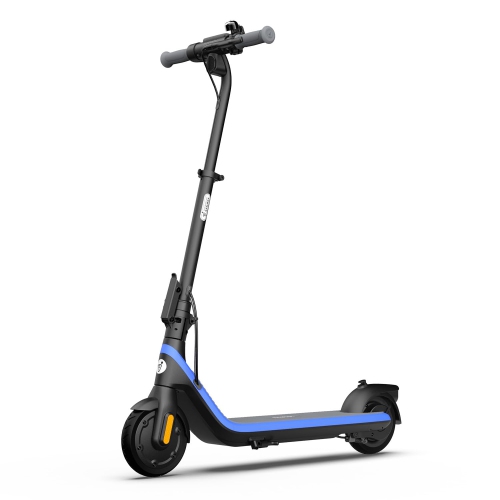
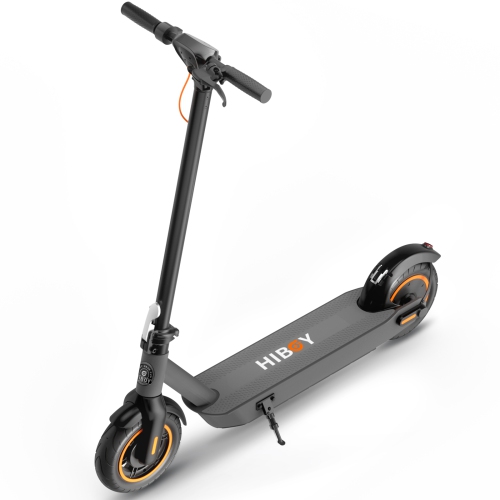
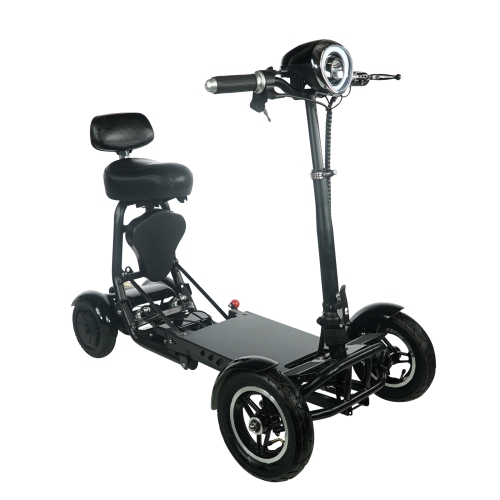
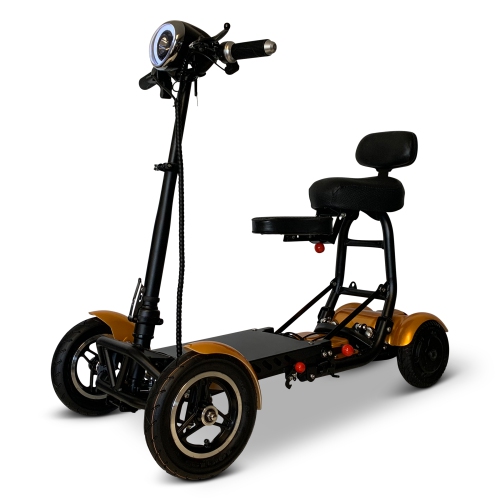
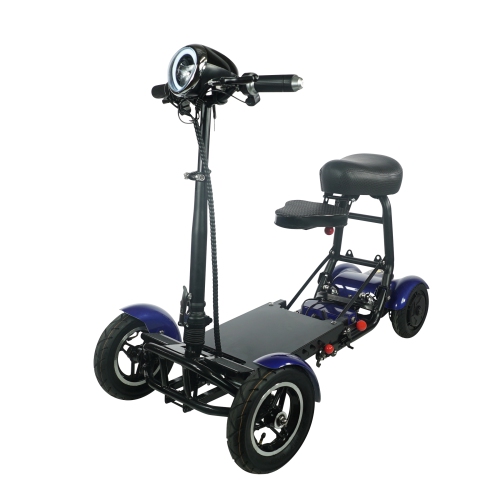
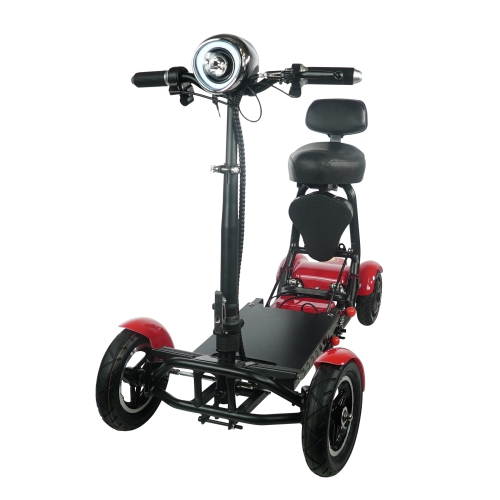
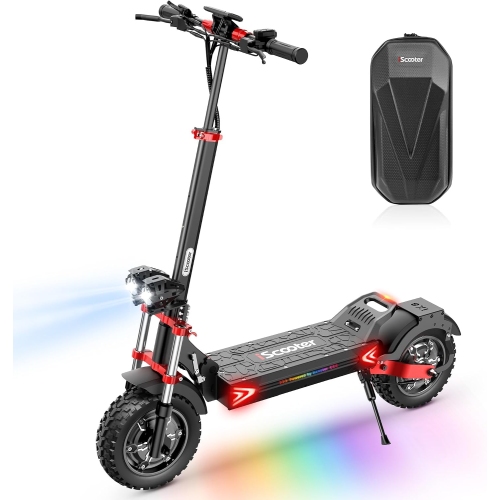
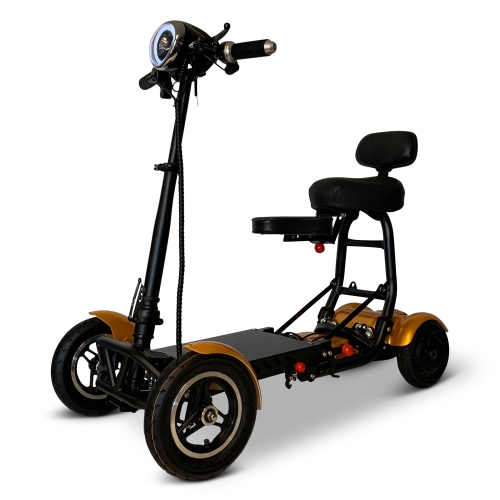
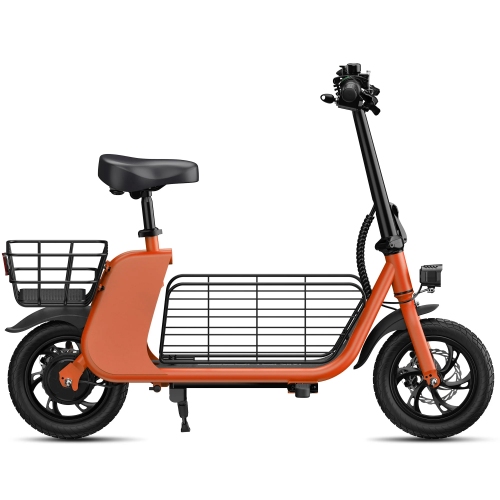
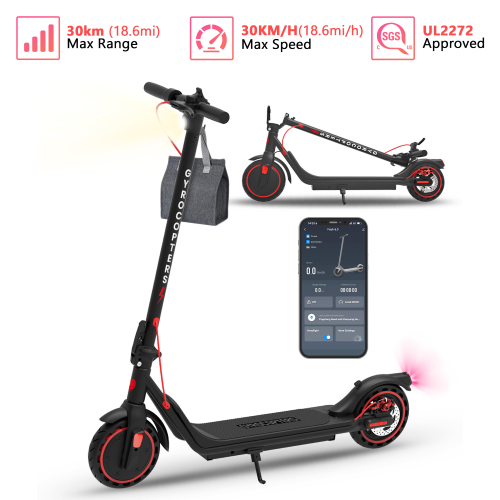
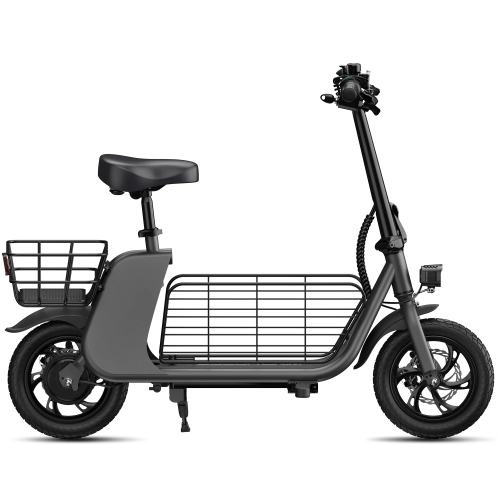
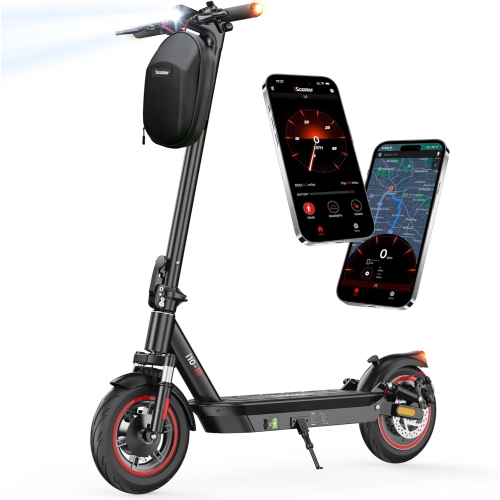
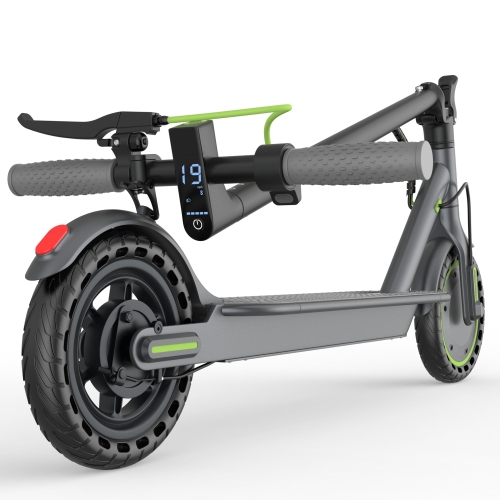
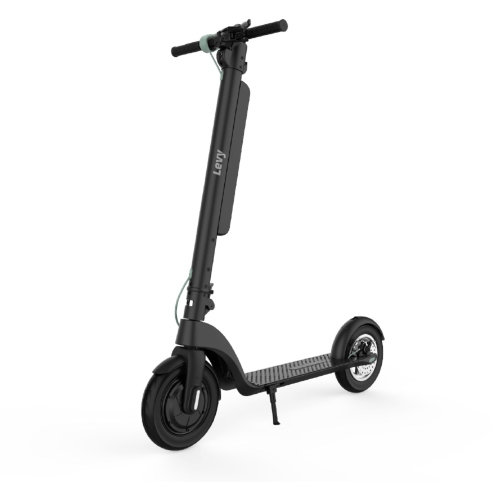
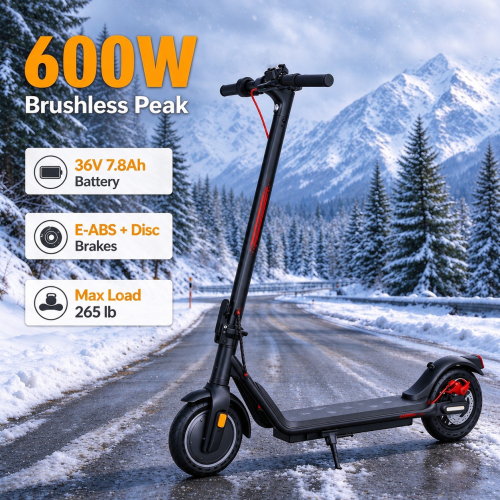
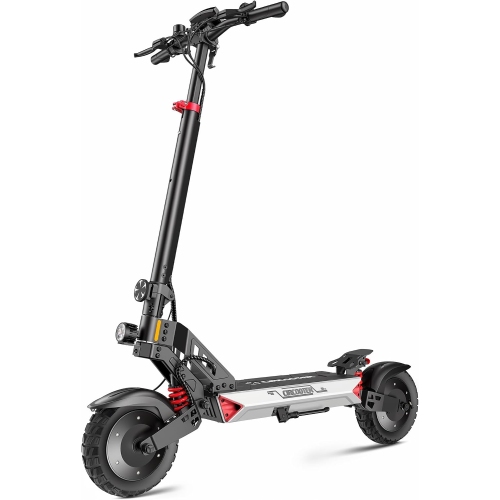
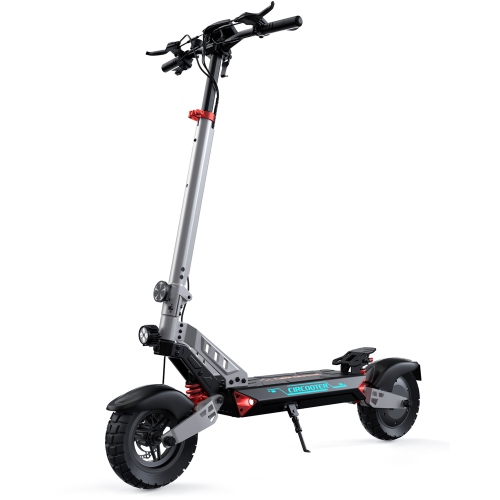
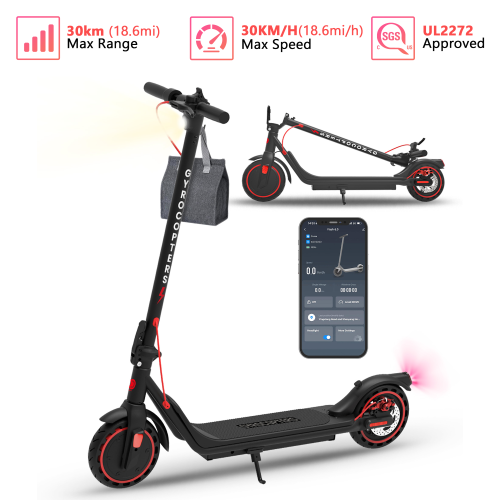
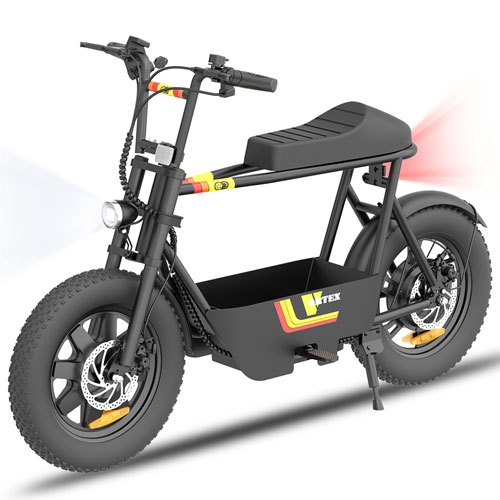
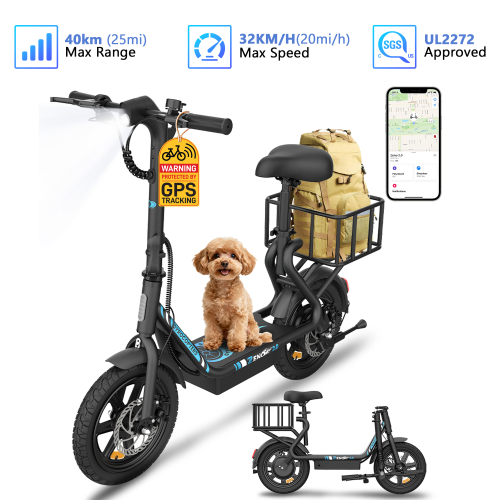
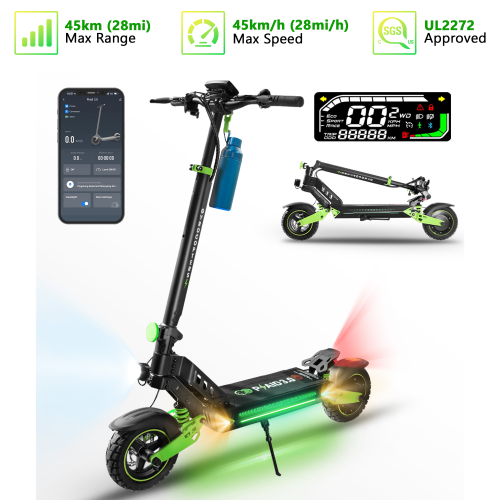
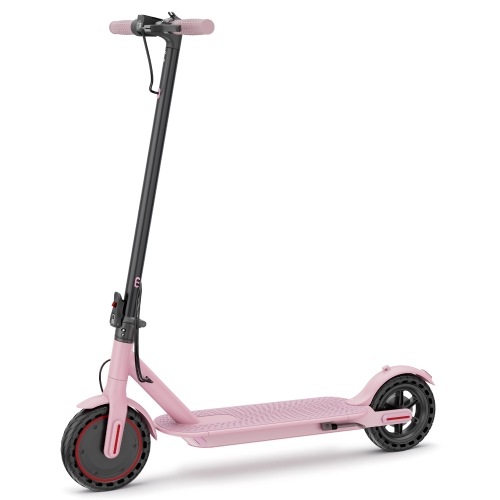
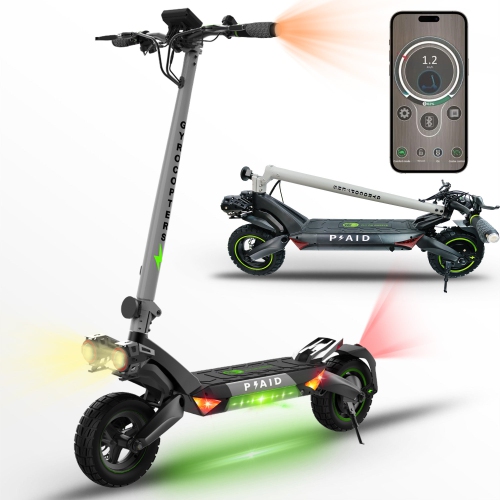
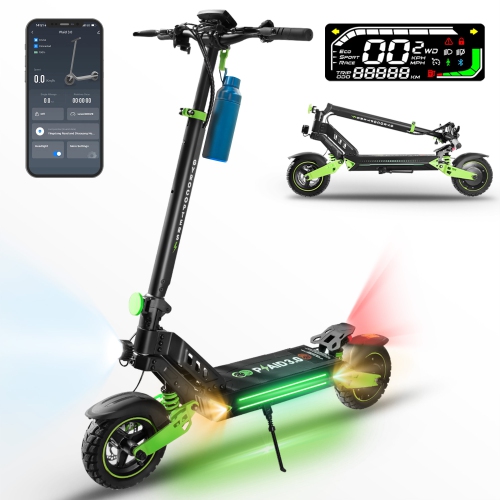
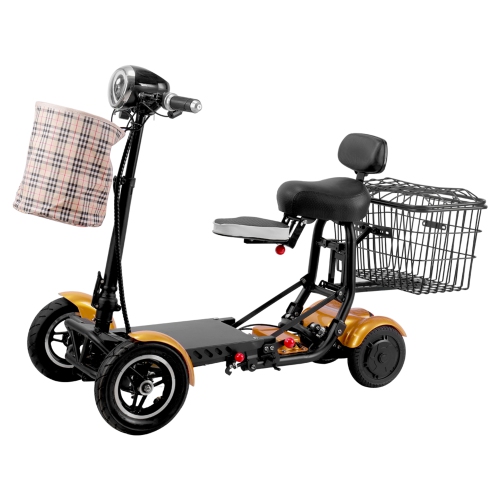
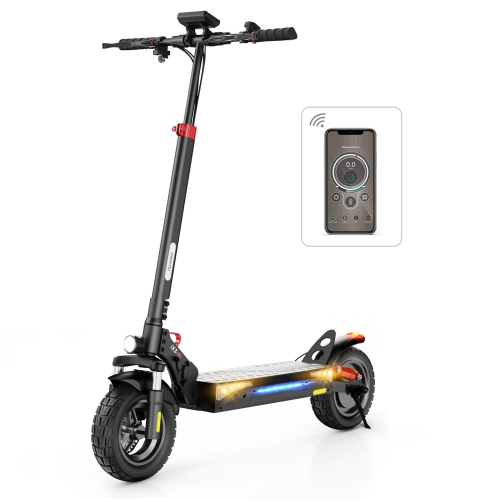
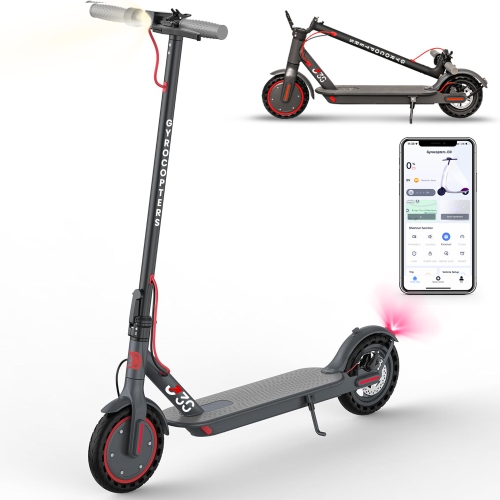
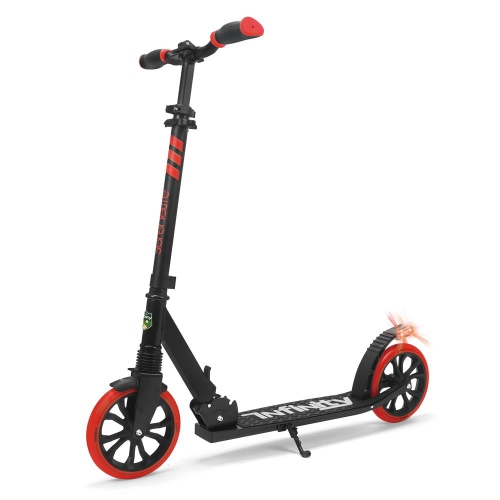
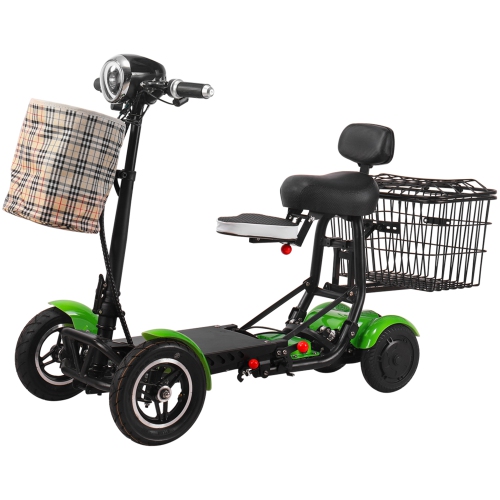
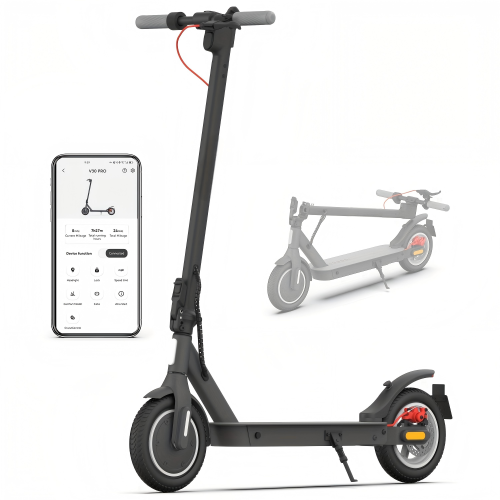
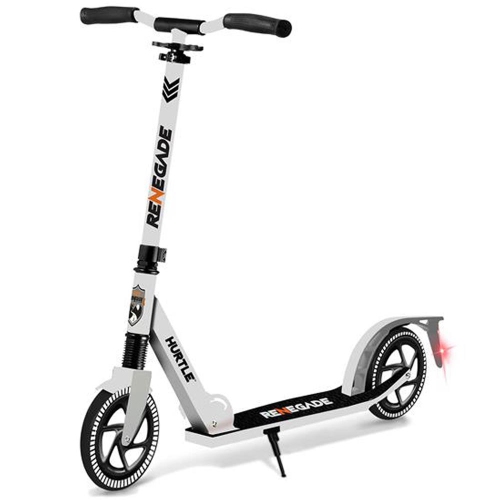
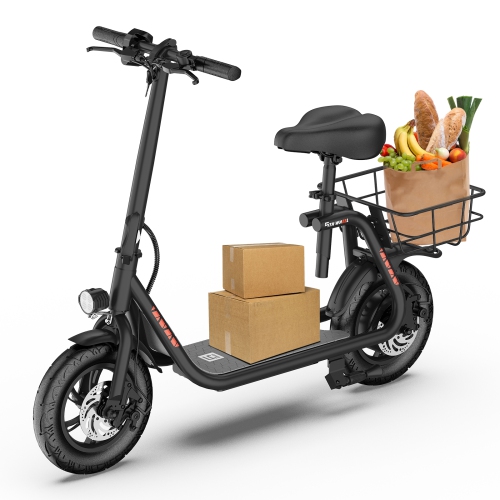
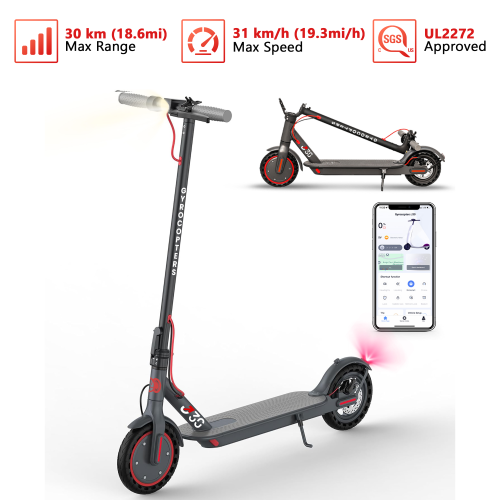
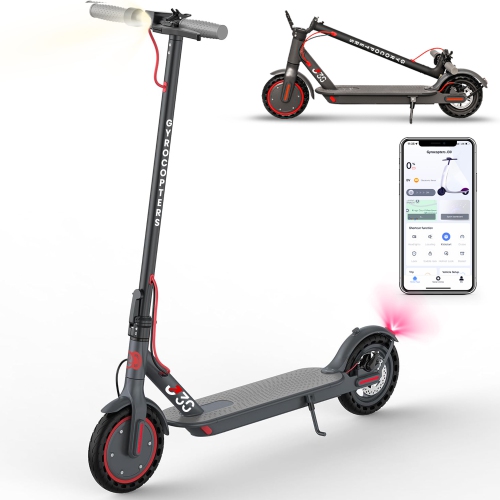
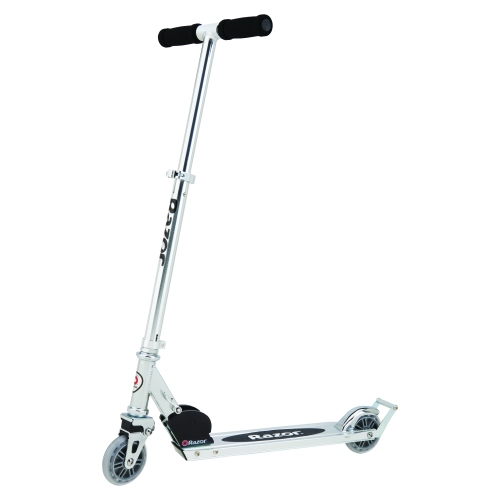
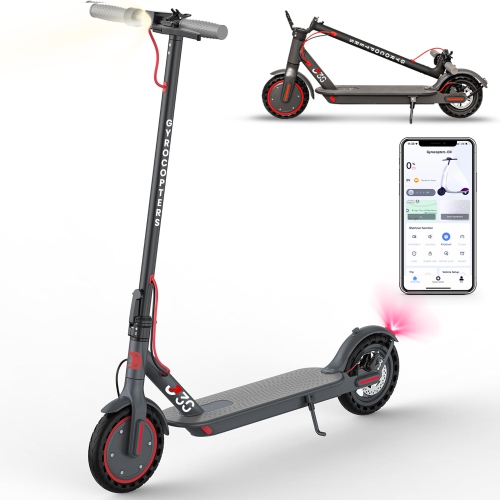
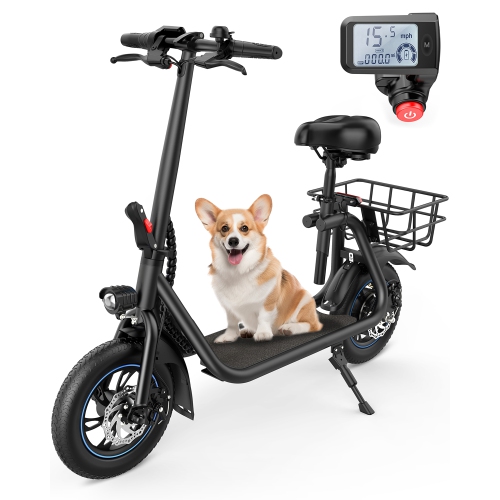
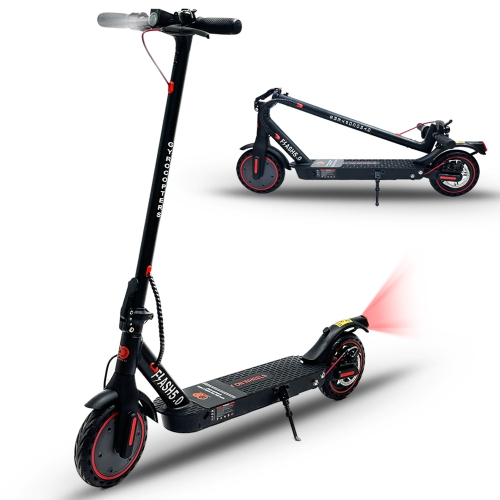
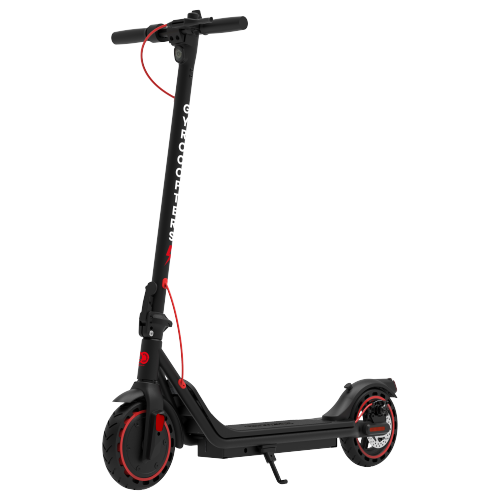

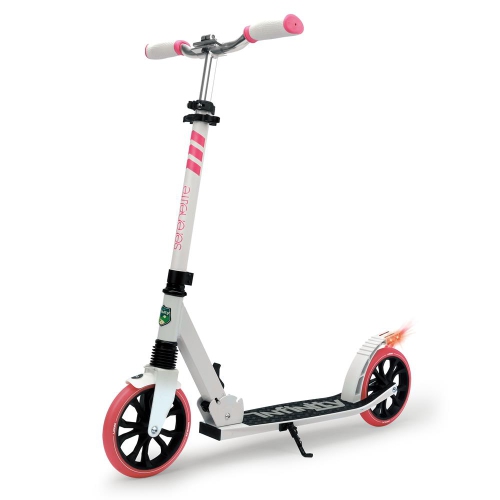
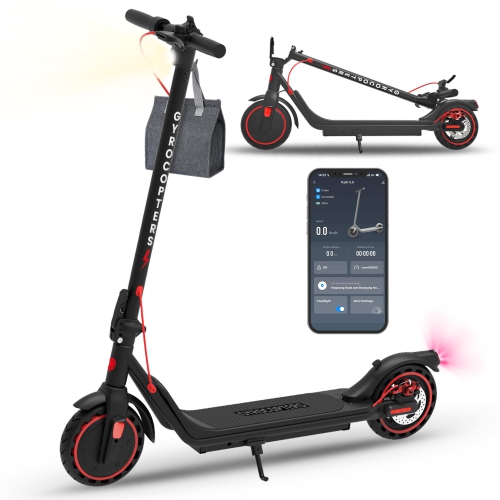
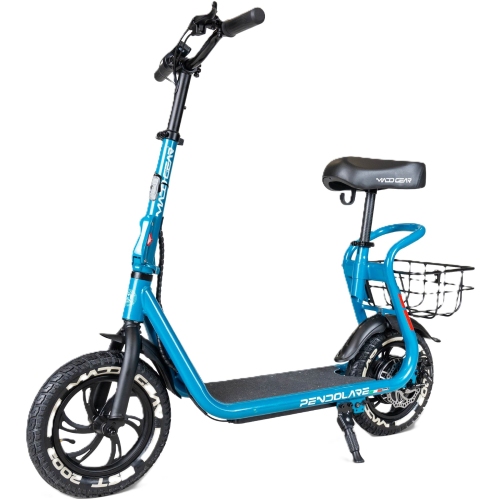
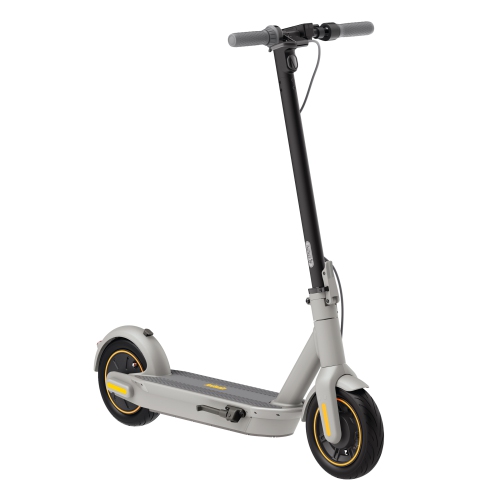
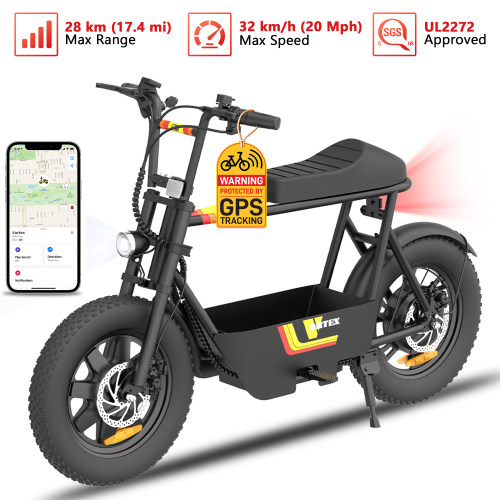
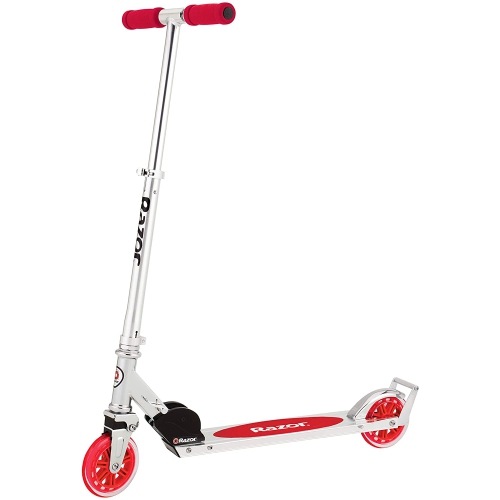
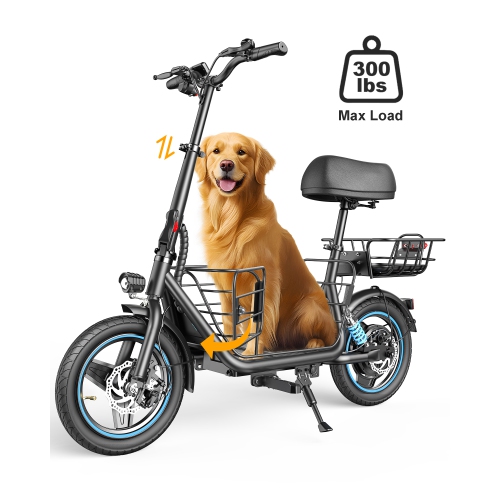
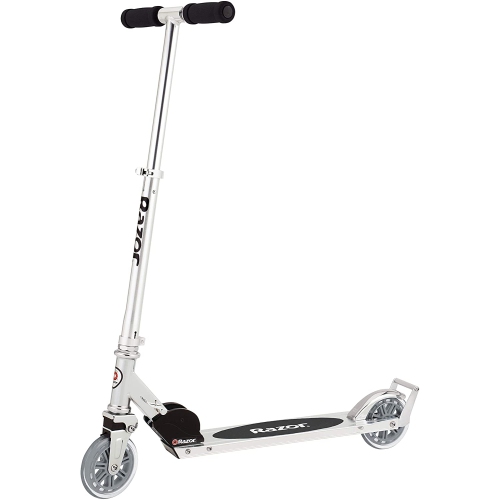
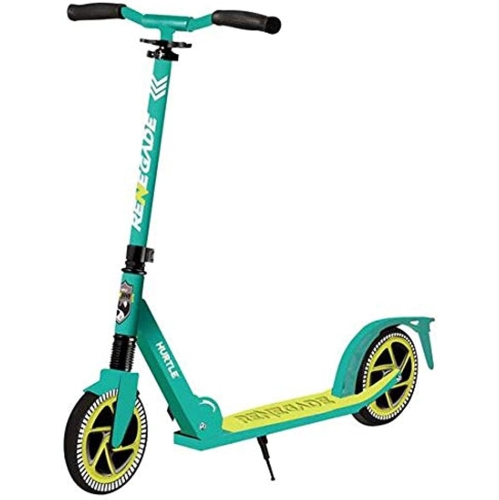
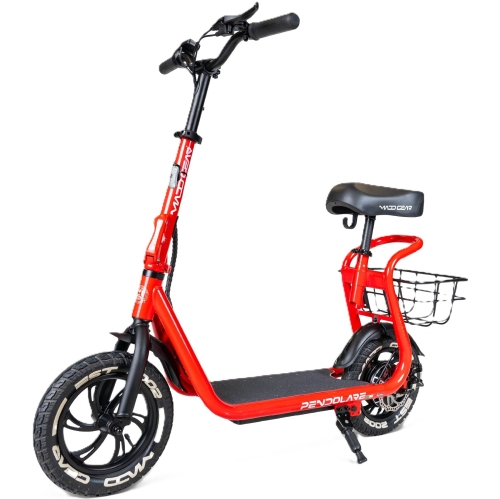
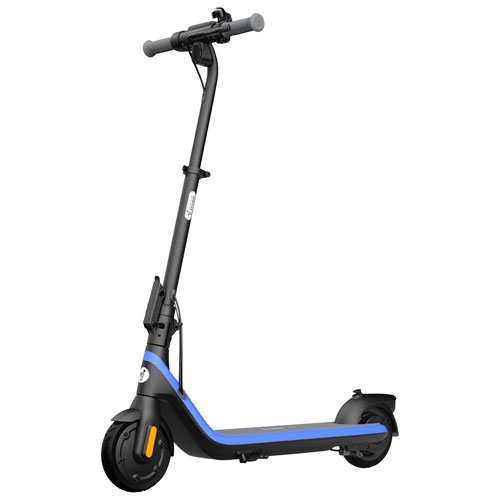
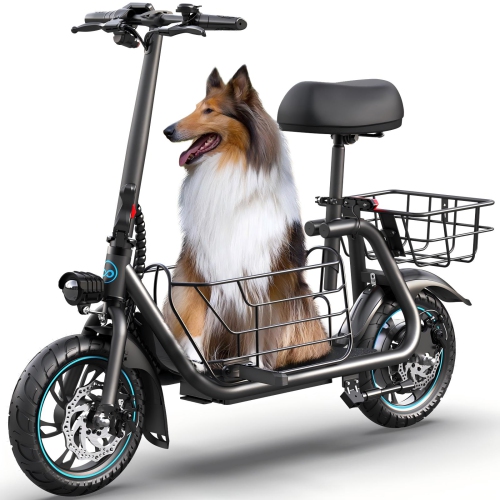
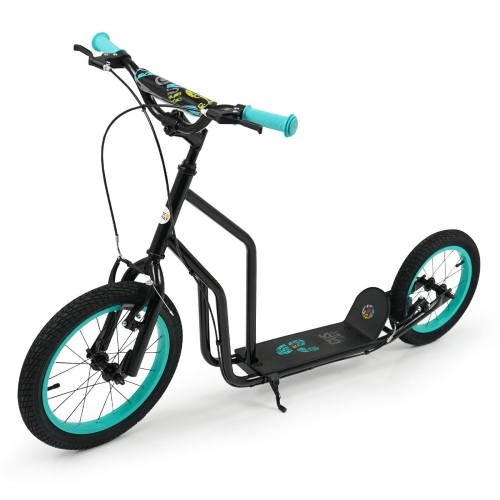
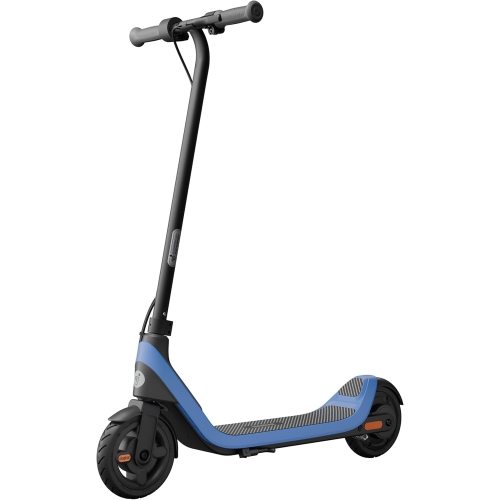
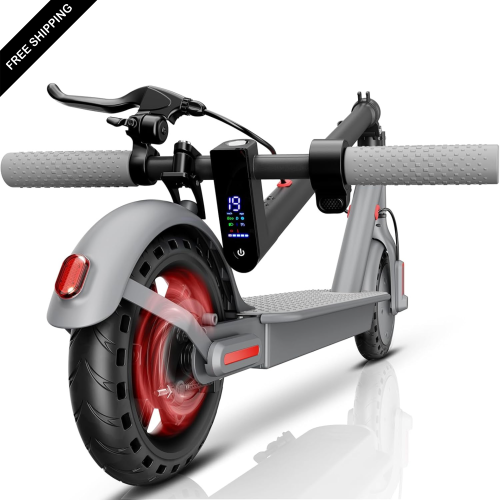
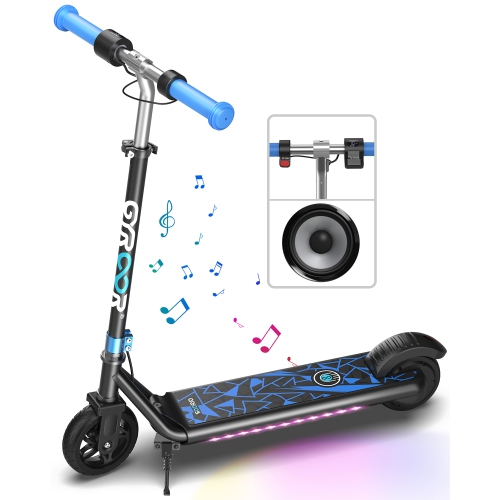
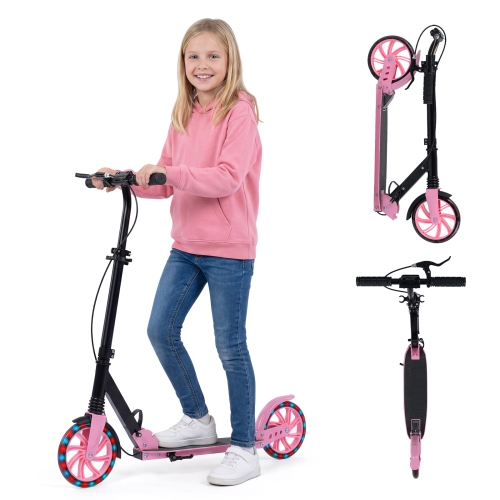
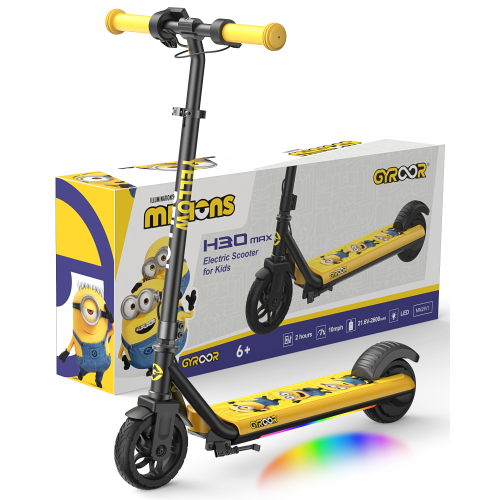


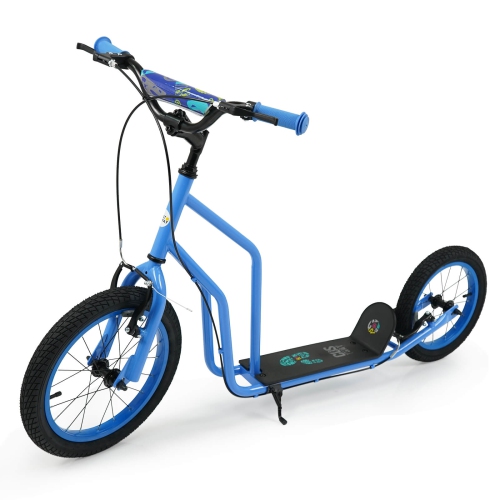

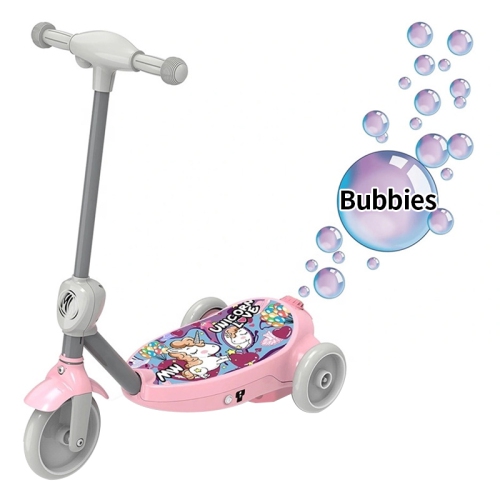
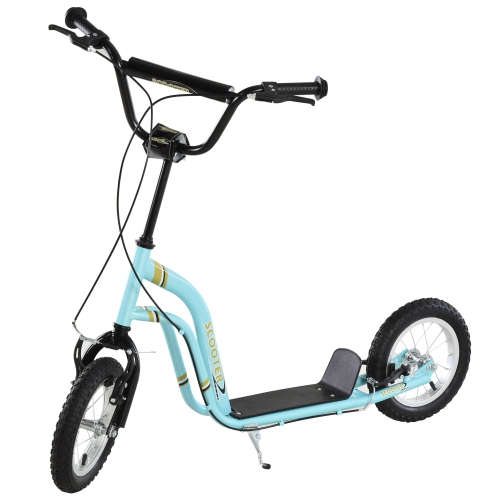
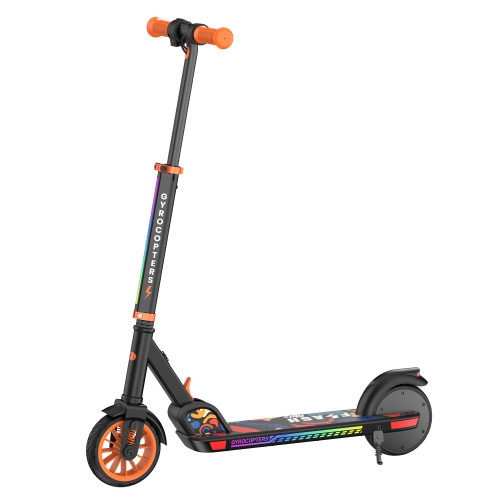
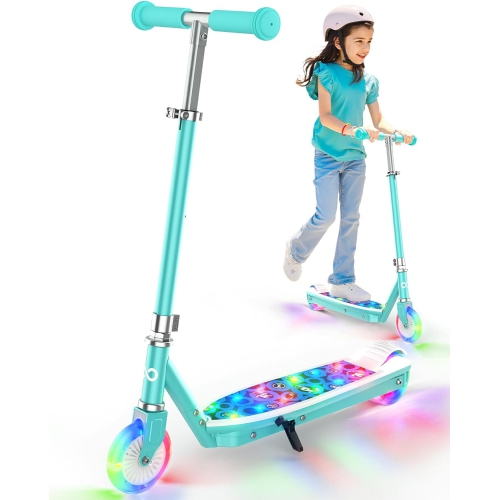
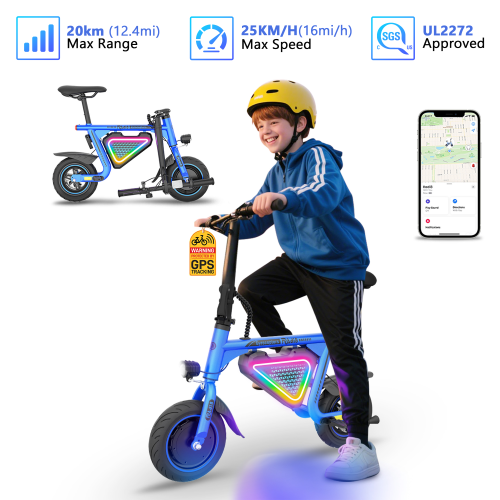
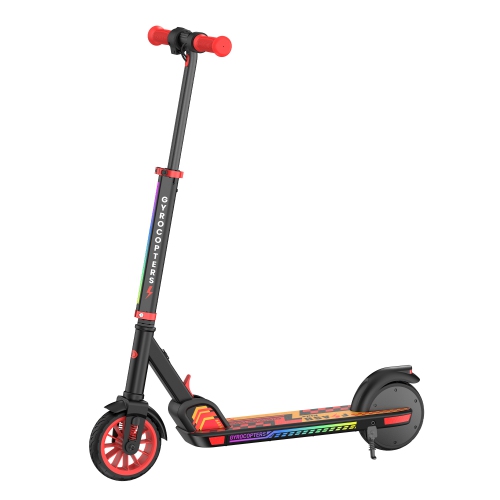
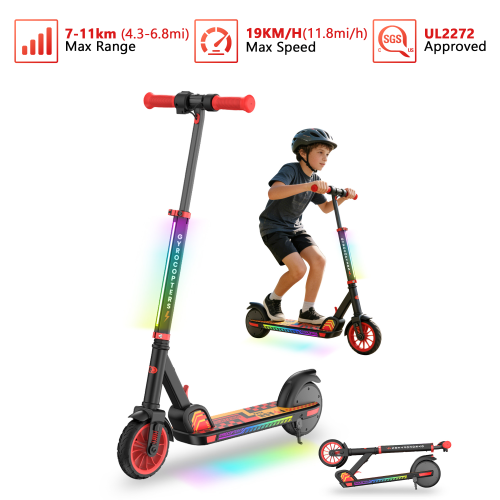
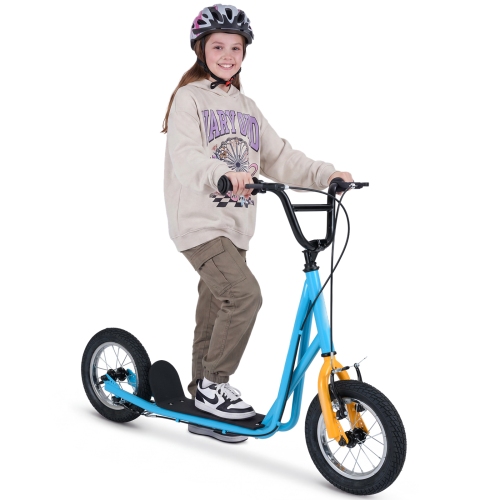
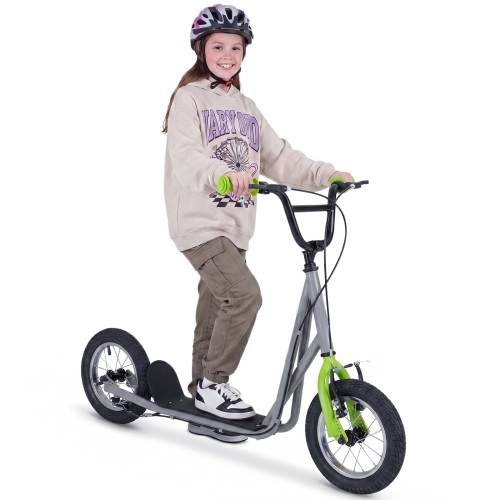
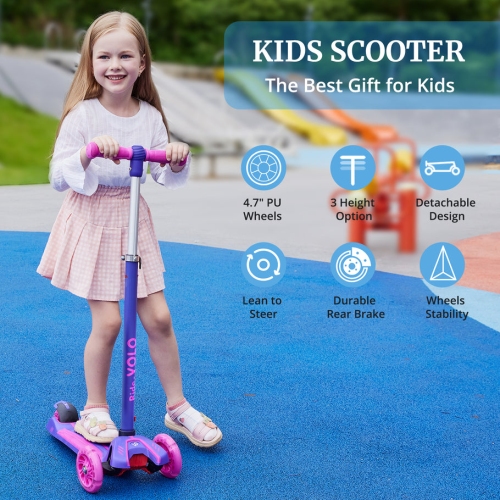
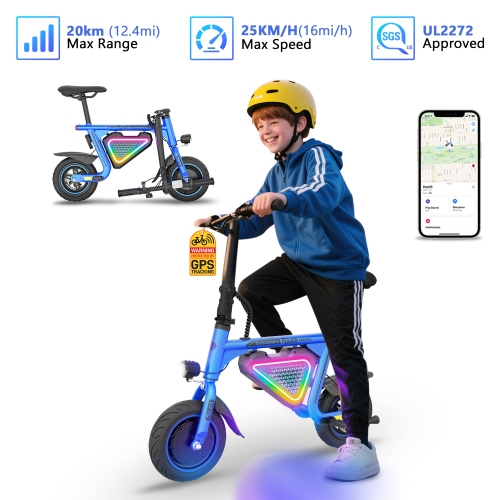
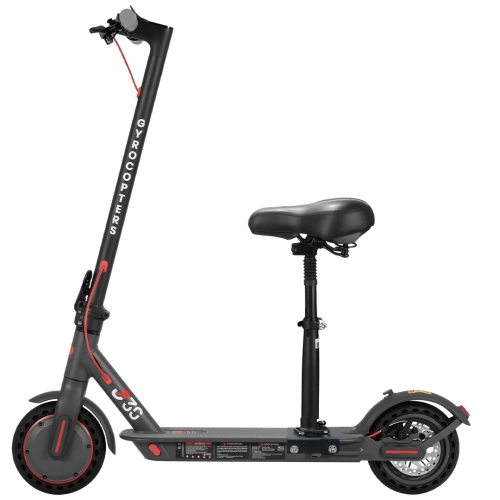
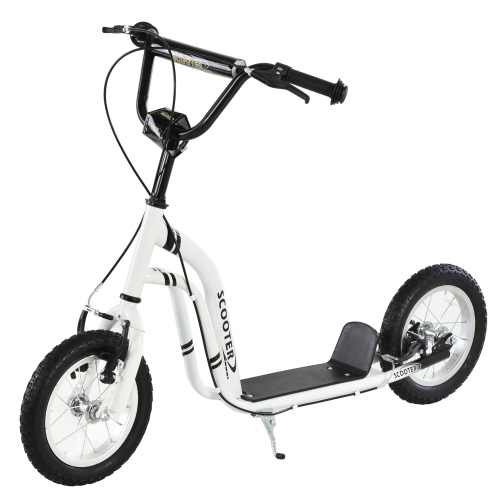
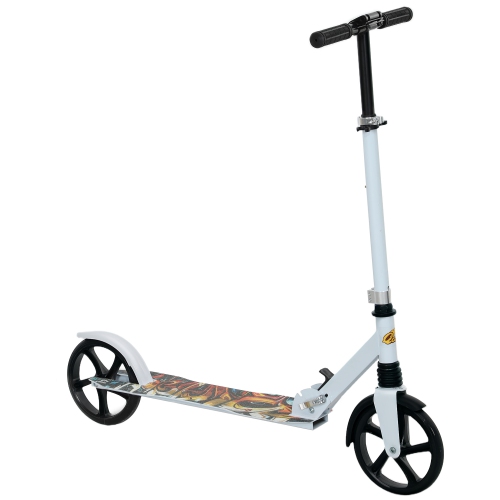
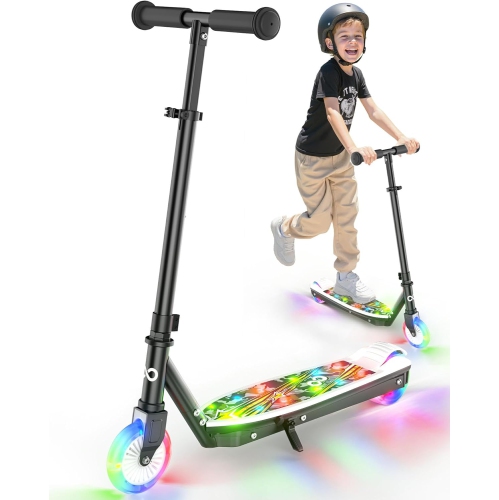
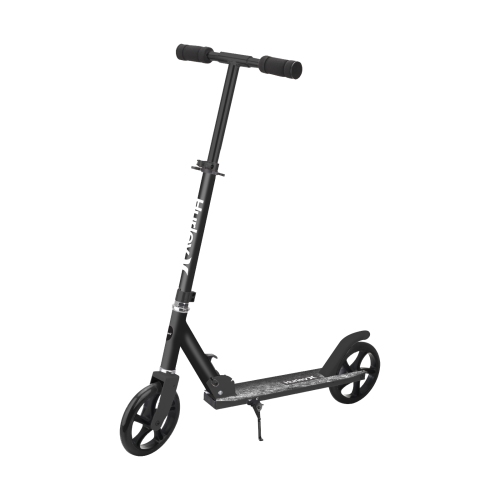
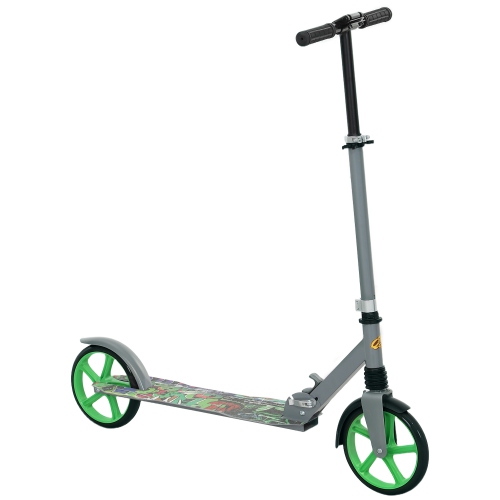
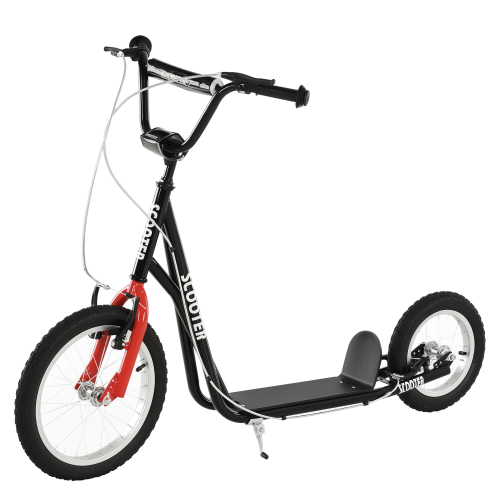
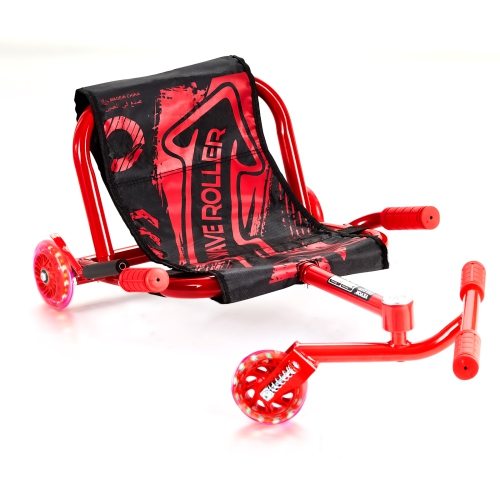
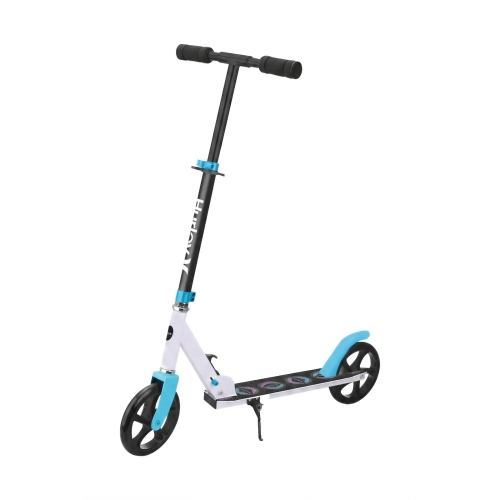
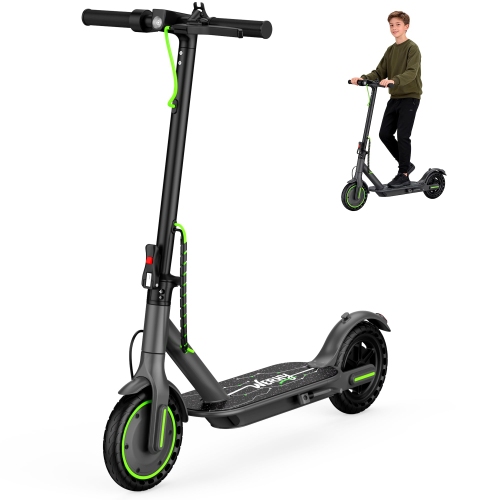
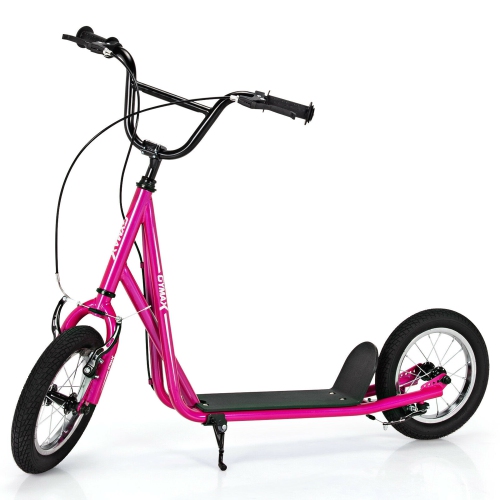
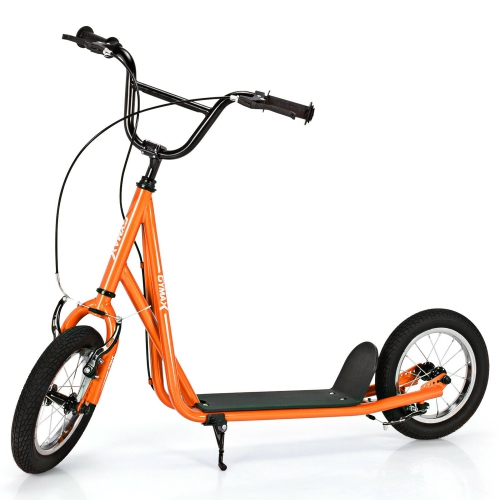
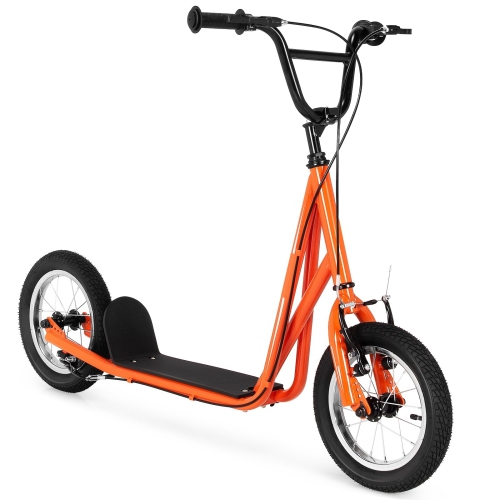
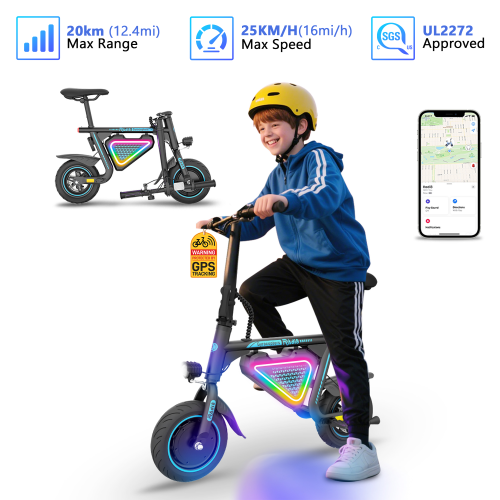
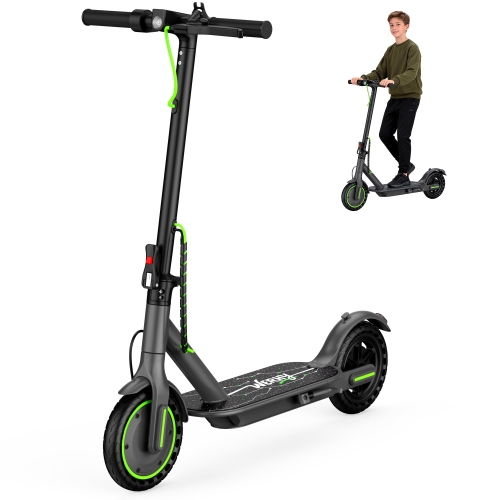
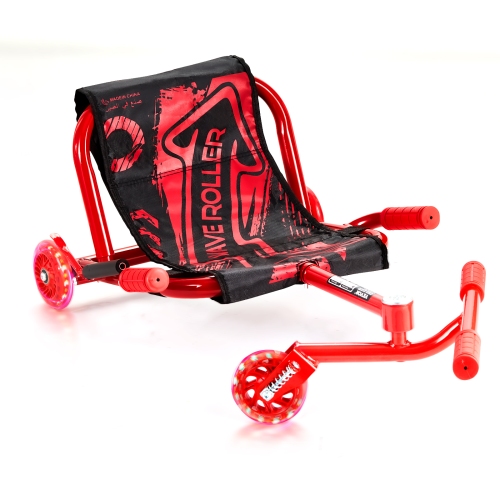
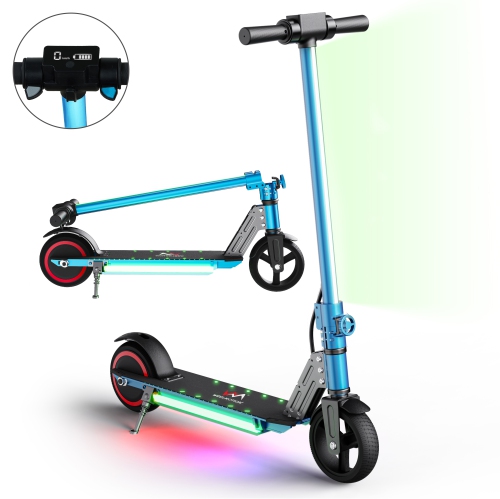
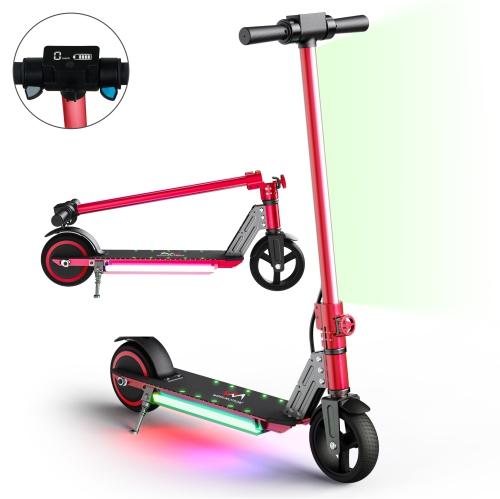
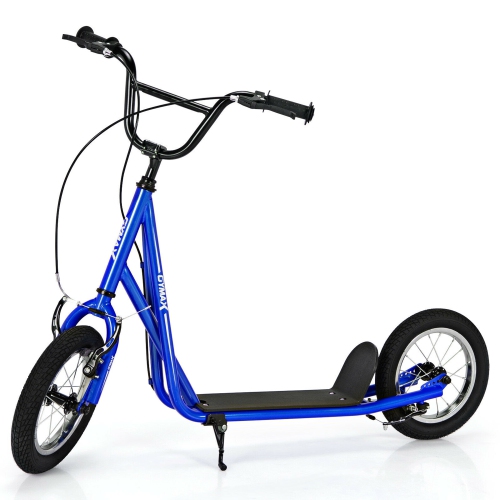
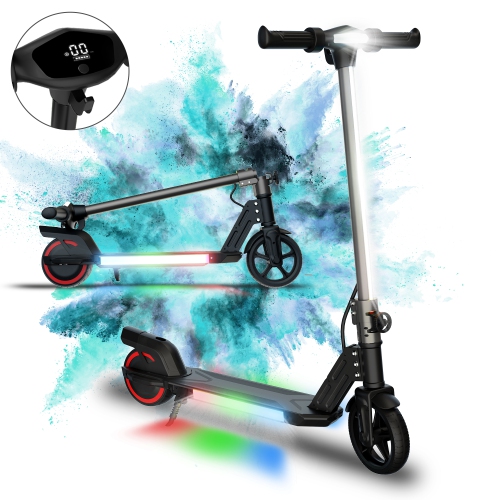
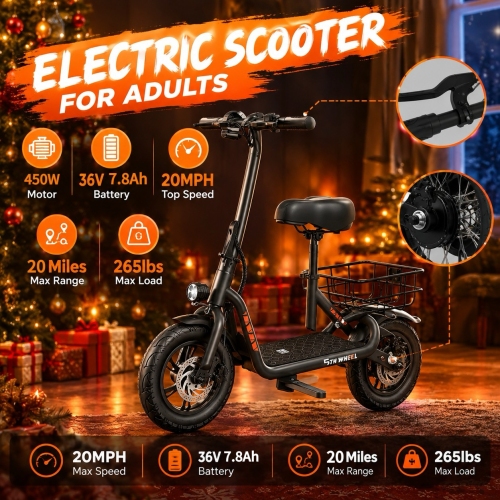
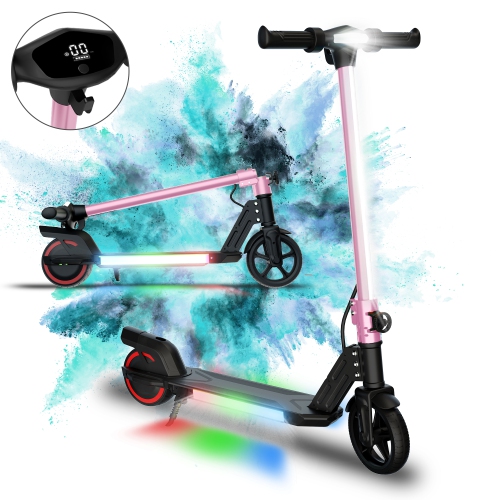


Scooter fit matters from the very first push
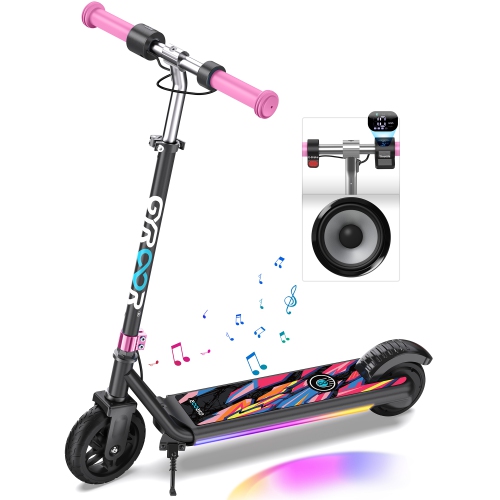
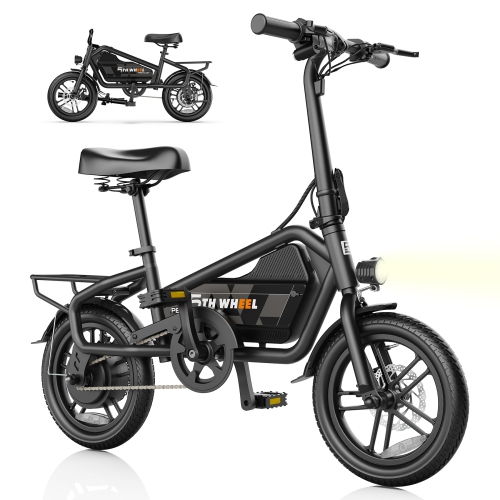
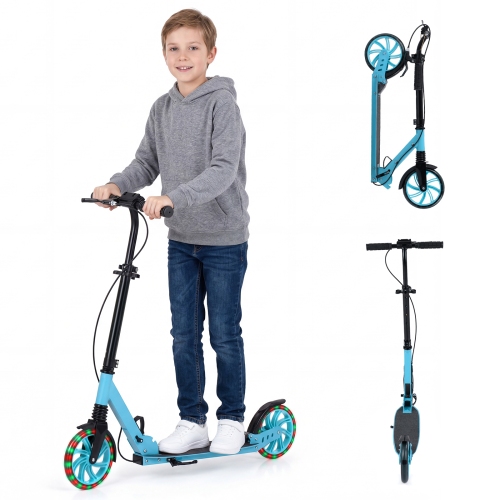
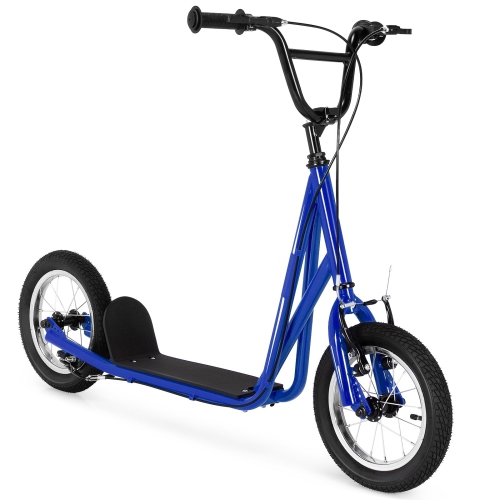
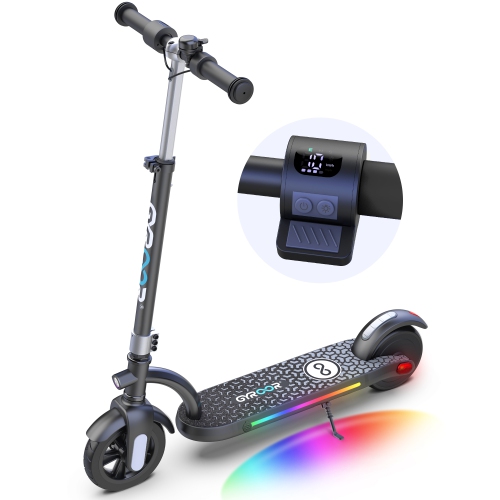
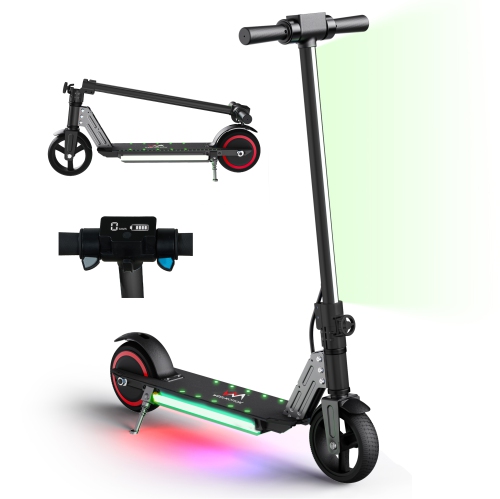
Two-wheeled scooters pair one front wheel with one rear wheel, giving riders a compact way to travel short distances, practise balance, and enjoy active recreation. A two-wheeled kick scooter moves when the rider pushes against the ground with one foot while keeping the other on the deck. Unlike a three-wheeled design, it requires the rider to maintain balance while rolling, turning, and stopping. That makes it a good match for children who have developed basic coordination, as well as teenagers and adults. Some children are ready for an age-appropriate two-wheel scooter around age five, but readiness depends on the child’s skills and the manufacturer’s age, height, and weight recommendations. A rider should be able to steer deliberately, place a foot on the ground without struggling, and use the brake before heading onto a shared path. Fit matters as much as age: handlebars should allow a comfortable stance with relaxed shoulders and slightly bent elbows, rather than forcing the rider to reach upward or lean forward. Height-adjustable handlebars can accommodate different riders or a growing child, provided the scooter remains suitable for their weight and intended use. The deck should offer enough room for a secure standing position without being so large that it makes pushing awkward. A textured or grippy deck surface helps keep footwear planted, while comfortable handlebar grips support controlled steering. For a child travelling alongside a parent or a teenager riding to a nearby recreation centre, these details affect how natural the scooter feels from the first push. Two-wheeled scooters can also make thoughtful gifts for active children and adults, particularly when the recipient’s measurements, experience, and preferred riding style are known. A scooter chosen for leisurely pavement rides serves a different purpose from one designed for skatepark tricks, so matching the construction to the rider’s plans is more useful than selecting by colour or appearance alone.
Frame materials, wheel design, and folding features shape how a two-wheel scooter handles everyday use. Aluminum is commonly used for relatively lightweight frames that are easier to carry, while steel can provide sturdy construction with additional weight. Material alone does not determine durability; the quality of the joints, handlebar assembly, deck, and locking mechanisms also matters. A folding scooter can be convenient when a journey includes carrying it up stairs, placing it in a vehicle, or storing it beneath a desk. Folded dimensions and total weight are worth considering together, since a compact shape does not necessarily mean an easy lift. The folding joint should lock securely for riding, and an adjustable handlebar should stay firmly in position without unwanted movement. Riders interested in Two Wheel Scooters for Adults often benefit from paying particular attention to weight capacity, usable deck space, handlebar height, and carrying comfort. For a short connection between a transit stop and an office, a manageable folded size may be especially practical; for a longer recreational outing, wheel size and ride comfort may matter more. Larger wheels generally roll over small pavement irregularities more easily than smaller wheels, although no scooter should be treated as suitable for every surface. Solid polyurethane wheels require no inflation and are common on kick scooters, while air-filled tyres can provide cushioning but require pressure checks and puncture care. Wheel hardness, bearings, and any suspension also influence the feel of the ride. Smaller, harder wheels are often associated with smooth surfaces and trick-focused designs, while larger-wheel scooters are commonly intended for cruising. Purpose-built stunt scooters typically use rigid, non-folding construction to withstand the demands of their intended use; an ordinary folding scooter should not be assumed to handle jumps or repeated hard landings. Brake layouts vary too, from rear foot brakes to hand-operated systems, making familiar controls an important part of a comfortable fit.
A well-matched scooter should feel predictable when starting, steering, and stopping, not simply convenient to carry. A quiet, level paved area away from traffic gives a new rider room to practise a steady push, a controlled turn, and a gradual stop. Supportive, closed-toe footwear helps with grip and foot placement, while a properly fitted helmet and suitable protective equipment add important protection. Children benefit from supervision and a riding area suited to their abilities. Shared paths call for a manageable speed, space around pedestrians, and particular care at crossings, corners, and entrances where someone might step into the route. Local rules determine where scooters may be used, and private properties or transit services may have their own requirements for carrying and storing them. Routine care helps preserve the handling that made the scooter comfortable in the first place. Before riding, the wheels should turn freely, the steering should move smoothly, and the brake should engage as intended. Loose grips, a shifting handlebar, worn deck grip, or a folding latch that does not hold firmly are signs to address before another ride. Wheels and bearings gradually wear, especially with frequent use, so unusual noise, wobbling, or reduced rolling performance deserves attention. Dust and grit can be removed with a soft brush or cloth, following the manufacturer’s cleaning instructions rather than soaking the scooter or directing water into bearings. Air-filled tyres need pressure checks within the specified range, and replacement parts should match the scooter’s requirements. Keeping the scooter clean, dry, and stored where it will not be knocked over helps protect its finish and moving parts. A designated storage spot also keeps handlebars and wheels out of walkways. Whether the scooter is used for family outings, short neighbourhood trips, or skill-building at a suitable riding space, appropriate fit, dependable components, and consistent care make it easier to enjoy the simple rhythm of pushing, gliding, and steering.
Top selling and popular products
-
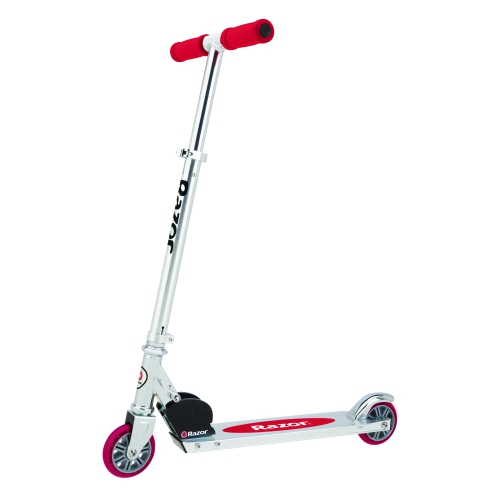 Your price for this item is $49.99
-
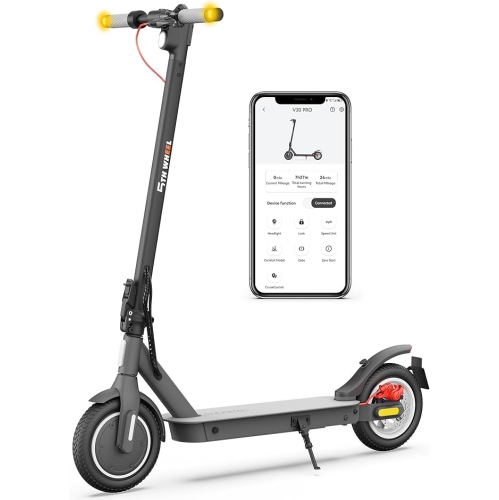 Your price for this item is $417.32
-
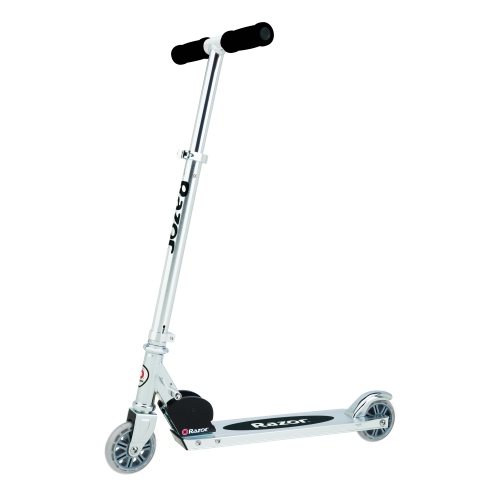 Your price for this item is $49.99
-
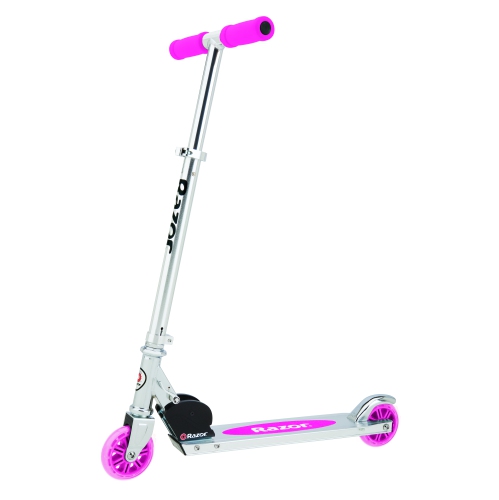 Your price for this item is $49.99
-
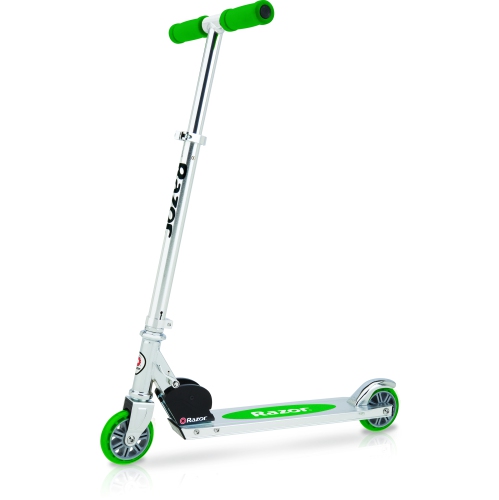 Your price for this item is $49.99
-
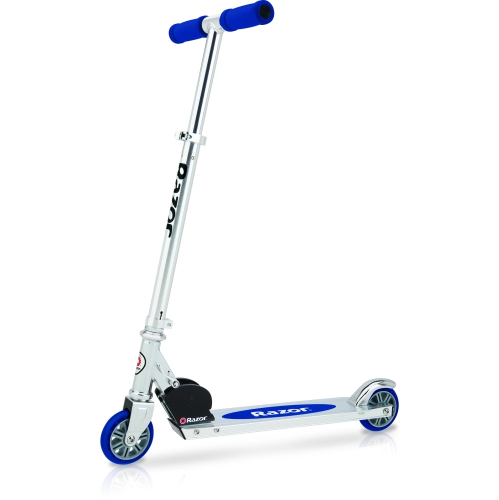 Your price for this item is $49.99
-
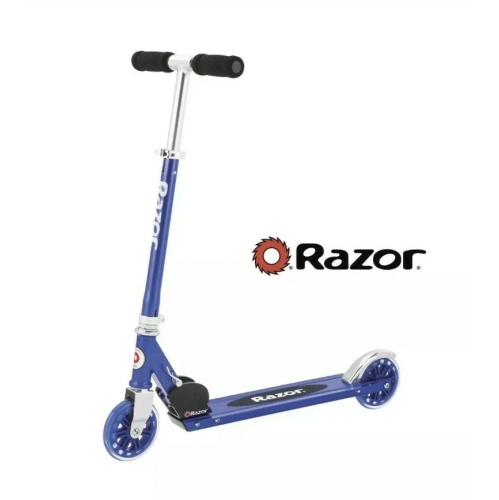 Your price for this item is $119.99
-
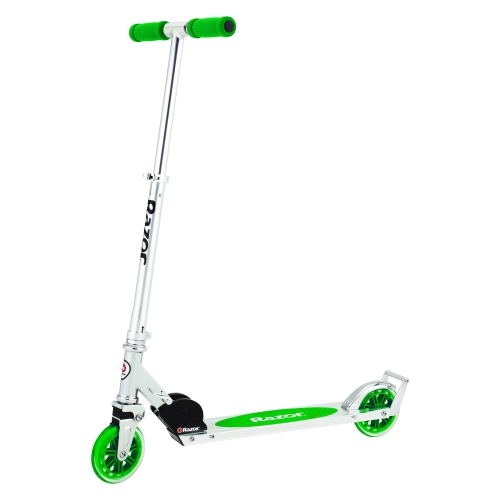 Your price for this item is $76.99
Discover more categories related to Two Wheeled Scooters
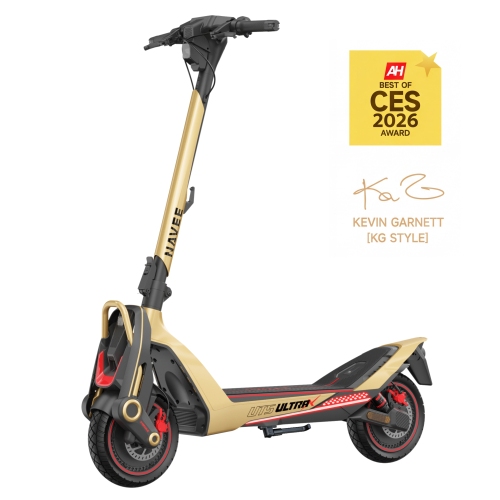
Top Collections:
Best Black Friday Deals This Year, Best Black Friday Deals On Electronics, Kindle Devices, Dyson Airwrap, Best Cameras for Sports Photography, Best Budget Office Chairs, Canon G7X Cameras, PS5 Pro Consoles, Best Black Friday Deals On Apple Products, XBOX One S Consoles
Some products may be subject to Environmental Handling Fees
(EHF) depending on your province.
Learn more about EHFs.