Car Refrigerators
Looking to keep your snacks cool on the go? Our selection of car refrigerators is here to make road trips, camping adventures, and long drives a breeze. These portable fridges are designed to fit seamlessly in your vehicle, keeping your beverages chilled and your food fresh wherever you roam. Whether you're a frequent traveler or simply need extra cooling space for groceries, our car refrigerators offer convenience and functionality for your on-the-go cooling needs.
Sort
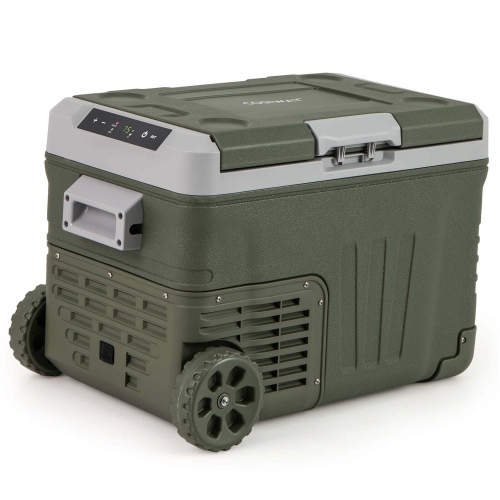
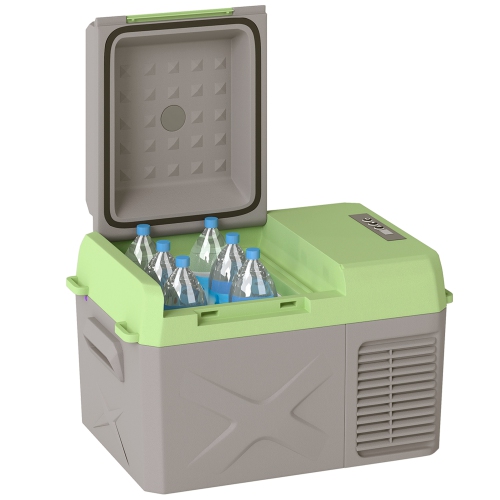
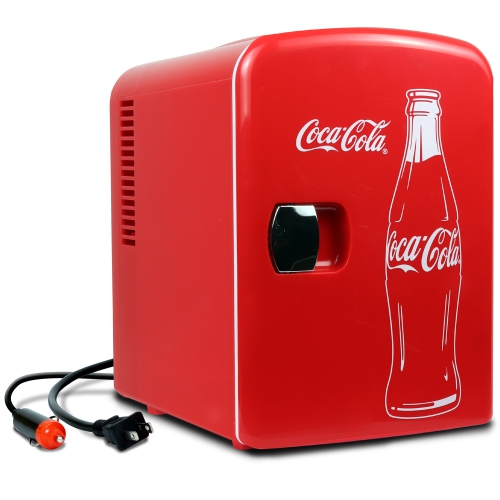
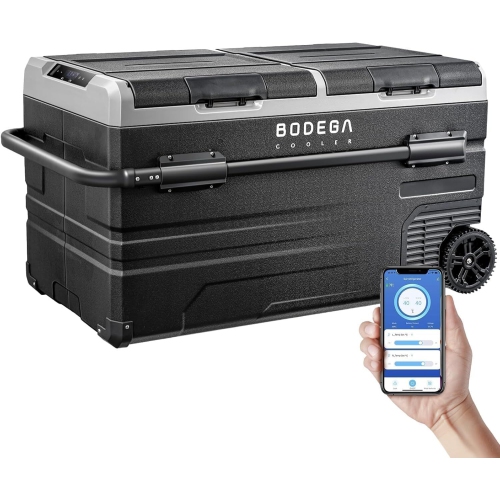


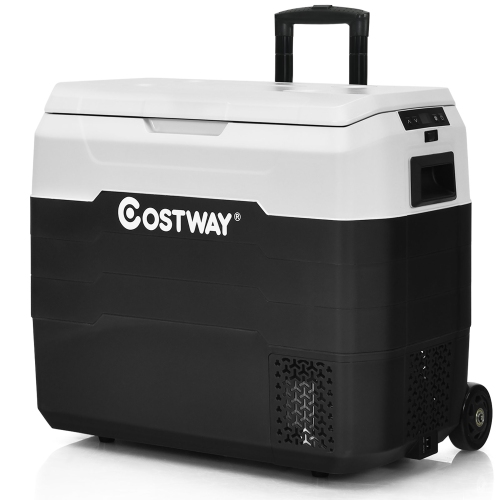
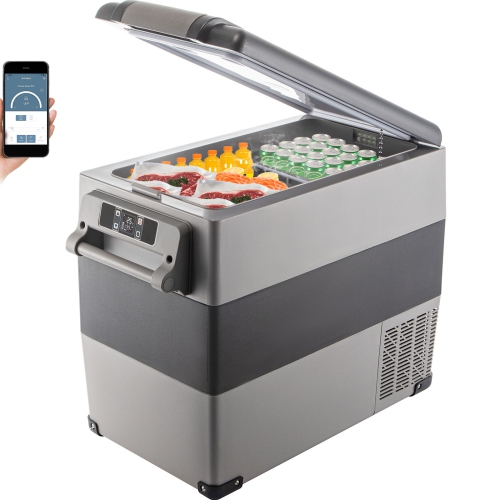
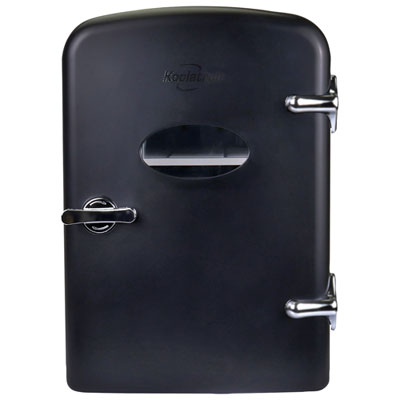
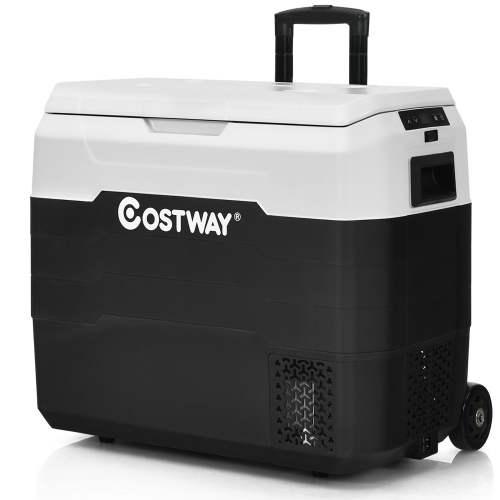


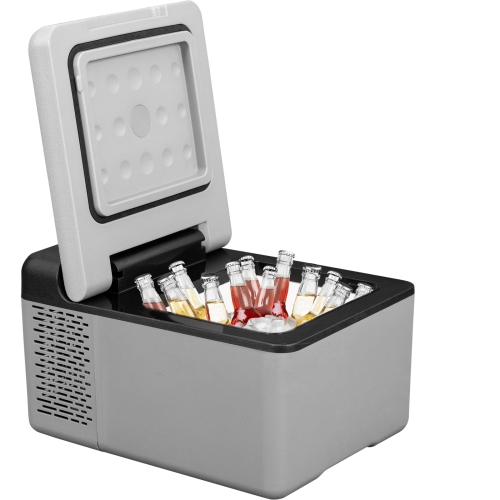
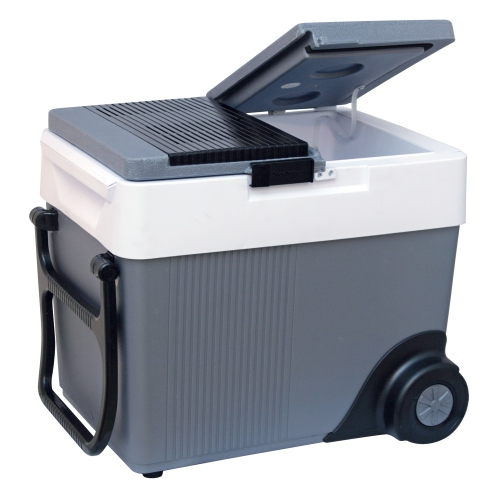
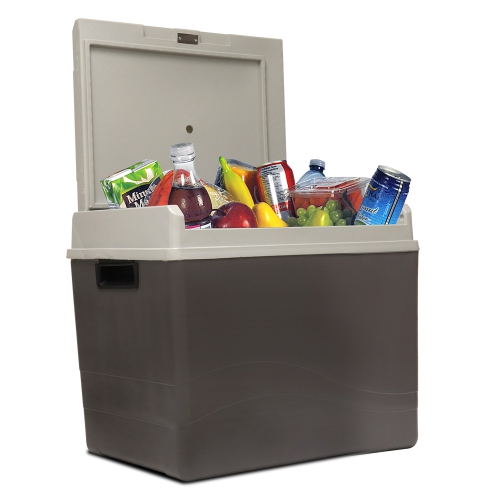
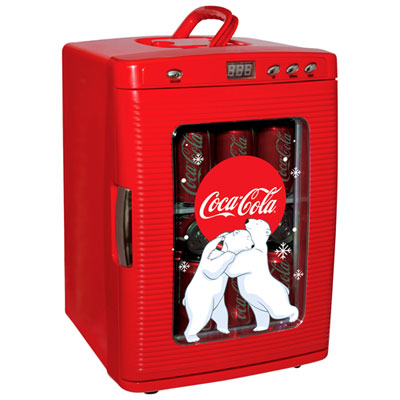
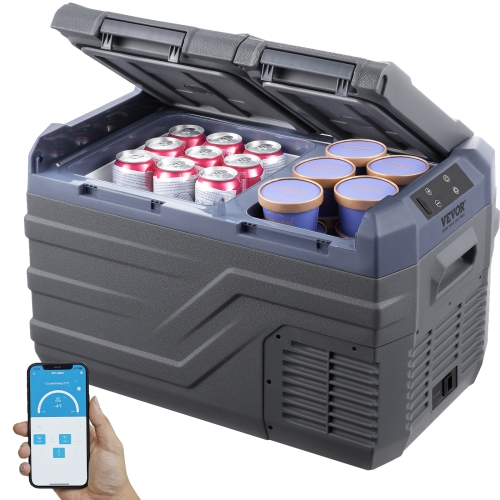
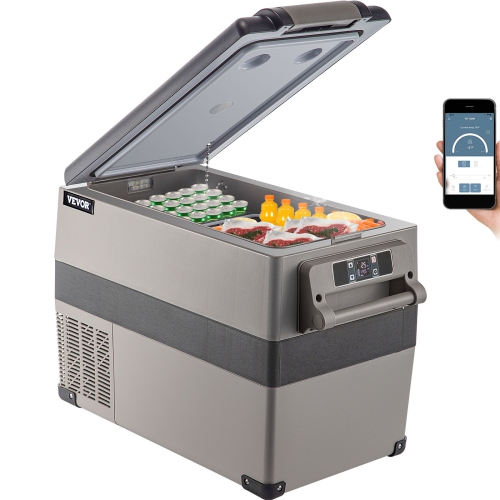
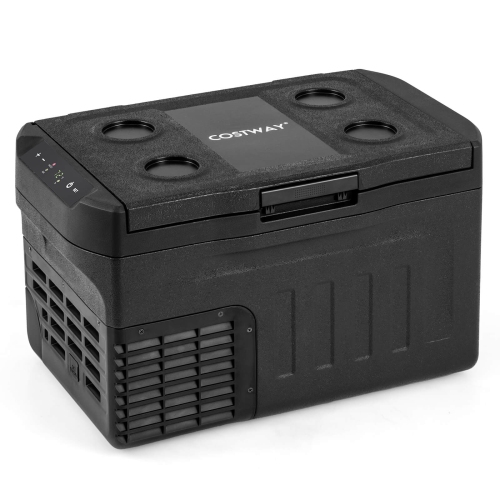
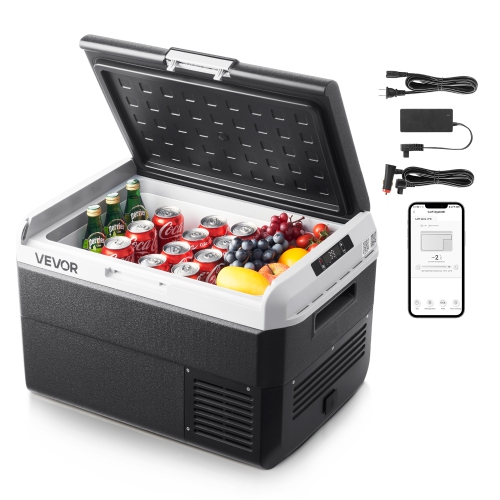
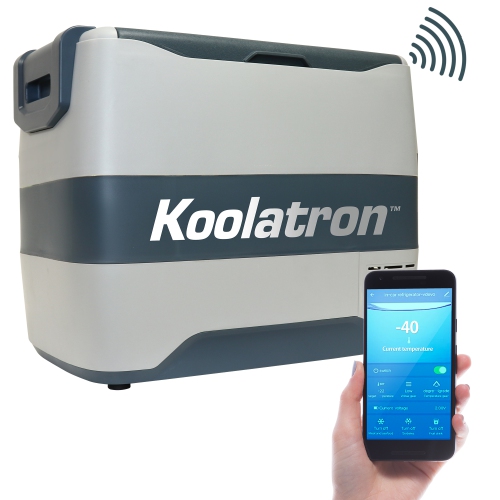
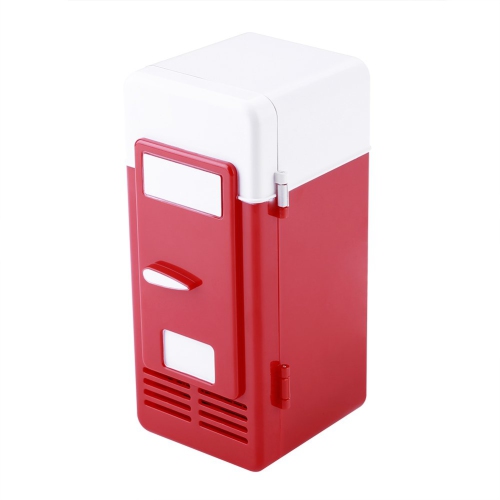
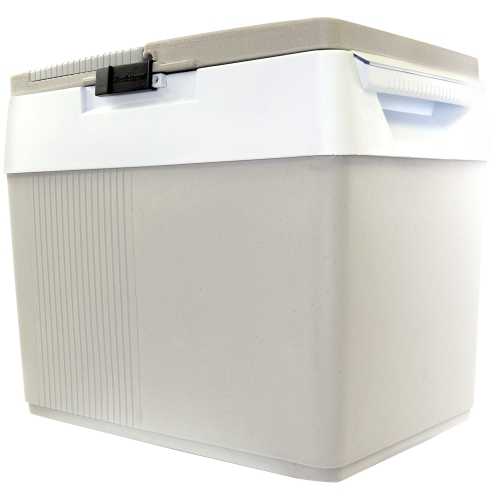
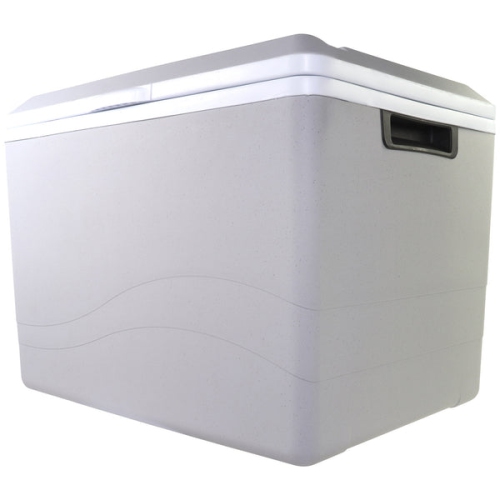
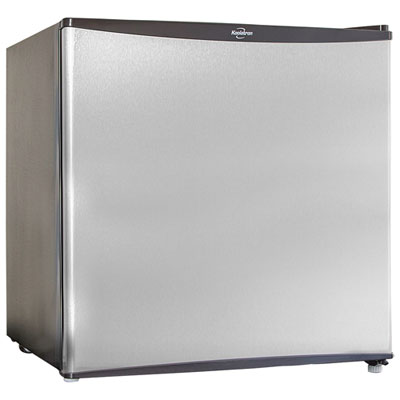
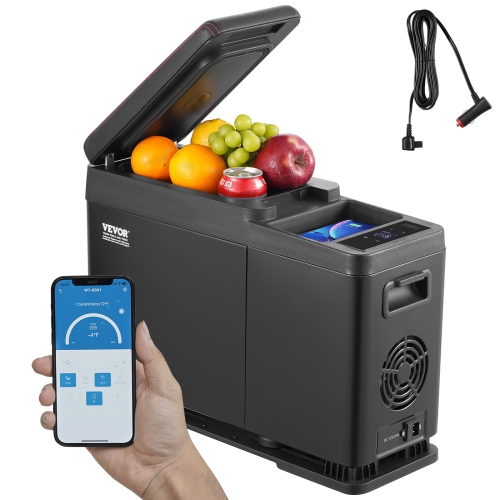
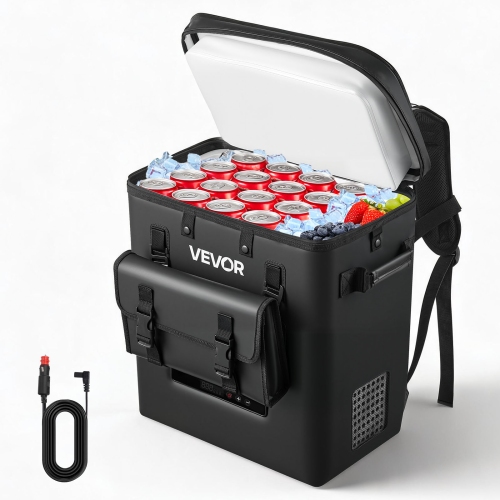
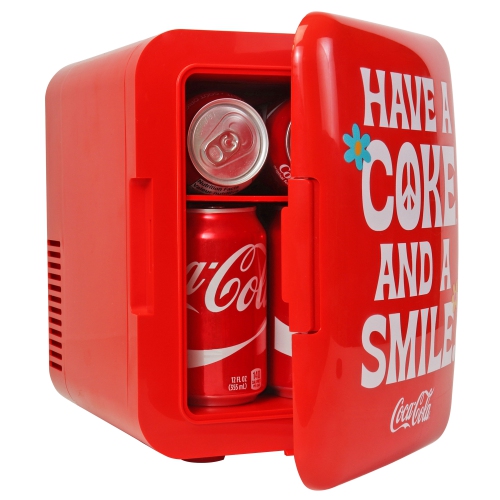


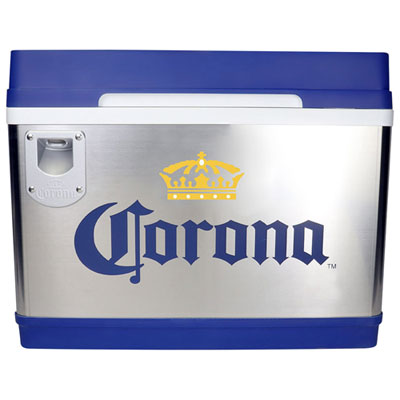

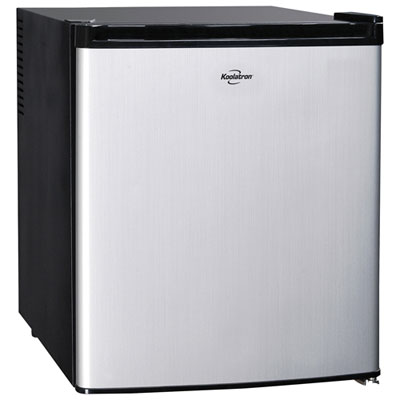
Chilled food on the road without loose ice
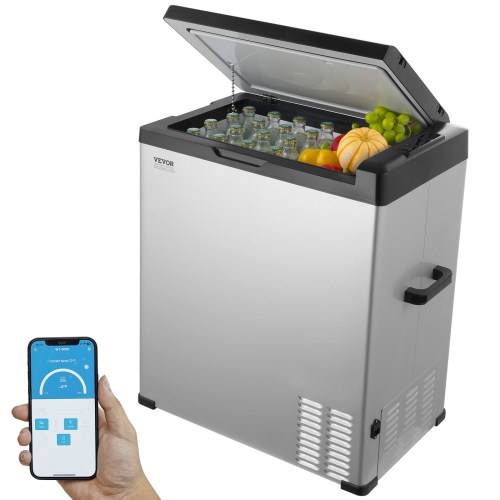
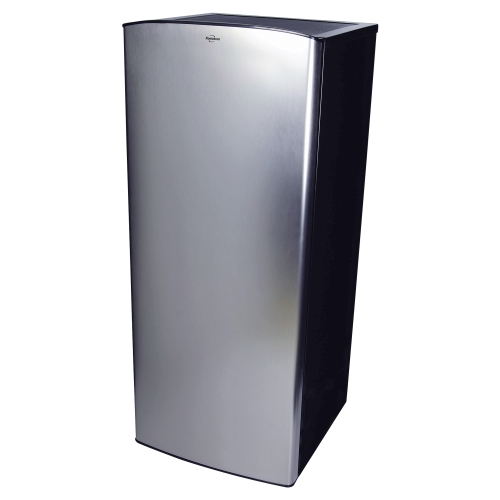
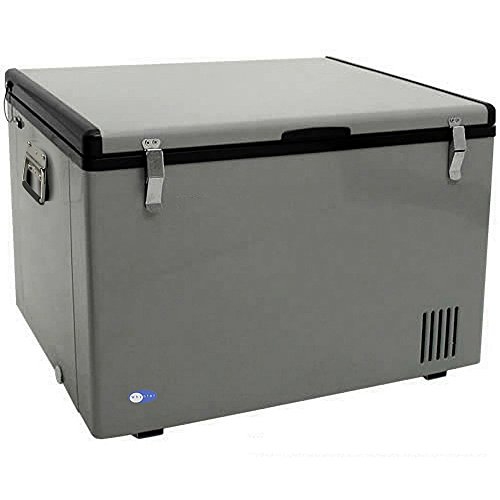
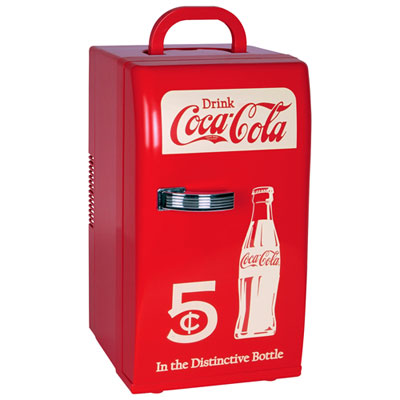
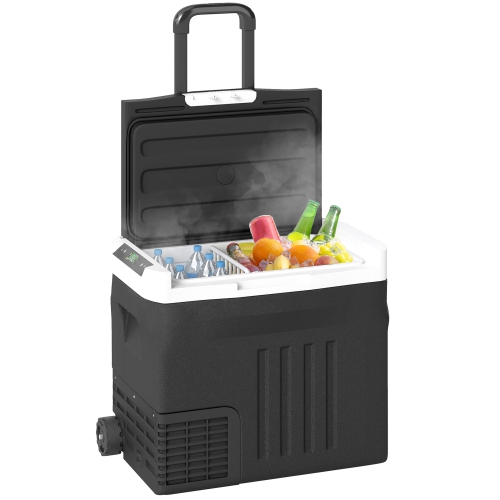
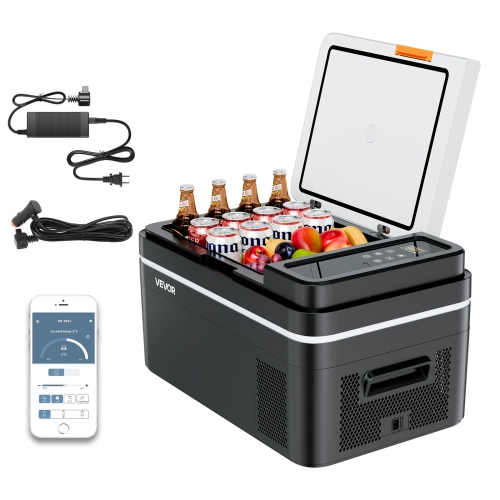
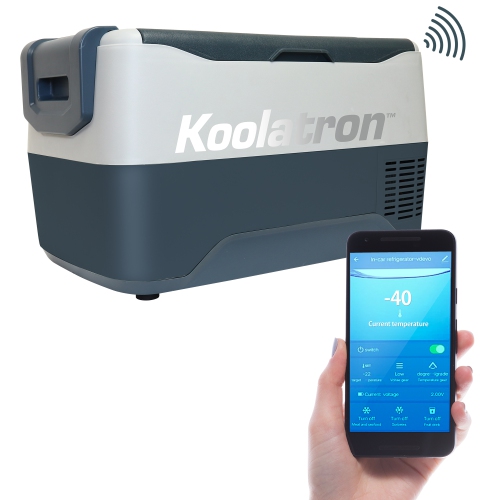
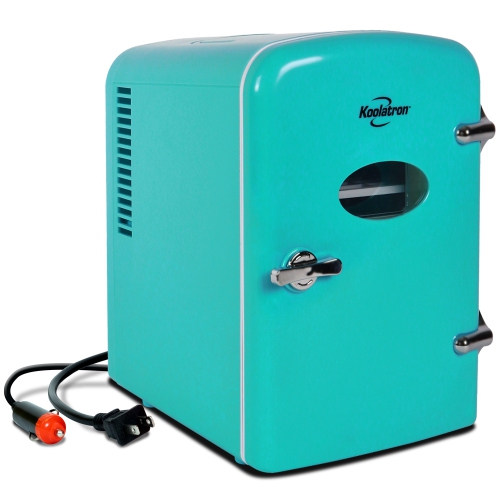
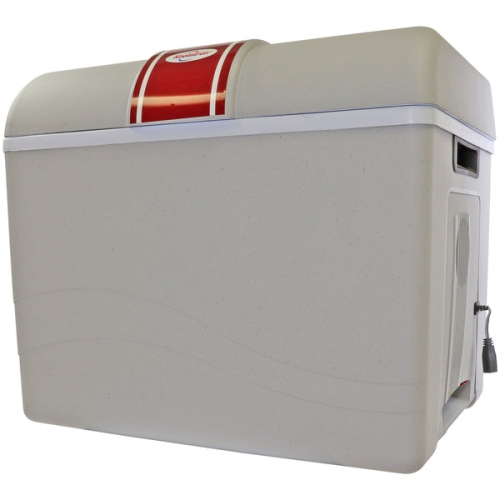
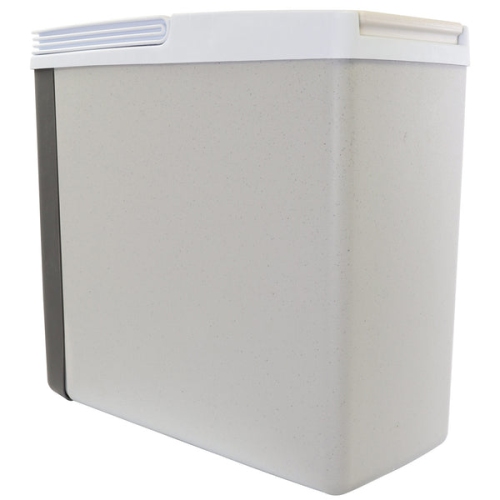
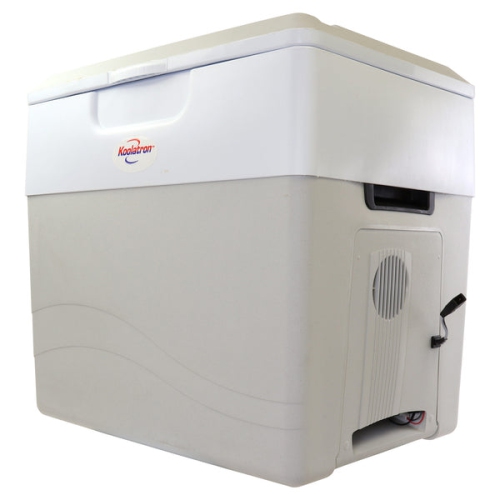
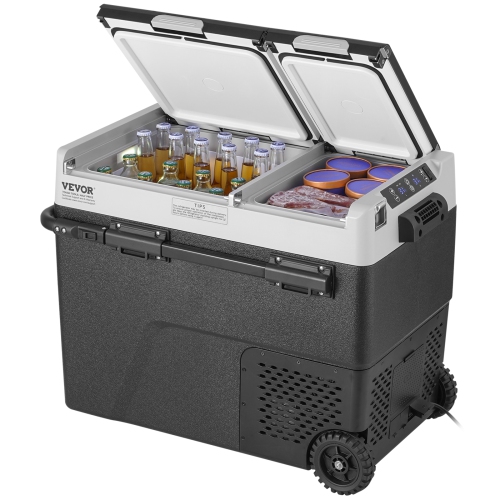
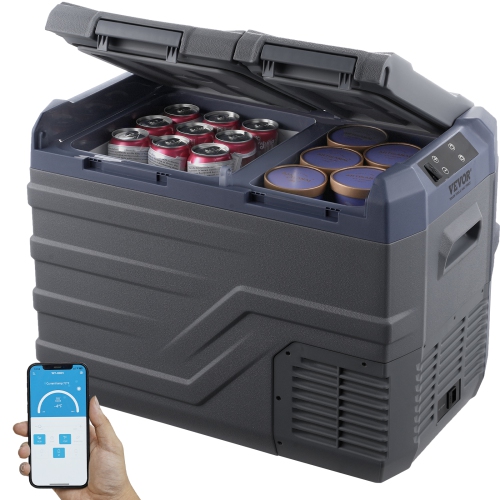
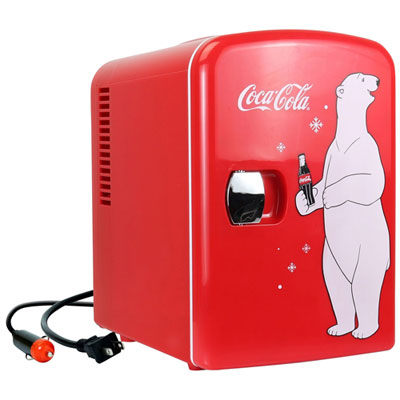
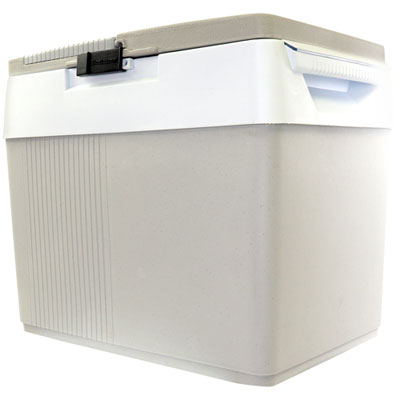
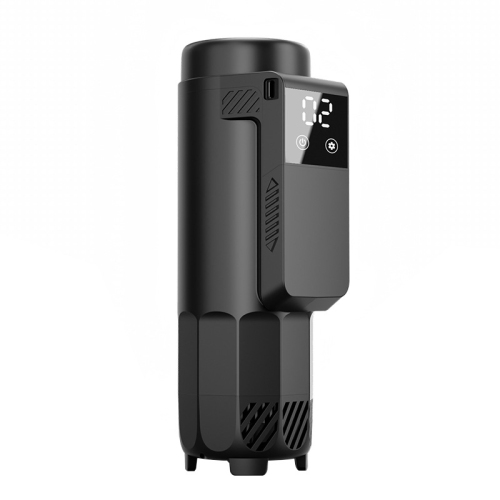
Car refrigerators are portable, powered appliances that keep food and drinks chilled while travelling, with some designs also providing freezer storage. Unlike an insulated ice chest, a powered car fridge actively removes heat from its storage compartment, so it does not rely on loose ice to keep its contents cold. That leaves more room for sandwiches, fruit, bottled water, and meal ingredients without having to drain meltwater or protect everything from soggy packaging. Many car refrigerators connect to a vehicle’s 12V accessory outlet, while some also support 24V systems or household AC power through a compatible adapter. Their usefulness extends beyond a long drive: a compact fridge can hold lunch for someone moving between job sites, keep groceries chilled on a lengthy trip home, or provide accessible food storage during a family road trip. Larger portable refrigerators suit camping, RV travel, and extended stays where a full kitchen is not within reach. The main distinction is between compressor refrigerators and thermoelectric coolers. A compressor fridge uses a refrigeration system similar in principle to a household refrigerator and can usually maintain a selected storage temperature within its specified operating limits. Freezer-capable designs may reach approximately -18°C or below, although the actual range varies. Thermoelectric coolers use an electrically powered cooling module and typically cool by a limited amount below the surrounding air temperature rather than maintaining the same cold setting in every situation. They are often suited to drinks and snacks, but should not be assumed to provide dependable refrigeration for perishable food unless their performance meets safe storage requirements. Some also have a warming function, which is different from cooking or reheating food safely. For fresh perishables, a compartment temperature of 4°C or below is an important benchmark, checked with a separate appliance thermometer when needed. Within the broader selection of Vehicle Coolers, these differences help distinguish true portable refrigeration from powered cooling intended for less demanding storage.
Capacity and physical fit shape how comfortably a car refrigerator becomes part of everyday travel. Storage volume is commonly expressed in litres, but the arrangement inside can matter as much as the total figure. A tall bottle, a stack of lunch containers, and a carton of milk each use space differently; a quoted can capacity does not necessarily describe how a household’s usual food will fit. Straight-sided compartments, removable baskets, and dividers can make it easier to separate delicate fruit from heavier drinks or lift out several ingredients at once. Single-zone refrigerators have one controlled storage area, generally used for either chilling or freezing according to the appliance’s capabilities. Dual-zone designs can offer separate fridge and freezer sections, but independent temperature control should be confirmed rather than assumed from the presence of a divider. For a couple packing lunches and drinks, one accessible compartment may be enough. A family carrying breakfast supplies, prepared dinners, and frozen food may find separate zones more practical. Exterior dimensions deserve equal attention, including the handles, hinges, cable connection, and space needed to open the lid. A fridge that fits between luggage in a cargo area still needs the ventilation clearance specified by its manufacturer. Top-opening designs make sense where there is room to lift the lid, while a sliding installation requires clearance and hardware suitable for the appliance and vehicle. Loaded weight also changes the experience: carrying an empty refrigerator out of a garage is very different from lifting it when it is full of food. Sturdy handles, manageable proportions, and wheels where provided can ease transport, although wheels are most useful on surfaces they are designed to handle. Durable plastic housings are common, while metal-clad designs may offer additional resistance to knocks. Neither material alone determines longevity; secure hinges, well-fitted seals, protected controls, and a stable base all contribute. During travel, the refrigerator should be secured using appropriate restraint points and kept clear of pedals, airbags, passenger movement, and vehicle exits. A level, supported position also helps protect the appliance, subject to its stated operating-angle limits.
Power requirements, everyday care, and access to the contents often determine how satisfying a portable car fridge is over time. An accessory socket may switch off with the ignition, so refrigeration during a drive does not automatically mean continued cooling after parking. A socket that stays live presents a different concern: prolonged use can draw down the vehicle’s starter battery. Low-voltage protection can disconnect the fridge when battery voltage falls to a selected threshold, but it is not a guarantee that the vehicle will start under every condition. For longer stops, a compatible auxiliary battery or portable power station can provide a separate power source when its output, connections, and capacity match the refrigerator’s requirements. Runtime depends on several factors, including the fridge’s power draw, insulation, selected setting, how often the lid opens, and the usable battery capacity. A household power connection, where supported, makes it convenient to chill the compartment before loading and transfer already-cold food shortly before departure. Keeping frequently used drinks within easy reach reduces rummaging, while leaving the specified airflow paths clear supports consistent operation. Digital controls can make settings easier to read, and an interior light helps when finding a small container beneath a basket. Compressor and fan noise may be noticeable near sleeping areas, making placement worth considering in a camper or RV. For cleaning, disconnect the power and follow the manufacturer’s care directions; removable baskets and smooth interior surfaces make crumbs and spills easier to reach. Mild cleaning products and a soft cloth are generally preferable to abrasive pads, and electrical connections should remain dry. Freezer compartments may need periodic defrosting, without sharp tools that could damage the liner or cooling components. Before longer storage, a clean, fully dry interior and a lid left slightly open, where recommended, can help prevent lingering odours. These practical details make car refrigerators useful for commuters, tradespeople, travelling families, and camping enthusiasts alike. They can also be thoughtful gifts for someone who spends long stretches on the road, particularly when the available vehicle space, power supply, and usual meal routine are known.
Capacity and physical fit shape how comfortably a car refrigerator becomes part of everyday travel. Storage volume is commonly expressed in litres, but the arrangement inside can matter as much as the total figure. A tall bottle, a stack of lunch containers, and a carton of milk each use space differently; a quoted can capacity does not necessarily describe how a household’s usual food will fit. Straight-sided compartments, removable baskets, and dividers can make it easier to separate delicate fruit from heavier drinks or lift out several ingredients at once. Single-zone refrigerators have one controlled storage area, generally used for either chilling or freezing according to the appliance’s capabilities. Dual-zone designs can offer separate fridge and freezer sections, but independent temperature control should be confirmed rather than assumed from the presence of a divider. For a couple packing lunches and drinks, one accessible compartment may be enough. A family carrying breakfast supplies, prepared dinners, and frozen food may find separate zones more practical. Exterior dimensions deserve equal attention, including the handles, hinges, cable connection, and space needed to open the lid. A fridge that fits between luggage in a cargo area still needs the ventilation clearance specified by its manufacturer. Top-opening designs make sense where there is room to lift the lid, while a sliding installation requires clearance and hardware suitable for the appliance and vehicle. Loaded weight also changes the experience: carrying an empty refrigerator out of a garage is very different from lifting it when it is full of food. Sturdy handles, manageable proportions, and wheels where provided can ease transport, although wheels are most useful on surfaces they are designed to handle. Durable plastic housings are common, while metal-clad designs may offer additional resistance to knocks. Neither material alone determines longevity; secure hinges, well-fitted seals, protected controls, and a stable base all contribute. During travel, the refrigerator should be secured using appropriate restraint points and kept clear of pedals, airbags, passenger movement, and vehicle exits. A level, supported position also helps protect the appliance, subject to its stated operating-angle limits.
Power requirements, everyday care, and access to the contents often determine how satisfying a portable car fridge is over time. An accessory socket may switch off with the ignition, so refrigeration during a drive does not automatically mean continued cooling after parking. A socket that stays live presents a different concern: prolonged use can draw down the vehicle’s starter battery. Low-voltage protection can disconnect the fridge when battery voltage falls to a selected threshold, but it is not a guarantee that the vehicle will start under every condition. For longer stops, a compatible auxiliary battery or portable power station can provide a separate power source when its output, connections, and capacity match the refrigerator’s requirements. Runtime depends on several factors, including the fridge’s power draw, insulation, selected setting, how often the lid opens, and the usable battery capacity. A household power connection, where supported, makes it convenient to chill the compartment before loading and transfer already-cold food shortly before departure. Keeping frequently used drinks within easy reach reduces rummaging, while leaving the specified airflow paths clear supports consistent operation. Digital controls can make settings easier to read, and an interior light helps when finding a small container beneath a basket. Compressor and fan noise may be noticeable near sleeping areas, making placement worth considering in a camper or RV. For cleaning, disconnect the power and follow the manufacturer’s care directions; removable baskets and smooth interior surfaces make crumbs and spills easier to reach. Mild cleaning products and a soft cloth are generally preferable to abrasive pads, and electrical connections should remain dry. Freezer compartments may need periodic defrosting, without sharp tools that could damage the liner or cooling components. Before longer storage, a clean, fully dry interior and a lid left slightly open, where recommended, can help prevent lingering odours. These practical details make car refrigerators useful for commuters, tradespeople, travelling families, and camping enthusiasts alike. They can also be thoughtful gifts for someone who spends long stretches on the road, particularly when the available vehicle space, power supply, and usual meal routine are known.
Top selling and popular products
-
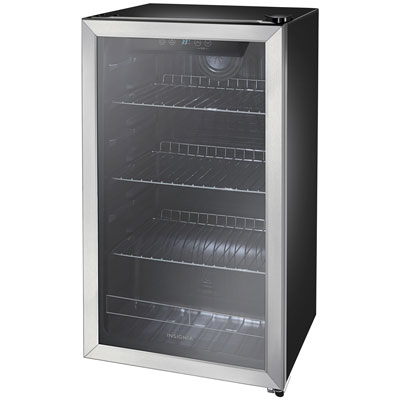 Your price for this item is $349.99
 -
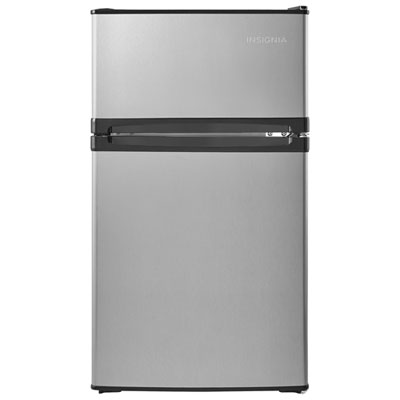 Your price for this item is $299.99
 -
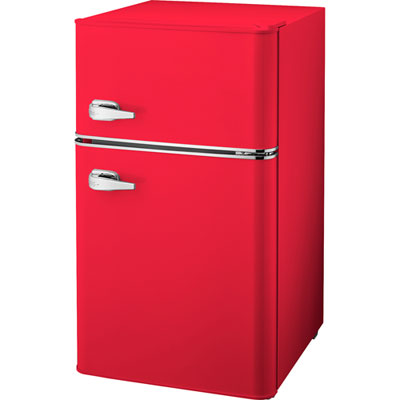 Your price for this item is $199.97
 -
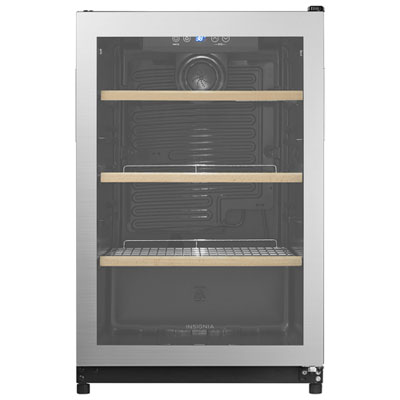 Your price for this item is $329.99
 -
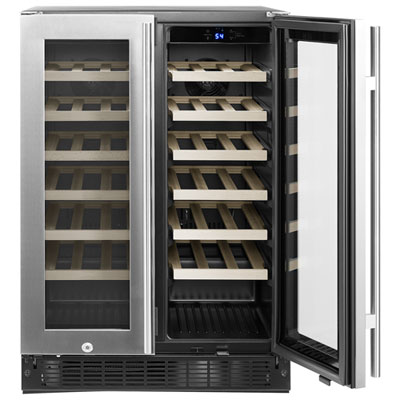 Your price for this item is $999.99
 -
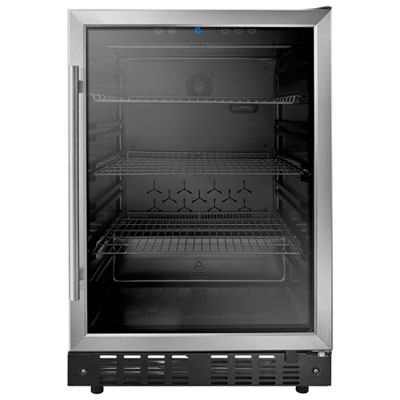 Your price for this item is $699.99
 -
 Your price for this item is $599.99
 -
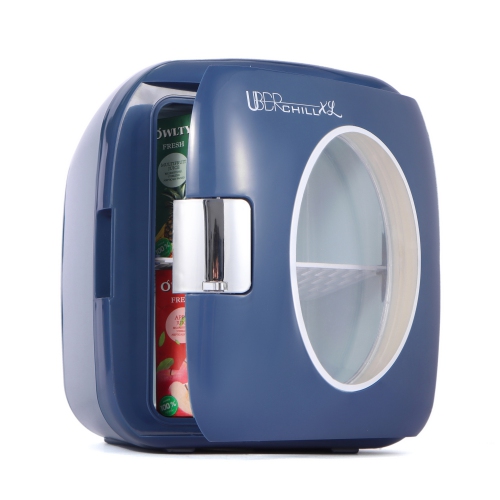 Your price for this item is $169.99
Discover more categories related to Car Refrigerators

Top Collections:
Pokemon Centers, Kindle Devices, Best Budget Office Chairs, Apple iPhones 16, Best Laptops for Writers, iPhone 15 Apple, Canon G7X Cameras, Refurbished Apple Laptops, Alarm Clock, Motorola Razr Phones
Some products may be subject to Environmental Handling Fees
(EHF) depending on your province.
Learn more about EHFs.