Volleyball Balls
Looking to up your volleyball game? Dive into our selection of high-quality volleyball balls designed to enhance your performance on the court. Whether you're a beginner looking for a reliable practice ball or a seasoned player in need of a professional-grade match ball, we've got you covered. Explore our range of volleyball balls crafted for optimal durability, grip, and responsiveness, so you can serve, spike, and set with confidence. Find the perfect volleyball ball to elevate your game and dominate the competition.
Sort









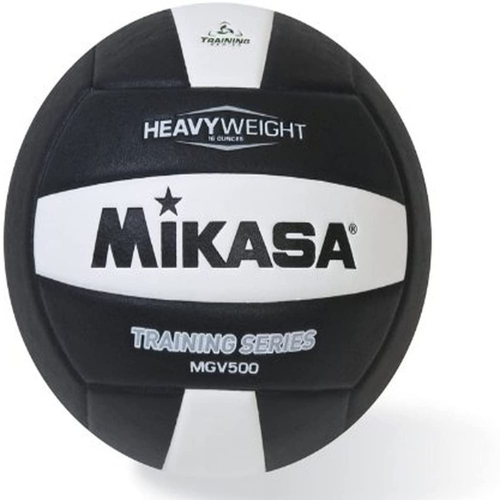

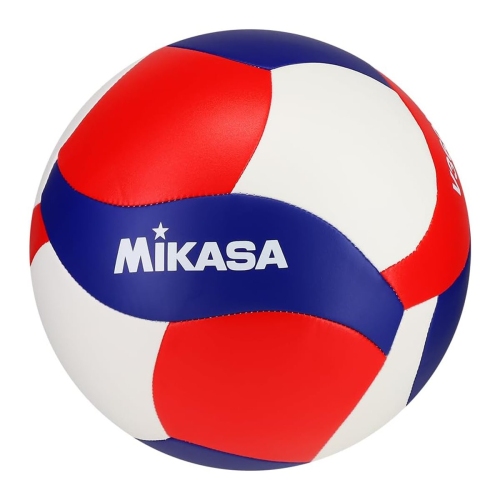
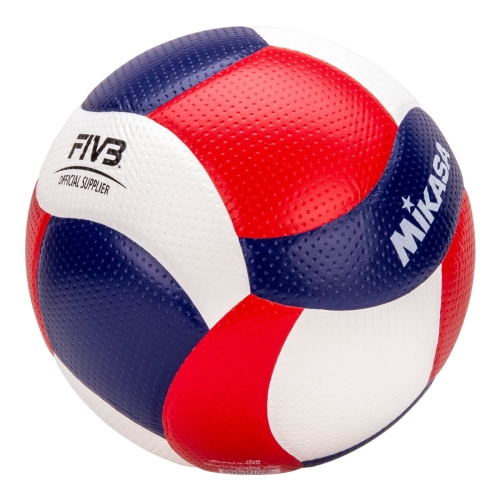


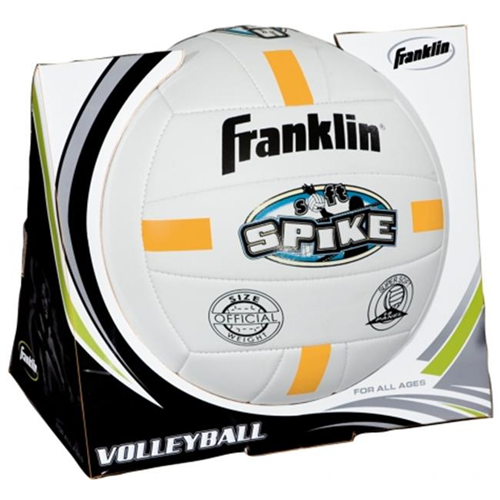


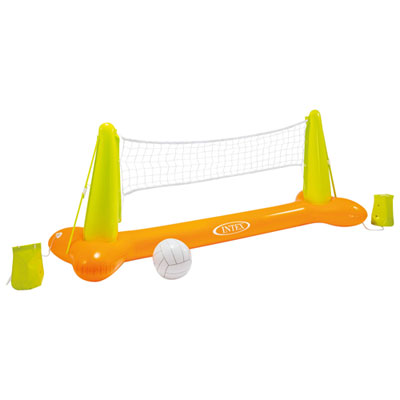


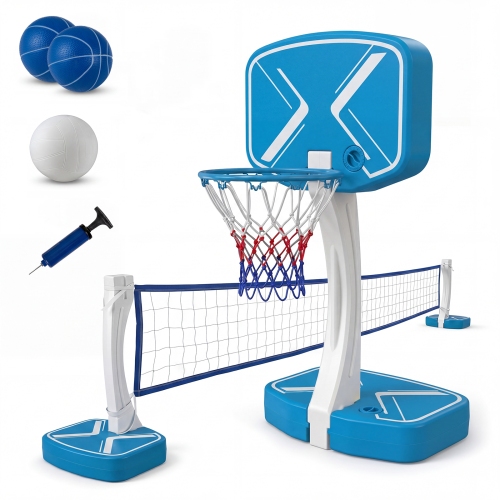
How court type shapes a volleyball’s feel and performance
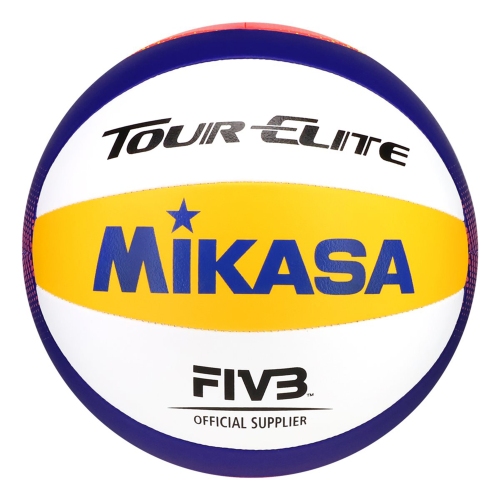
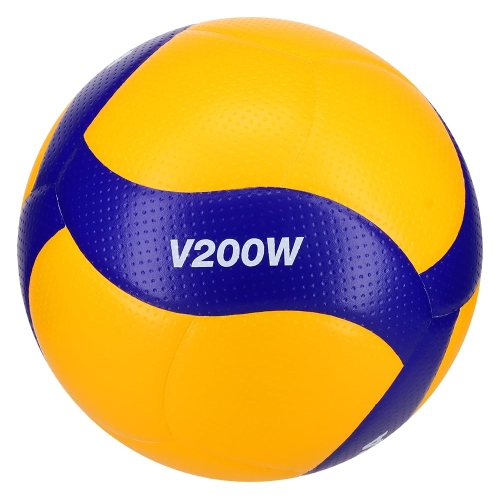
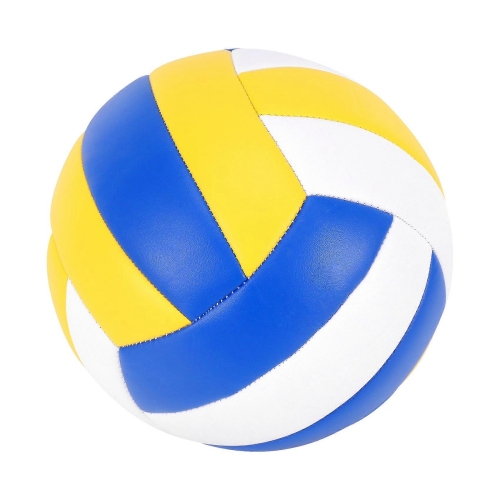
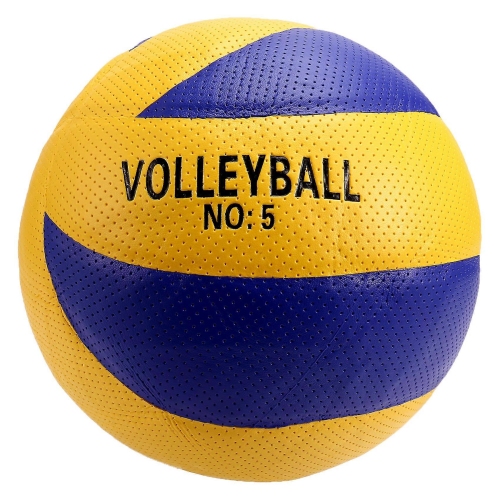
Volleyball balls are made for repeated passing, setting, serving, and hitting, with differences in cover material, cushioning, weight, and construction that suit different courts and skill levels. The main distinction is between indoor volleyballs, beach volleyballs, and recreational or training balls. Indoor volleyballs are designed for the controlled bounce and quick exchanges of a gym game, where players need a consistent feel during everything from a short setter’s touch to a firmly struck serve. Beach volleyballs generally have a slightly larger circumference and use lower internal pressure than regulation indoor balls, giving them a different feel when passing and controlling the ball on sand. Recreational volleyballs often emphasize a softer touch for casual rallies, while training designs may use reduced weight or specialized construction to support particular drills. For adults playing organized volleyball, regulation indoor balls typically measure 65–67 cm in circumference and weigh 260–280 g; regulation beach balls typically measure 66–68 cm and fall within the same weight range. Those measurements provide a useful reference, but school, youth, and league requirements can differ, so the rules of the intended program matter more than a general size label. A ball described as size 5 may be a familiar full-size option, but that designation alone does not confirm its weight, pressure range, or approval for competition. For a weekly gym session, matching the ball to the type used by the group helps make practice feel familiar. For a family game or a beginner learning to keep a rally going, a cushioned cover and manageable weight may matter more than competition credentials. The intended playing surface is equally important: a ball built for a smooth indoor court may wear quickly when used on pavement. Alongside balls, Volleyball Gear can help round out a setup for practice or group play, whether that means working on serves across a net or keeping equipment organized between sessions.
The cover is the part players notice first, especially during forearm passes, when a firm or poorly inflated ball can feel unforgiving. Common materials include synthetic leather, composite covers, and genuine leather, with rubber covers also used for some recreational applications. Each material can vary considerably in finish and quality, so the overall construction matters as much as the material name. Synthetic and composite covers can offer a blend of grip, cushioning, and straightforward care, while leather covers are associated with some indoor designs and should be maintained according to their care instructions. A padded layer beneath the cover can soften contact, which may help new players feel more comfortable practising repeated passes. That cushioning does not necessarily make a ball lighter, however; weight and softness are separate specifications. A lightly textured surface can help fingers maintain contact during a set or serve, while panel shape, seam placement, and surface finish all contribute to how the ball feels in the hands. Bonded and stitched panels are used in different constructions, and neither method alone tells the whole story about durability. Look instead at whether the design suits indoor courts, sand, or general recreational use, and whether the seams and cover are intended for the demands of that setting. Inside the ball, an inflatable bladder holds air and supports its shape. Air retention varies, and even a well-made ball needs pressure checks rather than an assumption that it will stay ready indefinitely. For children and younger beginners, a lightweight training volleyball can make repeated contact less tiring and help players focus on positioning and technique. Other training balls are deliberately heavier and serve a different purpose, so the word “training” should not be treated as a synonym for beginner-friendly. A full-size lightweight ball can also preserve the familiar dimensions of the game while reducing the load during early skill development. More experienced players may prefer to practise with the same general weight and feel used in their matches, particularly when refining serve placement, timing an approach, or developing consistent sets.
Care and inflation have a direct effect on how a volleyball performs and how long it remains useful. The recommended pressure printed on the ball or provided by its manufacturer is the right starting point, since indoor, beach, and recreational designs do not all use the same range. Too much air can make contact unnecessarily harsh and place stress on the construction; too little can leave the ball feeling sluggish and alter its response during passes and hits. A pump with a suitable needle and a pressure gauge makes it easier to check inflation accurately instead of relying only on a squeeze test. Moisten or lubricate the needle as directed by the manufacturer, insert it carefully without forcing it sideways, and add air gradually to protect the valve. After play, wipe away dust, sand, and surface marks with a soft cloth, using a mild cleaning solution only if the care directions allow it. Avoid soaking the ball or using harsh cleaners that could affect the cover or seams. Let it dry before placing it in a bag, and store it away from direct sunlight, heat sources, and heavy objects that could compress it out of shape. Keeping an indoor ball off abrasive surfaces is one of the simplest ways to protect its finish: a few casual bounces across a parking area can scuff a cover meant for a gym floor. Regular checks for lifting panels, damaged seams, or persistent air loss help identify when a ball needs attention or replacement. For a student joining a school team, a recreational player attending drop-in sessions, or a coach organizing passing drills, the most useful choice is one that matches the actual game and practice routine. A volleyball can also be a thoughtful gift for someone starting the sport, especially when its weight and intended use suit their program. Checking those details beforehand makes the gift more personal and practical, giving the recipient a ball they can use confidently for the next serve, set, and rally.
Top selling and popular products
-
 Your price for this item is $29.99
-
 Your price for this item is $249.99
-
 Your price for this item is $89.99
-
 Your price for this item is $26.29
-
 Your price for this item is $126.99
-
 Your price for this item is $43.99
-
 Your price for this item is $90.99
-
 Your price for this item is $40.99
Discover more categories related to Volleyball Balls
Top Collections:
Pokemon Centers, Kindle Devices, Best Budget Office Chairs, Canon G7X Cameras, Apple iPhones 16, Samsung Galaxy Phones, Refurbished Apple Laptops, Laptops for Students, iPhone 15 Apple, Budget Smartphones
Some products may be subject to Environmental Handling Fees
(EHF) depending on your province.
Learn more about EHFs.