Volleyball Official Size Balls
Whether you're a seasoned pro or just starting out, having the right equipment is essential for a great game of volleyball. Our selection of official size volleyball balls is designed to meet the needs of players of all levels. With durable construction and regulation sizing, these volleyball balls are perfect for practice sessions, friendly matches, or competitive games. Find the perfect ball to enhance your gameplay and take your skills to the next level.
Sort













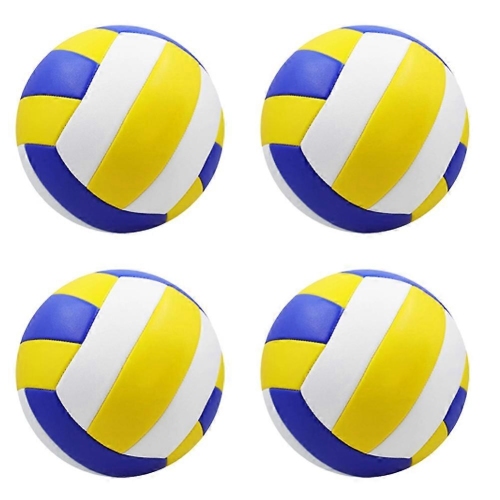
Why volleyball size and construction matter for consistent play
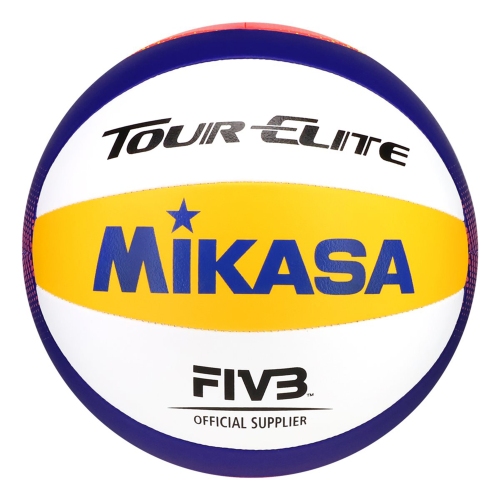
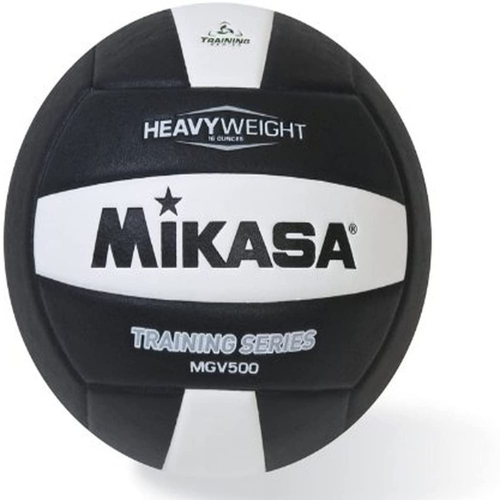
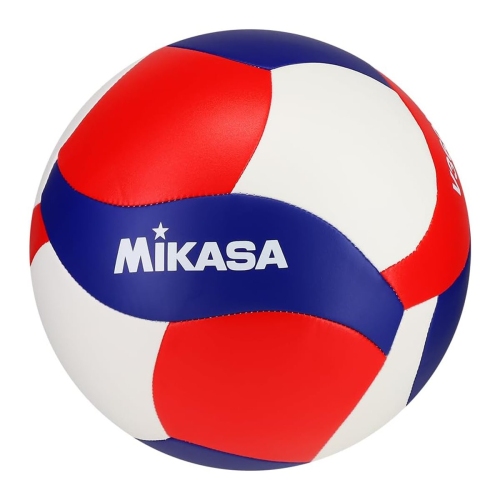
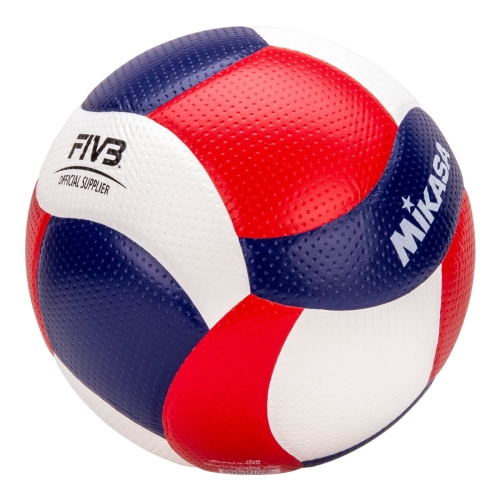
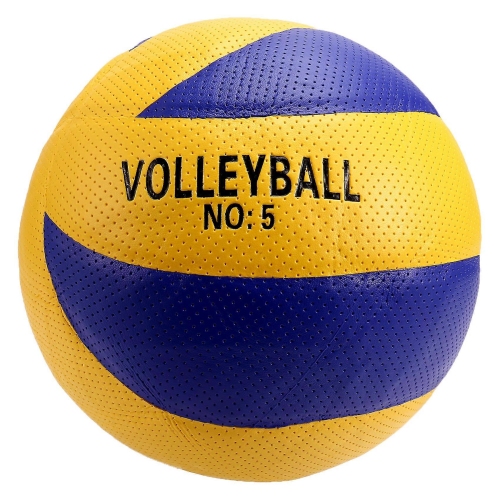
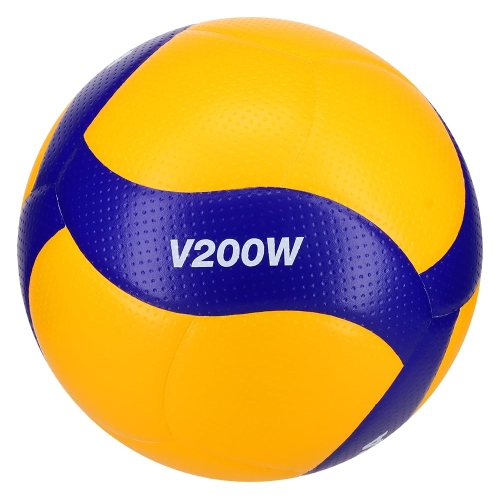
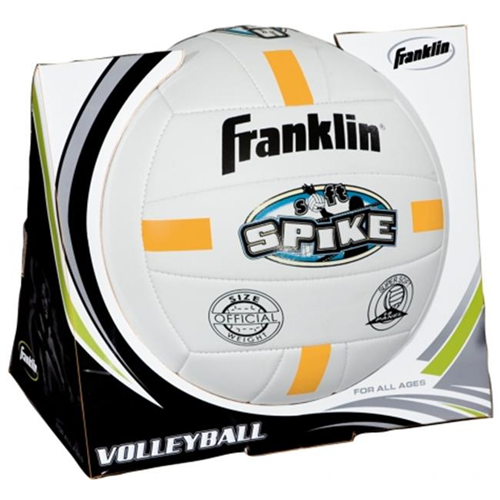
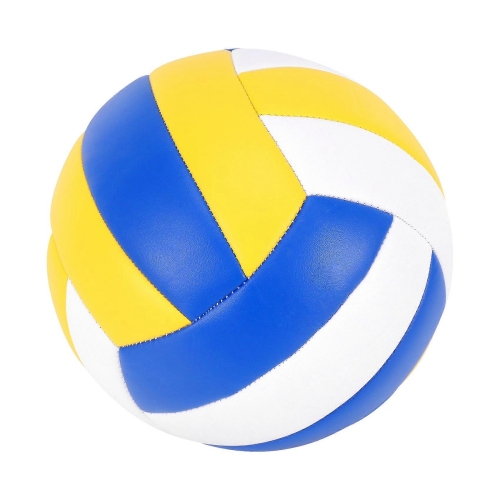
Official size volleyballs bring a consistent feel to serving, passing, setting, and attacking, whether the ball is used for a school practice, a club session, or a recreational match. An official indoor volleyball measures 65 to 67 cm in circumference and weighs 260 to 280 g. Its standard internal pressure is approximately 29.4 to 31.8 kPa, or 4.26 to 4.61 psi, although the inflation instructions printed on the ball should always be checked before use. These measurements matter because size, weight, and pressure work together to influence how the ball responds when it meets a player’s hands or forearms. A ball with familiar proportions lets teammates practise with a more consistent target, from the first controlled bump to a quick set near the net. Adult regulation volleyballs are often described as size 5, but the listed circumference and weight provide a clearer comparison than a size label alone. Official size also does not automatically mean a ball is approved for a particular competition; school, club, and league rules may specify additional requirements or a designated match ball. For players moving from casual games into organized volleyball, matching practice equipment to those requirements can make the transition feel more natural. Younger beginners may benefit from a lighter training ball that retains an official circumference, giving them a full-size surface to contact without the same weight as an adult match ball. Such a ball can be official size without being regulation weight, an important distinction for families and coaches. The appropriate choice depends on the player’s programme, strength, experience, and intended use rather than age alone. For adults returning to the sport or students building confidence in physical education classes, a standard-size ball offers a familiar foundation for repeated practice. It also makes a thoughtful gift for a volleyball enthusiast, especially when its construction and specifications suit the court where they actually play.
The cover and internal construction shape much of a volleyball’s character. Synthetic leather, including polyurethane and other composite materials, is common on indoor balls, while some designs use genuine leather or rubber covers. Each material can feel different during contact, and softness depends on the full construction rather than the cover material alone. A cushioned layer beneath the surface can make repeated forearm passes feel gentler, while a firmer construction may give players a more direct sense of contact. Surface texture also varies: a lightly textured or dimpled finish can affect grip and handling, particularly when players are working through long rallies. Panel shape, seam depth, and the way panels are joined contribute to the feel of the ball across the fingertips. Bonded and stitched constructions have different characteristics, but neither description by itself establishes quality or suitability for competitive play. Consistent shape, even seams, and a secure valve are useful signs of sound construction. Inside, the bladder holds the air, while supporting layers help the ball maintain its form through repeated impacts. Butyl bladders are commonly used for air retention, though any volleyball can need periodic pressure checks. For a team practising several times a week, reliable shape and pressure are especially valuable: players should be working on their touch rather than adjusting to a ball that behaves differently from one session to the next. Colour and panel contrast have practical value, too. A clearly visible pattern can help players follow the ball against a gym wall and notice its rotation during a serve or set. For shared equipment used in school gyms or community centres, durability and straightforward cleaning may matter as much as a particularly soft touch. For an individual practising controlled sets or serving accuracy, the priority may be a cover that feels comfortable through many repetitions. In either case, the most useful ball is one whose feel, build, and intended playing surface fit the way it will be used.
Indoor and beach volleyballs have separate specifications, even though both may be described as official size. A regulation beach volleyball has a circumference of 66 to 68 cm and a weight of 260 to 280 g, making it slightly larger than an indoor ball while remaining within the same weight range. Its standard internal pressure is lower, approximately 17.2 to 22.1 kPa, or 2.5 to 3.2 psi. Beach designs typically use covers suited to contact with sand and moisture, whereas indoor match balls are intended for smooth court surfaces. An indoor ball used repeatedly on asphalt or rough concrete can develop scuffs and cover damage much faster than one used on a gym floor. Recreational balls designed for varied surfaces may be more practical for informal games, but their suitability for regulation matches still depends on their specifications and the rules of the event. Care between sessions helps preserve both feel and function. Loose dirt can usually be removed with a soft, damp cloth, followed by air-drying away from direct heat; soaking, harsh cleaners, and abrasive scrubbing can damage covers or seams. The manufacturer’s care directions take priority where materials require special treatment. Inflation deserves the same attention: a compatible pump needle, lubricated as directed by the manufacturer and inserted straight into the valve, helps reduce the chance of valve damage. A pressure gauge is more dependable than judging firmness by squeezing the ball. Excess pressure can make contact unnecessarily hard, while insufficient pressure changes the ball’s response. Keeping the ball clean, dry, and free from heavy loads during storage helps protect its shape. For families, coaches, or recreation staff equipping more than one court sport, Official Size Basketballs offer a separate equipment category with its own sizing requirements. Within volleyball, matching the ball to the player, playing surface, and level of competition keeps the focus where it belongs: clean passes, well-placed sets, and rallies that bring everyone into the game.
Top selling and popular products
-
 Your price for this item is $29.99
-
 Your price for this item is $249.99
-
 Your price for this item is $26.29
-
 Your price for this item is $126.99
-
 Your price for this item is $90.99
-
 Your price for this item is $43.99
-
 Your price for this item is $40.99
-
 Your price for this item is $99.99
Discover more categories related to Volleyball Official Size Balls

Top Collections:
Pokemon Centers, Best Cameras for Sports Photography, Kindle Devices, Samsung Galaxy Phones, Canon G7X Cameras, Pokémon 30th Celebration Cards, Refurbished Apple Laptops, iPhone 15 Apple, Laptops for Students, Budget Smartphones
Some products may be subject to Environmental Handling Fees
(EHF) depending on your province.
Learn more about EHFs.