Warm Gloves for Skiing
Stay warm and comfortable on the slopes with our selection of warm gloves for skiing. Whether you're a seasoned pro or hitting the slopes for the first time, having the right pair of gloves is essential to protect your hands from the cold and keep them cozy throughout your winter adventures. Our collection features a variety of styles and materials, designed to provide excellent insulation while still allowing for flexibility and dexterity. From waterproof options to touchscreen-compatible designs, we have the perfect gloves to keep you warm and ready for action on the mountain.
Sort



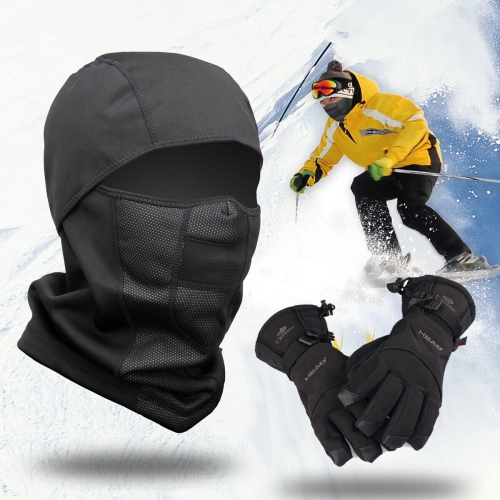
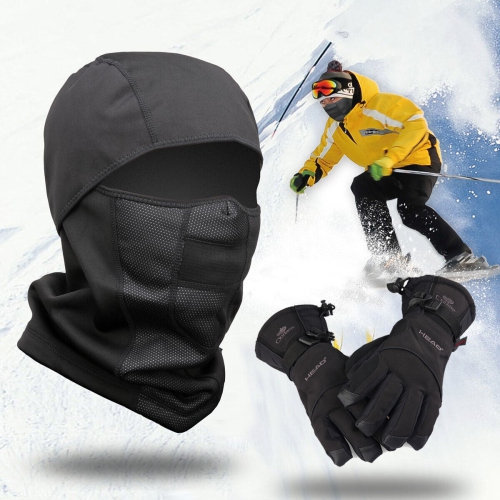


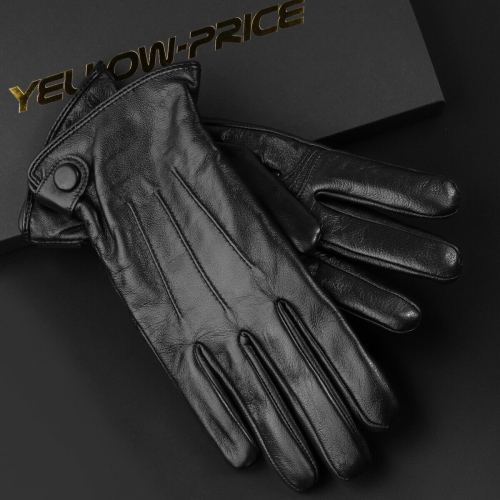


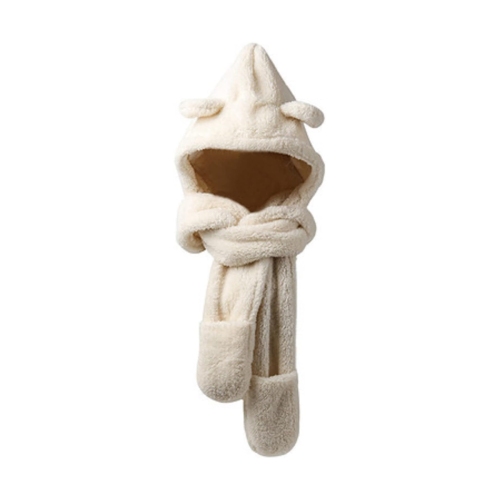




Why thicker ski gloves do not always feel warmer
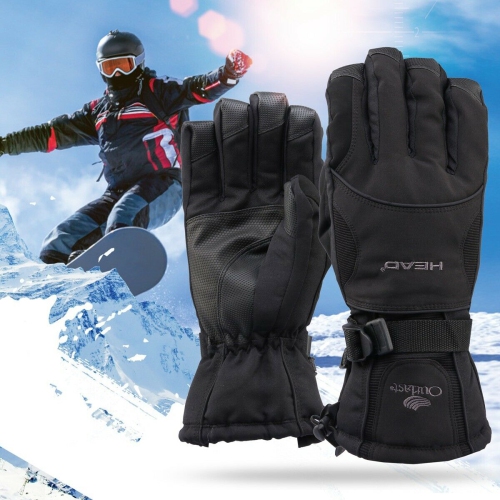
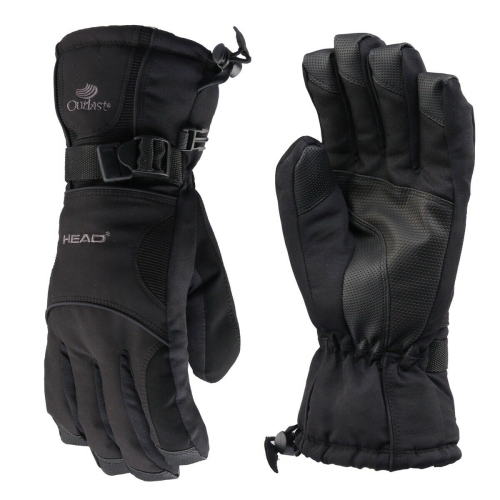
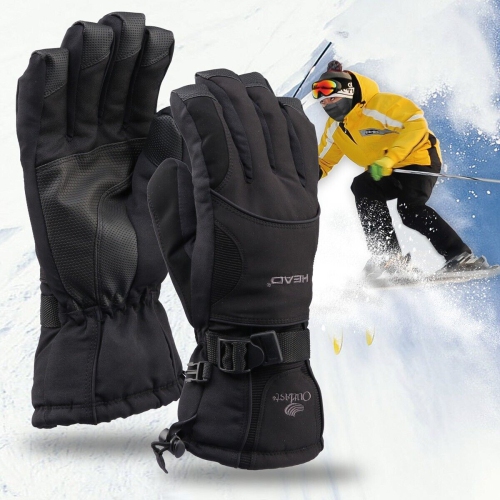
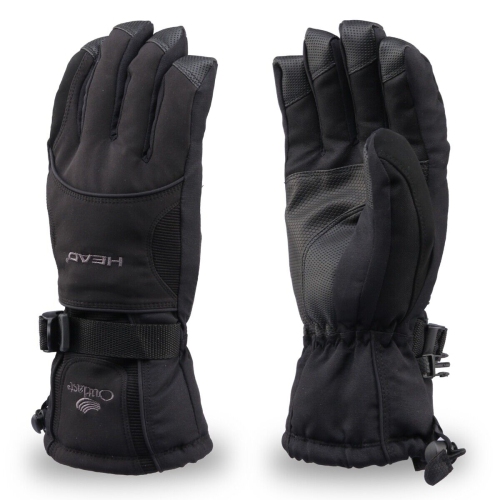
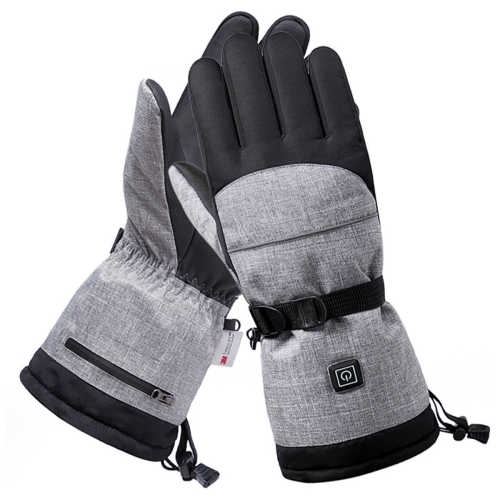
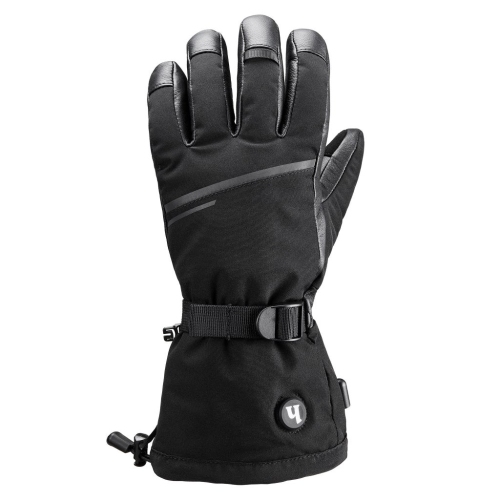
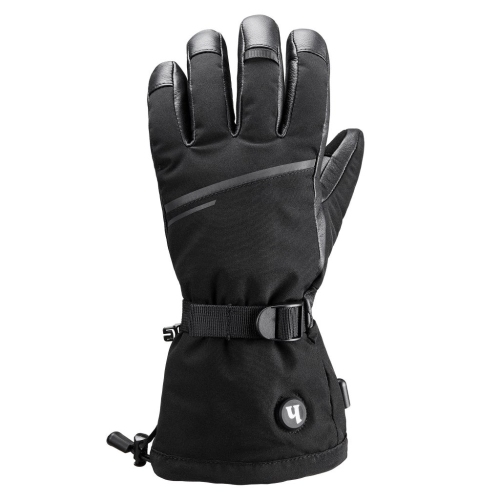
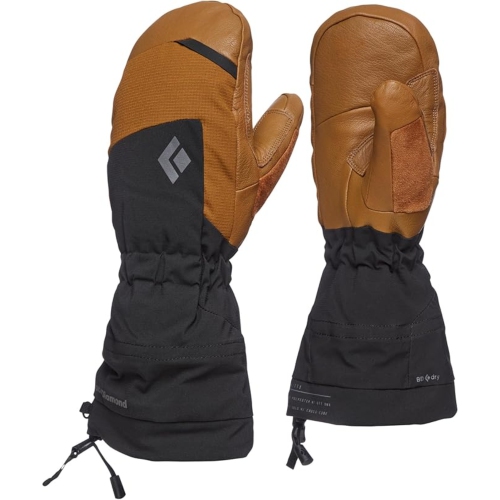
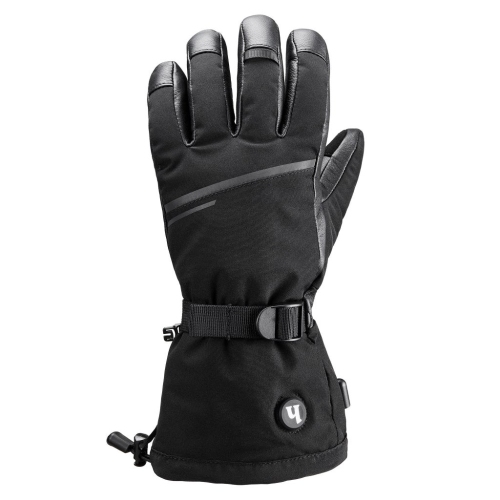
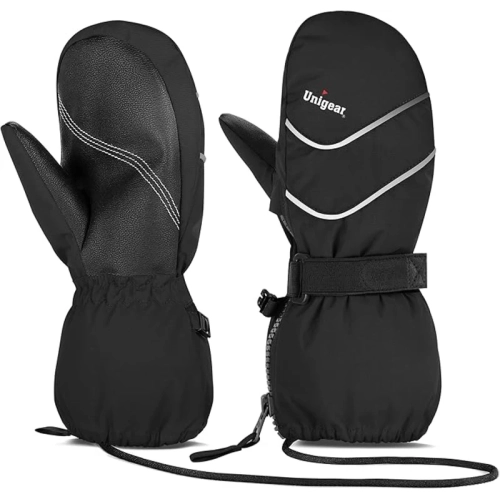
Warm gloves for skiing combine insulation, protection from wind and moisture, and a comfortable fit that leaves enough room to grip a pole without squeezing the fingers. Warmth depends on how these elements work together, rather than on thickness alone. A heavily padded glove can still feel cold if snow enters through the cuff or the lining stays damp after a demanding run. On a chairlift, where hands are relatively still and exposed to wind, insulation and a well-sealed cuff become especially important. During a descent, flexibility and a secure palm grip help with pole plants, balance, and handling equipment. Synthetic insulation is common in ski gloves because it offers warmth without excessive bulk, with some types retaining useful insulating performance when damp. Fleece, brushed fabric, and wool-blend linings can add softness next to the skin, while removable liners make it easier to dry separate layers between outings. Outer materials serve a different purpose: tightly woven synthetic fabrics can offer flexibility and resistance to abrasion, while leather palms can provide a supple grip and withstand repeated contact with pole handles. Leather requires appropriate care to maintain its condition and resistance to moisture. A waterproof membrane helps prevent water from reaching the lining, while breathable construction allows some moisture vapour to escape. Water-resistant fabric alone does not necessarily offer the same protection during prolonged contact with wet snow. Finger layout also affects warmth and handling. Five-finger ski gloves give each finger independent movement, which is useful for adjusting straps, fastening buckles, and managing zippers. Mittens generally feel warmer than comparably insulated gloves because the fingers share a single compartment, although they offer less dexterity. Three-finger designs sit between the two, separating some fingers while keeping others together. The most suitable construction depends on how much warmth a skier needs and how often their hands must perform small tasks without removing their gloves.
Fit has a noticeable effect on both comfort and performance. Fingers should reach comfortably into the glove without pressing firmly against the ends, and the hand should be able to close around a ski pole without pulling tightly across the knuckles. A little space helps preserve the loft of the insulation; excessive room can make the glove feel clumsy and weaken control of the grip. Tight gloves compress their padding and may restrict circulation, which can leave hands feeling colder despite substantial insulation. Size charts based on hand circumference or length are more useful than assuming everyday clothing sizes will translate directly to ski gloves. Anyone planning to wear a separate liner needs enough room for that extra layer without creating pressure around the fingers or wrist. Cuff design matters just as much when gloves meet a ski jacket. Long gauntlet cuffs extend over jacket sleeves and can be tightened to help keep out wind and loose snow, making them useful for deep powder, falls, and snow-covered chairlift seats. Shorter cuffs usually fit beneath the sleeves and create a less bulky arrangement, provided the jacket opening closes securely around them. Adjustable wrist straps help hold gloves in place, while wrist leashes can keep a removed glove from dropping when a skier checks a trail map or adjusts a helmet. Reinforcement at the palm, fingertips, and thumb is worth considering because these areas repeatedly rub against poles, bindings, and equipment. Different skiing styles place different demands on warmth. A beginner spending time standing through a lesson may appreciate generous insulation, while a skier working hard on repeated runs may value greater breathability. Cross-country skiing typically involves more continuous effort, so very bulky downhill gloves can trap more heat and perspiration than needed. Children need gloves that are easy to put on, stay secure, and leave enough freedom to hold poles or help with jacket fastenings. Room to grow is useful only when it does not compromise grip or leave a loose opening at the wrist.
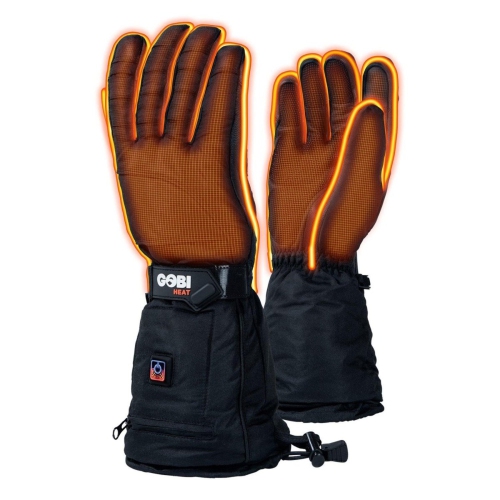
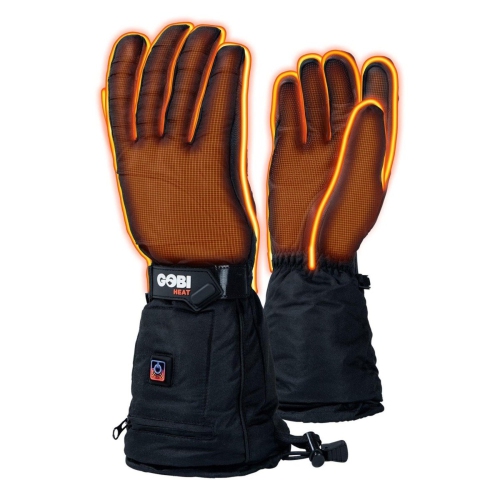
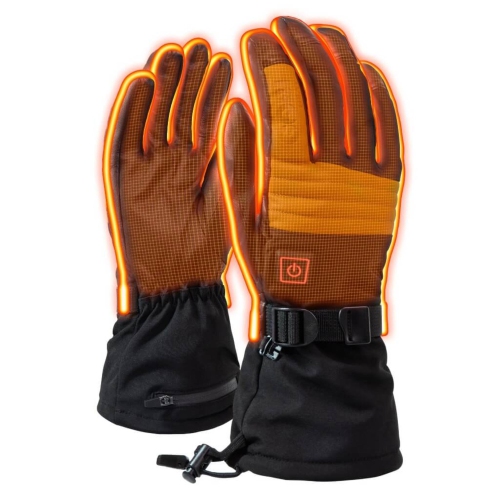
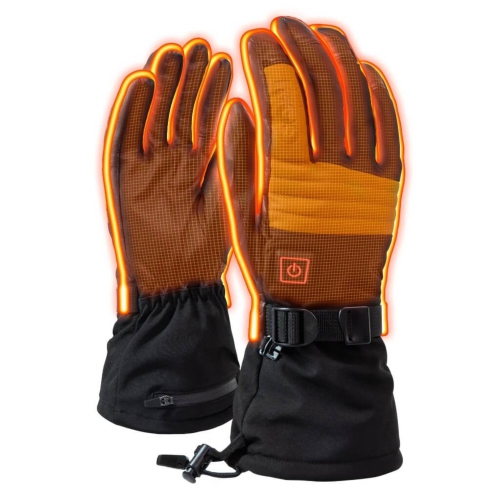
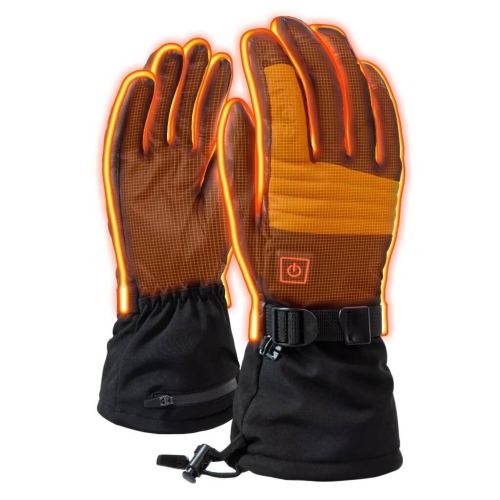
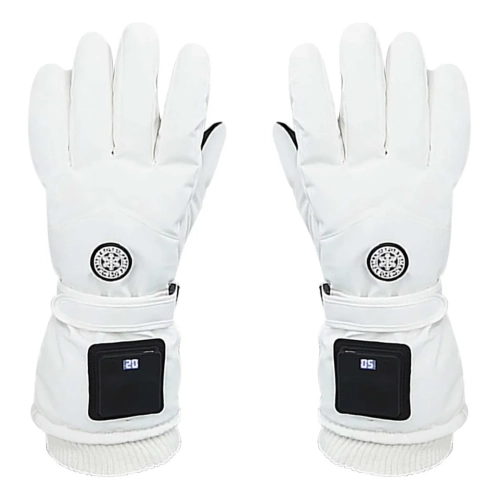
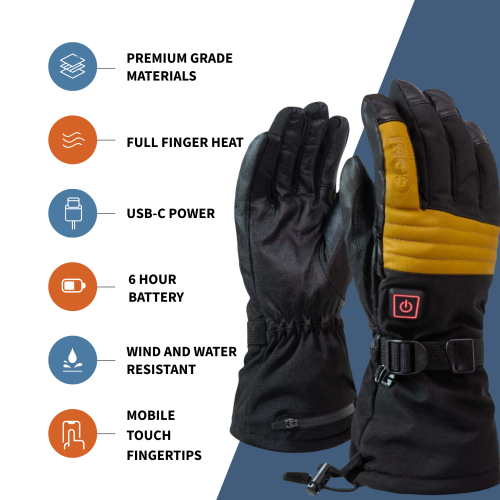
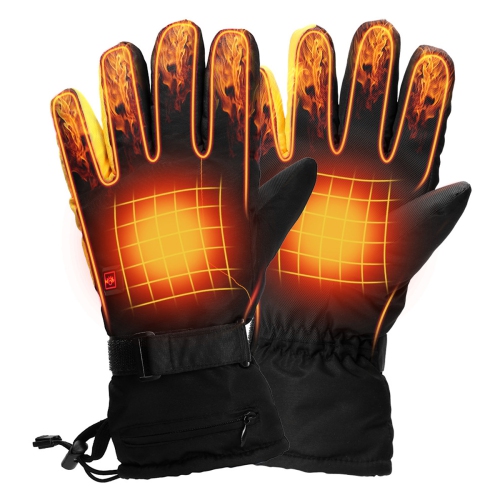
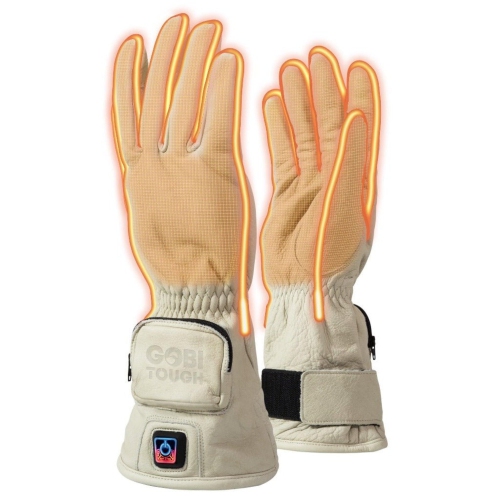
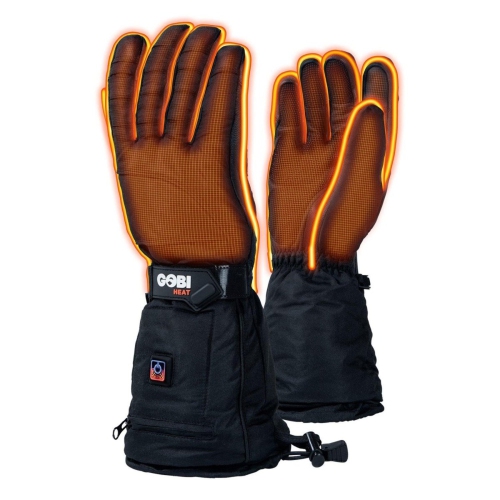
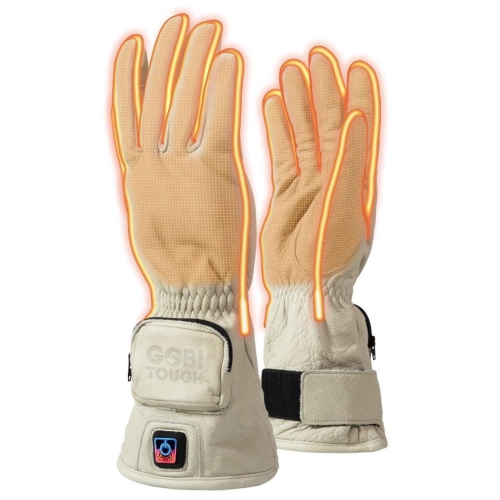
For skiers who want an additional source of warmth, Heated Gloves for Skiing can supplement insulation with battery-powered heating. Heating coverage, control placement, battery weight, and operating time vary by design, so these details matter alongside the same fit and weather protection expected from any ski glove. Higher heat settings generally use more power, and cold conditions can affect battery performance. A heated glove still benefits from a secure cuff and dry lining; powered warmth does not replace protection from wind or melting snow. Some non-heated designs include pockets intended for compatible hand warmers, which should be used according to the warmer and glove manufacturers’ directions rather than placed wherever they happen to fit. Whether gloves are heated or not, care between ski days helps preserve comfort and durability. Snow brushed off before entering a lodge leaves less moisture to soak into the outer fabric, and opening the cuffs allows trapped dampness to escape. Removable liners can be dried separately where the care instructions allow, while fixed linings need enough time and airflow to dry through. Direct contact with radiators, heaters, or other strong heat sources can damage leather, coatings, adhesives, and insulation. Washing methods vary: some fabric gloves allow gentle cleaning, while leather construction and electronic components require different treatment. Leather conditioners or water-repellent treatments should be compatible with the materials and applied only as directed. Fully dry gloves are more comfortable at the start of the next outing and less likely to develop lingering odours during storage. Warm ski gloves can also make a thoughtful gift for someone taking lessons, planning a mountain holiday, or returning to a favourite local hill. Hand measurements, preferred cuff style, and the recipient’s usual skiing pace are more helpful than colour alone when considering suitability. For a frequent skier, dependable grip and durable palm construction may matter most; for someone who often feels cold on the lift, generous insulation and room for a liner may make the greater difference.
Top selling and popular products
-
 Your price for this item is $280
-
 Your price for this item is $280
-
 Your price for this item is $280
-
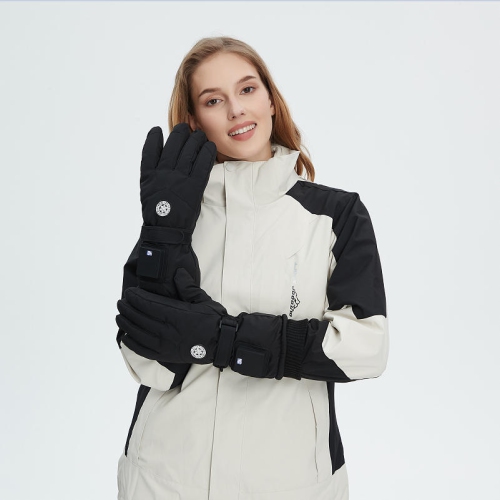 Your price for this item is $45.99
-
 Your price for this item is $66.96
-
 Your price for this item is $13.99
-
 Your price for this item is $56.96
-
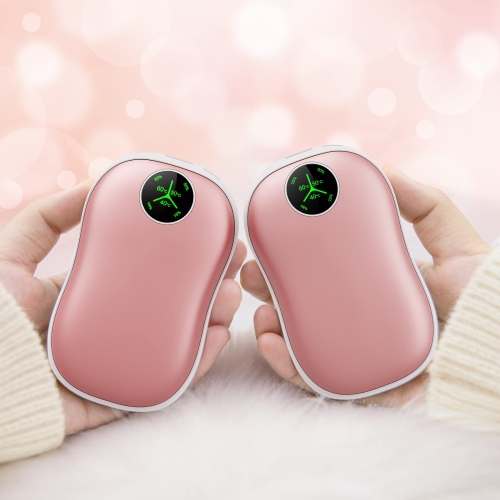 Your price for this item is $80.96
Discover more categories related to Warm Gloves for Skiing
Top Collections:
Pokemon Centers, Best Cameras for Sports Photography, Kindle Devices, Samsung Galaxy Phones, Canon G7X Cameras, Pokémon 30th Celebration Cards, Refurbished Apple Laptops, iPhone 15 Apple, Laptops for Students, Budget Smartphones
Some products may be subject to Environmental Handling Fees
(EHF) depending on your province.
Learn more about EHFs.