Water Slide
Transform your backyard into a summer oasis with our selection of thrilling water slides. Whether you're looking to add some excitement to your next outdoor gathering or provide endless entertainment for the little ones, our range of water slides offers fun for the whole family. From twisty turns to speedy drops, these inflatable wonders are sure to make a splash at any backyard party or summer event. Dive into a world of aquatic adventure and create lasting memories with our collection of water slides that promise hours of refreshing fun under the sun.
Sort
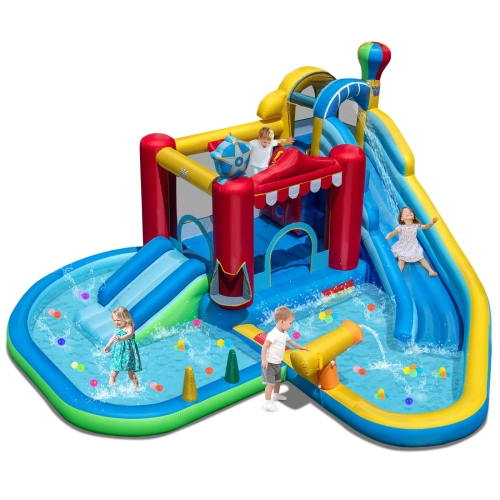
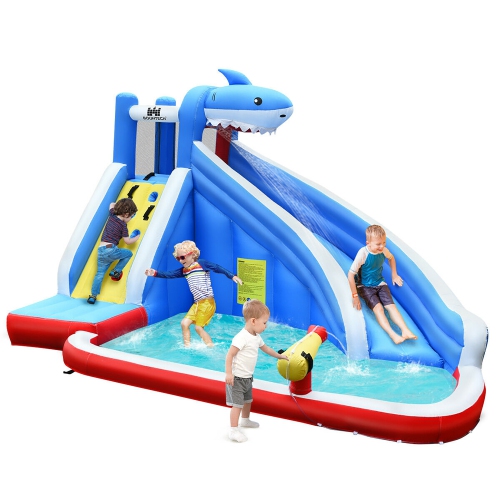
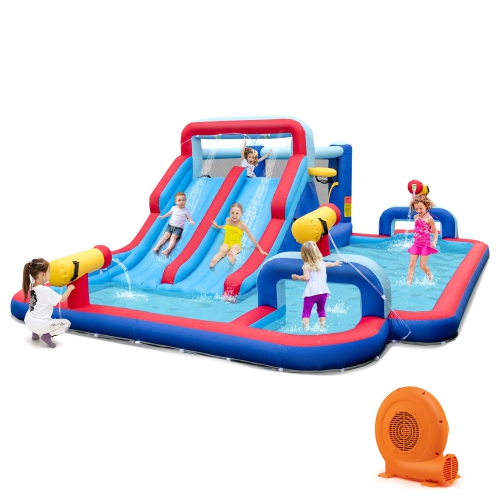
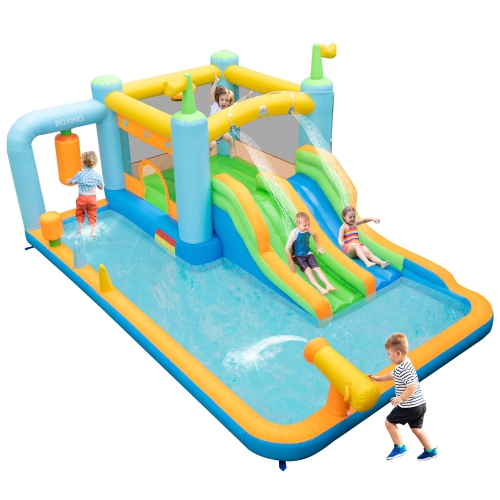
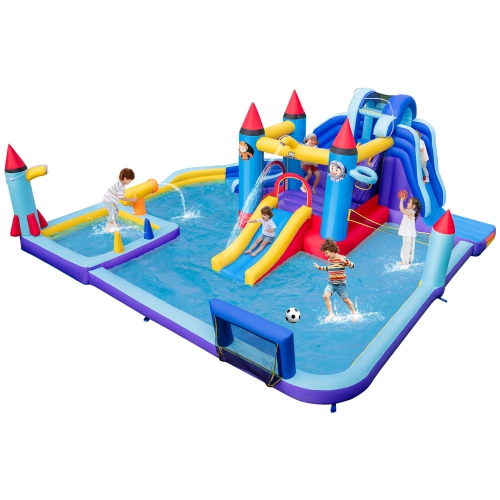
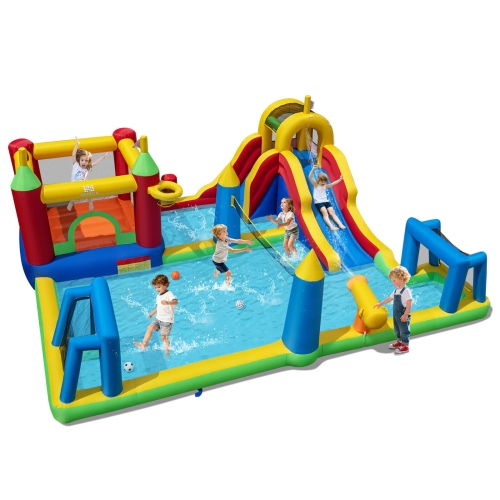
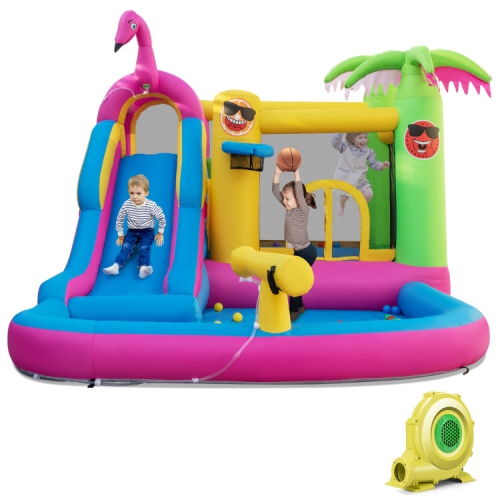

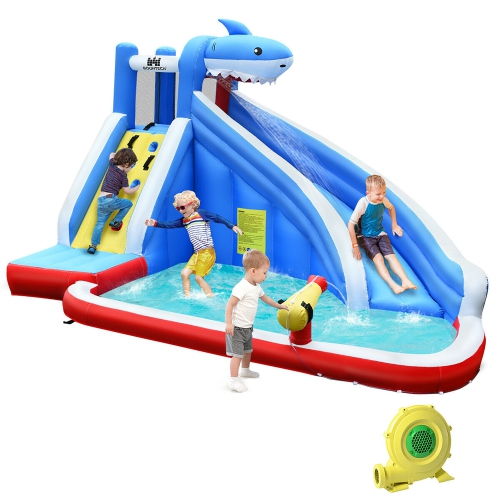
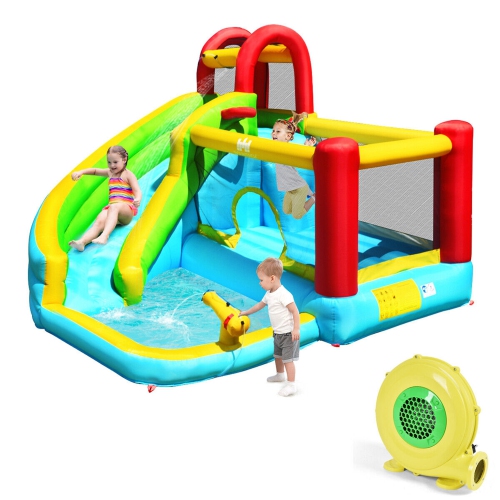
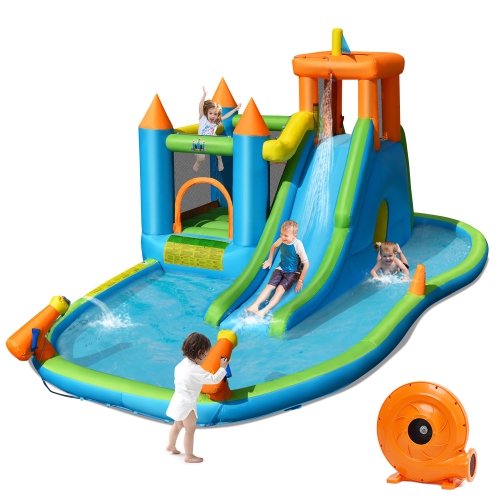
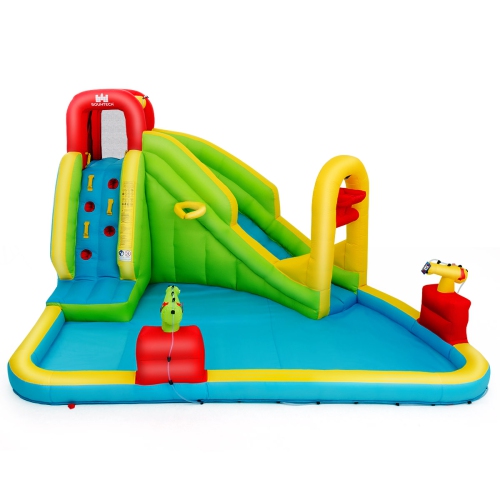
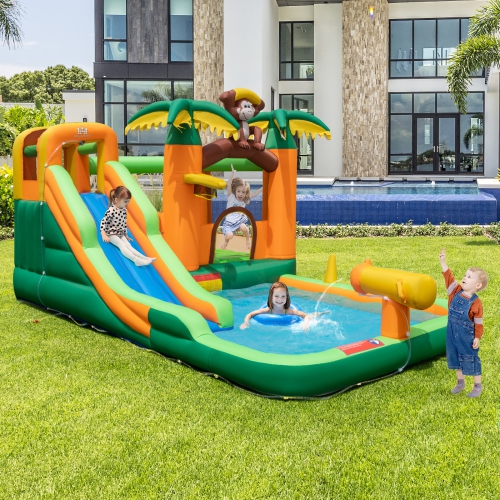
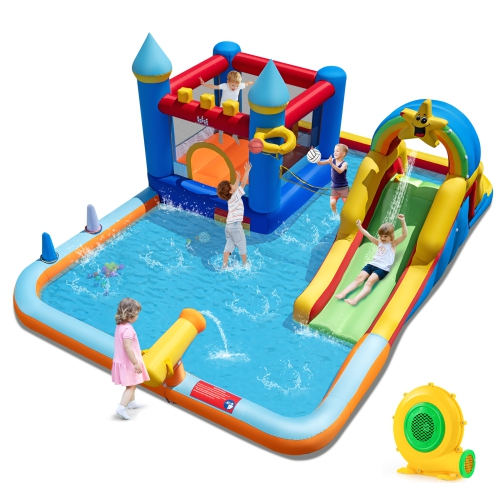
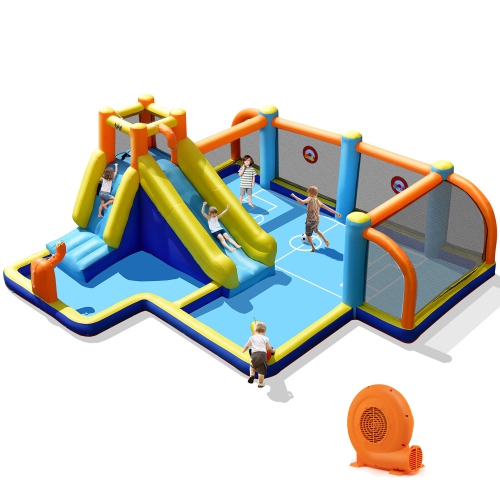
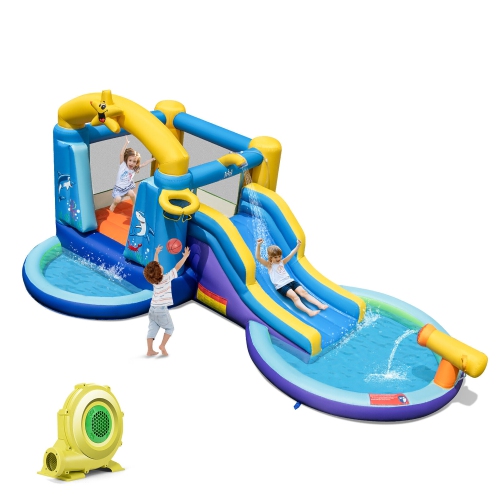
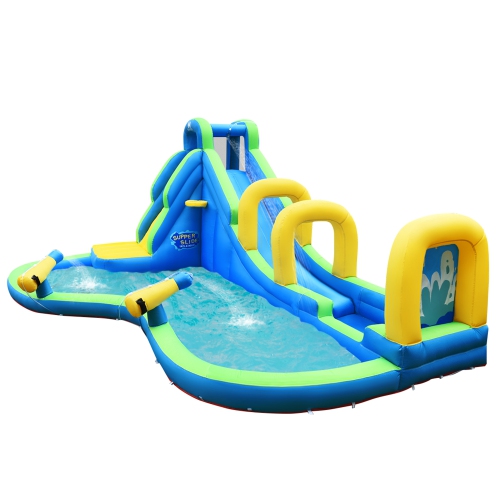

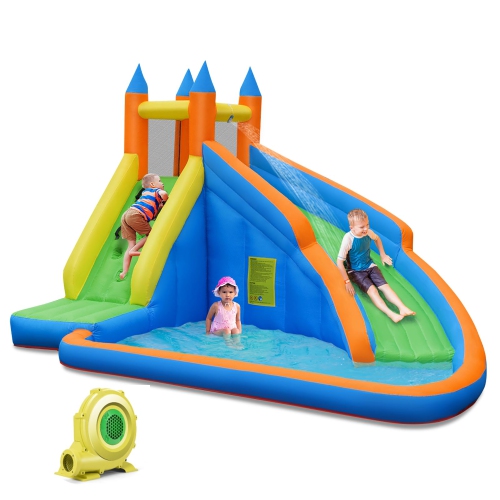
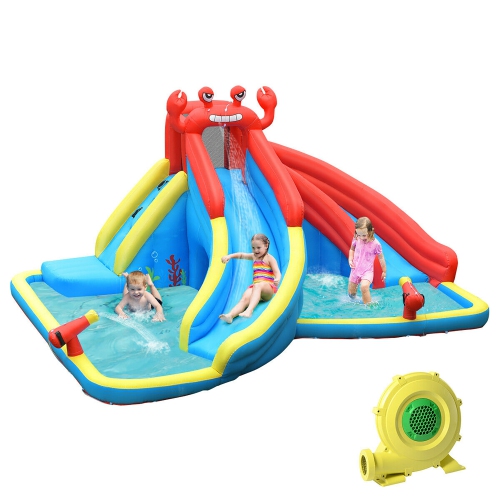
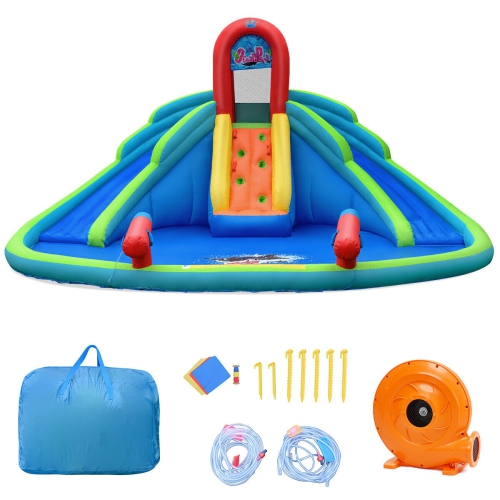
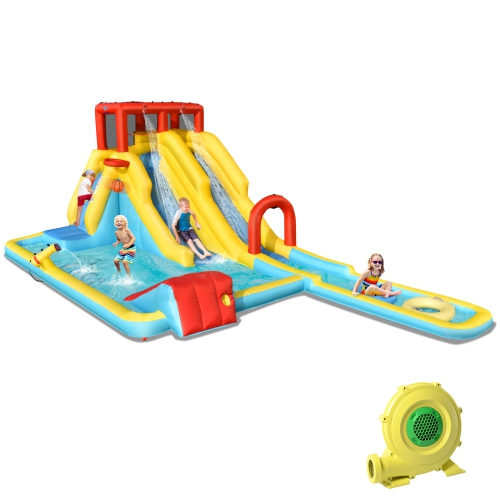
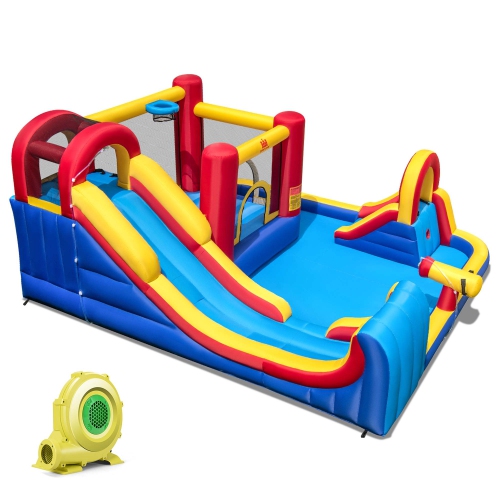

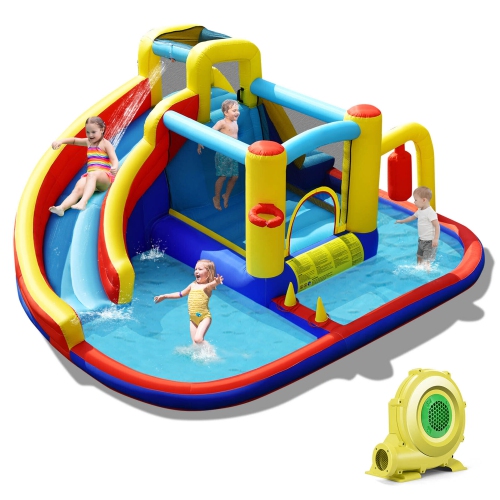
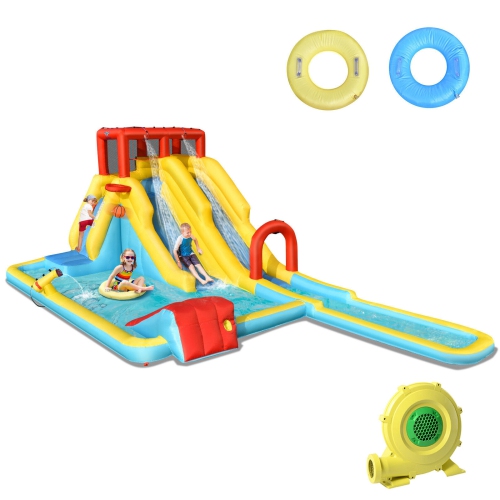
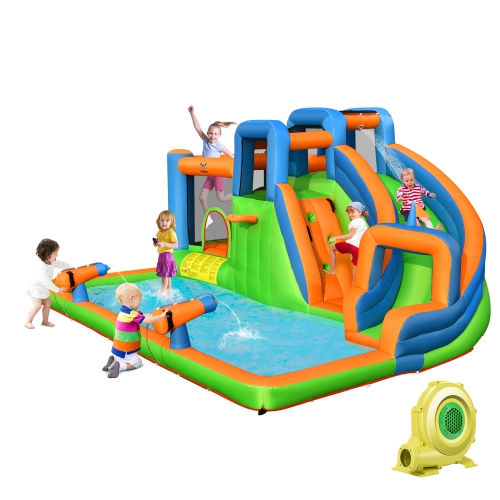
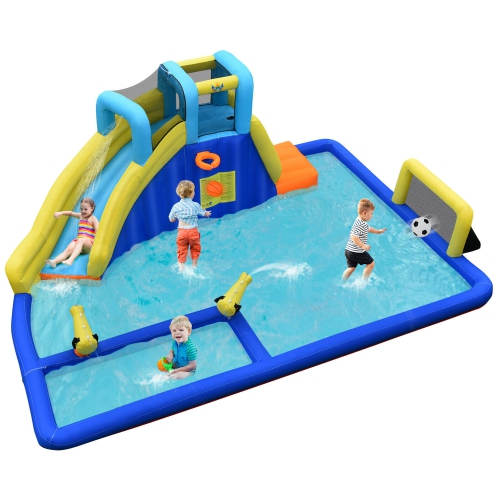

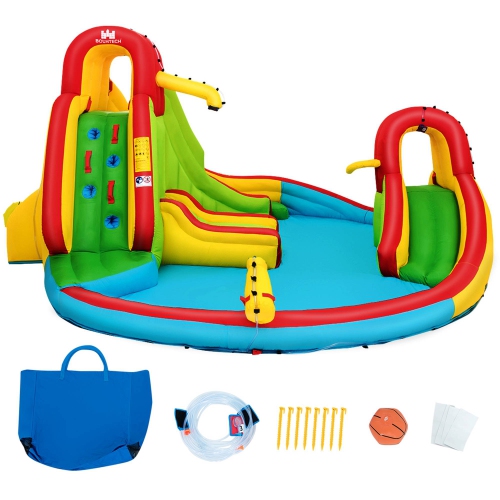
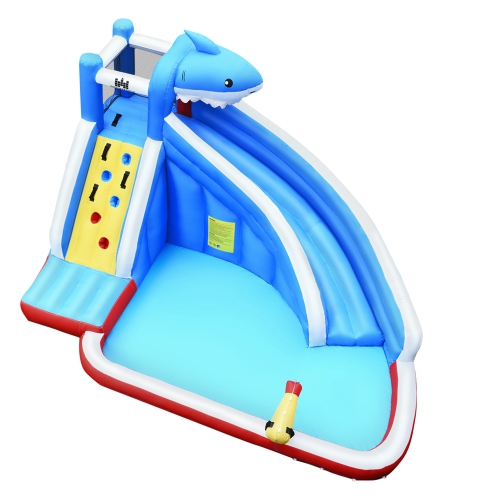
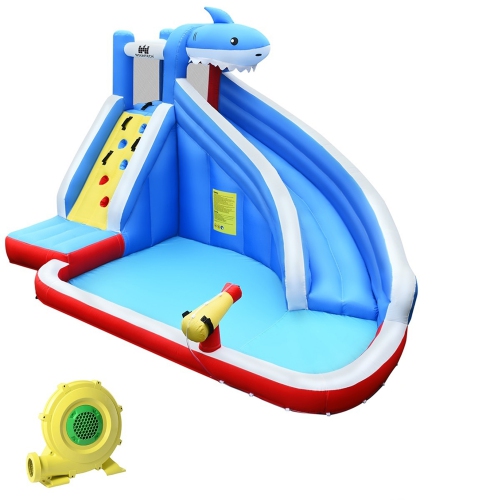
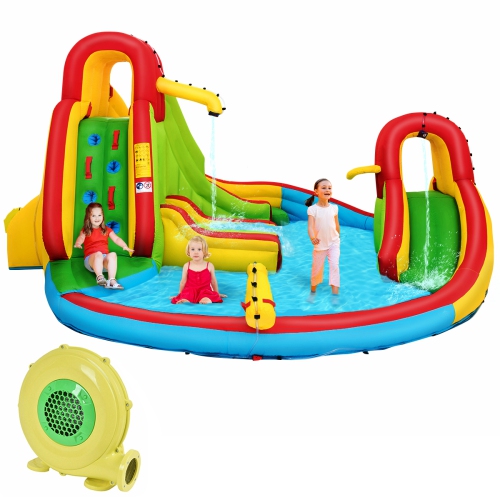
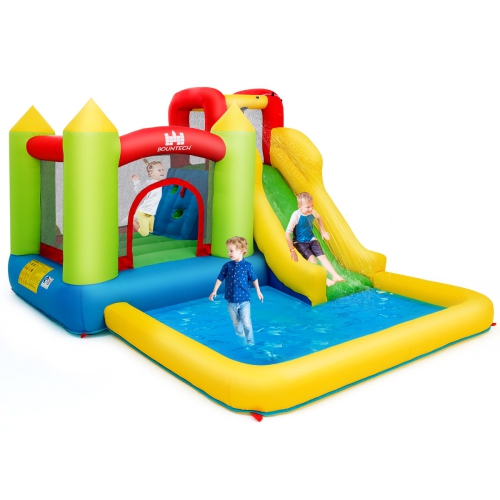
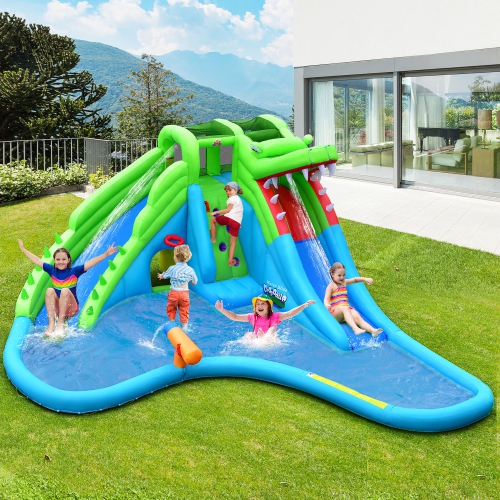
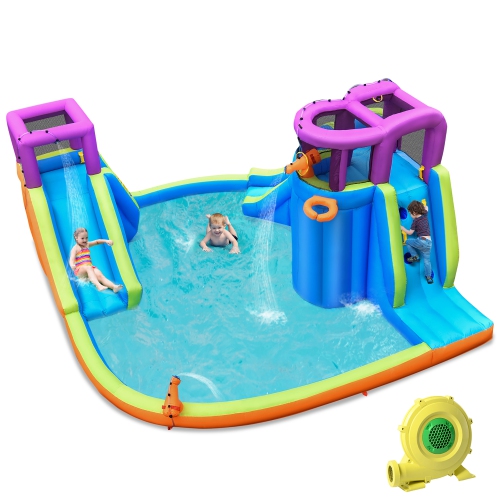
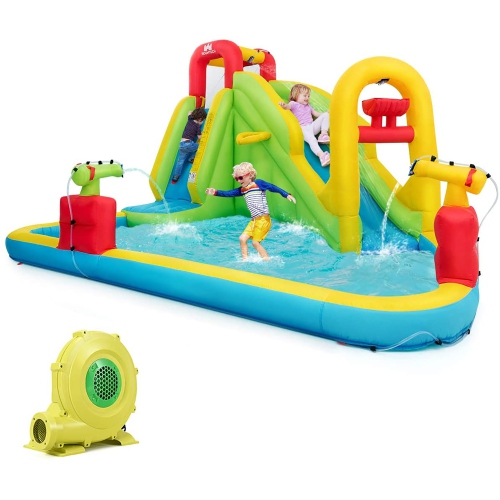
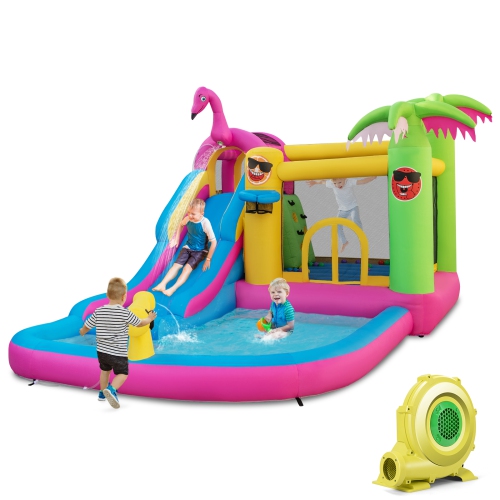
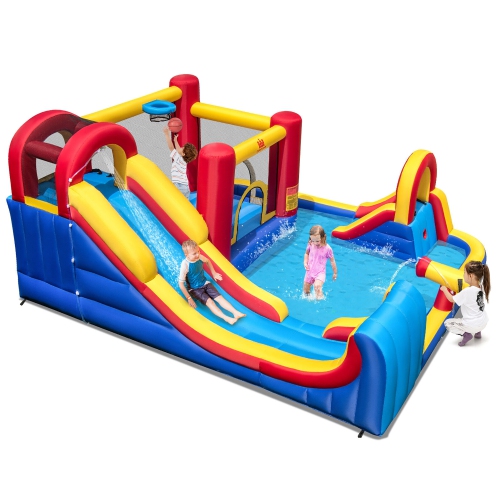
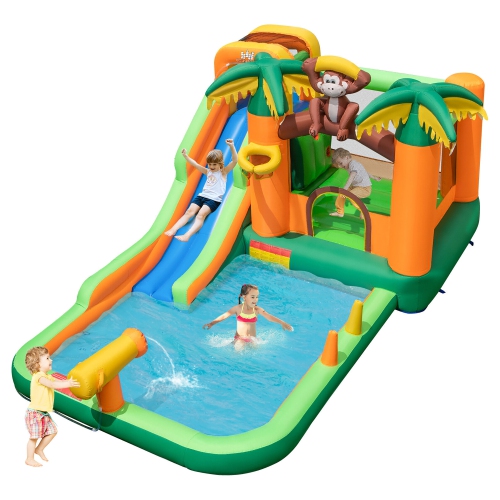
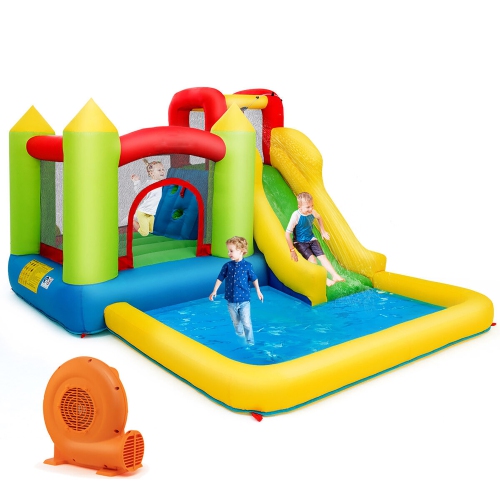
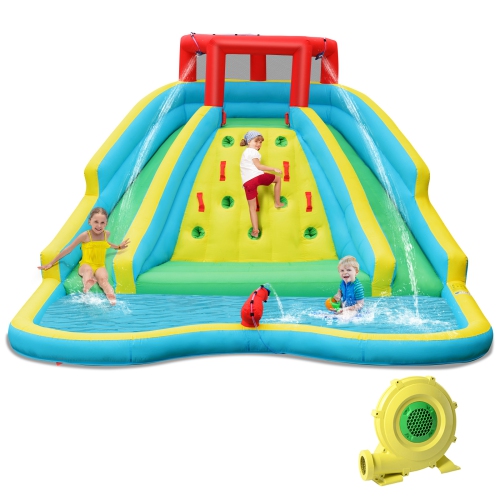
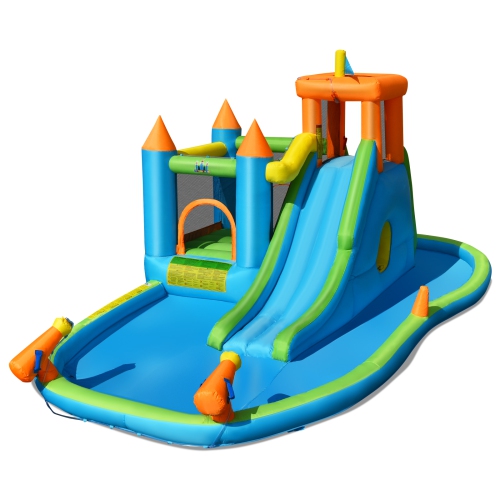
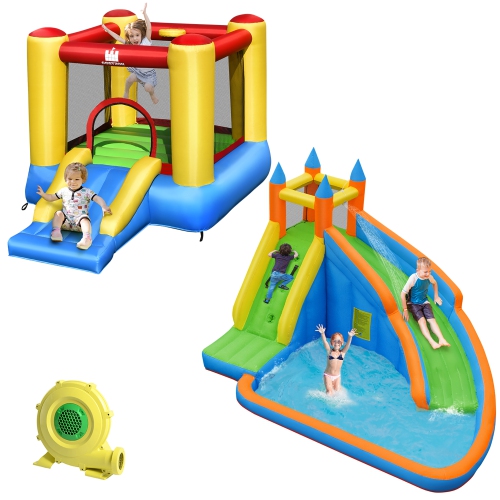
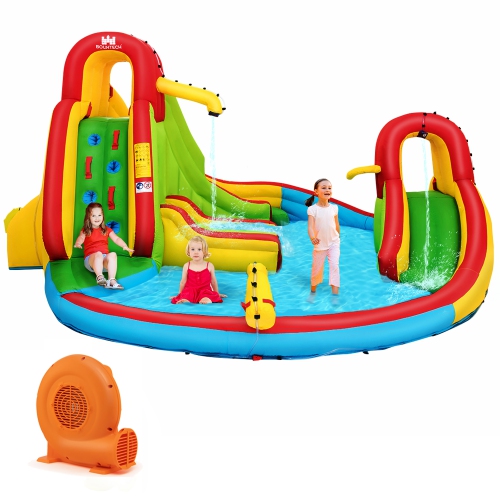
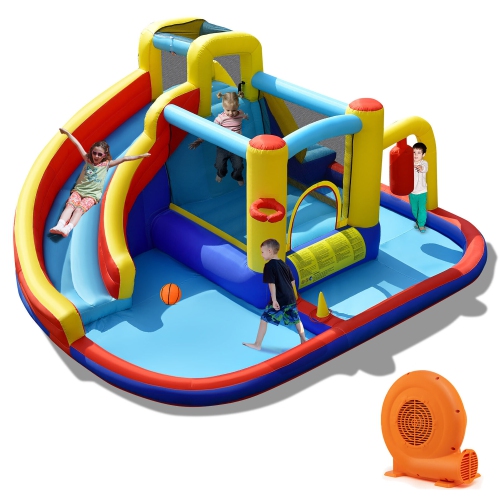
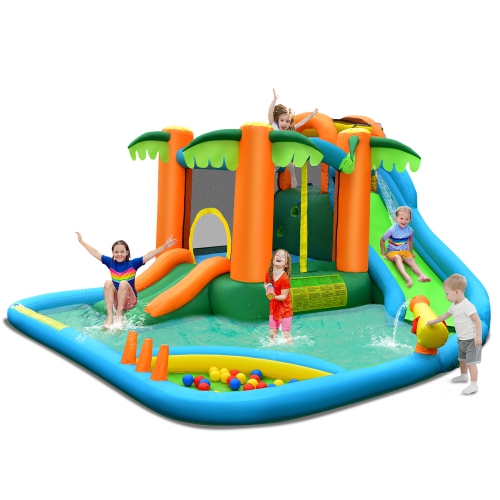
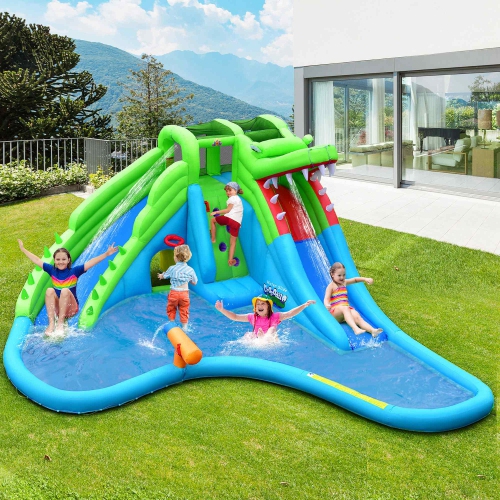
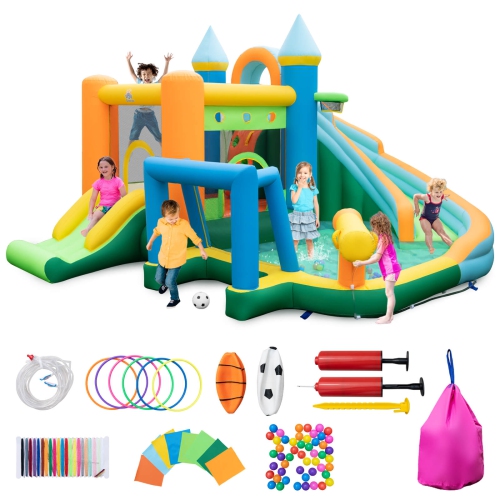
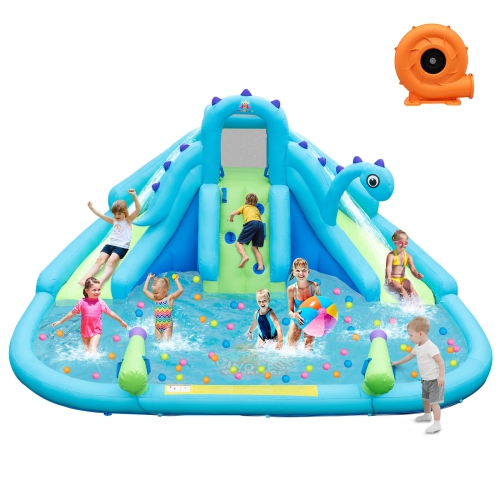
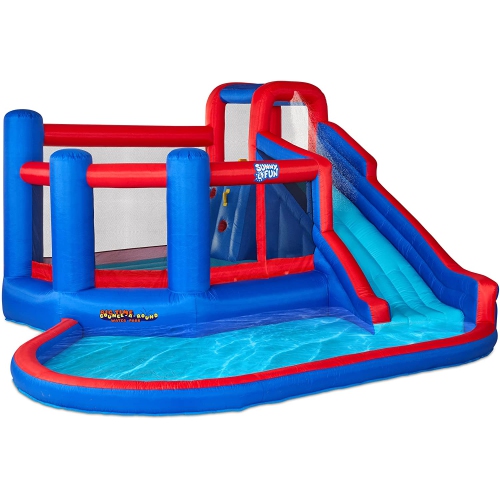
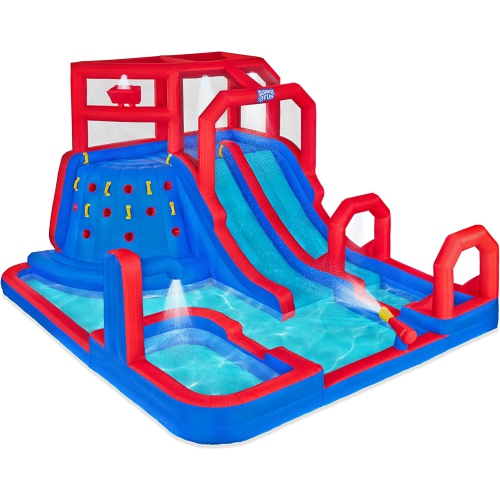
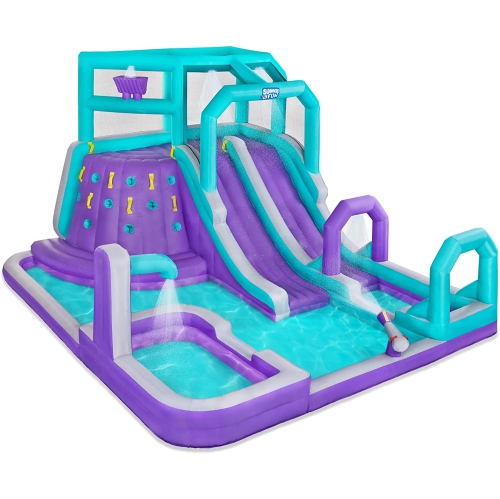
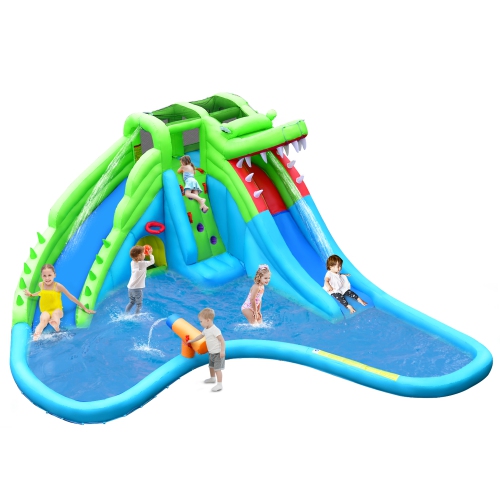
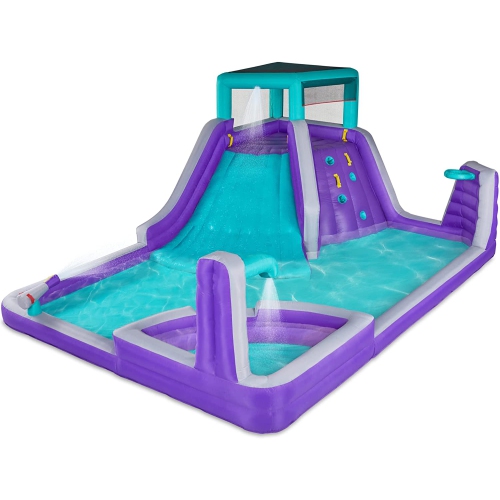
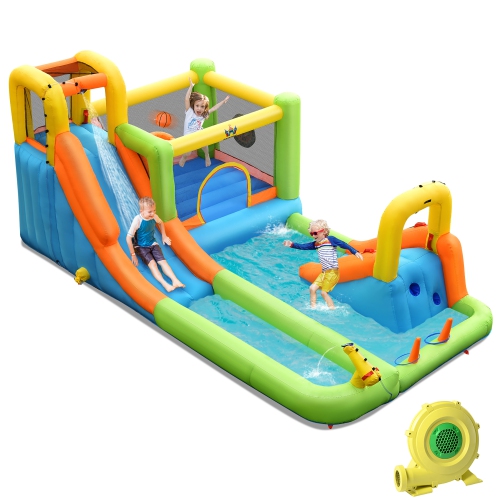
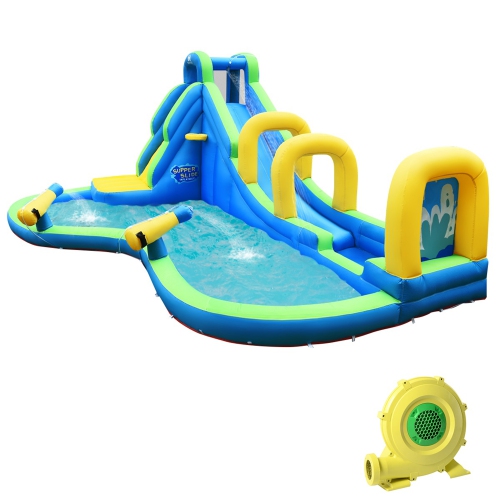
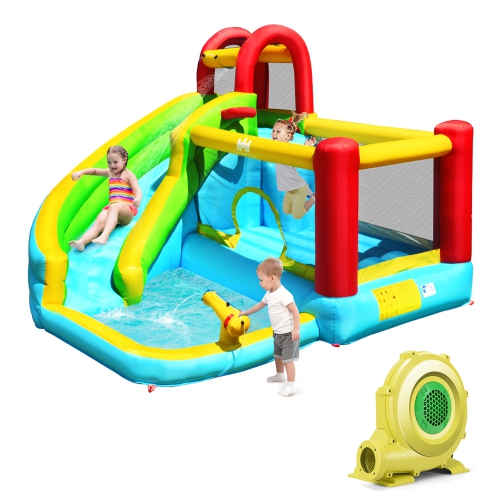
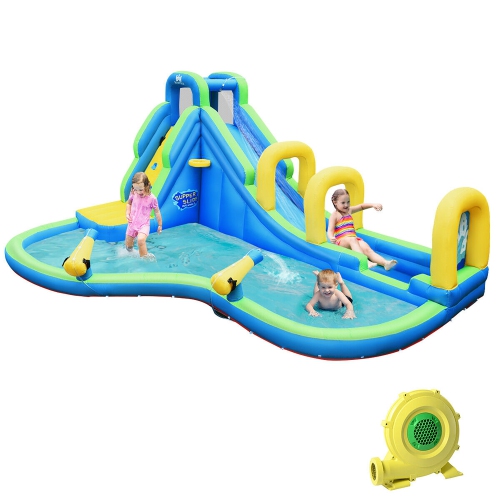
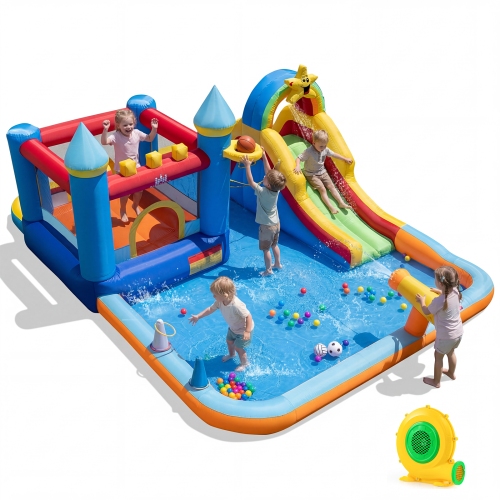
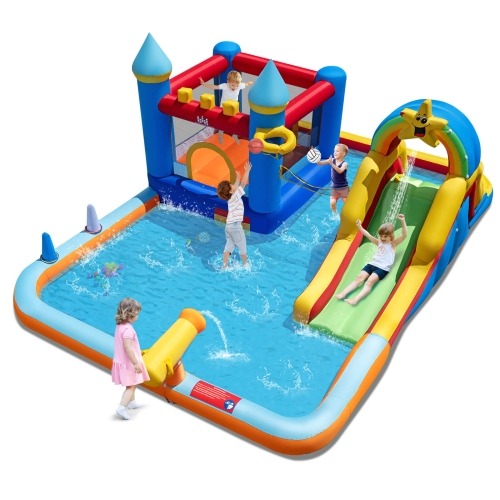
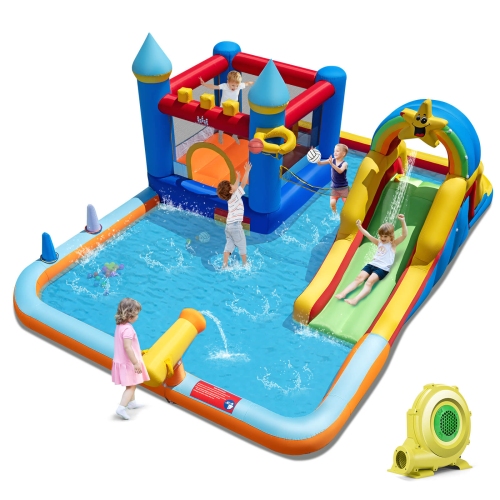
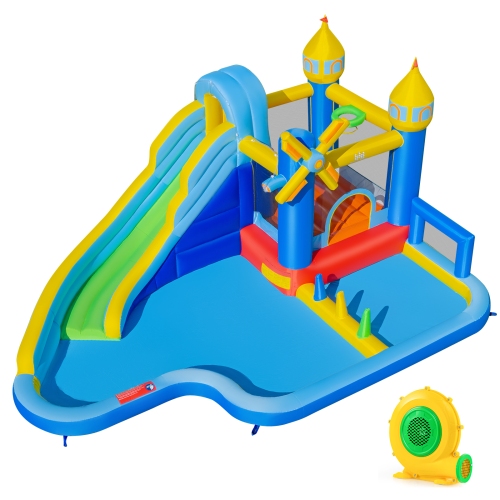
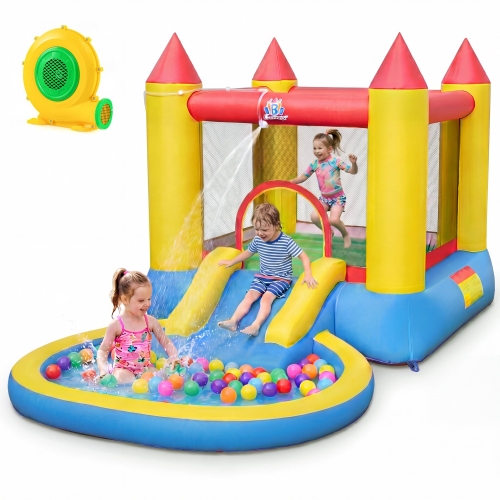
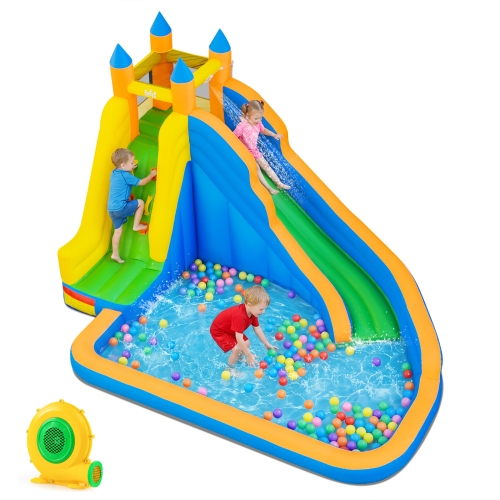
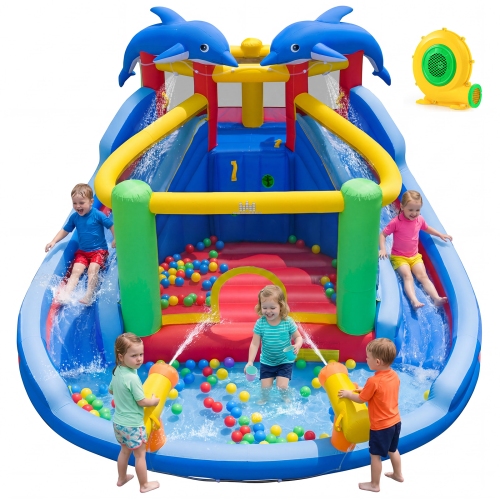
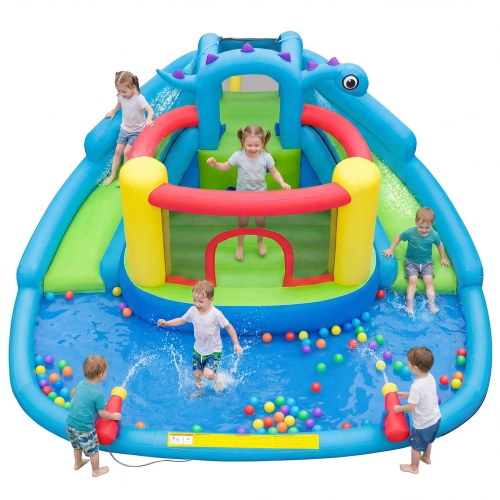
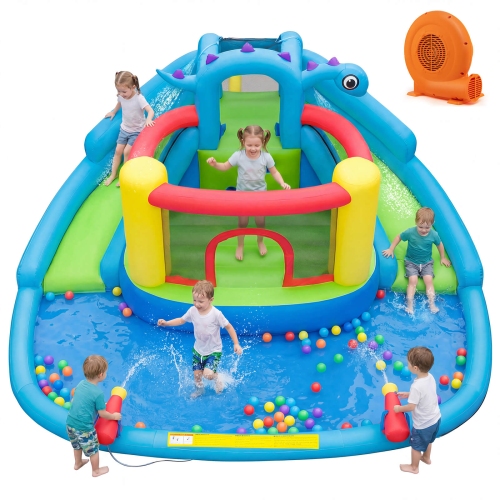
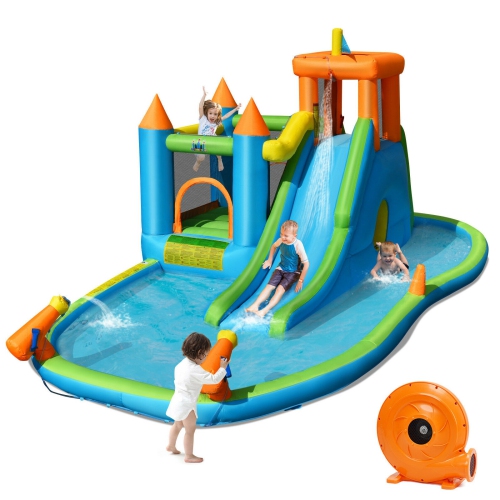

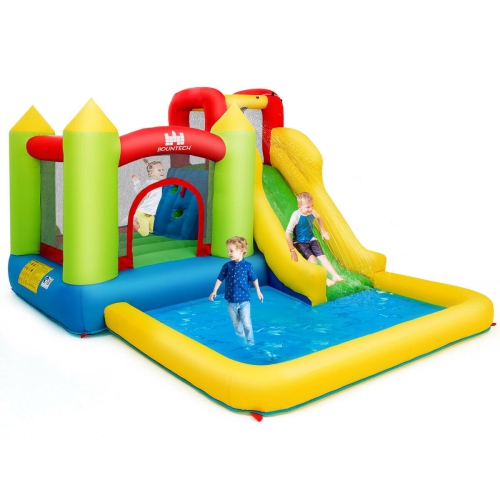

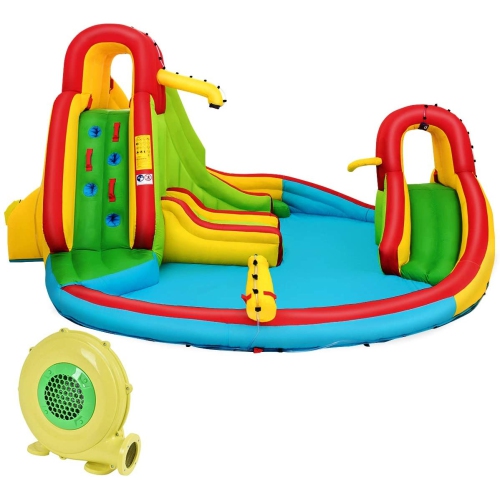
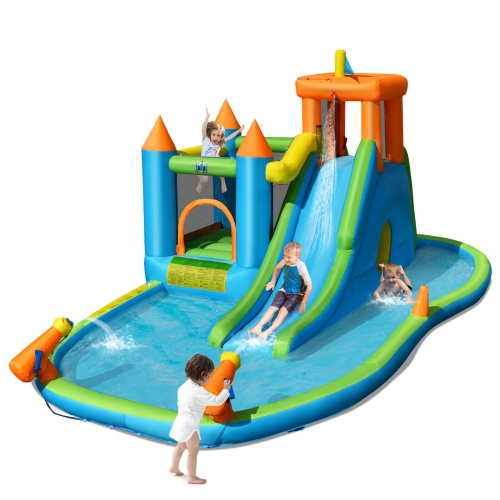
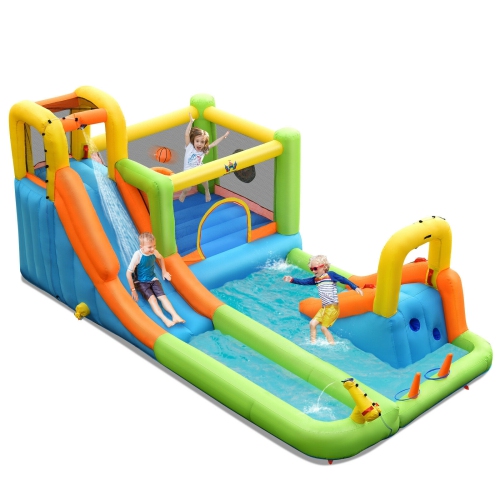
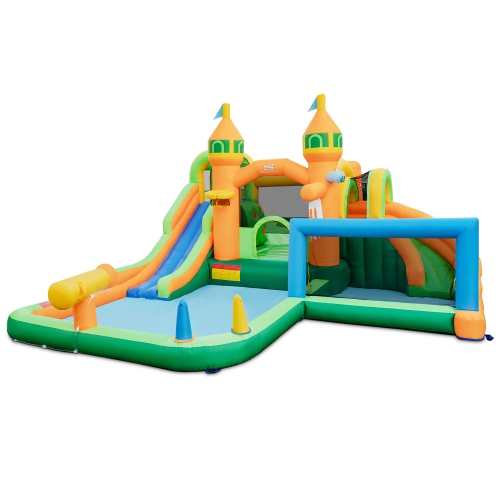
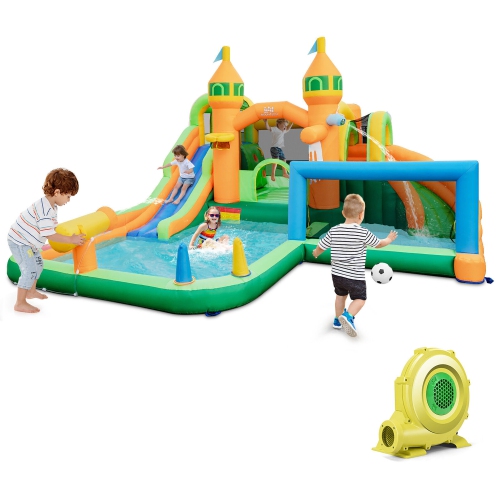
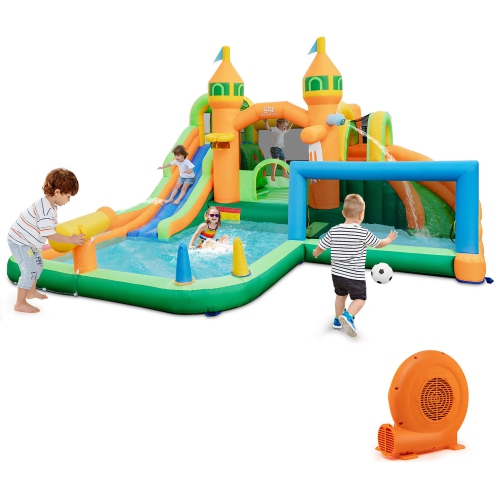
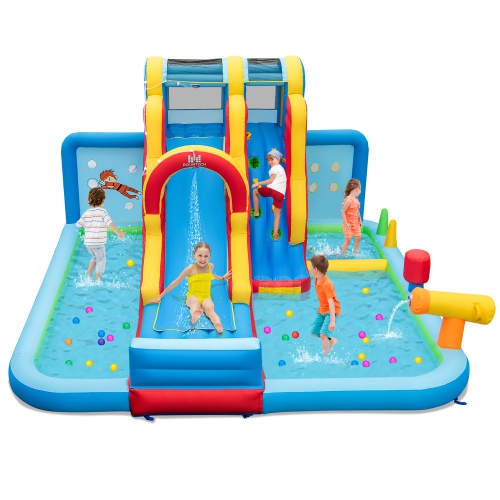
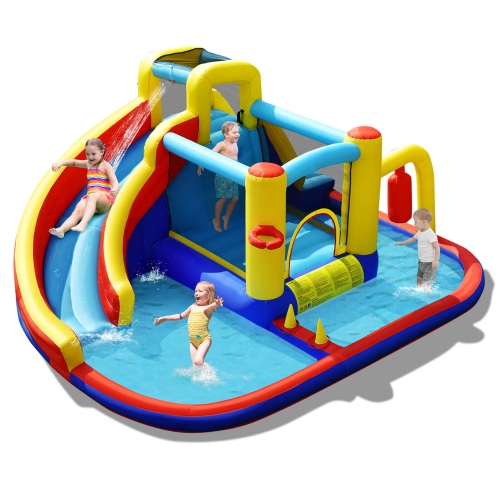
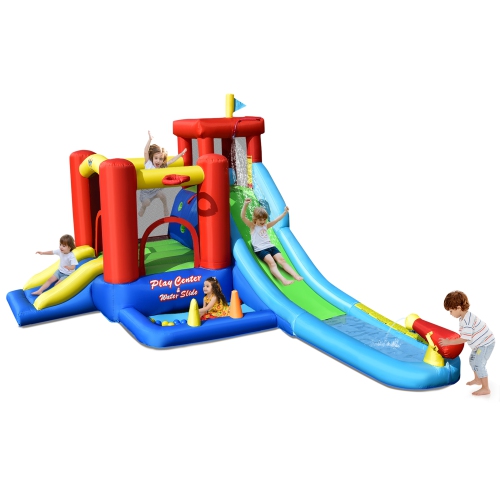
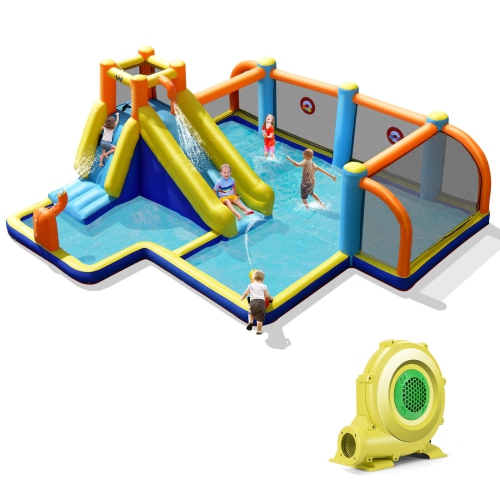
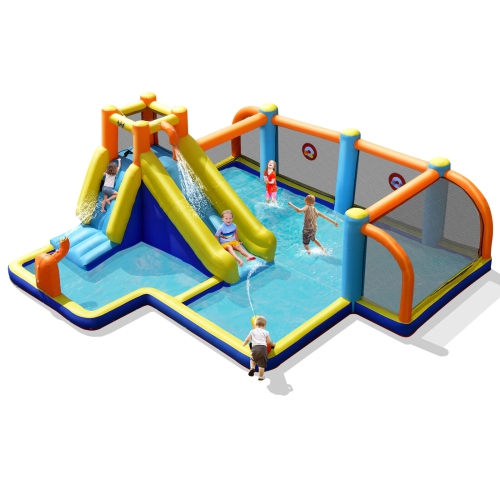
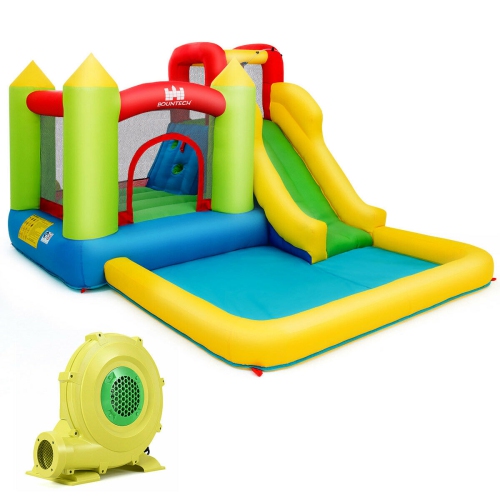
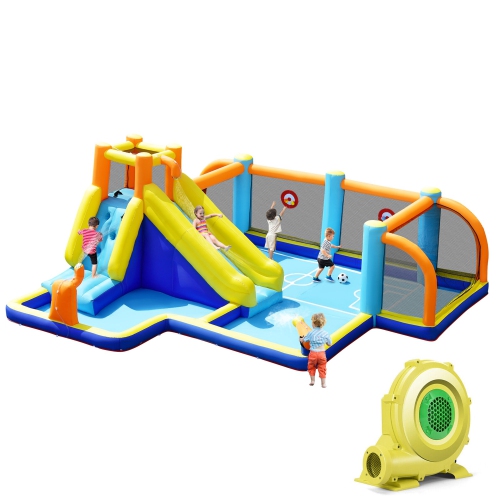
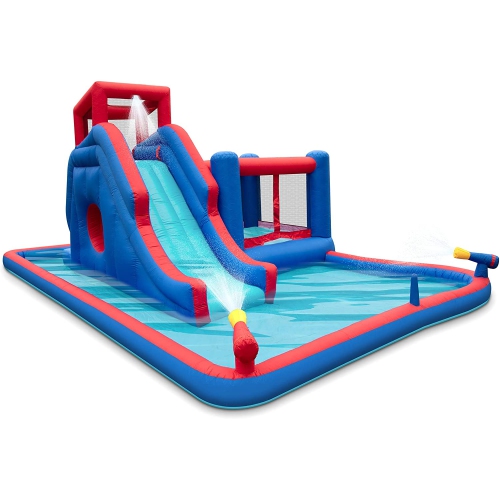
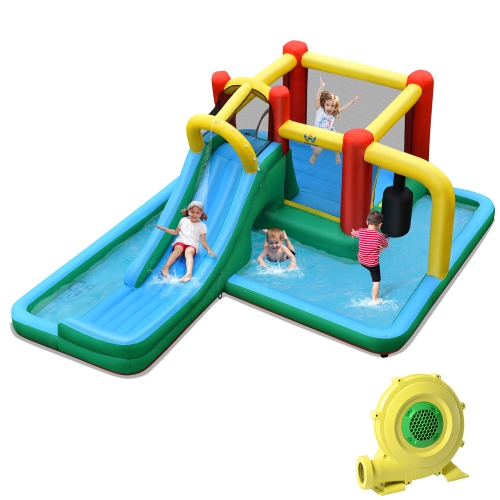
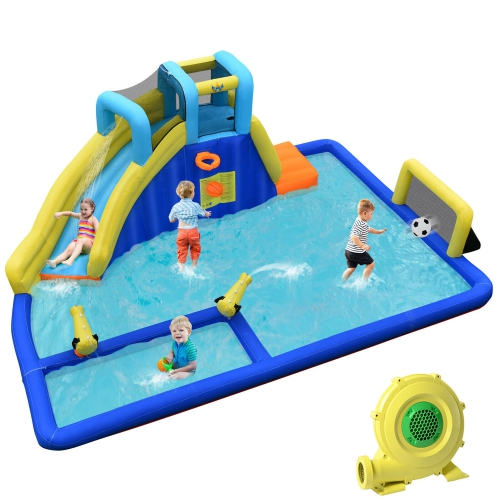
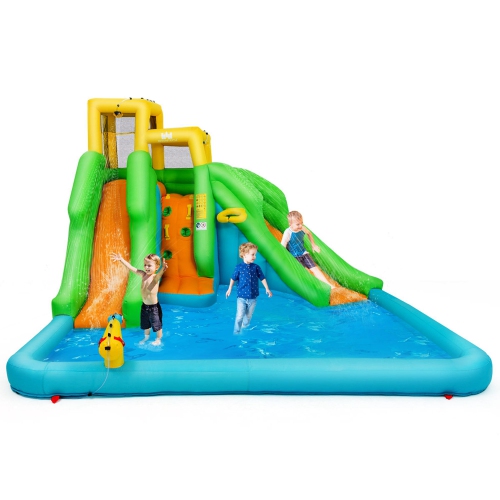
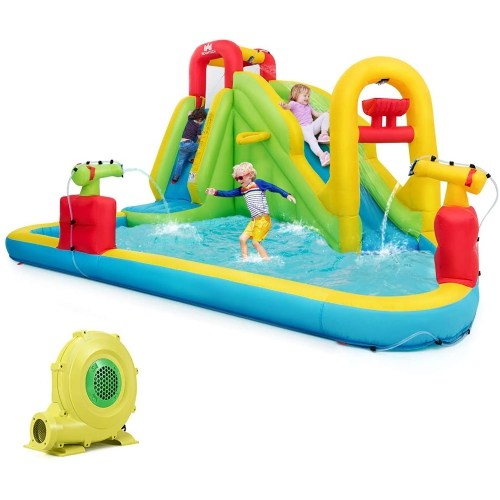
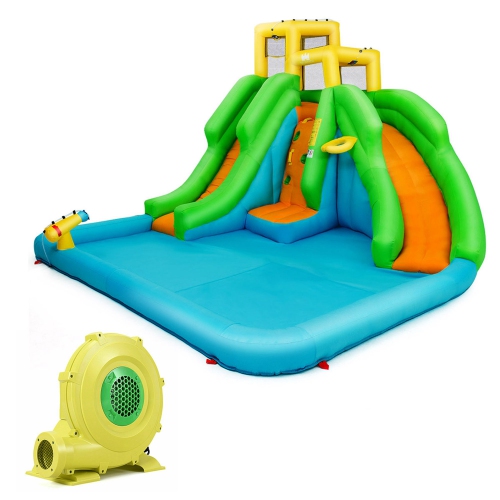
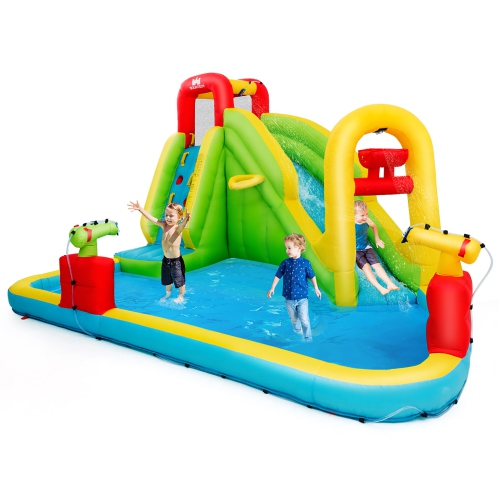
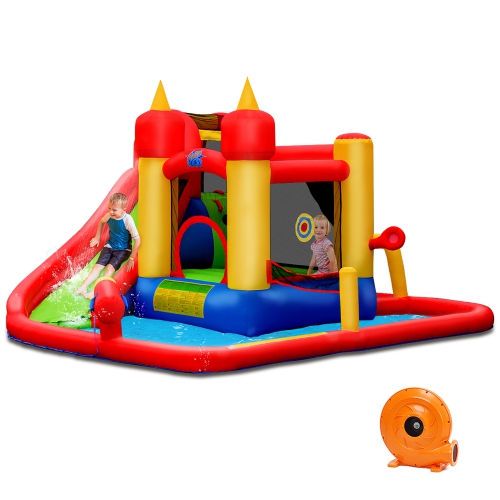
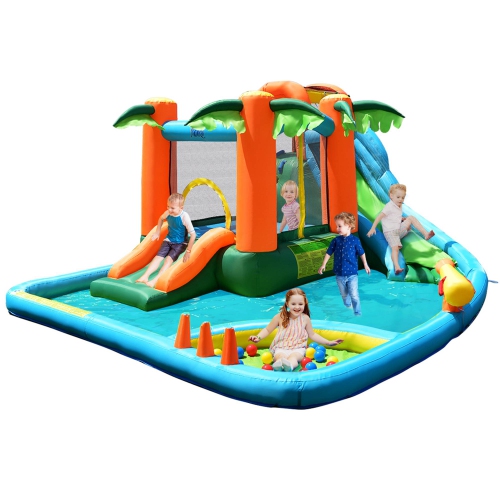
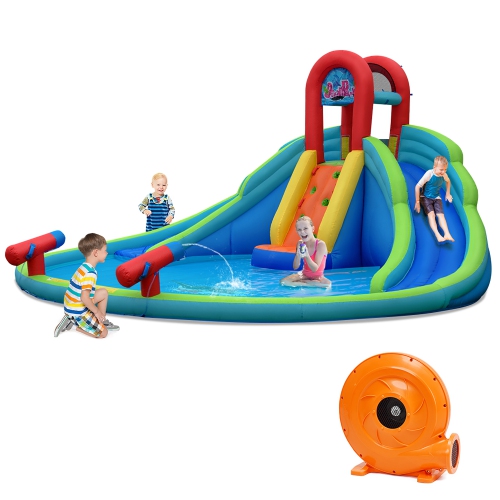
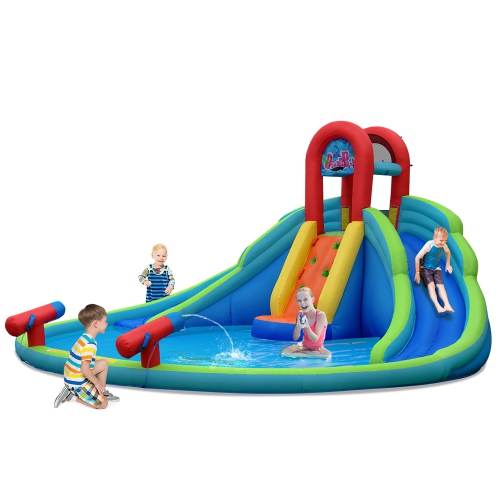
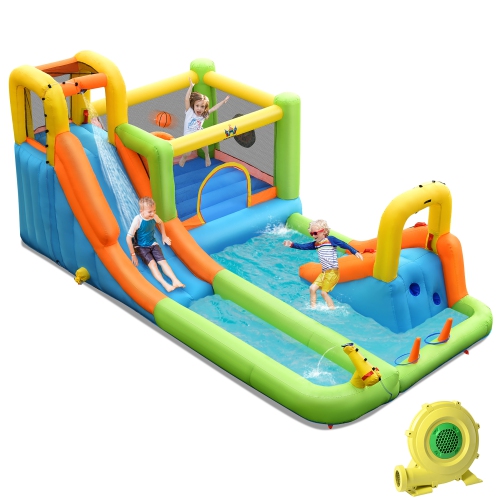
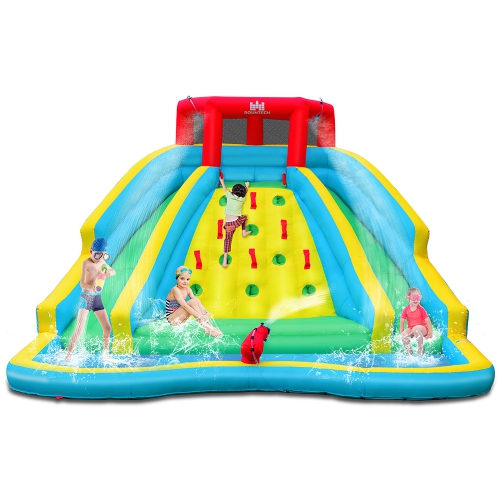
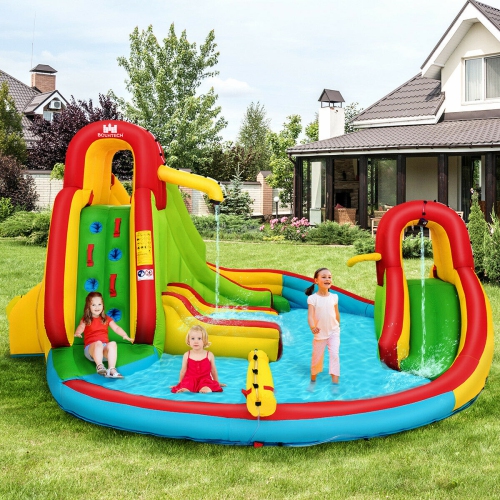
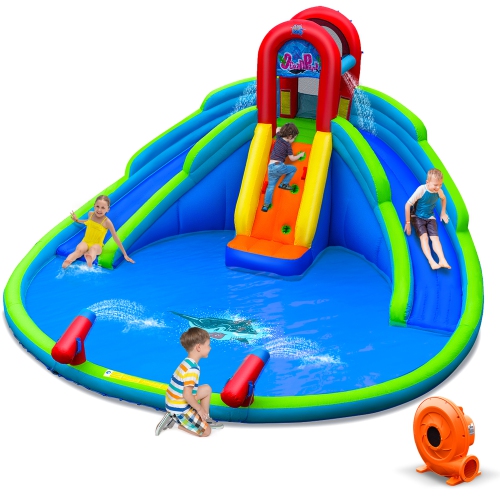
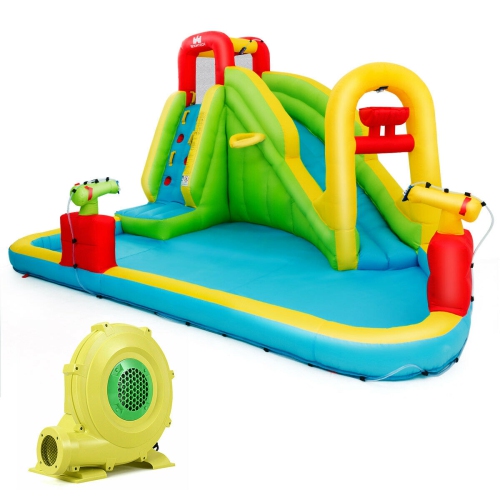
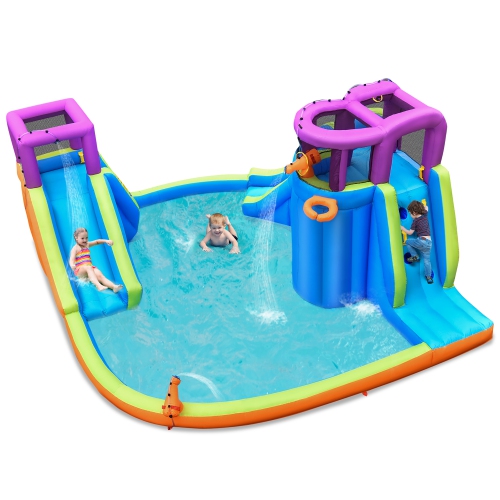

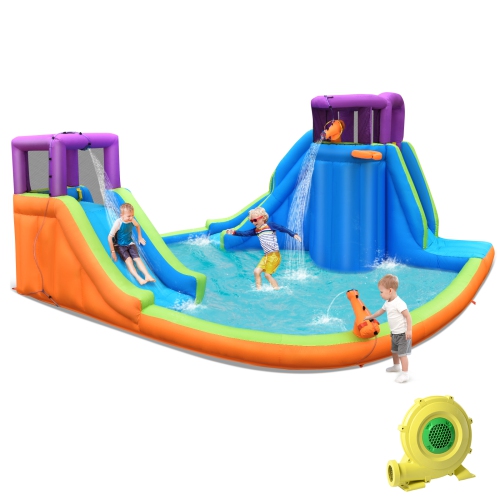
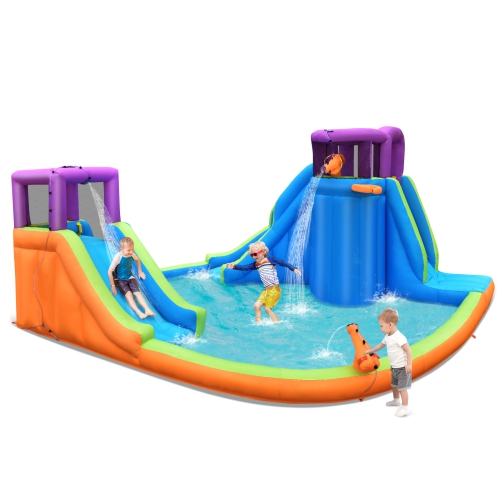
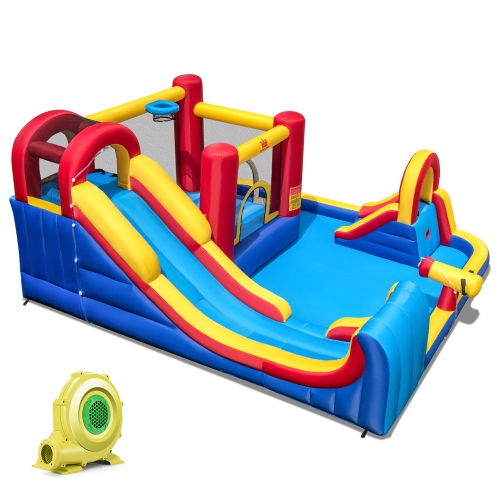
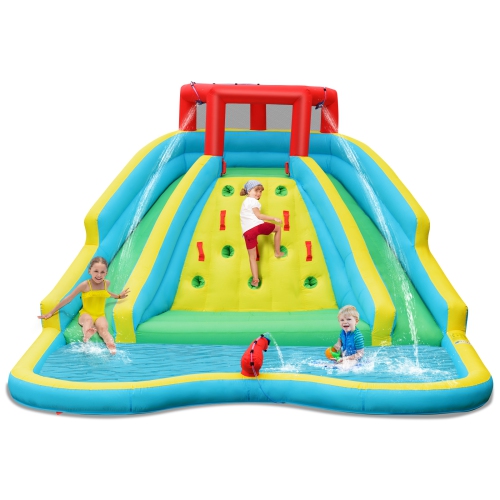
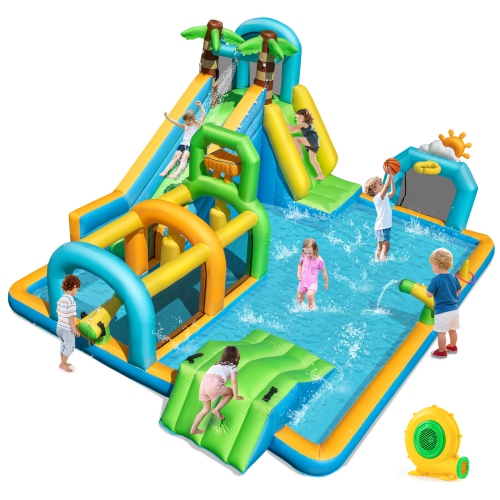

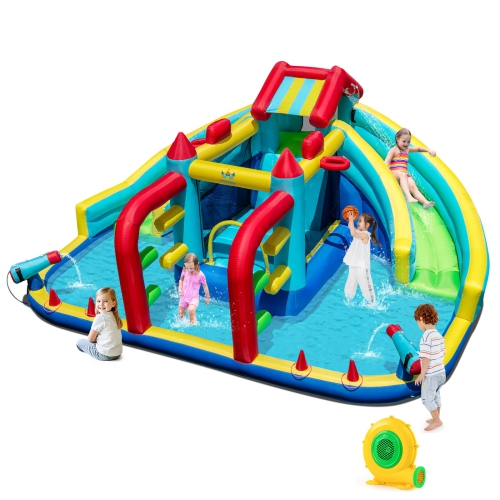
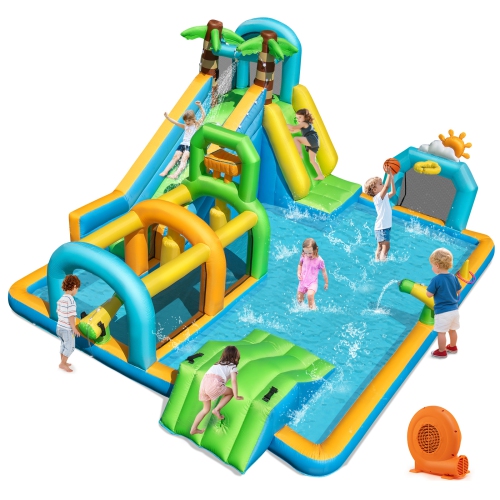
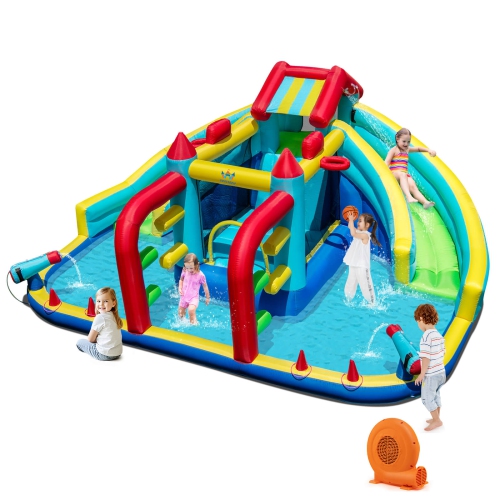
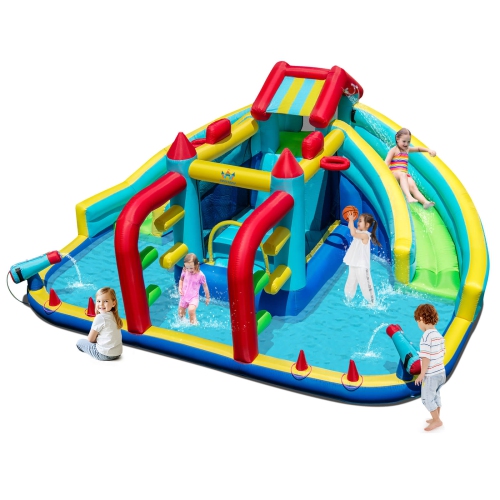
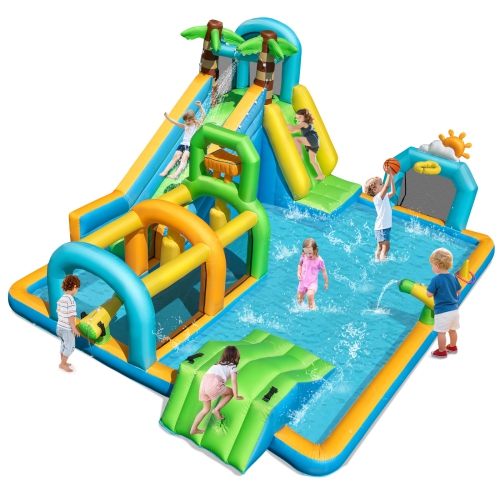
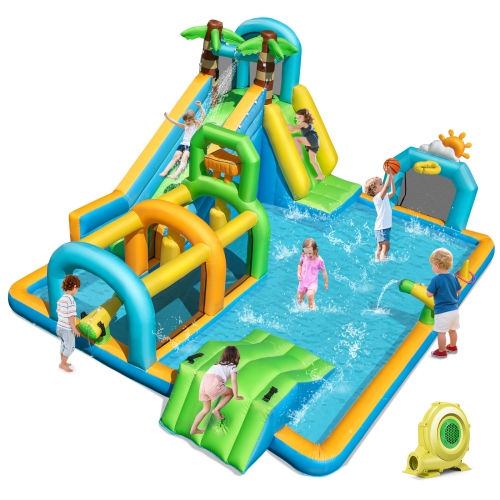
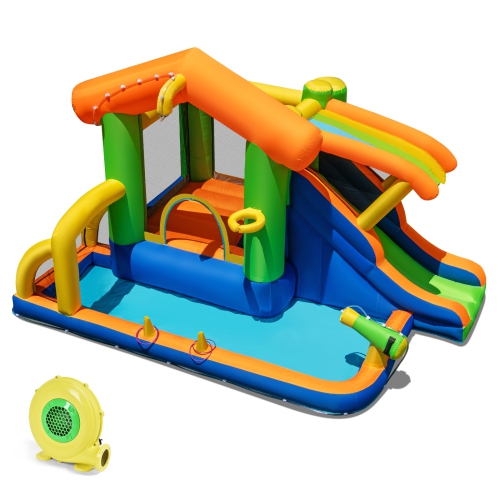
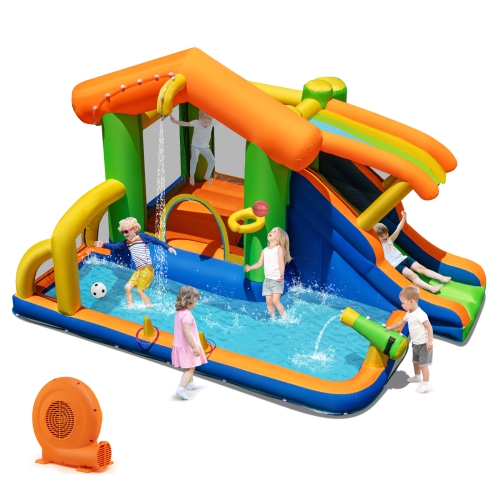
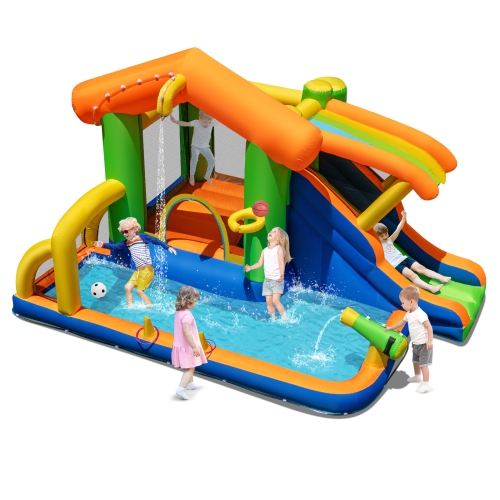
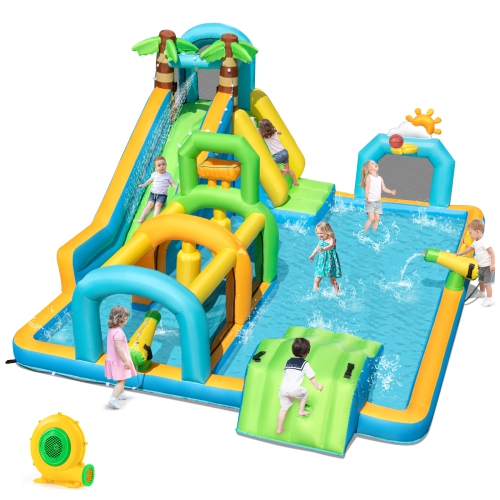
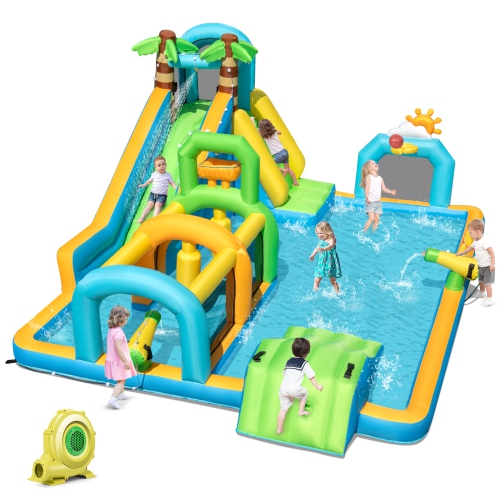
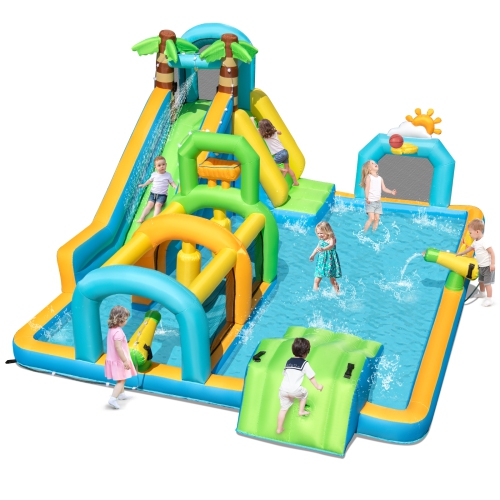
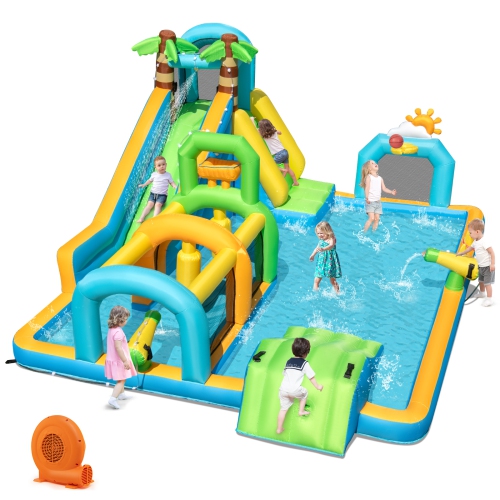
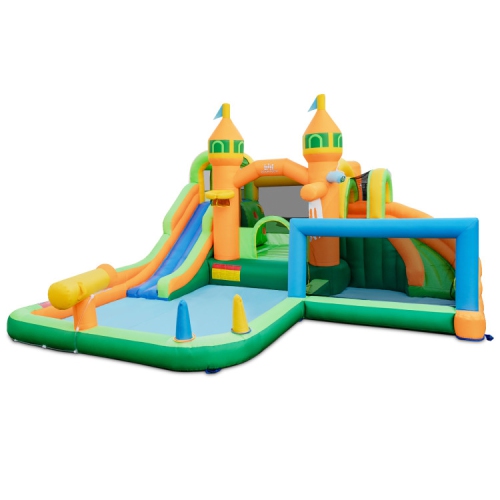
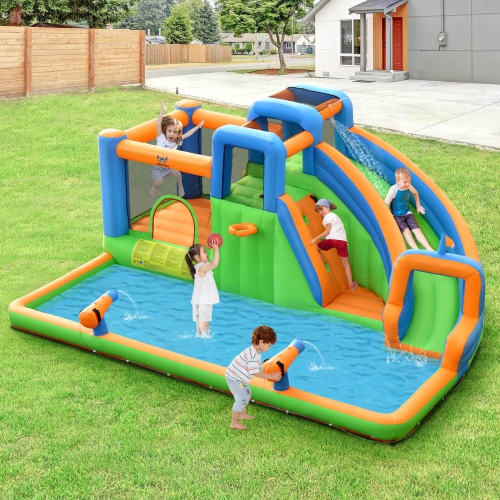
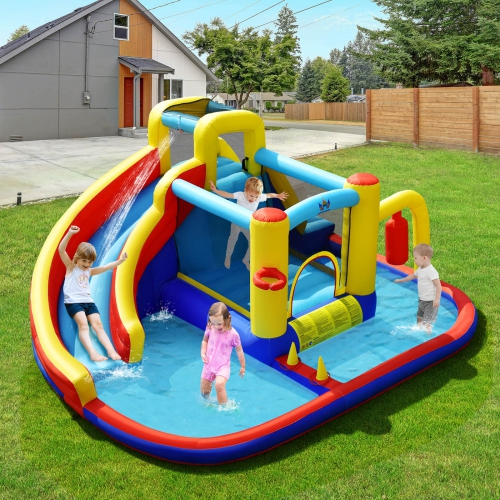
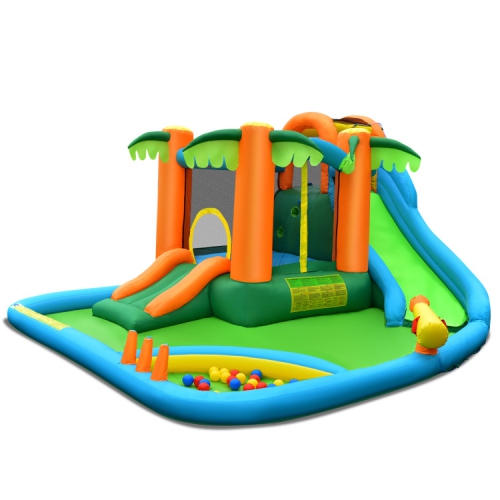
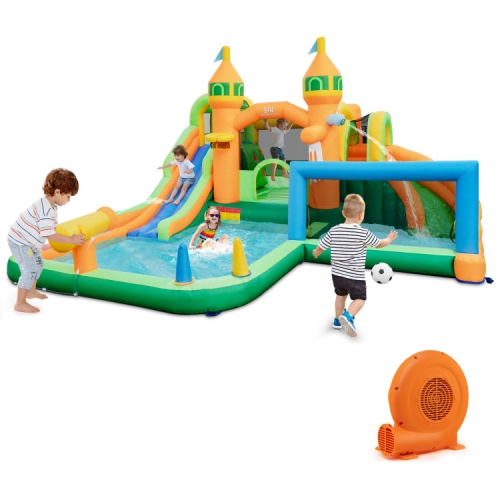
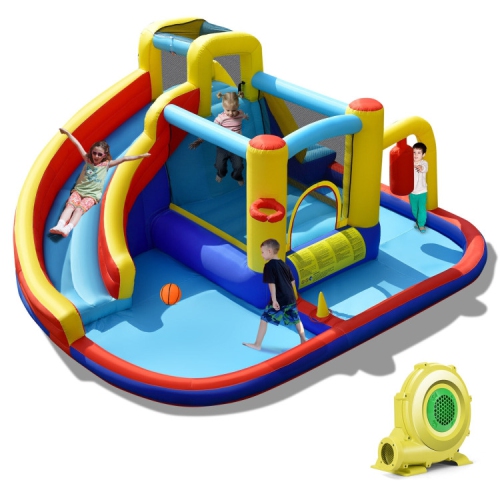
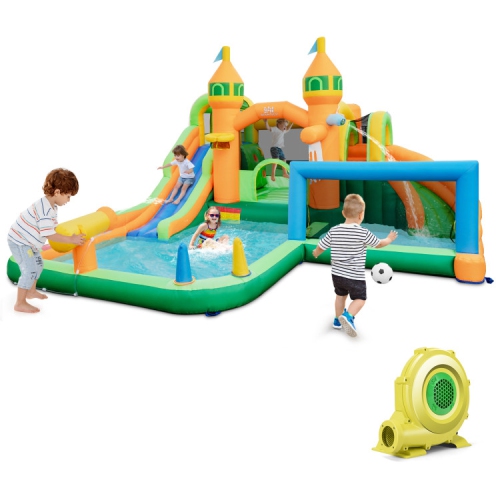
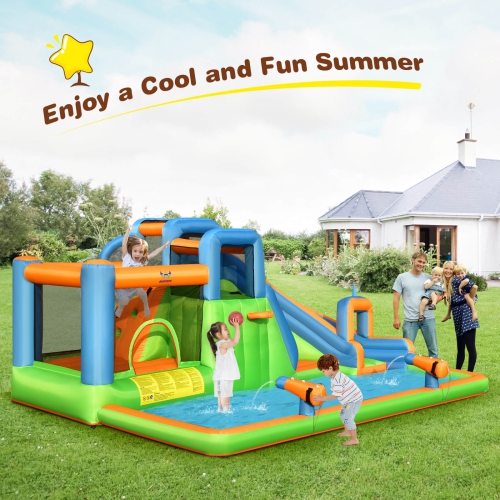
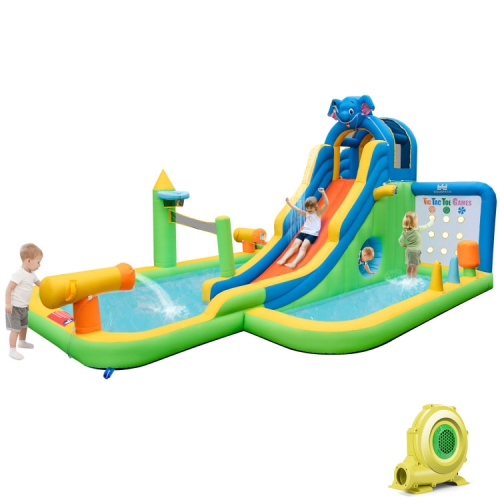
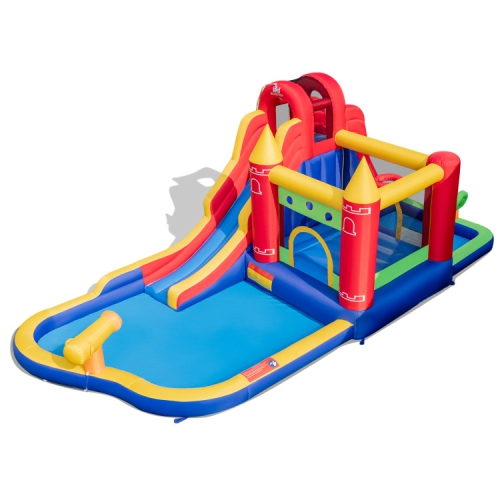
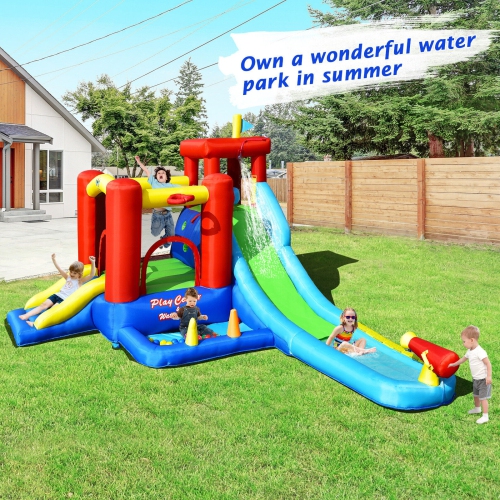
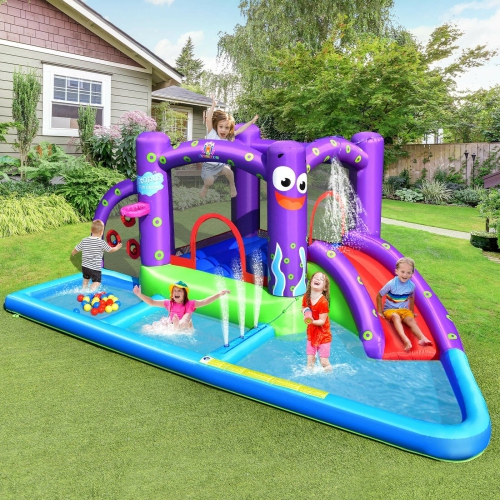
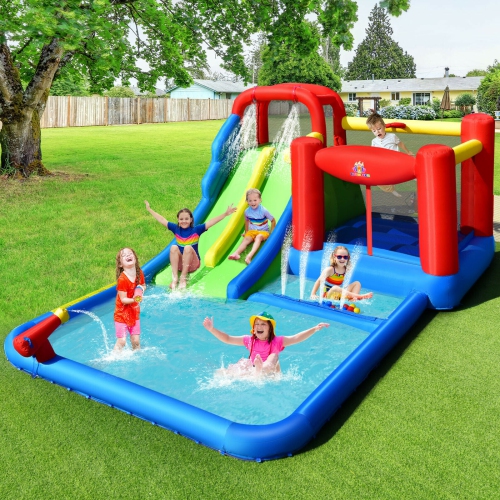
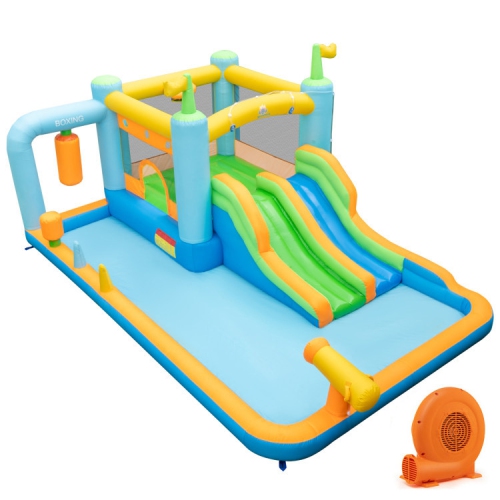
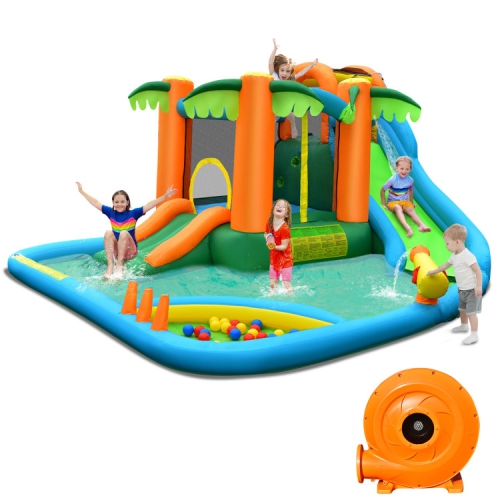
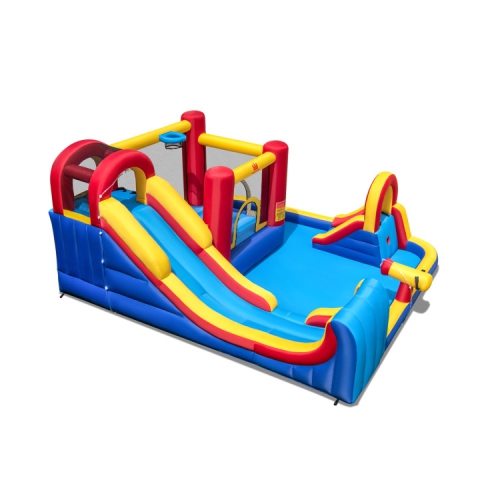
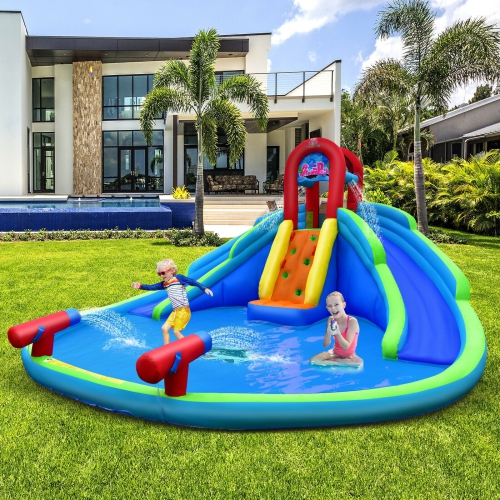
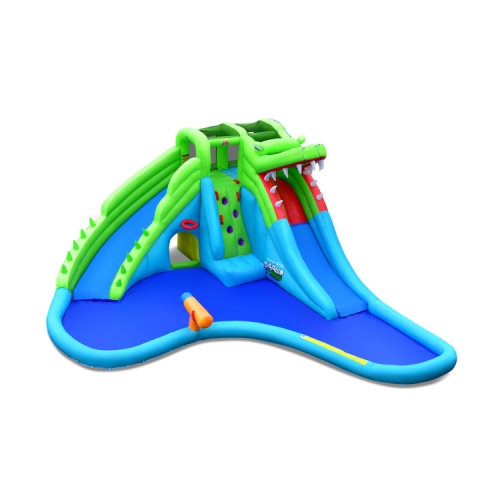
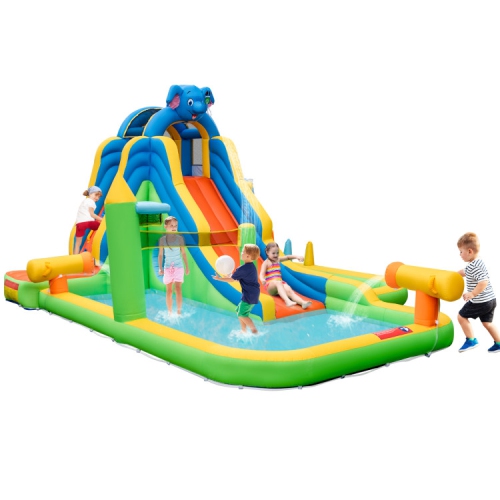
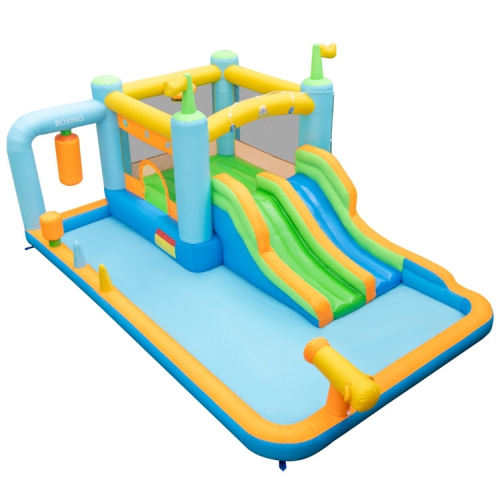
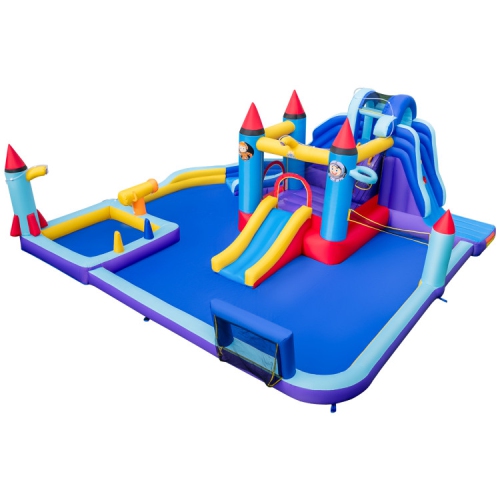
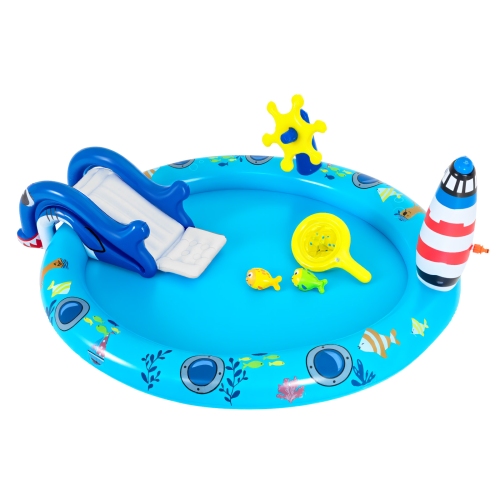


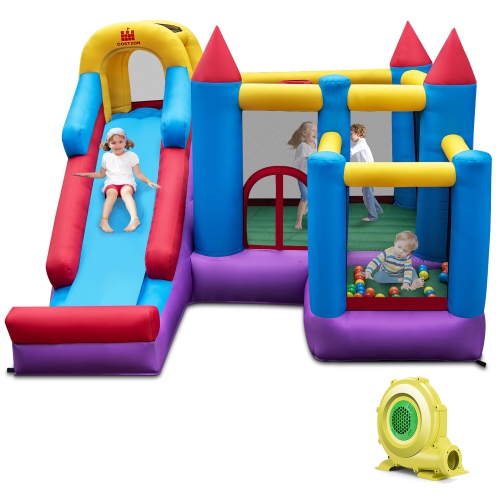
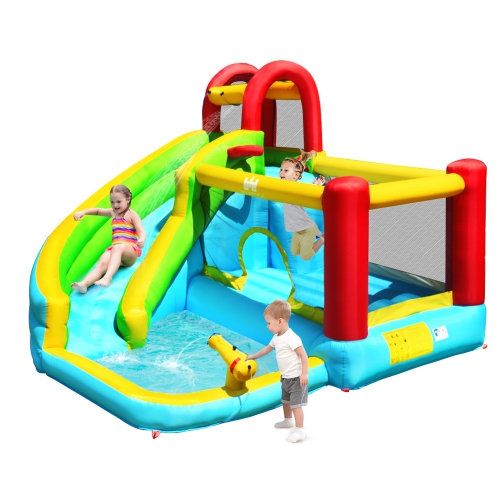
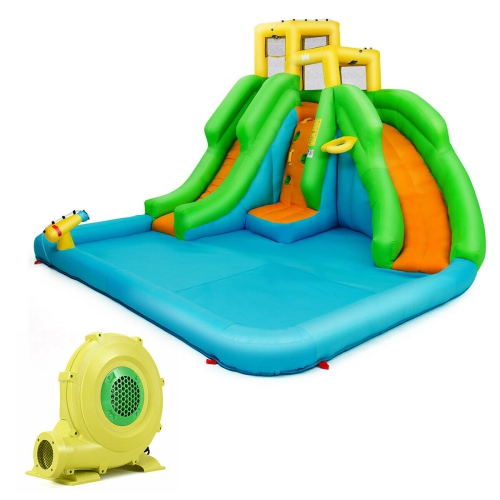
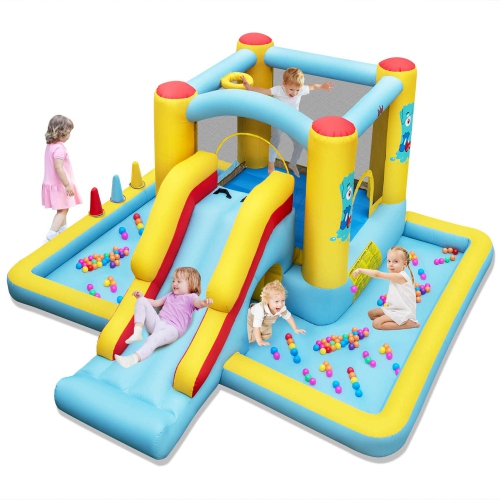
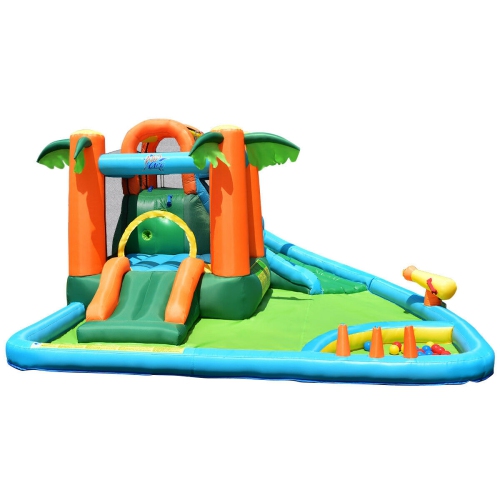
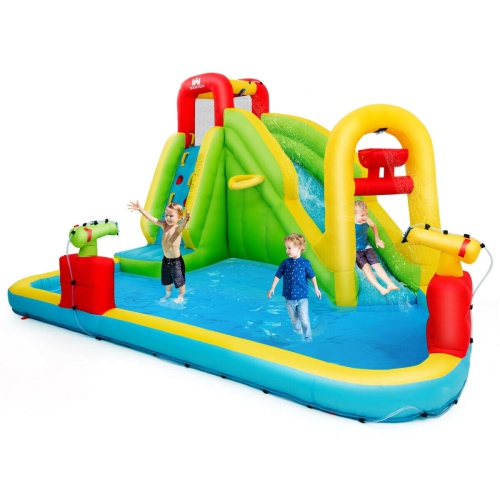
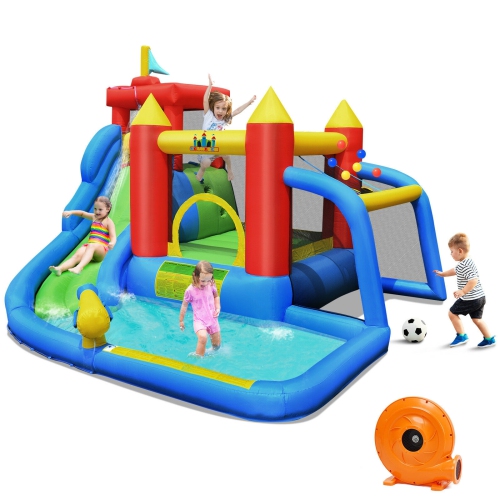
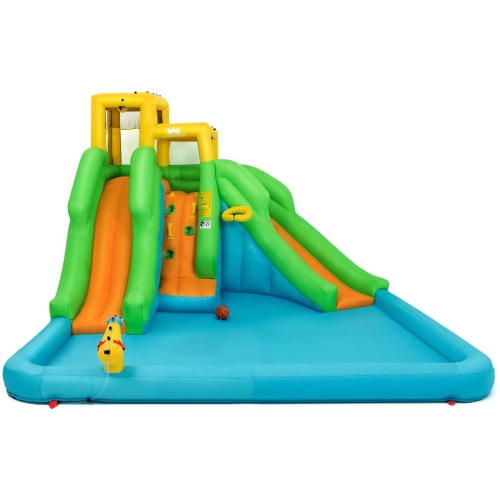
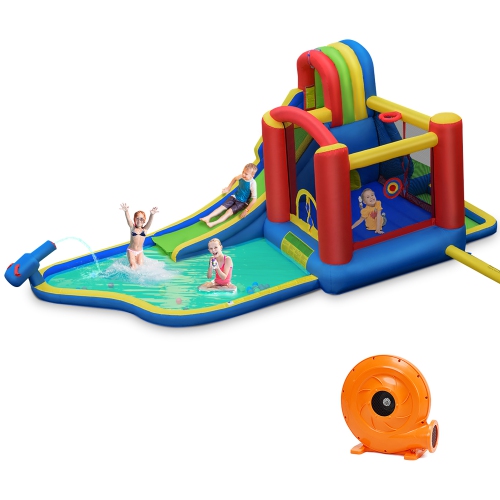
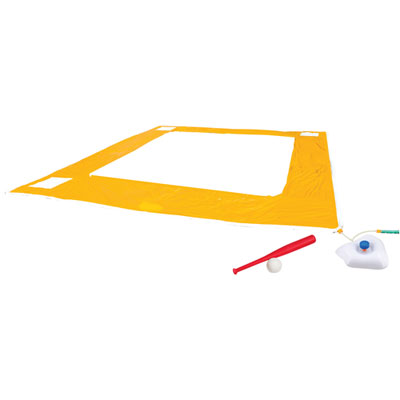
The landing area matters as much as the slide
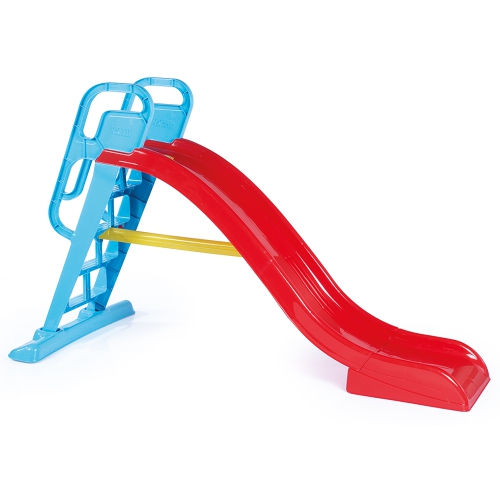
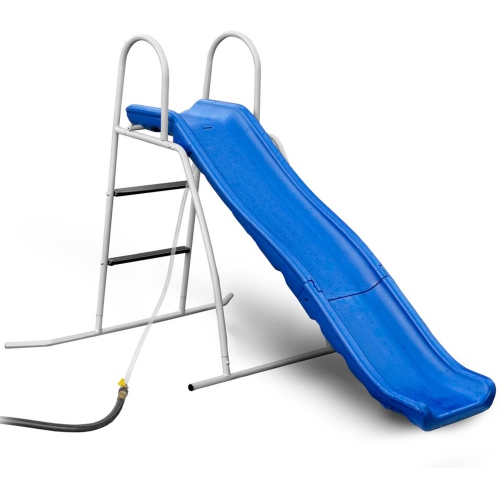
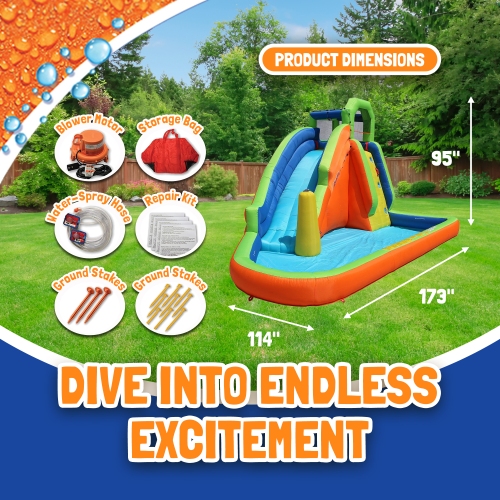
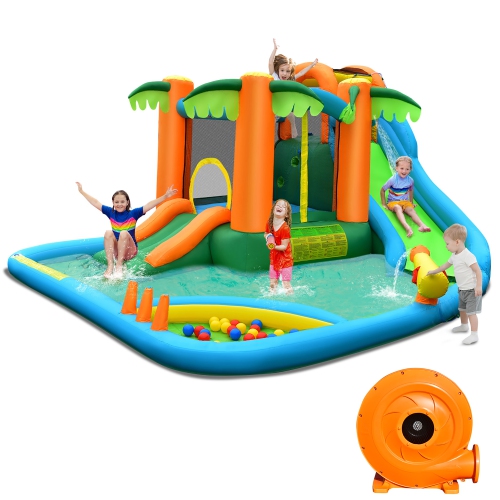
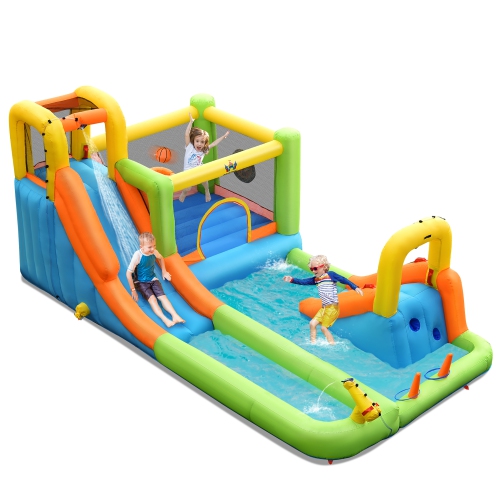
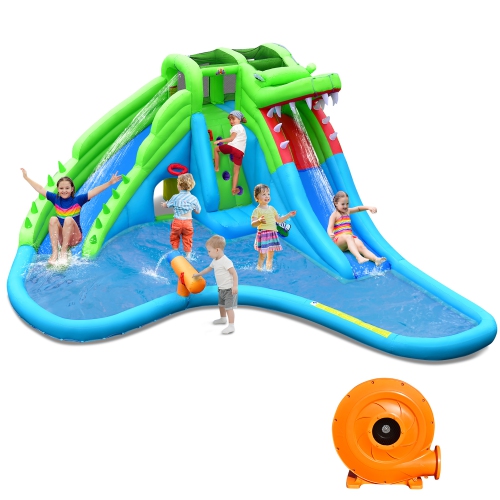
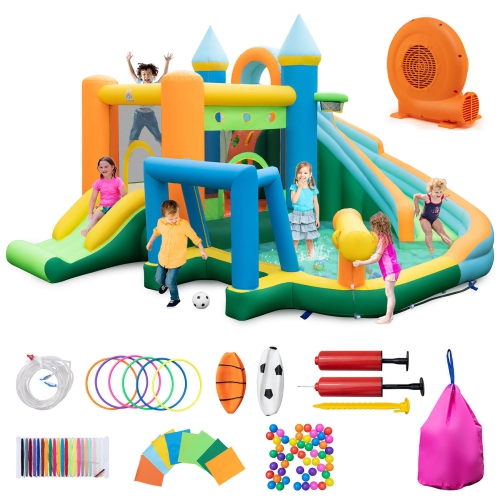
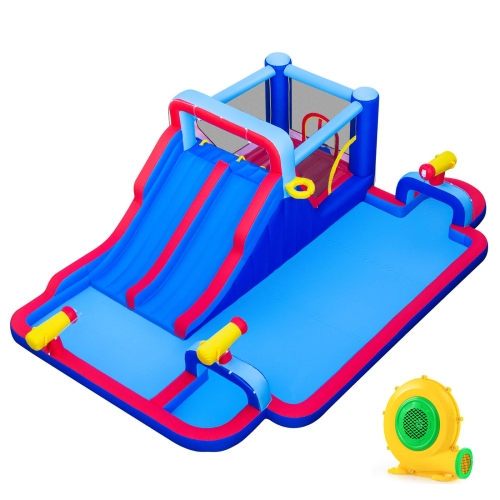
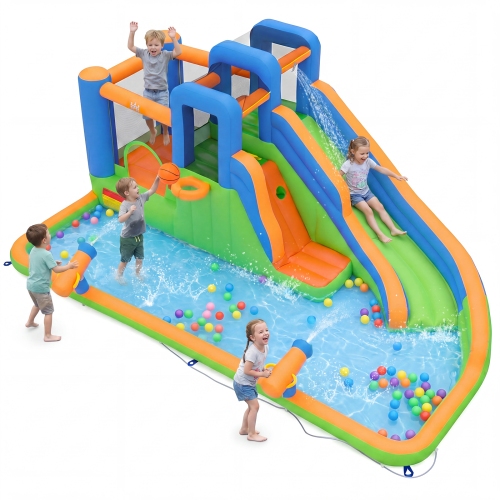
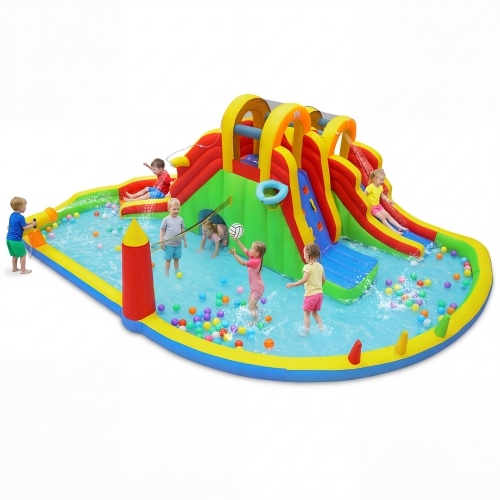
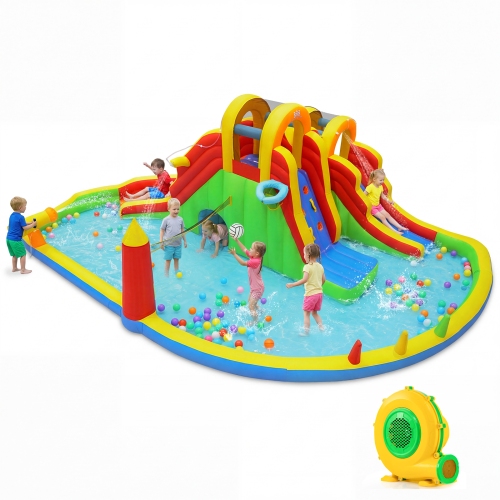
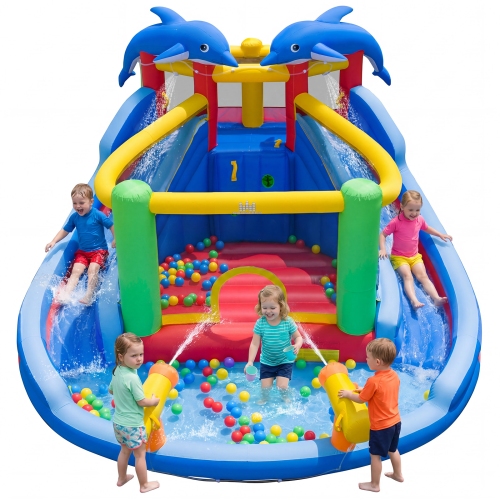
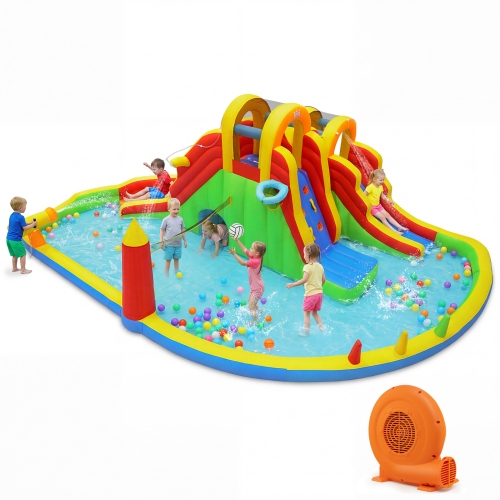
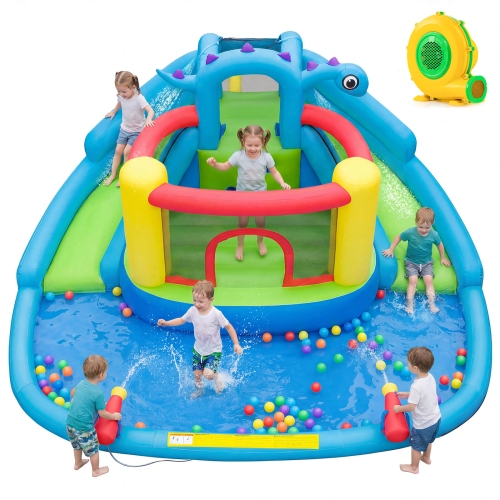
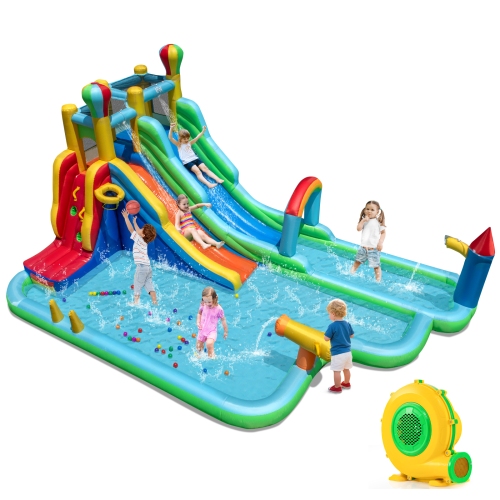
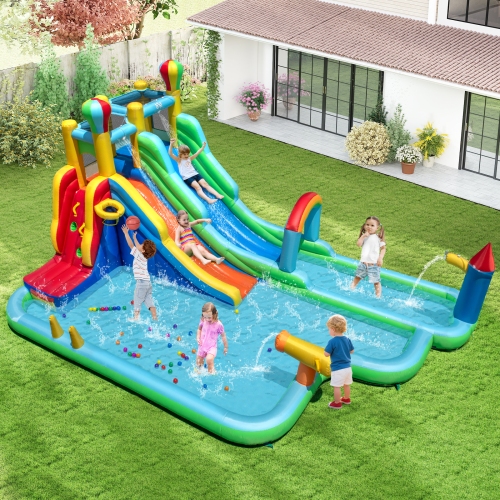
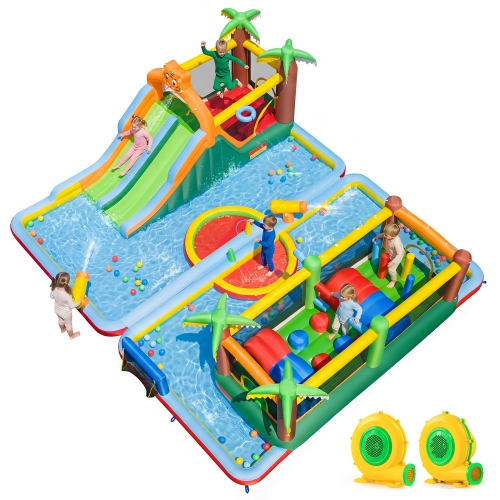
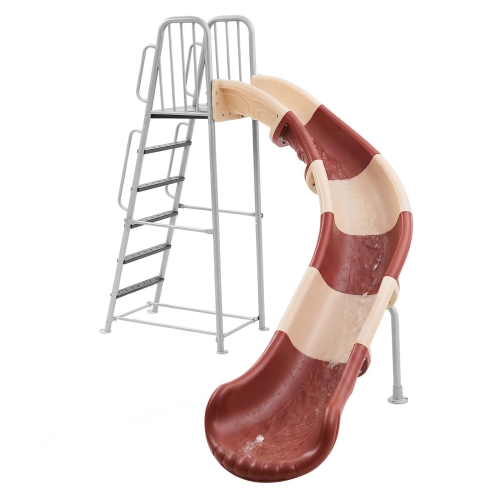
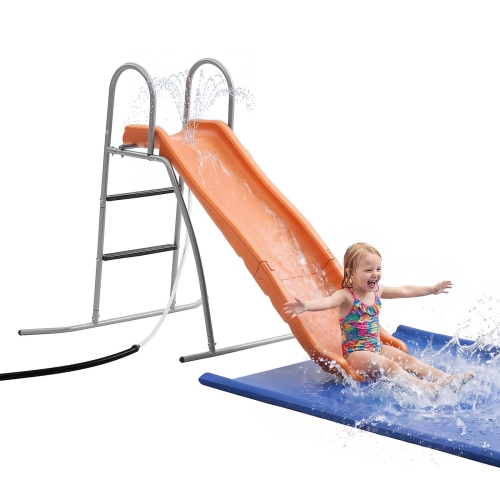
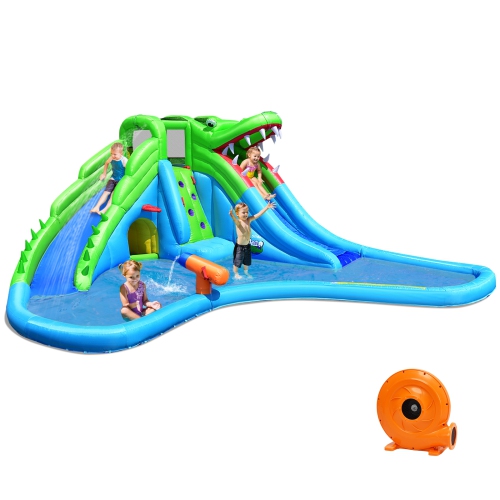
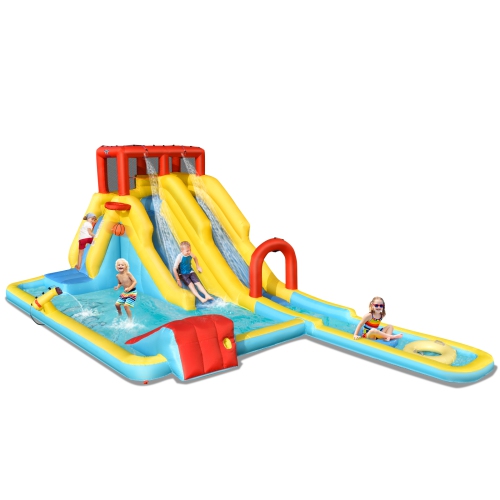
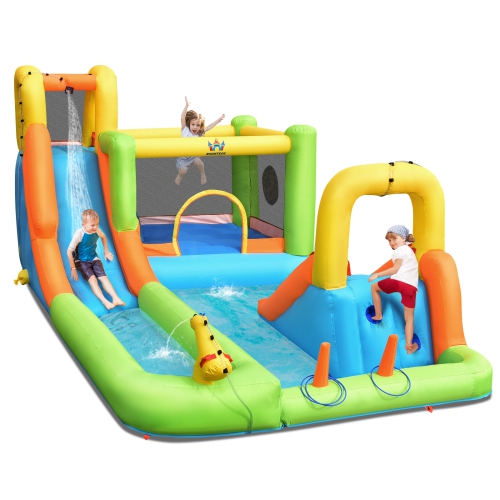
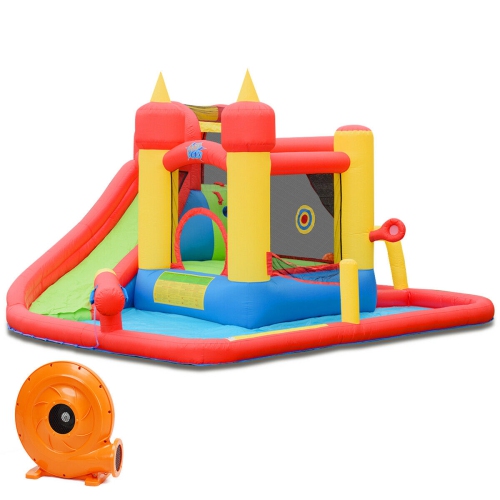
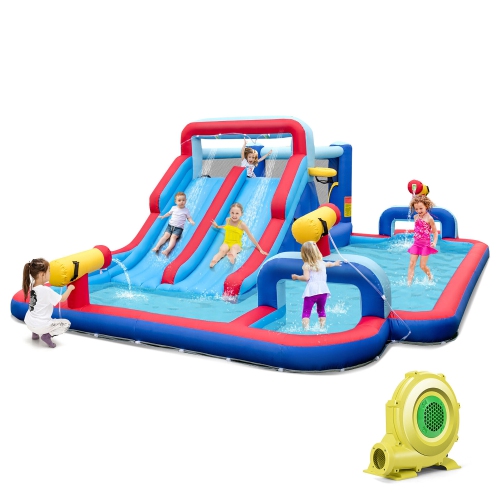
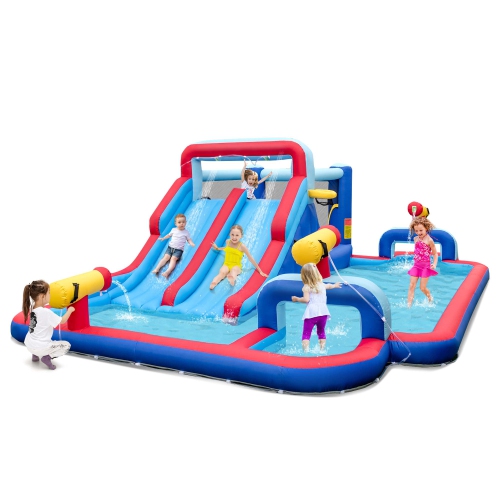
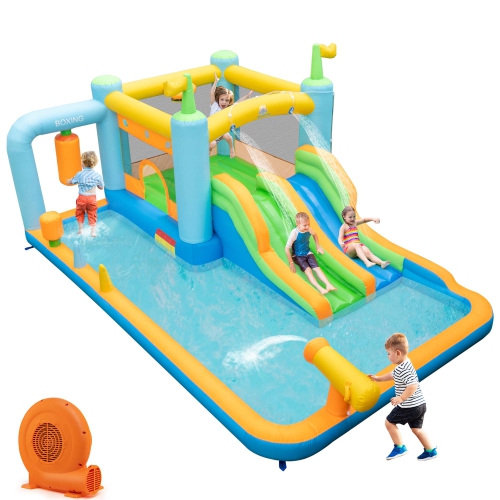
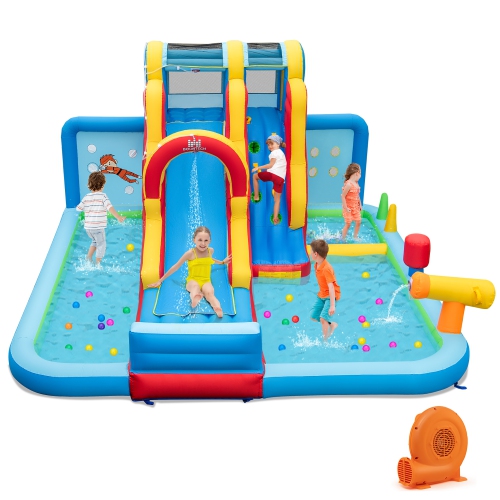
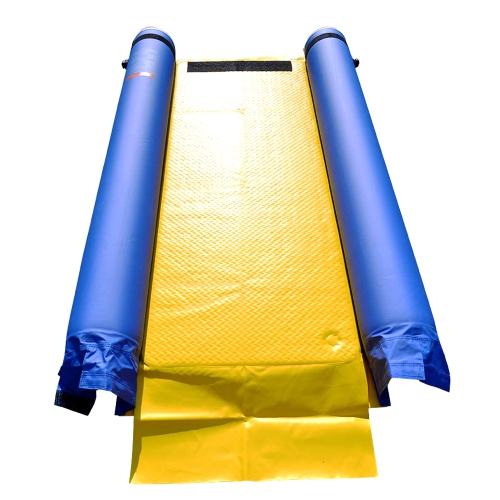
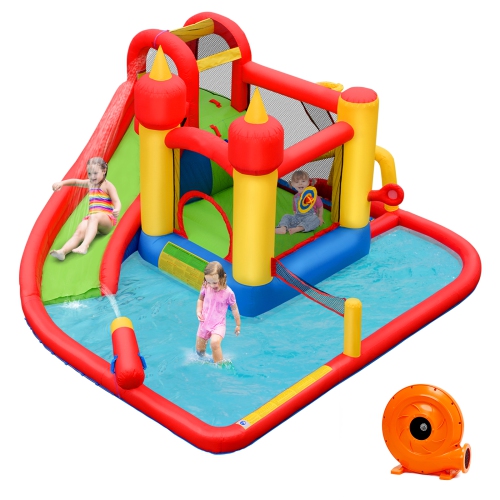
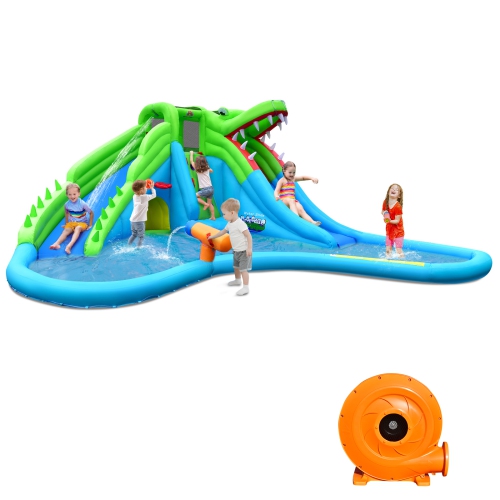
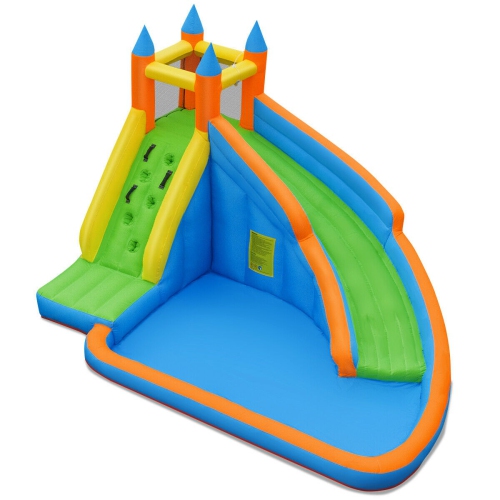
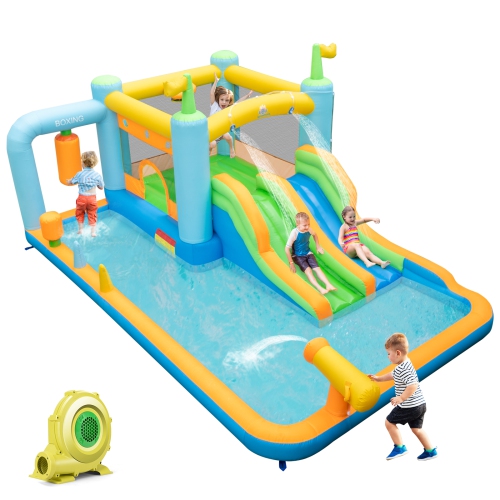
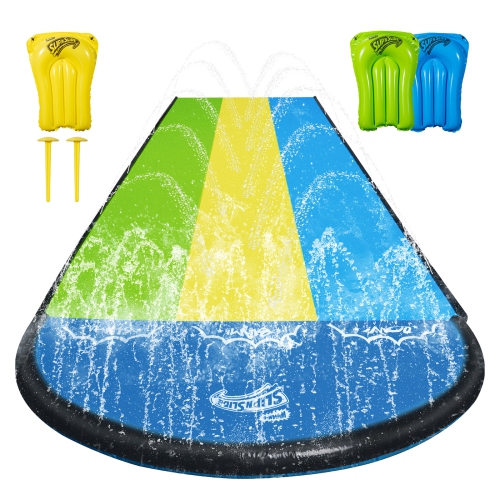
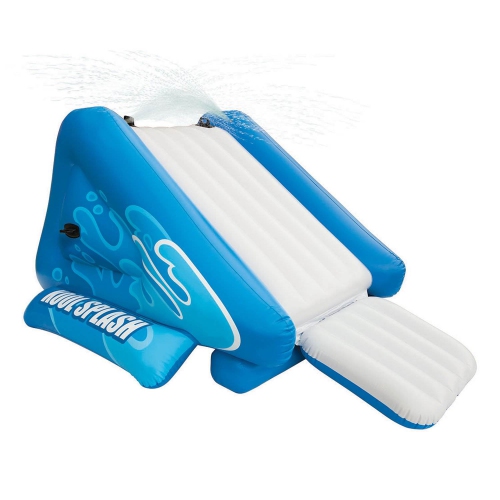
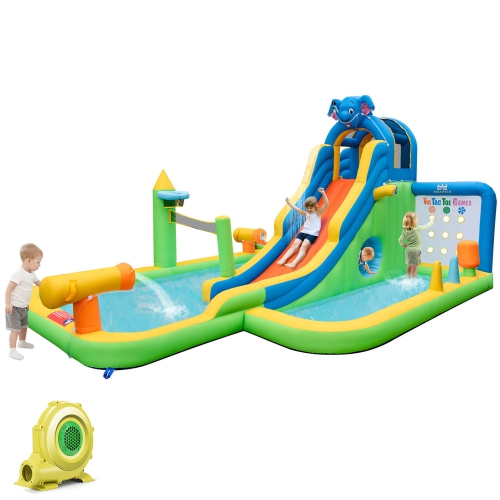
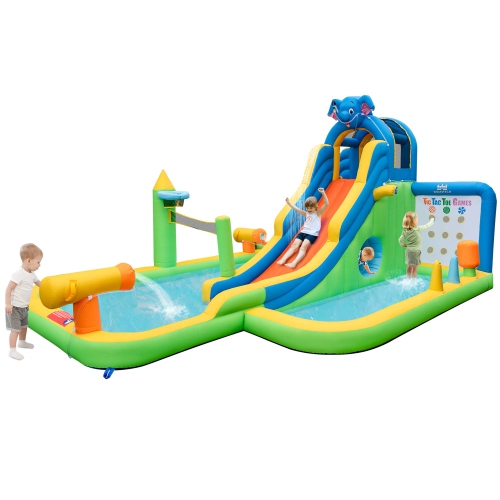
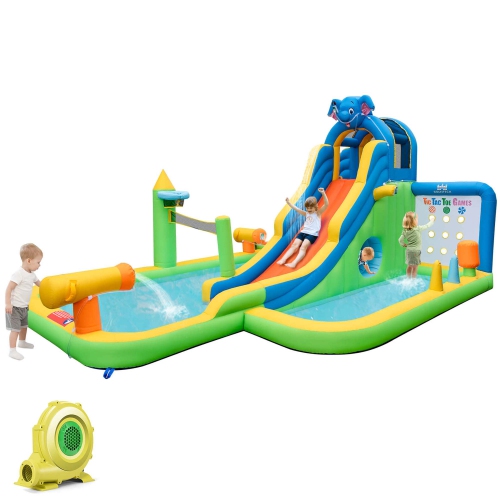
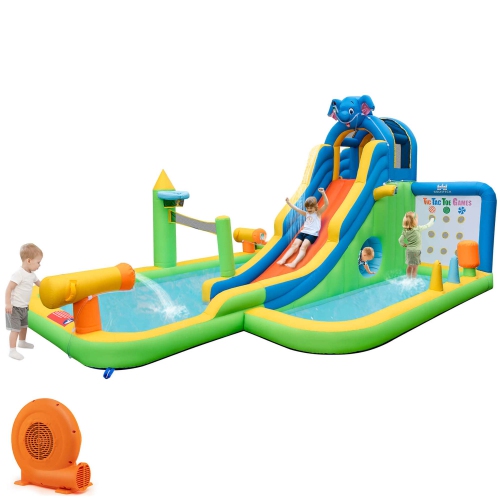
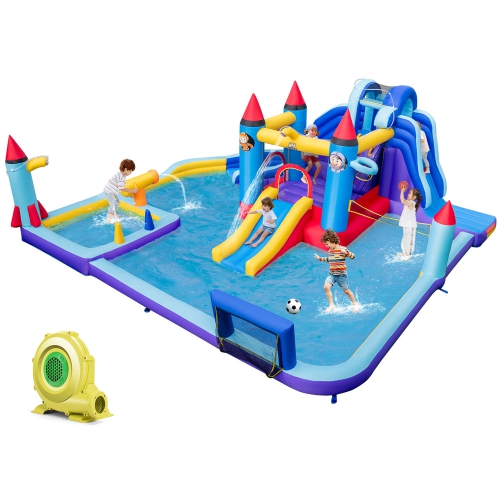
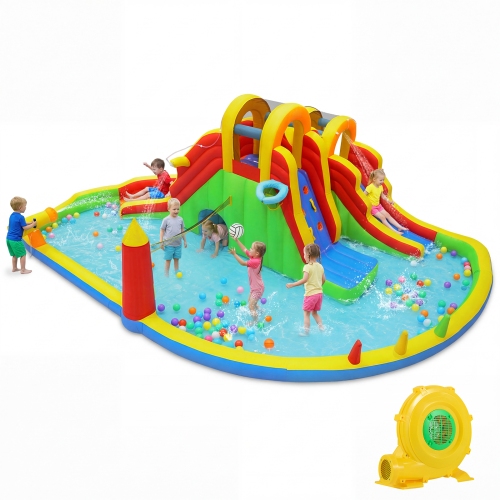
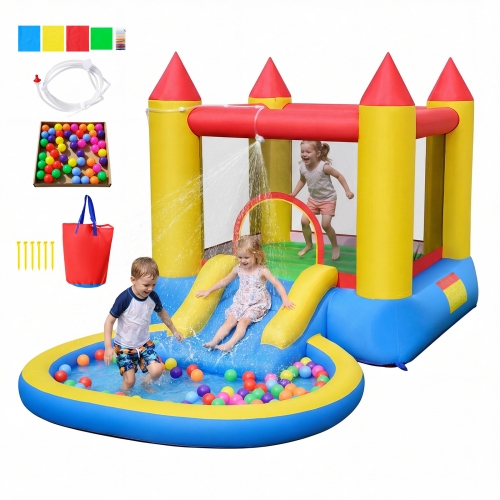
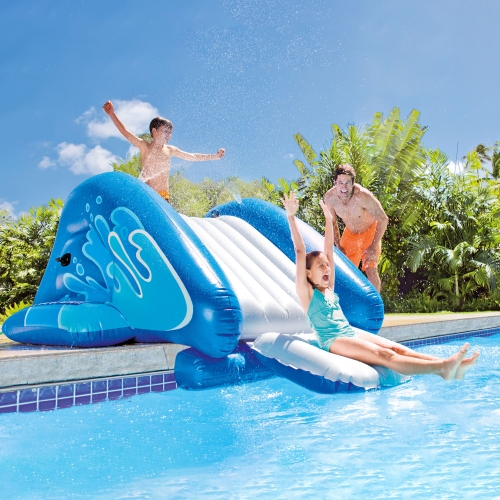
A water slide is a recreational slide that uses water to wet its sliding surface, creating a ride that ends in a run-out area, a splash zone, or a swimming pool designed to accommodate it. For home use, the main types include ground-level lawn slides, inflatable water slides with raised platforms, and purpose-built pool slides. Each offers a different kind of play. A lawn slide keeps the sliding lane close to the ground, while a larger inflatable structure may combine a climbing section, a slide, and a shallow splash area. A pool slide directs riders into a compatible swimming pool and has installation requirements that are quite different from those of a backyard splash slide. The landing area matters just as much as the slide itself: a shallow splash basin is not a swimming pool, and a slide intended for lawn use should never be positioned to send riders into a pool. For designs specifically intended for poolside use, Inflatable Pool Slides offer another category to explore, with pool compatibility and manufacturer instructions remaining essential considerations. The best fit depends on who will be sliding, the usable space, and how the equipment will be set up. Younger children may need a lower platform and simpler access, while older children still need equipment rated for their age, height, and weight. An adult should only use a slide expressly rated for adult use. For families planning birthday gatherings or afternoons of backyard play, individual rider limits and maximum occupancy help establish how children can take turns. Overall dimensions should include the climbing approach, landing zone, hose connections, blower where required, and the clear space specified around the structure. A water slide can also make a memorable family gift, but confirming the recipient’s yard space, water connection, storage space, and willingness to supervise play helps ensure it suits the household.
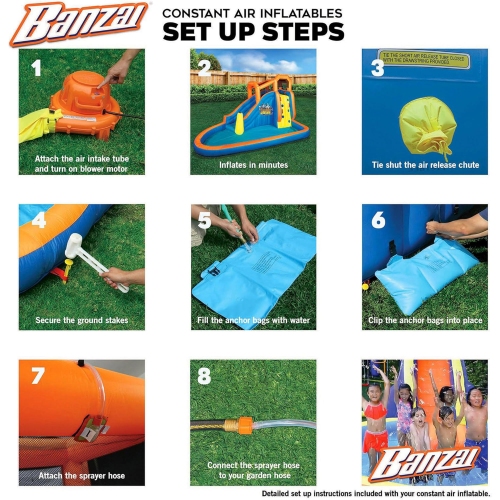
Materials and construction influence how a water slide feels underfoot, how it is set up, and the care it needs after use. Inflatable designs may use vinyl, PVC, coated polyester, or combinations of reinforced fabric and flexible plastic, depending on the structure. Material thickness alone does not tell the whole story; seam construction, reinforcement around climbing points, and the design of the landing area also matter. Ground-level slides need a smooth sliding surface and secure positioning, while raised inflatable slides need properly supported platforms and clearly defined routes for climbing and descending. Rigid pool slides may use moulded plastic or fibreglass components with supporting hardware, and their installation must match the pool layout, deck structure, and specified water depth. These are not interchangeable with portable backyard inflatables. For any style, textured steps, handholds, and sidewalls should be assessed alongside the manufacturer’s age limits and operating directions rather than treated as substitutes for supervision. Setup requirements deserve attention before the first splash. Some inflatables hold air after inflation, while continuous-air structures require a compatible blower to run throughout use. A continuous-air design therefore needs both a suitable water connection and a safe electrical arrangement. Outdoor electrical equipment should use the required ground-fault protection, with plugs, connections, and the blower kept away from splashing and pooled water as directed. Hose routing should leave walking paths clear, and the water flow should match the slide’s instructions rather than simply being turned up as high as possible. A level, manufacturer-approved surface, free of sharp stones and other debris, helps protect the underside. Anchoring must suit the design and ground conditions, with the specified clearance from fences, trees, furniture, and other obstacles. A compact-looking slide can occupy considerably more space once its landing area and safety clearances are included, so measuring the complete setup area is more useful than judging size from a photograph.
Day-to-day use and careful storage have a strong influence on a water slide’s condition over time. During play, an attentive adult should remain close enough to monitor the climbing area, sliding lane, and landing zone without distractions. Young children need especially close supervision around any collected water, including shallow splash basins. Keeping the landing area clear before the next rider starts helps prevent collisions, and the permitted riding position should always follow the manufacturer’s directions. Standing, rough play, and improvised jumps can introduce risks that the slide was not designed to handle. Water should be supplied and refreshed according to the product instructions; standing water should not be left accessible after play. Before each session, checking seams, anchor points, handles, steps, hoses, and any blower connections can reveal wear before it interrupts an afternoon. Loose hardware, damaged fabric, or a repair that has started to lift calls for stopping use until the issue is properly addressed. Afterwards, draining the slide and removing grass, grit, and other debris makes cleaning easier. A soft cloth and a manufacturer-approved cleaning solution are preferable to abrasive scrubbing or harsh chemicals that could damage the surface or coating. Drying is particularly important around folded edges, stitched seams, climbing sections, and the underside, where moisture can remain even when the main sliding surface feels dry. Packing a damp inflatable tightly into a bag can encourage mould and unpleasant odours. Once fully dry, the slide should be folded without forcing sharp creases and stored as directed, away from pests, sharp objects, and damaging heat or freezing conditions. Repair materials must be compatible with the slide’s fabric and construction; a patch intended for one surface may not bond correctly to another. With realistic capacity limits, a suitable setup area, and a consistent cleaning and storage routine, a home water slide can provide an appealing setting for active play, shared laughter, and the familiar excitement of climbing back up for another turn.
Materials and construction influence how a water slide feels underfoot, how it is set up, and the care it needs after use. Inflatable designs may use vinyl, PVC, coated polyester, or combinations of reinforced fabric and flexible plastic, depending on the structure. Material thickness alone does not tell the whole story; seam construction, reinforcement around climbing points, and the design of the landing area also matter. Ground-level slides need a smooth sliding surface and secure positioning, while raised inflatable slides need properly supported platforms and clearly defined routes for climbing and descending. Rigid pool slides may use moulded plastic or fibreglass components with supporting hardware, and their installation must match the pool layout, deck structure, and specified water depth. These are not interchangeable with portable backyard inflatables. For any style, textured steps, handholds, and sidewalls should be assessed alongside the manufacturer’s age limits and operating directions rather than treated as substitutes for supervision. Setup requirements deserve attention before the first splash. Some inflatables hold air after inflation, while continuous-air structures require a compatible blower to run throughout use. A continuous-air design therefore needs both a suitable water connection and a safe electrical arrangement. Outdoor electrical equipment should use the required ground-fault protection, with plugs, connections, and the blower kept away from splashing and pooled water as directed. Hose routing should leave walking paths clear, and the water flow should match the slide’s instructions rather than simply being turned up as high as possible. A level, manufacturer-approved surface, free of sharp stones and other debris, helps protect the underside. Anchoring must suit the design and ground conditions, with the specified clearance from fences, trees, furniture, and other obstacles. A compact-looking slide can occupy considerably more space once its landing area and safety clearances are included, so measuring the complete setup area is more useful than judging size from a photograph.
Day-to-day use and careful storage have a strong influence on a water slide’s condition over time. During play, an attentive adult should remain close enough to monitor the climbing area, sliding lane, and landing zone without distractions. Young children need especially close supervision around any collected water, including shallow splash basins. Keeping the landing area clear before the next rider starts helps prevent collisions, and the permitted riding position should always follow the manufacturer’s directions. Standing, rough play, and improvised jumps can introduce risks that the slide was not designed to handle. Water should be supplied and refreshed according to the product instructions; standing water should not be left accessible after play. Before each session, checking seams, anchor points, handles, steps, hoses, and any blower connections can reveal wear before it interrupts an afternoon. Loose hardware, damaged fabric, or a repair that has started to lift calls for stopping use until the issue is properly addressed. Afterwards, draining the slide and removing grass, grit, and other debris makes cleaning easier. A soft cloth and a manufacturer-approved cleaning solution are preferable to abrasive scrubbing or harsh chemicals that could damage the surface or coating. Drying is particularly important around folded edges, stitched seams, climbing sections, and the underside, where moisture can remain even when the main sliding surface feels dry. Packing a damp inflatable tightly into a bag can encourage mould and unpleasant odours. Once fully dry, the slide should be folded without forcing sharp creases and stored as directed, away from pests, sharp objects, and damaging heat or freezing conditions. Repair materials must be compatible with the slide’s fabric and construction; a patch intended for one surface may not bond correctly to another. With realistic capacity limits, a suitable setup area, and a consistent cleaning and storage routine, a home water slide can provide an appealing setting for active play, shared laughter, and the familiar excitement of climbing back up for another turn.
Top selling and popular products
-
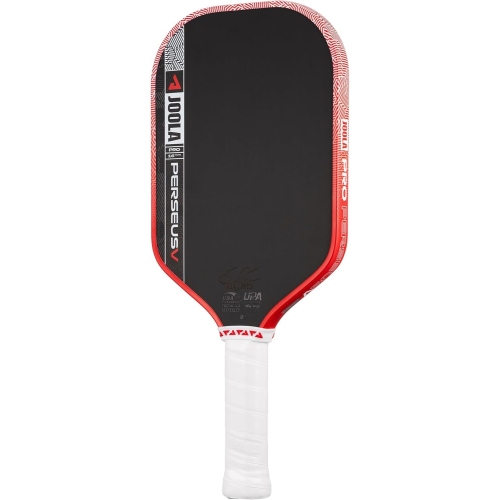 Your price for this item is $398.95
 -
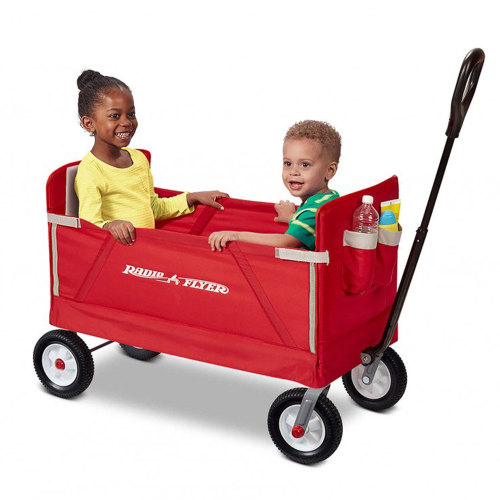 Your price for this item is $245.99
 -
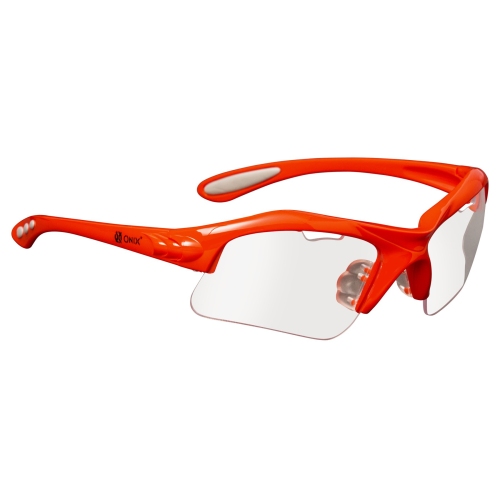 Your price for this item is $44.99
 -
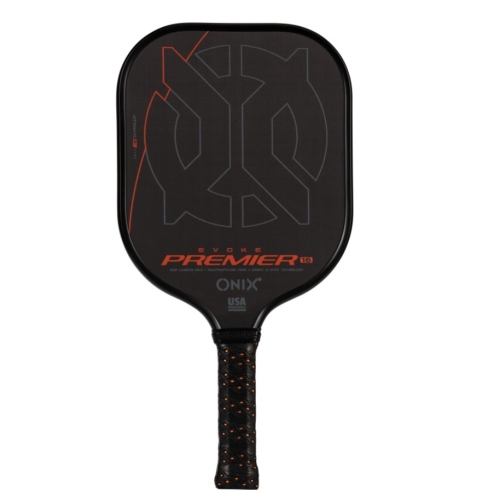 Your price for this item is $139.99
 -
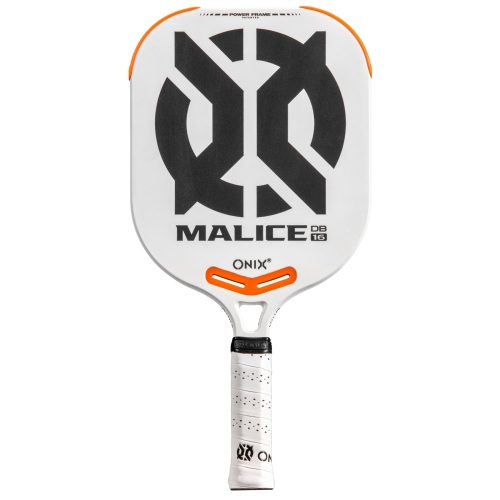 Your price for this item is $359.99
 -
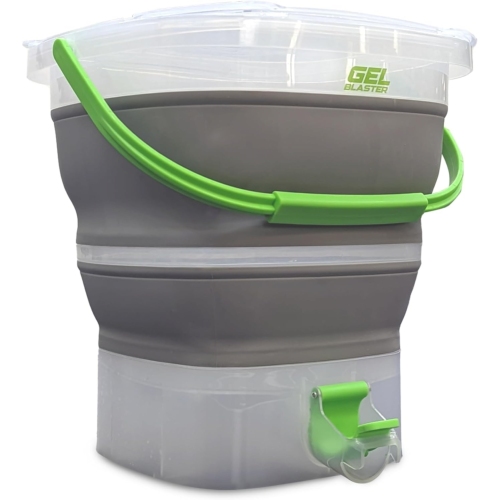 Your price for this item is $34.99
 -
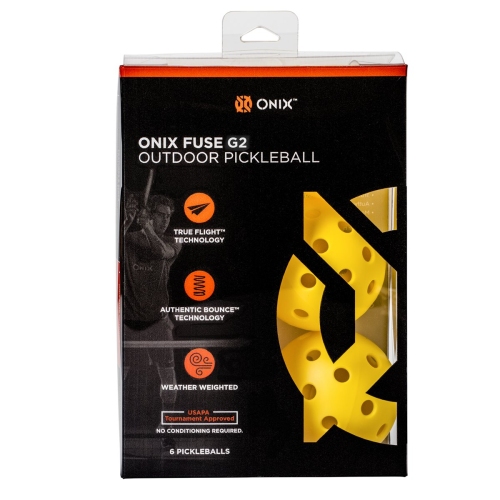 Your price for this item is $28.99
 -
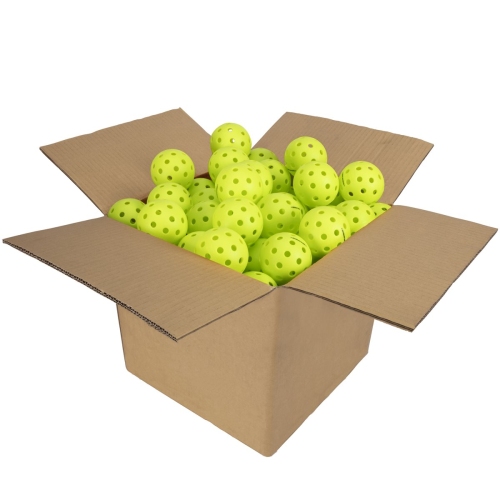 Your price for this item is $349.99
Discover more categories related to Water Slide

Top Collections:
Pokemon Centers, Kindle Devices, Apple iPhones 16, Samsung Galaxy Phones, Canon G7X Cameras, iPhone 15 Apple, Flip Phones, Apple Wired Earphones, Best Budget Office Chairs, Refurbished Apple Laptops
Some products may be subject to Environmental Handling Fees
(EHF) depending on your province.
Learn more about EHFs.