Waterproof Bike Bags
Looking for a reliable solution to keep your belongings safe and dry while cycling? Look no further than our collection of waterproof bike bags. Whether you're commuting to work, embarking on an adventurous bike-packing trip, or simply exploring the great outdoors, these versatile bags are designed to withstand almost any weather condition. With their durable construction and waterproof materials, you can ride with confidence, knowing that your essentials will stay protected from rain, splashes, and even accidental spills. Browse our selection of waterproof bike bags today and elevate your cycling experience to a whole new level of convenience and peace of mind.
Sort

What to consider for secure, weather-ready bike cargo
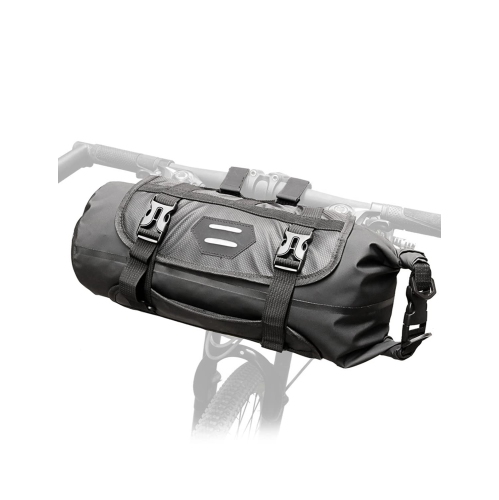
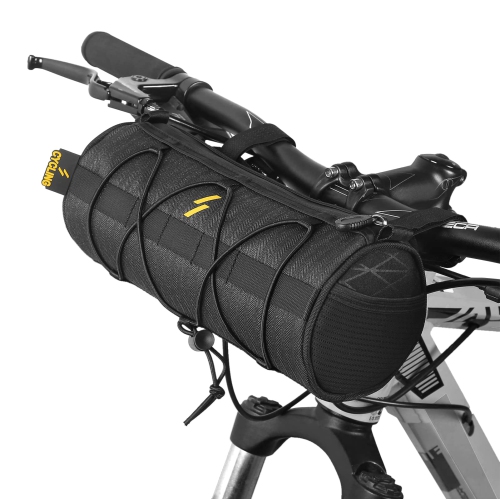
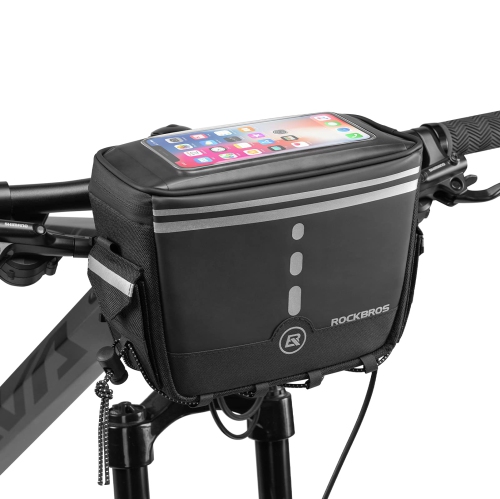
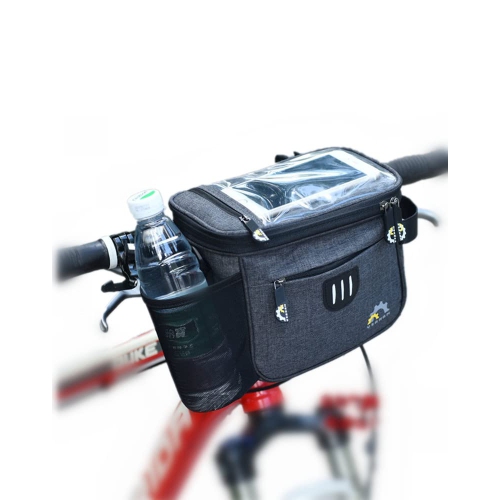
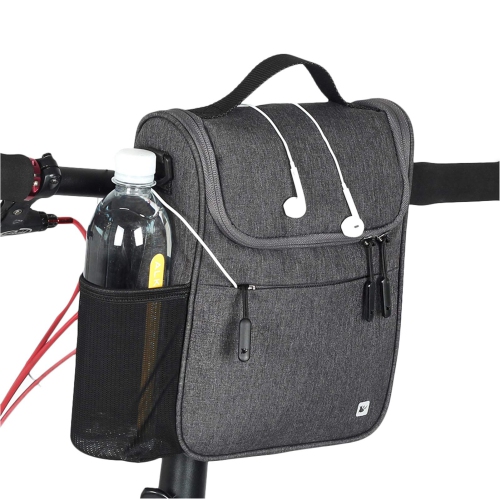
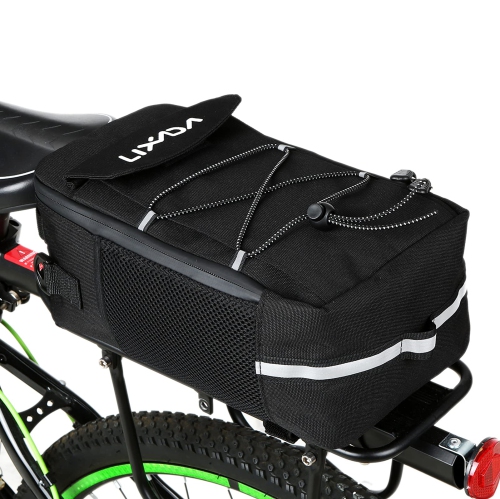
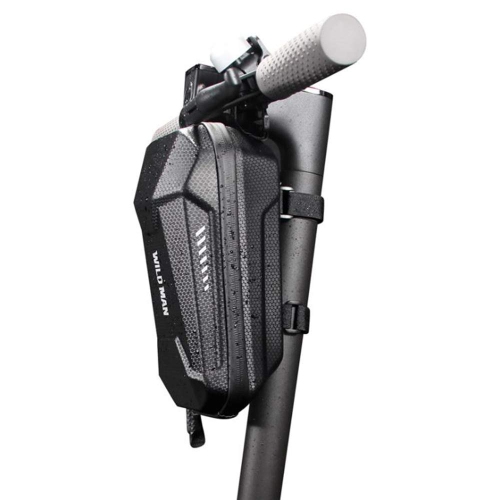
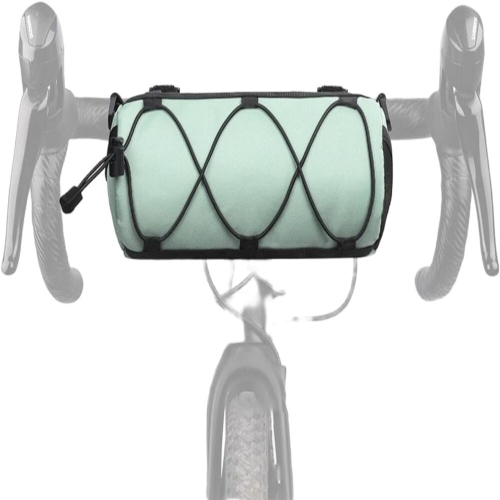
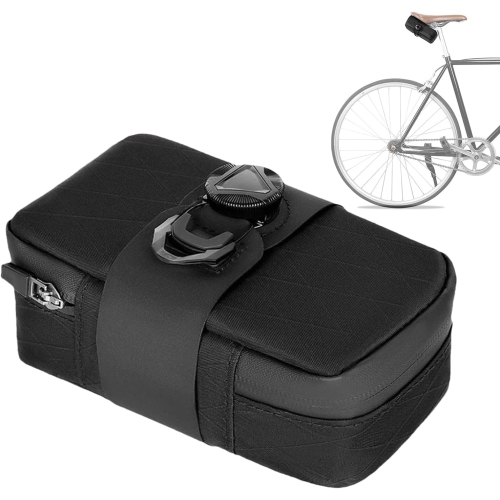
Waterproof bike bags help keep the essentials protected when a clear ride turns into a damp commute, a misty trail outing, or a long tour through changing conditions. They are designed for cyclists who need more carrying capacity than a jersey pocket or backpack can provide, while keeping belongings organized and close to the bike. Commuters may use them for a laptop, change of clothes, lunch, and cycling accessories; recreational riders may pack snacks, a light layer, a camera, and repair supplies; and bikepacking enthusiasts may rely on several bags to carry clothing, cooking equipment, and overnight essentials. They can also make thoughtful gifts for cyclists who ride regularly, whether that person is navigating city streets, following rail trails, or making practical trips by bike. A waterproof bag can be especially useful during the cooler months, when wet roads, puddles, and sudden showers make it harder to keep gear dry. Look for a bag that suits the way it will be used rather than choosing based on capacity alone. A large pannier is convenient for carrying bulkier loads, while a compact frame bag or saddle bag may be a better fit for someone who prefers a lighter, more streamlined setup. Handlebar bags can keep frequently used items within easy reach, including a phone, map, wallet, snacks, or gloves. For riders who travel with a laptop or work documents, consider the shape of the main compartment, the amount of padding, and whether the bag can be removed from the bike easily once the destination is reached.
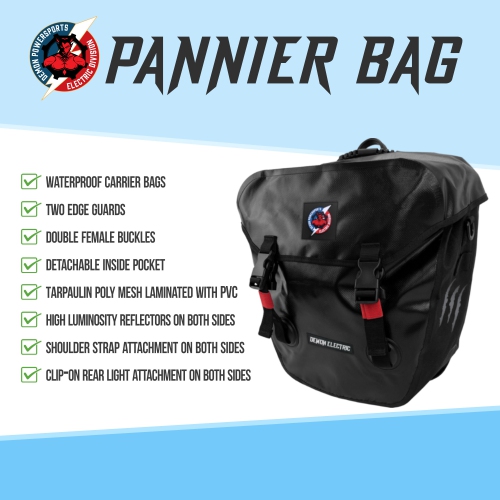
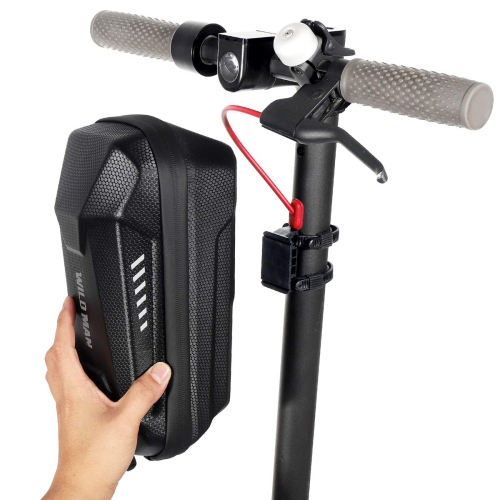
The mounting position affects balance, access, and the amount of equipment a bag can hold. Panniers attach to a compatible front or rear rack and are well suited to commuting, grocery runs, touring, and other rides where a larger load is needed. A pair of panniers can help distribute weight on both sides of the rack, while a single pannier may be practical for shorter trips or lighter cargo. Frame bags sit inside the bike’s front triangle, using space that might otherwise go unused while keeping weight relatively low and centred. They are useful for tools, spare tubes, compact pumps, power banks, snacks, and an extra layer, although frame dimensions vary, so checking the bag’s measurements against the bike is important. Saddle or seat packs attach behind the seat and are a popular choice for carrying repair equipment, clothing, and other bikepacking essentials without adding width to the bicycle. Handlebar bags provide quick access and can be helpful for riders who want to reach small personal items without stopping for a full unpack. Pay attention to the mounting hardware, including rack hooks, cam-lock fasteners, buckles, compression straps, and hook-and-loop straps. A secure attachment should hold the bag firmly over uneven pavement and gravel without allowing it to sway into the wheel, while a quick-release system can make it easier to carry the bag into an office, café, classroom, or accommodation. Capacity is often listed in litres, but the shape of the compartment matters just as much. A tall roll-top bag may hold a jacket and shoes efficiently, whereas a narrow frame bag may be better for small, dense items. Reflective details, exterior pockets, internal dividers, and carrying handles can also add everyday convenience, especially when a ride includes time away from the bike. For a similar carry-friendly option beyond bicycle mounting, explore Waterproof Shoulder Bags.
When comparing waterproof bike bags, examine how the bag manages water at every potential entry point. Roll-top closures generally offer strong protection because the opening folds down several times to create a tight seal, while waterproof zippers can provide a sleeker profile and easier access when properly designed. Welded seams are valuable because they reduce the small stitch holes through which water can seep, and coated fabrics such as PVC-coated polyester, TPU-coated textiles, or heavy-duty nylon can provide a durable barrier against rain and road spray. Not every bag labelled waterproof is intended for prolonged submersion, so it is worth checking the stated level of protection and using internal pouches for especially sensitive items such as identification, electronics, medication, or paper documents. A bag that feels secure in a brief shower may not offer the same protection when exposed to hours of heavy rain. Think about durability as well: reinforced panels and abrasion-resistant materials can help a bag withstand contact with racks, frame tubes, and rough surfaces, while sturdy buckles and replaceable or adjustable straps can make the setup more practical over repeated rides. Interior organization can prevent a small tool from disappearing beneath clothing, and an easy-clean exterior is useful after travelling over wet roads. During early fall and the transition into winter, riders may appreciate room for gloves, a toque, reflective accessories, or a packable shell, while year-round commuters often benefit from enough space to separate damp gear from work items. Before choosing, consider the bike’s rack compatibility, frame clearance, desired capacity, riding position, and the type of weather the bag is expected to handle. The best match is one that stays securely attached, keeps the load balanced, opens without unnecessary fuss, and protects the contents while fitting naturally into the rider’s daily routine.
The mounting position affects balance, access, and the amount of equipment a bag can hold. Panniers attach to a compatible front or rear rack and are well suited to commuting, grocery runs, touring, and other rides where a larger load is needed. A pair of panniers can help distribute weight on both sides of the rack, while a single pannier may be practical for shorter trips or lighter cargo. Frame bags sit inside the bike’s front triangle, using space that might otherwise go unused while keeping weight relatively low and centred. They are useful for tools, spare tubes, compact pumps, power banks, snacks, and an extra layer, although frame dimensions vary, so checking the bag’s measurements against the bike is important. Saddle or seat packs attach behind the seat and are a popular choice for carrying repair equipment, clothing, and other bikepacking essentials without adding width to the bicycle. Handlebar bags provide quick access and can be helpful for riders who want to reach small personal items without stopping for a full unpack. Pay attention to the mounting hardware, including rack hooks, cam-lock fasteners, buckles, compression straps, and hook-and-loop straps. A secure attachment should hold the bag firmly over uneven pavement and gravel without allowing it to sway into the wheel, while a quick-release system can make it easier to carry the bag into an office, café, classroom, or accommodation. Capacity is often listed in litres, but the shape of the compartment matters just as much. A tall roll-top bag may hold a jacket and shoes efficiently, whereas a narrow frame bag may be better for small, dense items. Reflective details, exterior pockets, internal dividers, and carrying handles can also add everyday convenience, especially when a ride includes time away from the bike. For a similar carry-friendly option beyond bicycle mounting, explore Waterproof Shoulder Bags.
When comparing waterproof bike bags, examine how the bag manages water at every potential entry point. Roll-top closures generally offer strong protection because the opening folds down several times to create a tight seal, while waterproof zippers can provide a sleeker profile and easier access when properly designed. Welded seams are valuable because they reduce the small stitch holes through which water can seep, and coated fabrics such as PVC-coated polyester, TPU-coated textiles, or heavy-duty nylon can provide a durable barrier against rain and road spray. Not every bag labelled waterproof is intended for prolonged submersion, so it is worth checking the stated level of protection and using internal pouches for especially sensitive items such as identification, electronics, medication, or paper documents. A bag that feels secure in a brief shower may not offer the same protection when exposed to hours of heavy rain. Think about durability as well: reinforced panels and abrasion-resistant materials can help a bag withstand contact with racks, frame tubes, and rough surfaces, while sturdy buckles and replaceable or adjustable straps can make the setup more practical over repeated rides. Interior organization can prevent a small tool from disappearing beneath clothing, and an easy-clean exterior is useful after travelling over wet roads. During early fall and the transition into winter, riders may appreciate room for gloves, a toque, reflective accessories, or a packable shell, while year-round commuters often benefit from enough space to separate damp gear from work items. Before choosing, consider the bike’s rack compatibility, frame clearance, desired capacity, riding position, and the type of weather the bag is expected to handle. The best match is one that stays securely attached, keeps the load balanced, opens without unnecessary fuss, and protects the contents while fitting naturally into the rider’s daily routine.
Top selling and popular products
-
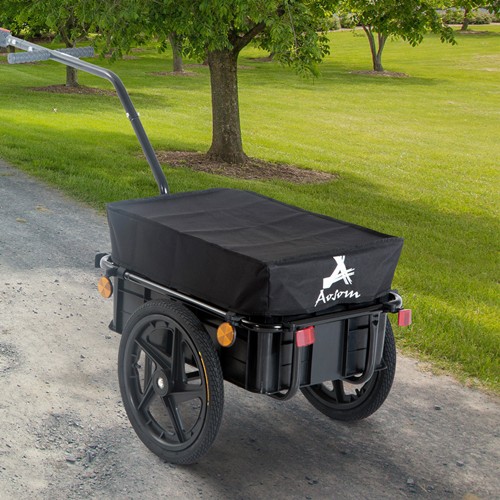 Your price for this item is $155.44
 -
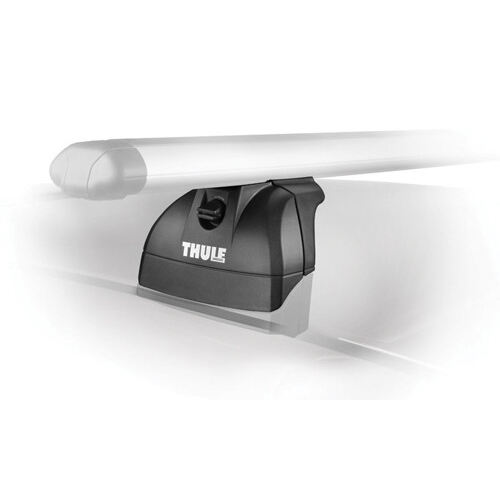 Your price for this item is $285
 -
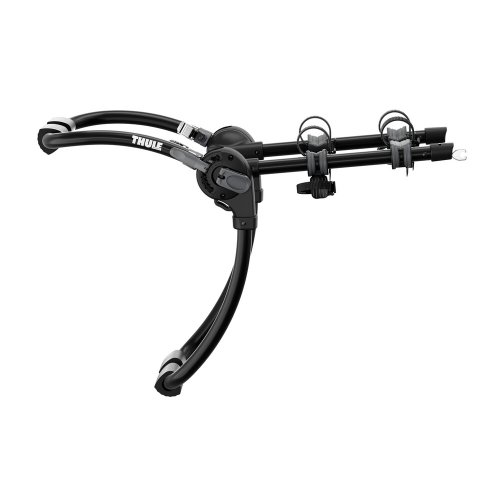 Your price for this item is $499
 -
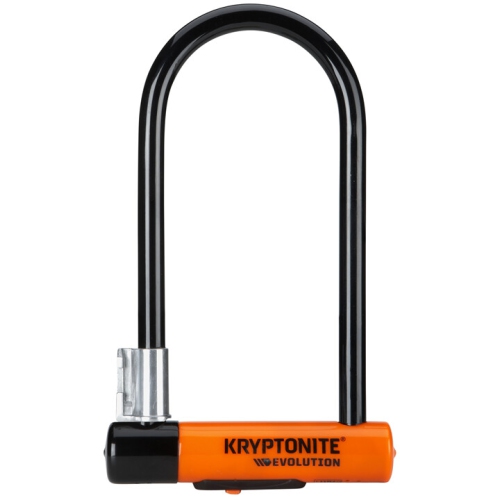 Your price for this item is $209.99
 -
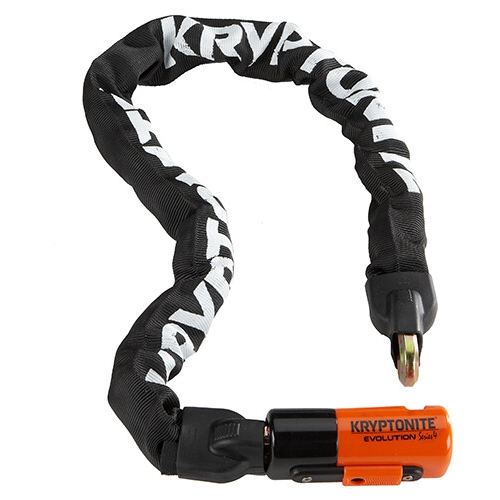 Your price for this item is $199.99
 -
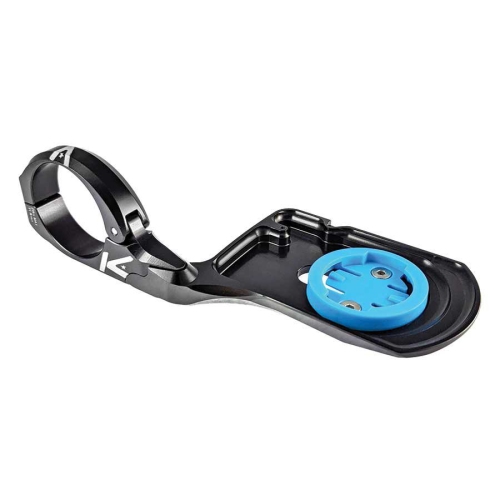 Your price for this item is $134.99
 -
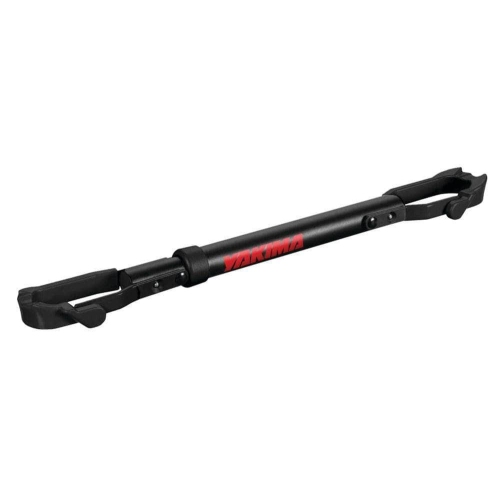 Your price for this item is $96.99
 -
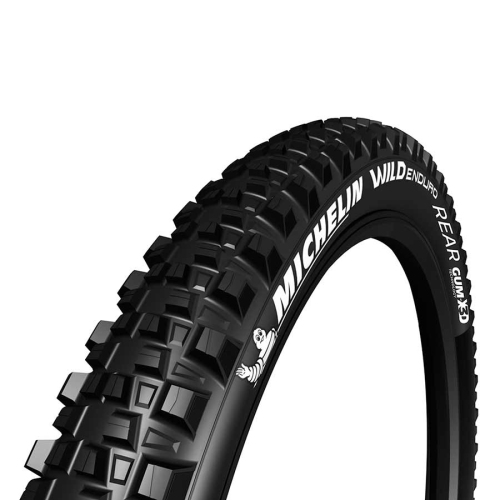 Your price for this item is $120.99
Discover more categories related to Waterproof Bike Bags
Top Collections:
Pokemon Centers, Kindle Devices, Best Budget Office Chairs, Apple iPhones 16, Best Laptops for Writers, iPhone 15 Apple, Canon G7X Cameras, Refurbished Apple Laptops, Alarm Clock, Motorola Razr Phones
Some products may be subject to Environmental Handling Fees
(EHF) depending on your province.
Learn more about EHFs.