White Bike Helmets
When it comes to staying safe on the road, a white bike helmet is a must-have accessory for almost any cyclist. Not only does it provide essential protection, but it also adds a stylish touch to your biking ensemble. Whether you're a seasoned rider or just starting out, our collection of white bike helmets offers a range of options to suit your needs and preferences. From sleek and aerodynamic designs to helmets with advanced safety features, we have almost everything you need to ensure a secure and comfortable ride. So gear up and hit the road with confidence, knowing that you're well-equipped with one of our top-notch white bike helmets.
Sort


Why helmet fit matters more than the finish
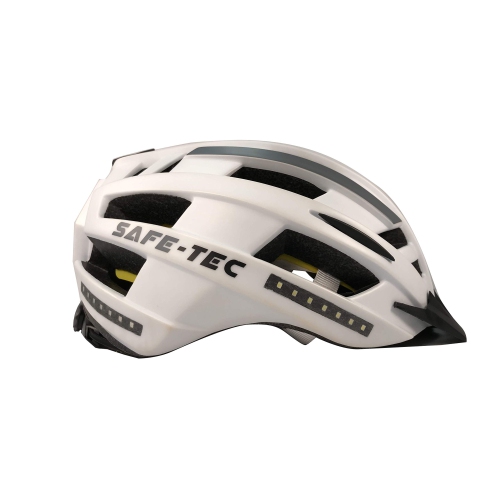
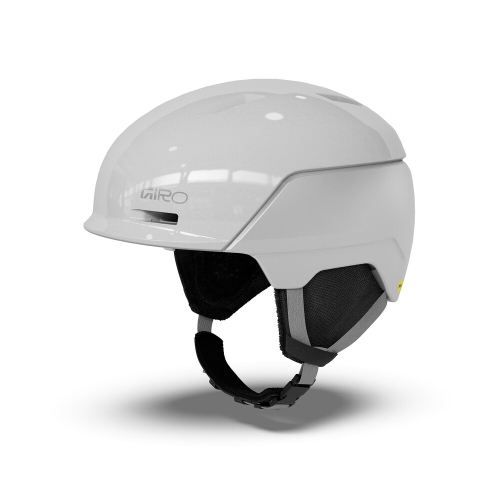
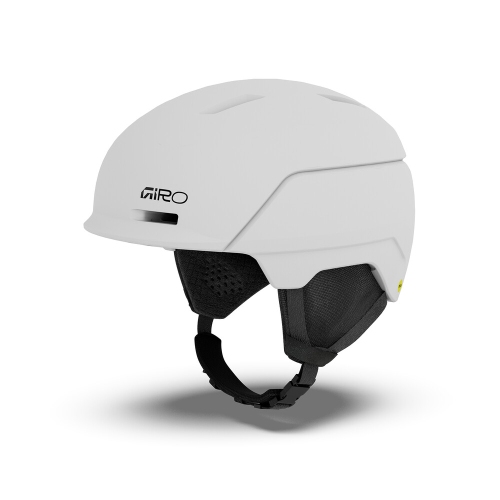
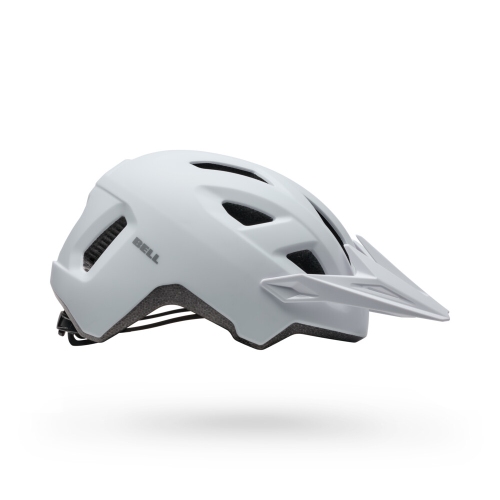
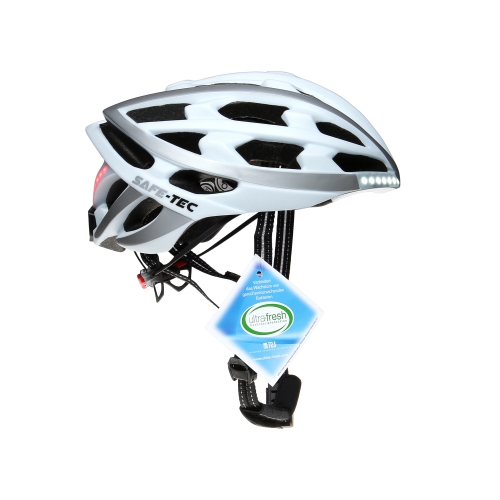
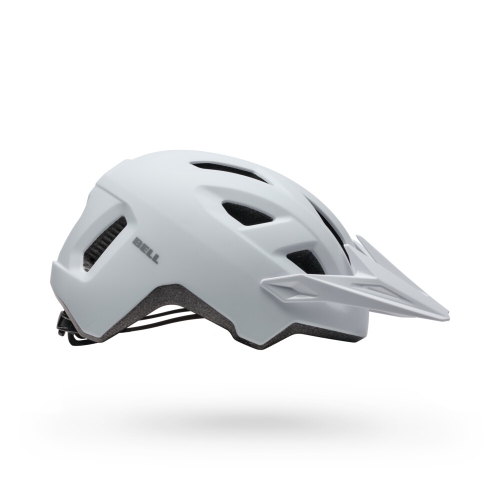
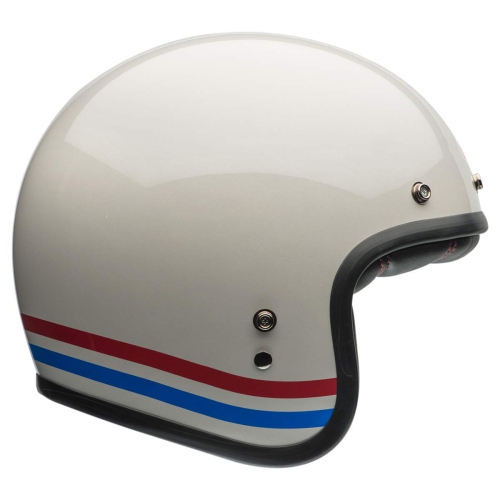
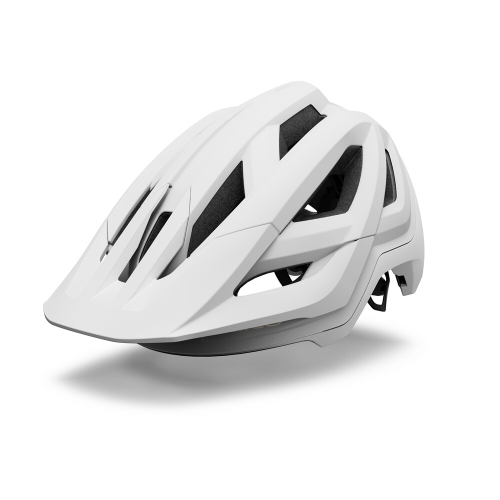
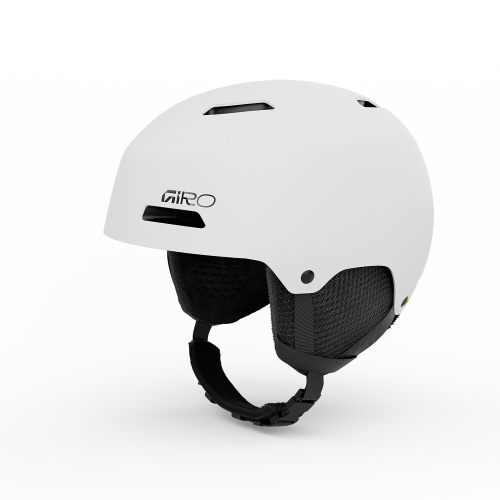
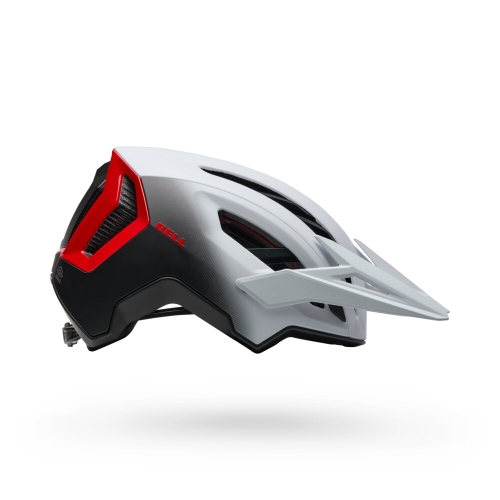
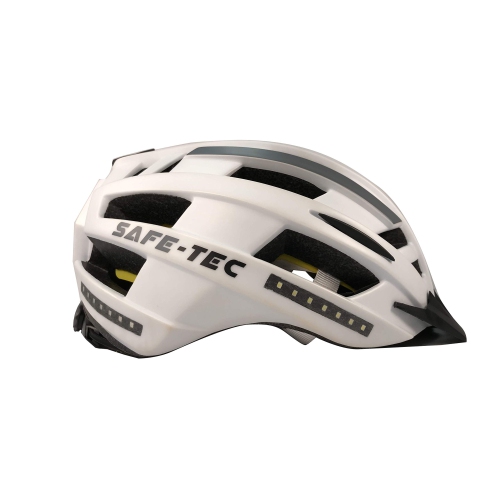
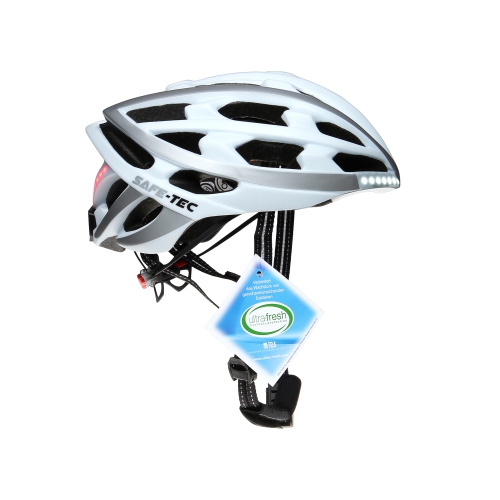
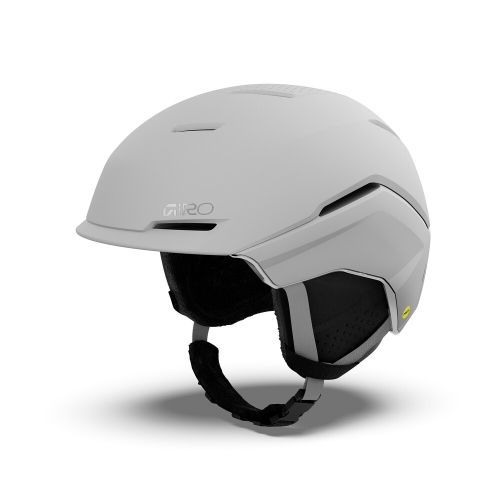
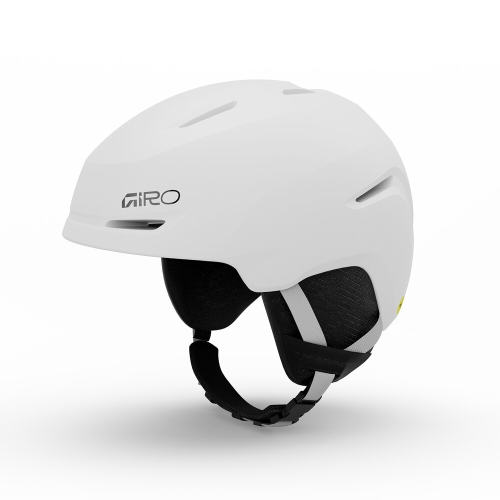
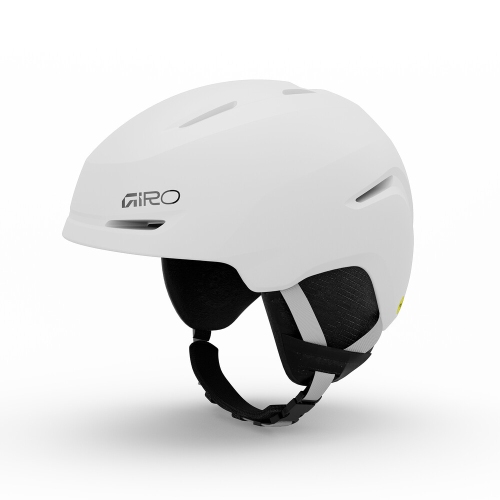
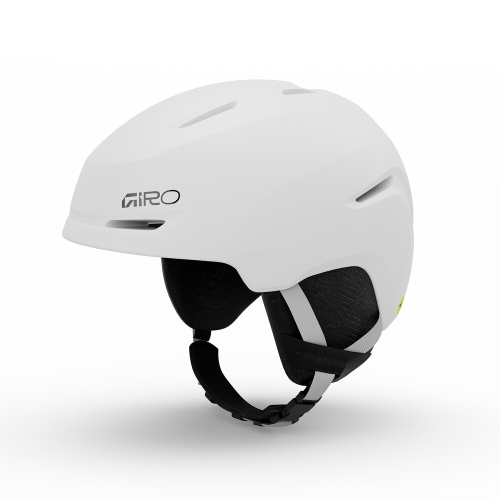
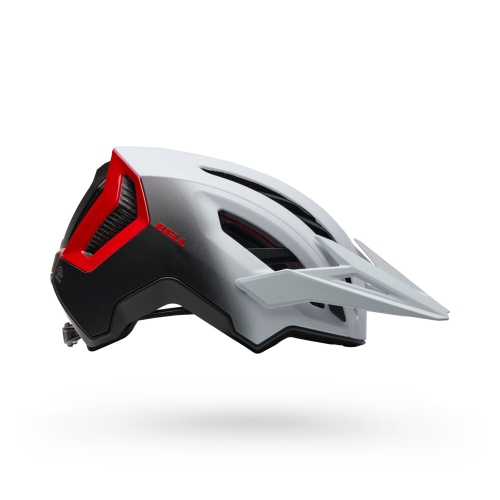
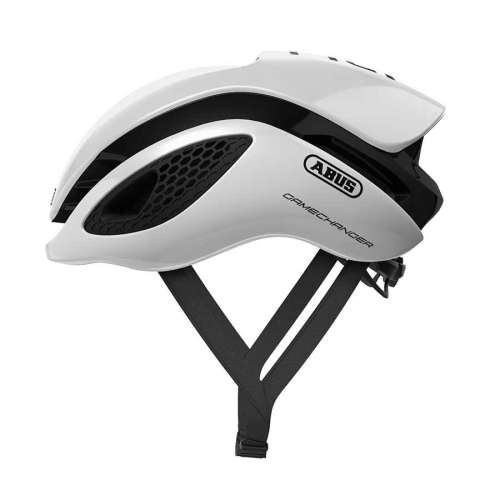
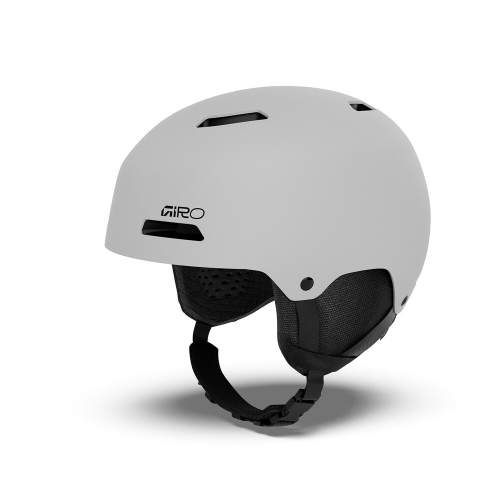
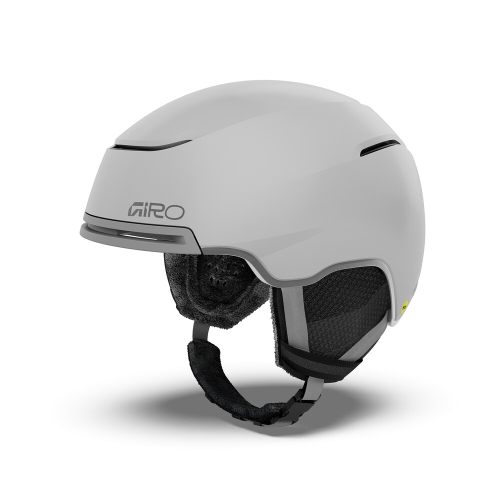
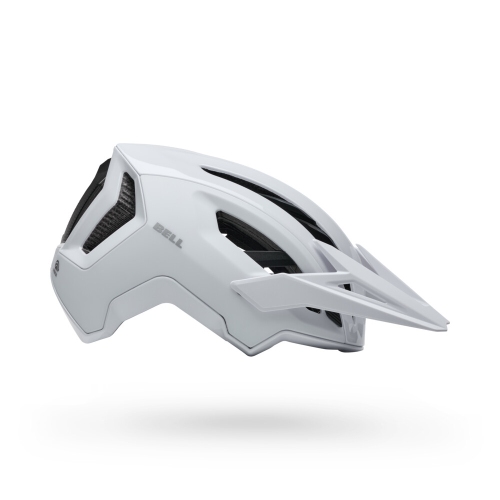
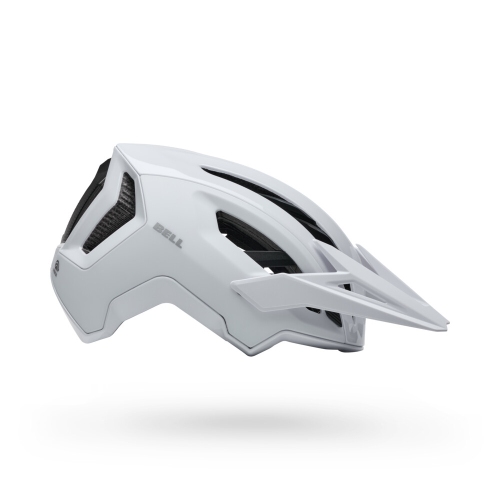
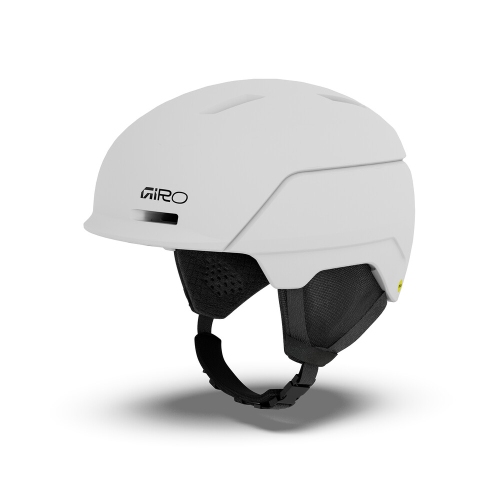
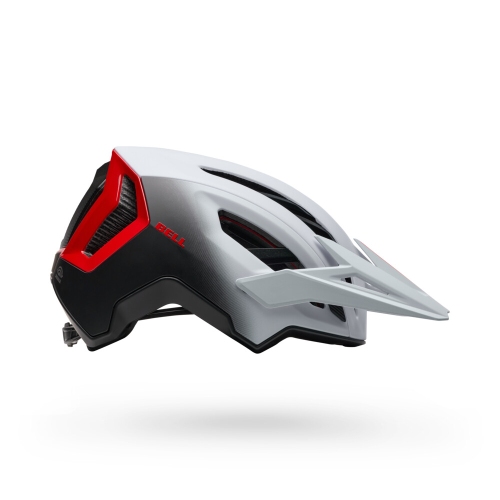
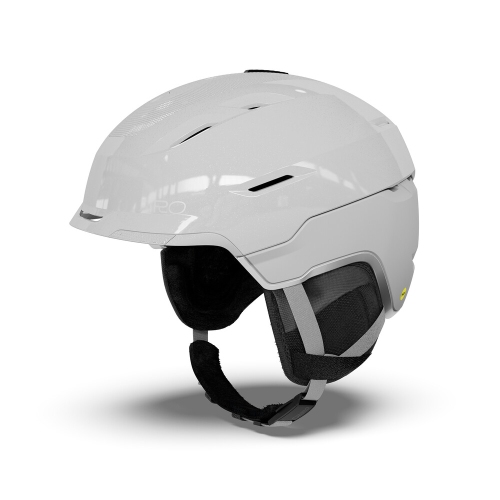
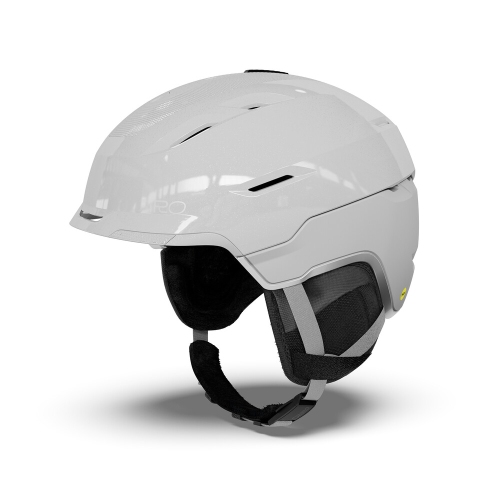
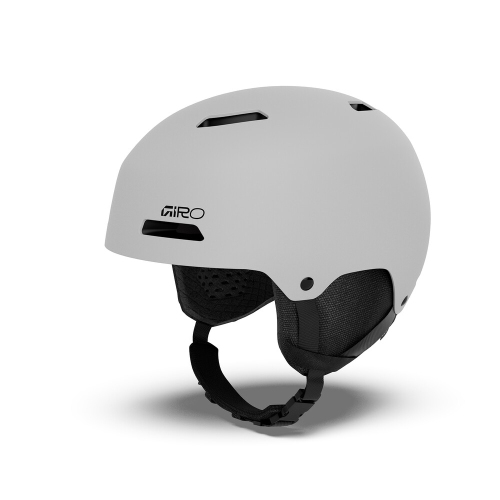
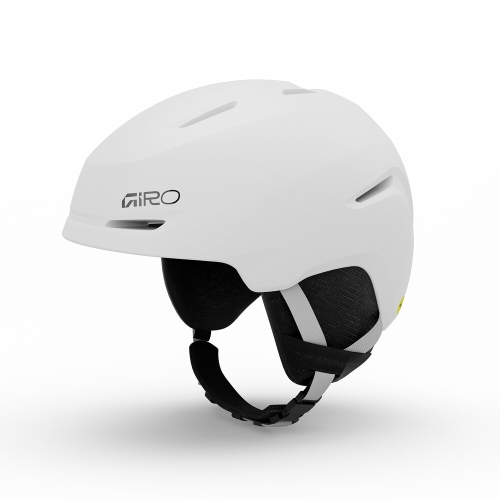
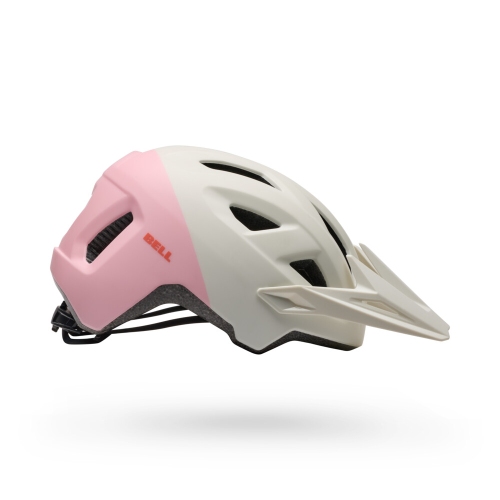
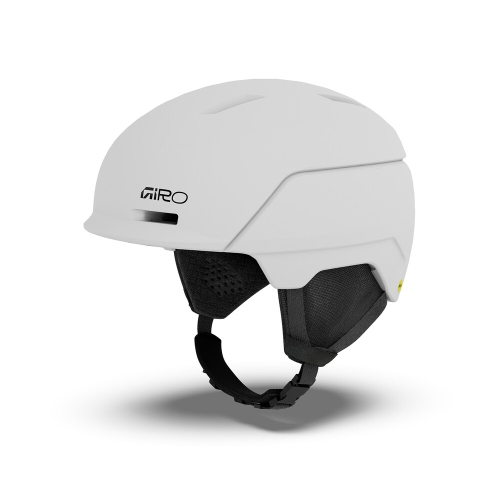
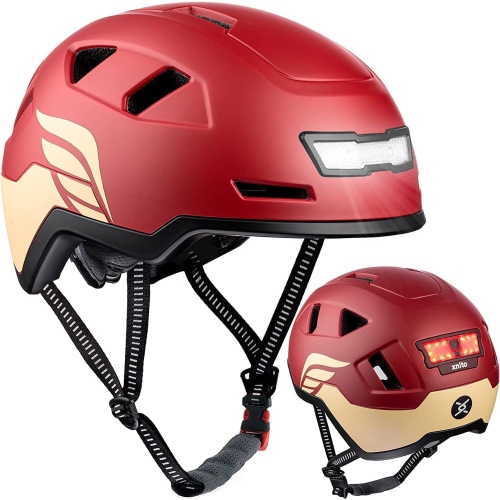
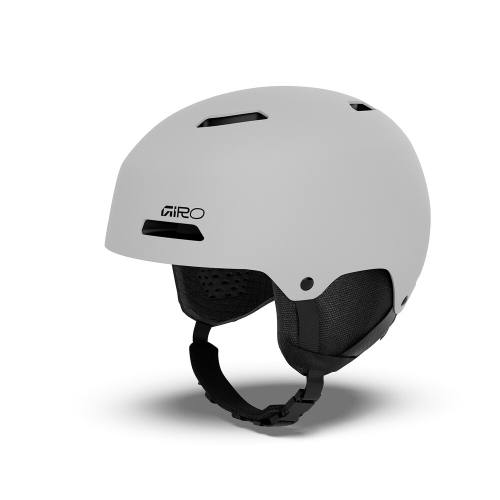
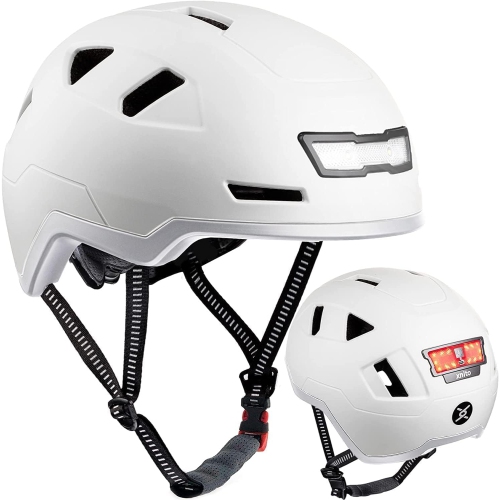
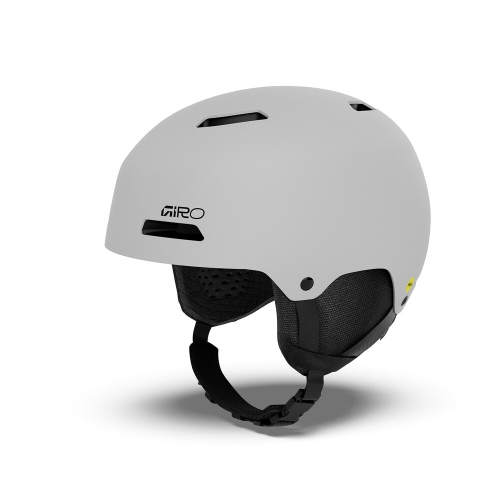
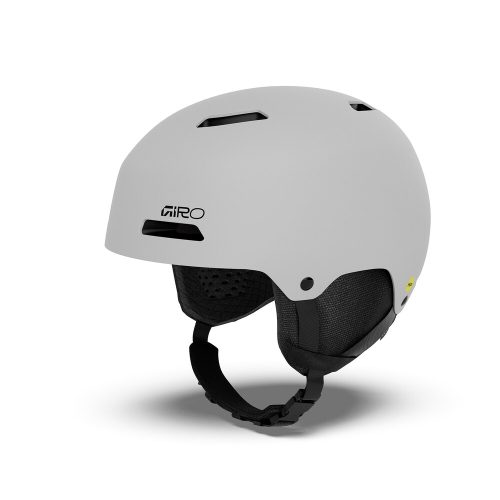
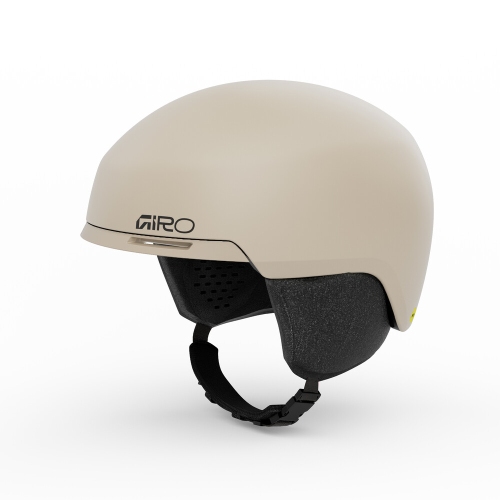
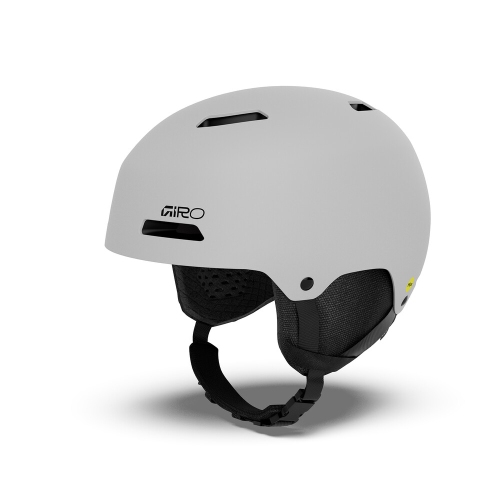
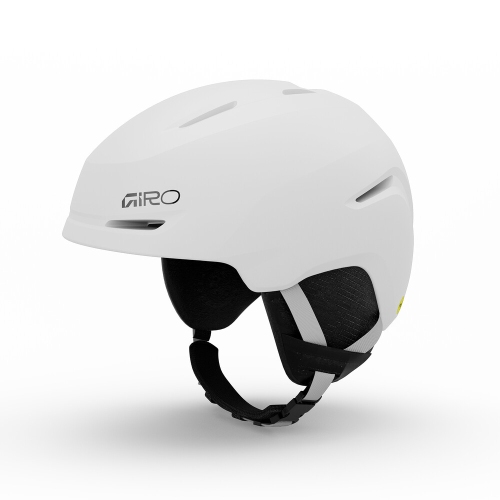
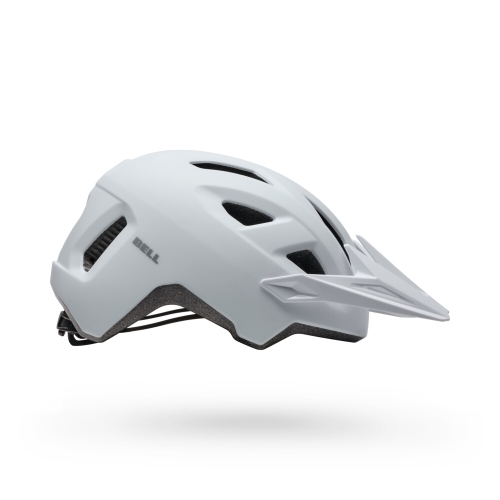
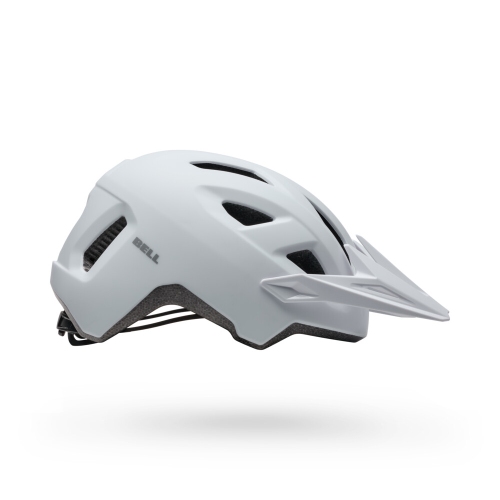
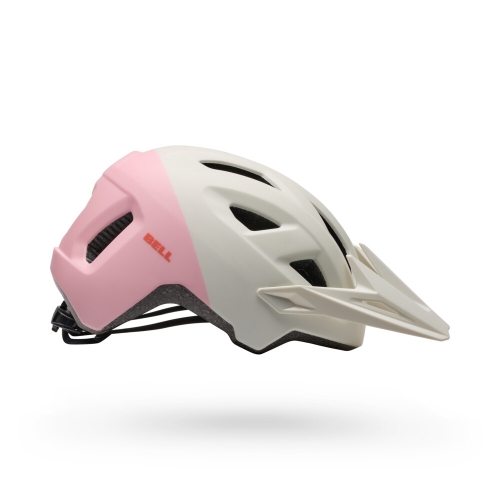
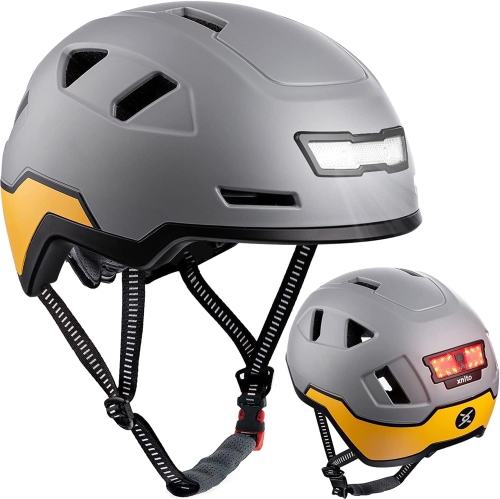
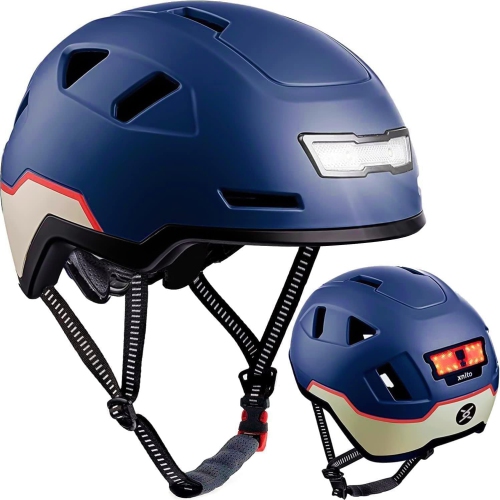
White bike helmets pair a clean, classic appearance with styles suited to commuting, road cycling, recreational rides and off-road routes. The colour works with a wide range of bicycles, jerseys and everyday clothing, from a simple black commuter setup to a brightly coloured trail bike. Glossy white finishes have a crisp look, while matte finishes offer a more understated appearance; contrasting straps, vents and trim can change the overall effect without changing the main colour. White may stand out against some backgrounds, but shell colour alone does not determine visibility or protective performance. Reflective details, suitable bicycle lighting and safe riding practices serve separate purposes, and no helmet can prevent every injury. The most relevant differences between cycling helmets are their intended use, fit, coverage, construction and documented safety certification. Road-oriented designs often emphasize low weight, ventilation and compatibility with cycling glasses. Urban styles may have a more rounded profile and a shorter brim, while mountain bike designs often extend farther around the back of the head and include a visor. Full-face helmets serve a different purpose again, providing additional coverage for riding disciplines that call for it. A removable visor can be useful, but it does not turn a recreational helmet into one designed for downhill riding. For adults cycling to work, families heading along a multi-use path or riders spending several hours on the road, the right design is the one that suits the activity and stays comfortable enough to wear correctly throughout the ride. White also offers a straightforward starting point when coordinating shared family riding gear without requiring every helmet to look identical. Riders comparing another colour can explore Blue Bike Helmets, with the same attention to sizing and intended use. A helmet can make a thoughtful gift for a cyclist, provided the recipient can confirm the fit rather than relying on appearance or an estimated size.
Fit involves more than choosing a small, medium or large label. Head circumference, head shape and the helmet’s adjustment range all affect how securely it sits, and sizing can differ between designs. A measurement taken in centimetres around the widest part of the head, usually just above the eyebrows and ears, provides a useful reference when compared with the manufacturer’s size chart. The helmet should sit level and low on the forehead rather than tipped back, with even contact around the head and no concentrated pressure at the temples. A rear adjustment dial or retention cradle helps refine the hold, while the chin strap and side straps keep the helmet positioned as intended. The buckle should fasten securely, the straps should lie flat, and a gentle head movement should not send the helmet sliding forward or sideways. Tightening the dial excessively is not a solution for a shell that is too large. For children, a helmet that fits now is more appropriate than an oversized one bought with growing room; frequent fit checks matter as their head size changes. Glasses, hearing devices and hairstyles can also affect comfort, especially around the ears and rear adjustment system. Ponytail clearance and eyewear fit are practical details for riders who use them every day. Beneath the finish, many bicycle helmets combine a hard outer shell with an expanded polystyrene foam liner designed to absorb impact energy by compressing. In-mould construction bonds the shell and liner, while other designs use different assembly methods or protective materials. Neither a thicker-looking shell nor a heavier feel is a reliable shortcut for judging safety. A label identifying a recognized bicycle helmet safety standard provides a more meaningful reference, alongside the manufacturer’s intended-use information. Some designs also incorporate rotational-impact management features intended to address certain angled impacts. These features supplement rather than replace a suitable fit and proper fastening. Vent openings, internal channels and washable padding influence everyday comfort, particularly during sustained effort or repeated stops and starts, but a heavily vented helmet is not automatically the best match for every riding discipline.
The details that seem minor during a short try-on often become more noticeable during regular use. A buckle that is easy to operate, straps that do not rub below the ears and padding that stays in place can make a helmet more pleasant to wear on a daily commute or an extended recreational ride. Overall weight and balance also matter: a helmet that feels awkward or shifts when looking over a shoulder can be distracting even if its size range appears correct. White finishes make some scuffs and marks easy to notice, although cosmetic appearance does not reveal the full condition of the protective liner. Routine care generally involves gentle cleaning with mild soap and water, followed by drying as directed by the manufacturer. Removable pads may have separate washing instructions, and straps need attention too, particularly where they contact the skin. Harsh solvents, abrasive cleaners and unapproved paints or adhesives can affect helmet materials, so customization requires care. Storage away from direct heat, strong chemicals and places where the helmet can be crushed helps protect its structure between rides. Hanging a helmet loosely from handlebars during transport can expose it to knocks; a secure, protected spot is a better choice. Before use, the shell, liner, buckle, straps and adjustment mechanism should be checked for damage or deterioration. A helmet involved in a crash or significant impact needs replacement according to the manufacturer’s instructions, even when the outside still looks intact, because damage to the energy-absorbing liner may not be visible. Replacement timing also depends on the manufacturer’s guidance and the helmet’s condition rather than its colour or how rarely it has been worn. A used helmet with an unknown impact history leaves important questions unanswered. For a white cycling helmet intended to become part of a familiar routine, lasting value comes from appropriate certification, dependable adjustment, manageable care and a fit that feels secure every time it is fastened.
Top selling and popular products
-
 Your price for this item is $69.99
-
 Your price for this item is $19.99
-
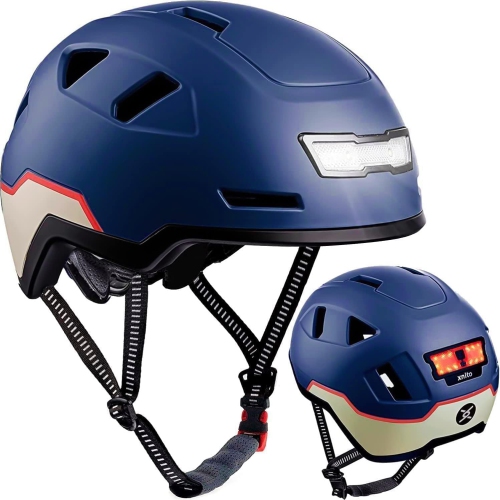 Your price for this item is $169
-
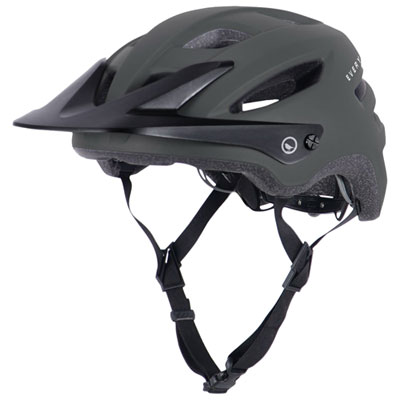 Your price for this item is $39.99
-
 Your price for this item is $199.99
-
 Your price for this item is $35.13
-
 Your price for this item is $169
-
 Your price for this item is $49.99
Discover more categories related to White Bike Helmets
Top Collections:
Pokemon Centers, Best Cameras for Sports Photography, Kindle Devices, Samsung Galaxy Phones, Canon G7X Cameras, Pokémon 30th Celebration Cards, Refurbished Apple Laptops, iPhone 15 Apple, Laptops for Students, Budget Smartphones
Some products may be subject to Environmental Handling Fees
(EHF) depending on your province.
Learn more about EHFs.