Children's Swimming Gear
Dive into endless fun and safety with our extensive collection of children's swimming gear. Whether your little ones are just learning to paddle or they're already making a splash, you'll find everything they need to enjoy the water confidently. From vibrant swimwear to essential accessories, our range caters to all ages and skill levels, ensuring that every aquatic adventure is both enjoyable and secure. Explore our selection today and get ready to make waves at the pool or beach!
Sort




Why fit matters from first lessons to regular swims
Children’s swimming gear includes swimwear, goggles, swim caps, towels, poolside footwear and bags designed for swimming lessons, recreational pool visits and other supervised water activities. The right combination depends on a child’s size, swimming ability and the requirements of the pool or program they attend. A child starting lessons may need a comfortable swimsuit, a towel and well-fitting goggles, while a more experienced swimmer may also use a cap or training accessories suited to their instruction. Fit matters across every age group: swimwear should stay in place when a child reaches overhead, bends at the waist or pushes away from the pool wall, without digging into the shoulders or leaving loose fabric that gets in the way. Manufacturer size charts and body measurements are generally more useful than age labels alone, especially when children fall between sizes. Polyester, nylon and elastane are common swimwear materials, with different blends offering varying amounts of stretch, shape retention and resistance to repeated exposure to chlorinated water. A fabric described as chlorine-resistant can be useful for frequent lessons, although its care requirements still matter. Flat seams, smooth linings and covered fastenings can make a noticeable difference for children who are sensitive to rubbing or scratchy details. One-piece swimsuits, swim shorts and rash guards offer different coverage and fastening options, so the most practical style is often the one a child can move in comfortably and manage when changing. Rash guards can also provide coverage during outdoor swimming; where sun protection is a priority, a stated UPF rating is more informative than fabric thickness or colour alone. For babies and toddlers who are not toilet trained, swim diapers are designed for use in water, but they do not prevent all contamination or replace regular diaper checks. Pool rules may specify the type of swim diaper or additional covering required. These everyday details help distinguish gear suited to a brief family swim from pieces intended for regular use in a structured program.
Goggles and swim caps have their own fit considerations, particularly for children who are still getting used to having their faces in the water. Goggles should sit evenly around the eyes, with a comfortable seal and an adjustable strap that holds them in position without excessive tightening. A pair that repeatedly leaks or presses painfully against the eye area can distract from a lesson, even when the rest of the equipment fits well. Smaller frames and adjustable nose bridges can help accommodate different face shapes, but fit varies between designs. Clear lenses are often practical for indoor pools, while tinted lenses may suit brighter outdoor settings; UV protection should be confirmed in the product information rather than assumed from the tint. Anti-fog treatments also vary, and rubbing the inside of a lens can damage some coatings. Swim caps help contain hair and keep it out of a child’s face, although they do not guarantee dry hair or replace any ear protection recommended by a health professional. Silicone caps offer stretch and a smooth surface, while fabric caps may feel easier to put on for some children. Material labels are particularly important when a child has a known latex sensitivity. Enough room for longer hair can improve comfort without requiring a cap to be pulled excessively tight. Around the pool, footwear with a secure fit and a sole intended for wet surfaces can make walking between the changing area and pool deck more manageable, though no footwear eliminates the risk of slipping. Water shoes intended for permitted beach or aquatic use serve a different purpose from slides worn only on the pool deck. Fastenings that children can operate independently can simplify changing, while straps should remain secure during their intended activity. Towels and changing ponchos complete the routine by offering absorbency and coverage after swimming. A familiar colour, soft texture or easy-to-recognize pattern can also help a child identify their belongings among similar bags and towels in a busy changing room.
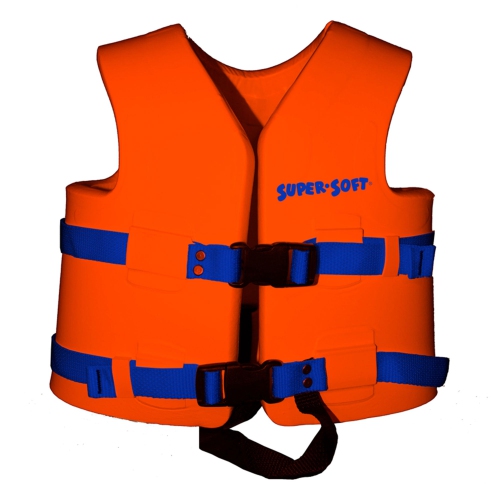
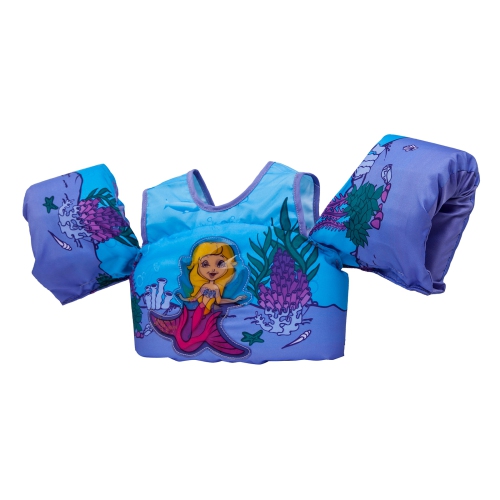
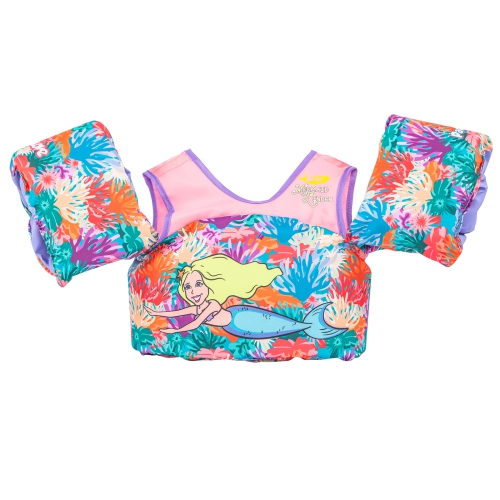
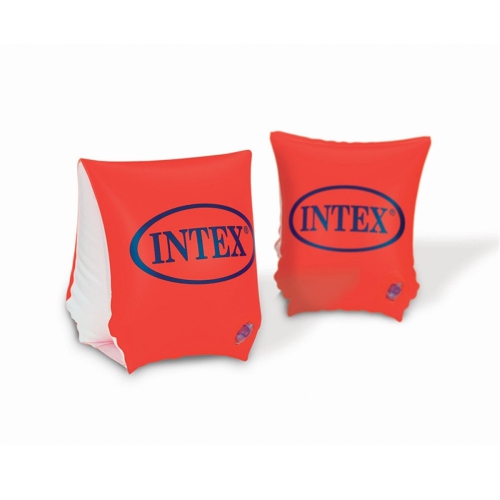
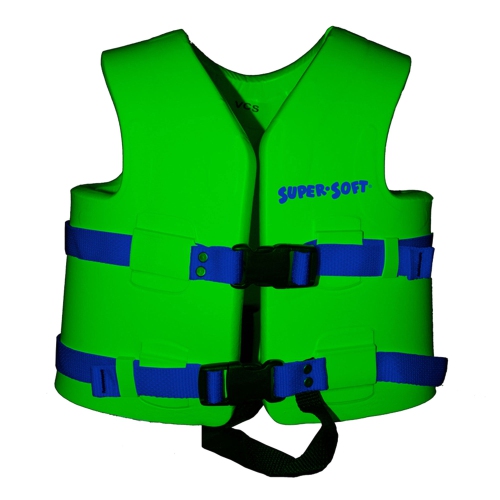
Durability in children’s swimming gear comes from both construction and everyday care. Secure stitching, resilient straps, neatly finished seams and fastenings that withstand repeated use are worth considering for gear that travels to lessons each week. At the same time, children grow, and a well-made swimsuit or pair of goggles may need replacing because the fit has changed rather than because the materials have worn out. Loose elastic, cracked straps, thinning fabric and persistent discomfort are signs that a piece may no longer be suitable. Rinsing swimwear and accessories in fresh water after use helps remove pool chemicals and residue, while washing and drying should follow the manufacturer’s directions. Some fabrics and lens coatings can be damaged by high heat, harsh detergents or rough handling. A swim bag with separate compartments can keep dry clothing apart from damp towels during the trip home, but wet gear should not remain packed away between visits. Opening the bag, drying its interior and allowing accessories to dry fully can help limit lingering odours. For families, easy-to-pack gear makes a difference when one adult is managing several children, spare clothing and a row of lockers. Distinctive bags or name labels on suitable surfaces can reduce mix-ups without displaying unnecessary personal information. Swimming gear can also make a thoughtful gift for a child beginning lessons, joining a swim club or enjoying regular family pool visits, provided sizing and program requirements are known. Households coordinating equipment for different ages can also explore Swimming Gear for Adults for shared outings. Flotation equipment requires separate attention: lifejackets and personal flotation devices should be approved for use in Canada and correctly fitted for the child and activity. Inflatable toys and swimming instruction aids are not substitutes for approved flotation equipment where required, and no swimming accessory replaces close, attentive adult supervision. Comfortable, appropriate gear supports the routine around swimming while leaving safety, instruction and supervision where they belong.
Top selling and popular products
-
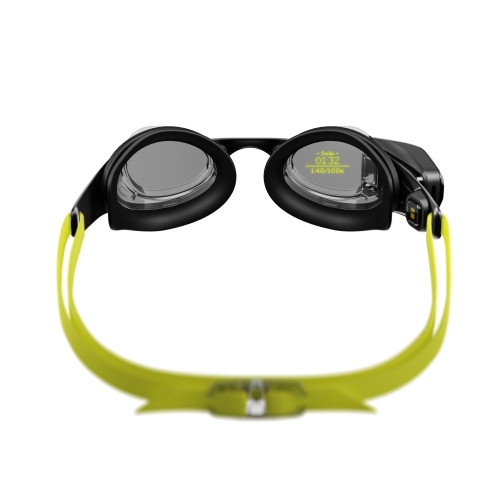 Your price for this item is $269
-
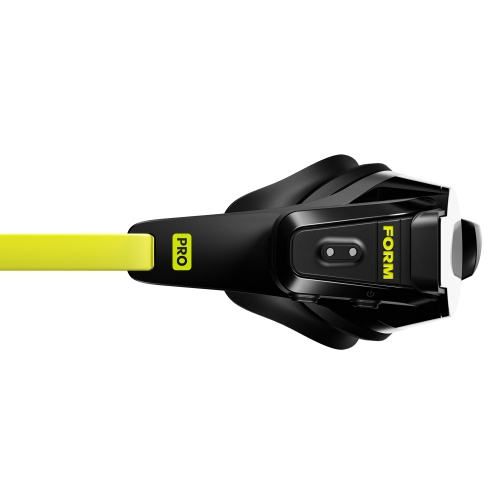 Your price for this item is $339
-
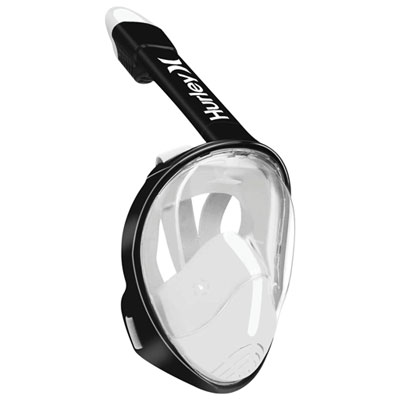 Your price for this item is $31.98
-
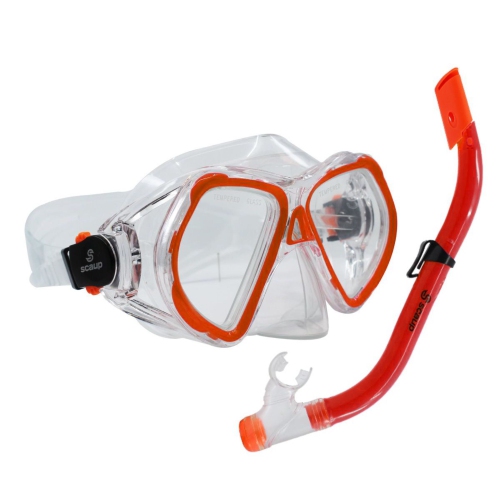 Your price for this item is $38.99
-
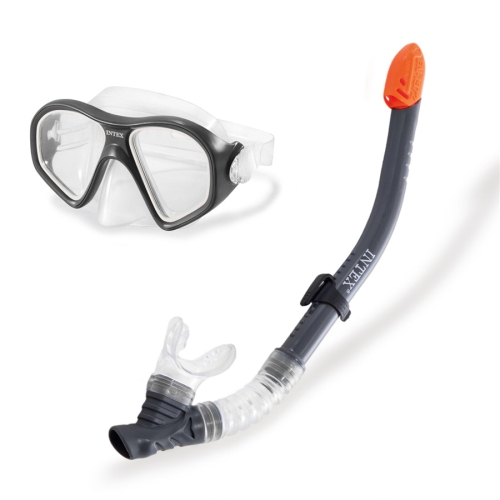 Your price for this item is $27.97
-
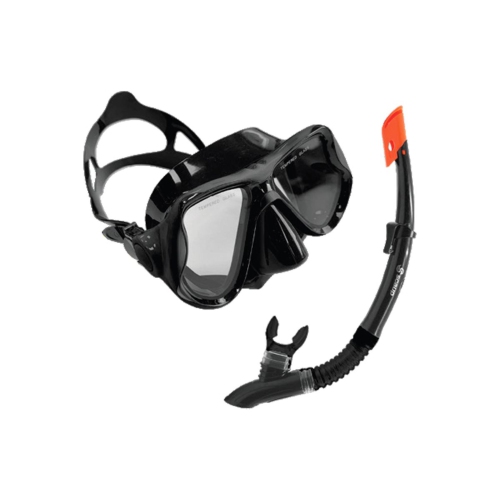 Your price for this item is $39.99
-
 Your price for this item is $58.99
-
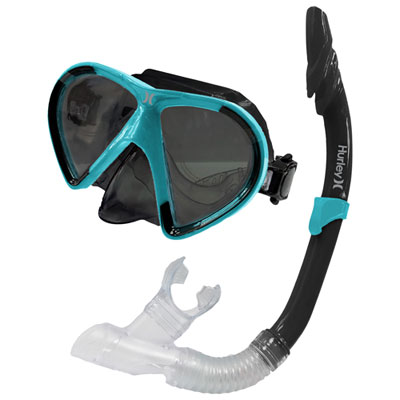 Your price for this item is $14.98
Discover more categories related to Children's Swimming Gear

Top Collections:
Best Black Friday Deals This Year, Best Black Friday Deals On Electronics, Kindle Devices, Pokemon Centers, Best Black Friday Deals On Apple Products, Best Cameras for Sports Photography, Dyson Airwrap, Pokémon 30th Celebration Cards, Apple iPhone 17 Pro, Canon G7X Cameras
Some products may be subject to Environmental Handling Fees
(EHF) depending on your province.
Learn more about EHFs.