Electric Hybrid Bikes
Electric hybrid bikes offer the perfect blend of traditional cycling with the added power of an electric motor, making them a versatile and eco-friendly transportation option for urban commuters and outdoor enthusiasts alike. Whether you're looking to effortlessly tackle hilly terrain, extend your cycling range, or simply enjoy a more comfortable ride, these innovative bikes provide a convenient solution for riders of all skill levels. With features like pedal-assist technology and lightweight frames, electric hybrid bikes are designed to enhance your biking experience and help you reach your destination with ease. Explore our selection of electric hybrid bikes to find the perfect match for your lifestyle and riding preferences.
Sort
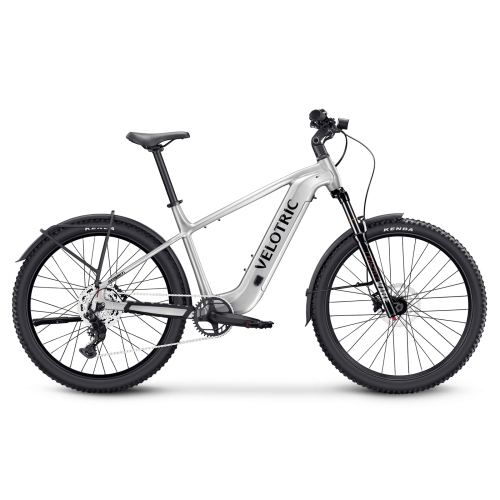
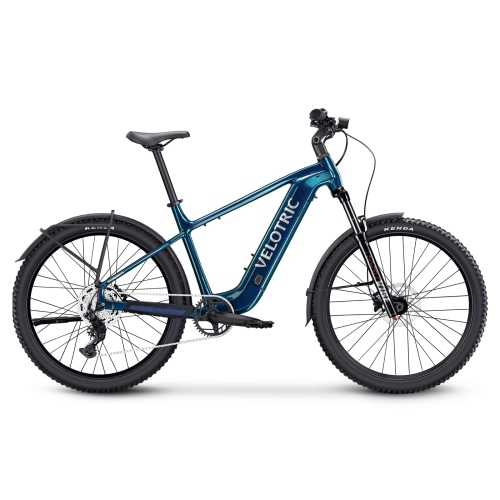
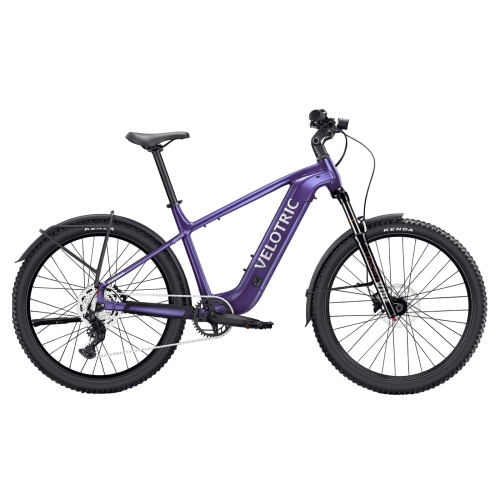
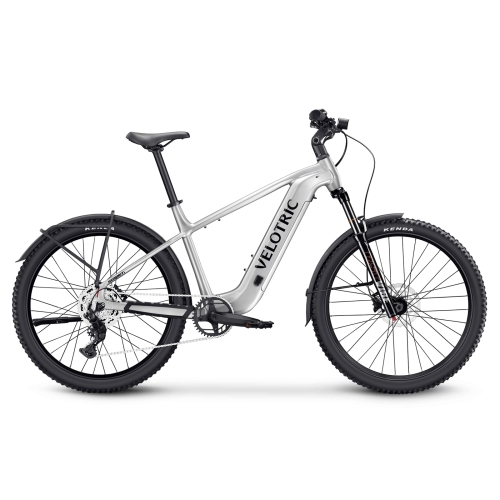
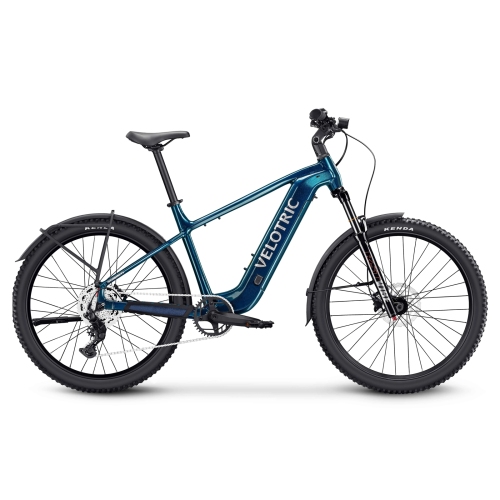
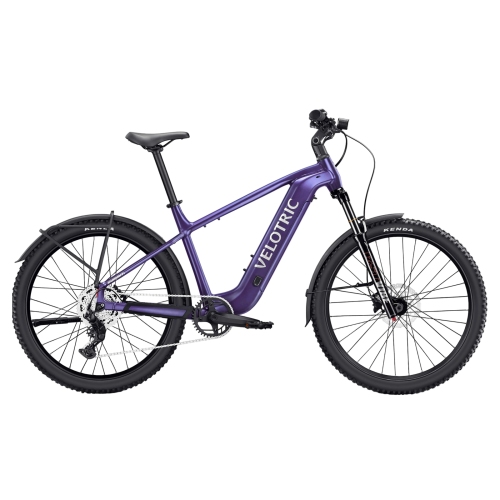
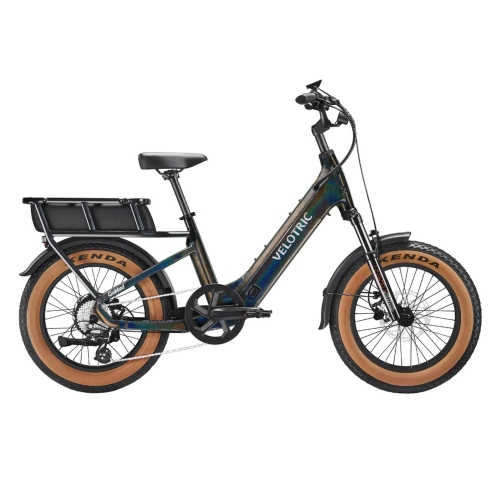
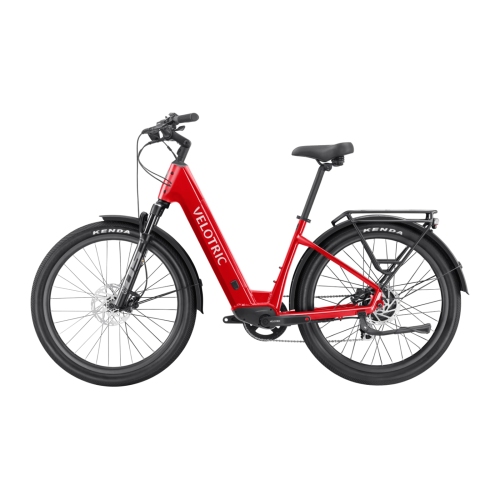
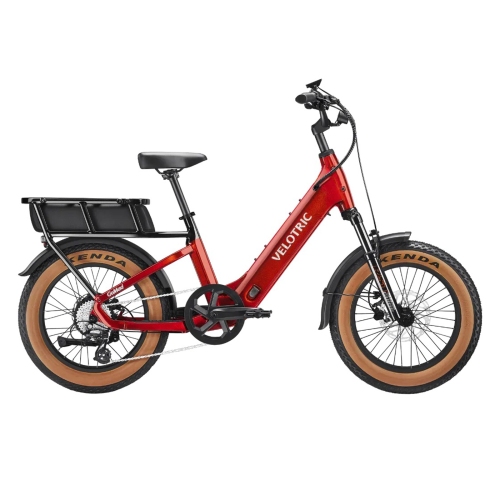
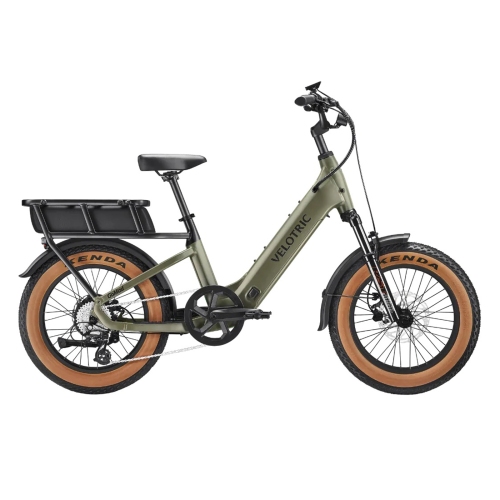
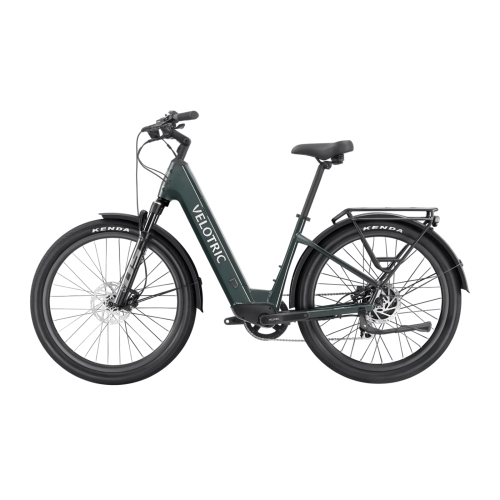
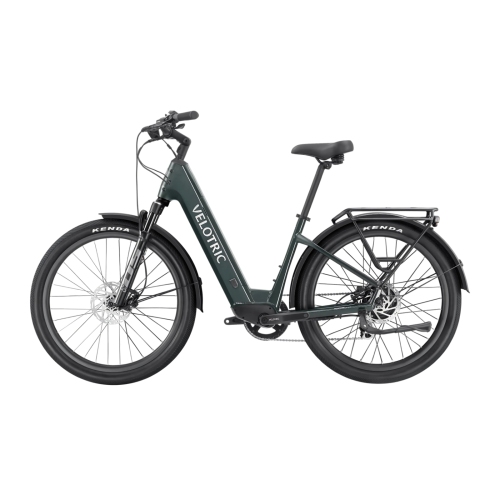

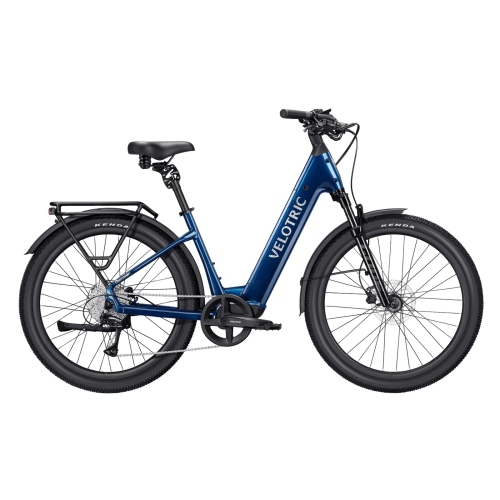
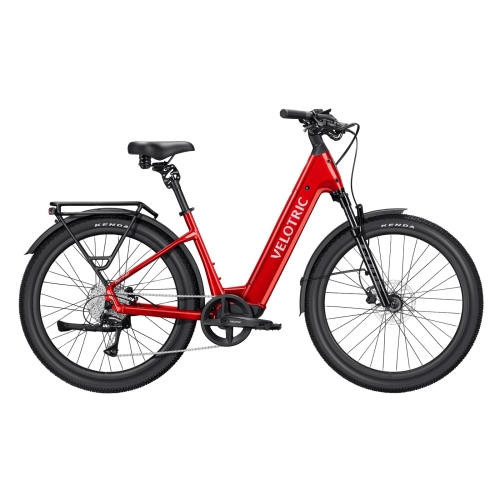
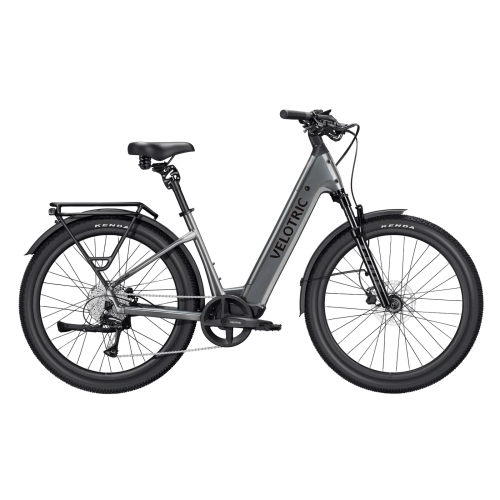

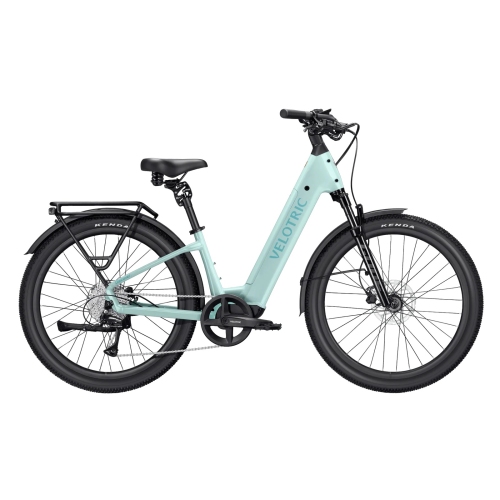
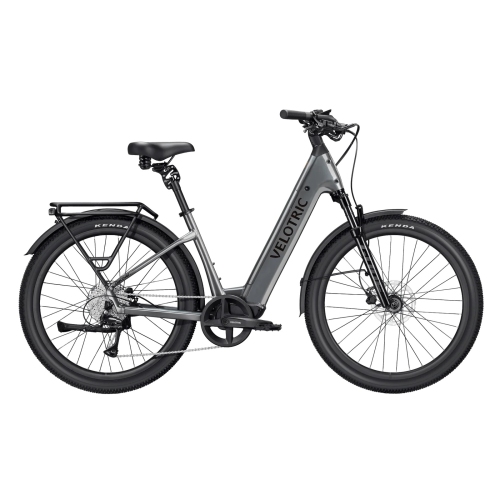
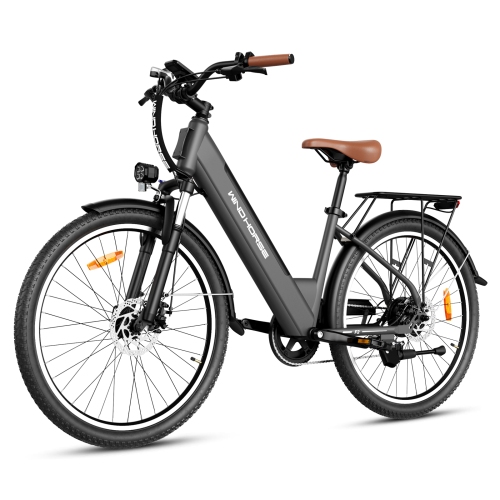
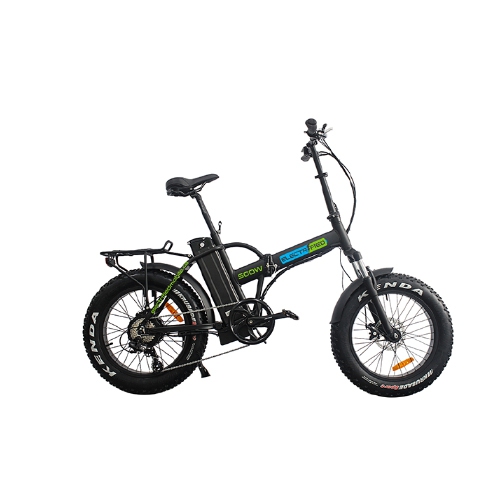
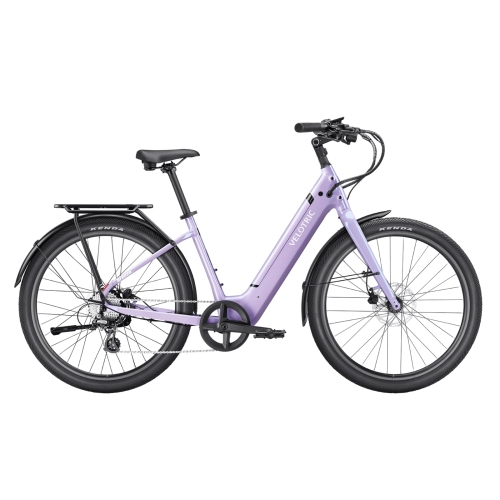
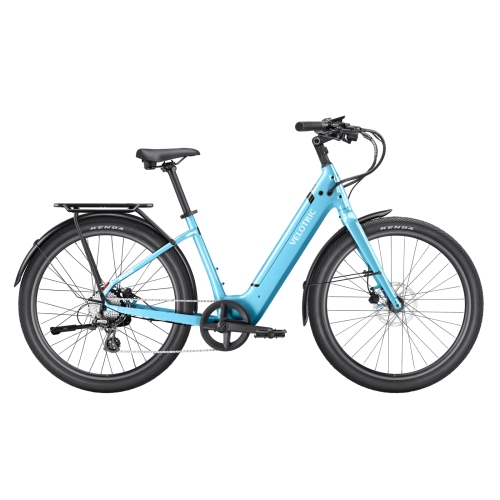
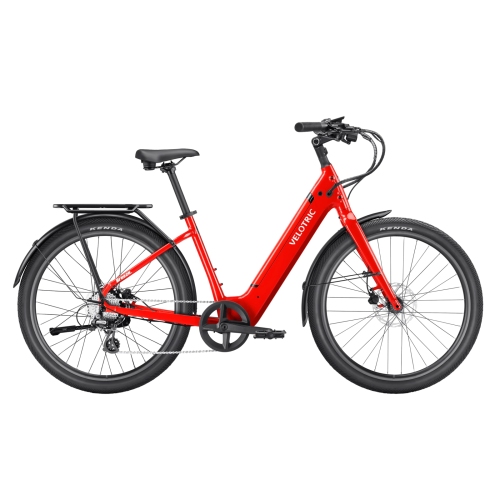


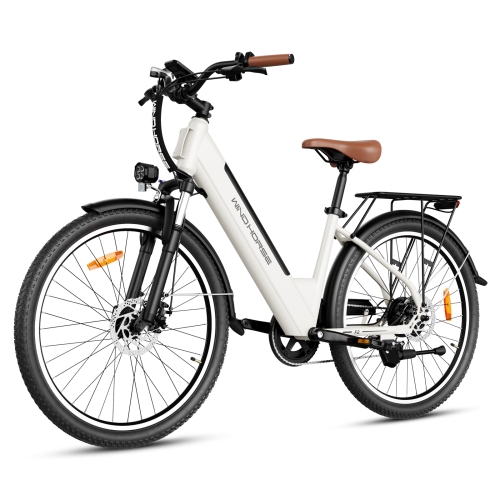


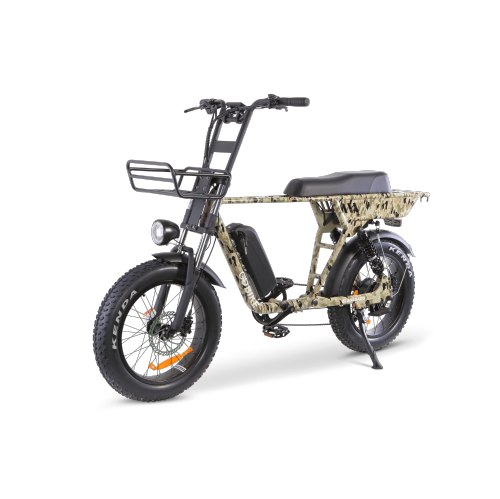

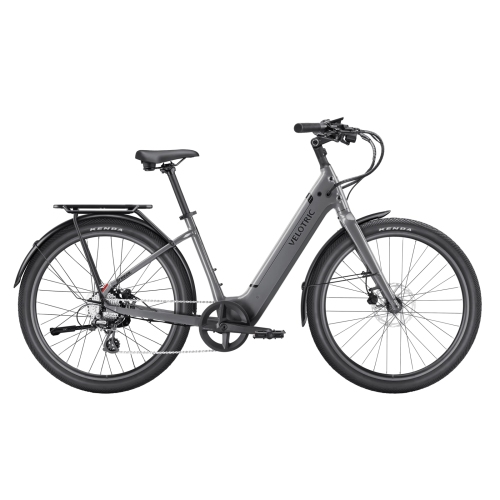


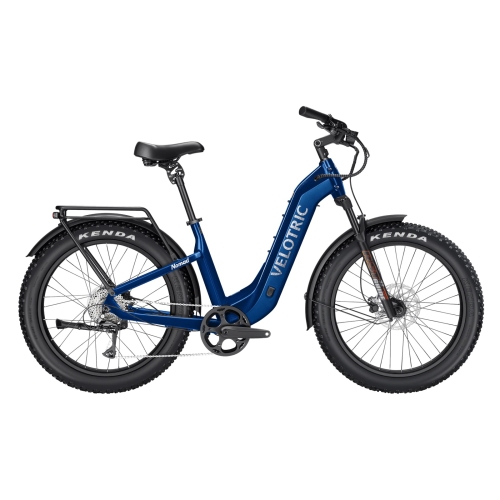
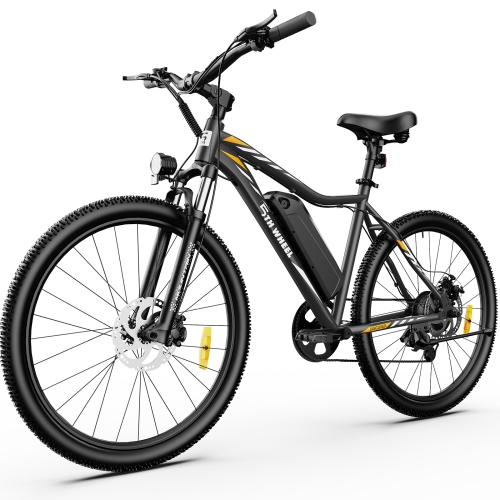
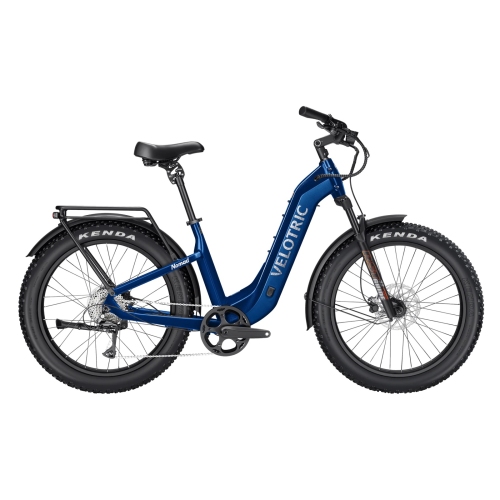
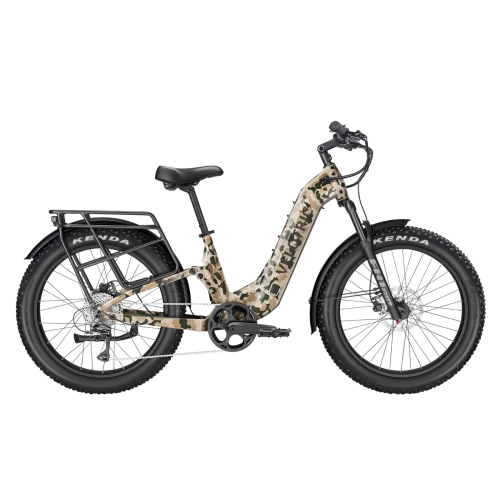
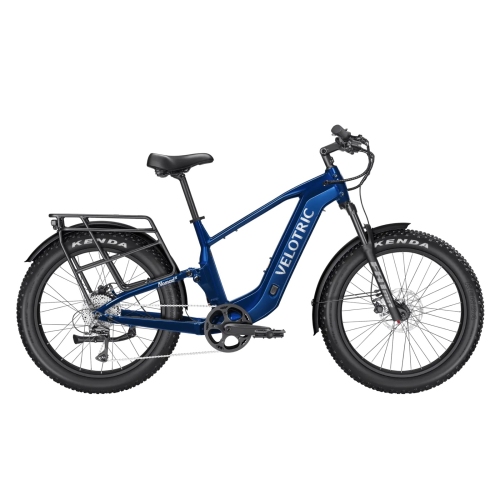
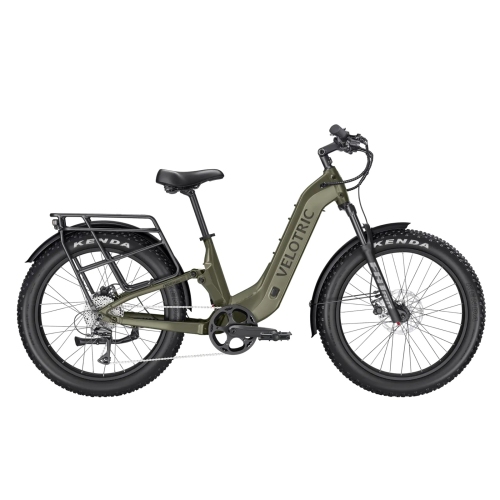
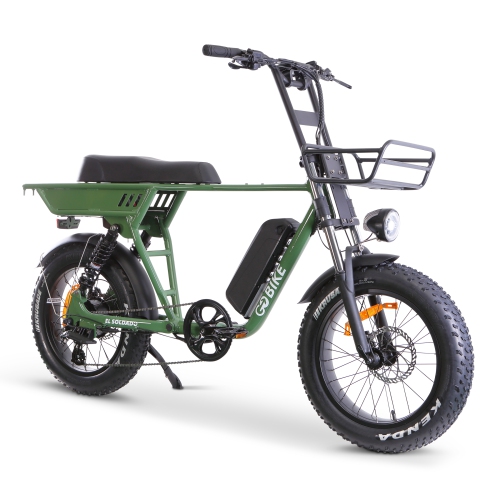
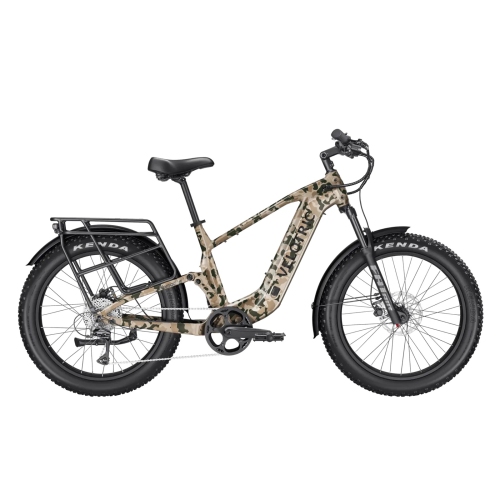
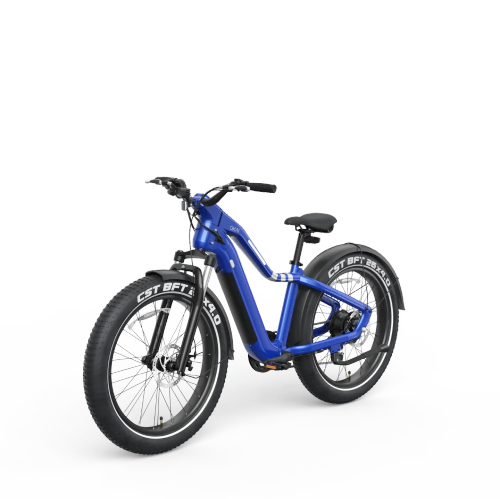
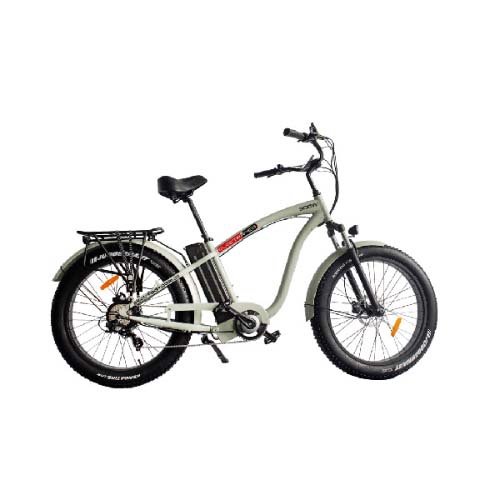
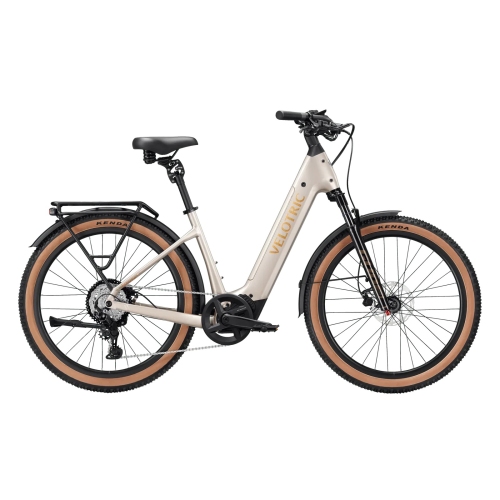
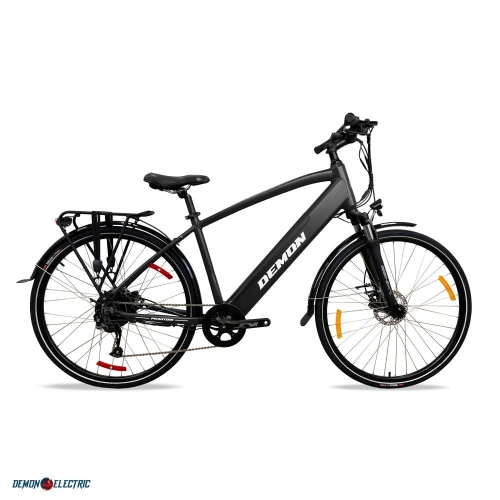
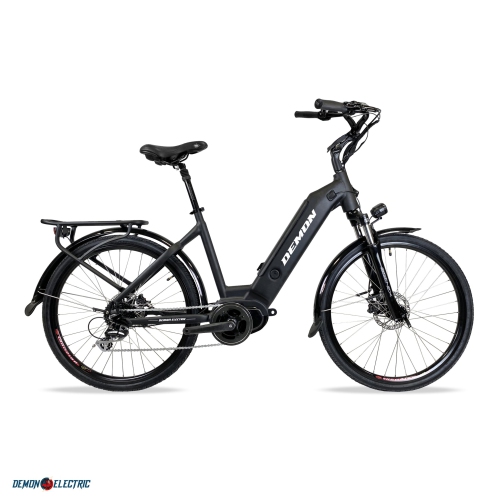

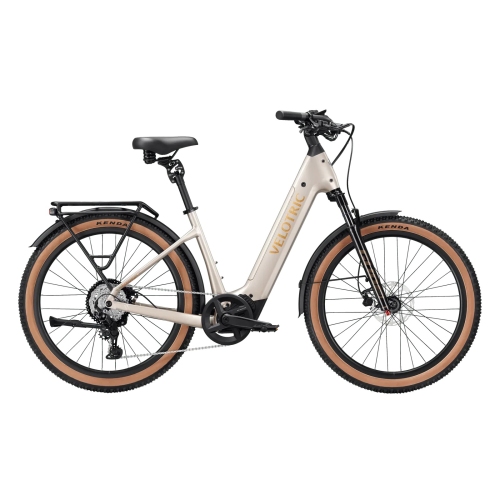


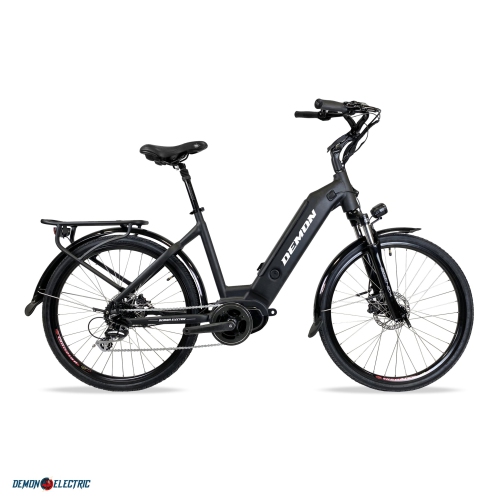

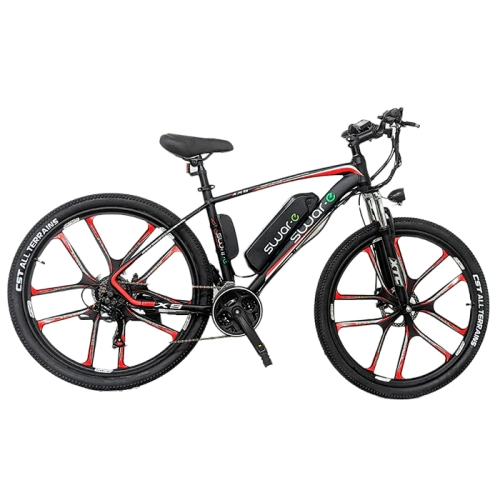


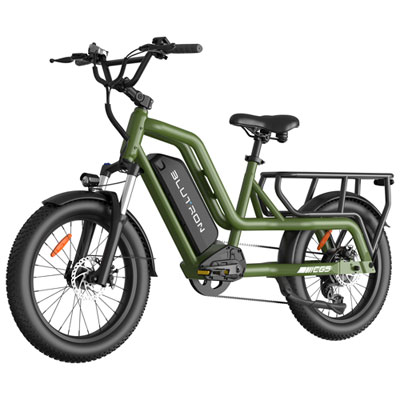
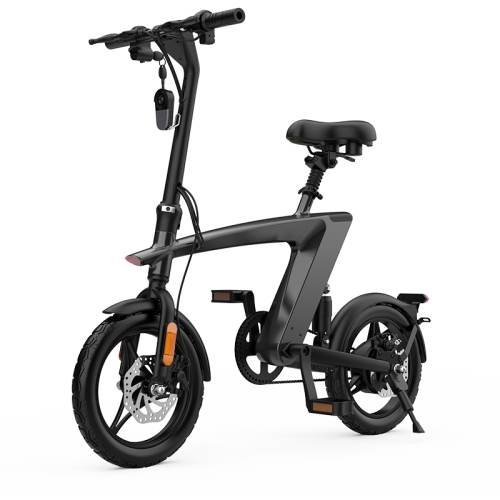
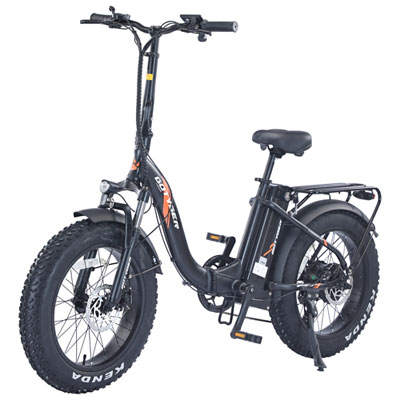

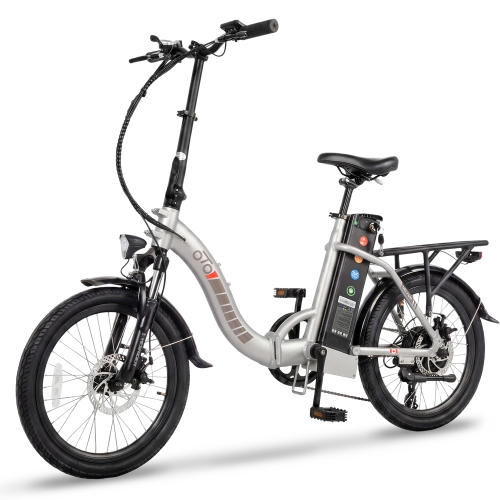

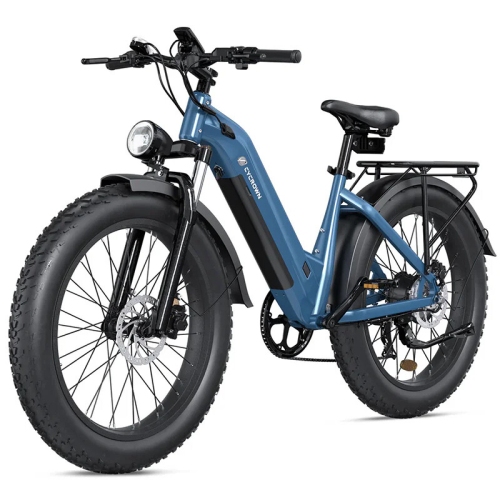
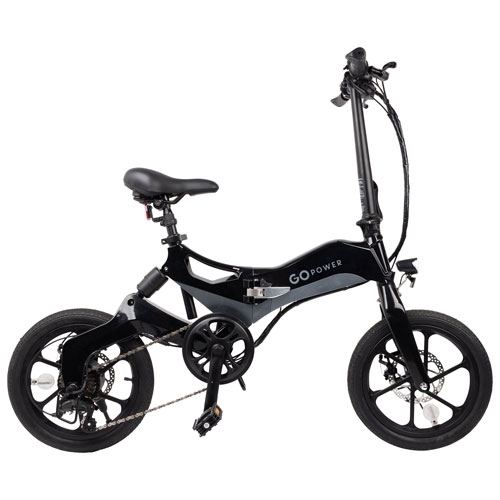

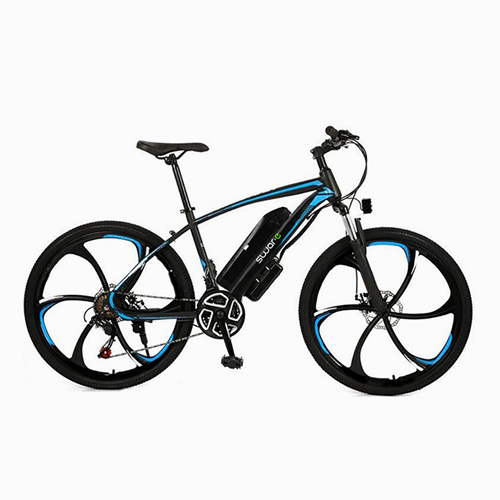


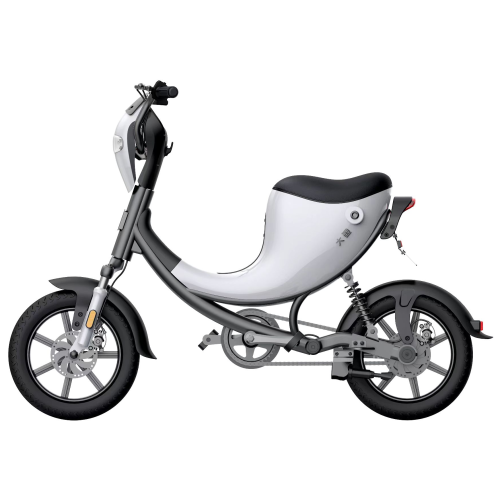
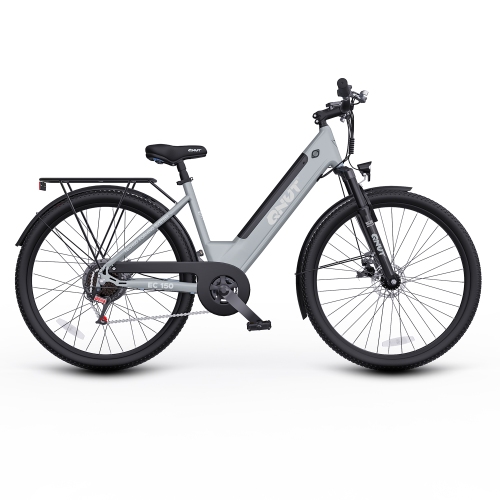
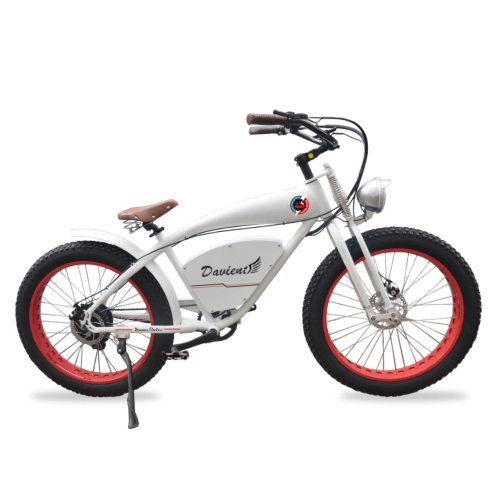
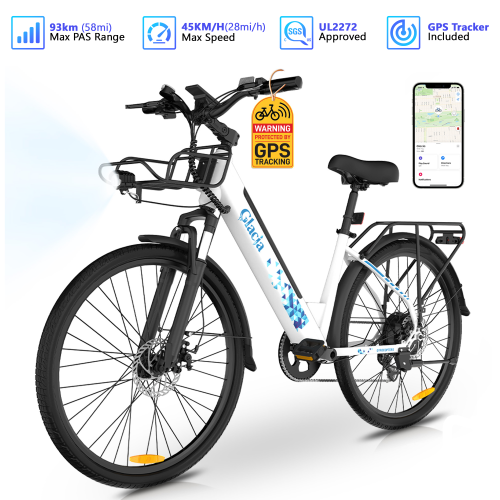


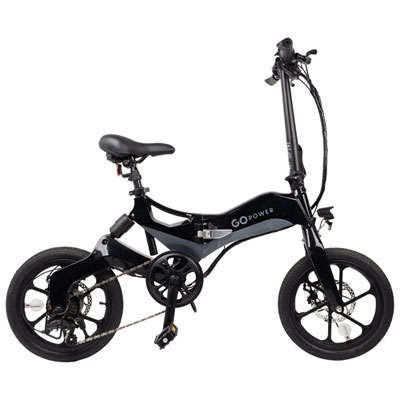
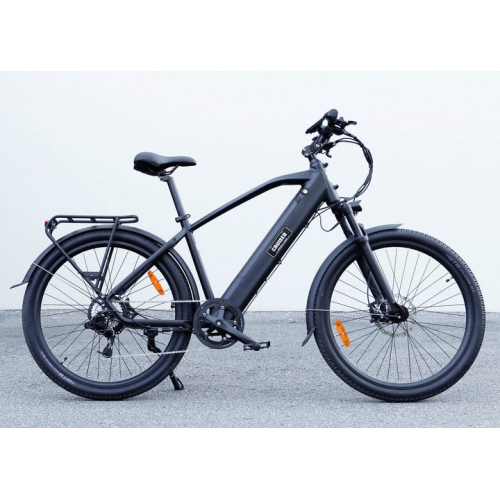
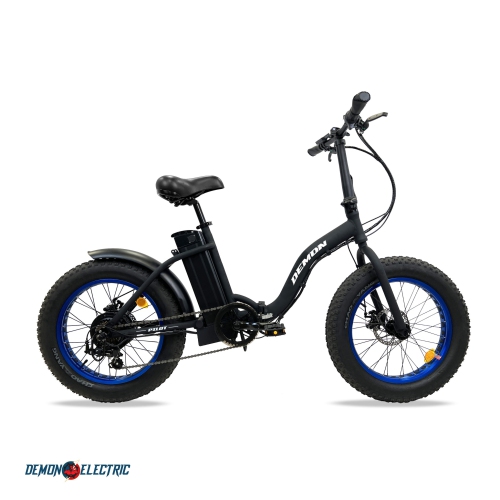
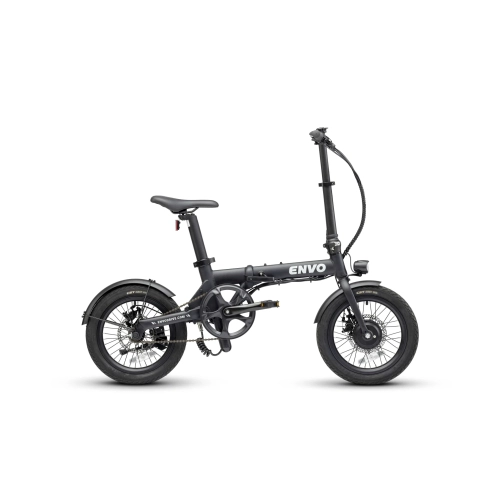
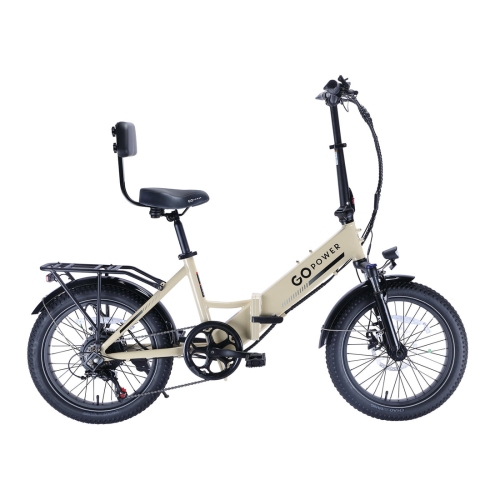
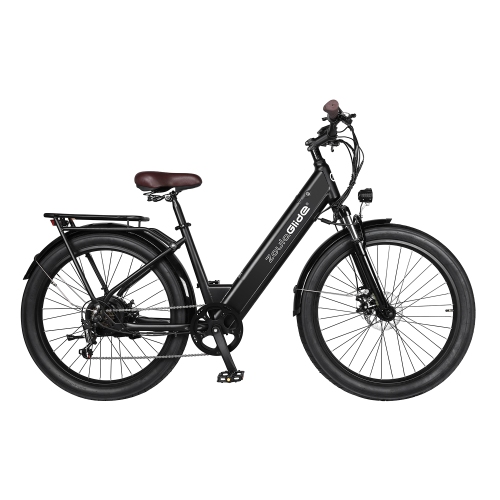
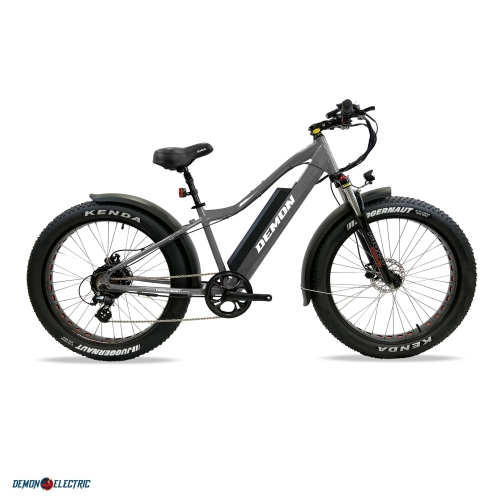
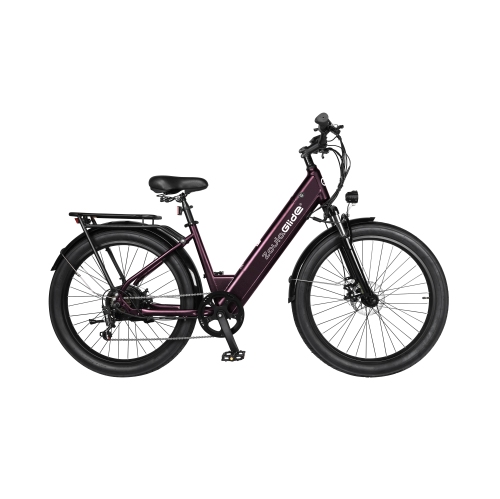
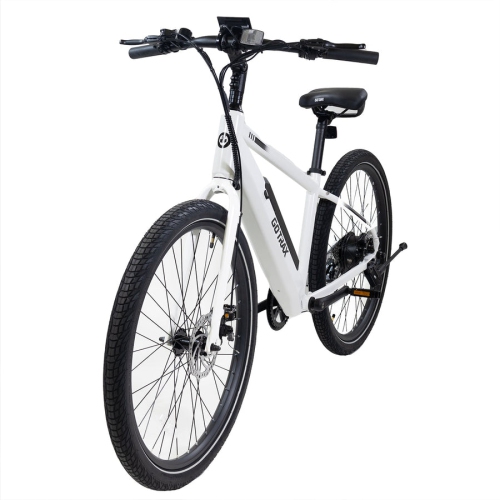


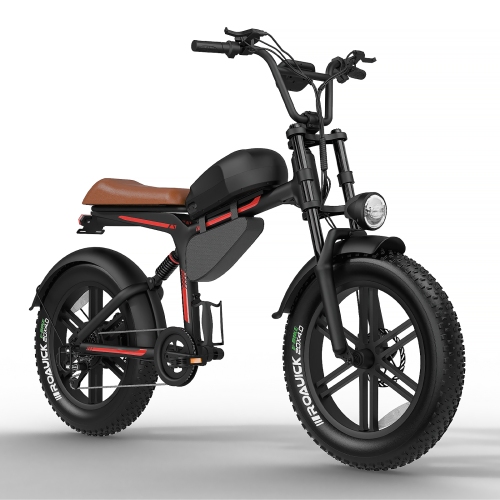

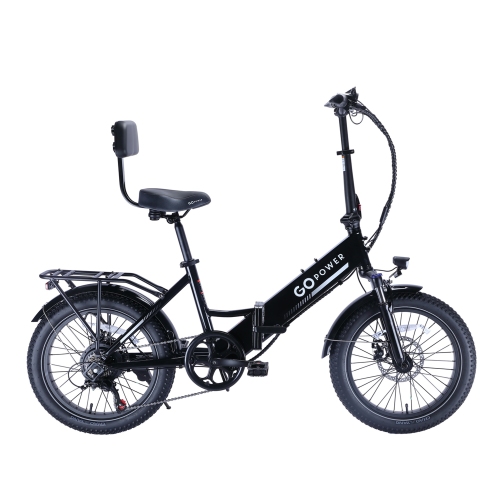
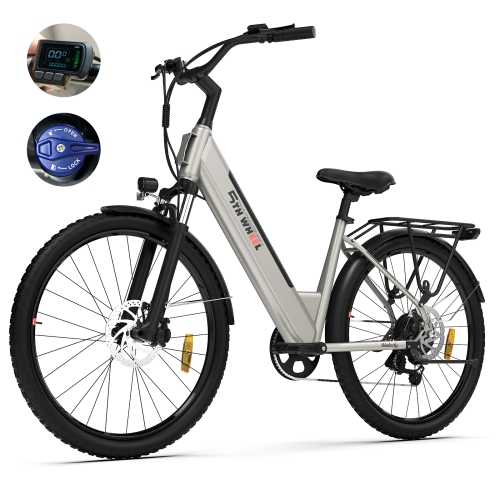
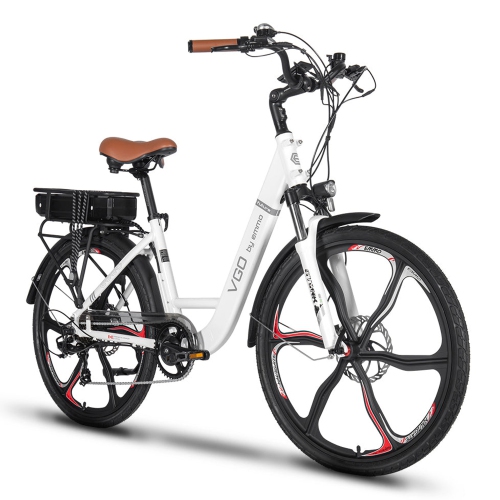
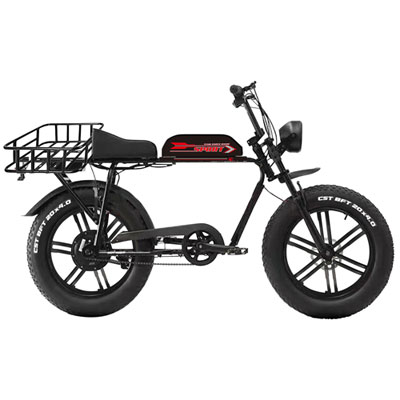
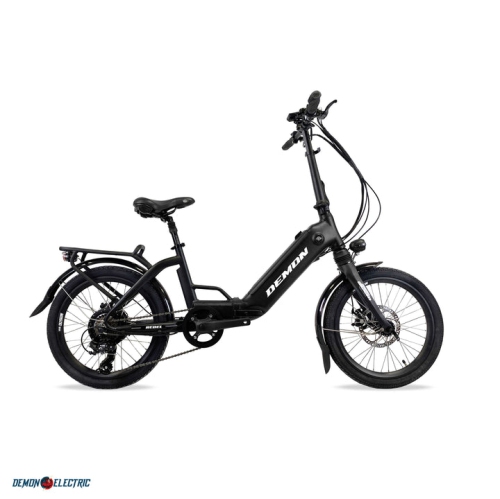


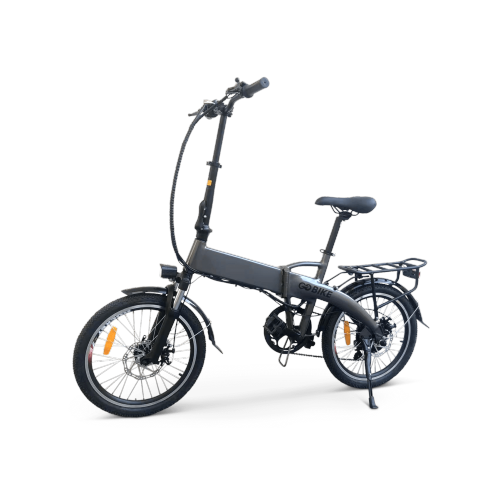


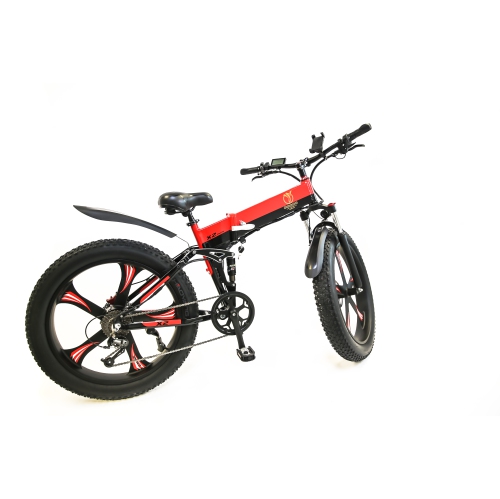

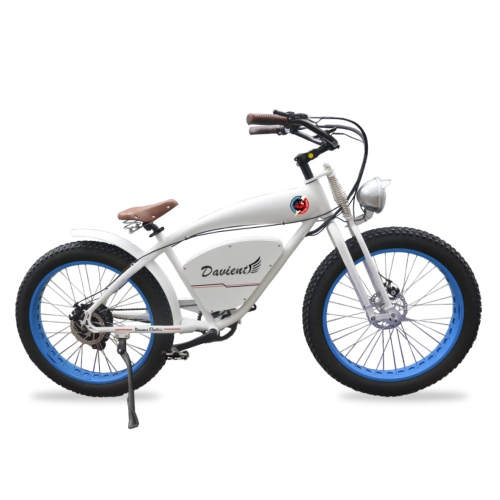

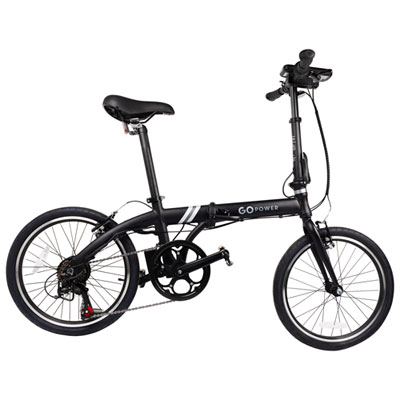

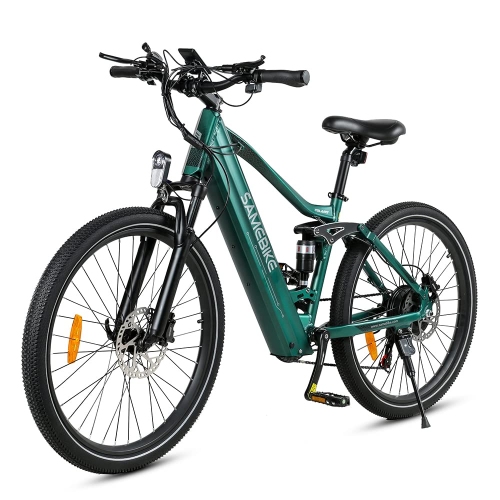


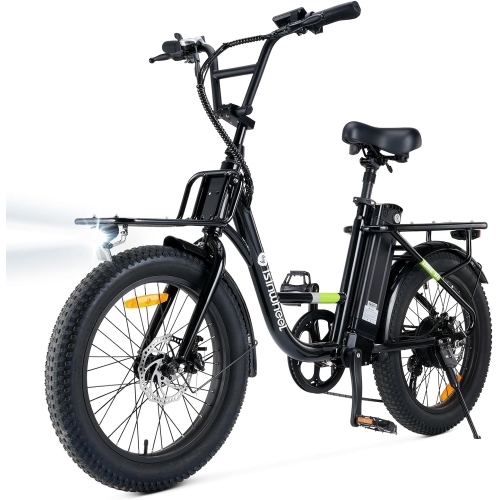
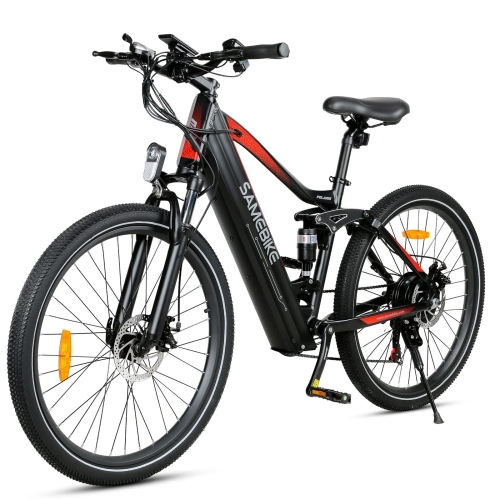
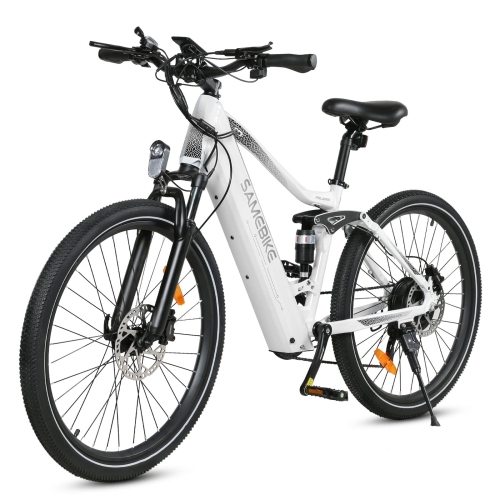


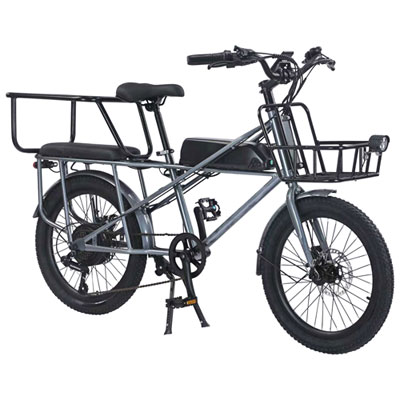
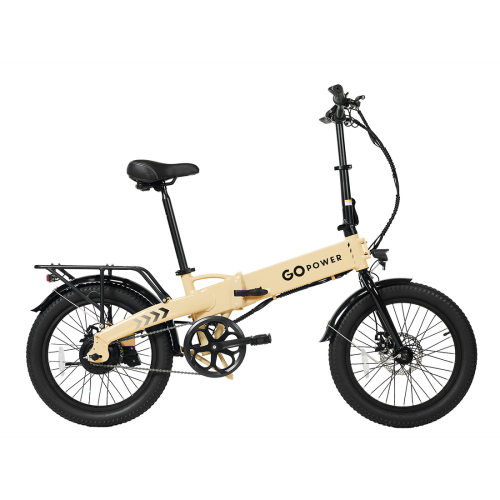
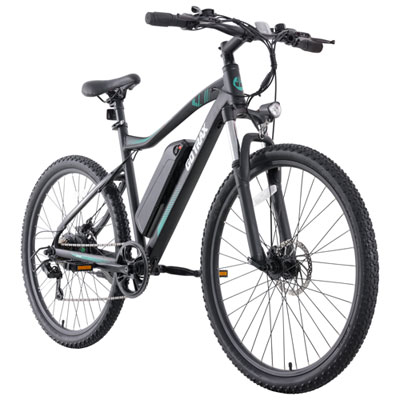


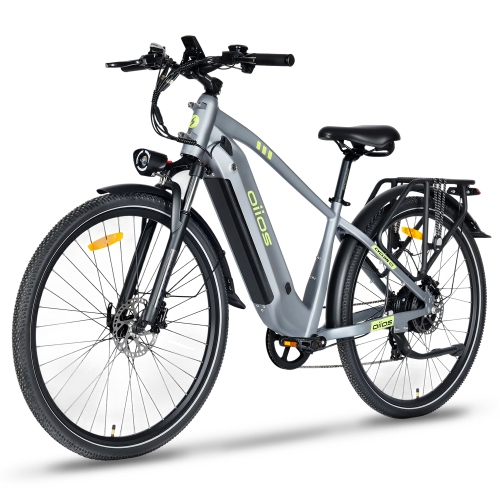
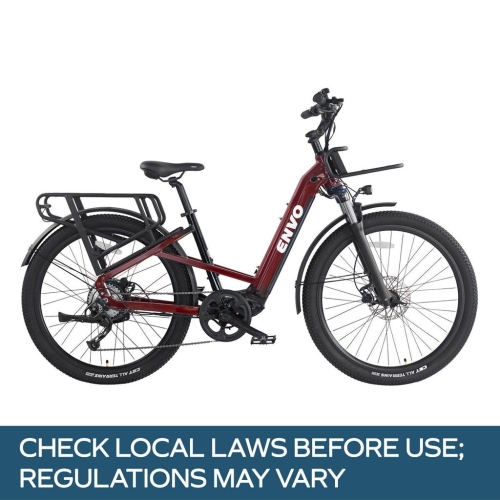

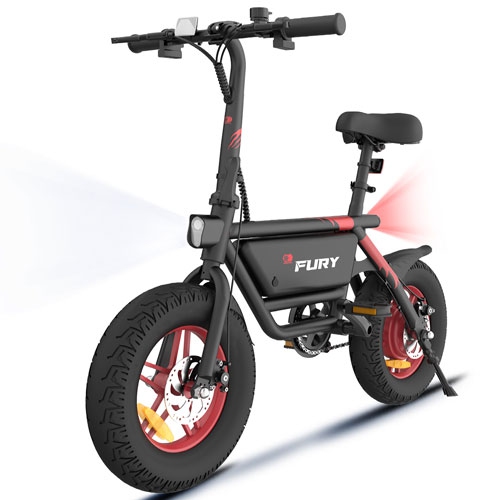
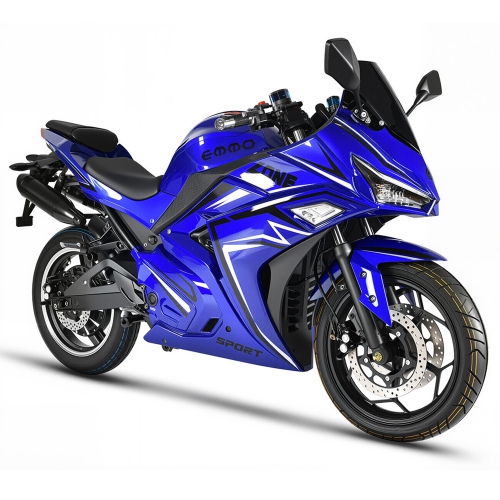
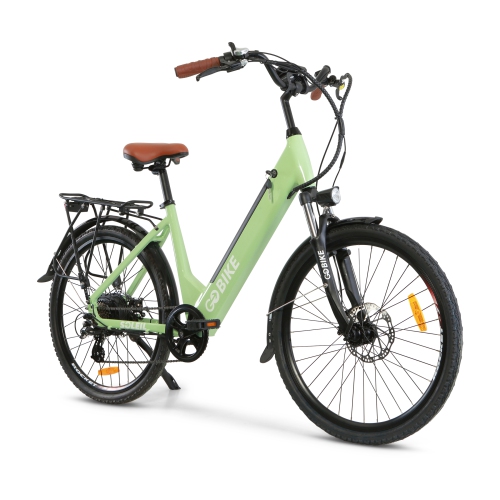
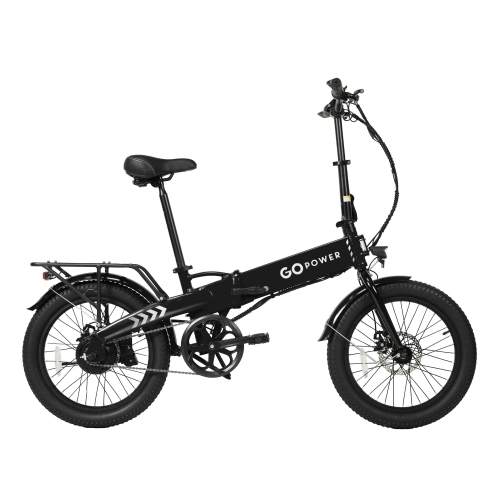

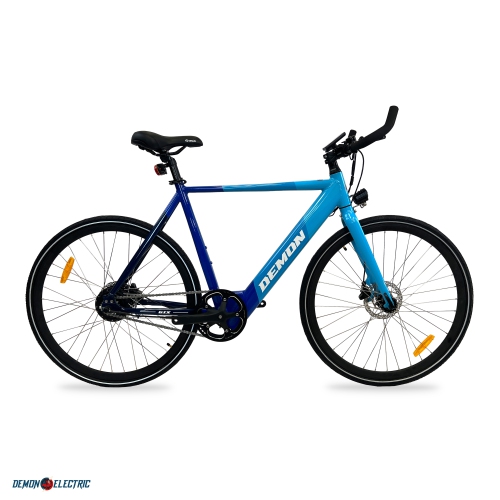
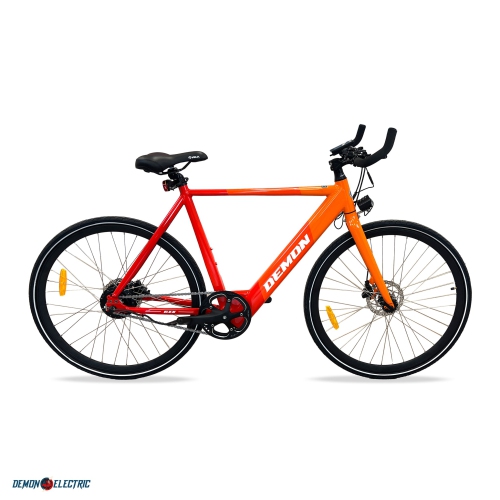
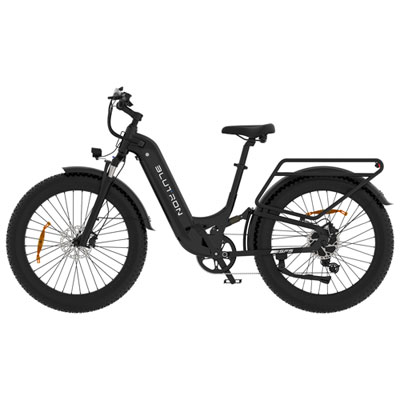
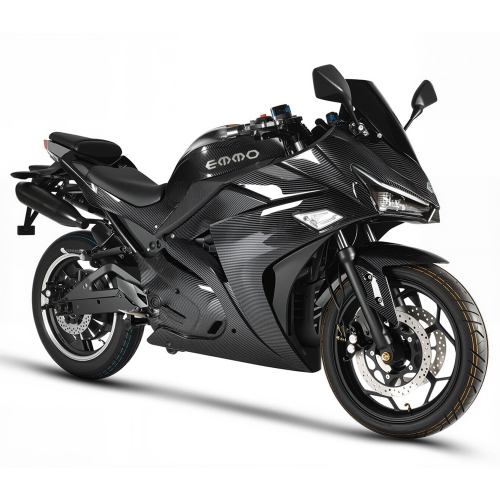



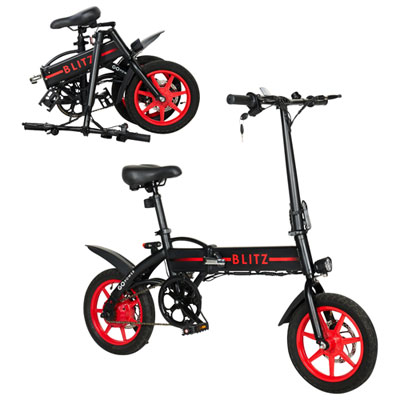
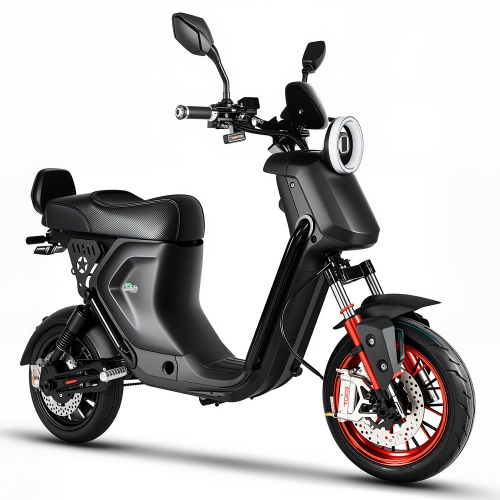
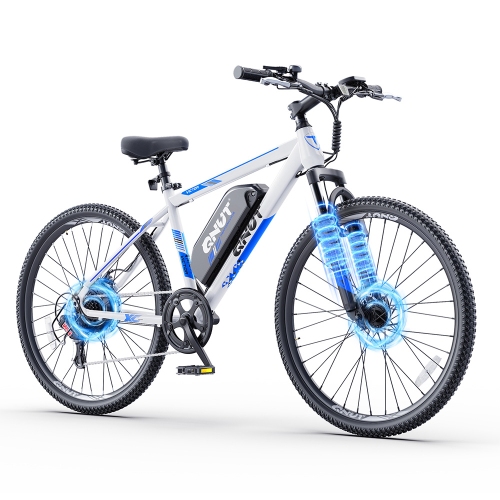

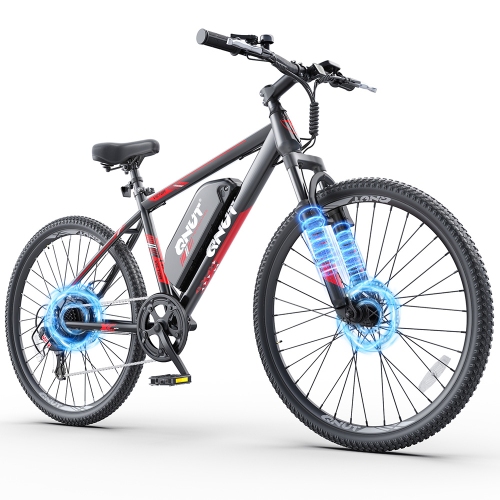
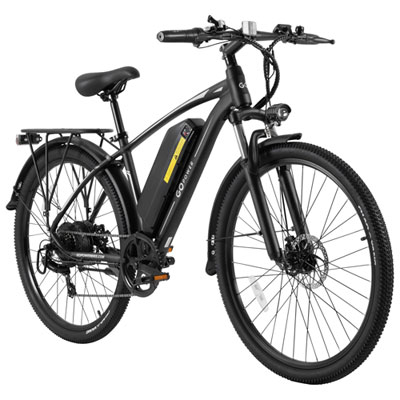


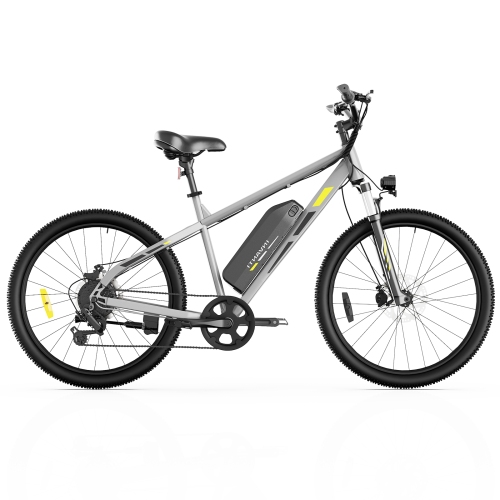
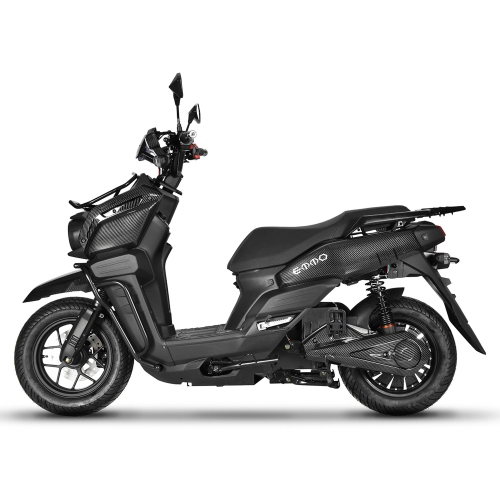
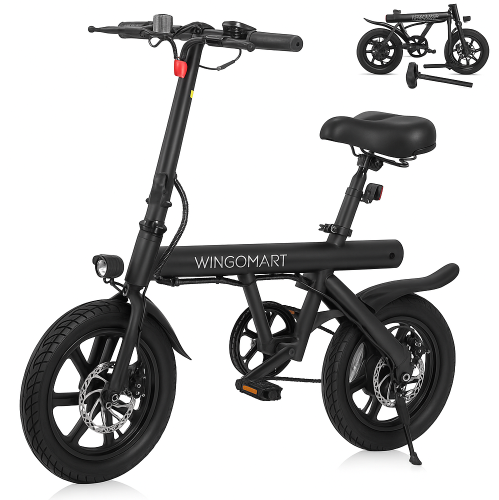

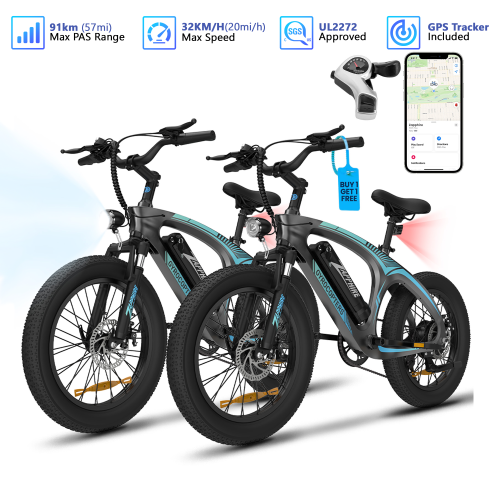

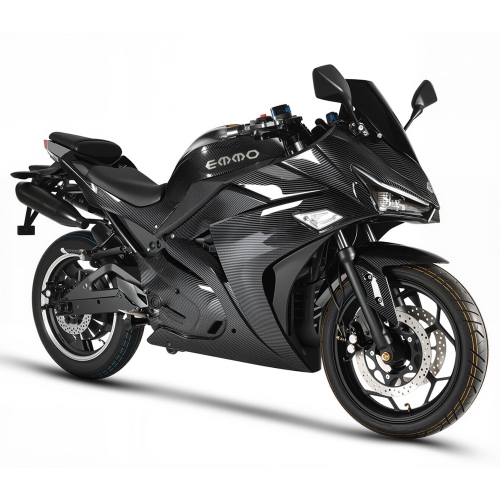
Upright comfort with a boost for everyday rides
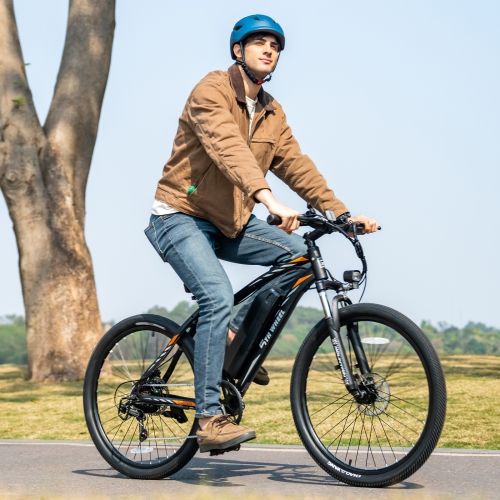
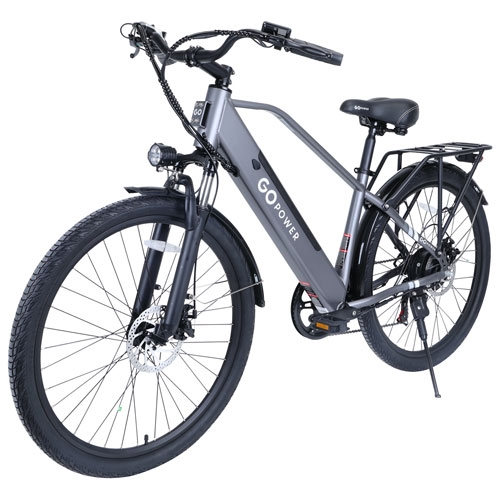
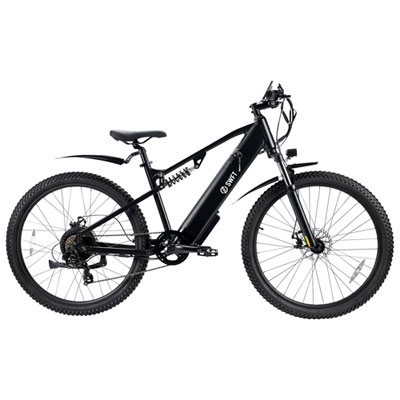
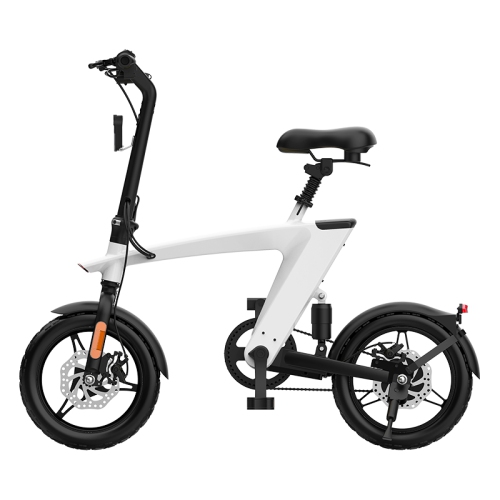
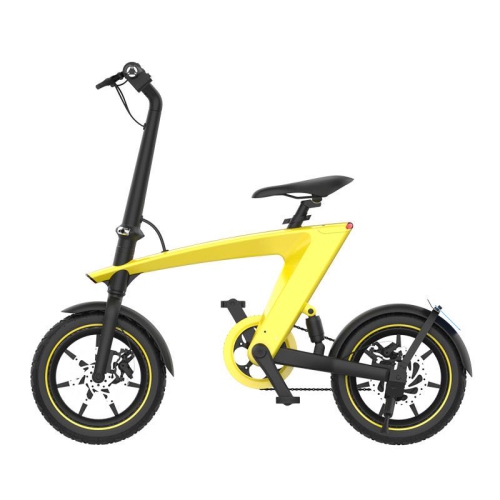
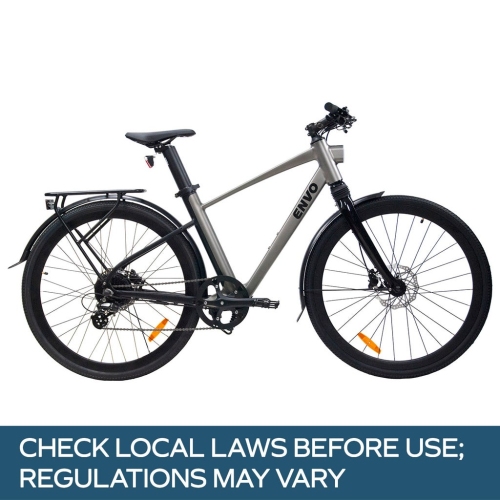
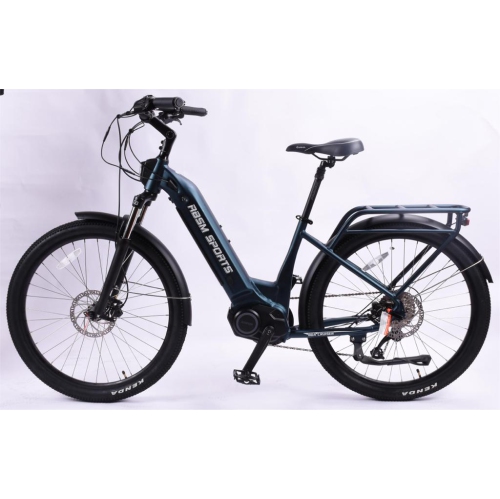
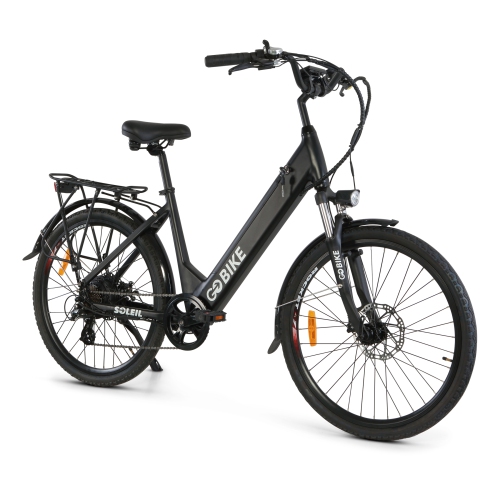
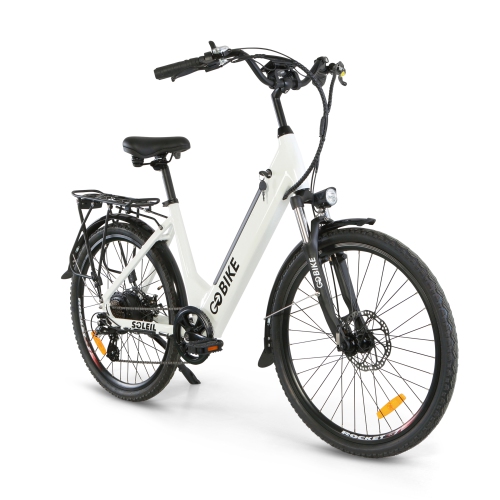
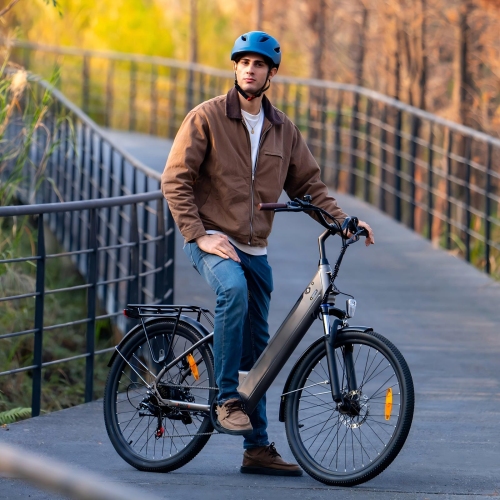
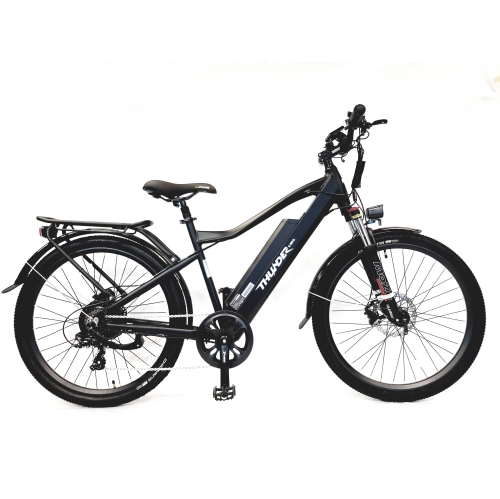
Electric hybrid bikes combine the efficient rolling feel of a road-oriented bicycle with the more upright riding position and practical features of a city bike, adding motor assistance to support pedalling. They suit everyday trips that might include a paved cycling route, neighbourhood streets, and a stretch of firm, smooth gravel along the way. The “hybrid” description refers to this blend of bicycle styles; the electric system adds assistance rather than defining the bike’s intended terrain. For someone riding to work with a laptop bag, meeting friends across town, or extending a familiar weekend loop, that combination can make longer distances and repeated climbs feel more manageable. Flat handlebars place the controls within easy reach, while tires that are generally wider than those on a traditional road bike provide cushioning and a reassuring contact patch. Most electric hybrids favour steady handling and everyday comfort over the aggressive position of a racing bike or the specialized suspension of a mountain bike. Rigid forks keep the design straightforward and can reduce weight, while suspension forks on some designs help soften bumps on uneven paths. Neither feature alone determines comfort: tire construction, pressure, frame fit, and riding position all contribute to how a bike feels over broken pavement. An electric hybrid remains a bicycle that benefits from rider input, with selectable assistance levels allowing a gentle boost on flatter sections or more support on a climb. Some designs also include a throttle, although operation and permitted use depend on the bike and local rules. These bikes can appeal to commuters, recreational cyclists, and people returning to regular riding who want more flexibility in their routes and effort. They are particularly well suited to mixed everyday riding rather than highly technical trails or loose, deep surfaces. For riders whose priorities lean towards substantially wider tires and greater flotation on soft ground, Electric Fat Bikes offer a different approach, with handling and weight considerations of their own.
The motor, battery, and drivetrain shape much of an electric hybrid bike’s character. A hub motor applies power at the wheel, while a mid-drive motor delivers assistance through the bicycle’s drivetrain and can make effective use of its gears when climbing. Motor placement also influences weight distribution, but the smoothness of assistance depends on the complete system, including its sensors and programming. Torque-sensing assistance responds to pressure at the pedals, often creating a closely connected feel as the rider pushes harder. Cadence-based systems detect pedalling motion, with the response varying by design and selected assistance level. Torque describes turning force and is useful context for hills and loaded riding, although a single motor specification cannot explain the whole riding experience. Battery capacity is commonly expressed in watt-hours, abbreviated Wh; a higher capacity generally stores more energy, but it does not guarantee a particular distance. Actual range depends on assistance level, rider and cargo weight, gradients, tire pressure, stops and starts, and other operating conditions. A short commute with charging at home presents different needs from a longer round trip with no convenient charging point. Removable batteries can simplify charging when the bicycle stays in a garage or designated storage area, while integrated designs can give the frame a cleaner profile. Battery security, replacement compatibility, and access to suitable servicing also matter for long-term ownership. Gearing remains important even with motor assistance: lower gears help maintain a comfortable pedalling rhythm on climbs, and a useful spread of ratios supports both relaxed cruising and quicker sections. Disc brakes are common on electric hybrids, with hydraulic systems often offering a lighter lever feel and controlled braking. The combined weight of the bicycle, rider, and any luggage makes braking performance worth considering alongside motor output. Clear displays, reachable controls, and straightforward assistance adjustments help keep attention on the route rather than on navigating menus. Before riding on roads or shared paths, checking provincial and municipal requirements helps clarify permitted equipment, access, helmet rules, and any age restrictions.
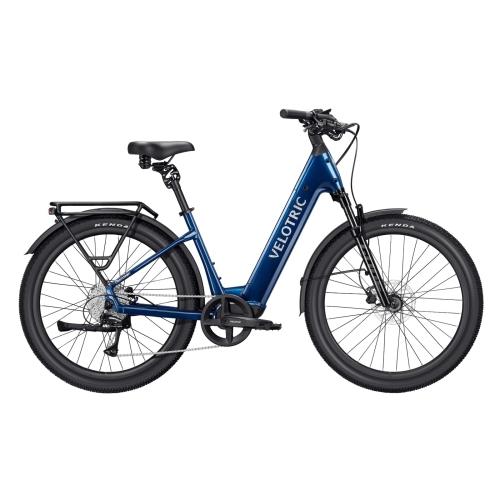
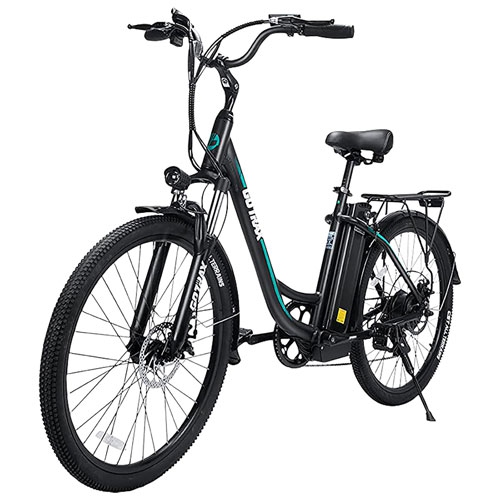
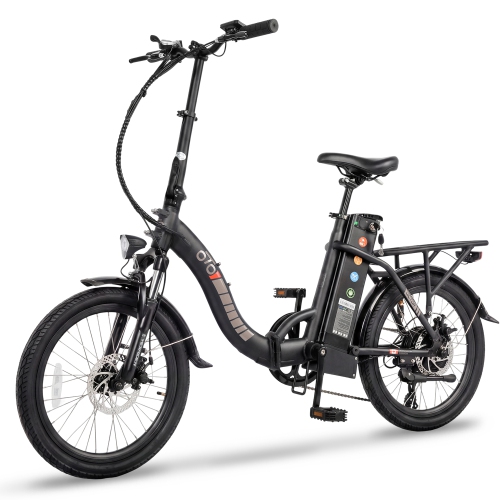
Fit and everyday practicality often determine whether an electric hybrid becomes a regular companion or stays parked. Frame size should suit the rider’s height and proportions, with comfortable handlebar reach, suitable clearance, and enough saddle adjustment to support efficient pedalling. A step-through frame can make mounting and dismounting easier, especially during frequent stops or when a rear rack carries luggage; other frame layouts may suit different fit and handling preferences. An upright position can reduce the need to lean forward, but excessive reach or an unsuitable saddle can still cause discomfort. Aluminum frames are common because they balance weight and durability, while steel designs can offer a different ride feel with additional weight. Total bicycle weight deserves particular attention if the route from storage includes stairs, a tight doorway, or lifting onto a vehicle carrier. Any carrier needs an appropriate weight rating and compatibility with the bicycle’s frame and tires. For daily transport, rack mounts, fenders, lights, and a stable kickstand can be as useful as a higher assistance setting. Panniers can keep a change of clothes or groceries off the rider’s back, provided the rack and bicycle load limits are respected. Integrated lights may draw power from the main battery, while separate lights have their own charging or battery needs. Durability also depends on routine care: maintaining the specified tire pressure, checking brake wear, and keeping the drivetrain clean and correctly lubricated all support dependable operation. Electrical components should be cleaned according to the manufacturer’s directions rather than sprayed with a pressure washer. Charging calls for the manufacturer-approved charger, an appropriate location, and attention to the battery’s storage instructions; damaged batteries or connectors need qualified assessment. Secure storage, a suitable lock, and access to replacement wear parts round out the practical picture. For a gift recipient, fit, lifting needs, storage space, and preferred routes are more meaningful than a specification chosen in isolation. A well-matched electric hybrid brings these details together, supporting comfortable, useful journeys without requiring every ride to follow the same route or pace.
Top selling and popular products
-
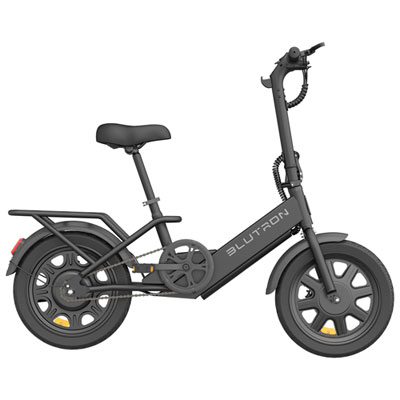 Your price for this item is $399.99
-
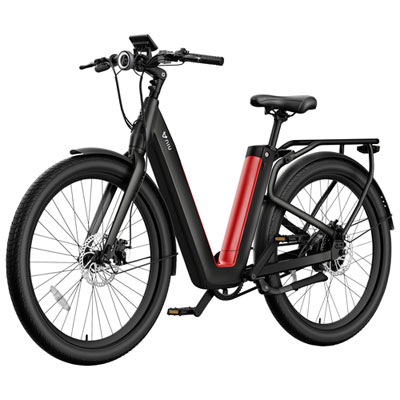 Your price for this item is $2699.99
-
 Your price for this item is $799.97
-
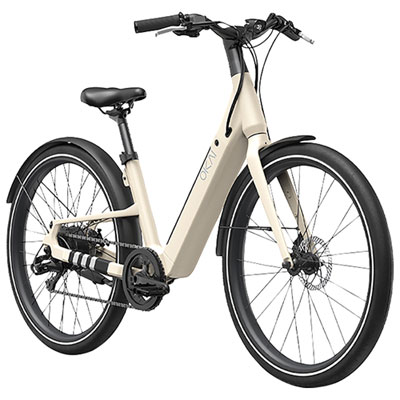 Your price for this item is $2199.99
-
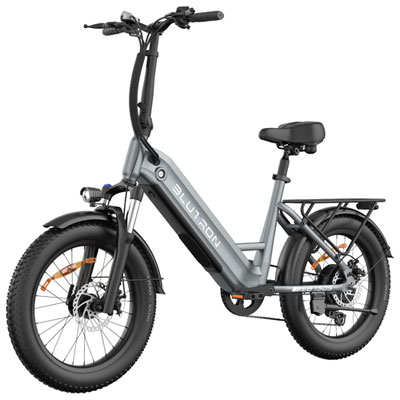 Your price for this item is $999.99
-
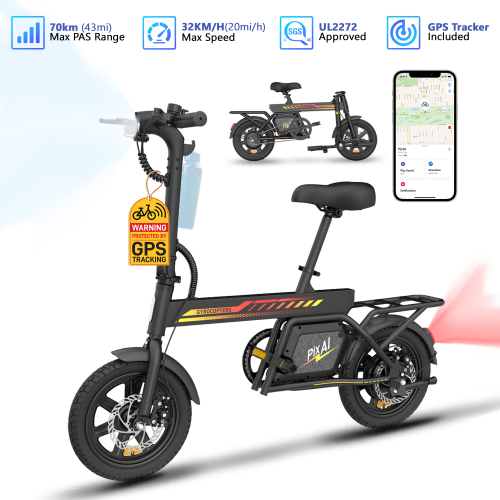 Your price for this item is $369.97
-
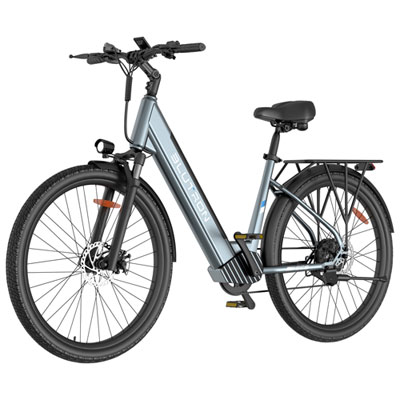 Your price for this item is $899.99
-
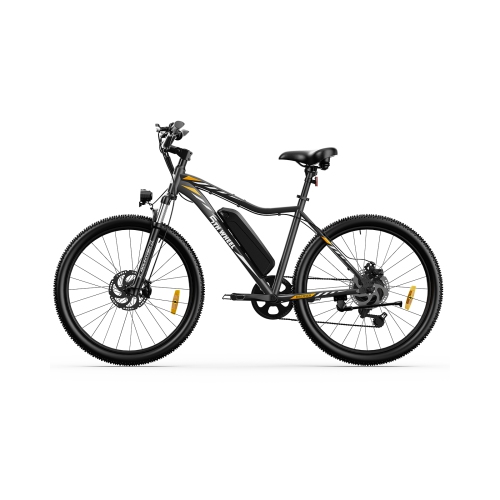 Your price for this item is $599.99
Discover more categories related to Electric Hybrid Bikes
Top Collections:
Pokemon Centers, Best Black Friday Deals This Year, Best Black Friday Deals On Electronics, Kindle Devices, Best Budget Office Chairs, Best Black Friday Deals On Apple Products, Best Cameras for Sports Photography, Pokémon 30th Celebration Cards, Dyson Airwrap, Canon G7X Cameras
Some products may be subject to Environmental Handling Fees
(EHF) depending on your province.
Learn more about EHFs.