Fishing Chairs
Enhance your fishing experience with our selection of top-quality fishing chairs designed for comfort and convenience. Whether you're spending the day by the water's edge or embarking on a fishing expedition, having a comfortable and sturdy chair is essential for enjoying long hours of angling. Our range of fishing chairs features durable materials, ergonomic designs, and adjustable features to ensure you can focus on reeling in the big catch without worrying about discomfort. Explore our collection to find the perfect fishing chair that suits your needs and enhances your outdoor adventures.
Sort
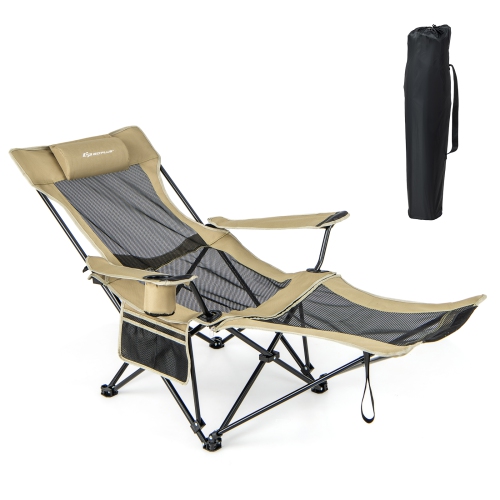
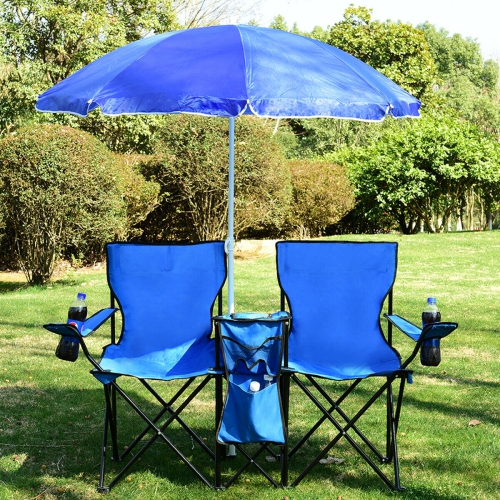
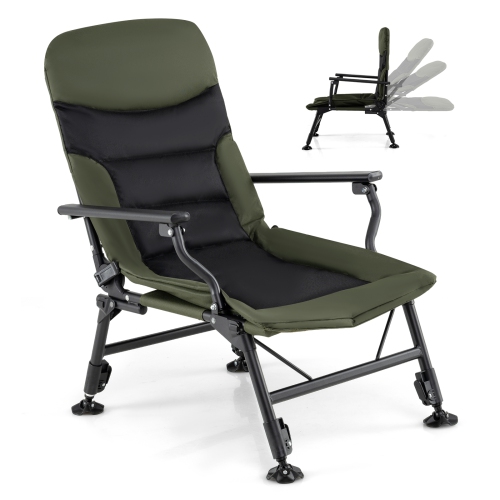
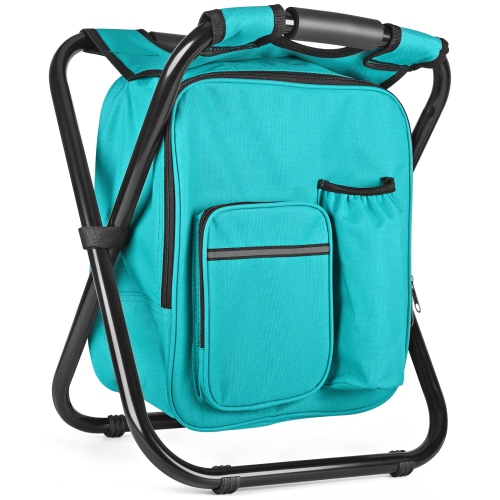
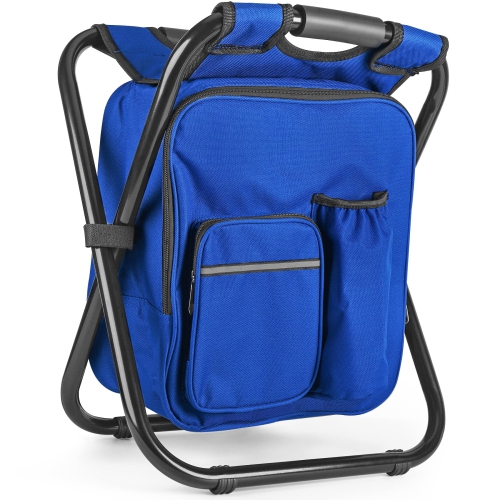
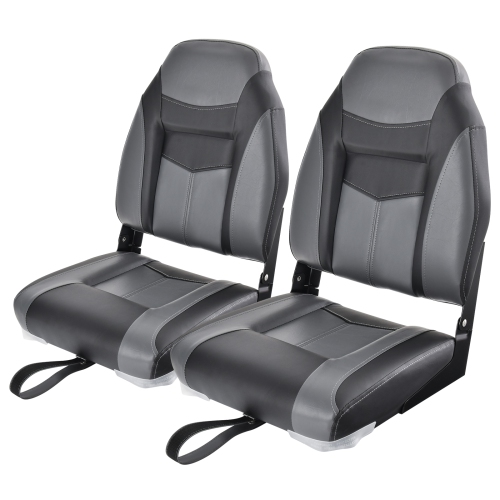
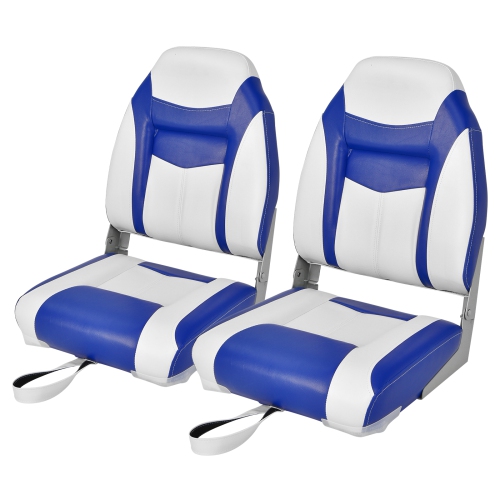
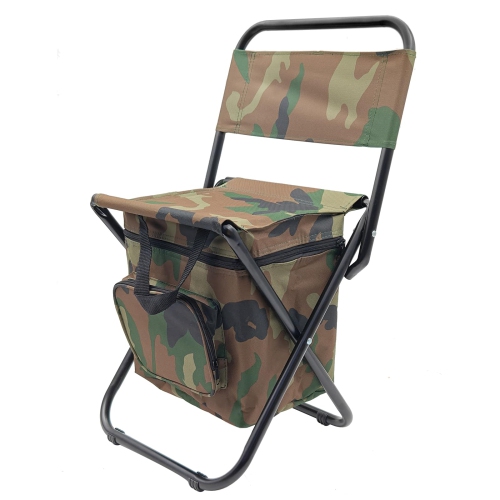
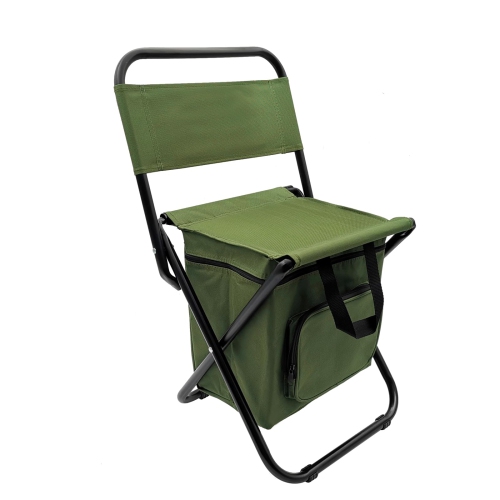
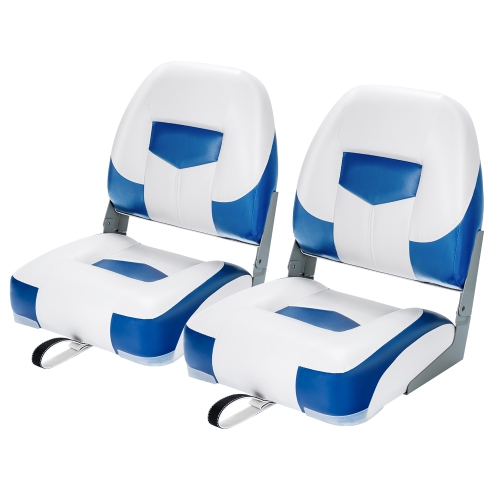
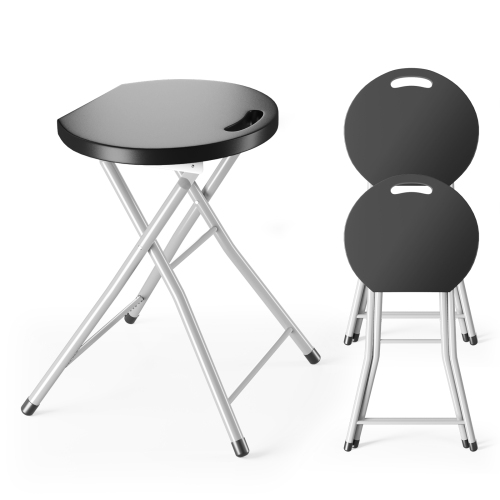
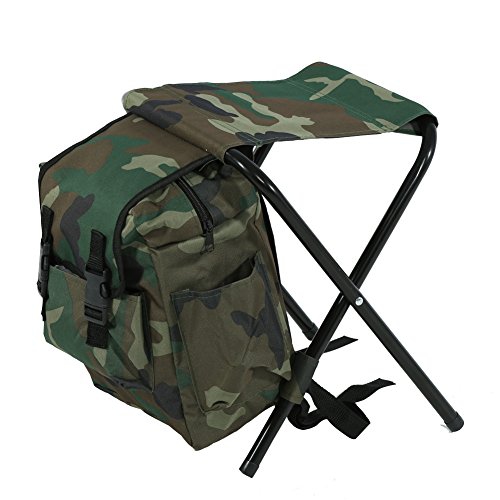
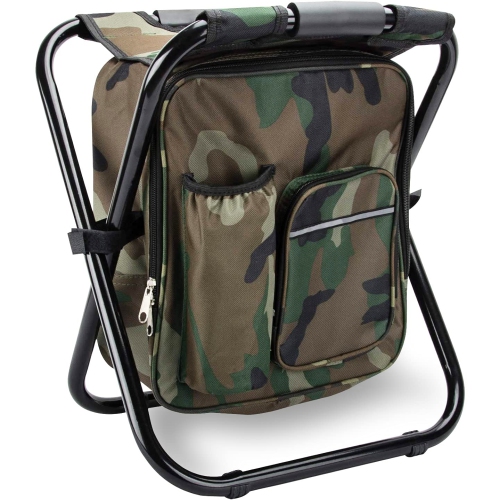
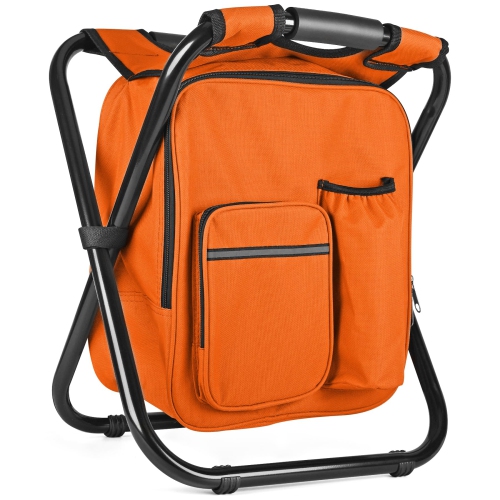
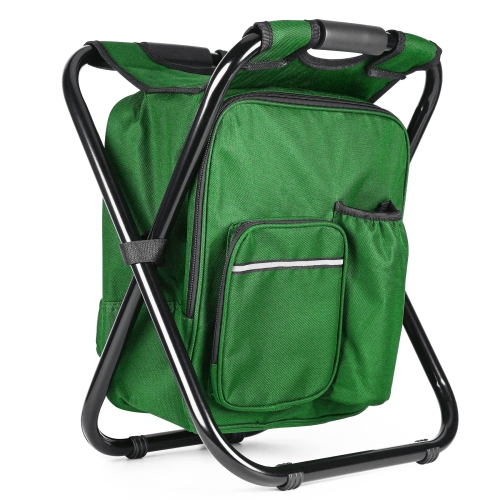
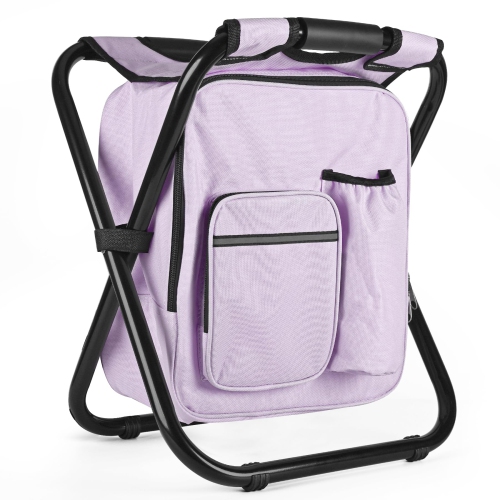
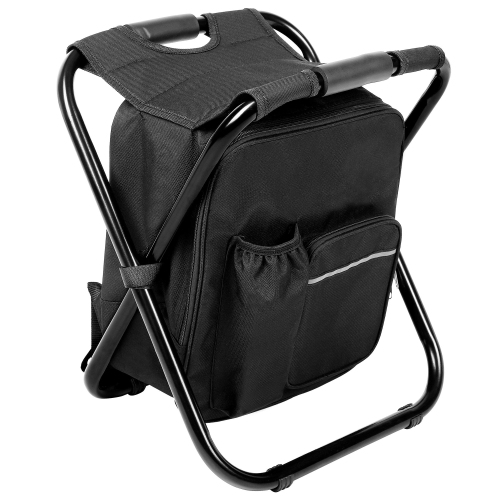
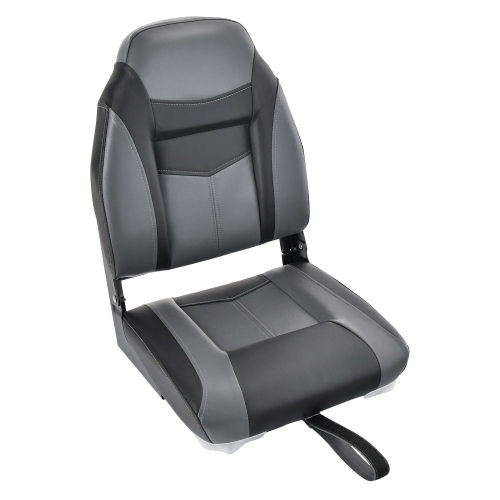
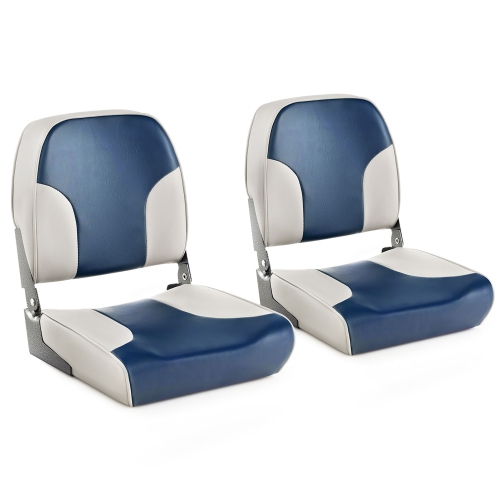
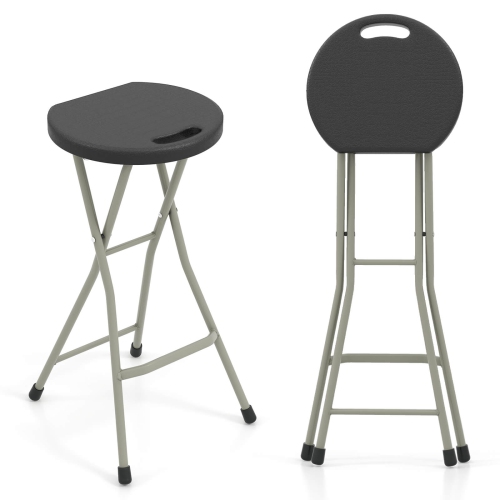
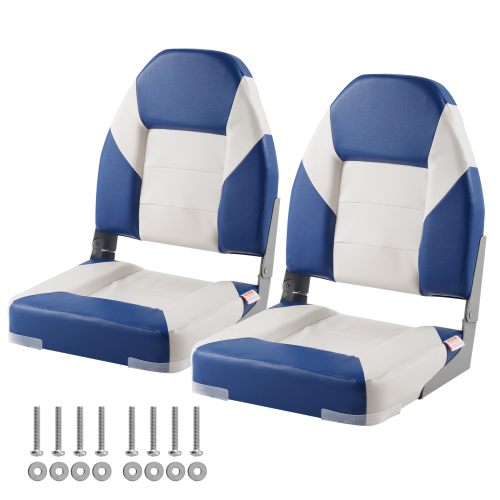
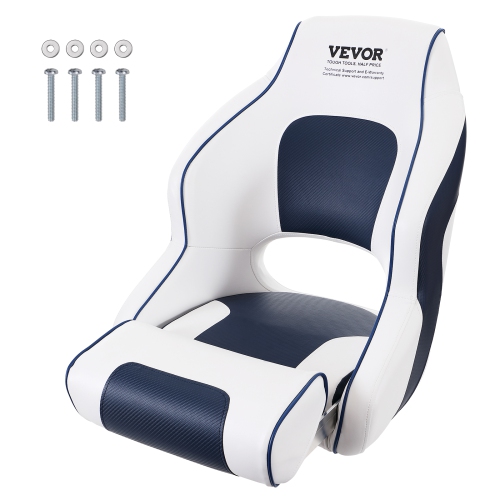
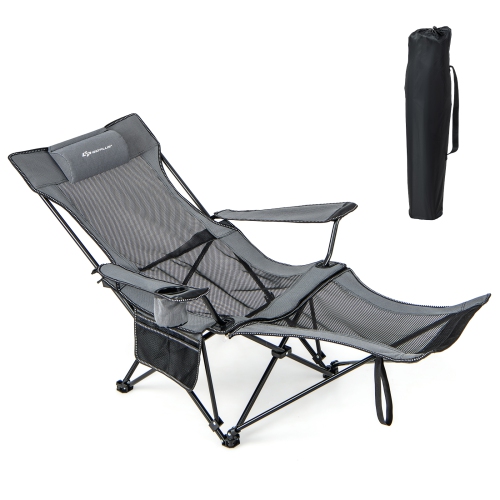
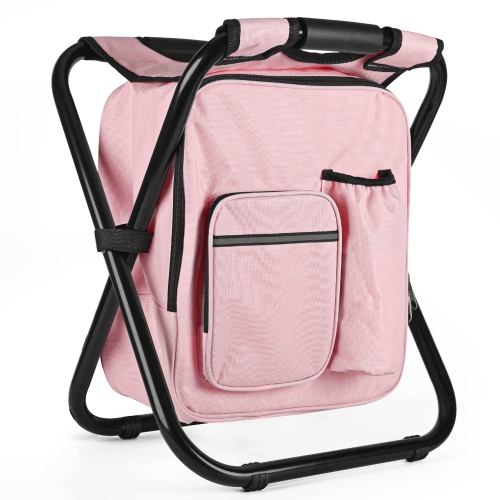
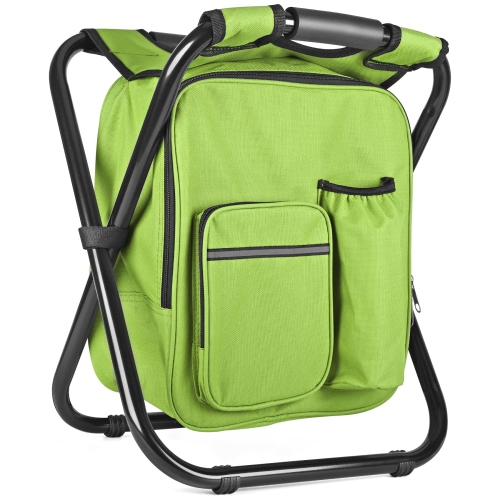
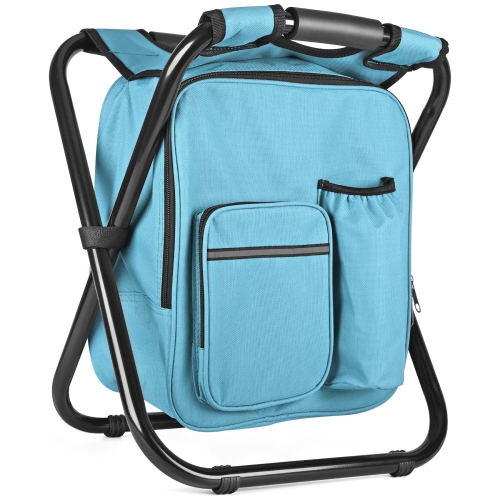
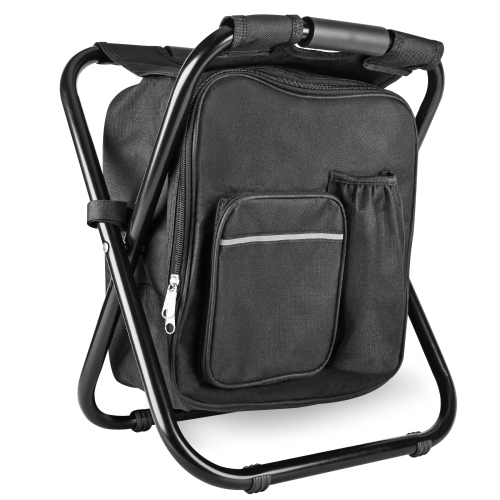
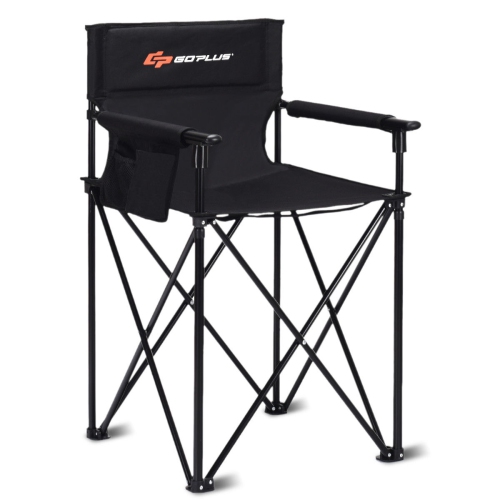
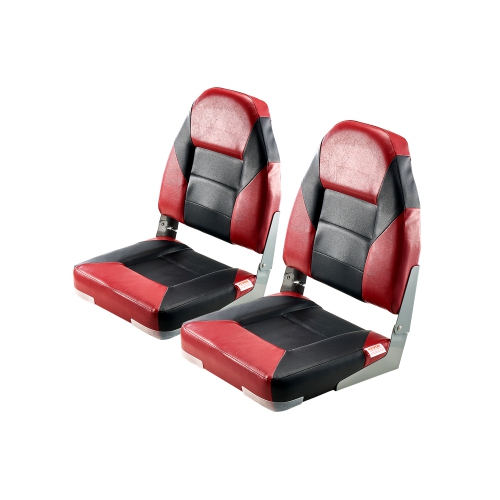
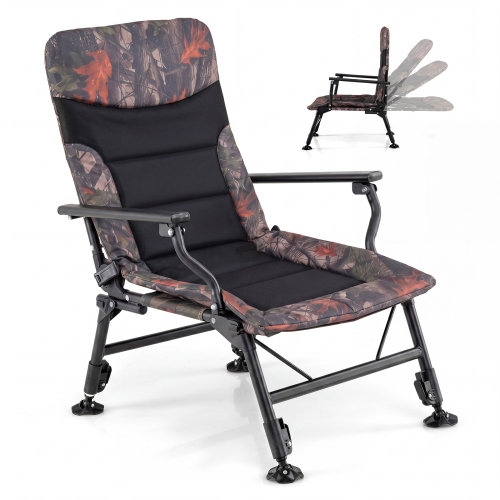
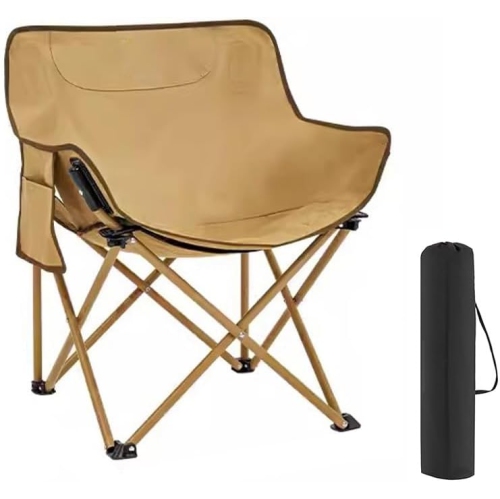
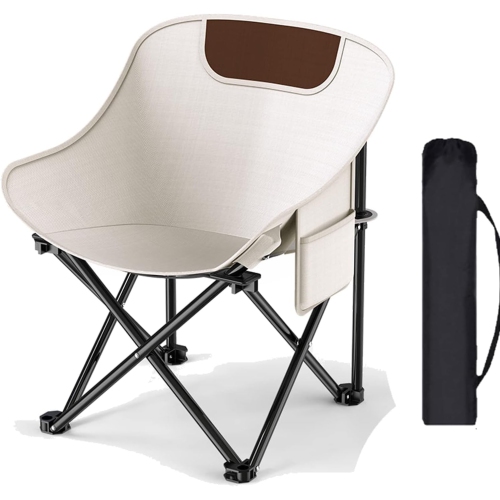
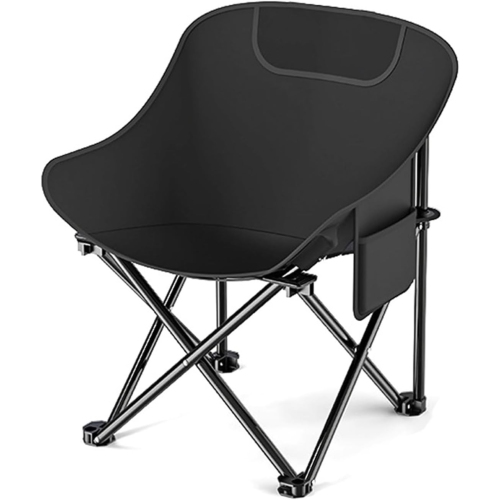
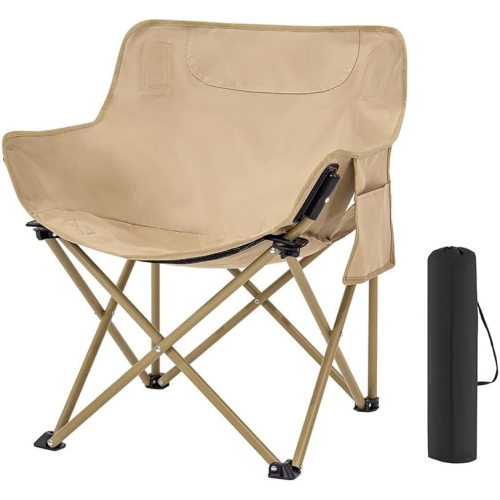
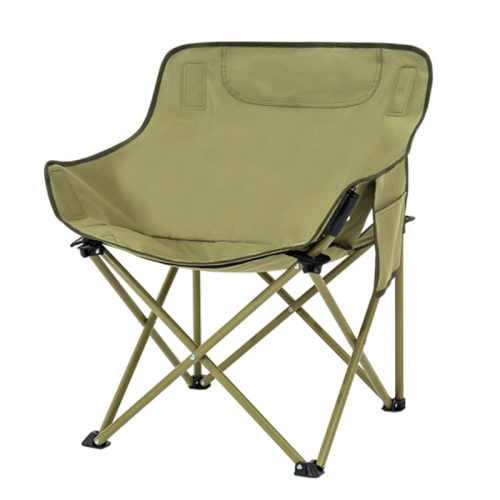
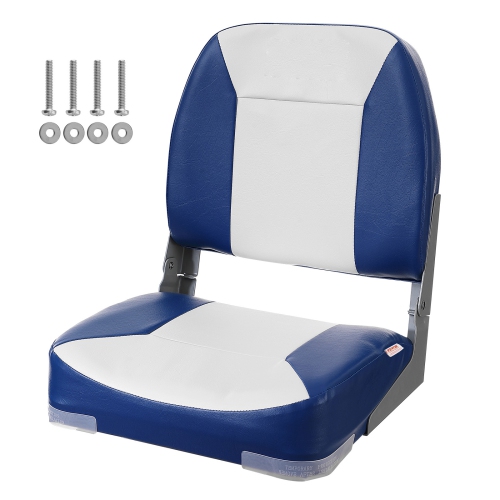
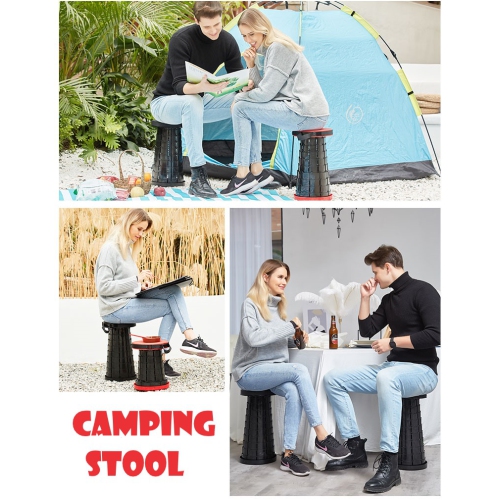
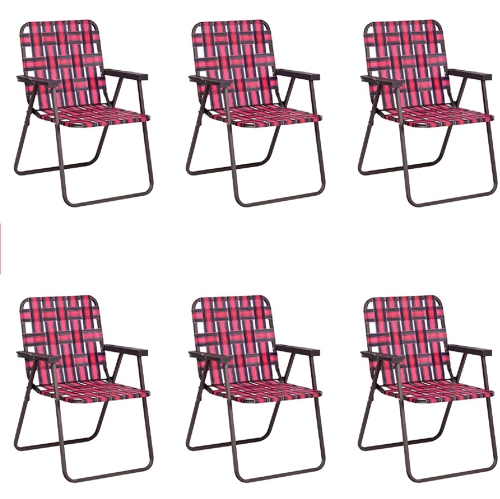
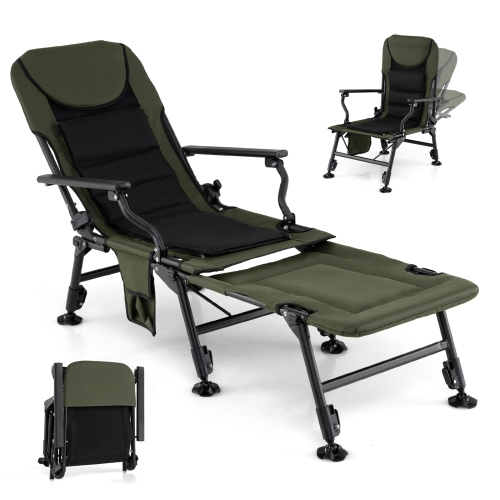

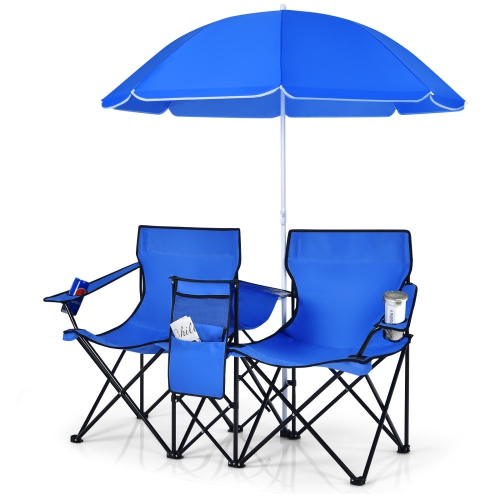
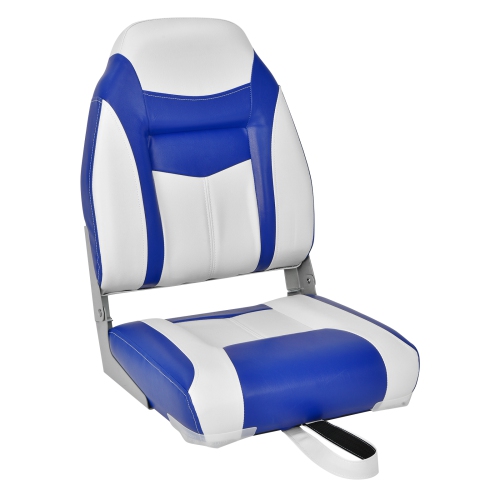
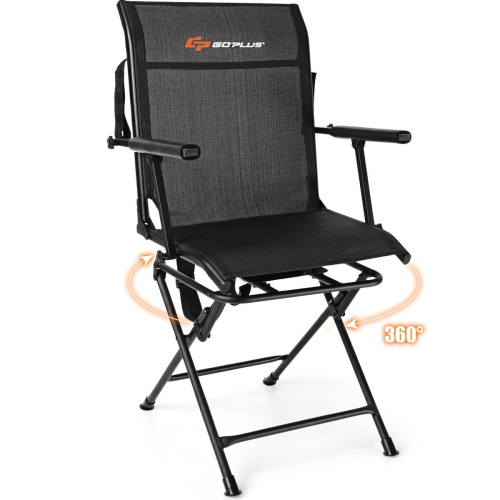
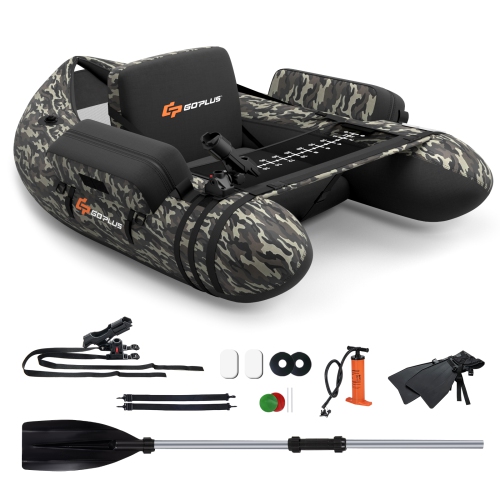
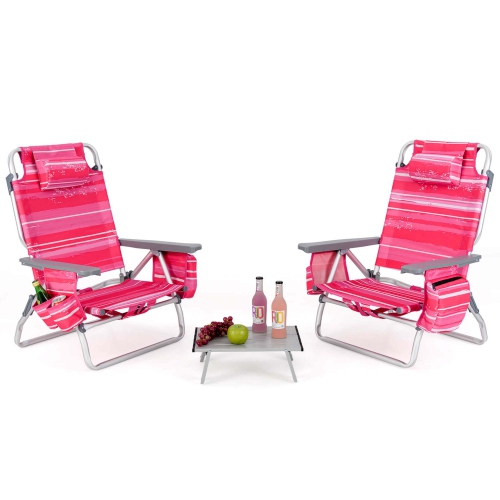
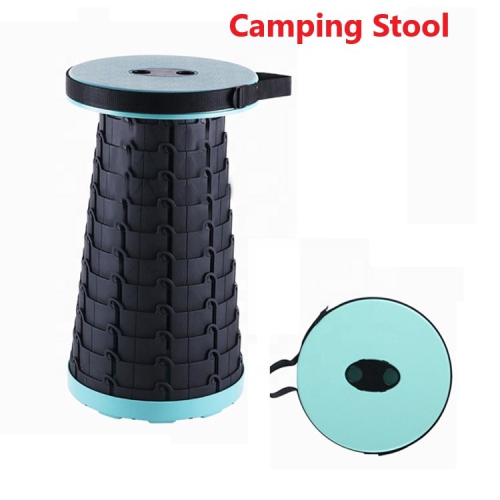
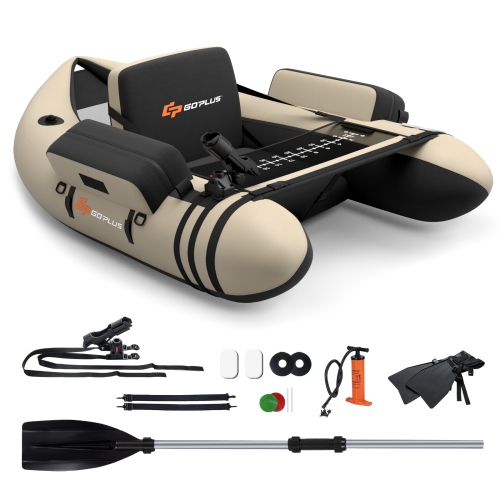
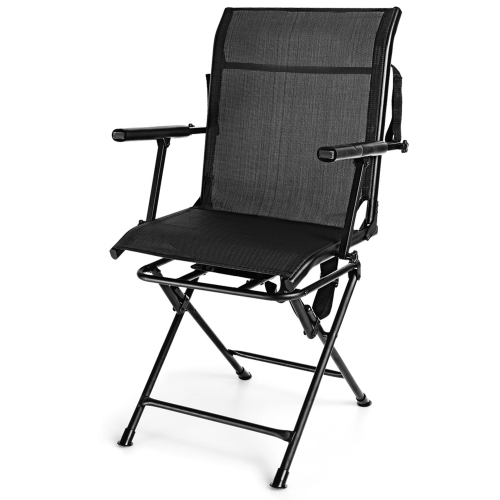
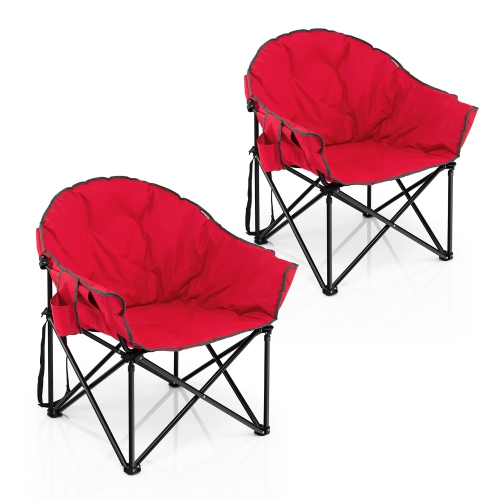
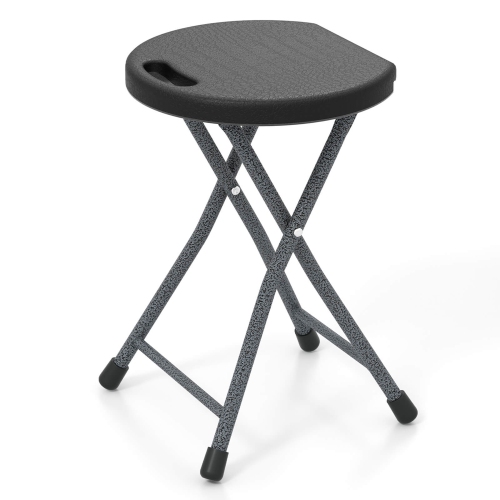
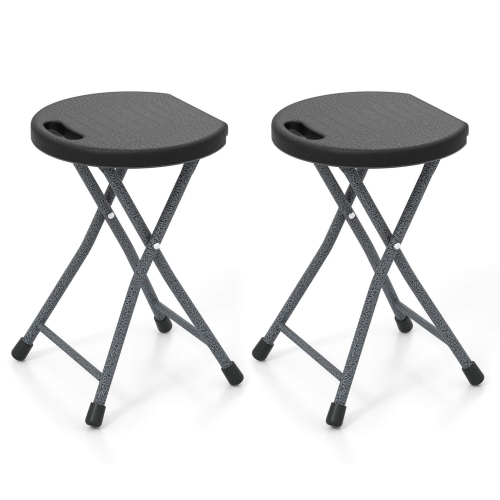
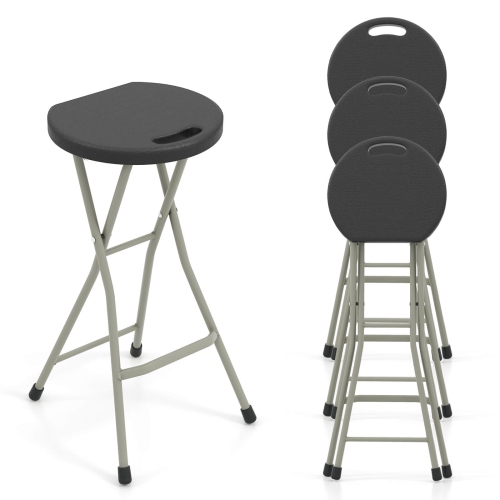
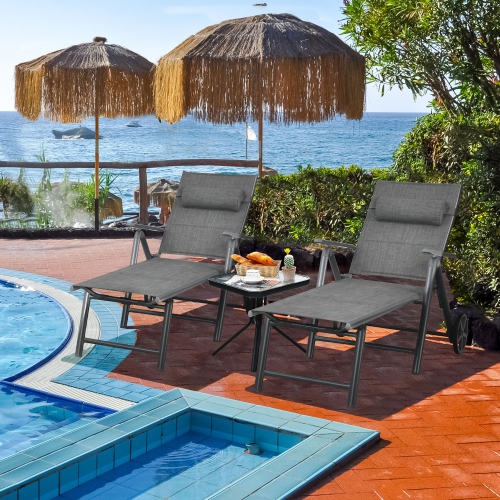
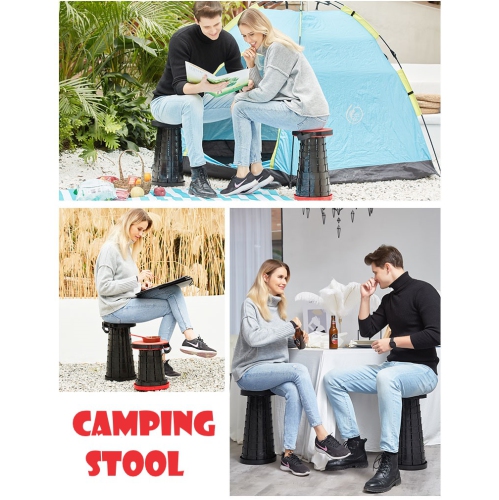
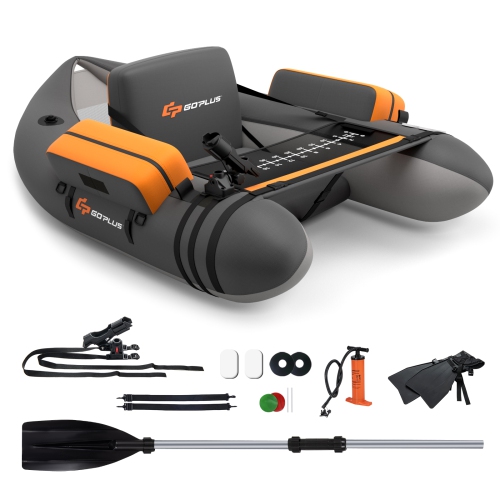
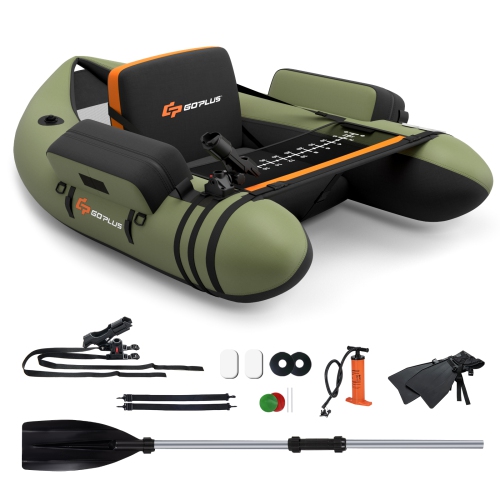
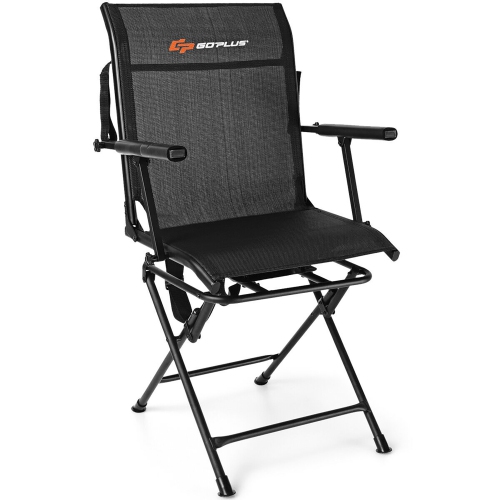
Bankside comfort that puts fishing essentials within reach
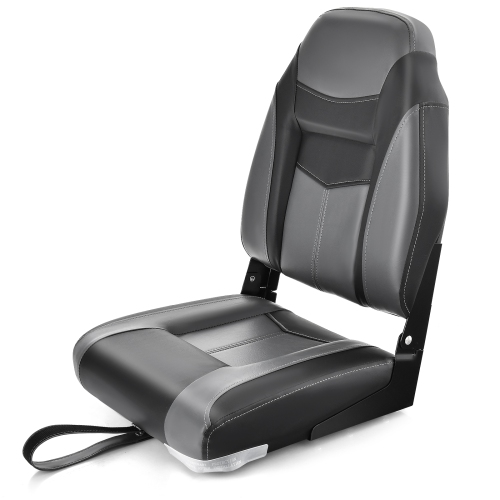
Fishing chairs are portable outdoor seats designed to give anglers a comfortable, supportive place to sit while keeping fishing essentials close at hand. Depending on the design, they may include rod holders, tackle pockets, adjustable legs, reclining backrests, or wide feet that help spread weight across softer ground. Their appeal is straightforward: a good seat makes a long stretch beside the water more comfortable without adding unnecessary effort to the trip. On a quiet shoreline, where a few casts can turn into an afternoon, back support and a practical seating position matter more than they might during a quick stop. Fishing chairs suit occasional anglers, regular shore fishers, and companions who enjoy the view as much as the catch. They can also work well for family outings, giving everyone a place to settle while bait is prepared or lines are checked. The main distinction between a fishing chair and a general outdoor chair is often the combination of support, access to equipment, and features intended for bankside use, rather than any single defining accessory. Some anglers prefer a simple folding seat that leaves both hands free during the walk from the parking area; others want a roomier chair for longer sessions close to the vehicle. For those who want seating that can move between fishing trips, picnics, and evenings at a campsite, Camp Chairs offer another category to compare, particularly when fishing-specific attachments are not essential. The best fit depends on how far the chair needs to travel, the ground it will stand on, and how the person using it likes to sit. A compact footprint may be useful on a narrow dock, while a broader seat can feel less restrictive when wearing several layers. There is no need for every chair to have every feature: a manageable carrying weight and a supportive seat often matter more than a long list of extras.
Comfort begins with the relationship between seat height, seat depth, and back support. A low seat can feel relaxed, but it may be harder to rise from when a fish takes the bait or when knees and hips are stiff. A higher, firmer seat may make standing easier, provided the user can still rest their feet securely on the ground. Deep, sling-style seating suits some people, while others prefer a more upright position that keeps the tackle box within easy reach. Compare the listed seat dimensions as well as the overall measurements; the space between armrests can be just as important as the width of the fabric. A manufacturer's weight capacity is another essential consideration, but it does not describe seat comfort or guarantee stability on an unsuitable surface. Frame construction, hinges, and locking mechanisms all deserve attention. Steel frames can provide sturdy support, though they may add carrying weight, while aluminium frames are often lighter and easier to transport. The complete chair's specifications are more useful than assumptions based on the frame material alone. Feet and leg adjustment matter particularly around the water. Wide feet can reduce sinking into sand or soft soil, but no foot design makes unstable ground safe. Individually adjustable legs, where included, can help level a chair within the limits of its design; they are not a substitute for choosing a firm spot away from a steep or slippery edge. Seat fabric also affects day-to-day use. Tightly woven materials may be easier to brush clean after a muddy outing, mesh panels allow airflow, and padding adds cushioning during longer waits. In cooler weather, a padded back and seat can feel more comfortable than an open mesh design, especially when the breeze comes off the water. Water-resistant fabric may handle light splashes, but it should not be mistaken for fully waterproof construction. Check care instructions and let the chair dry thoroughly before storage to help prevent musty odours and deterioration.
Storage and accessories are most useful when they match the way someone actually fishes. A rod holder can provide a convenient resting place while changing tackle or reaching for a drink, but its position should leave room for comfortable casting and quick access to the rod. Compatibility matters, too: rod handles vary, and a holder should not be assumed to secure every setup or withstand an unattended strike. Side pockets keep small essentials from disappearing into the grass, while a zippered compartment can help contain loose accessories during transport. Hooks and other sharp tackle still belong in suitable closed containers rather than loose fabric pockets. A side table offers space for bait containers or a small tackle box, although it also increases the chair's working footprint. Cup holders and insulated compartments can be handy on longer outings, but convenience features should not crowd the seat or make the folded chair awkward to carry. Picture the walk back after fishing: a rod in one hand, a tackle bag over a shoulder, and damp gear to load into the car. A secure carry strap, a well-fitting bag, and a folding mechanism that is easy to operate can make that routine noticeably simpler. Packed dimensions are worth checking against boot space, storage shelves, and any trolley used to move equipment. Reclining designs may appeal to anglers who spend extended periods beside still water, while upright folding chairs often suit shorter visits and more frequent movement between spots. For a gift, start with the recipient's habits rather than guessing which accessory they would enjoy. Someone who walks a long trail to the shore may value low weight most; someone who fishes near a parked vehicle may appreciate extra padding and a generous seat. Older relatives or anyone with limited mobility may find supportive armrests and an accessible seat height particularly useful, though individual needs differ. After each trip, removing grit from moving parts, wiping down the frame, and checking fasteners helps keep the chair ready for its next outing. Thoughtful details make fishing seating feel less like another piece of gear to carry and more like a dependable part of a comfortable day by the water.
Comfort begins with the relationship between seat height, seat depth, and back support. A low seat can feel relaxed, but it may be harder to rise from when a fish takes the bait or when knees and hips are stiff. A higher, firmer seat may make standing easier, provided the user can still rest their feet securely on the ground. Deep, sling-style seating suits some people, while others prefer a more upright position that keeps the tackle box within easy reach. Compare the listed seat dimensions as well as the overall measurements; the space between armrests can be just as important as the width of the fabric. A manufacturer's weight capacity is another essential consideration, but it does not describe seat comfort or guarantee stability on an unsuitable surface. Frame construction, hinges, and locking mechanisms all deserve attention. Steel frames can provide sturdy support, though they may add carrying weight, while aluminium frames are often lighter and easier to transport. The complete chair's specifications are more useful than assumptions based on the frame material alone. Feet and leg adjustment matter particularly around the water. Wide feet can reduce sinking into sand or soft soil, but no foot design makes unstable ground safe. Individually adjustable legs, where included, can help level a chair within the limits of its design; they are not a substitute for choosing a firm spot away from a steep or slippery edge. Seat fabric also affects day-to-day use. Tightly woven materials may be easier to brush clean after a muddy outing, mesh panels allow airflow, and padding adds cushioning during longer waits. In cooler weather, a padded back and seat can feel more comfortable than an open mesh design, especially when the breeze comes off the water. Water-resistant fabric may handle light splashes, but it should not be mistaken for fully waterproof construction. Check care instructions and let the chair dry thoroughly before storage to help prevent musty odours and deterioration.
Storage and accessories are most useful when they match the way someone actually fishes. A rod holder can provide a convenient resting place while changing tackle or reaching for a drink, but its position should leave room for comfortable casting and quick access to the rod. Compatibility matters, too: rod handles vary, and a holder should not be assumed to secure every setup or withstand an unattended strike. Side pockets keep small essentials from disappearing into the grass, while a zippered compartment can help contain loose accessories during transport. Hooks and other sharp tackle still belong in suitable closed containers rather than loose fabric pockets. A side table offers space for bait containers or a small tackle box, although it also increases the chair's working footprint. Cup holders and insulated compartments can be handy on longer outings, but convenience features should not crowd the seat or make the folded chair awkward to carry. Picture the walk back after fishing: a rod in one hand, a tackle bag over a shoulder, and damp gear to load into the car. A secure carry strap, a well-fitting bag, and a folding mechanism that is easy to operate can make that routine noticeably simpler. Packed dimensions are worth checking against boot space, storage shelves, and any trolley used to move equipment. Reclining designs may appeal to anglers who spend extended periods beside still water, while upright folding chairs often suit shorter visits and more frequent movement between spots. For a gift, start with the recipient's habits rather than guessing which accessory they would enjoy. Someone who walks a long trail to the shore may value low weight most; someone who fishes near a parked vehicle may appreciate extra padding and a generous seat. Older relatives or anyone with limited mobility may find supportive armrests and an accessible seat height particularly useful, though individual needs differ. After each trip, removing grit from moving parts, wiping down the frame, and checking fasteners helps keep the chair ready for its next outing. Thoughtful details make fishing seating feel less like another piece of gear to carry and more like a dependable part of a comfortable day by the water.
Top selling and popular products
-
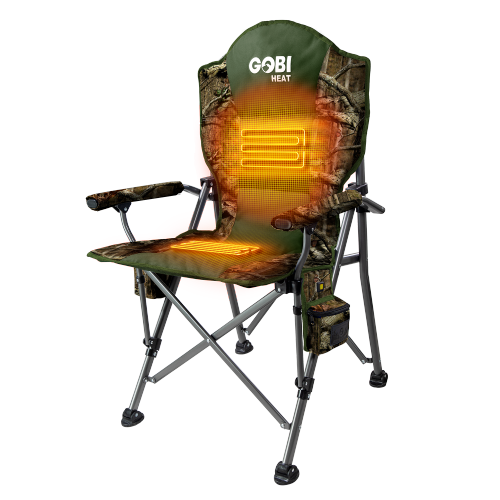 Your price for this item is $250
 -
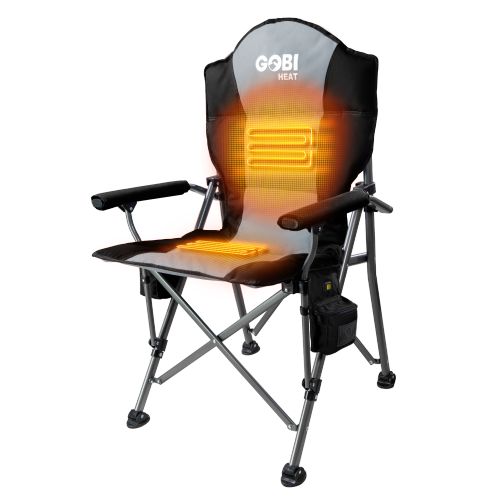 Your price for this item is $250
 -
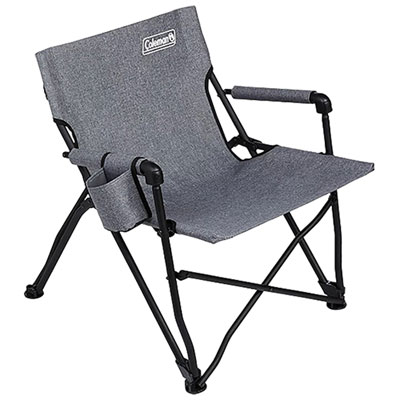 Your price for this item is $78.98
 -
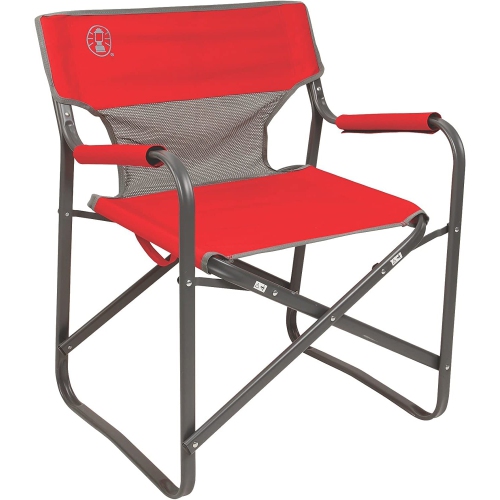 Your price for this item is $79.99
 -
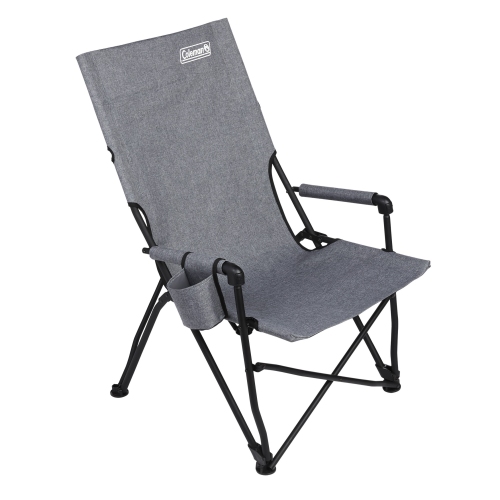 Your price for this item is $133.99
 -
 Your price for this item is $211.08
 -
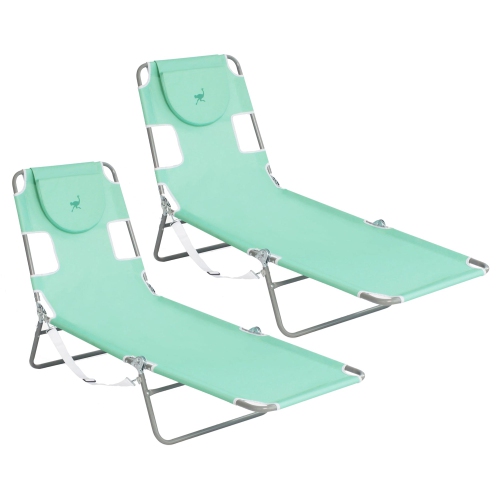 Your price for this item is $311.99
 -
 Your price for this item is $49.99
Discover more categories related to Fishing Chairs
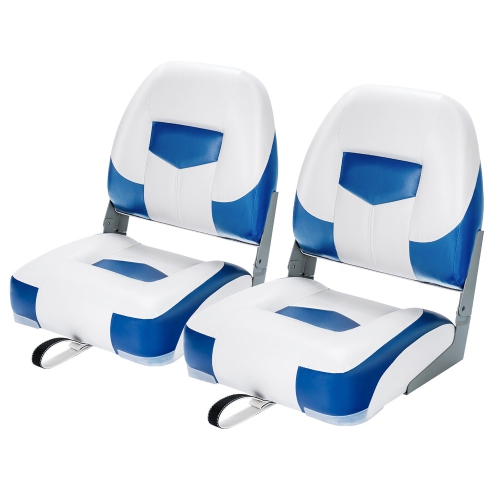
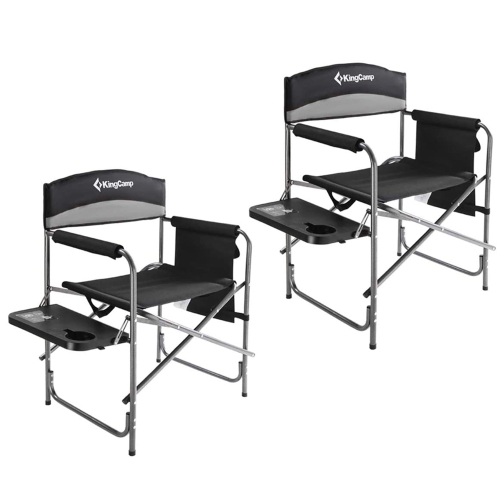
Top Collections:
Pokemon Centers, Kindle Devices, Best Budget Office Chairs, Apple iPhones 16, Best Laptops for Writers, iPhone 15 Apple, Canon G7X Cameras, Refurbished Apple Laptops, Alarm Clock, Motorola Razr Phones
Some products may be subject to Environmental Handling Fees
(EHF) depending on your province.
Learn more about EHFs.