Fuel Level Gauges
Looking to keep an eye on your fuel levels with precision and accuracy? Look no further than our wide selection of Fuel Tank Level Sensors. Whether you're a car enthusiast, a boat owner, or simply want to monitor the fuel levels in your generator or other equipment, we have the perfect gauge for you. Our fuel level gauges come in various styles and designs to suit your needs, ensuring that you can easily track your fuel levels at a glance. With reliable performance and easy installation, these gauges are sure to become an essential part of your monitoring system. Explore our collection of fuel level gauges today and take control of your fuel management with confidence.
Sort
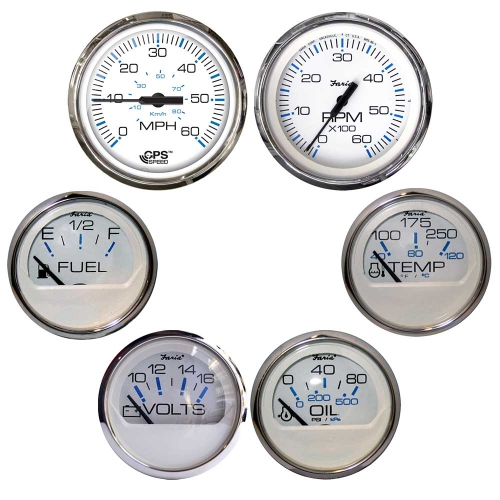
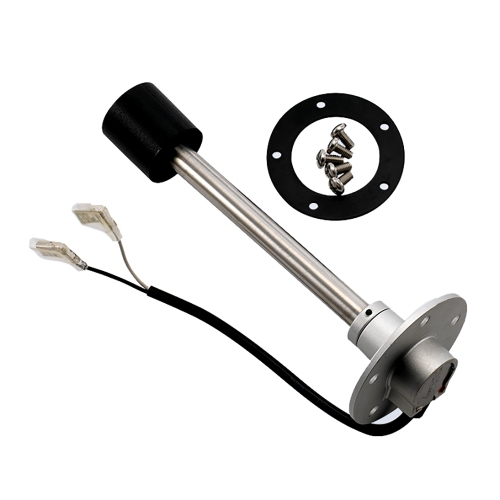
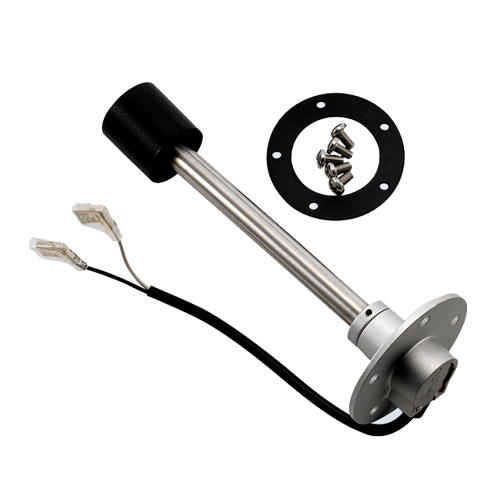
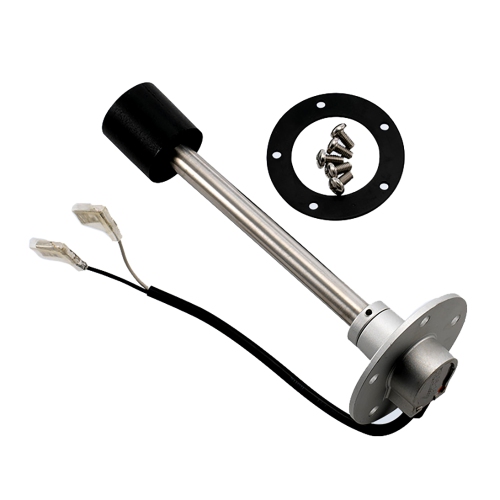
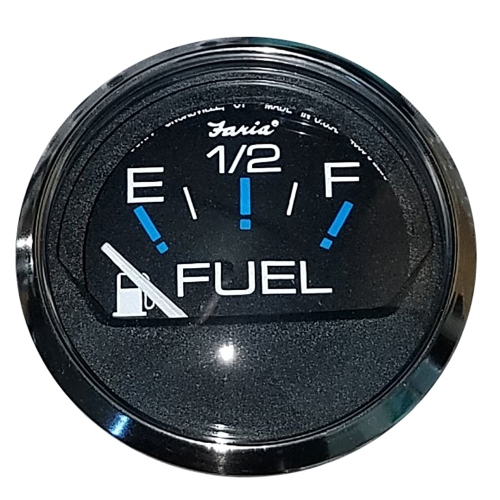
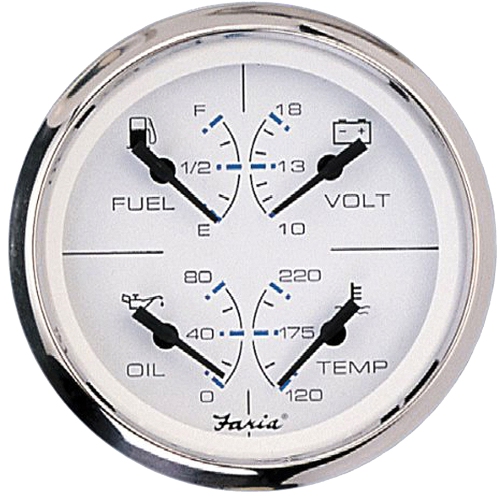
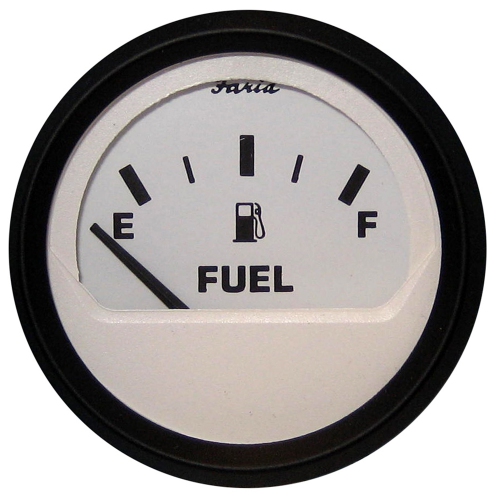
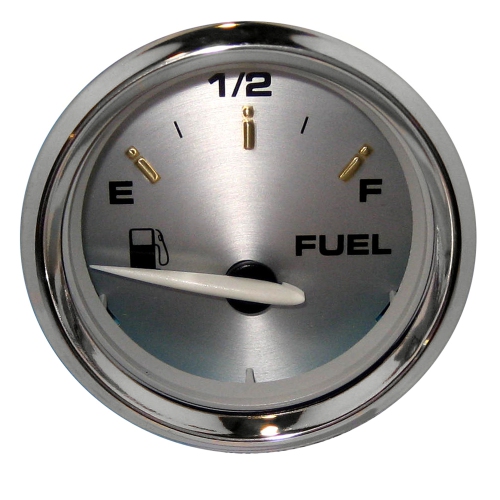
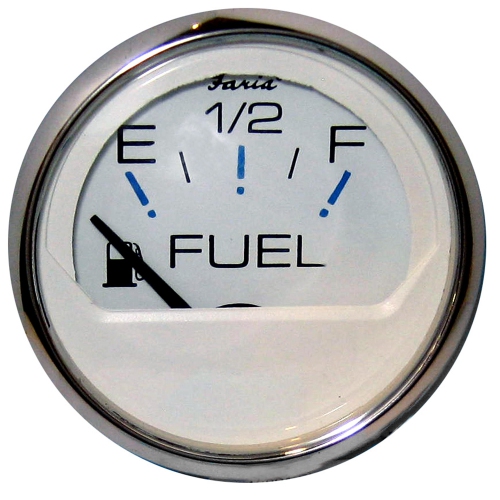
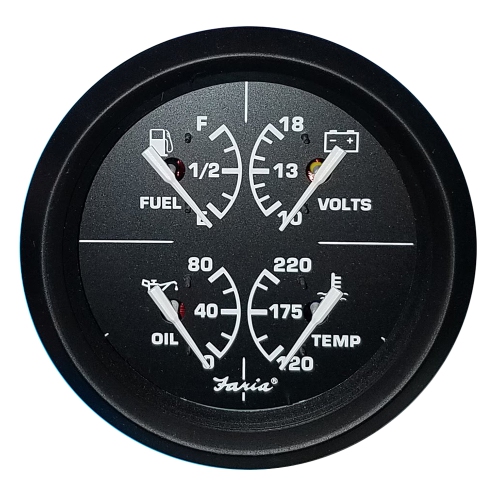
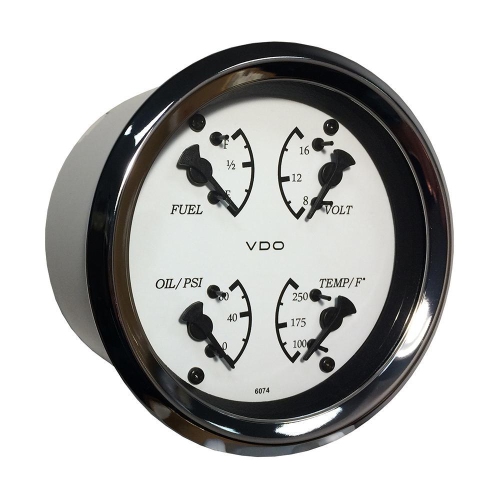
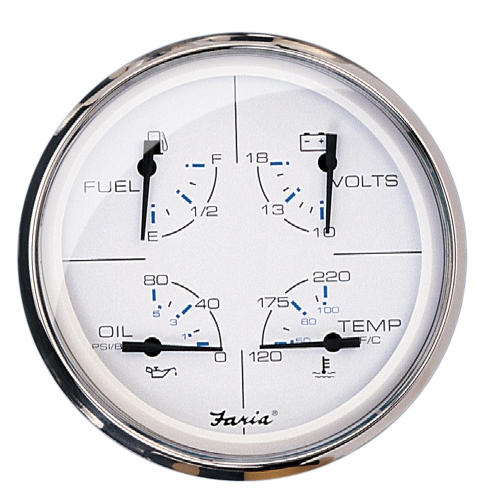
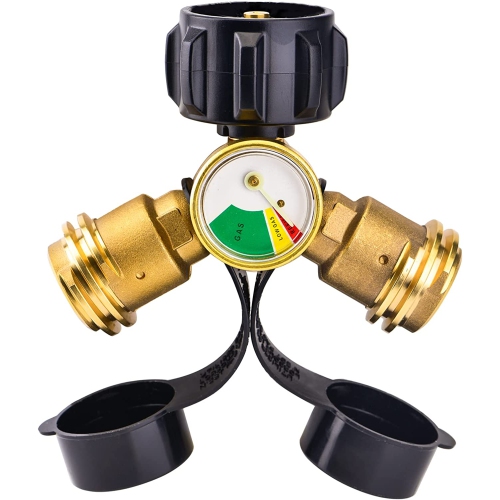
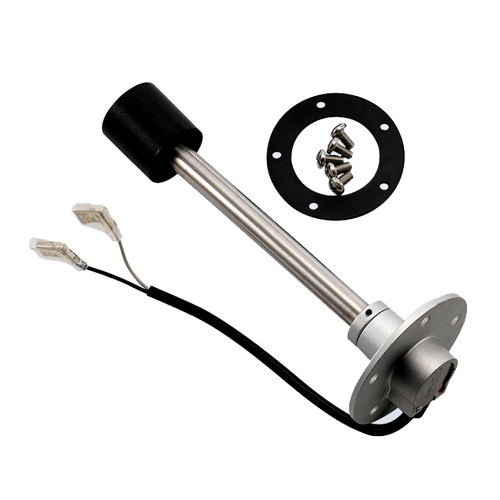
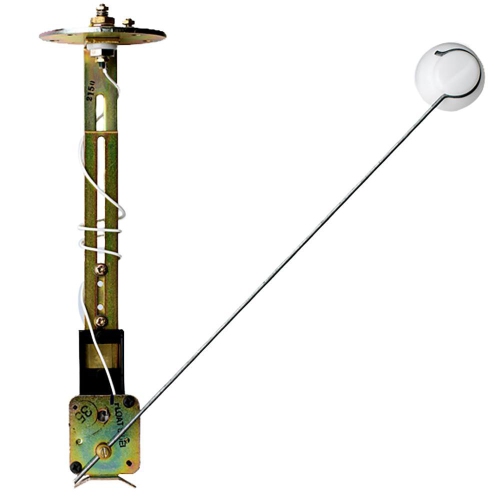
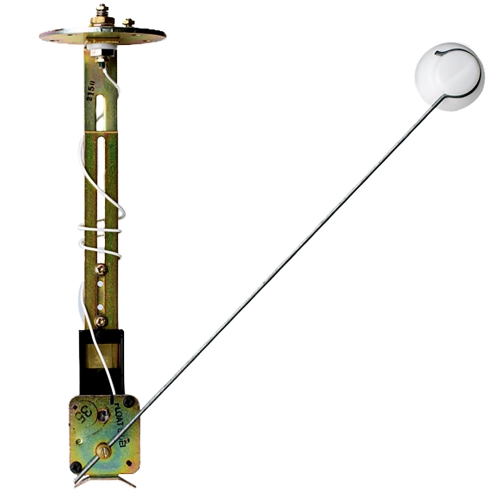
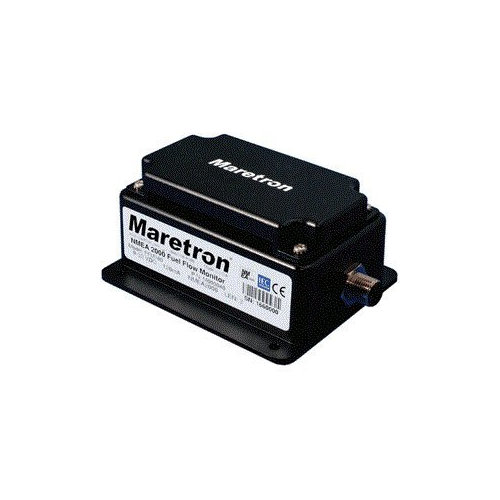
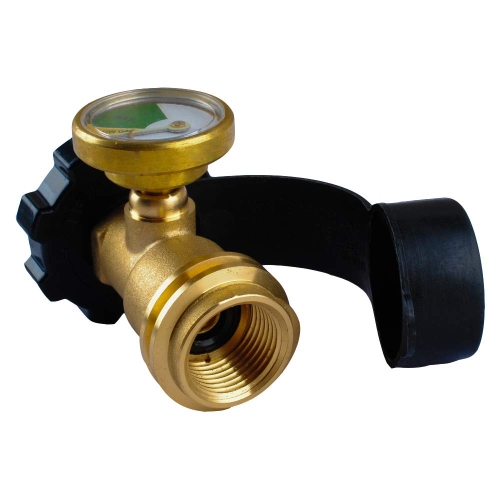
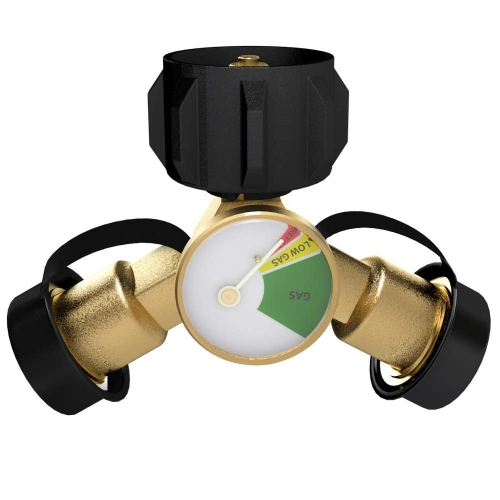
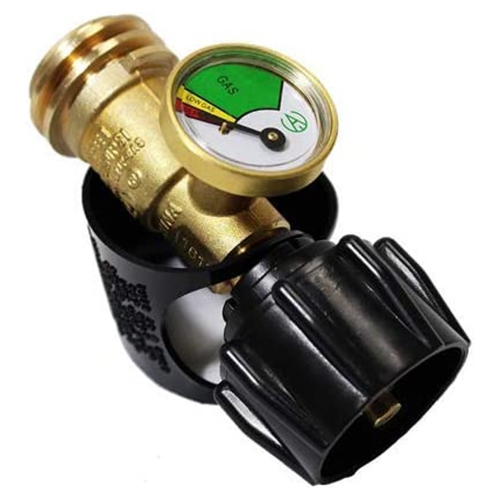
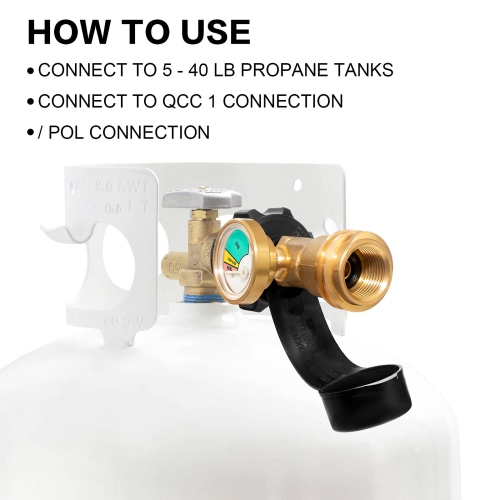
Understand compatibility, installation, and accurate fuel readings at a glance
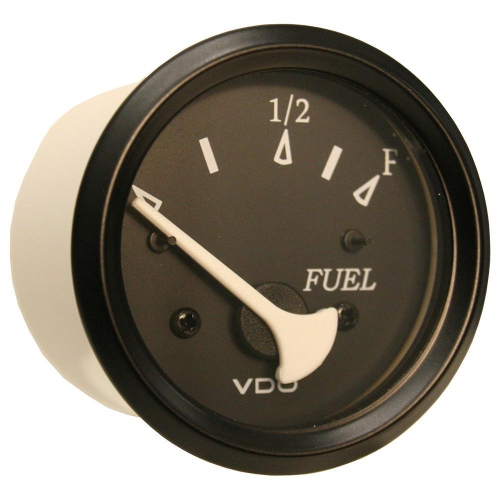
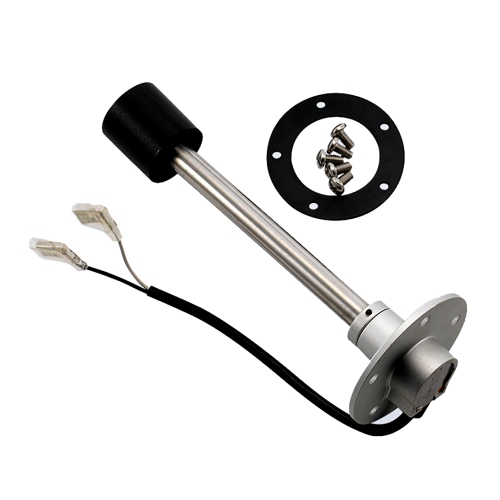
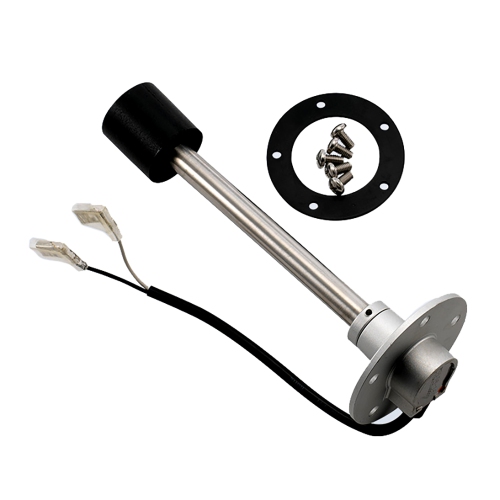
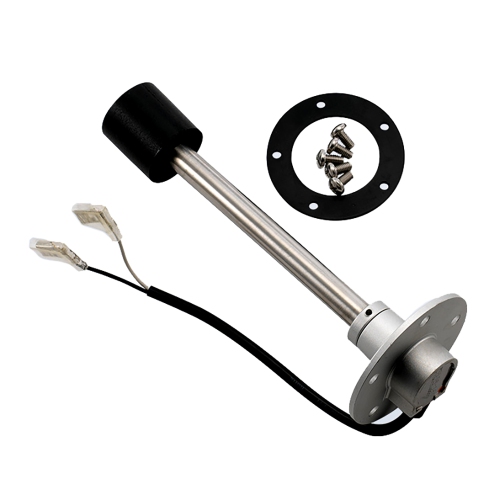
Fuel level gauges provide a clear way to monitor how much fuel remains in a tank, helping drivers, boat owners, recreational vehicle users, equipment operators, and do-it-yourself builders plan refuelling before the tank reaches empty. Most conventional electrical systems use two connected parts: a sender installed in or near the tank and a display gauge mounted where it can be seen. Inside the tank, a float rests on the surface of the fuel. As the fuel level rises or falls, the float moves an arm that changes the sender’s electrical resistance. The gauge reads that signal and moves a needle or display towards “F” for full or “E” for empty. This simple arrangement is found in many automotive and marine applications, as well as custom vehicles, generators, utility equipment, and other fuel-powered systems. When comparing options, it helps to identify the type of tank, the fuel being measured, the available mounting space, and whether the gauge is intended for a new installation or a replacement. The sender and gauge must be compatible with one another, particularly when it comes to the resistance range. Common electrical ranges include 240–33 ohms and 0–90 ohms, although other standards are available. A gauge with the wrong range can give inaccurate readings even when the wiring appears correct, so checking the specifications of the existing sender or vehicle system is an important first step. A properly matched setup offers a more useful reading at a glance, whether the tank is tucked beneath a vehicle floor, fitted inside a boat, or installed in equipment where access is limited.
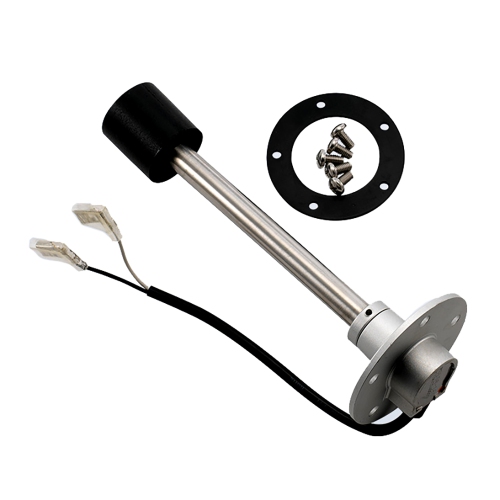
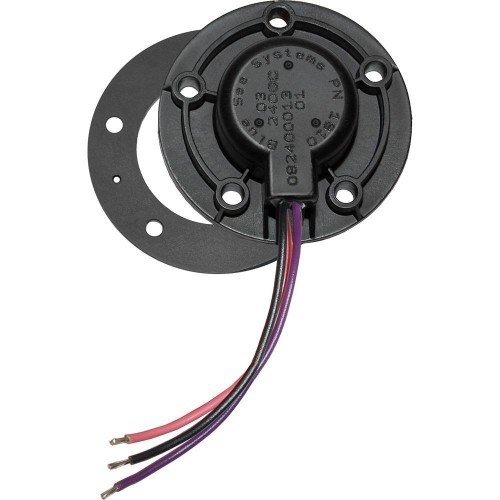
Fuel level gauges are available in different styles to suit both practical replacements and custom projects. Electrical gauges are widely used because they can be positioned on a dashboard or control panel and connected to a remote sender. Some are designed as direct replacements, while others are universal or programmable and may offer flexibility for custom builds. A programmable design can be useful when the tank shape or sender specifications do not follow a common format, but it still requires careful attention to compatibility, calibration, wiring, and installation requirements. The size and appearance of the display also matter. A compact gauge can fit neatly into a crowded instrument panel, while a larger, high-contrast face may be easier to read in bright daylight or when operating equipment with gloves. Backlighting can improve visibility during evening drives, overnight trips, or work around a dimly lit control area. Mechanical gauges use a physical connection or gear mechanism rather than relying on an electrical signal. They may be suitable for certain small engines, fuel containers, or heating oil tanks, depending on the installation and the manufacturer’s specifications. When shopping, consider the gauge’s measurement range, face markings, mounting diameter, bezel style, terminal layout, wire requirements, and resistance compatibility. It is also worth checking whether the product includes a sender, gasket, hardware, or wiring, since some gauges are sold as display units while others are intended to form part of a complete system. For shoppers looking for the sensing component itself, Fuel Tank Level Sensors can help narrow the search to products designed to detect fuel height inside a tank. Reading the installation information before purchase can prevent common problems such as selecting a sender that is too long for the tank, choosing a gauge with an unsuitable resistance range, or overlooking the depth and shape of the mounting opening.
These products can be useful for anyone who relies on an accurate indication of remaining fuel rather than estimating from distance travelled or engine run time. A commuter may appreciate a dependable replacement gauge that makes daily driving less stressful, while an RV owner or boat operator can use one to keep track of fuel during longer outings and reduce the chance of an inconvenient stop. They can also support people working with tractors, lawn equipment, portable generators, utility vehicles, and custom automotive projects. A fuel level gauge may be a thoughtful gift for a hands-on hobbyist who enjoys restoring a classic vehicle, refining a workshop project, or building a custom dashboard, provided the recipient’s tank and sender specifications are known. For a practical replacement, matching the original gauge’s dimensions and electrical range is usually more important than choosing the most elaborate display. For a new build, there is more freedom to consider styling, visibility, illumination, and how the gauge will sit alongside other instruments. Seasonal changes can also make fuel monitoring more noticeable: as the weather warms, road trips, boating, and outdoor equipment use may increase, while during the cooler months, generators, vehicles, and heating systems may be relied on more often. In every case, a gauge should be treated as an indication rather than a substitute for safe operating practices. Fuel levels can change with vehicle angle, tank shape, float movement, and the amount of reserve below the marked “E,” so installation quality and calibration affect how useful the reading will be. Reviewing the product specifications, confirming sender compatibility, and following the vehicle or equipment manufacturer’s installation guidance can help create a dependable fuel-monitoring setup that is easy to read and suited to the way the equipment is used.
Fuel level gauges are available in different styles to suit both practical replacements and custom projects. Electrical gauges are widely used because they can be positioned on a dashboard or control panel and connected to a remote sender. Some are designed as direct replacements, while others are universal or programmable and may offer flexibility for custom builds. A programmable design can be useful when the tank shape or sender specifications do not follow a common format, but it still requires careful attention to compatibility, calibration, wiring, and installation requirements. The size and appearance of the display also matter. A compact gauge can fit neatly into a crowded instrument panel, while a larger, high-contrast face may be easier to read in bright daylight or when operating equipment with gloves. Backlighting can improve visibility during evening drives, overnight trips, or work around a dimly lit control area. Mechanical gauges use a physical connection or gear mechanism rather than relying on an electrical signal. They may be suitable for certain small engines, fuel containers, or heating oil tanks, depending on the installation and the manufacturer’s specifications. When shopping, consider the gauge’s measurement range, face markings, mounting diameter, bezel style, terminal layout, wire requirements, and resistance compatibility. It is also worth checking whether the product includes a sender, gasket, hardware, or wiring, since some gauges are sold as display units while others are intended to form part of a complete system. For shoppers looking for the sensing component itself, Fuel Tank Level Sensors can help narrow the search to products designed to detect fuel height inside a tank. Reading the installation information before purchase can prevent common problems such as selecting a sender that is too long for the tank, choosing a gauge with an unsuitable resistance range, or overlooking the depth and shape of the mounting opening.
These products can be useful for anyone who relies on an accurate indication of remaining fuel rather than estimating from distance travelled or engine run time. A commuter may appreciate a dependable replacement gauge that makes daily driving less stressful, while an RV owner or boat operator can use one to keep track of fuel during longer outings and reduce the chance of an inconvenient stop. They can also support people working with tractors, lawn equipment, portable generators, utility vehicles, and custom automotive projects. A fuel level gauge may be a thoughtful gift for a hands-on hobbyist who enjoys restoring a classic vehicle, refining a workshop project, or building a custom dashboard, provided the recipient’s tank and sender specifications are known. For a practical replacement, matching the original gauge’s dimensions and electrical range is usually more important than choosing the most elaborate display. For a new build, there is more freedom to consider styling, visibility, illumination, and how the gauge will sit alongside other instruments. Seasonal changes can also make fuel monitoring more noticeable: as the weather warms, road trips, boating, and outdoor equipment use may increase, while during the cooler months, generators, vehicles, and heating systems may be relied on more often. In every case, a gauge should be treated as an indication rather than a substitute for safe operating practices. Fuel levels can change with vehicle angle, tank shape, float movement, and the amount of reserve below the marked “E,” so installation quality and calibration affect how useful the reading will be. Reviewing the product specifications, confirming sender compatibility, and following the vehicle or equipment manufacturer’s installation guidance can help create a dependable fuel-monitoring setup that is easy to read and suited to the way the equipment is used.
Top selling and popular products
-
 Your price for this item is $30.59
 -
 Your price for this item is $30.54
 -
 Your price for this item is $38.85
 -
 Your price for this item is $92.99
 -
 Your price for this item is $844.91
 -
 Your price for this item is $909.33
 -
 Your price for this item is $30.62
 -
 Your price for this item is $34.93
Discover more categories related to Fuel Level Gauges
Top Collections:
Pokemon Centers, Kindle Devices, Best Budget Office Chairs, Apple iPhones 16, Best Laptops for Writers, iPhone 15 Apple, Canon G7X Cameras, Refurbished Apple Laptops, Alarm Clock, Motorola Razr Phones
Some products may be subject to Environmental Handling Fees
(EHF) depending on your province.
Learn more about EHFs.