Temperature Gauges
Whether you're a cooking enthusiast, a DIY home repair wizard, or simply someone who likes to stay on top of the weather, having a reliable temperature gauge is essential. Temperature gauges come in various styles and designs to suit different needs, from digital thermometers for precise cooking temperatures to outdoor thermometers for monitoring the weather conditions. Explore our selection of temperature gauges to find the perfect one for your needs and never be caught off guard by temperature changes again.
Sort

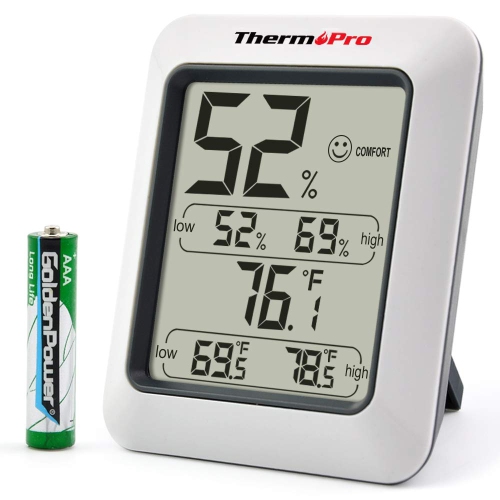

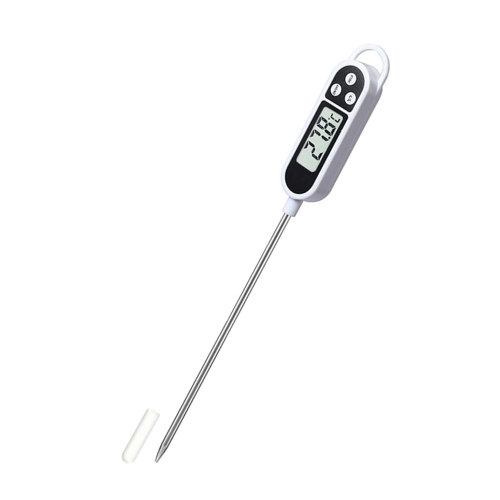


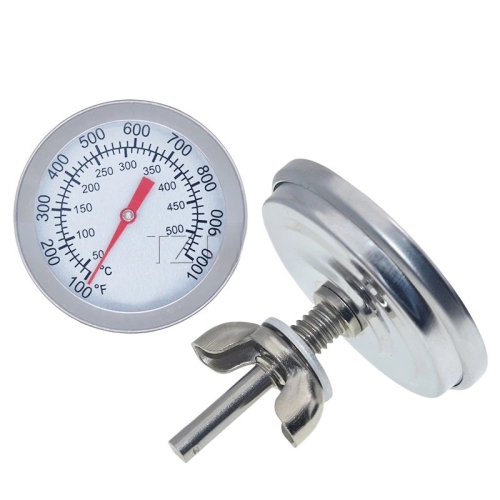

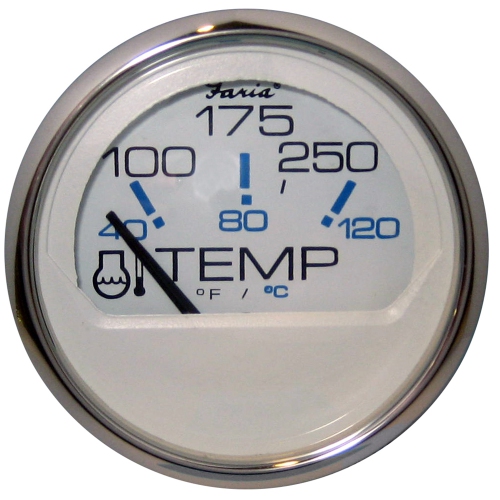
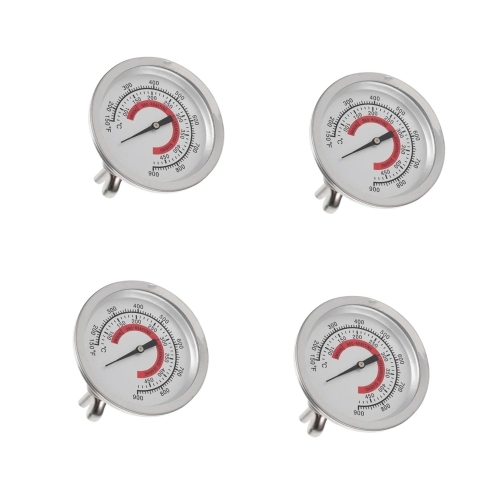
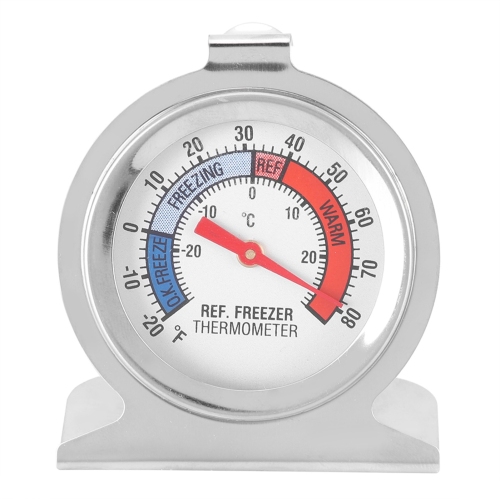
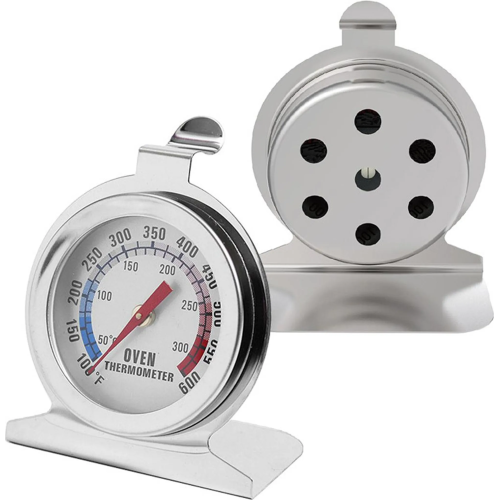
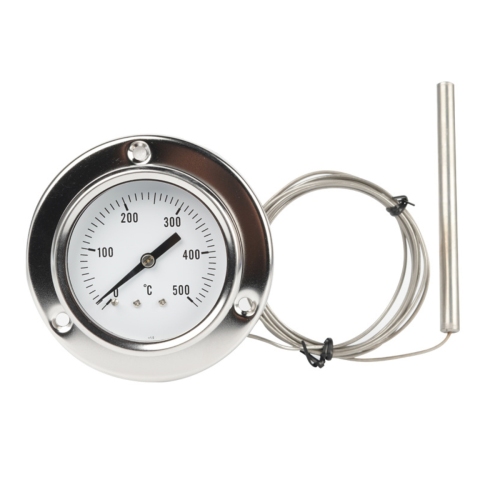
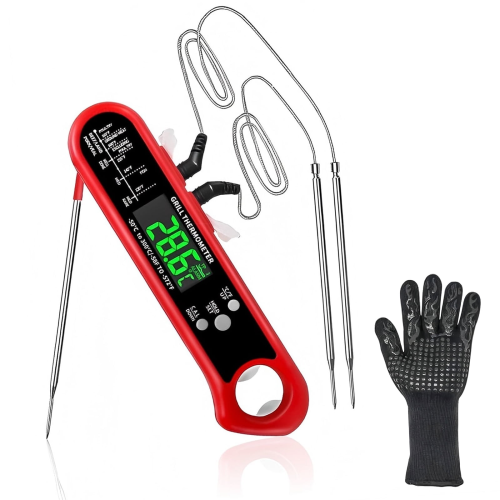

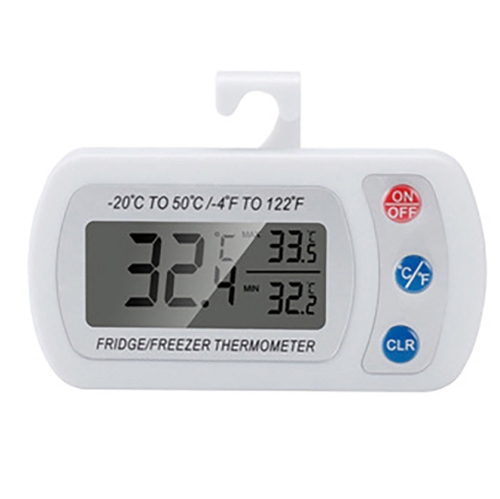
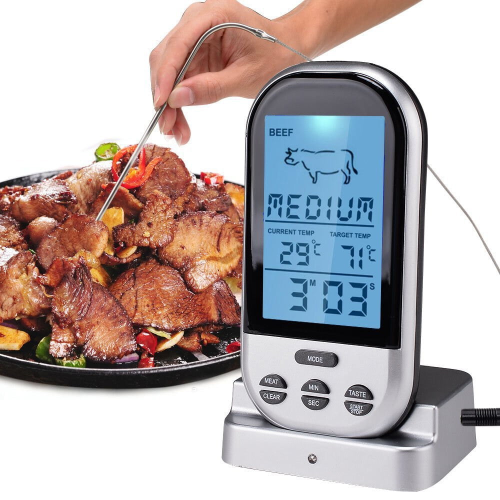

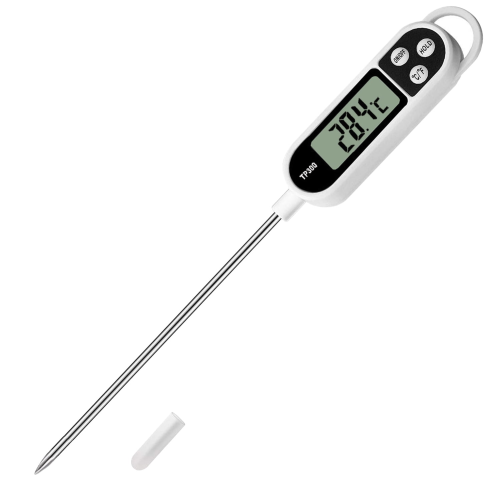

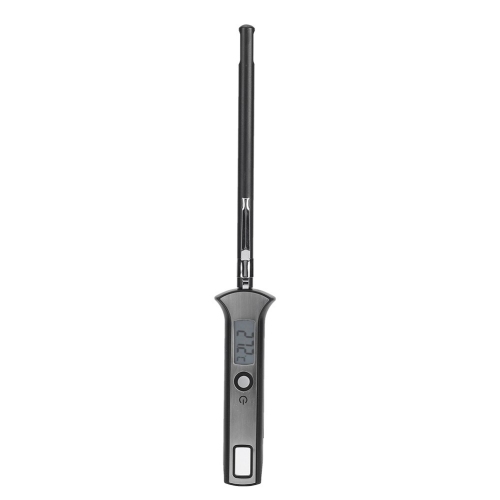

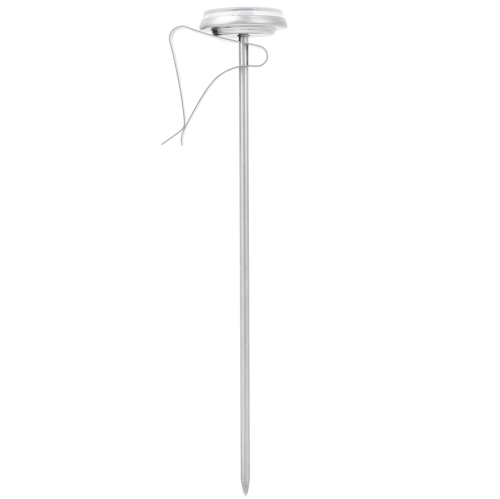


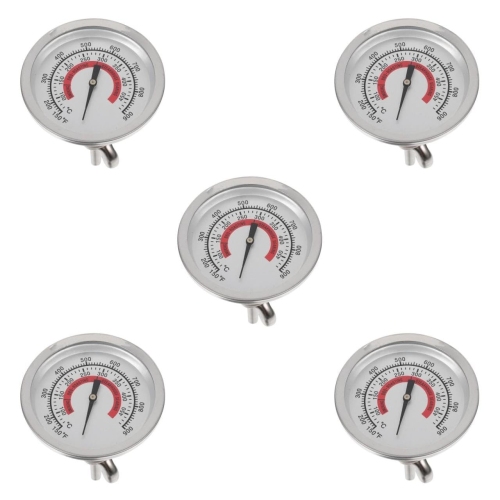

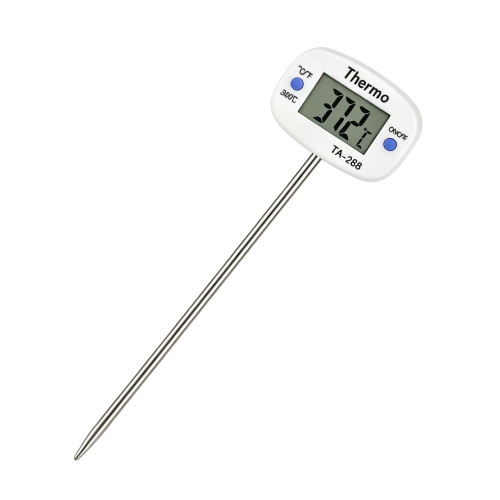
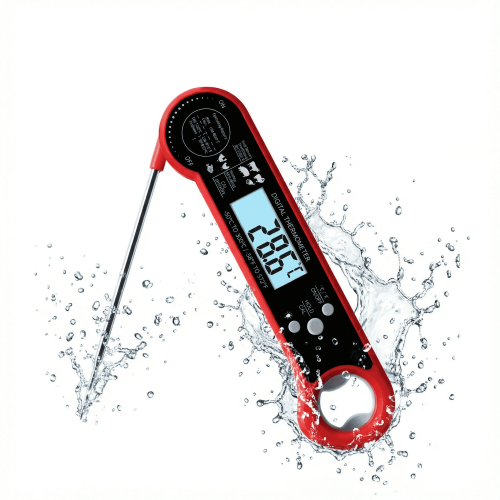

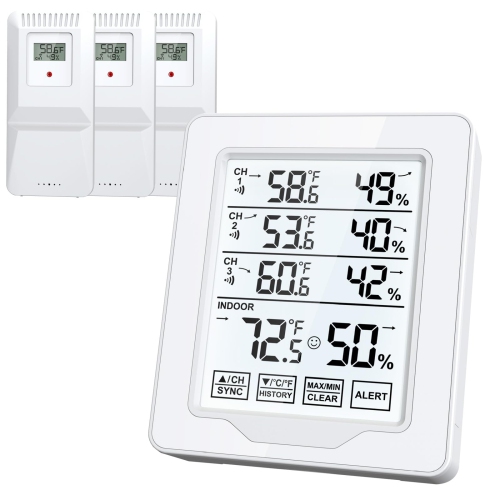


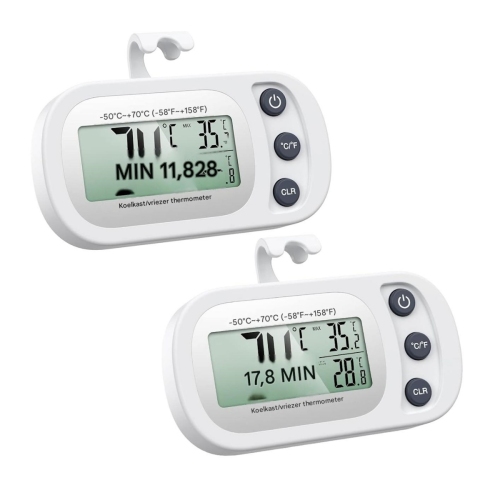

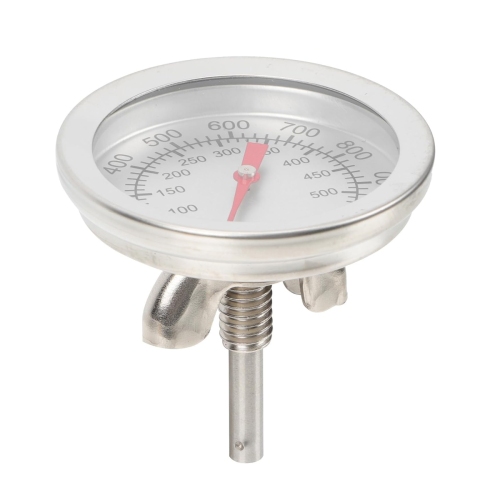


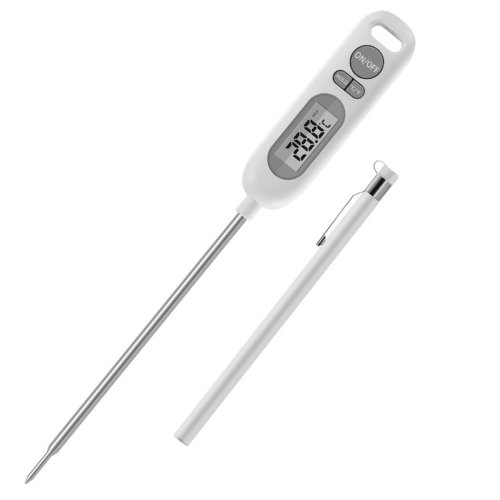
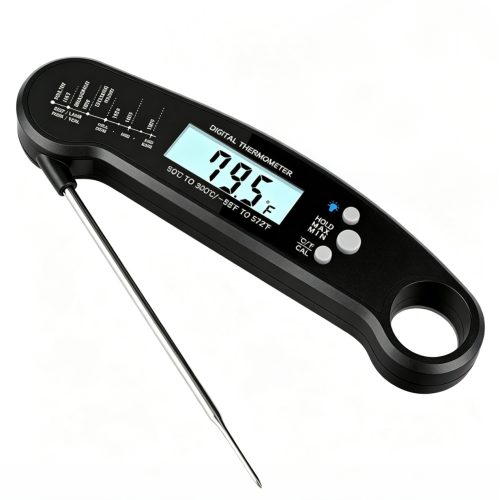

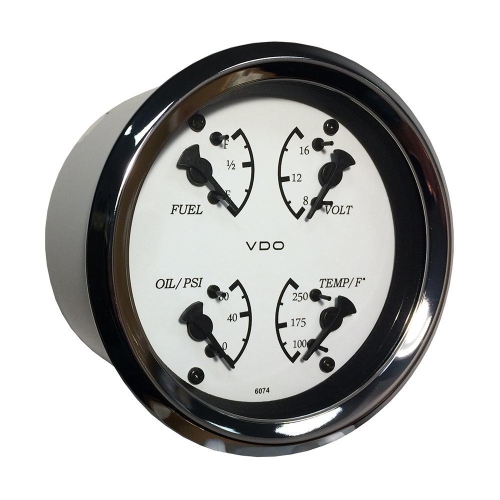

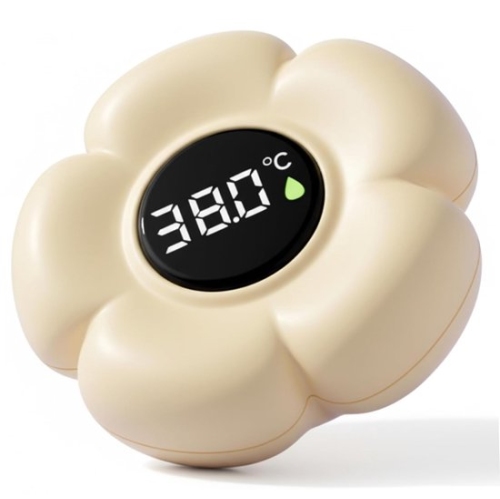
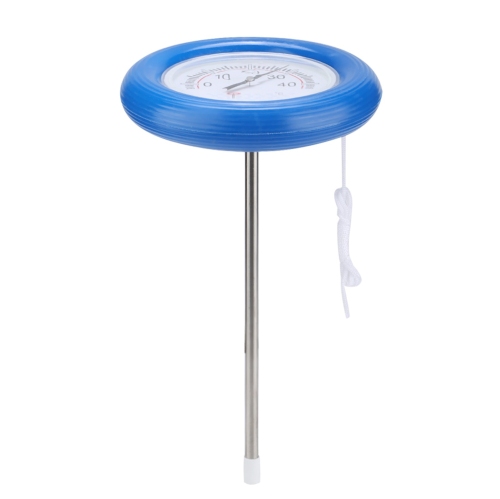

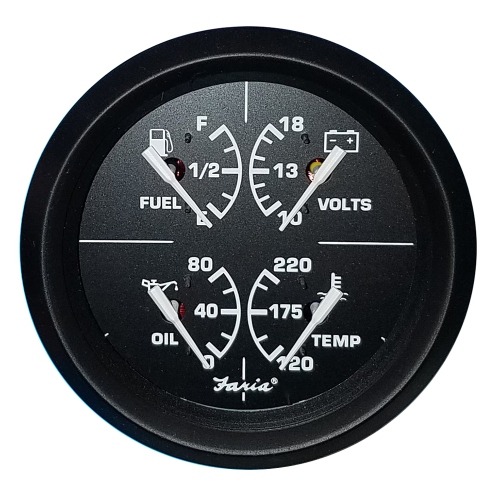
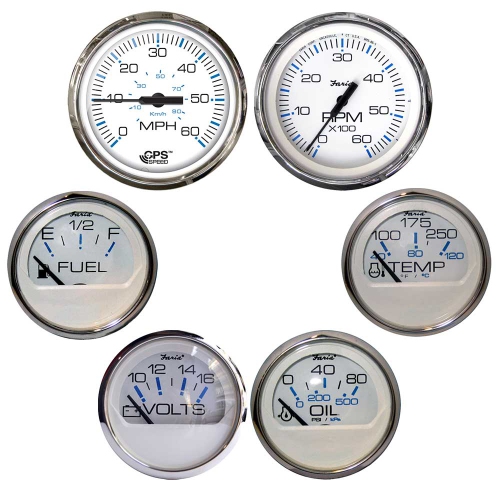
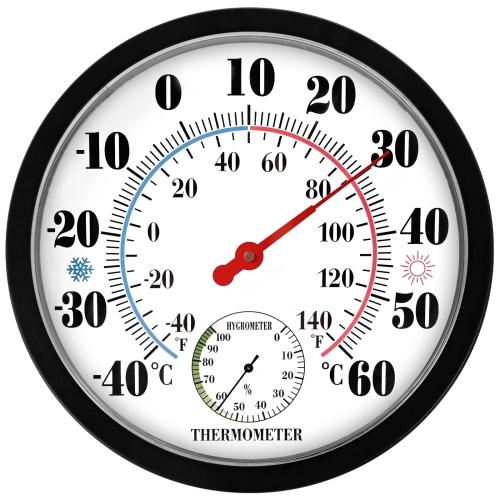
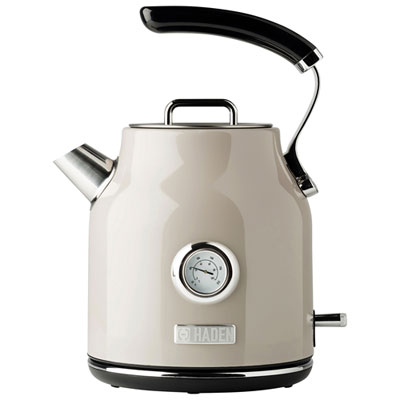


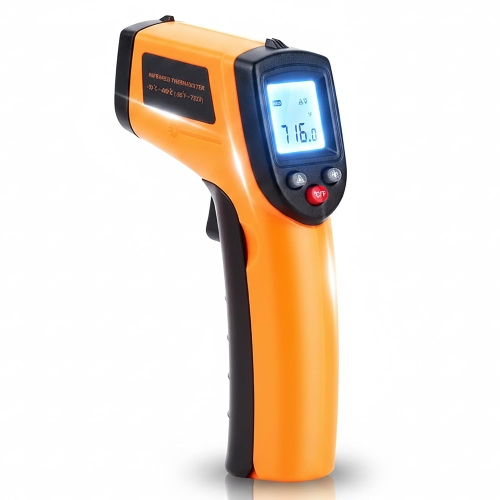
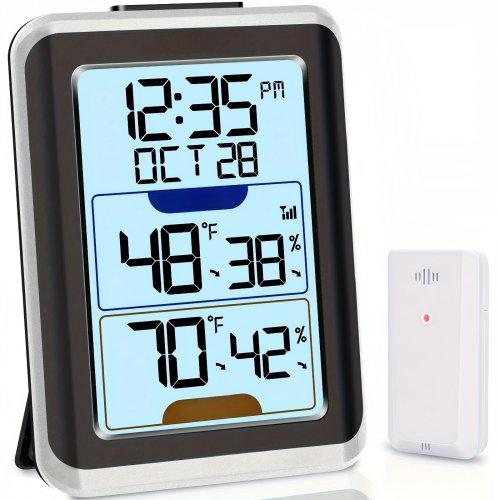


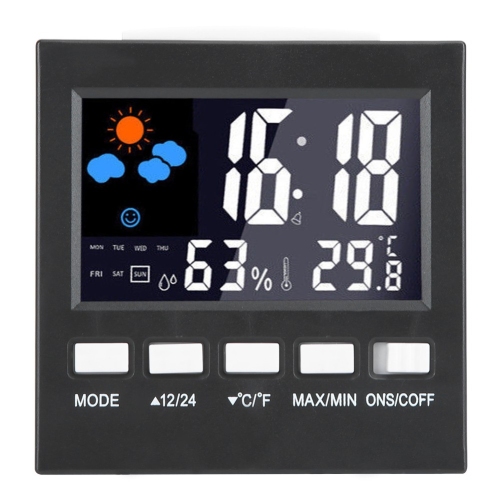


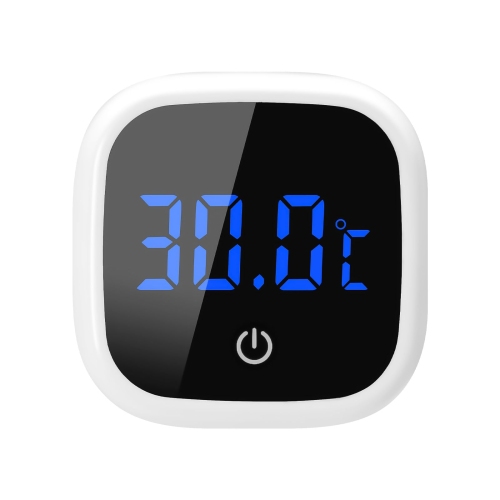
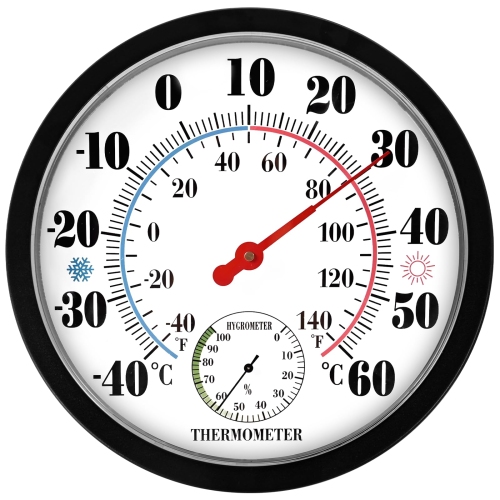
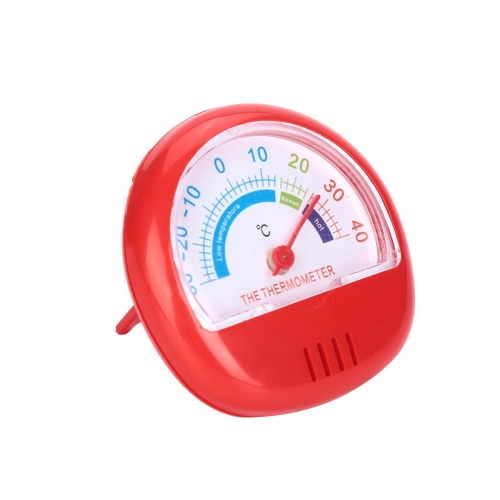



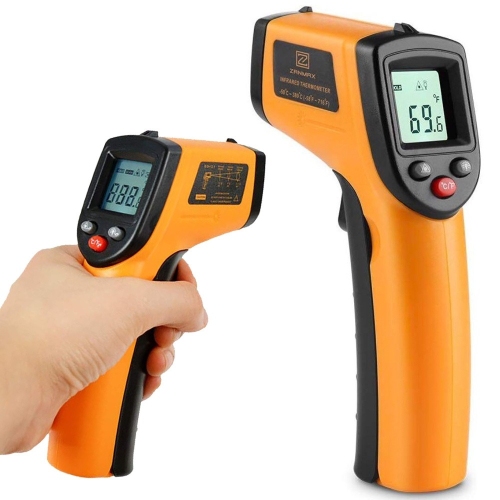
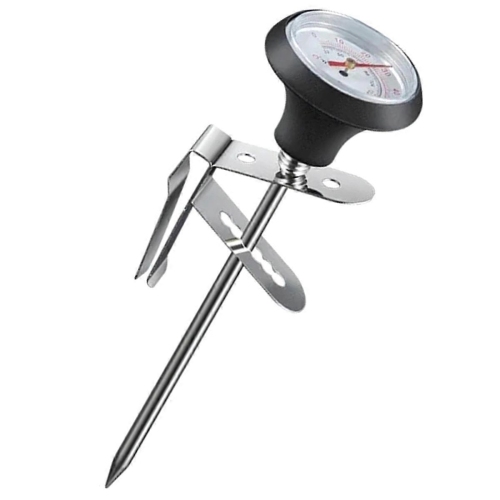
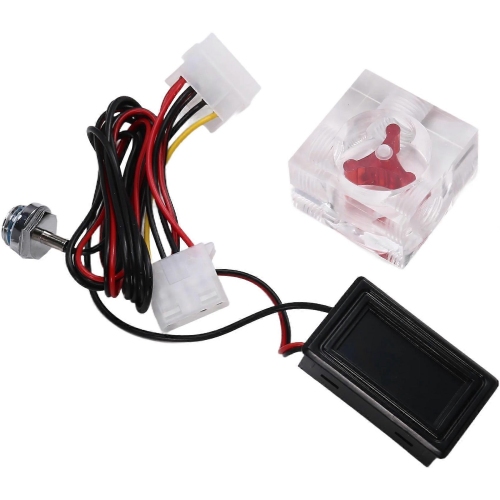
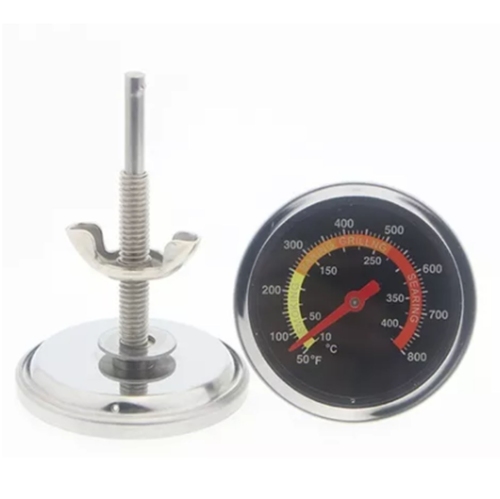
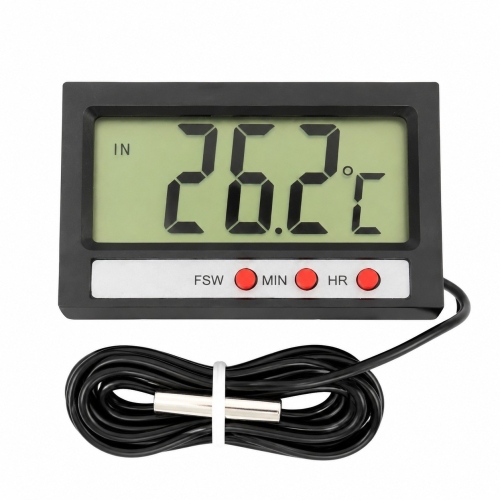

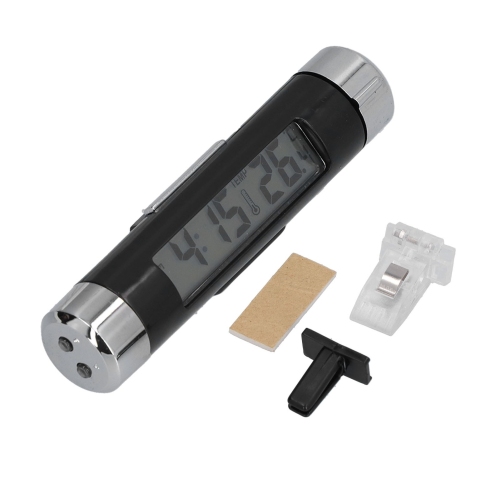
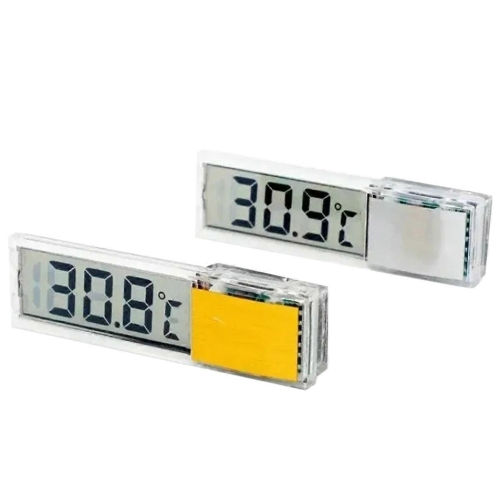
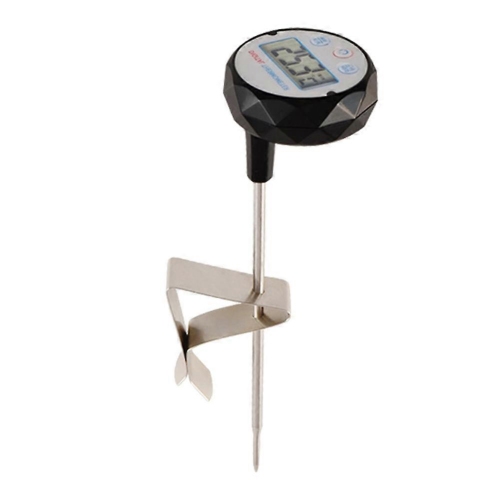
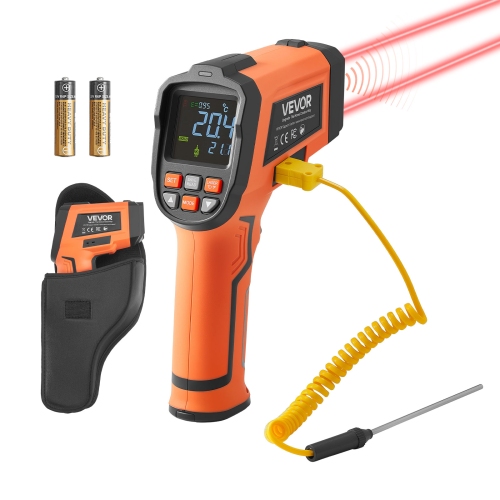
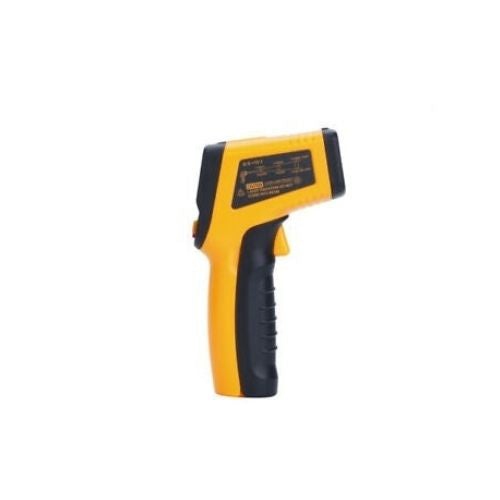
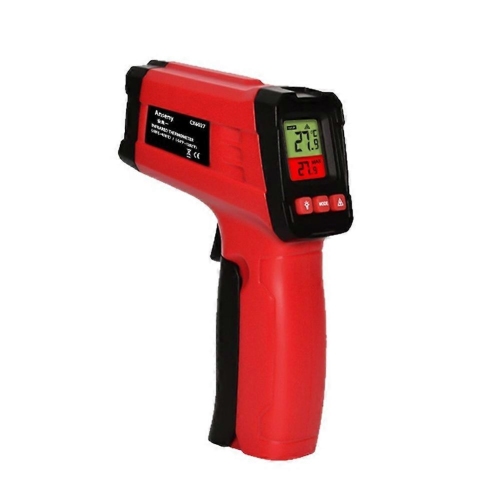
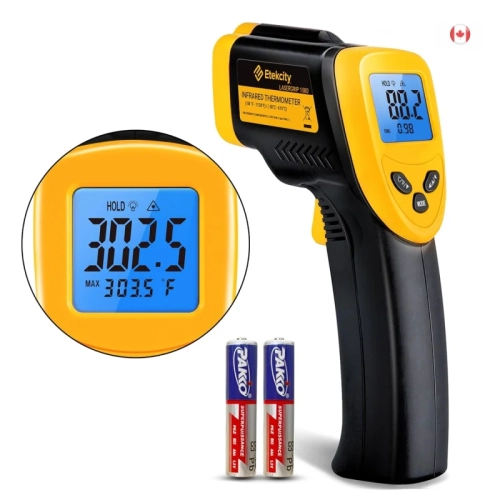



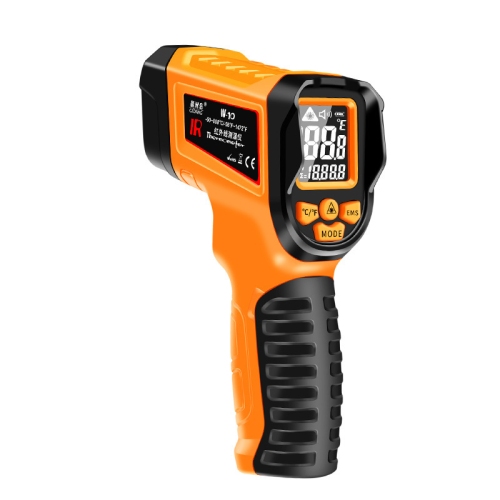
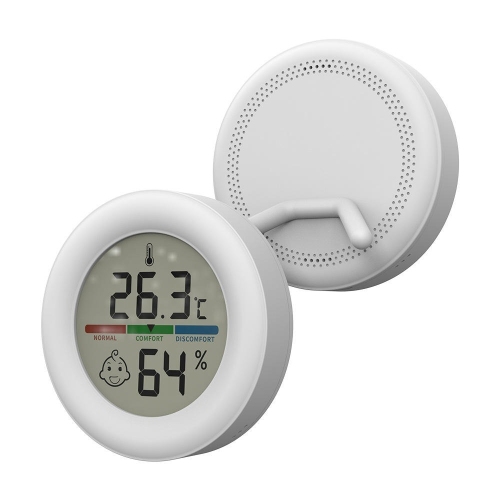


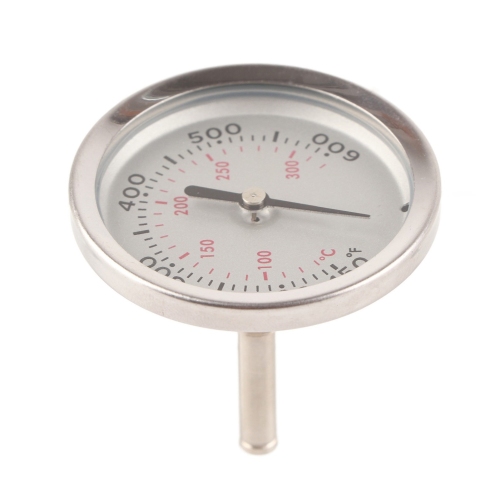

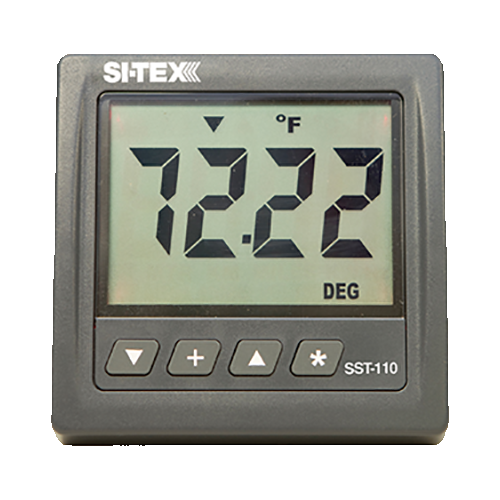







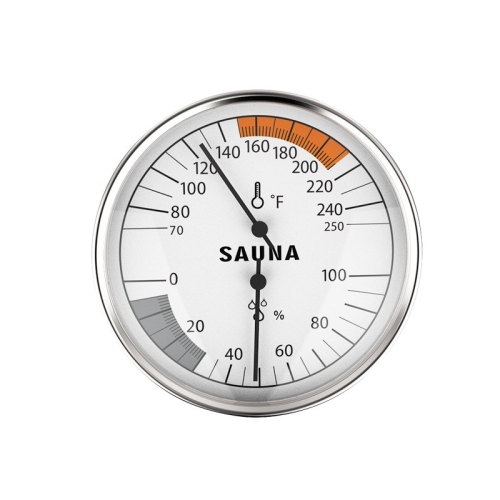

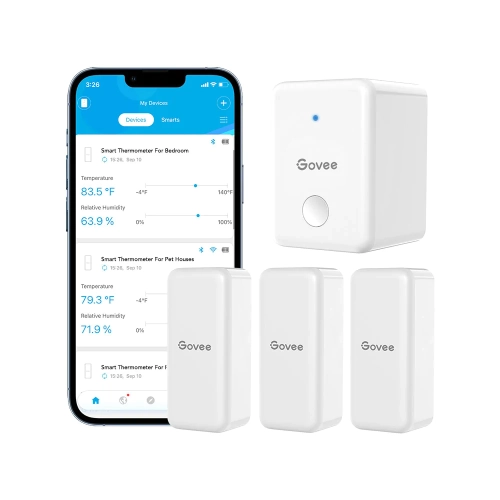
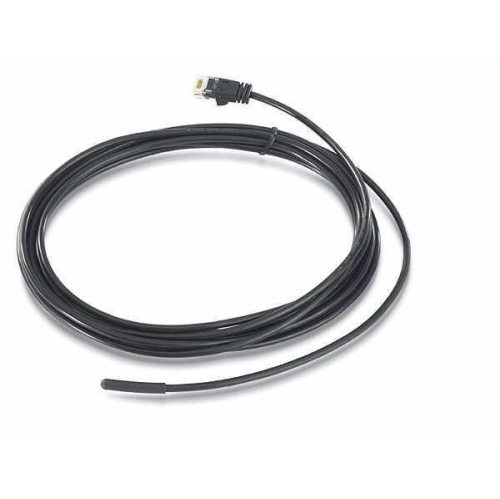
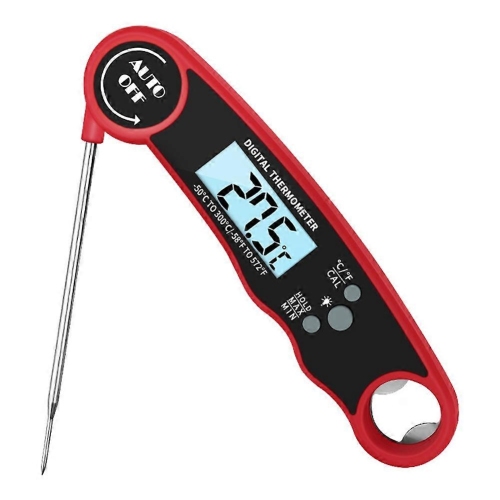
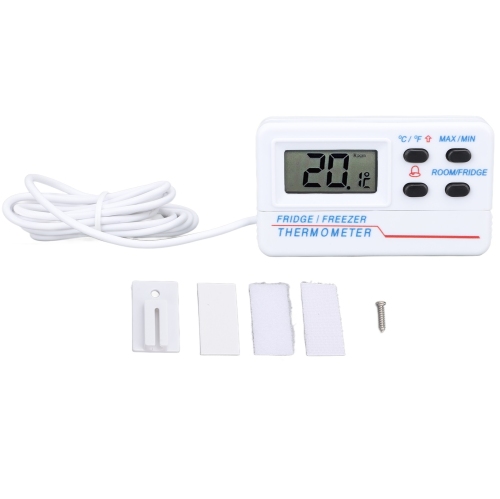

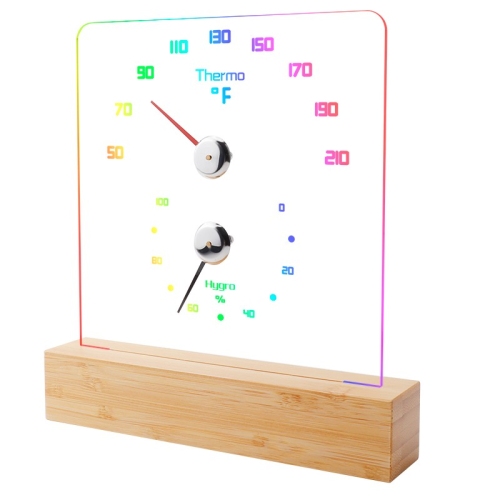
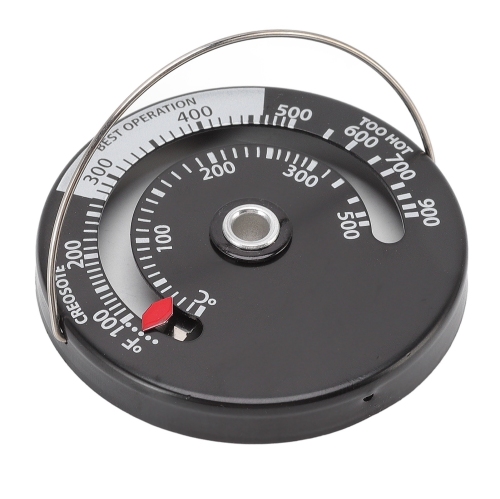

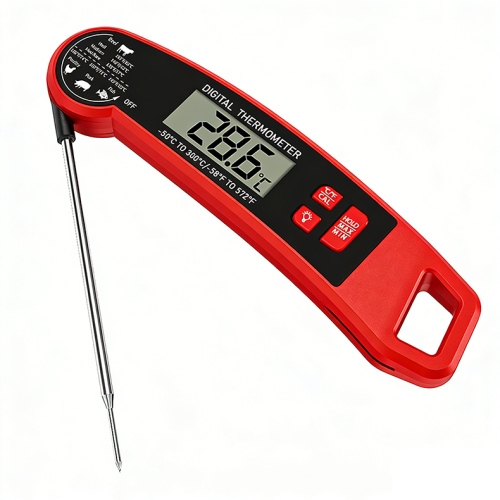

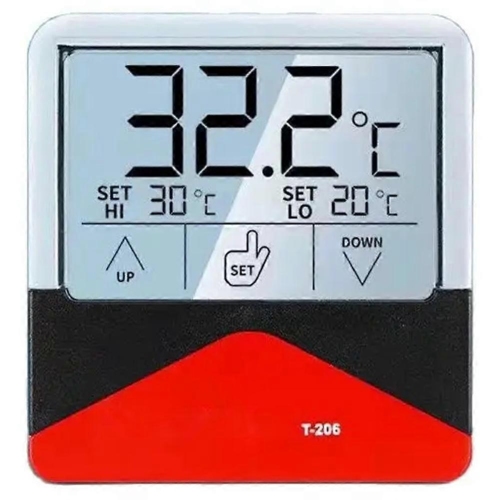

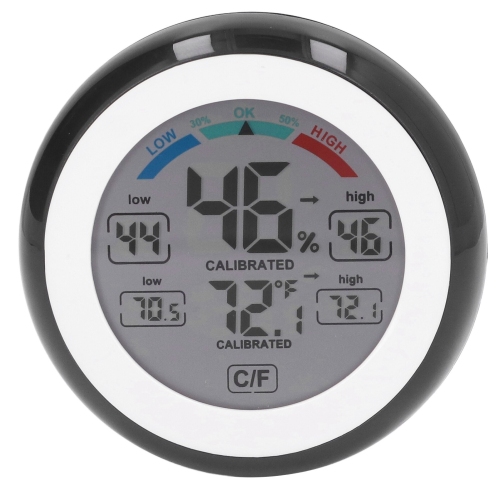
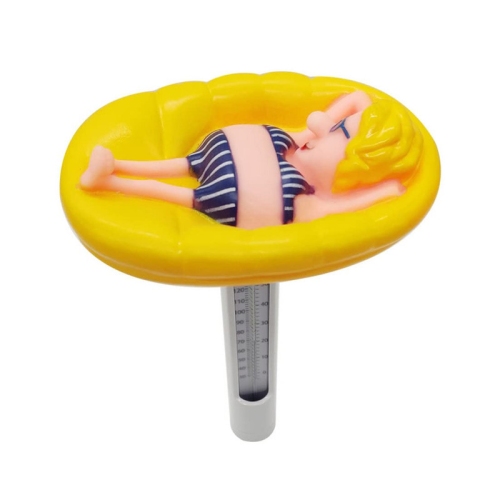
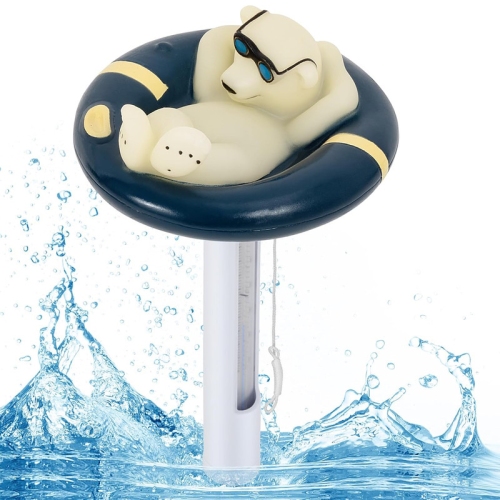


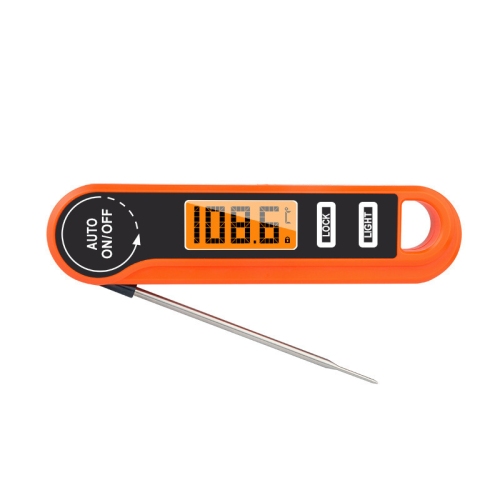
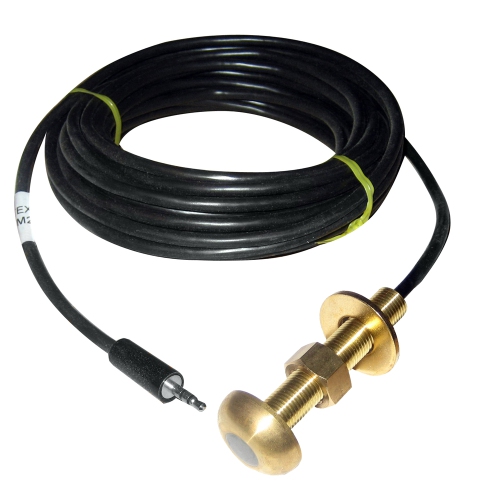
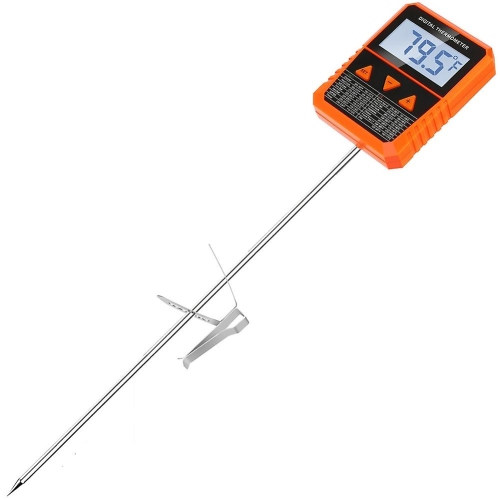
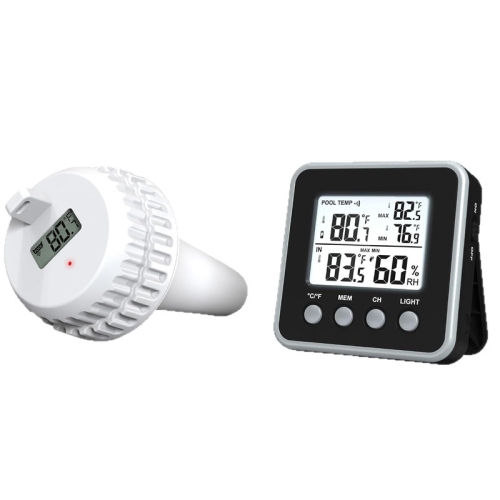
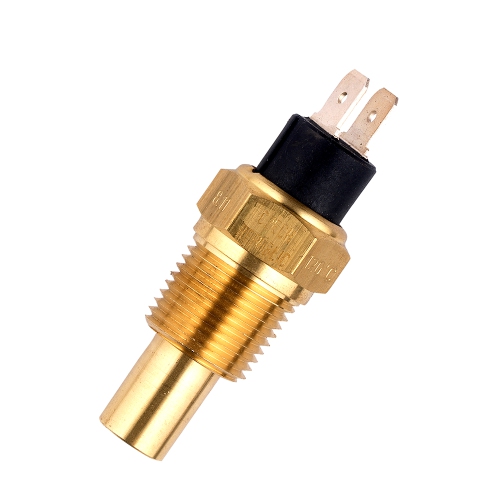

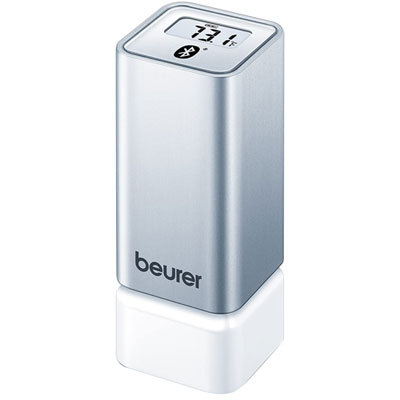
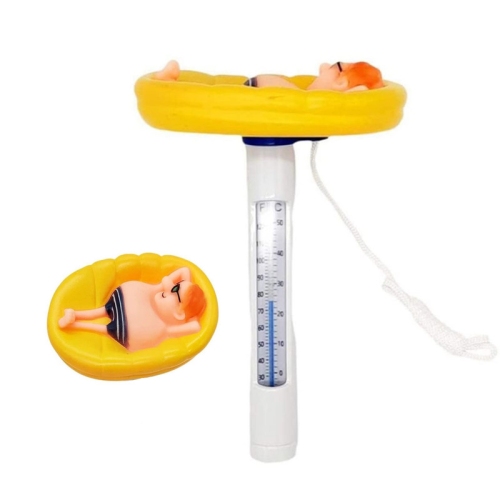
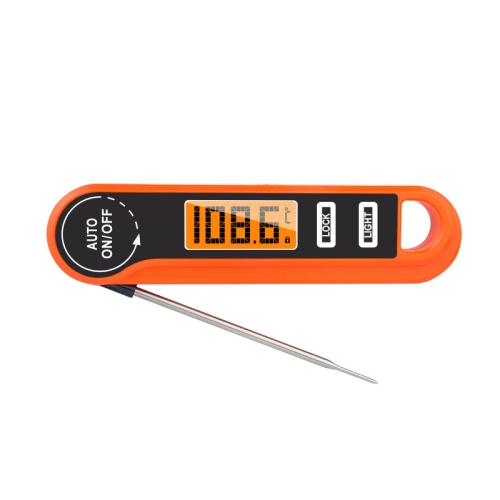
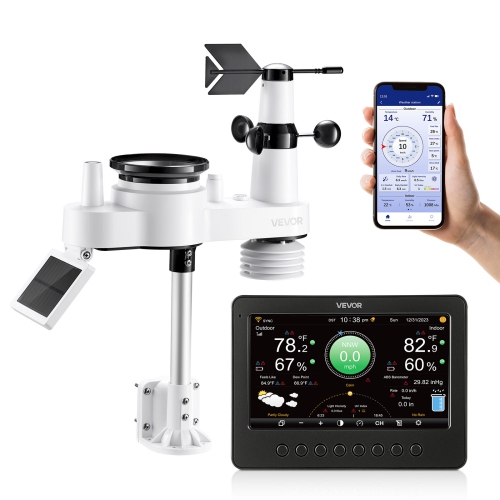

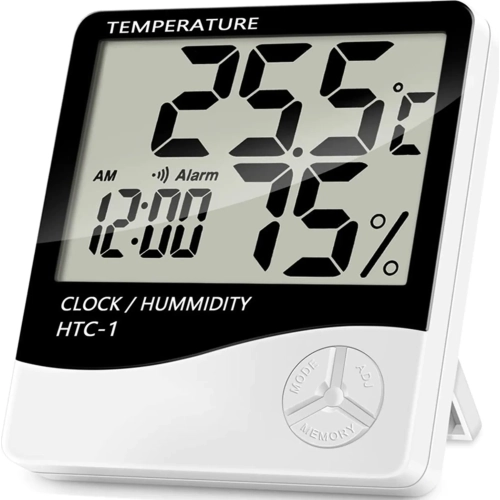
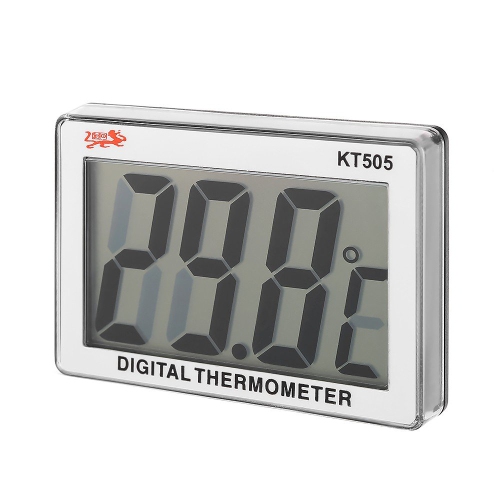

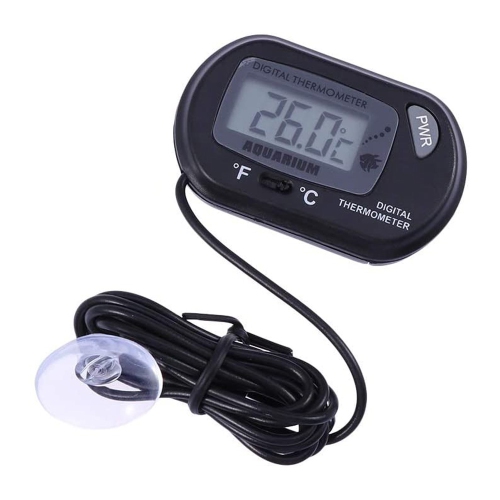
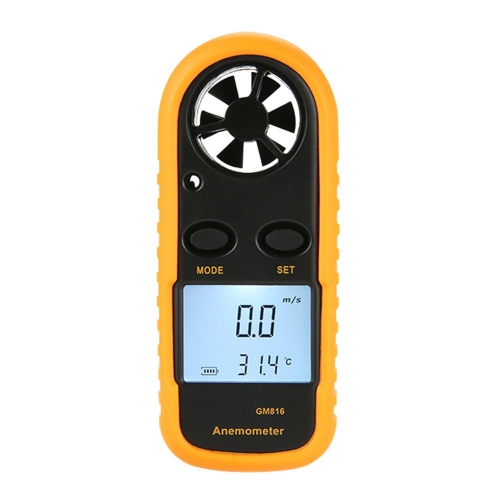
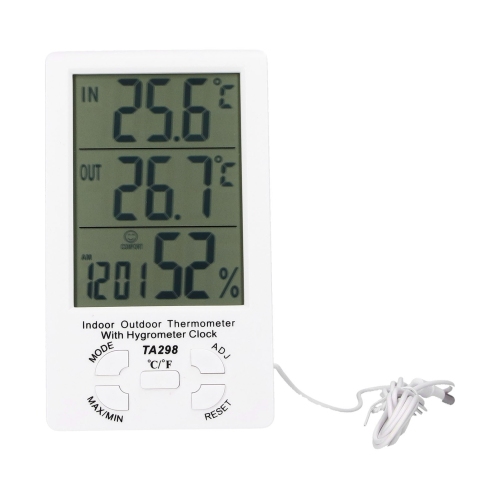

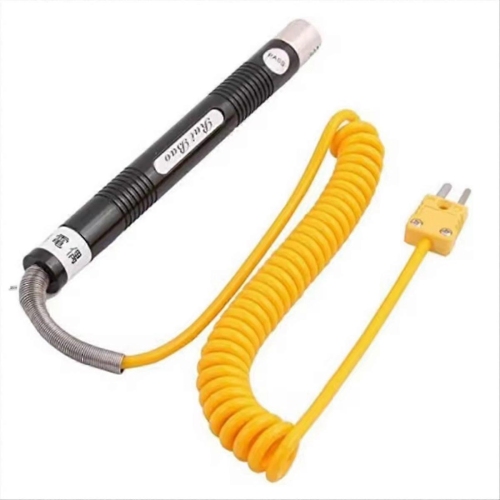
Understand gauge types, uses, installation needs, and key features
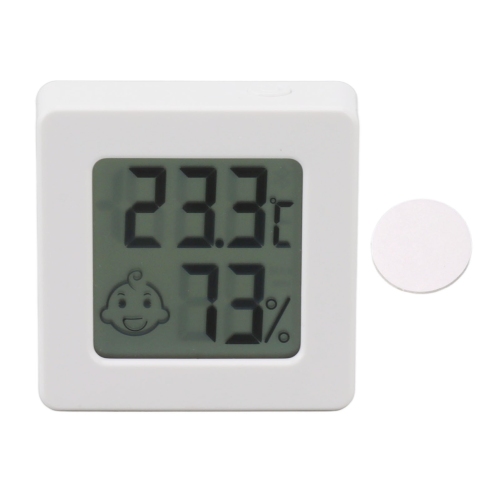
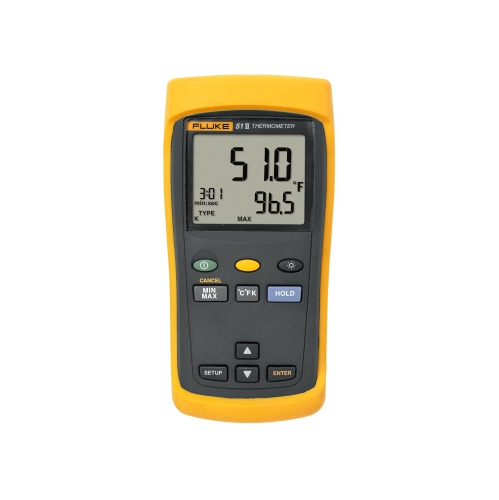
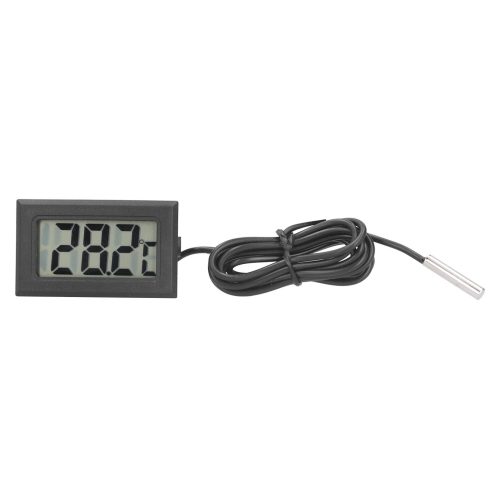
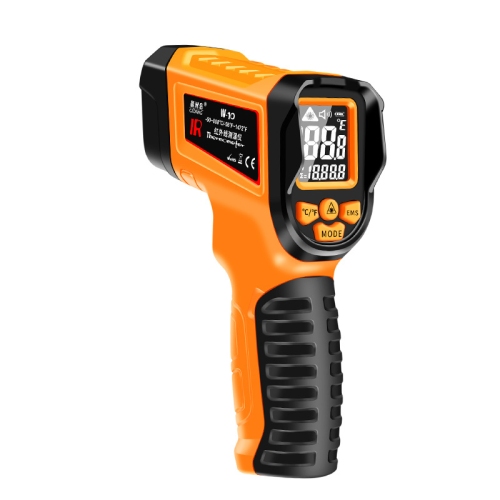
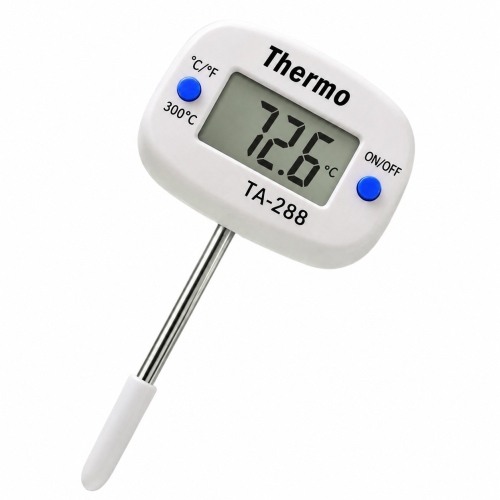
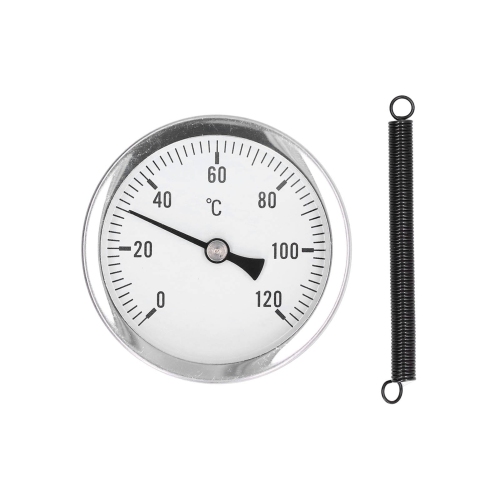
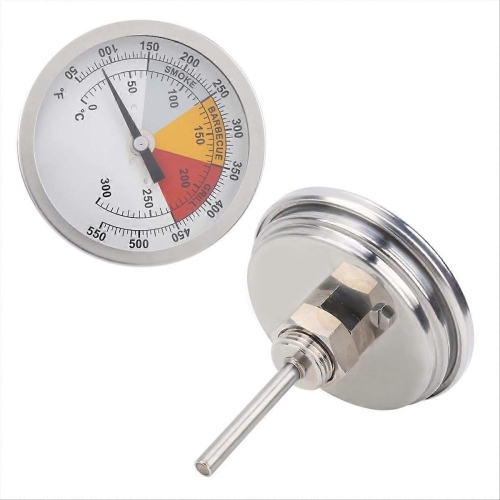
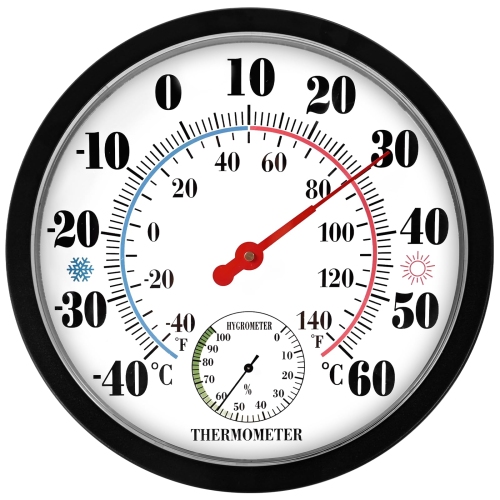
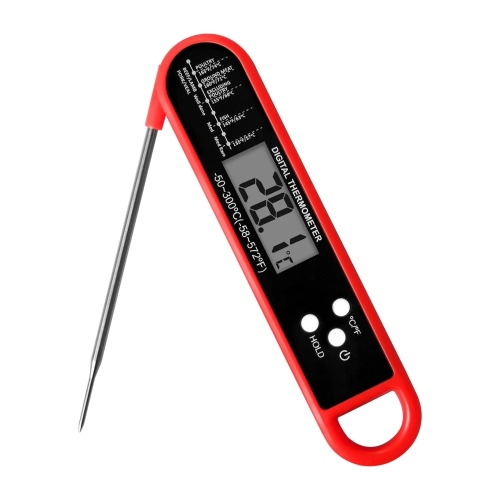
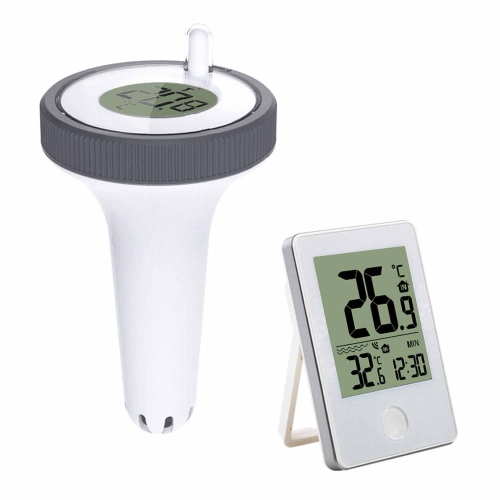
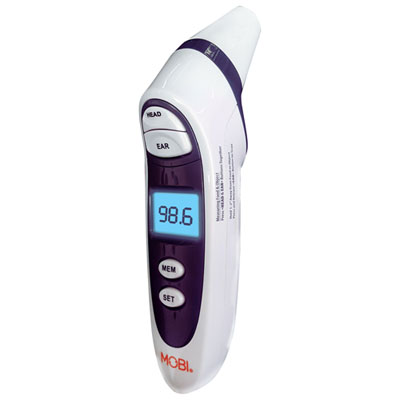
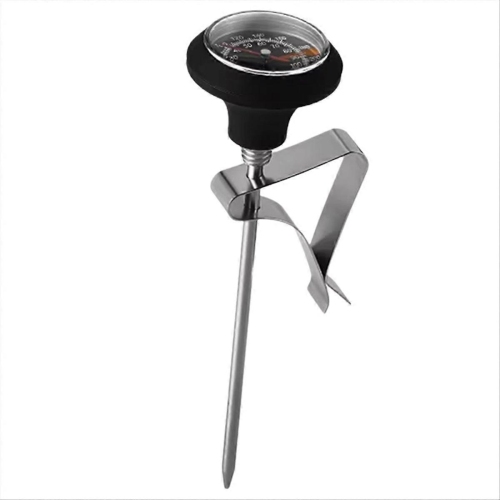
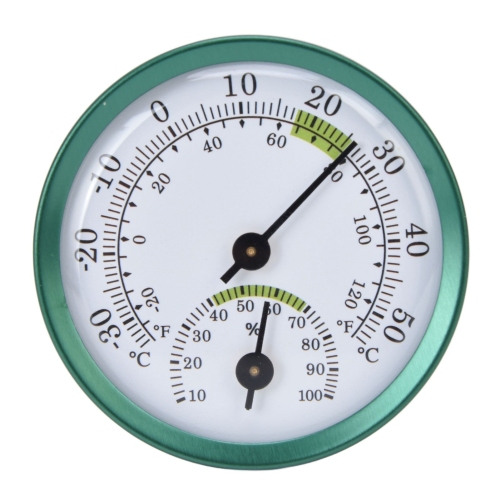
Temperature gauges provide a clear way to measure and monitor heat in liquids, gases, equipment, and engines. Depending on the application, they may use a mechanical dial, a fluid-filled sensing system, or an electronic sensor that displays a reading on an LCD screen. Bimetallic gauges contain two bonded metals that expand at different rates as temperatures change; this movement turns a pointer across a dial. They are straightforward, durable, and useful where a quick visual reading is more important than recording detailed data. Gas-filled and liquid-filled gauges use a sensing bulb and capillary tube to transmit temperature changes to a dial, making them helpful when the measurement point is some distance from the display. Digital gauges rely on sensors such as thermocouples, thermistors, or RTDs to translate heat into an electronic reading. Many offer precise measurements, easy-to-read numbers, and features such as selectable units, alarms, memory, or data logging. Choosing among these types begins with identifying what will be measured and where the gauge will be installed. A person checking an engine may need a gauge designed for vibration, heat, and rapid changes, while someone monitoring a tank, pipe, room, or heating system may place greater value on probe length, remote sensing, or a wide temperature range. Accuracy is also important, but the most accurate gauge is not always the most practical choice if its sensor cannot reach the measurement point or its display is difficult to see. Consider the expected heat range, the material being measured, the response time required, and whether the reading will be taken occasionally or watched throughout the day.
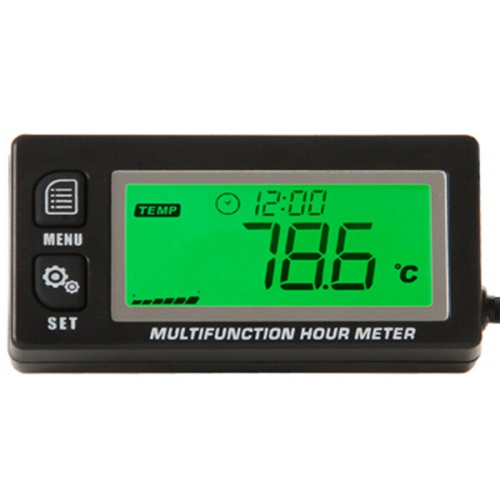
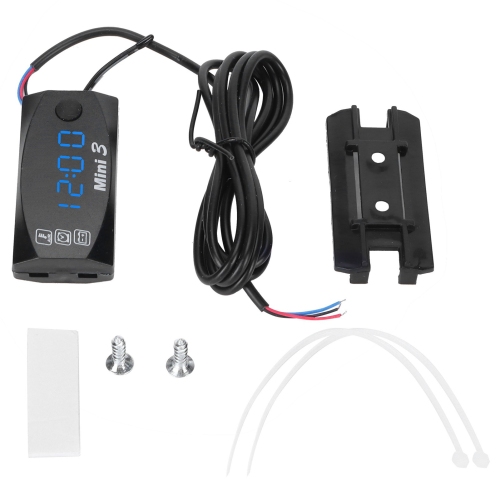
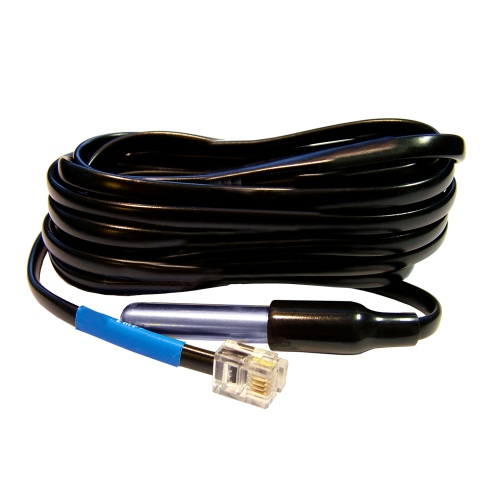
Temperature gauges are used in many everyday and professional settings. Drivers and automotive hobbyists may use them to watch coolant or water temperature, helping them notice unusual heat before it leads to costly engine trouble. A gauge mounted where it can be seen from the driver’s seat can make changes easier to spot during a long trip, while a compact digital reader may be useful for testing under the hood or checking a component during maintenance. In homes, temperature gauges can support heating and ventilation checks, help monitor a furnace room or utility area, and provide reassurance when a space needs to stay within a particular range. They can also be used with water tanks, plumbing systems, brewing equipment, food preparation setups, workshops, and hobby projects. In a garage, a bright dial or backlit screen can be easier to read while hands are occupied; in a mechanical room, a remote probe can allow a reading without opening a panel or reaching near hot surfaces. Before purchasing, check the gauge’s mounting style, connection size, probe design, cable or capillary length, power requirements, and display format. Some installations call for a panel-mounted face, while others are better suited to a surface mount or a portable sensor. Think about visibility as well: large markings may be preferable in a busy workshop, and a digital display may be helpful for anyone who wants an exact number rather than an approximate needle position. For broader home monitoring, explore Temperature Displays to find related ways to show readings clearly in living spaces, work areas, or utility zones. Always confirm that the gauge is rated for the intended temperature range and that its sensor is compatible with the substance, equipment, or surface being measured.
A temperature gauge can also be a thoughtful gift for someone who enjoys practical tools and hands-on projects. It may suit a new driver building an emergency kit, a home cook who enjoys careful preparation, a do-it-yourself renovator, or a relative who spends time maintaining a vehicle, workshop, greenhouse, aquarium, or heating system. During the cooler months, a dependable gauge can help with checking indoor comfort, monitoring heating equipment, or keeping an eye on areas that need to remain within a stable range. As the weather shifts, it can also be useful for garages, sheds, recreational vehicles, and other spaces where temperatures change more quickly than indoors. For a gift, consider how the recipient is likely to use it rather than choosing based on appearance alone. A person who likes classic tools may appreciate a sturdy analogue dial, while someone who records measurements or works with several readings may prefer a digital model with memory or a high-contrast display. A probe with a flexible lead can provide more placement options, and a remote-reading design can be convenient when the measurement point is difficult to access. When comparing options, look for clear specifications, reliable construction, simple controls, and installation details that match the intended setup. It is also worth checking whether the gauge requires batteries, a power connection, a mounting bracket, or additional fittings. Whether it is used to keep an engine within its normal range, check a heating system, monitor a tank, or support a personal project, the right temperature gauge turns an invisible change in heat into information that is easy to see and act on.
Top selling and popular products
-
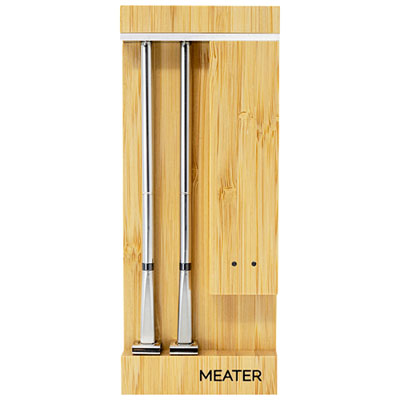 Your price for this item is $269.99
-
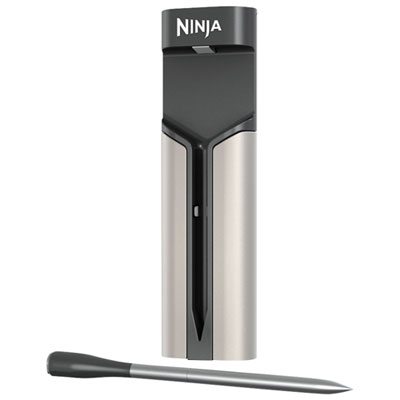 Your price for this item is $129.99
-
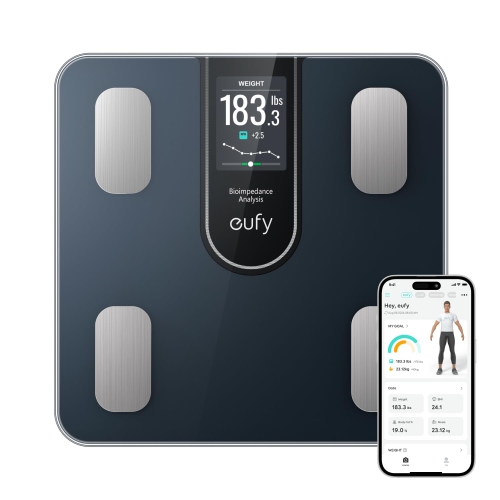 Your price for this item is $69.74
-
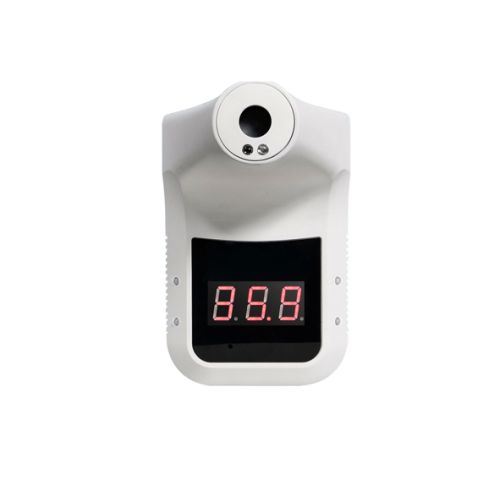 Your price for this item is $149.99
-
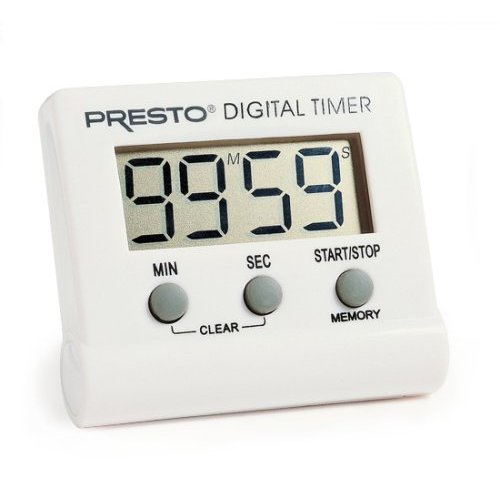 Your price for this item is $12.99
-
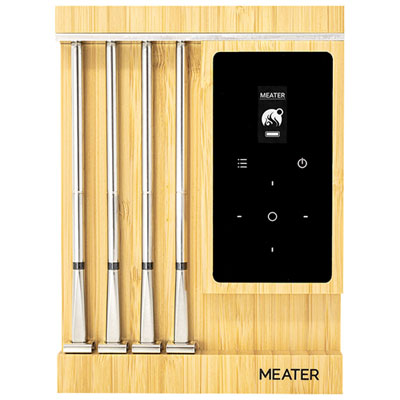 Your price for this item is $479.99
-
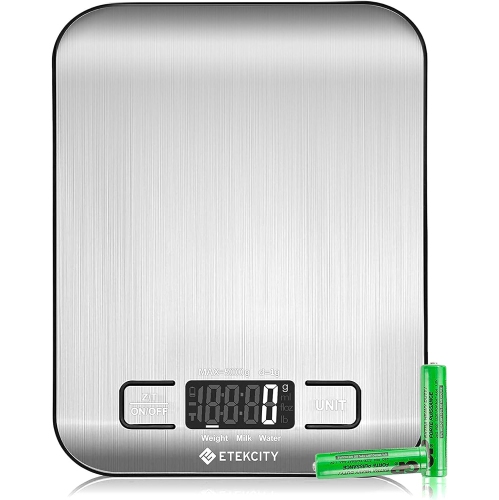 Your price for this item is $21.99
-
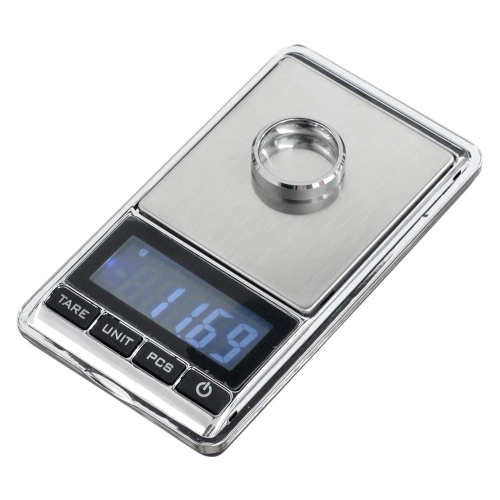 Your price for this item is $17.99
Discover more categories related to Temperature Gauges




Top Collections:
Pokemon Centers, Kindle Devices, Best Cameras for Sports Photography, Pokémon 30th Celebration Cards, Apple iPhones 16, Canon G7X Cameras, iPhone 15 Apple, Flip Phones, Samsung Galaxy Phones, Alarm Clock
Some products may be subject to Environmental Handling Fees
(EHF) depending on your province.
Learn more about EHFs.