Insulation Layers
When it comes to staying warm and cozy during the colder months, having the right insulation layers is key. Whether you're gearing up for outdoor adventures or simply looking to stay comfortable at home, having the proper insulation can make all the difference. From lightweight options for easy layering to high-performance materials designed to keep you warm in extreme conditions, our selection of insulation layers has something for everyone. Browse through our range of products to find the perfect solution for your insulation needs.
Sort
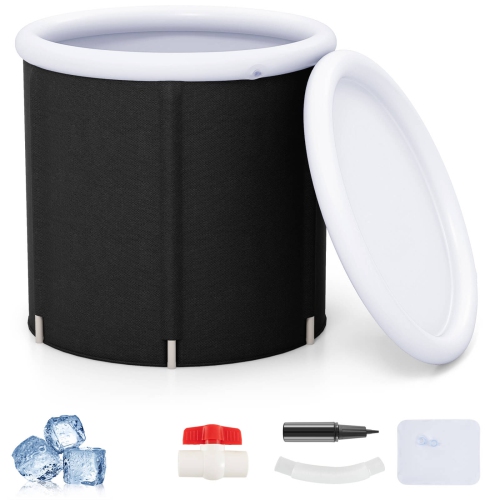
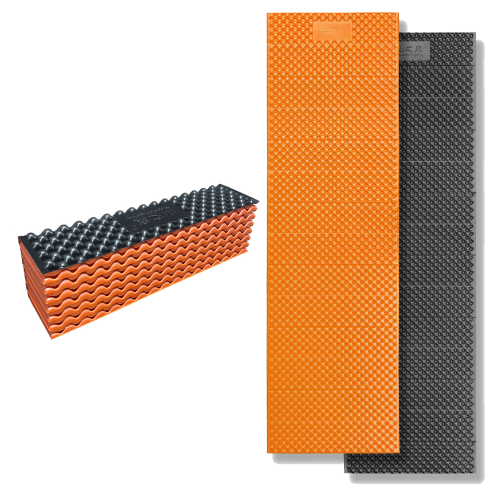
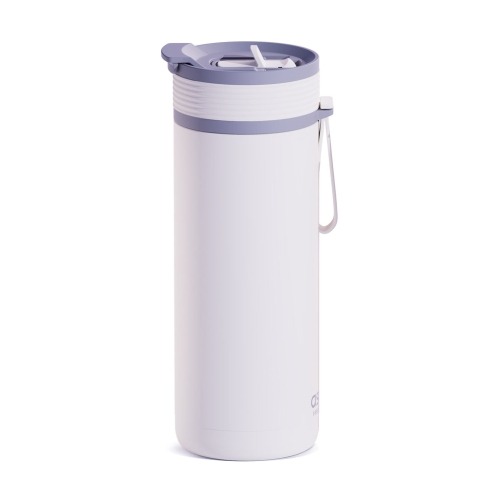





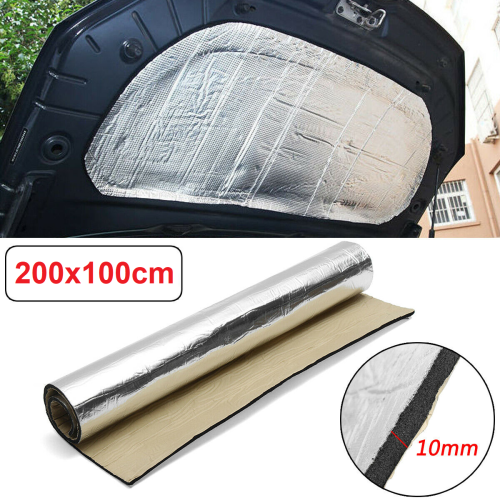

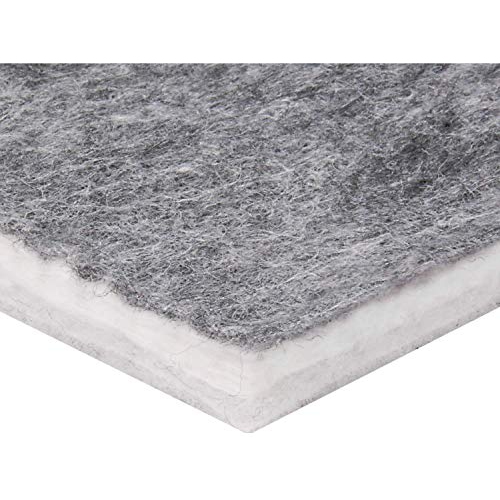
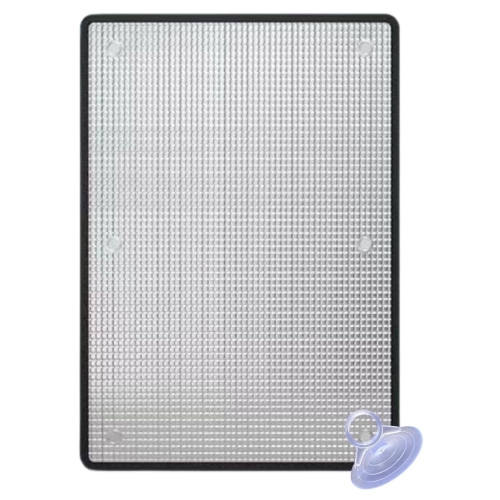

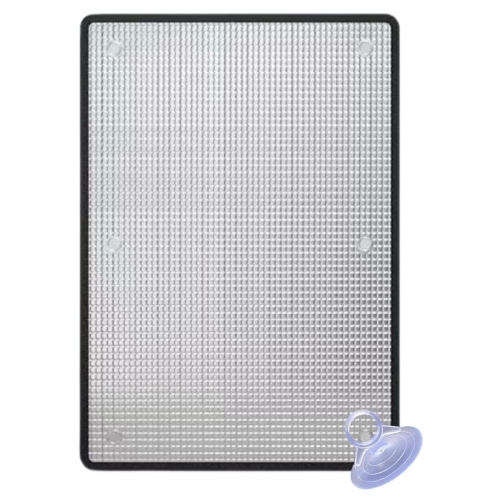
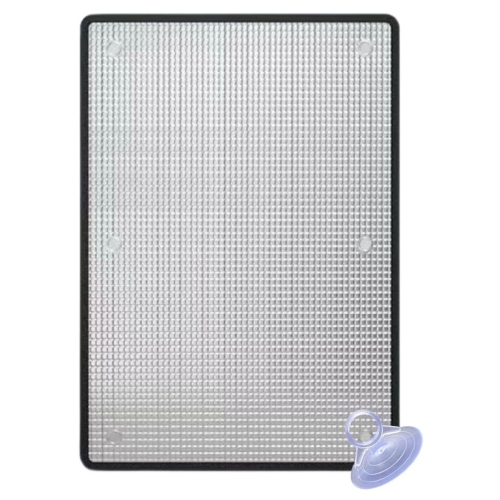
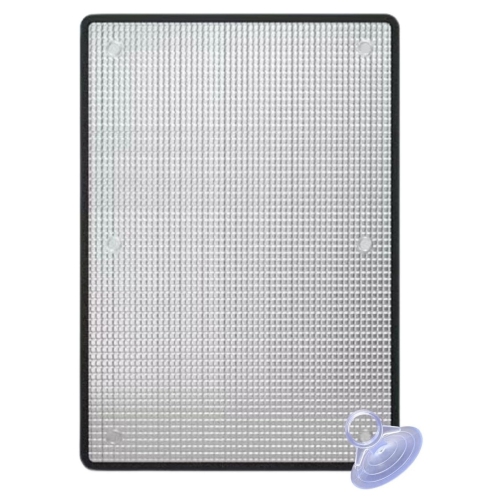
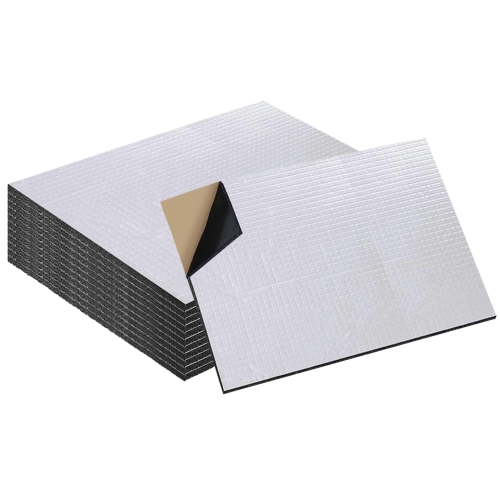
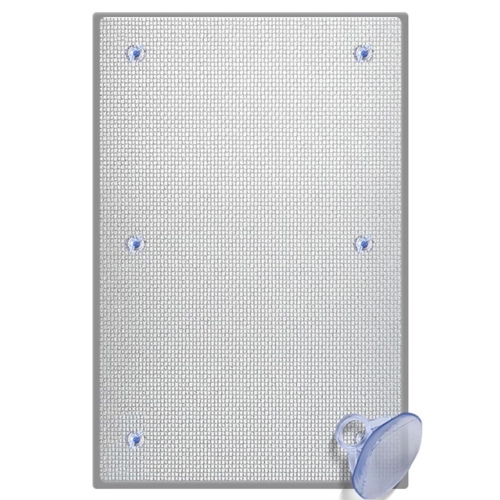
How coordinated building envelope layers improve indoor comfort
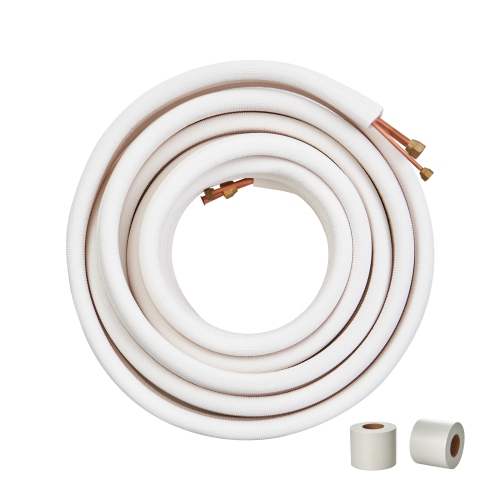
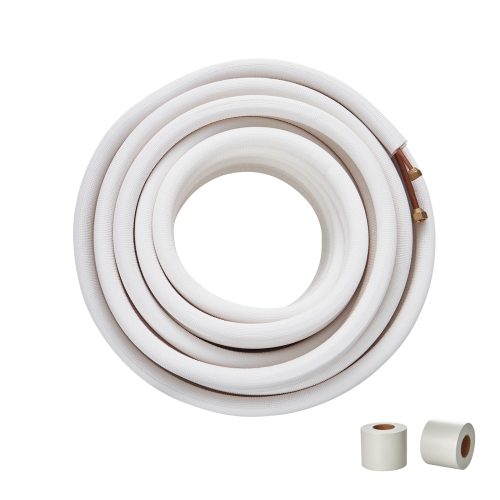
Insulation layers help create a more comfortable, consistent indoor environment by slowing the movement of heat through walls, ceilings, floors, roofs, doors, and other parts of a building envelope. In a well-planned assembly, each layer has a distinct role. Cavity insulation is fitted between framing members such as studs, joists, or rafters, where it helps reduce heat transfer through open spaces. Continuous exterior insulation is installed across the outside of framing to provide a more uninterrupted thermal break and limit areas where heat can bypass the main insulation. Reflective insulation can be used where its design is appropriate, helping reflect radiant heat across an adjacent air space. A vapour barrier controls the movement of water vapour through the assembly, while an air barrier limits unwanted air leakage around joints, penetrations, and seams. These layers work together rather than functioning as interchangeable materials, so the right combination depends on the location, existing construction, local climate, and whether the project involves a wall, attic, crawlspace, basement, garage, or roof. For homeowners comparing options, begin by identifying where the insulation will be installed and whether the surface is open and accessible or already finished. Check the product’s intended application, thermal performance, thickness, facing, moisture resistance, installation method, and compatibility with surrounding materials. Pay close attention to details around electrical boxes, pipes, ducts, vents, windows, doors, and framing intersections, since even a well-insulated area can perform poorly if air leaks are left around these transitions. In renovation work, existing moisture problems should be addressed before adding new layers; insulation should not be used to conceal water entry, condensation, damaged sheathing, or inadequate ventilation.
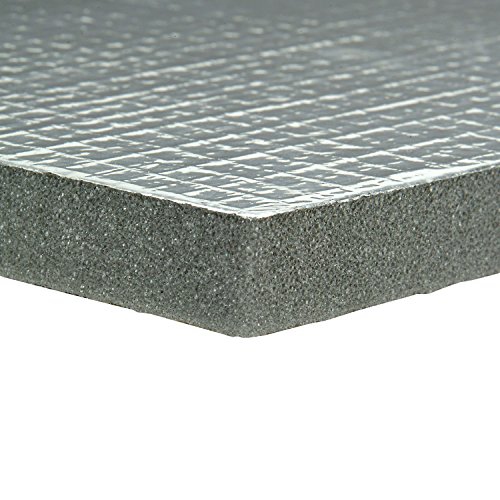
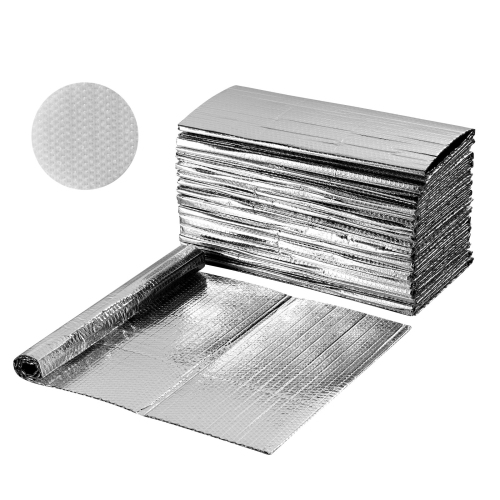
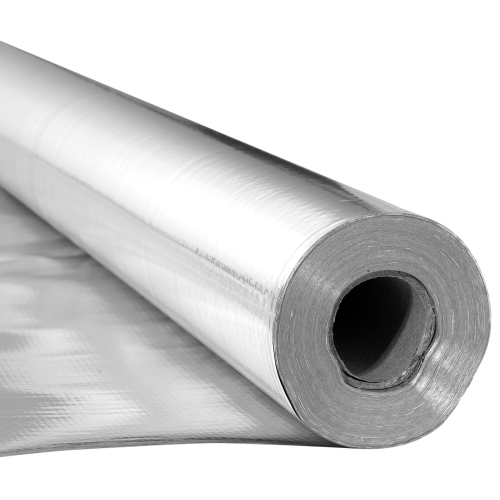
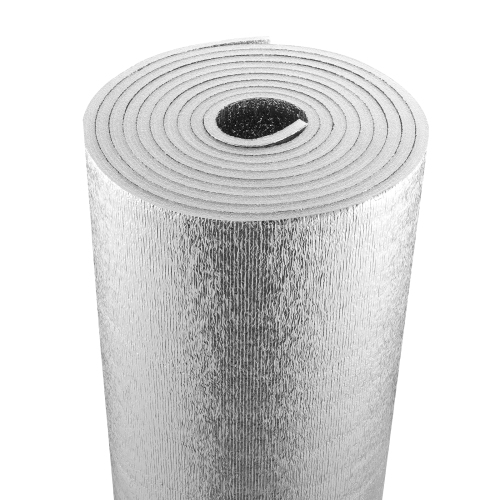
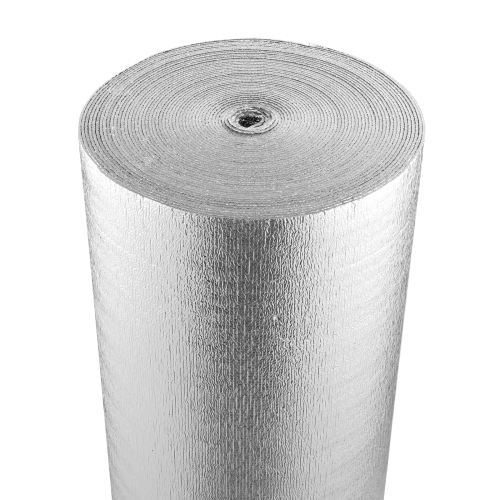
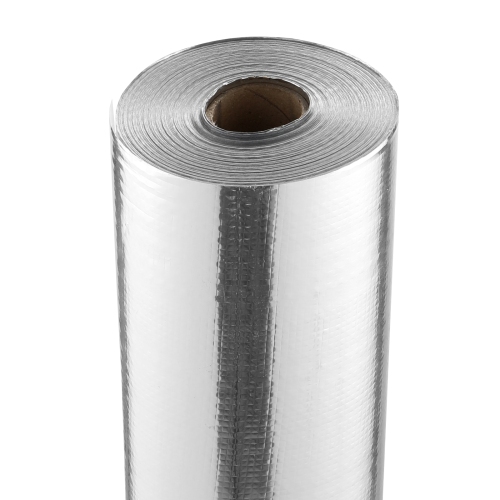
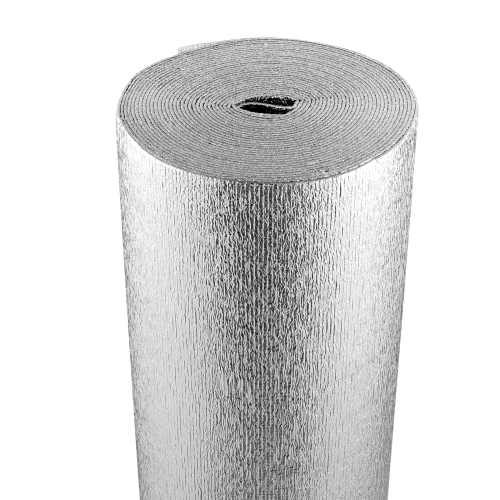
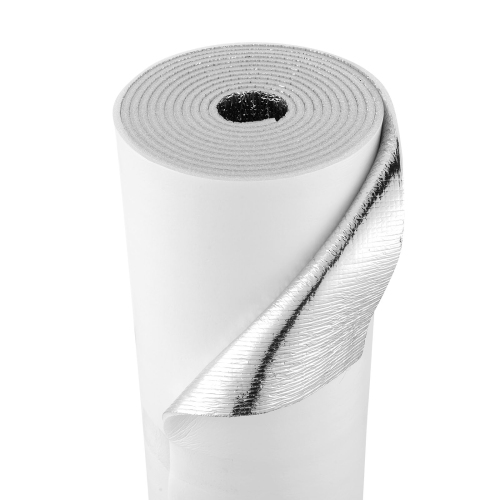
Choosing insulation layers is also a matter of balancing performance with practicality. Flexible batts and rolls can be useful for filling regular cavities, while rigid boards are often selected for continuous coverage, foundation walls, roofs, or areas where a firm, uniform surface is helpful. Loose-fill materials may suit enclosed spaces with irregular shapes, but they require careful preparation and appropriate equipment. Reflective materials generally need an adjacent air space to perform as intended, and their reflective surface should remain clean and properly oriented according to the manufacturer’s instructions. A vapour-control layer may be required on a particular side of an assembly, but its placement is not identical in every building or climate zone. Sealing tape, compatible adhesives, caulking, fasteners, support netting, and protective coverings can be just as important as the insulation itself. Before purchasing, measure the areas carefully, account for openings and obstructions, and allow for the installation method without compressing or leaving gaps in the material. Compression can reduce the effectiveness of some insulation, while oversized pieces may bulge and create spaces at the edges. For projects involving attics, exterior walls, foundations, or areas exposed to moisture, review local building requirements and consider advice from a qualified contractor or building professional. Homeowners planning a staged renovation may find it useful to compare insulation layers by project area rather than shopping by appearance alone. Someone improving a drafty workshop may need a different assembly from someone finishing a basement, upgrading an attic, or adding insulation behind a new wall. Products designed for reflective control, including Double Reflective Insulation Rolls, may be considered for suitable applications where radiant heat management and easy handling are priorities, provided the surrounding assembly supports their intended use.
Insulation layers can be helpful during renovations that span the warmer and cooler parts of the year, when indoor temperature changes make drafts, cold surfaces, and uneven rooms easier to notice. A properly planned assembly can make a bedroom feel less chilly near an exterior wall, help a home office remain more comfortable beside a window, or reduce the sharp temperature difference between a finished living area and an attached garage. These materials may also be useful for new homeowners preparing a renovation list, landlords maintaining rental properties, or do-it-yourselfers taking on a basement, attic, shed, or workshop project. They can be a practical housewarming gift when the recipient enjoys hands-on improvements, although the most useful choice is usually based on the specific space rather than a general preference. Look for clear coverage information, straightforward handling instructions, suitable dimensions, and packaging that can be transported and stored safely. During installation, wear the protective equipment recommended for the material, keep work areas ventilated, and avoid blocking required vents or recessed fixtures. Insulation should never interfere with exhaust paths, combustion air, plumbing access, or electrical components, and any work involving wiring, structural changes, roofing, or confined spaces deserves extra care. The finished result depends on continuity: insulation needs to meet cleanly, air-control layers need to be sealed, and moisture-control details need to match the rest of the building envelope. With the right layers in the right locations, a renovation can feel less like adding one material to a wall and more like assembling a coordinated system that manages heat, air, and moisture from the interior surface to the exterior.
Choosing insulation layers is also a matter of balancing performance with practicality. Flexible batts and rolls can be useful for filling regular cavities, while rigid boards are often selected for continuous coverage, foundation walls, roofs, or areas where a firm, uniform surface is helpful. Loose-fill materials may suit enclosed spaces with irregular shapes, but they require careful preparation and appropriate equipment. Reflective materials generally need an adjacent air space to perform as intended, and their reflective surface should remain clean and properly oriented according to the manufacturer’s instructions. A vapour-control layer may be required on a particular side of an assembly, but its placement is not identical in every building or climate zone. Sealing tape, compatible adhesives, caulking, fasteners, support netting, and protective coverings can be just as important as the insulation itself. Before purchasing, measure the areas carefully, account for openings and obstructions, and allow for the installation method without compressing or leaving gaps in the material. Compression can reduce the effectiveness of some insulation, while oversized pieces may bulge and create spaces at the edges. For projects involving attics, exterior walls, foundations, or areas exposed to moisture, review local building requirements and consider advice from a qualified contractor or building professional. Homeowners planning a staged renovation may find it useful to compare insulation layers by project area rather than shopping by appearance alone. Someone improving a drafty workshop may need a different assembly from someone finishing a basement, upgrading an attic, or adding insulation behind a new wall. Products designed for reflective control, including Double Reflective Insulation Rolls, may be considered for suitable applications where radiant heat management and easy handling are priorities, provided the surrounding assembly supports their intended use.
Insulation layers can be helpful during renovations that span the warmer and cooler parts of the year, when indoor temperature changes make drafts, cold surfaces, and uneven rooms easier to notice. A properly planned assembly can make a bedroom feel less chilly near an exterior wall, help a home office remain more comfortable beside a window, or reduce the sharp temperature difference between a finished living area and an attached garage. These materials may also be useful for new homeowners preparing a renovation list, landlords maintaining rental properties, or do-it-yourselfers taking on a basement, attic, shed, or workshop project. They can be a practical housewarming gift when the recipient enjoys hands-on improvements, although the most useful choice is usually based on the specific space rather than a general preference. Look for clear coverage information, straightforward handling instructions, suitable dimensions, and packaging that can be transported and stored safely. During installation, wear the protective equipment recommended for the material, keep work areas ventilated, and avoid blocking required vents or recessed fixtures. Insulation should never interfere with exhaust paths, combustion air, plumbing access, or electrical components, and any work involving wiring, structural changes, roofing, or confined spaces deserves extra care. The finished result depends on continuity: insulation needs to meet cleanly, air-control layers need to be sealed, and moisture-control details need to match the rest of the building envelope. With the right layers in the right locations, a renovation can feel less like adding one material to a wall and more like assembling a coordinated system that manages heat, air, and moisture from the interior surface to the exterior.
Top selling and popular products
-
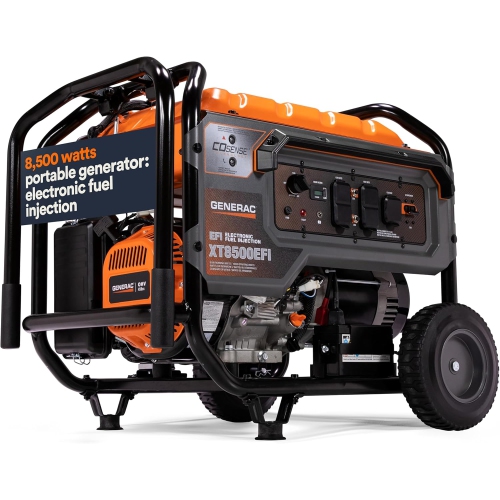 Your price for this item is $3000
 -
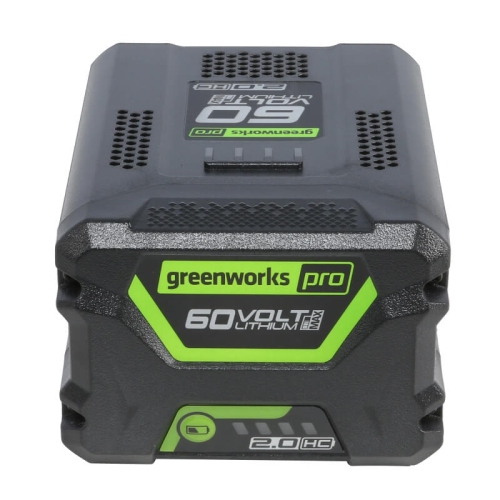 Your price for this item is $124.45
 -
 Your price for this item is $329.99
 -
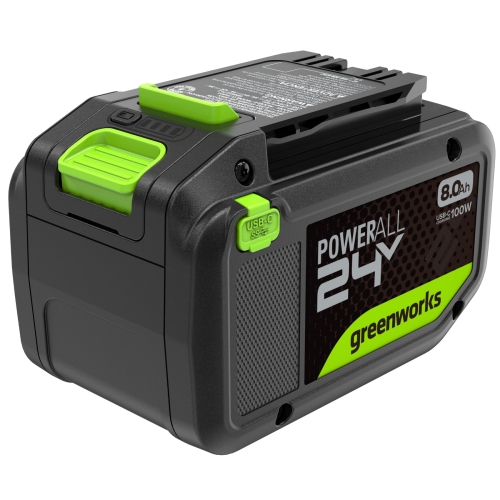 Your price for this item is $139.99
 -
 Your price for this item is $264
 -
 Your price for this item is $217.55
 -
 Your price for this item is $739.99
 -
 Your price for this item is $599.99
Discover more categories related to Insulation Layers
Top Collections:
Pokemon Centers, Kindle Devices, Best Budget Office Chairs, Apple iPhones 16, Canon G7X Cameras, iPhone 15 Apple, Alarm Clock, Refurbished Apple Laptops, Flip Phones, Best Laptops for Writers
Some products may be subject to Environmental Handling Fees
(EHF) depending on your province.
Learn more about EHFs.