Insulation Products
When it comes to keeping your home cozy and energy-efficient, insulation is a crucial element that should not be overlooked. Proper insulation helps regulate indoor temperatures, reduces energy costs, and minimizes environmental impact. Whether you're looking to upgrade your current insulation or starting from scratch, explore our wide selection of insulation products designed to meet your specific needs and budget. From thermal insulation to acoustic solutions, we have everything you need to create a comfortable living space all year round.
Sort



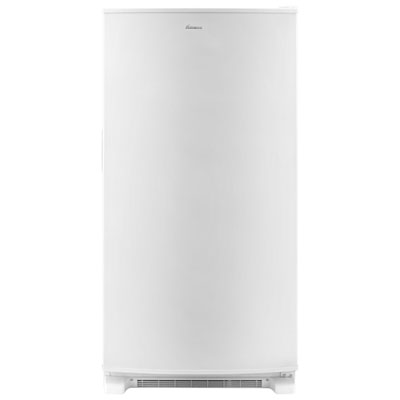
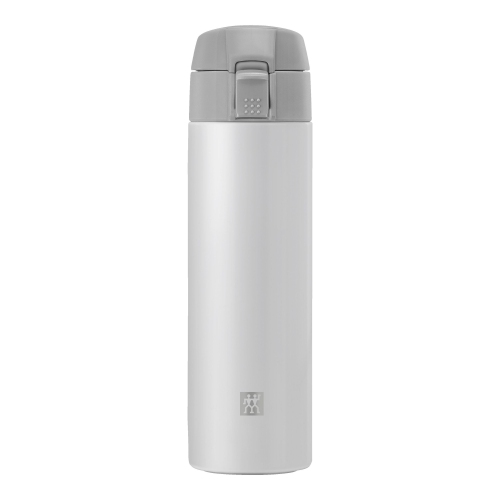
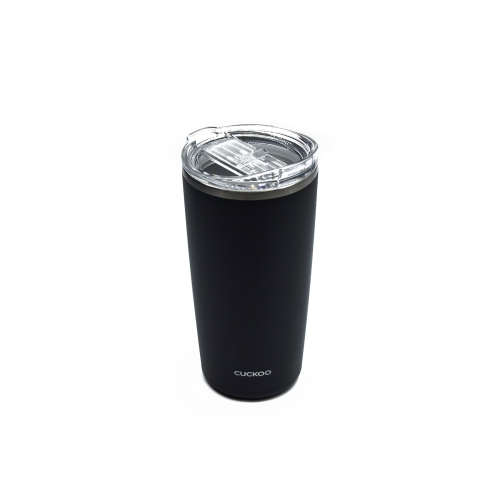
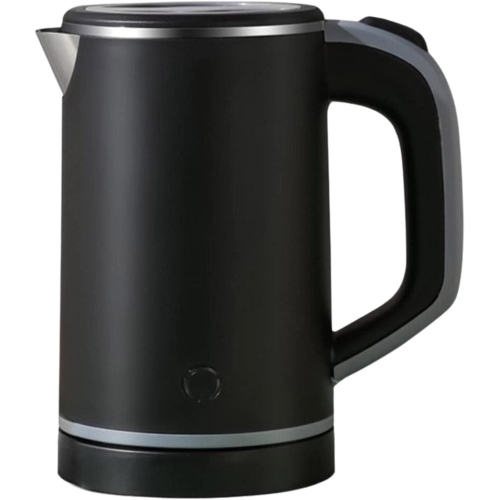
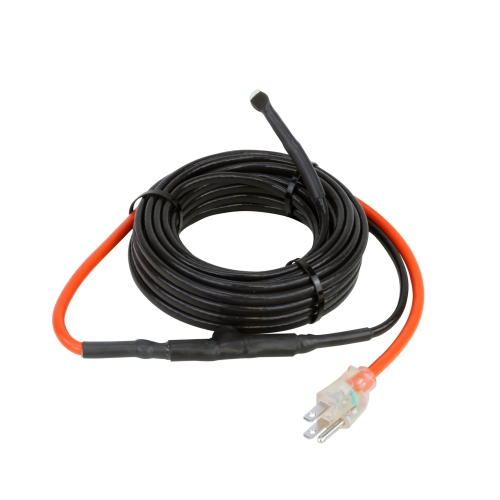
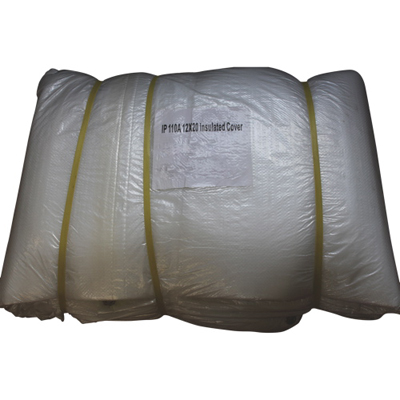
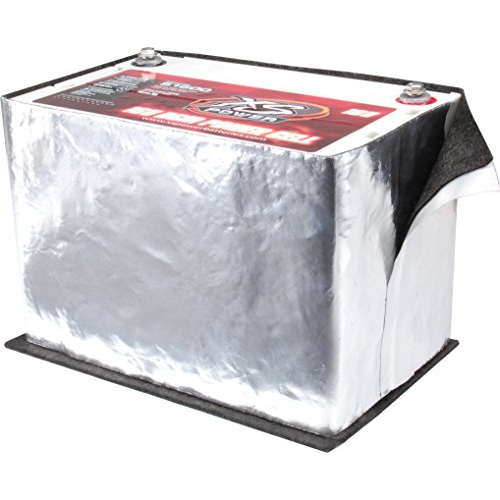






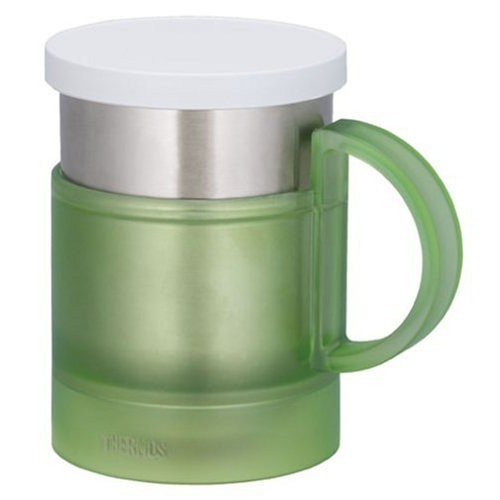
Year-round comfort and protection start with insulation
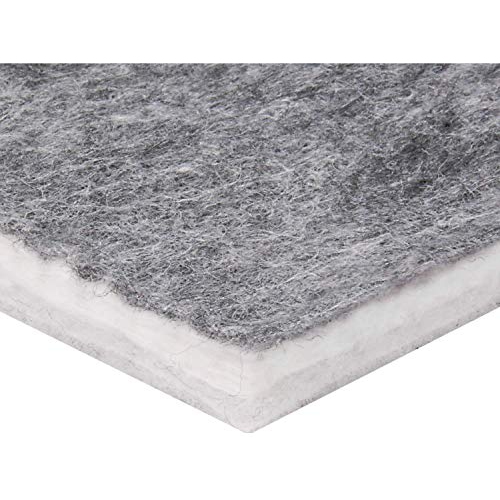
Insulation products help create a more comfortable home by slowing the movement of heat through walls, ceilings, floors, roofs, foundations, and other parts of the building envelope. During warmer weather, effective insulation can help keep indoor spaces from heating up too quickly, while during cooler months it helps retain the warmth produced by a furnace, heat pump, fireplace, or other heating system. Many insulation materials also reduce drafts and can soften sounds travelling between rooms, floors, or neighbouring spaces. The right choice depends on where the material will be installed, the size and shape of the area, the existing construction, and whether the work is being completed as a DIY project or by a qualified professional. Fibreglass and mineral wool batts and rolls are familiar options for open wall cavities, attic joists, basement walls, and ceilings because their flexible form can fit between standard framing members. They are typically selected by comparing their R-value, which indicates resistance to heat flow, with the requirements of the room and the building assembly. Rigid foam boards are denser panels that can be used in foundations, exterior walls, roofs, and other areas where a continuous layer of insulation is helpful. Depending on the material, foam boards may be made from expanded polystyrene, extruded polystyrene, or polyisocyanurate, and each type has different characteristics related to moisture exposure, thickness, strength, and installation. Spray polyurethane foam is applied as a liquid that expands into cracks, gaps, and irregular cavities, making it useful for sealing hard-to-reach spaces and reducing air leakage. Because its application requires careful preparation, protective equipment, and attention to ventilation, many homeowners arrange for trained installers to handle larger spray foam projects. Loose-fill and blown-in insulation uses small, loose fibres that can be placed in open attic areas or blown into enclosed wall cavities with specialised equipment. This format can be practical for topping up existing attic insulation or reaching spaces that are difficult to fill with rigid panels or batts. Before choosing any material, check the manufacturer’s installation instructions, the recommended R-value, the required coverage depth, and any vapour, fire, or moisture-control considerations that apply to the location. Insulation should never block roof ventilation, recessed lighting that is not rated for contact, vents, flues, or other components that require clearance. In older homes, it is also worth inspecting for water damage, mould, pests, or wiring concerns before covering an area that may need attention.
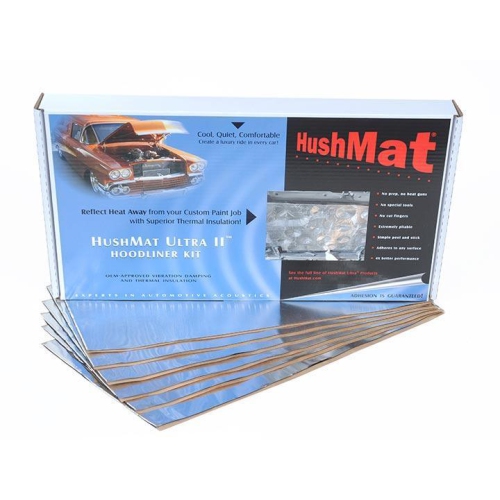
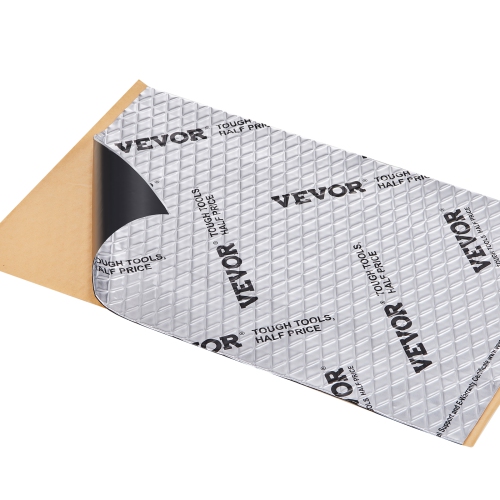
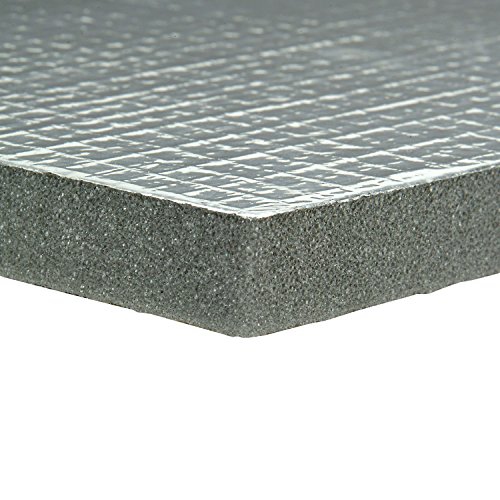
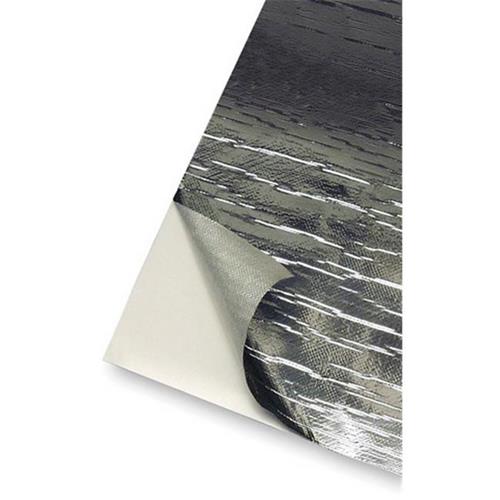
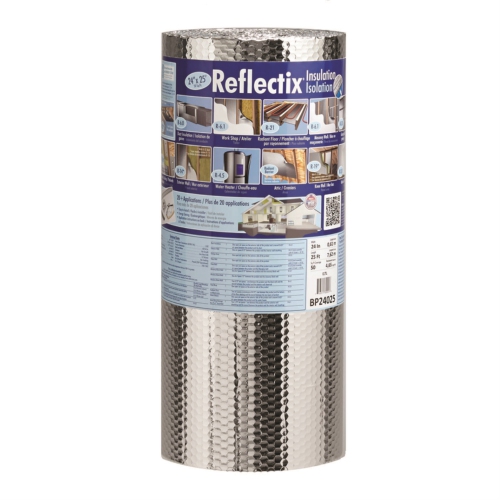
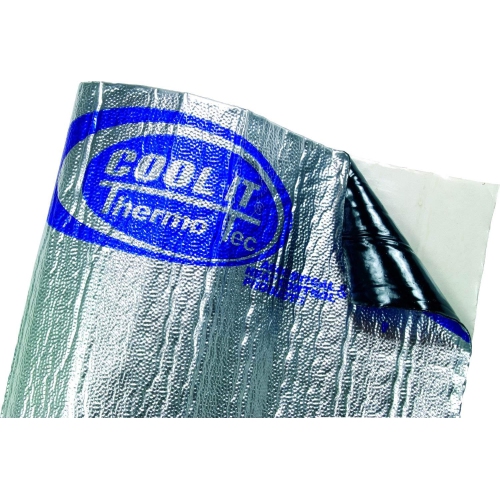
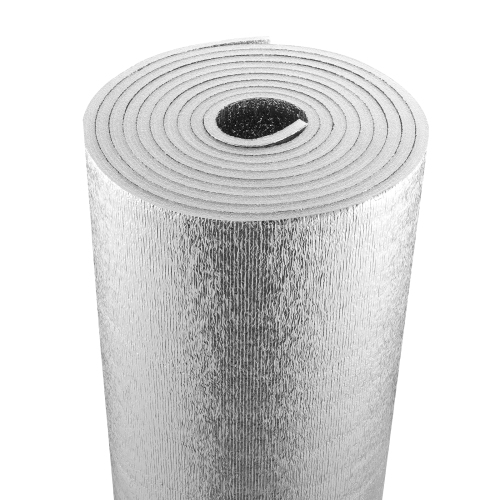
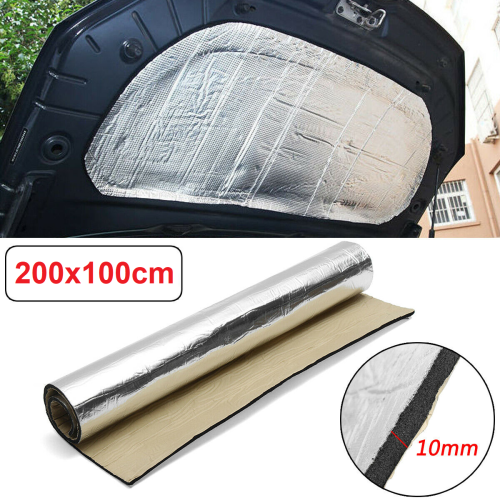
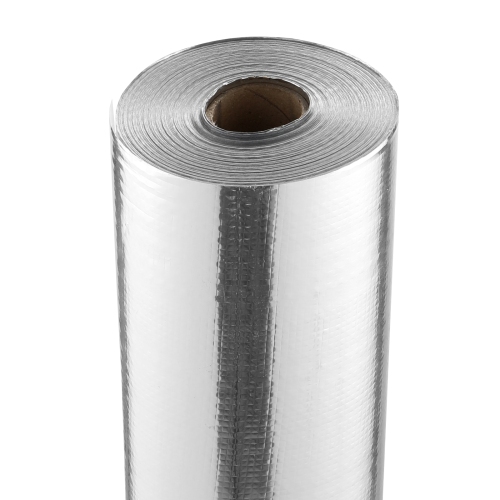
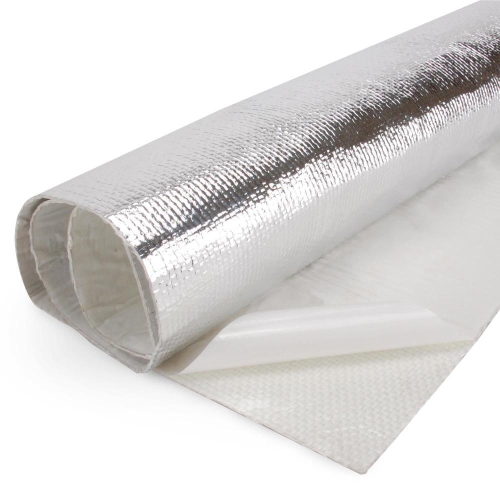
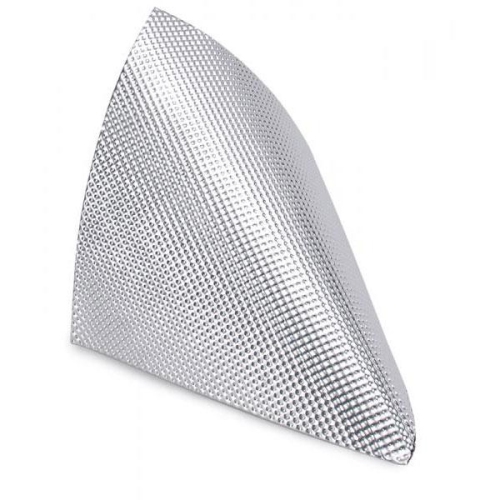
Reflective insulation systems offer another approach by using a foil-faced surface to reflect radiant heat, particularly in roofs, attics, garages, workshops, and other areas exposed to strong heat transfer. Products such as Double Reflective Insulation Rolls are flexible and can be easier to handle around beams, rafters, irregular corners, and temporary structures than bulky board materials. Their performance depends heavily on correct installation: a reflective surface generally needs an adjacent air space to work as intended, and seams, edges, fasteners, and penetrations should be handled according to the instructions. Reflective rolls may be used on their own in suitable applications or combined with other insulation materials when the assembly calls for additional thermal resistance, air sealing, or sound control. When comparing insulation products, begin with the installation area rather than selecting based only on material type. Attics often require attention to both insulation depth and airflow, basements may need materials that can tolerate contact with masonry and occasional moisture, and wall cavities call for products that match the spacing and depth of the framing. For floors above garages, crawl spaces, or unheated areas, look for an option that can remain securely in place and provide the level of coverage required by the construction. Consider how easy the product will be to cut, carry, secure, and finish, especially when working in a tight attic or around pipes and electrical lines. Protective clothing, gloves, eye protection, and a properly fitted mask may be appropriate when handling fibrous materials, while spray foam and some adhesives require additional precautions. A small amount of insulation can also be useful for homeowners preparing a renovation, finishing a basement, improving a garage, or repairing a draughty room before the cooler months arrive. These products can make a practical housewarming or renovation gift for someone who enjoys maintaining their home, although the best choice should match the recipient’s project and local building requirements. Taking clear measurements, calculating the coverage needed, and allowing for cuts and offcuts can help avoid delays. For extensive renovations, moisture problems, exterior applications, or work involving wiring and ventilation, professional advice can help ensure that the insulation is installed safely and performs as expected.
Reflective insulation systems offer another approach by using a foil-faced surface to reflect radiant heat, particularly in roofs, attics, garages, workshops, and other areas exposed to strong heat transfer. Products such as Double Reflective Insulation Rolls are flexible and can be easier to handle around beams, rafters, irregular corners, and temporary structures than bulky board materials. Their performance depends heavily on correct installation: a reflective surface generally needs an adjacent air space to work as intended, and seams, edges, fasteners, and penetrations should be handled according to the instructions. Reflective rolls may be used on their own in suitable applications or combined with other insulation materials when the assembly calls for additional thermal resistance, air sealing, or sound control. When comparing insulation products, begin with the installation area rather than selecting based only on material type. Attics often require attention to both insulation depth and airflow, basements may need materials that can tolerate contact with masonry and occasional moisture, and wall cavities call for products that match the spacing and depth of the framing. For floors above garages, crawl spaces, or unheated areas, look for an option that can remain securely in place and provide the level of coverage required by the construction. Consider how easy the product will be to cut, carry, secure, and finish, especially when working in a tight attic or around pipes and electrical lines. Protective clothing, gloves, eye protection, and a properly fitted mask may be appropriate when handling fibrous materials, while spray foam and some adhesives require additional precautions. A small amount of insulation can also be useful for homeowners preparing a renovation, finishing a basement, improving a garage, or repairing a draughty room before the cooler months arrive. These products can make a practical housewarming or renovation gift for someone who enjoys maintaining their home, although the best choice should match the recipient’s project and local building requirements. Taking clear measurements, calculating the coverage needed, and allowing for cuts and offcuts can help avoid delays. For extensive renovations, moisture problems, exterior applications, or work involving wiring and ventilation, professional advice can help ensure that the insulation is installed safely and performs as expected.
Top selling and popular products
-
 Your price for this item is $17.99
 -
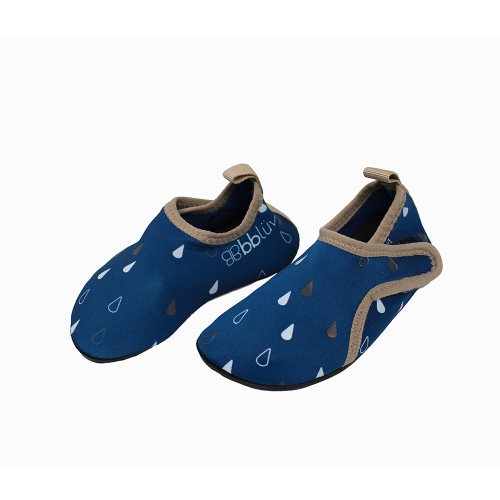 Your price for this item is $17.99
 -
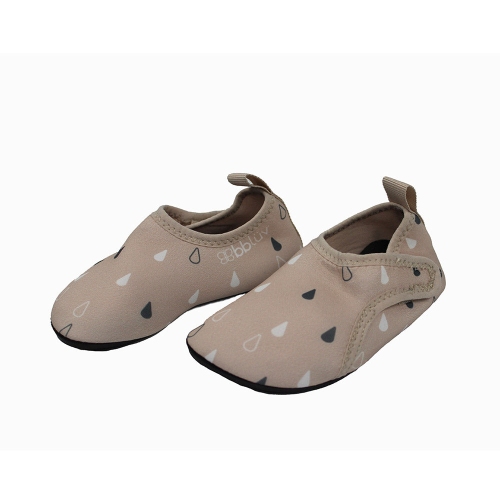 Your price for this item is $17.99
 -
 Your price for this item is $17.99
 -
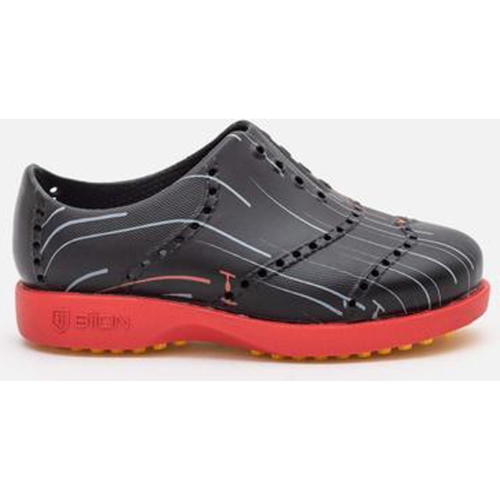 Your price for this item is $29.98
 -
 Your price for this item is $29.98
 -
 Your price for this item is $17.99
 -
 Your price for this item is $17.99
Discover more categories related to Insulation Products


Top Collections:
Pokemon Centers, Kindle Devices, Best Budget Office Chairs, Apple iPhones 16, Canon G7X Cameras, iPhone 15 Apple, Alarm Clock, Refurbished Apple Laptops, Flip Phones, Best Laptops for Writers
Some products may be subject to Environmental Handling Fees
(EHF) depending on your province.
Learn more about EHFs.