Training Cones
Elevate your training sessions with versatile and essential training cones, ideal for athletes, coaches, and fitness enthusiasts looking to enhance their agility, speed, and coordination. Perfect for a variety of sports and activities, these cones are designed to help you create dynamic drills that challenge and improve performance. Whether you're setting up a soccer practice, organizing a track workout, or planning an obstacle course, training cones offer the flexibility to customize your routines and push your limits. Discover the perfect addition to your fitness toolkit and take your skills to the next level with these indispensable training aids.
Sort
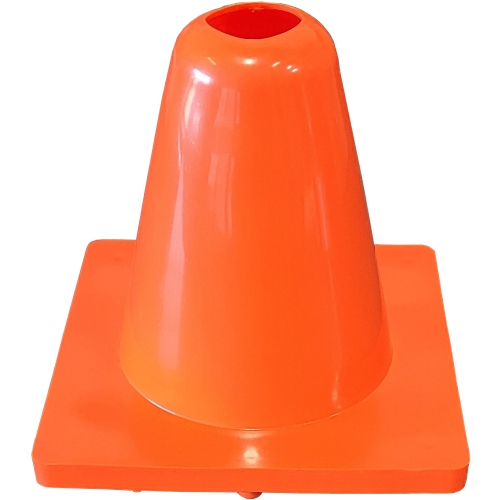
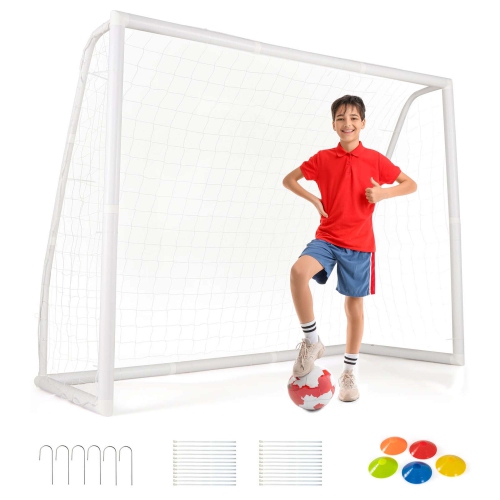
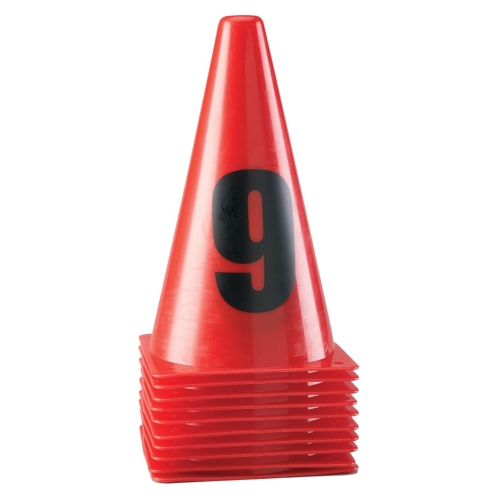
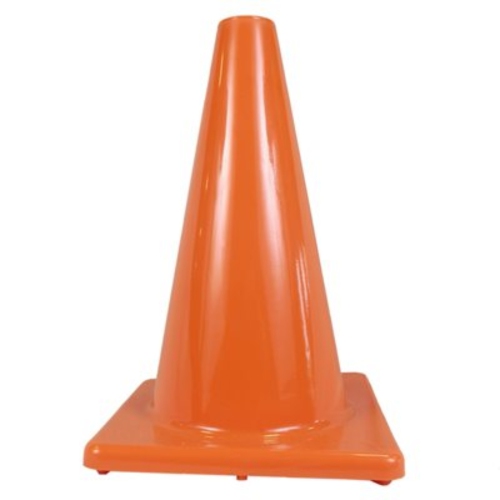
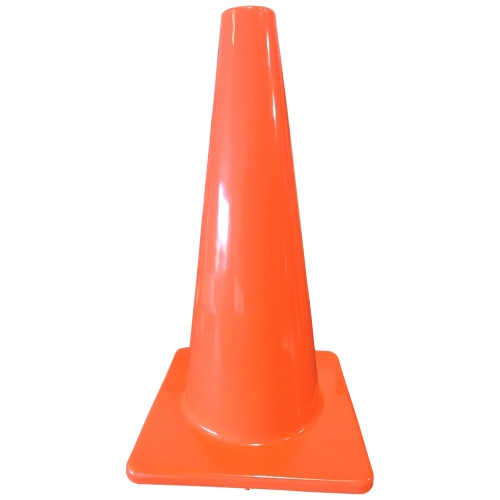
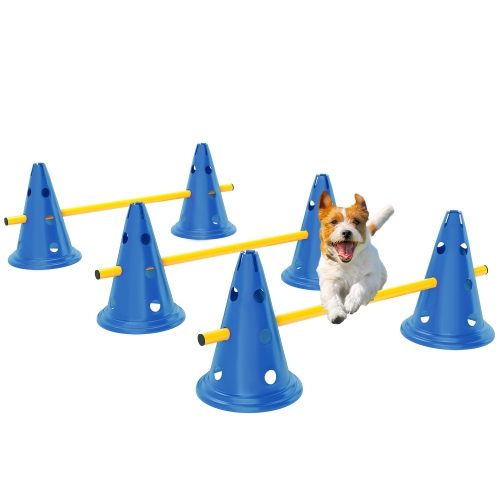
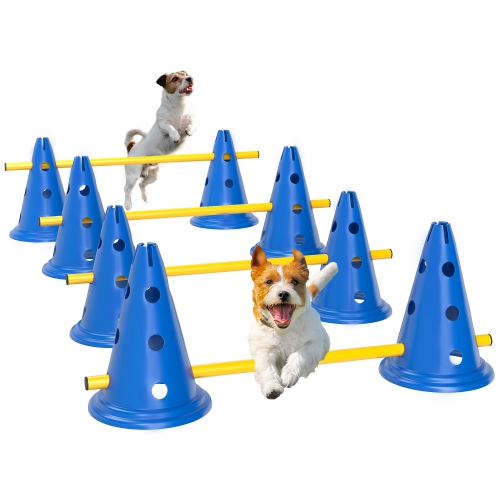
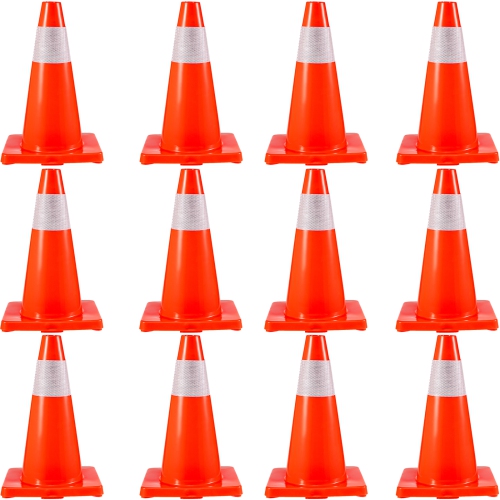
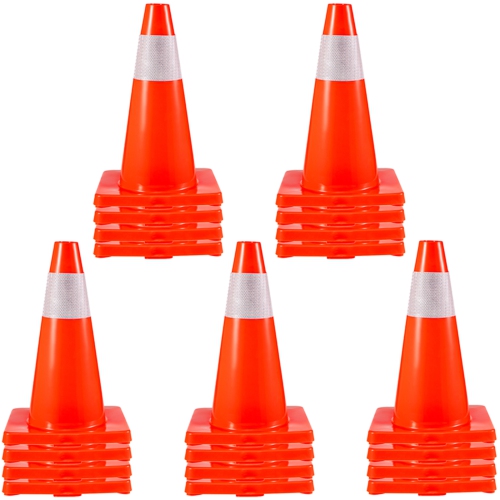
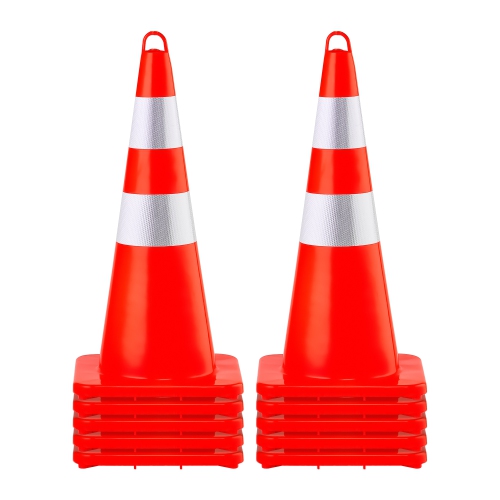
How portable markers turn open spaces into practice areas
Training cones are portable markers used to define boundaries, organize practice areas, and create reference points for agility, speed, and footwork drills. Commonly made from lightweight plastic, they give athletes a clear place to turn, stop, accelerate, or change direction without needing permanent lines on a playing surface. Their usefulness extends well beyond team practices: a personal trainer can mark stations for a circuit, a physical education teacher can divide a gym into activity zones, and a parent can lay out a simple obstacle course for active play. For soccer, basketball, football, rugby, and racquet sports, cones help turn an open space into a purposeful practice area. A row of markers might represent a dribbling lane, while two contrasting colours can distinguish a starting line from a finishing point. Low-profile disc cones, sometimes called saucer cones, sit close to the ground and work well where the marker needs to remain visible without creating a tall obstacle. Traditional upright cones offer a more prominent visual target, making them useful for larger practice spaces or activities where participants need to spot a turning point from farther away. Flat markers serve a similar organizational purpose, although their shape and surface contact differ from raised cones. The most suitable style depends on whether the marker is defining a boundary, directing movement, or acting as an obstacle to move around. Coaches working on ball control often favour layouts that leave enough room for both feet and the ball, rather than forcing players into unnaturally tight turns. For football-style passing lanes, shuttle runs, or group warm-ups, a taller marker may be easier to follow across a busy field. Athletes focused on soccer practice can also explore soccer cones for marking dribbling routes, passing gates, and small-sided playing areas. Across these uses, cones provide visual structure; the movements performed around them determine the skills being practised.
Material, shape, and base design make a noticeable difference in how training cones handle repeated use. Polyethylene and other moulded plastics are common, but flexibility varies: some cones bend readily when accidentally stepped on, while others hold a firmer upright shape. A flexible construction can be practical for close footwork, where occasional contact is likely, though no cone should be treated as something designed to support a person’s weight unless its specifications say so. Thicker walls may resist splitting, but thickness alone does not establish durability; the quality of the moulding, the resilience of the material, and the design around openings and edges also matter. Smooth edges and an intact base are especially important for equipment handled frequently by children. A broad base generally offers a steadier footprint, while a compact base takes up less space in a tightly arranged drill. Lightweight cones are easy to carry between stations, but their grip and stability depend on the surface beneath them. On a gym floor, suitability for indoor use and a non-marking base are worth checking, along with whether the cone slides too easily when brushed by a shoe. On turf or grass, the base needs to sit securely rather than tilt on an uneven patch. No single shape grips every surface equally well. Bright colours help distinguish markers from the playing area, while contrasting colours can separate teams, routes, or activity zones without adding more equipment. Visibility is not simply about choosing the brightest shade: a marker should stand out against the floor or field and remain easy for participants to identify. Height also affects its role. A low saucer can mark the edge of a passing gate without blocking the ball as much as an upright cone, while a taller cone makes a turning point more obvious at a distance. Where cones are intended to hold poles or connect with other training accessories, the opening size and stated compatibility matter. Ordinary marker cones should not be assumed to support attachments or function as hurdles. Matching the construction to the activity helps keep the layout predictable, particularly when several people are moving through adjacent lanes.
Set size, storage, and everyday handling are just as relevant as the shape of each cone. A compact set can suit individual footwork sessions or a few passing gates, while a larger set gives coaches room to create several stations without repeatedly moving markers between groups. The useful quantity depends on the layout and number of participants, not simply the size of the playing area. For example, a teacher dividing a class into small groups may need more boundary markers than an athlete using one long sprint lane. Multiple colours make it easier to keep those arrangements organized, especially when one colour identifies the route and another marks waiting areas. Stackable cones save space in an equipment cupboard and are easier to count before leaving a practice venue. A carry strap, holder, or bag, where included, can keep the stack together in transit and reduce loose equipment rolling around with balls and other gear. For coaches walking from a parking area to a field, the combined weight and carrying arrangement can matter more than the weight of one cone. Care is generally straightforward, but the manufacturer’s cleaning instructions should take priority. Removing grit from bases helps protect indoor floors, and wiping away dirt keeps colours and markings easy to see. Cones should be dry before enclosed storage, with no heavy equipment pressing on them in a way that could distort their shape. Regular checks for cracks, sharp edges, and warped bases help identify markers that no longer sit properly or are unsuitable for continued handling. Training cones can make a practical gift for a youth coach, a sports-minded family, or an athlete building a small collection of practice equipment, particularly when the style suits their usual activity and training space. Younger participants benefit from simple, clearly spaced layouts and appropriate supervision, while experienced athletes may use the same markers for more demanding changes of direction. Wherever they are used, cones work best as visible reference points within a clear activity area, with enough space around each route for participants to move without crossing into another group’s path.
Top selling and popular products
-
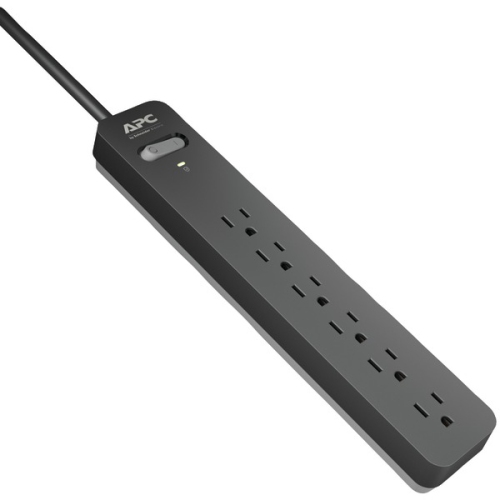 Your price for this item is $46.99
-
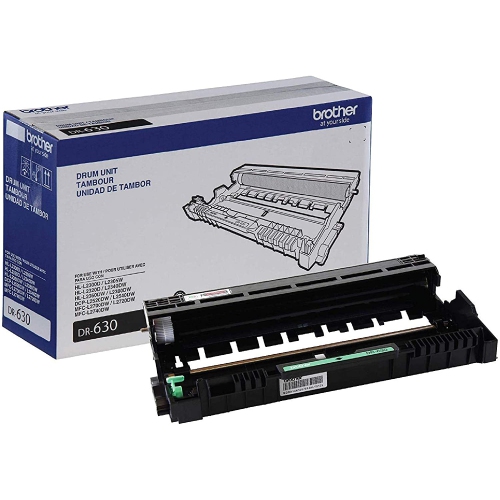 Your price for this item is $155.55
-
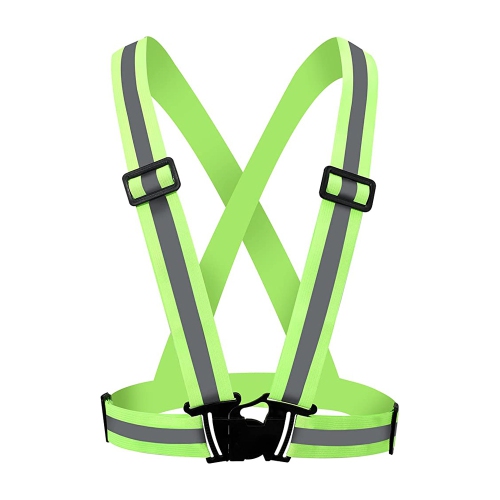 Your price for this item is $10.99
-
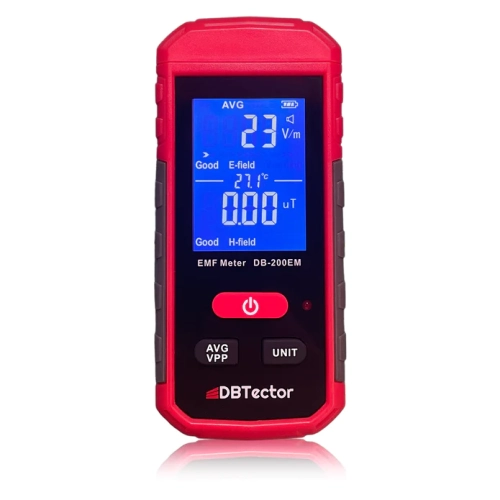 Your price for this item is $69.99
-
 Your price for this item is $118.99
-
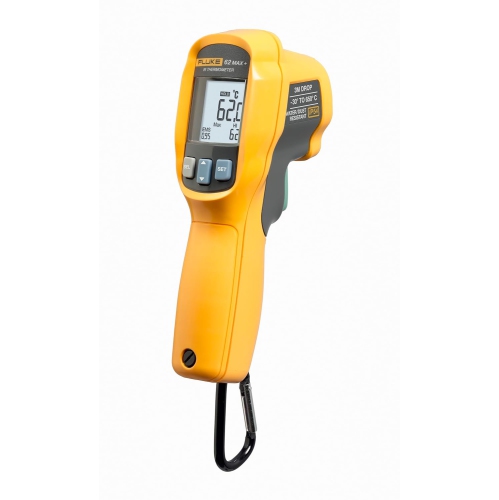 Your price for this item is $259
-
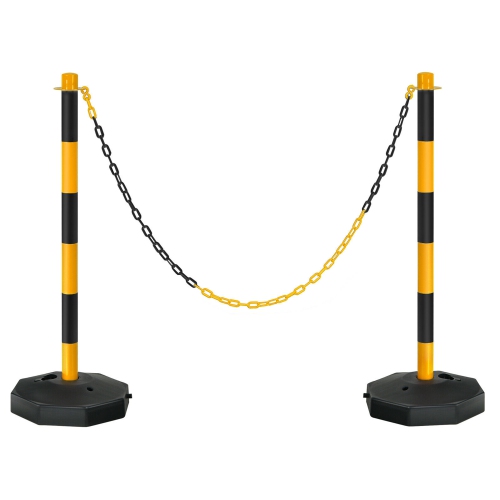 Your price for this item is $53.99
-
 Your price for this item is $95
Discover more categories related to Training Cones
Top Collections:
Pokemon Centers, Kindle Devices, Best Budget Office Chairs, Canon G7X Cameras, Apple iPhones 16, Samsung Galaxy Phones, Refurbished Apple Laptops, Laptops for Students, iPhone 15 Apple, Budget Smartphones
Some products may be subject to Environmental Handling Fees
(EHF) depending on your province.
Learn more about EHFs.