Dog Training Cone
Transform your dog training experience with the versatile and essential dog training cone. Perfect for pet owners and trainers alike, these cones are designed to help improve agility, obedience, and overall canine behavior. Whether you're setting up a simple obstacle course in your backyard or working on more advanced training techniques, these durable cones provide a practical solution for guiding your furry friend through various exercises. Easy to set up and transport, they offer flexibility for indoor or outdoor use, making it convenient to train anywhere. Enhance your dog's skills while strengthening your bond with these indispensable training tools.
Sort

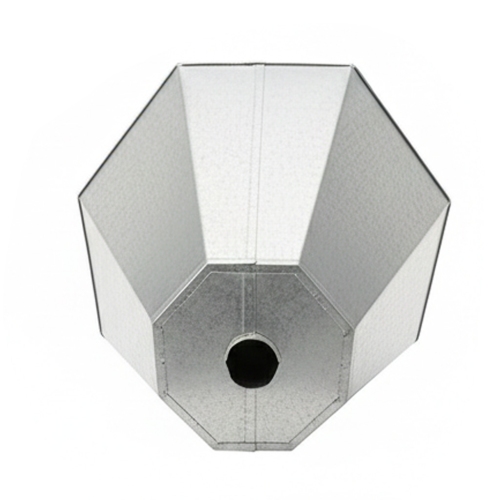
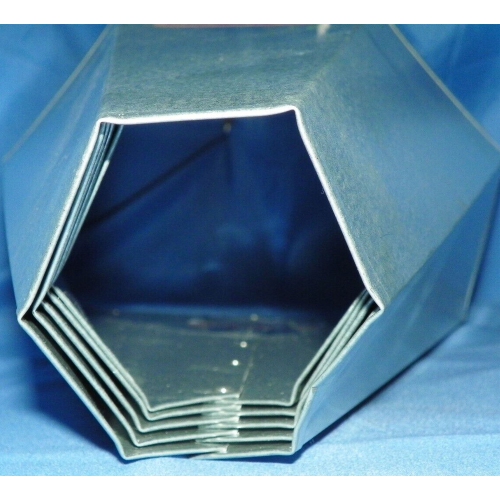

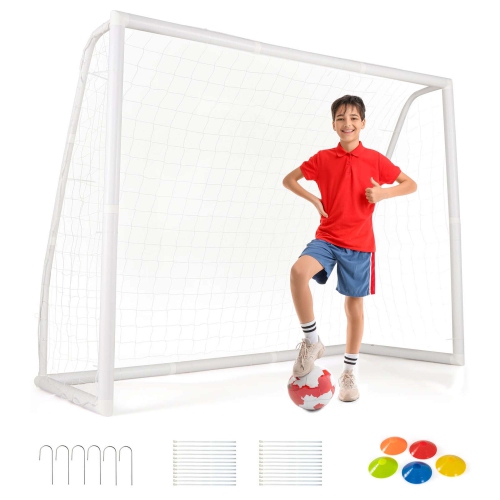

How simple markers give dog training more structure
Dog training cones are freestanding markers used to organize canine agility activities, obedience exercises, scent work, and distance-handling practice. They create visible reference points for dogs and handlers, helping define a route, mark a stopping position, or establish the boundaries of a training area. Unlike an obstacle that a dog must climb or jump over, a cone usually serves as something to move towards, travel around, or pass between. That makes these markers useful for a wide range of activities, from a family dog learning to circle an object to an experienced agility dog practising turns away from the handler. A single cone can provide a clear target for a wrap, where the dog travels around the marker and returns towards the handler. Several cones can outline a curved path, separate practice stations, or mark the corners of an obedience exercise. For group classes, visible markers also help give each dog-and-handler pair a defined working space. The cone itself does not teach a behaviour; its value comes from providing a consistent reference alongside clear cues and reward-based training. This distinction matters when choosing equipment: a simple, easy-to-see marker may be more useful than a complicated arrangement that distracts from the exercise. Dog owners practising foundational skills, instructors organizing classes, and handlers refining sport-specific movements can all use cones, although their preferred sizes and layouts may differ. A compact practice area might need only a few markers with modest footprints, while a larger training field may call for taller cones that remain easy for the handler to see at a distance. For scent activities, cones can identify search stations or outline a search area without becoming containers for anything a dog might swallow. Their versatility comes from how they define space, rather than from any single drill, making them practical accessories for repeated sessions with different training goals.
Materials, shape, and base design affect how a dog training cone behaves during use. Lightweight plastic cones are generally easy to carry and rearrange, while more flexible constructions may bend when accidentally bumped. A rigid cone can hold its shape well, but its edges, openings, and overall finish deserve attention wherever a curious dog might make contact. Smooth surfaces and rounded edges are useful considerations, especially for dogs that investigate unfamiliar objects with their noses. Rubberized or weighted bases may offer greater resistance to movement, although the supporting surface still influences stability. A cone that stays put on a textured training mat may slide more easily on a smooth floor, so base grip matters as much as weight. Height and width should suit both the dog and the intended activity. A low marker can define a position without blocking the handler’s view of a small dog, whereas a taller marker may be easier to follow during distance work. The base also needs enough room around it for comfortable movement: a wide footprint occupies more of the dog’s turning path than the cone’s height alone might suggest. For exercises involving turns, space around each marker should accommodate the dog’s size, stride, and experience rather than encourage tight, abrupt changes of direction. Colour contrast helps handlers distinguish markers from the floor or ground, and blue or yellow can be useful choices when visual distinction for the dog is important. General-purpose Sports Cones can serve similar marking roles when their dimensions, finish, and stability suit canine practice. Openings or slots may support compatible training accessories, but compatibility depends on the equipment’s design. A marker is not automatically suitable as a jump support, and cones should not be treated as chew toys or obstacles intended to bear a dog’s weight. Matching the construction to the activity is more important than choosing the tallest or heaviest option.
Practical details become especially noticeable when cones are used regularly. Stackable shapes can make a set easier to store between sessions, while a comfortable carrying method helps when moving equipment from a cupboard to a practice space. The stacked height, base width, and total weight all influence how convenient a set will be for someone carrying leads, rewards, and other training supplies at the same time. For shared equipment, a smooth, washable surface can simplify routine care after contact with paws, noses, or the ground. Cleaning should follow the material’s care directions, with any residue removed and the cones allowed to dry before storage. Dirt trapped between nested cones can make them harder to separate, while damaged rims or cracked bases can create rough contact points. Regular inspection is particularly useful for equipment that is frequently transported or used by several dogs. Durability is not only about resisting an occasional bump; it also includes retaining a stable shape, separating easily after stacking, and remaining straightforward to clean. In a home setting, cones that tuck neatly onto a shelf may be more practical than bulky markers that require a dedicated storage area. For an instructor, consistent dimensions across a set can make layouts easier to reproduce and explain to participants. For a handler working on distance cues, clearly distinguishable markers may matter more than compact storage. Cones can also make a thoughtful gift for someone who already enjoys reward-based dog training, particularly when the choice reflects the recipient’s available space and existing equipment. Across these uses, the best fit is equipment that stays predictable: visible enough to mark the task, stable enough to remain in place during ordinary use, and manageable enough to bring out regularly. With suitable spacing, supervision, and an activity matched to the dog’s abilities, training cones provide a simple way to give practice sessions structure without taking attention away from the dog and handler.
Top selling and popular products
-
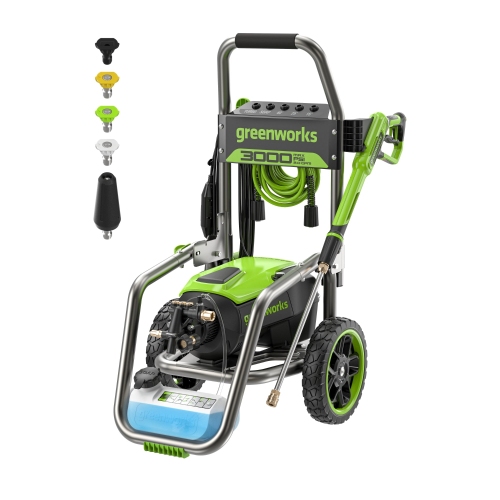 Your price for this item is $699.99
-
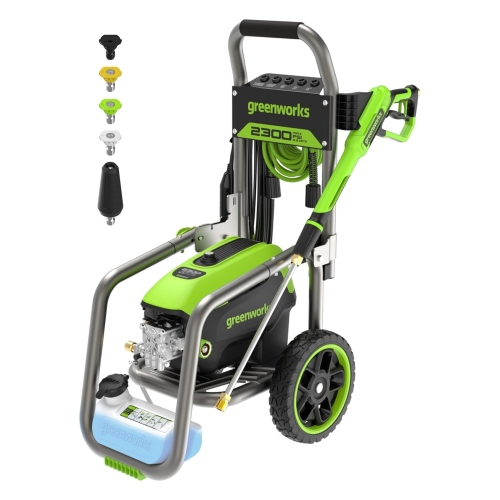 Your price for this item is $569.99
-
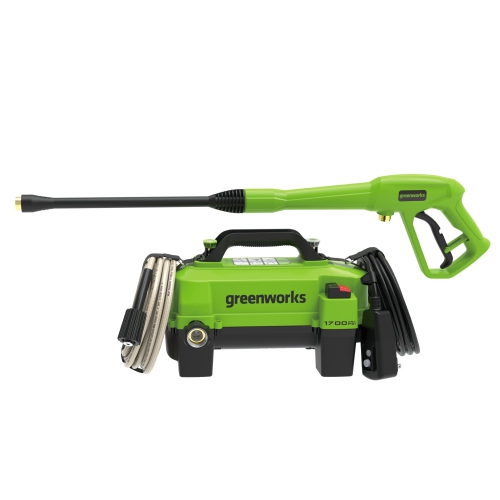 Your price for this item is $179.99
-
 Your price for this item is $339.99
-
 Your price for this item is $104.99
-
 Your price for this item is $807.5
-
 Your price for this item is $86.99
-
 Your price for this item is $289.99
Discover more categories related to Dog Training Cone
Top Collections:
Pokemon Centers, Kindle Devices, Best Budget Office Chairs, Canon G7X Cameras, Apple iPhones 16, Samsung Galaxy Phones, Refurbished Apple Laptops, Laptops for Students, iPhone 15 Apple, Budget Smartphones
Some products may be subject to Environmental Handling Fees
(EHF) depending on your province.
Learn more about EHFs.