Standard Bunk Beds
Standard bunk beds offer two stacked sleeping spaces, making them a practical choice for shared bedrooms where floor space is limited. Compare dimensions, mattress requirements and weight limits, and consider ceiling clearance, guardrails and access to the top bunk to find a setup that suits your room.







































FAQ
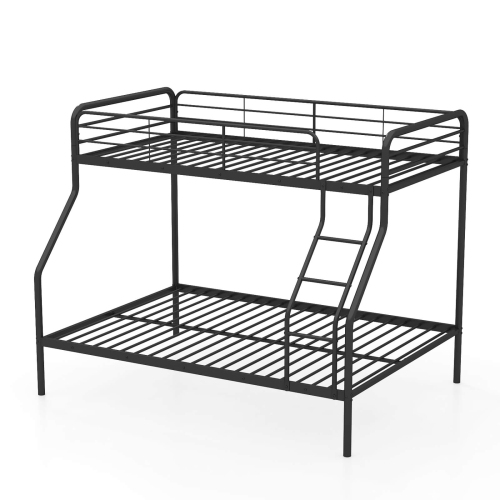
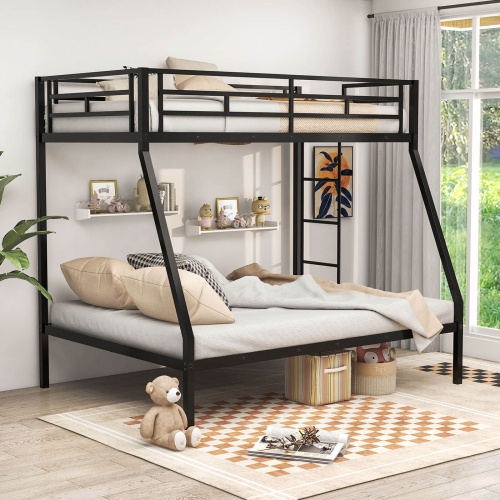
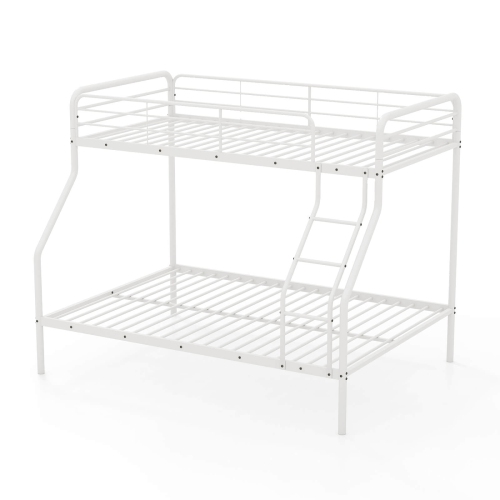
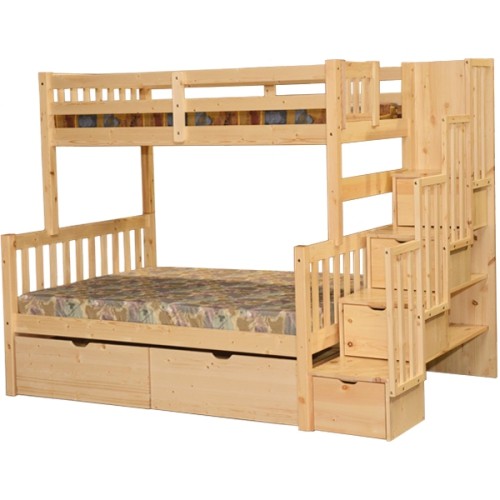
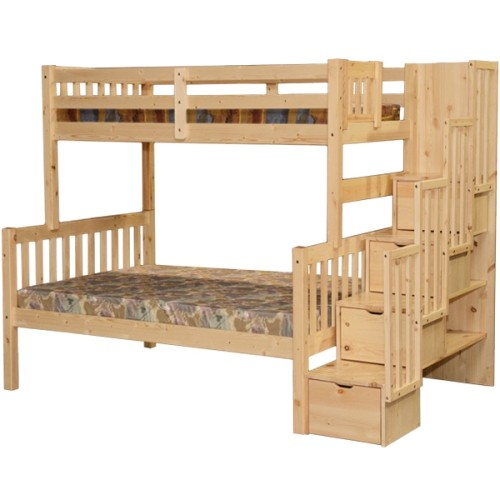
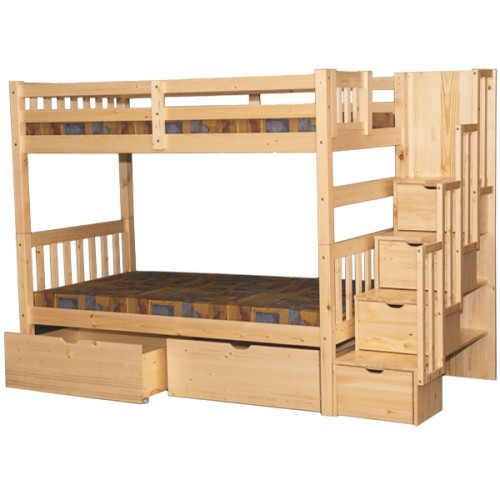
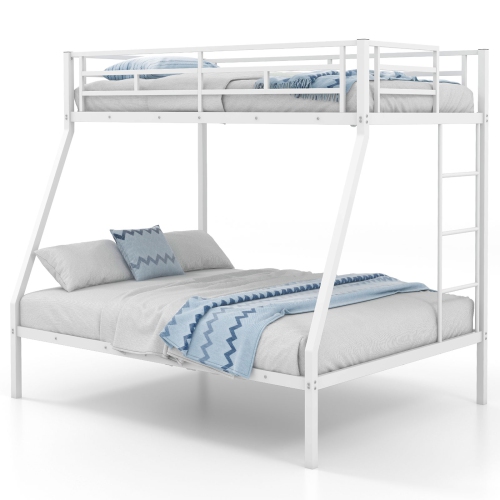
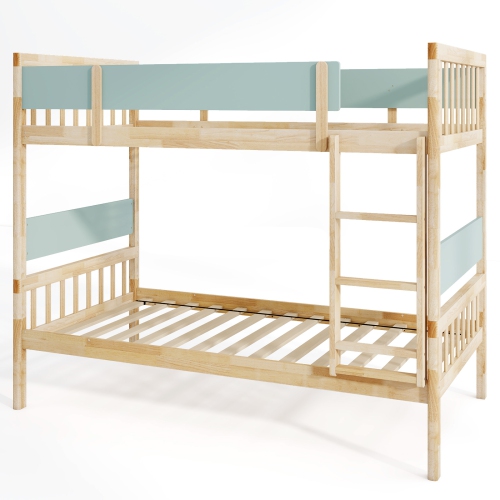
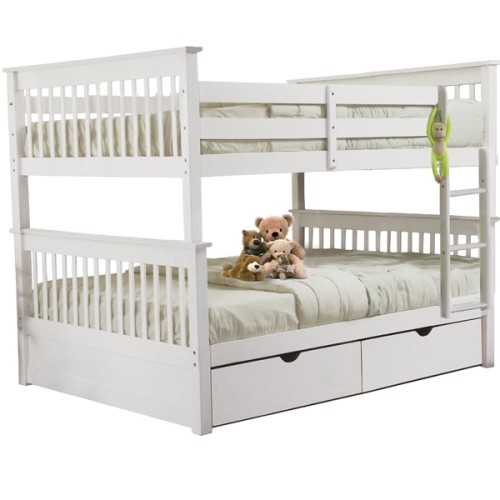
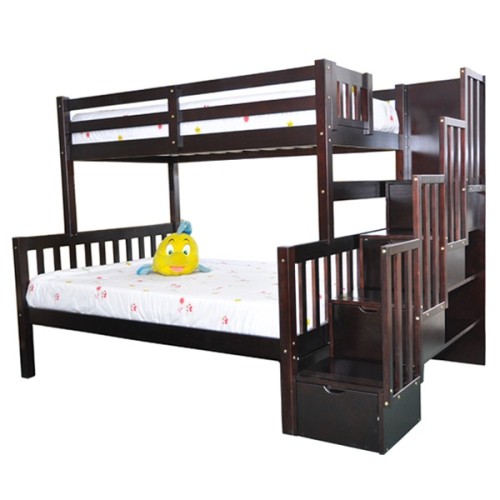
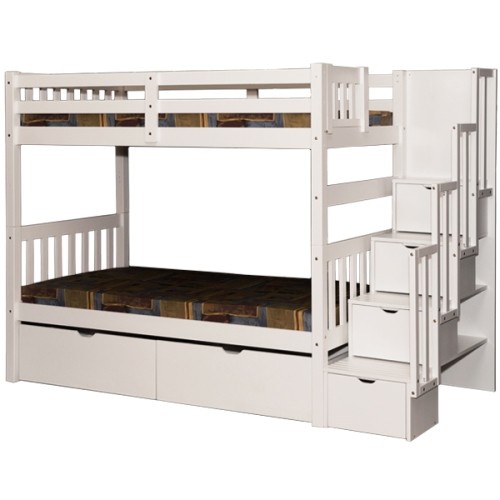
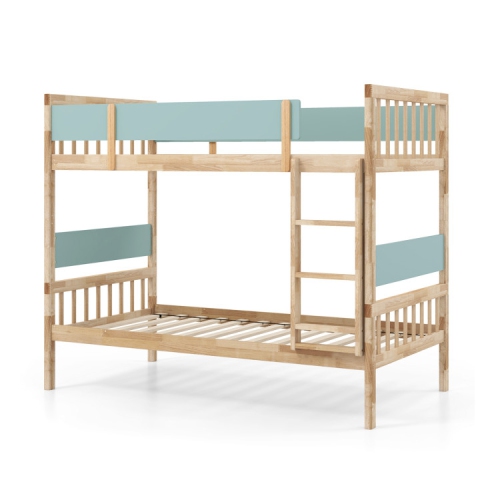
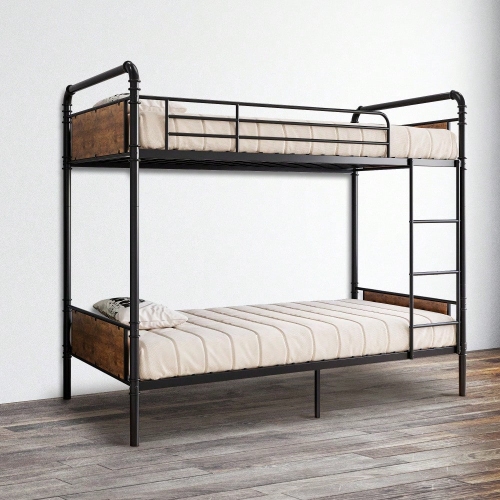
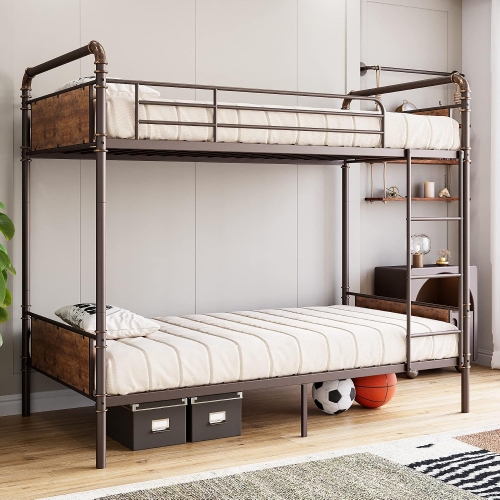
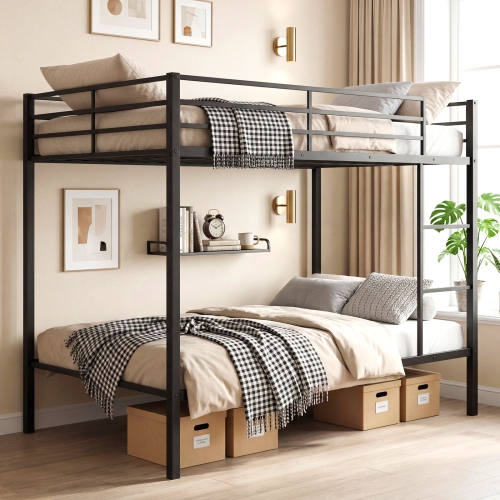
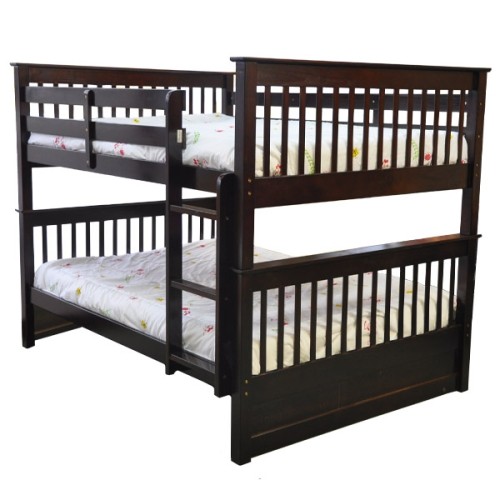
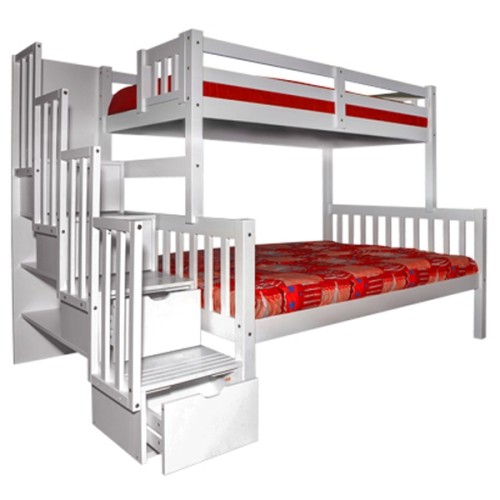
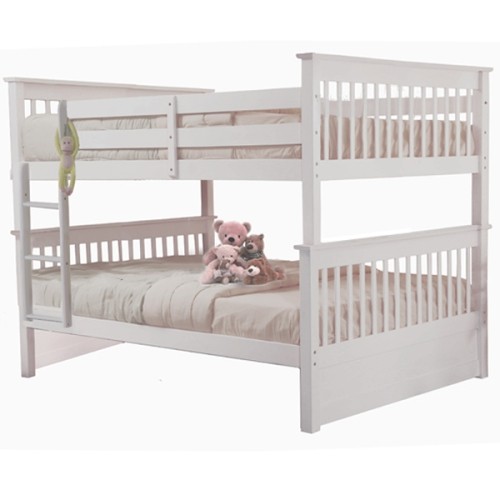
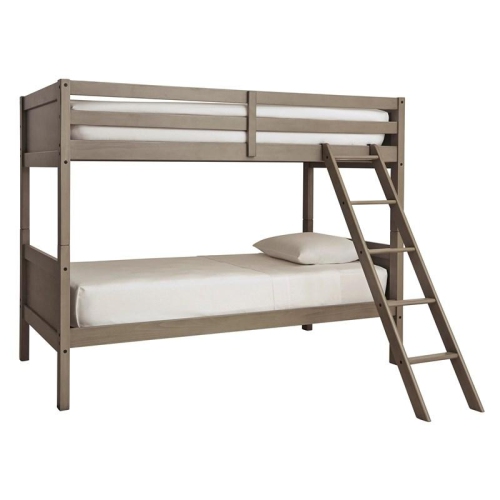
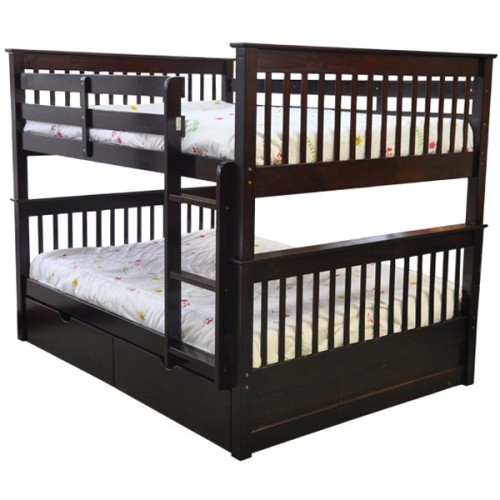
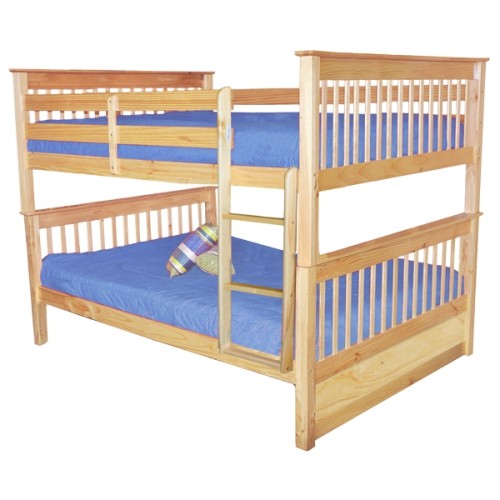
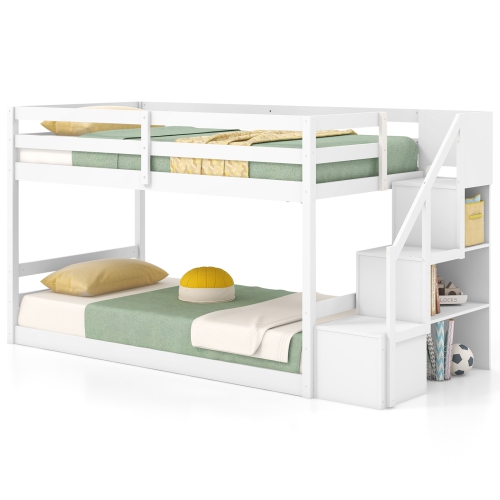
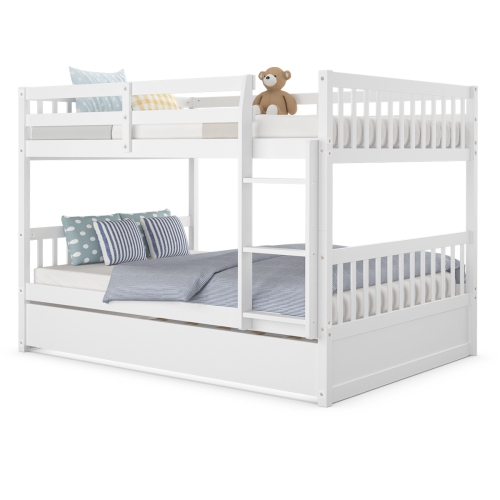
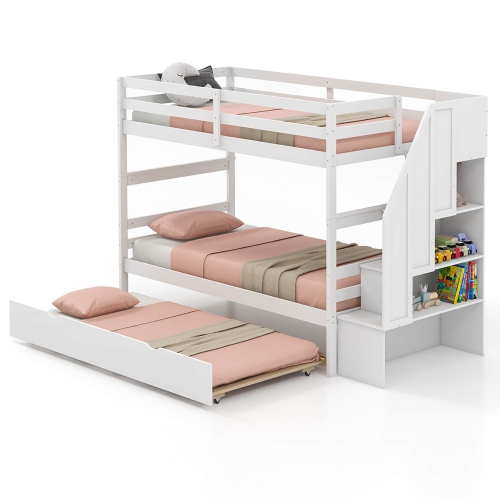
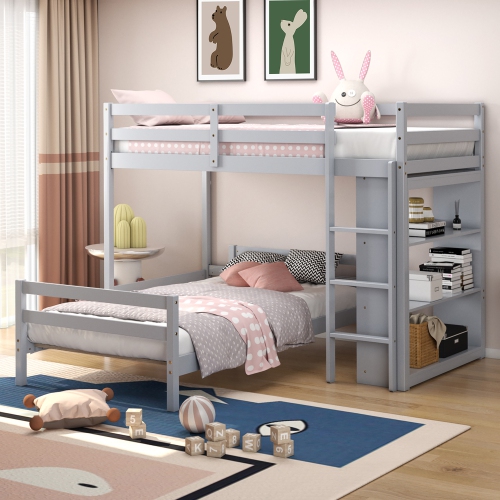
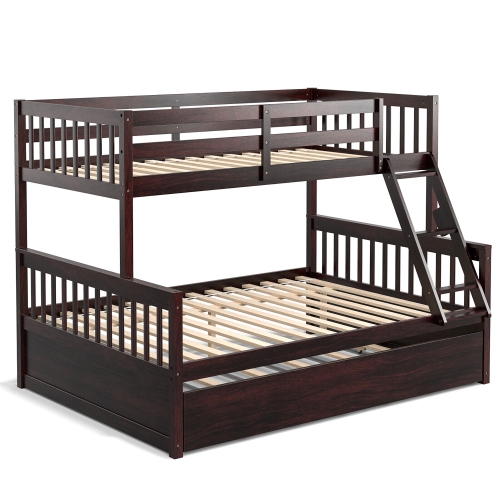
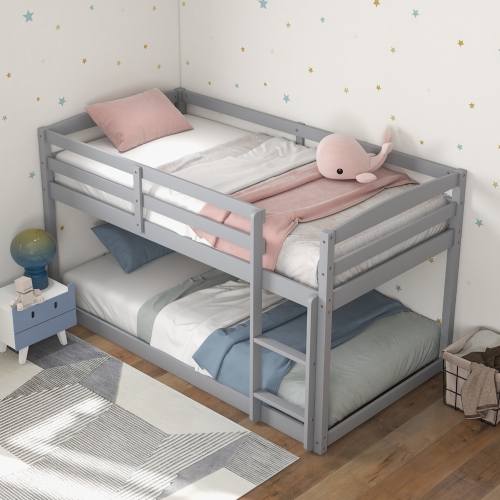
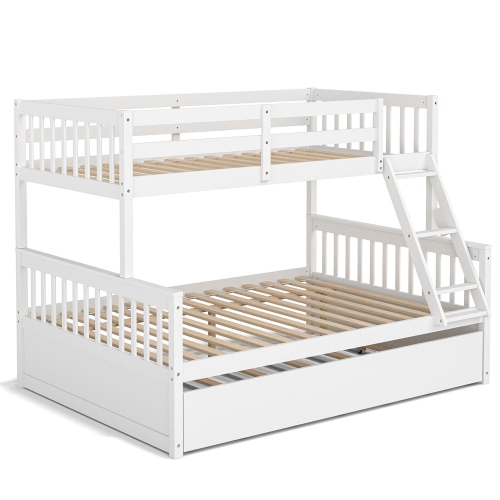
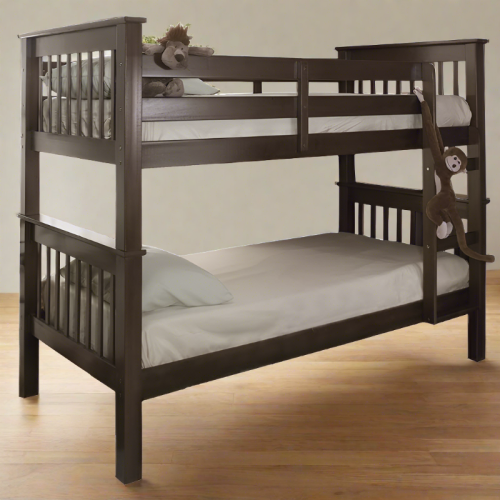
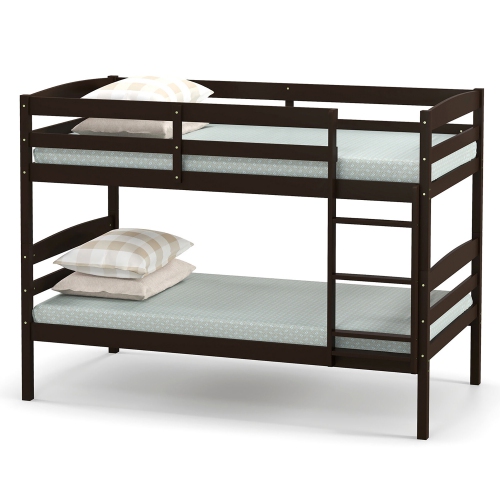
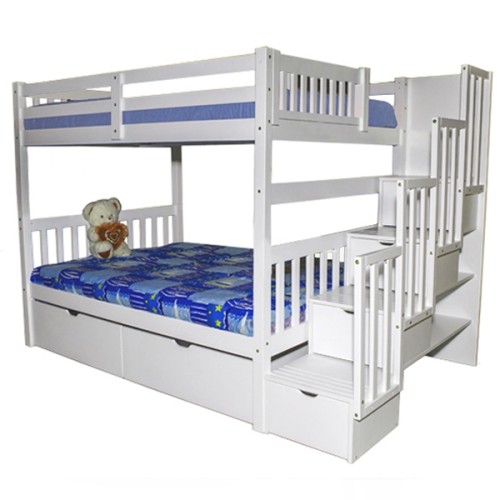
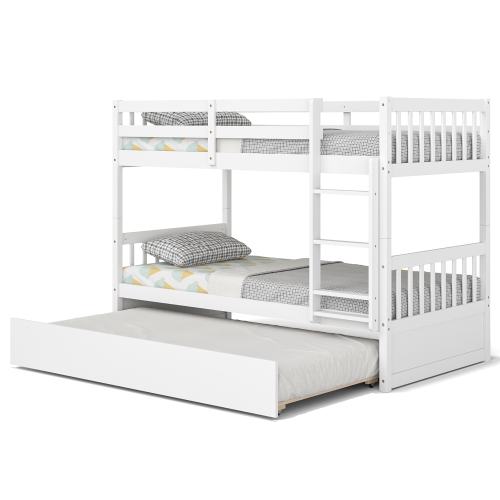
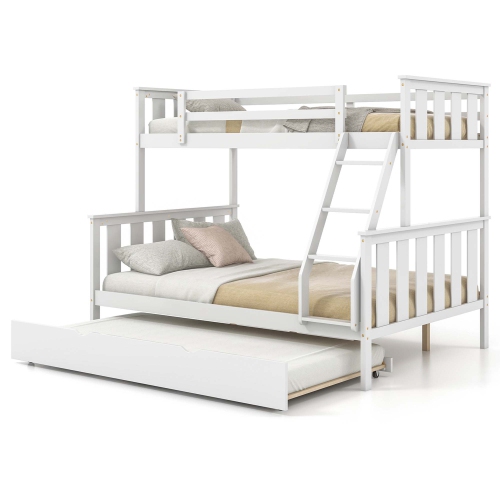
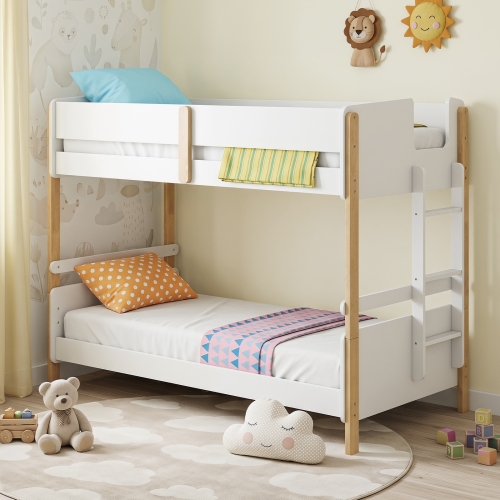
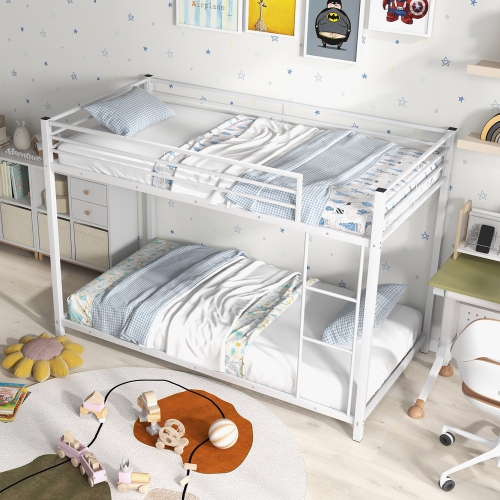
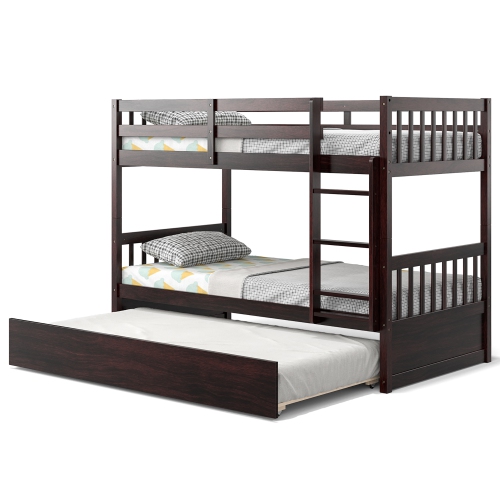
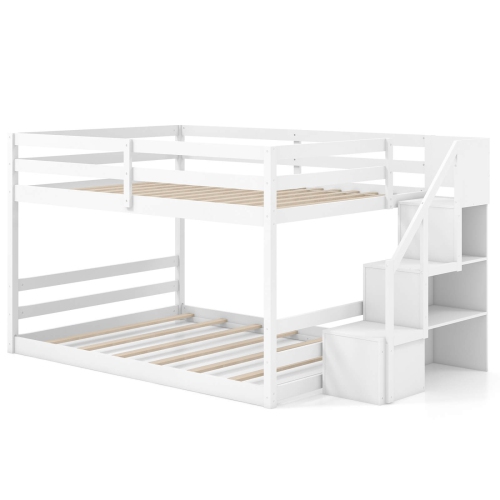
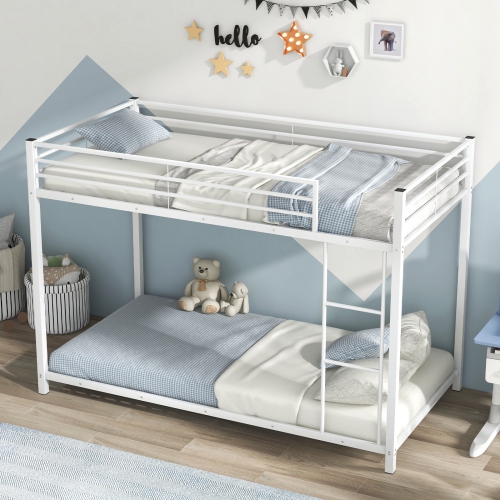
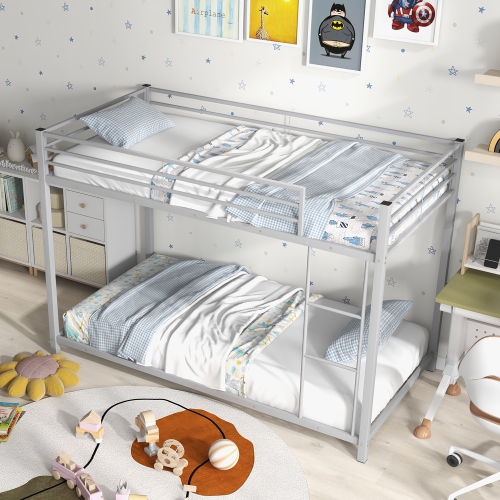
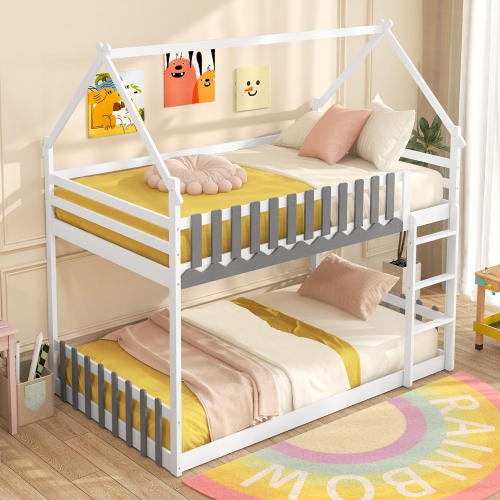
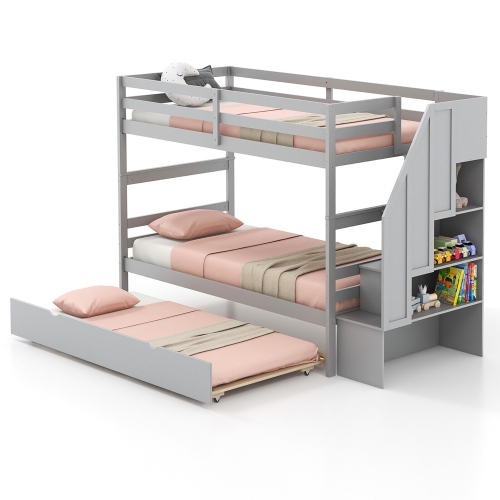
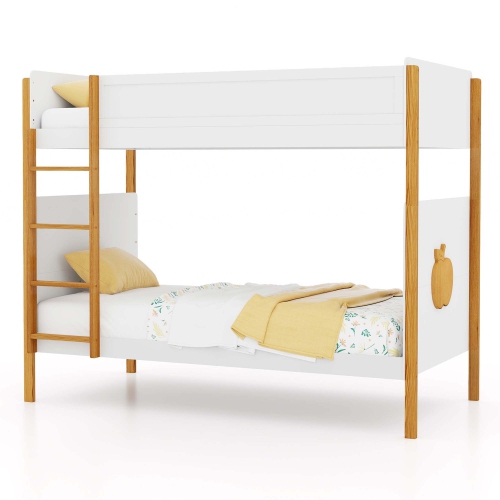
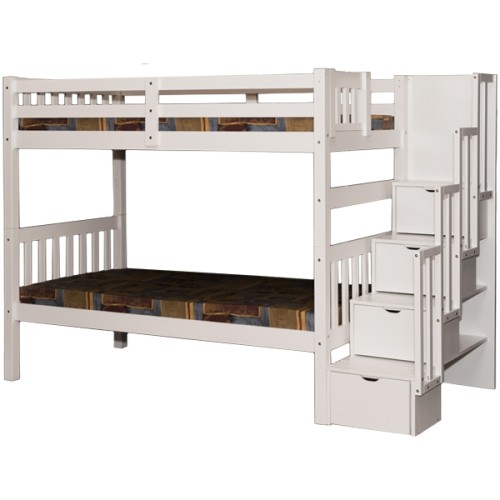
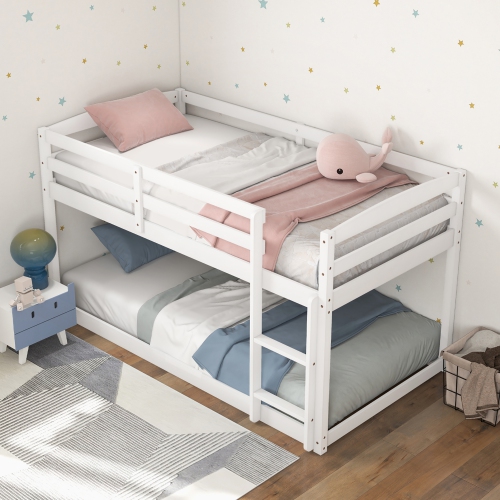
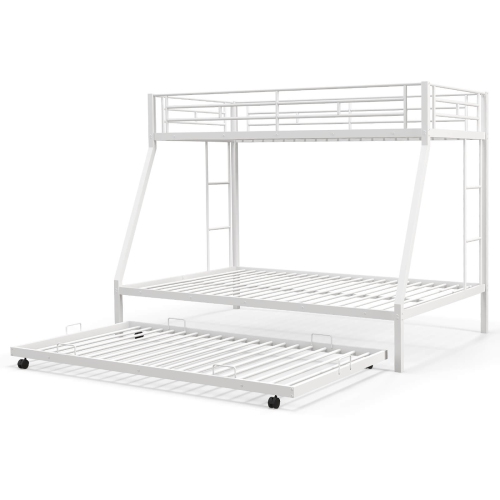
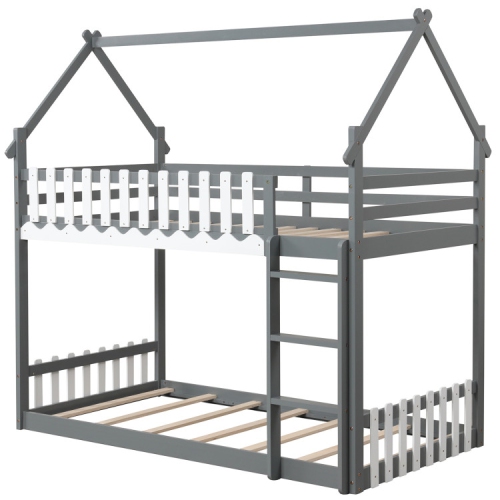
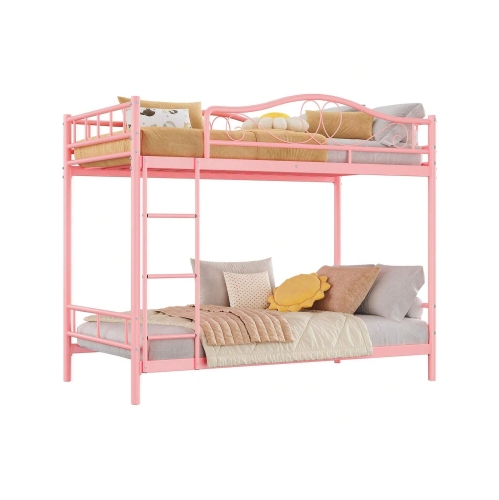
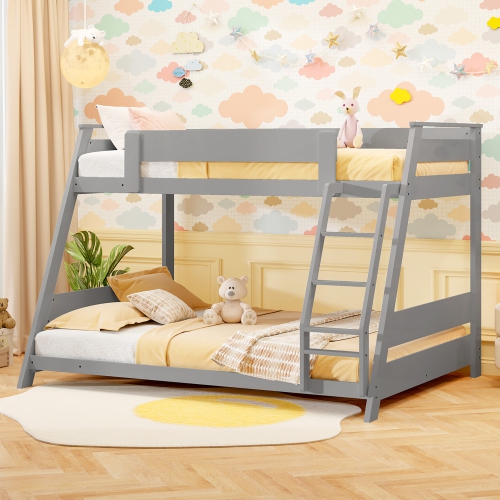
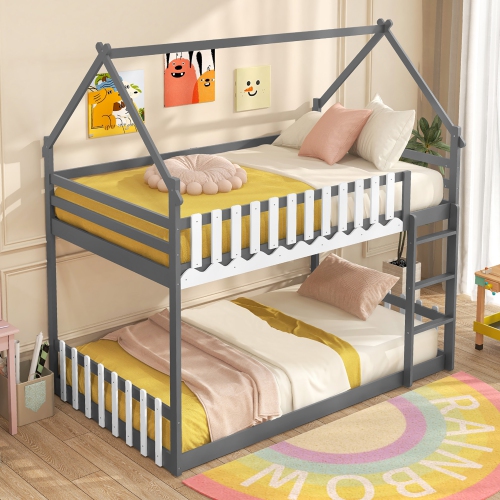
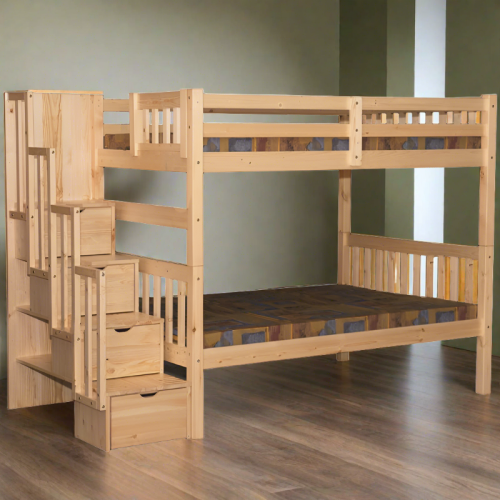
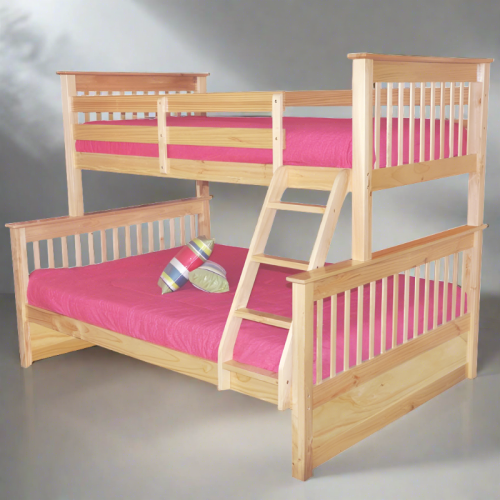
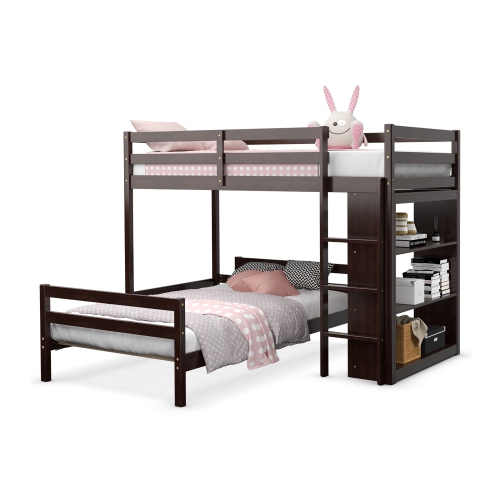
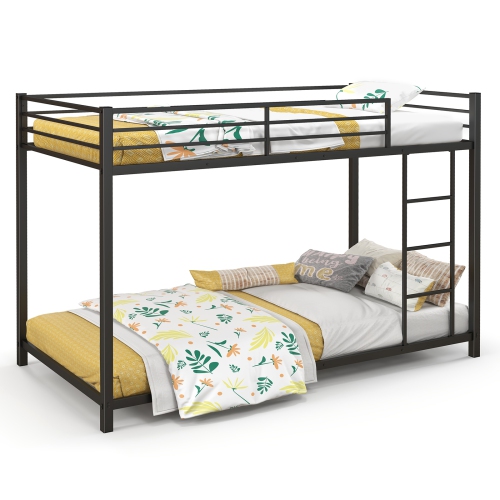
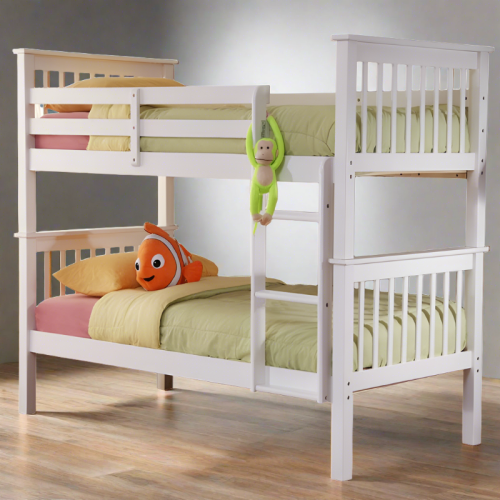
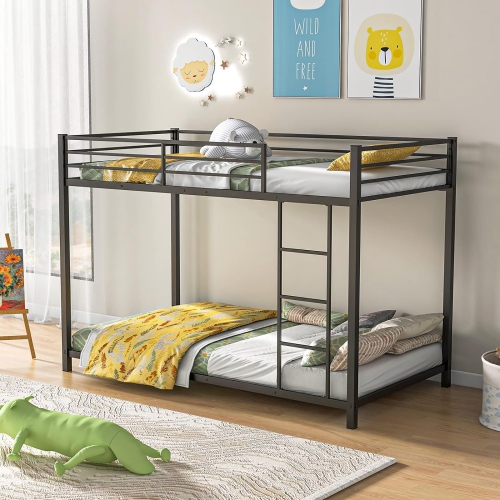
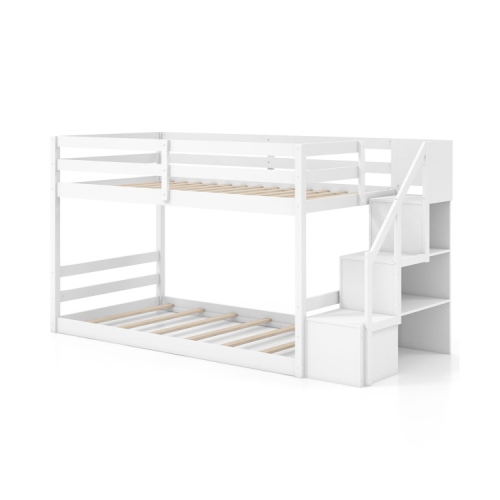
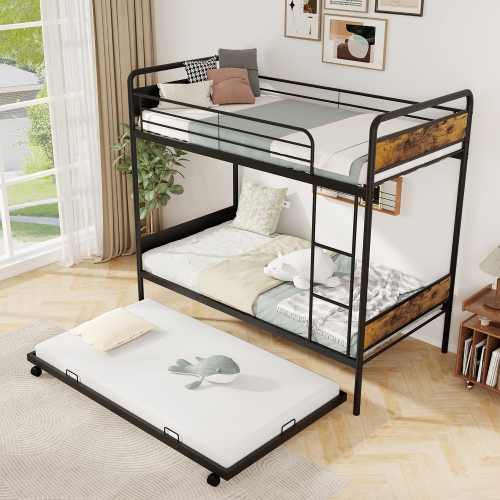
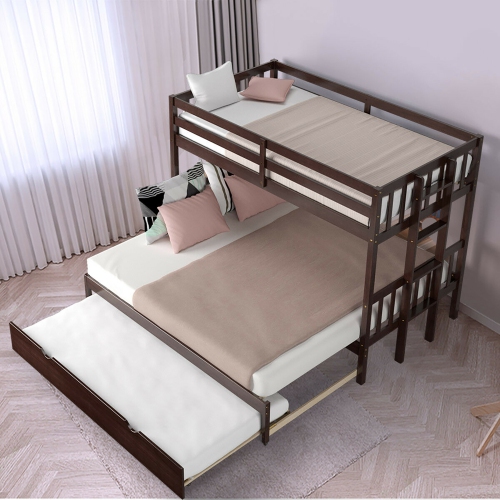
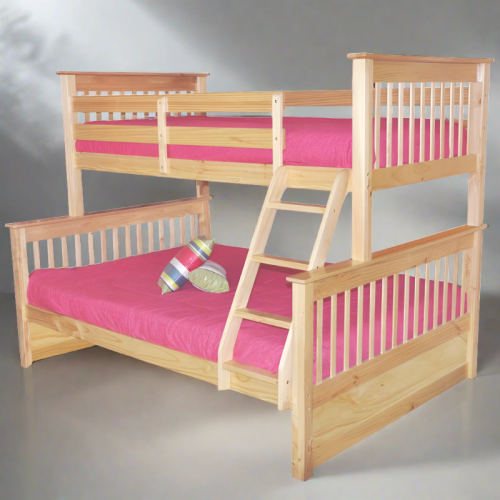
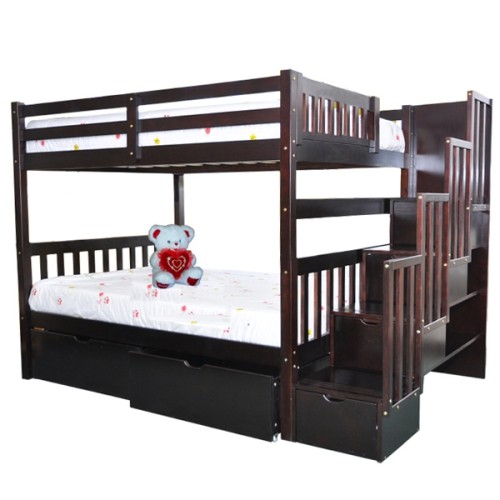
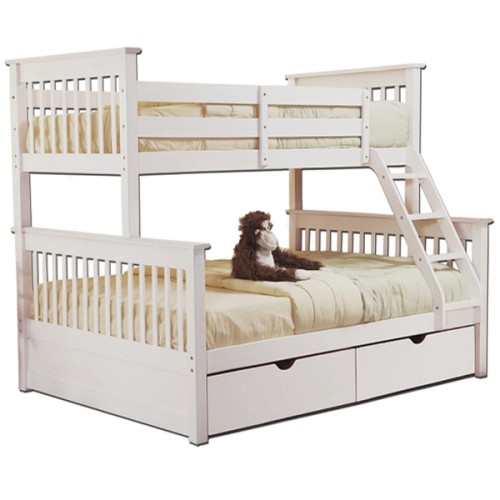
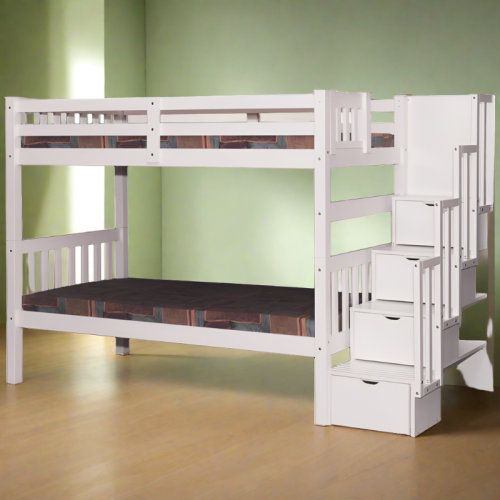
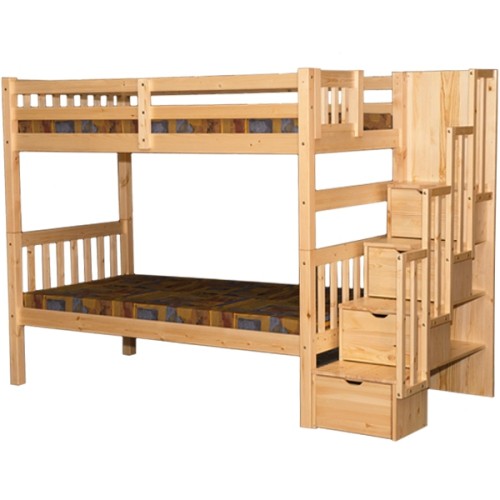
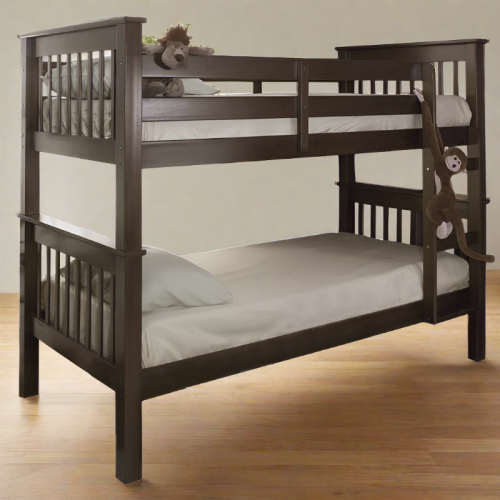
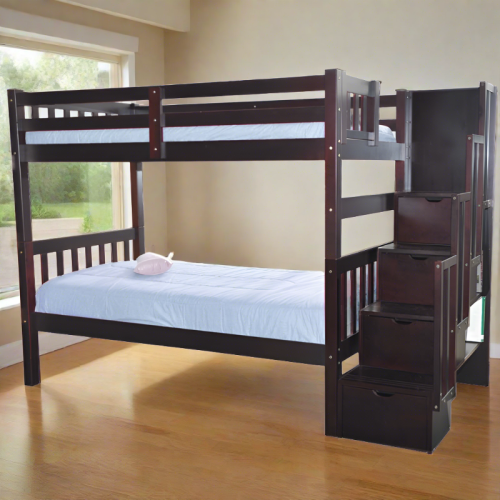
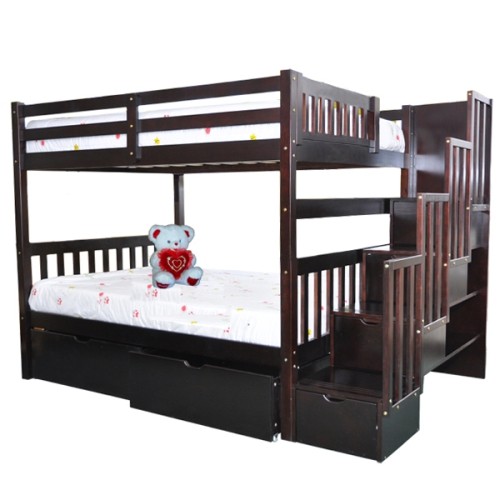
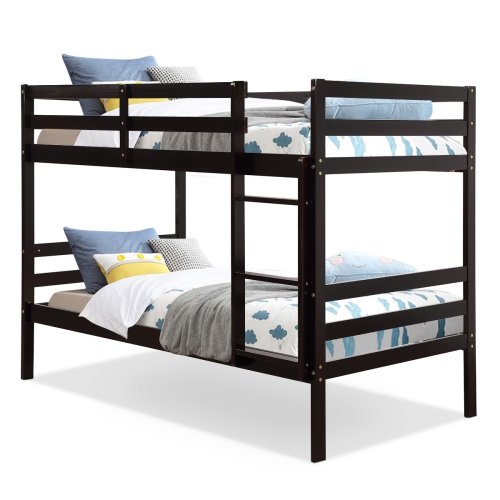
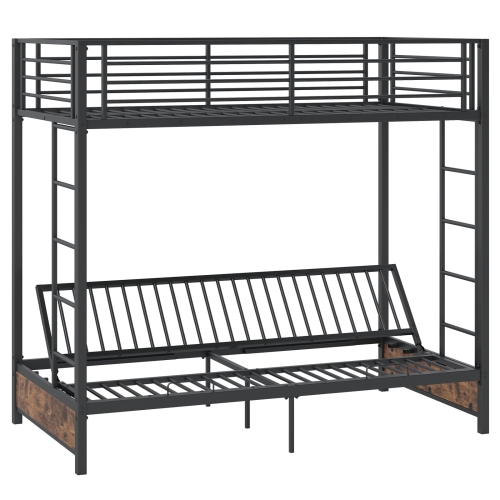
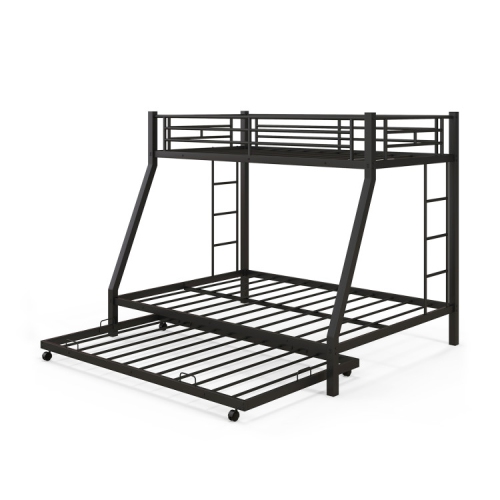
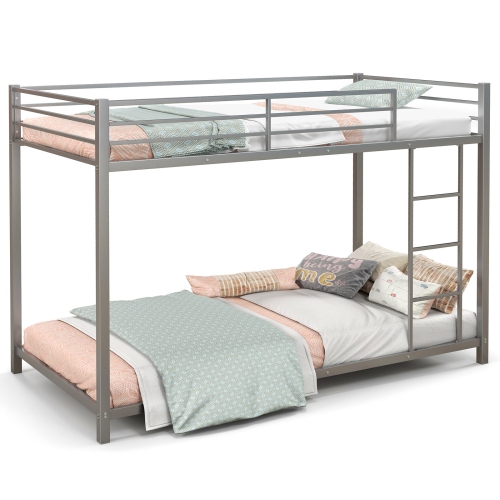
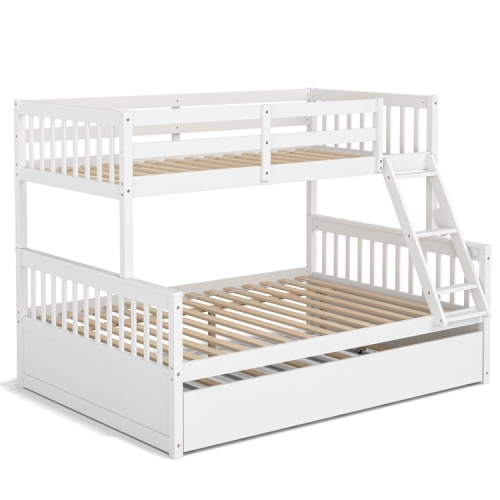
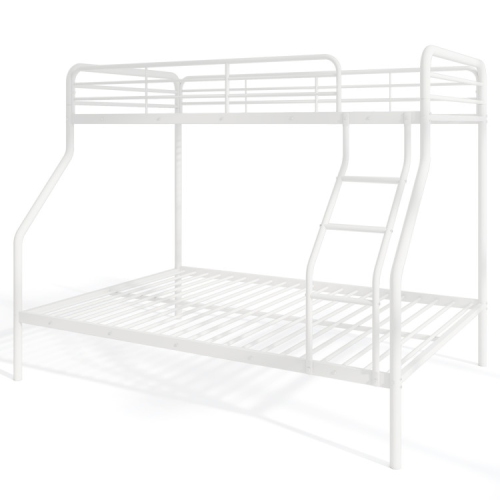
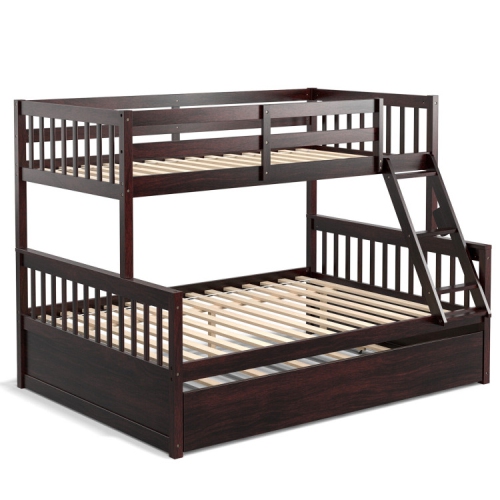
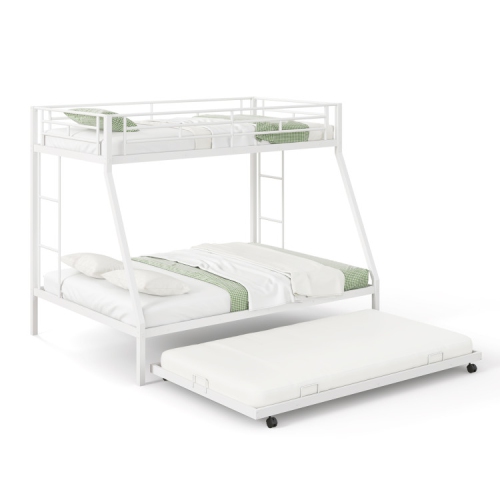
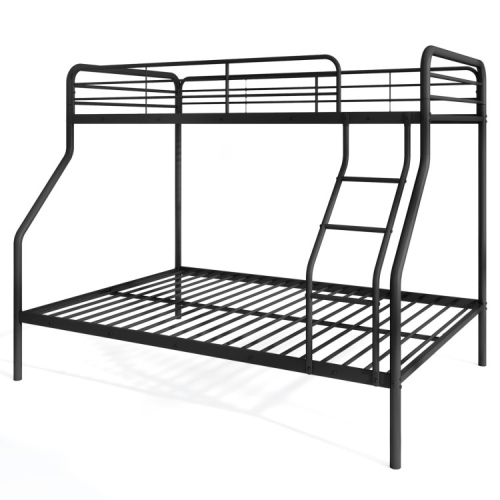
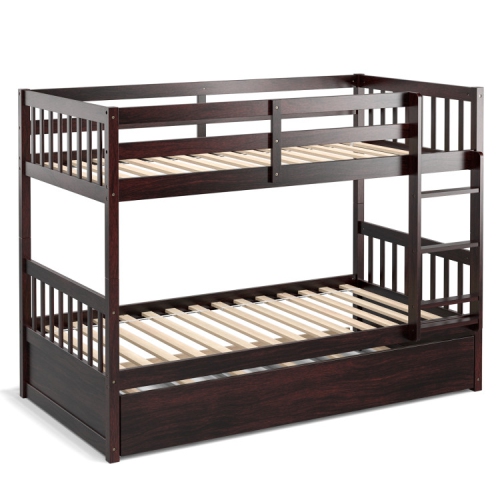
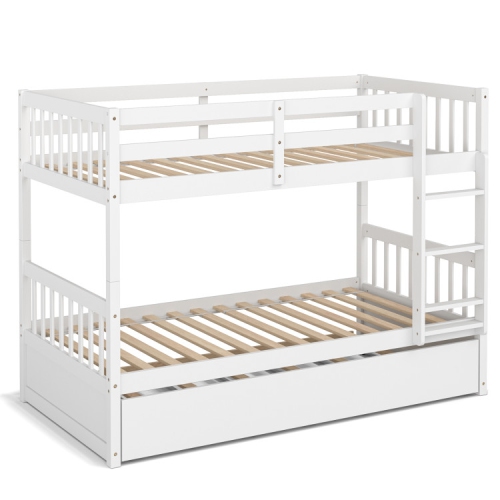
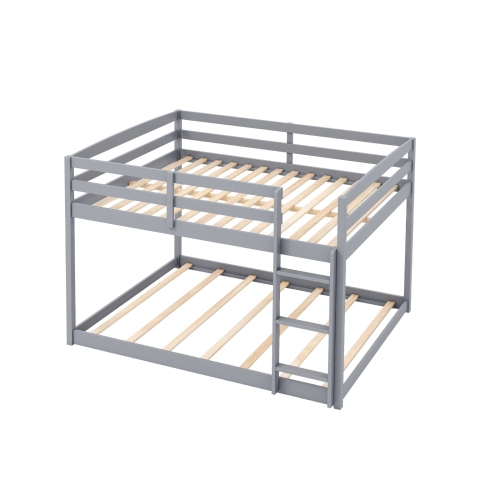
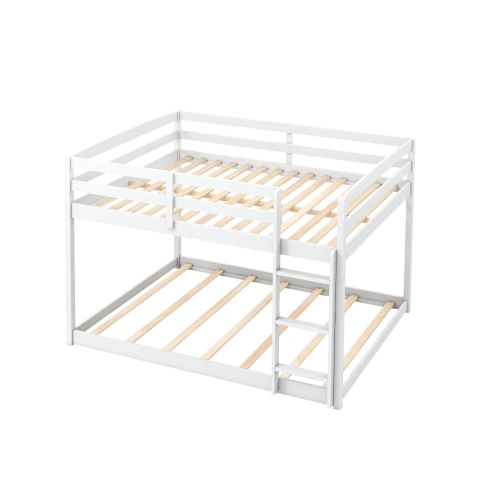
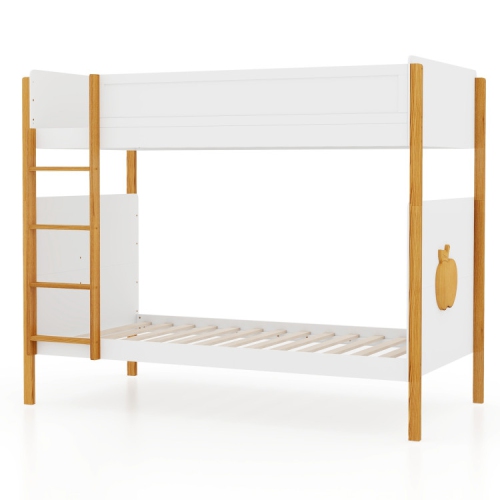
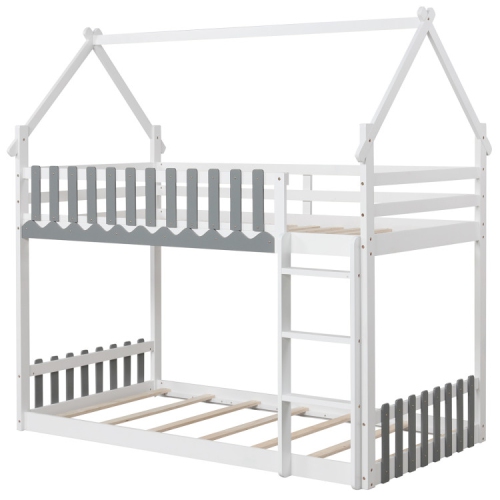
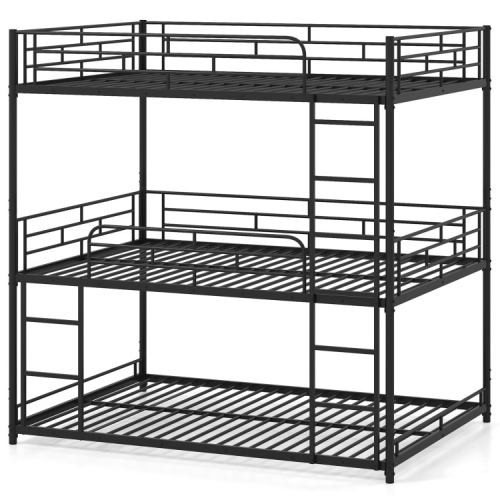
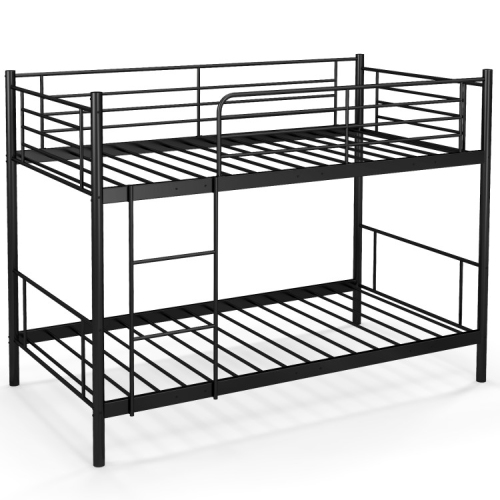
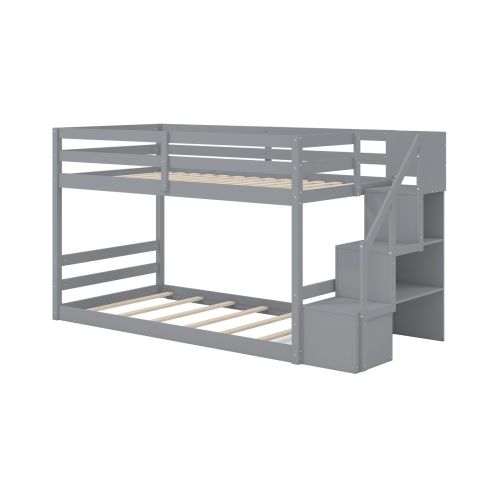
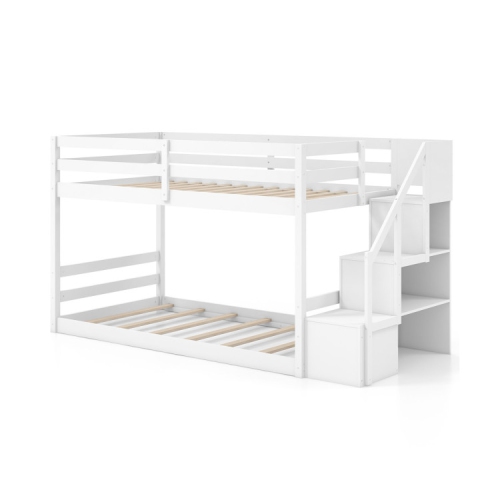
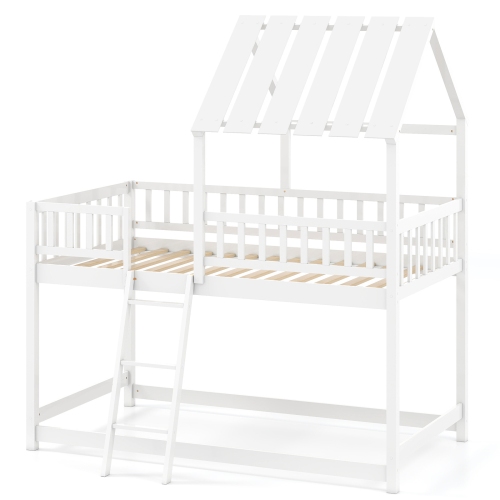
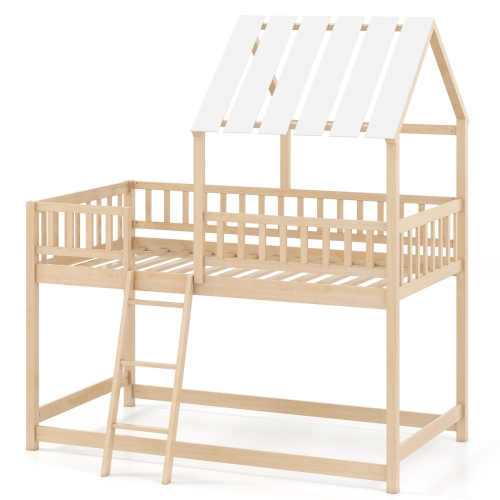
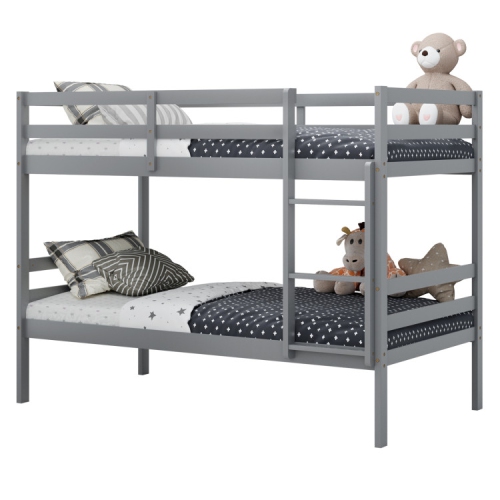
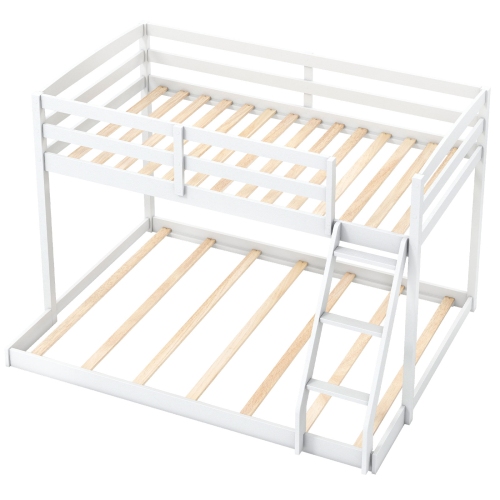
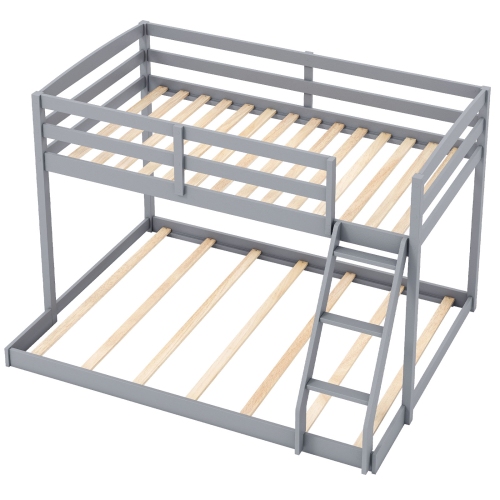
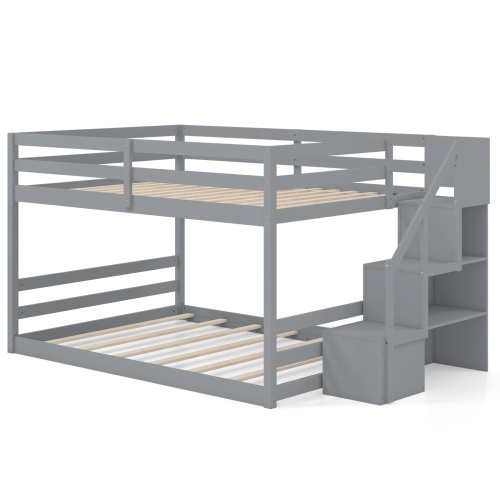
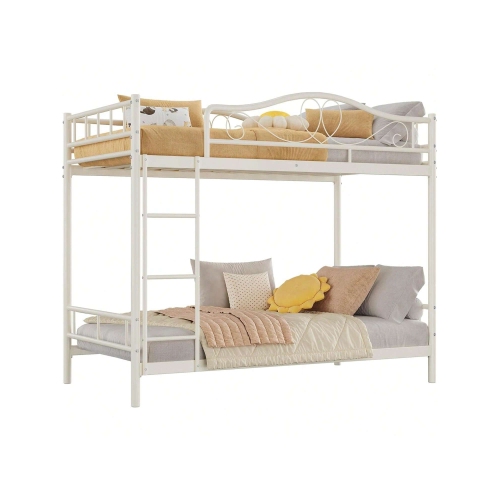
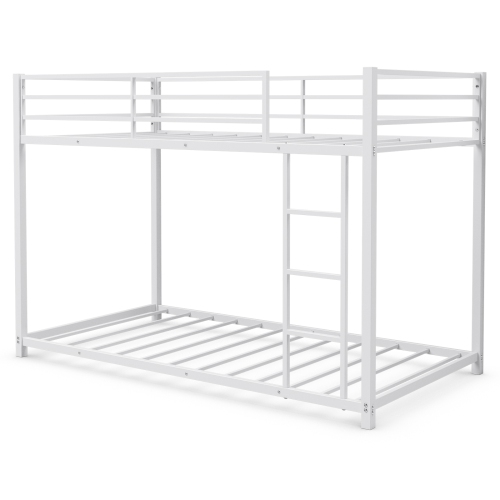
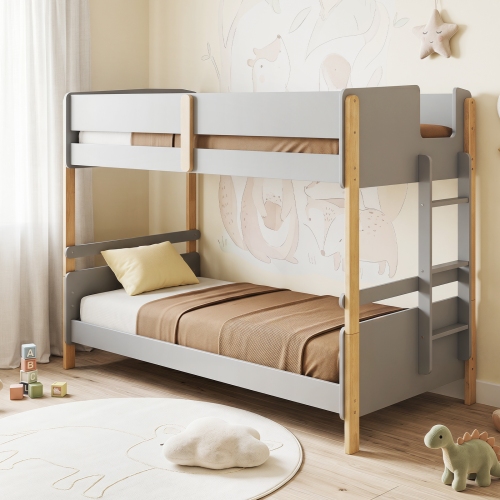
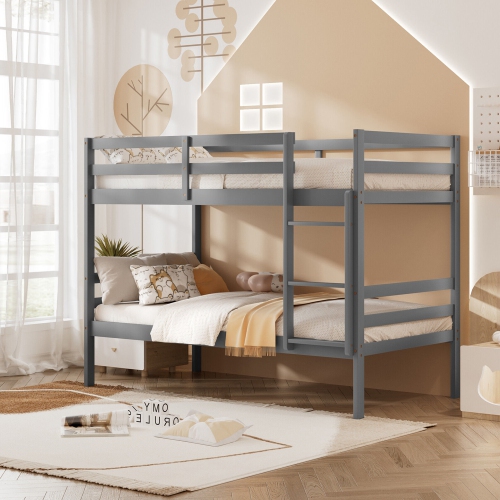
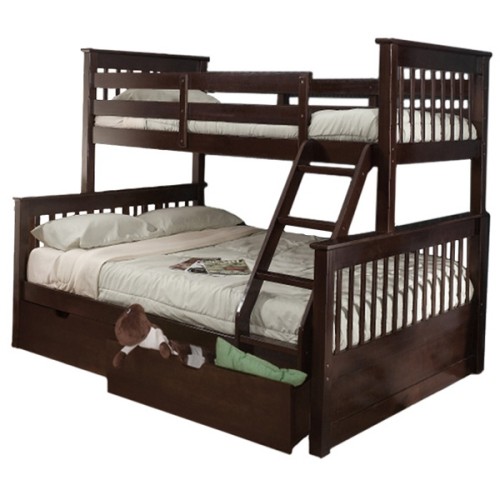
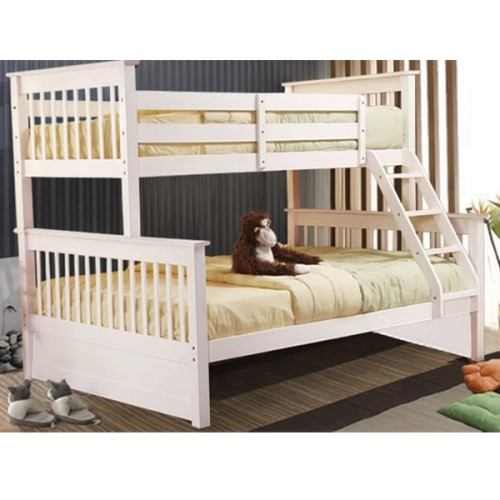
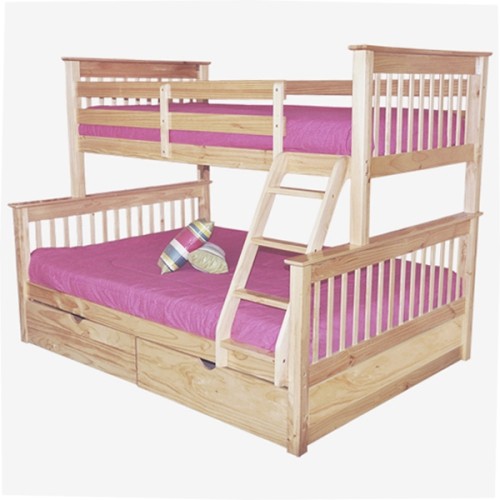
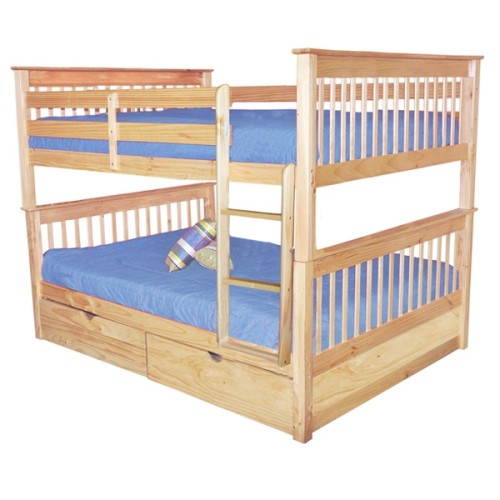
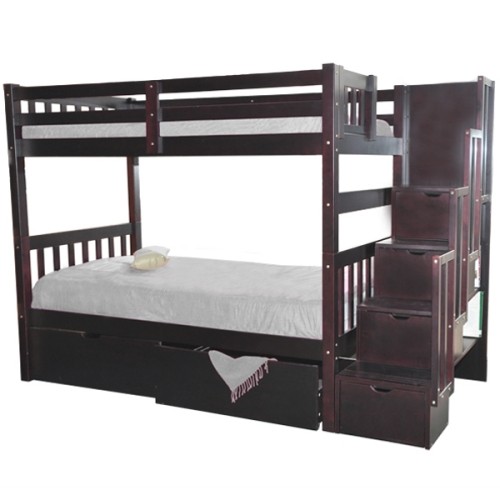
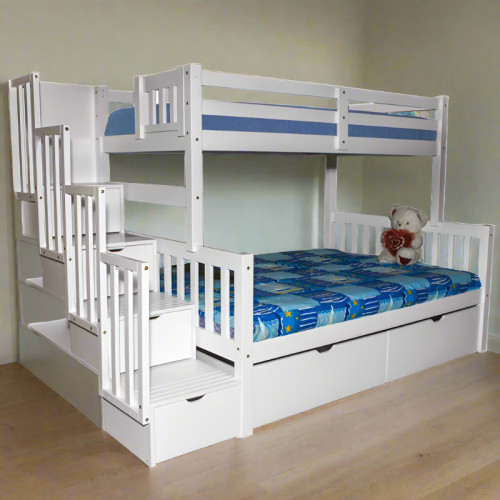
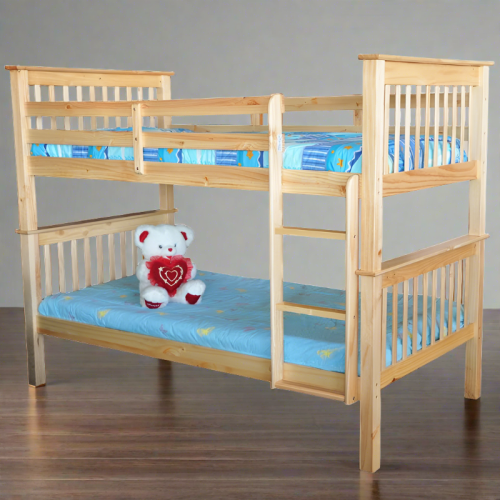
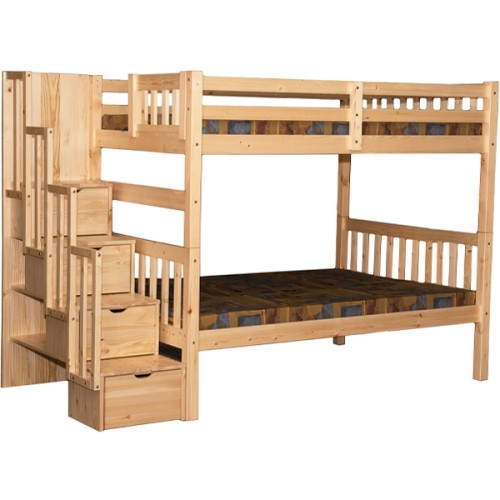
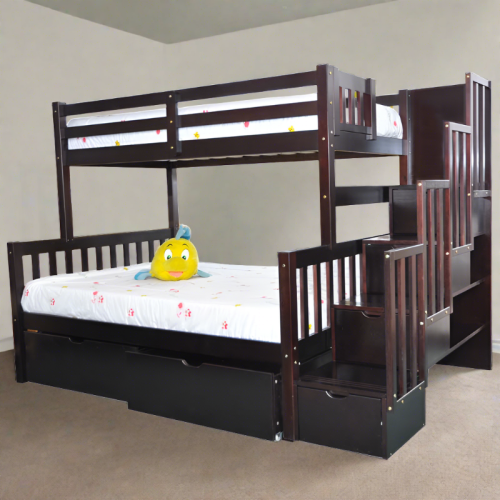
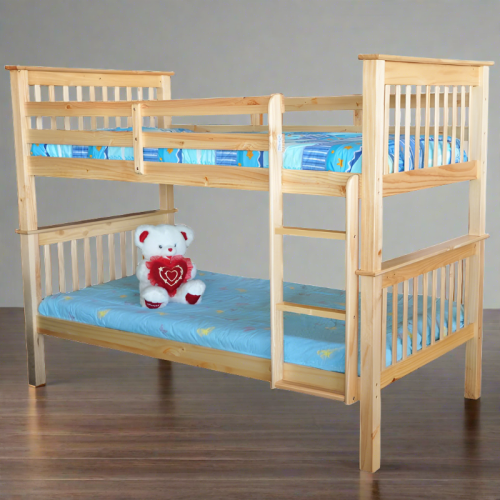
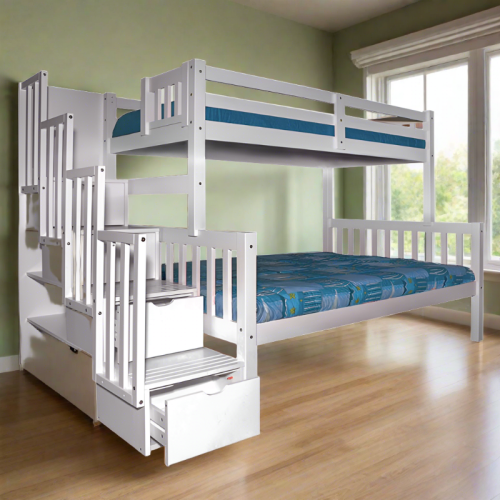
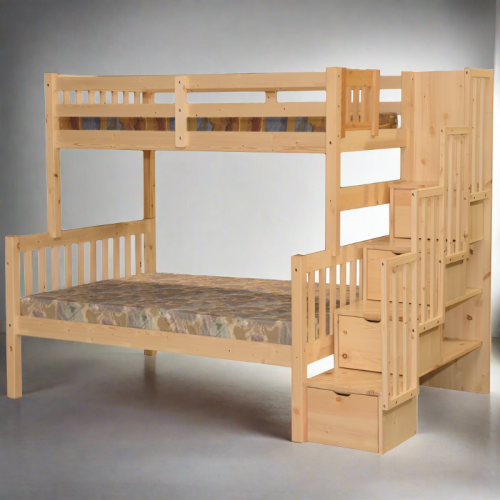
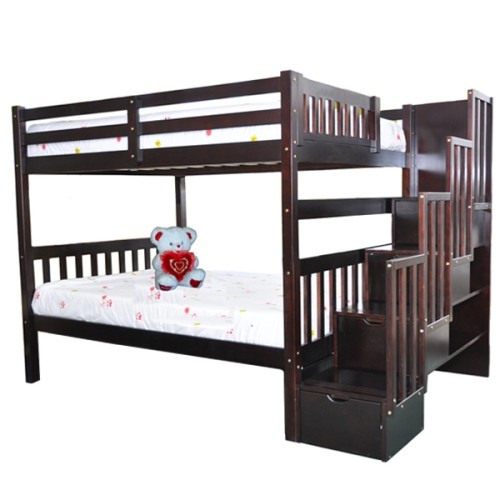
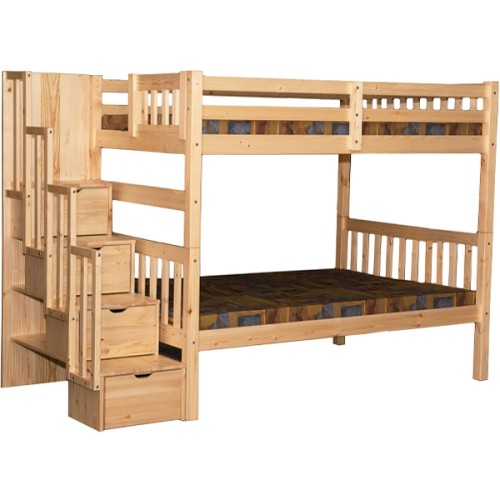
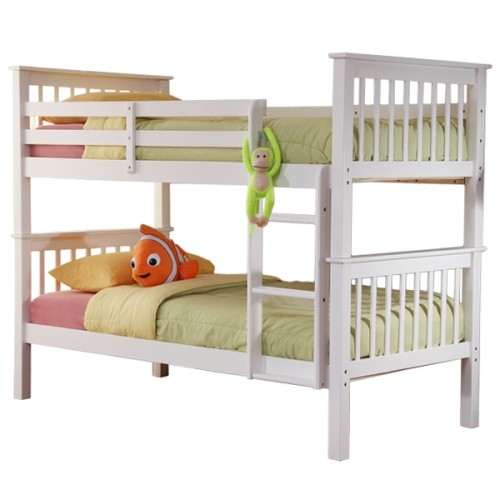
Standard bunk beds have two sleeping areas stacked vertically within one frame. Unlike themed designs shaped like houses or vehicles, standard bunk beds typically have a straightforward bed-frame appearance.
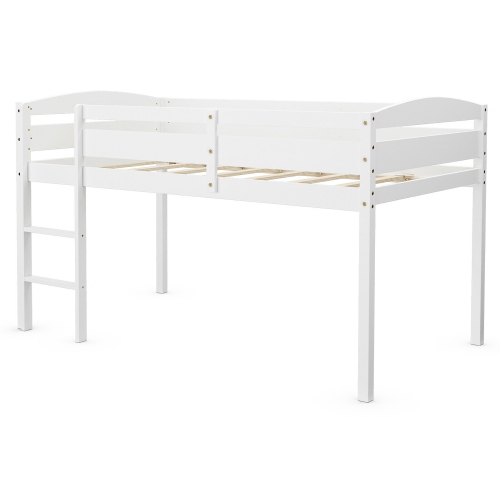
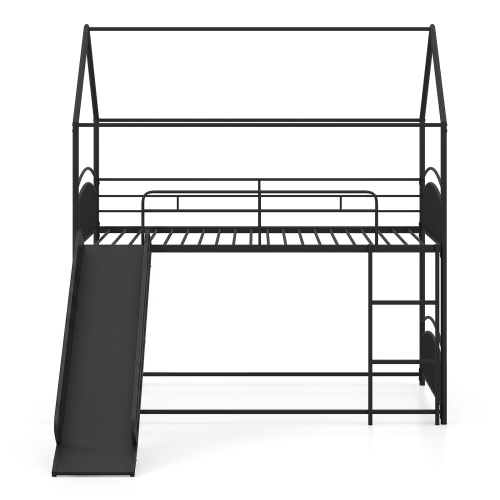
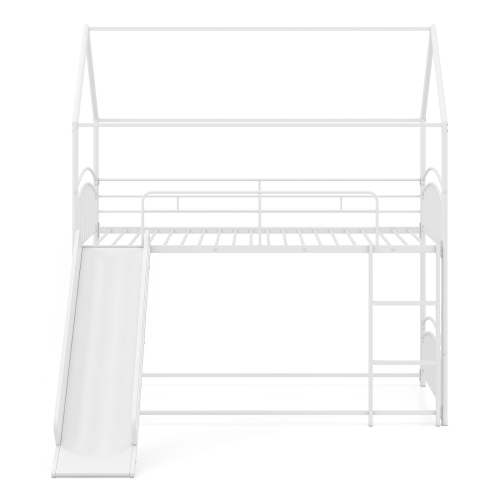
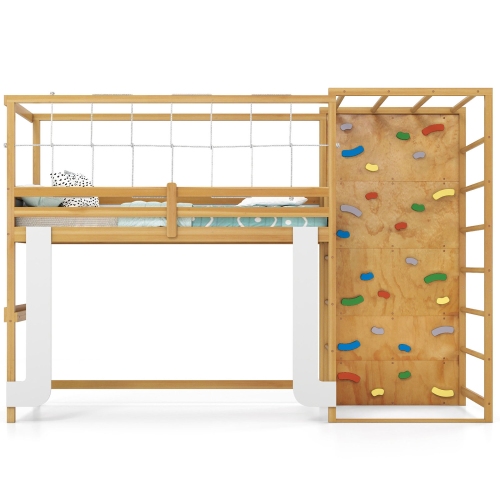
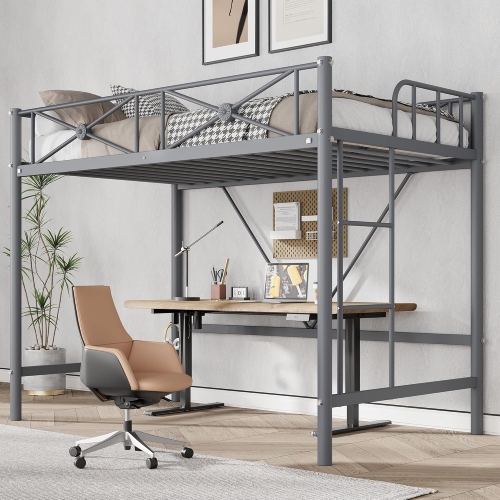
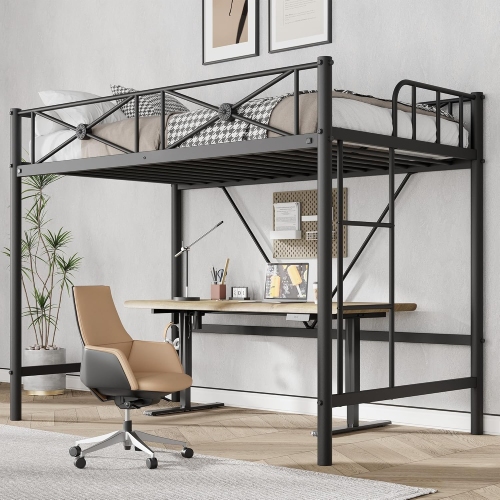
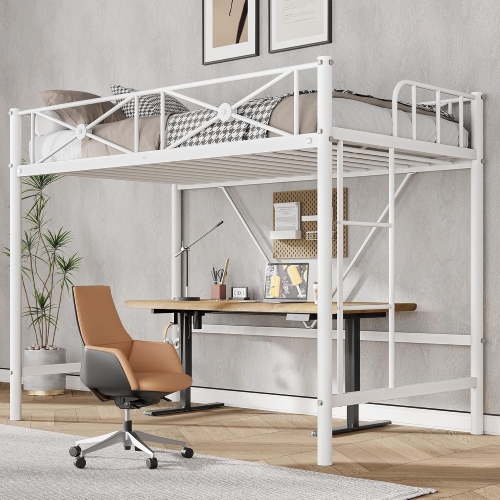
A standard bunk bed has an upper and a lower sleeping area. A loft bed has an elevated sleeping area with an open area beneath it, which may be used for a desk, seating, or storage.
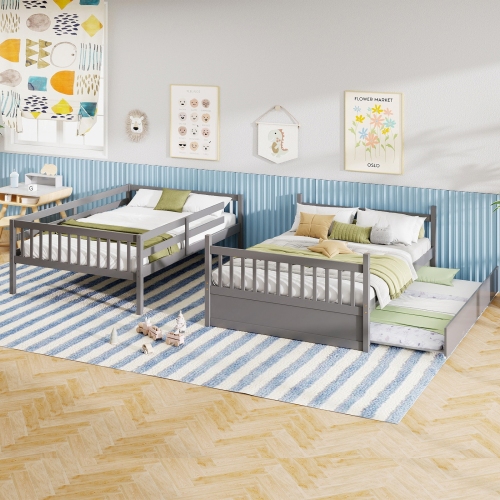
Standard bunk beds can complement modern, traditional, or playful bedroom décor, depending on the frame’s design. Simple lines pair well with minimalist styling, while decorative details can suit a more classic look. Bedding, artwork, and rugs help carry the chosen theme throughout the room.
Start with the room’s existing palette, including the walls, flooring, and other furniture. A frame colour that matches other furnishings creates a coordinated look, while a contrasting colour makes the bed a focal point. Consider how the colour will pair with different bedding as tastes change.
Matching bedding gives standard bunk beds a unified appearance, but each bunk can also have its own style. Try different patterns with a shared accent colour, or pair a solid-colour duvet cover on one bunk with a patterned cover on the other.
Top selling and popular products
Discover more categories related to Standard Bunk Beds
Some products may be subject to Environmental Handling Fees (EHF) depending on your province. Learn more about EHFs.