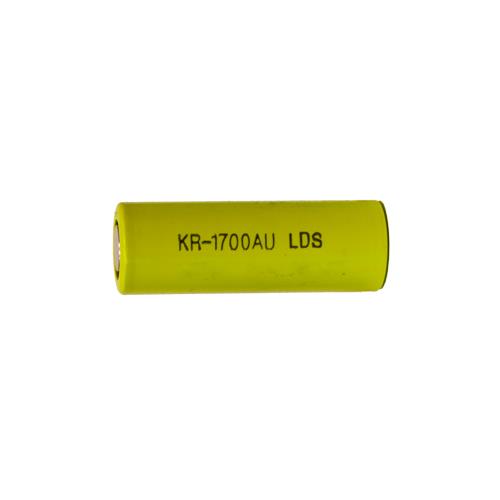
Sub C NiCd Rechargeable Batteries

Find sub-C NiCd rechargeable batteries to replace compatible nickel-cadmium cells in battery packs and devices. Compare listed voltage, capacity, dimensions and terminal style to match your existing cells, and check that your charger supports NiCd batteries before choosing replacements.

Read More

Sort

Why battery compatibility goes beyond size and voltage

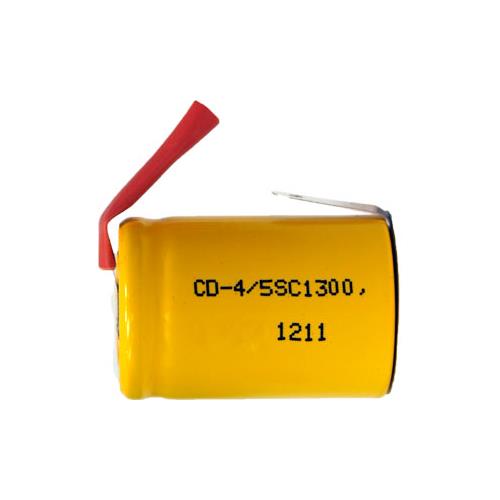
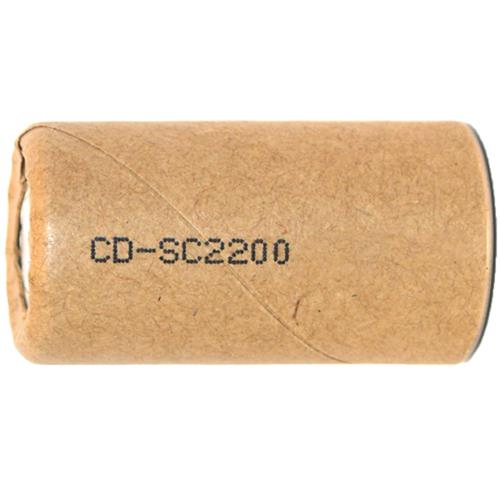
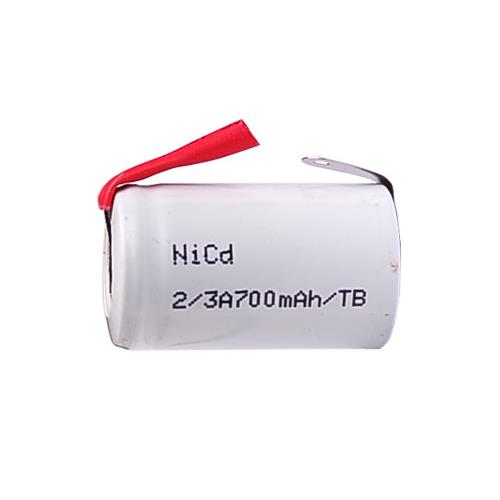
Sub C NiCd rechargeable batteries are cylindrical nickel-cadmium cells with a nominal voltage of 1.2 volts per cell, typically measuring approximately 23 mm in diameter and 43 mm in length. They are commonly used in compatible cordless power tool battery packs, radio-controlled models, and emergency lighting equipment. Their appeal lies in their ability to supply the relatively high current that motors and other demanding devices can draw during operation. The Sub C designation describes the cell size, while NiCd identifies its chemistry; both details matter when matching a replacement to existing equipment. A Sub C cell is not the same size as a standard C battery, despite the similar name, and it should not be treated as an interchangeable substitute. Many cells have flat terminals, while versions intended for battery pack assembly may have attached metal tabs. Those differences affect how the cell fits and connects inside a housing. The dimensions listed for a bare cell may not include projecting tabs, insulation, or other assembly components, so checking the complete specifications is more useful than relying on the size name alone. Inside the metal casing, nickel-based and cadmium-based electrodes work with an alkaline electrolyte to store and release electrical energy through repeated charge cycles. An insulating sleeve helps separate the casing from neighbouring conductive surfaces, making its condition important to safe handling. For owners of older cordless equipment, model enthusiasts, and technicians maintaining compatible systems, these batteries can serve a practical role where the original design calls for NiCd chemistry. Their suitability depends on the equipment’s electrical requirements, the original battery configuration, and the charging system—not simply whether a cell can be made to fit into the space.

Choosing between Sub C NiCd rechargeable batteries involves more than comparing capacity figures. Capacity, usually expressed in milliamp-hours, or mAh, describes how much charge a cell can hold under specified test conditions. A higher rating may support longer operation in an otherwise compatible application, but it does not automatically mean stronger motor performance or suitability for a particular charger. Current delivery, internal resistance, cell condition, and the device’s power demand also influence how a battery behaves in use. A model vehicle accelerating from a stop, for example, places a different load on its battery from a light drawing power steadily. Battery pack voltage is another separate consideration: each NiCd cell has a nominal rating of 1.2 volts, and cells connected in series contribute to the pack’s total nominal voltage. Matching that total is necessary, but it does not establish compatibility on its own. Connector shape, polarity, tab orientation, housing dimensions, and any protective or sensing components must also match the equipment’s requirements. Even two packs with the same stated voltage can differ in ways that prevent a safe replacement. Flat-top cells and tabbed cells likewise serve different connection arrangements, so the terminal style deserves a close look before a selection is made. Where cells form part of a pack, they should be appropriately matched in chemistry, capacity, and condition; combining worn cells with new ones can create uneven performance and charging problems. A sealed battery pack is an electrical assembly rather than a simple container of interchangeable batteries. Rebuilding one is work for a qualified battery technician who can assess the connections, insulation, and protective components. Directly soldering to a bare cell can damage it through excessive heat, which is one reason professionally attached tabs and suitable assembly methods matter. For equipment used in emergency lighting, the manufacturer’s specified battery type and maintenance requirements are especially important, since a replacement must support the intended operation when normal power is interrupted. Keeping the original battery label, equipment model information, and charger specifications together makes it easier to confirm these details without relying on appearance alone.

Care and charging habits have a strong influence on the useful life of Sub C NiCd batteries. Use a charger explicitly designed for the battery chemistry and pack configuration, following the equipment manufacturer’s directions for charge time and charge termination. A charger intended for lithium-ion batteries is not a substitute, and a charger for another nickel-based chemistry should only be used if it specifically supports NiCd batteries. Repeated overcharging can shorten cell life, while leaving a connected device running after its battery is depleted can damage a multi-cell pack. NiCd batteries are sometimes associated with memory effect or voltage depression, but deliberately running a pack completely flat is not a universal maintenance solution. Any conditioning cycle should follow the battery or charger manufacturer’s instructions rather than an improvised discharge routine. Rechargeable cells also lose charge while sitting unused, so equipment brought out after storage may need charging before it can deliver its expected operating time. For storage and transport, keep loose cells in a suitable non-conductive case with their terminals protected. A battery rolling around a toolbox beside screws, keys, or drill bits can short-circuit if metal bridges its terminals. Check the wrapper, terminal area, and casing for damage before use, and stop using a cell or pack that leaks, develops unusual heat, or shows significant corrosion. Nickel-cadmium batteries contain cadmium and require appropriate handling at the end of their service life; use a battery collection service that accepts NiCd chemistry rather than placing them in household rubbish. With correct matching and care, these cells can support repeated use in equipment designed around their particular size and electrical characteristics, although actual service life varies with charging practices, discharge demands, and overall condition. They are best chosen for a known application rather than as a general-purpose spare or surprise gift, since a small difference in terminals or specifications can make them unsuitable. Other rechargeable devices have their own battery requirements: Rechargeable Camera Batteries are a separate category for compatible photography equipment, not an alternative to Sub C cells. Across these applications, matching the battery to the device remains the foundation of dependable operation.
Read More

FAQ

Some products may be subject to Environmental Handling Fees (EHF) depending on your province. Learn more about EHFs.