Square Frame Sunglasses
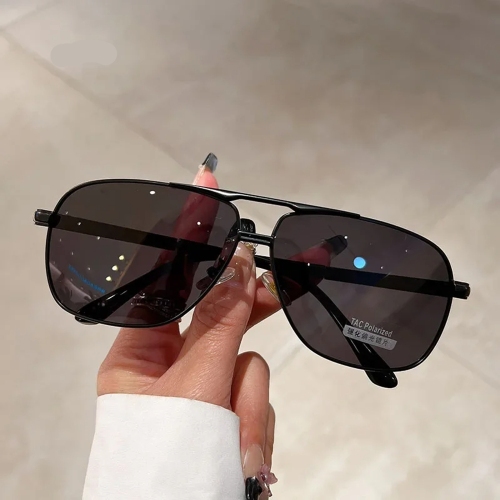
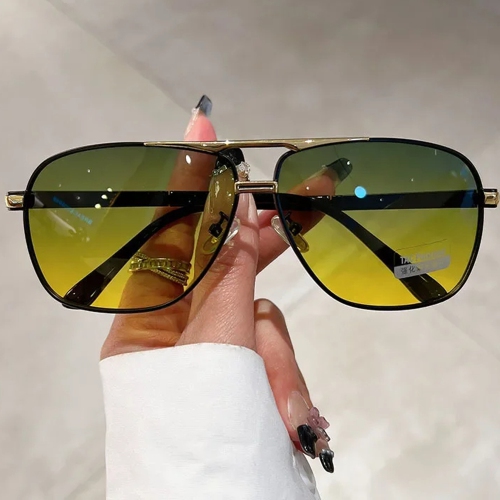
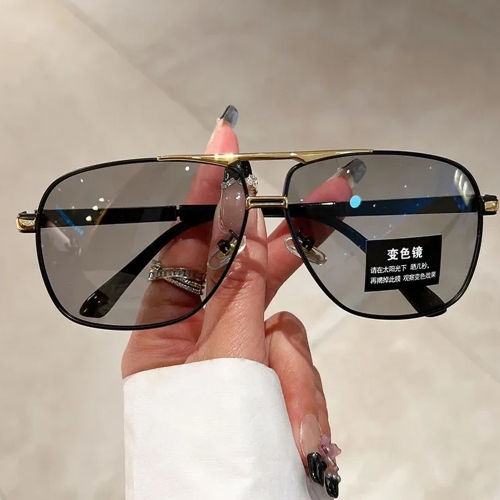
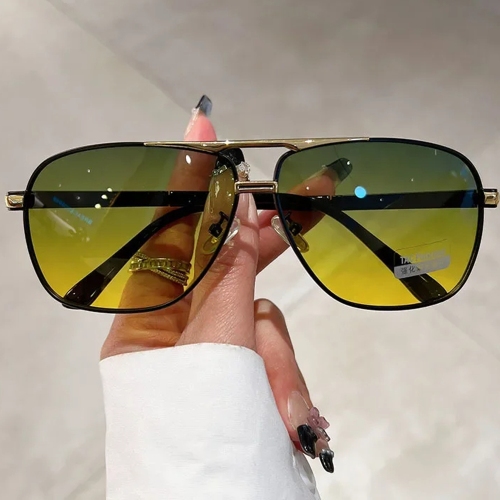
If you're looking for a stylish way to protect your eyes from the sun's harmful rays, a pair of square frame sunglasses is the way to go. These frames are made from lightweight but sturdy materials, and they have lenses that are designed to block out 100% of the sun's light. The frames also come in a variety of colors and styles, so you can choose something that fits your personal style as well as your face shape. Here are some great options.
Sort
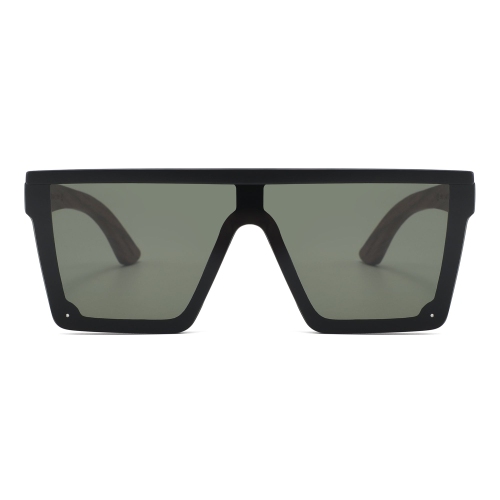


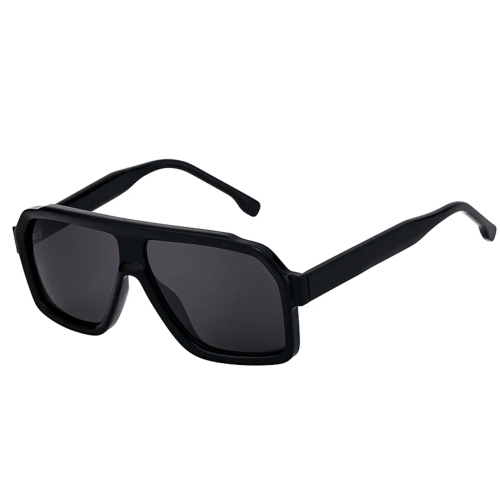
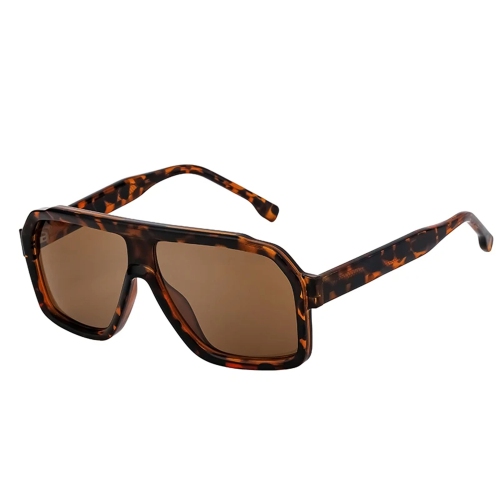


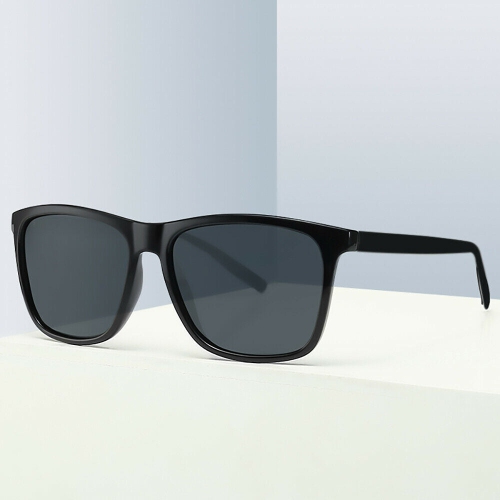
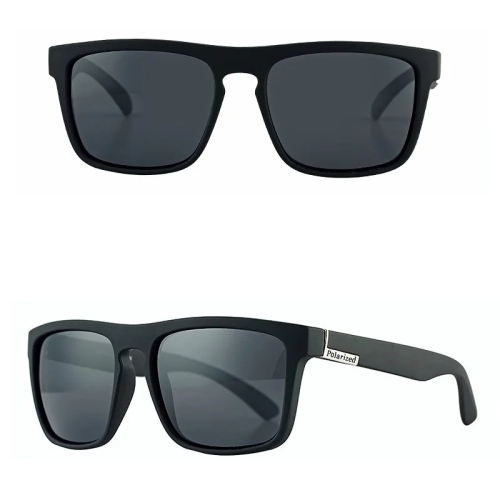


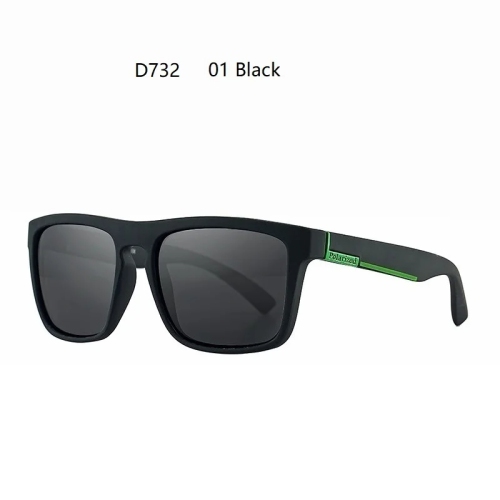

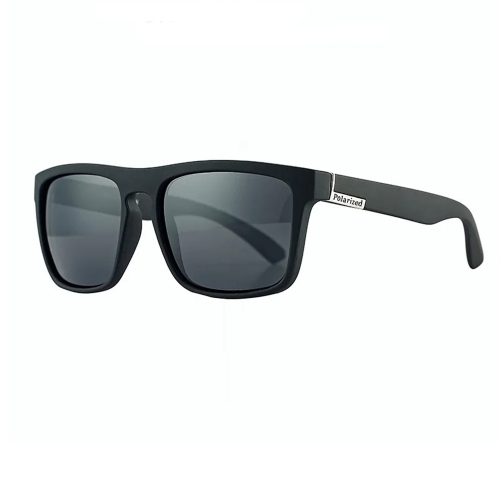


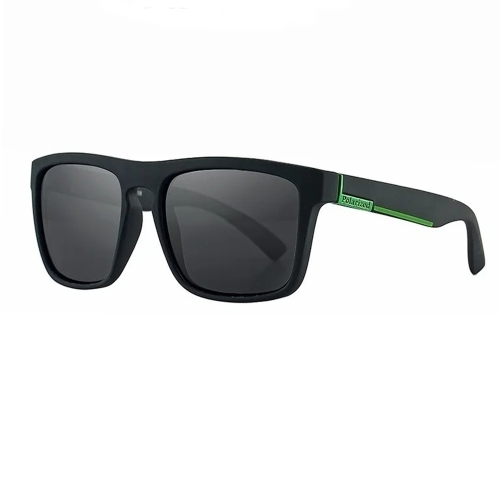


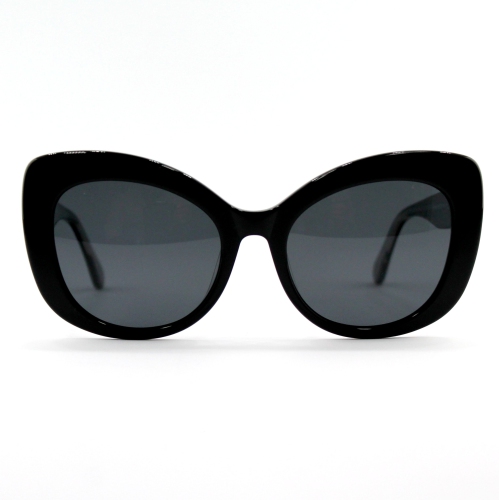
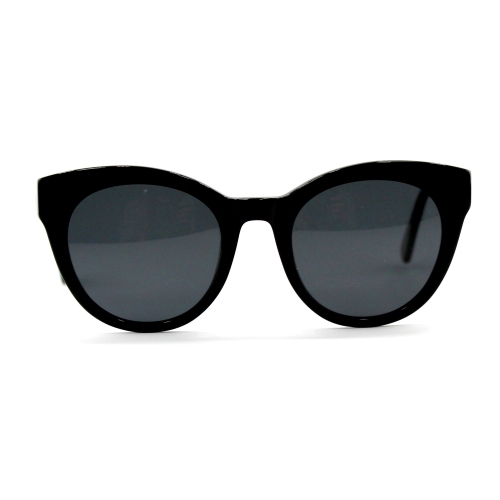
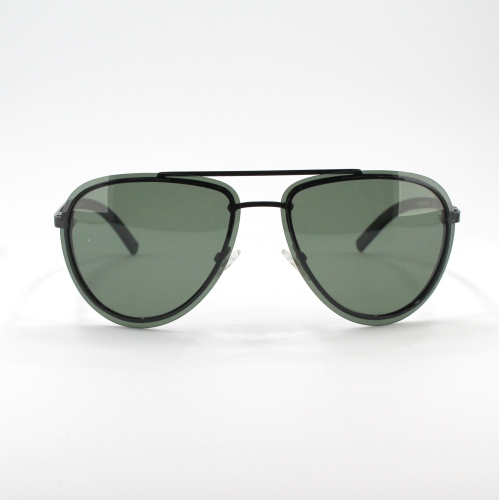
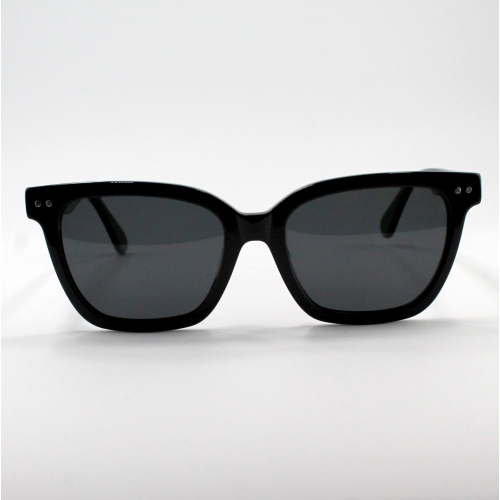
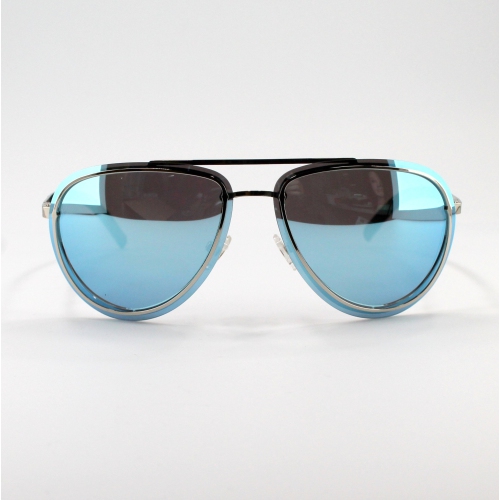
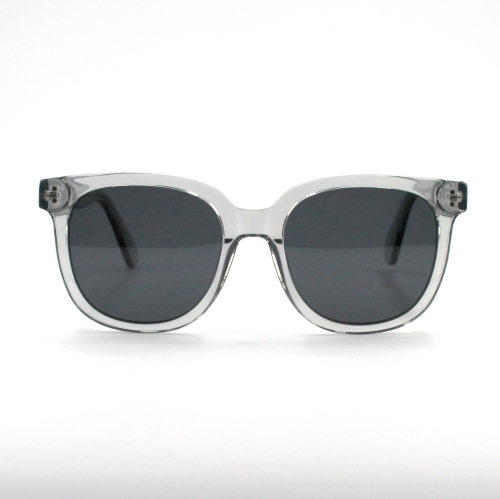
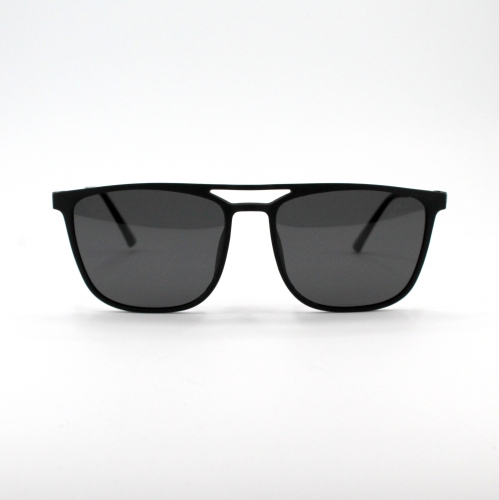
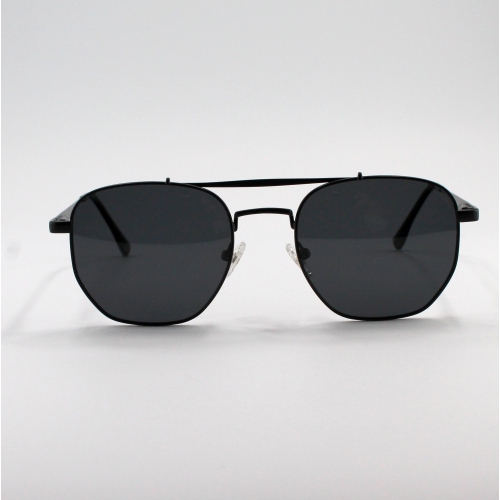
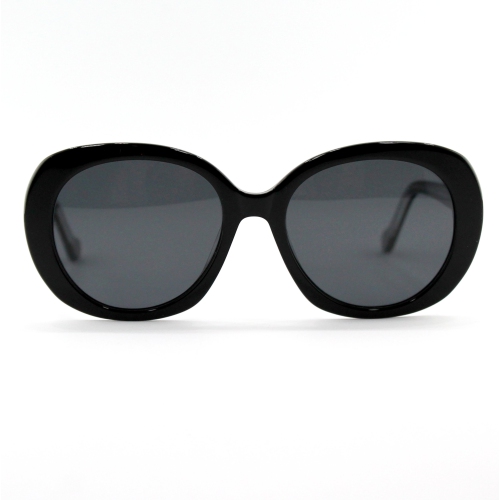
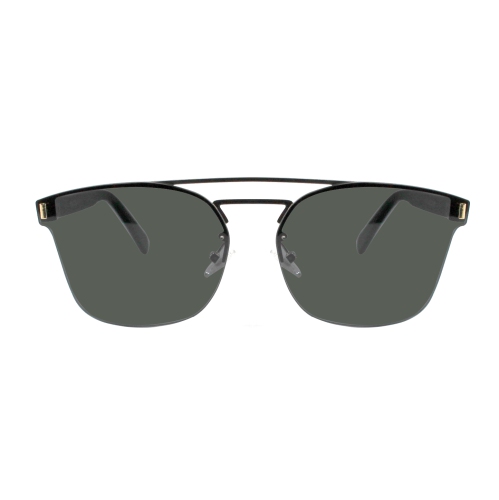
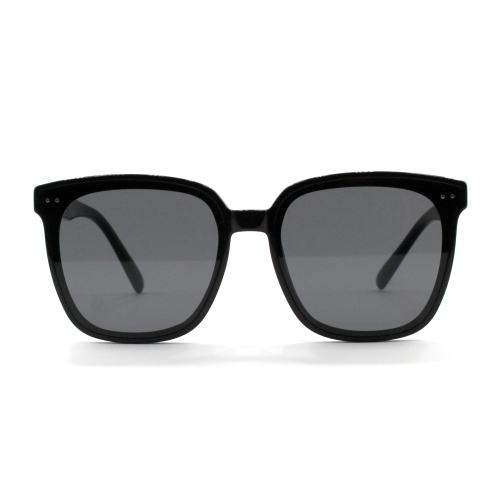
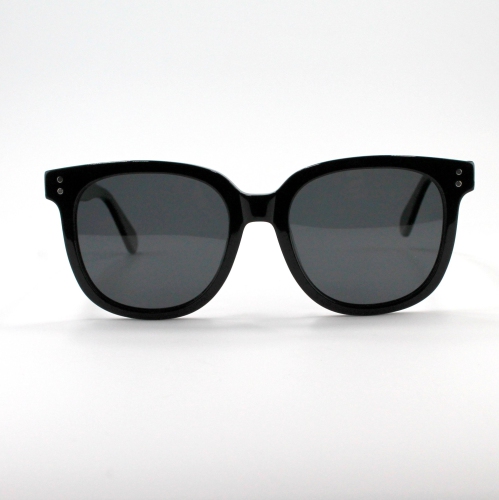
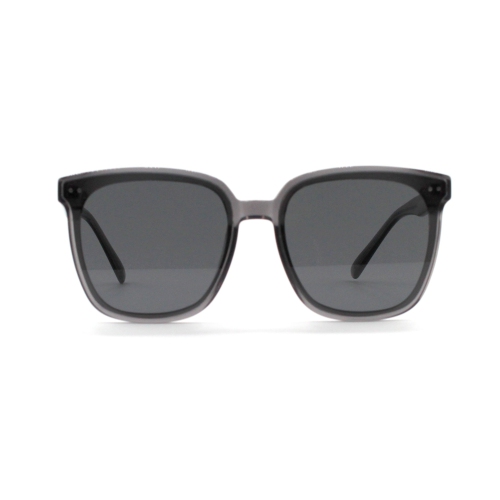
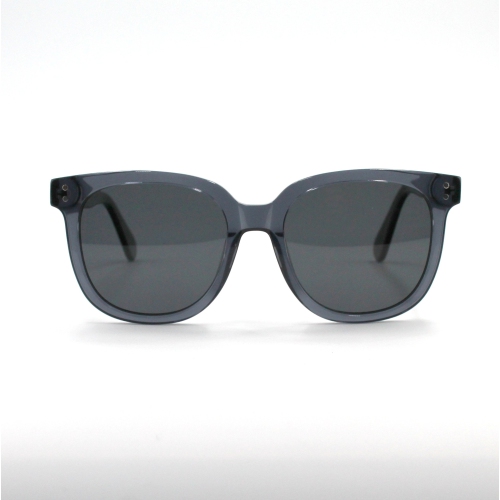
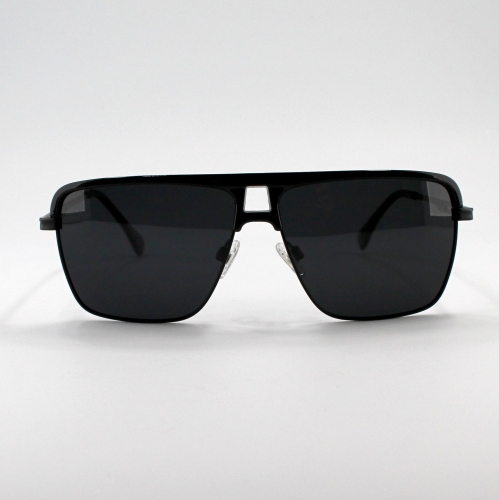
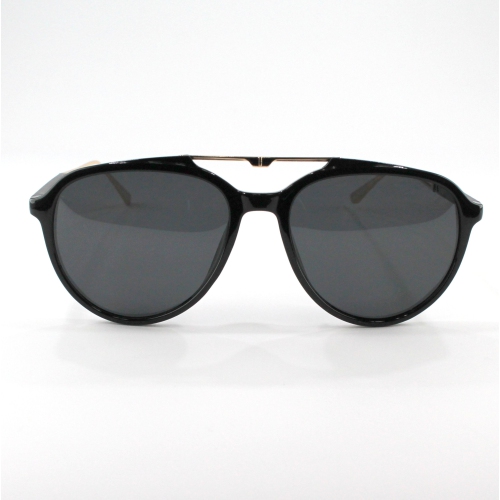
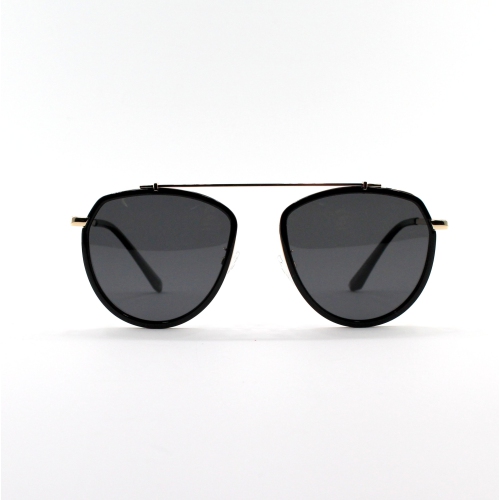
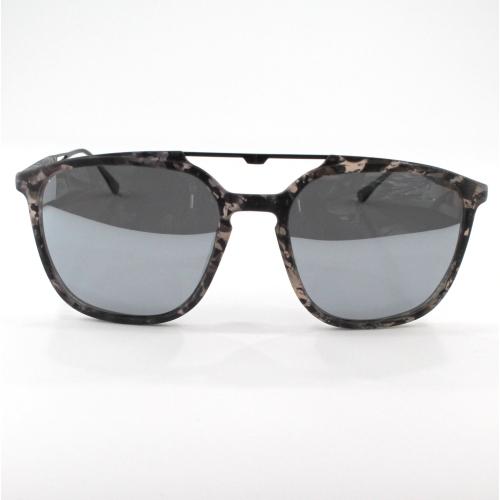

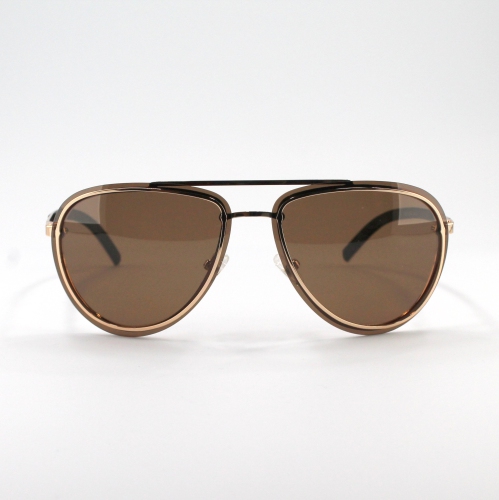
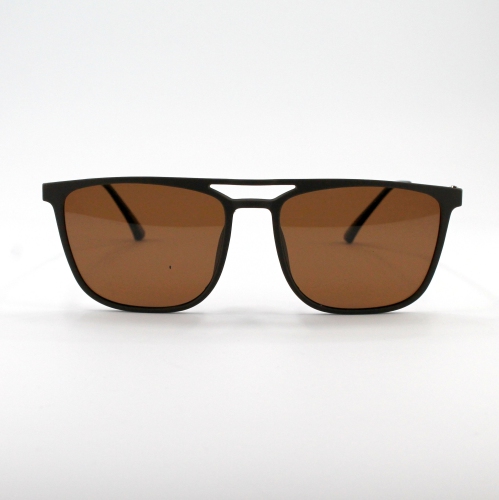
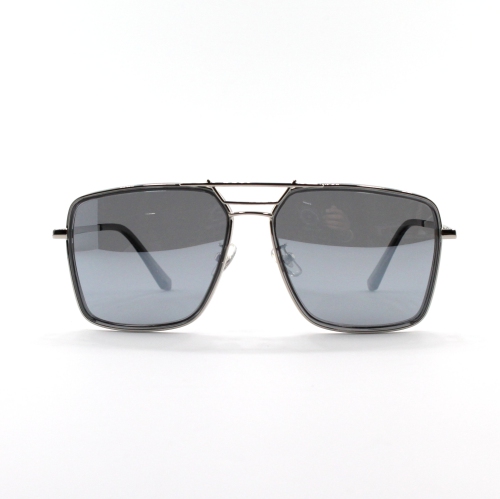
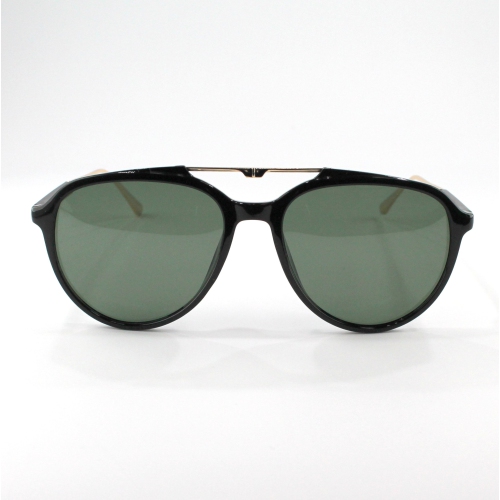
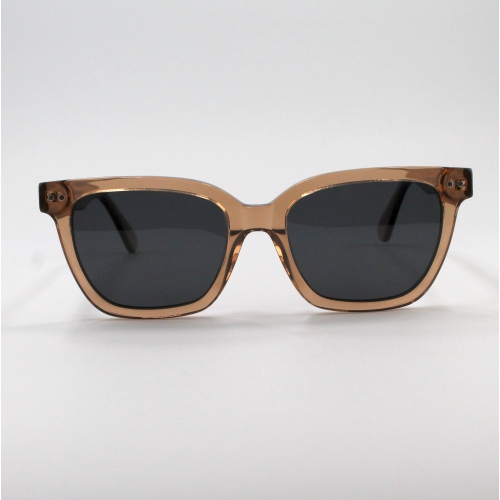


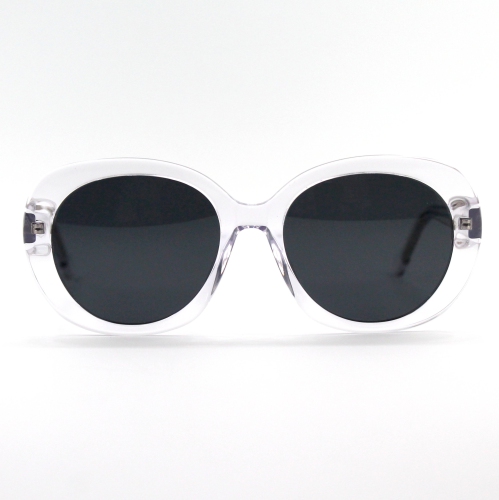


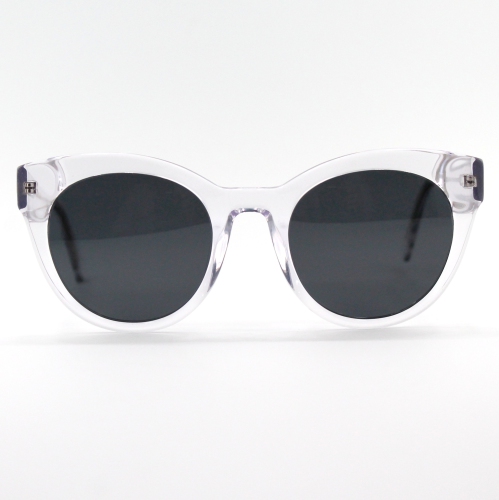
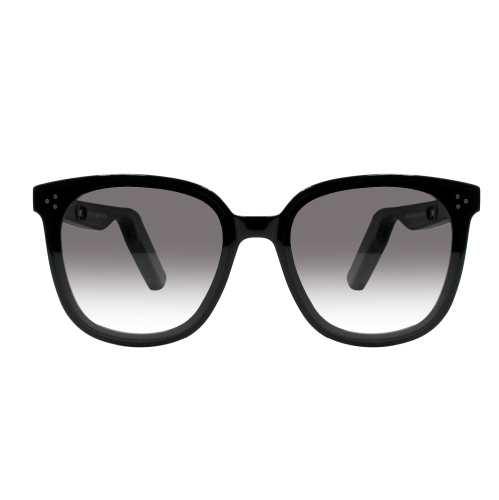


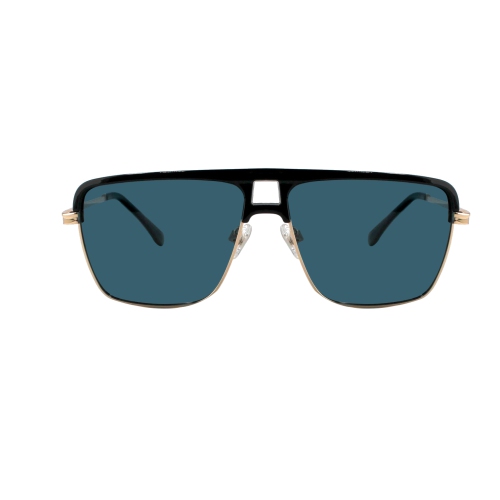

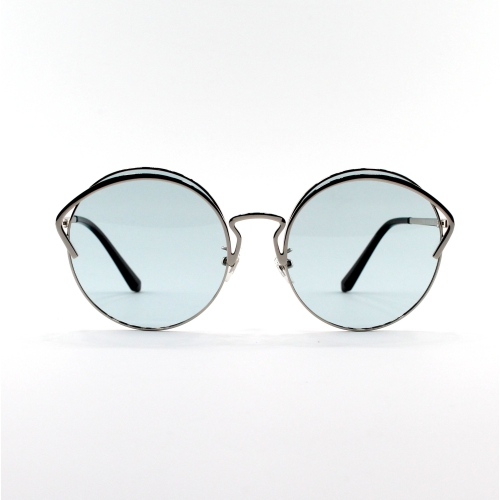

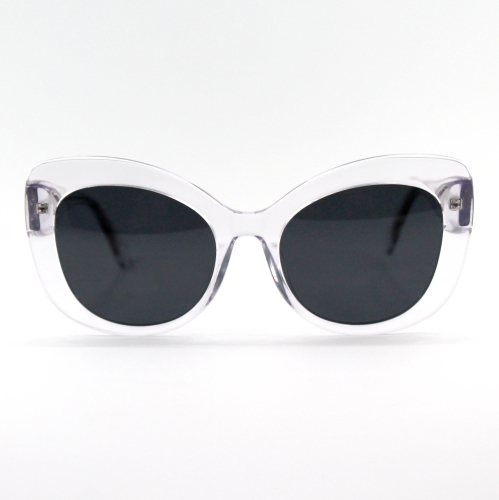
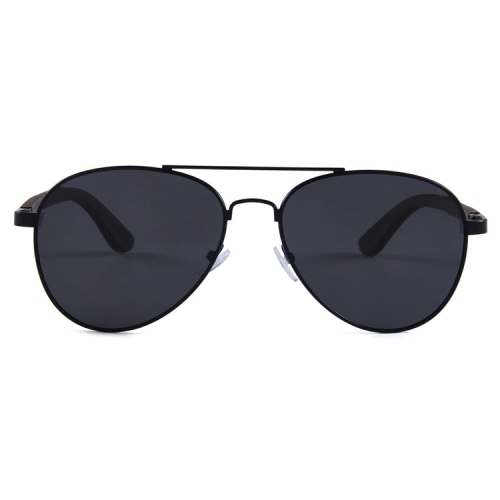

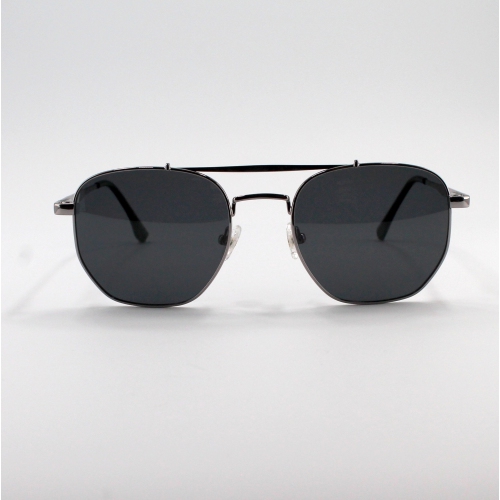
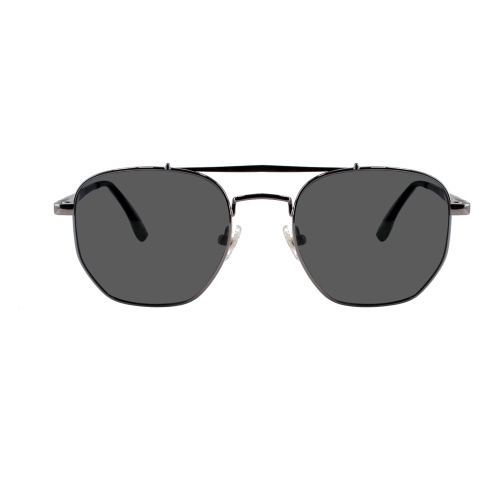
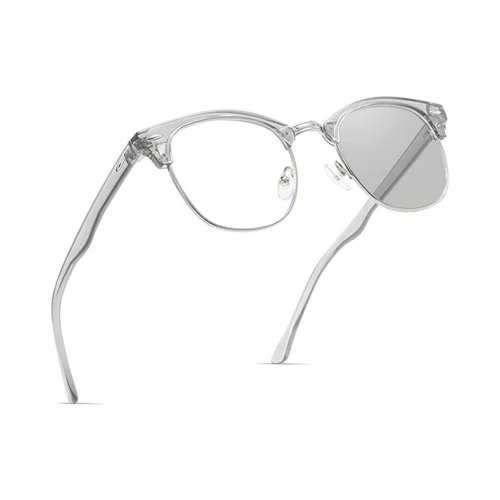
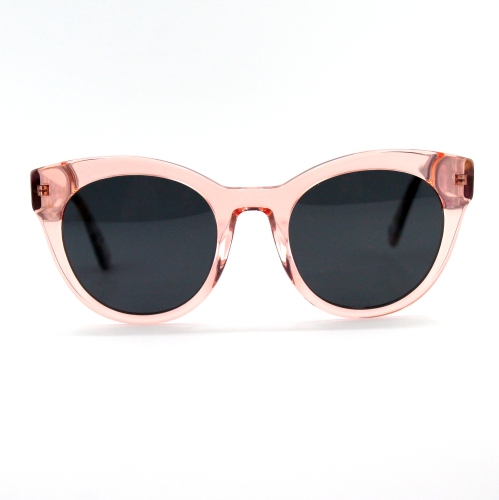


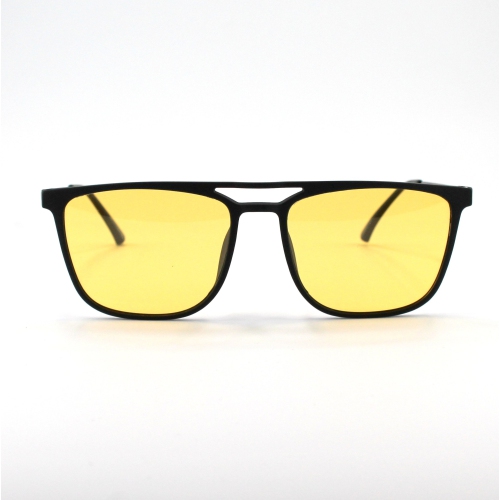

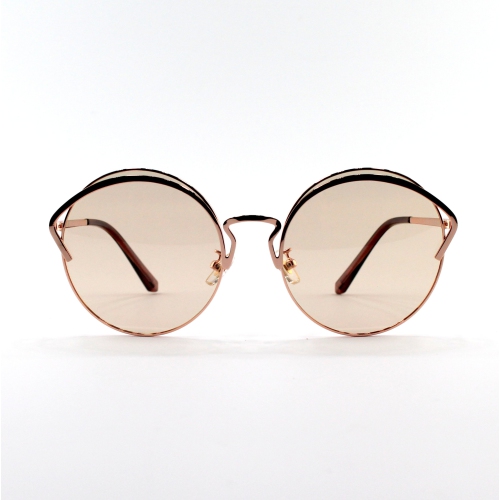

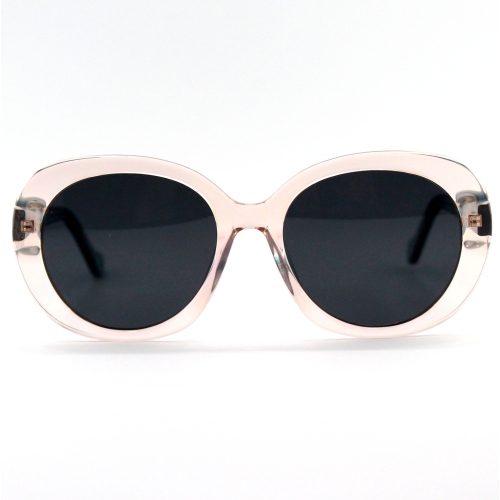
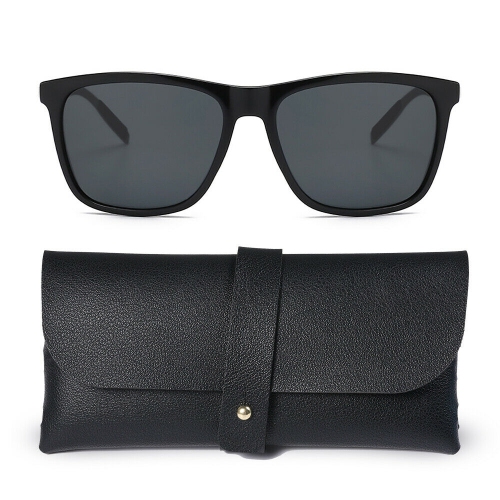


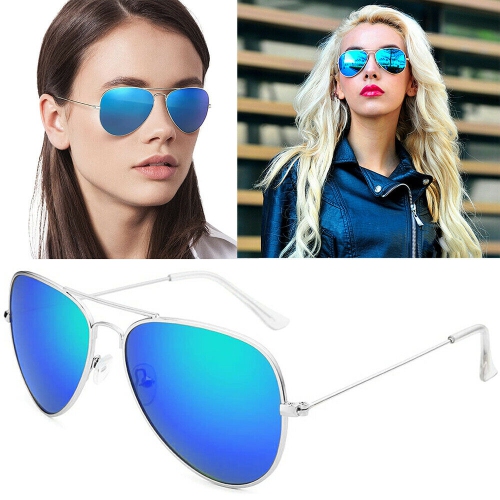

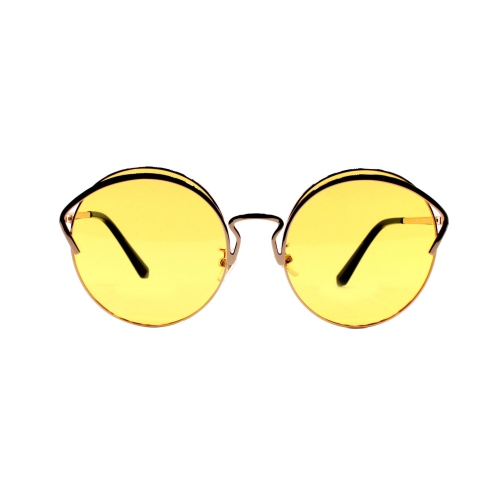


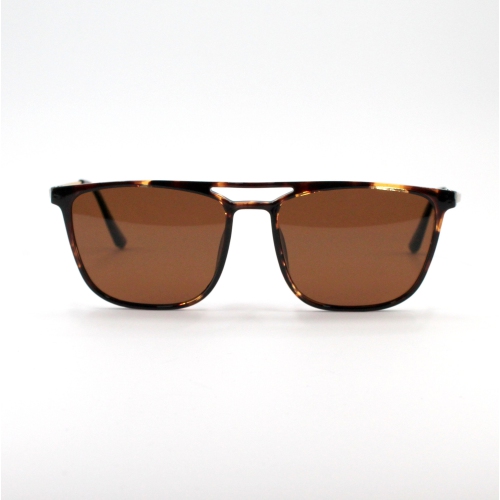


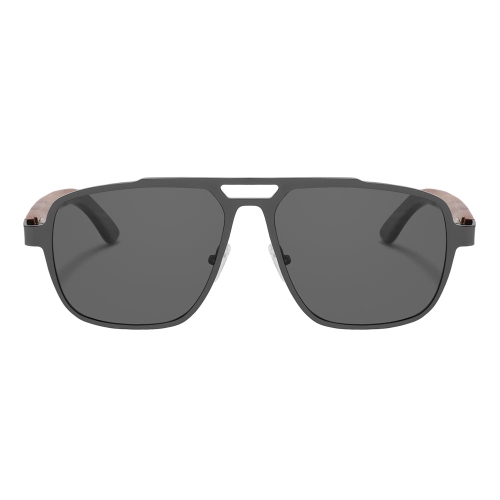




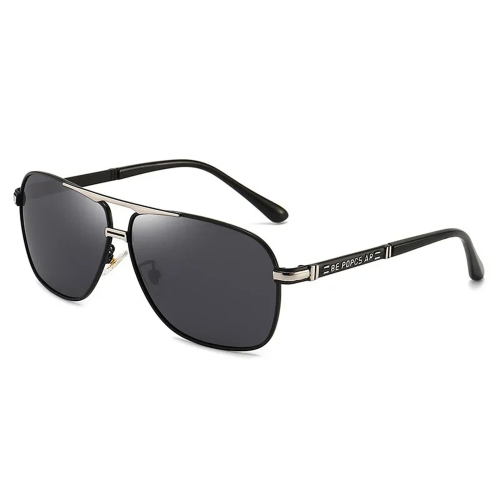
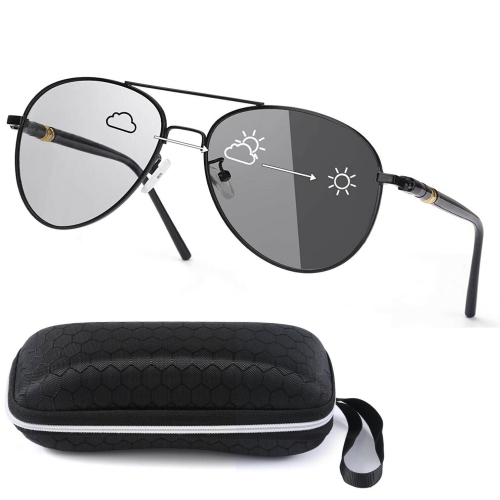
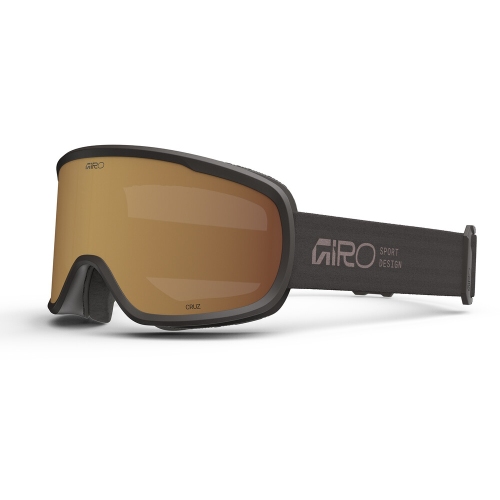

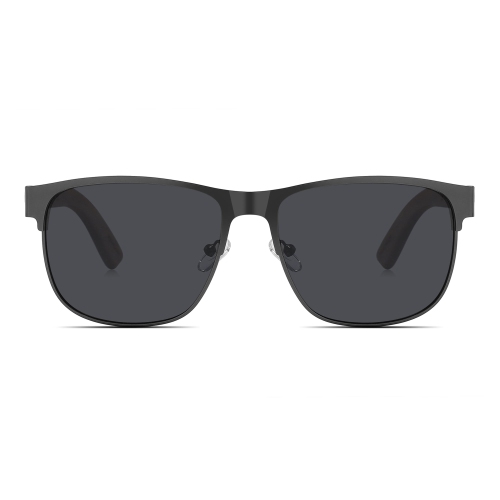
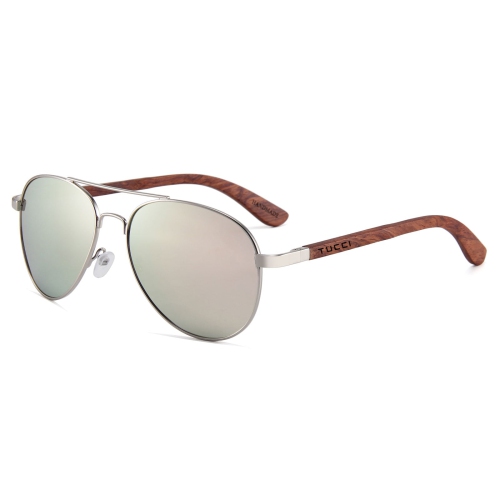





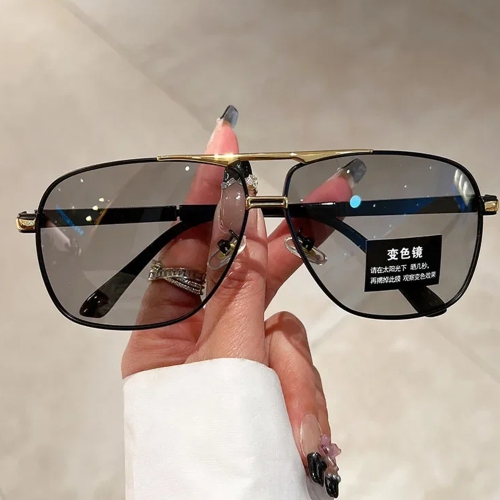

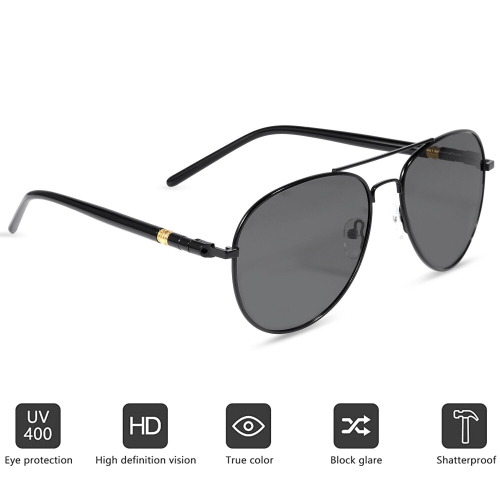

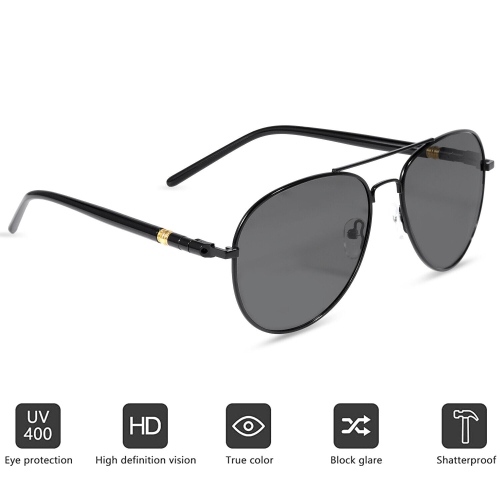


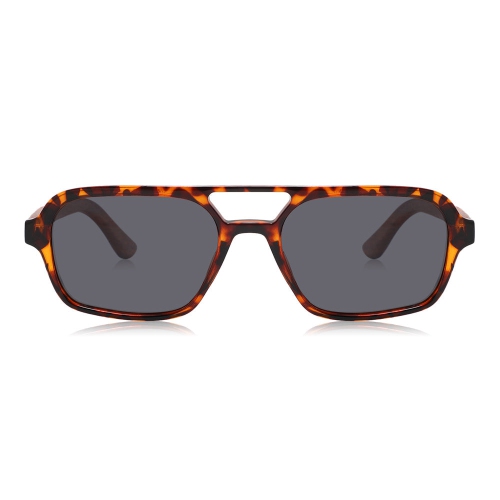


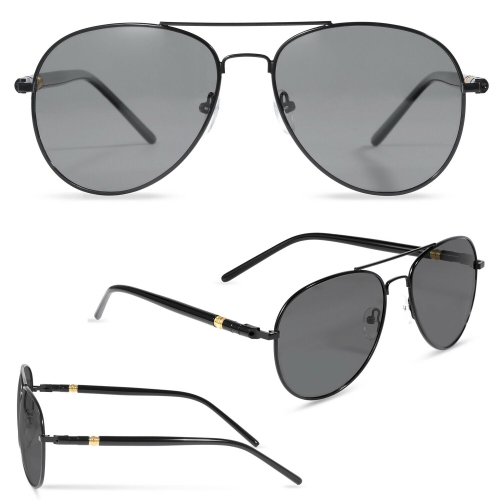


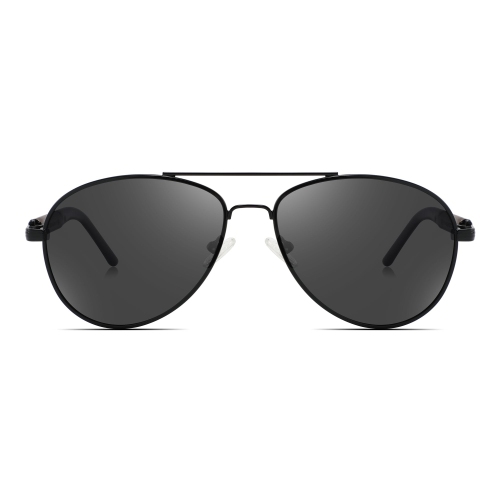


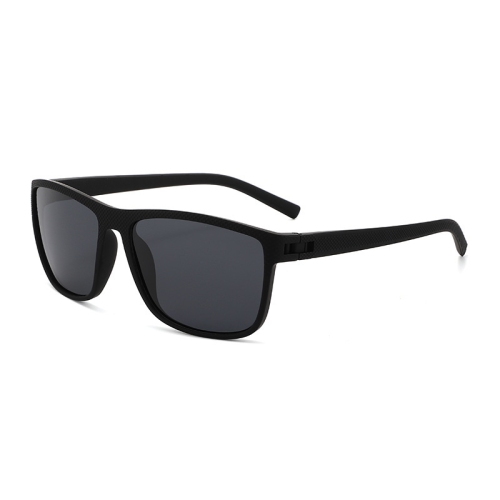
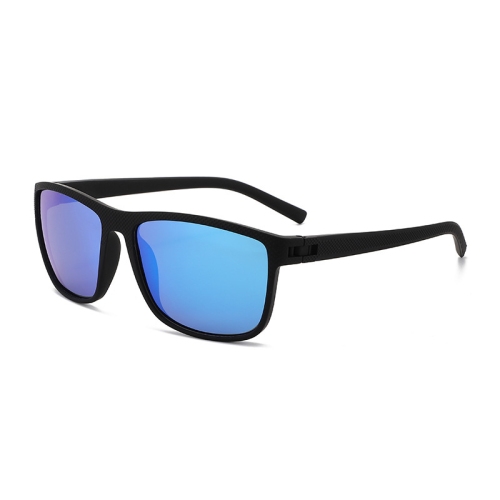
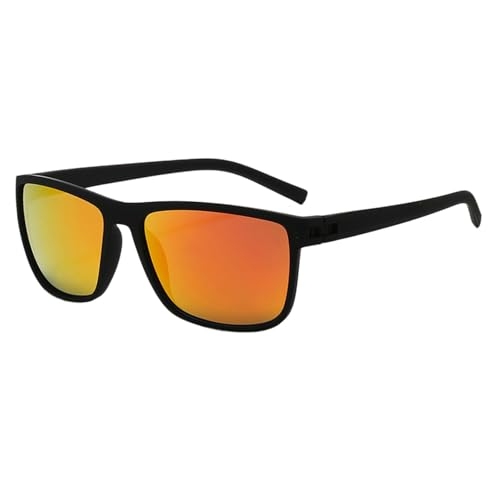


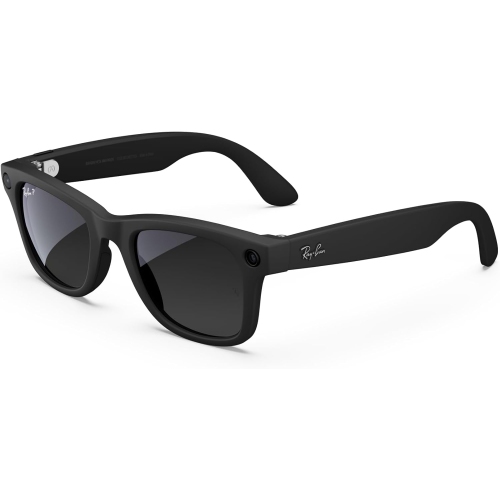


How frame proportions shape your look and fit
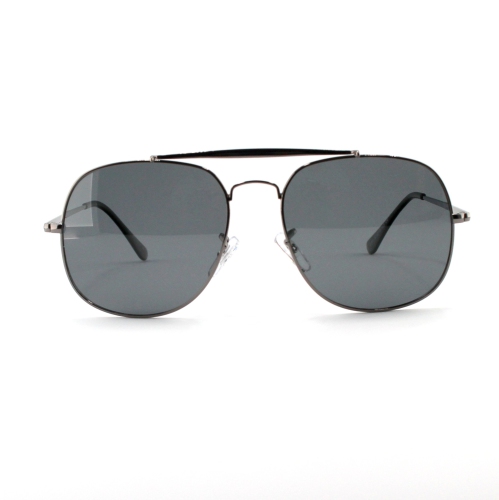
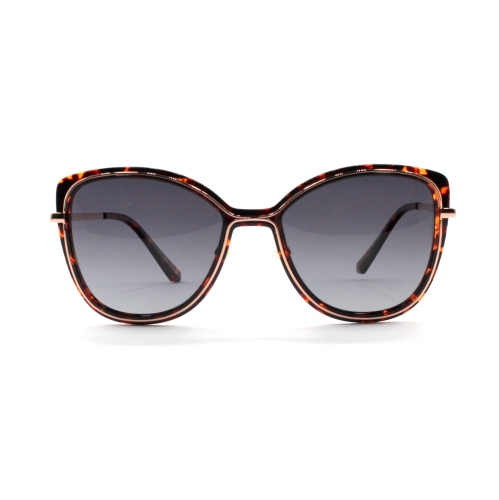
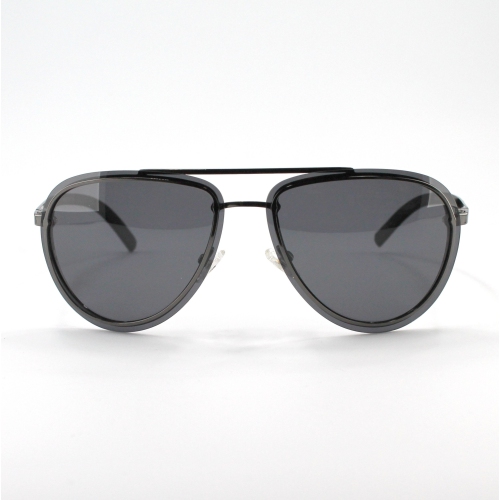
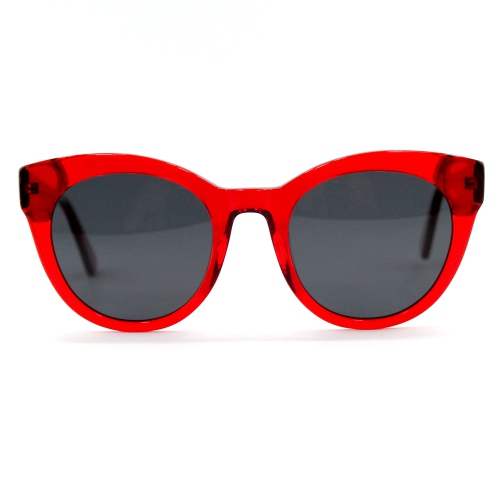
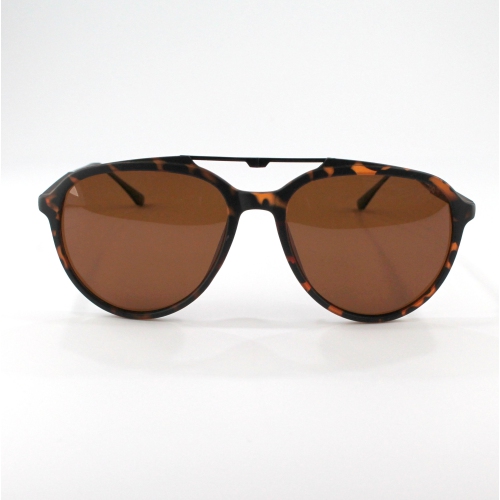
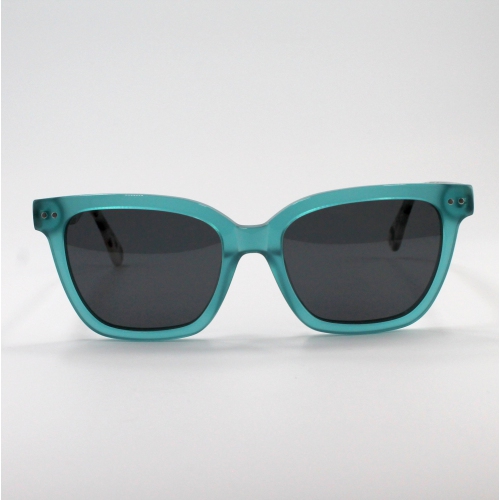
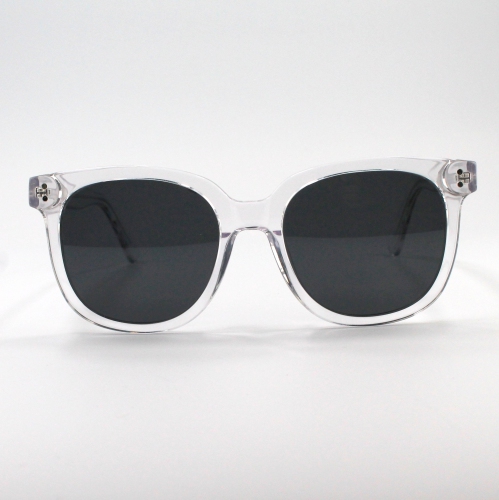
Square frame sunglasses bring a defined, architectural look to an everyday accessory, with straight brow lines, distinct corners, and lenses that range from compact squares to broader, slightly rectangular shapes. That structure can add contrast to softer facial features or echo an angular jawline, but face shape is only one part of finding a pair that feels right. The width of the frame, the depth of the lenses, and the position of the bridge all influence how sunglasses sit and how much of the face they cover. A narrow square frame can look understated with a collared shirt, while an oversized silhouette makes a stronger statement alongside a simple T-shirt or tailored jacket. Rounded corners soften the effect without losing the square profile, and thicker rims create a more pronounced outline around the eyes. Colour also changes the character of the shape: black feels crisp and graphic, tortoiseshell adds variation and warmth, and translucent frames let more of the face show through. For a colourful alternative to neutral tones, blue frame sunglasses offer another way to express personal style, from subtle navy to brighter shades. Lens colour contributes to the overall appearance, although tint alone does not establish protective performance. Grey lenses generally preserve natural colour relationships, while brown or amber tints can make some contrasts appear more pronounced. Mirrored finishes change the outward look of the lenses and may reduce the amount of visible light that passes through, depending on their construction. The appeal of square frames lies in this variety: the same basic geometry can feel minimal, vintage-inspired, sporty, or bold. For commuting, walking around town, sightseeing, or spending time outdoors, a well-proportioned pair can become a familiar accessory rather than something reserved for a particular outfit. People who prefer a coordinated wardrobe may favour a versatile neutral, while those who treat eyewear as a focal point may enjoy a thicker frame or a distinctive colour.
Frame materials affect weight, flexibility, texture, and the way square sunglasses feel after several hours of wear. Acetate is often used for substantial-looking rims with rich colours or layered patterns, and its smooth finish can feel comfortable against the skin. Other plastic constructions may offer a lighter feel, though flexibility and strength vary by material and design. Metal frames can create a slimmer outline, sometimes paired with adjustable nose pads that help fine-tune the position of the lenses. Mixed-material styles combine elements such as a plastic front and metal temples, balancing a defined shape with a more delicate side profile. Comfort depends less on appearance than on how these parts work together. The bridge should support the frame without pinching or allowing it to slide repeatedly, and the temples should rest securely without pressing into the sides of the head. Lenses that touch the cheeks when smiling or brush the eyelashes can become distracting during ordinary use. Frame measurements, usually expressed in millimetres, provide useful context when compared with a pair that already fits well: lens width, bridge width, and temple length each describe a different part of the fit. Overall frame width matters too, particularly with oversized square designs. A large silhouette should not require a tight grip at the temples to stay in place. For people with a lower nose bridge, designs with more supportive bridge shaping or adjustable pads may provide better clearance around the cheeks. Hinges deserve attention as well. Spring hinges can allow some outward movement, but they do not make an incorrectly sized frame comfortable or prevent damage from overextension. Smooth hinge movement, neatly finished edges, and secure lens placement are practical signs to assess when handling eyewear. For travel or long days away from home, a lighter frame that sits steadily may be more useful than a heavier design chosen only for its appearance, especially when worn with a hat or over-ear headphones.
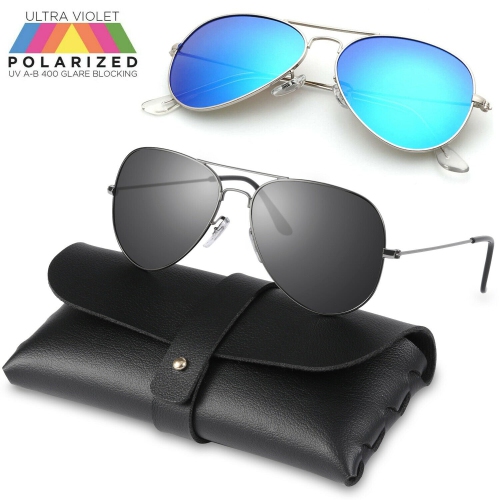
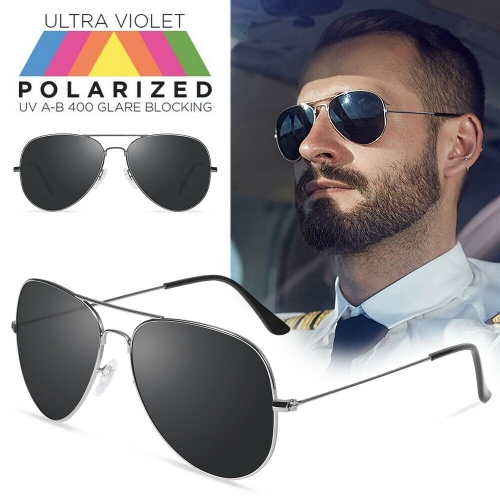
Lens protection and intended use are just as important as frame style. Look for a clear statement of UV protection, such as UV400 or 100% UVA and UVB protection, rather than judging a lens by how dark it appears. A dark tint is not proof of UV protection, and polarization serves a different purpose: it helps reduce reflected glare from surfaces such as roads and water. Polarized lenses can be comfortable for many daytime activities, though they may make some dashboard displays or phone screens appear dimmer or uneven at certain angles. For driving, lenses should allow a clear view of instruments and traffic signals, and very dark lenses may not be suitable; sunglasses should not be worn for night driving. Square lifestyle frames are not a substitute for protective sports eyewear or safety glasses where impact protection is needed. Lens materials also involve trade-offs. Polycarbonate is lightweight and offers good impact resistance, but it is not scratch-proof. Other lens materials may emphasize optical clarity or a different balance of weight and thickness, so the complete design matters more than any single feature. Everyday care helps preserve both clarity and fit. Rinse away loose grit before cleaning, use a lens-safe cleaning solution when needed, and wipe gently with a clean microfibre cloth rather than a shirt hem or paper towel. Coating-specific care directions should take priority, since some household cleaners can damage lens finishes. A structured case helps protect sunglasses from pressure inside a bag, while placing them lens-side up reduces contact with abrasive surfaces. Removing them with both hands helps limit twisting at the hinges, and keeping them off the top of the head can help prevent stretching. As a gift, square frame sunglasses suit someone whose eyewear preferences and approximate fit are already familiar. Matching their usual frame width, preferred colours, and daily activities makes the choice more personal and practical, with comfort and useful lens features supporting the style they enjoy.
Top selling and popular products
-
 Your price for this item is $120
-
 Your price for this item is $120
-
 Your price for this item is $299
-
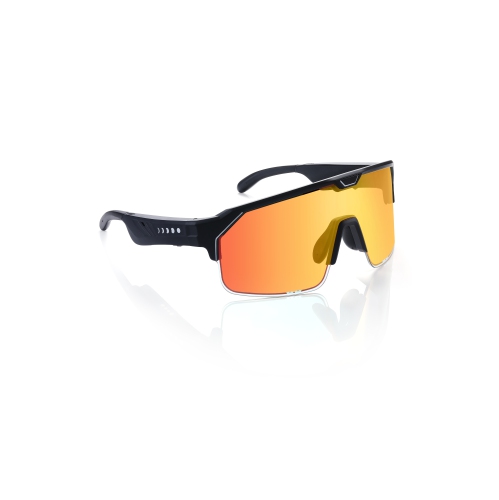 Your price for this item is $305
-
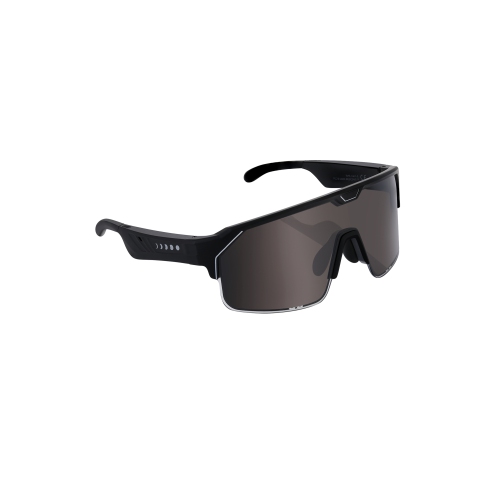 Your price for this item is $305
-
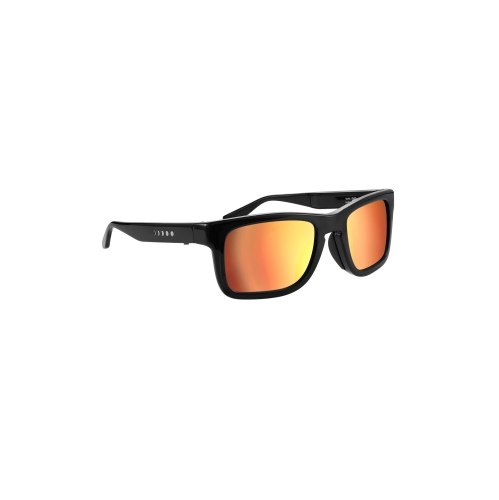 Your price for this item is $242
-
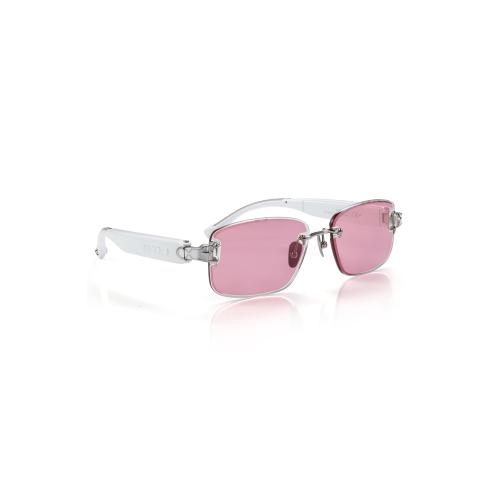 Your price for this item is $449.1
-
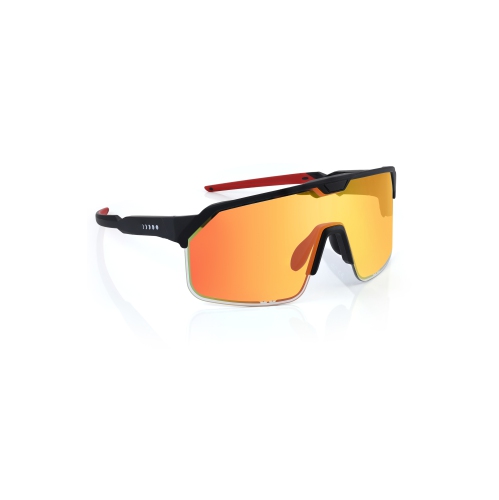 Your price for this item is $242.1
Discover more categories related to Square Frame Sunglasses


Top Collections:
Pokemon Centers, Best Cameras for Sports Photography, Kindle Devices, Samsung Galaxy Phones, Canon G7X Cameras, Pokémon 30th Celebration Cards, Refurbished Apple Laptops, iPhone 15 Apple, Laptops for Students, Budget Smartphones
Some products may be subject to Environmental Handling Fees
(EHF) depending on your province.
Learn more about EHFs.