Large Bread Toasters
A toaster is one of the most basic kitchen appliances, but it's also one of the most important. Whether you're toasting bread for a sandwich or bagel, or cooking something else entirely, you'll want a toaster that can handle the job. Here are some of the best large bread toasters on the market today.
Sort







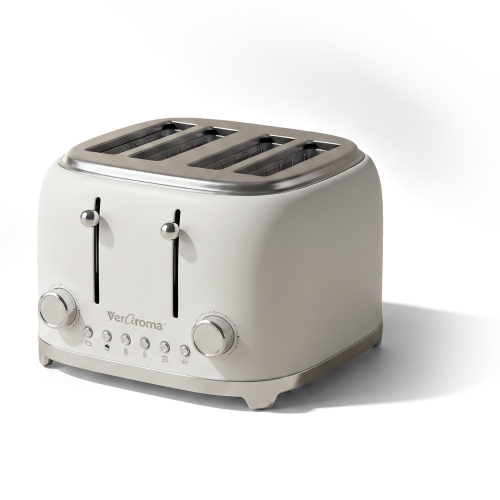
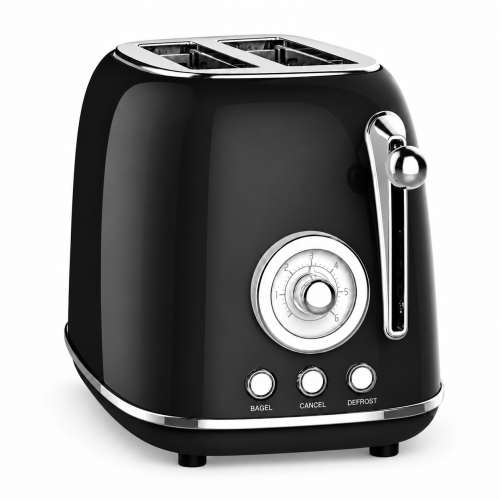
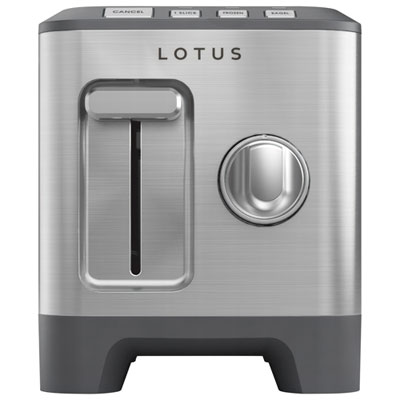

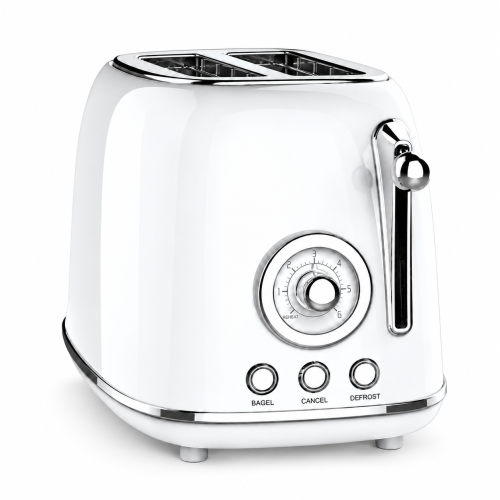
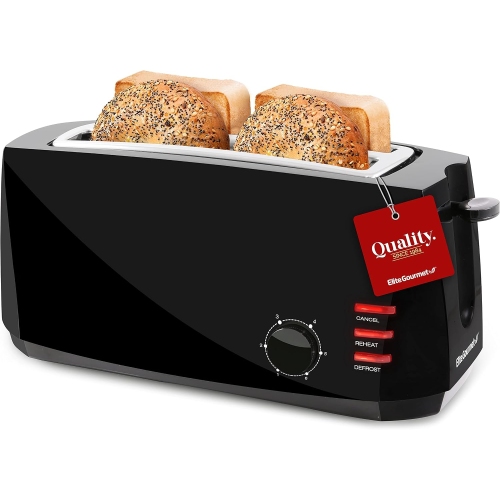
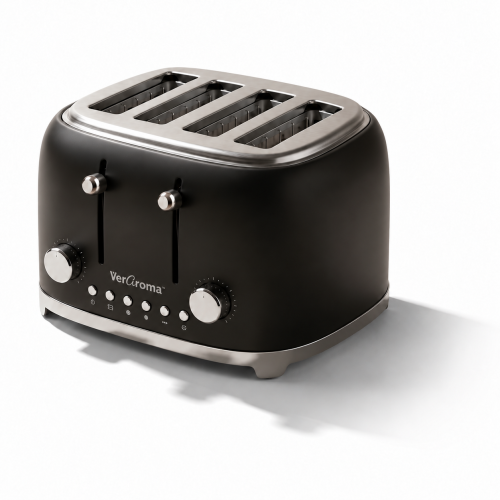
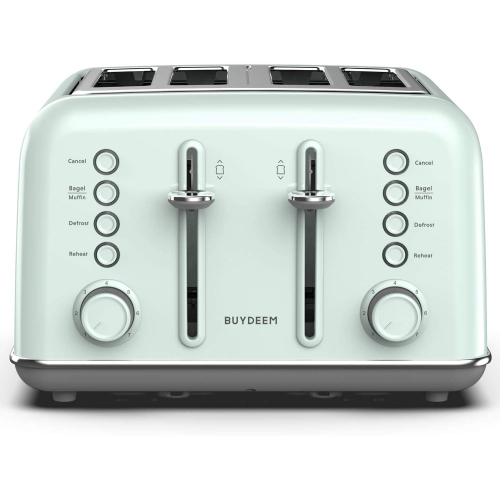

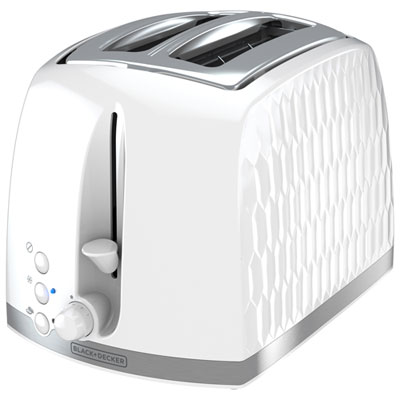

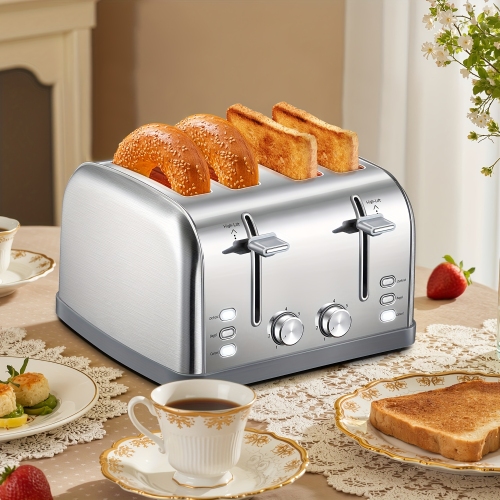
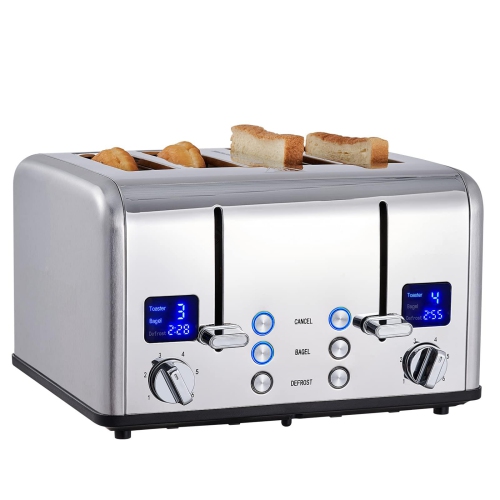
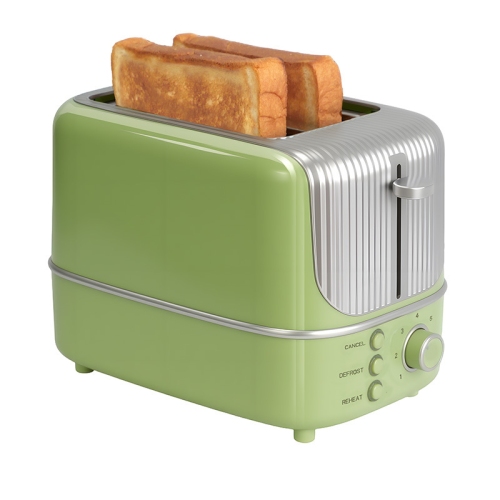
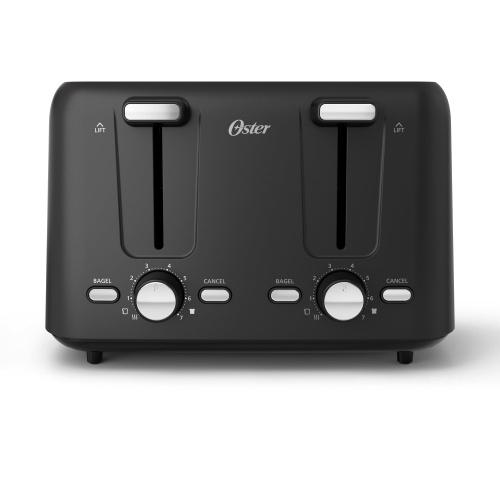
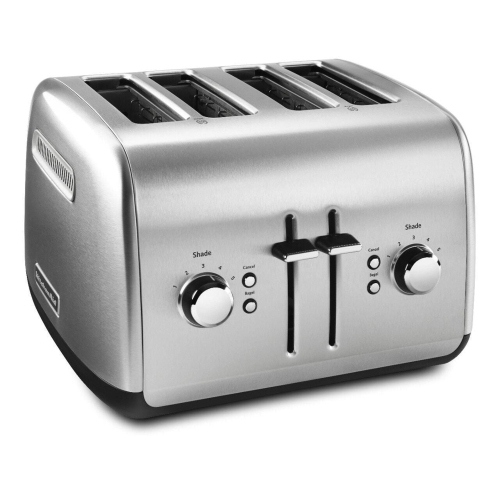
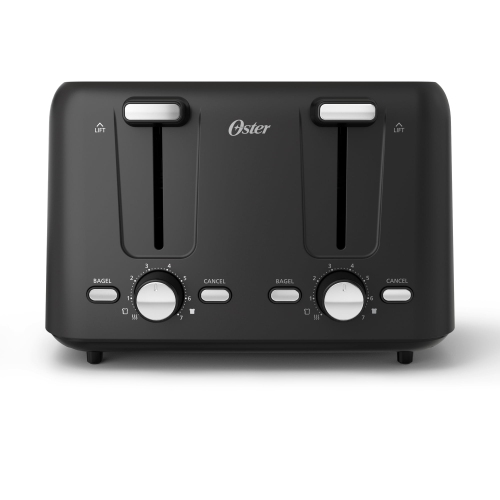
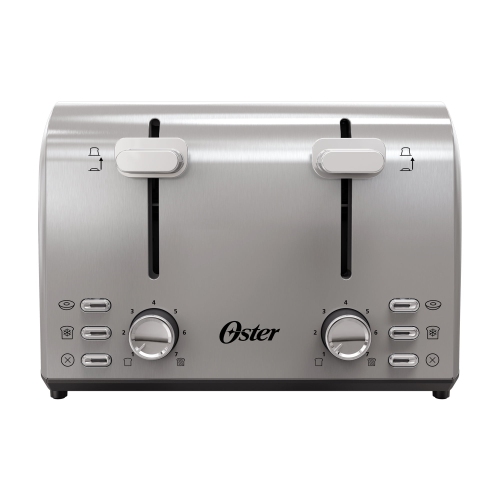
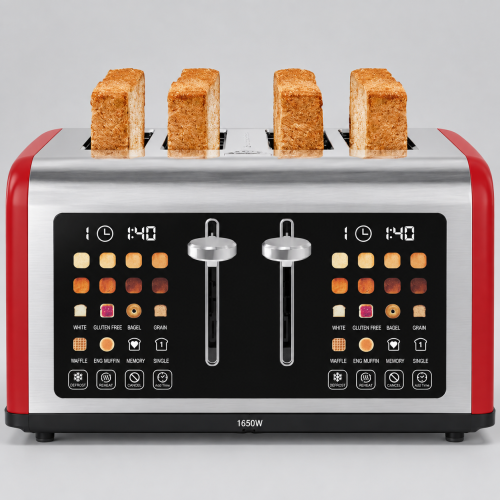
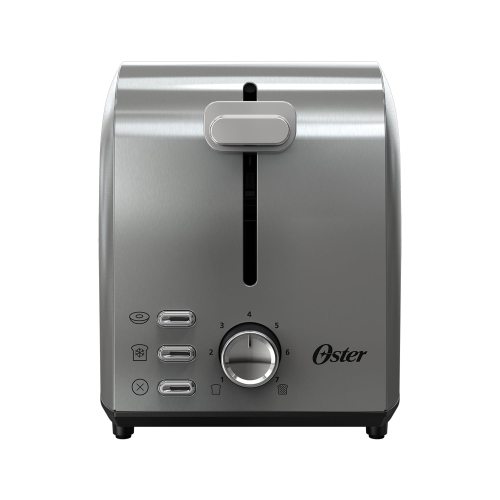
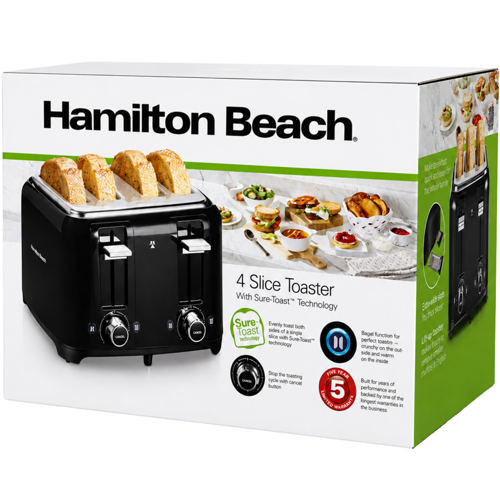
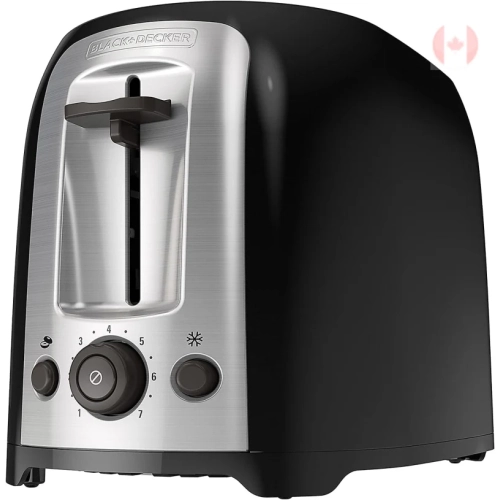
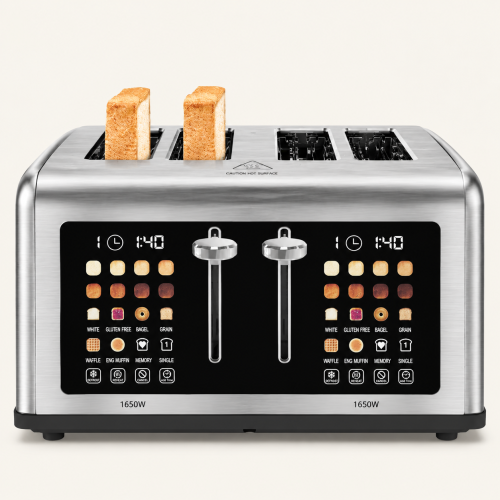
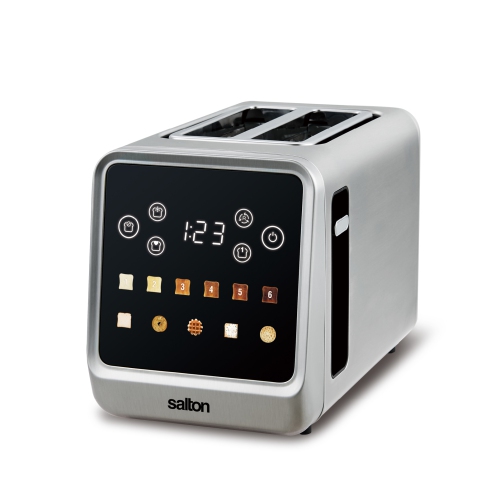
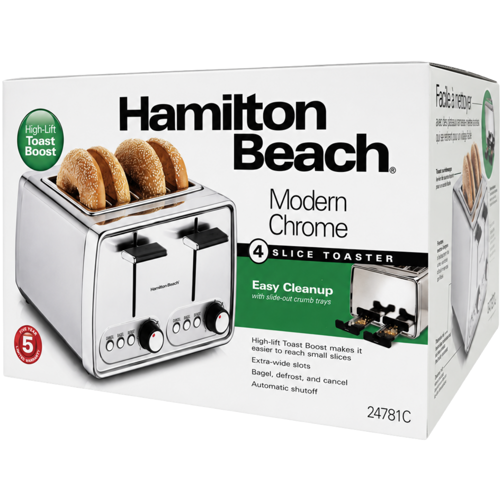
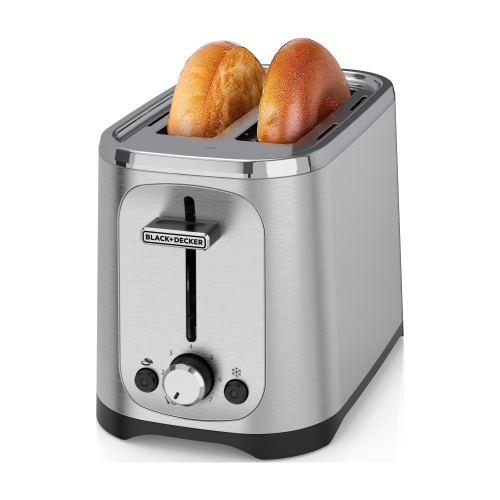
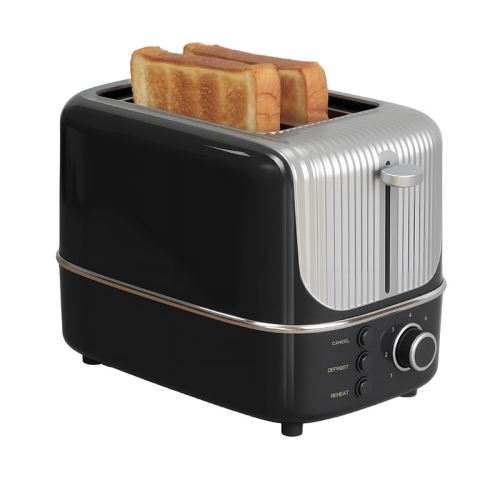
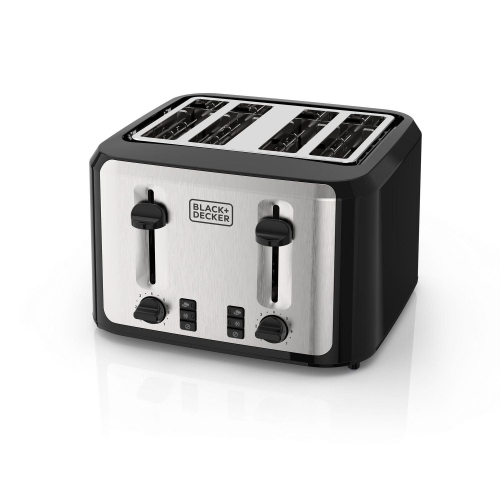
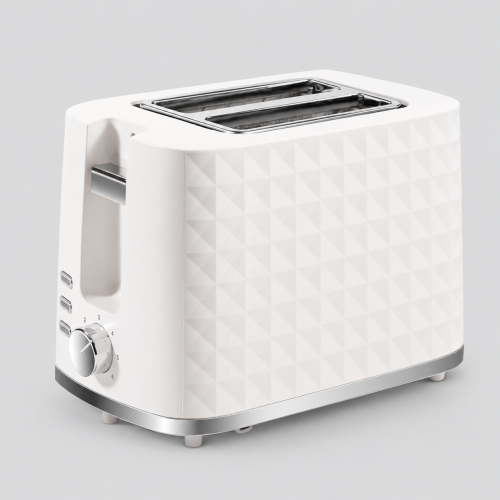
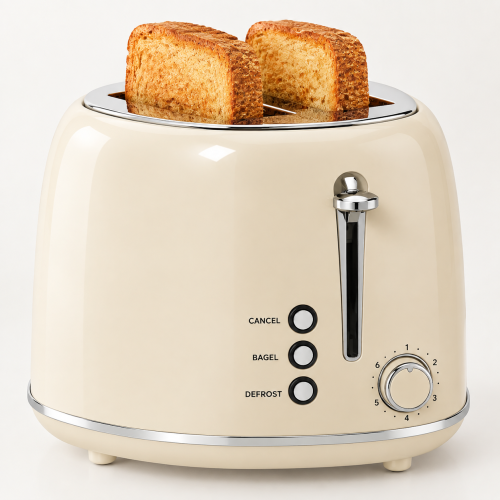
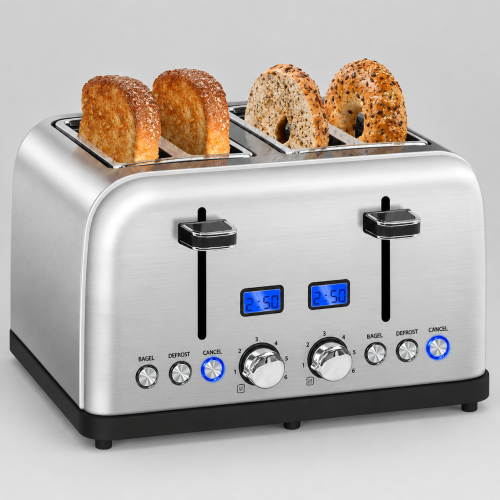
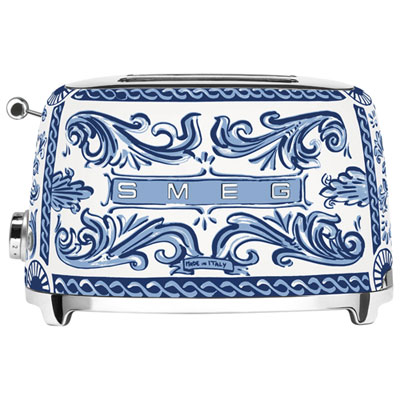
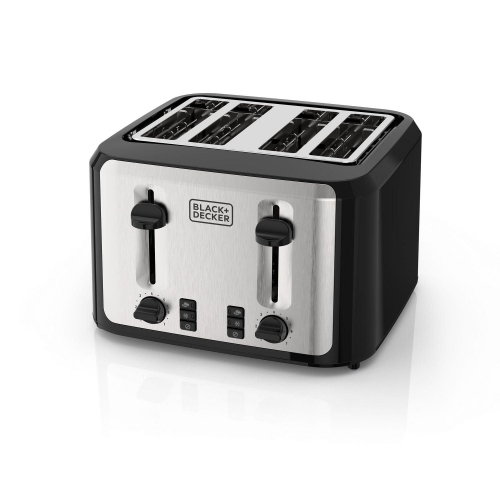

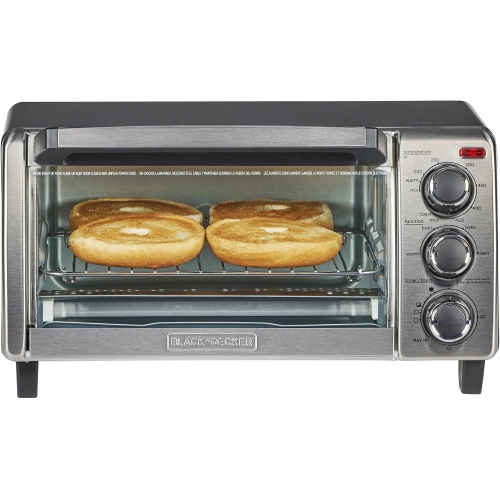
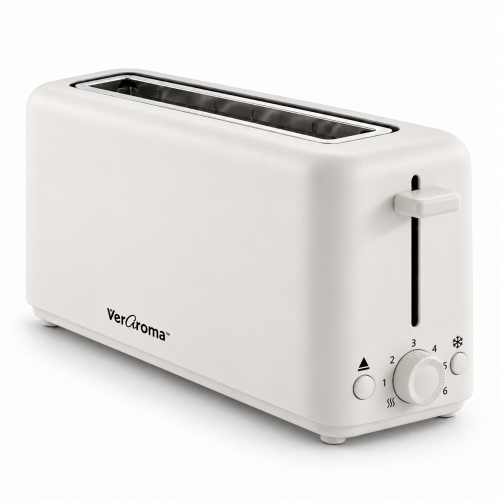
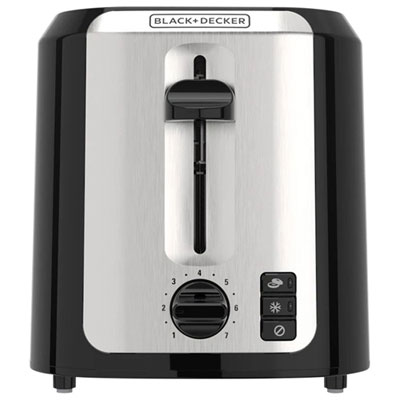

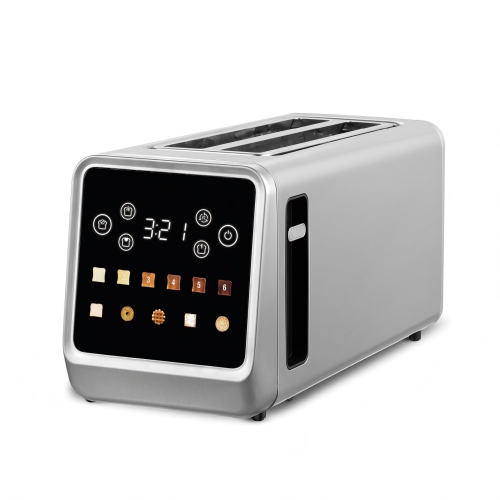
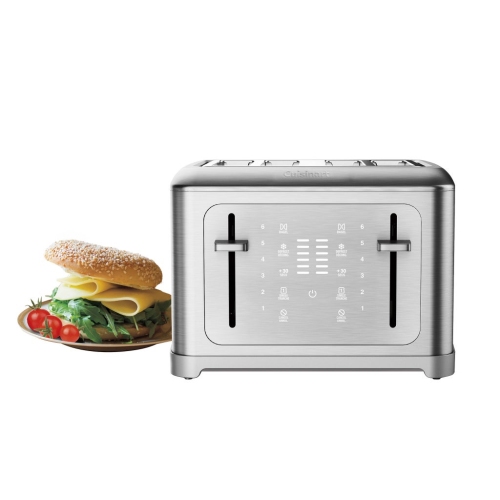
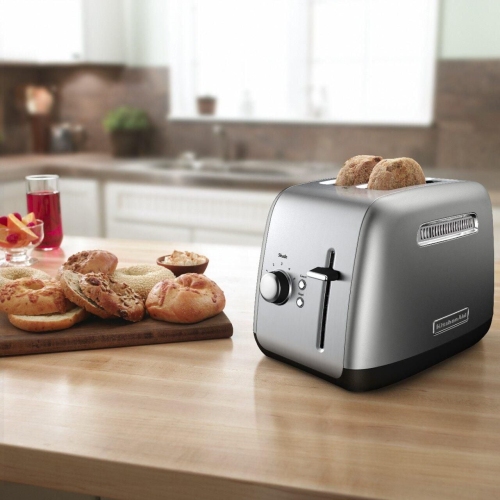
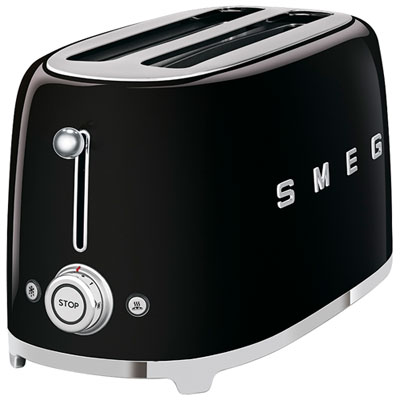
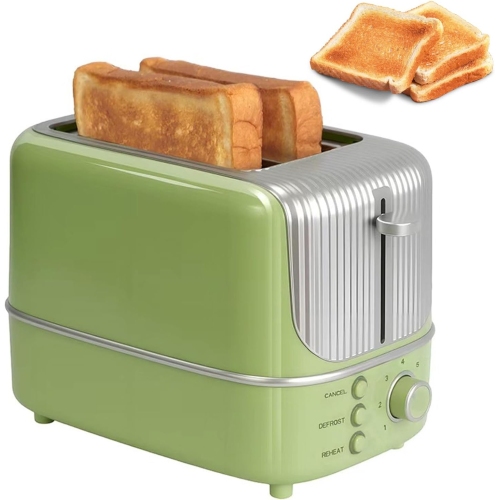
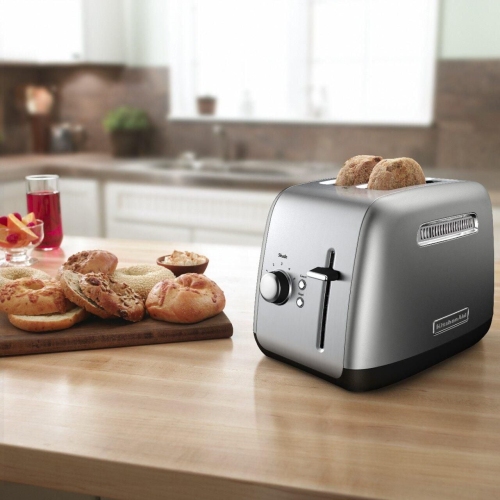
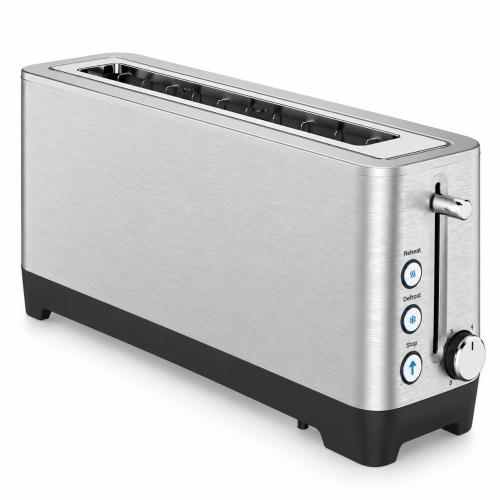



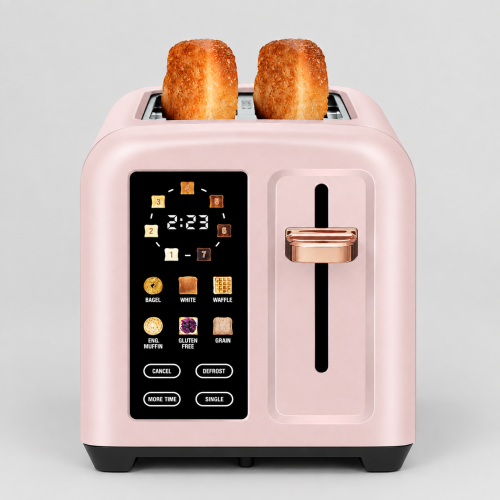

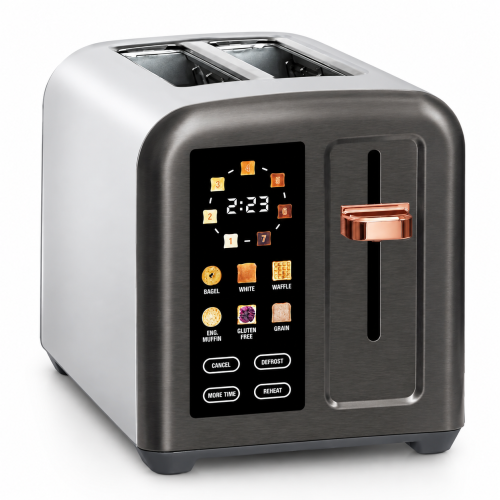

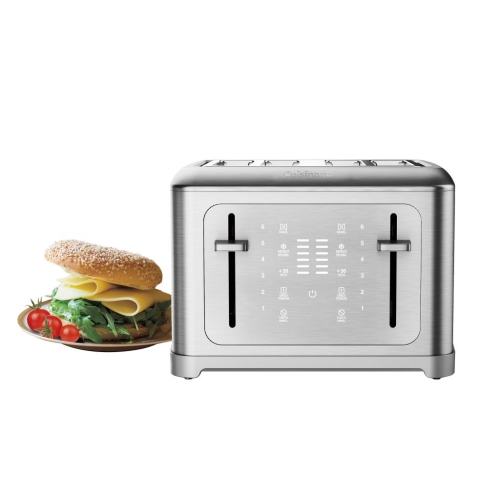
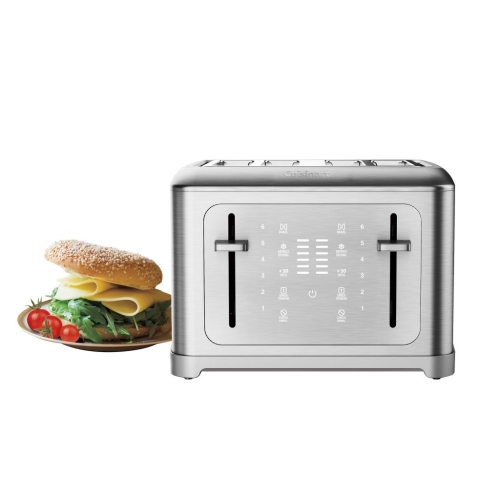
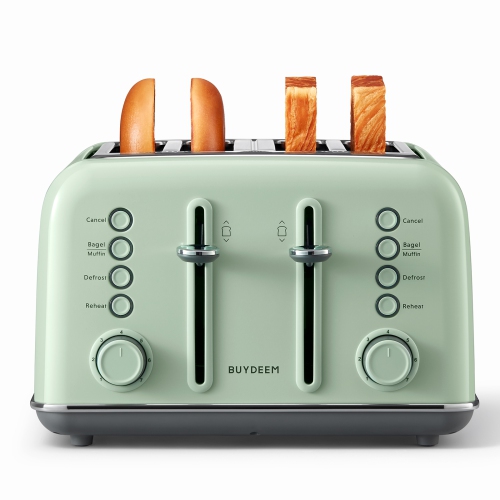
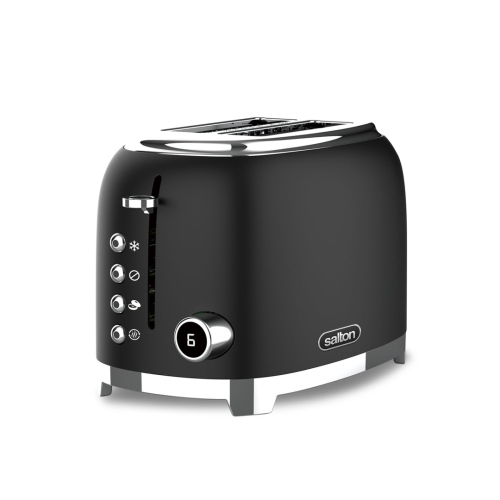
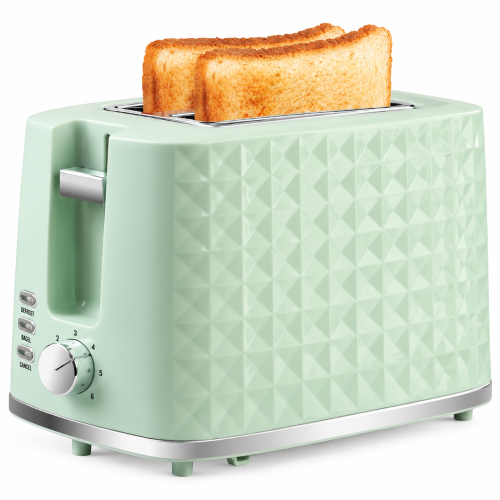
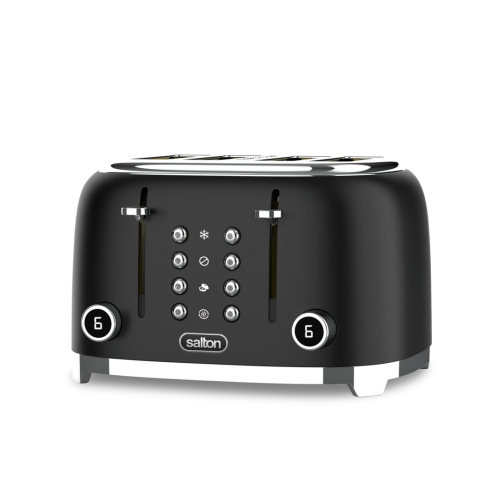
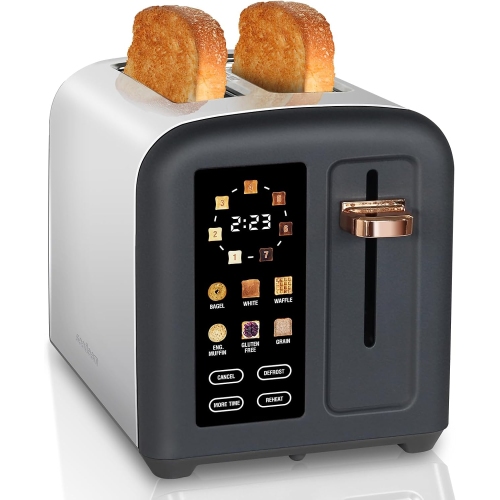
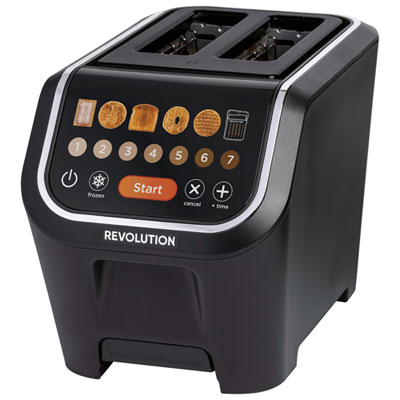
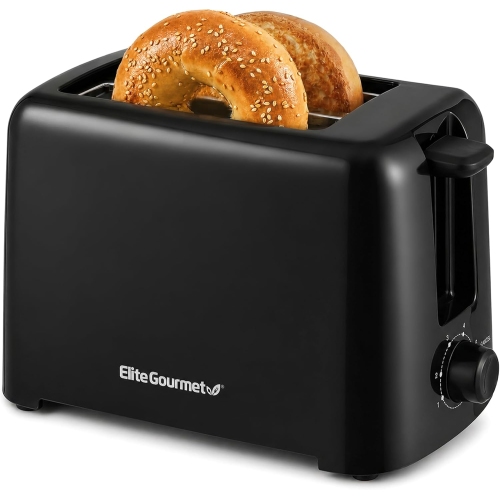
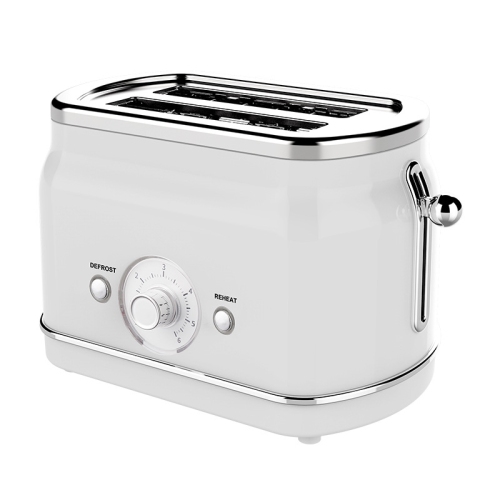
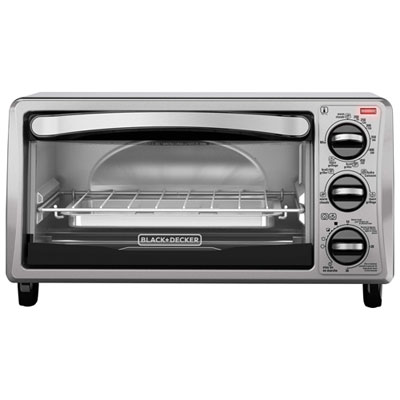
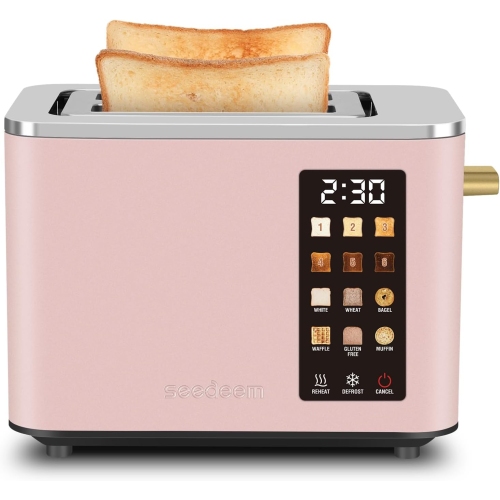
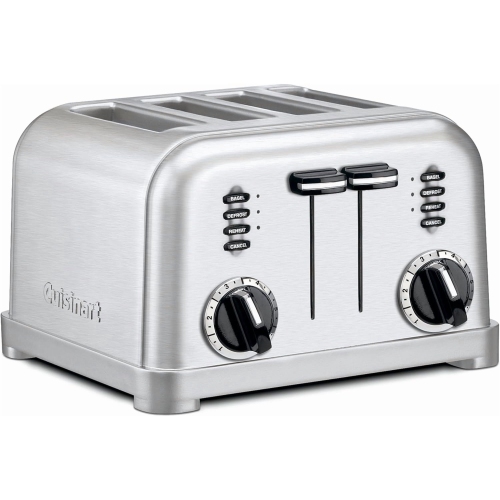
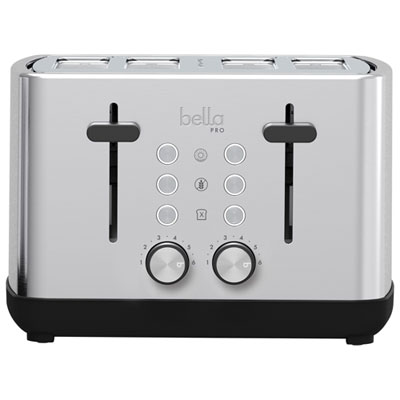
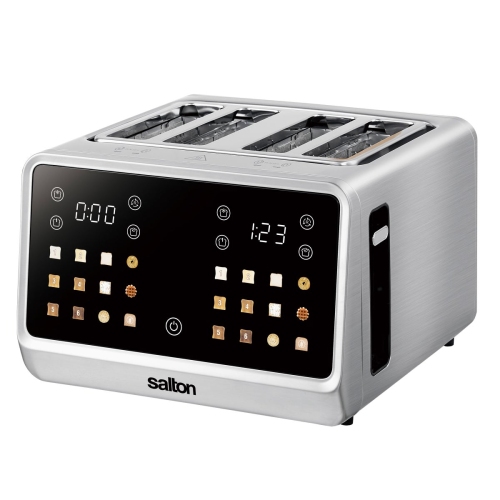

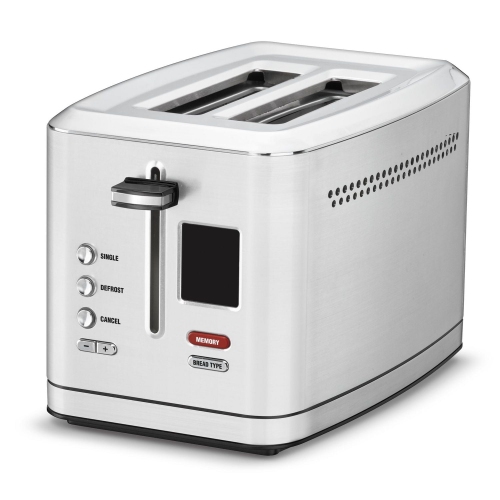
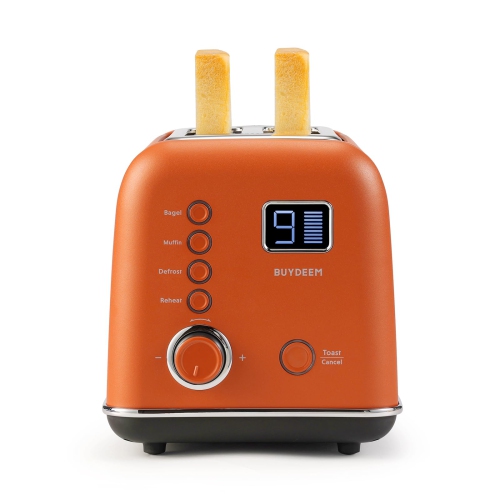
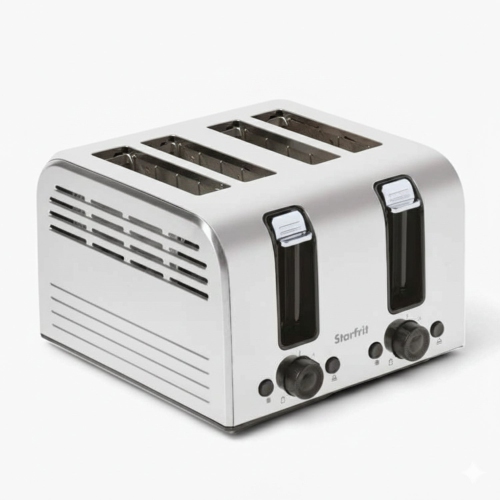
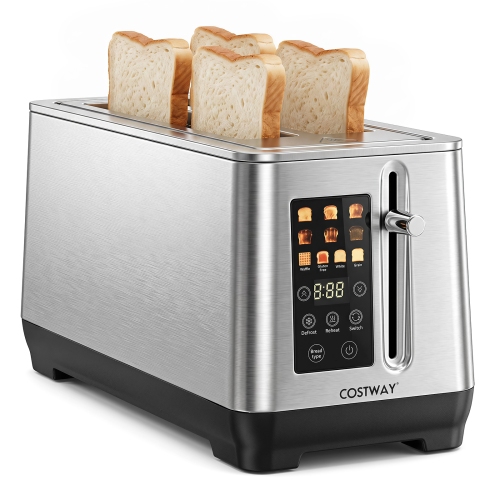
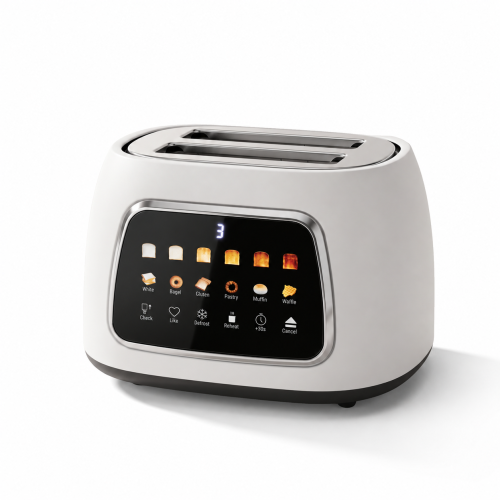
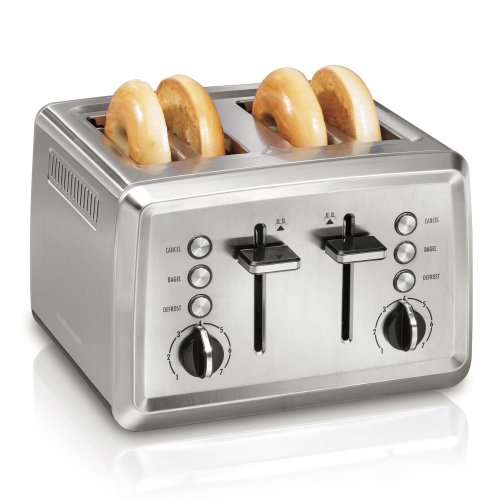
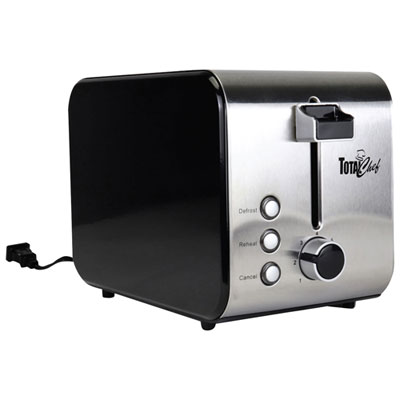
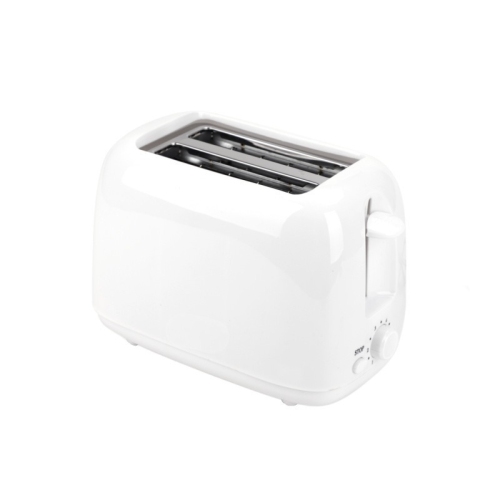
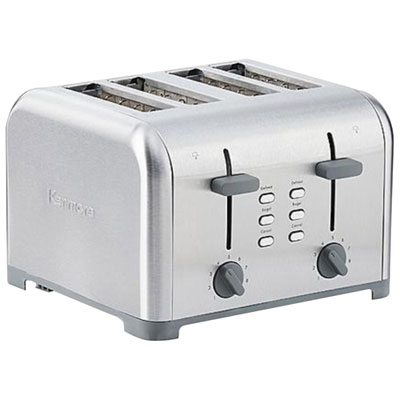
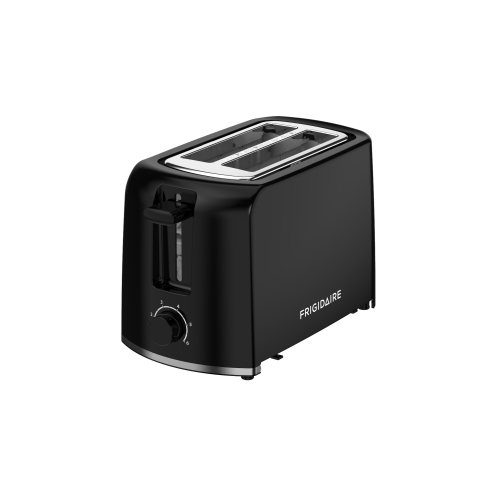
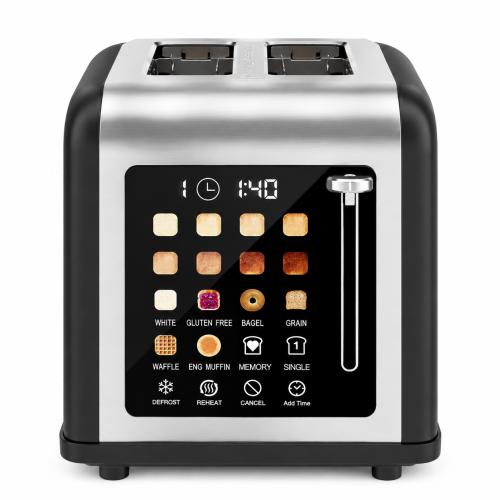
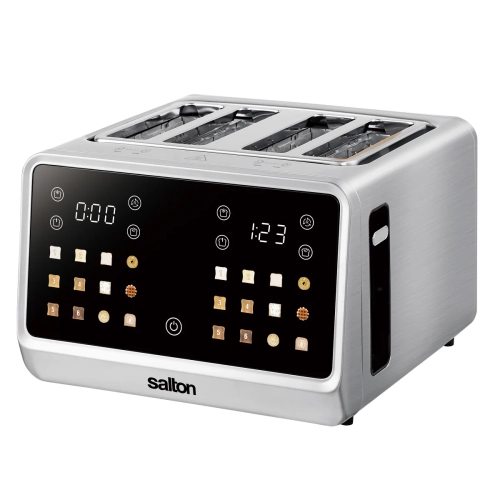
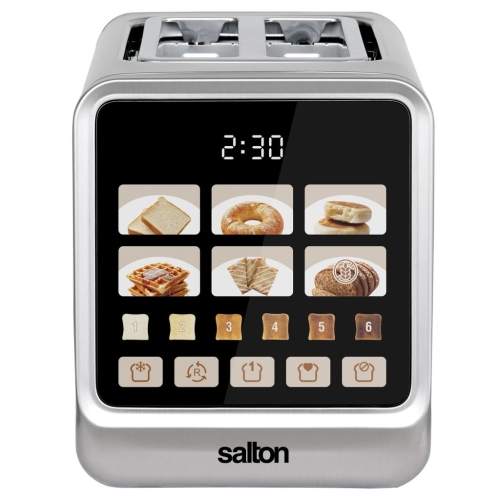
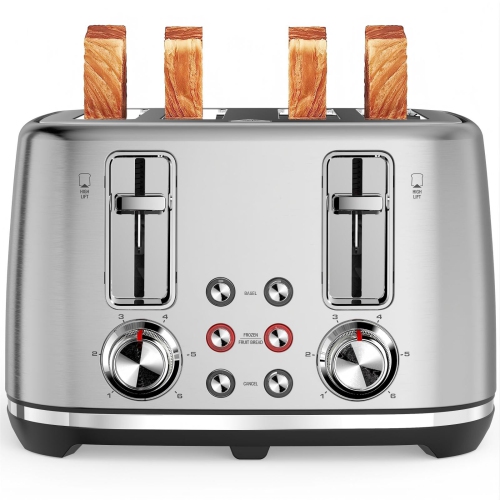
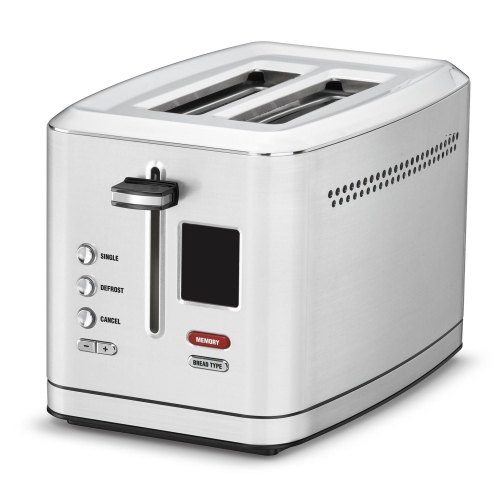
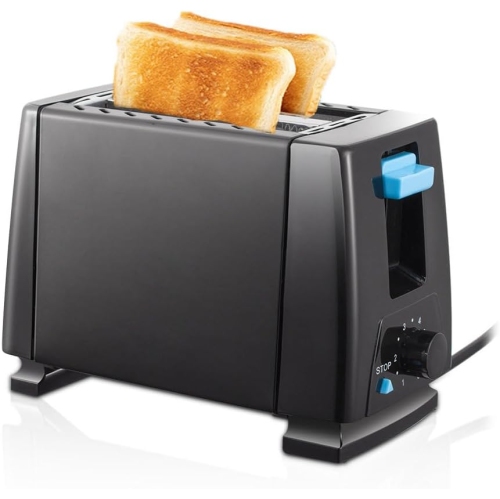
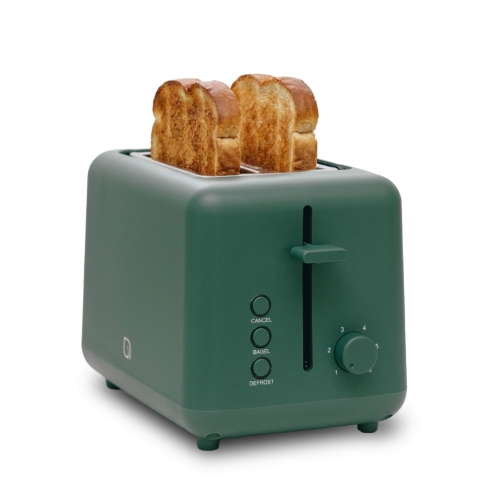
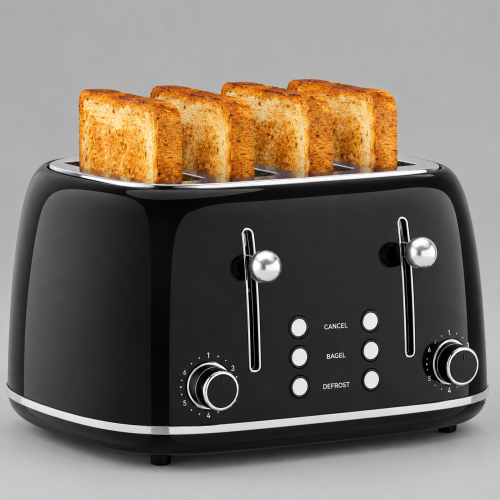
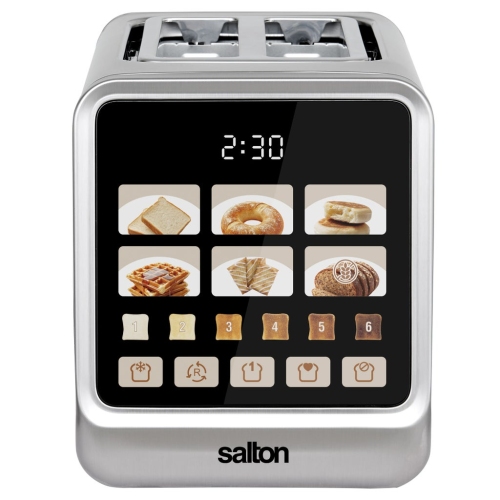
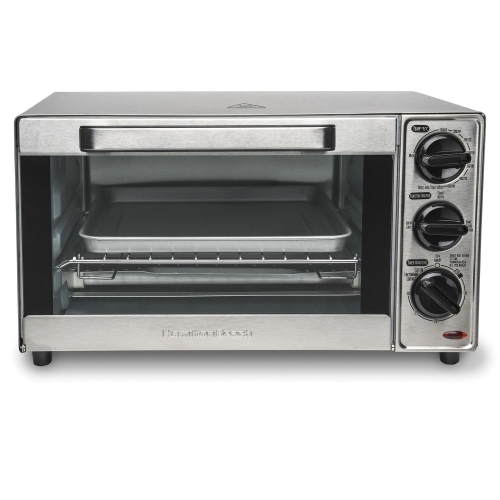
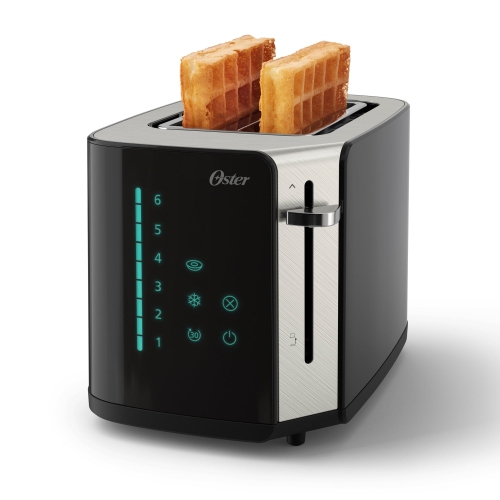
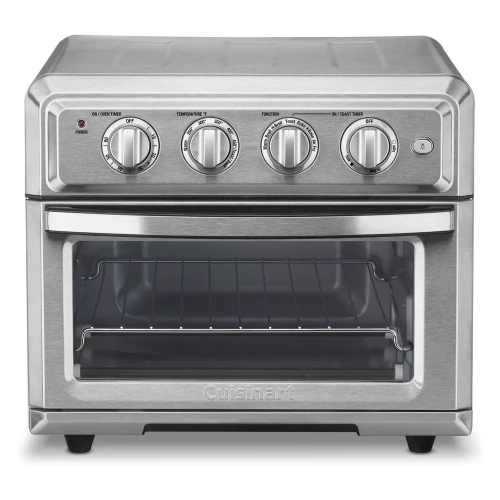

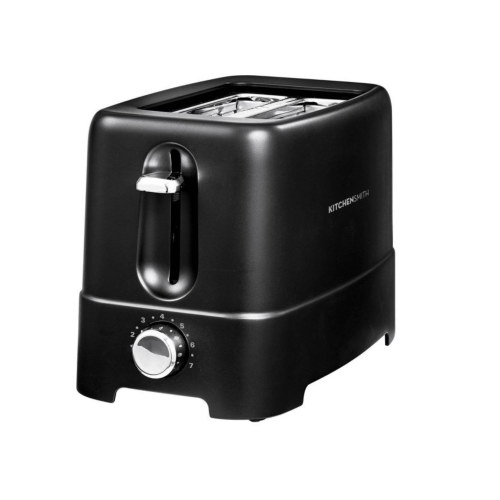
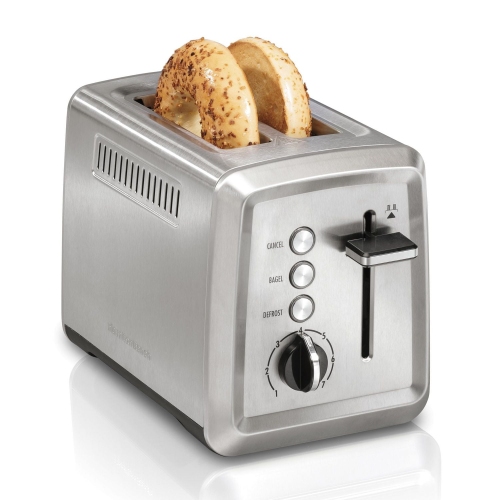

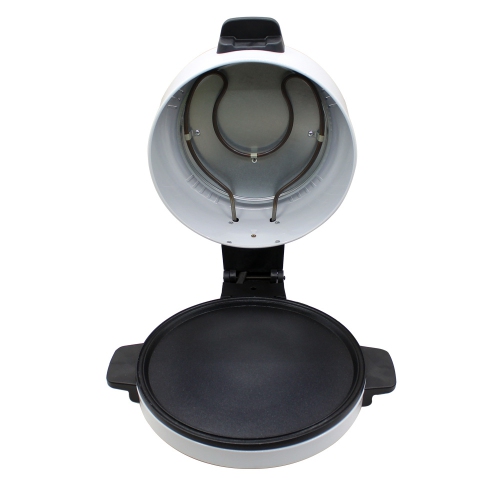
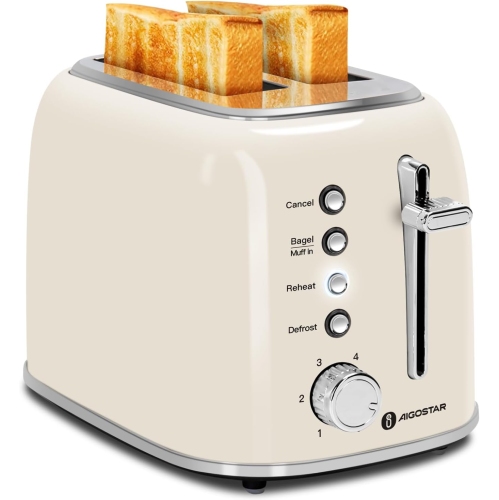
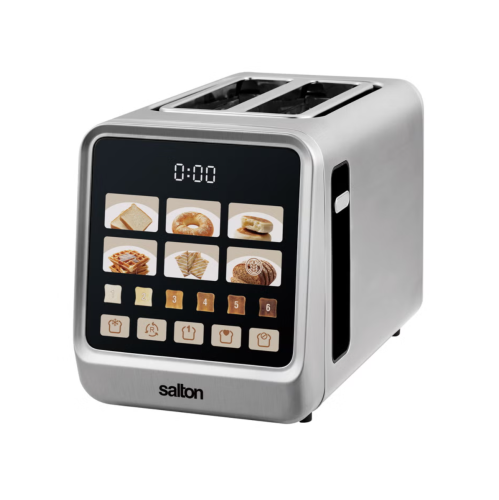
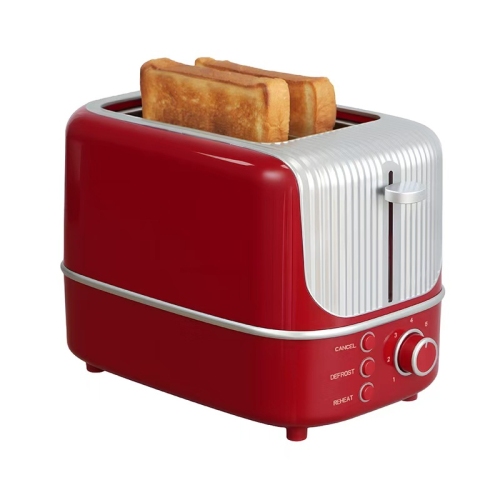
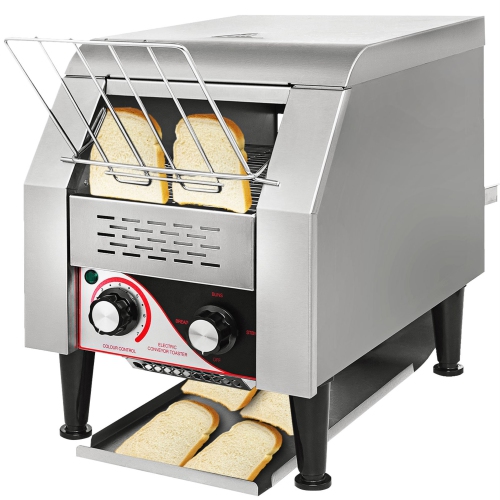
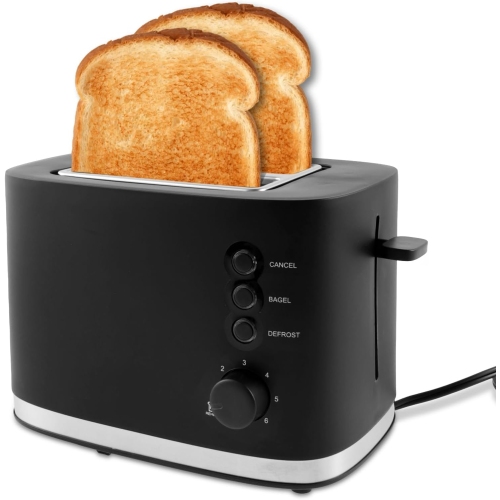
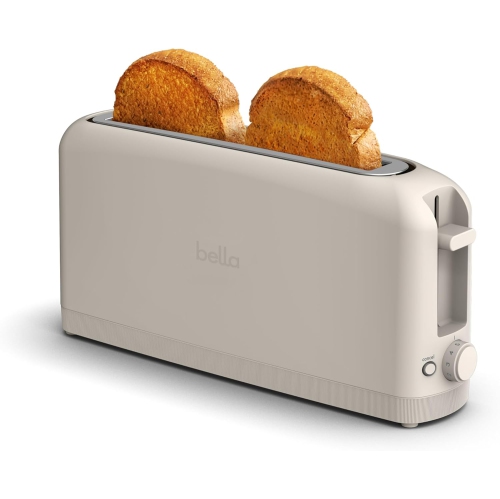
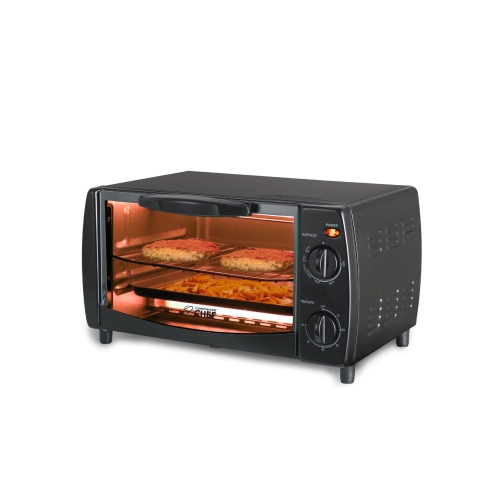
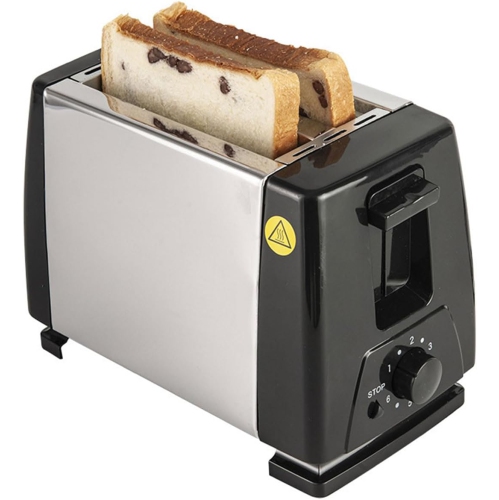
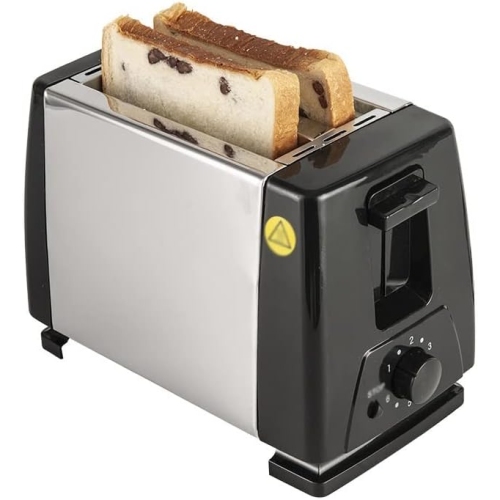
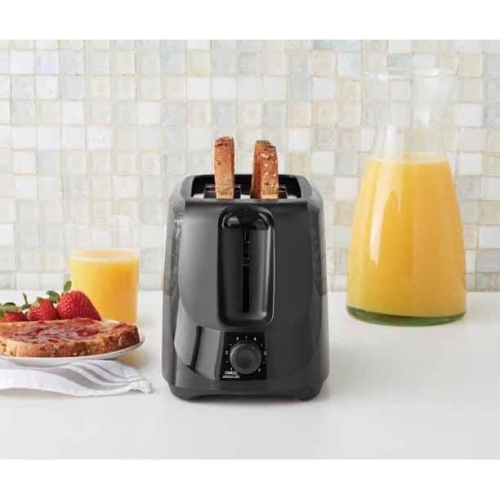
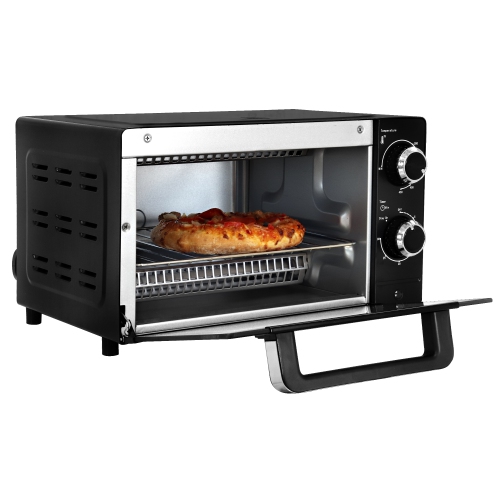
Why slot dimensions matter more than toaster size
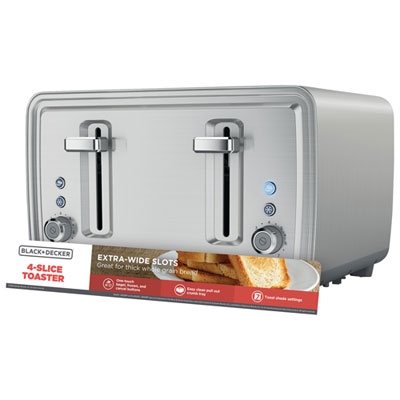
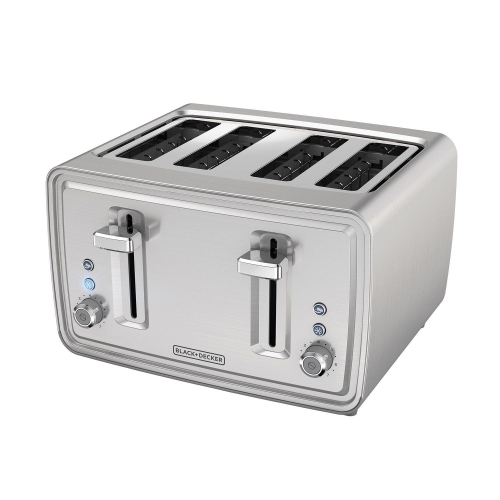
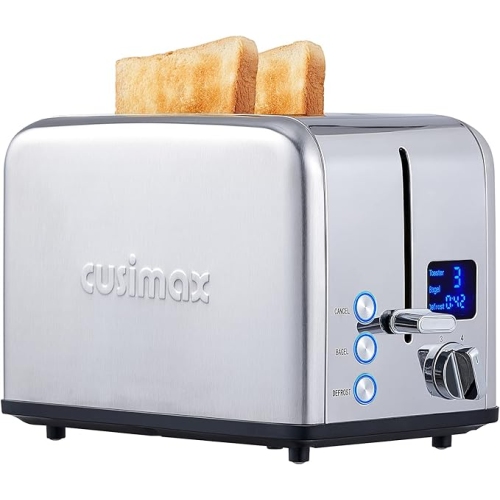
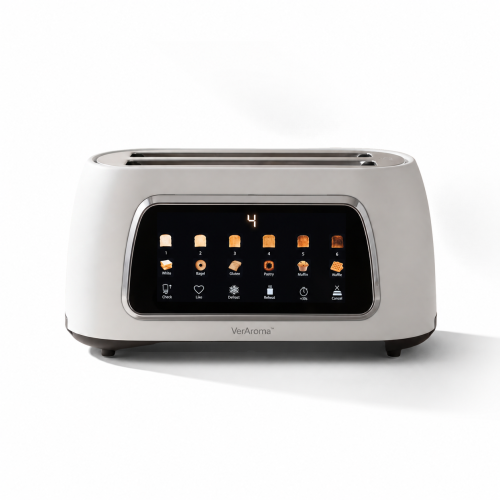
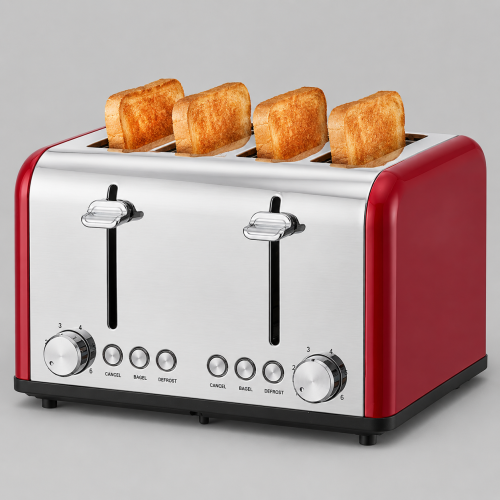
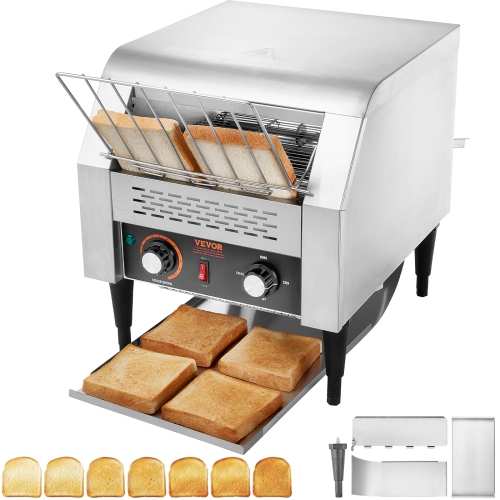
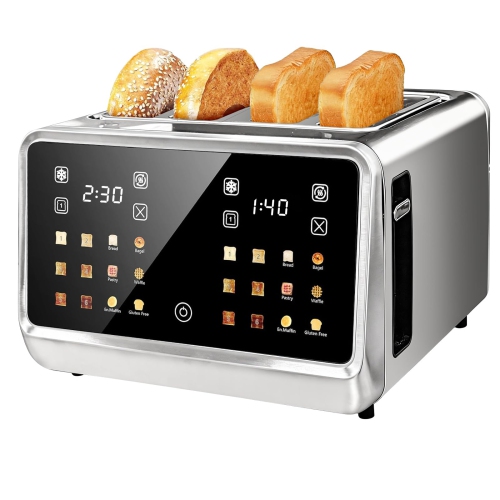
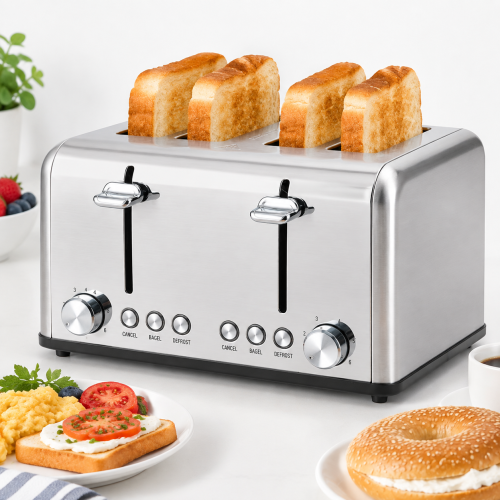
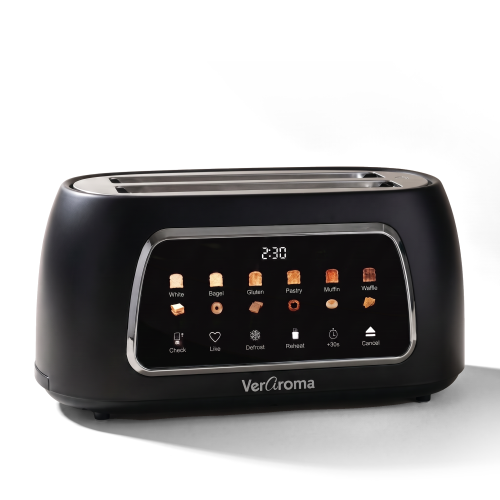
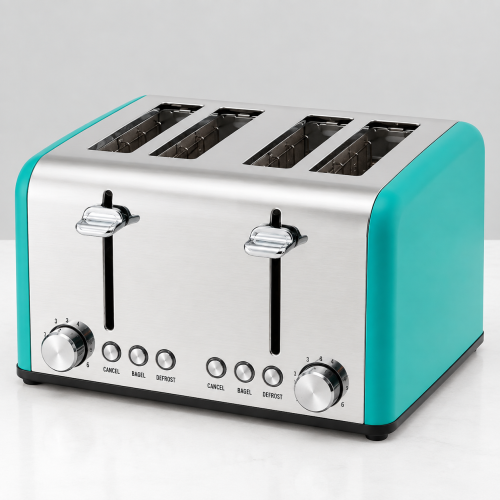
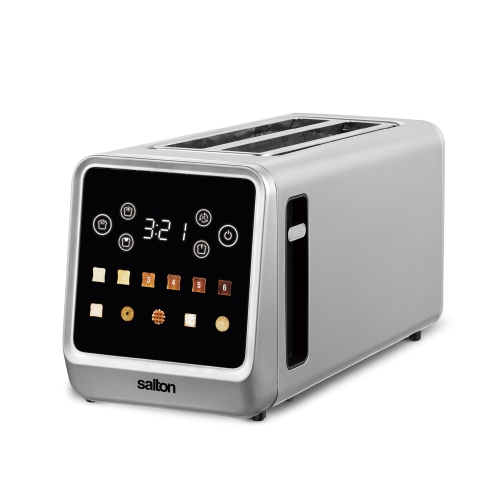
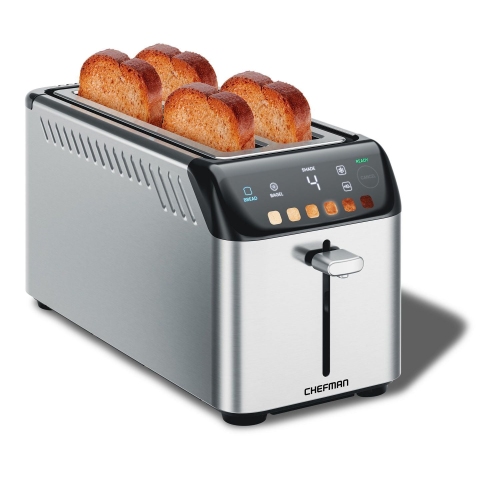
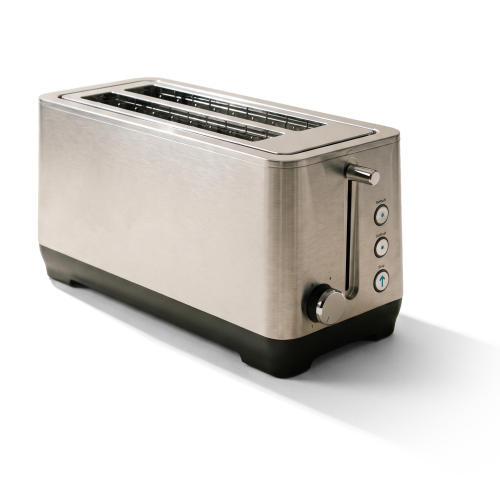
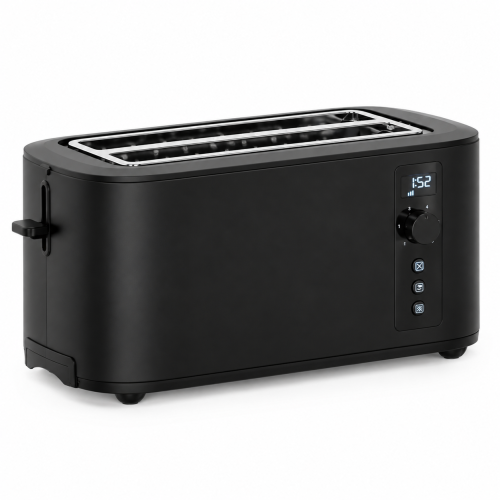
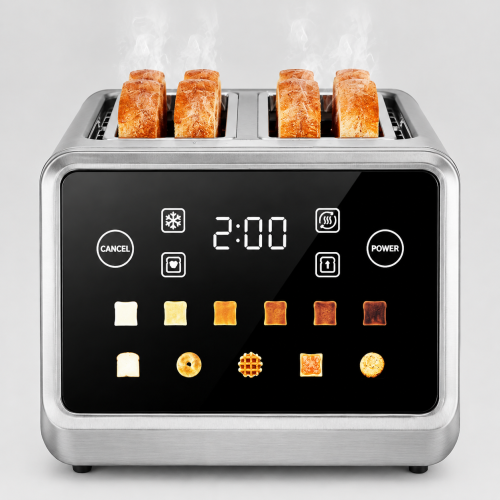
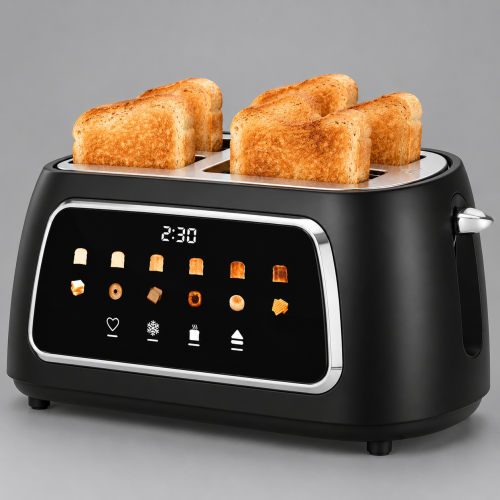
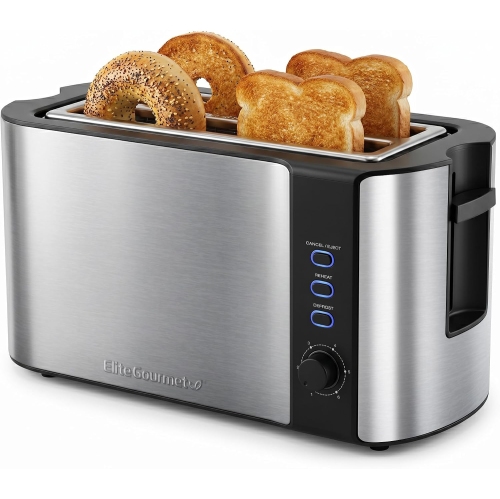
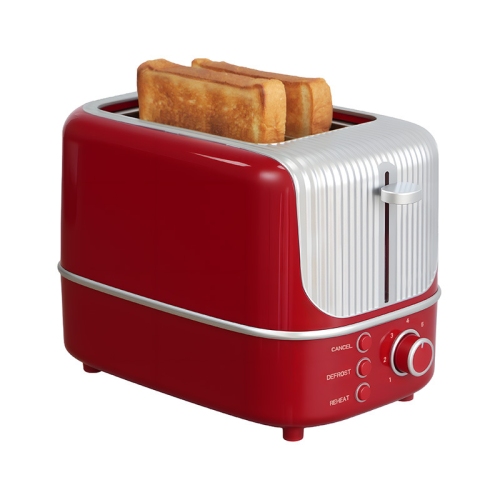
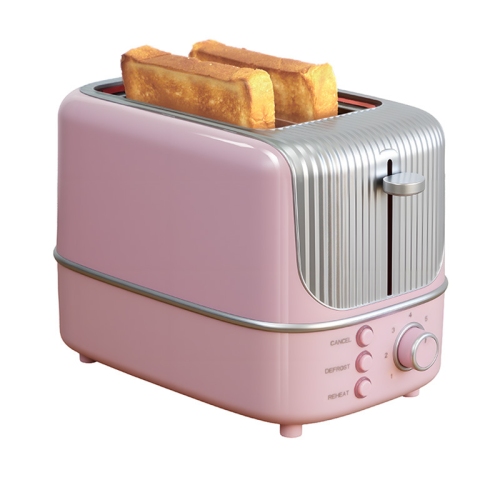
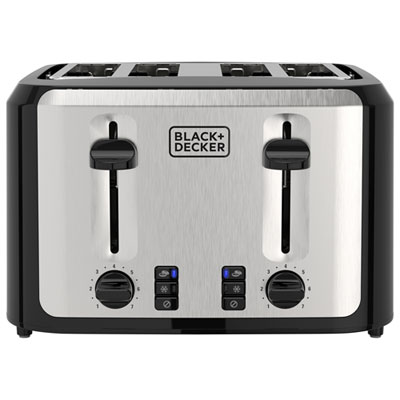
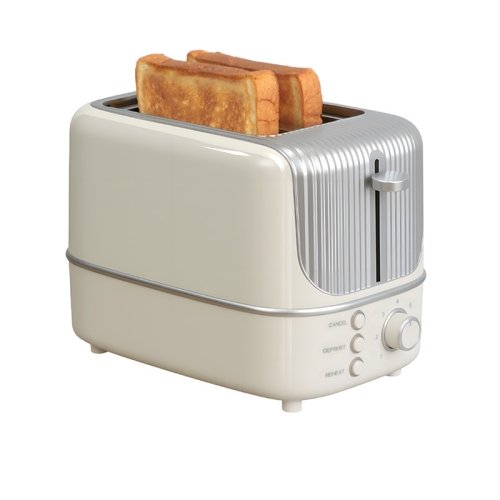
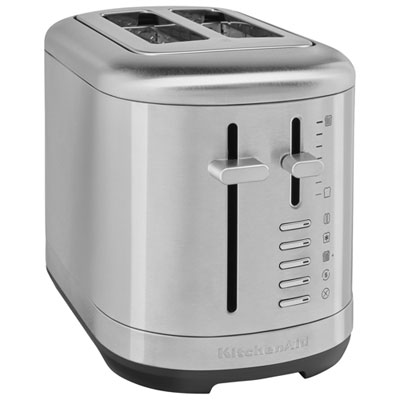
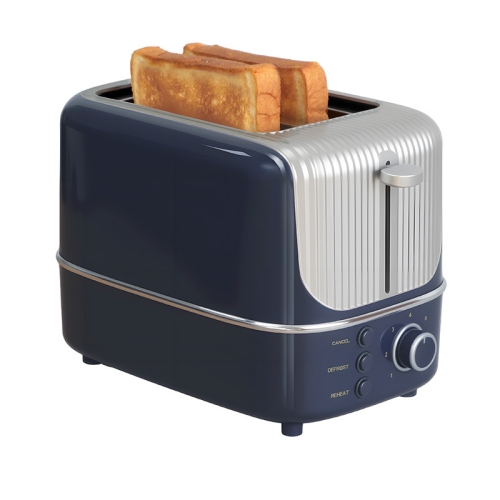
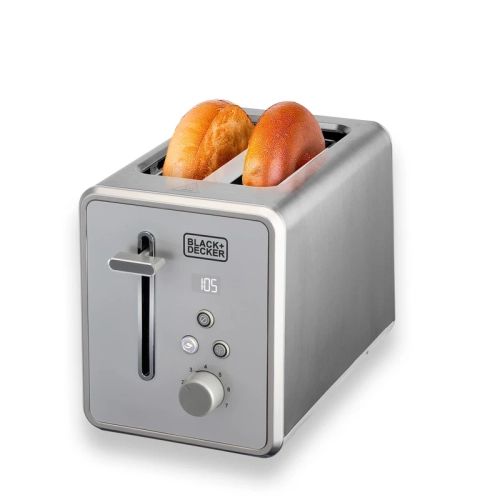
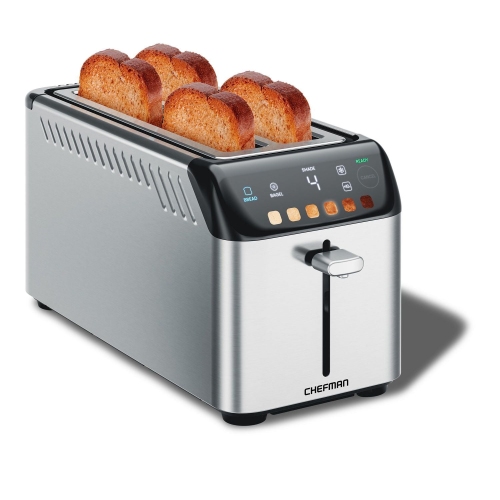
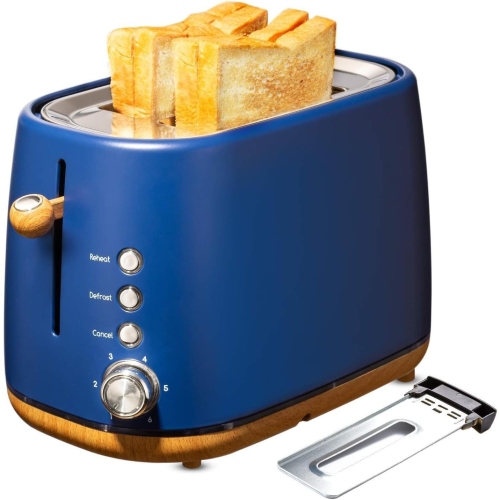
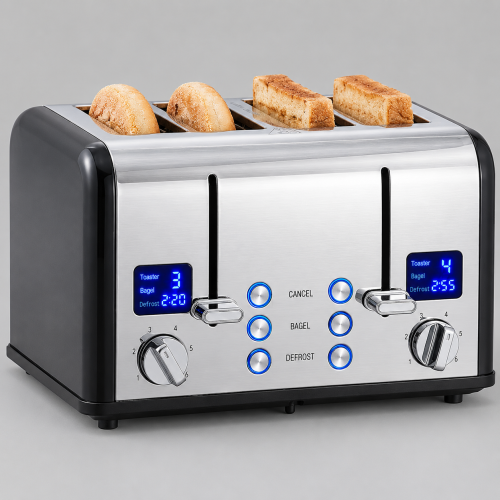
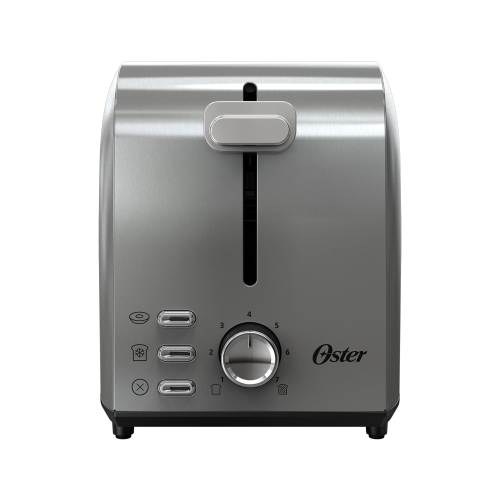
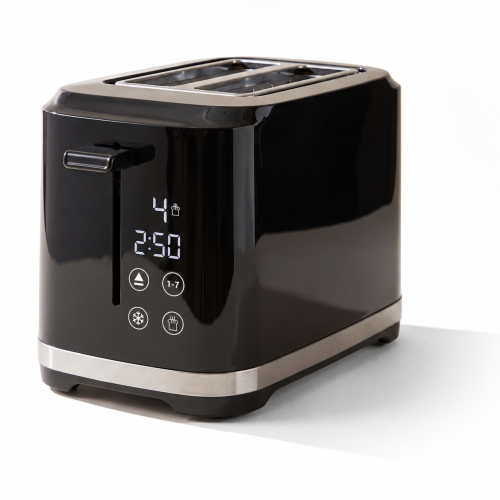
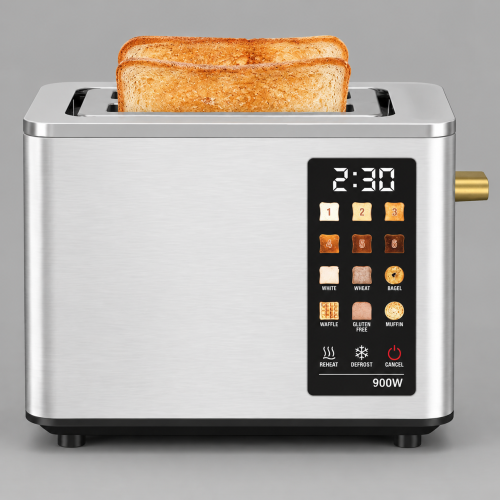
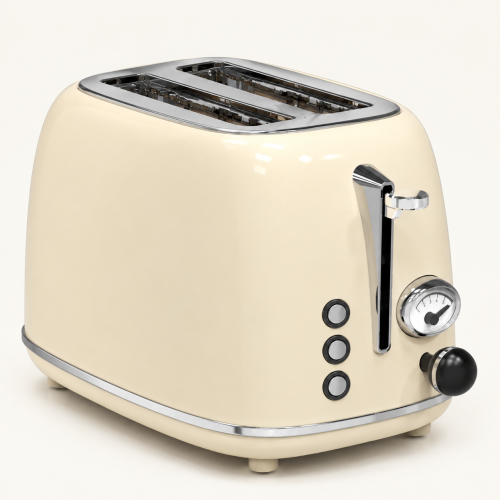
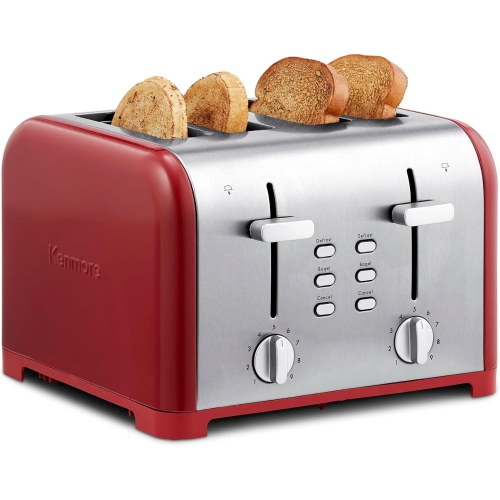
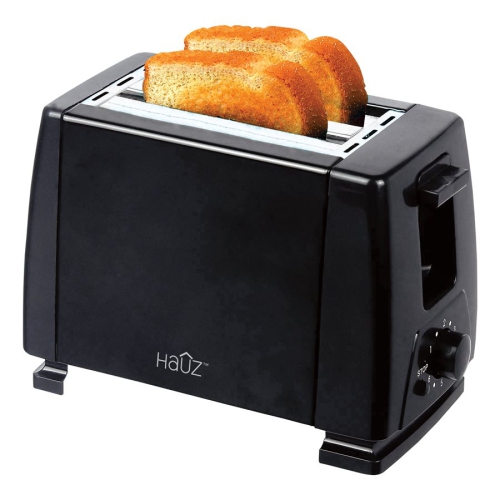
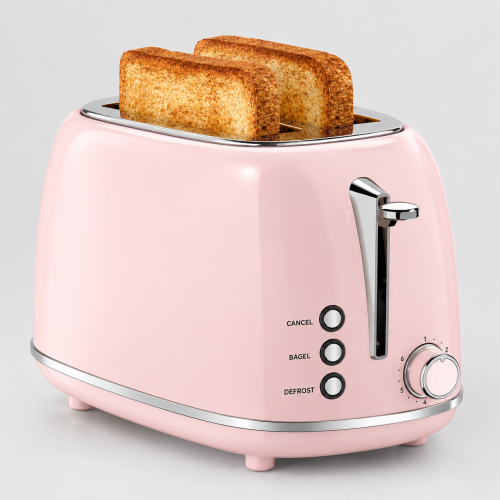
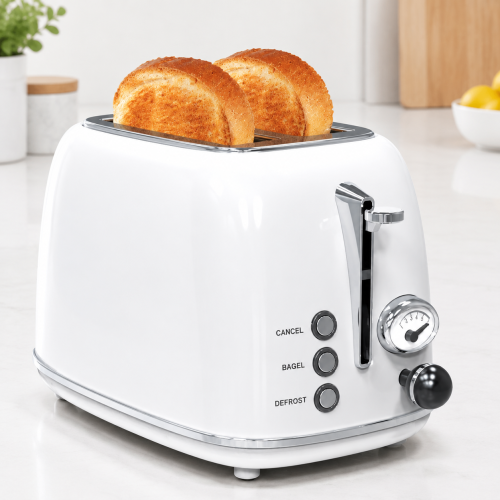
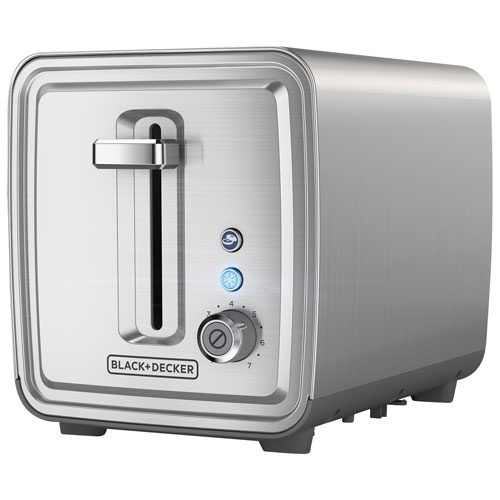
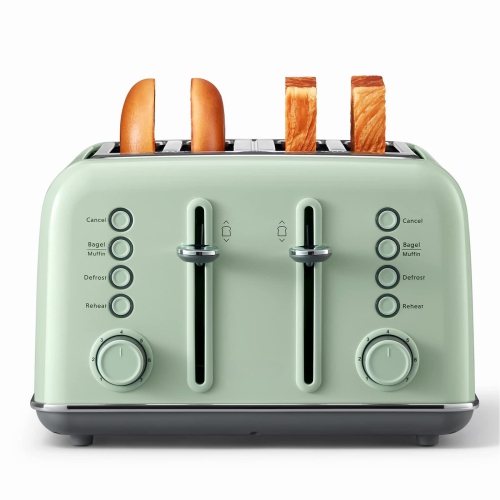
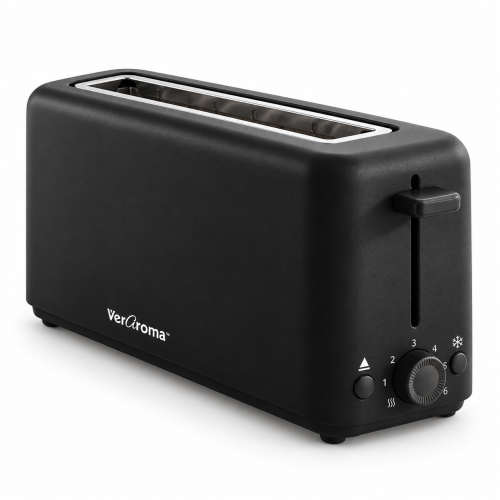
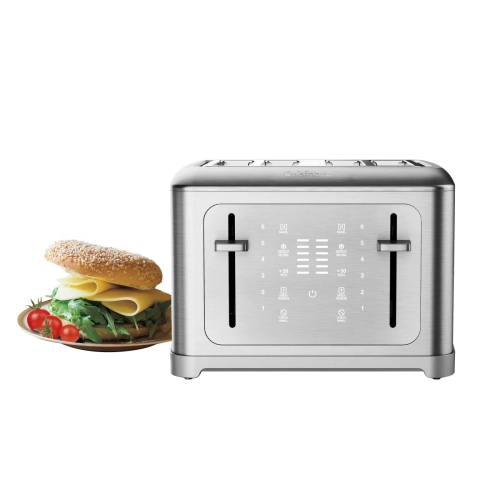
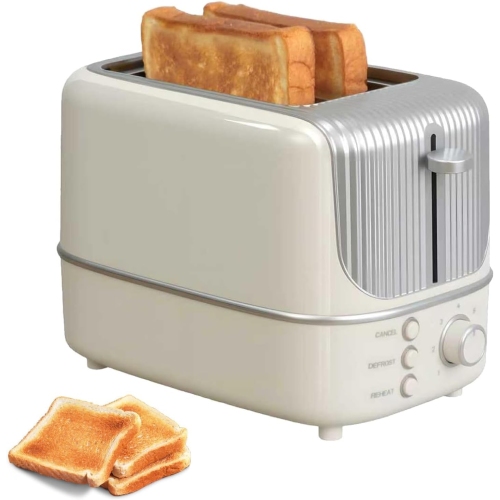
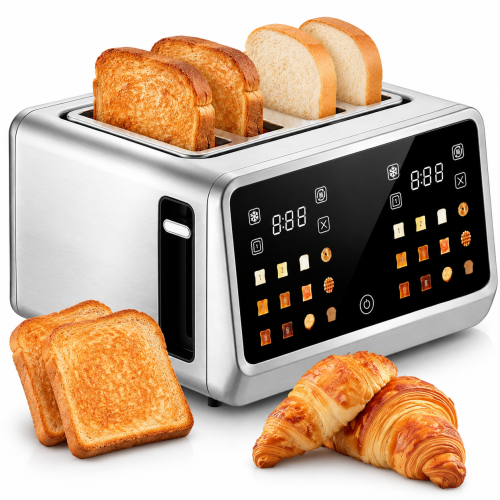
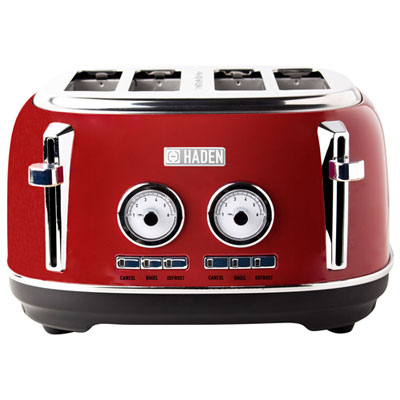
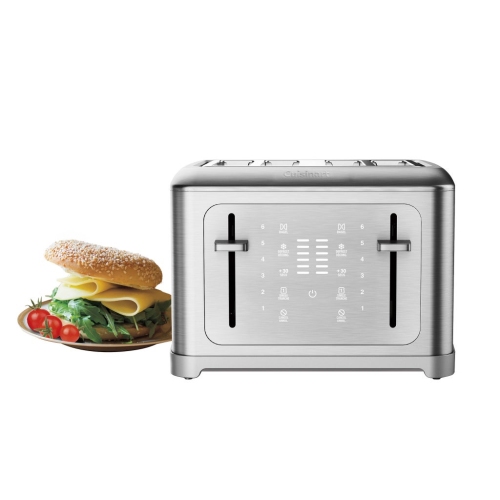
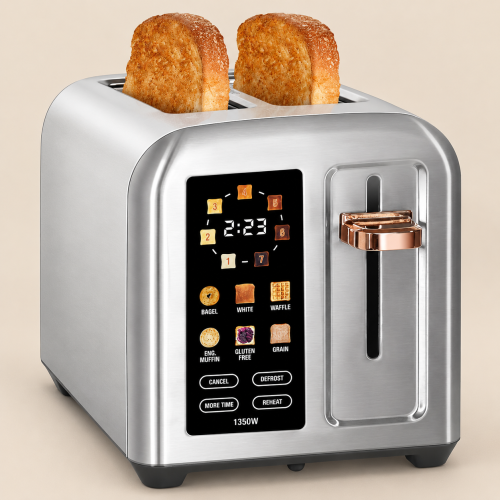
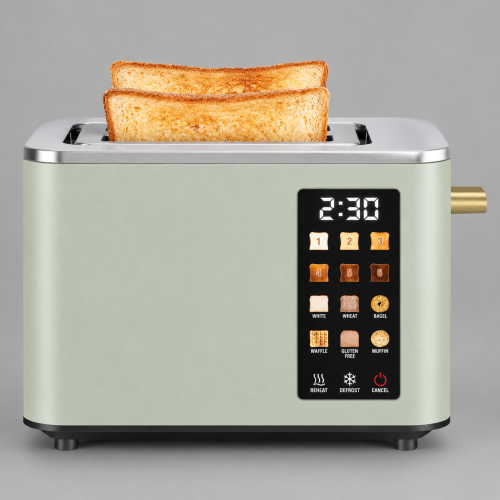
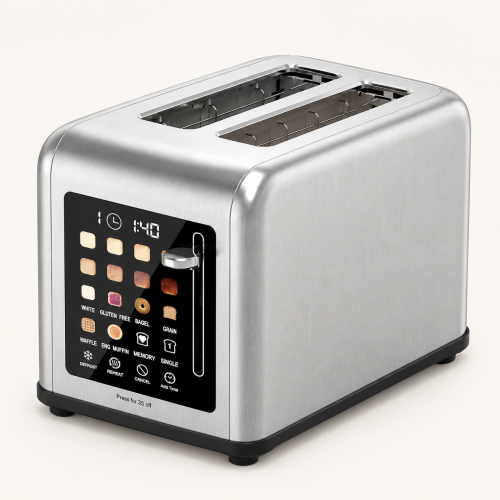
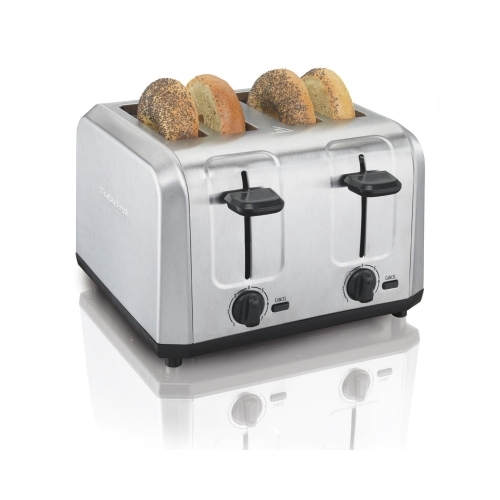
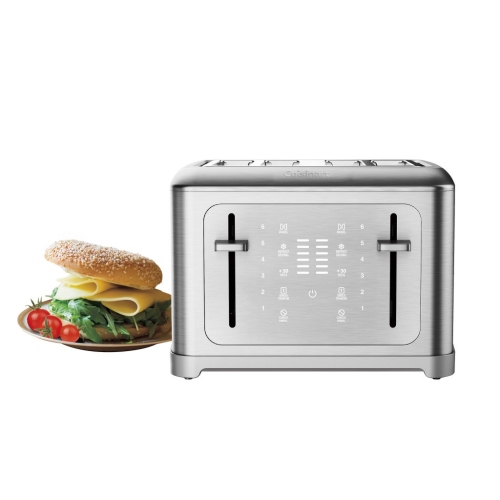
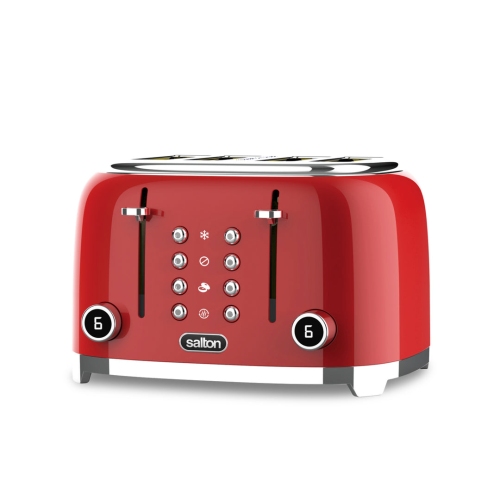
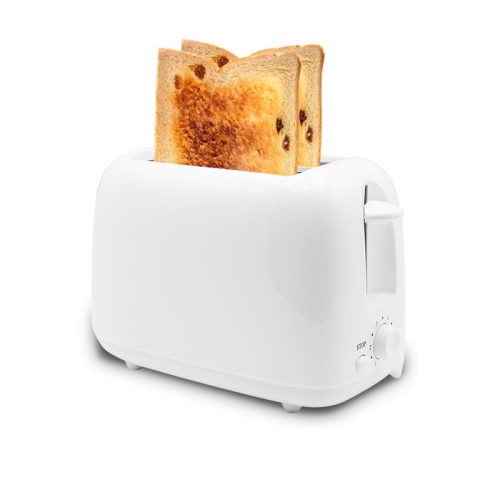
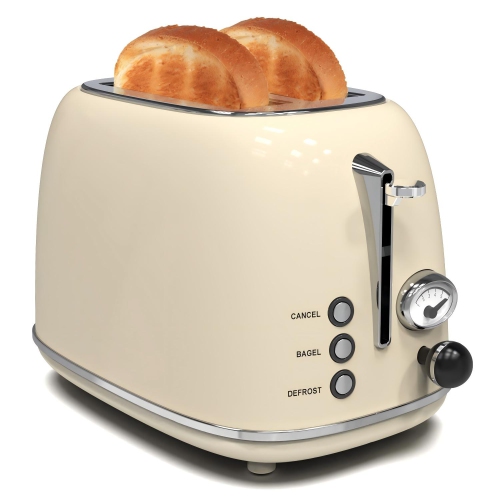
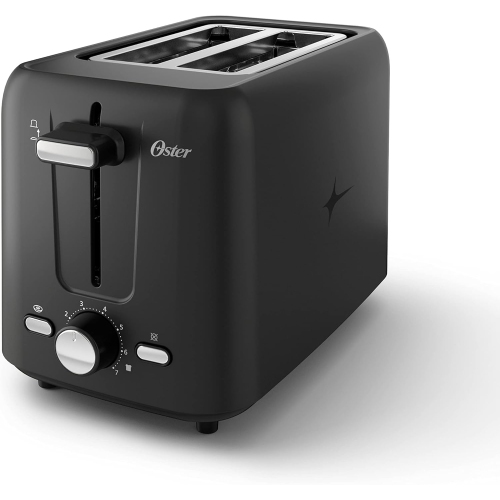
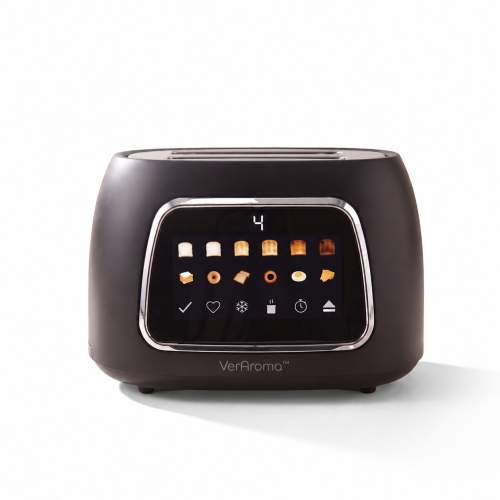
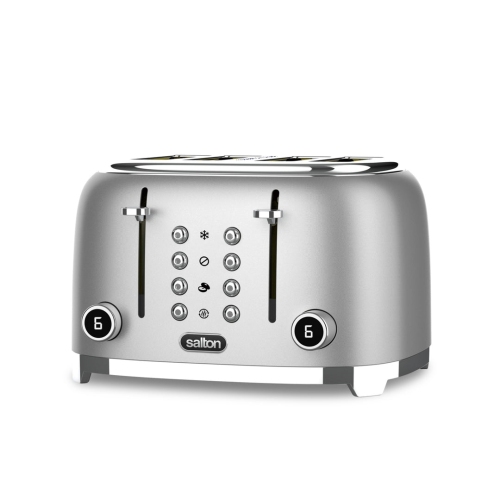
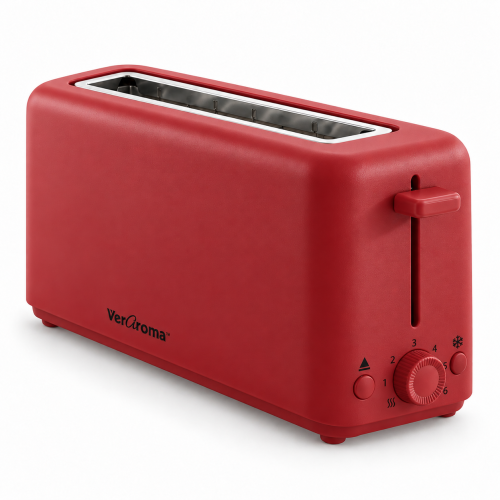
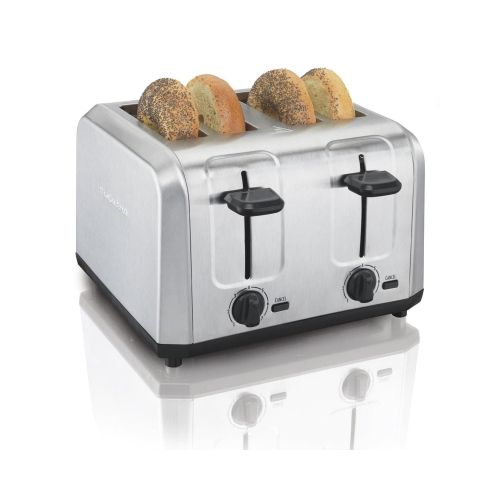
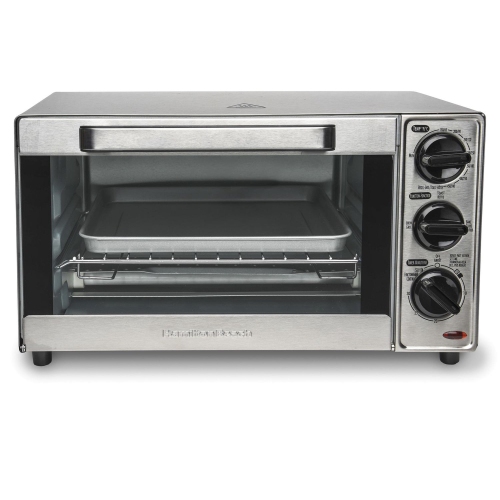
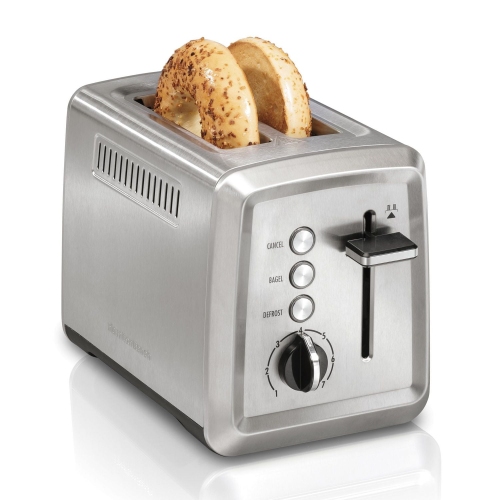
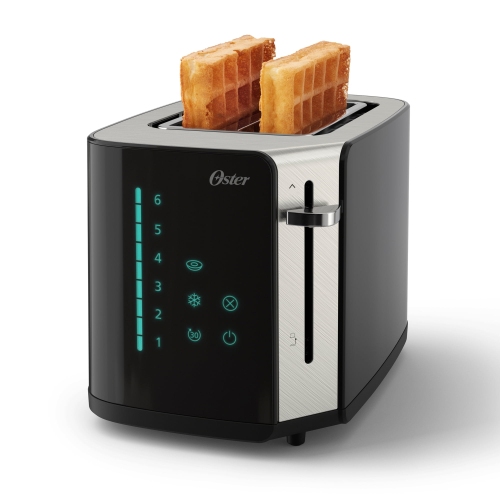
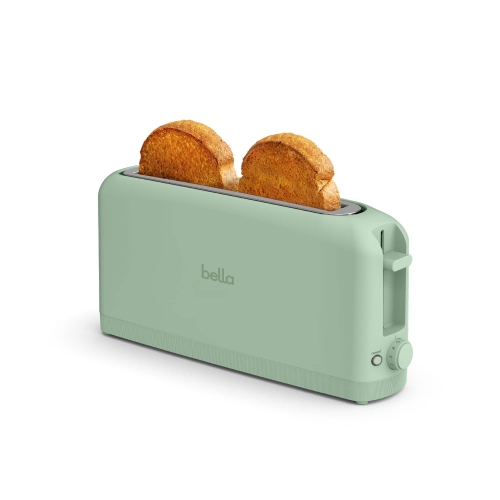
Large bread toasters have extra-long or extra-wide slots designed to accommodate bread that may not fit comfortably in a standard toaster, including broad sourdough slices, thick Texas toast, and sliced oversized bagels. Slot length determines how much of a wide slice can sit inside the toasting chamber, while slot width determines how much thickness it can accept. Those measurements matter more than the overall size of the appliance: a bulky toaster does not necessarily have room for a long slice from the centre of a round artisan loaf. A long-slot design can help toast that slice without trimming the ends or turning it partway through, provided the bread fits within the stated slot dimensions. Extra-wide slots serve a different purpose, giving thicker bread and split bagels room to sit without being forced down. Some designs combine both features, making them useful for households that alternate between sandwich bread, crusty bakery loaves, and thick-cut toast. Capacity also needs a little context. Some two-slot toasters have elongated openings that accommodate four standard sandwich slices, but two large artisan slices may occupy that same space. Four separate slots can suit families making several breakfasts at once, although each opening still needs to be long and wide enough for the bread being used. For someone who regularly brings home an unsliced loaf, the most useful fit is often the widest slice near its middle rather than the smaller end pieces. Bread should sit freely in the slot, with no pressure needed to lower the carriage. This helps distinguish a toaster suited to generous slices from one that simply has a larger housing. Large bread toasters are especially practical for shared breakfasts, substantial toast topped with eggs or avocado after toasting, and quick lunches built around a favourite bakery loaf.
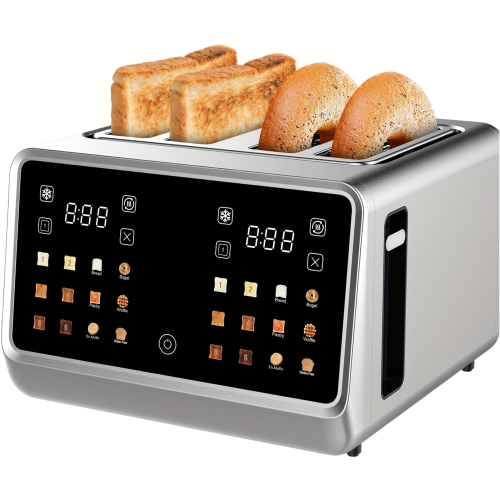
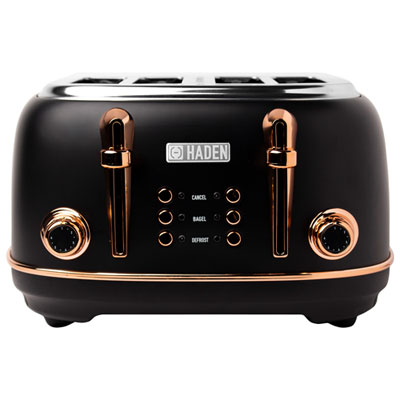
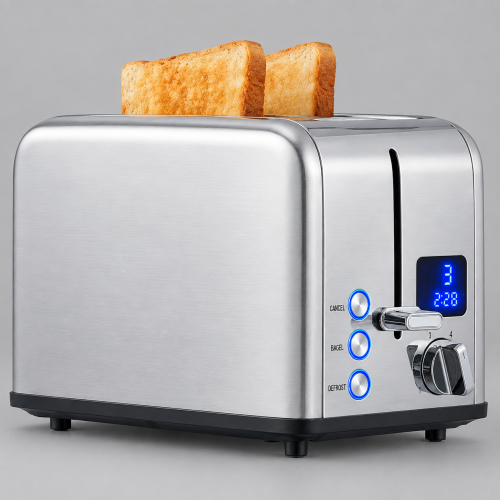
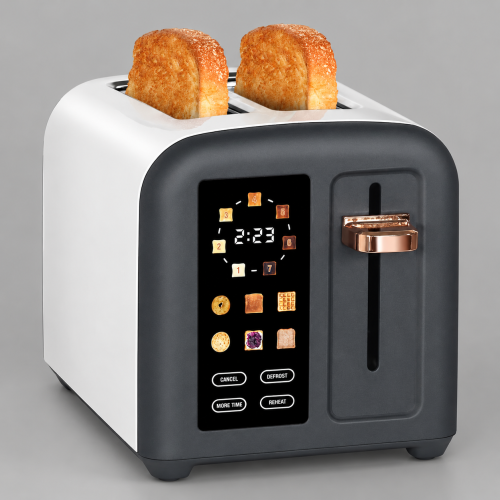
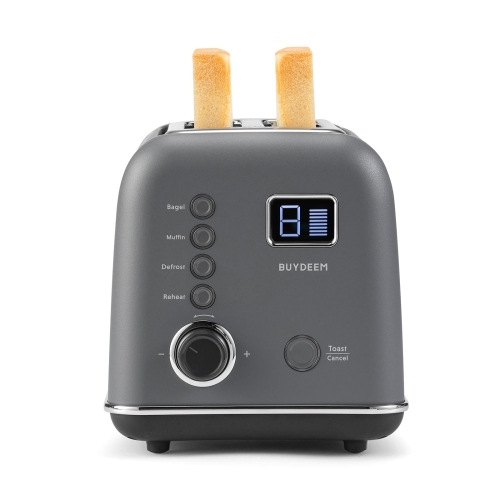
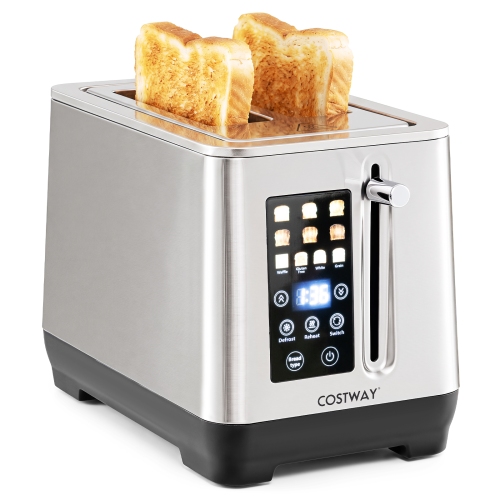
The appeal of a larger toaster extends beyond fitting more bread: its controls can make varied breakfast routines easier to manage. Adjustable browning settings allow for anything from a lightly crisp surface to a deeper golden finish, although the same setting can produce different results with different breads. A dense slice of sourdough, a soft piece of sandwich bread, and a sugary raisin loaf do not brown at the same rate. Moisture, thickness, and whether the bread is fresh or frozen all affect the result, so a familiar setting may need adjusting when the loaf changes. Self-centring guides can help hold slices between the heating elements, especially when thinner bread shares a toaster intended for thicker cuts. An extra-high lift raises smaller pieces closer to the opening, making English muffin halves easier to retrieve once toasting has finished. Where included, a defrost setting adjusts the cycle for frozen bread, while a reheat function is intended to warm previously toasted bread with limited additional browning. Bagel settings vary by design; some concentrate heat on the cut face, while others alter the overall cycle, so the control description matters more than the button name alone. Separate controls for each pair of slots can be useful when one person prefers pale toast and another wants a darker finish. A clearly marked cancel button offers a straightforward way to end a cycle before it finishes. These details suit busy households where breakfast preferences rarely match exactly, as well as individuals who like different breads throughout the week. For back-to-back batches, browning can change as the toaster retains heat, making easy-to-read controls particularly useful. The best match is not necessarily the appliance with the most settings, but one whose slot dimensions, capacity, and everyday functions correspond to how breakfast is actually prepared.
Countertop fit, construction, and cleaning are just as important as the size of the bread a toaster can hold. Long-slot housings often occupy a different footprint from more compact four-slot designs, so both width and depth affect how comfortably the appliance sits beside a kettle or coffee maker. There also needs to be sufficient clearance above and around it, following the manufacturer’s directions, rather than treating the space beneath a low shelf as an automatic fit. Controls should remain accessible, and a removable crumb tray needs enough room to slide out without repeatedly moving other appliances. Stainless steel housings bring a familiar kitchen finish, though polished surfaces can show fingerprints; painted metal and plastic exteriors offer other textures and colours, with cleaning requirements depending on the finish. Alongside metallic and darker options, White Bread Toasters can complement pale cabinetry or create contrast against a dark countertop. A steady base, a carriage lever that moves smoothly, and controls with clear markings contribute to comfortable daily use. Exterior material alone does not establish durability, and a metal housing should not be assumed to stay cool during operation. Regular care centres on crumbs and accessible surfaces: unplug the toaster, let it cool fully, empty the crumb tray, and wipe the exterior as directed. The appliance should never be immersed in water, and knives or other utensils should not be inserted to retrieve bread. Butter, cheese, and other toppings generally belong on toast after it comes out, unless the appliance explicitly permits their use. For a housewarming or wedding gift, a large bread toaster can be a thoughtful choice for someone who enjoys bakery bread or regularly prepares breakfast for several people. Its lasting usefulness comes from an uncomplicated fit with the recipient’s kitchen, preferred bread, and daily routine.
Top selling and popular products
-
 Your price for this item is $34.99
-
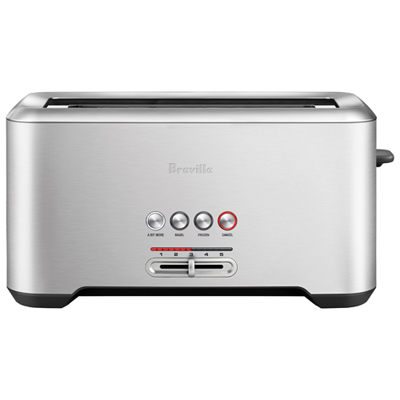 Your price for this item is $159.99
-
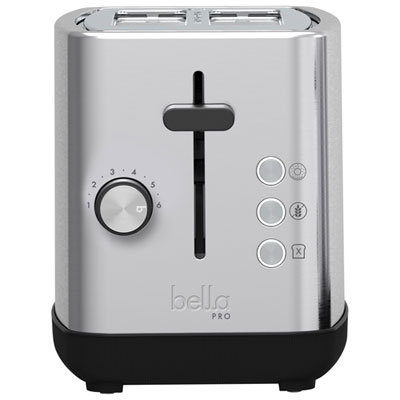 Your price for this item is $109.99
-
 Your price for this item is $122.82
-
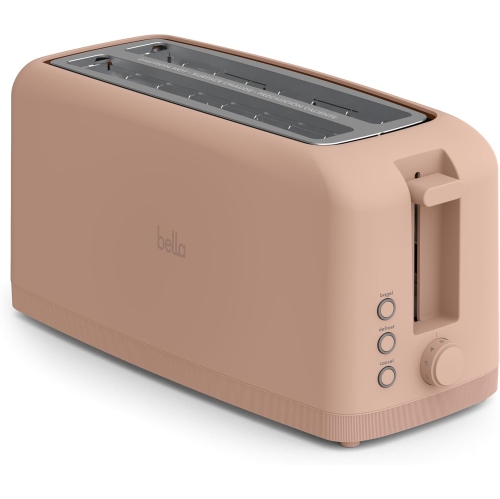 Your price for this item is $104.99
-
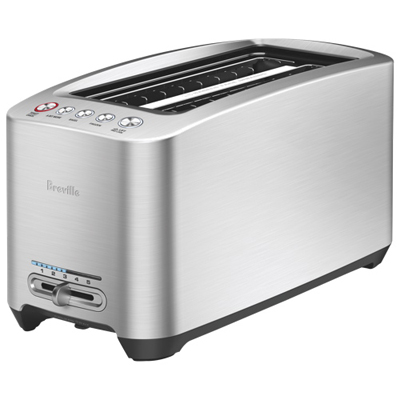 Your price for this item is $179.99
-
 Your price for this item is $209.99
-
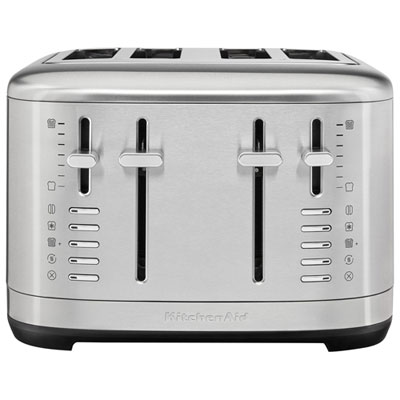 Your price for this item is $219.99
Discover more categories related to Large Bread Toasters

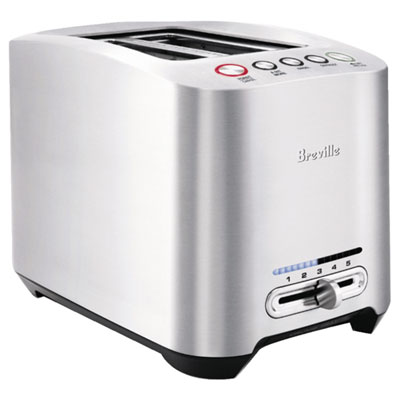
Top Collections:
Best Black Friday Deals This Year, Best Black Friday Deals On Electronics, Kindle Devices, Pokemon Centers, Best Black Friday Deals On Apple Products, Best Cameras for Sports Photography, Dyson Airwrap, Pokémon 30th Celebration Cards, Apple iPhone 17 Pro, Canon G7X Cameras
Some products may be subject to Environmental Handling Fees
(EHF) depending on your province.
Learn more about EHFs.